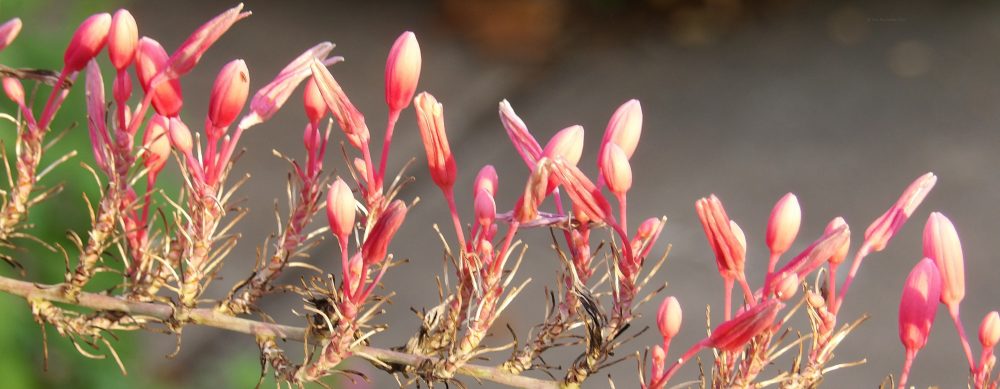
June 20-26 is the week set aside this year to celebrate pollinators and the important work they do.

Syrphid or Flower fly nectaring at a Zexmenia (Wedelia hispida)
EVERY week should be a week to celebrate pollinators and the important work they do.

Miner bee (Perdita ignota)(?) visiting a Fall aster (Symphyotrichum oblongifolium)
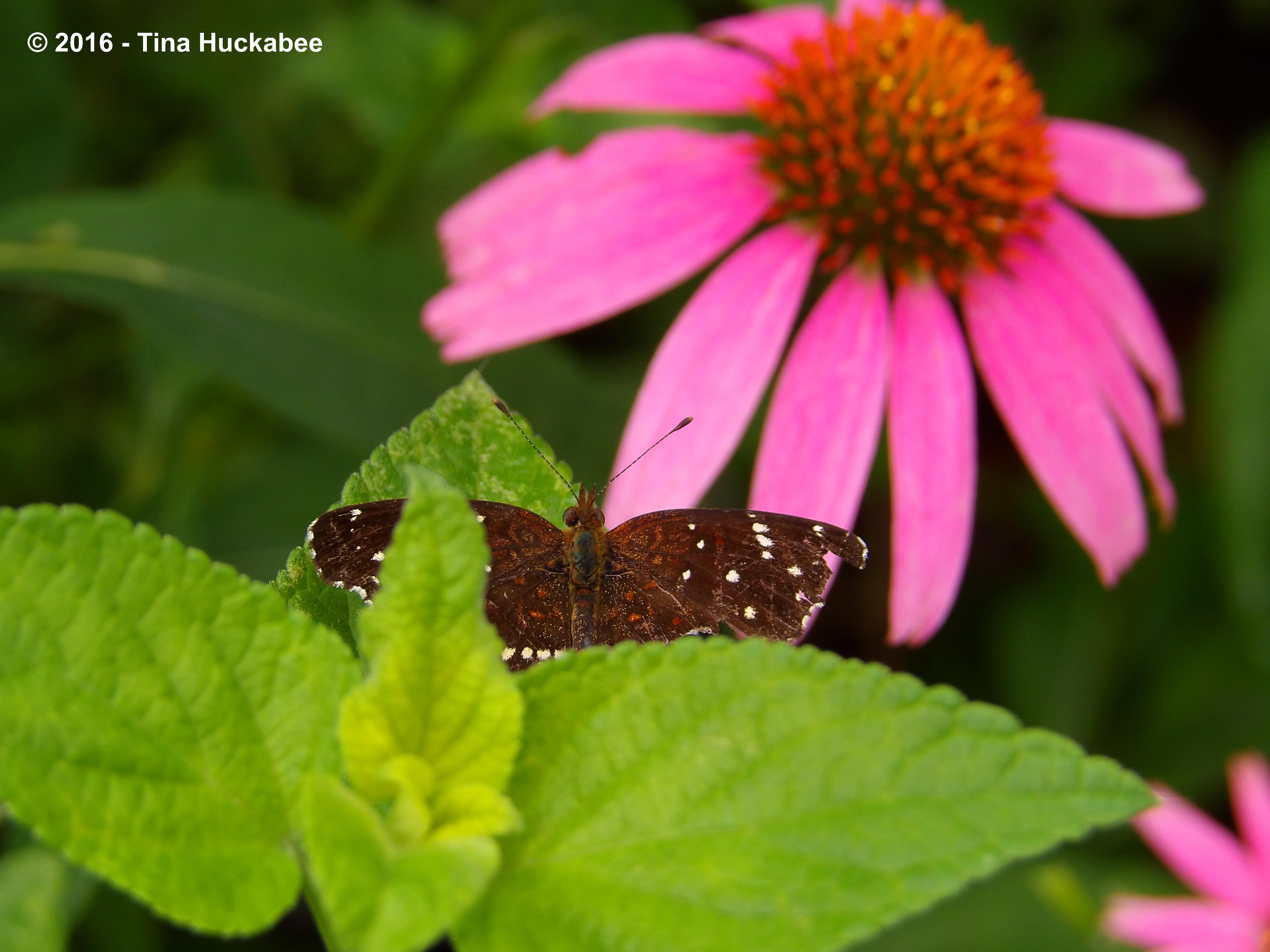
Texas Crescent (Anthanassa texana) considering a trip to the Purple coneflower (Echinacea purpurea)
Pollinators constitute the thread that holds together the world’s food web and native plants production. Upwards to 90% of native plants are pollinated by insects, birds, and bats; 1 out of every 3 bites of food humans partake of is pollinated by (primarily) bees–honeybees, and wild, or native bees. According to Pollinator Partnership, 1,000 different plants that humans use in a variety of ways are pollinated by pollinating animals,

American lady (Vanessa virginiensis) at a Purple coneflower bloom
…and in the U.S. alone, pollinators produce products worth $40 billion annually.

Two-spotted Long-horned bee (Melissodes bimaculatus) at a Purple coneflower
The bottom line is that pollination and pollinators are principal players in the good health of all eco-systems.
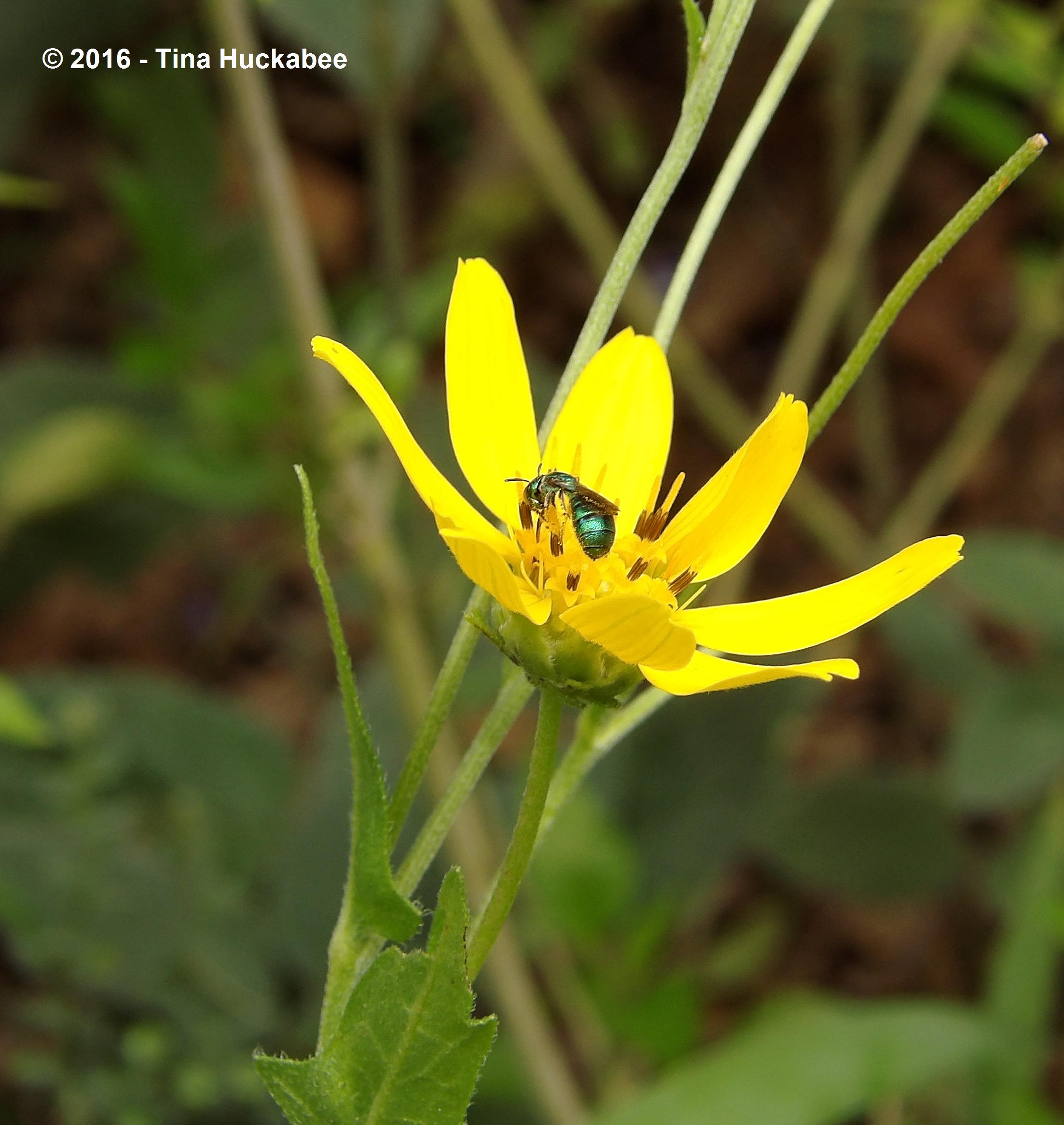
Sweat bee (Augochloropsis metallica)(?) and an Engelmann’s daisy (Engelmannia peristenia)
What is pollination? It’s the process whereby pollen is moved, usually either by pollinating animals or the wind, to other plants thus assuring reproduction of the plants with development of seeds and fruit–and the next generation of viable plants.

Fly and Fall aster
Pollination produces new plant life.
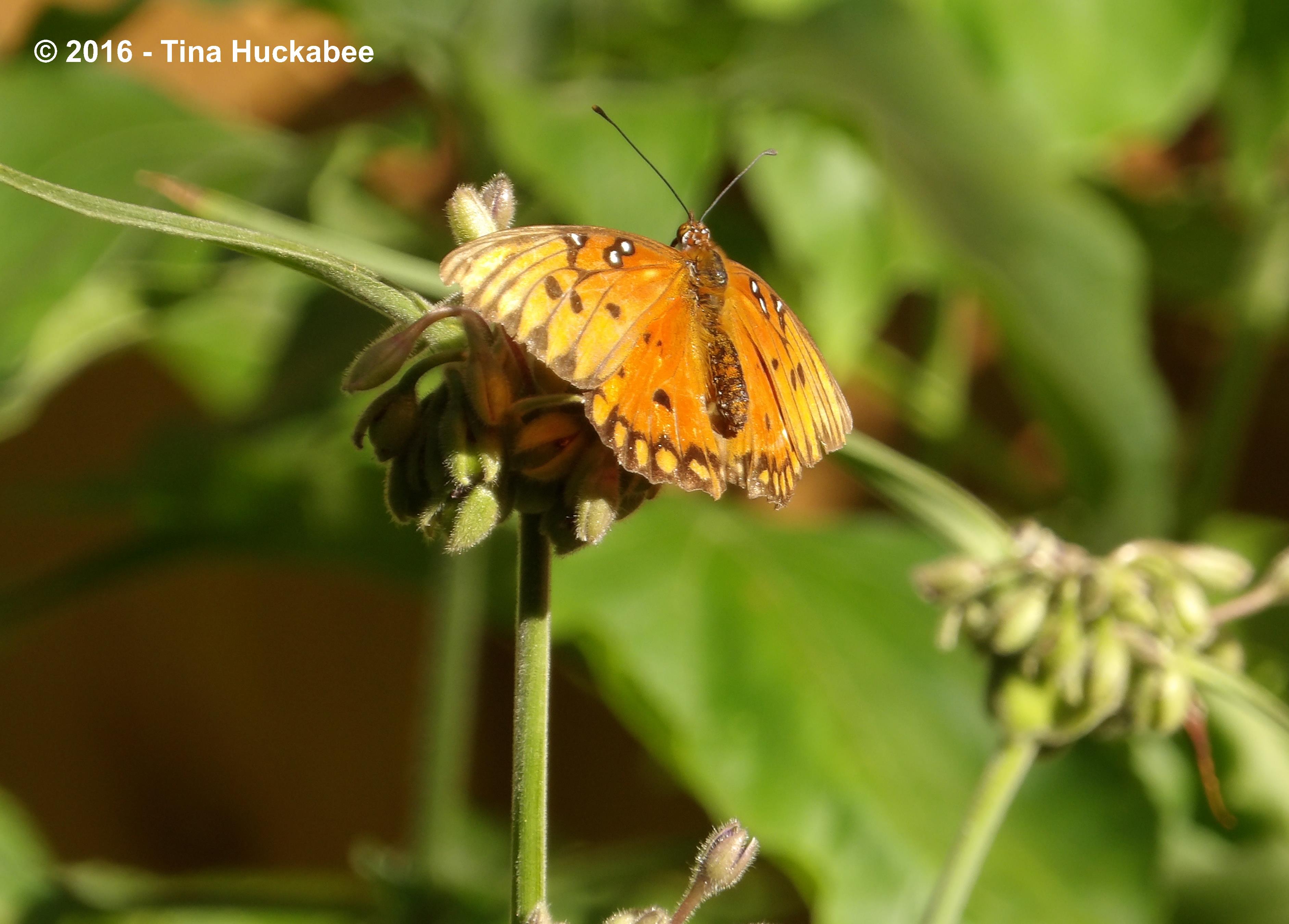
Gulf fritillary (Agraulis vanillae) resting on a Giant spiderwort (Tradescantia gigantea)
What are pollinating animals? Pollinators include, but are not limited to: birds, bats, moths and butterflies, flies, mosquitoes (Boo!), native/wild bees, and honeybees. There are many, many other insects that pollinate. Additionally, in parts of China where overuse of chemicals has killed all natural pollinators, people must hand pollinate some agricultural fields.
That frightening fact should scare all of us into taking care of the Earth’s pollinators.

Honeybee (Apis mellifera) nectaring at a Blue passion-flower (Passiflora caerulea)
We know that pollinators are declining throughout the world because of habitat destruction, over and mis-use of chemicals, certain big agriculture practices, the unfettered spread of invasive plant species and the decline of native-to-region plant species, as well as other reasons, like pollinator diseases.

Orange Skipperling (Copaeodes aurantiaca) working at a Rock rose (Pavonia lasiopetala)
The outlook for the health of pollinators and therefore, the rest of us, is tricky at best.

Sweat bee (Lasioglossum) (?) collecting pollen from a Clasping coneflower
So, what can we do? The easiest thing is to plant for pollinators in our own home gardens, or neighborhood school gardens, or local parks–or all three, plus anywhere else you can think of.
It’s so simple!
Get rid of some (or all!) of the water-wasting turf so common in home and commercial landscapes. Mono-culture turf feeds nothing, except for problematic insects, and requires more irrigation, more chemicals, and more effort than planting native or well-adapted flowering perennials and annuals.
Once your garden bed is prepared and planted, sit back and watch the show. If you plant it, they will come.

Gray Hairstreak (Strymon melinus) working a Purple coneflower
Your garden doesn’t have to be huge, but do plant a variety of blooming plants for the whole of your growing season–the more, the merrier!

Red Admiral (Vanessa atalanta) visiting a Purple coneflower
It’s always best to use native plants if you have access to a local seed source or a nursery that promotes native plants. But non-native, well-adapted blooming annuals and perennials will also do the pollinator trick. Ask the nursery or plant provider if any pesticides were used when growing the plants you want to buy. If so, don’t buy them and TELL the nursery why. Pesticides and insects are not a good combination–EVER.

Minor bee (?) nectaring at a Zexmenia flower
Contact your County Extension Agent’s office for a list of good pollinator plants for your area. As well, locally owned nurseries are usually great sources of information on pollinator plants. The Pollinator Partnership, Lady Bird Johnson Wildflower Research Center, and National Wildlife Federation are all excellent on-line sources for learning about pollinators and how you can be a part of the solution to their problems.

Three honeybee amigos hanging out with three Purple coneflowers .
Pollinators are beautiful.
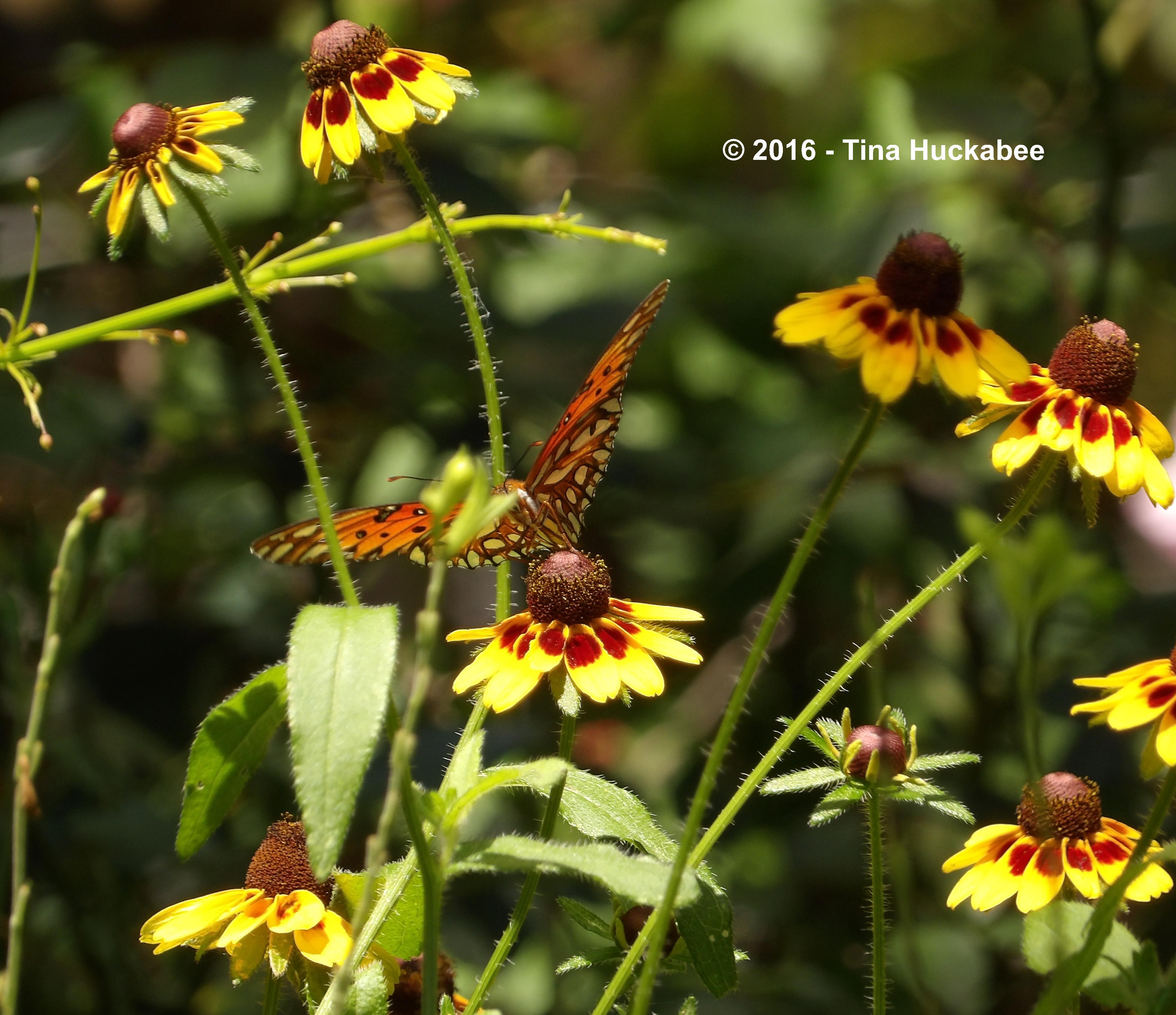
Gulf fritillary visiting Clasping coneflowers
Pollinators are vital links in the fitness of the Earth’s eco-systems.
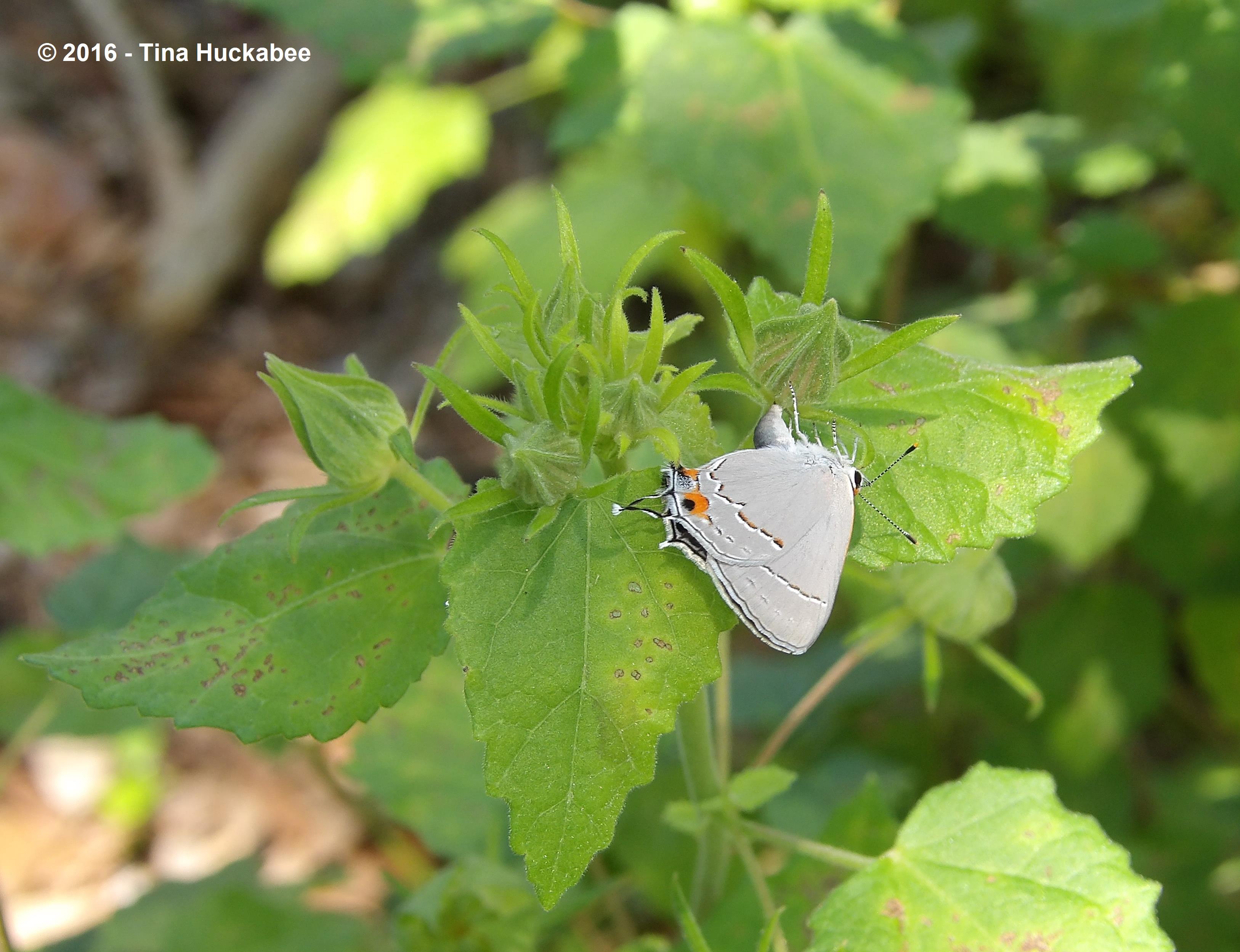
Gray hairstreak resting on the foliage of Rock rose

Minor bee (?) heading for the nectar and pollen of a Winecup (Callirhoe involucrata)
Pollinators deserve to live and thrive.

Soldier beetle (Cantharidae family) sipping nectar from a Purple coneflower

Plant for pollinators in your garden. Encourage neighbors and community organizations to do the same. Lobby your local, state, and national representatives to set aside land so that these essential creatures can continue their work and contributions to the well-being of our world.
Happy National Pollinator Week!

Pipevine Swallowtail (Battus philenor) resting on Turk’s cap (Malvaviscus arboreus) foliage
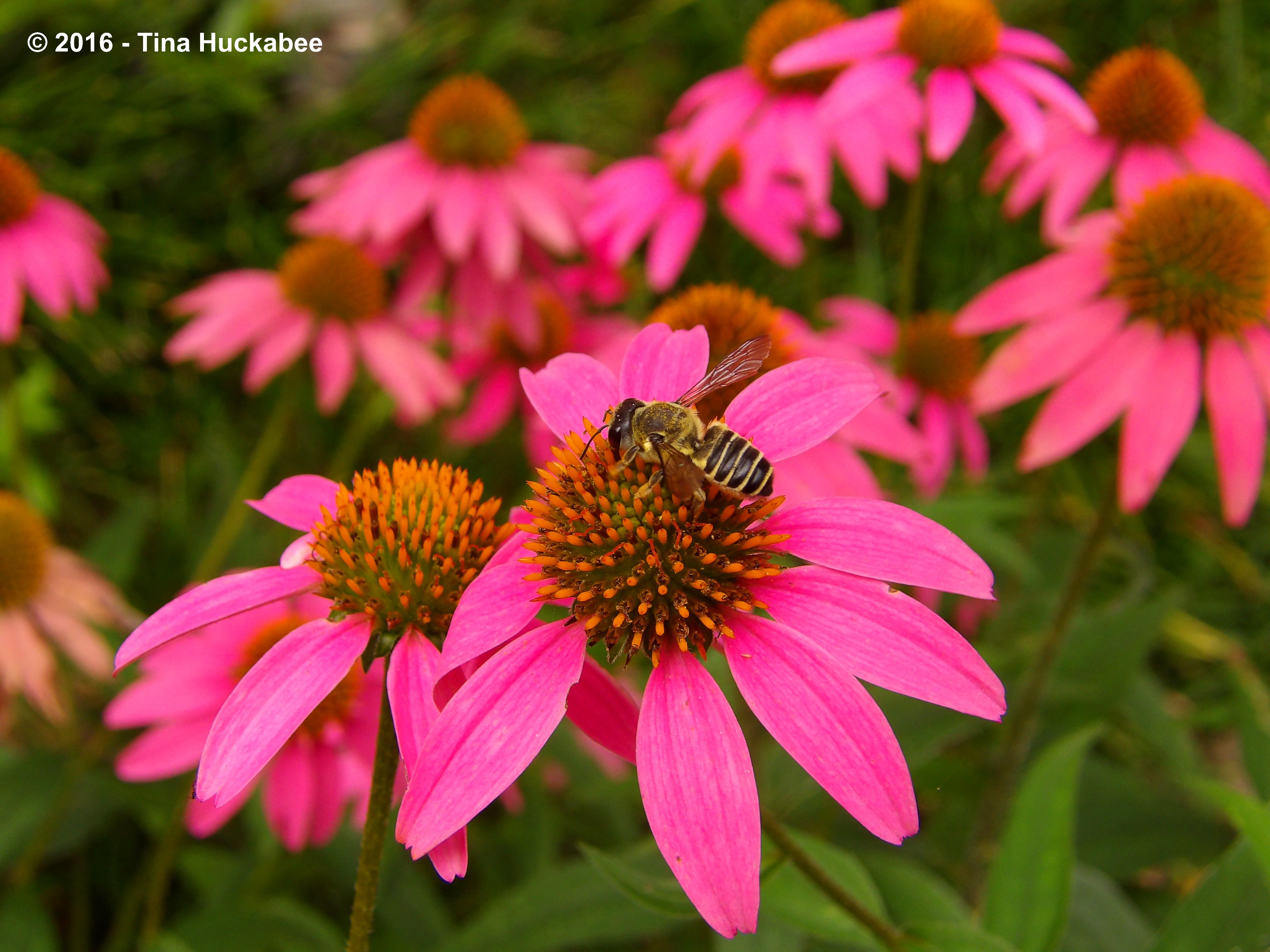
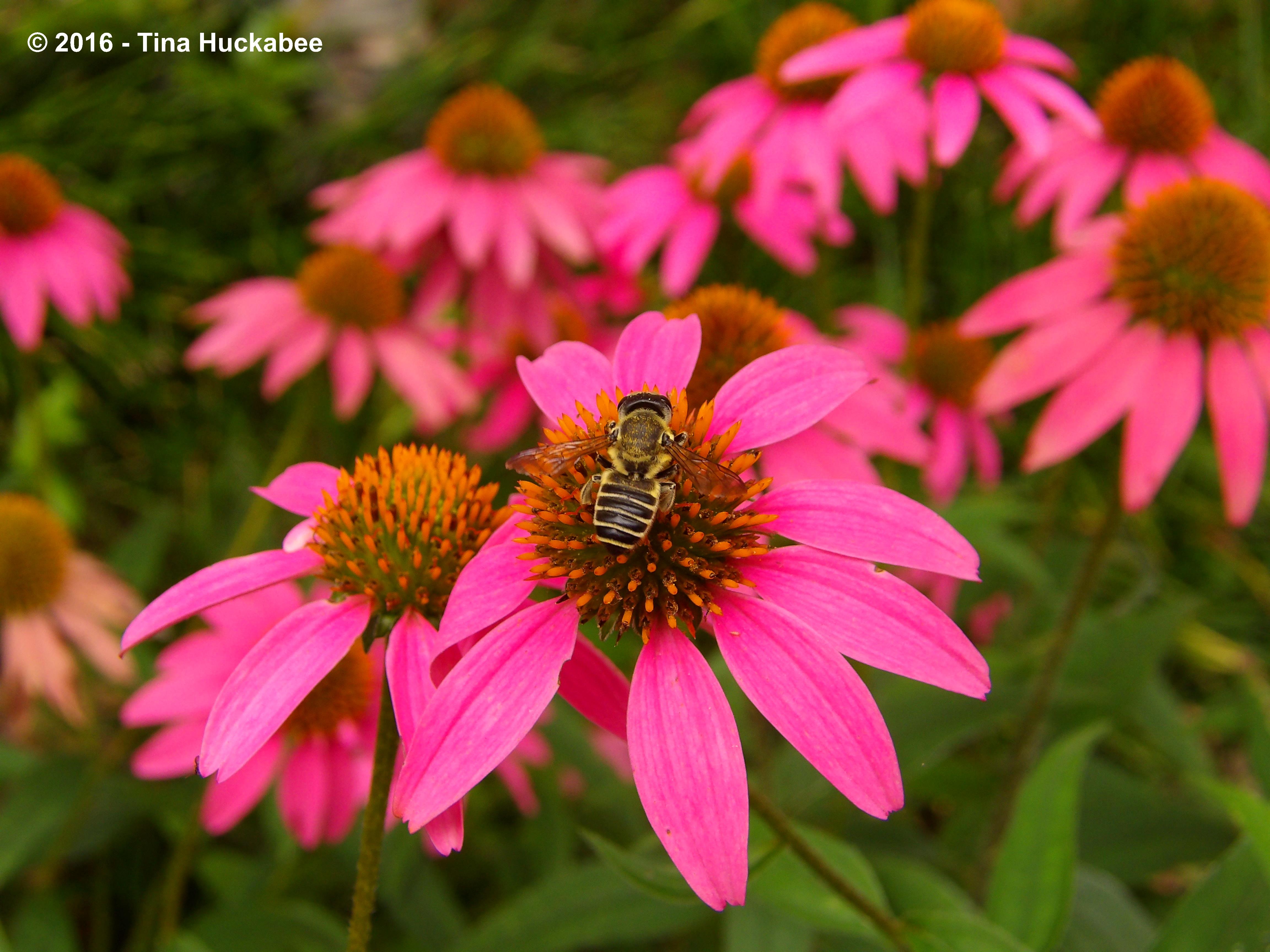






 My Gardener Says...