The world’s favorite season is the spring. All things seem possible in May.
Thank you, Edwin Way Teale, May is pretty great here in Central Texas, too. The temperature is warming, but not summer hot. Rain is a regular event, and the garden sparkles with color, and chirps and buzzes with life. This May 23rd, I’m delighted to join in with Chloris to celebrate Top Ten monthly blooms.
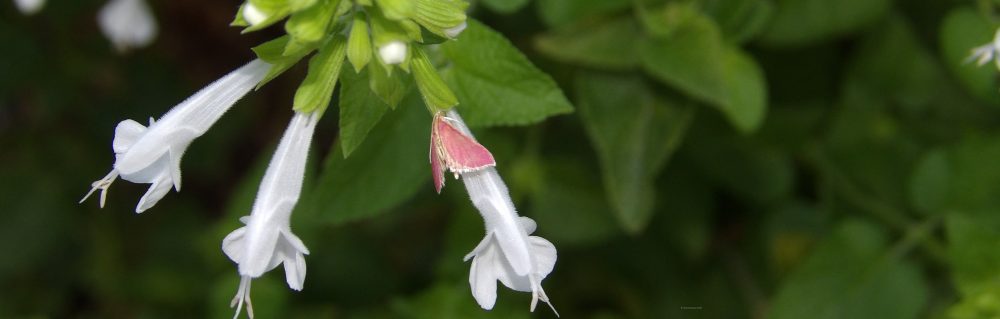
Mexican honeysuckle, Justicia spicigera, is an odd plant. It doesn’t employ a regular bloom cycle, instead, it blooms when it wants to. This year, my Mexican honeysuckle has flowered non-stop since late fall. Our winter was mild, with only one hard freeze in early March which didn’t faze the shrub one little bit. During years like this one–a mild winter and wet, cool spring–the blooms go on and on.

In years with “normal” winters of cool-to-cold temperatures, some days dipping well below freezing, the plant dies to the ground. After the die-back and come warmer temperatures in spring, the honeysuckle bush requires several months to flush out and begin blooming again.
This cluster shows only one flower open, but the others will surely follow, as will the pollinators.
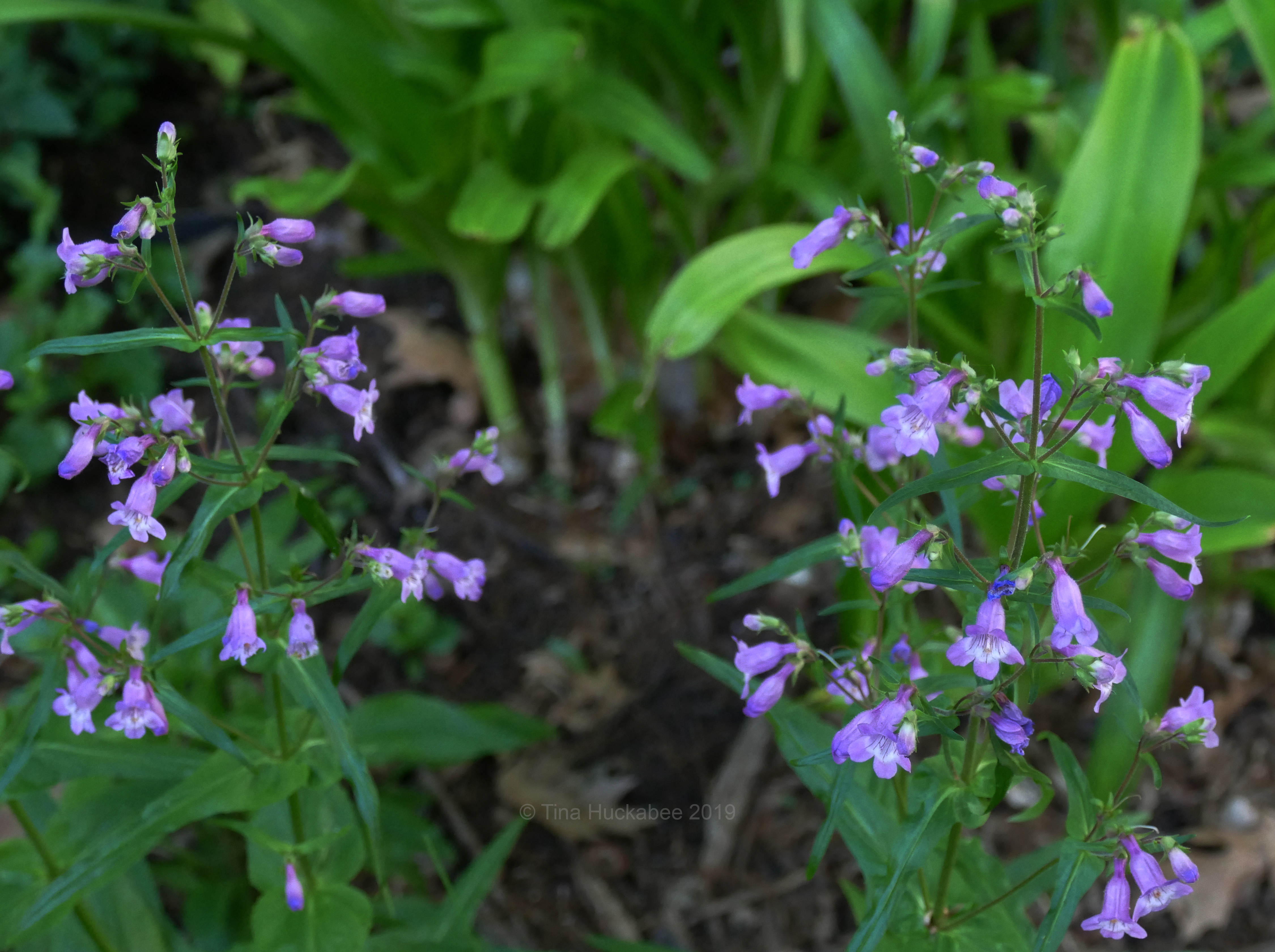
The dainty, belled flowers of Gulf penstemon, Penstemon tenuis, are a staple of my mid-to-late spring Texas wildflower show.

The sweet, lavender blooms feed honeybees, native bees, and butterflies. It doesn’t bloom for long, only 3 to 4 weeks, but the seed heads remain attractive until July or August, and the plant, best grown in a mass, provides evergreen groundcover for the remainder of the year.
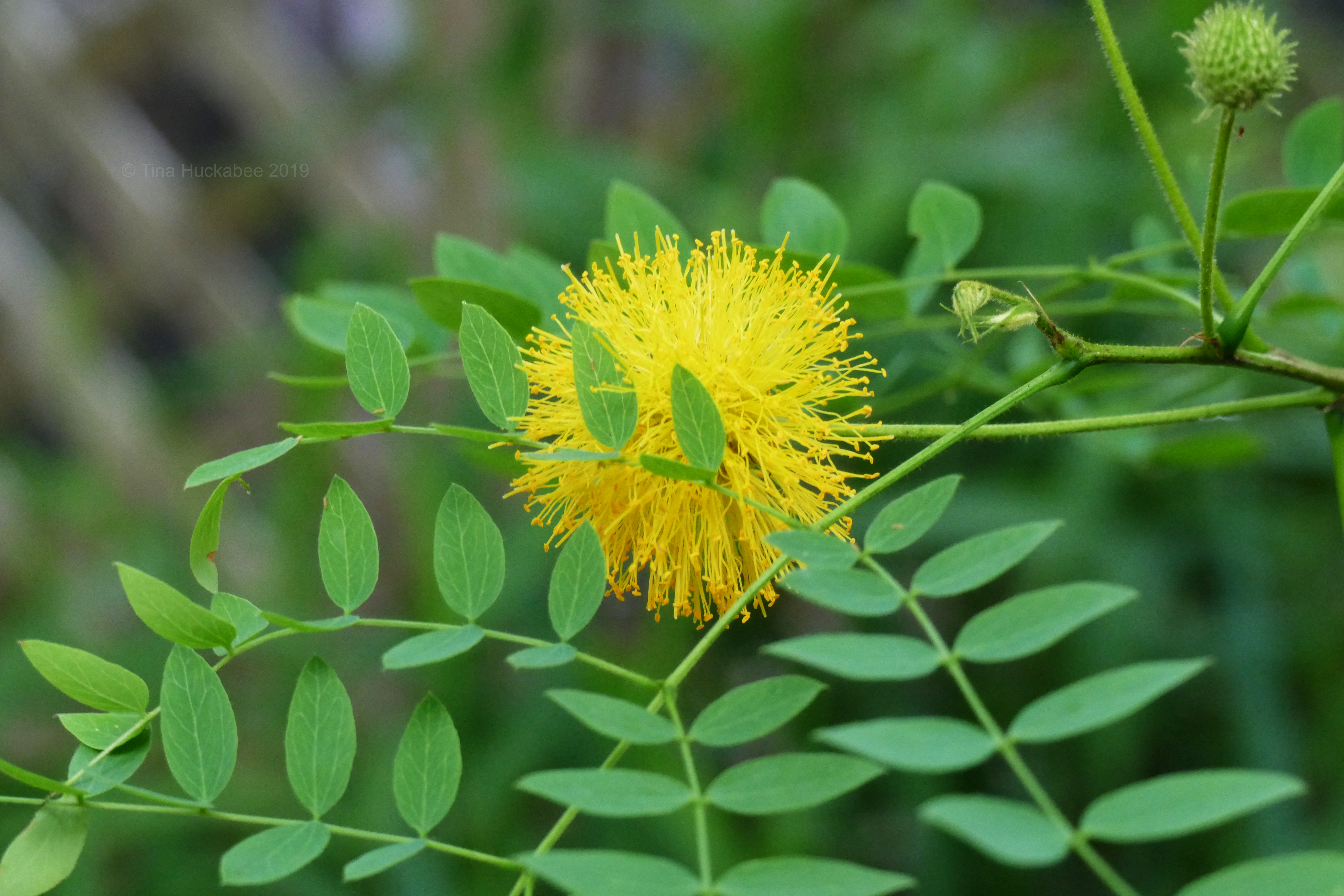
Goldenball Leadtree, Leucaena retusa, is a small, airy native tree bearing charming, kush-ball blooms in April and May.
I’ve noticed that in addition to the regular smaller bees–honeys and natives–large carpenter and bumble bees favor these cheery flowers.
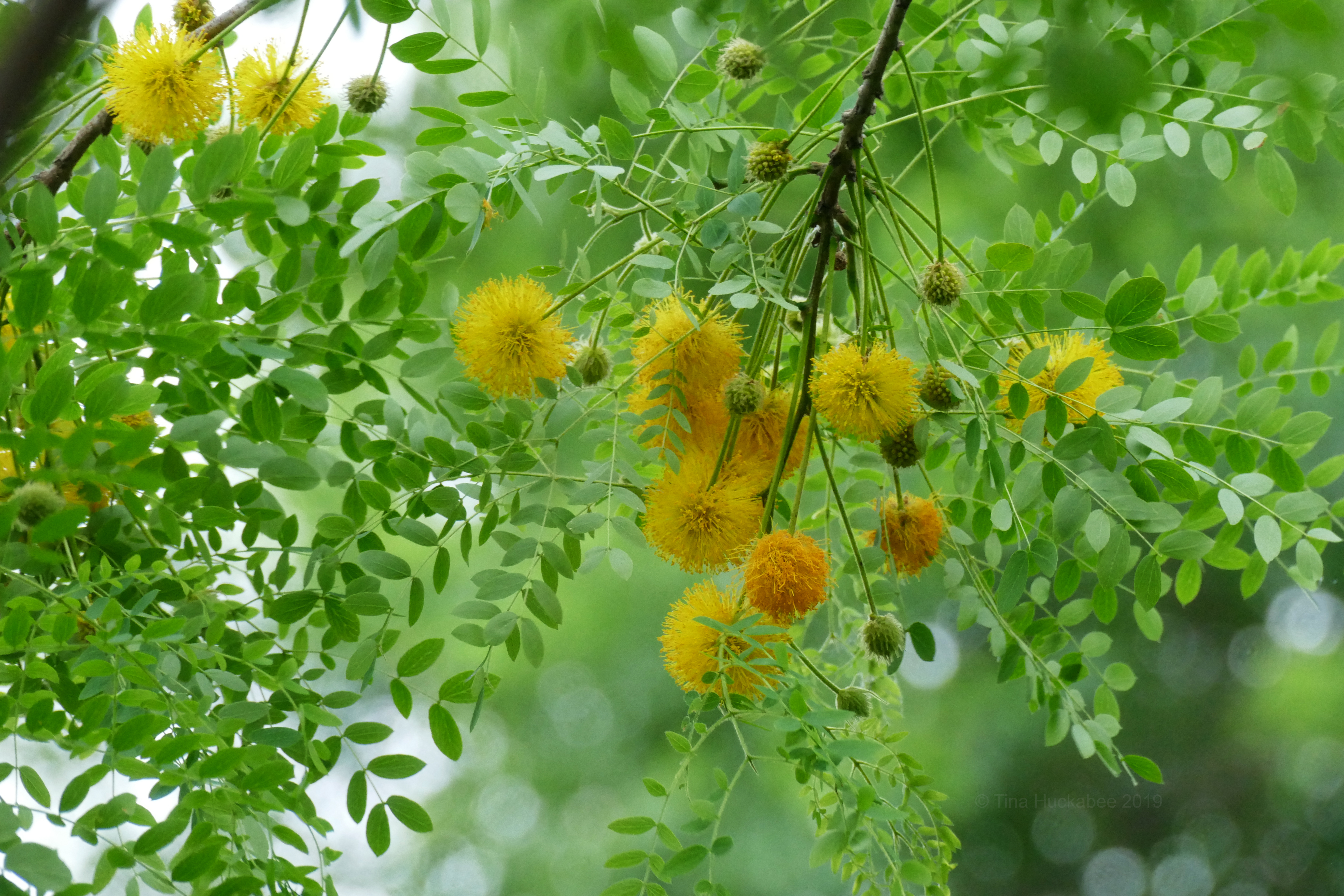
It’s been a windy spring, so I haven’t managed anything beyond a blur-of-bee photo at the blooms, but early one morning, the flowers themselves posed nicely.
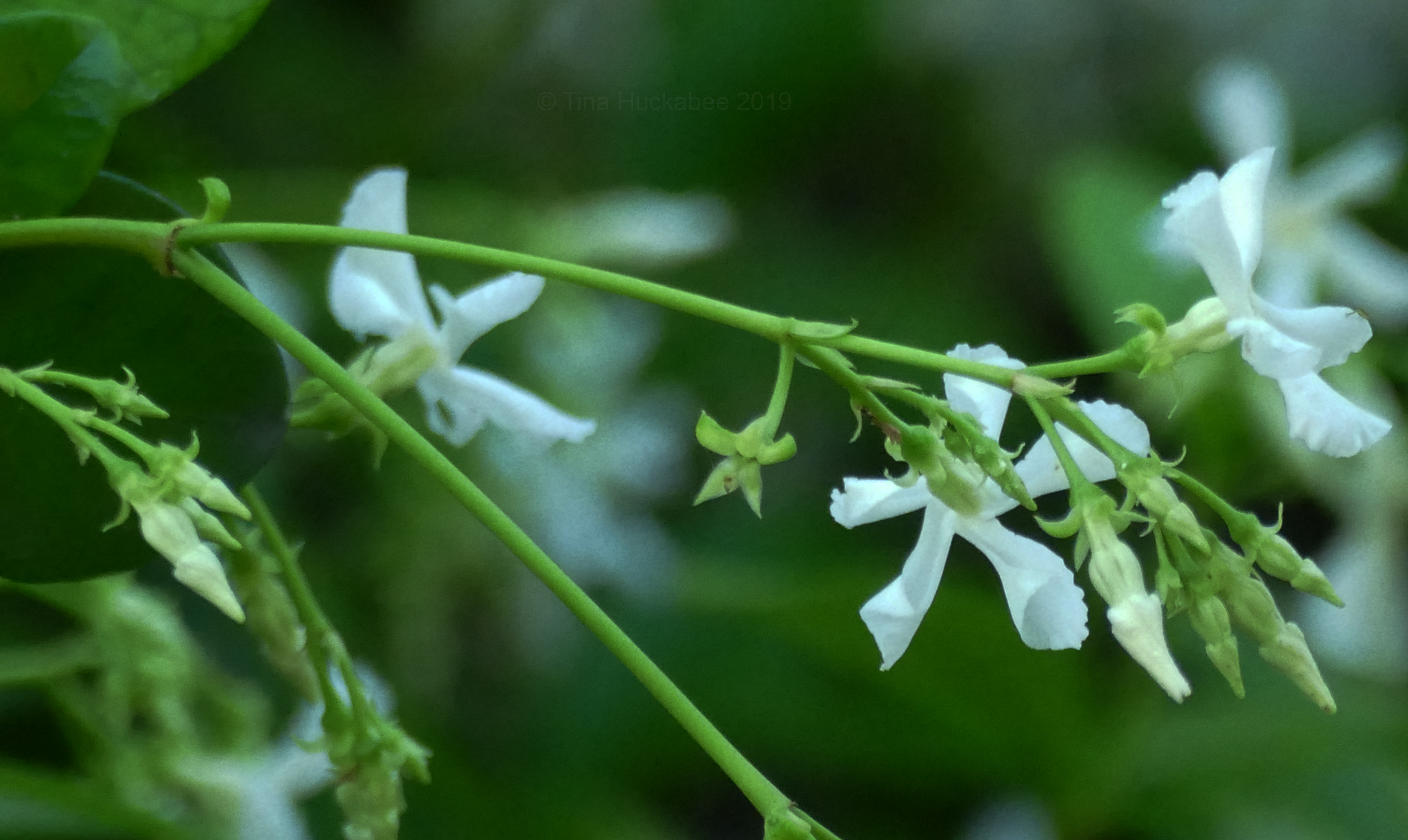
My back garden is a shady one, but at least one vine performs well with limited direct sun. Star jasmine, Trachelospermum jasminoides, is loaded with fragrant, white blooms beginning in April, continuing throughout the merry month of May.
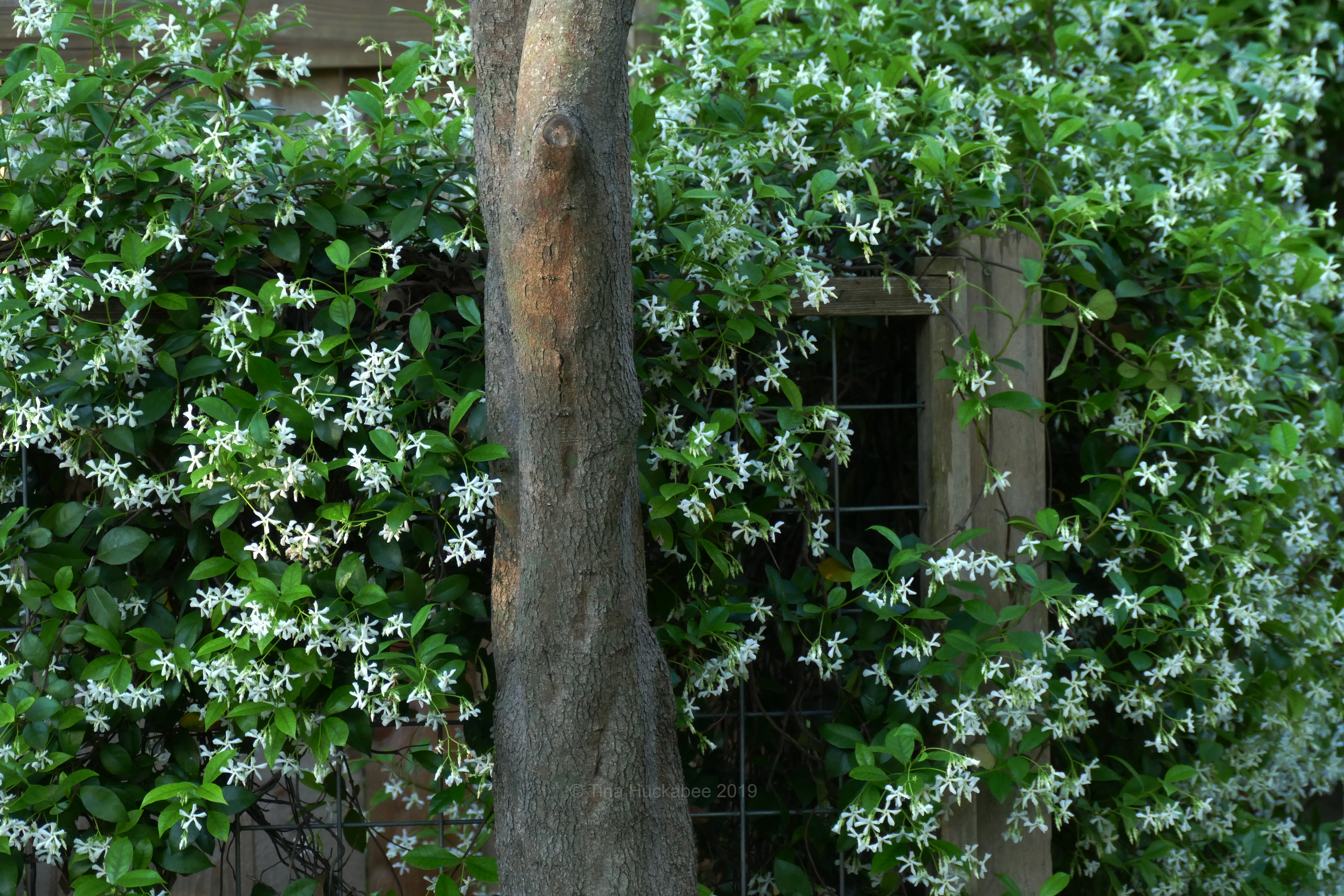
A full and lush vine, the snowy flowers twinkle and infuse the garden with a heady scent.

I’m reminded of my mother’s garden when my jasmine blooms. Each spring of my childhood, her vine–which grew just off of the kitchen windows–wafted sweet fragrance into our house. When the same happens in my garden and at my home, sweet memories follow.
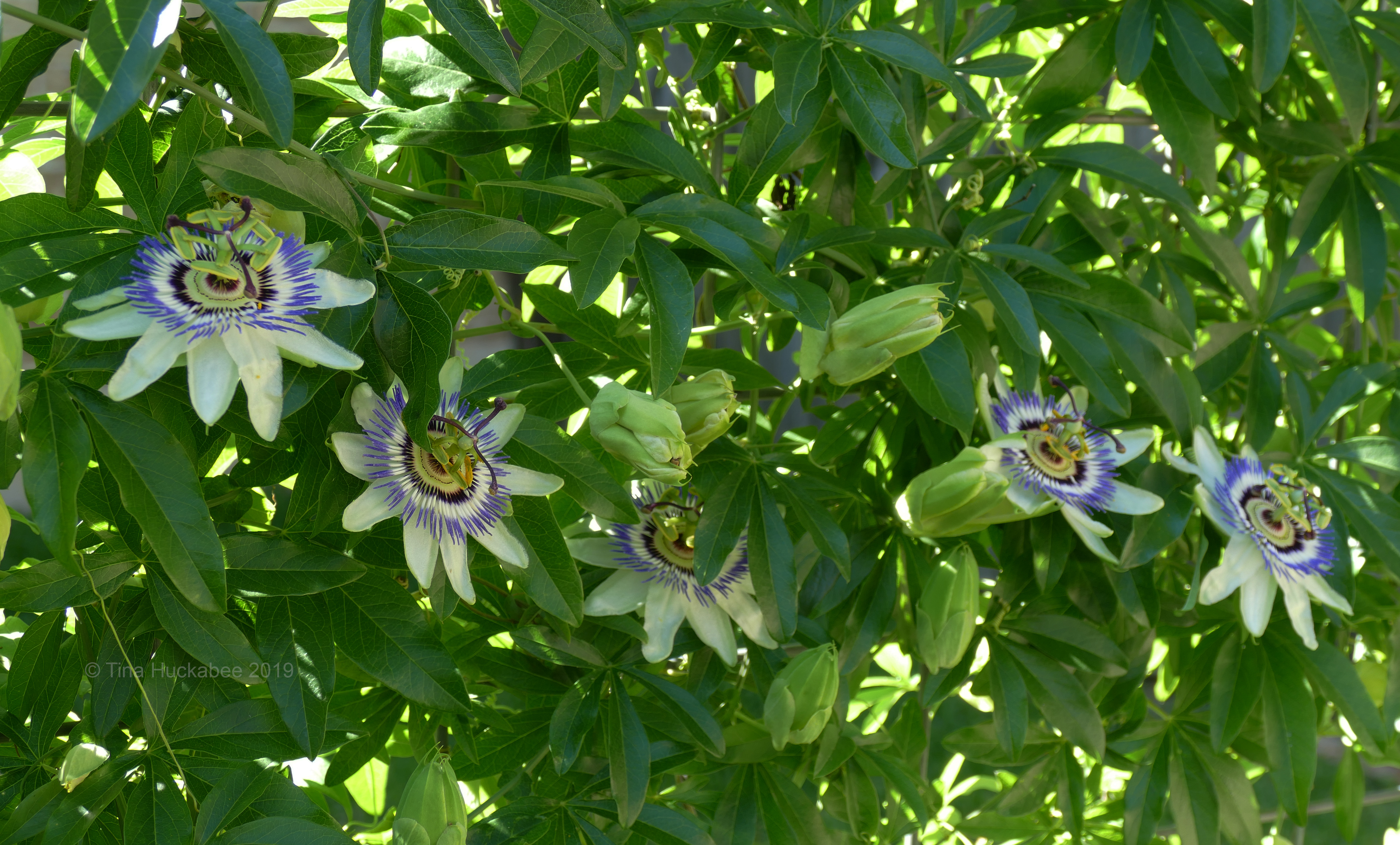
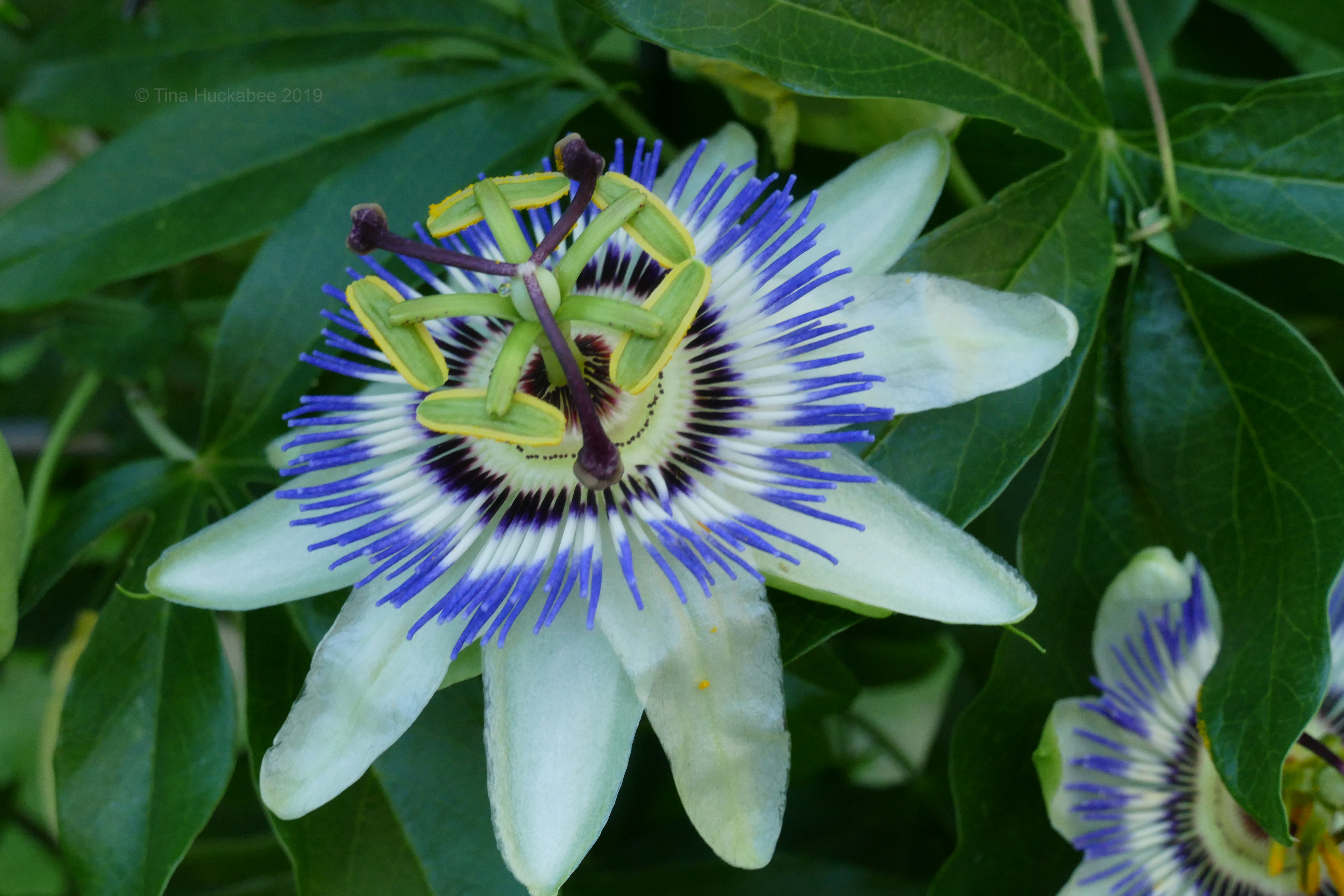
My mother also grew Blue passion vine, Passiflora caerulea. I recall that she loved the blooms. I grow the same passion vine not only for the quirky blooms, but because the foliage hosts the Gulf Fritillary butterfly.
An acquaintance once stated that she thought these flowers were so ugly, they’re cute.
I don’t agree with the ugly part of that equation, but I definitely think the flowers are cute.
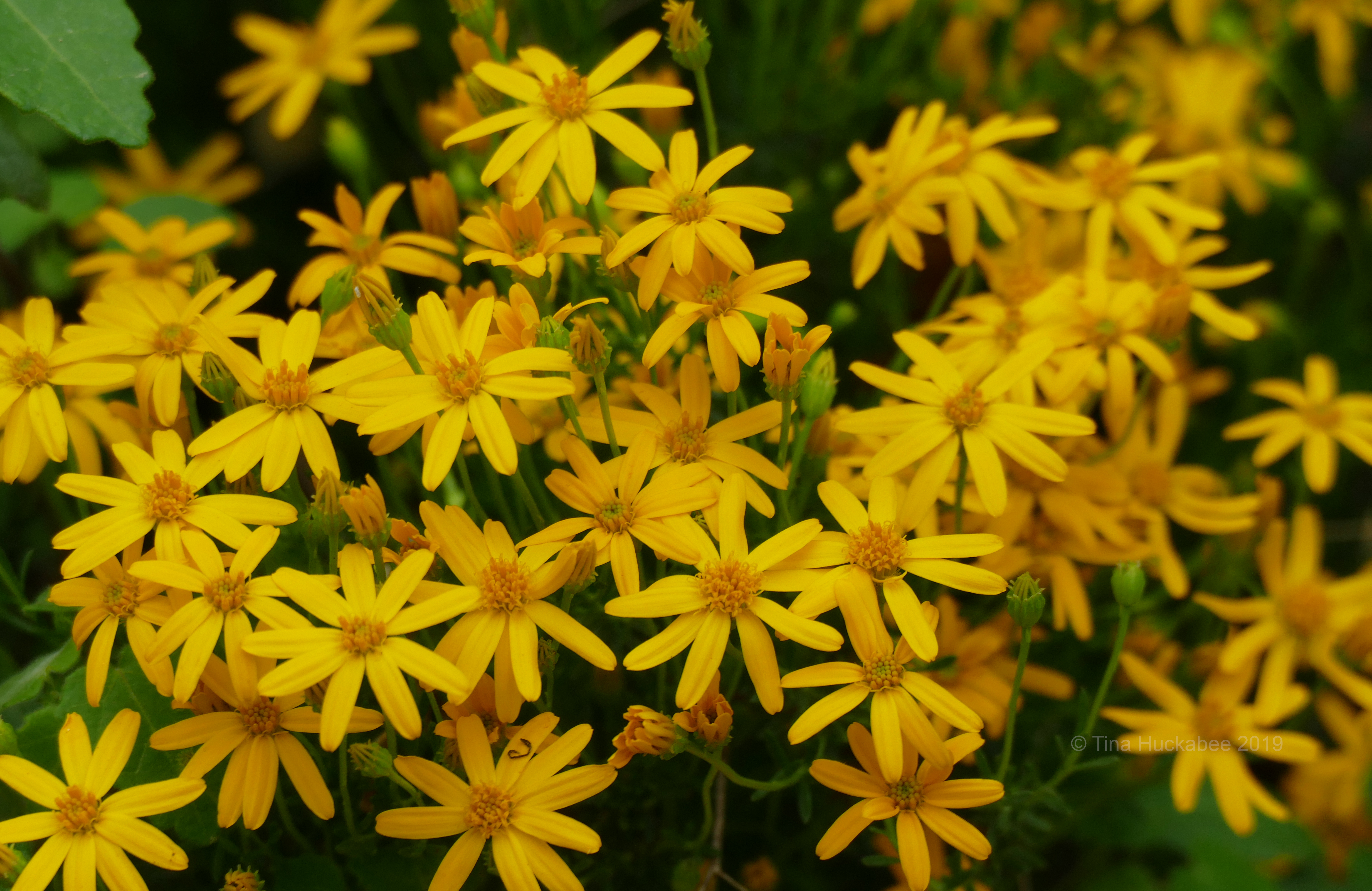
Native Damianita, Chrysactinia mexicana, provides blasts of sunshine on and off throughout the growing season. The first set of blooms brightening the garden open for business in late April or May.
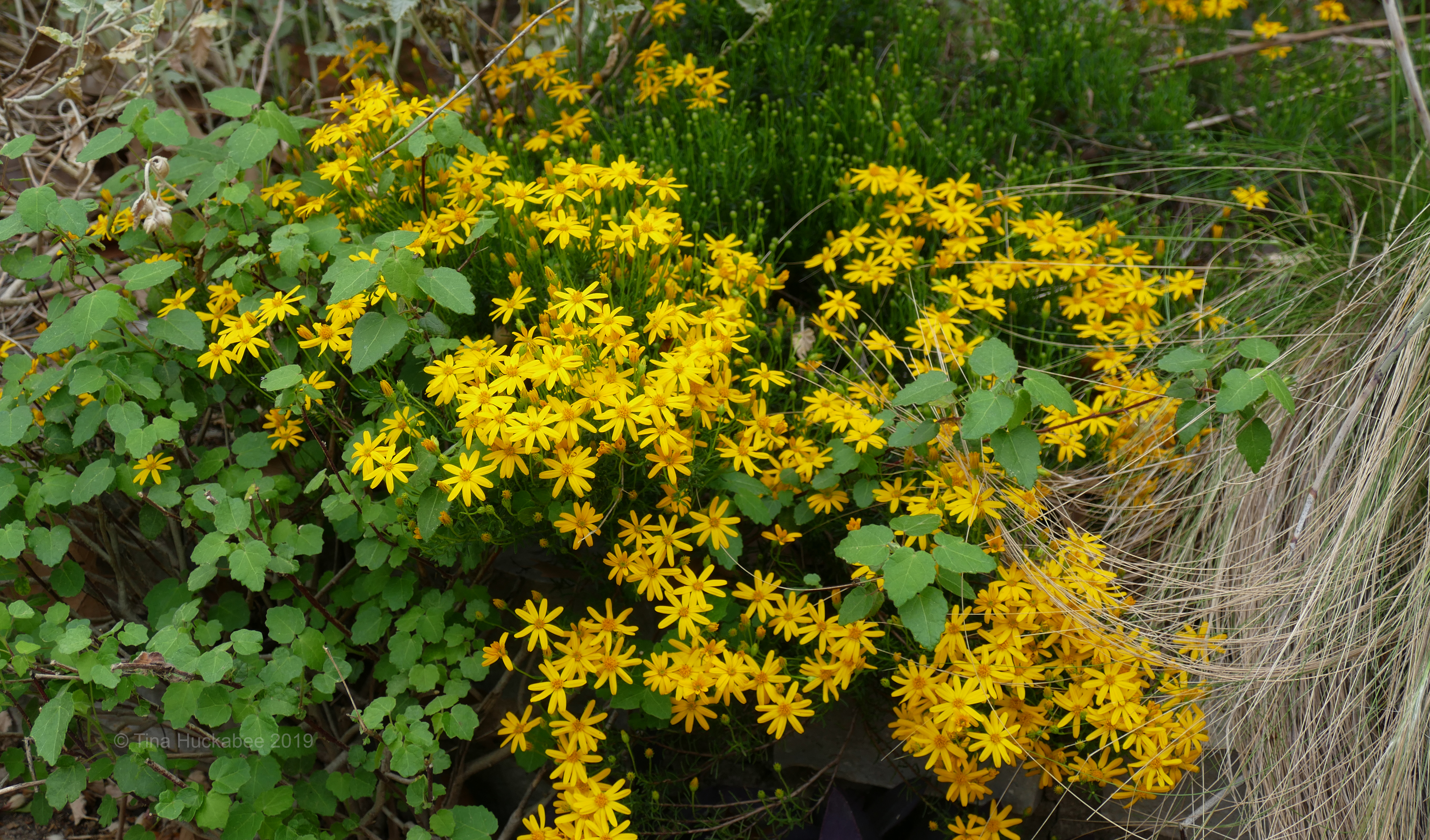
The individual blooms are small, pretty in and of themselves, but as a group, they pack a powerful floral punch.
I love blue flowers. A few years back, a friend passed on some seeds of Blue curls, Phacelia congesta. The resulting plants have reseeded each year since, enough to feed plenty of small pollinators and those pollinators’ predators.
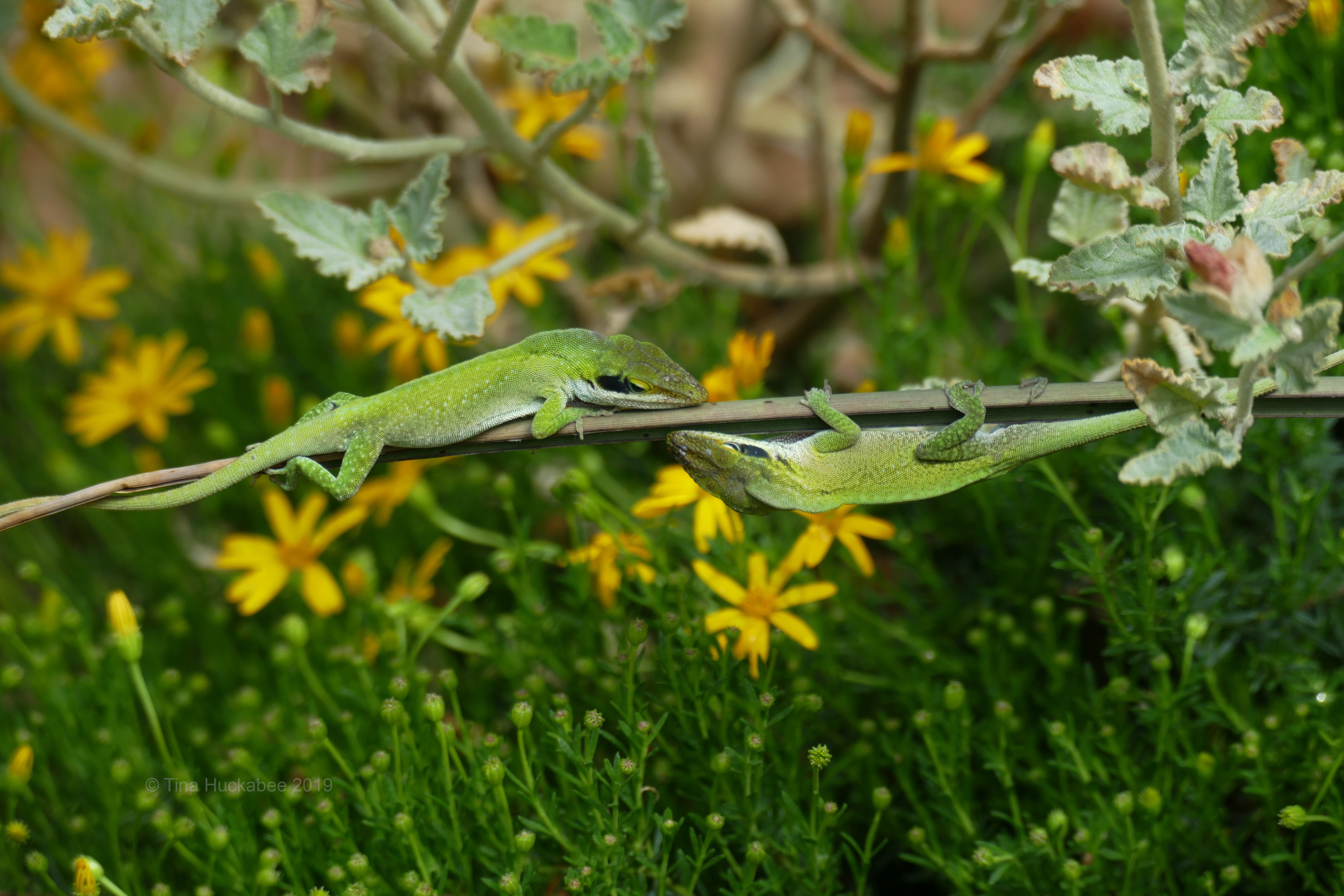
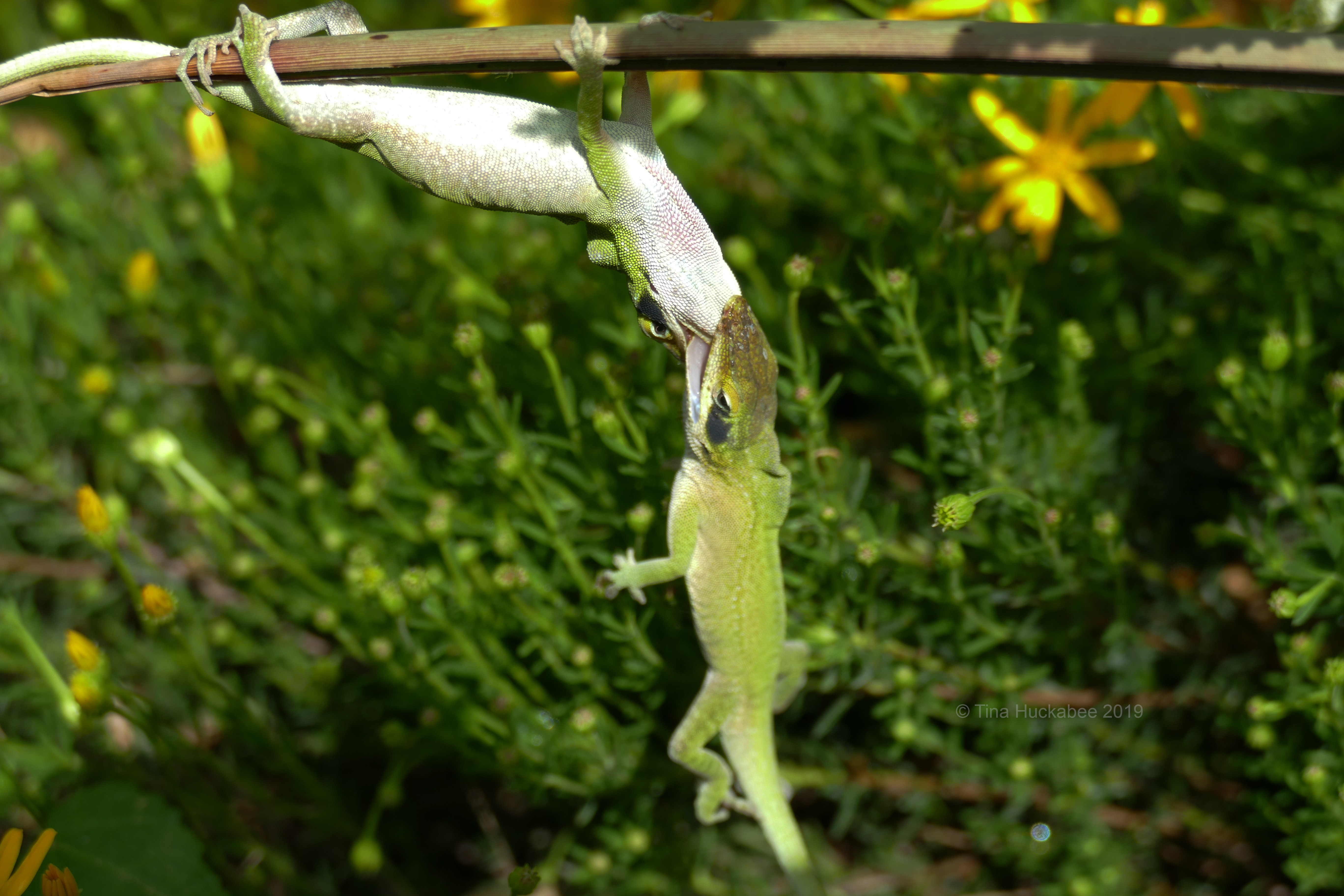
I observed this well camouflaged Green anole lizard among the blooms as he hunted for dinner.

A close up of Blue curl–sans lizard– demonstrates the coil from which each individual bloom develops.
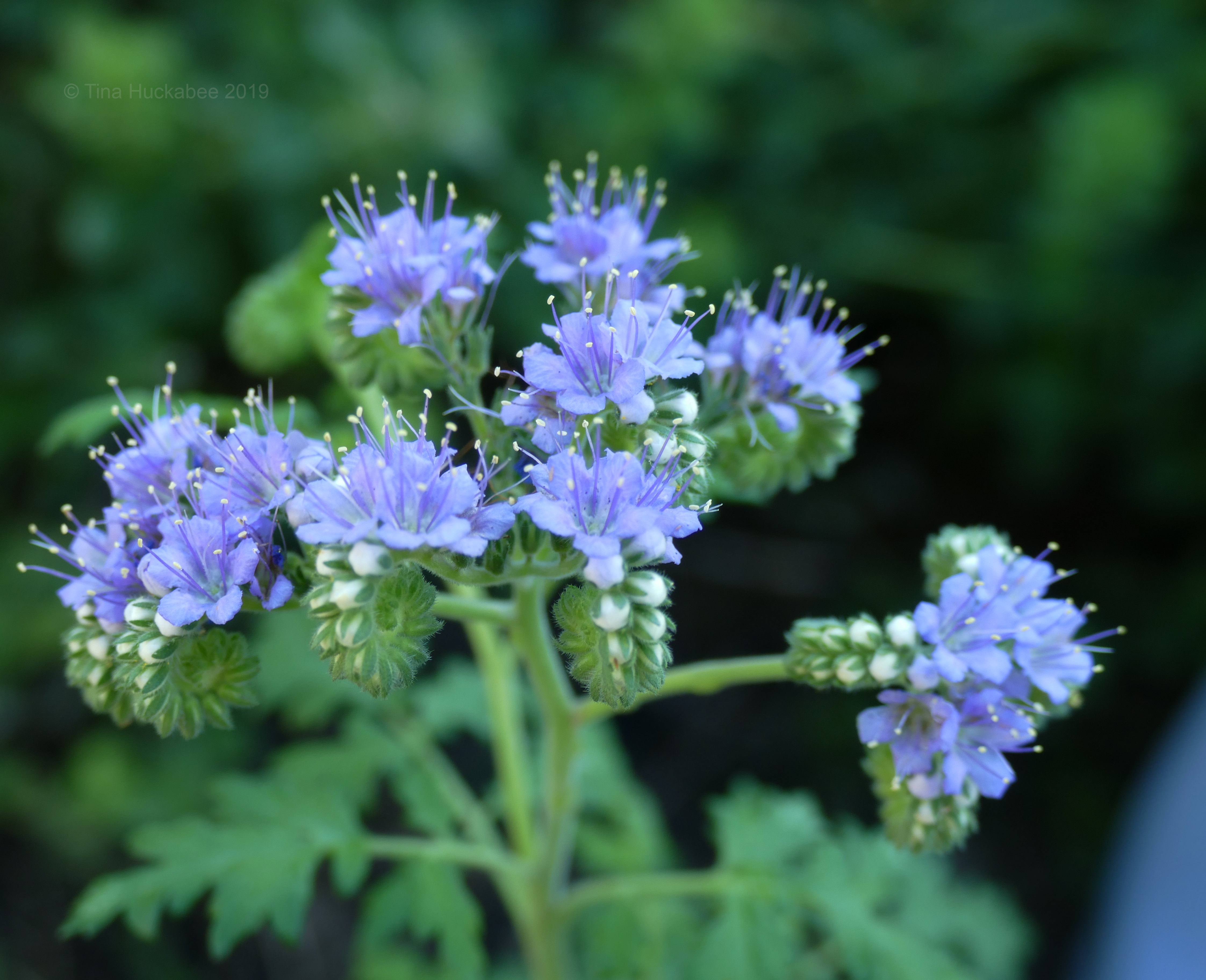
These darling flowers put on their best show when grown in groups. This year, five individual plants seeded out in one part of my garden; they’ve added blue beauty to that garden.
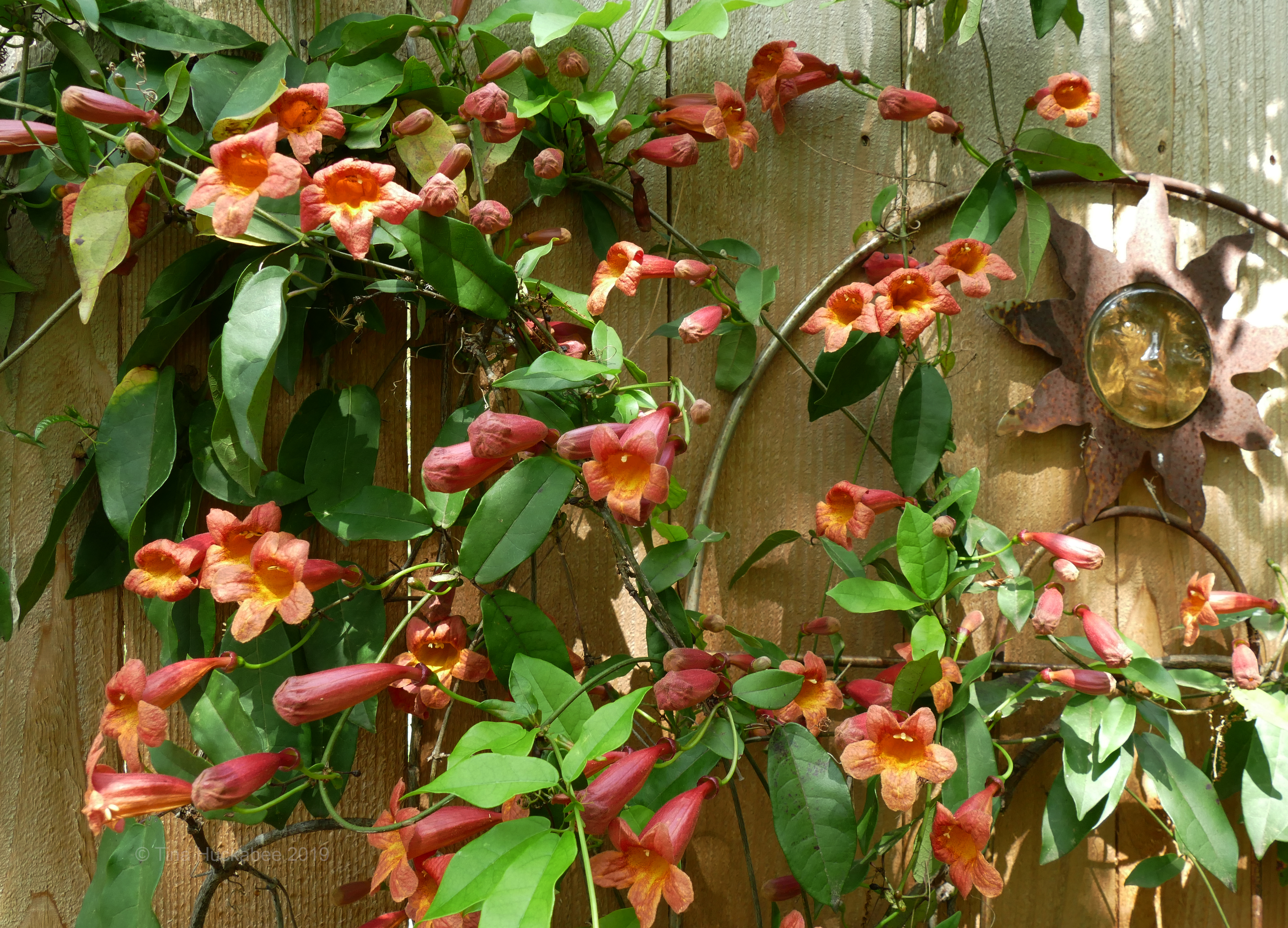
Crossvine, Bignonia capreolata, produces scads of yellow-orange trumpet flowers in April and May.

Terracotta orange, with a tunnel of yellow, these blooms beckon bees to nectar, and gardeners to admire. The main blooming period is during late spring, but throughout summer, the bees and I will enjoy these happy flowers, though the color of the bloom pales during our heat.
More blues in my garden, this time in the form of the shade-tolerant Salvia guaranitica.

Such a blue! There are numerous cultivars of this native of South America and I’ve no idea which one I have. Someone gave me a start of plant with roots years ago and they’ve grown in various spots of my garden since. The giver of the plant told me it was Majestic sage and while there are new deep blue salvia cultivars now available, I’m very happy with this plant. It’s been a well-behaved, lovely perennial for many years.
As my back garden becomes shadier, this blue will be the blue that I’ll grow. Most of floriferous blues here in Austin are sun worshipers and some don’t work in my sun-limited garden. Hardy, pollinator-friendly, beautiful, and shade tolerant–what’s not to love about it?

Speaking of blue lovers of the sun, check out the May show of Salvia farinacea ‘Henry Duelberg’. Nice!! I have several clumps of these in my west-facing front garden, which is considerably sunnier than the back garden.

Another pollinator powerhouse plant, this perennial blooms throughout the growing season, has no disease issues, and is as tough as the Texas sun.

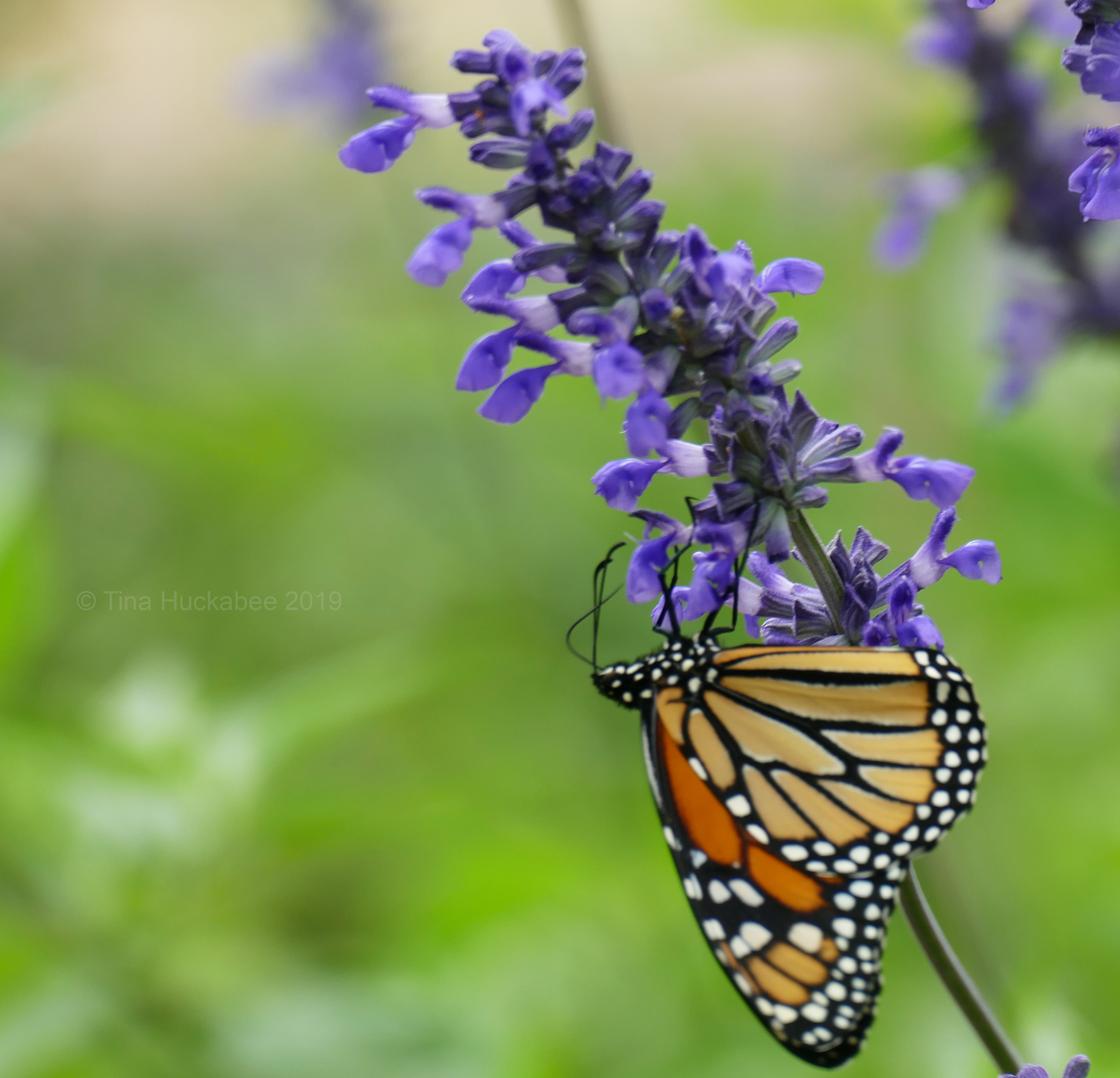
The gusty spring has rendered photography of insects a significant challenge, but I caught this female Monarch butterfly, probably a new adult and first generation of 2019, nectaring for a day or so on my various patches of Henrys. By now, I’m certain she’s on her way north–all the best to her and her offspring. There are plenty of other pollinators visiting these blooms.
Whew! Profiling ten blooms is a pleasure and one this gardener is happy to undertake. Please pop over to The Booming Garden to oooh, aaah, and appreciate blooms from many places.






 My Gardener Says...