Bloom Day, August 2014

Celebrating August blooms,  I’m thanking Carol at May Dreams Gardens for hosting this fun flower meme.   With sporadic rains and relatively mild temperatures this summer, there are fewer burnt-toast blossoms in Austin’s August.

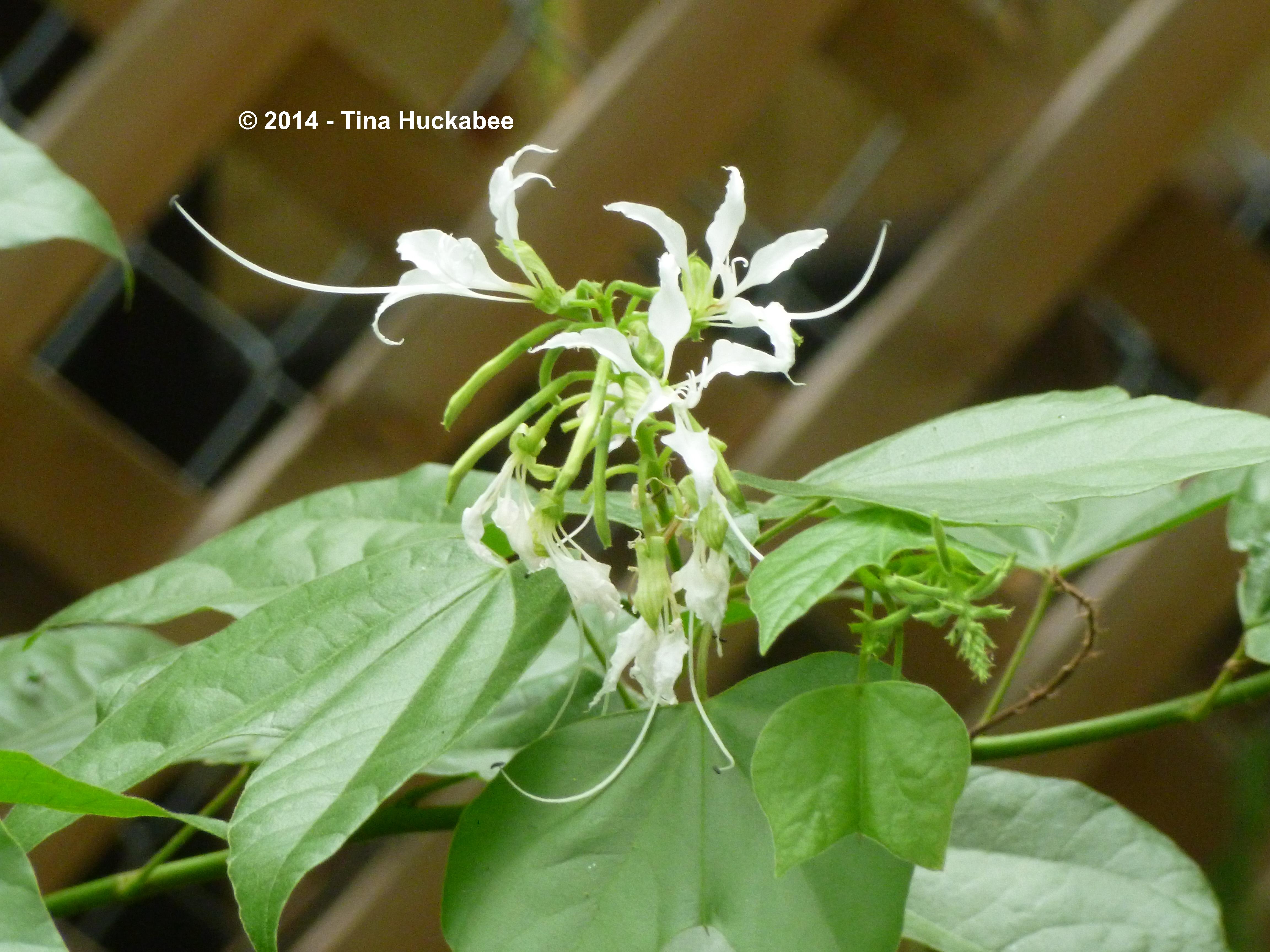
My Mexican Orchid Tree, Bauhinia mexicana, has bloomed on and off all summer.
P1060665.new

Elegant, snowy blossoms cool a shady spot on hot Texas afternoons. These flowers are  a favorite of Black Swallowtail Butterflies.

In stark contrast with the white Mexican Orchid, but also favored by butterflies, is the Pride of BarbadosCaesalpinia pulcherrima.  Tropical-hot orange and yellow,

P1060674.new

… these drama queens thrive in the heat.

Royal SageSalvia guaranitica, blooms stunningly in early and mid-spring, but not as commonly though summer.

P1060224_cropped_2175x2691..new

This year though,  a smattering of midnight blue gorgeousness has graced the two royal specimens in my gardens.

With multiple flowers opening everyday, the Lemon Rose MallowHibiscus calyphyllus dances through August.

P1060297.new

Flouncing her petals open in the mornings, sashaying during afternoon breezes and bowing to heat at the end of the day, this mallow is a consummate performer.

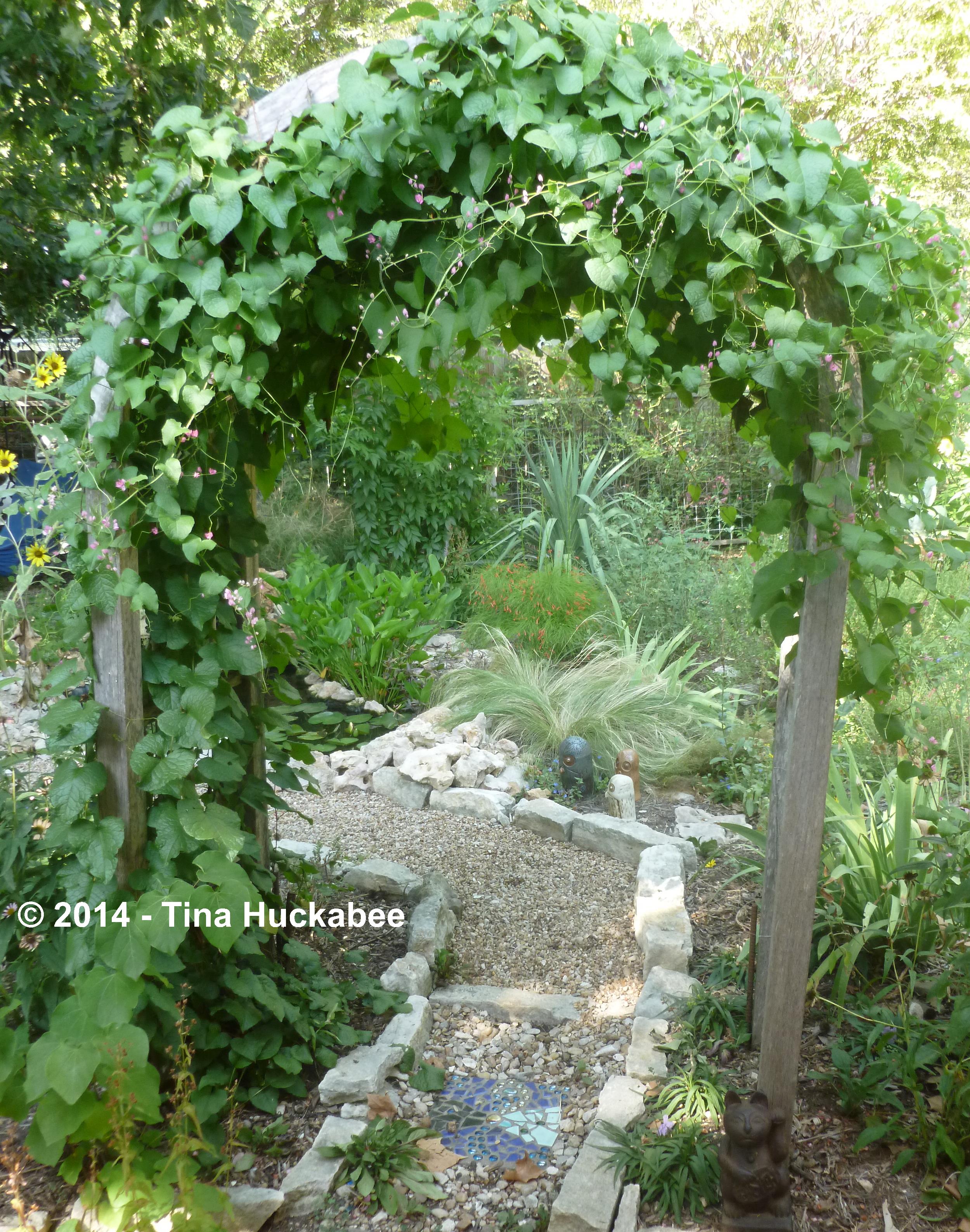
The  blooms of Coral VineAntigonon leptopus, form on lacy loops along climbing tendrils.

P1060394.new

P1060619.new

I’ll replace its trellis next winter when this tropical, but hardy-for-the-Austin area herbaceous perennial freezes to the ground.
P1060398_cropped_2500x3176..new

The trellis is a bit wonky, even for me.  The honeybees and I eagerly await the apex of Coral Vine’s blossoming period–soon, very soon!!

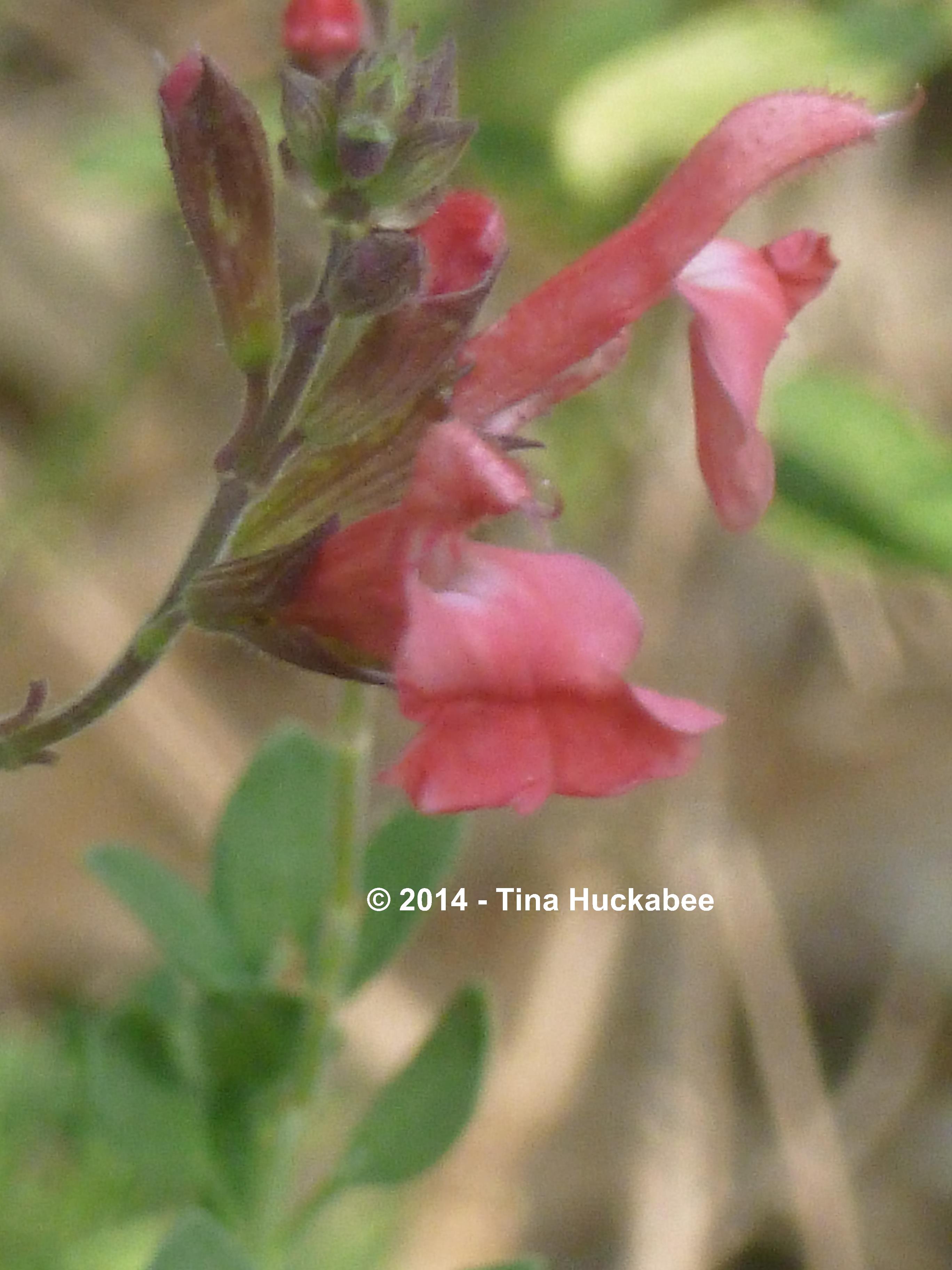
A close-up of a coral  Autumn SageSalvia greggii, flower,

P1060415.new

…it belongs to a woody shrub native to Texas which produces a variety of colors.  I like this soft coral pink–it’s the best blooming salvia in my gardens this year.

The bright red Martha Gonzales Rose, Rosa ‘Martha Gonzales’, flowers throughout summer.

P1060637.new

I wish mine received a little more sun–it would bloom even more.  This is a terrifically tough antique rose for Central Texas.

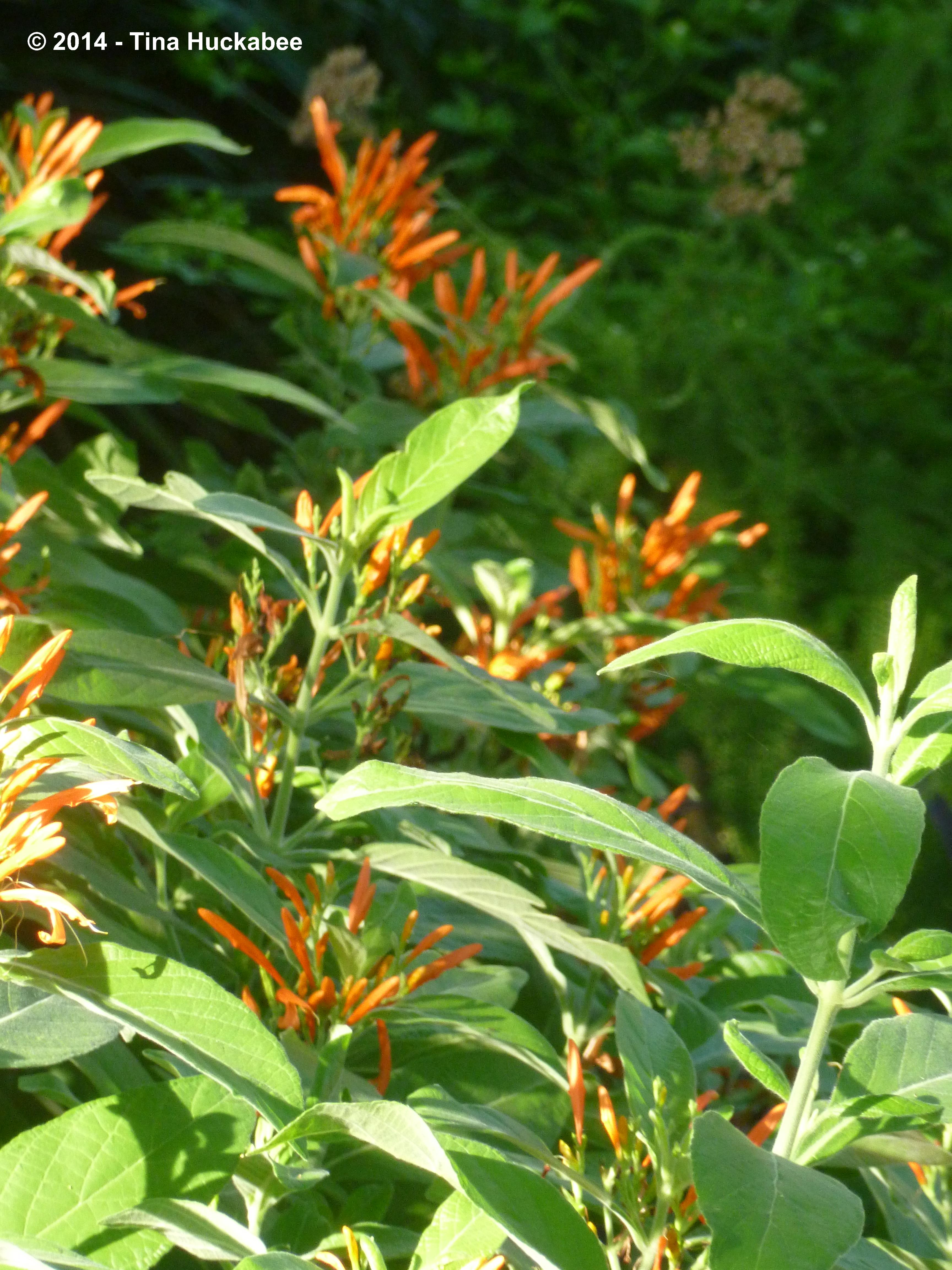
The Mexican HoneysuckleJusticia spicigera, returned full-force after our hard winter.

P1060648.new

It’s orange clusters await early fall visits by butterflies and the occasional hummingbird.
P1060646.new

The shrub is covered in tubular goodness now and that’s likely to continue into the fall months.

This pairing of pink and blue is too sweet!

P1060417.new

The creeping groundcover, Leadwort Plumbago, Ceratostigma plumbaginoides, produces sky blue florets,

P1060422.new

…which beautifully complement the small periscope blooms atop the stems of Pink Skullcap, Scutellaria suffrutescens.

P1060420_cropped_2235x3281..new

And still screaming: Summer! Summer! Summer!–is the sunflower de jour.

P1060660.new

Or rather, sunflower de l’ete.

P1060668.new

While new flowers open daily,

P1060387.new

…those spent blossoms that have gone to seed are providing yummy munchies for the local finches.

P1060115.new

Happy finch!

Visit May Dreams Gardens for more blooming beauties this Bloggers’ Bloom Day.

Game On, Spring

As February races toward its conclusion, this Austin garden is ready for spring.  I started pruning in late December, after the first of the freezes lay waste to the herbaceous  perennials in my gardens.  I’ve been pruning since.  Seven garbage cans full of garden detritus every week, for almost two months.

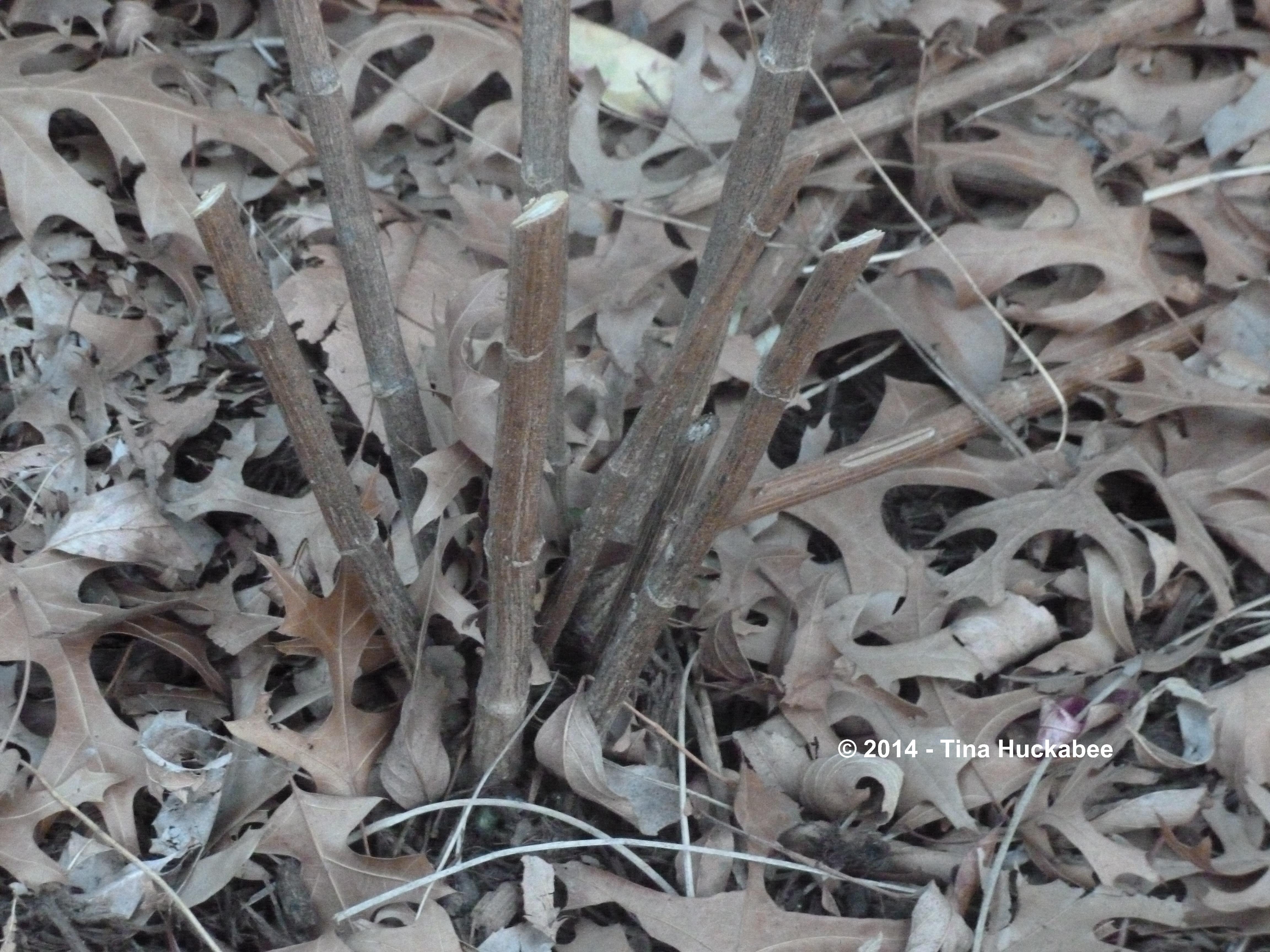
Plants like Turk’s Cap (Malavaviscus arboreus var. drummondii) are whacked.

P1020746.new

The luscious, sunny-blooming Goldeneye (Viguiera dentata)? Nary but sticks protruding from the ground.

P1020761.new

The Martha Gonzales Roses are reduced to a fifth of their full size.

P1020755.new

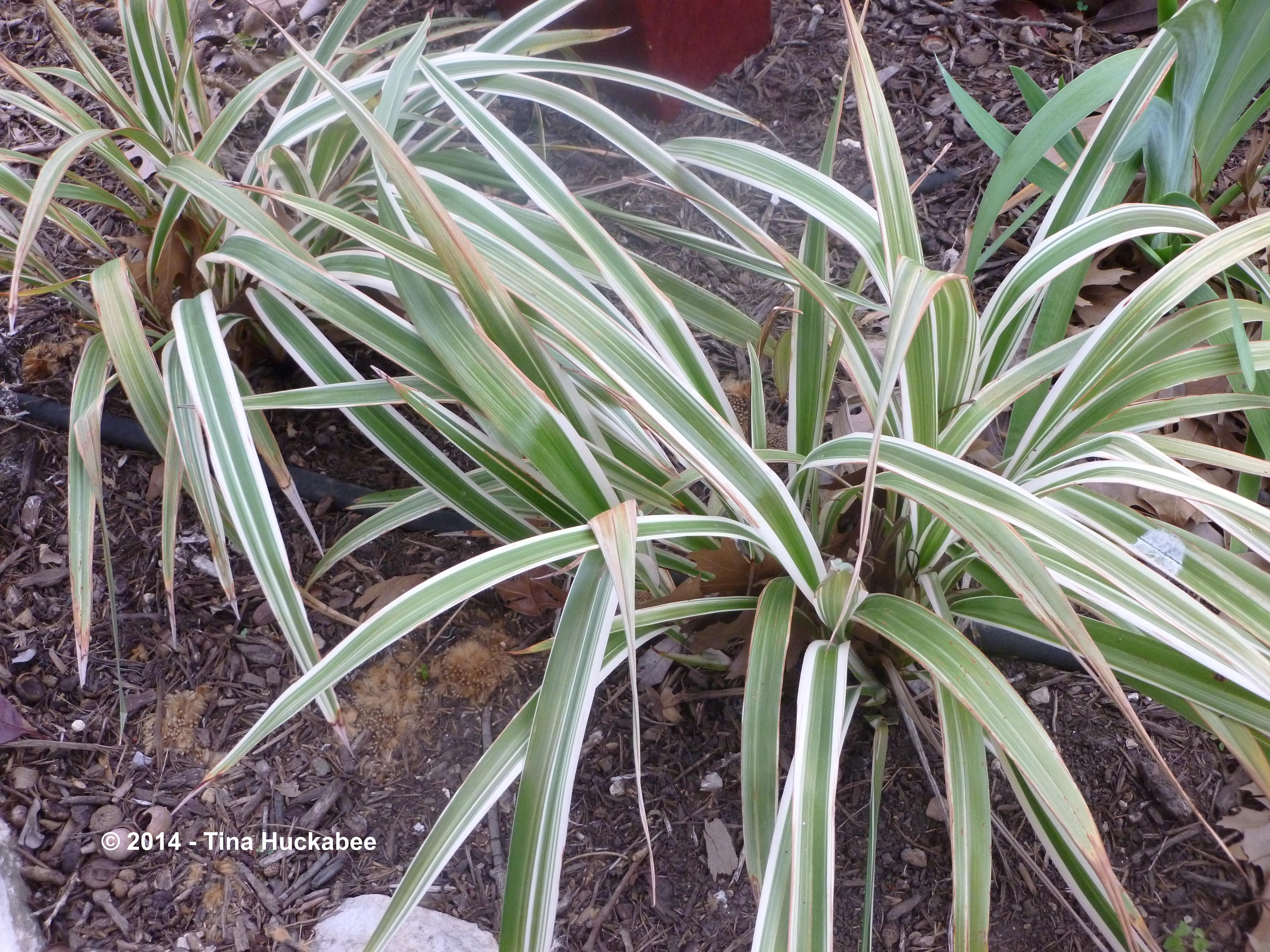
Some Variegated Flax Lily (Dianella tasmanica),

P1020668.new

fared better than others in my gardens.

P1020669.new

All I pruned from the Flax Lily were the freeze damaged straps.  It’s the one plant (I have four groups of them) that I dutifully covered with each freeze forecast into the 20s.

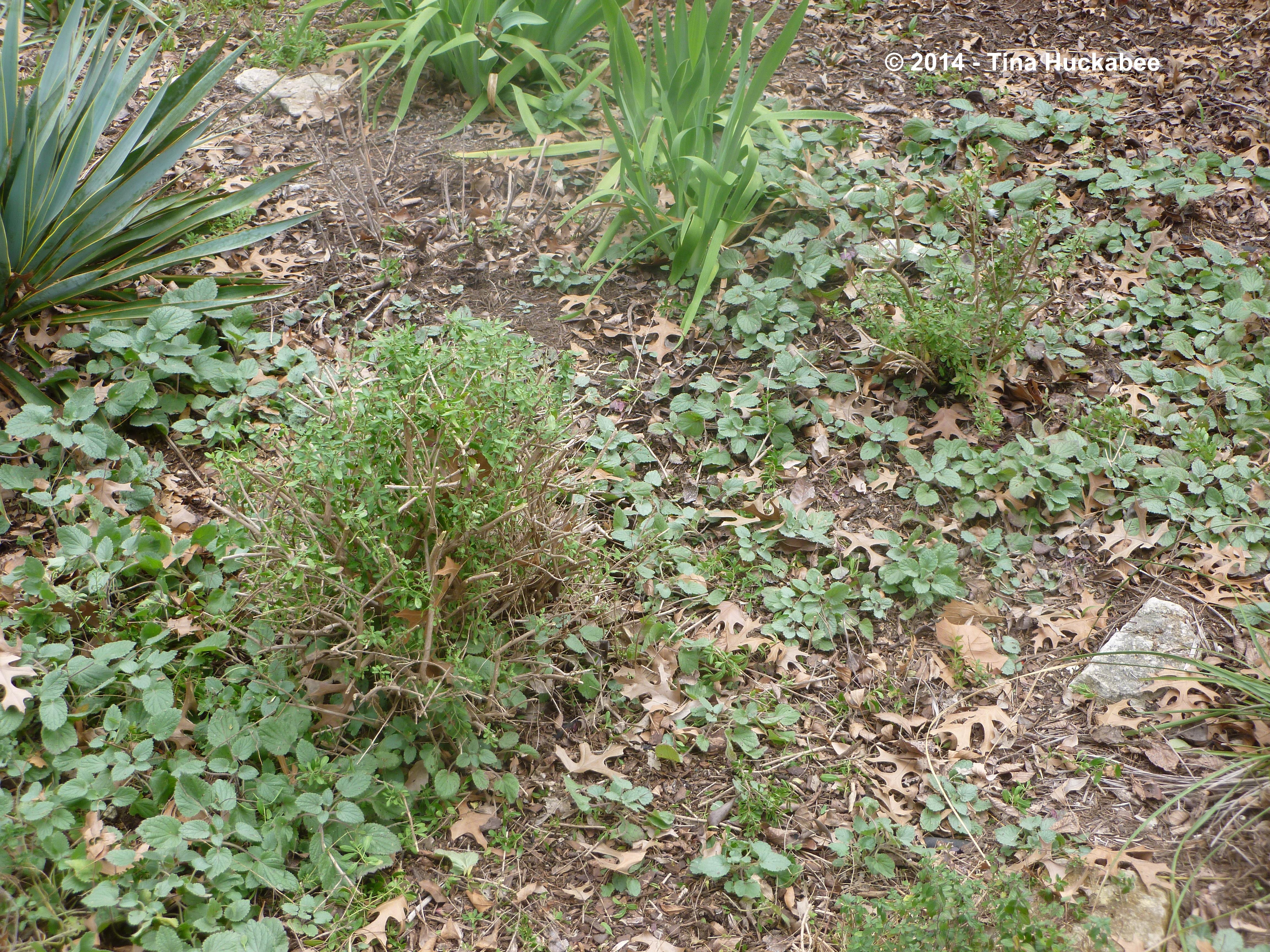
And the  Autumn Sage (Salvia greggii) and other evergreen native shrubby plants are pruned into tidy balls,

P1020708.new

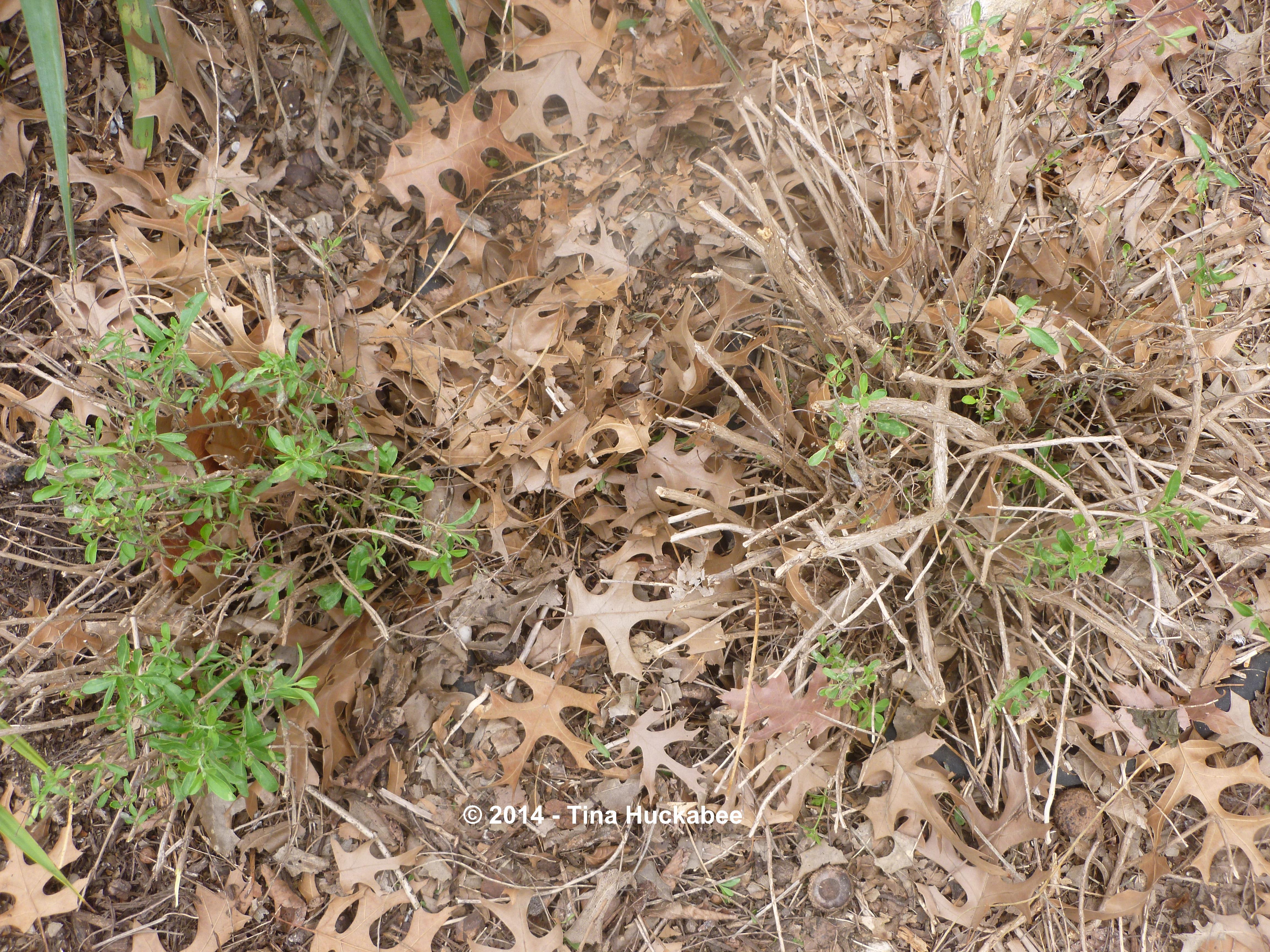
or spindly bits of green perched on woody stems, waiting for the just right  light and breath of warm spring air to burst into new growth.

P1020711.new

I still have more to prune, but I’m almost finished for the year.

I didn’t lose any established plants this winter and that gratifies me and validates my garden choices.  I choose natives or hardy non-natives, with the occasional splurge for the newest, cheap thrill plant that everyone (okay, just gardeners) is talking about.

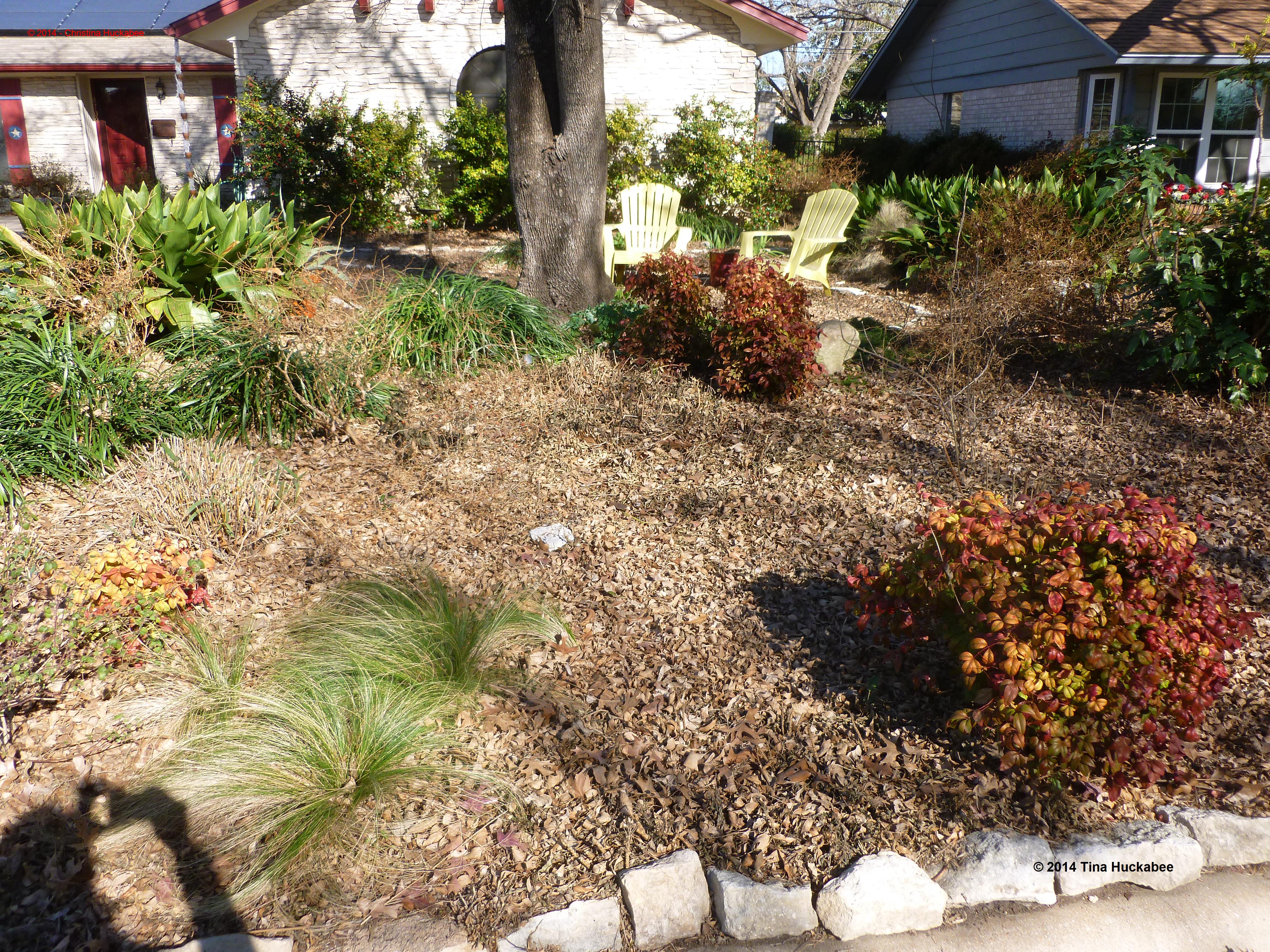
I always think of the winter landscape as barren, but it isn’t, even in this winter which was colder than any of the past 19 years.   With most of the flowering perennials in my front garden temporarily gone, I’m reminded how nice my ignored-most-of-the-year evergreens are during their winter concert on this sunny February day.

P1020562.newP1020564.new

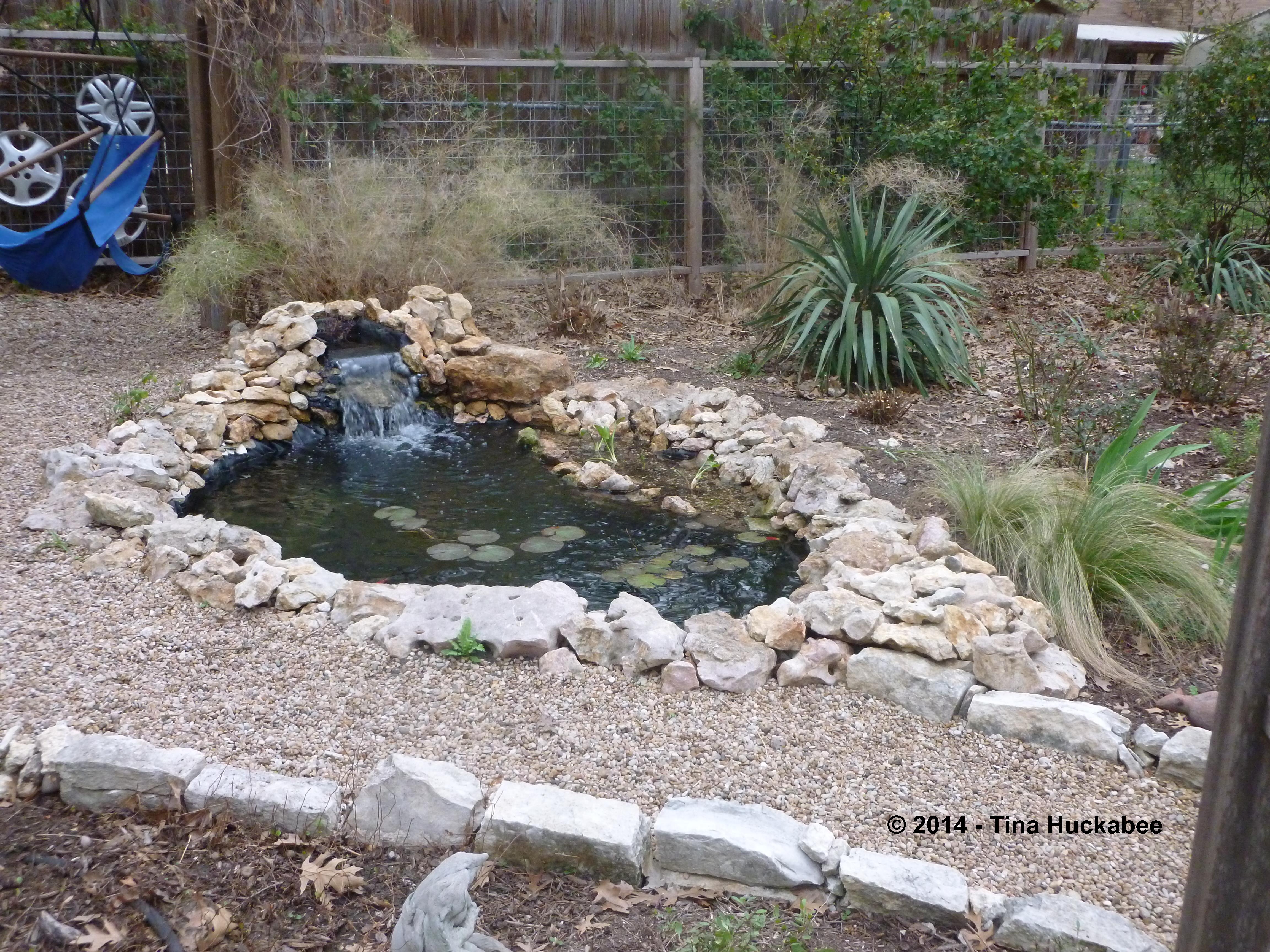
And in my back garden, I like the clearly defined garden and pathways.  The iris and yucca straps dominate,

P1020784.newP1020787.newP1020788.new

while the Heartleaf Skullcap (Scutellaria ovata ssp. bracteata) insinuates its soft green carpet anywhere allowed.

P1020786.new

I have a clean pond, which will make pond maintenance easier for the rest of the year and appeals to my aesthetic sense.  I don’t think the fish care whether I clean the pond or not.

P1020789.new

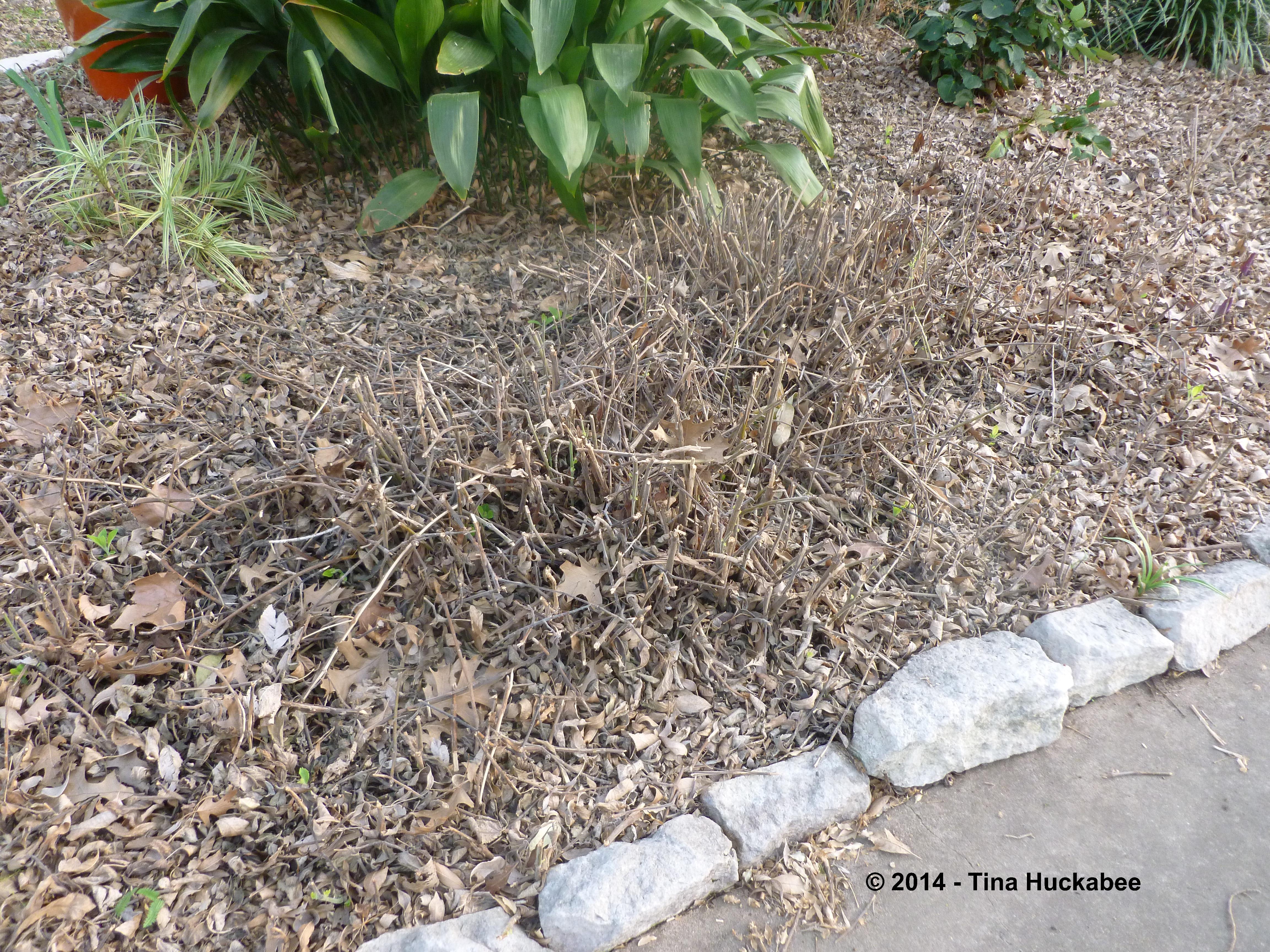
Spring is almost here.  The Mexican Honeysuckle (Justicia spicigera) is pruned to the ground

P1020790.new

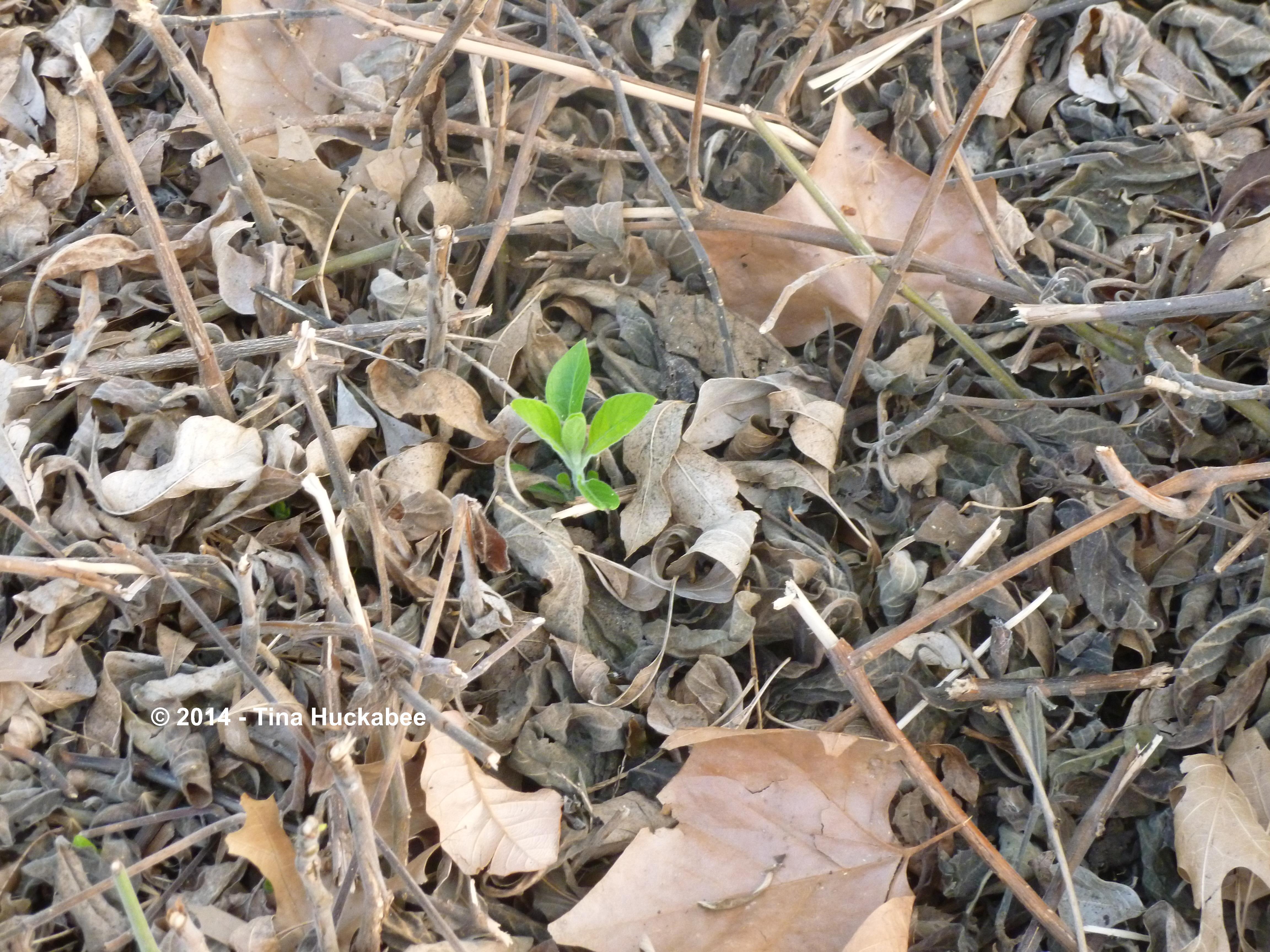
but life begins anew.

P1020791.new

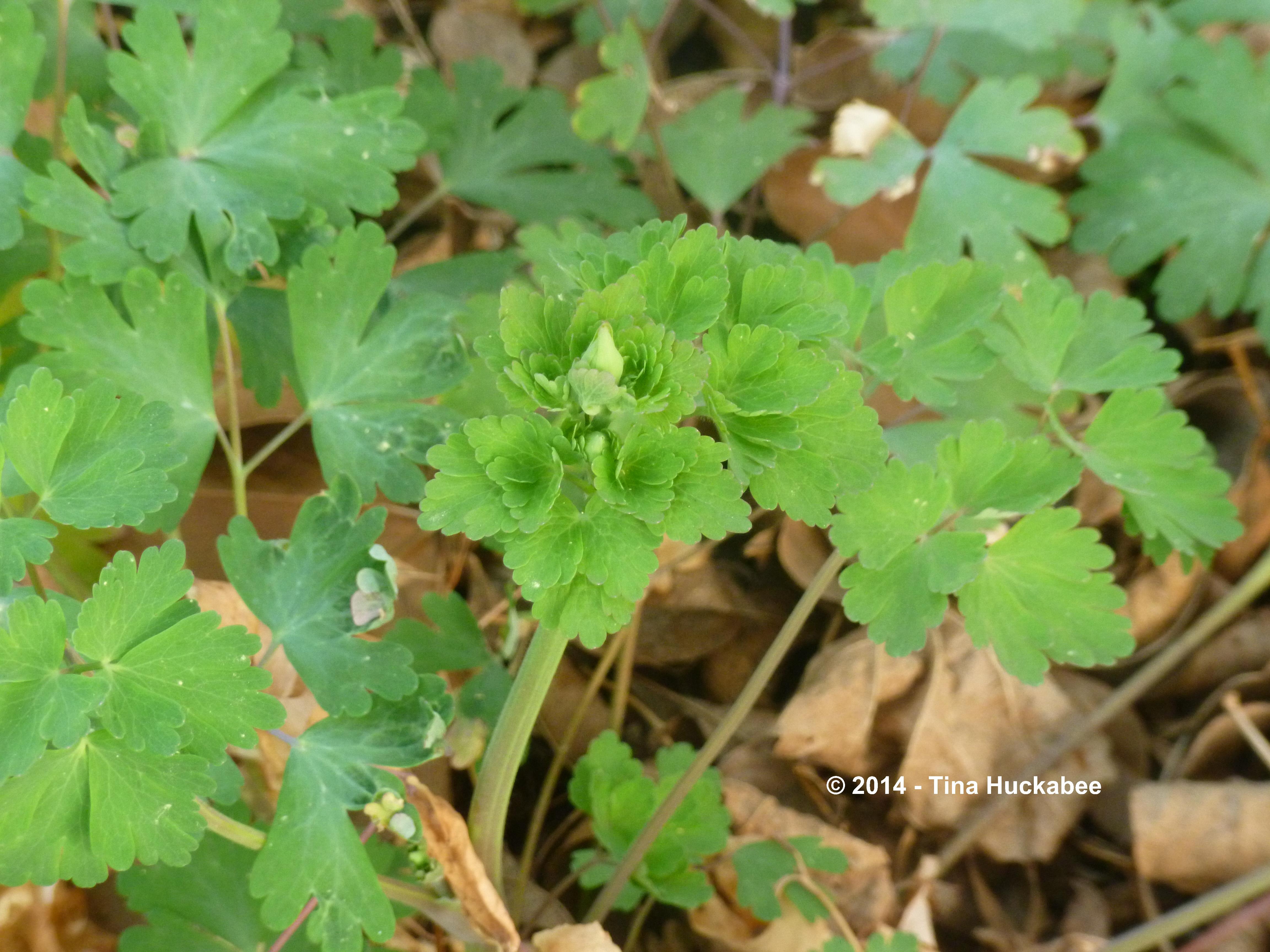
The Columbines (Aquilegia chrysantha var. hinckleyana) are lush,

P1020793.new

their first buds emerging.

P1020794.new

Bring it on, Spring.

Almost Done!

The end of February looms and I’m almost done with the pruning in my personal gardens and the gardens I tend at Zilker Botanical Gardens.  I waited as long as a could before I started pruning, but almost waited too late.  Spring has sprung in mild Austin and I need to wack back the remaining plants that I intend to prune.

I pruned the roses  in my gardens last week.  Most had been blooming for a few weeks, so it hurt to cut back such beautiful flowers.  Gardening sometimes resembles parenting:  the difficult and painful things that you occasionally must do, are often the most important for nurturing growth and blooms.

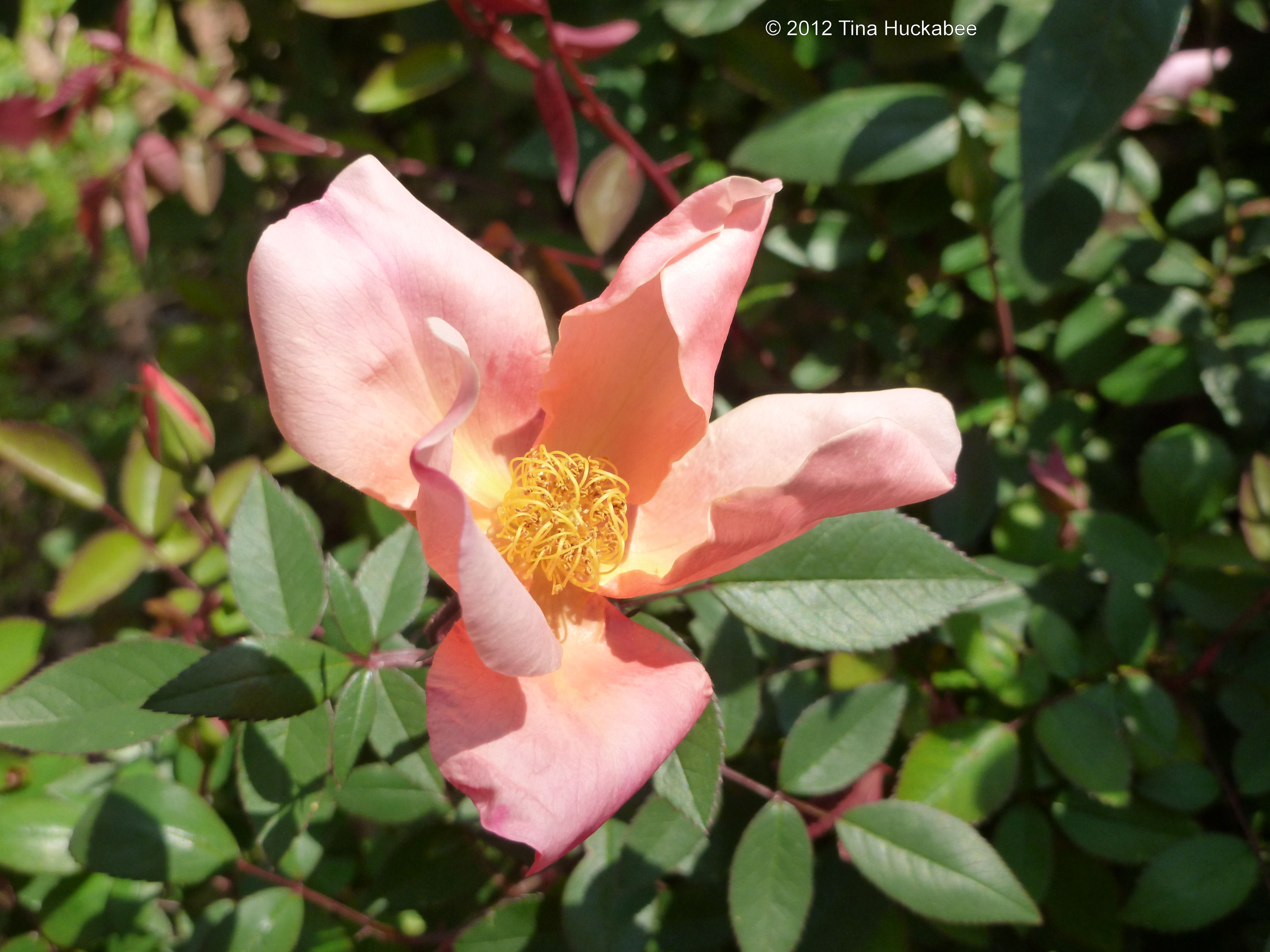
Philosophical musings aside, the Mutabils (Rosa ‘Mutabilis) was big and full of darling blooms.

It had even developed new stems.

But it’s pruned back and now ready for new beginnings and a long year of growth and blooms.

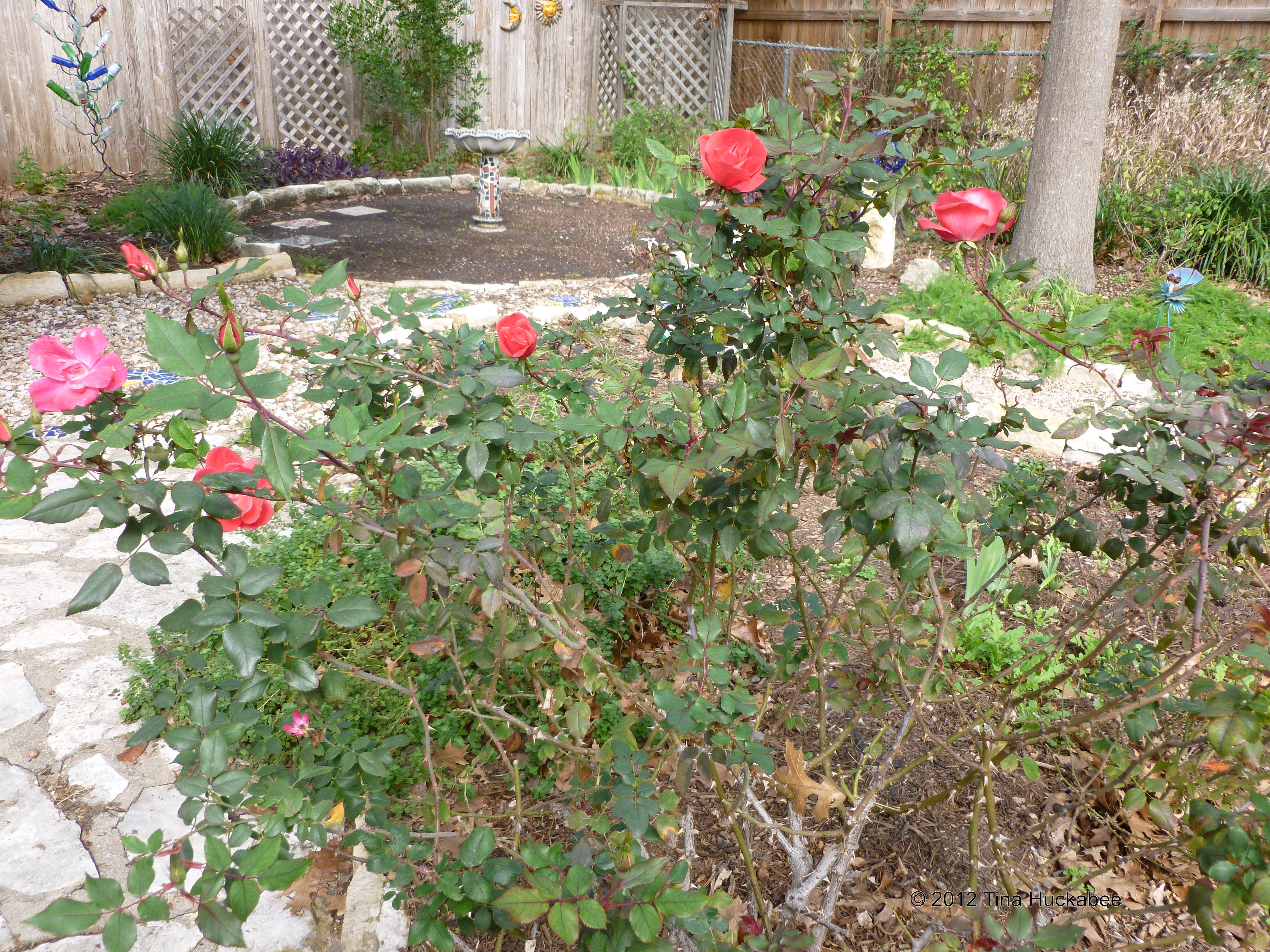
The Knockout Rose (Rosa ‘Knock Out’) produced  lovelies for my kitchen table and to enjoy outdoors,

but it too is reduced to mere sticks.

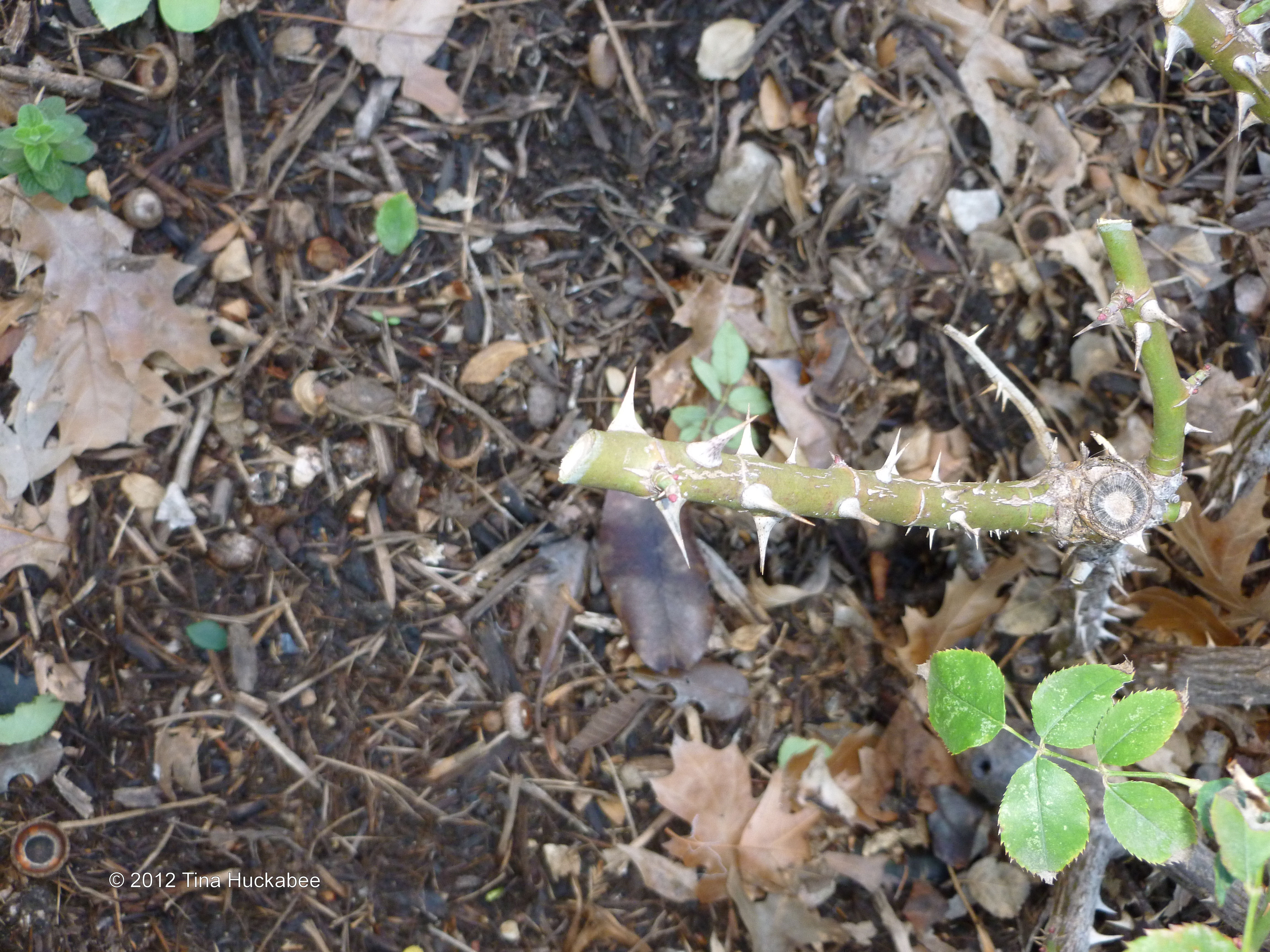
I’m more careful with this rose than I am with my others (although I don’t think it’s  necessary because this rose is a tough one).  I clean (disinfect) and sharpen the pruners before I start with this rose.  I take care to prune the branches cleanly above a leaf node.

The node is the pinkish bump to the right of the cut, above the thorn.

The Belinda’s Dream Rose is a new one in my gardens, so I’m leaving it as is.

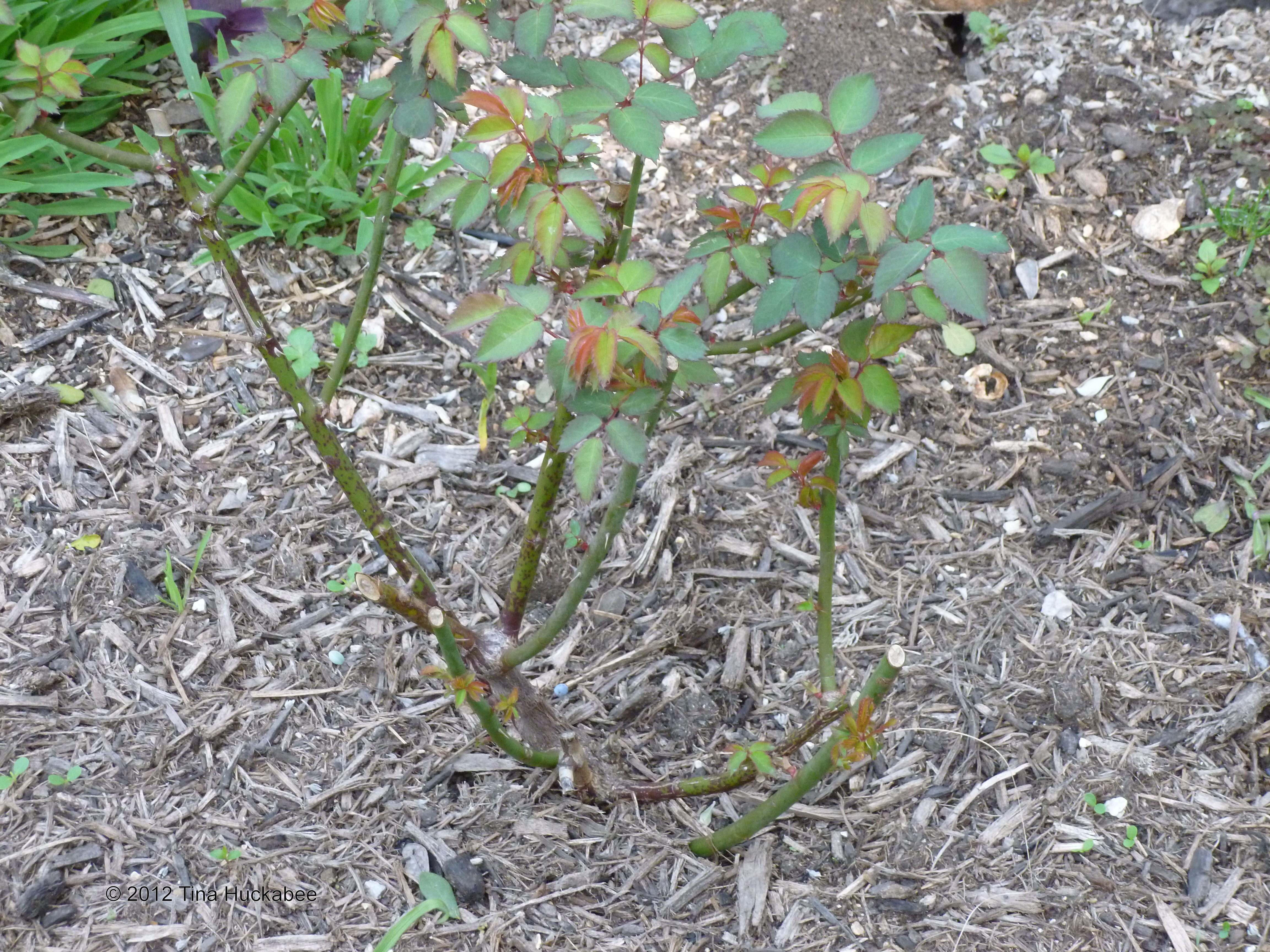
But at Zilker Botanical Gardens, there are two in the one of the beds I tend.   I pruned both down to their major three or four branches.

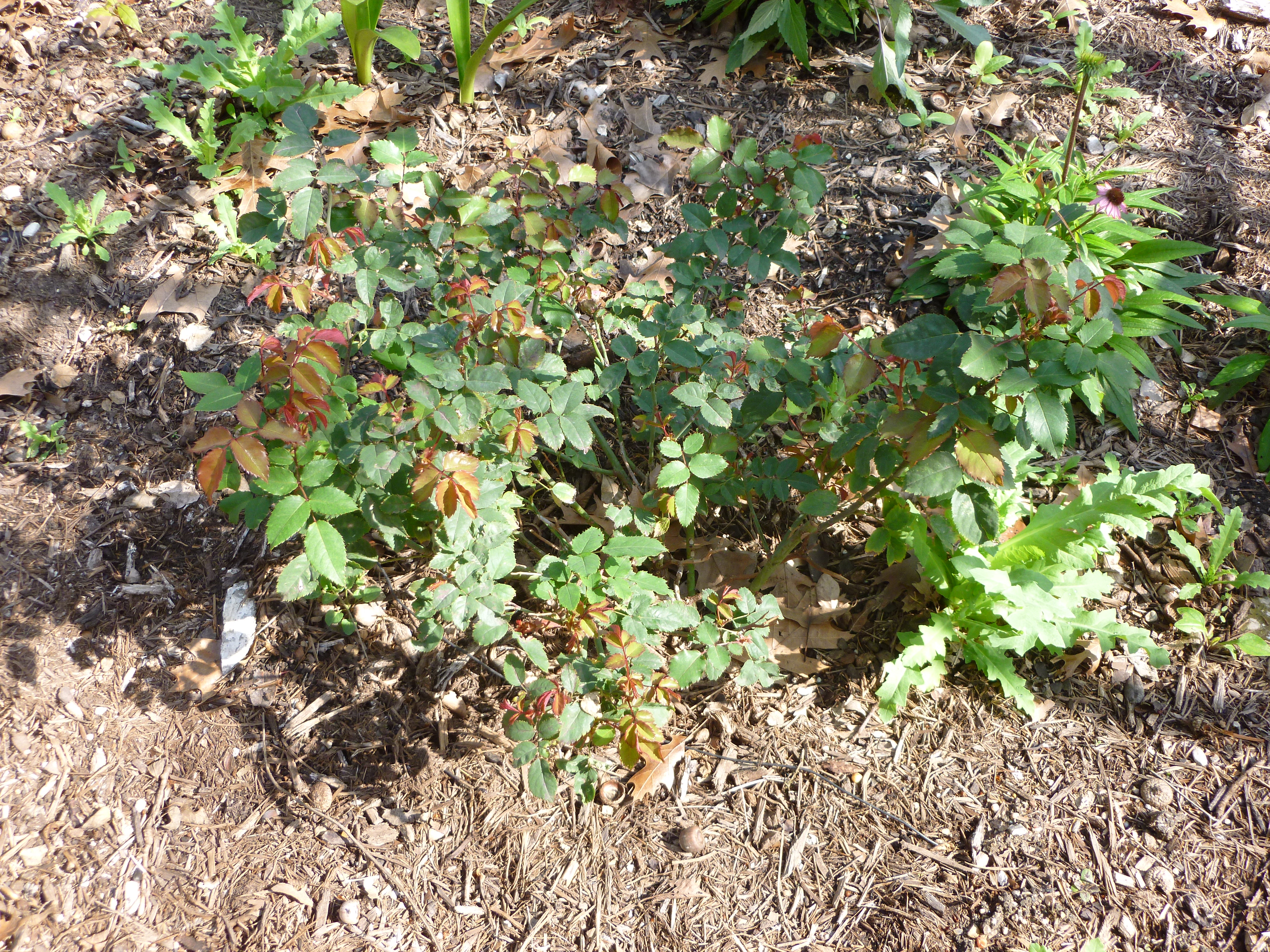
The other roses in my personal gardens, the Martha Gonzales and the Old Gay Hill, are treated like I treat my hardy native shrubs–I thwack away with abandon!  I transplanted both of these last year,

so they haven’t grown much.  But I did prune them back a little,

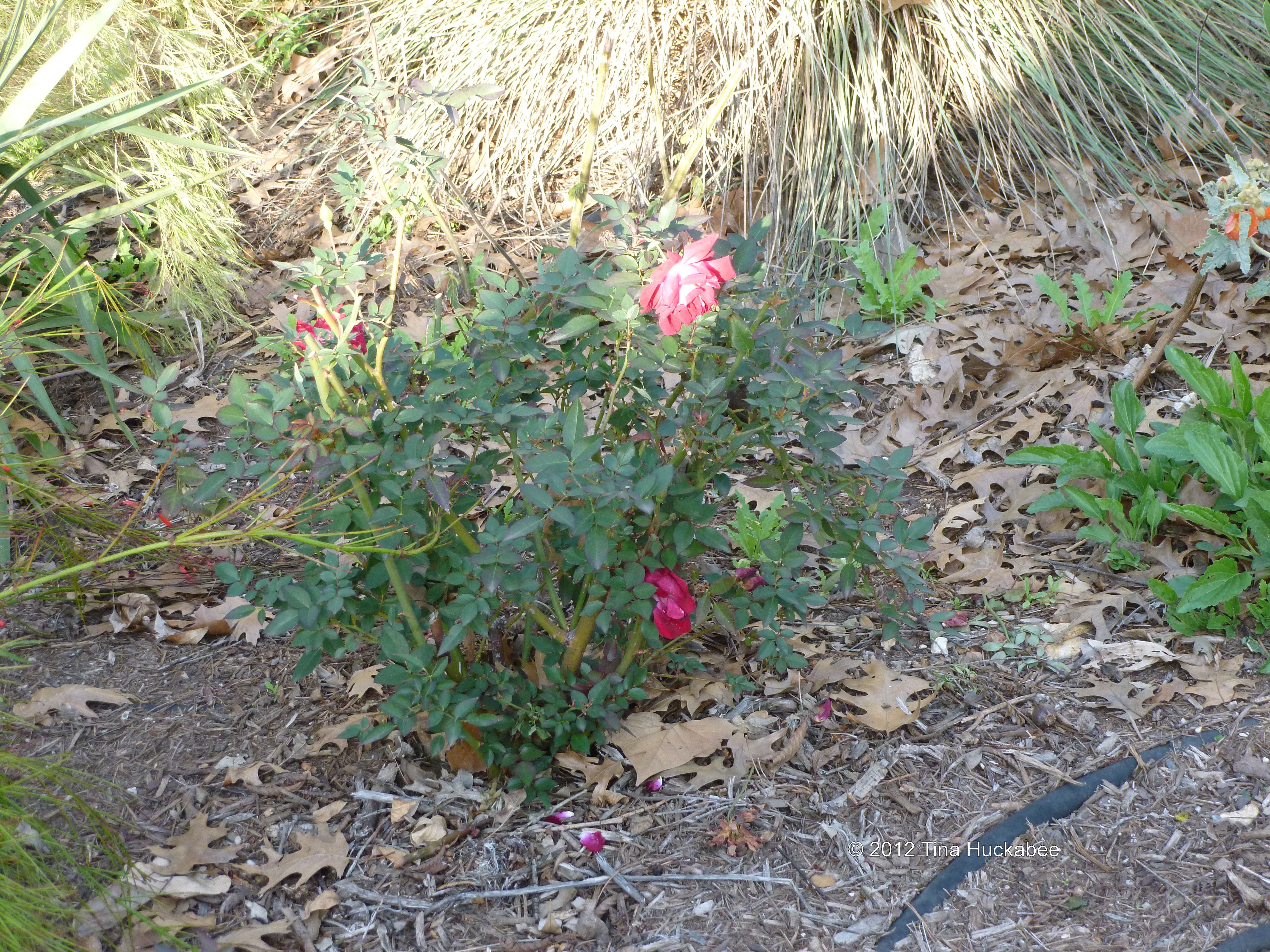
so they’ll be ready for growth in the coming year.  The Old Gay Hill still had buds n’ blooms, so I left them–there’s no need to be heartless, after all.

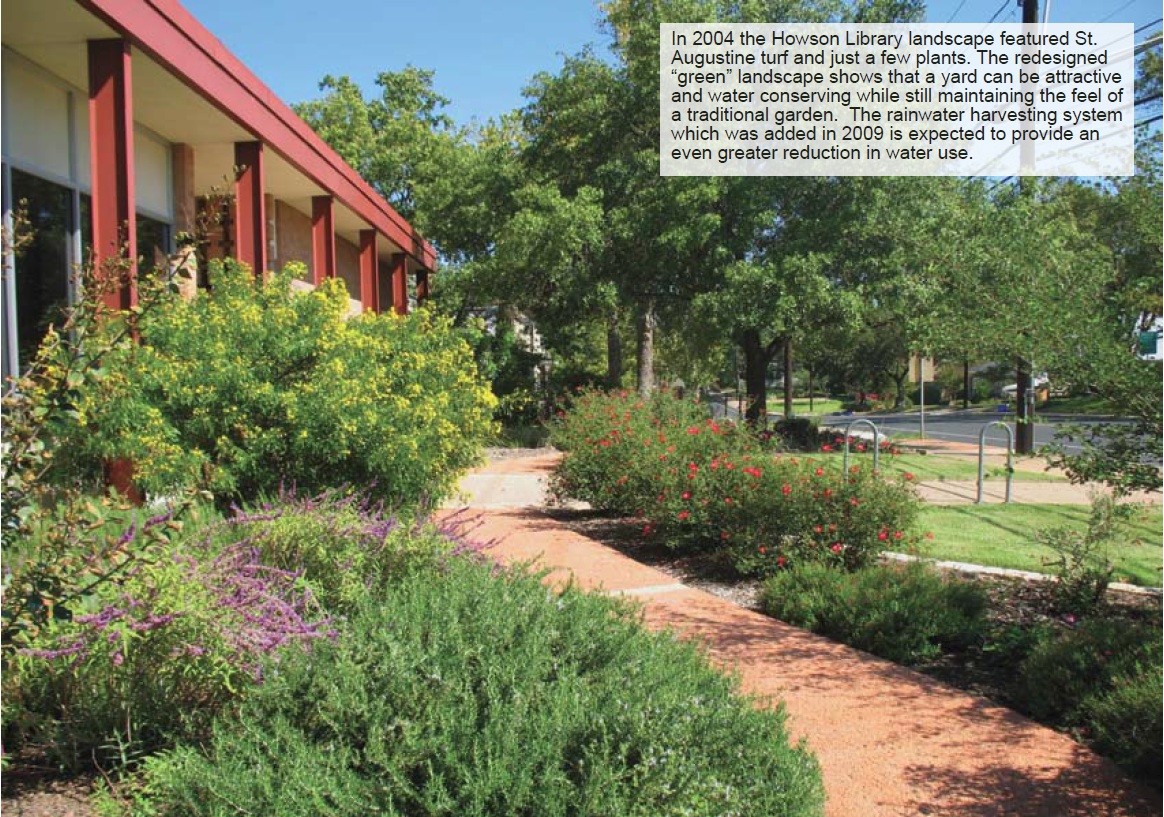
I cut back the Martha Gonzales Roses at Howson Library Garden last week as well.    This photo is on the City of Austin Grow Green Resources page, under the “Landscape Design” section and can be seen when you click the “Classic” design.

There are a total of eight roses at Howson. This view is of the four at the southern end of the area where the roses are planted.  This photo shows the roses in early fall and by the end of the growing season, they’re even larger.  I didn’t take a photo before I pruned them back last week.  (Oh, no!  That would have made too much sense!)   But, I did take a picture once I pruned.  This is the same angle now, after pruning:

and from the front.

The Martha Gonzales is such a hardy rose that the gardener doesn’t have to be particularly careful about cutting.  I clip off any dead branches, but other than trimming them to roughly the same height and shaping and tidying a bit, not much more is required during pruning time for this beautiful rose.

Pruning roses is easier if you keep the pruners clean and very sharp.  It’s also a great idea for Central Texas gardeners to plant roses that are hardy and tough and don’t require much water.  Check out the “Native and Adapted Landscape Plants Guide”  under “Plants” on the Grow Green Resources page for some examples of suitable roses for our area or visit one of Austin’s excellent independent nurseries for guidance on what roses to plant.

It’s not too late to prune and it’s time to plant some pretty roses in your garden.