Too Early, Then Right on Time

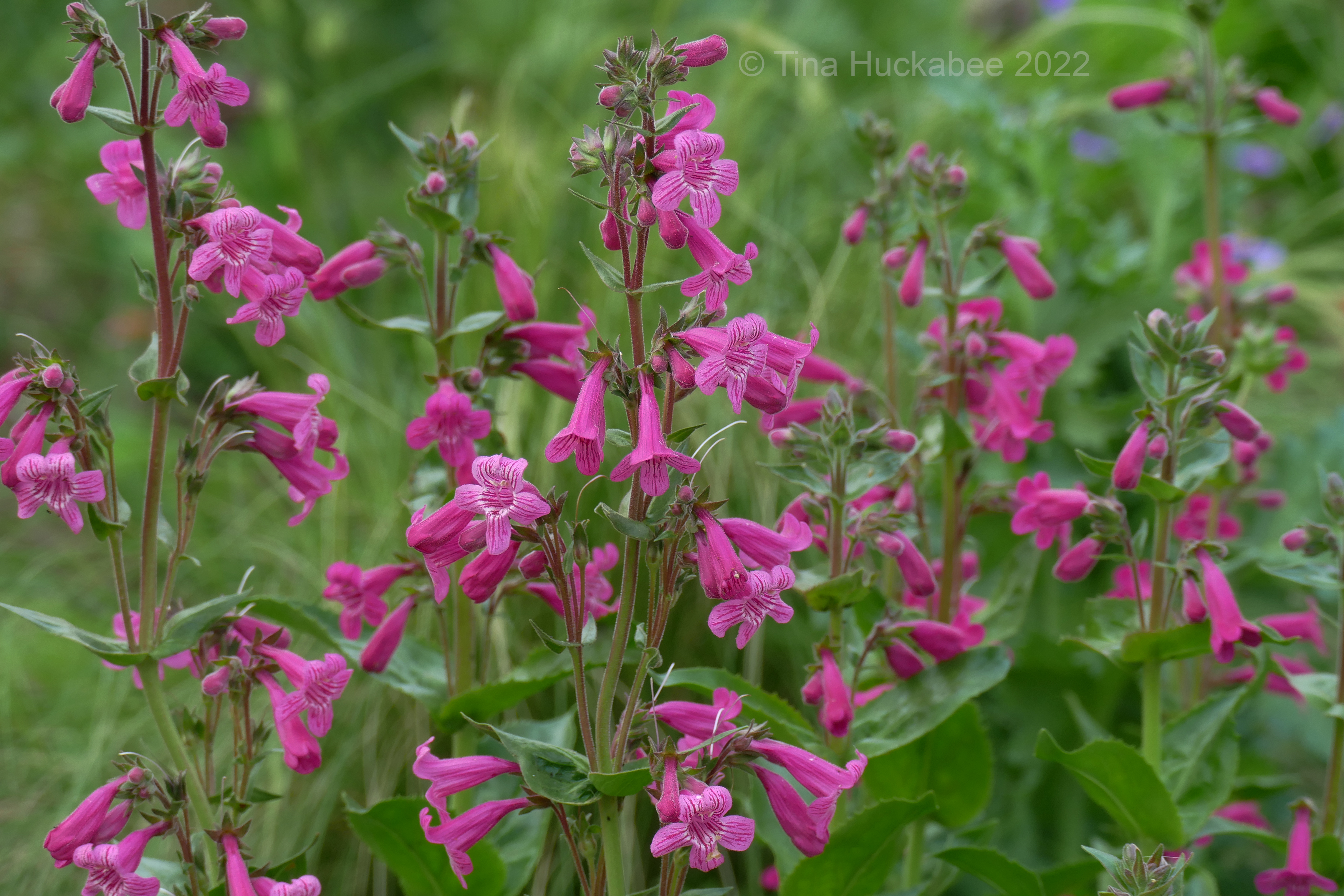
Early in February I noticed that a year-old Hill Country Penstemon, Penstemon triflorus, decided to send a bloom stalk upwards. There were no blooms, only the promise of pink bells to come, but way too early for this late March/April bloomer, especially given capricious winter weather. This particular individual was certainly eager for spring’s arrival.

The plant itself is hardy throughout the year; an evergreen, ground-hugging rosette being the typical form of this pretty perennial during late summer, autumn, and winter months. Gracing the garden in the height of spring with a cluster of bloom stalks, luscious pink flowers open to the delight of native bees, moths, and gardeners.

This one? A little too early, a bit too restless.

On February 22nd, ahead of a cold spell that would plunge Central Texas to the low 20s for 48 hours or more, I popped a bucket over the tender bloom stalk, then covered the bucket with an old blanket. I had no worries about the plant itself–it shrugs off ice and cold–but a tender bloom stalk is vulnerable to frigid temperatures and I hoped to save this one for its proper show time. I should add that I have seven individual plants and only this character yearned for an early spring, all the others lay green and dormant, biding their time for longer and warmer days.

I’m glad that I took the time to cover the plant, because in just a few week’s time, the stalk grew taller, dotted with lovely, bell-shaped flowers, ready for pollinators and persons to enjoy.

This early-bird penstemon remains the only one blooming, though its kin are ramping up for their pink parade. In the next month, pink bells, fluted and highlighted with stripes, will beckon insects to explore their offerings.

Weirdly, as great as this native Texas perennial is, it’s hard to find in nurseries and I haven’t had any luck seeding it in my gardens. I’m protective of the specimens that I’ve purchased and grown and you can see why.

Spring is here, time to bloom!

The Spring Garden

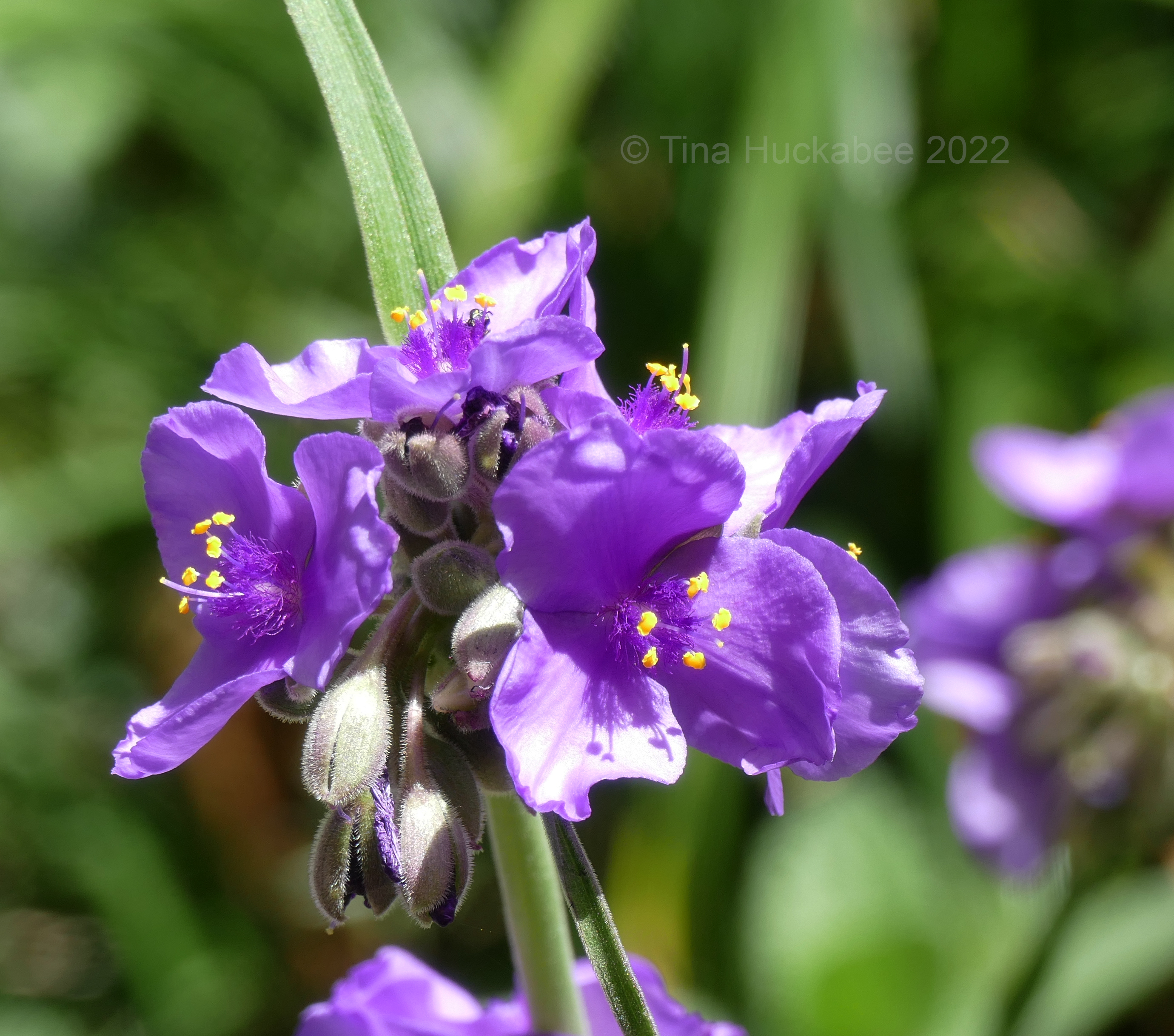
Despite late freezes, drought, and earlier-than-normal warm temperatures, it’s been a lovely, affirming spring in my garden. Plants are growing, leafing out, and blooming in their typical order and roughly on their same schedule. Some, like the multitudes of Tradescantia, Spiderwort, were so eager for spring to happen that they’re over-performing. Of course that has nothing to do with the fact that I routinely fail to control them by weeding during fall and winter. Ahem.

My Spiderwort are pass-alongs varieties and they’ve mix-n-matched for years, so I don’t have a definitive species. Because of their height, I suspect T. gigantea, but regardless of species, the flowers are stunning in shades of purples with a few pinky hues. Some are pure lavender, with rounded petals,

…and some are deeper lavender with or triangulated petals

Certain individuals bloom in shades trending pink. These below sport ruffly petals.

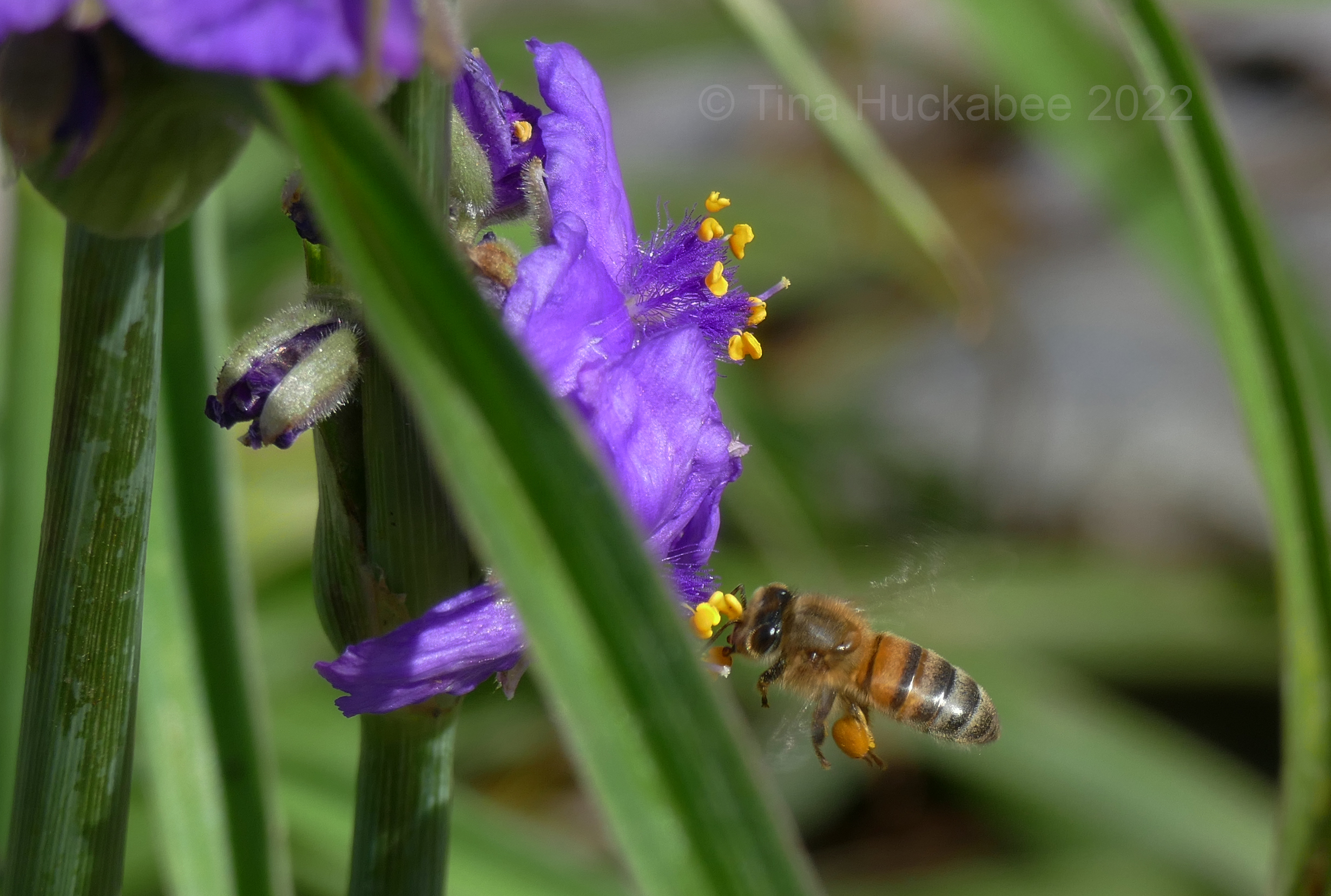
No matter their color or form, Spiderworts are favorites of the honeybees. Flowering early and for most of the spring season, bees are keeping busy with the nectar sipping and the pollen collecting.

The first yellow in my garden is typically Golden Groundsel, Packera obovata. The little group I have brightens a shady spot.

The groundsel echos the Adirondack chairs: cheery blooms, comfortable chairs.

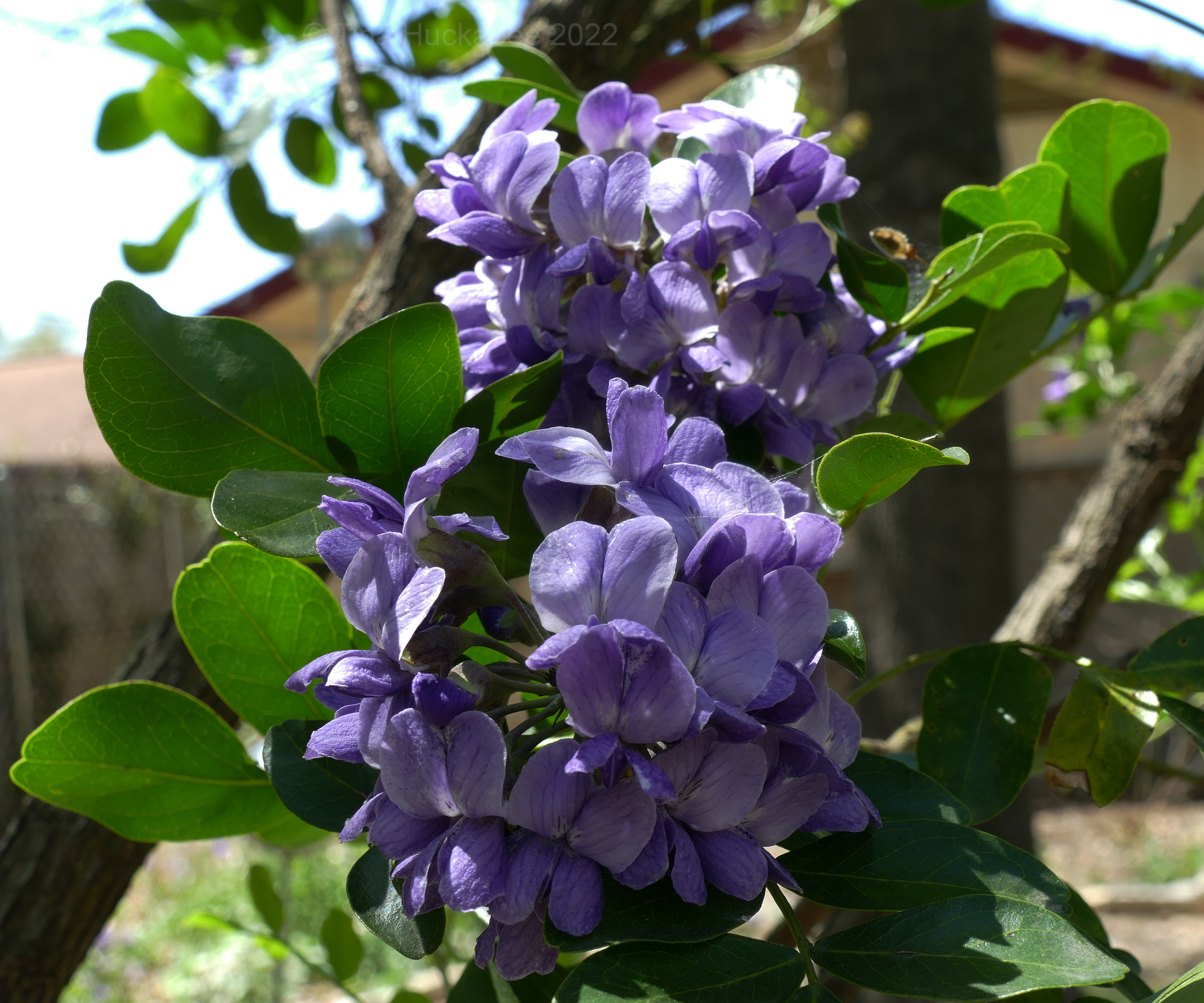
Last year’s deep, destructive freeze ended 2021 hopes for the luscious clusters of blooms from Mountain Laurel, Sophora secundiflora. This year, both of my Mountain Laurels flowered beautifully, if too briefly. These blooms are known for their grape juice fragrance. Weirdly, I can’t detect their very sweet fragrance unless my nose is right up in the flowers or at night, with whiffs of the grape scent on the wind.

The irises I grow, all pass-along plants, have bloomed prolifically this spring, more so than in many years.

I think every single bulb, even those that I separated and replanted in the fall, have pushed up stalks and adorned those stalks with flowers. The irises are still going strong and are now joined by European poppies. Tall, leafy American Basket flower stalks await their turn to shine in the sun, while a couple of Martha Gonzalez rose bushes add pops of rich red and burgundy-tinged foliage.

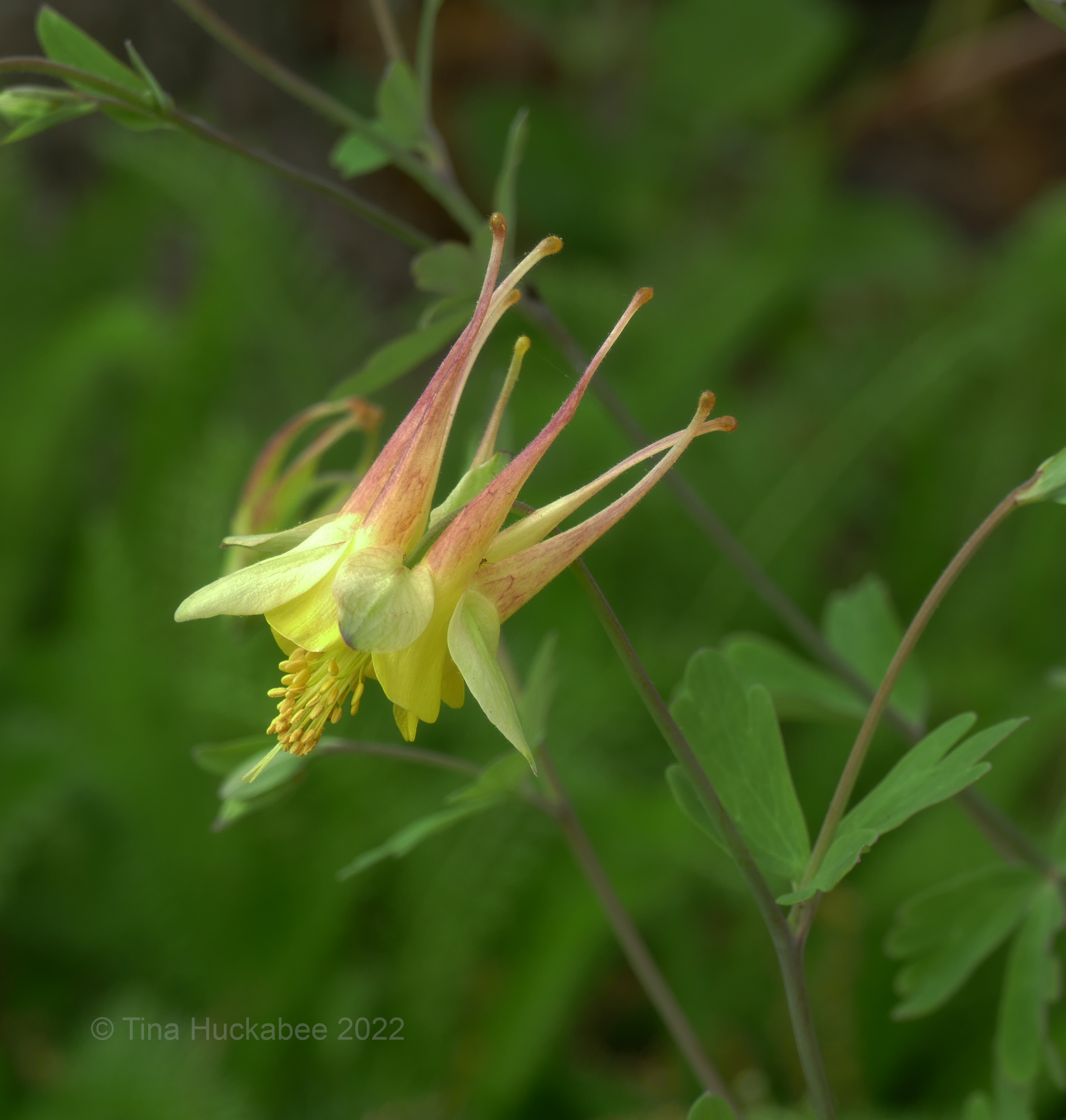
Spiderworts, irises, and poppies are all plants-gone-wild this spring, but the heat and drought have sadly rendered the columbines less floriferous. As well, given my now full-sun front garden, columbines won’t grow there–they fry in Texas sun.

This one, as well as a couple of others, still have a place in the back garden. I plan to add more in the shadier areas because I can’t resist these graceful additions to the garden.

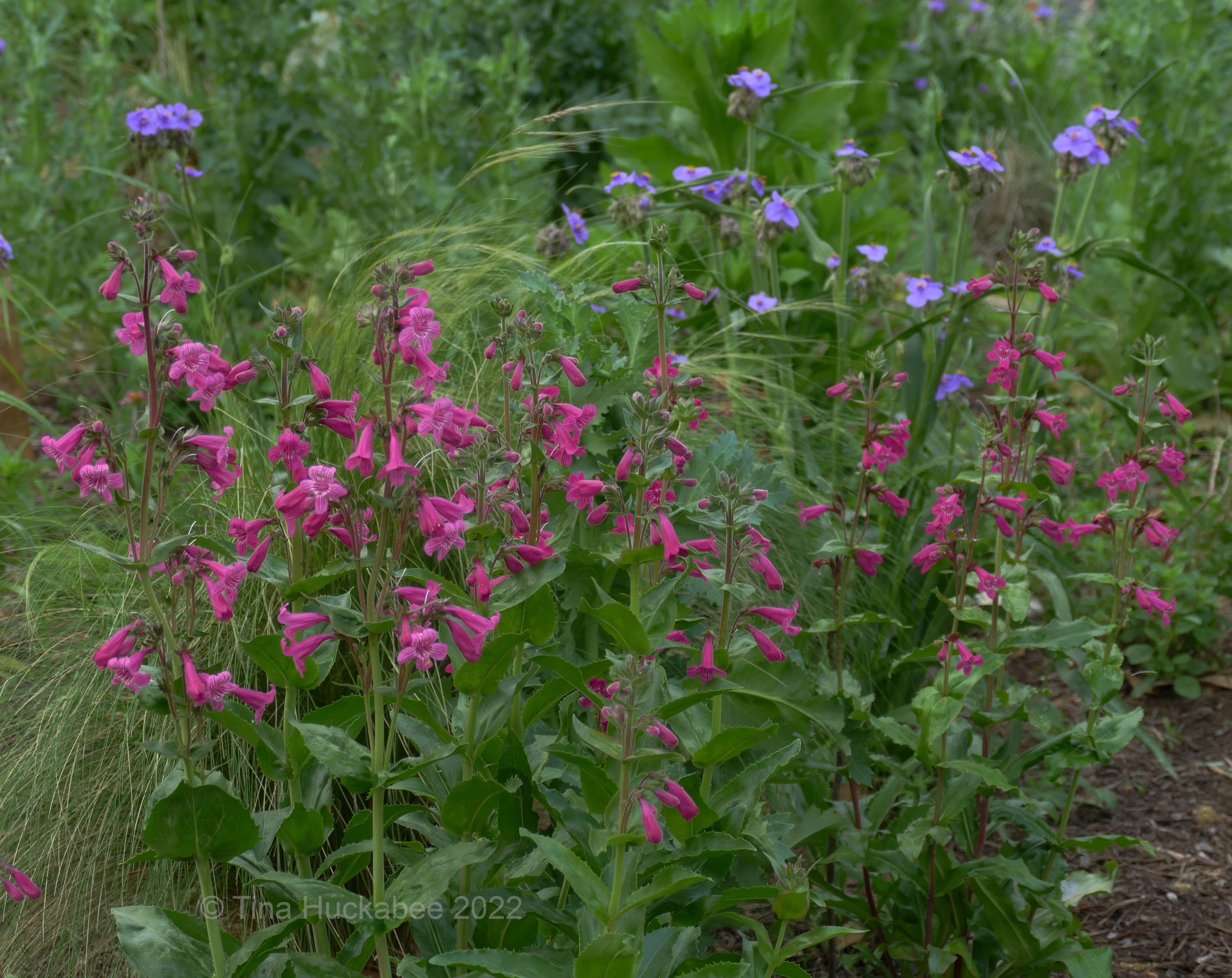
Hill Country Penstemon, Penstemon triflorus, are in top form this year. Hummingbird moths and Horsefly-like carpenter bees are regular visitors.

I wonder if pollinators have a hard time deciding? Hmmm. Penstemons or Spiderworts? What am I in the mood for??

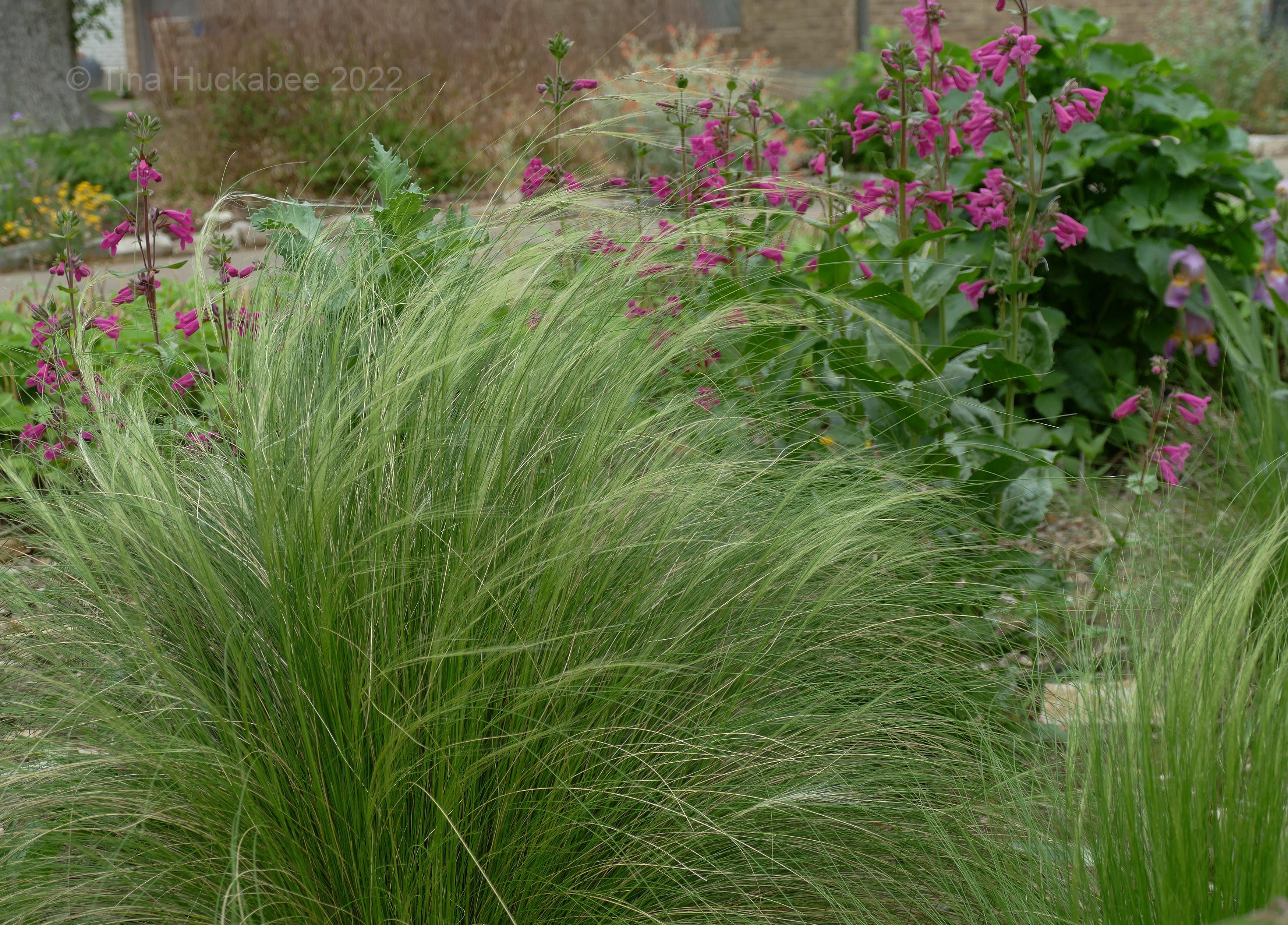
Of course, it’s not only gorgeous bloom time, but foliage presents a worthy rival in beauty and form during verdant spring. This silvery-green Mexican Feathergrass, Nassella tenuissima, waves, adding movement and action in the garden. In the past, I’ve witnessed migrating Painted Buntings nibbling at the tiny seeds that feathergrass produces. I wonder if those colorful birds will find this patch as they move through my garden this spring?

The drought continues and summer will be a bear, but I’m grateful for the gentle artistry and renewal of life that is spring.

What’s in your spring garden this year? I hope it’s colorful and ever-changing and provides a respite from the world’s troubles.

Happy spring gardening!

An Easy Task

It’s a simple chore, this business of observing the growing season’s debut, a chore that requires only looking out the window or strolling along the pathway. Each day brings new life in the form of opening blooms, wafting tree catkins, and emerging wildlife ready for their pollinating, nesting, and procreating work.

Golden groundselPackera obovata, brightens March with full-of-sunshine-beauty.

A variety of small pollinators are attracted to these sweet flowers.  A tiny Miner(?) bee and her bee buddies are all over the shocking yellow blooms each day, this spring.

It looks like there might be a spider nearby–watch out little bees!


Crossvine, Bignonia capreolata, flush with terra cotta petals, beckon swiftly flying native metallic bees into alluring yellow throats.

The bees were  too fast for me to photograph competently, but the blooms held their position. Crossvine is one of Central Texas’ earliest blossoming vines.

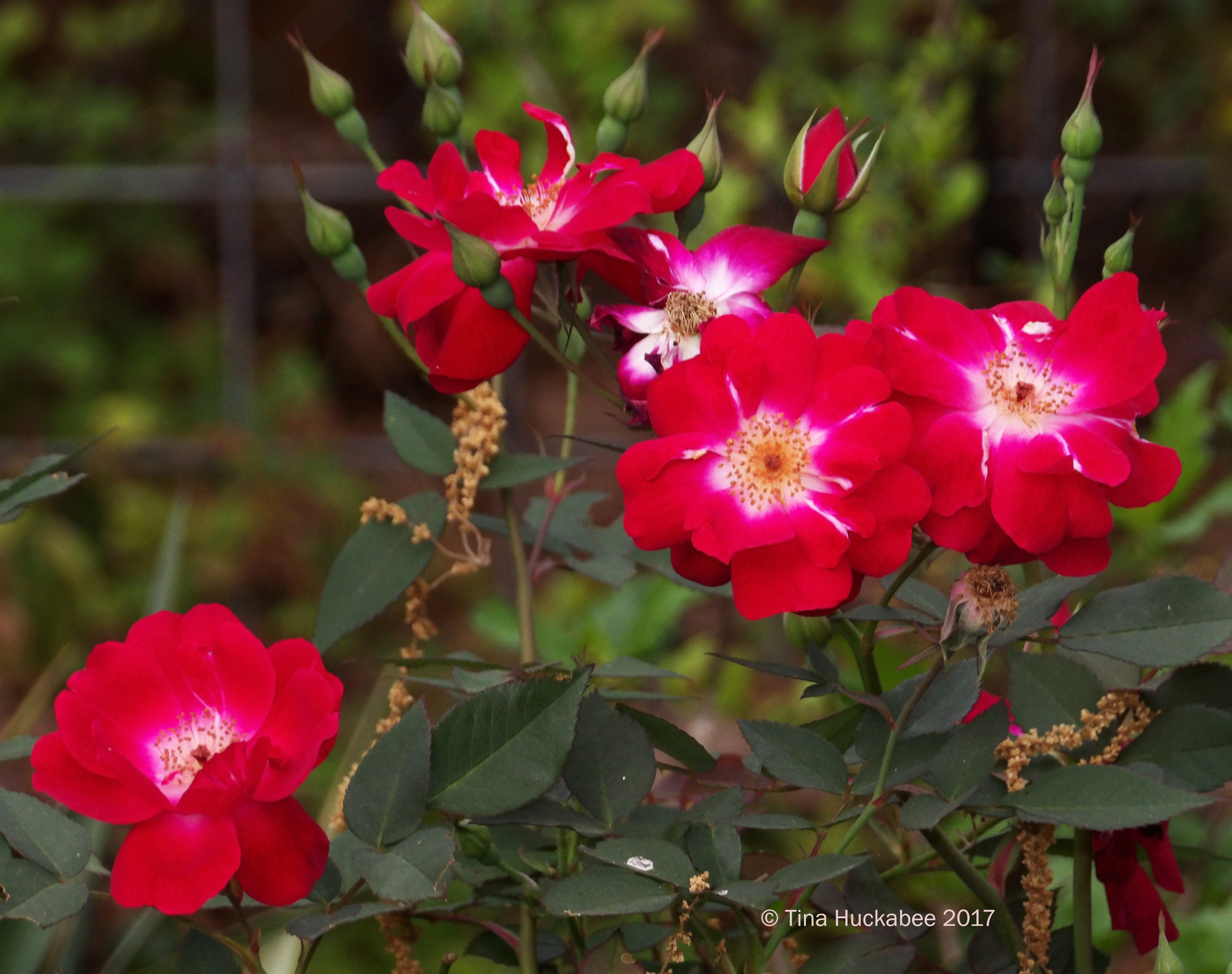
Thanks to spring breezes, the Crimson flowers of the Old Gay Hill rose are accompanied by the downed catkins of a neighboring Red Oak tree.


Pink is the true color of the Purple coneflowerEchinacea purpurea,  just entering a long, glorious bloom cycle.


Another spring pink is the native to Central Texas, Hill Country penstemonPenstemon triflorus.

The tubular flowers typically align along tall bloom spikes, though this spring, the whole apparatus of this particular specimen nestles close to the ground.  The one currently in bloom waits for action from native bees, its stripes serving as a runway to a luscious nectar and pollen-filled destination.

Autumn sageSalvia greggii, blooms in a variety of colors.

This coral beauty is a reliable spring and fall bloomer, taking a break during our toasty summers, though it maintains a tidy, evergreen form in the heat.  Like so many other plants in my garden, the shrub is currently decorated with Red Oak.  The troop of Horsefly-like Carpenter bees, Xylocopa tabaniformis, who reside in my garden have no trouble finding the sweet spot(s) of these lovely blooms.


Another blooming vine, the Coral honeysuckle,  Lonicera sempervirens, is also a bee magnet.

Fortunately, this gorgeous bee (Sweat bee, Augochloropsis metallica ?)  rested between forays into the flowers, allowing for its capture in photo form.

Blooms are boss and for a look at a spring-flowering festival, check out Carol’s May Dreams Gardens celebrating all things blooming this March.