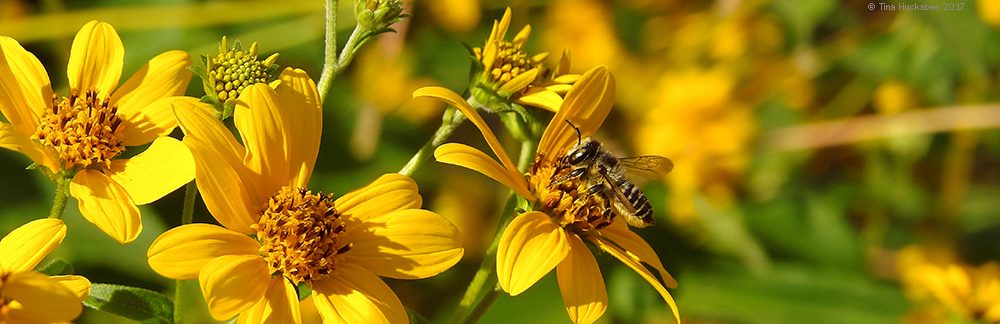
Hosted by Pollinator Partnership, June 17-23 is a week to celebrate pollinators in the garden. It’s easy to nurture a pollinator garden: plant flowers and the pollinators will come. Every season provides opportunities to grow plants that pollinators need for survival. Some pollinators are common throughout the growing season, while others appear only when certain flowers are available. Still others are migratory, showing up in the garden as they travel to other destinations to complete their life cycles. Pollinators add beauty and movement to a garden, and are indicator species of a healthy ecosystem; good gardeners always strive for a healthy ecosystem. Choose native plants in your garden, if available, but many non-native plants are excellent pollinator providers. Seasonal wildflowers, perennials and shrubs, as well as flowering trees will all attract and sustain pollinators of every stripe, wing, and kind. Pollinator insects include beetles, bugs, bees, flies, butterflies and moths. And don’t forget that bats and birds also pollinate.
So if you want something like this:
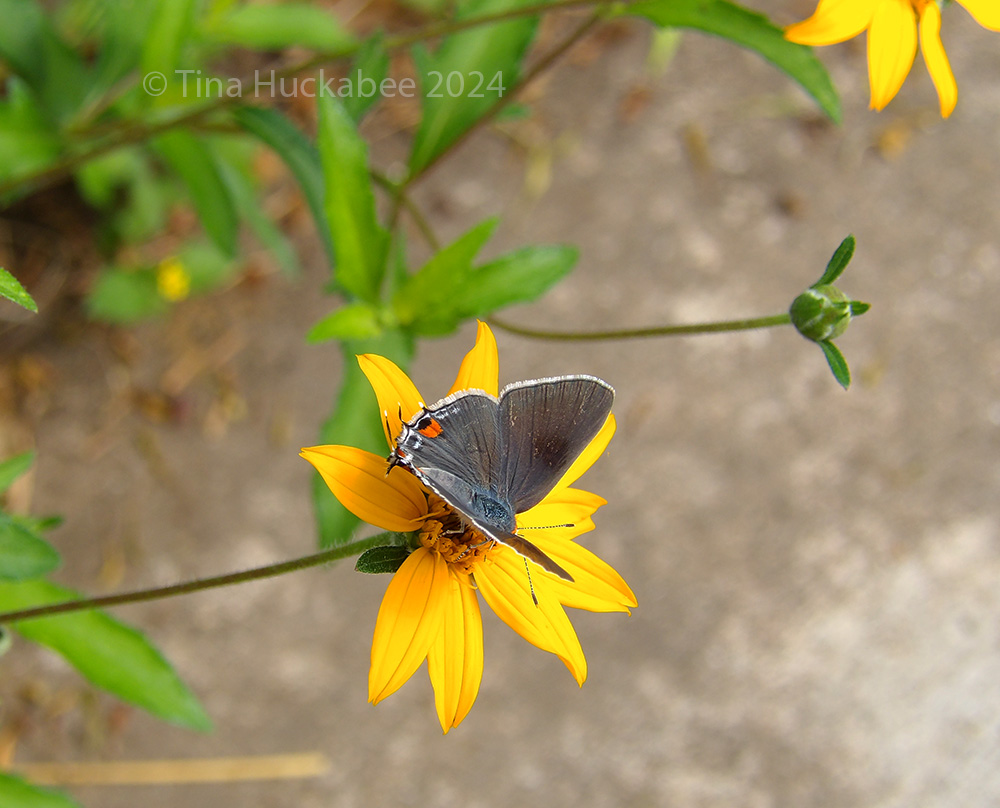
…or this:

…or these:
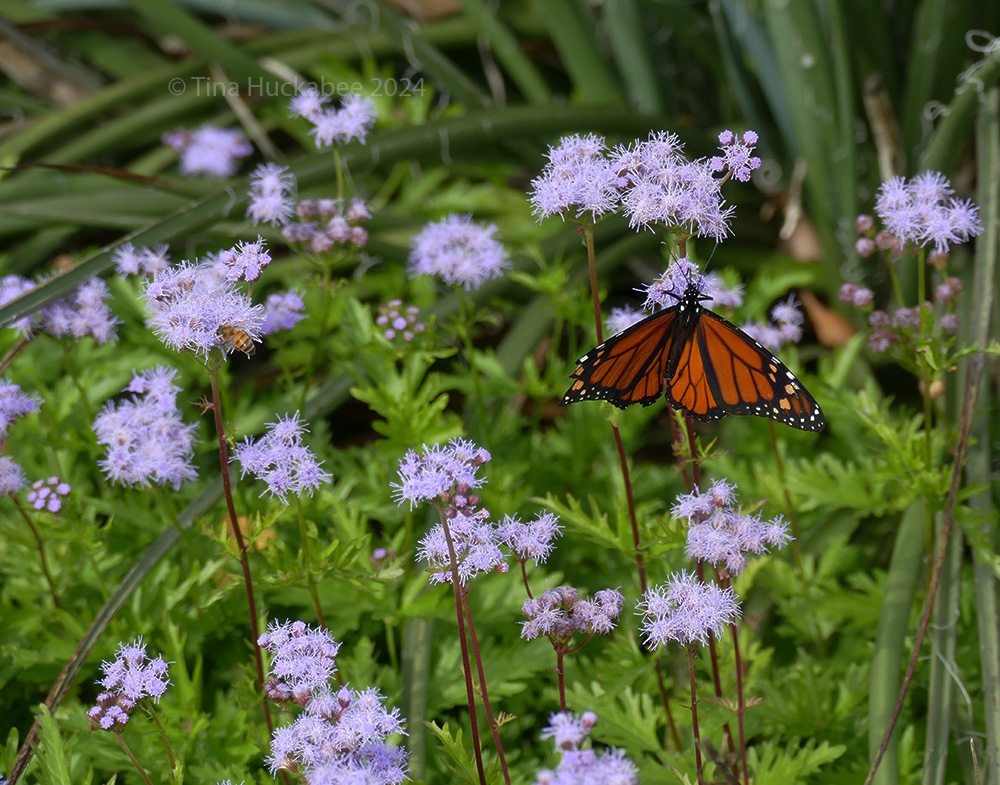
…or this:
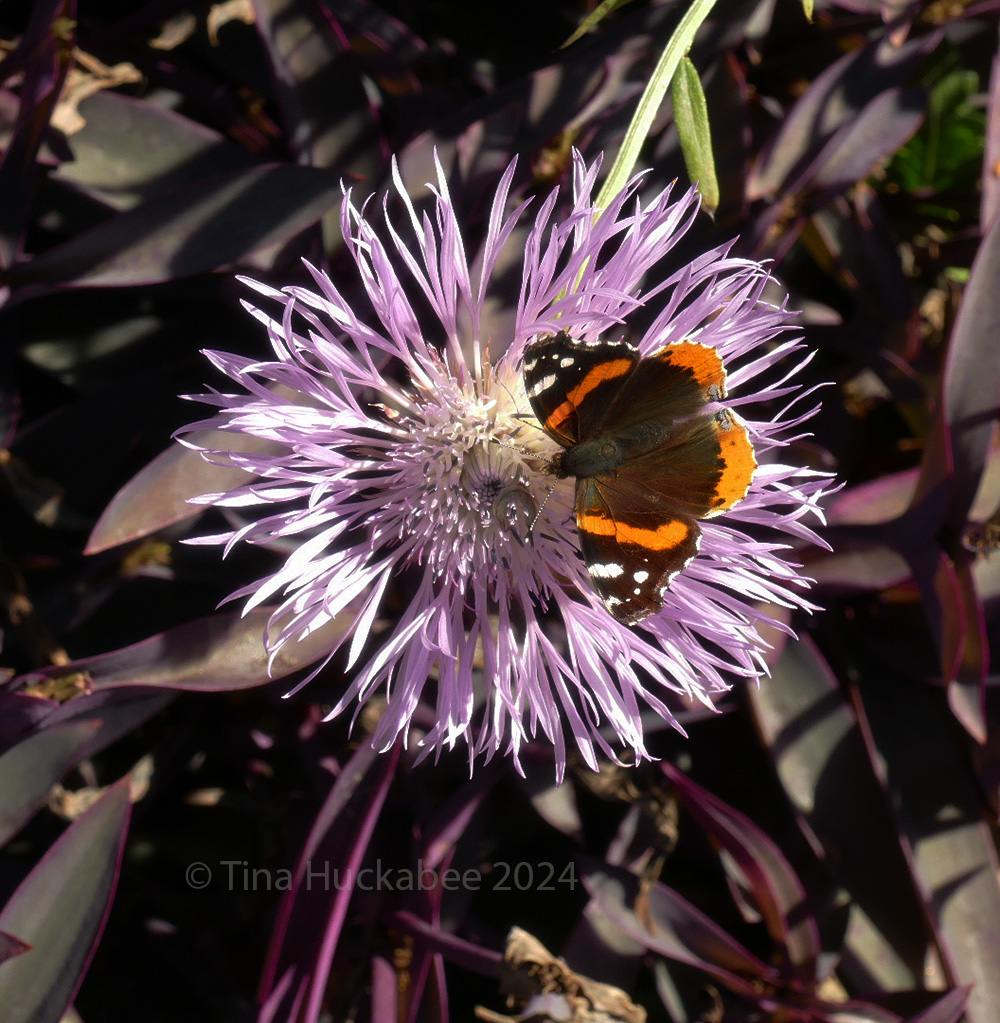
…or these:

…or these:
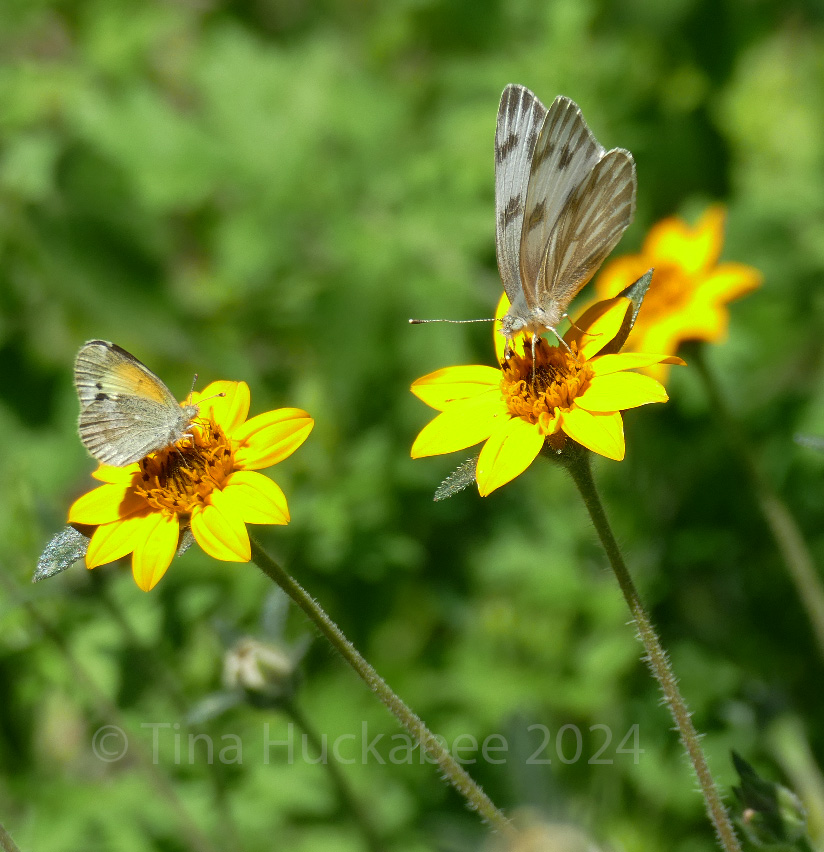
…or this:

…use native and well-adapted plants in your garden and the pollinators will come.
Insects and plants evolved together and form an interdependent partnership. Good gardeners accept that plants are eaten by beneficial insects, including those that become pollinators. So a little garden patience is required, understanding that some plants will show foliage damage–and that’s just fine. In particular, native plants are resilient and a little foliage munching by a pollinator juvenile won’t kill the plant.
Before they become jeweled and winged things, butterflies and moths are caterpillars, like this stripey beauty, an Eastern Black Swallowtail, Papilio polyxenes, caterpillar or larva. It will eat and eat, then grows and grows. Yes, the very hungry caterpillar causes some damage to the foliage, as well as leaving some poop, but look at that fat, healthy caterpillar!
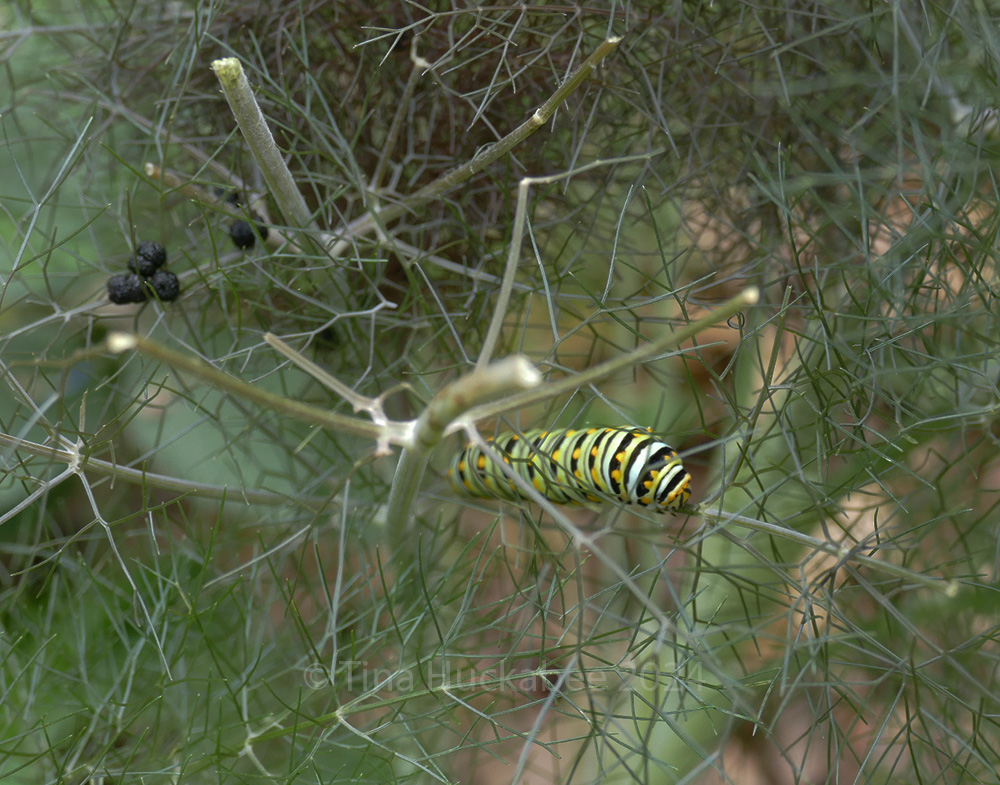
In time, a nice home will chemically form for the transformation from larva to adult butterfly.
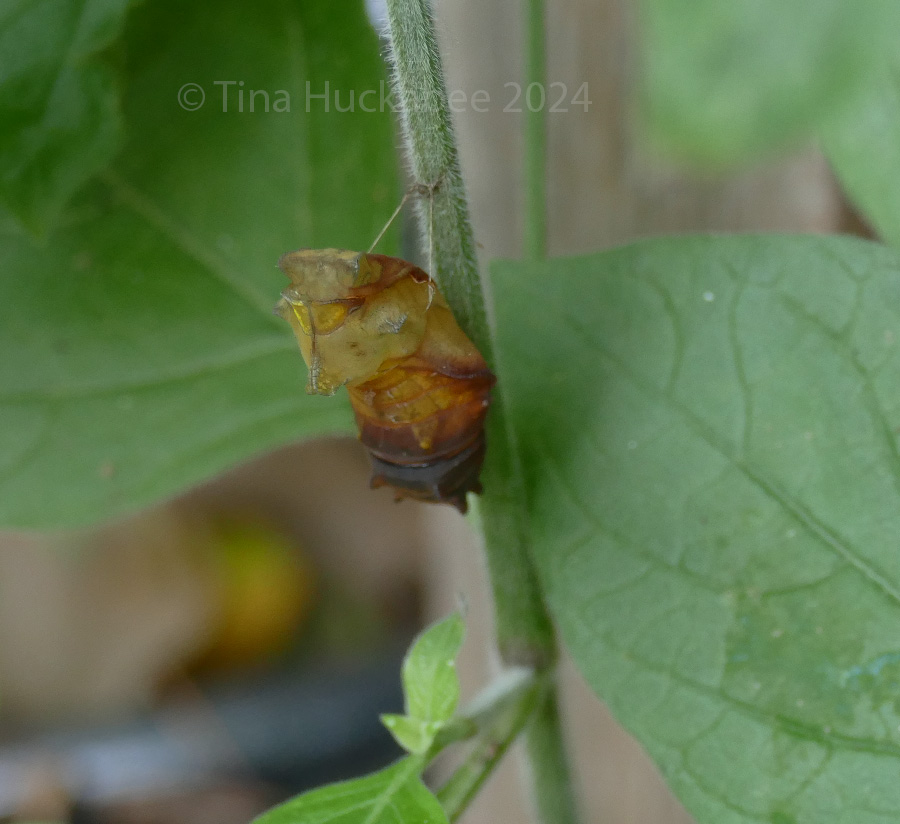
Eventually, the adult insect emerges and joins the throngs of other pollinators in the diverse and thriving garden, nectaring from a wide array of plants, for both its and the plants’ benefit.

Pollinator gardening is a win for everyone! Pollinator gardening is easy, rewarding, and will usher the gardener to observe and appreciate a whole new community–right on their own plot of the Earth.
If you plant them, they will come.
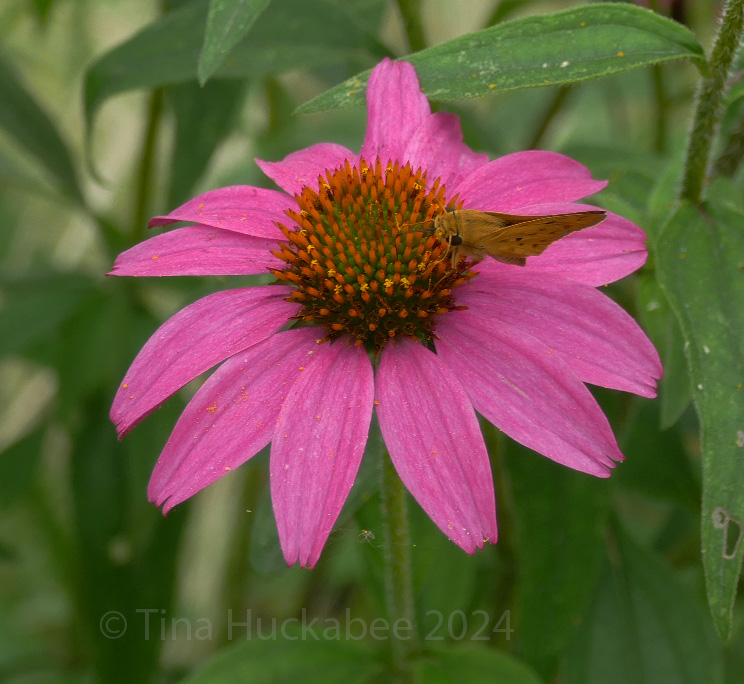
Happy pollinator gardening!
 My Gardener Says...
Those are beautiful!!! Thank you, Tina. – Joan
LikeLike
Thanks, Joan!
LikeLike
That’s a lot of ors. The more the merrier when it comes to the insect~plant combos you’ve highlighted.
>
LikeLiked by 1 person
It really is, isn’t it? I wish I’d had a few more bee shots, though I was trying to focus on butterflies.
LikeLike
To bee, or not to bee, that is the question.
LikeLiked by 1 person
Great post, Tina. I like that you mentioned host plants that will get munched. A small price to pay for the subsequent beauty. Happy Pollinator Week! 🙂
LikeLike
Happy Pollinator Week to you, Eliza. I like to mention that healthy garden will have insects and that those insects will eat. It’s supposed to work that way!
LikeLiked by 1 person
👍🏼
LikeLike
Thank you for sharing your lovely flowers and visitors, Tina. The pollinators thank you for the wonderful garden your provide for them.
I didn’t know it was pollinator week but am glad that my post this week fits right in. 😊
LikeLike
I try to remember to post something on this week each year, though I do forget!
LikeLiked by 1 person
I didn’t know there was such a week either – but I’m so glad such a thing exists – thanks for the heads up Tina!
Linda xox
LikeLiked by 1 person
As long as you know about pollinators, that’s the important thing, Linda!
LikeLiked by 1 person
That I do – we deliberately planted flowers in our front garden to feed the bees… it just means you have to keep an eye on the local littlies who have a habit of sticking their faces straight into the bushes!! xx
LikeLike
Lovely photos and an interesting post Tina. I have a friend who lets her front yard go wild, whatever grows, grows. Some people have told her it looks untidy, but she loves it because she gets wildflowers popping up and her yard attracts so many pollinators plus visits from local birds and wildlife. It’s like a little eco system in her front yard.
LikeLike
Thanks, Sue! I’m sure your friend’s garden is a wonderful place to be an insect or bird! I love “yards” that are mini-prairies; my garden is more of an English cottage style, using mostly native plants. It’s not wild, but I allow the plants to be who they are.
LikeLiked by 1 person
I had lots of beautiful butterflies in my kitchen window garden and had I realized it was pollinator week, I would have taken some photos. Are you having high temperatures? It’s hot here with occasional showers turning the air into a sauna. I’ve been spending most of my time inside.
LikeLike
I’ve mentioned Nature’s Garden, an old book by Neltje Blanchan a couple of times on my blog. It’s sub-title tells its story: “An Aid to Knowledge of Our Wild Flowers and Their Insect Visitors.” It’s a fascinating early 1900s version of ‘if you plant it, they will come.’ Even in reprint it’s relatively costly ($40 or so), but occcasionally copies show up at rock-bottom prices, like this one on Etsy. It’s a great book to have around when rain or heat or cold keep you from enjoying pollinators in the garden!
LikeLike
Thanks for the link, Linda–appreciate it.
LikeLiked by 1 person