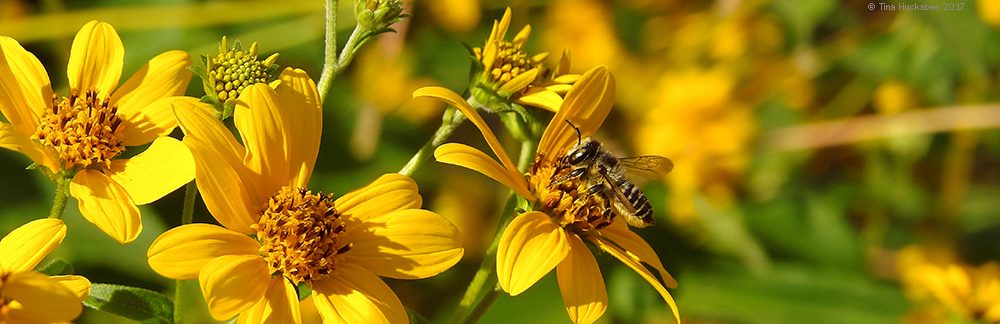
Garden Bloggers’ Bloom Day–January 2012–Before the Pruning

My gardens haven’t experienced much of a freeze here in central Austin thus far-just a few light frosts.  Even so, there’s not much in bloom with the short days and chilly weather. Here’s a peek of what’s blooming in my part of the world in celebration of Bloggers’ Bloom Day, hosted by  Carol at May Dreams Garden:

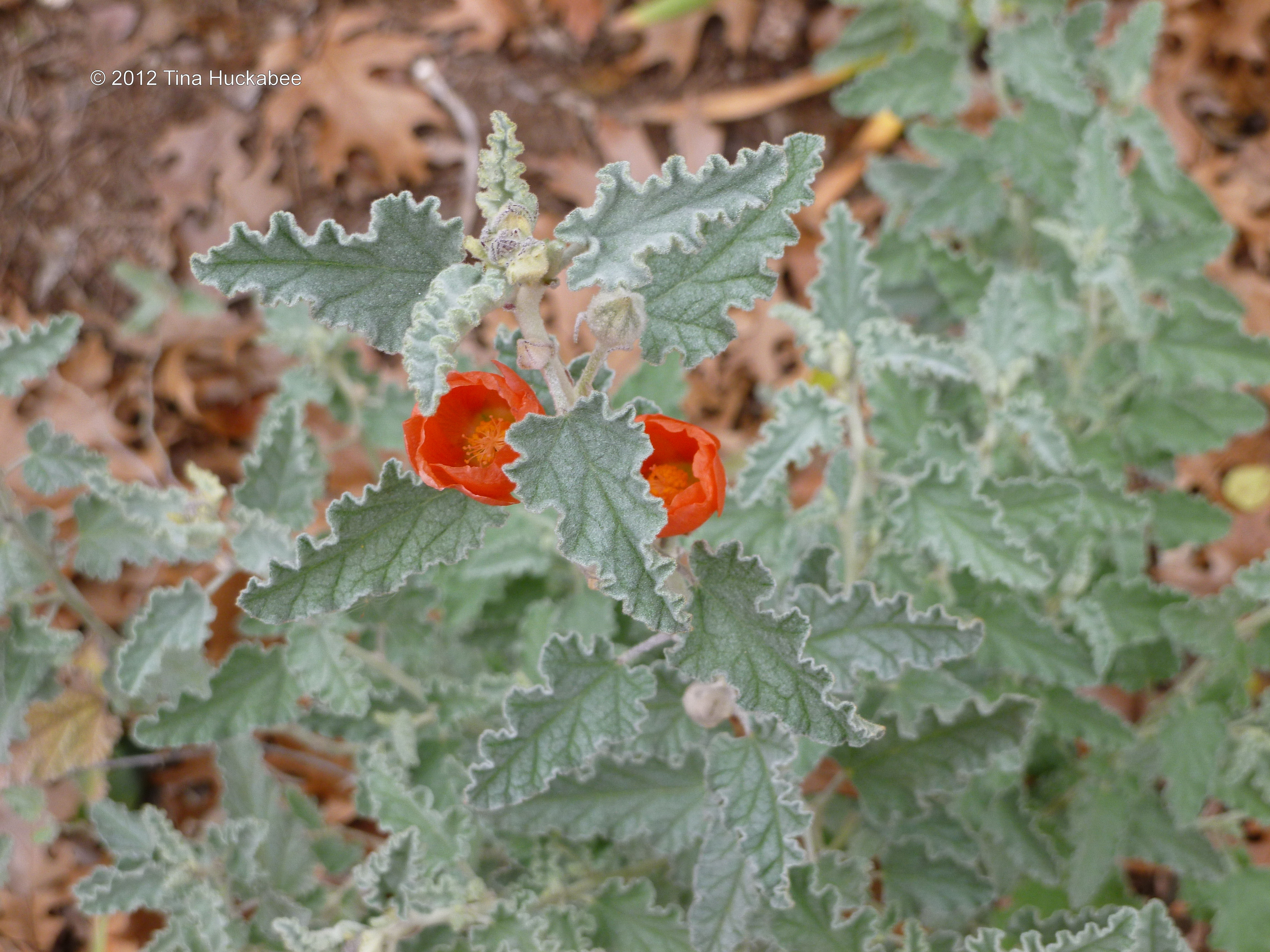
Two views of two blooms on the lovely and talented Globe Mallow (Sphaeralcea ambigua).  I’m smitten with the salmon color of the flowers and the sage green, frilly leaves.  It blooms best for me late winter/spring with fewer blooms in the summer/fall.
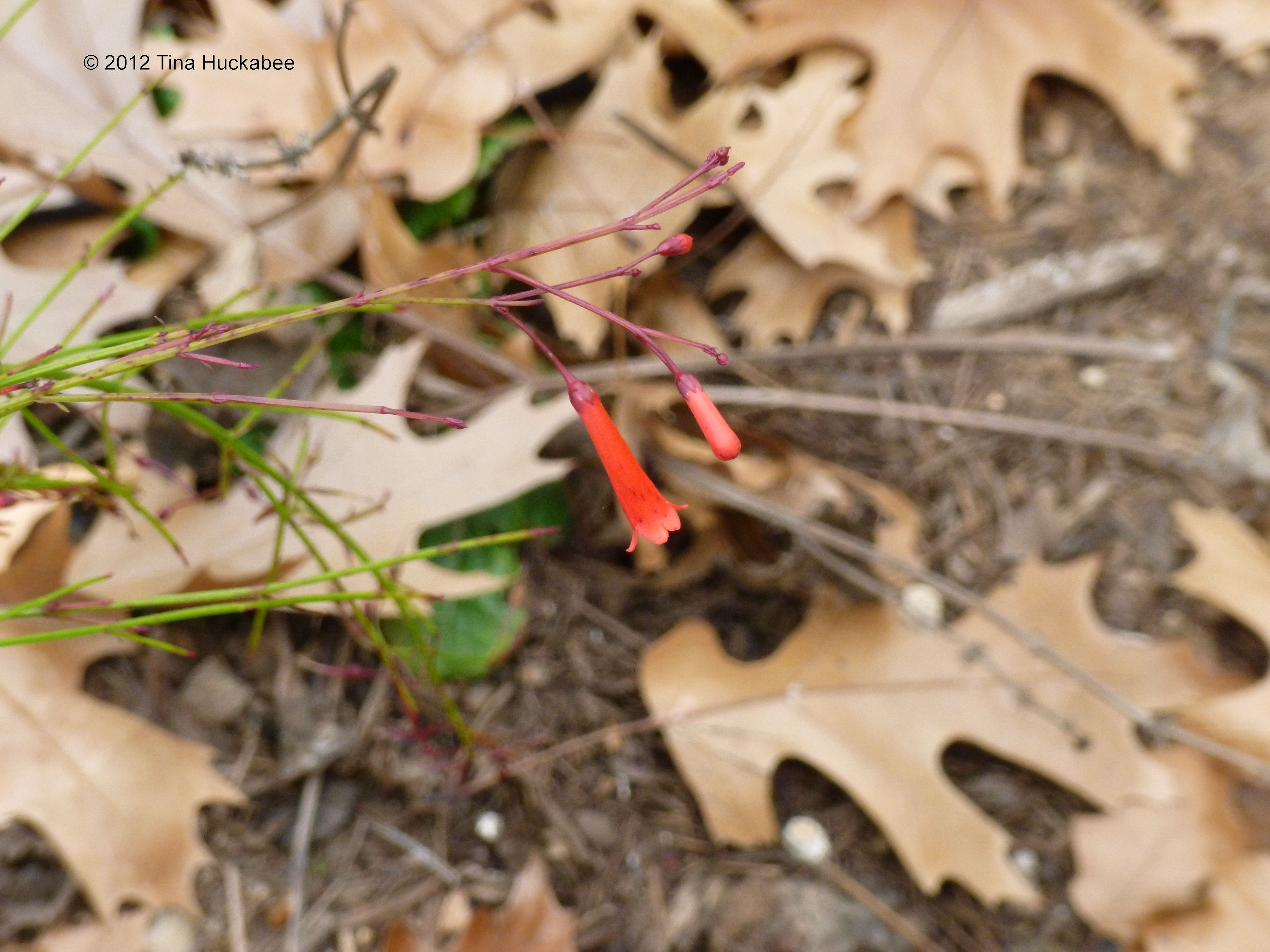
There are still several blooms left on one of the Firecracker Ferns (Russelia equisetiformis).  Some suffered freezer-burn during the light freezes, but not this one by the pond.
A lone Gregg’s Mistflower (Conoclinium greggii), still sweetly blooming–it just won’t quit!

One stand of Goldeneye (Viguiera dentata) still in bloom.  Half the plant shows freeze damage, the other half is in bloom.  Go figure.
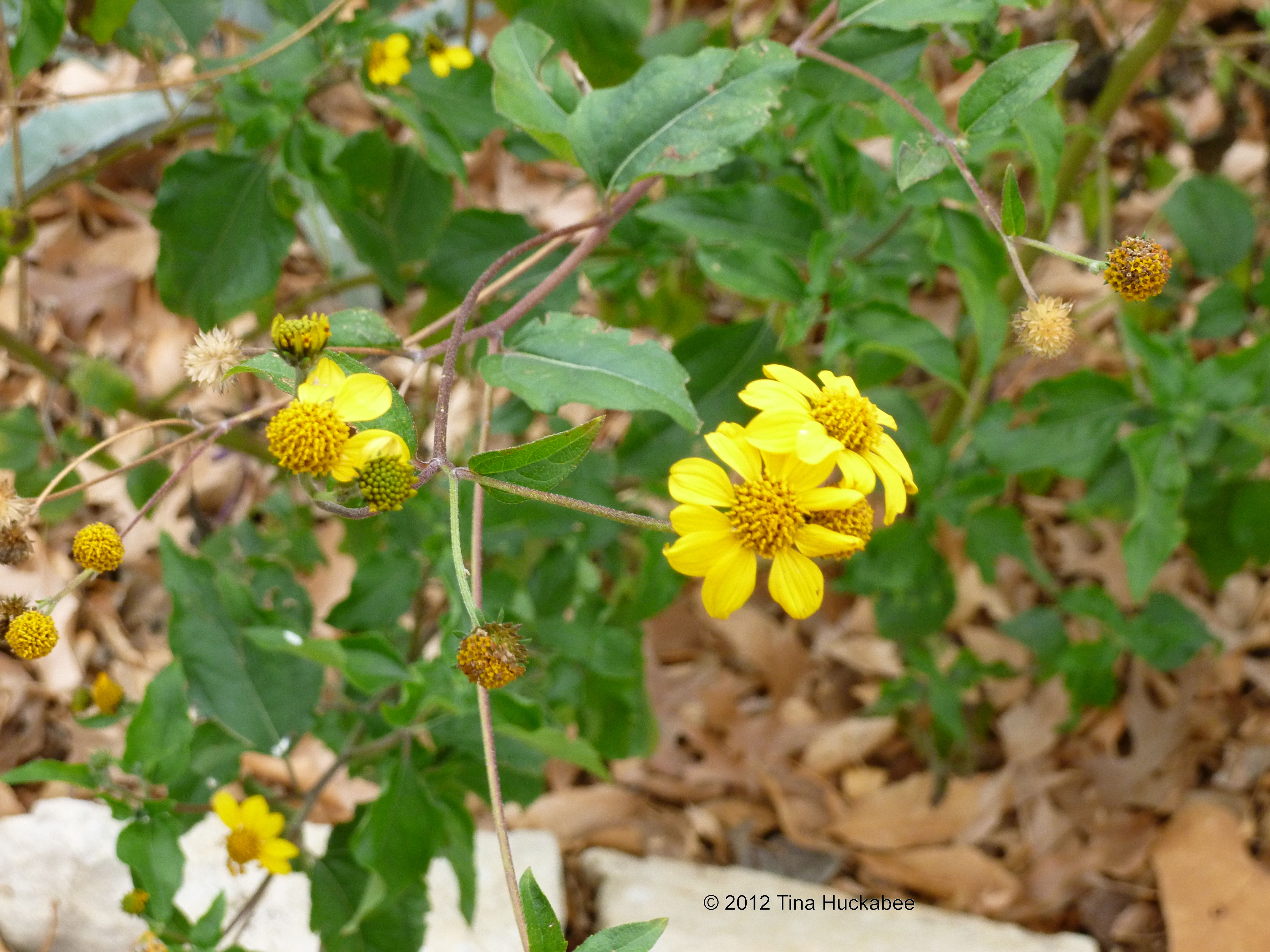
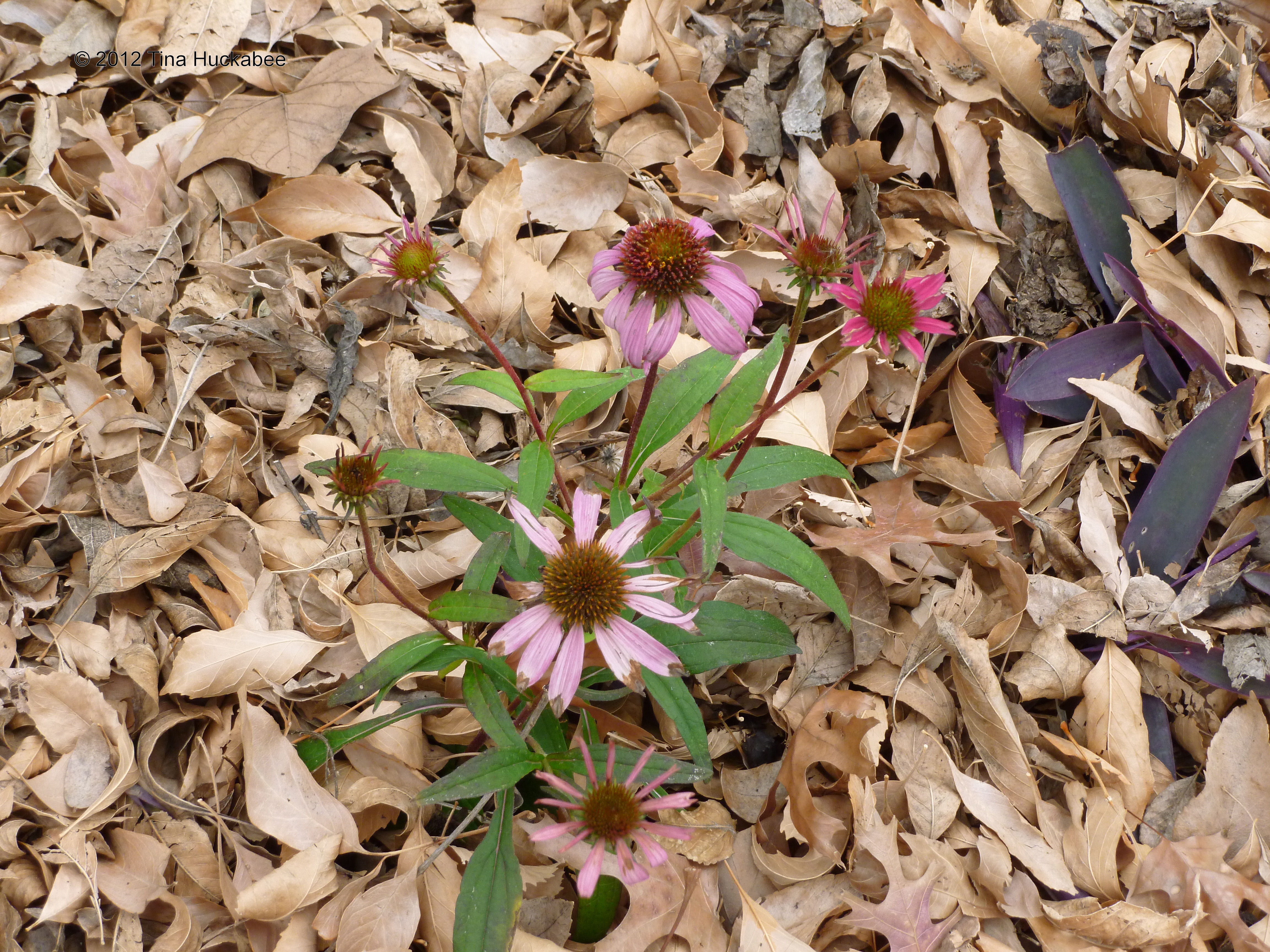
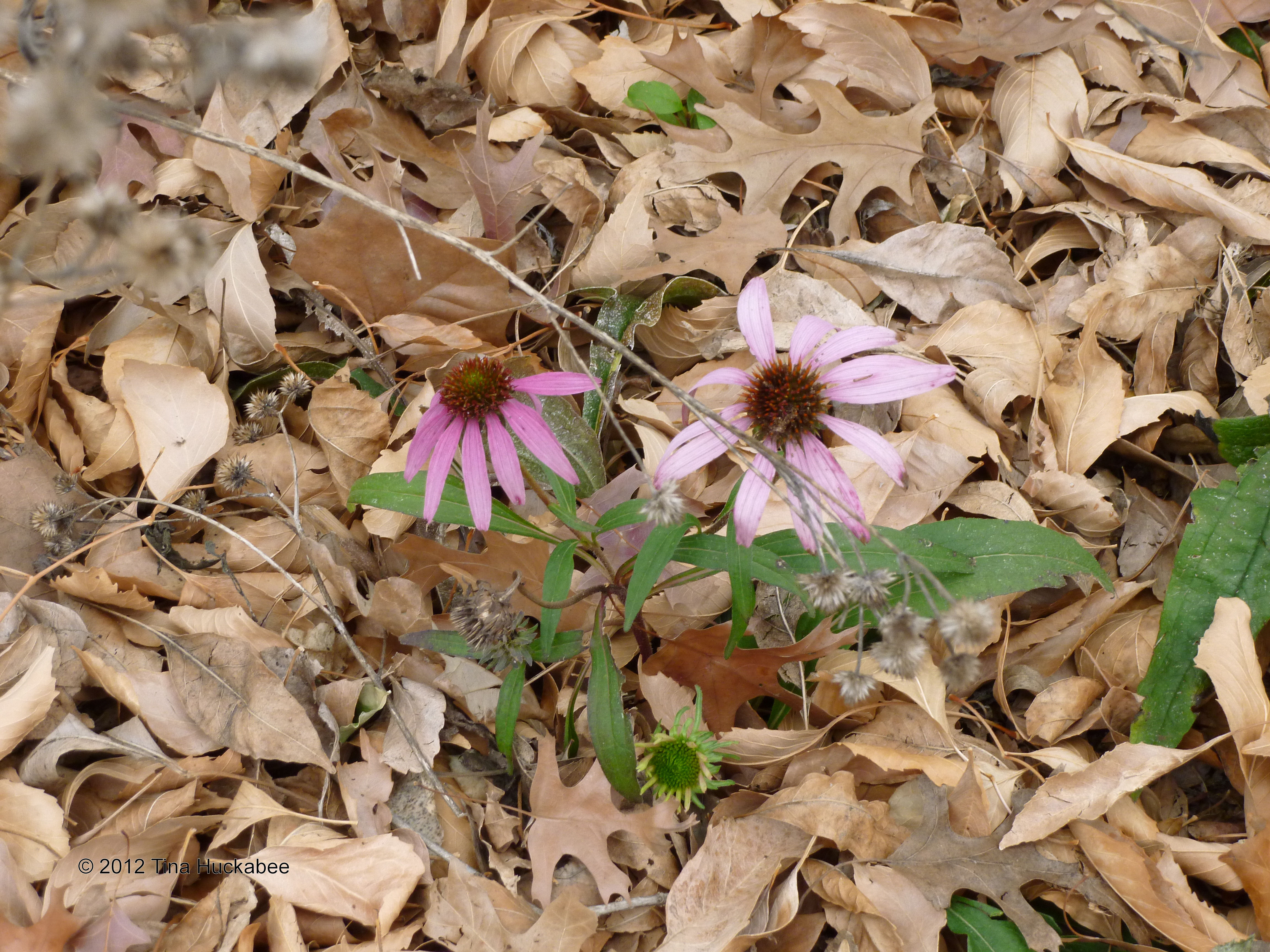
There are two Purple Coneflowers (Echinacea purpurea) in bloom. Interestingly, they are situated beside the Goldeneye.  Is the soil especially good there?  (Not that either of these plants care much about soil type.)  Or are they protected from the little bit of cold we’ve had because they’re beside the driveway/street and  benefit from warmth of the asphalt?  Probably, but who knows….
Also by the street, one group of Turk’s Cap (Malvaviscus arboreus), with its one bloom.  Glad it’s still around–I hope any over-wintering hummingbirds know to locate it.

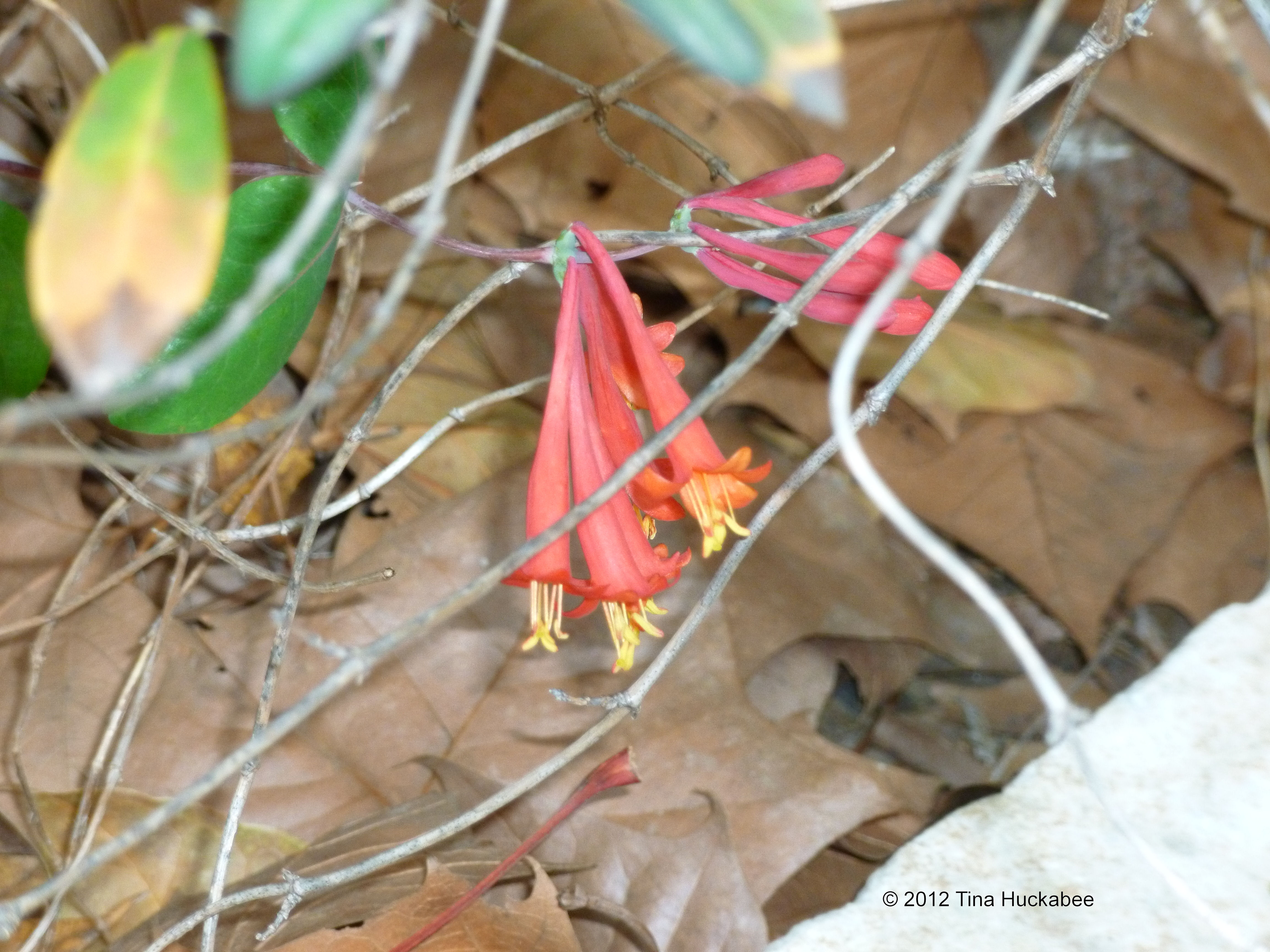
I’m so excited to see a lone, open bloom on my native Coral Honeysuckle (Lonicera sempervirens).  There are others that will open soon.  This little dude is at the bottom of the vine.
Another “lone,” this time in the form of a Columbine (Aquilegia chrysantha).  I’ve seen blooms on Columbines before during the winter (they are a cool season plant), so I’m not shocked to see this one.  It’s on the plant where I observed two blooms back in October, which is very unusual.  I hope it’s getting prepared for its big show in spring.

And finally, there are still a few little blooms on the Blackfoot Daisy (Melampodium leucanthum).  Love, love, love that plant!

I’ve also discovered the beginnings of some blooms on my Barbados Cherry (Malpighia glabra)–if we don’t have a hard freeze in the next week, they’ll be in bloom too.  Wow!

I guess it’s not so skimpy for January.  What’s blooming where you live and garden?

It’s Not Therapy For Me

I hate leaves.

I guess I should elaborate on that statement:  I like leaves as long as they’re attached to a tree.

I hate them once they fall to the ground.

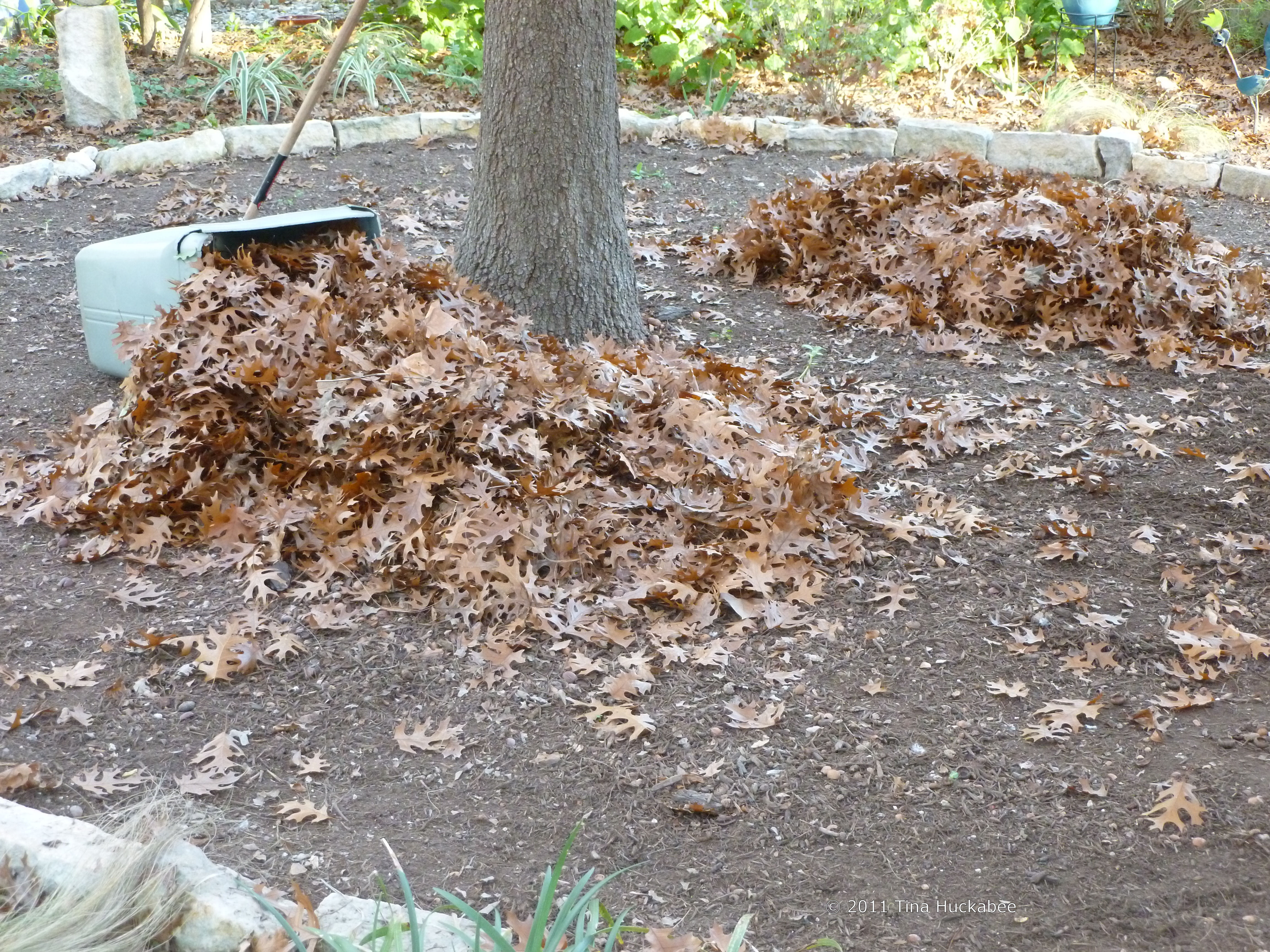
I spent the better part of the end of 2010 raking up the multitudes of leaves that fall from my trees.   Some gardeners find  raking leaves therapeutic.  Not I!  It’s a job I dread and detest.  I foisted some of this year’s work on The Teenager–it’s always good to have things to hold over a teen.  But, as usual, because I’m the gardener,  I’m left with the bulk of leaf clean-up.  And it always seems like the leaf pick-up will be endless, yet the mess only lasts  for a few weeks, at most.

It’s just that there are so many leaves.

And more leaves.

While I rake, I repeat a mantra to help me through the drudge:  Stop whining about the leaves.  You have four large, mature trees on your property.  They provide shade during the hot months of the long Central Texas summer.  Stop whining about the leaves.

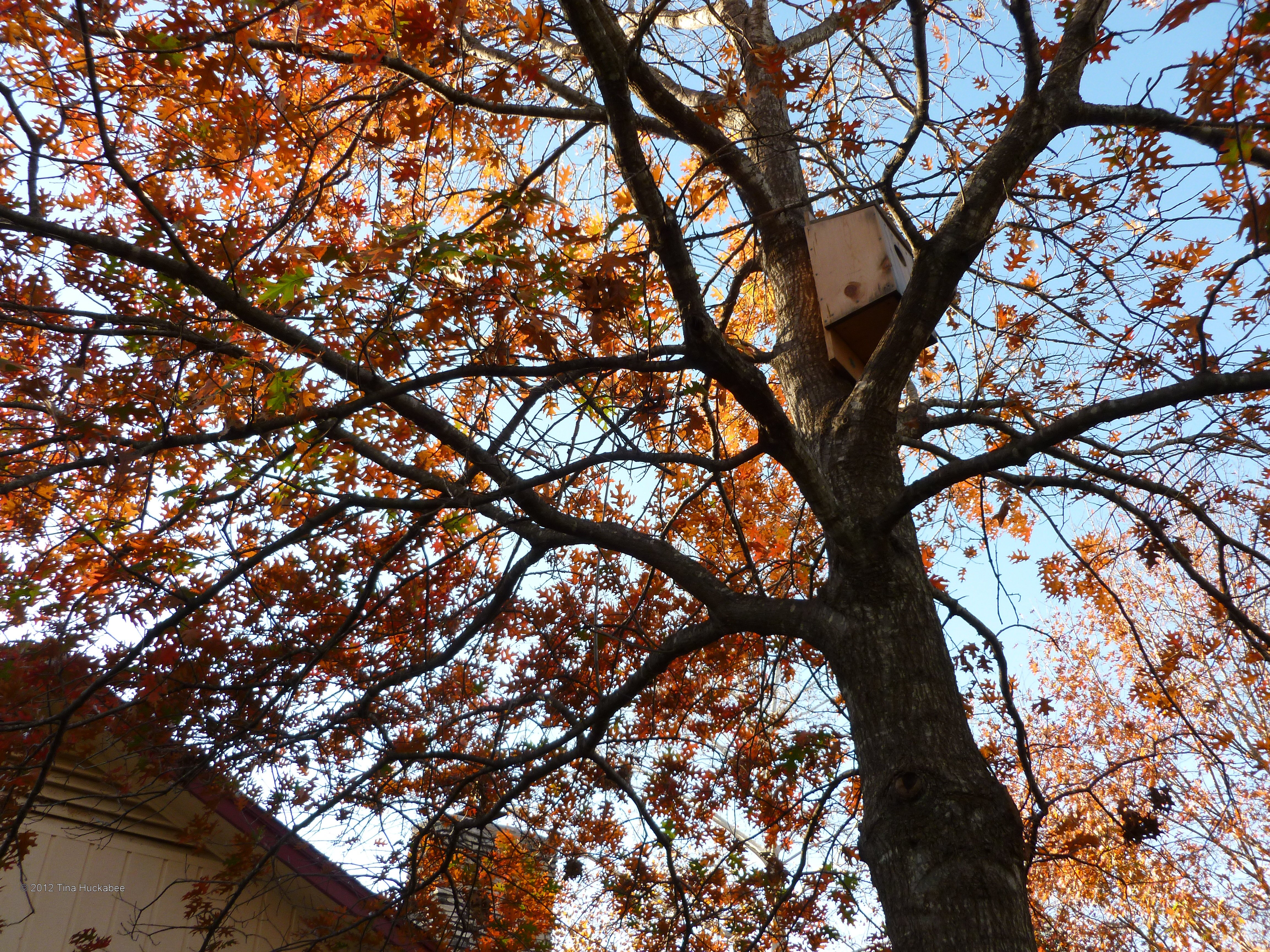
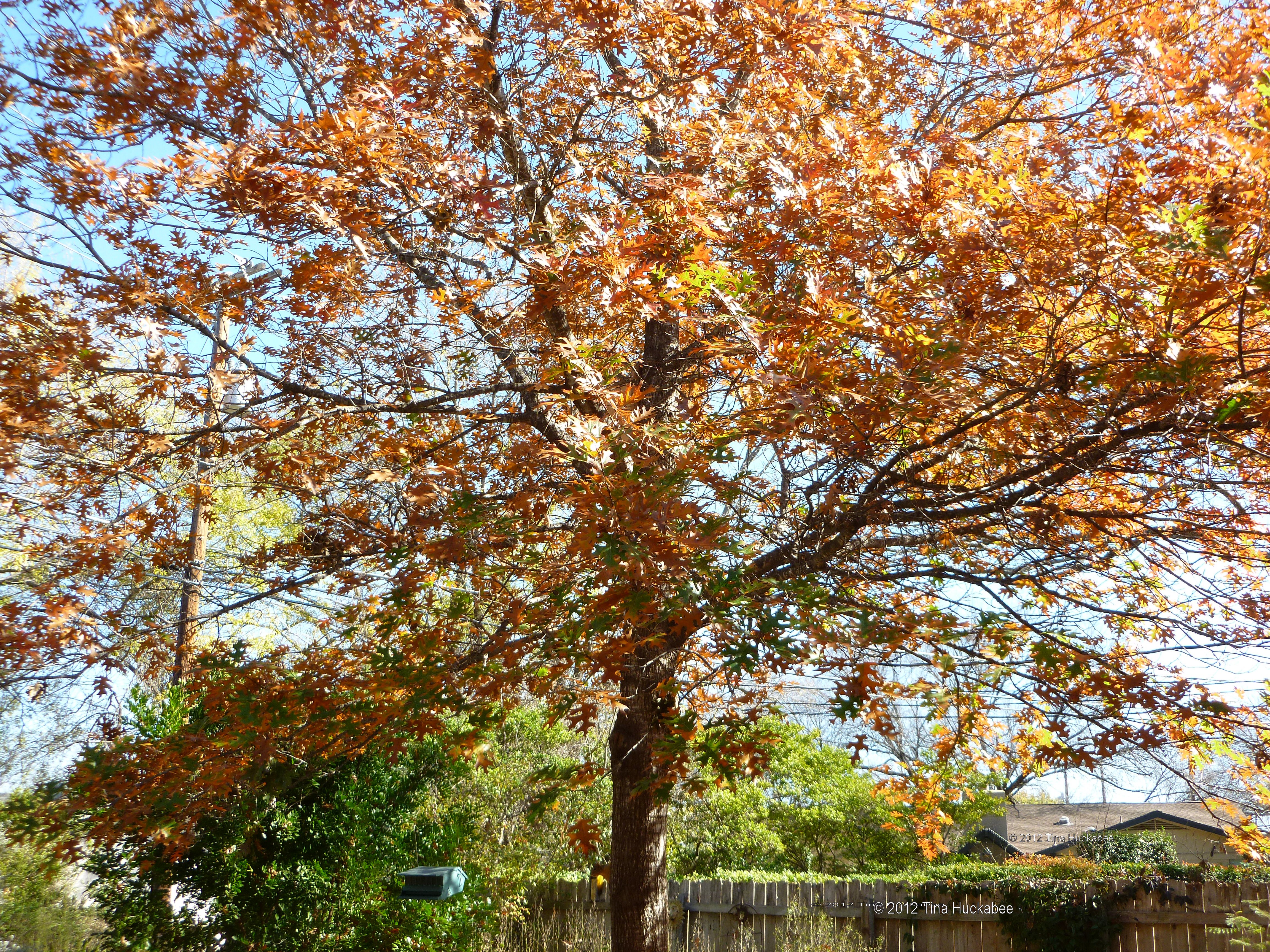
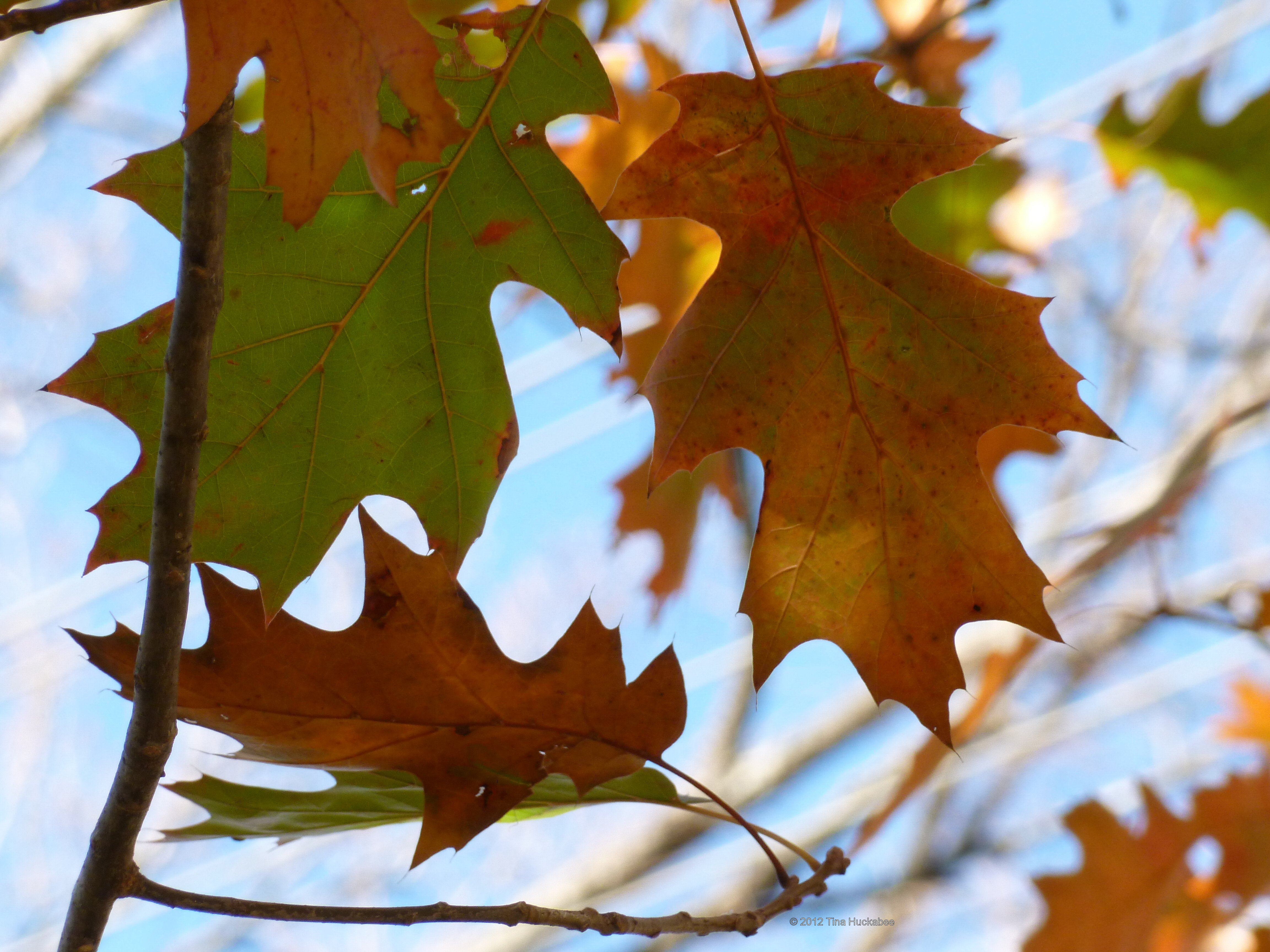
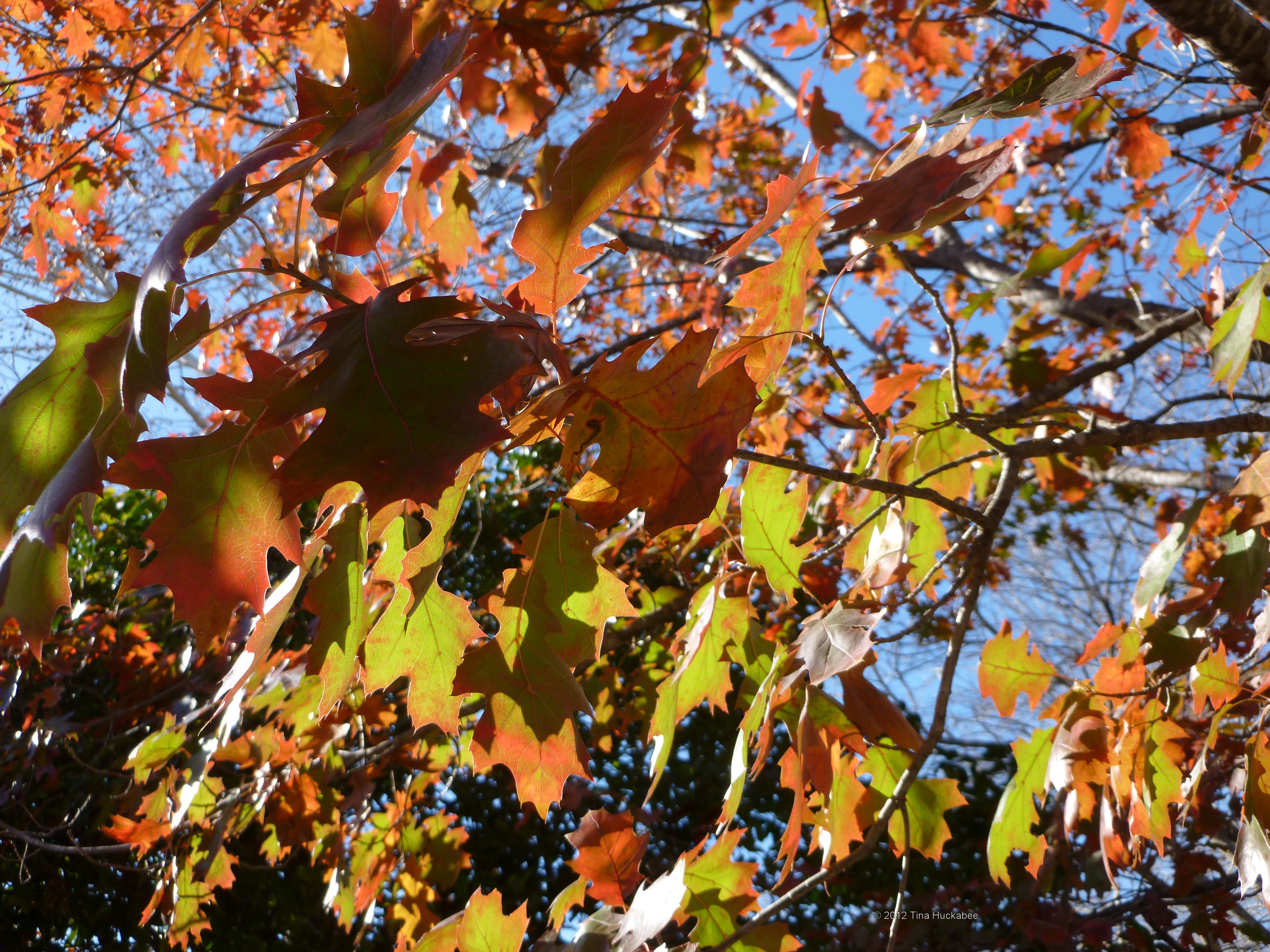
I love the beautiful rust color that the Red Oaks turn before the leaves disengage from their arboreal home.

The transformation of color begins in earnest in early December, from green to the lovely blend of orange, rust and burgundy,

and by the end of December, they drop.

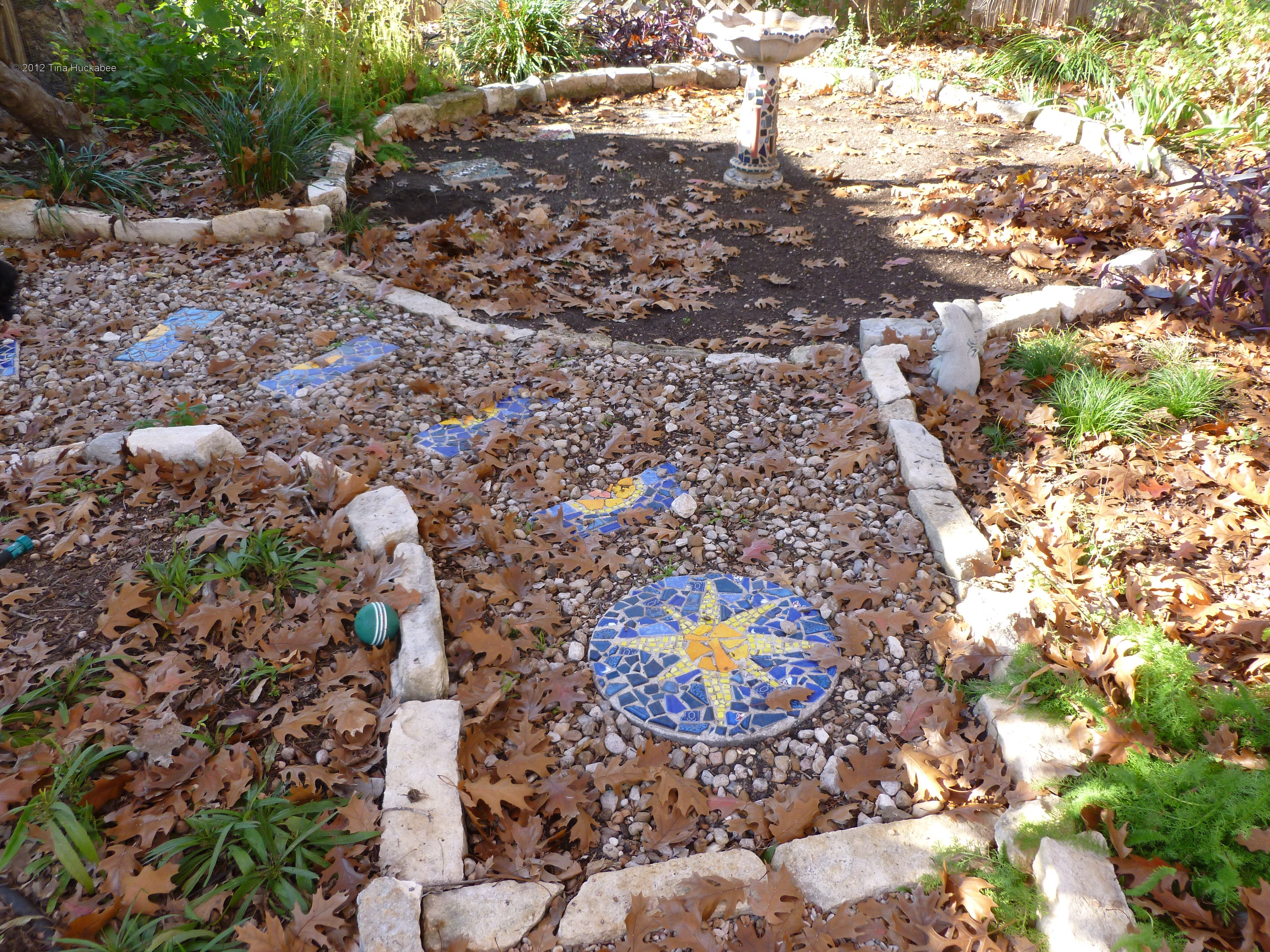
And then I rake.  And rake.

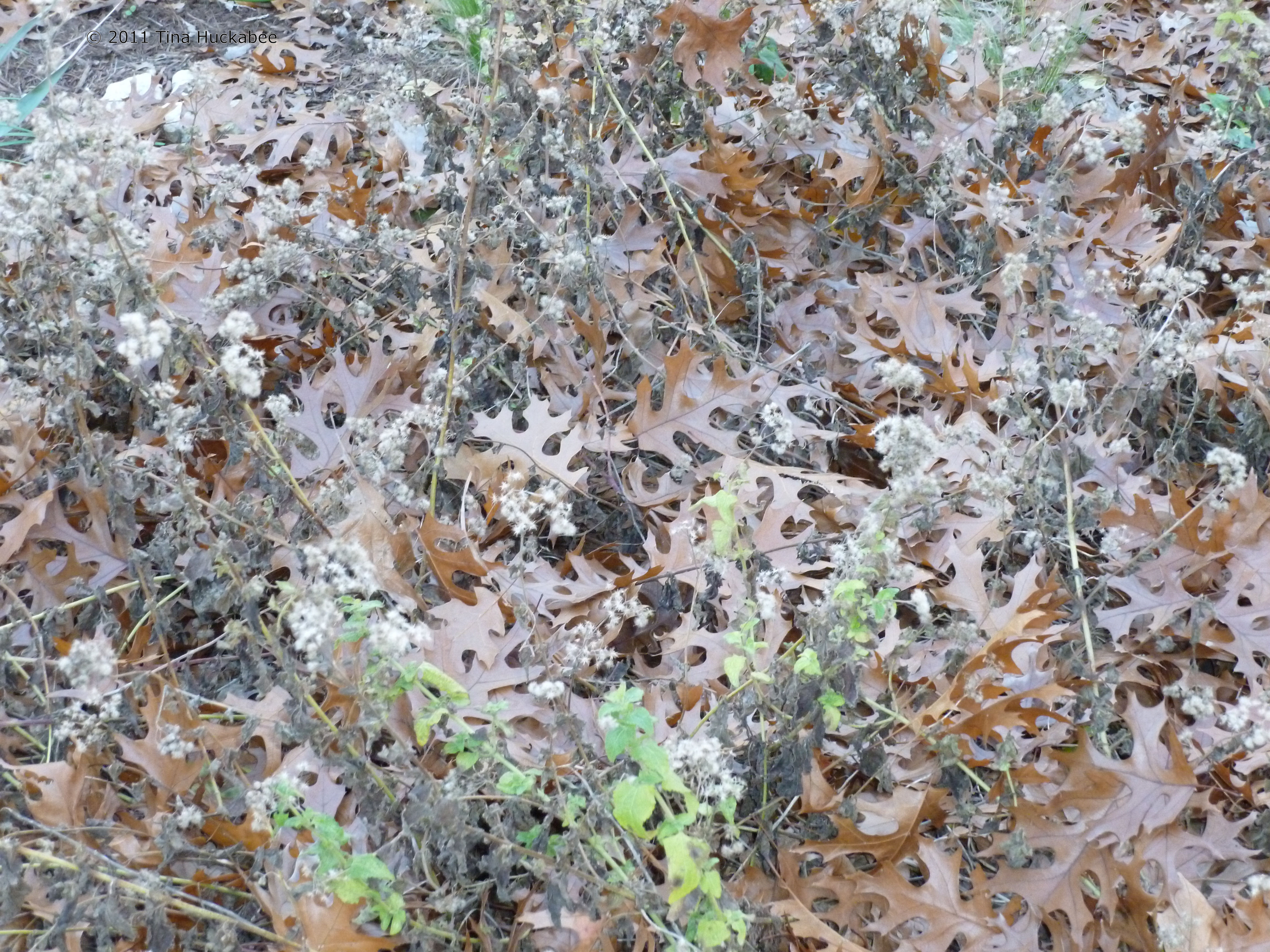
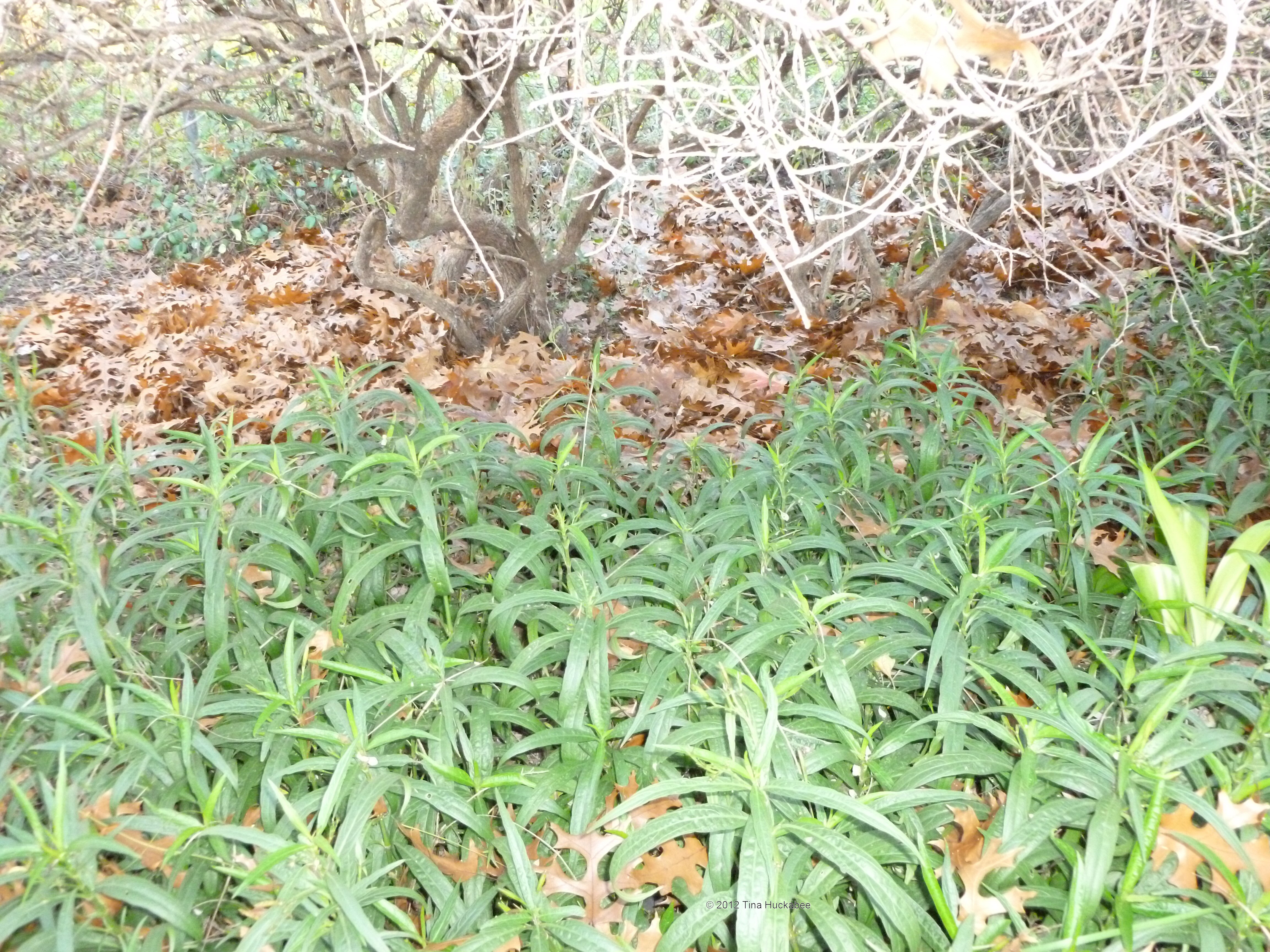
Some of the Red Oak leaves will also end up in the gardens, but only in specific areas because of the size of the leaves.

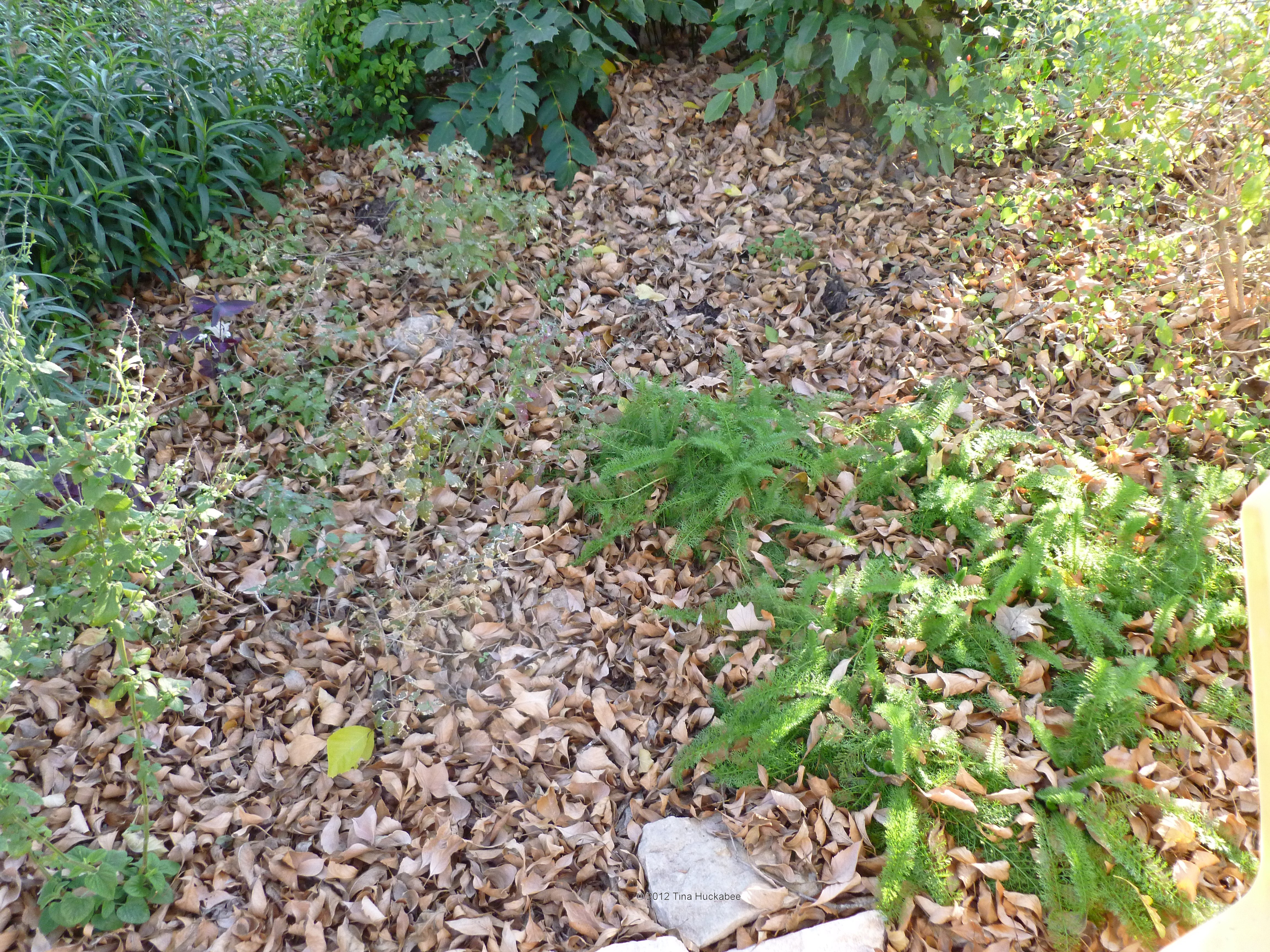
The small, thin leaves of the Arizona Ash tree are ideal to leave in the gardens, so that’s where I put most of them.

They break down through the winter months, especially if it is a wet winter.

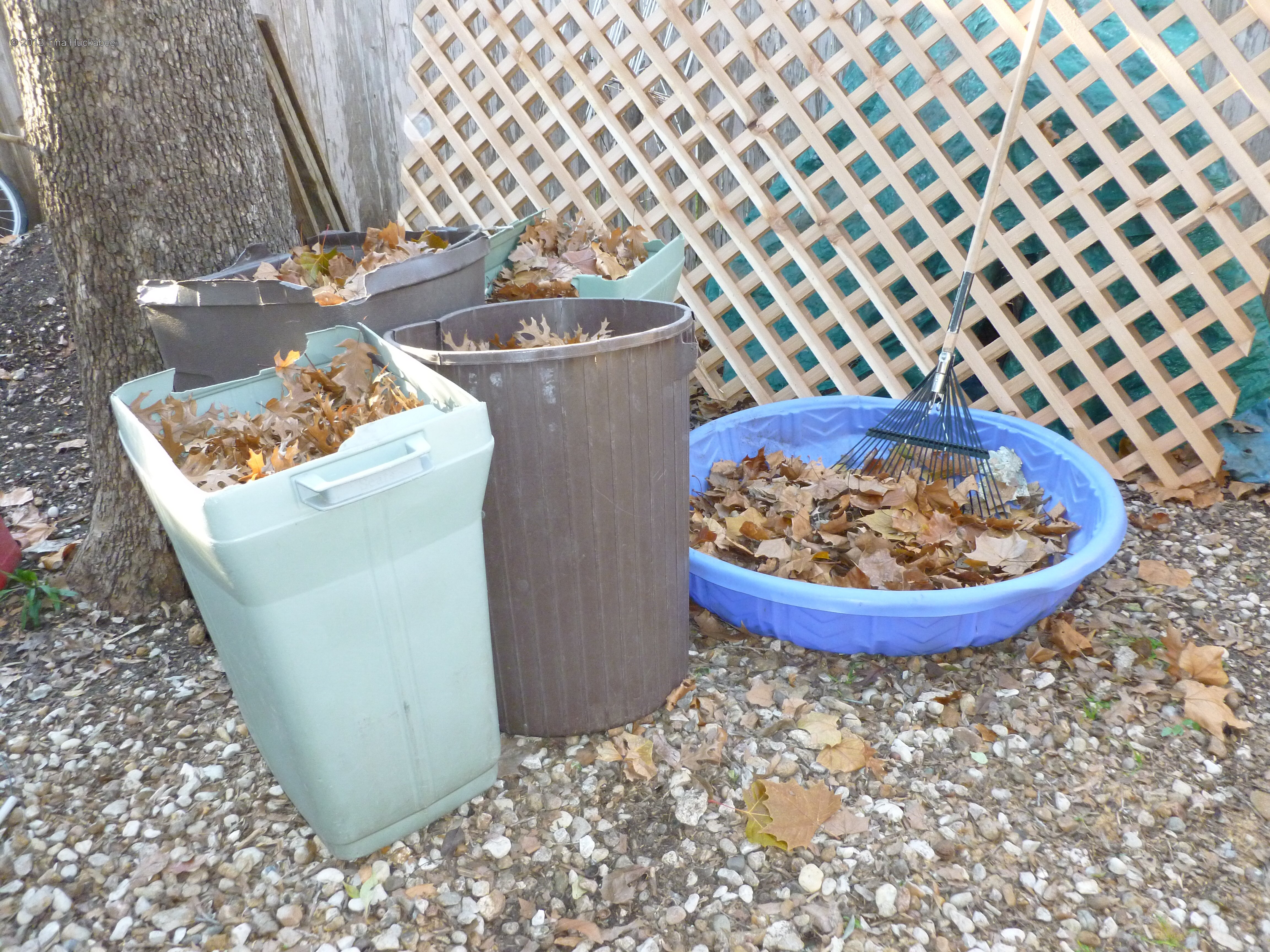
Some leaves end up in the compost.

This year, because I haven’t been a good gardener and I haven’t been diligent about turning the compost, most of my leaves ended up as yard waste, placed at the curb for pickup on
Thursdays.

In their next life, they’ll be mixed with treated sewer sludge  (heated to a safe temperature) and made into a gardening product called “Dillo Dirt” by the City of Austin.  It’s sold in Central Texas nurseries as a soil amendment.

My least favorite leaves in my gardens are the leaves of the American Sycamore.  Big, thick and just…not attractive, except when they’re on the tree of course.  Once they’re down on the ground, they are clumsy and awkward.

They can be almost as big as dinner plates.

I hate these leaves once they fall.

This December, there weren’t as many of the Sycamore leaves because quite a few dropped during the summer.  The Sycamore is not a particularly drought tolerant tree and in especially hot, dry summers, it sheds some leaves early.  Usually, this garden is covered.

It’s actually not so bad this year, I guess.  I’ll shred some of these leaves with an attachment to my leaf blower and that’s useful because then I can put these leaves directly in the compost or in some areas of the garden.

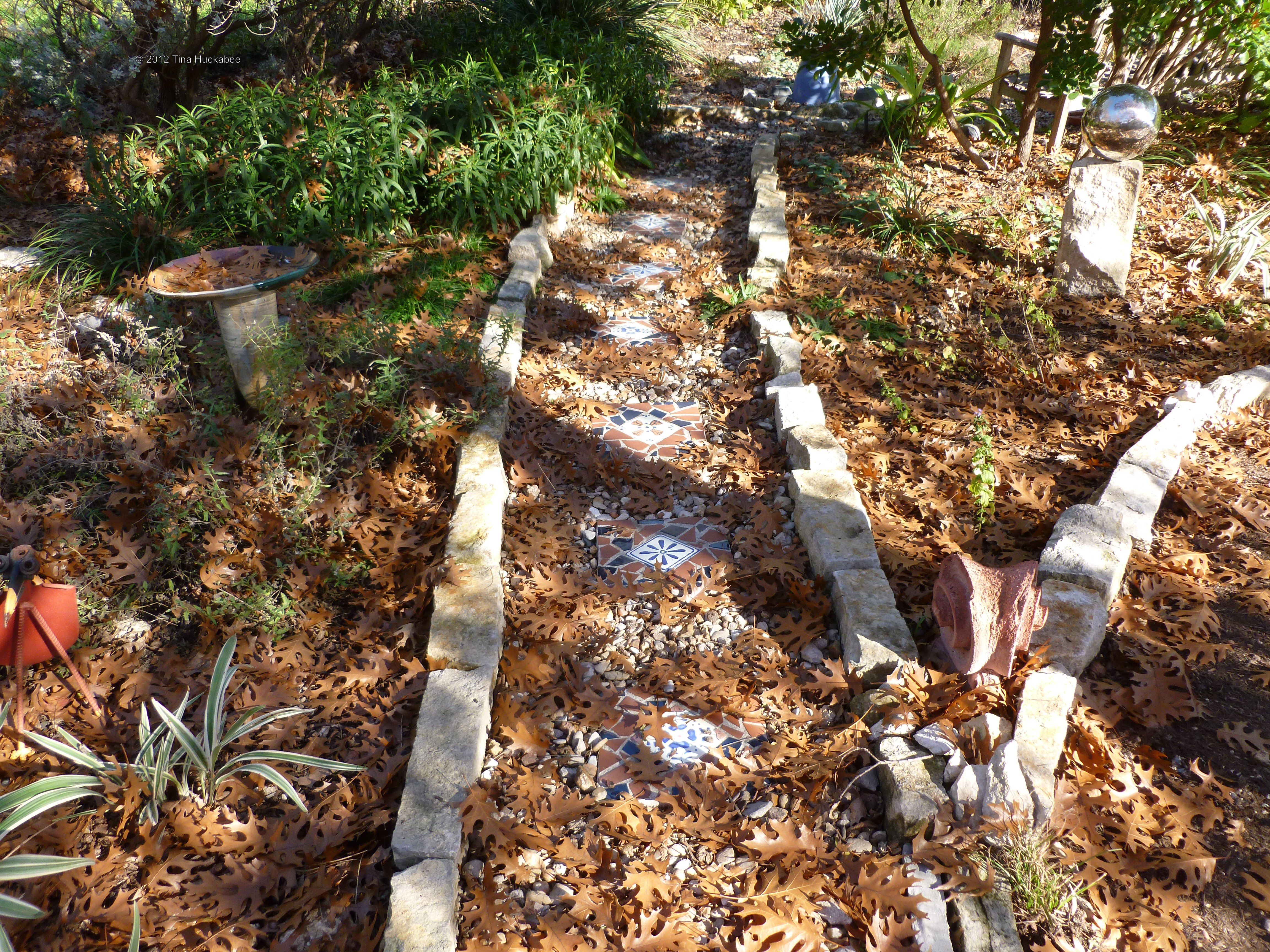
The leaves are almost all down now.  Some are still wafting to terra firma with the breezes, so the cleanup isn’t quite over. There will be some tidying up here and there over the next month and then my gardens and pathways will be cleared and non-crunchy once more.

I’ll miss the beautiful hues of brown, red and orange in the garden.