If You Plant Them, They Will Come

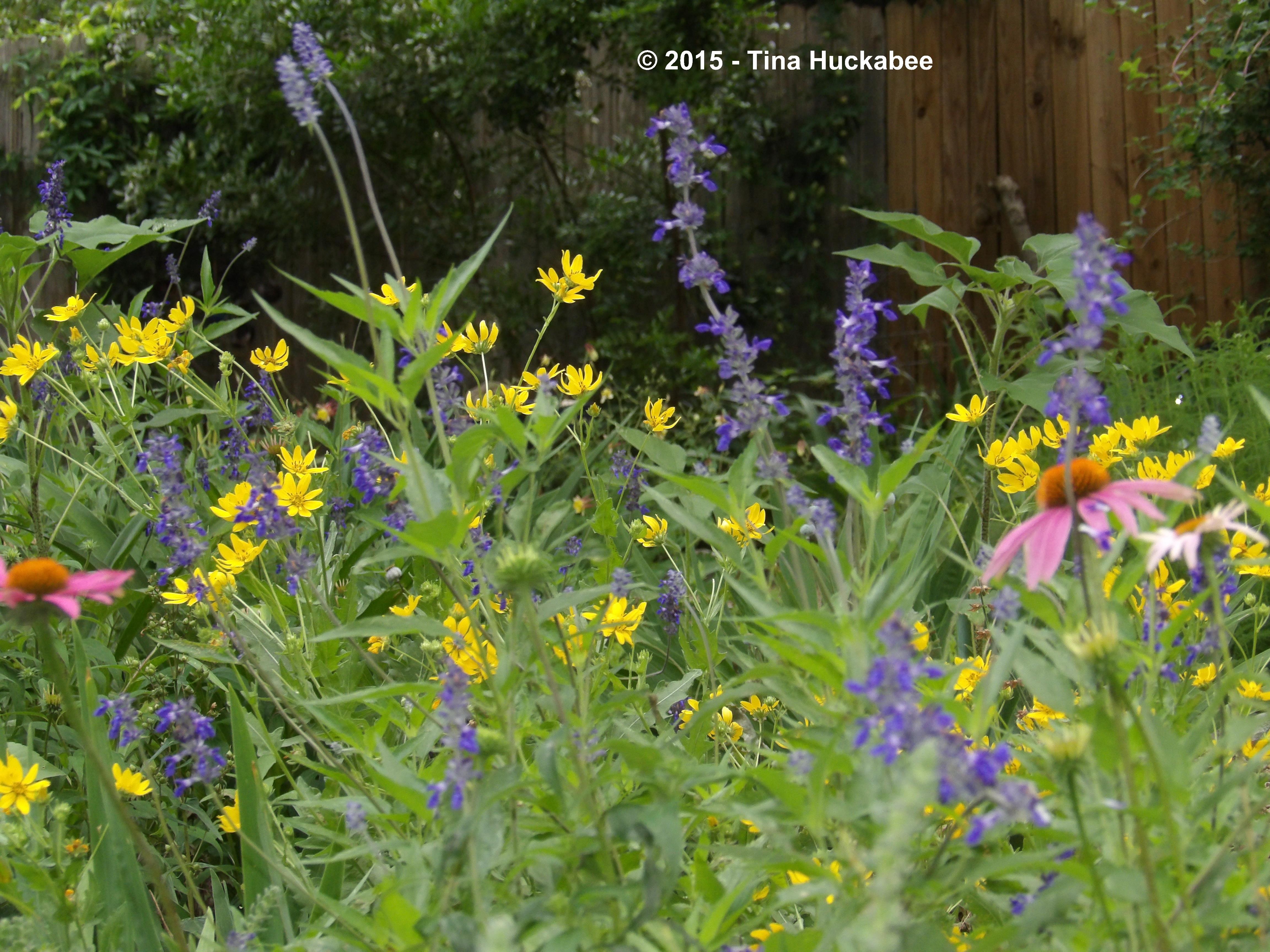
I’m always amused when someone says to me, Oh, your gardens are so pretty.  It must take a lot of time….  The reality is that while those same people are mowing, watering and edging their pointless lawns, or hiring some company or individual to do so, I’m sipping my coffee, or whatever, and enjoying the native plants in my gardens–as are the wildlife who are attracted to those plants.

IMGP7528.new

Wildflower and native plants gardens are beautiful and require less work than traditional “yards” of turf.  Additionally, wildlife of all sorts will visit and set up house–because they evolved with natives and generally prefer native plants above others.  Gardeners who plant with natives and wildflowers, instead of introduced plants or turf, help heal the Earth.  A well-designed native and wildflower garden is a balm to the gardener, to people who visit the garden and to wildlife which is threatened by habitat destruction.

IMGP7607.new

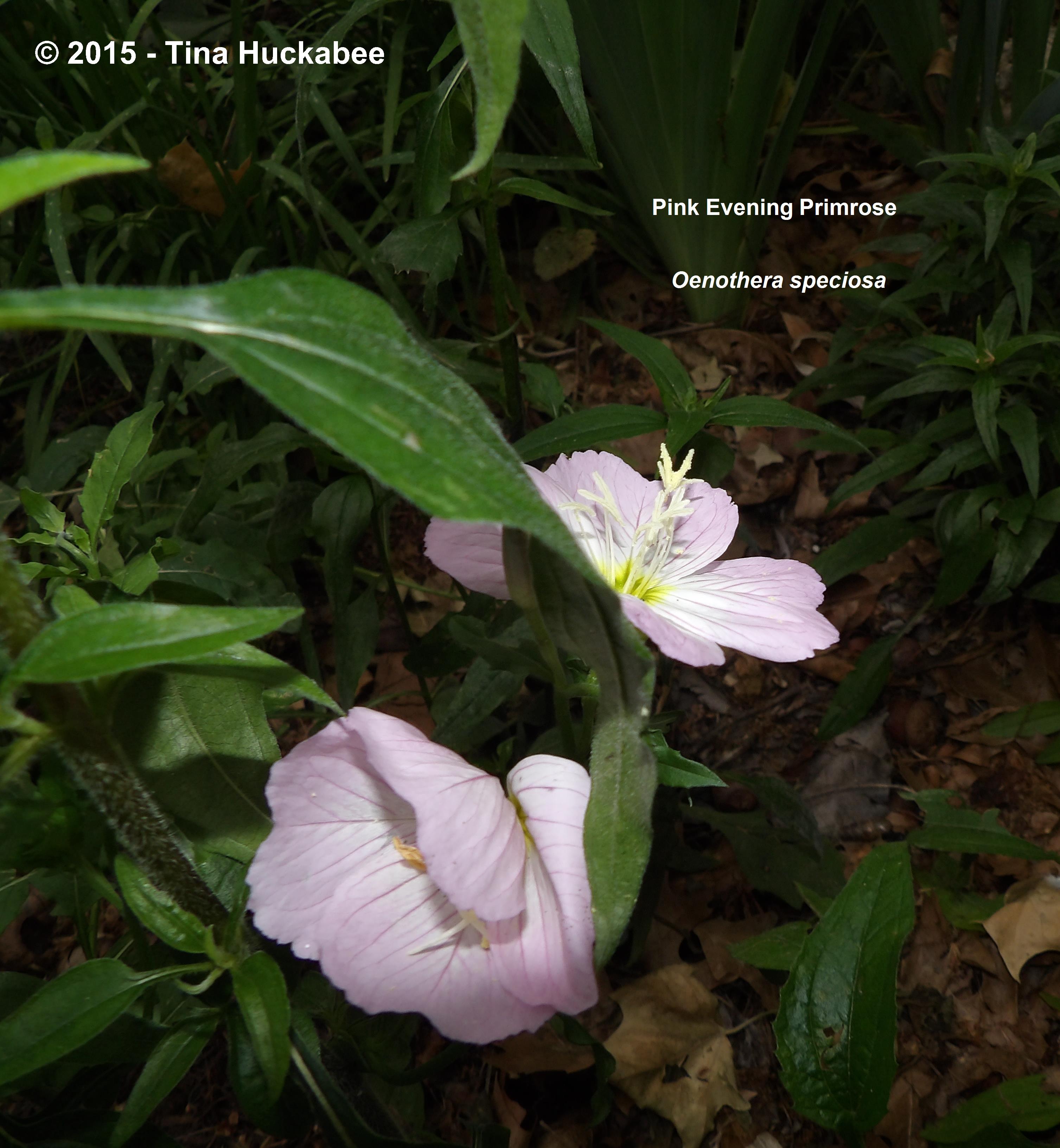
Celebrate National Wildflower Week and plant some wildflowers in your garden. Heck, just make your whole plot of land native plants and wildflowers.

IMGP7606.new

Wildflowers work:  they’re beautiful, easy, and support wildlife.

IMGP7519_cropped_3014x3263..new

Bloom Day, February 2015

Welcome to Garden Bloggers’ Bloom Day, hosted by Carol at May Dreams Gardens where we celebrate flowers that may have been given to a Valentine’s crush. Whether planted in the garden or gracing a vase after Valentine’s Day,  flowers of all sorts are always worth gushing ‘n crushing about.

It’s been a mild winter in Austin, Texas–a very April-esque  February, in fact. However, winter is apparently on her way back, reminding us that it’s not quite spring yet, folks. There are blooming lovelies though, ramping up with the longer and warmer days.

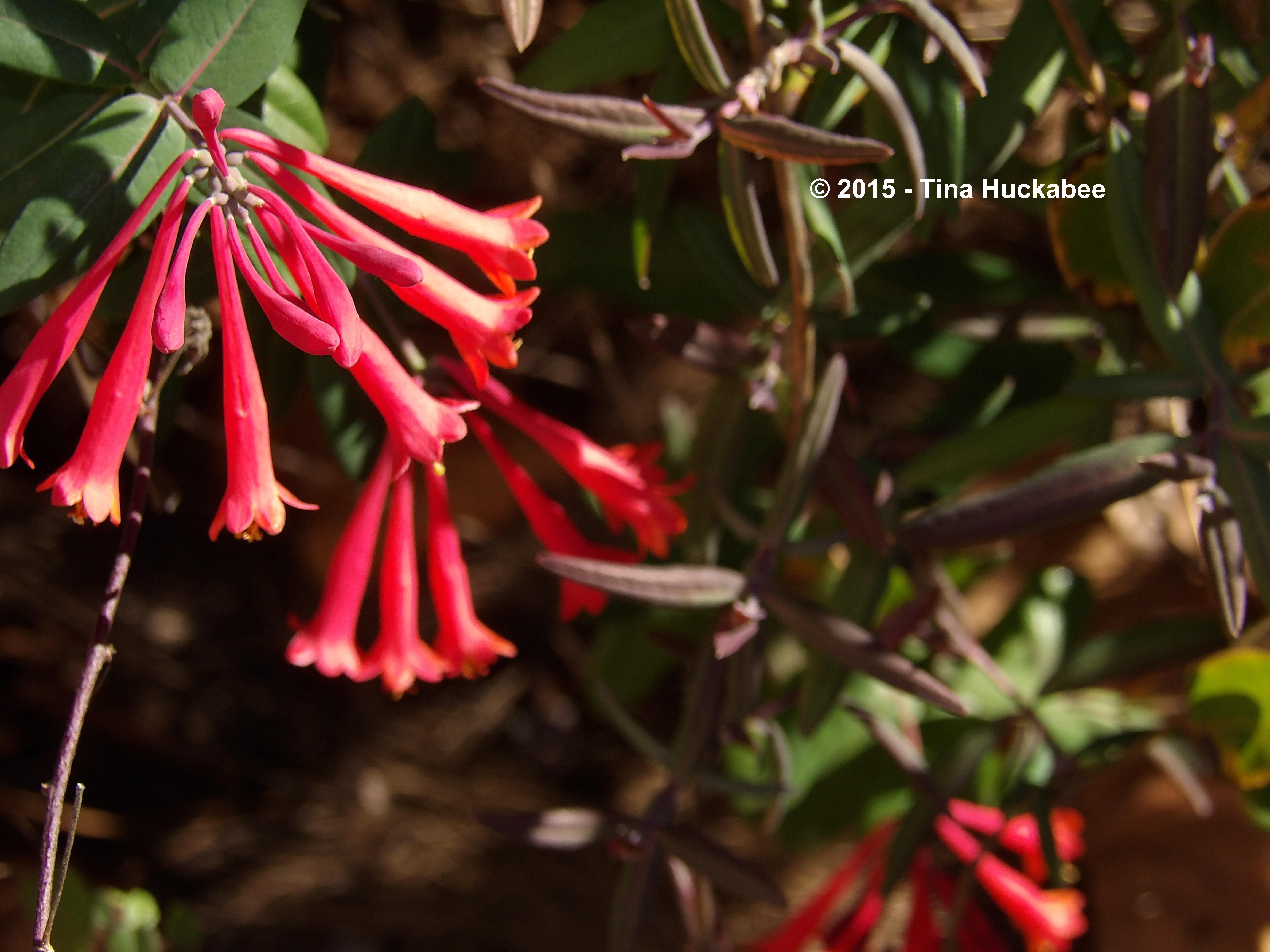
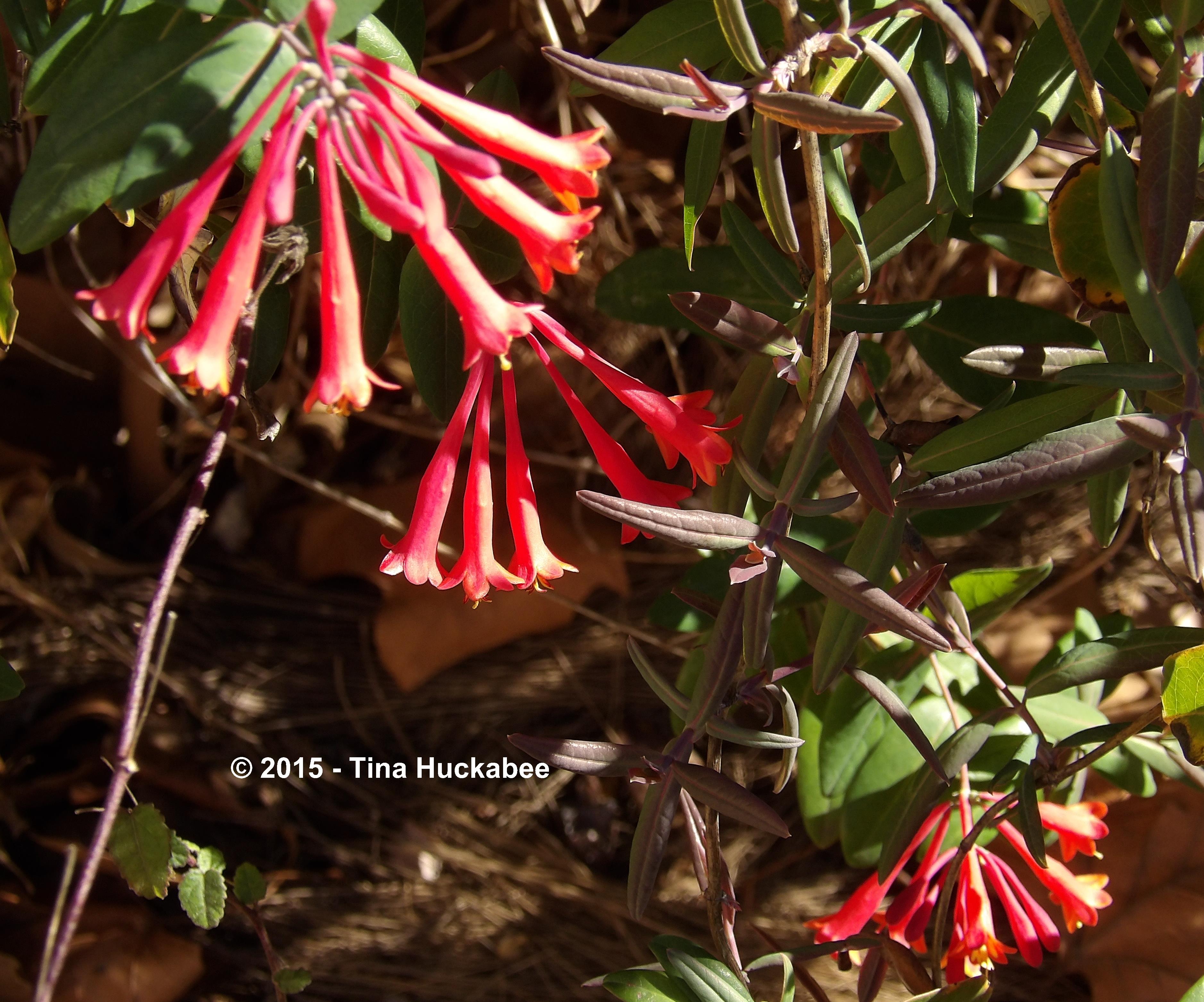
Coral Honeysuckle, Lonicera sempervirens, a beautiful native-to-Texas vine is showing off the first of its pendant-like bloom clusters,IMGP5288.new

IMGP5290.new

…there will be more to come in the next months.

IMGP5289.new

IMGP5291_cropped_3755x3124..new

By March, this vine will be loaded with glorious, tubular goodness and hummingbirds (hopefully), as well as other assorted pollinators will be all over it.

Honeybees are still working the Leatherleaf MahoniaMahonia bealei, on warm days.

IMGP5299.newIMGP5297.new

IMGP5298.new

The blooms will fade soon and that’s when the bees will move on to other nectar/pollen sources. The resulting fruits are just beginning,

IMGP5302_cropped_4156x3387..new …and will fully develop in the next few weeks.  Birds will swoop in–primarily Blue Jays and Mockingbirds in my garden. They love juicy Mahonia fruit.

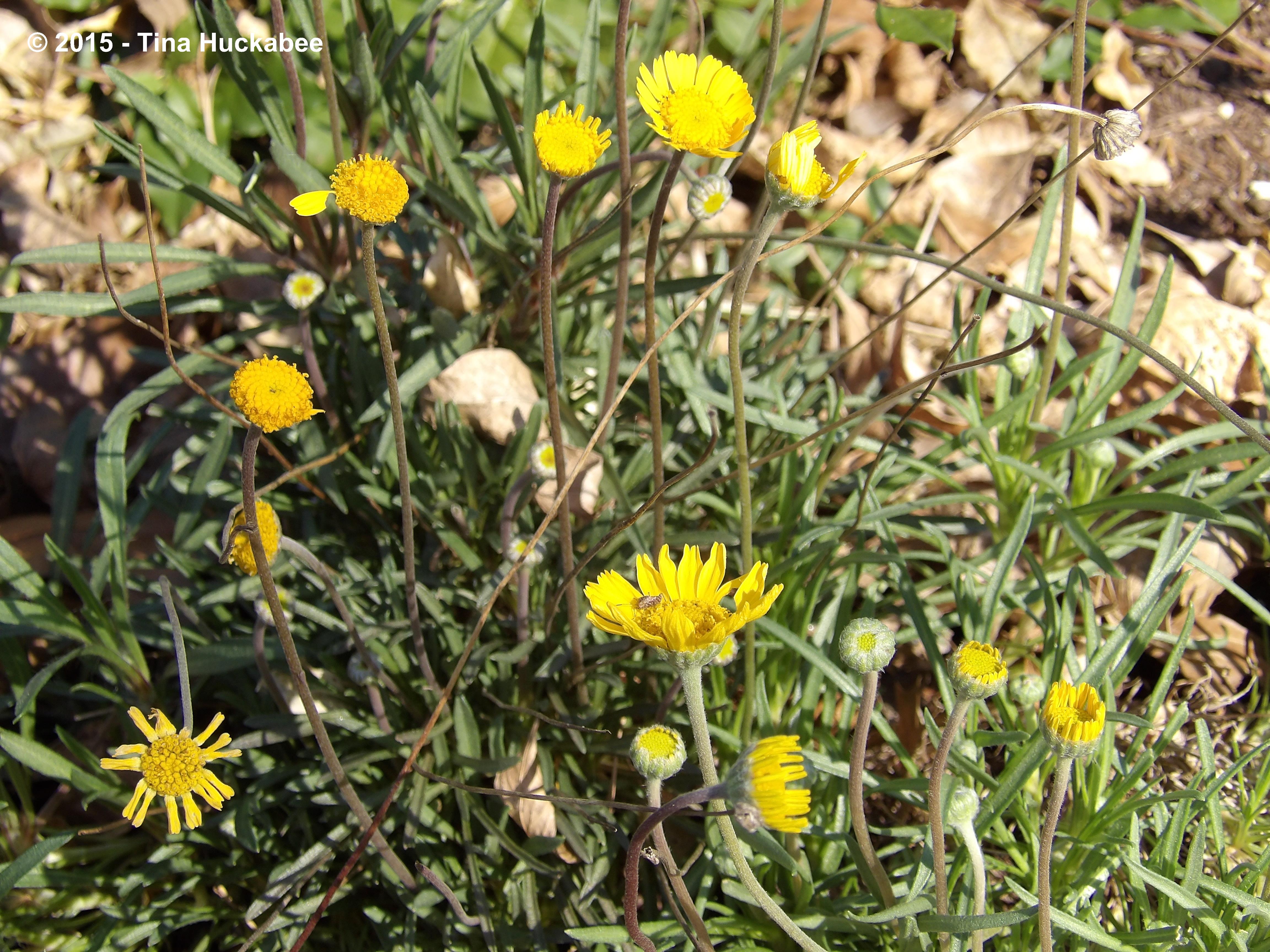
 Four-nerve Daisy or HymenoxysTetraneuris scaposa, has blossomed all winter. There are definitely more dancing daisies as the days lengthen, IMGP5292.new

…and visitors are stopping by for a sip of nectar or bit of pollen.

IMGP5293_cropped_3493x3013..new

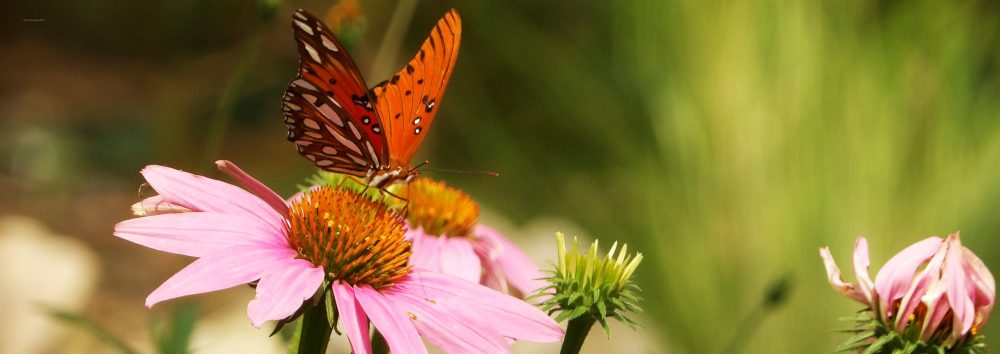
This lone bloom heralds the start of Purple ConeflowerEchinacea purpurea, blooming season.

IMGP5294.new

Yippy!  I can hardly wait!

IMGP5295_cropped_2811x3290..new

Valentine’s Day is behind us and spring (or fall, depending upon where you live), is almost upon us.   May Dreams Gardens showcases plenty of blooms from around the world on this February bloom bouquet–check it out.


Bloom Day, November 2014–Dodged the Frozen Bullet

After a chilly week and our first real touch of winter, there are still blooms in my gardens. Lucky gardener!  Lucky pollinators!  I live in central Austin and those supposedly in the know predicted our temperature would fall to the high 20’s by early Friday morning.  Well there was no freeze for me and mine.  Outlying areas received their first freeze, but much of  Austin was spared–this time. To celebrate those lucky blooms, I’m joining with Carol at May Dreams Gardens for November Garden Blogger blooms.

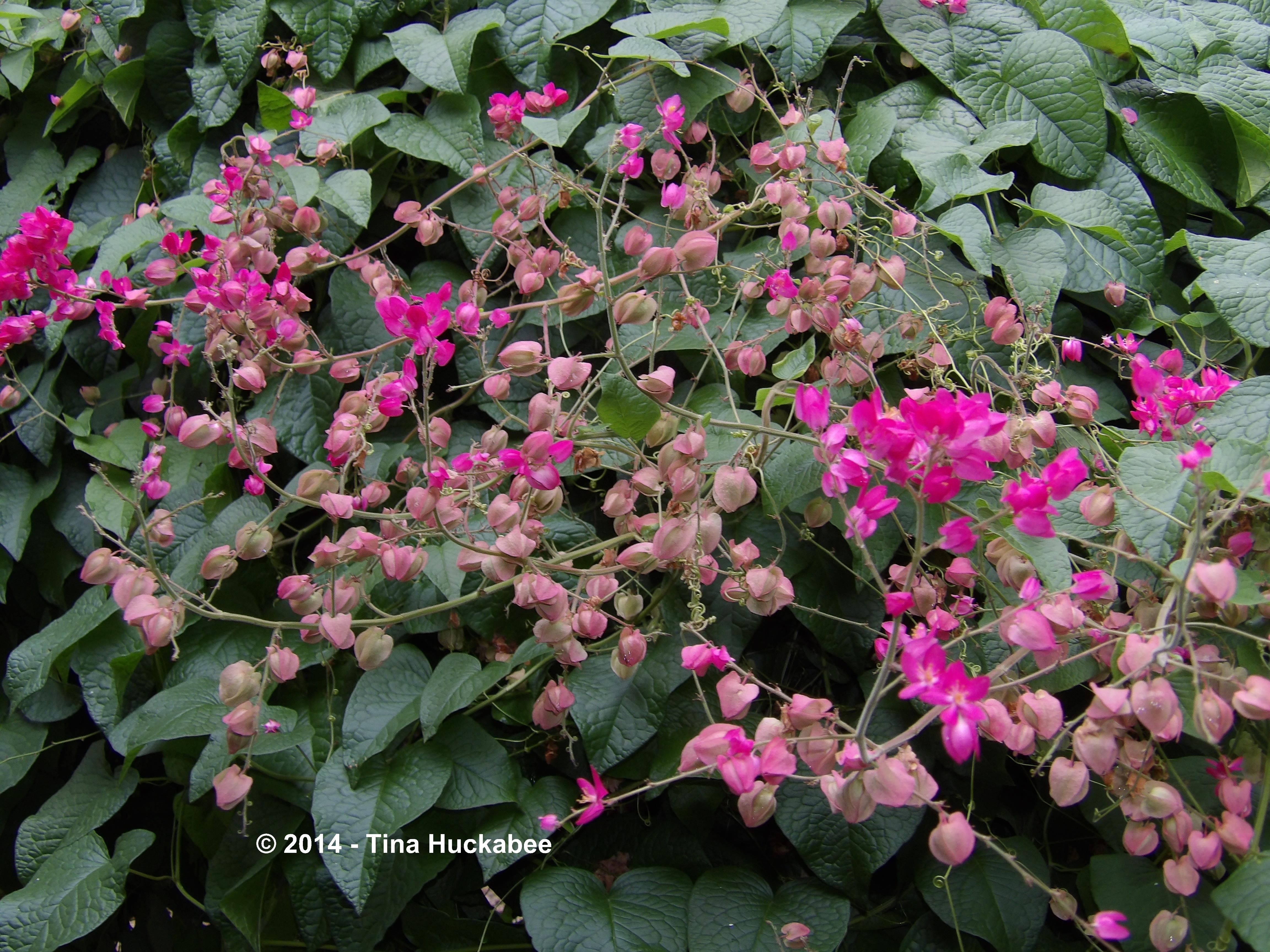
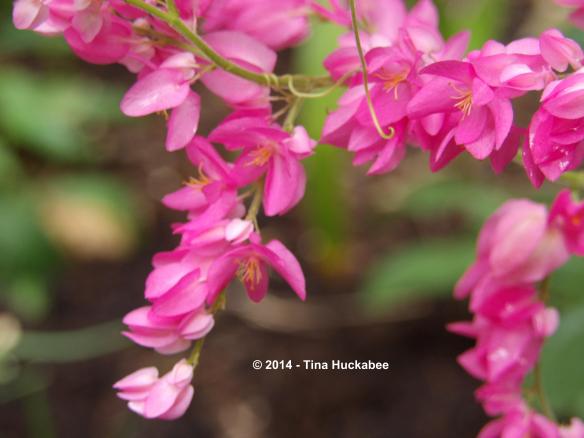
The Coral Vine, Antigonon leptopus, bloomed its signature fuchsia necklace  rather late this year.
IMGP1604.new

Now with colder temperatures and shorter days, the blossoms are fading on the vine.IMGP2341.new

I think my honeybees will miss this favorite nectar source.

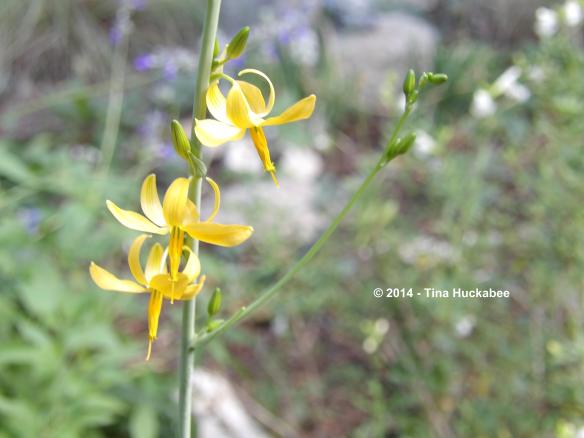
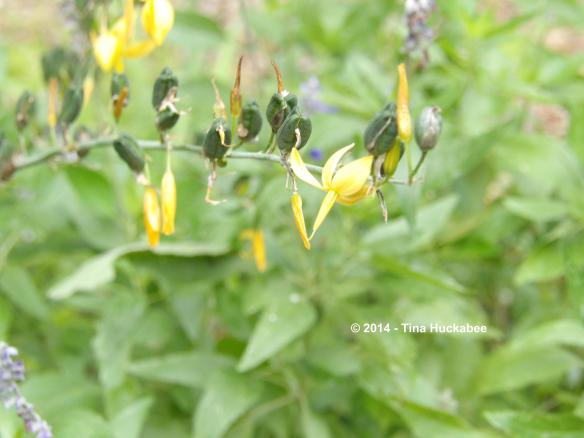
The native Texas CraglilyEcheandia texensis,  still blooms, IMGP1507.new

IMGP2343.new

IMGP2344.new

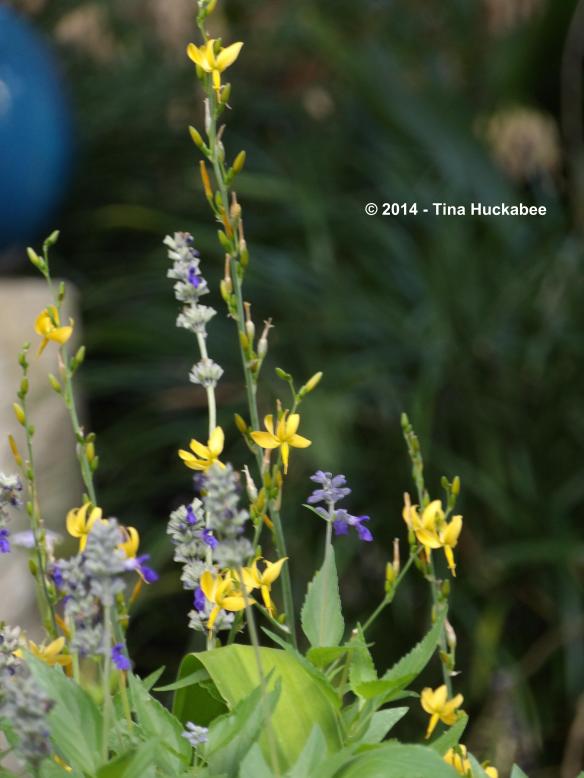
…though it’s going to seed. One patch blossoms in tandem with the blue Henry Duelberg SageSalvia farinacea,’Henry Duelberg’.

IMGP1978.new

A freeze would have quickly ended that pretty pairing.

Rock RosePavonia lasiopetala, sports flowers this November and that’s unusual–they normally stop production by late October.IMGP2383.new

IMGP2362.new

IMGP2360.new

Heavy with seed, I’ll expect more of these lovelies in seedling form next year.  Any takers?

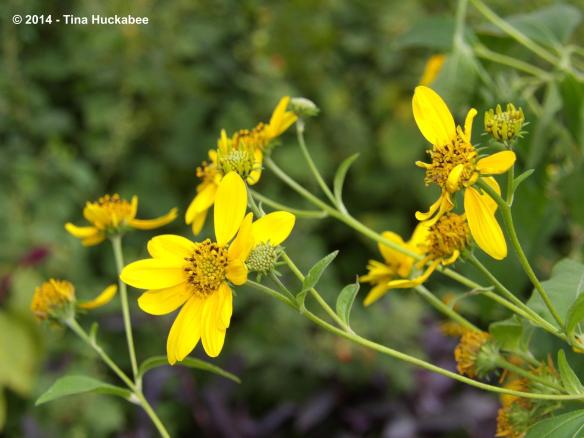
And GoldeneyeViguiera dentata?  It just won’t quit.  This most photogenic of flowers, has bloomed since September.

IMGP2379.new IMGP2381.new

This is one of my two last blooming Goldeneye plants.

IMGP2531.new

The Goldeneye plants in the back garden bloomed first, then set seed and were followed by others throughout my gardens, each individual plant taking turn at adding cheeriness and wildlife goodness to the world.  I’m glad these hardy natives have planted themselves all over my gardens.  Bees, butterflies, birds, as well as this gardener, enjoy and appreciate a long season with these pretties.
IMGP2387.new

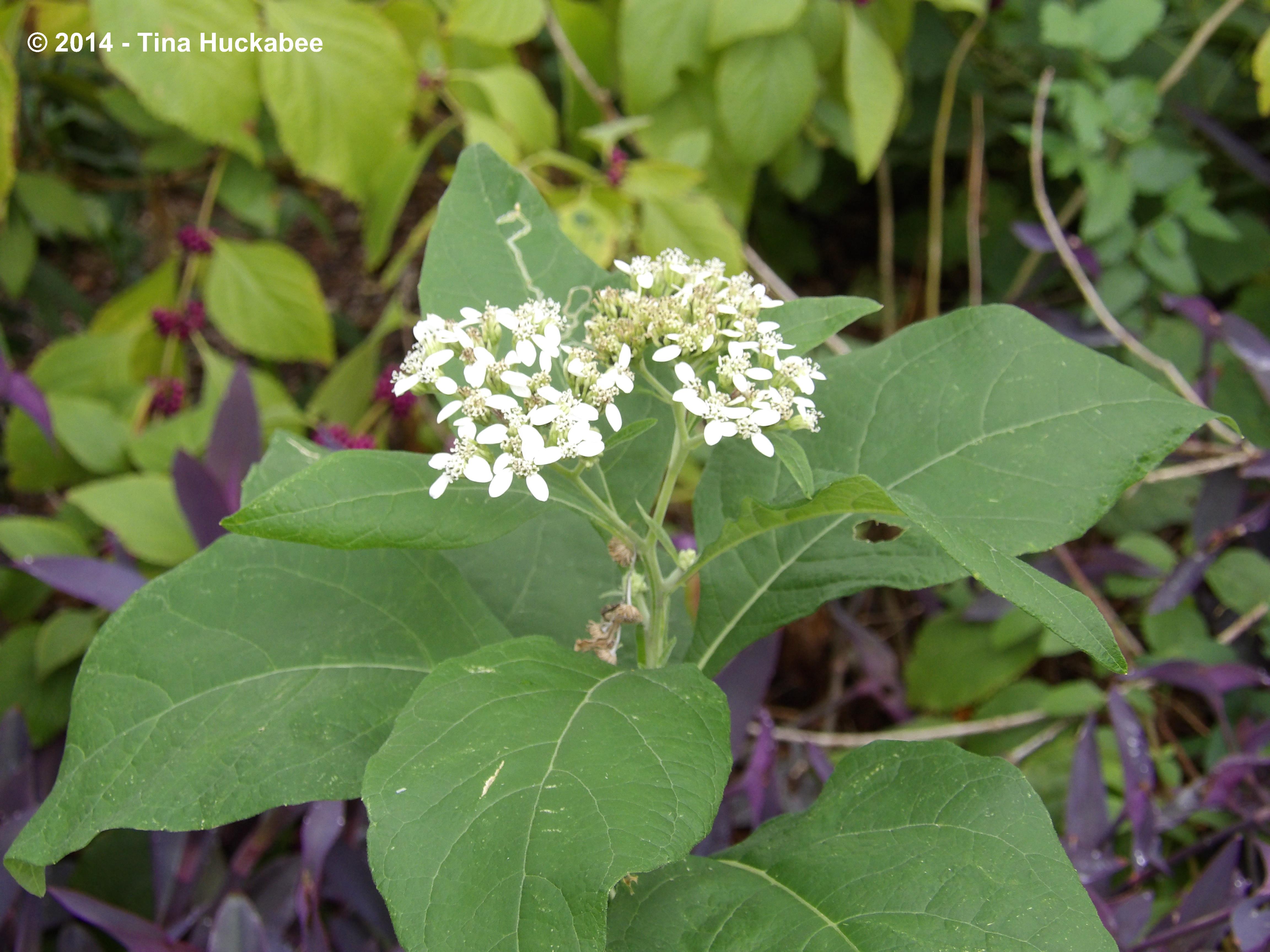
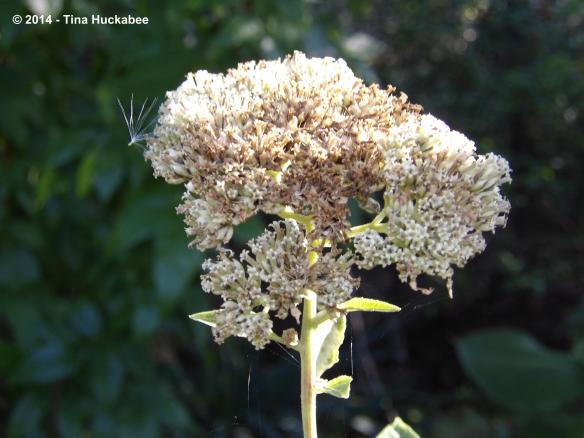
The last FrostweedVerbesina virginica, is in flowering mode.

IMGP2384.new

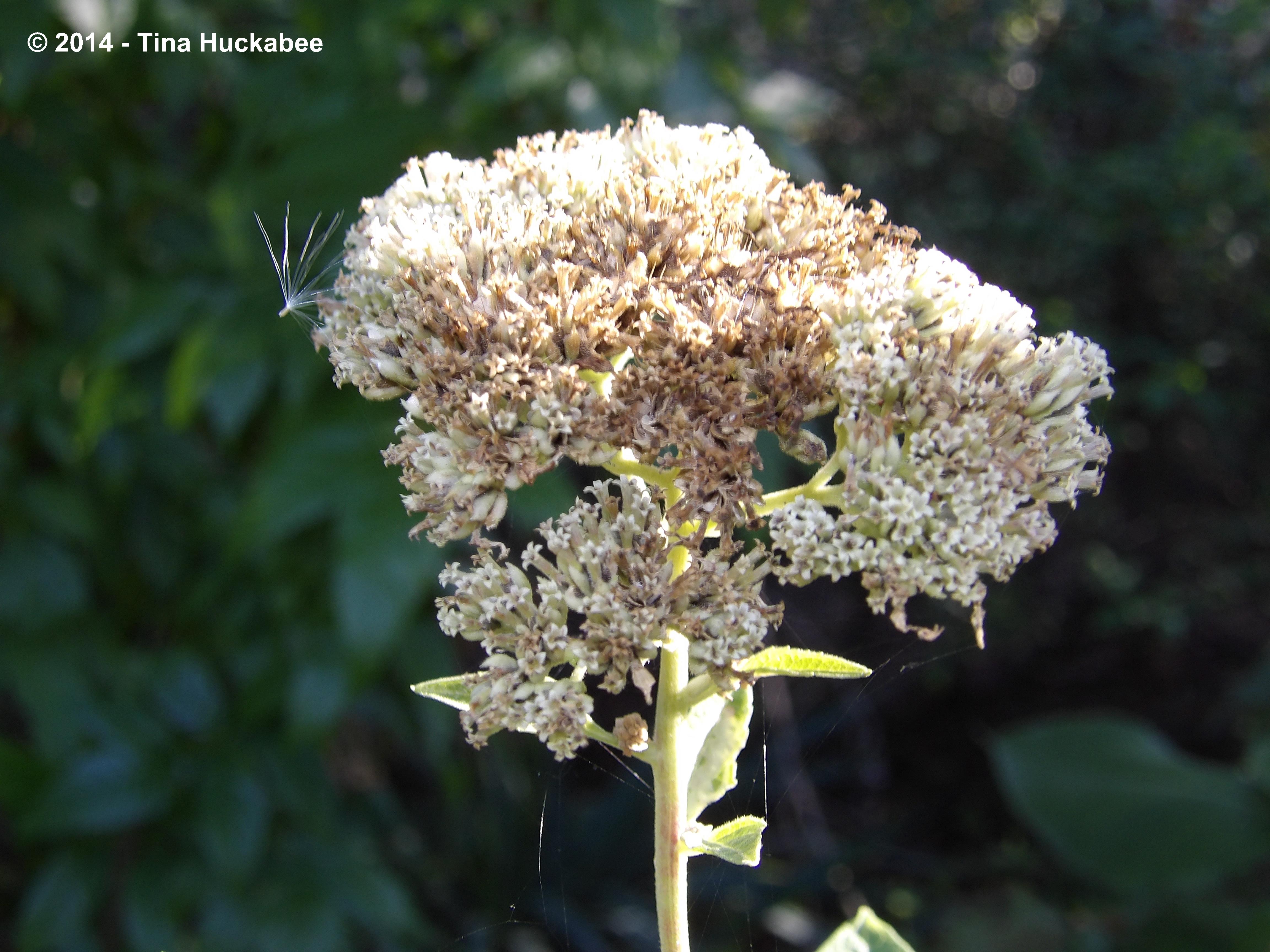
While most of that species are setting seed.
IMGP2469.new

A few Turk’s CapMalvaviscus arboreus, still bloom.

IMGP2394.new

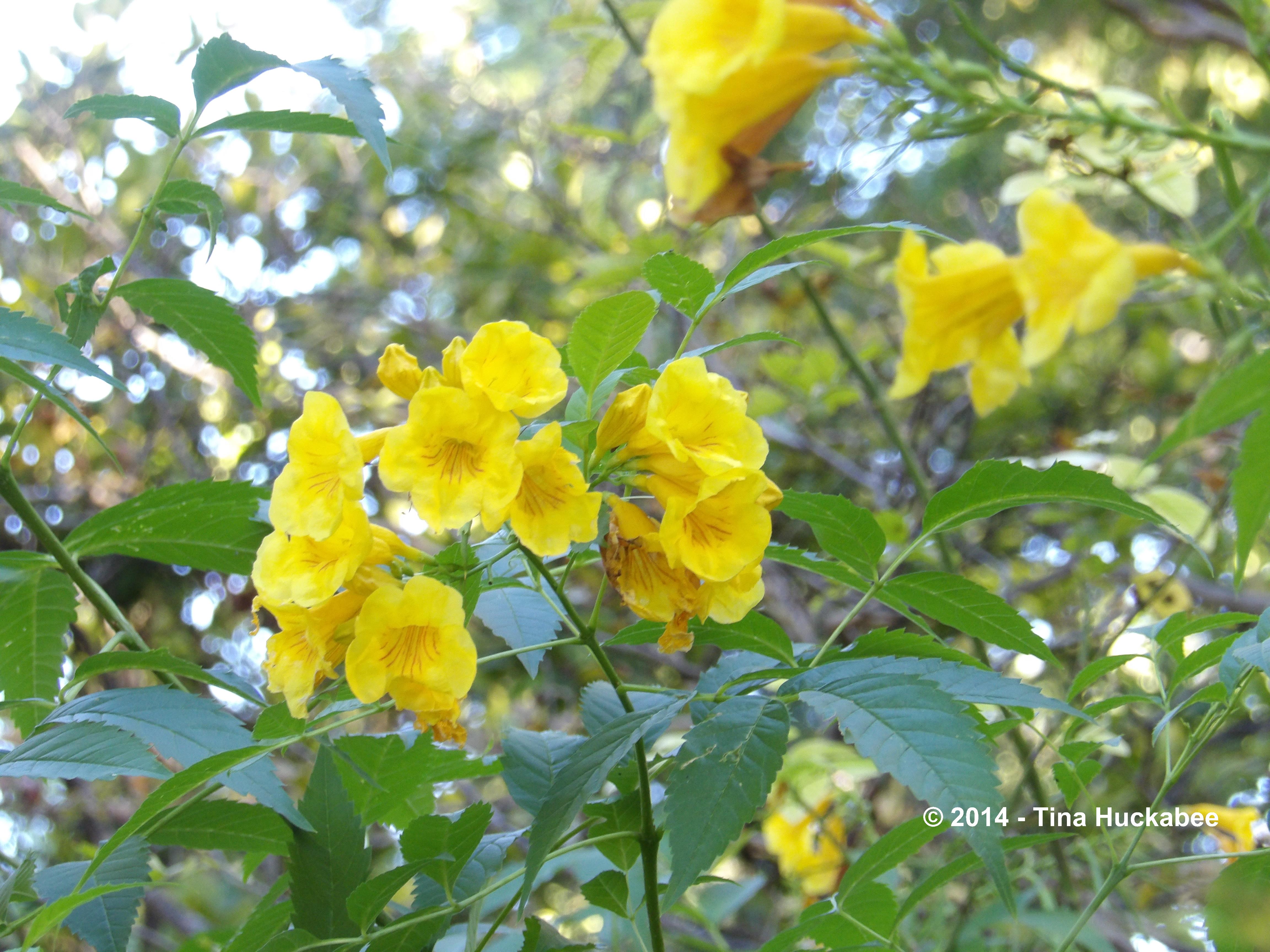
Yellow BellsTecoma stans, ‘Esperanza’, are available for passing bees and butterflies.

IMGP2467.new IMGP2471.new

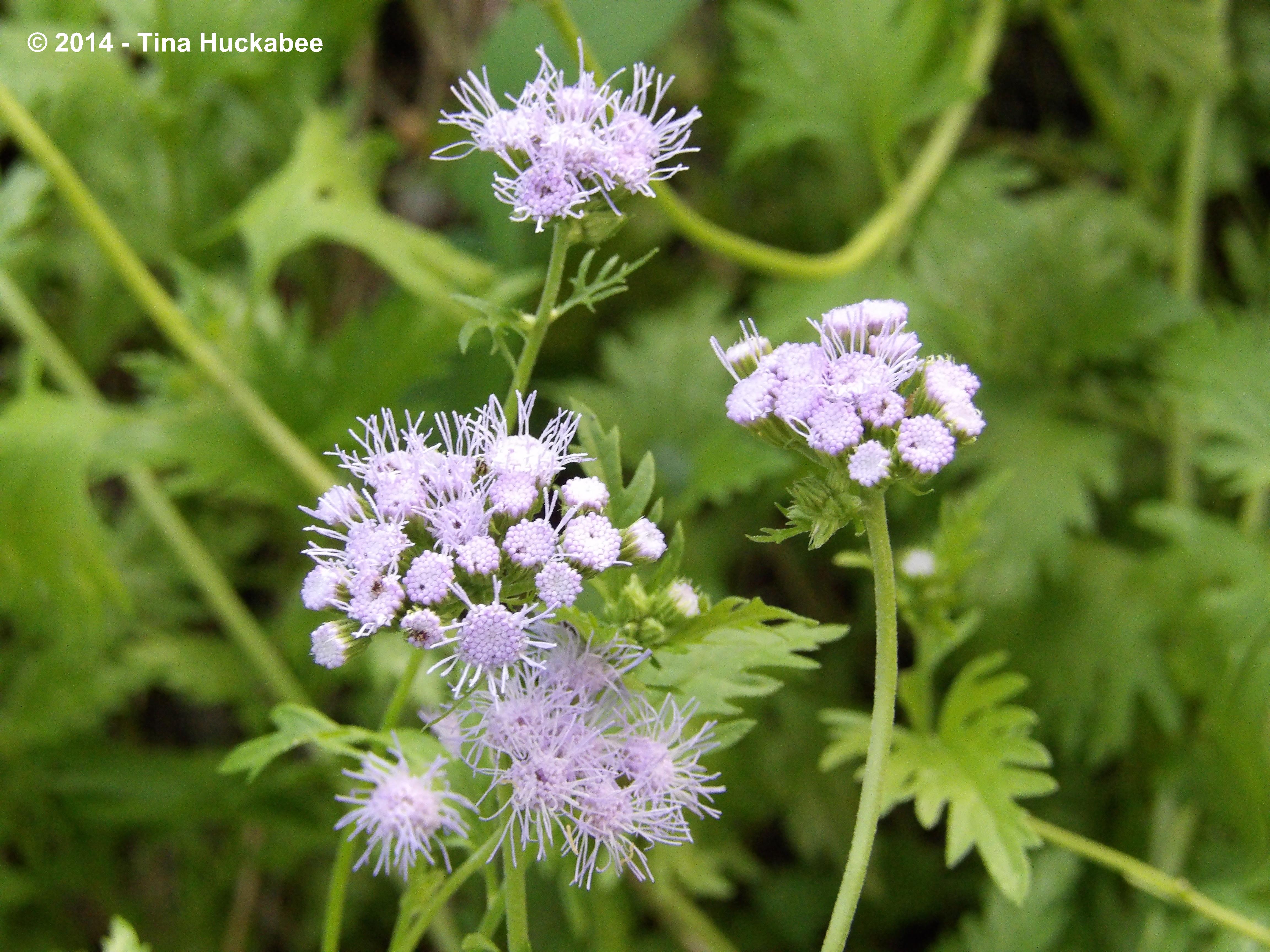
Blue MistflowerConoclinium coelestinum,

IMGP1475.new

and Gregg’s MistflowerConoclinium greggii, 

IMGP1555.new

IMGP1560.new

…are toward the end of their season.  A true freeze will force the blue blooms into a tawny fluff, ready for dormancy.

Red YuccaHesperaloe parviflora, blossoms on its long bloom spike until a hard freeze.

IMGP2364.new

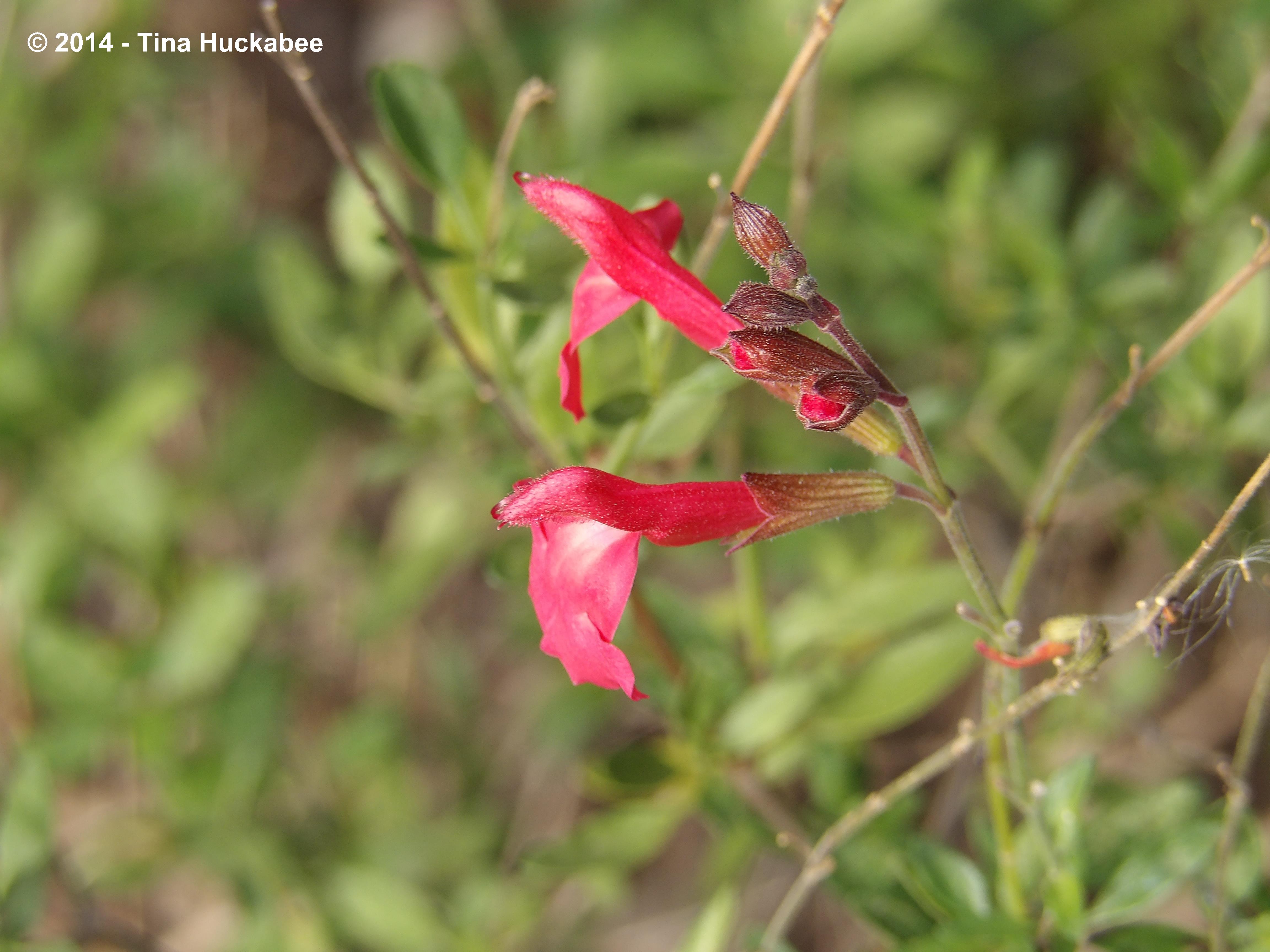
This hasn’t been a banner year for my salvia species.  They’ve bloomed, but not regularly nor as fully as usual.  But they aren’t quite ready to close up shop, so bloom they will until it’s just too chilly and dark.  Salvia like this red Tropical SageSalvia coccinea,

IMGP2354.new

…and this Purple Sage, S. greggii x mycrophylla,

IMGP2560.new

…and this red Autumn SageS. greggii, 

IMGP2611.new

…and another,

IMGP2614.new

…and this coral Autumn Sage.

IMGP2612.new

They’re determined, if not prolific.

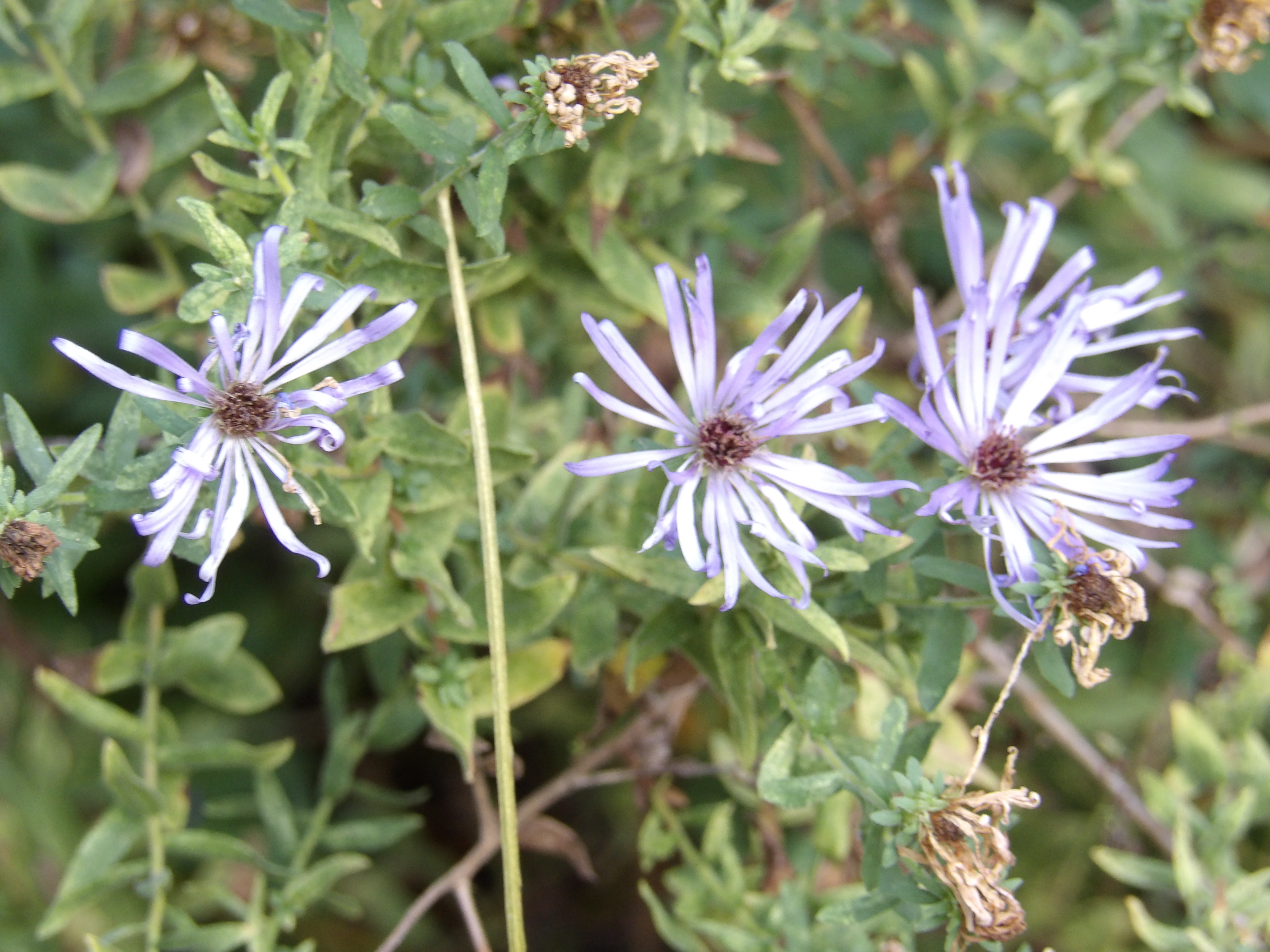
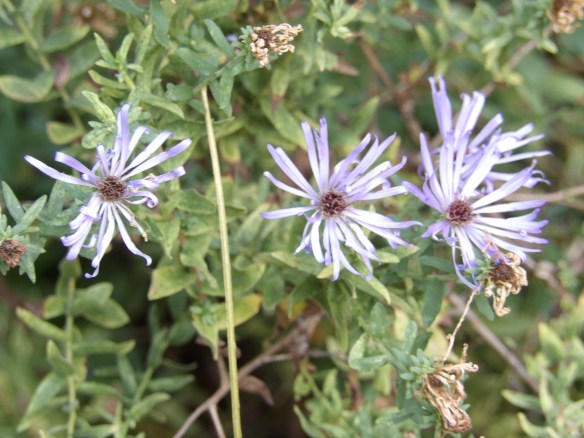
The remains of Fall AsterSymphyotrichum oblongifolium, are tired of blooming and ready for seeding themselves.
RICOH IMAGING

When I thought there would be freezing temperatures, I cut the last of the fall blooms of Purple ConeflowerEchinacea purpurea and Tropical Sage and did this:

IMGP2616.new

As well, I cut a few Goldeneye and basil and did this:

IMGP2590.new

I’m not much for cut flowers in the house (I much prefer a garden full of blooms), but they are nice when it’s gloomy outside. I guess November in my garden and my house is not so barren after all!

Pop on over to May Dreams Garden and enjoy a show of November blooms from all over