Bloom Day, December 2014

Celebrating blooming things with Carol of May Dreams Gardens on this last Garden Bloggers’ Bloom Day of 2014, I’d like to share some currently flourishing flowers from my gardens.  It’s been mild here in Austin, Texas, though a few light frosts have come our way, none were significantly cold enough to dampen the blossoming spirit.

Wonderful native perennials continue strutting their blooming stuff late this growing season. Two native salvia species are providing nice nectar sources for passing bees and butterflies and a color show for the resident gardener.   The Tropical SageSalvia coccinea, 

IMGP3068.new …brightens the garden with its scarlet blooms, while Henry Duelberg salviaSalvia farinacea, ‘Henry Duelberg’ provides spikes of blue.

IMGP3062.new

IMGP3065.new


Planted near to those two perennials is a group of  Texas Craglily, Echeandia texensis.  

IMGP3086.new There are few blooms left, but many seed pods readying for future golden lily loveliness.

Some of my GoldeneyeViguiera dentata, still bloom. IMGP3053.new

IMGP3054.new IMGP3055.new

I don’t really think I need to add anything to that!  These individuals face west and receive the warmth of the afternoon autumn sun.

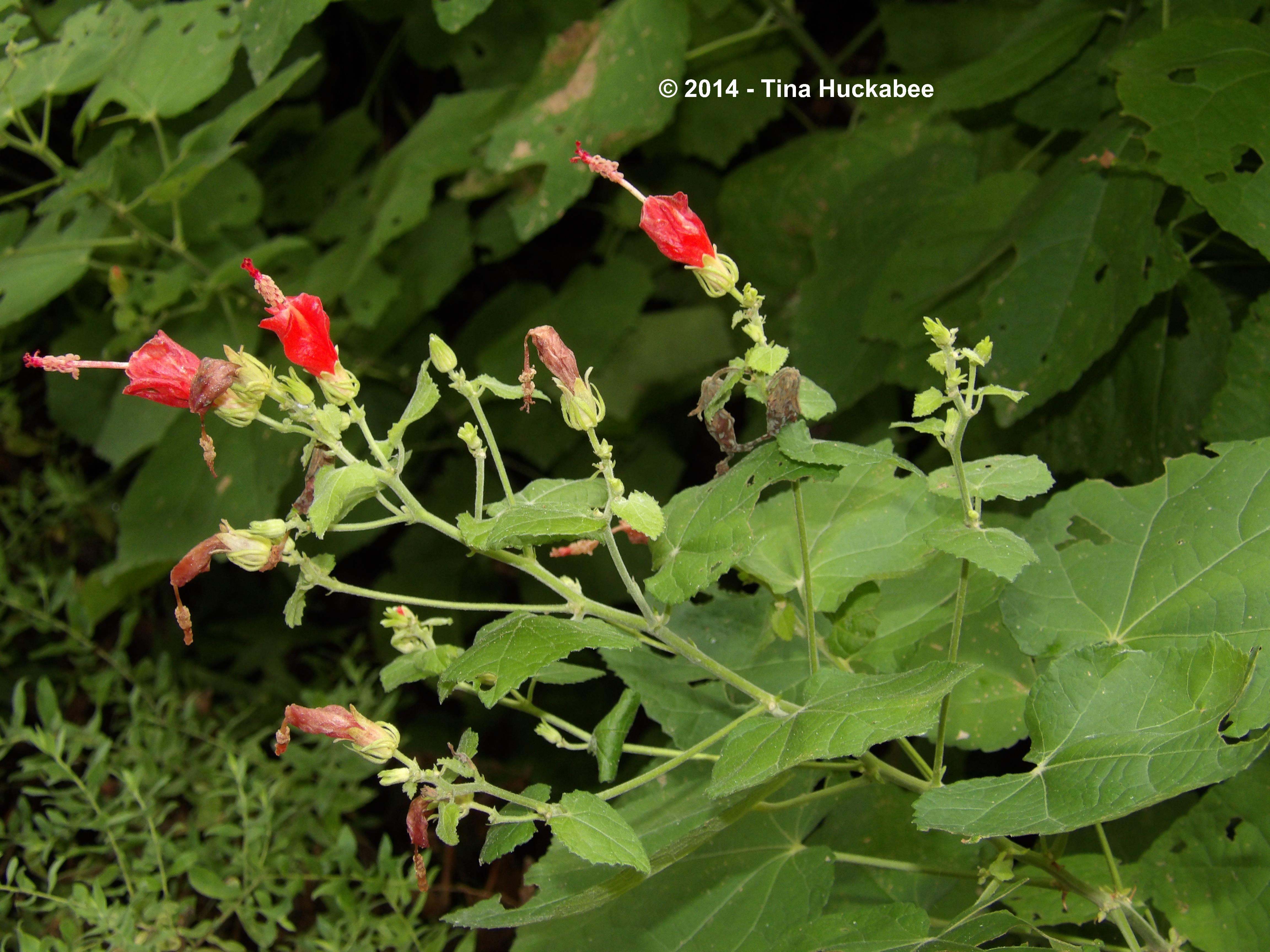
A few Turk’s Cap, Malvaviscus arboreus, flowers grace the gardens as well.

IMGP3057.new I don’t recall ever seeing this plant bloom so late before–I’m not complaining.

Native to areas west of Texas, but not specifically Austin, is the Globe Mallow, Sphaeralcea ambigua.   

IMGP3051.new IMGP3099.new

In my gardens it’s a reliable cool season bloomer–at least through the beginning of summer.  The one mature Globe Mallow in my gardens is beginning a nice bloom production and that’s likely to happen throughout winter.

IMGP3101.new

There are always a few Purple Coneflowers, Echinacea purpurea, charming the gardens. This one is planted with an unknown variety of basil-in-bloom,IMGP3046.new

IMGP3047.new

…which I’d know the name of if I’d bothered to keep the tag.  Ahem.

And here, Coneflower is partnered with the equally sweet Four-nerve Daisy or Hymenoxys, Tetraneuris scaposa.

IMGP3049.new IMGP3050.new

I love native Texas plants.

As for the non-natives, well, they’re pretty cool, too.  The Firecracker or Coral PlantRusselia equisetiformis, requires a hard freeze to knock it back.

IMGP3059.new Obviously that hasn’t happened yet.

IMGP3063.new

IMGP3064.new

I feel good about this plant–it has such a tropical look, but in reality it’s water-wise and tolerant of the cooler season.

Roses are responding in kind to our temperate December by blossoming again. Whoop!

IMGP3107.new

IMGP3108.new

Glorious in vibrant red are these blooms of the Old Gay Hill rose.

Finally, the Potato VineSolanum laxum, has entered its bloom time.  This vine twines up one side of my swing beam and blossoms primarily in the cool months here in Austin. It’s a timid vine in my garden, never growing too large.    I forget about it during our long, warm  growing season–it’s there, but unimpressive. Once the temperatures cool, its lovely clusters of dainty, creamy-bell flowers provide interest for my honeybees, still foraging on warm afternoons.

IMGP3128.new

IMGP3131.new

Enjoy whatever blooms you have–indoors or out.  Then check out the many bloom posts by visiting May Dreams Gardens.


Bloom Day, November 2014–Dodged the Frozen Bullet

After a chilly week and our first real touch of winter, there are still blooms in my gardens. Lucky gardener!  Lucky pollinators!  I live in central Austin and those supposedly in the know predicted our temperature would fall to the high 20’s by early Friday morning.  Well there was no freeze for me and mine.  Outlying areas received their first freeze, but much of  Austin was spared–this time. To celebrate those lucky blooms, I’m joining with Carol at May Dreams Gardens for November Garden Blogger blooms.

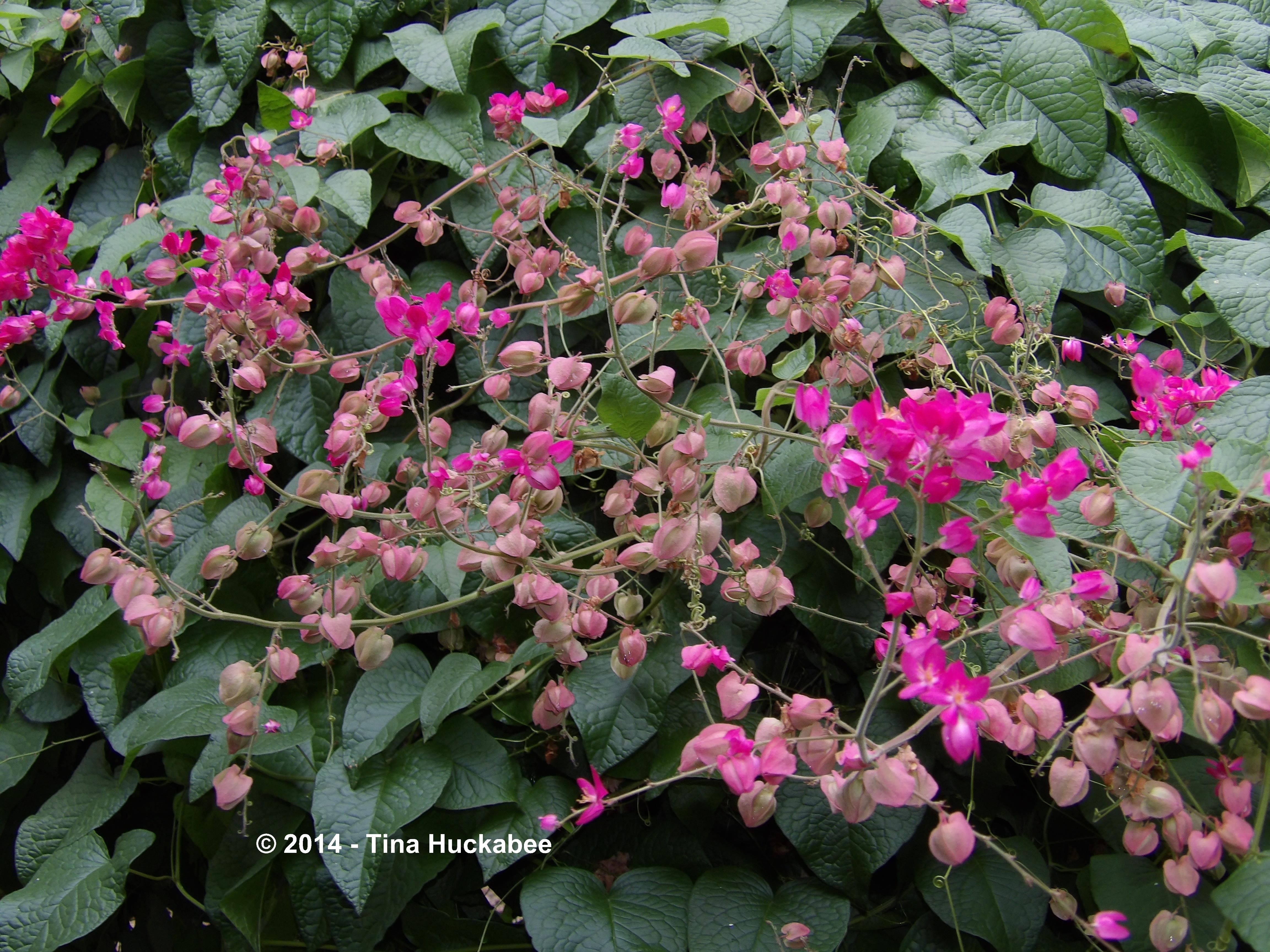
The Coral Vine, Antigonon leptopus, bloomed its signature fuchsia necklace  rather late this year.

IMGP1604.new

Now with colder temperatures and shorter days, the blossoms are fading on the vine.IMGP2341.new

I think my honeybees will miss this favorite nectar source.

The native Texas CraglilyEcheandia texensis,  still blooms, IMGP1507.new

IMGP2343.new

IMGP2344.new

…though it’s going to seed. One patch blossoms in tandem with the blue Henry Duelberg SageSalvia farinacea,’Henry Duelberg’.

IMGP1978.new

A freeze would have quickly ended that pretty pairing.

Rock RosePavonia lasiopetala, sports flowers this November and that’s unusual–they normally stop production by late October.IMGP2383.new

IMGP2362.new

IMGP2360.new

Heavy with seed, I’ll expect more of these lovelies in seedling form next year.  Any takers?

And GoldeneyeViguiera dentata?  It just won’t quit.  This most photogenic of flowers, has bloomed since September.

IMGP2379.new IMGP2381.new

This is one of my two last blooming Goldeneye plants.

IMGP2531.new

The Goldeneye plants in the back garden bloomed first, then set seed and were followed by others throughout my gardens, each individual plant taking turn at adding cheeriness and wildlife goodness to the world.  I’m glad these hardy natives have planted themselves all over my gardens.  Bees, butterflies, birds, as well as this gardener, enjoy and appreciate a long season with these pretties.

IMGP2387.new

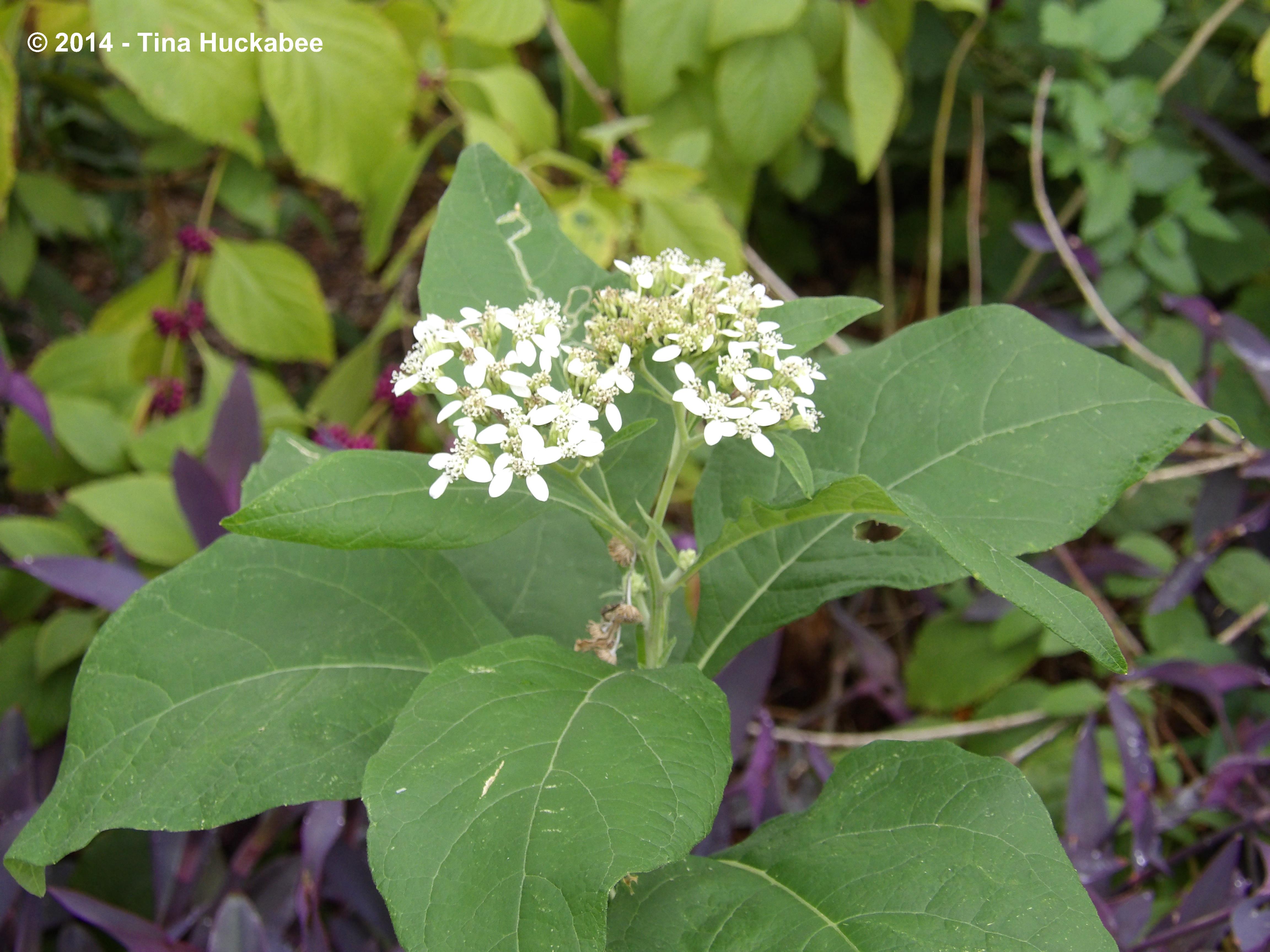
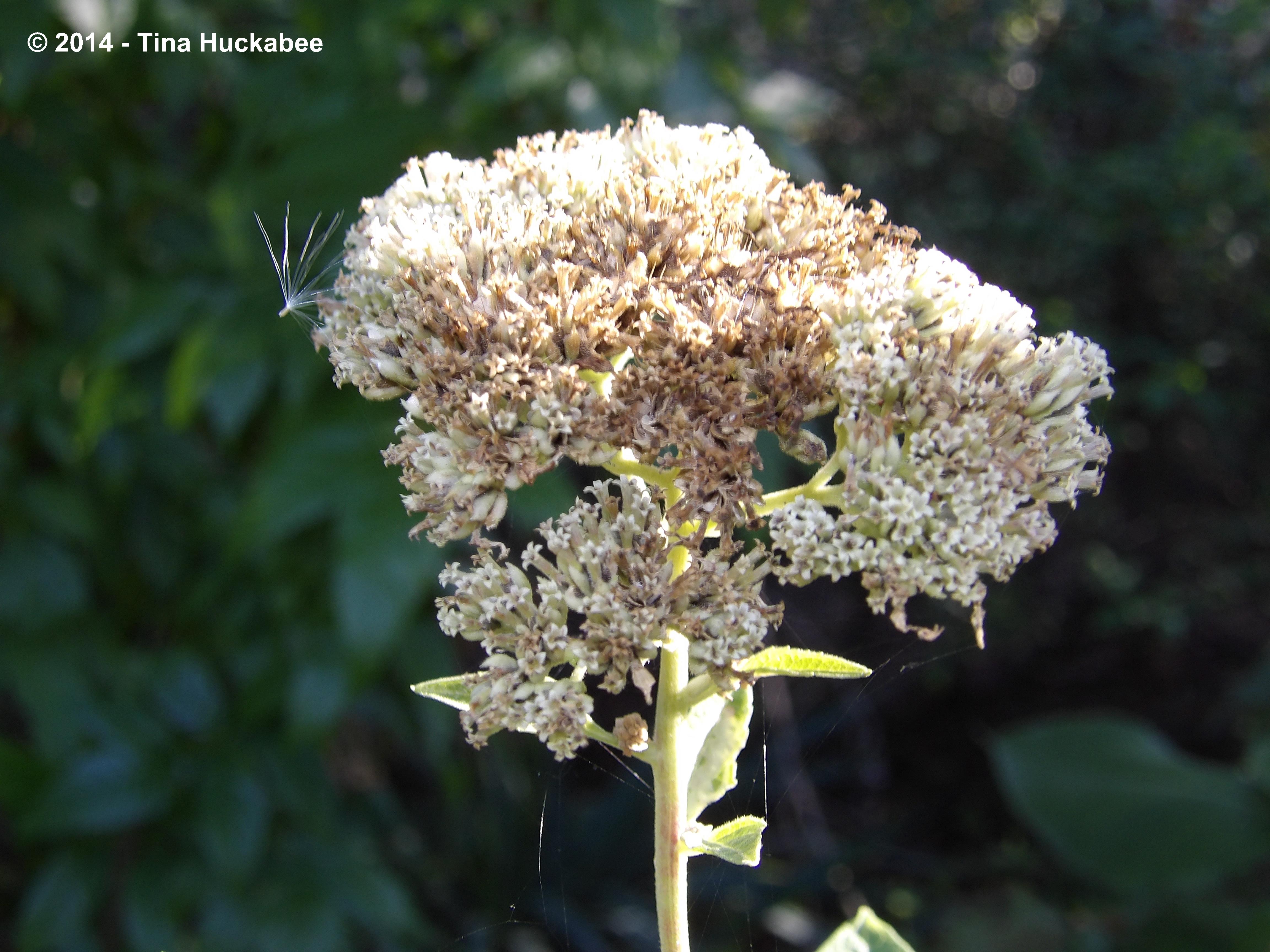
The last FrostweedVerbesina virginica, is in flowering mode.

IMGP2384.new

While most of that species are setting seed.

IMGP2469.new

A few Turk’s CapMalvaviscus arboreus, still bloom.

IMGP2394.new

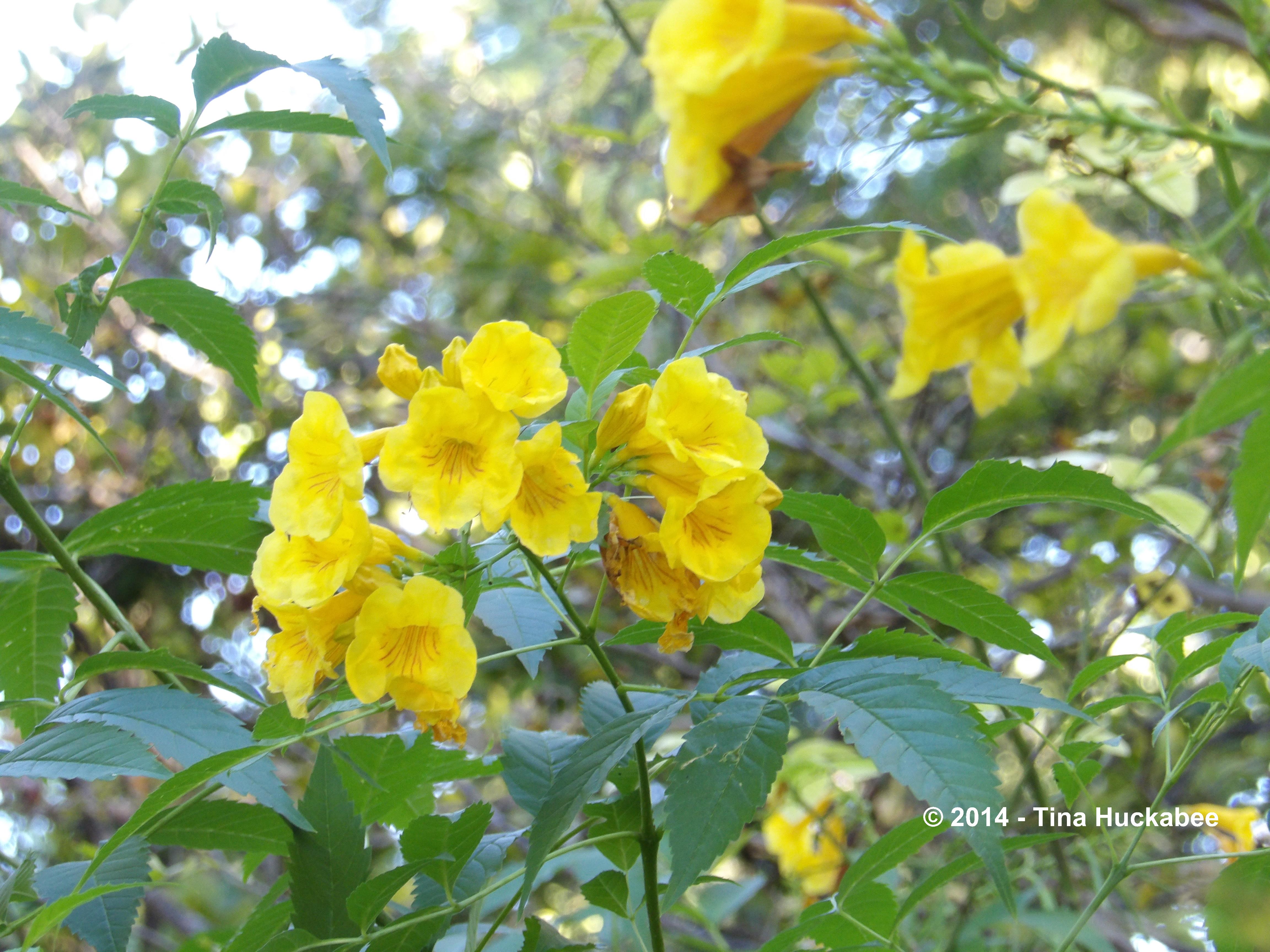
Yellow BellsTecoma stans, ‘Esperanza’, are available for passing bees and butterflies.

IMGP2467.new IMGP2471.new

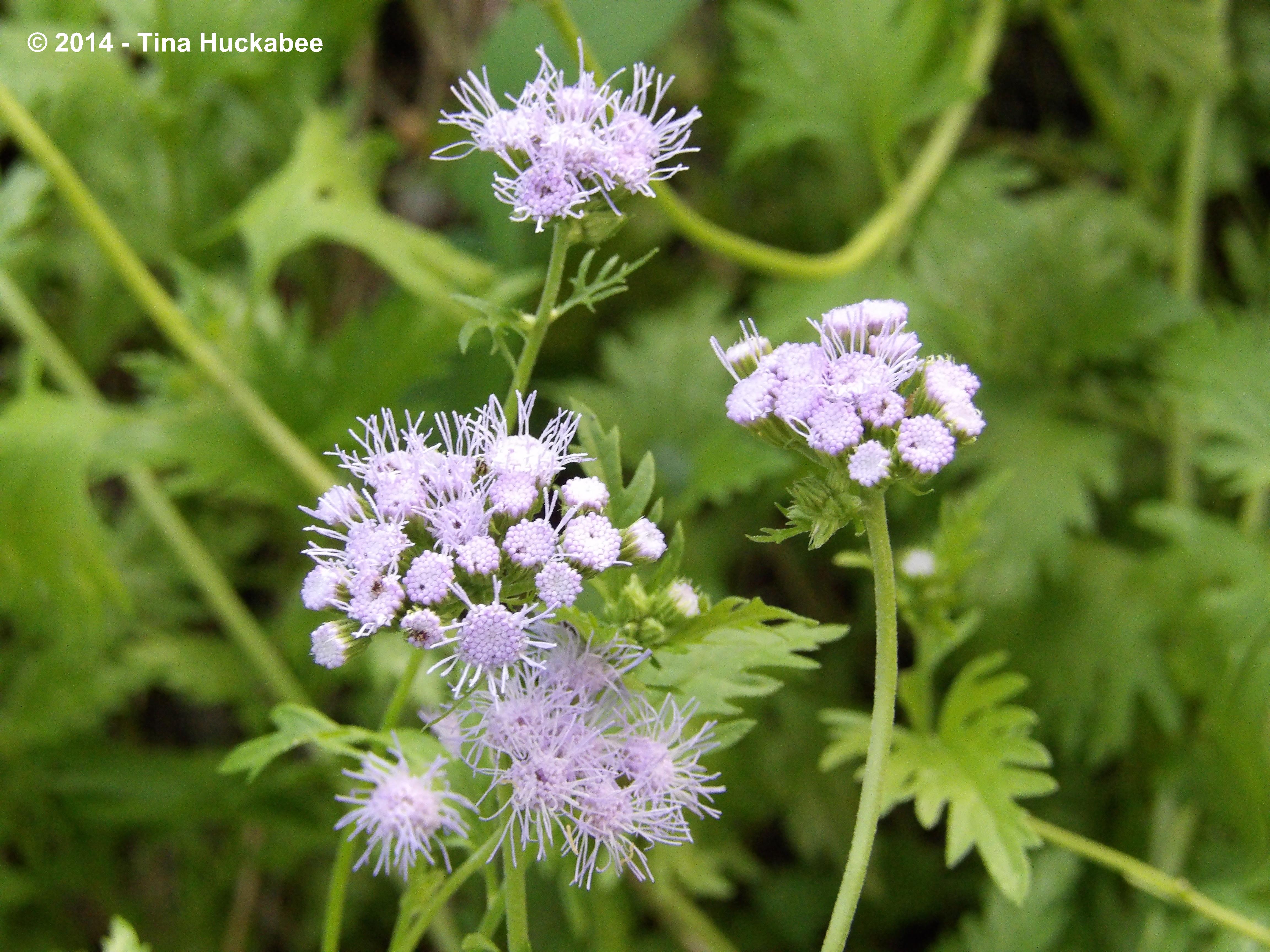
Blue MistflowerConoclinium coelestinum,

IMGP1475.new

and Gregg’s MistflowerConoclinium greggii, 

IMGP1555.new

IMGP1560.new

…are toward the end of their season.  A true freeze will force the blue blooms into a tawny fluff, ready for dormancy.

Red YuccaHesperaloe parviflora, blossoms on its long bloom spike until a hard freeze.

IMGP2364.new

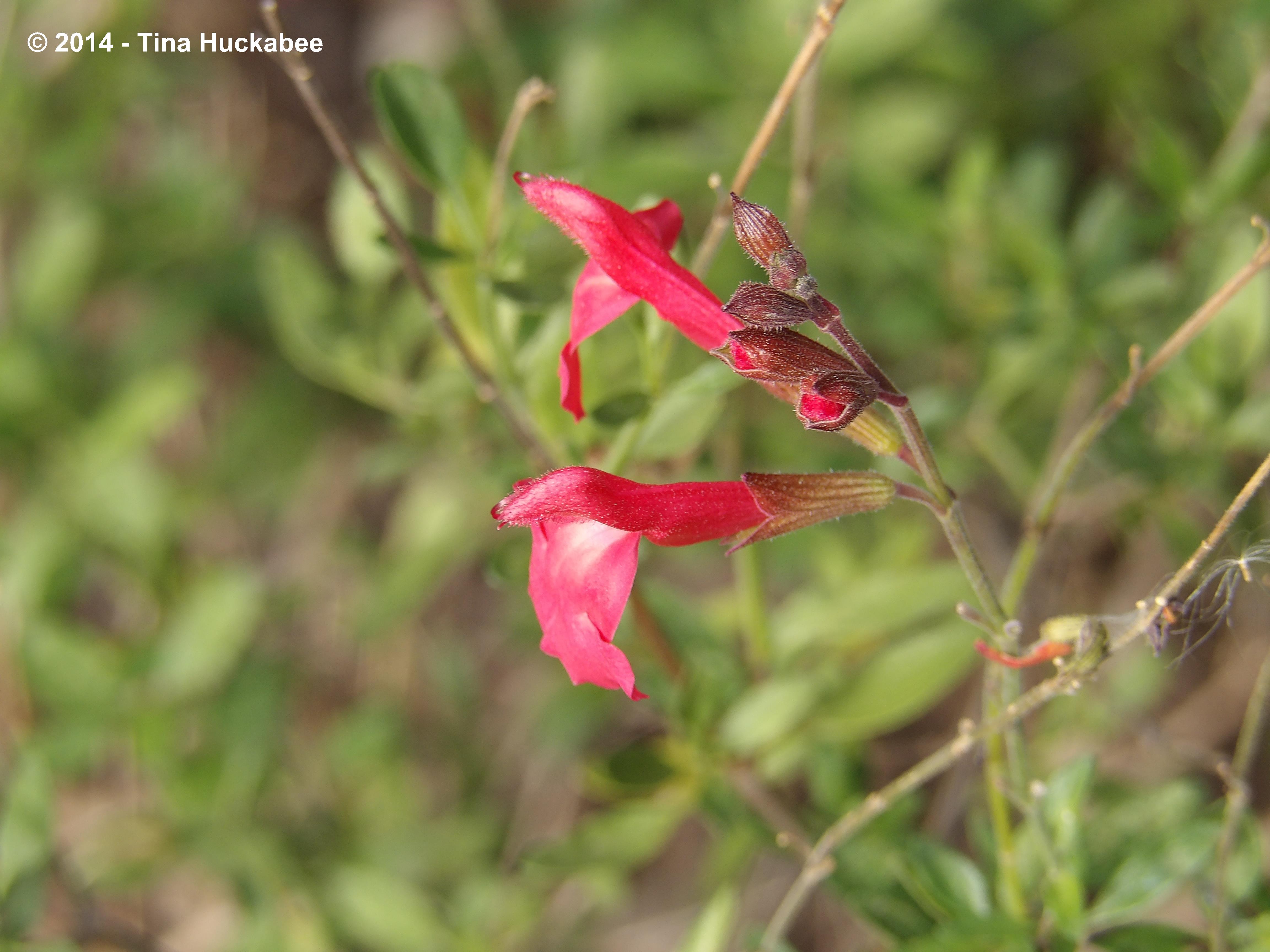
This hasn’t been a banner year for my salvia species.  They’ve bloomed, but not regularly nor as fully as usual.  But they aren’t quite ready to close up shop, so bloom they will until it’s just too chilly and dark.  Salvia like this red Tropical SageSalvia coccinea,

IMGP2354.new

…and this Purple Sage, S. greggii x mycrophylla,

IMGP2560.new

…and this red Autumn SageS. greggii, 

IMGP2611.new

…and another,

IMGP2614.new

…and this coral Autumn Sage.

IMGP2612.new

They’re determined, if not prolific.

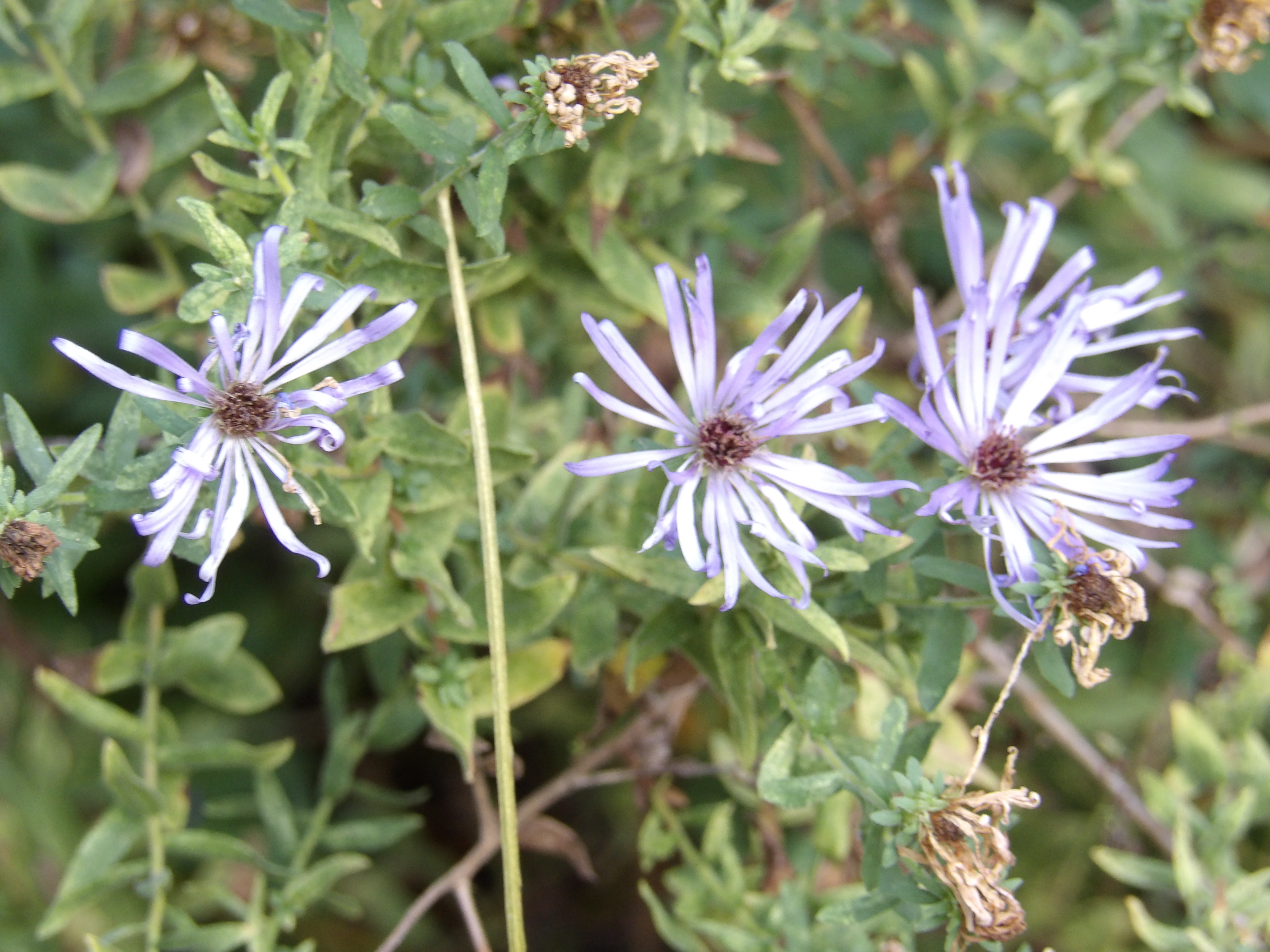
The remains of Fall AsterSymphyotrichum oblongifolium, are tired of blooming and ready for seeding themselves.

RICOH IMAGING

When I thought there would be freezing temperatures, I cut the last of the fall blooms of Purple ConeflowerEchinacea purpurea and Tropical Sage and did this:

IMGP2616.new

As well, I cut a few Goldeneye and basil and did this:

IMGP2590.new

I’m not much for cut flowers in the house (I much prefer a garden full of blooms), but they are nice when it’s gloomy outside. I guess November in my garden and my house is not so barren after all!

Pop on over to May Dreams Garden and enjoy a show of November blooms from all over


Texas Native Plant Week-Turk’s Cap, Malvaviscus arboreus

In keeping with my native plants manifesto, which you can read here, I’m celebrating Texas Native Plant Week by profiling some of the native plants in my own gardens.  The information reflects what I’ve learned from the transformation of my traditional maintenance heavy “yard” to a no-lawn, water-wise garden, featuring beautiful Texas native plants– which were the drivers and are the stars of that metamorphosis.
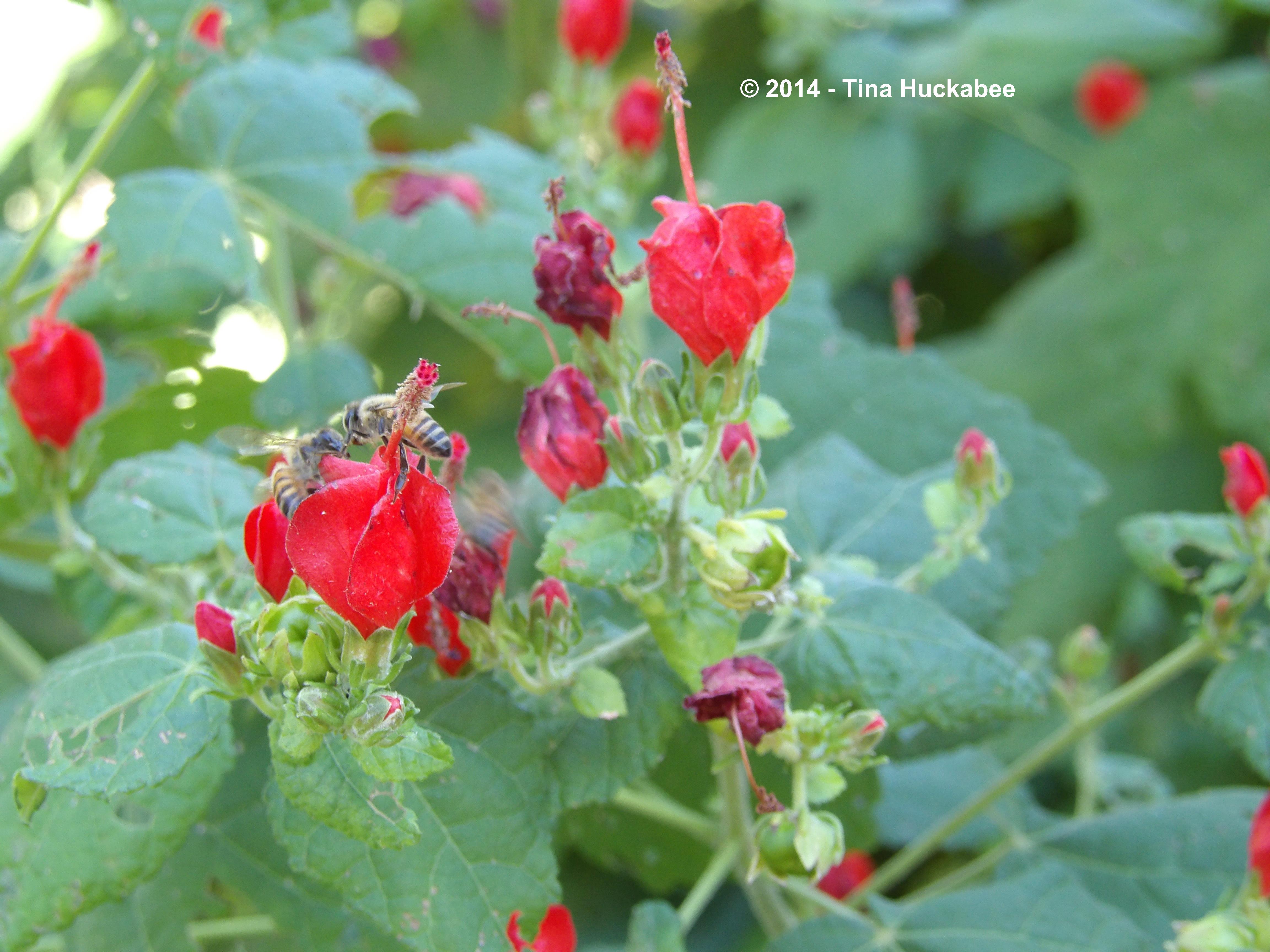
Turk’s Cap, Malvaviscus arboreus, is another perennial in my gardens that I consider a “staple” plant.

IMGP0174.new

Turk’s Cap was one of the first Texas natives that I loved and planted and I have it growing throughout my property–it serves an anchor perennial for most of my gardens.

IMGP0328.new

The petite, scarlet and swirled hibiscus-like flowers, blooming May through October,

IMGP1294.new

…herald the beginning of our long growing season here in Texas.  Turk’s Cap is native to Texas and other parts of the Southeast, all the way to Mexico.

IMGP1447.new

An excellent wildlife plant, it feeds bees (native and honey),

IMGP1788.new

…hummingbirds, butterflies of all sorts, and birds favor the fruits in summer, fall and early winter.

IMGP2118.new

The leaves are wide and tropical looking, giving plenty of room for bird poop to land on,

P1040410.new

…and the flowers are showy and prolific.

IMGP1347.new

IMGP2043.new

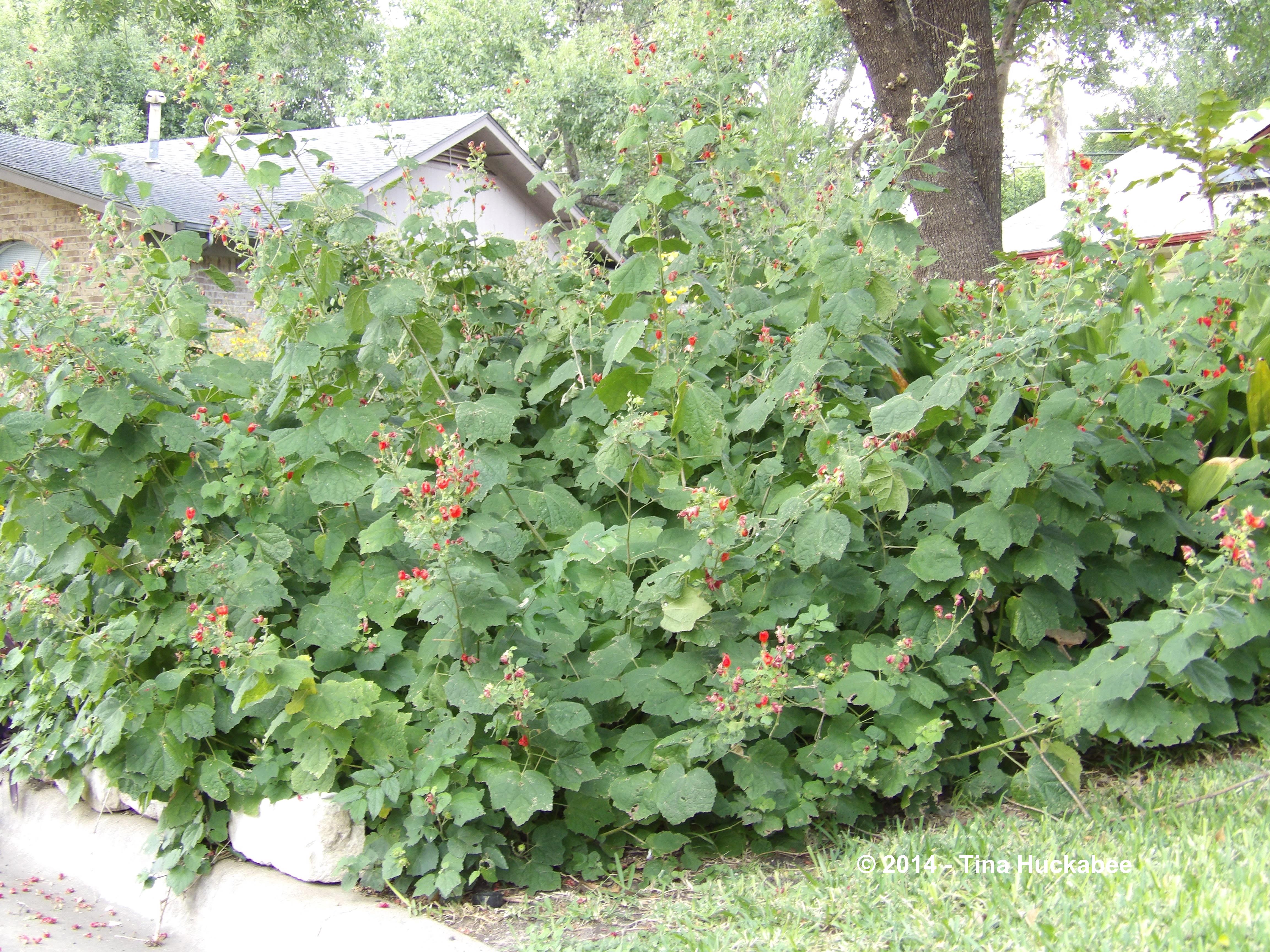
Gosh, I love the look of this plant.  But it’s huge.  It can get so, so large, you’ll want to make room for it–so don’t squeeze it in. All of my established stands of Turk’s Cap are 8-10 feet across.  Big ole thangs.

IMGP2102.new

IMGP2104.new

IMGP2109.new

If you plant Turk’s Cap, you’d better like where you put it because after a few years, once it’s established, it’s hellacious (and back-breaking) to transplant.  The bulbous and massive root (system) is the reason why Turk’s Cap  is so hardy and drought tolerant. I don’t water several of my established groups of Turk’s Cap.

Turk’s Cap is best in shade, dappled shade, and part-shade.  Yay!  A beautiful perennial that is great in shade!  It’s adaptable though and works in full sun–in fact, it blooms beautifully. However, the leaves flatten and darken in a way that I find unattractive, so I generally don’t plant mine in full sun–there are much better choices for planting in the blasting Texas sun.  However, as a shade perennial? I just love it!

P1040406.new

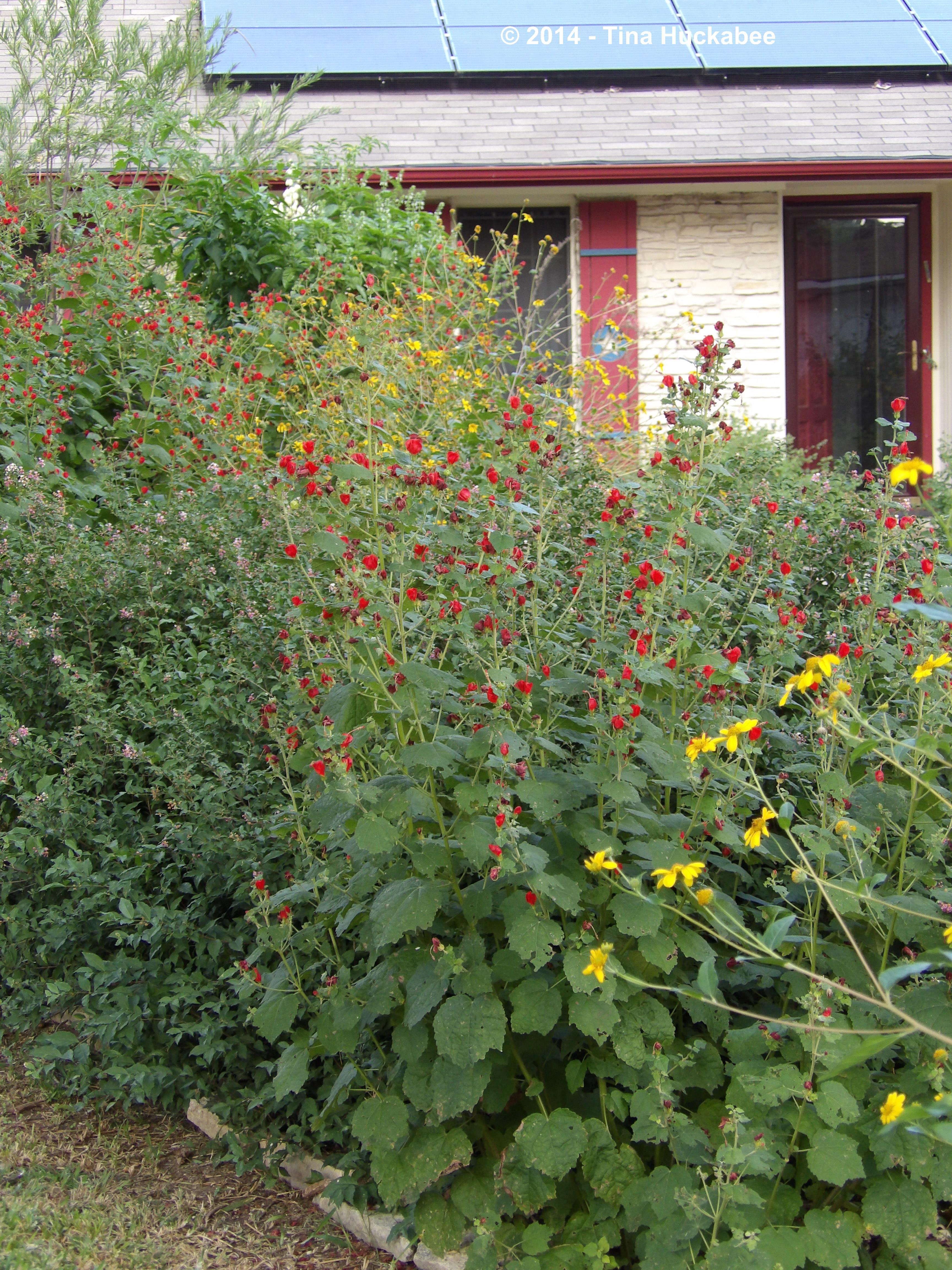
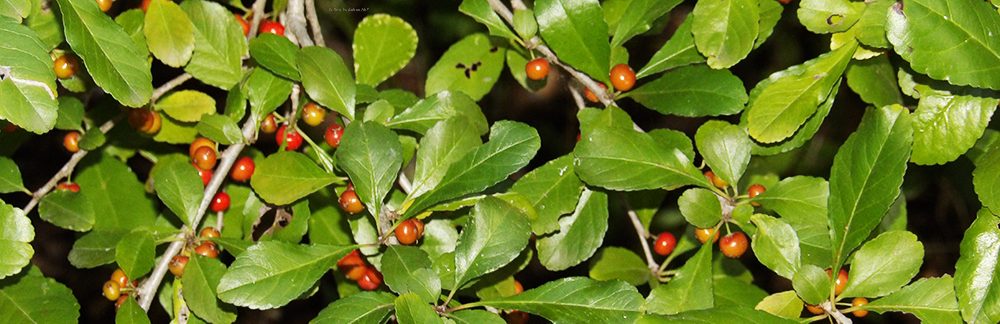
Turk’s Cap is a herbaceous perennial, meaning that it dies to the ground with a hard freeze.  It will disappear in a cold winter after you’ve pruned it to the ground, so it’s a good idea to pair Turk’s Cap with evergreen growing companions.  Some examples might be Columbine, Iris, holly shrubs (for example, the native Yaupon), Rock Rose, or even some of the more shade tolerant yucca plants, like this Paleleaf Yucca.
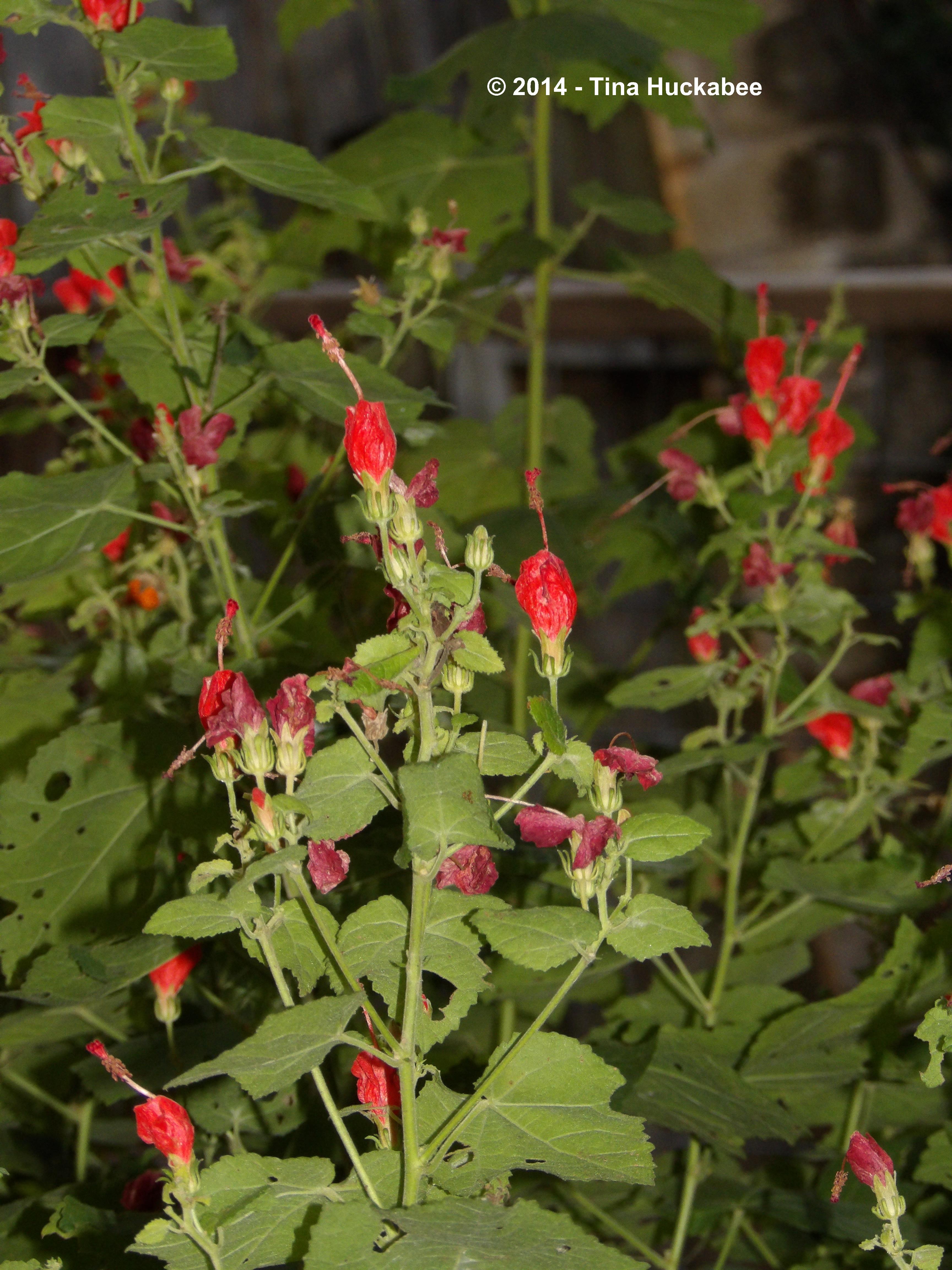
IMGP1397.new

(Disclaimer: this particular part of my garden receives late morning to early afternoon summer sun, but is shaded for the remainder of the day.)

Don’t be dissuaded by Turk’s Cap going AWOL in winter.  It will return quickly in early spring; tough, hardy and beautiful, Turk’s Cap will bloom and bloom during the long Texas growing season.

IMGP1293.new