Bee Mama Missive: Beetles Bee Damned

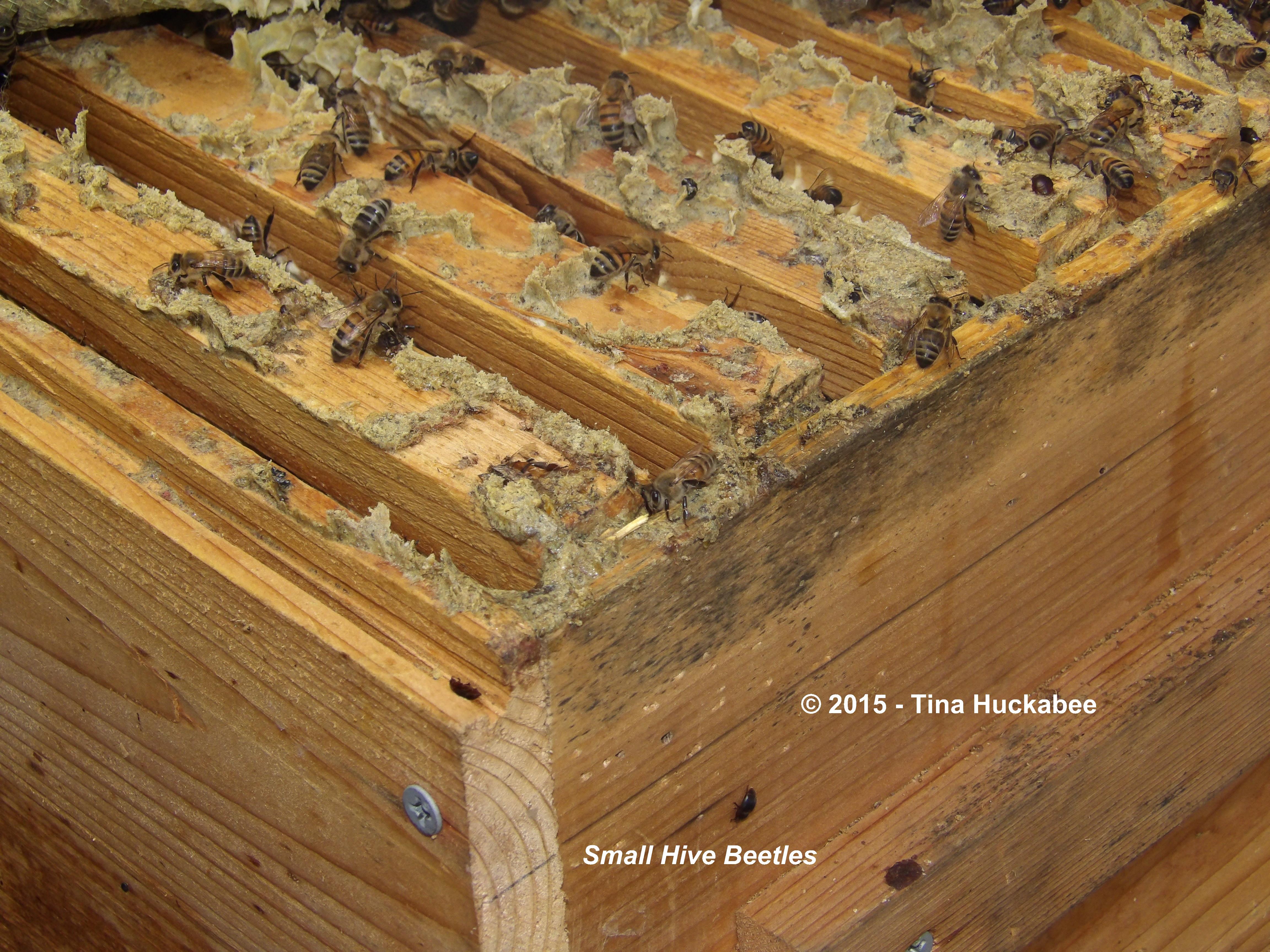
In my last Bee Mama Missive, I mentioned that my hives have been invaded by Small Hive Beetles, Aethina tumida.

IMGP9694_cropped_2637x2392..newThese invasive ickies hail from Africa, appearing in the United States first in 1996.  Here in Texas, there’s nary a honeybee hive that doesn’t host these lovely creatures. Sarcasm here, folks. Our hives were invaded by them last year, too.  If the hive is strong, the beetles don’t cause all that much damage–bees will remove some of the beetles and their larvae, thus keeping the invaders in check.  But hive beetles are destructive; they can damage comb and the accompanying honey and pollen.  If the hive is weak for whatever reason, the hive beetles can destroy the hive and/or the honeybees will abandon their hive.

This summer, many beekeepers in Austin have reported prolific infestations of small hive beetles, owing to the heavy rains and resulting higher humidity that occurred in late spring.  My hives are no exception to the rampant hive beetle infiltrations. Last summer, I’d see a few beetles whenever we checked our hives, but only a few.  In the last three hive checks, I’ve been appalled at how many of the nasty critters scurried away as we removed the tops of our hives for inspection.

IMGP9695.new

P1070480.new

One  suggestion to limit hive beetle infestation is to place hives in full sun–apparently the beetles don’t particularly care for the blazing sun and resulting heat in the hives. In my garden, there aren’t many “full sun” spots on my property and none of those spots are particularly appropriate for hive placement, so that’s not a remedy I can employ.  My hives face east and are under the shade of a large Shumard Oak.  I don’t use chemicals in my gardens and with beekeeping (for obvious reasons), chemical fixes are generally discouraged. While Bee Daddy and I can squish the hive beetles when we open our hives, that’s not a particularly effective or practical way to limit their population, no matter how satisfying the squishing might  be.   What to do?

I noticed that Beeweaver Apiaries sells a product called Beetle Bee-Gone.

IMGP9686.new

Basically, it’s a package of cotton cloth sheets that act to trap the beetles in the hives.

IMGP9687.new

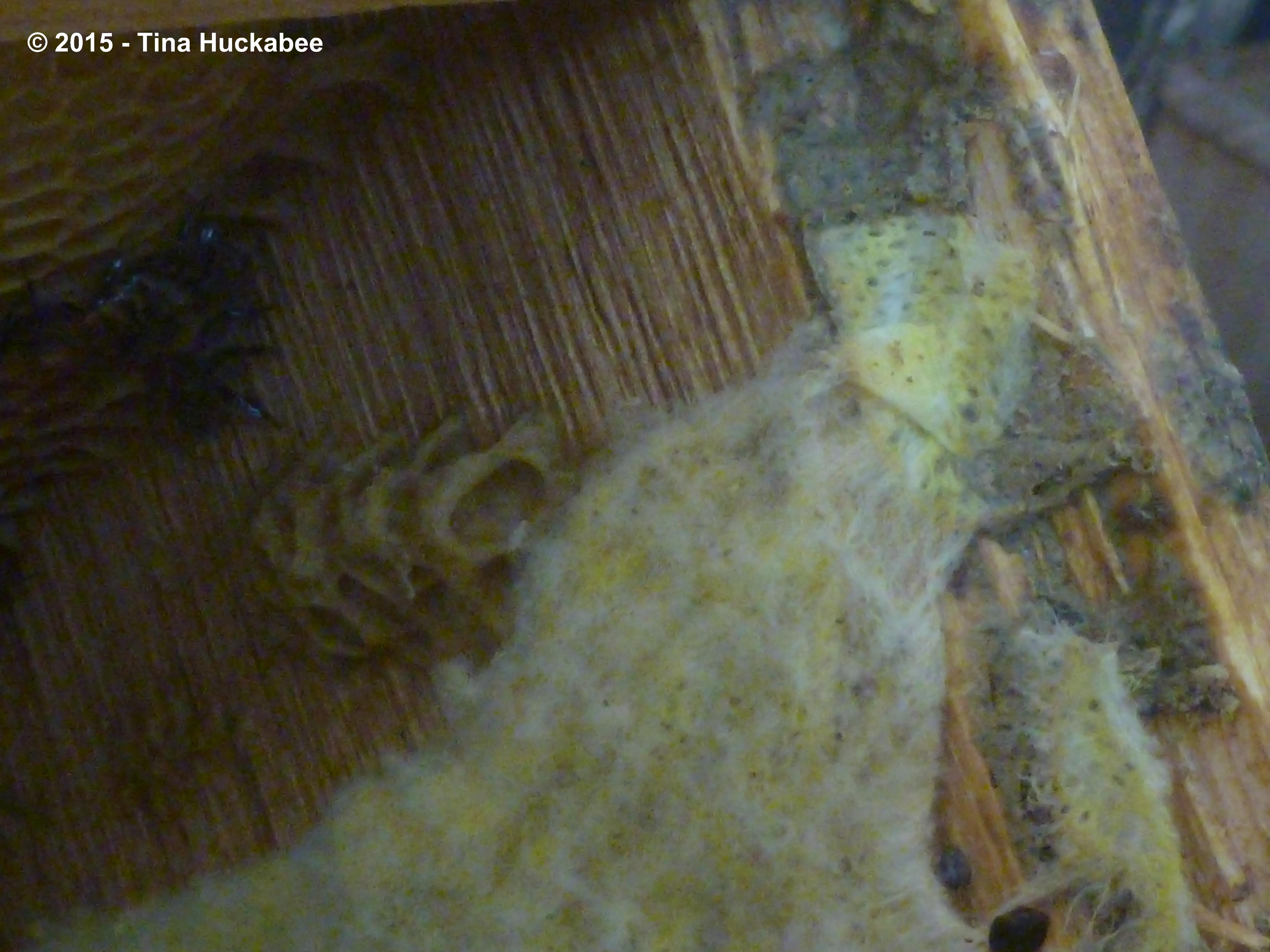
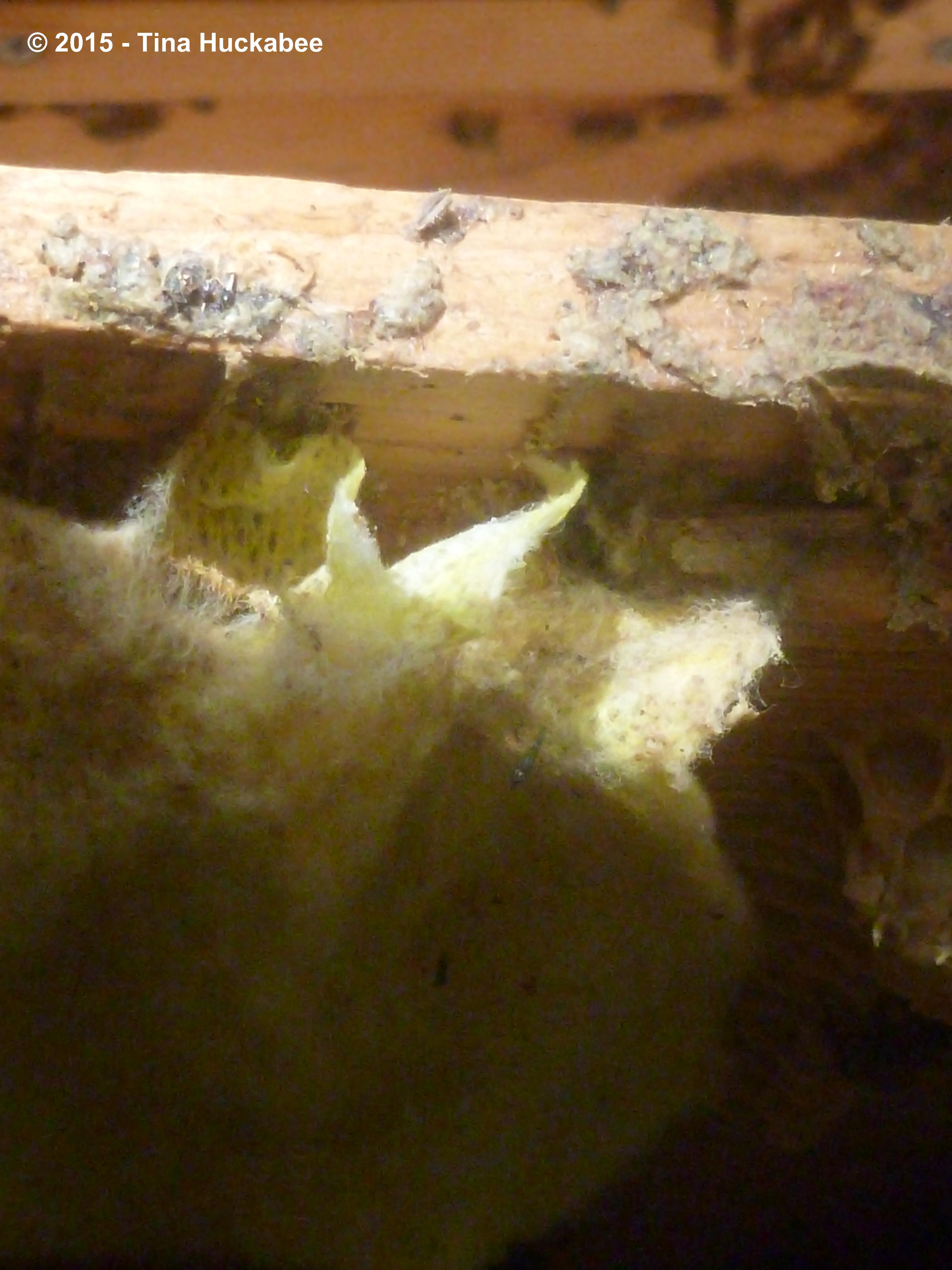
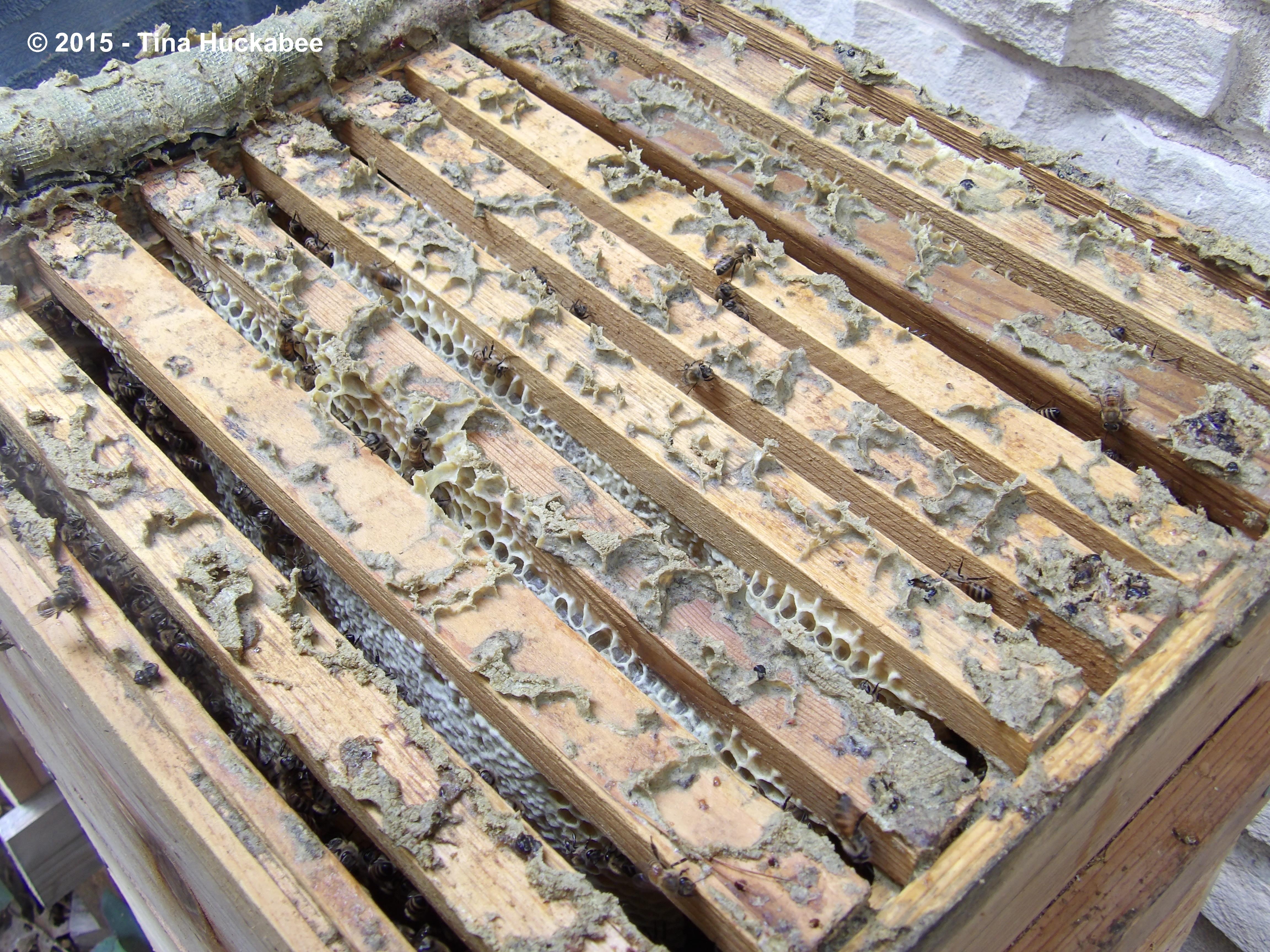
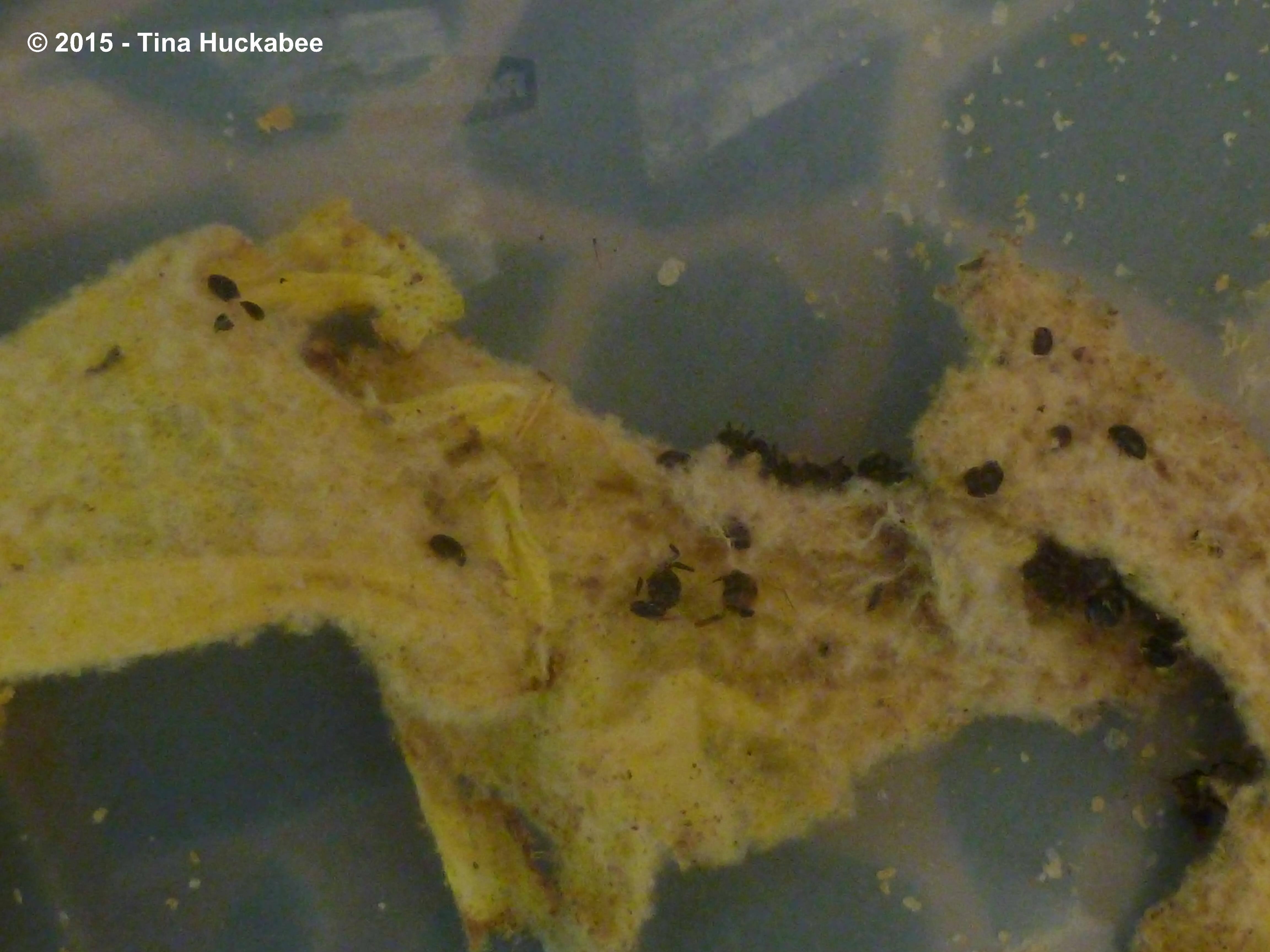
The sheets are affixed to the frames and the bees will chew up the cloths, rendering them “fuzzy”. The beetles in the hive are then trapped because they have hooks on their legs and become ensnared in the fuzz.  Honeybees like tidy hives and they will remove the fuzz-n-beetles loose in the hive.

At $7.95 per 48 sheets, plus shipping and tax, I’m game to try just about anything against the helmeted menaces.

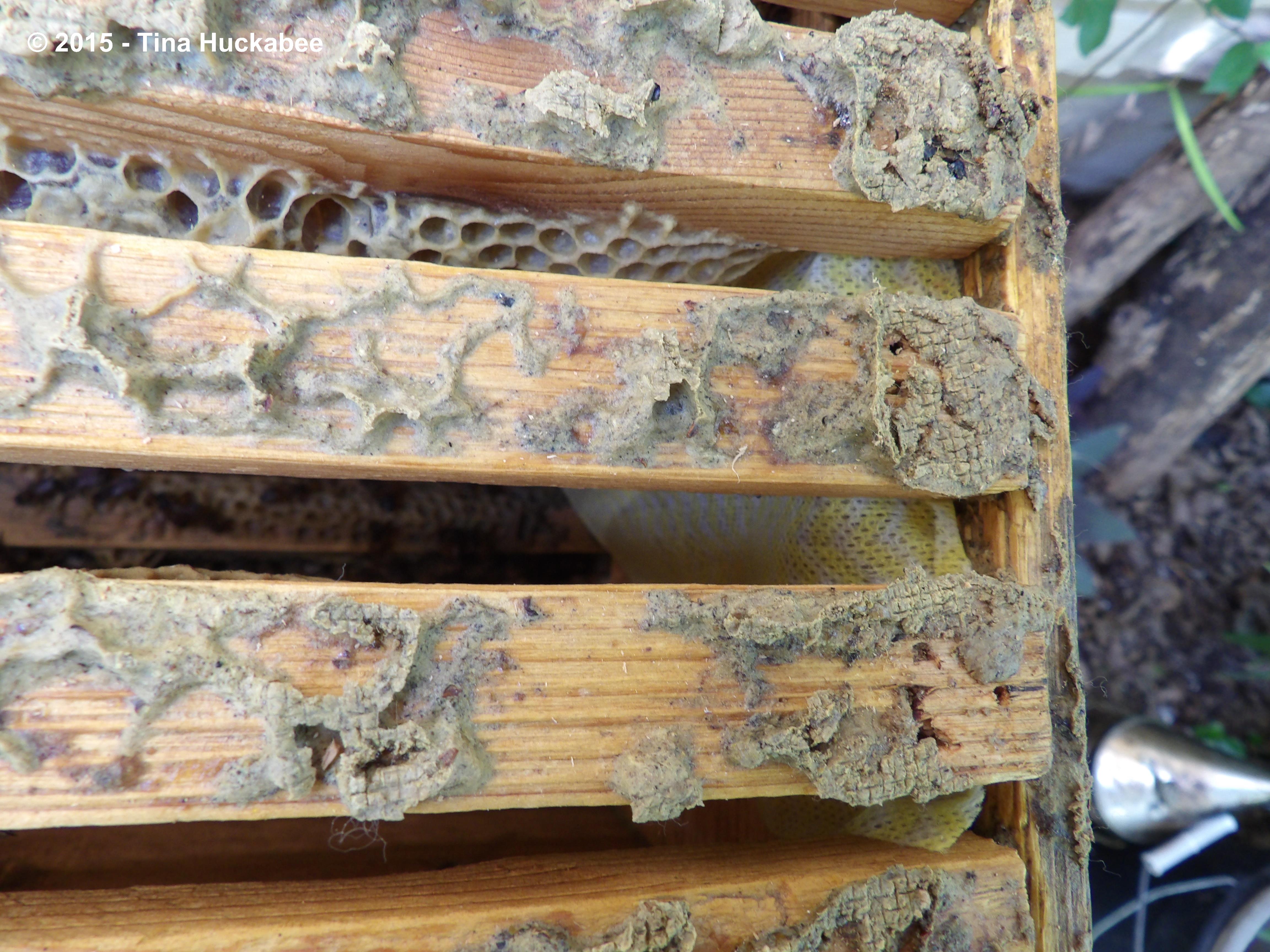
On July 22, just before I left on a trip, I placed two sheets in each of the top two boxes of both Scar and Mufasa.
IMGP9691.new

IMGP9692.new

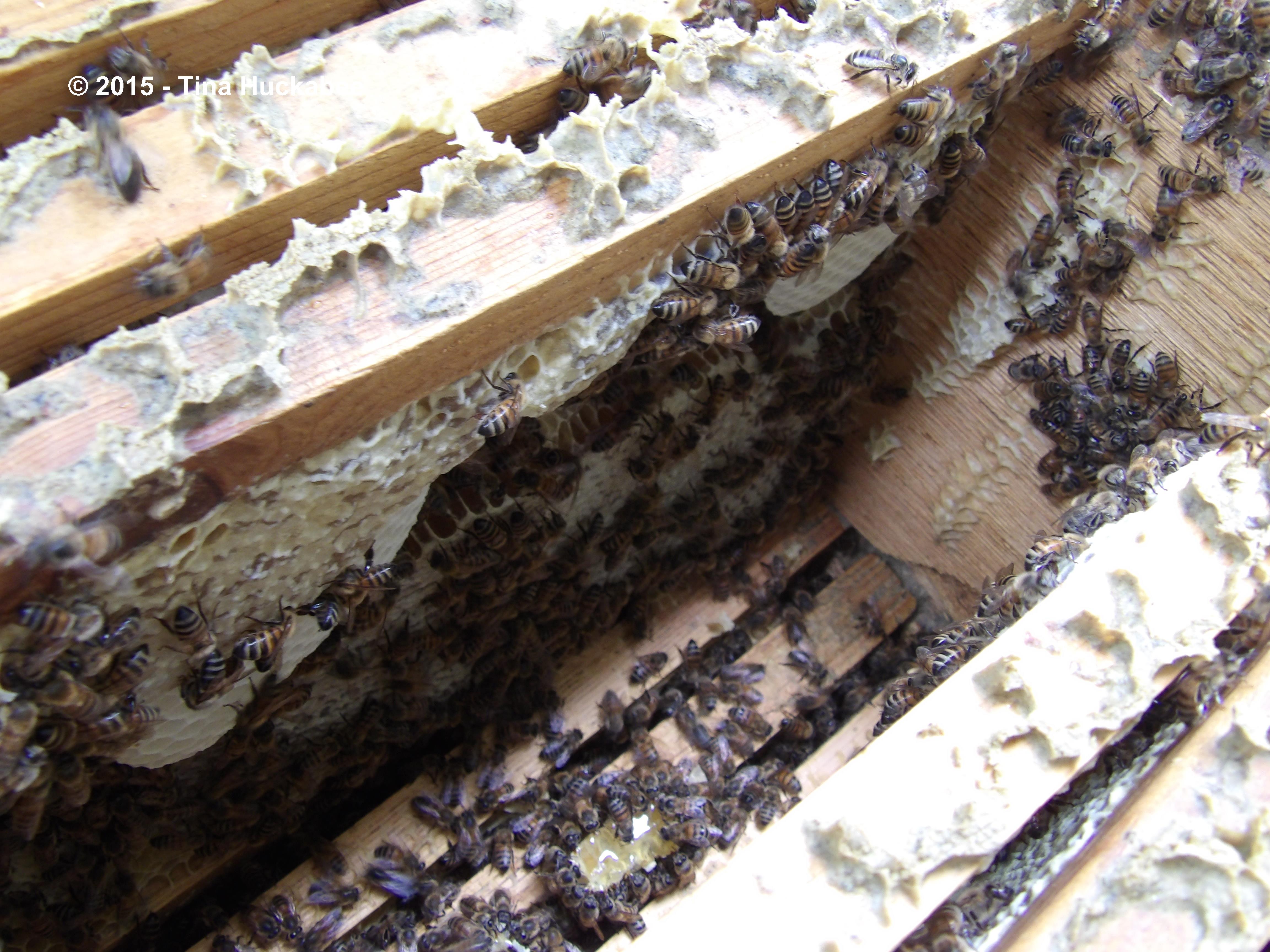
It wasn’t quite as easy as I’d envisioned, placing the sheets under bars while wearing thick gloves and crooning to the annoyed bees. Yes, I do that. I removed a couple of the center bars in the top and middle boxes, then tacked down each sheet with a little bit of wax, placing the bars back on top of the sheets.   I closed the hives, wished the bees well and left town with a good heart.

Sixteen days later and with some trepidation–Did the traps work? Will we see more beetles?  Is there beetle damage to the comb?–we opened and checked both hives.

P1070515.new

P1070520_cropped_2626x3295..new

P1070513.new

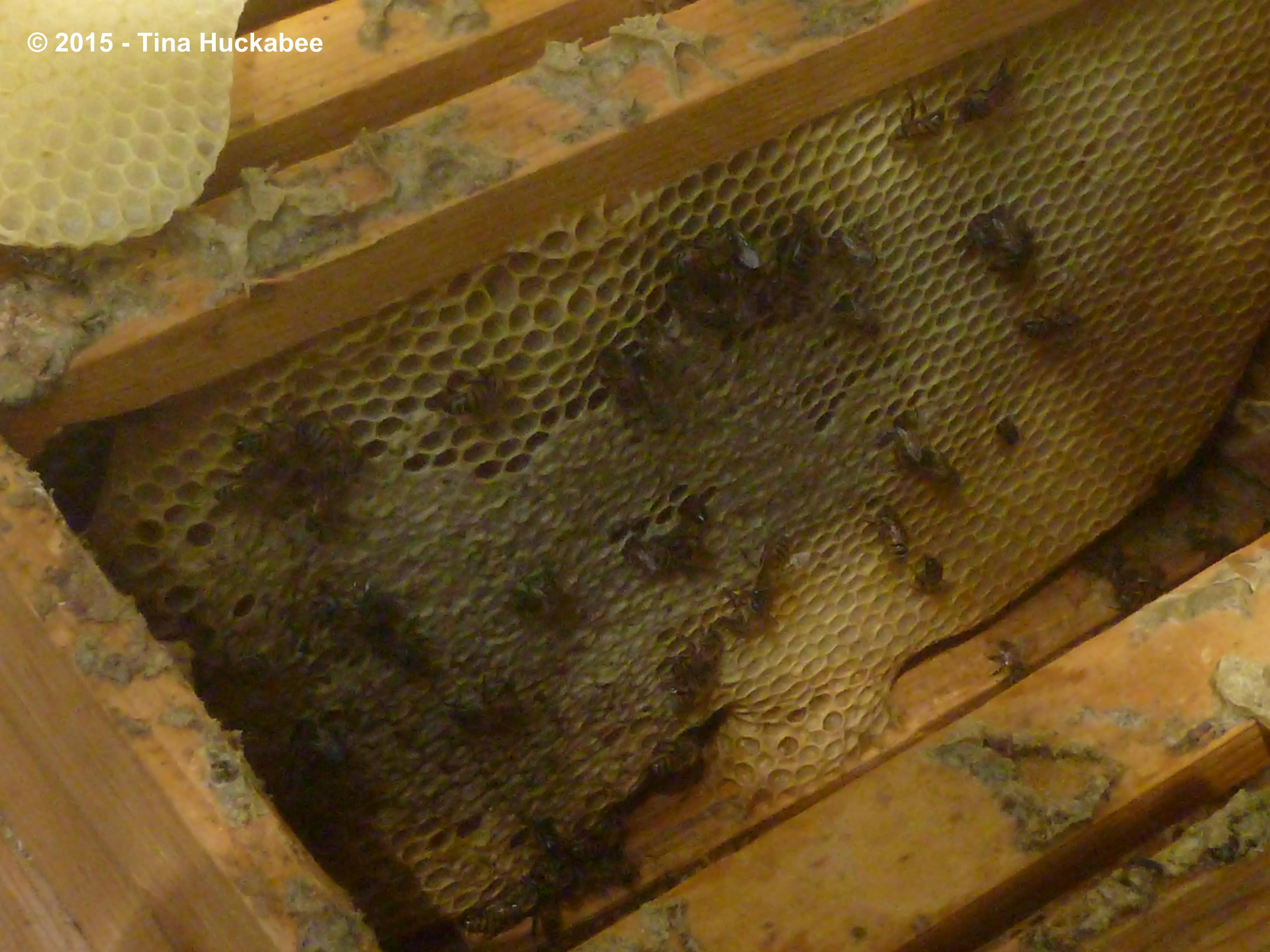
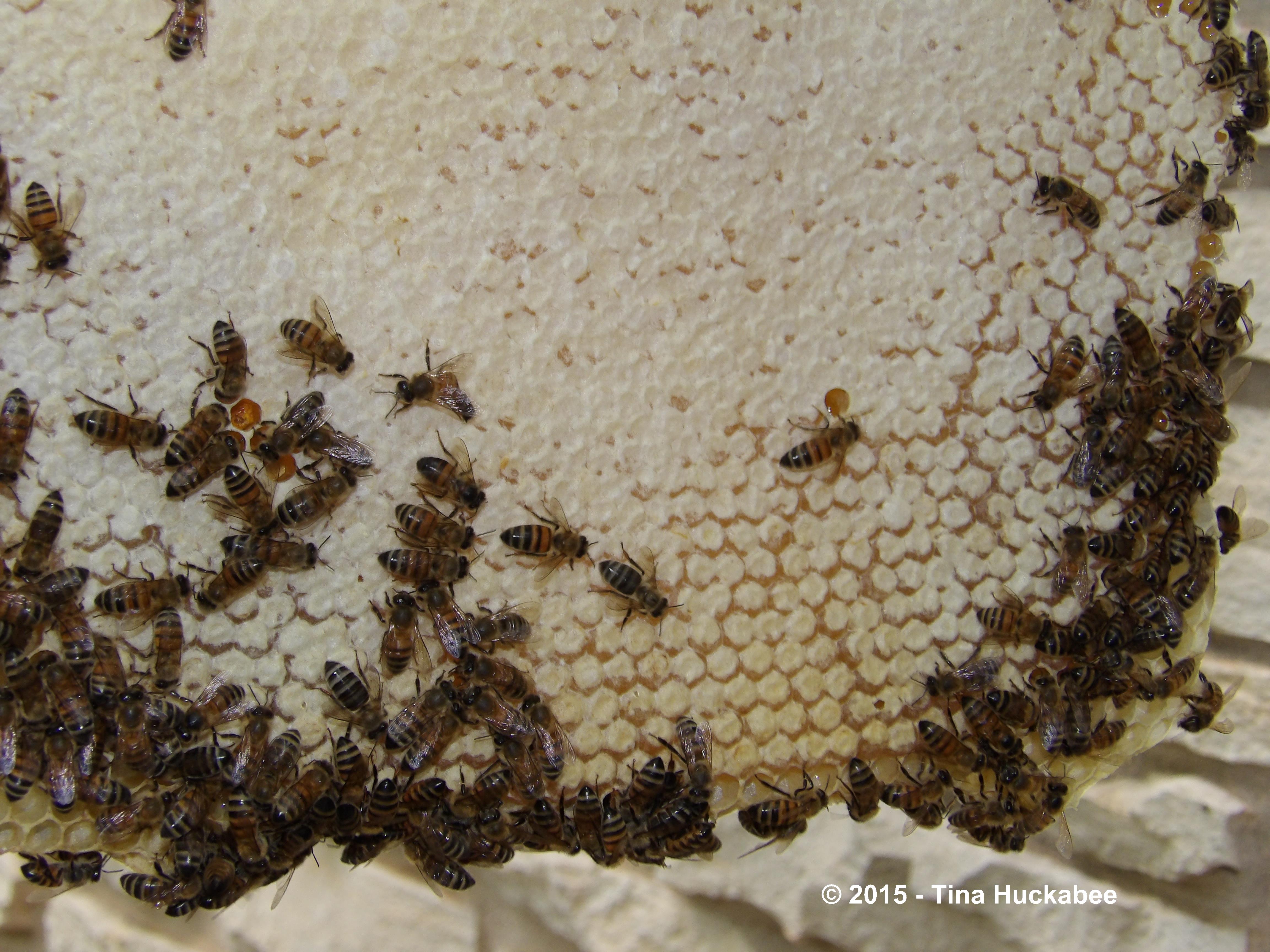
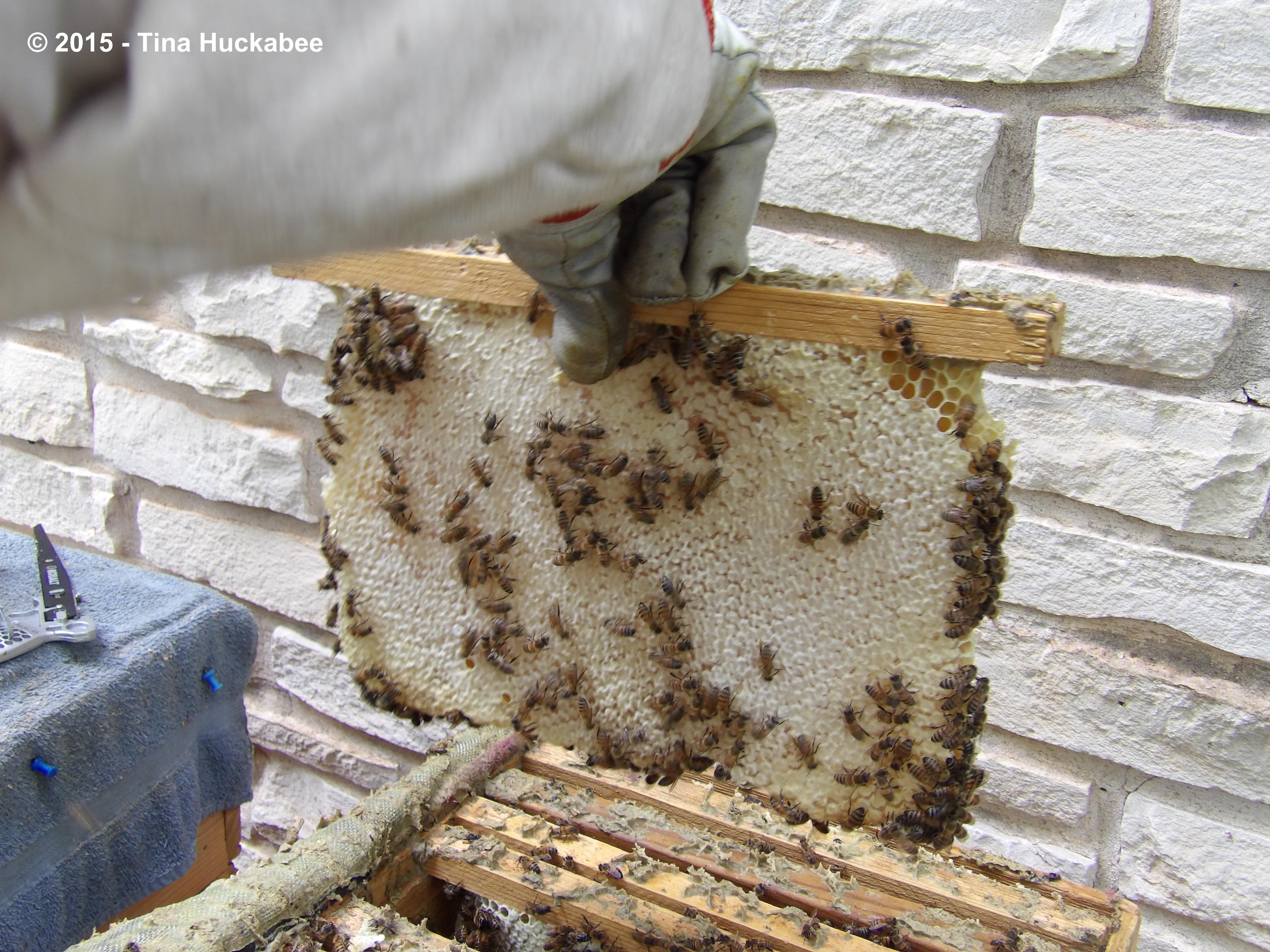
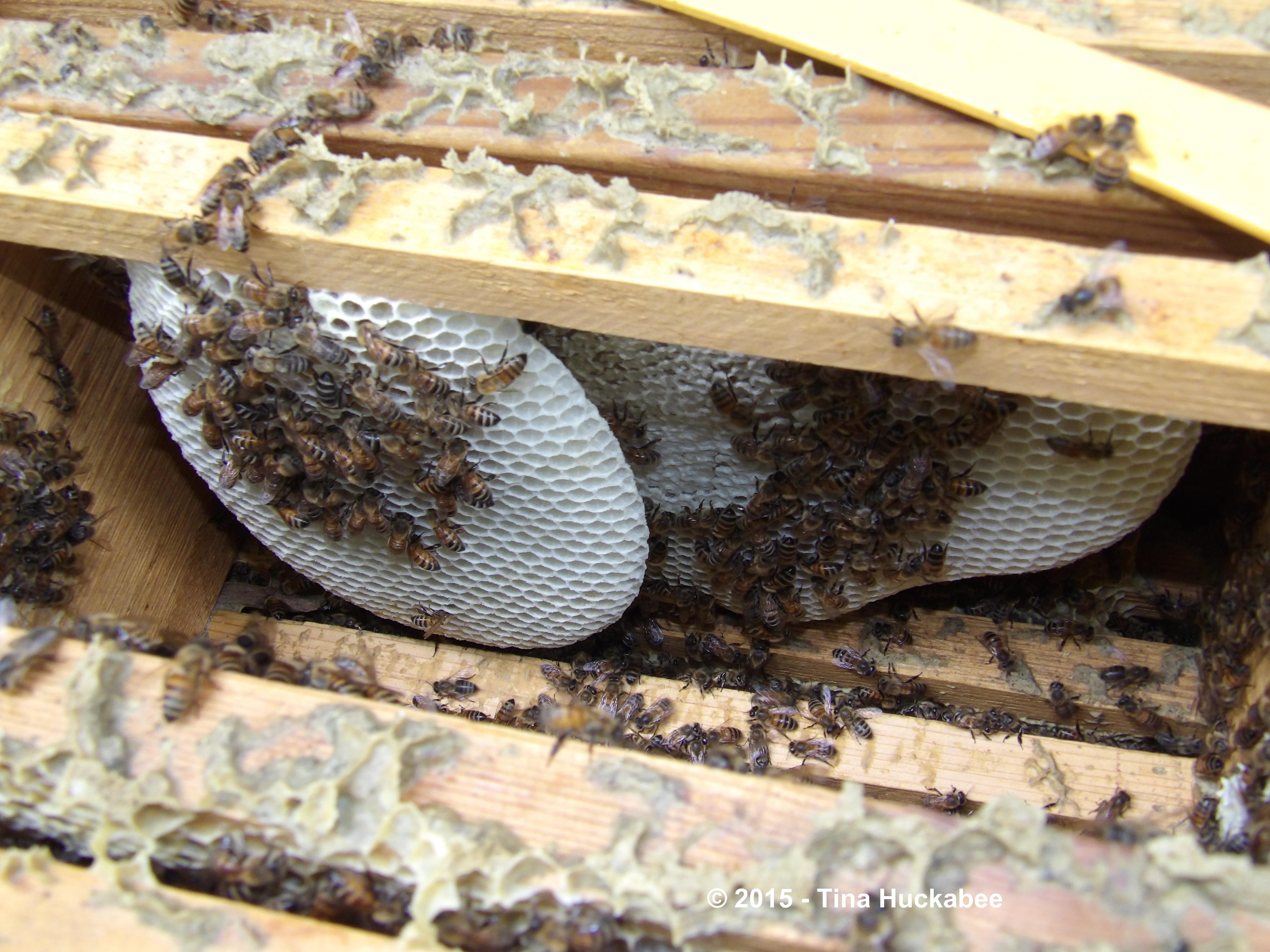
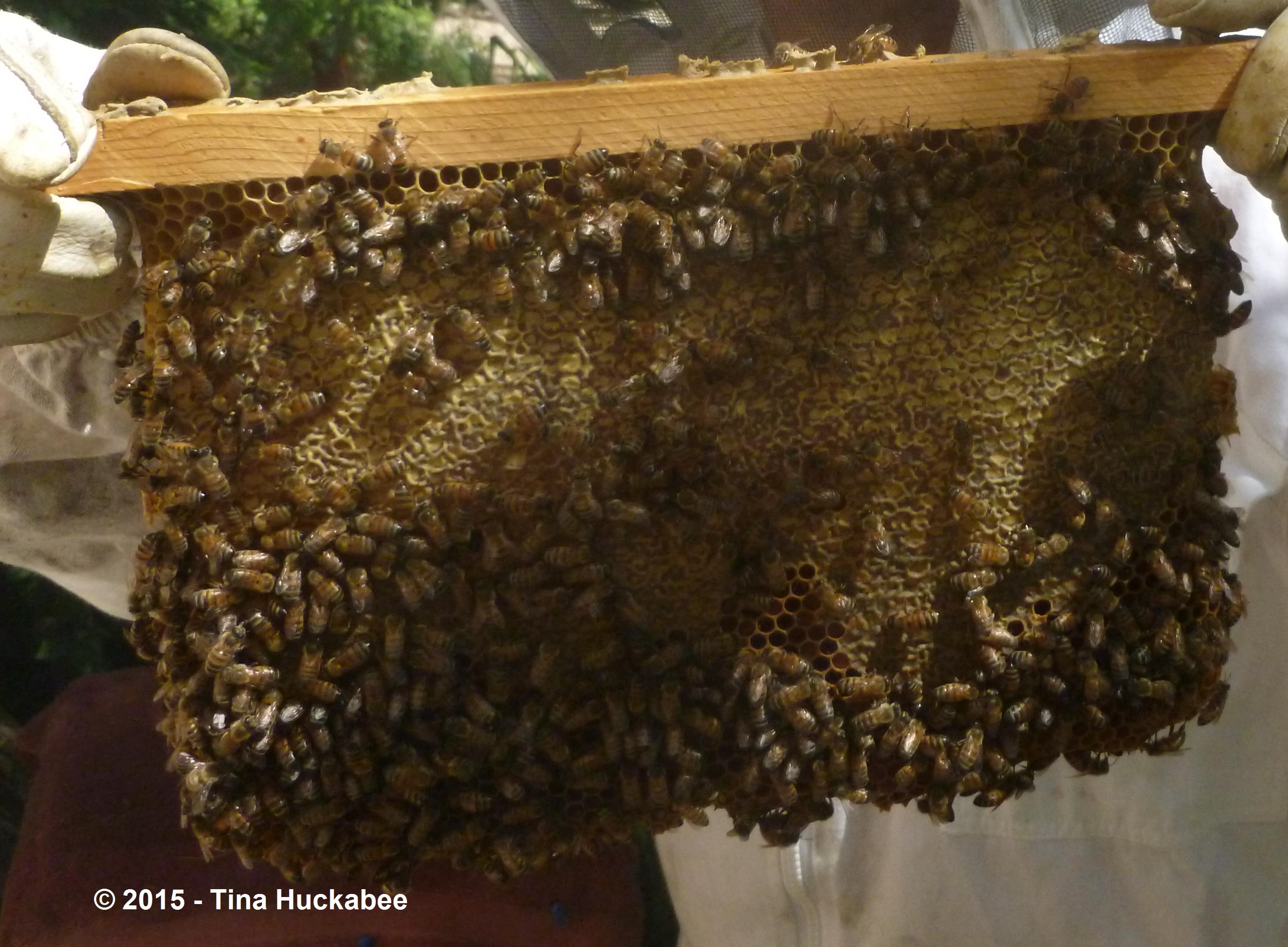
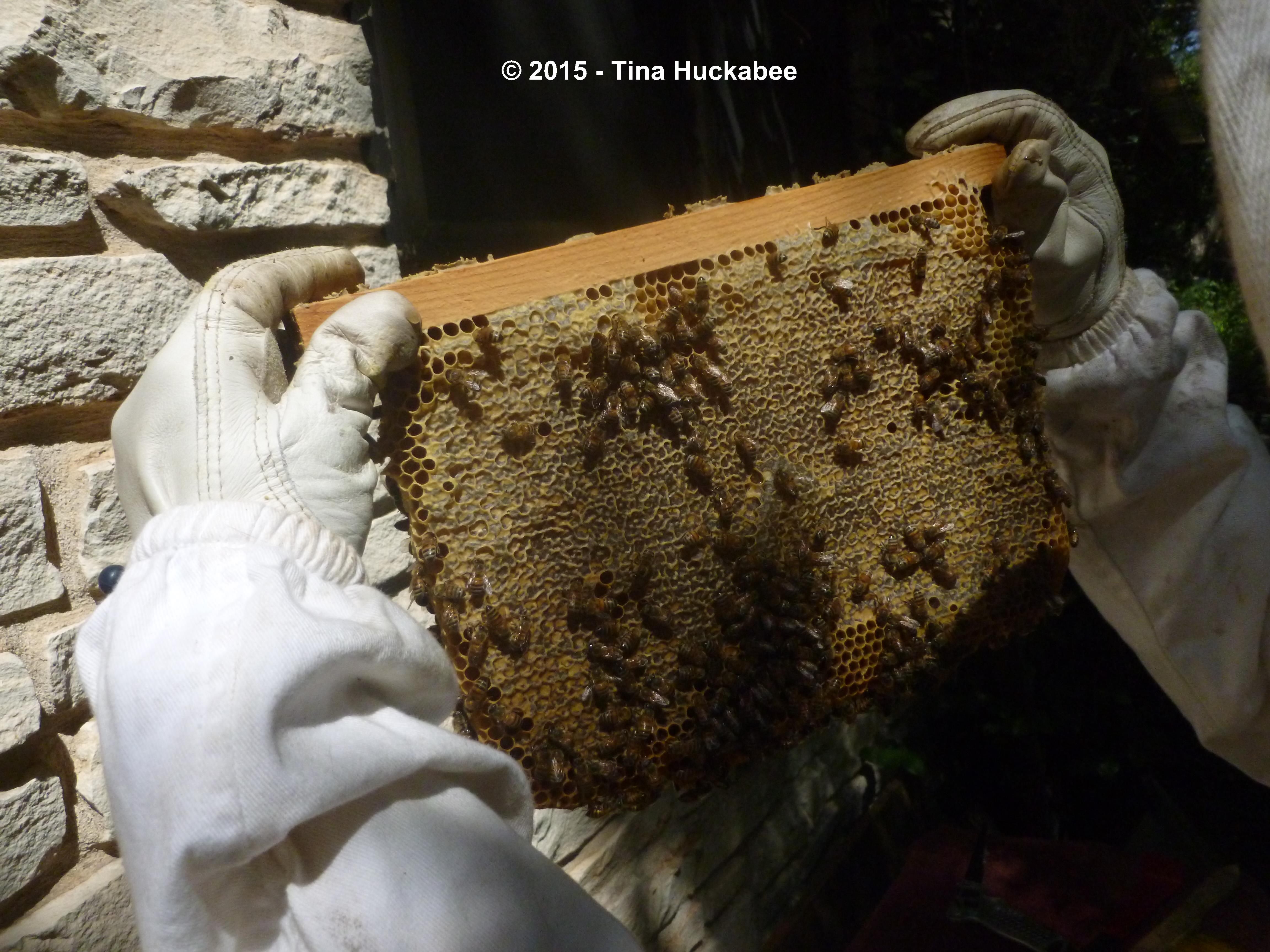
Mufasa is thriving!  Mufasa has a strong queen and the hive is healthy, active, a bit cranky, and loaded with beautiful honeycomb.
P1070494_cropped_2940x2161..new

P1070489.new

P1070485_cropped_3373x3185..new

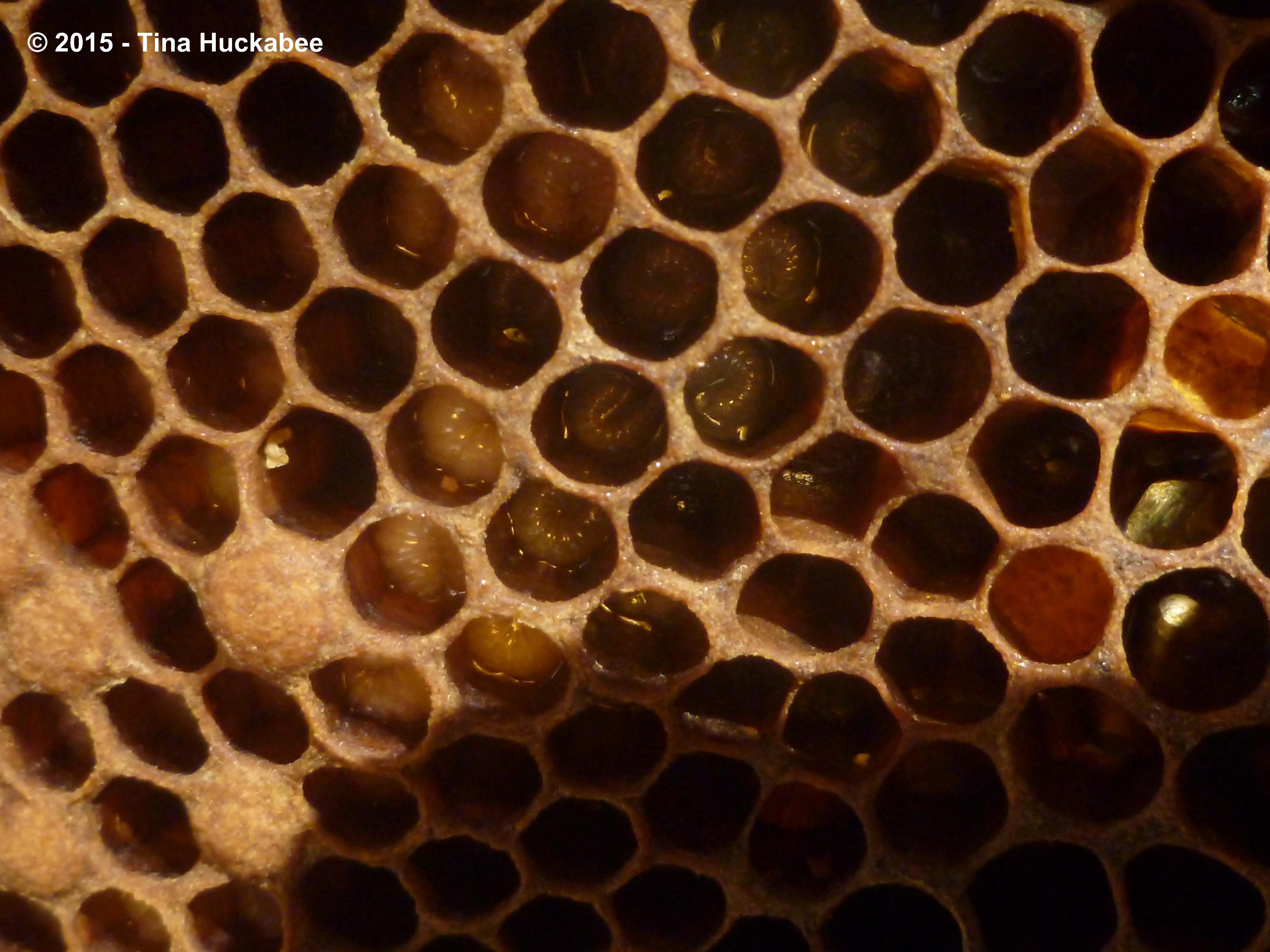
With plenty of capped and uncapped brood–a new generation is underway.

P1070502.new

P1070498.new

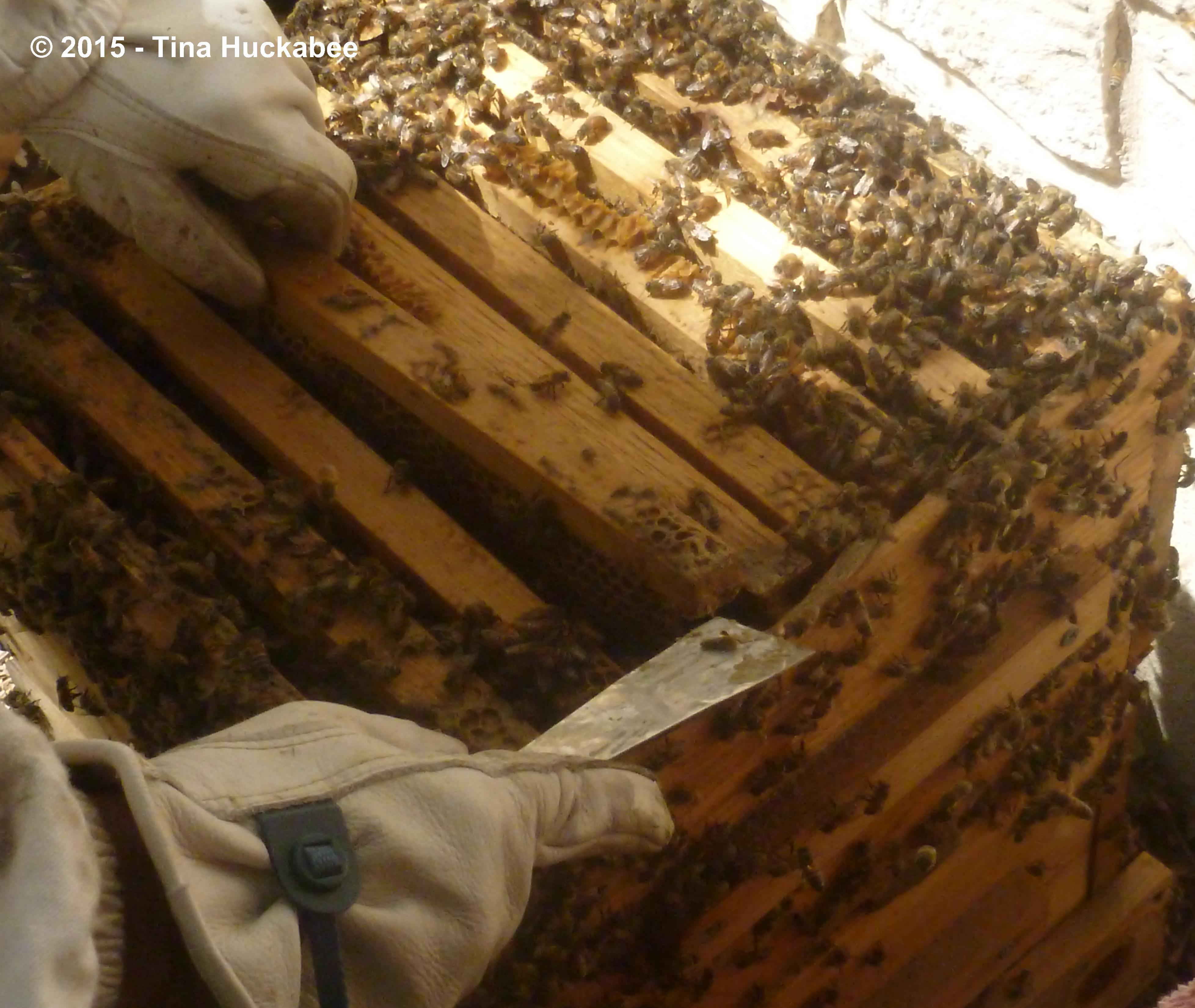
However, there was no sign of the sheets that I placed in Mufasa’s boxes.  A day or two before, I’d seen bees removing fuzz from the hive entry board.  Was it Beetle Bee-Gone fuzz?  Maybe, but I’m not positive.  There were still more beetles that scurried when we opened the hive than I would have liked, but significantly fewer than we’d seen in the last few hive checks.  We squished plenty; I’ve discovered an additional use for the hive tool.
P1070500_cropped_3913x3300..new.new

It’s an excellent beetle murder weapon when placed on top of a victim and pressed.

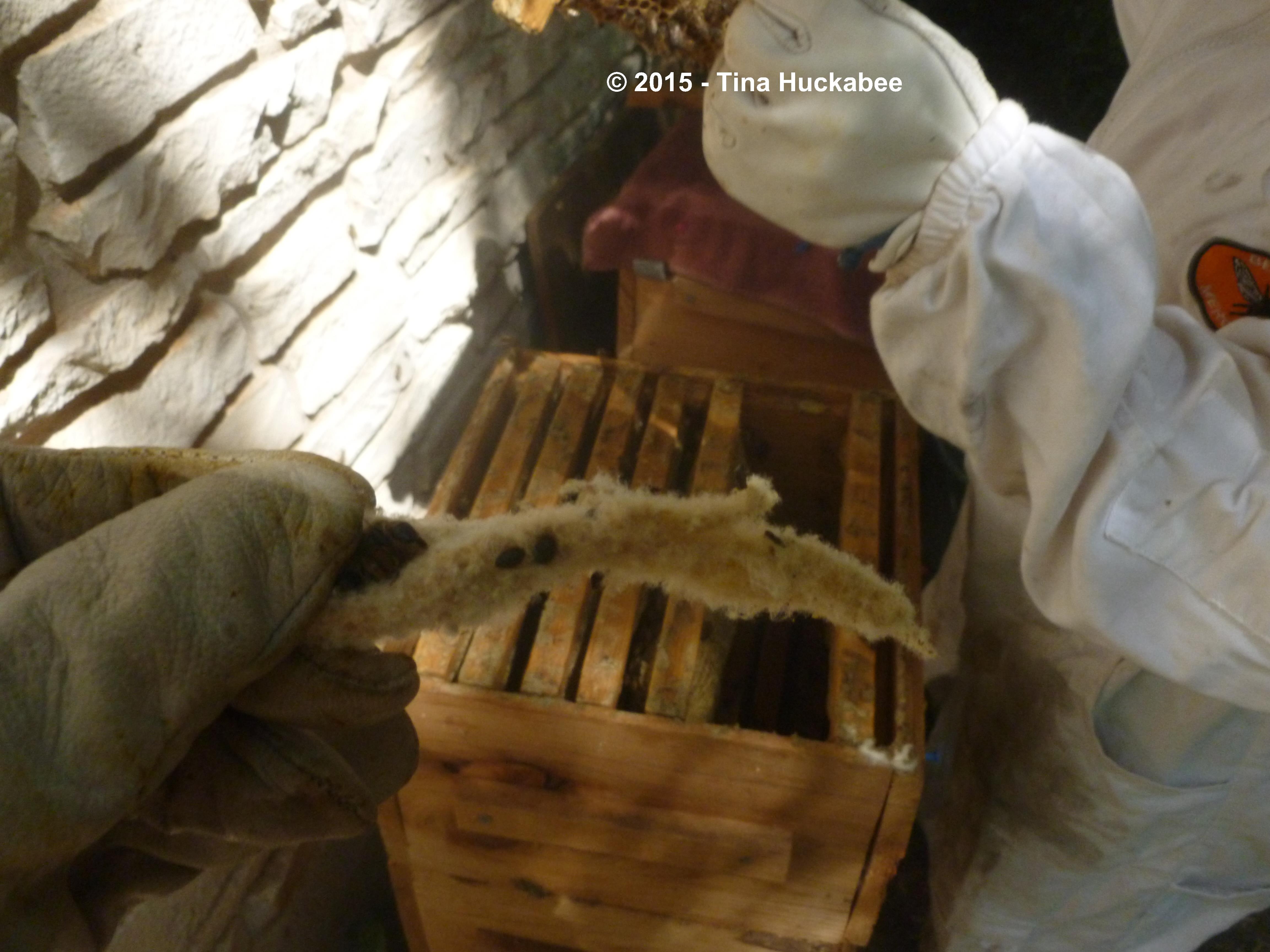
Generally pleased that the hive was healthy and that we saw fewer beetles, we closed Mufasa and moved on to Scar.  Scar was quite the revelation!!  Not as robust a hive as Mufasa, there were hardly any beetles–a few, but roughly in the manageable numbers that we saw last summer.  And in Mufasa, we were able to see the Beetle Bee Gone sheets in action.
P1070496.new

P1070527.new

P1070511.new

P1070507.new

P1070506.new

P1070509.new

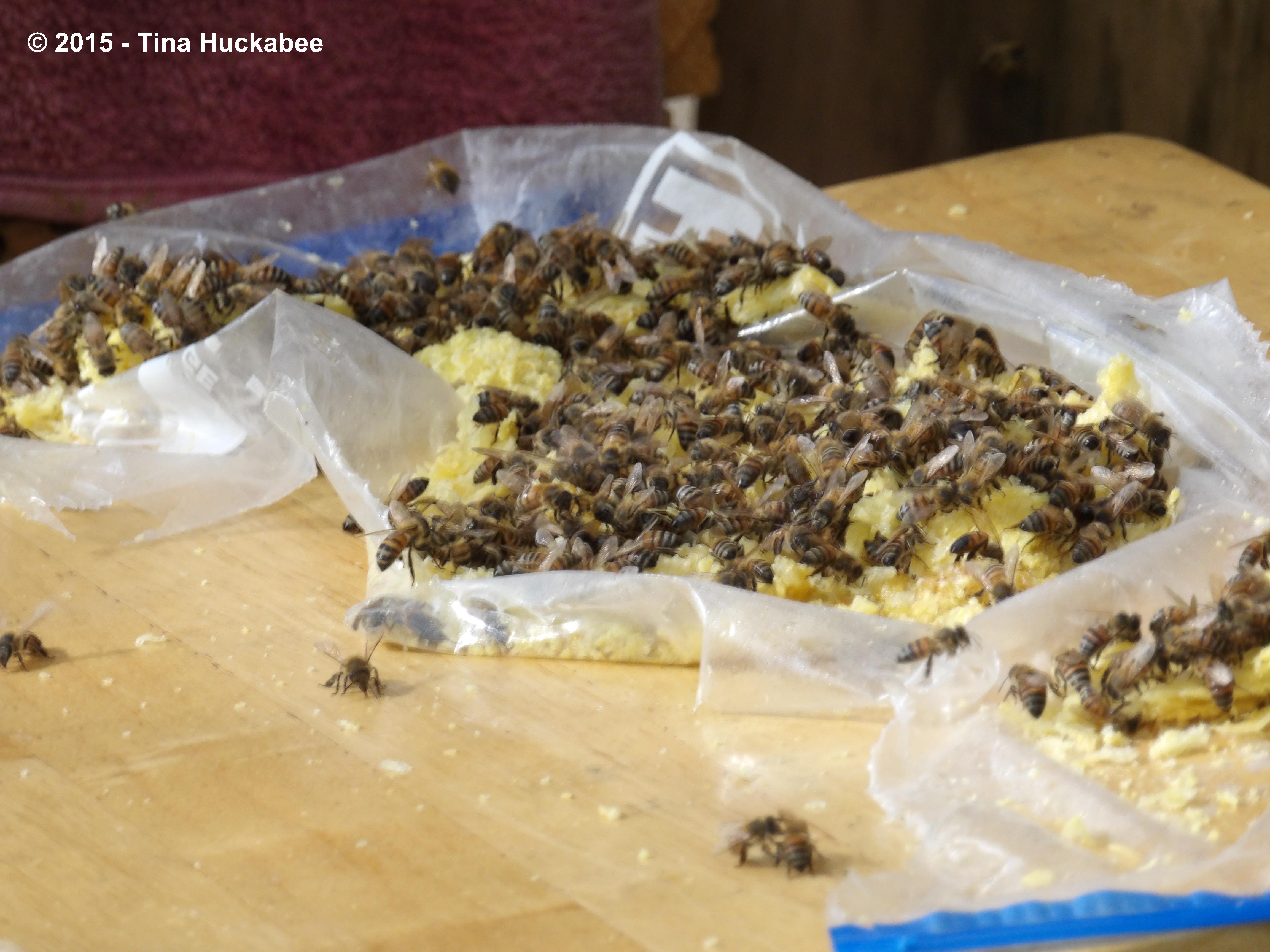
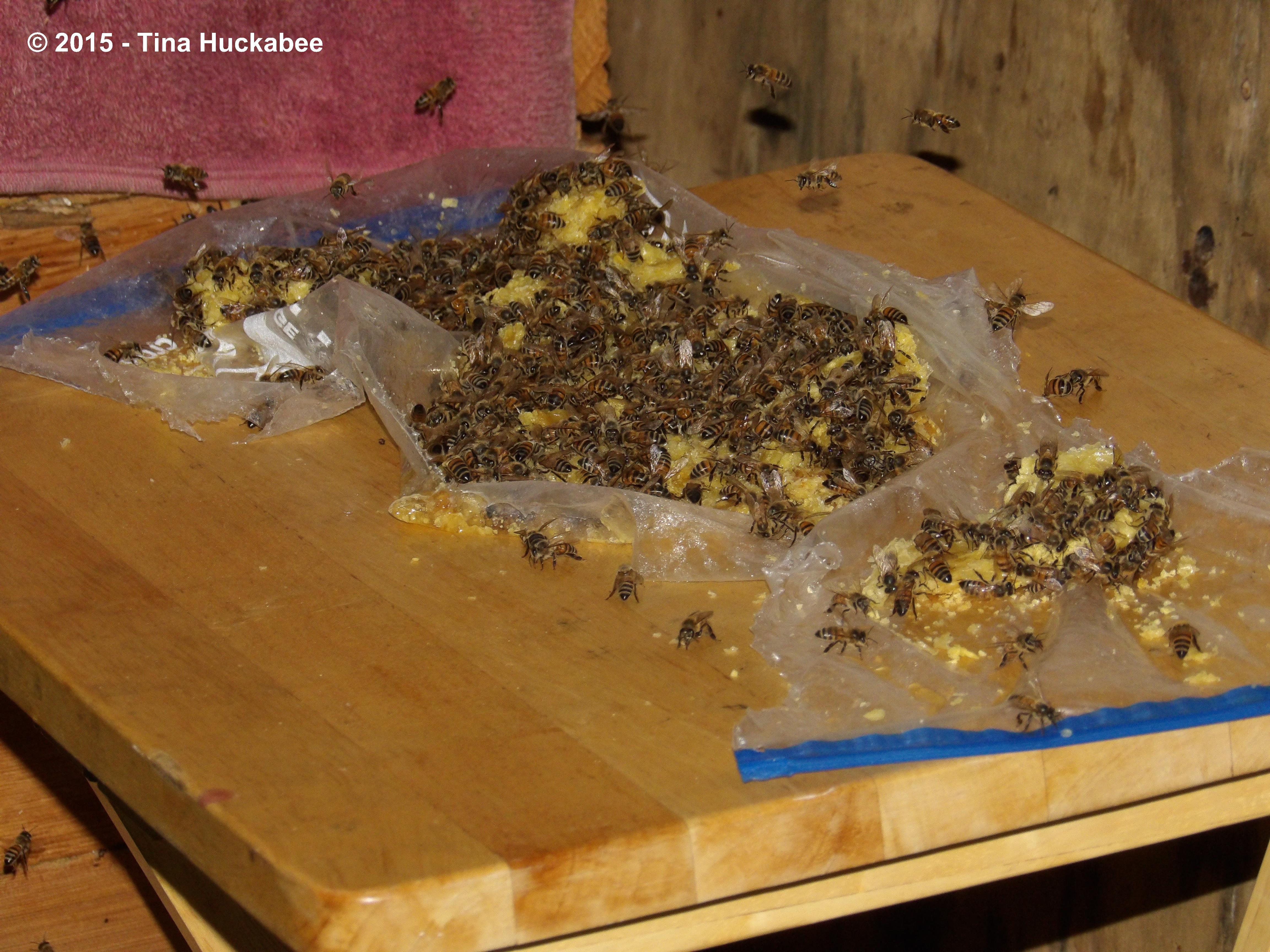
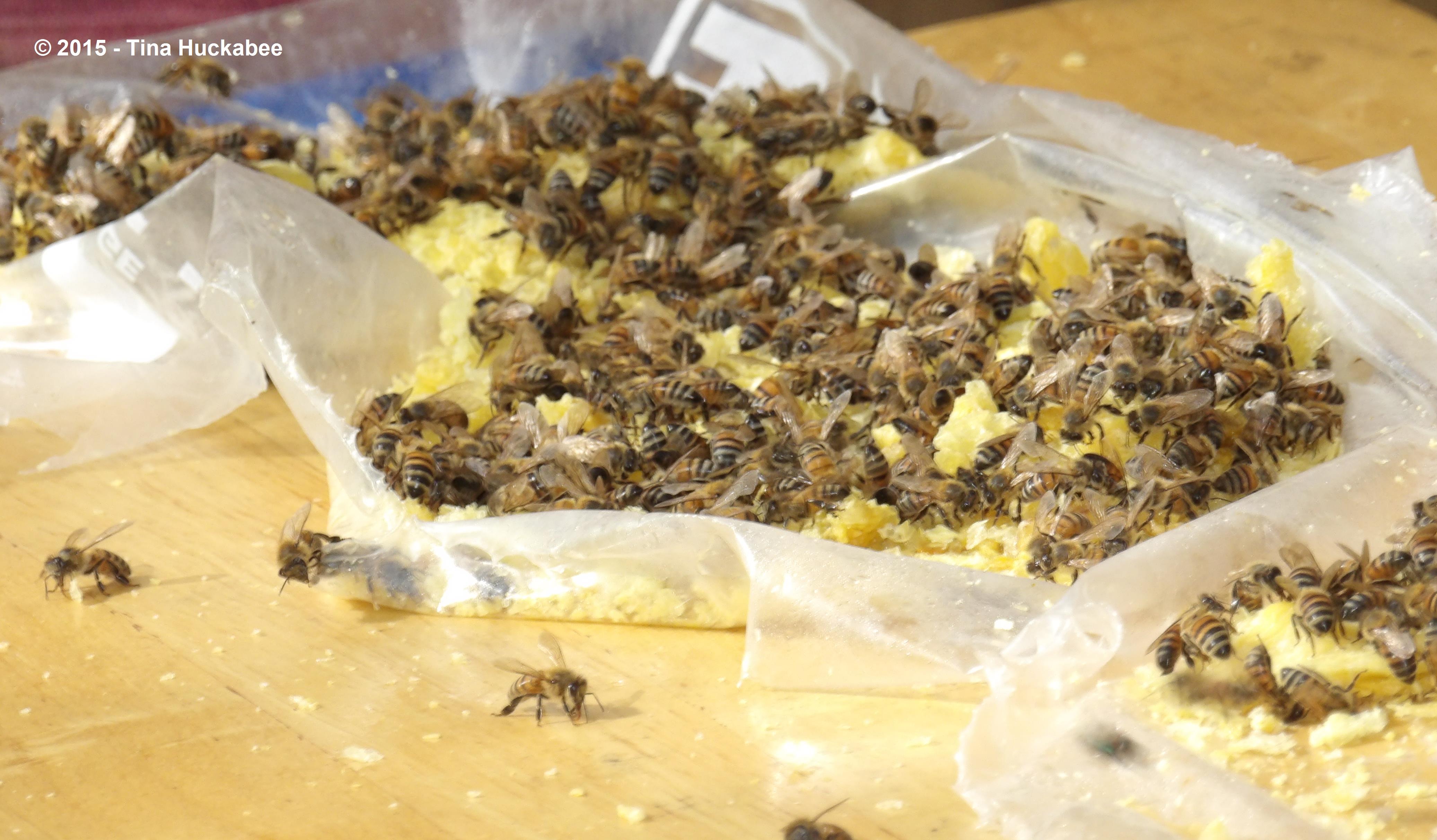
Or maybe post-action is a better description.  The sheets were obviously bee-chewed and fuzzy and there were beetles, dead and alive, caught in the fuzzy sheets.

P1070526.new

P1070525.new

P1070524.new

Victory!!

Scar doesn’t have the full comb in both top boxes like Mufasa has, nor the amount of honeycomb, but like Mufasa, Scar has lots of capped and uncapped brood.

P1070497.new

I added more sheets to both hives and will check on the beetle-trapping progress in a couple of weeks. I gathered up the used sheets with beetle bodies,

P1070528.new

…and tossed the whole mess where it will do some good–in my compost bin.

I feel good about the success of the Beetle Bee-Gone sheets and their trapping of some of the beetles.  Did we get them all?  No way and we also didn’t check the bottom, or main, brood box.  There could be beetles there, causing havoc.  But both Bee Daddy and I concur that we don’t want to go into the hive that deeply–the risk of rolling our queen is just too great. Been there, done that.  We’ll continue to monitor the hives from the middle and top box.

That will have to suffice.  Fingers crossed.

I think that giving the bees a hand in the maintenance of their hive may have allowed them to get ahead of their beetle infestation.  I won’t know if that’s true until we check the hives again, but we noticed that during  the last few hive checks and with full, gross beetle infestation,  our bees were quite cantankerous.  Really mean.  Even with adequate smoke, they were much more aggressive than usual. This hive check?  They were back to their (relatively) sweet selves. Yes, they get snippy when we invade their home, but they were tolerant of our intrusiveness this time, whereas in the last few checks–wowzers–they were tough customers!!  Was their over-the-top defensiveness because the hive was under siege?  I think that makes some sense, especially since they seem more normal now and the beetles seemingly have less of a presence.

For now, I have to give Beetle Bee Gone a thumbs up  in our war against the invasive Small Hive Beetle.

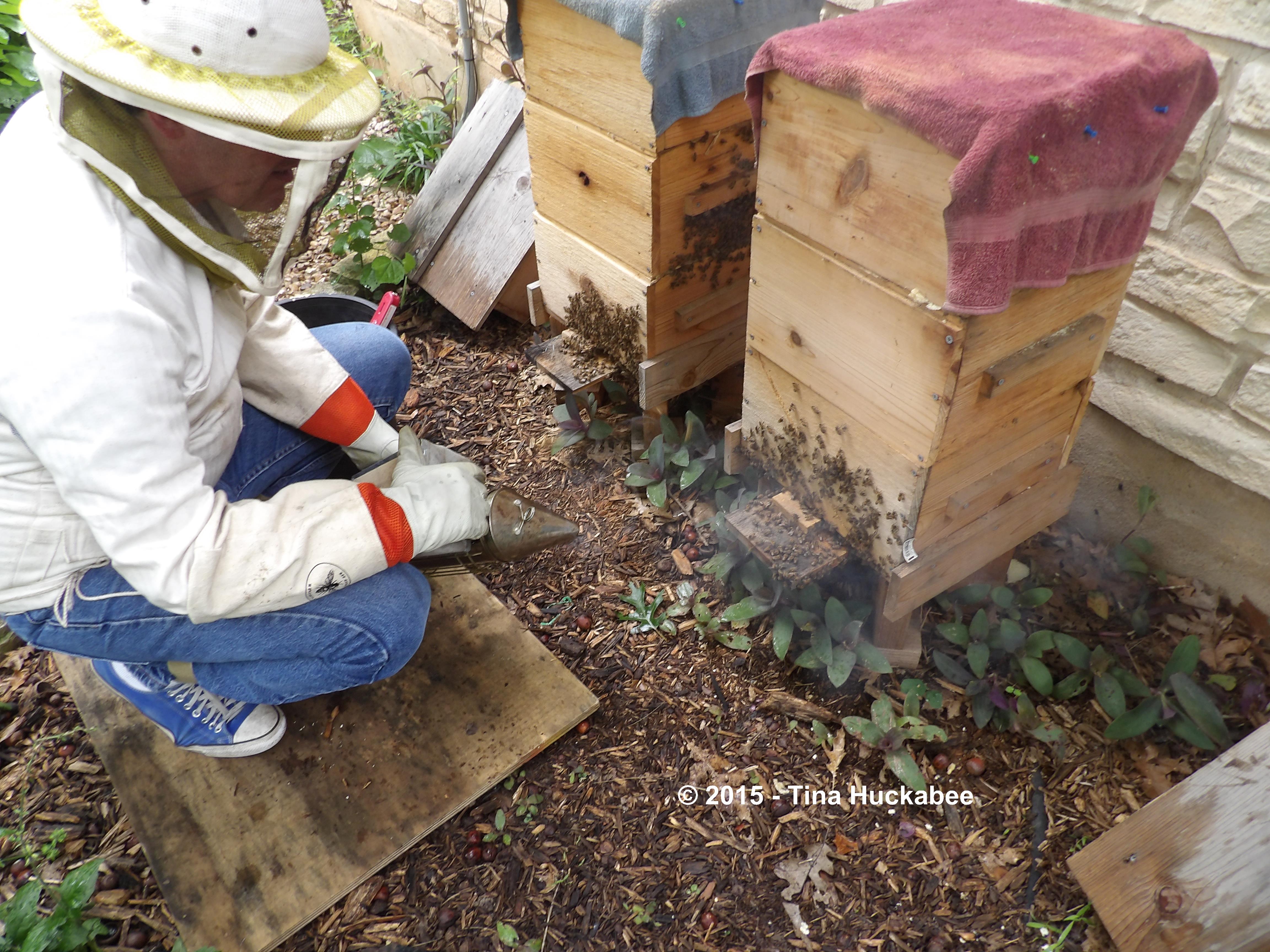
One of the best parts of checking the hives is that Bee Daddy always cleans our bee tools afterwards!

P1070530.new

Isn’t that nice?  Now for those dinner dishes….

Wishing the the girls a good August: success in foraging, in egg laying, and the raising of a new generation of bees and in the continued dissipation (dare I say eradication?) of the small hive beetle infestation.

If you live in or near Austin, The Tour de Hives will be held this coming Saturday, August 15.  The tour of local bee yards  is in celebration of National Honey Bee Day and is a fundraiser for the Travis County Beekeepers Association, a nonprofit organization committed to promotion of and education about honeybees.  Check out the links for more information.
P1070467.new


Bee Mama Missive: Dark or Light?

The girls are at it again!  Buzzing, foraging,

IMGP8795.new

…occasionally stinging (only when I invade their space), and making masses of ooey, gooey, delicious honey.

IMGP9204.new

Not long ago, in response to the bees filling up their second boxes and working diligently on combing out their third boxes, Bee Daddy and I decided that it was time to extract some honey from the hives, giving the ladies a bit more elbow room to do their bee thing.

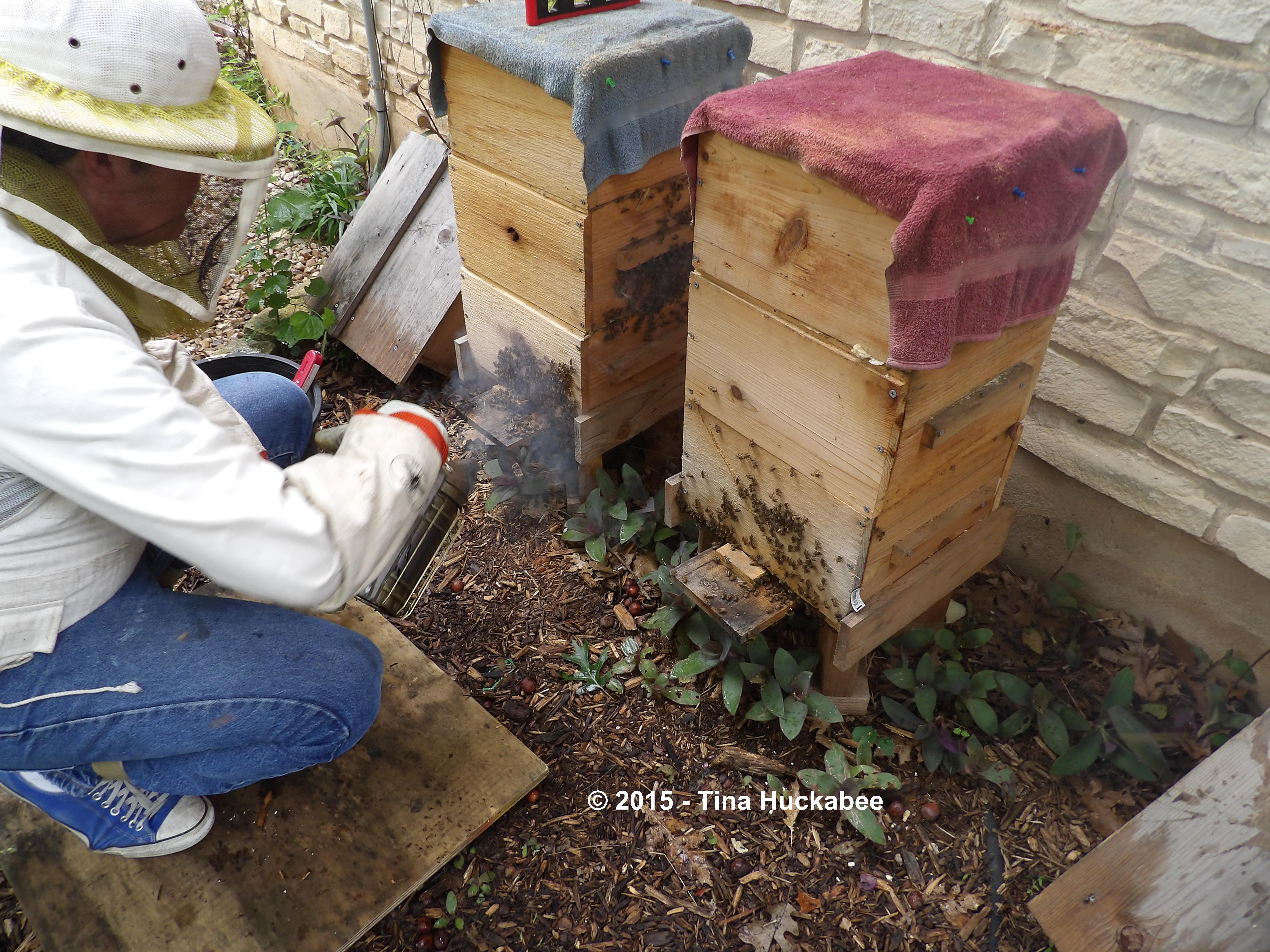
We checked both  Mufasa and Scar and all seems well.

IMGP8994.new

IMGP8993.new

IMGP8992.new

In fact, they’re growing quite a bit this summer; lots of capped brood and squishy larvae in all sizes.  Both queens are laying eggs out the wazoo for the next generation of workers and this generation of  workers are moving the honey production (and everything else they do) right along.

However….

See these dark, round beetles on the side of the box and scattered amongst the bees on the top?

IMGP8995.new

They’re Small Hive Beetles, Aethina tumida, an invasive pest of honeybees and scourge of honeybee keepers.  They were obviously skedaddling away as we smoked and opened the hives.  I didn’t even see them in the photo until I was placing the copyright, but the devils were there, planning their evil takeover of the hives.   I’ll be posting more about them another day, but I just wanted you to get a good look at these bad bugs.  BAD BUGS!!

We opened the hives in late June,

IMGP8998.new

…and saw lots of bee activity and comb galore.

IMGP9008.new

IMGP9007.new

IMGP8999.new

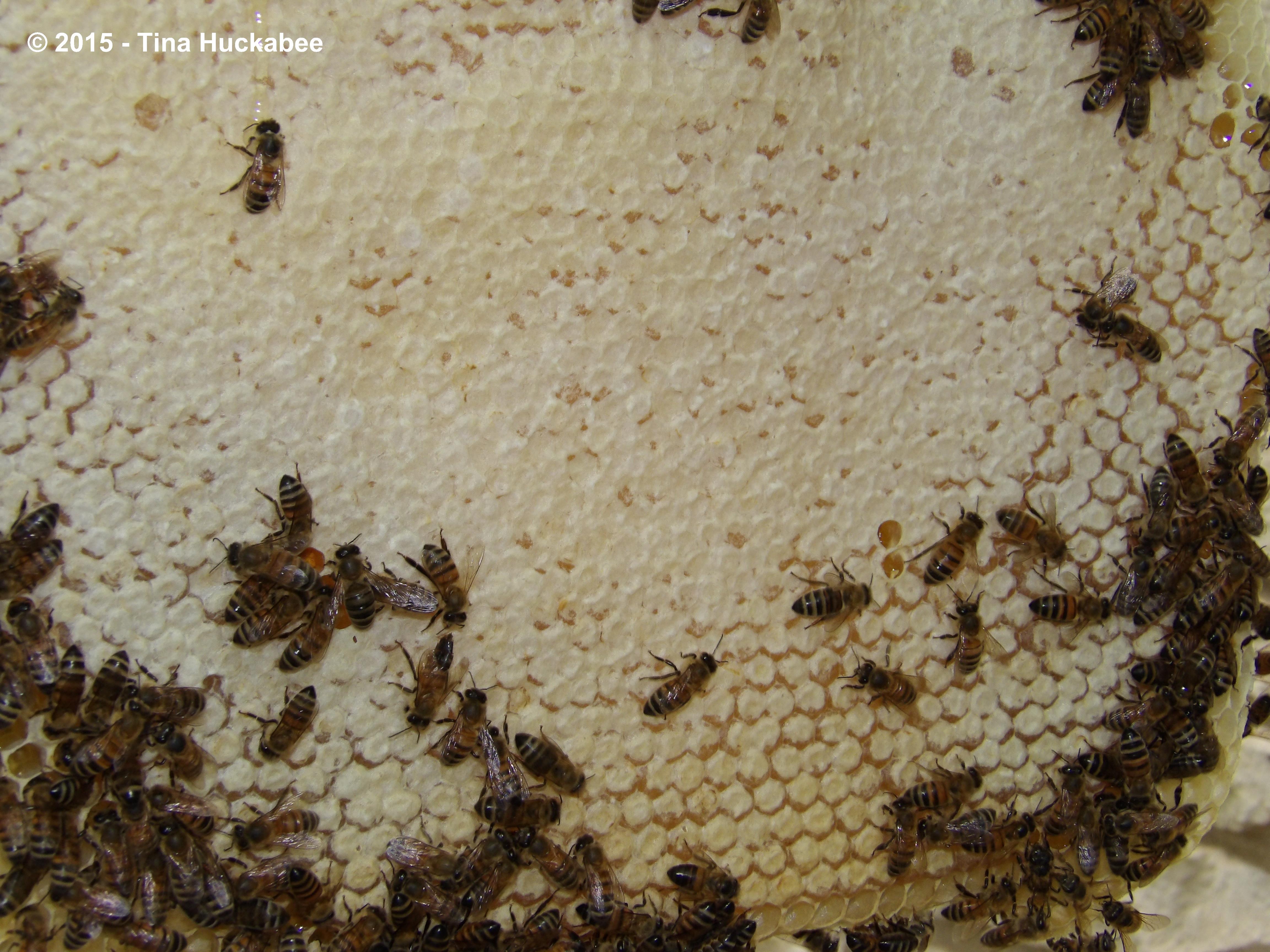
Gorgeous, honey-filled comb!  I’m hungry.

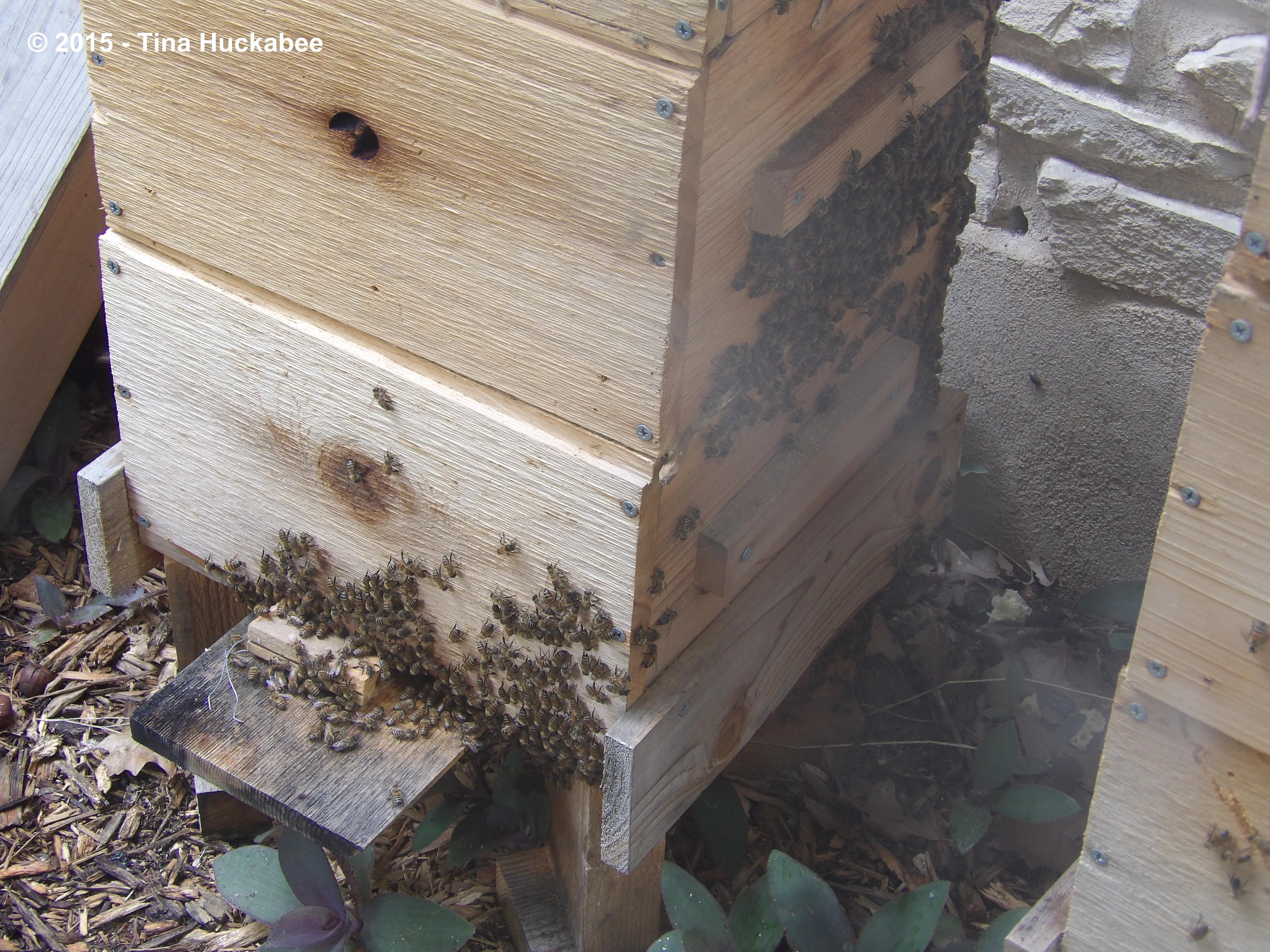
When we extract, we always leave some full comb and rearrange the bars so that there’s one full bar with comb adjacent to another bar without full comb, in a checkerboard fashion. This gives the girls room to maneuver and work on combs throughout the box.  The checkerboard also allows us easier access when checking the hive.

Because our Warre hives use top bars and no frames, our bees make interesting comb at times.

IMGP9011.new

This comb looks like the girls just came out of geometry class after learning  how to make circles, and wanted to practice and show off their new skills.

IMGP9010.new

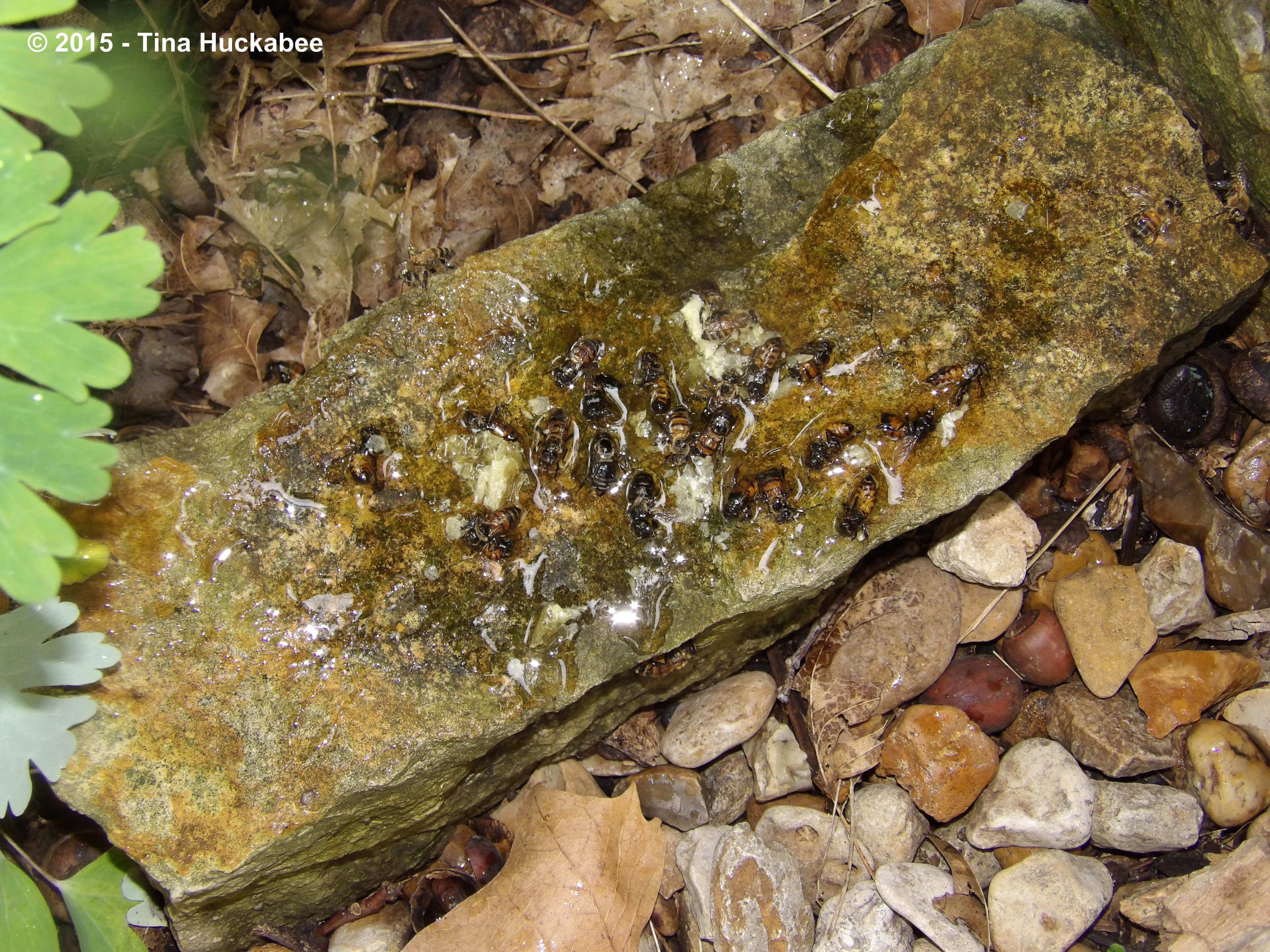
Extracting comb is messy.  When I do it, anyhow.  This time, some honey spilled. These gals went down in a goo of glory.

IMGP9013.new

A few bees went for it and, well, a sad end, but what a way to go!

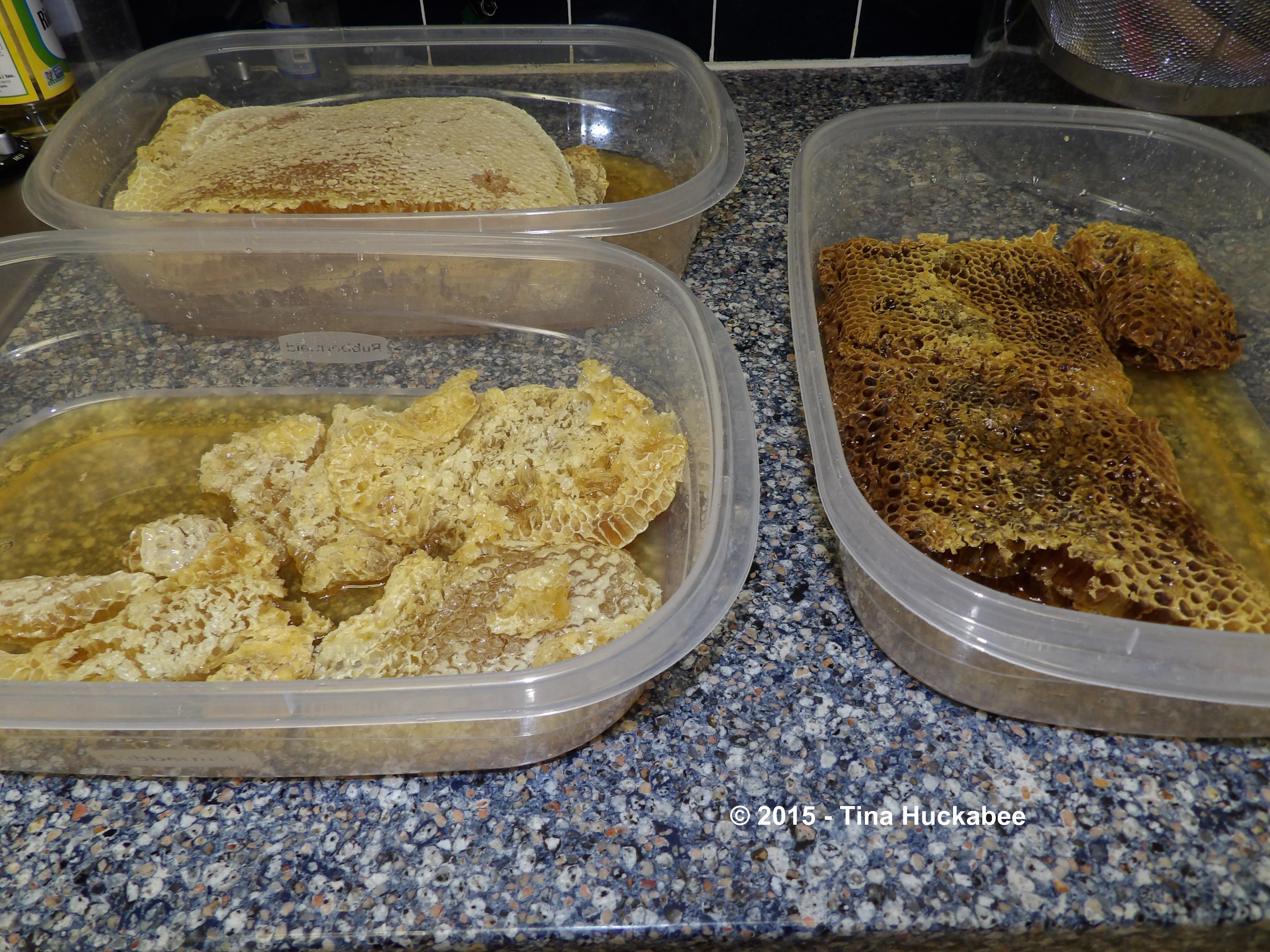
As I gain experience with this beekeeping nonsense, I wised up and rather than cutting the comb and stuffing it into resealable bags, covering myself and everything else in honey, I’m now using reusable plastic containers.

IMGP9051.new

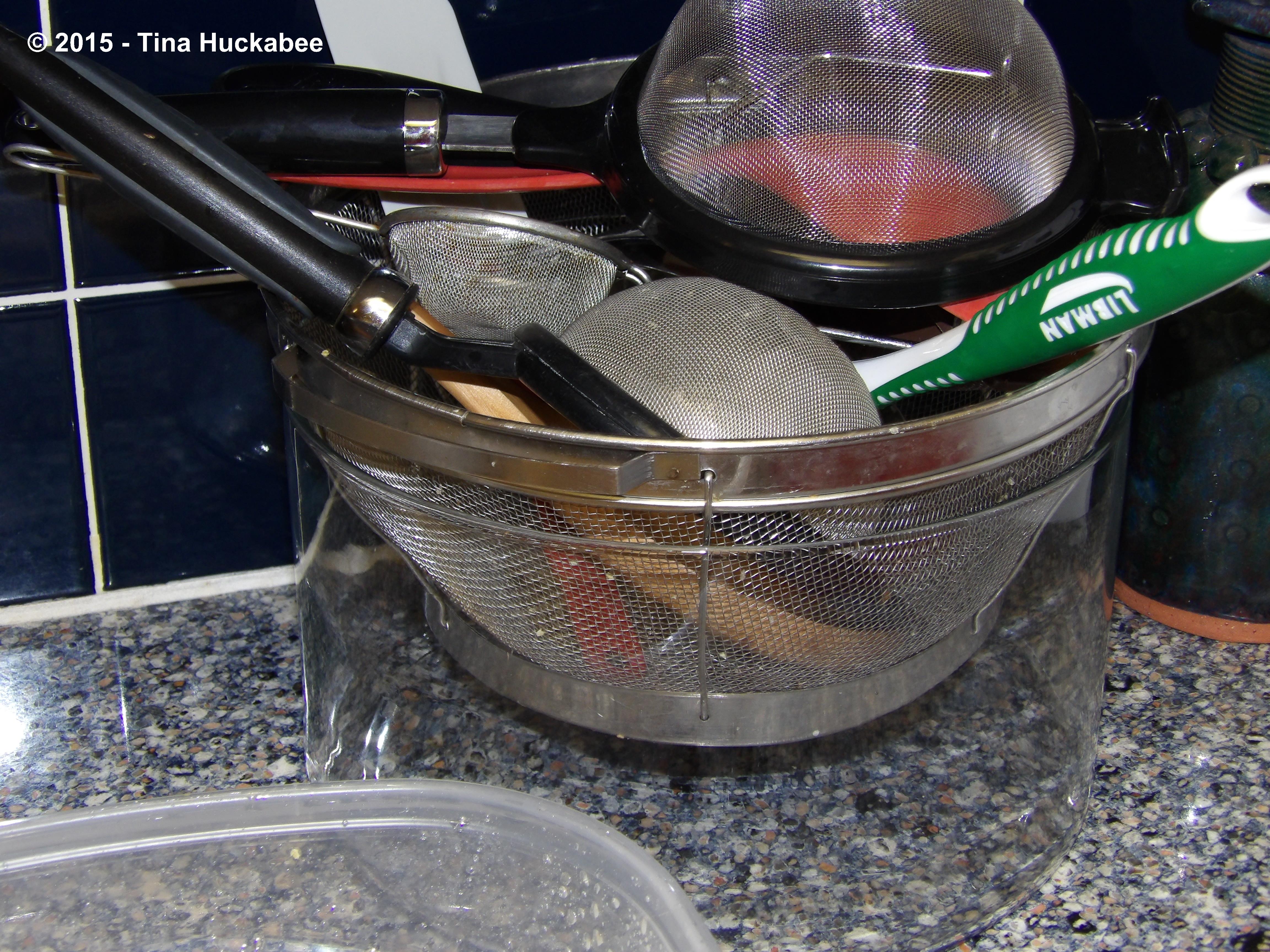
Duh. I don’t know why I didn’t think of that before, but my life is now easier on extraction days.  Equipment readied,

IMGP9052.new

…and here’s the final product.  Ta da!!  We extracted just under one gallon of honey.

IMGP9202.new

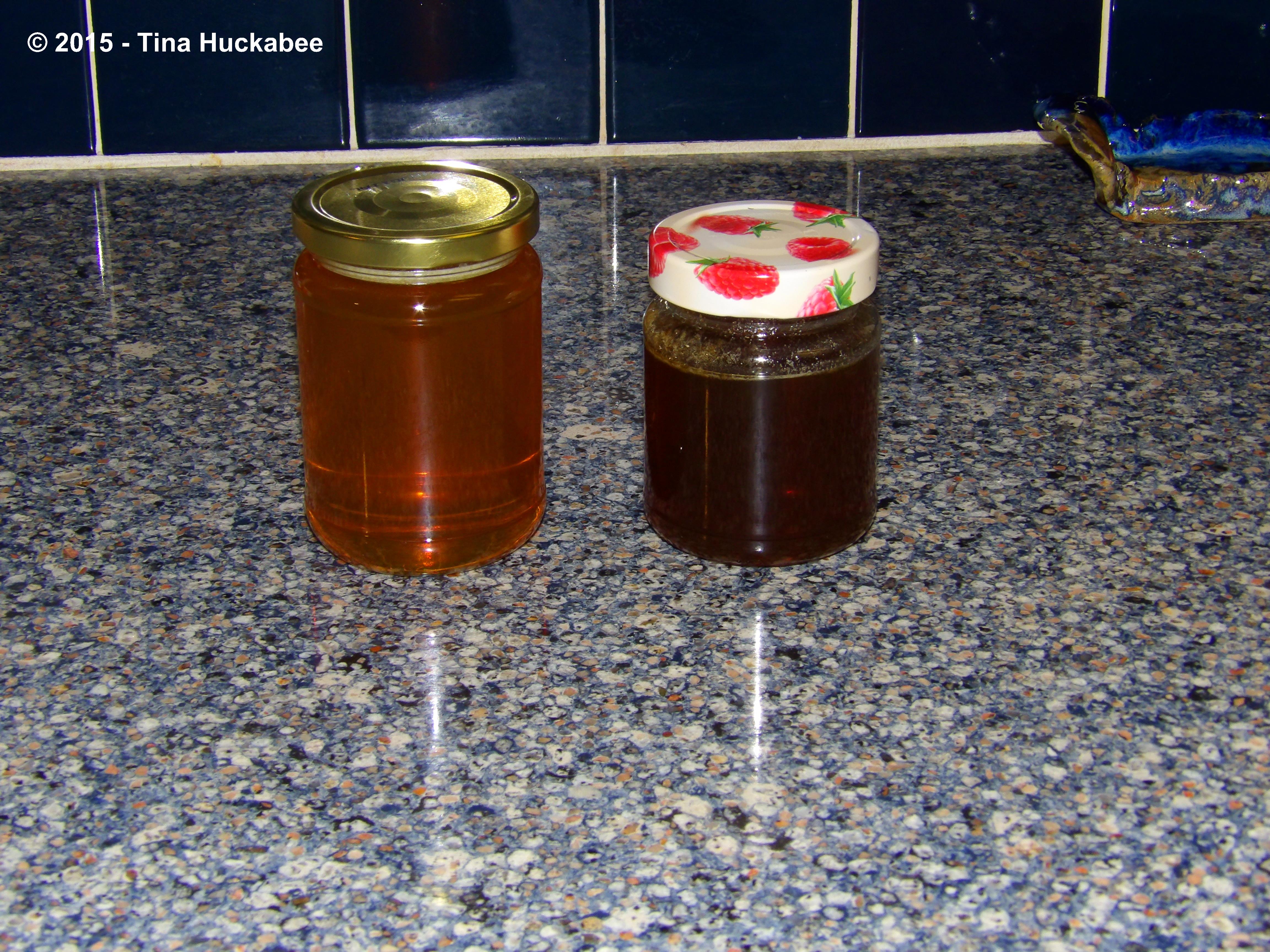
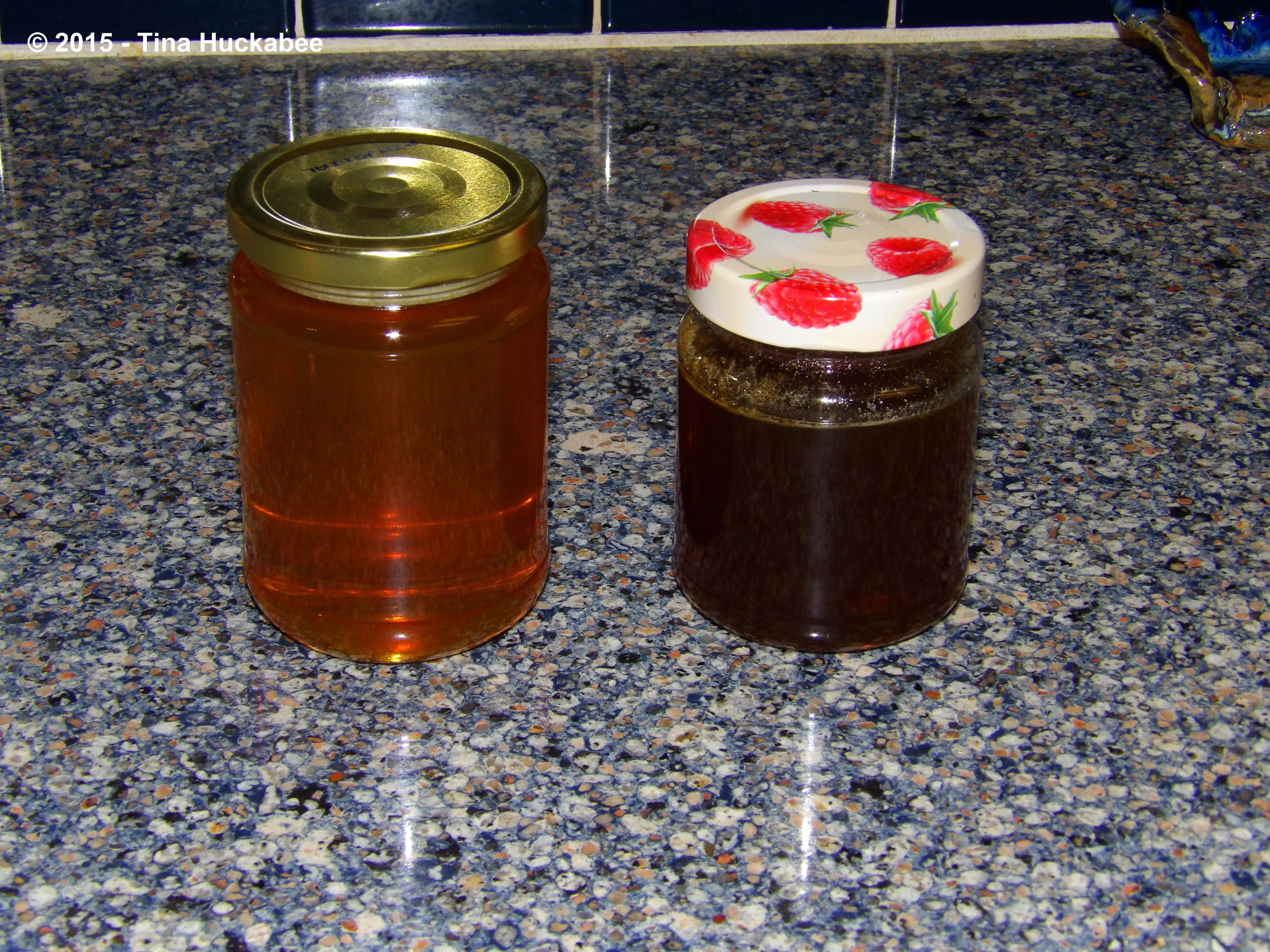
Can you guess which is the spring honey?  If you shouted  The left one!!  The left one!!  (and your family members are now looking at you with concern), you’d be right.  Other than bees take honey from different flowers at different times of the year,  I haven’t quite nailed down the reason why our spring honey is lighter and more liquid than the fall honey.  The jar on the right is the last of the fall honey, which we’ve almost finished, and it’s remarkable how different the two kinds are.  Of course, I know what the bees are foraging from my gardens, but they travel upwards to three miles, so I have no idea of the entirety of what makes up the honey product  Funny story: at one of the first beekeeping meetings we attended, another beekeeper mentioned that a local university will test for nectar sources of honey samples.   A friend sent honey to this university and the top nectar source was a non-native plant (I don’t recall what) and the second source was cannabis.  A woman raised her hand and asked where she could buy that honey.

Honey does taste different–depending upon nectar sources and time of year.  Both the fall and spring honey from my darling bees is exquisite–it tastes nothing like what’s  sold at stores.  The fall is richer and thicker and the spring is lighter, more fluid.  I’m guessing that there’s some evolutionary reason behind the thicker fall honey.  After all, the bees create it to sustain themselves during the long winter and it makes sense that fall blooming flowers might have a richer nectar component than at other times of the year.  But truthfully, I have no idea. I’m just going to enjoy both spring and fall honey, weight gain notwithstanding.

After I crush the comb and extract the honey, I always leave it out for the bees to clean up.  They’re quite efficient and gobble every last drop of honey I missed.

IMGP8770.new

IMGP8767.new

IMGP8771_cropped_4147x2424..new

To quote from a favorite movie of mine, said by the character played by James Stewart in The Philadelphia Story  The queen will have bread and honey at the usual time.

Bee Mama Missive: Bees–They’re What’s For Dinner

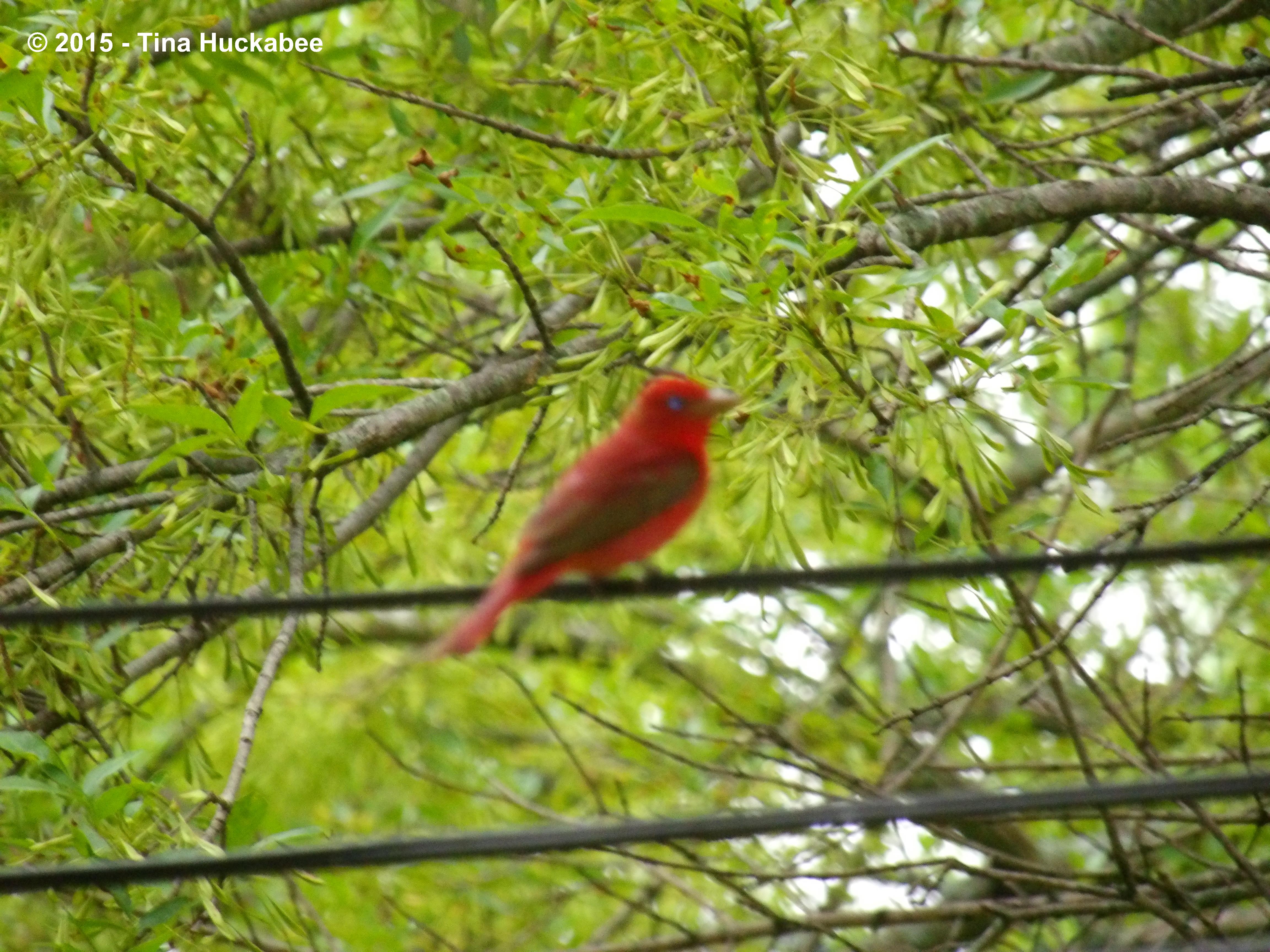
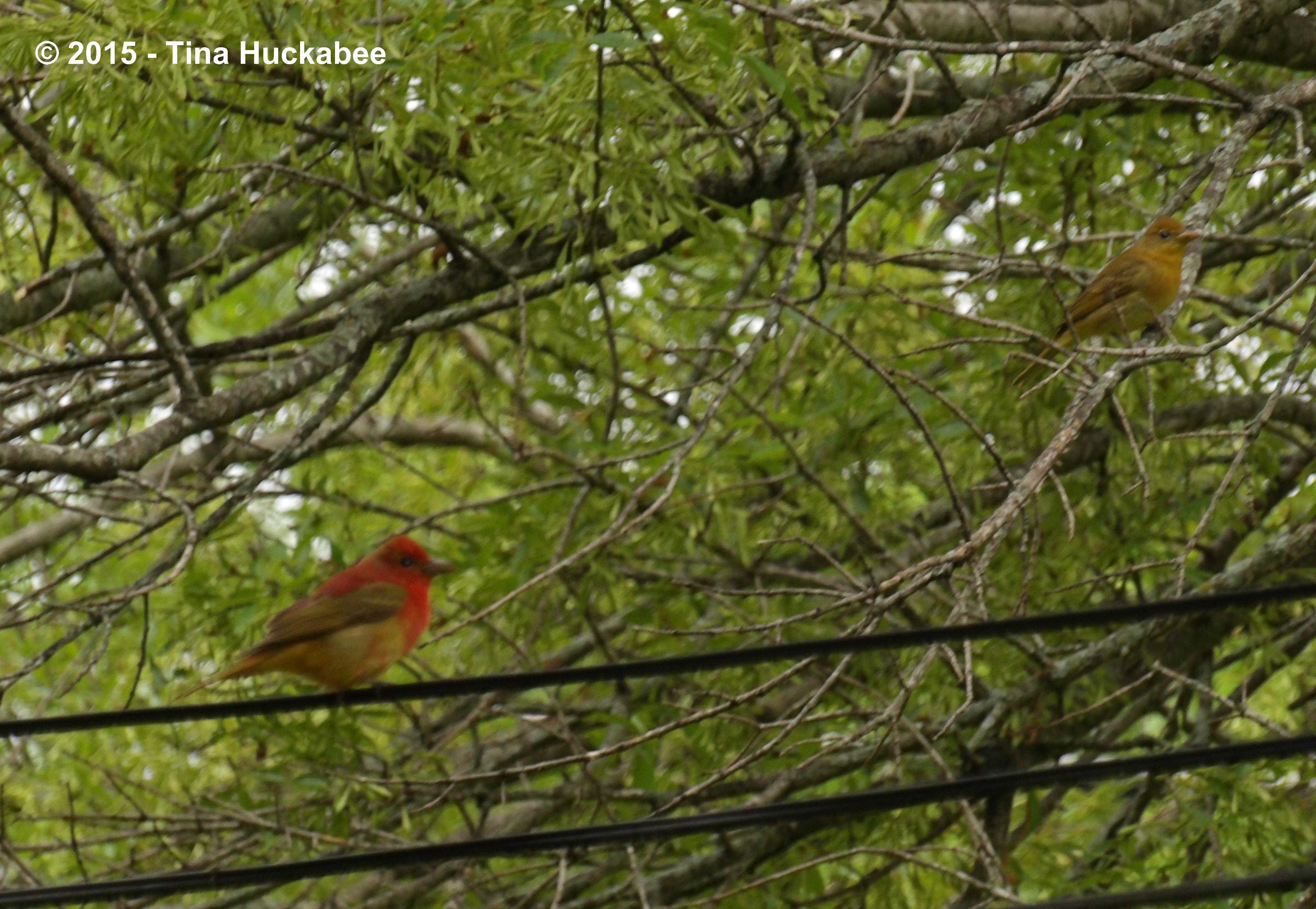
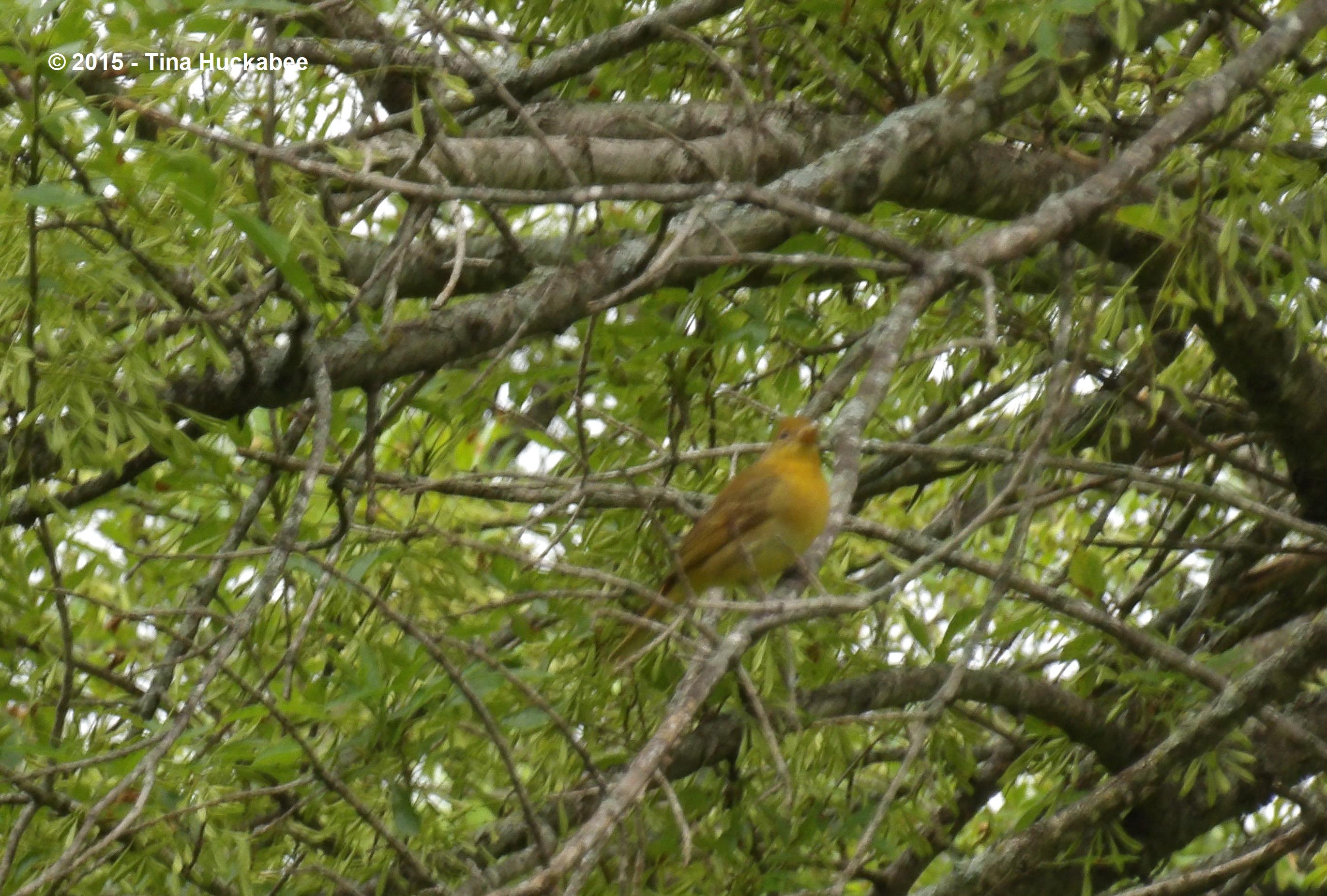
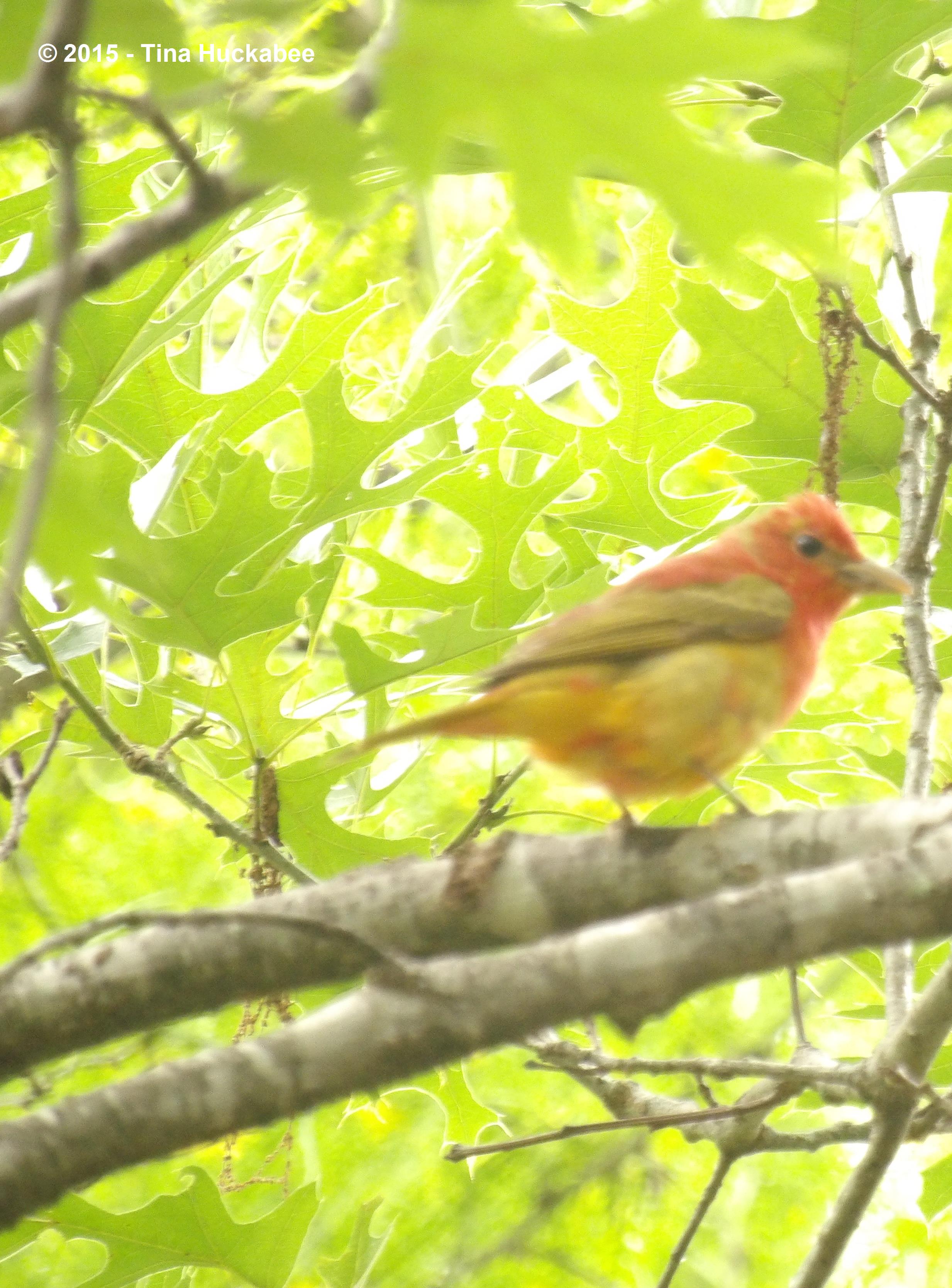
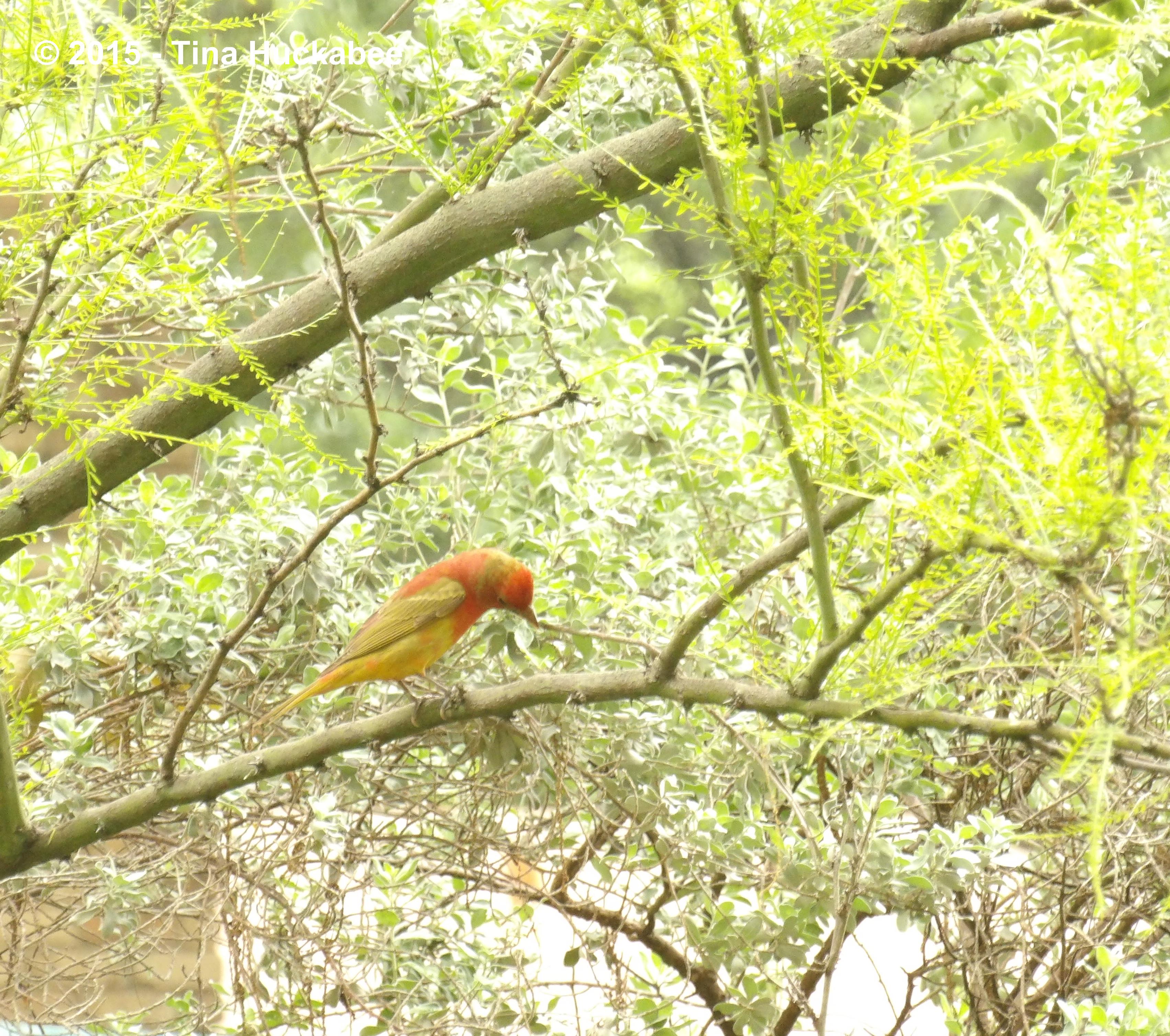
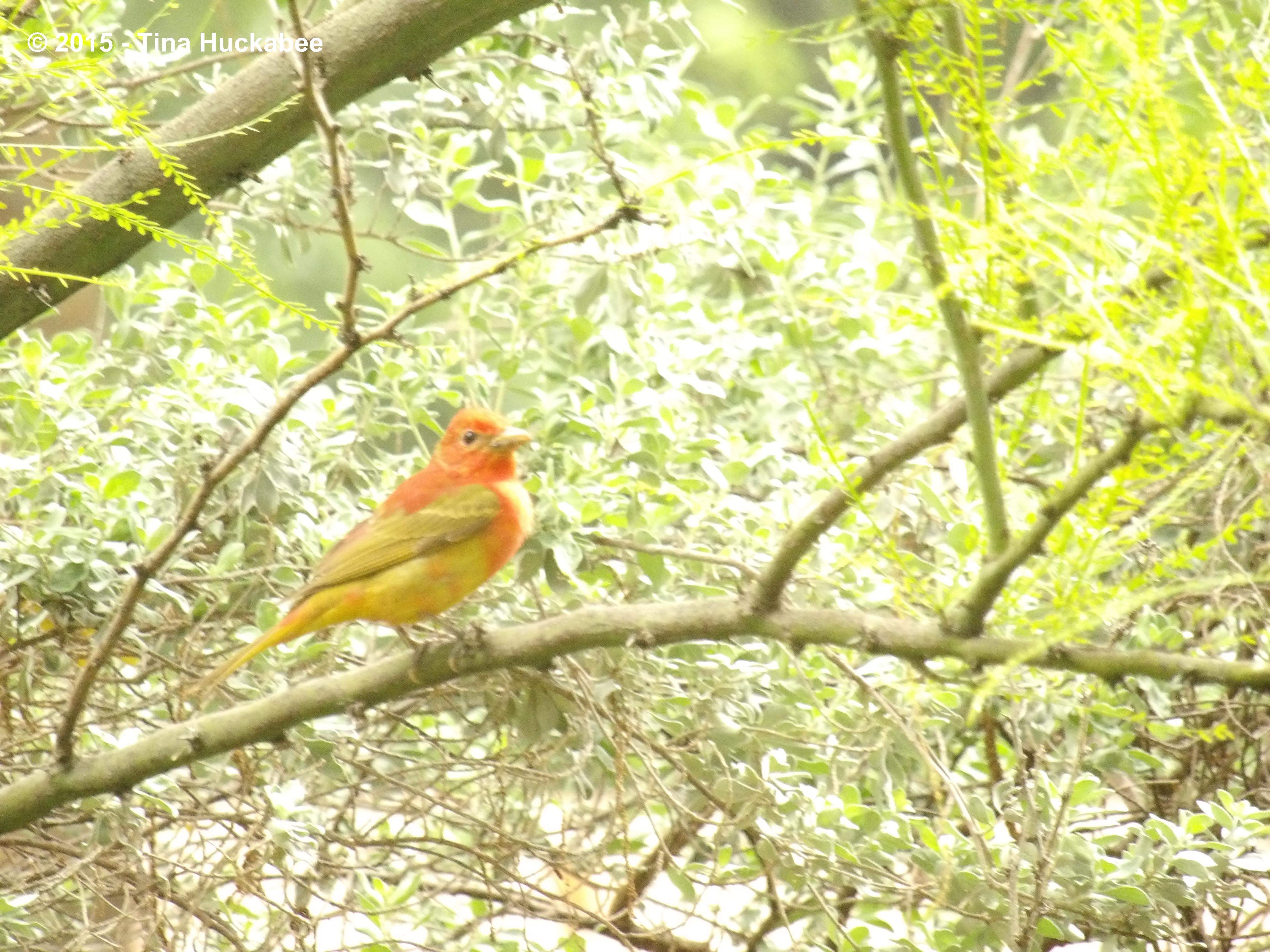
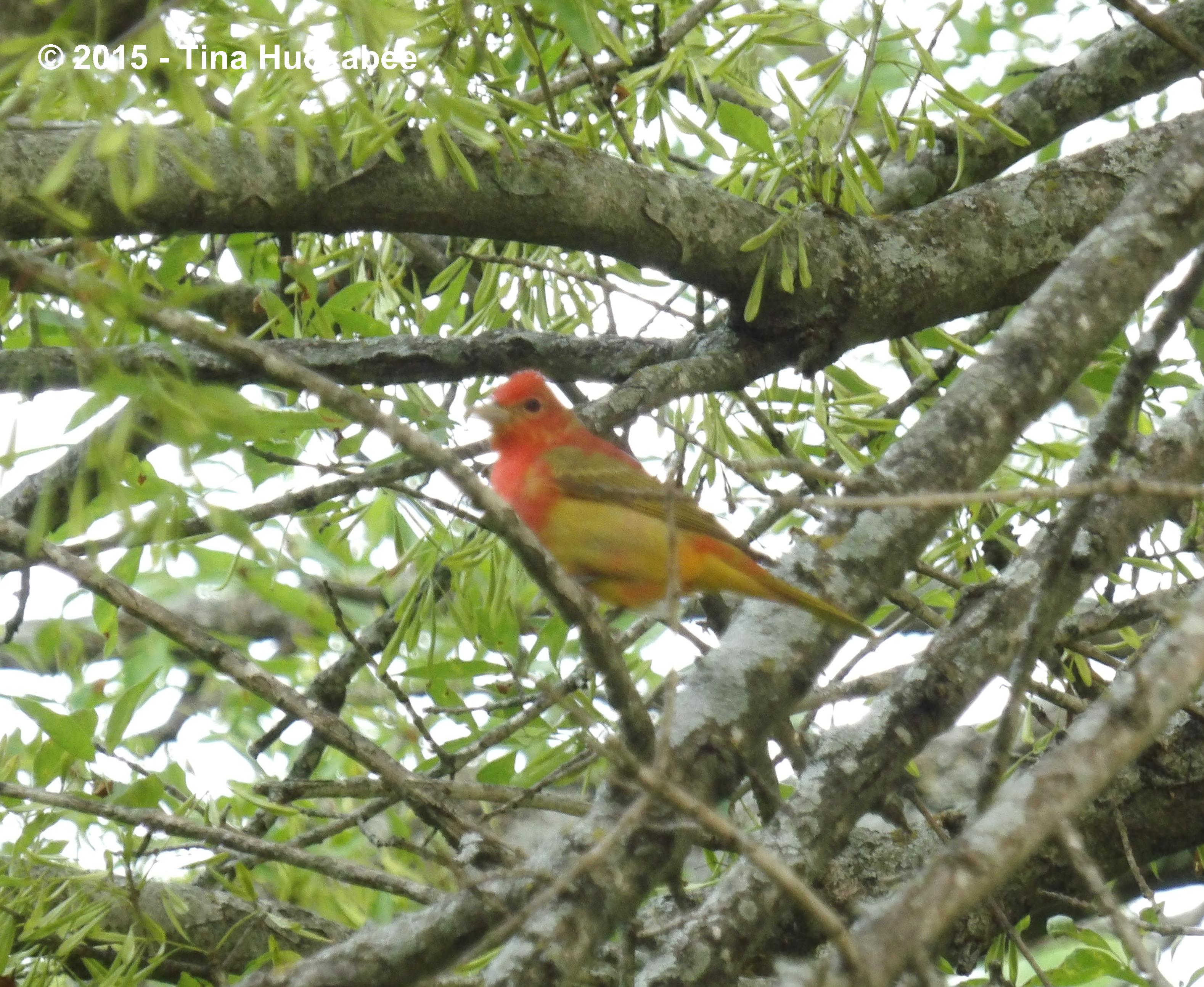
Paraphrasing an advertising tagline from the American beef production industry, I think Bees-they’re what’s for dinner is applicable  to the Summer Tanagers, Piranga rubra,  who are visiting my garden.  In the last month, I’ve observed at least three different Tanagers flitting around my back garden.

IMGP7685.new

IMGP7696_cropped_3728x2576..new

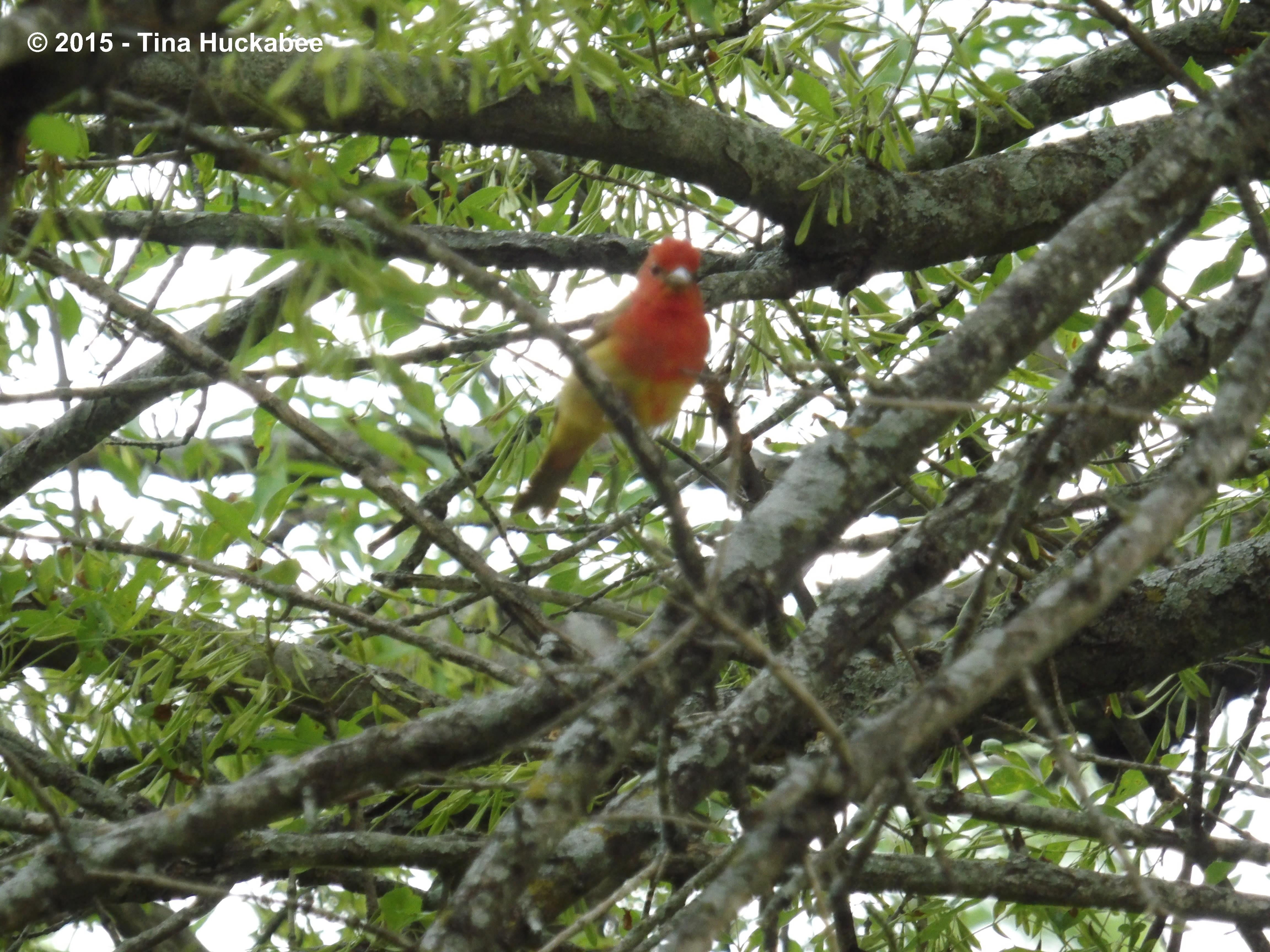
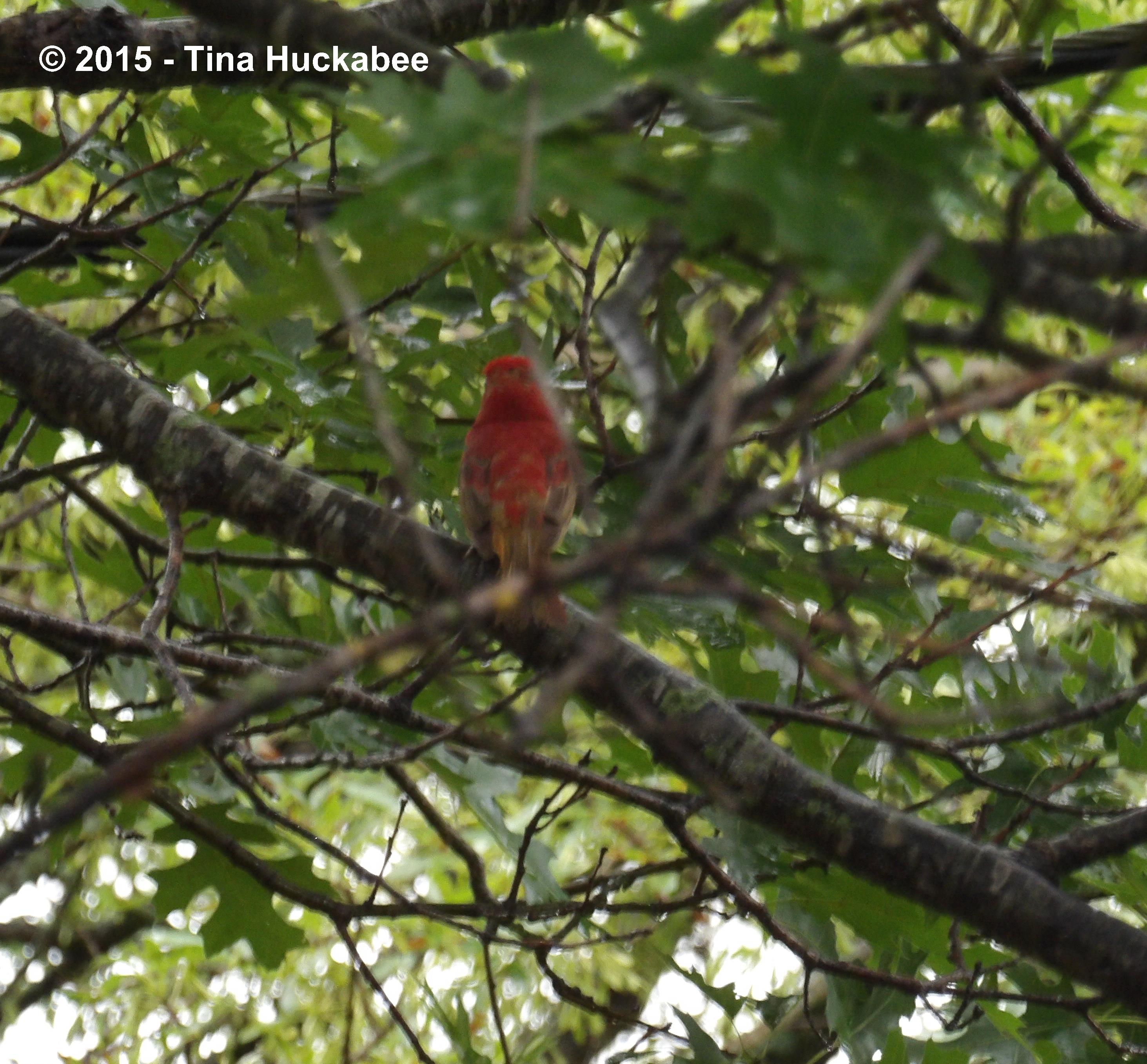
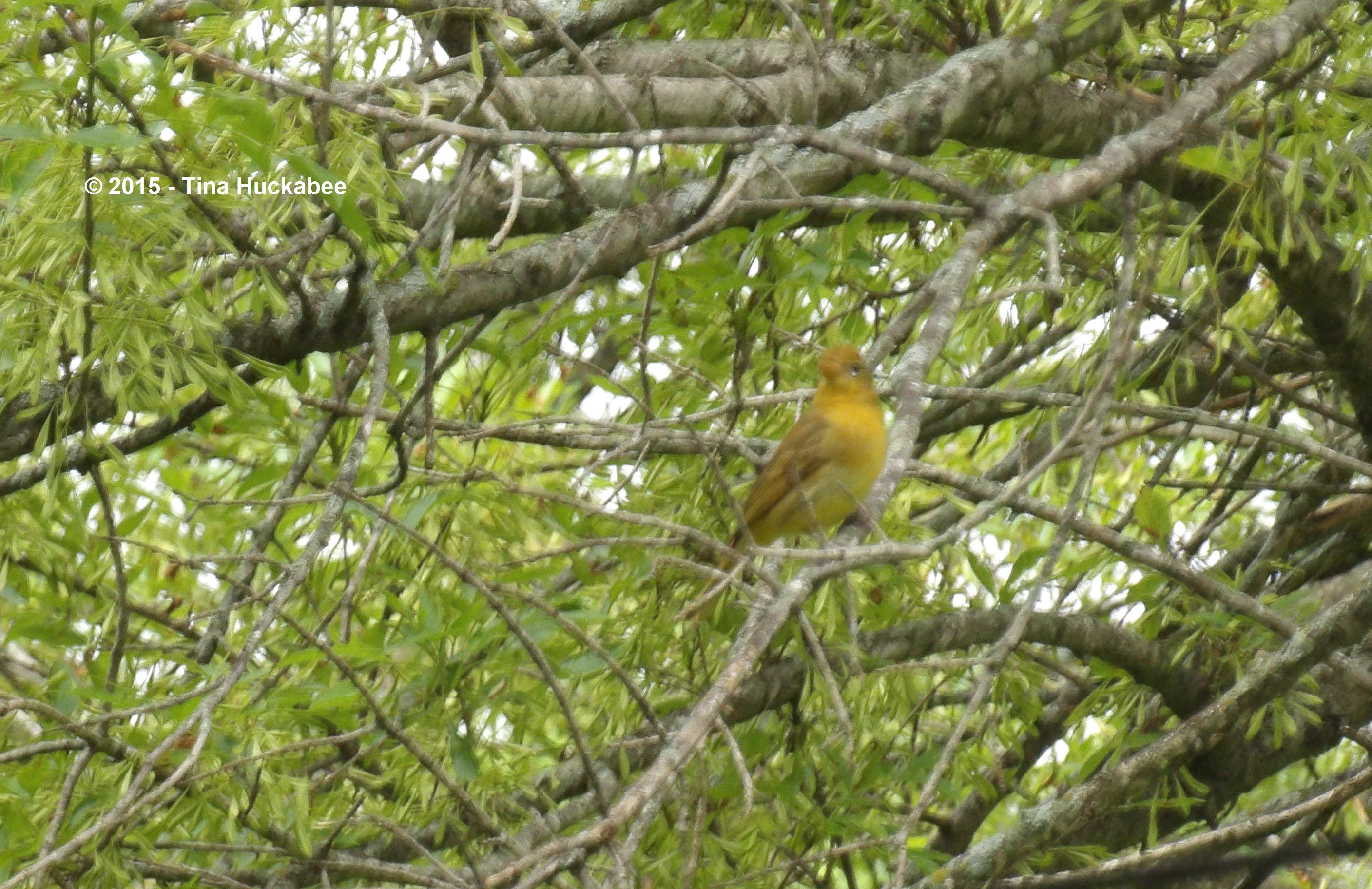
You’ll have to excuse the photos–I’ve yet to take a clear pic of any one of these stunning birds, but the male is pure bright red, the female is yellow, and the red/yellow combination is an immature male.  I have no idea where they’re nesting, but these eye-poppers breed in Central Texas and surrounding areas west, south, and eastward during summer.

When I first saw the birds, all three over the course of a weekend, I was baffled about why they were landing only on the house side of the Shumard Oak tree and nowhere else in the garden. They’d land in the tree, hop from branch to branch, moving constantly. Occasionally one would flit to the Retama tree or, more likely to the electric/cable wires adjacent to the Shumard.  Eventually each bird would fly back to the neighbor’s tree, or beyond, which is the direction they always come from.  I couldn’t figure out what they wanted from that particular spot in the Shumard.  The Husband mentioned off-handedly, “Maybe they eat bees.”

IMGP7697_cropped_2742x1852..new

Really?  The birds and the bees?  One is the hunter and one is the prey?   I checked the Cornell Merlin phone app while I was watching the Tanagers that Sunday afternoon and Summer Tanagers are, in fact, bee and wasp eaters. The Tanagers were landing in the Shumard just above where the honeybee hives are located.

IMGP7714_cropped_2466x3336..new

Who knew?

IMGP7720_cropped_3405x3014..new

Indeed, I’ve watched them fly into the flight path of my honeybees, swooping in, then banking off sharply as if they caught something; I assume the brilliant hunter flew off to an unseen spot to eat.  I’ve witnessed an immature male Tanager flutter just above a Purple Coneflower, where a native bee was hard at work nectaring.  The Tanager hovered briefly, then seemingly decided that maybe honeybees were more easily picked off for a meal and he flew away.

IMGP7723.new

At about the  time that the Tanagers were making daily, or nearly daily, appearances, I also realized that both of our honeybee queens were dead.  I’m not sure what happened to the queens, as they were dutifully laying eggs at the beginning of spring. We might have accidentally rolled them during a hive check (probably) or, they might have simply died or were so weak that the worker bees decided to replace them–that happens.  The previous weeks, as part of my spring beekeeper management, I’d conscientiously destroyed queen cells (that the girls insisted upon making), in order to quell their desire for procreation.  I did such a good job that the ladies were left without their leaders.

Beekeeping is hard.  Especially when the beekeeper doesn’t know what in hell she’s doing.

So I found myself in a bit of a fix: two dead queens, which means two dying hives–and   Summer Tanagers gobbling honeybees on a regular basis.  Even without the hunting birds, the bees are doomed if I don’t requeen both hives, and the Tanagers assure that inevitability sooner, rather than later. What to do?  A quick check on the Beeweaver Apiaries website showed that they were sold out of queen bees until June.

JUNE!!  My hives won’t make it to June.  I emailed  the owner, whom I met last year, explained my predicament and she took pity on me, or more likely, my hapless honeybees.  She immediately ordered two queens sent, via UPS, on an overnight shipment to me.  Beekeepers stick together and help each other.

The queens were to arrive on a Thursday and when they didn’t as expected, I shifted into sleuth mode  to discover where my queens were stranded. UPS claimed that the package was delivered to my address at 9am.  I wasn’t home at that time, but Bee Daddy was and there was no delivery of queens or anything else.   I combed the neighborhood on my bicycle, searching  for a misdelivered queen bee package. I received some odd looks from neighbors when I explained what I was looking for and that proved interesting.  And weird. I won’t go into the details about what I did to find the package of bees, but the queens and their attendants were misdelivered that morning to an address that was one number off of mine and about ten houses away.

Yes, I made a formal complaint to UPS.

The hives were requeened and new bees are hatching as I write–there will be plenty of honeybees for the Tanagers to eat.

IMGP7756_cropped_3157x2589..new

WAIT A MINUTE!  That’s not why I have honeybees! I have honeybees so they can pollinate my gardens and the gardens around the neighborhood.  I have honeybees so that I can enjoy and share their incredible honey.  I DON’T have honeybees so the Summer Tanagers can hunt and eat them.

IMGP7769.new

But hunt and eat they do.  One of my bedroom windows is just above where the hives are located.  One morning recently, I opened the window to a gorgeous male Summer Tanager, perched in the Shumard,  gazing hungrily down at the hives.  He was so intent on snagging a bee for his breakfast that he didn’t notice  my movement at the window.

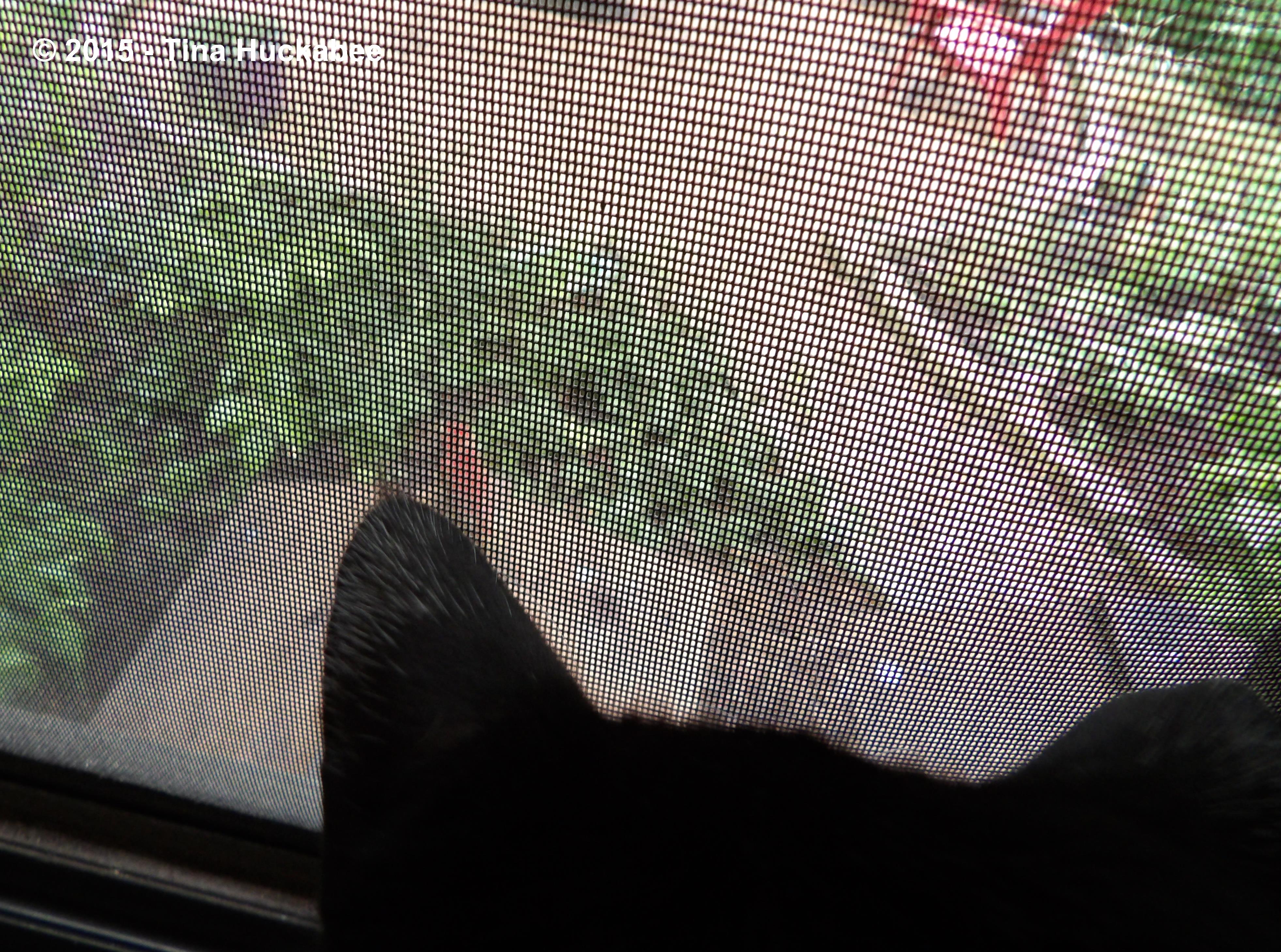
This past Sunday morning, my little Astrud cat was staring at something as she sat on that window sill, as she often does.

IMGP8380_cropped_3926x2917..new

Can you see him through the less-than-pristine screen?  The Tanager is poised on top of Scar (one of my hives).  The beautiful avian scamp flew downward for a second, likely to the entry board of the hive, then flew back to the top with his prize: a honeybee in his beak  for lunch.  He mangled my beloved little bee and deposited her down his gullet–while perched atop the hive.  That takes a certain amount of impertinence.

Additionally,  I have  mixed emotions about witnessing the effrontery.

Do I mind the Tanagers hunting the bees?  No, actually, I don’t.  I do feel a little sad about the hardworking foragers, toward the end of their lives, being snarfed down by the gorgeous feathered fiends.  And having hives readily available is tantamount  to shooting fish in a barrel.  After all, it’s not even like the Tanagers have to hunt that hard. The hives are right there and the bees are coming and going constantly, with no thought to their own personal safety–the health of the hive is what drives them.

Meanwhile, the Tanagers have found a pretty sweet deal.

In targeting my honeybees for the benefit of their tummies, the Tanagers won’t decimate my hives.  Yes, they’ll kill some and if they’re around all summer, many.  But the honeybees are in much more danger from pesticide or herbicide use on a plant they might forage from than they are from the Summer Tanagers. I don’t garden with chemicals, but the bees forage within a three-mile radius–who knows what they take nectar and pollen from? The Tanagers will kill some bees, but they won’t cause either of my hives to collapse because of harmful chemicals. The balance of prey to predator won’t be disturbed–as long as all other factors remain relatively equal.

Ahem.  Good beekeeping practices are part of that equation.

IMGP8382_cropped_2926x2714..new

So I’m welcoming the Tanagers to my garden and consider myself fortunate to observe these fascinating and beautiful birds.  I don’t see them everyday.  In fact, a couple of weeks passed and I didn’t see any Tanagers.  Then, saw one or two for several days–hanging around the beehives, of course.  Besides bees and wasps, Tanagers also eat fruit, though I didn’t see  them at the ripening blackberries.

IMGP7698_cropped_2815x1824..new

Apparently, the Tanagers have plenty to eat.  Truthfully, I rather them dine on the honeybees than the native bees, since the honeybee hives are protected and have a healthy location in which they thrive.  The native bees nest in and around my gardens, but they also nest elsewhere and may not always find such a tolerant and beneficent host.

Beekeeping and wildlife gardening–a tricky balance with those two, but there clear advantages with both endeavors and my garden and the surrounding environment are the winners.

I’m sure the bees are delicious to the Tanagers, but I think I’ll stick to eating honey.

Either way, bon appétit!