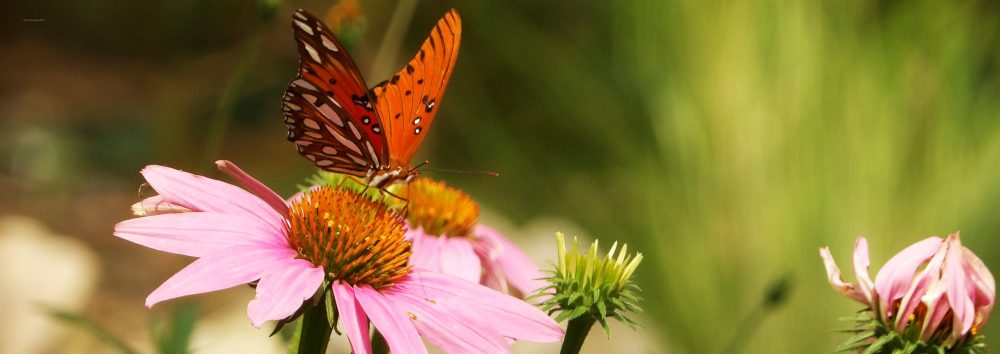
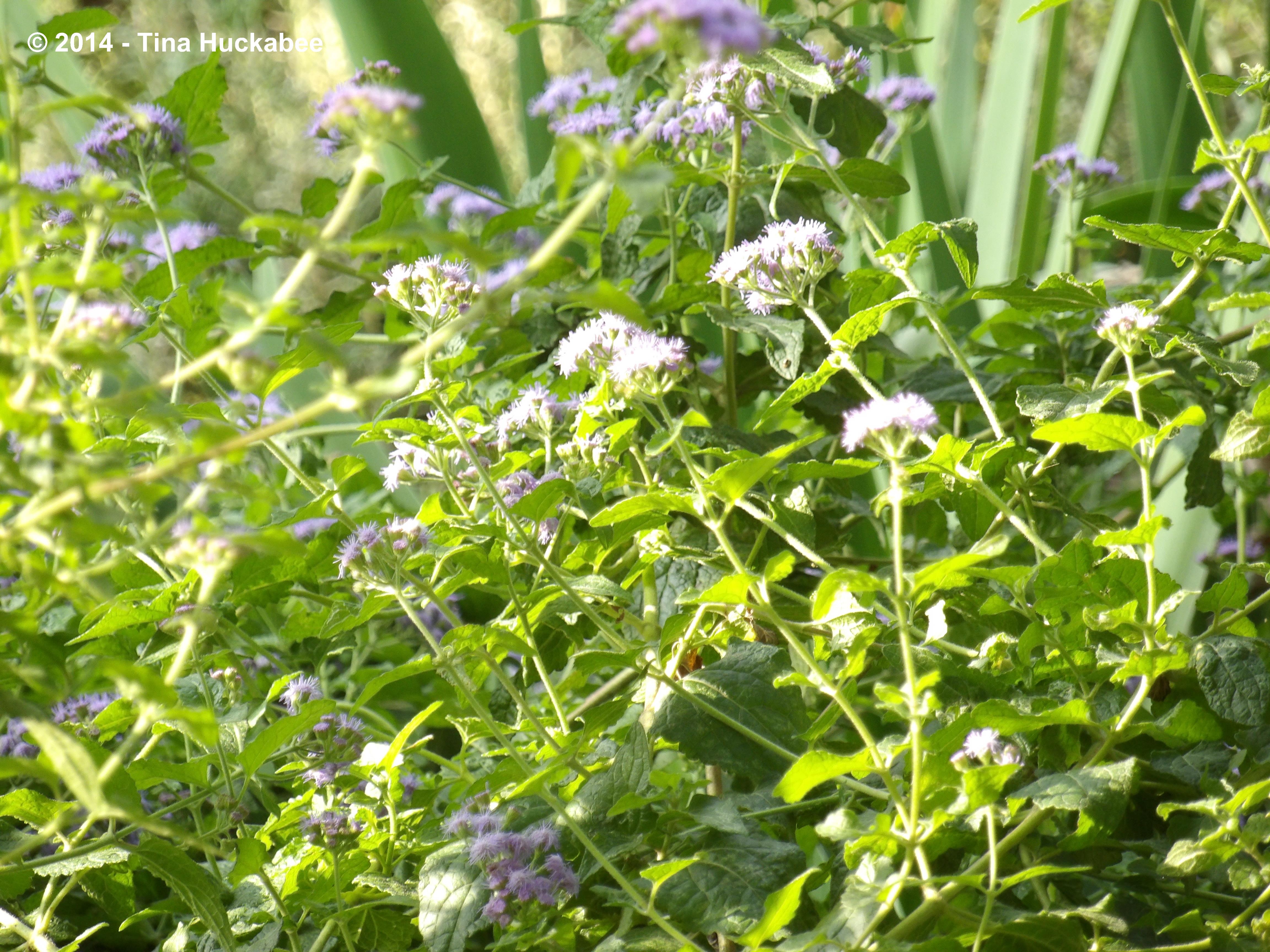
This is Blue Mistflower, Conoclinium coelestinum.


This is also a blue mistflower,
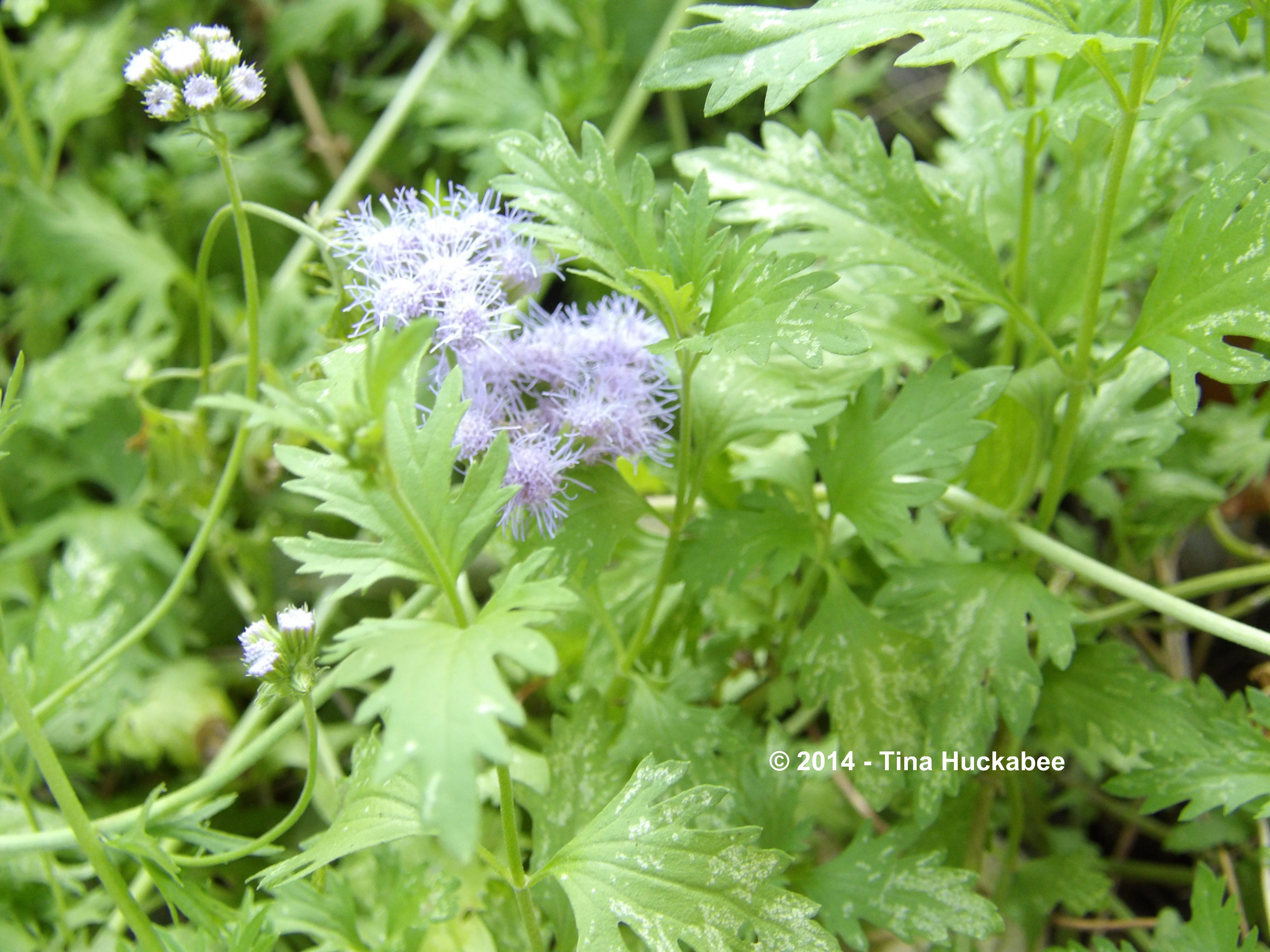
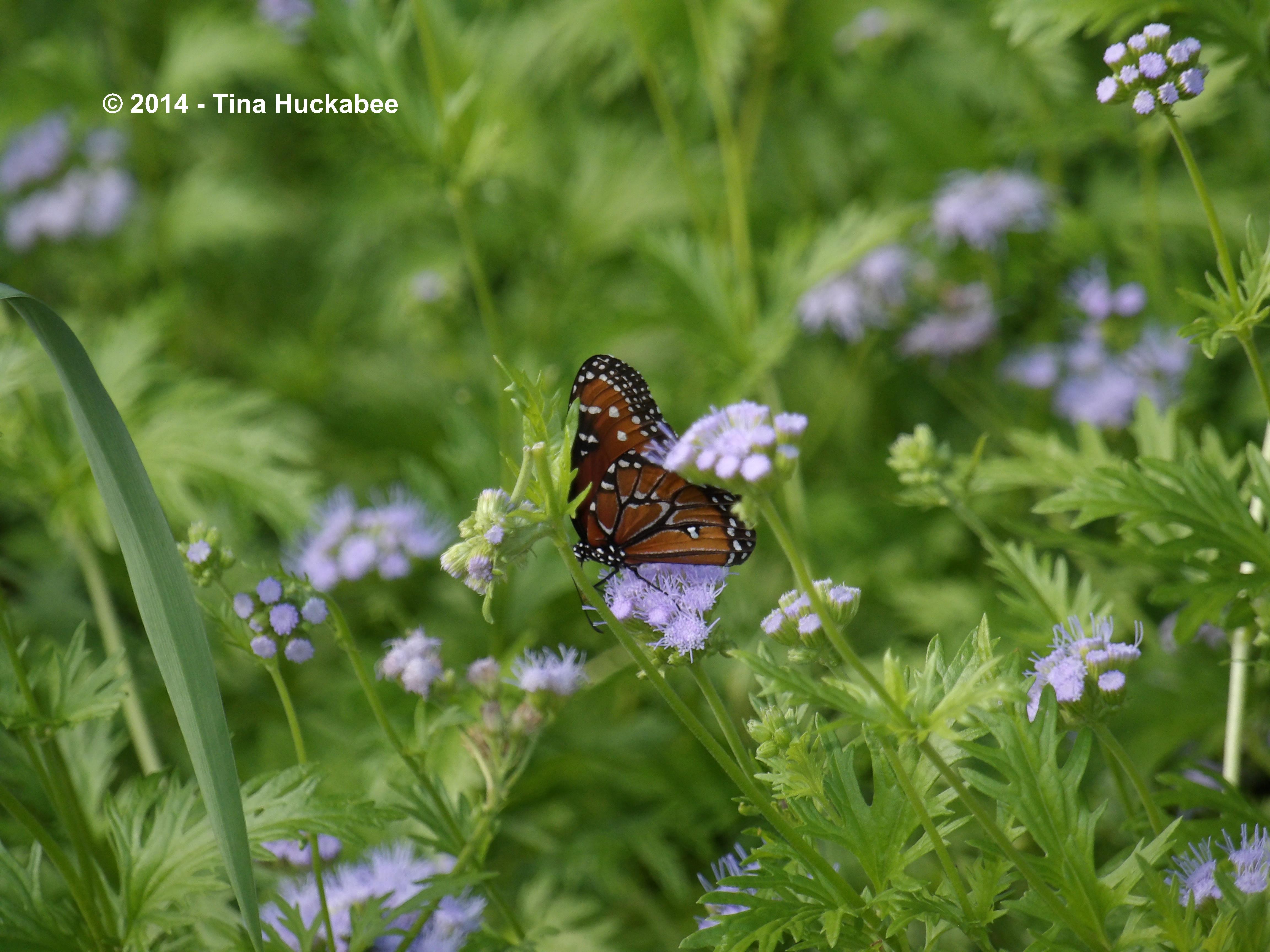
…except that it’s Gregg’s Mistflower, Conoclinium greggii. From the shared Latin name, Conoclinium, it’s obvious that these two lovelies are related.


Both Blue Mistflower and Gregg Mistflower are in the Asteraceae, or Aster, family of plants and both are native Texas groundcovers. Blooming in August until the first light freeze, these mistflowers are desirable pollinator plants, easy to grow, and downright pretty.
I planted the Blue Mistflower many years ago in a different spot from this,

…and loved it. About five years ago, as spring arrived, only about ten “sprigs” emerged from winter dormancy. I was in major garden redo mode, so I pulled those few surviving sprigs up and replanted them.
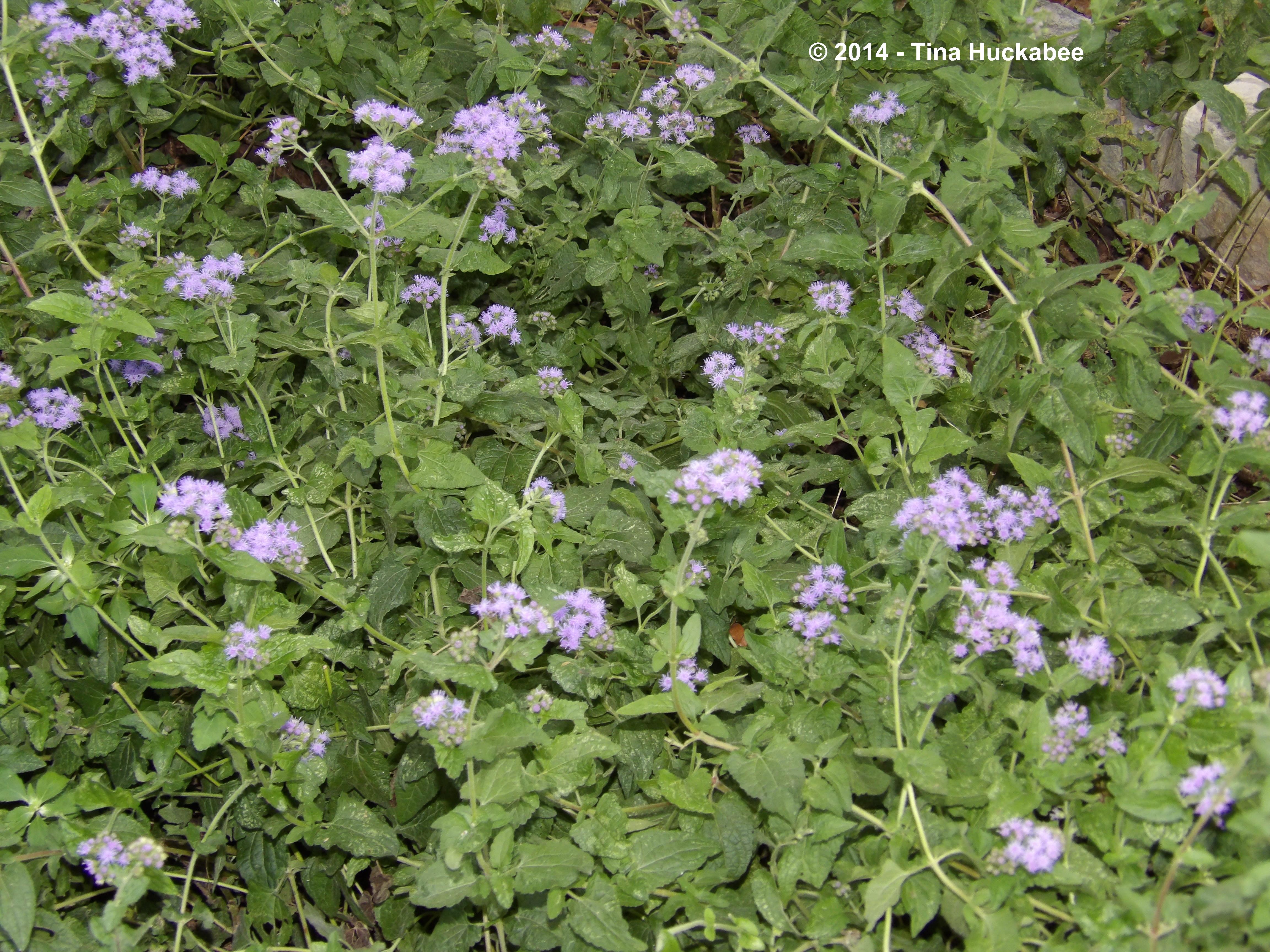 The leaves are dark green and slightly serrated, with fuzzy, rich blue-violet flowers atop the branches.

The color of the photos doesn’t translate well, but Blue Mistflower is quite striking in full bloom.

The Gregg’s Mistflower is a newer addition in my gardens, though it’s more commonly planted in Austin gardens than the Blue.


I’ve only grown the Gregg’s for about three years. It’s an excellent attractor of pollinators–bees, butterflies, and moths are constantly working these flowers.
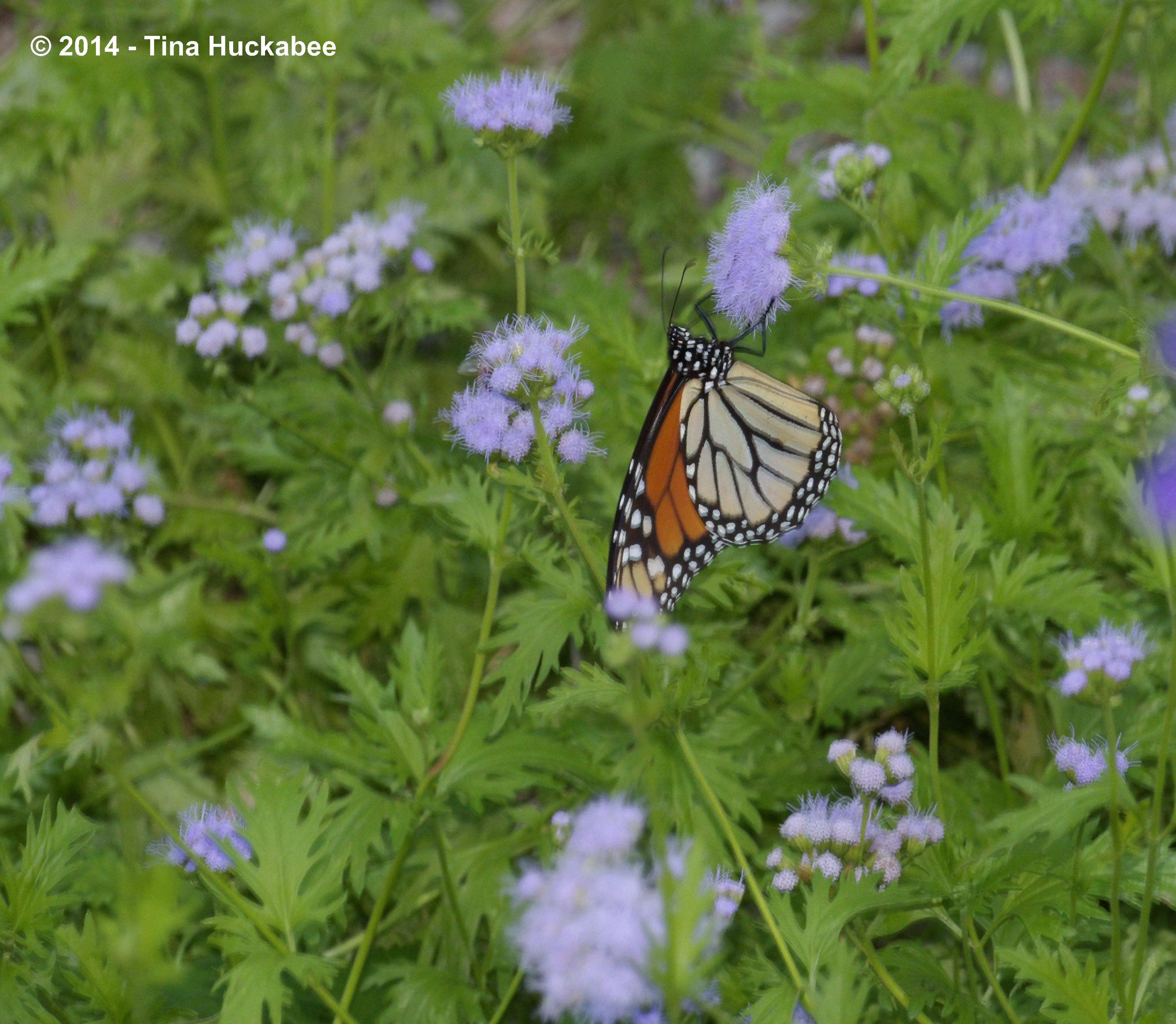

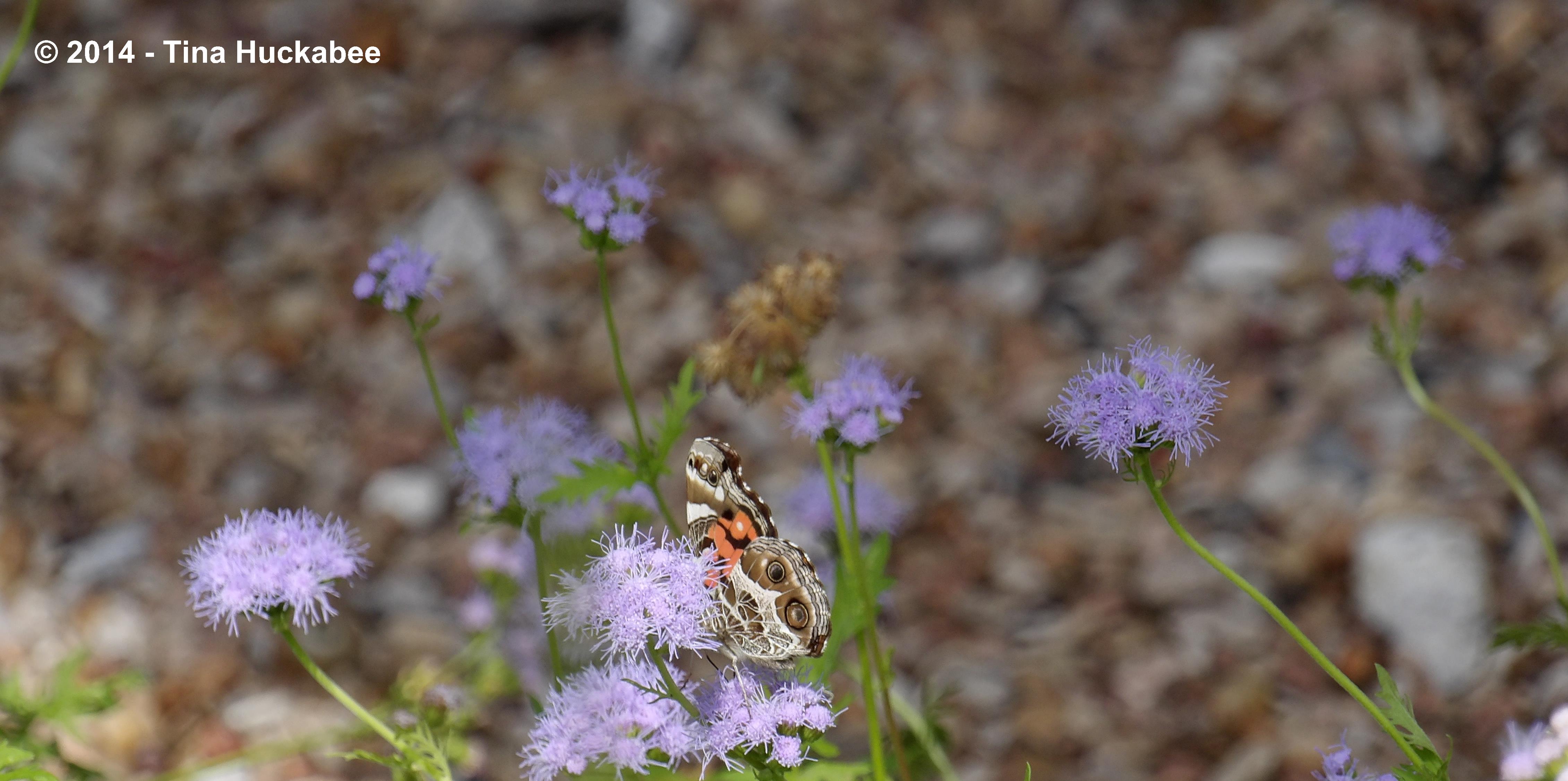

The flowers are similar to the Blue, though a lighter blue with a hint of lavender,
 …and the leaves bright green and deeply lobed. Another common name for Gregg’s is Palmleaf Mistflower, because of this lobed characteristic.

These two mistflower species are members of the autumn cast of garden performers here in Texas. They provide nectar for pollinators,

and visual pleasure for gardeners.
 My Gardener Says...