I’m a backyard birder. I like that my wildlife habitat, also known as the garden, attracts a multitude of native and migrating birds and that I am able to observe them from the comfort of my back patio or from inside my house. I have little desire to wake up a 3am and drive somewhere to watch birds, though that would certainly allow me to see a wider variety of birds and there are clearly rewards collaborating with other bird enthusiasts to observe and learn about birds. In reality though, seeing many different kinds of birds is not my goal, though I understand why it’s important to others. At least at this point in my life, I’m not a birder in that sense–and that’s just fine.
I also appreciate that there are several kinds of citizen scientist activities that I can easily participate in which allow me to watch, to learn, and also contribute to on-going and vital research concerning how birds in North America are faring. Climate change, urbanization, various kinds of pollution (chemical, light, noise) all have had serious deleterious impacts on North American birds. The National Audubon Society and The Cornell Lab of Ornithology are engaged in long-time research and are great resources for learning all about the birds of North America. Both organizations support myriad volunteer and educational enterprises related to birds, bird watching, and installing bird-friendly habitats.
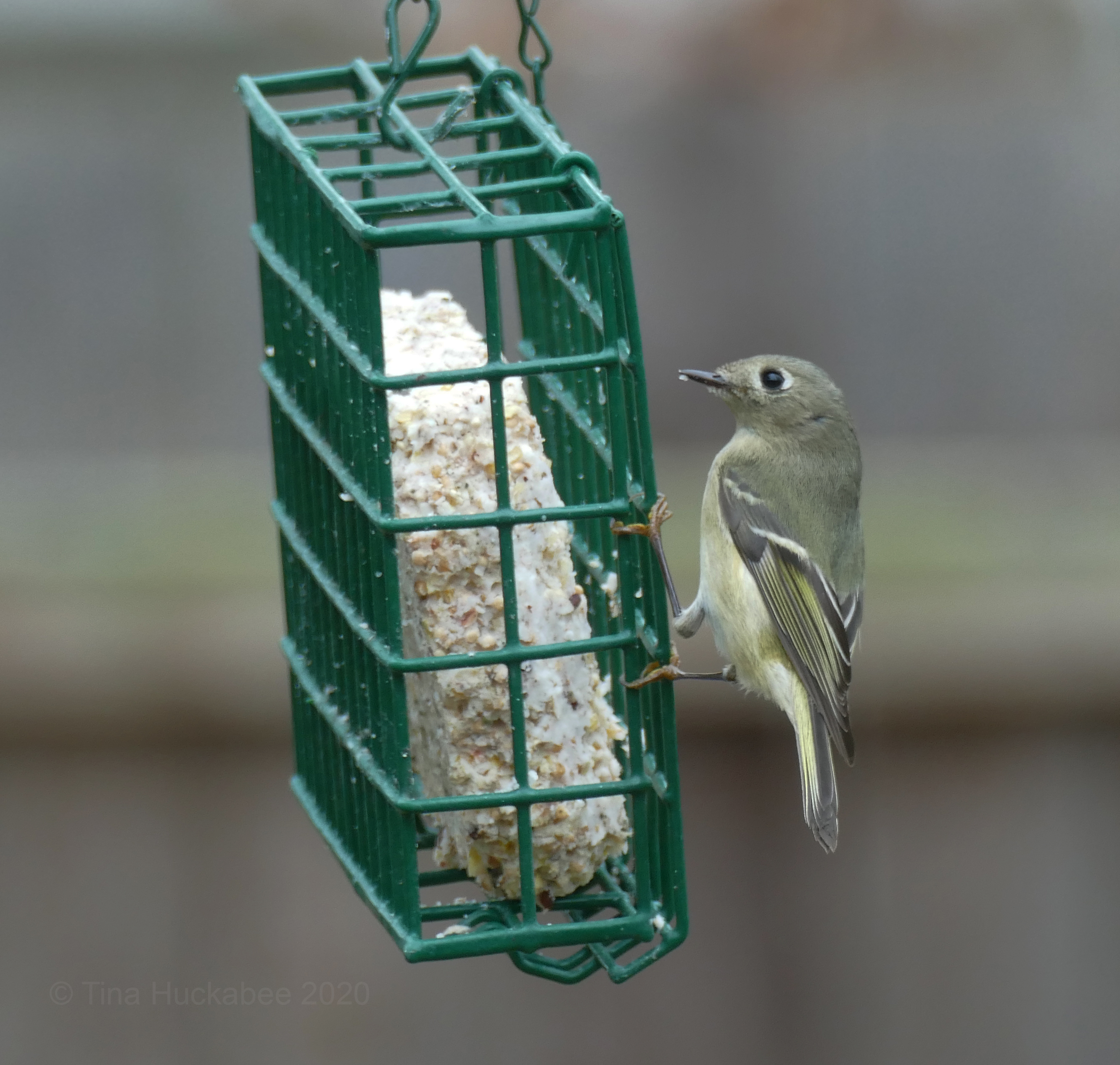
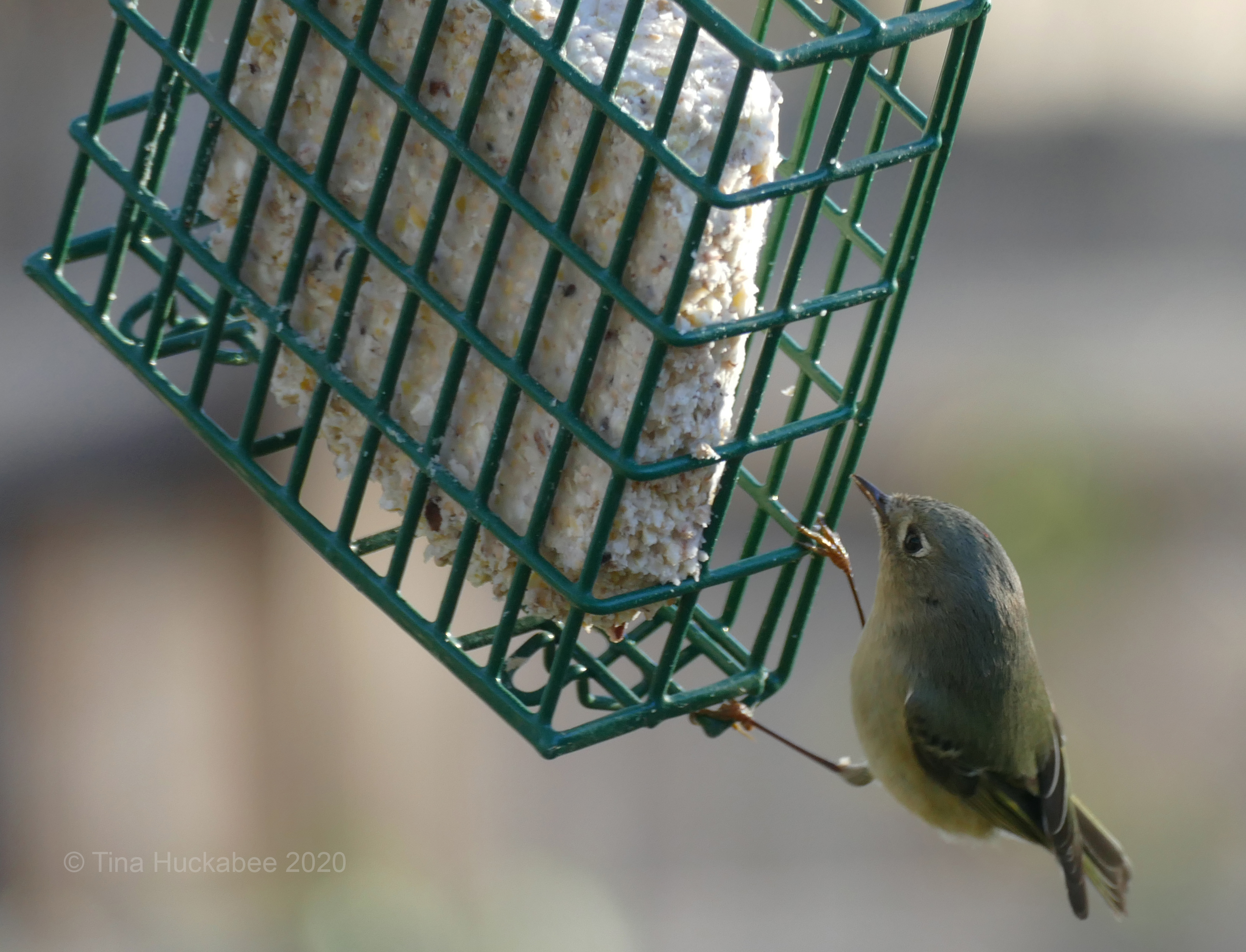
My primary and on-going participation in science-based bird watching involves volunteering for Project FeederWatch, sponsored by The Cornell Lab of Ornithology. The FeederWatch season occurs from mid-November to early April: the ‘watch’ period is after the main autumn migration and before spring migration is fully underway. I’m now about 8 weeks into my 2019-20 FeederWatch season and am thrilled to have listed two Ruby-crowned Kinglets, Regulus calendula, though I admit both little songbirds showed up on only one of the watch days. For most of my recorded FeederWatch days, I’ve only seen this tiny cutey, a female Ruby-crowned Kinglet.

During the November to April FeederWatch time, I’m mostly counting and categorizing the native birds and those birds who are migratory, but have decided my part of Central Texas is a good place to stay for winter–like the Ruby-crowned Kinglets.

I’m especially excited about seeing the Ruby-crowned Kinglets this season, because it’s been about 3 years since any have over-wintered in or near my garden. I’ve learned much as part of my FeederWatch participation. Not only do I watch birds for a regular and close connection to nature, but I’m also assisting–in a small way–the research related to the health of birds, their numbers in various areas, and their changes and movements in population over periods of time.
Before I became involved in FeederWatch, I’d planted for birds (and other critters) and most warblers and other songbirds visit the garden and trees to glean insects and nosh on plants’ seeds. But I’ve also widened both the type of feeders I place in the garden and feed that I provide for birds to better target those same songbirds and that’s thanks to my greater knowledge about birds–what they like and what’s good for them to eat.
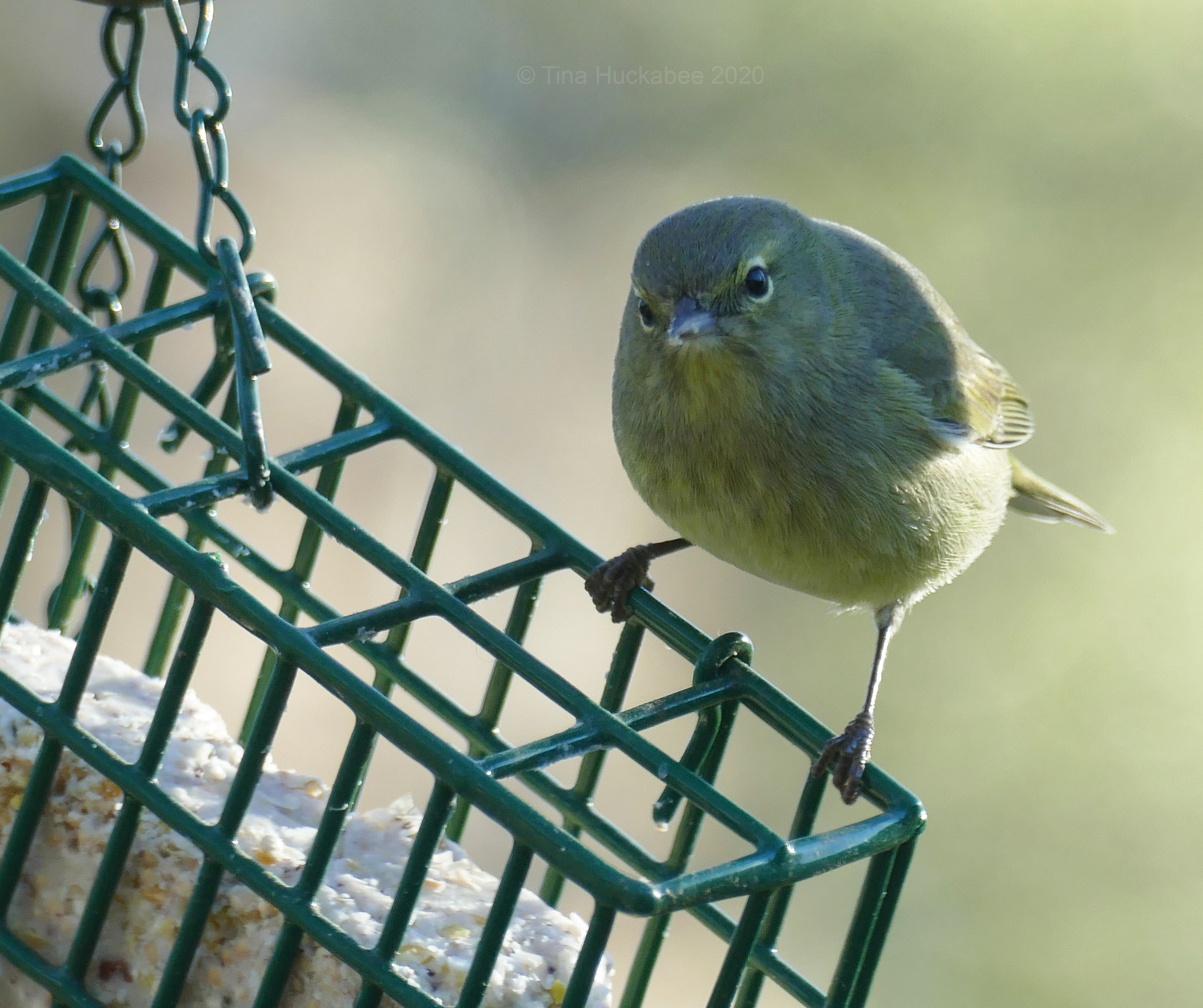
Another typical overwintering bird species (and this season there are at least 2 and possibly 3 in my garden, it’s hard to tell for sure), are the Orange-crowned Warblers, Leiothlypis celata. I think the Orange-crowns are my favorite of the warbler species: there’s a sweet cheekiness about them and they have darling faces.
The Orange-crowns favor the peanut feeder.
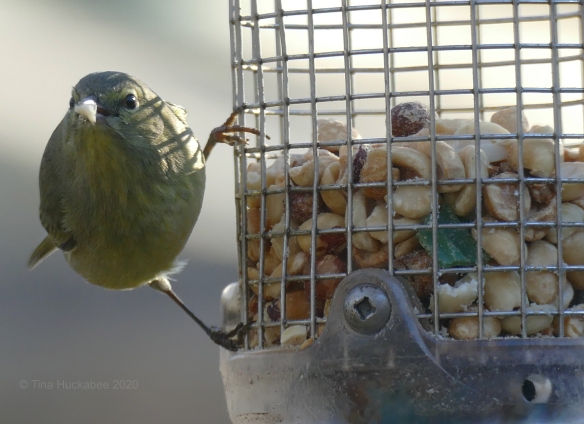
Do you see the bit of green among the peanuts in the feeder? It’s a rogue bit of plastic–yuck! I didn’t see it until I downloaded the photos. I dumped the peanuts out and disgarded the plastic.
But I don’t think they always favor the watcher.

Participating in Project FeederWatch is ridiculously easy. Pick what days are most convenient with your schedule; watching and documenting isn’t time-consuming–watch as much or as little as you please–though you need to commit to two consecutive days. As well, the process for entering your online data is a snap. I’ve had the occasional question about my data and the Cornell folks are friendly and great about promptly responding.
Counting birds is usually not a problem, even with their flighty natures, but sometimes…

From a post last spring: Mob
…it can be a challenge. Oh, those silly, pond-loving, gregarious Cedar Waxwings, Bombycilla cedrorum, they’re such characters. I haven’t seen any so far this year; no doubt they’ll be in my FeederWatch counts sometime in February.
It’s not too late to join in for this year, just click here and you’ll find easy-to-follow directions to help you jump on the birdie bandwagon. Cornell Lab requests an $18 fee to get the initial information, but that’s all–unless you want to donate more to either Cornell Lab or Audubon–and they’re both worthy organizations.
Birds rock. They’re beautiful, fascinating and you can help birds by helping the humans who study them so that your descendants will have birds in their lives, too.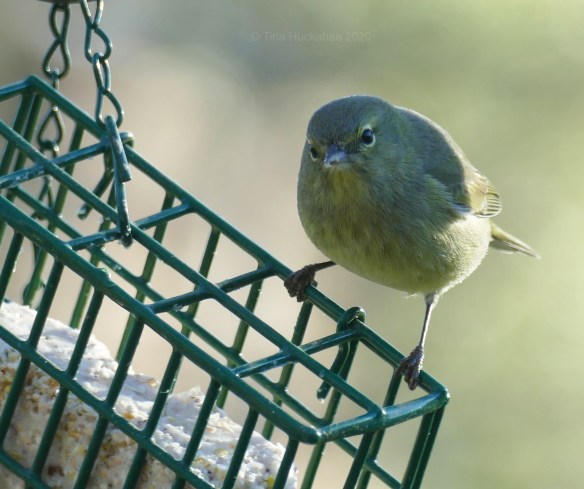









 My Gardener Says...