Munchies

A bevy of beautiful birds are noshing in the garden.

Three males and a female enjoying lunch.

Lesser GoldfinchesSpinus psaltria, come and go throughout the year, but I can set my calendar by their appearance in the garden buffet during autumn when the Plateau Goldeneye, Viguiera dentata, are creating seeds.

After all, that’s how the plants and the birds rock-n-roll with one another: seeds are produced at the end of flowering and for the nourishment of the birds, and the birds, in turn, spread the seeds to other places to grow, bloom, seed. It’s an ancient complementary relationship and one worthy of watching and appreciating.


Eat or be Eaten

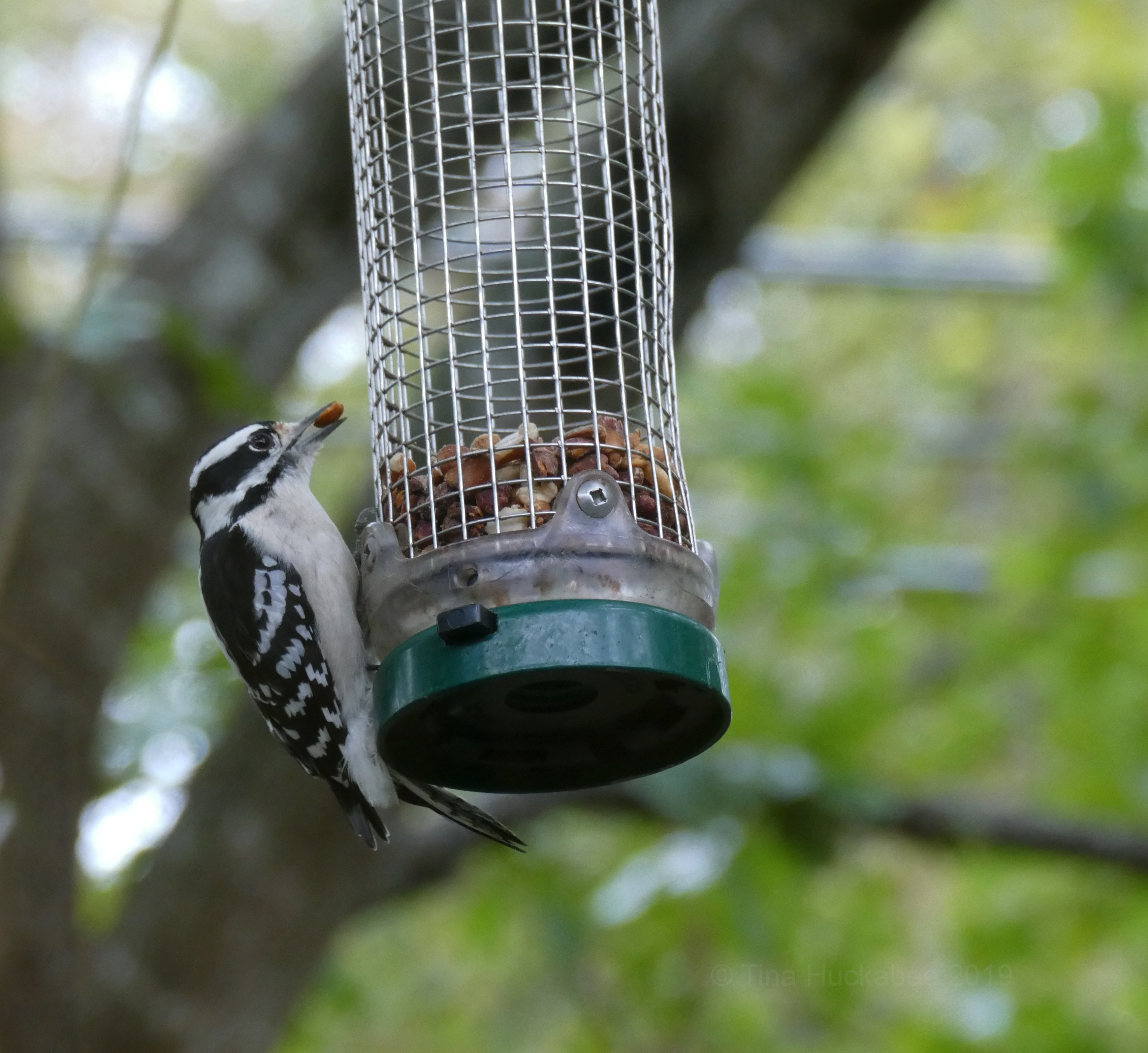
I watched the Downy WoodpeckerDryobates pubescens, for several minutes.   She was rock-still:  nothing moved, not a feather, despite the gentle sway of the feeder and the clasped piece of peanut in her beak.  Because she was motionless–abnormal for a bird–I realized that there must be a predator nearby.
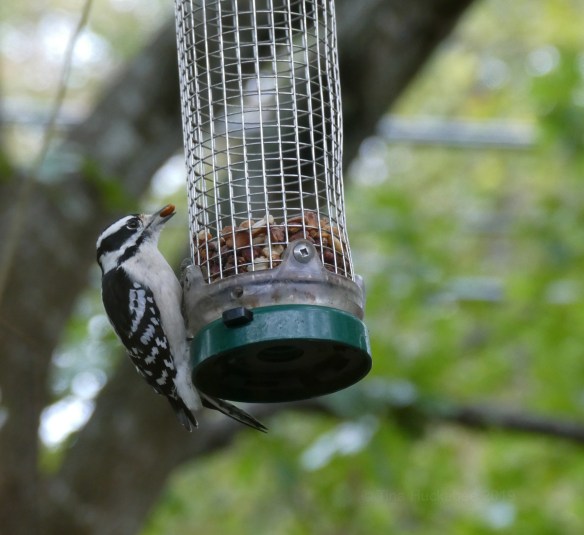
I Downy-watched from my kitchen window, my favorite bird blind.  Even with my movements at the window–slow and careful, as not to startle the little bird–she didn’t move: no head turn, no shuffle of claws, no gulp of the prized peanut, nor snatch of another.  From my standing position, no predator was obvious, so I squatted at the window, looking up into the oak tree just beyond and around at the outdoors as best I could see.

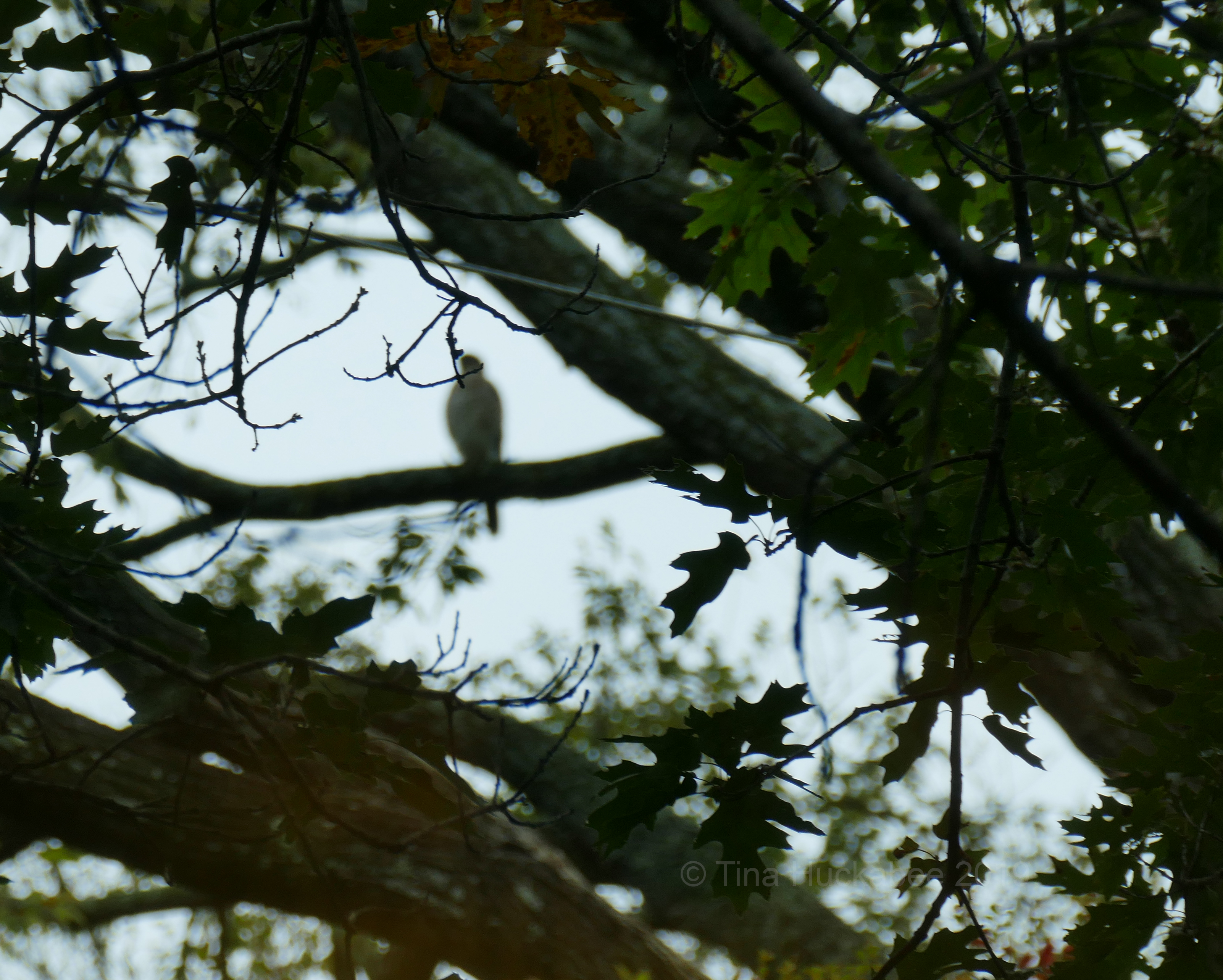
I finally spotted that which froze, in fear, the heart of the would-be feeding woodpecker. The culprit perched far across my property, high in the neighbors’ elm tree.
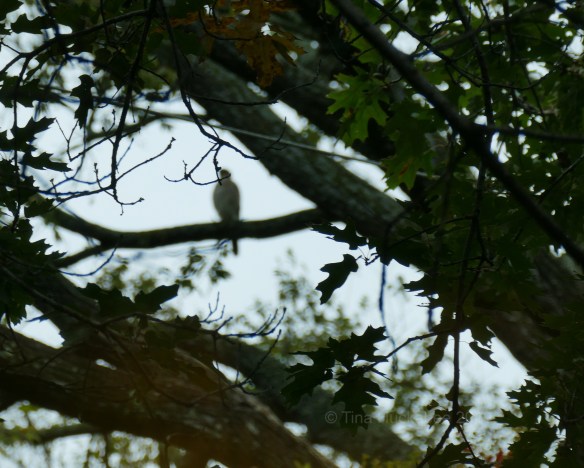
The photo is poor, taken through the window and at some distance, with plenty of foliage and limbs as distractions.  The hawk is a big one, probably a Cooper’s Hawk, Accipiter cooperii, as they’re common here, especially in autumn, winter, and early spring.

The Downy was still for a good five minutes, maybe longer.  Finally the hawk took flight toward my house, but high above.  A split second afterwards the Downy pushed off from the feeder, heading in the same direction as the hawk, though much farther below and toward the protection of a large evergreen shrub.

I don’t know if the hawk swooped in for the woodpecker, though I doubt that’s what happened; there’s too much cover which would serve as safety for the woodpecker and too much interference for the hawk’s dive.  I imagine the hawk winged to another part of the neighborhood in search of an easier catch, one less aware of the hawk’s existence.

It was an eat or be eaten life-cycle moment.  I’m certain the woodpecker finally ate her peanut, because I’ve seen her since.  And I’m equally certain the hawk found something to eat; I’m just not sure what, when, or where.

Appreciative for the life lessons a garden bestows, I’m joining today with Anna and her Wednesday Vignette.   Check out her beautiful Flutter and Hum for musings of various sorts.
Bienvenue et au revoir: Wildlife Wednesday, November 2019

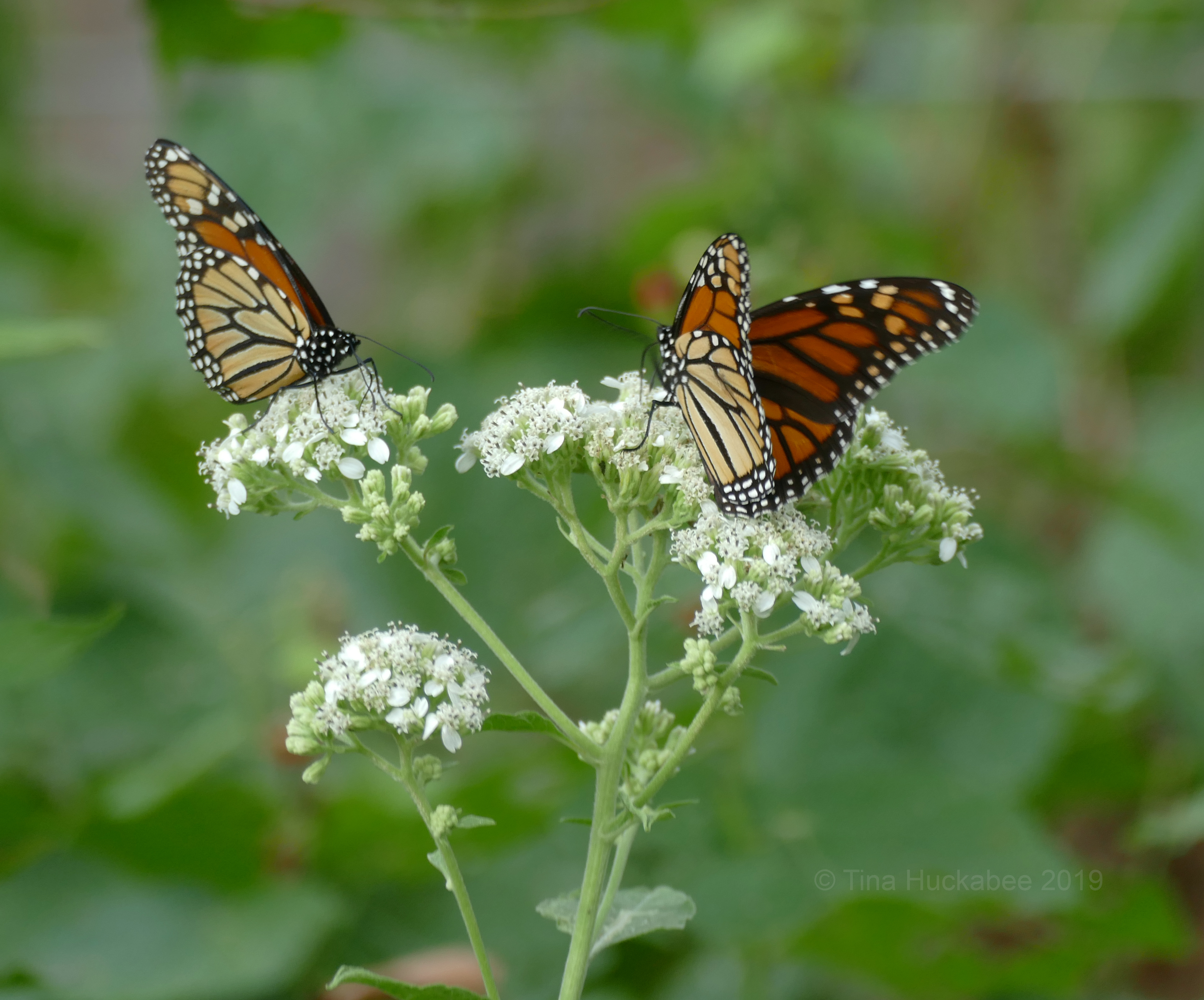
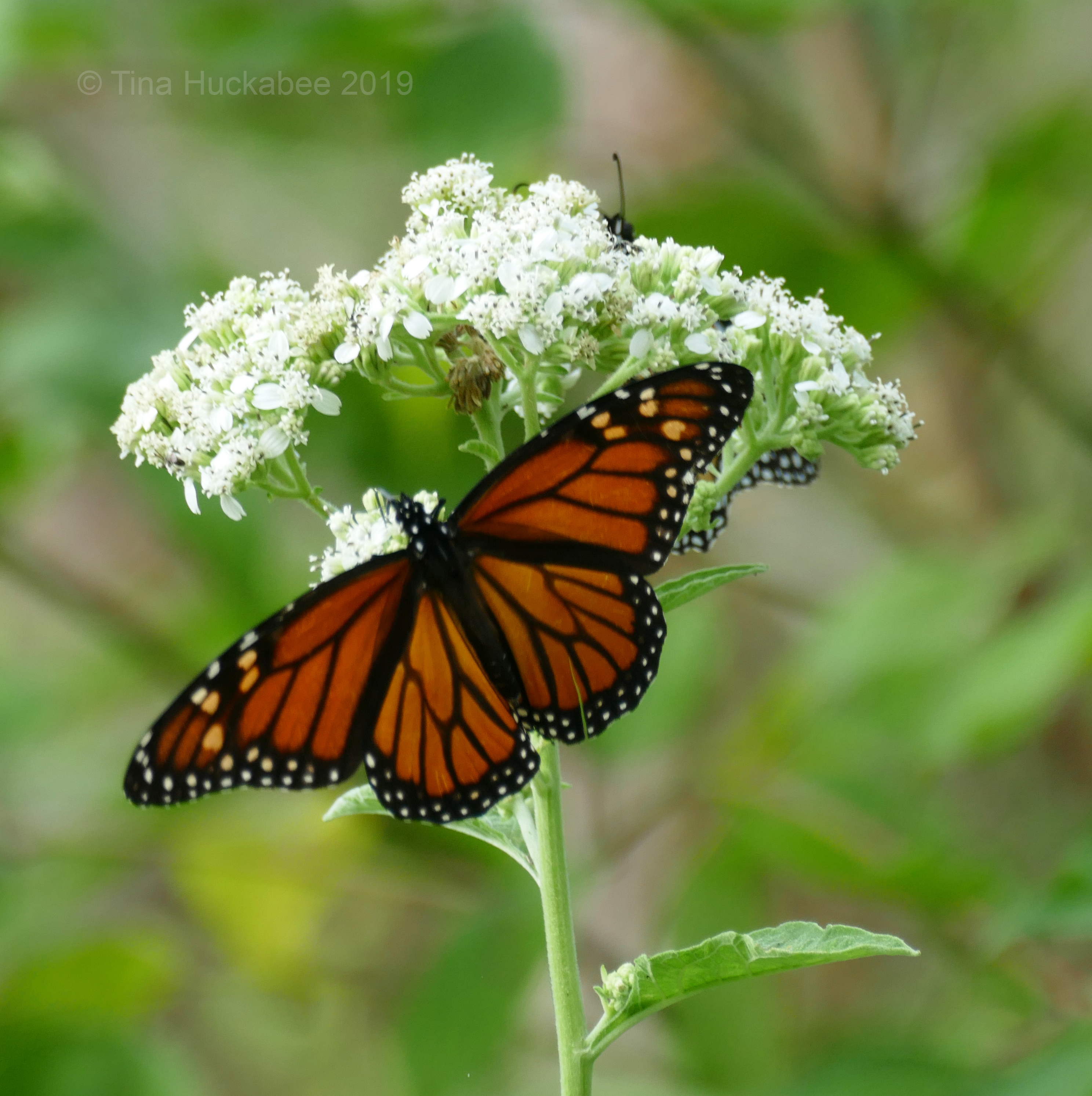
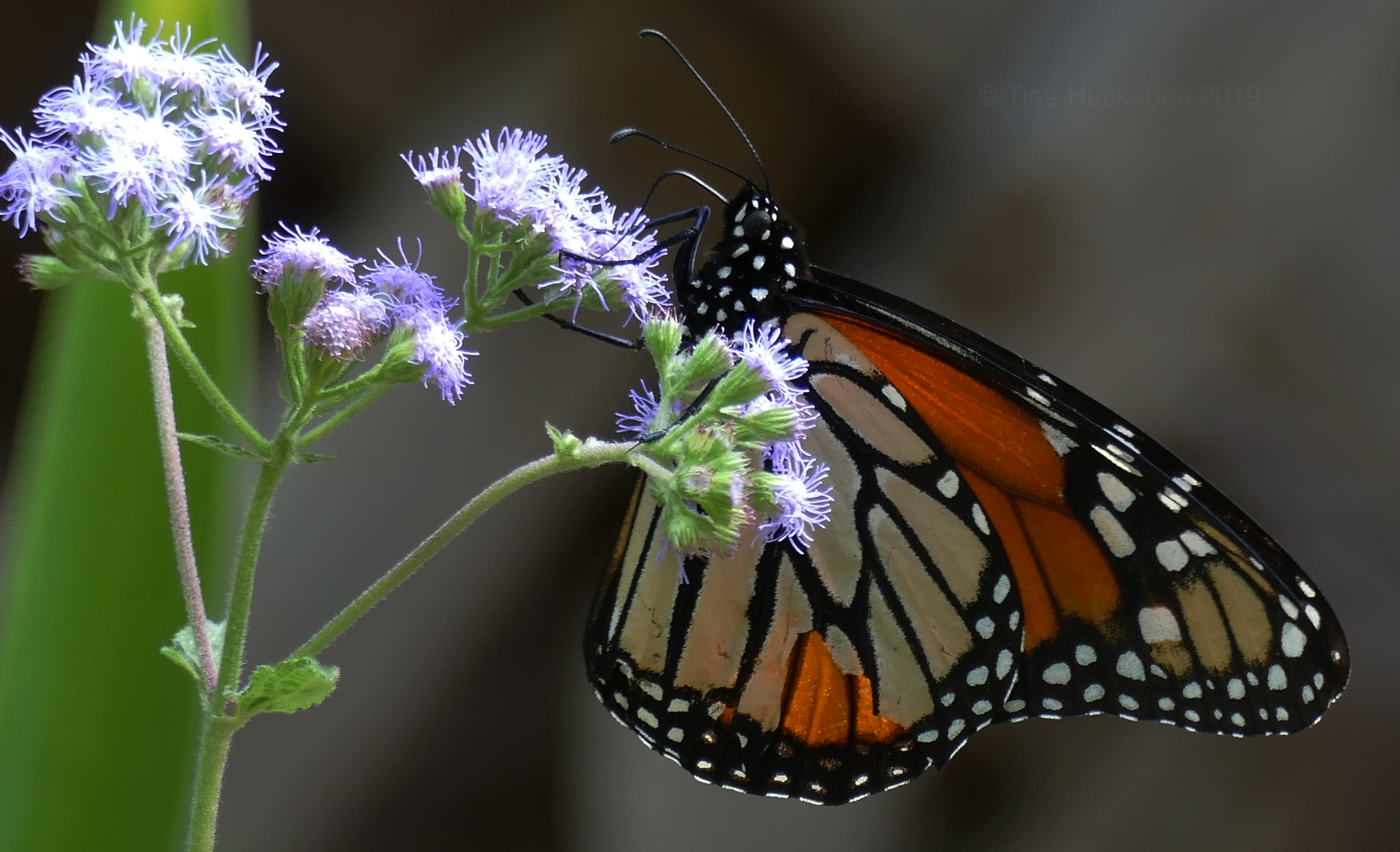
It’s November and my garden is still in active flowering and life giving mode.  In recent weeks I’ve said a happy howdy y’all to a resurgence of Gulf Fritillary butterfly larvae and a slightly regretful, but ultimately joyful so long ’til next spring to migrating Monarch butterflies.  That’s the wildlife gardening way: seasonal change is more than an onslaught of blooms or a conversion of foliage color.  It’s also about the cyclic lives of those dependent upon plants for their survival, as well as the fostering of a healthy environment in which wildlife will thrive.

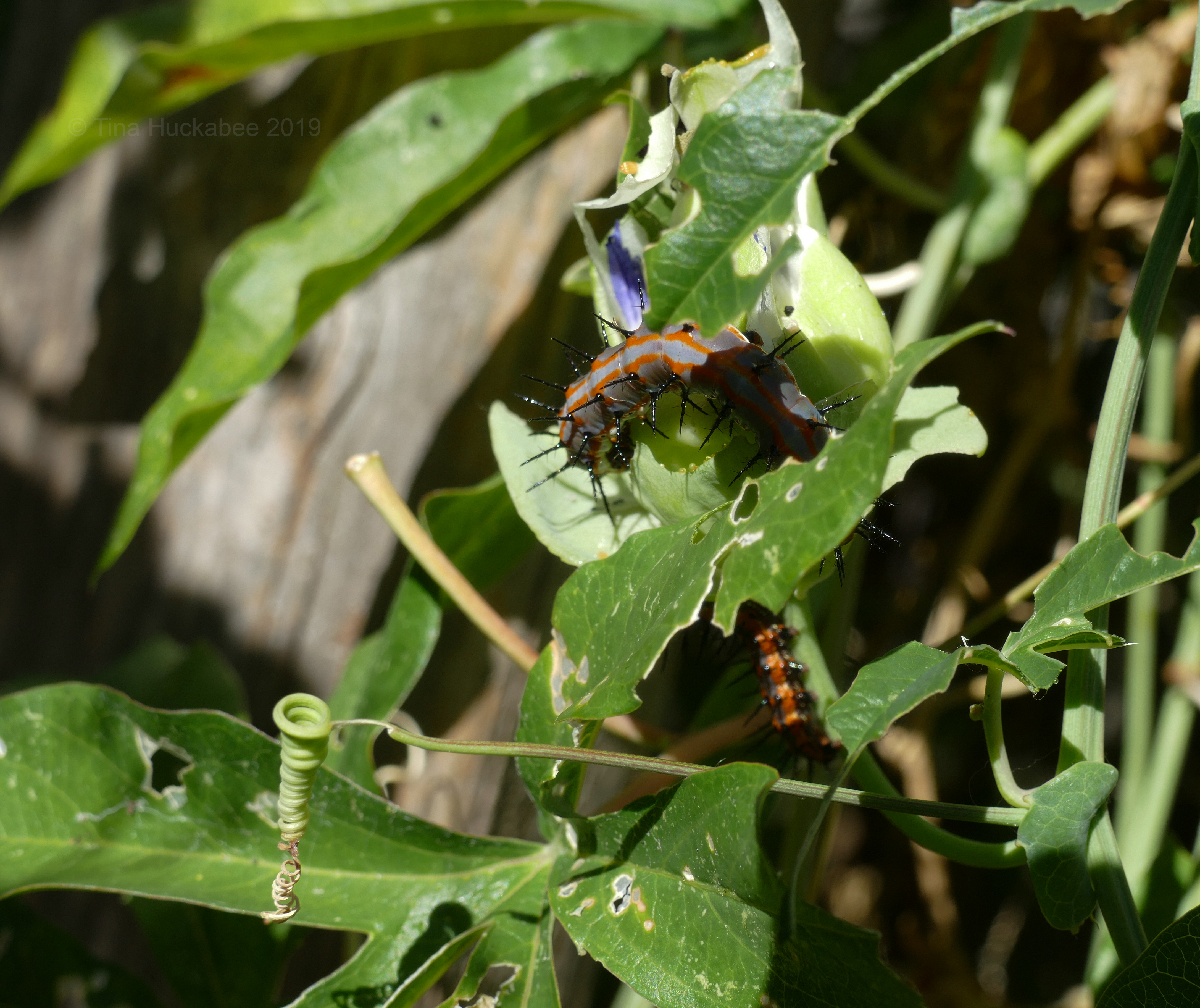
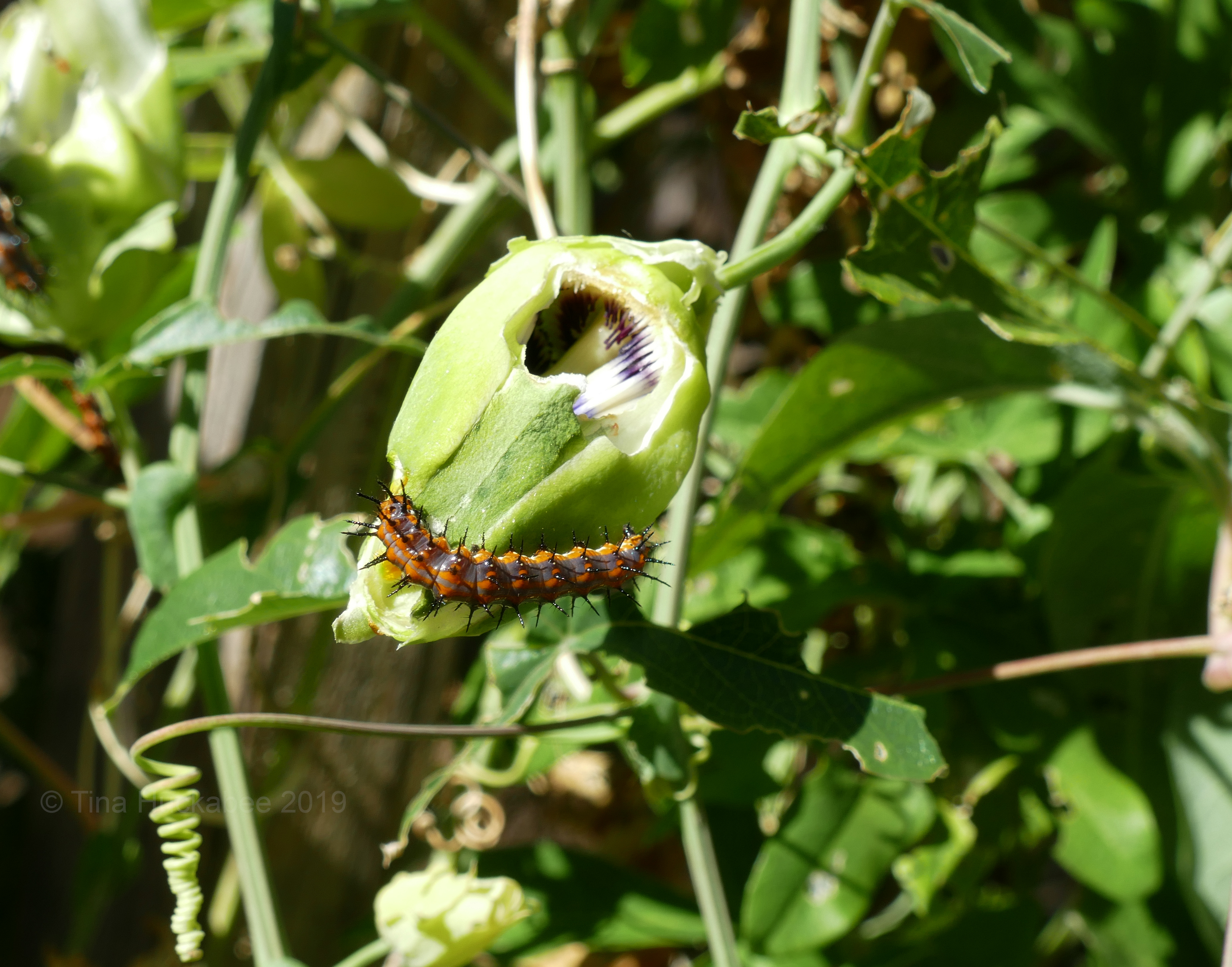
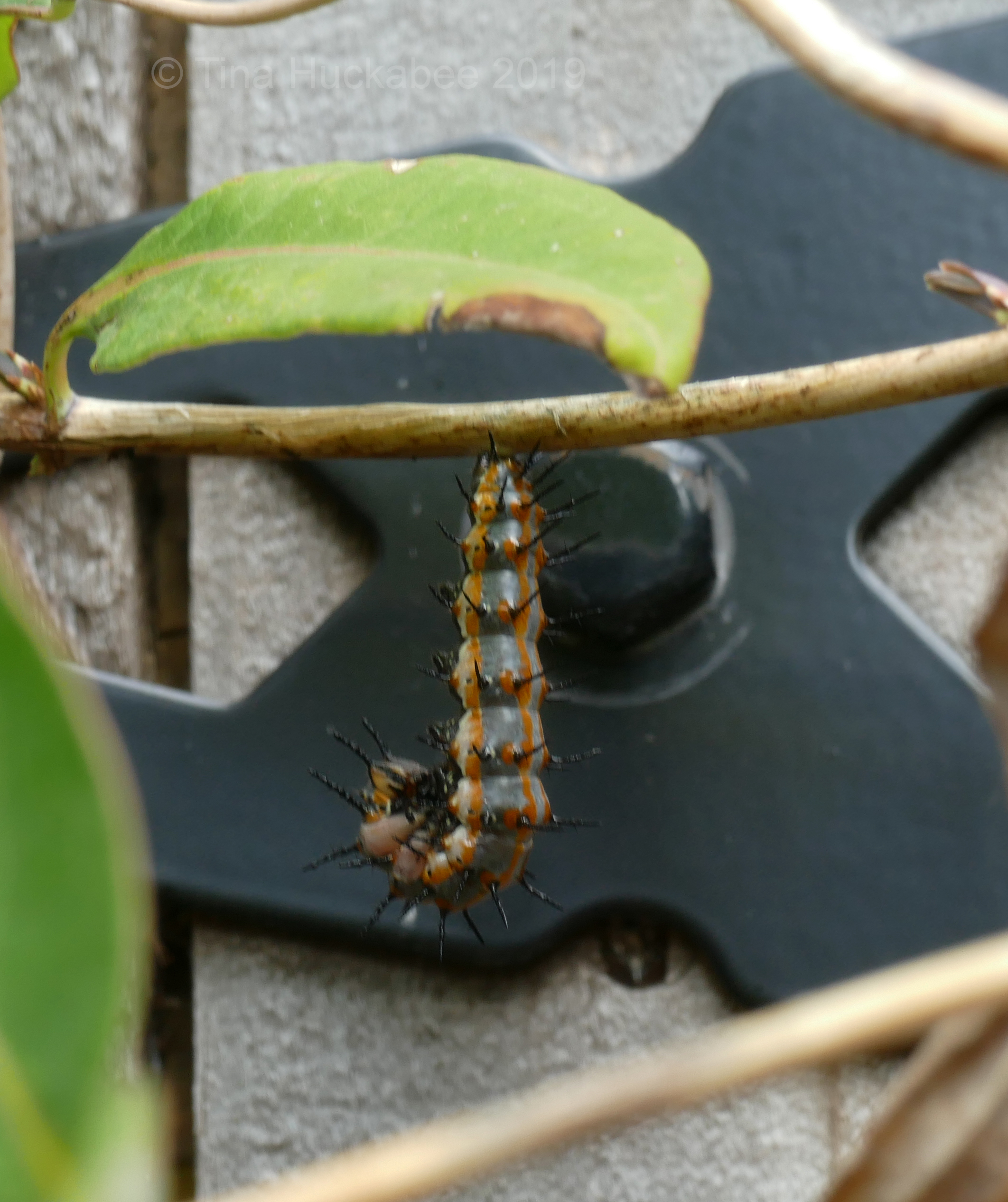
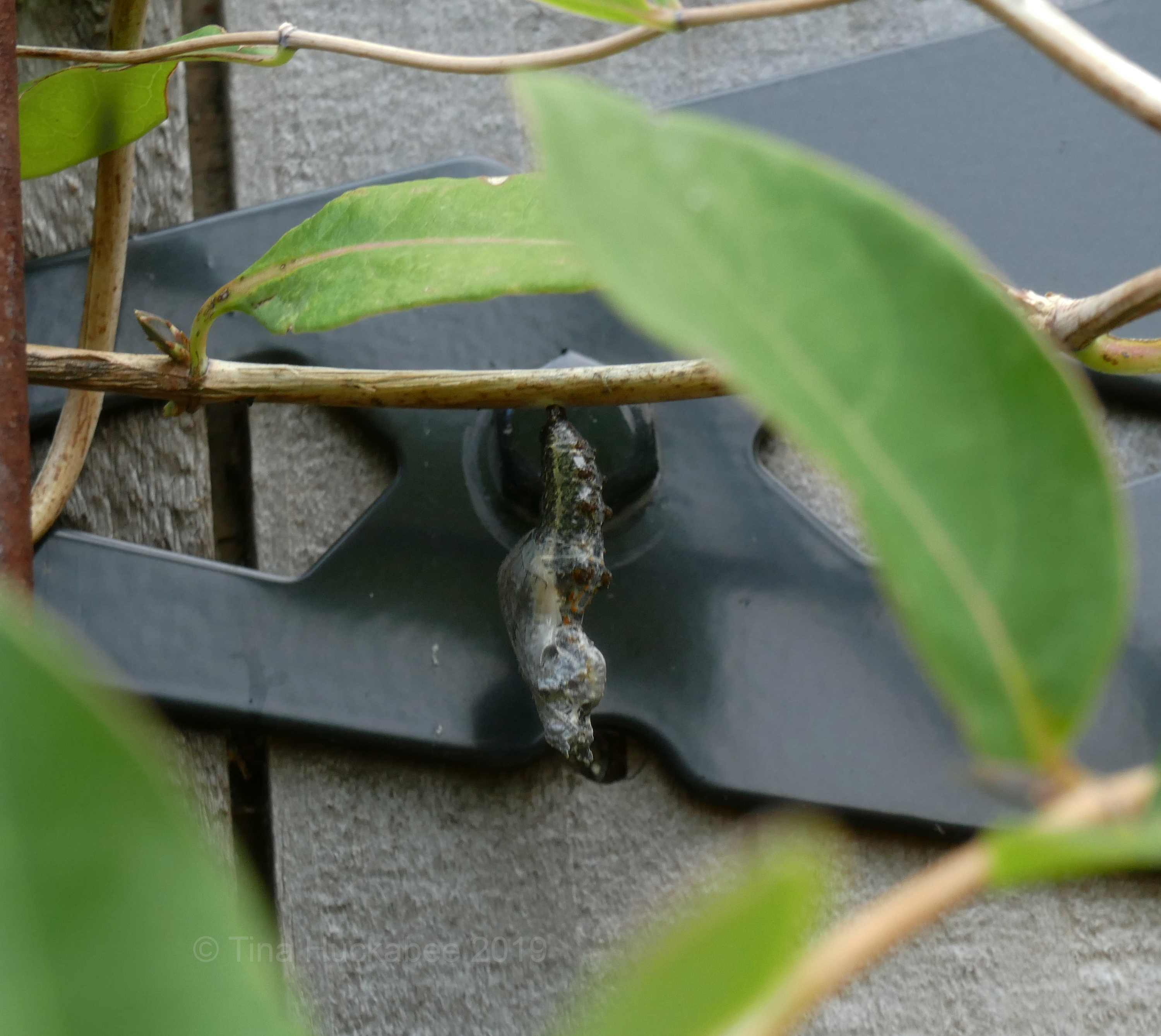
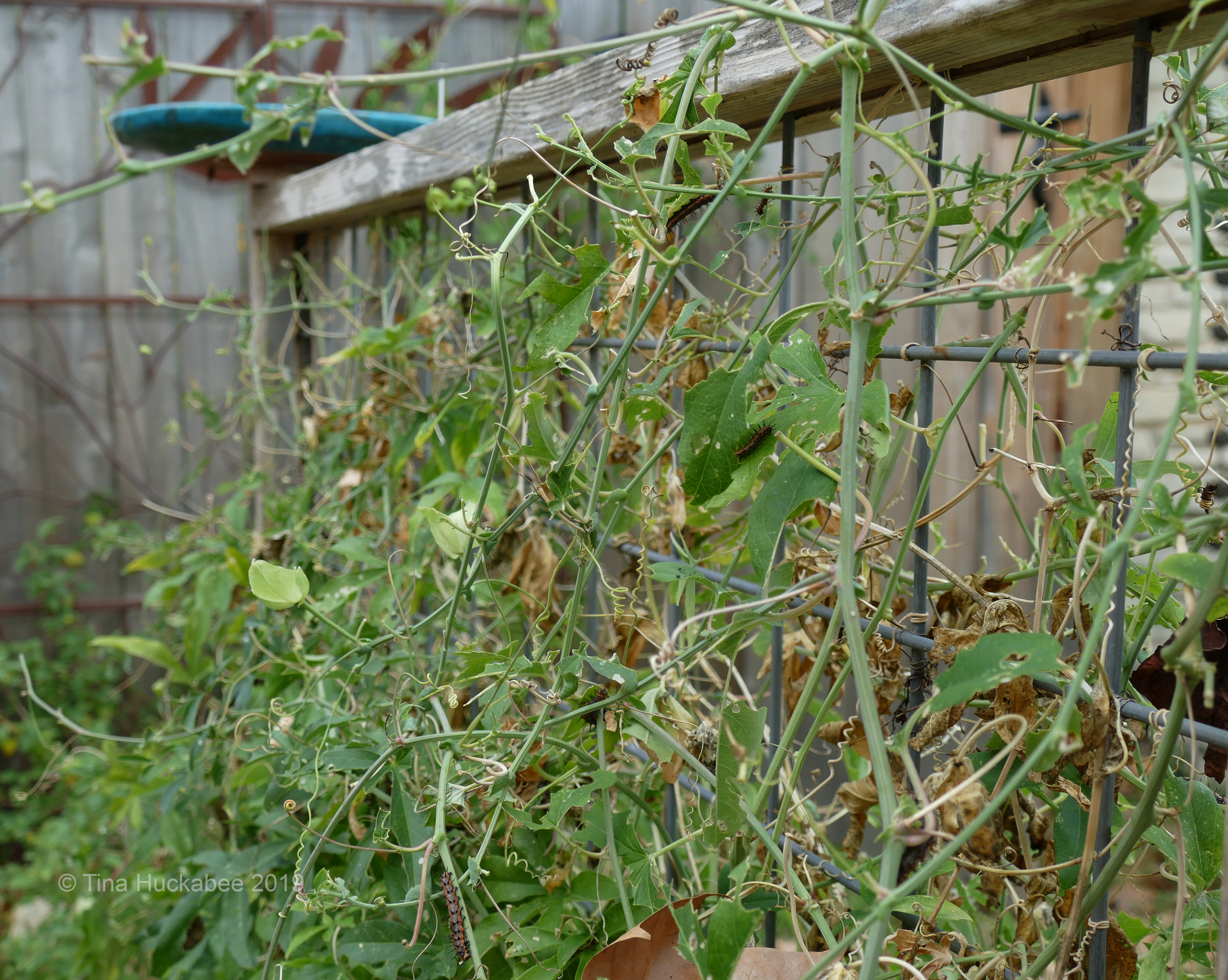
I’m pleased to report that there are scads of Gulf FritillaryAgraulis vanillae butterfly larvae currently chowing down on my passion vine foliage.

Welcome to the passion vine buffet!

I’m fine with the dining on the leaves, but I wish the cats would leave the budding blooms alone.

Many Gulf fritillary larvae are busily munching, when earlier in the season there was a dearth of larvae activity, which you can read about in my September Wildlife Wednesday post.

I was perplexed at that time, because adult butterflies were clearly laying eggs and some caterpillars were hatching and working the vine.  But there were few caterpillars surviving to chrysalis stage and at least some were clearly parasitized during their later instars.  That the foliage wasn’t eaten as vigorously as is typical piqued my curiosity, but after some observation and reading, I concluded wasps were the culprits, preying on the caterpillars and reducing their numbers.  As with all natural cycles, the tide has apparently turned: there are significantly fewer wasps around and the Gulf Fritillaries are in ascendance.