In my reckoning, the Goldenball Leadtree, Leucaena retusa, is the quintessential spring tree here in Central Texas. It’s striking green foliage, paired with cheery yellow blooms shouts spring! spring! spring! and its airy, graceful growing pattern, echos the joyful vibe that we all feel during spring.

Goldenball’s native range is only in Texas–primarily in Central Texas, but also to far West Texas and even into northern Mexico. For pollinators exclusively and for gardeners mostly, the fuzzy blooms are the key items of interest on this attractive tree. Fragrant and stunning, the blooms dot the tree for at least two months in spring, sometimes longer.
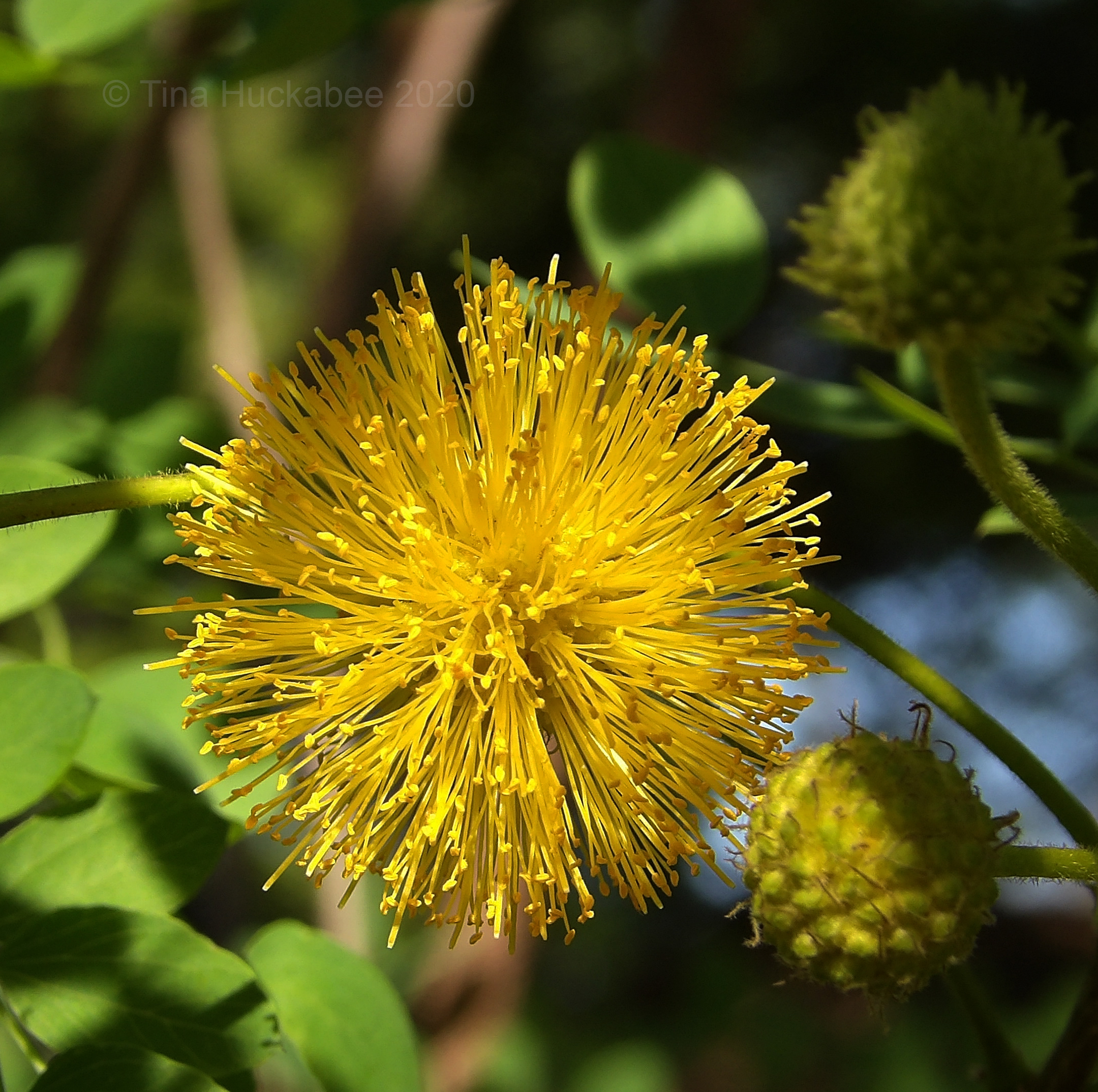
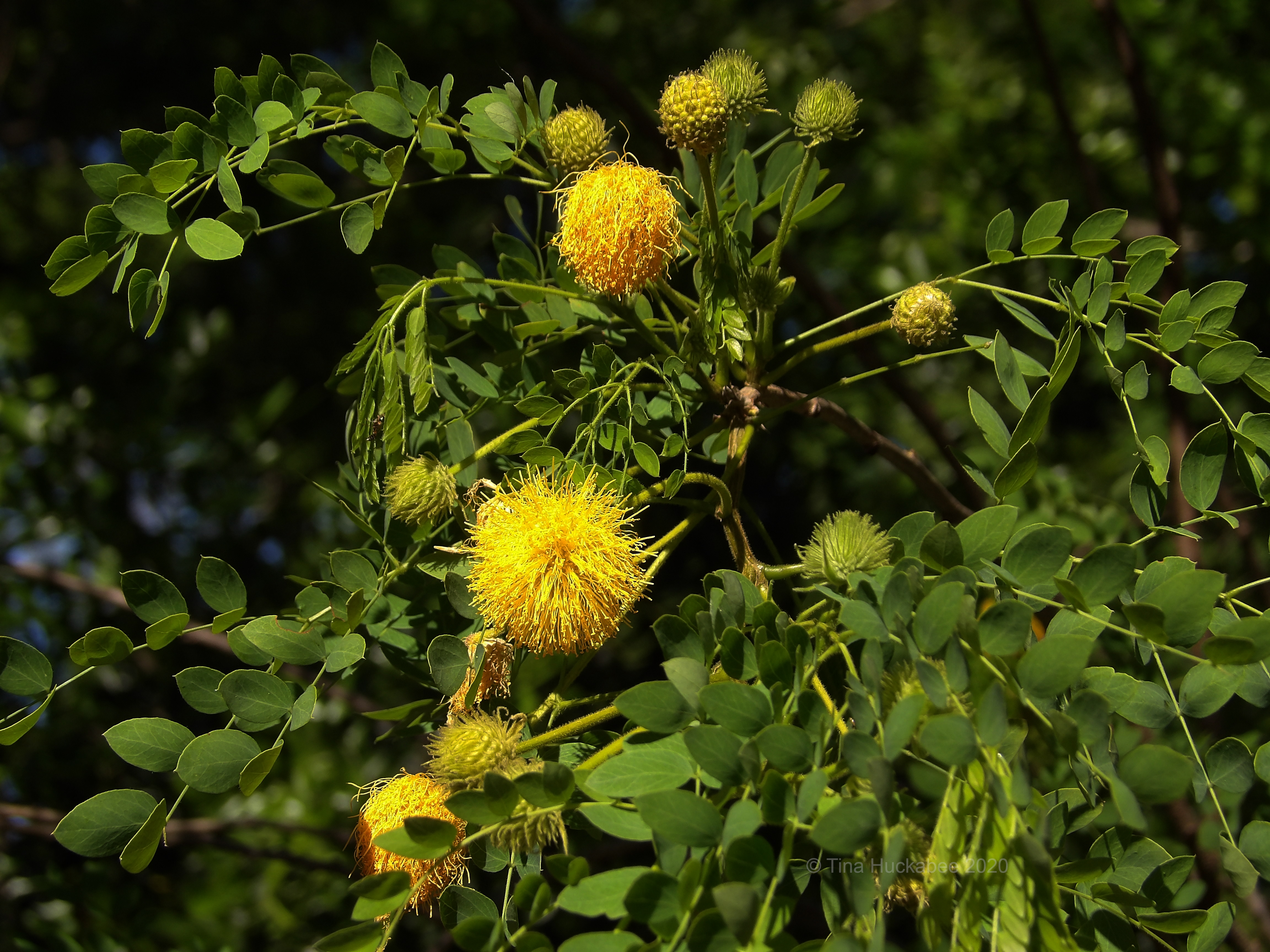
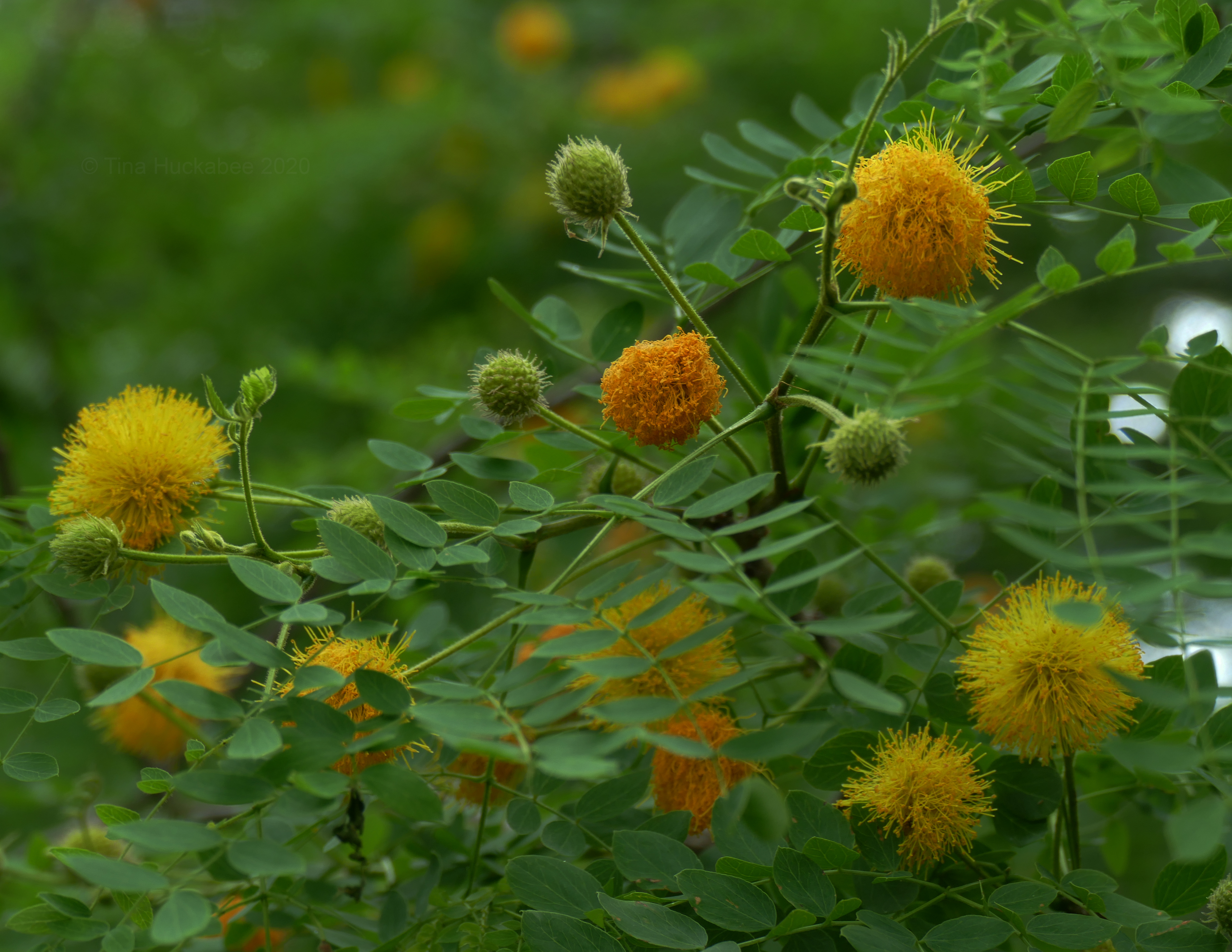
I like this shot as it demonstrates a flower in its prime, some blooms are which over-the-hill, and a bunch of bloom wannabes, gearing up for their time in the sun.
The leaves are small and oval, arranged bipinnately along an axis, and suggest a kind of transparency when highlighted by Texas sunshine. The flowers are about an inch in diameter, yellow when at their blooming peak, taking on an orangy hue as the bloom fades.

Sometime in February, depending upon the depth of our winter, the deciduous tree begins to show new life.

Foliage forms and unfurls, growing at a steady pace through February and into March. By the time the leaves are near a mature size, the bloom buds are developing. Initially they’re small, green, and spiky: green kush balls,
…that develop into fat, yellow kush balls.
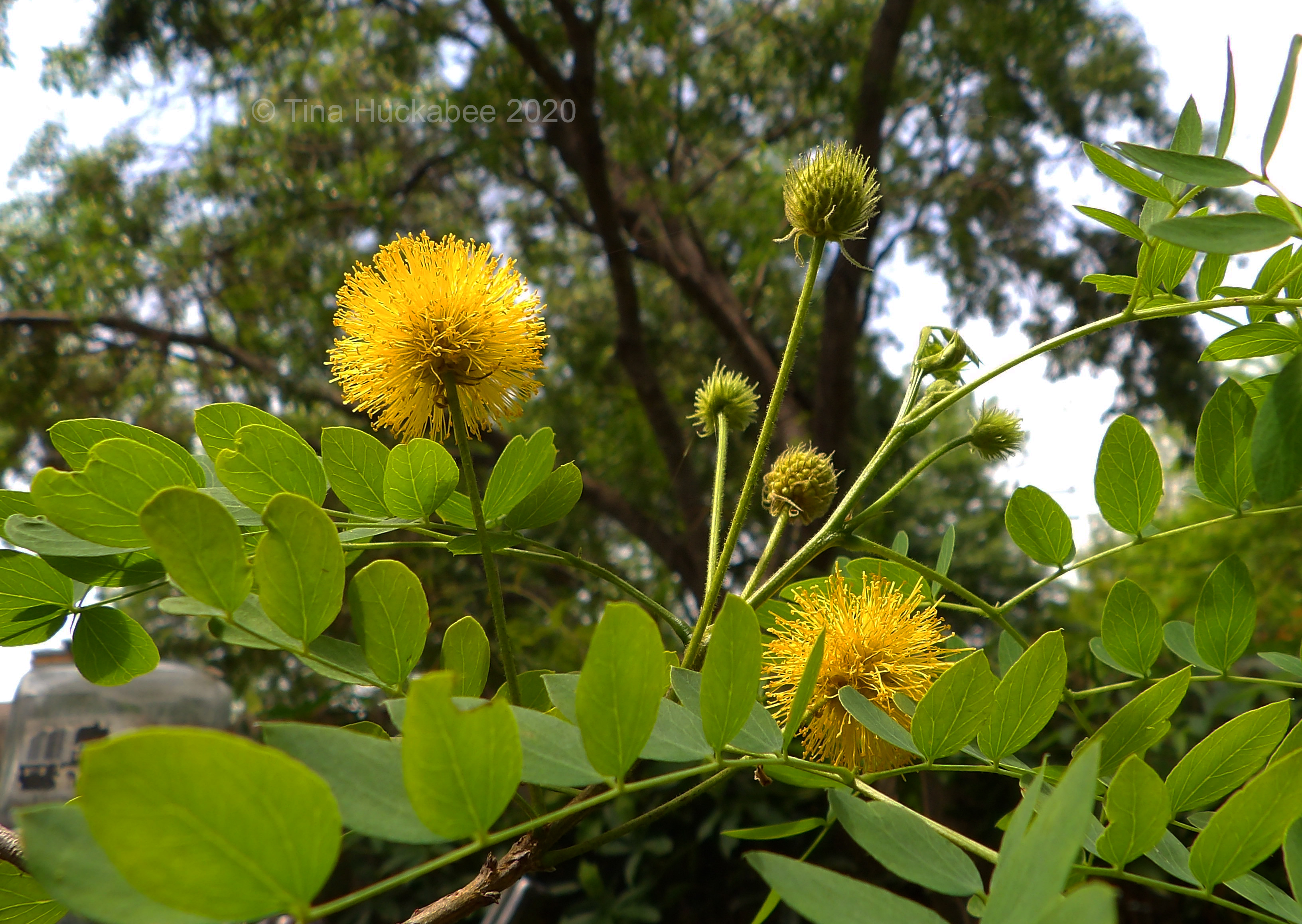
As beautiful as the flowers are, I find the airy foliage just as attractive and it lasts the whole growing season. It never loses its spring green, either.
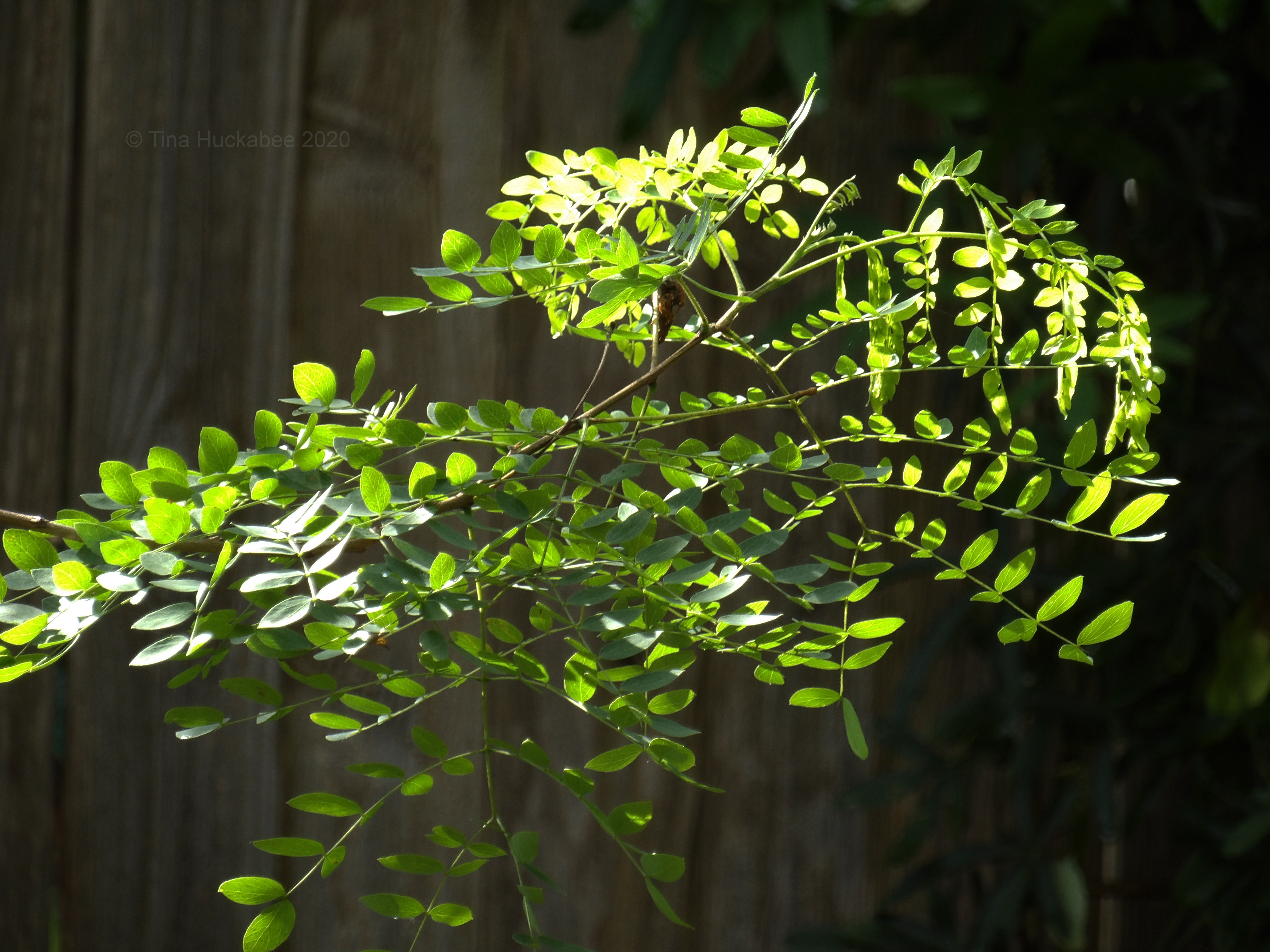
It’s a hopeful green.

My Goldenball is about 10 years old and probably 15 feet high. It prefers full-to-part sun, but mine only receives some dappled early morning sun, then an hour or two of direct sun in late afternoon. Because of shade, mine doesn’t bloom quite as much as it once did, but I’m still very happy with this beauty. It has an open, rangy quality that I like. It’s a vertical plant, but not huge nor dense, which allows it to fit in a small area without overwhelming or outgrowing the space. The Goldenball is interesting all year. While I have no pollinator-sipping-the-blooms photos (how did that happen?), large carpenter bees and my honeybees are grateful visitors during the March-April-May bloom time. Some sources report that Goldenball blooms on and off throughout summer, but mine is strictly a spring bloomer.
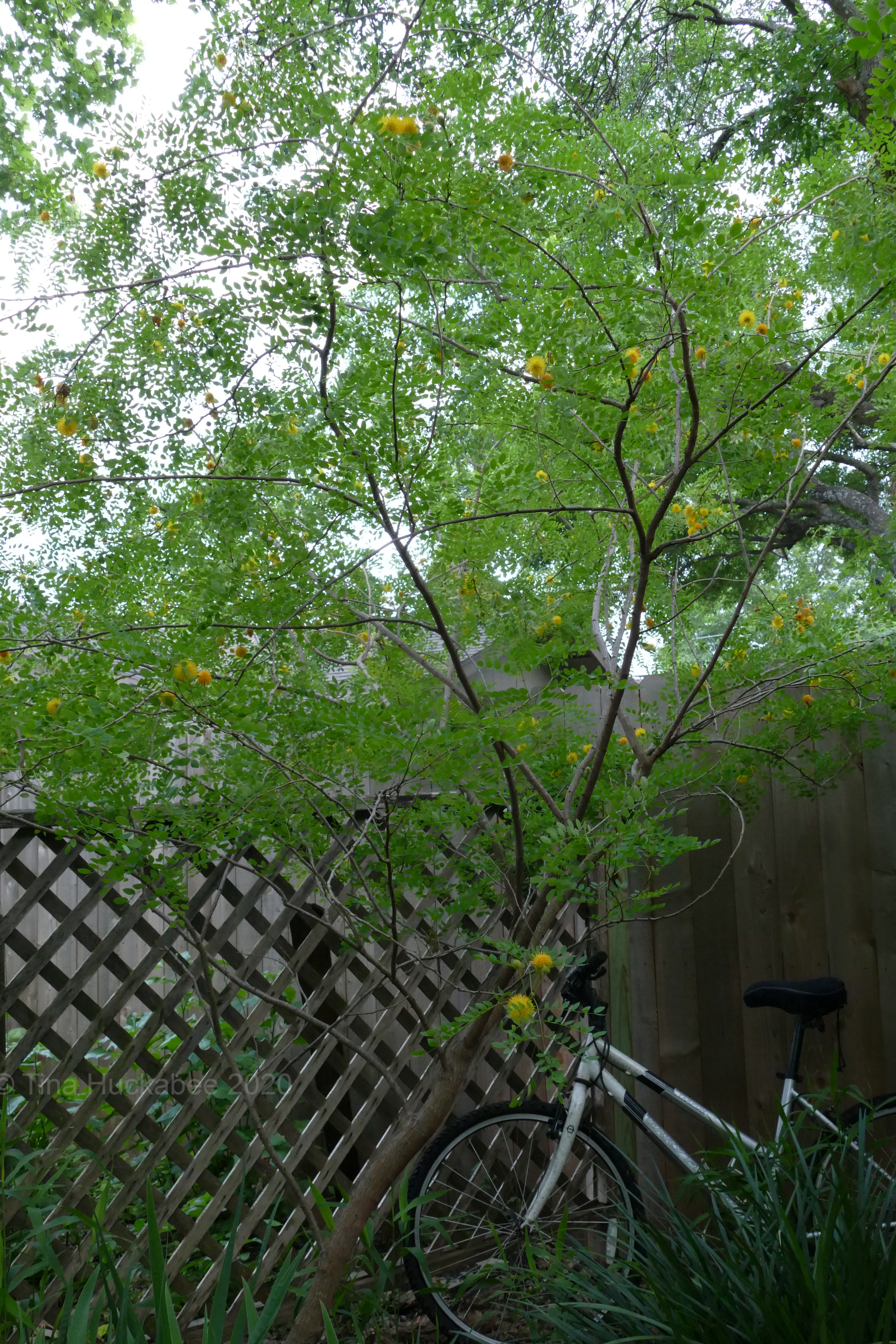
Summer and fall show the Goldenball Leadtree as a happily green, dry-loving small tree, perfect for an urban garden in a hot climate.
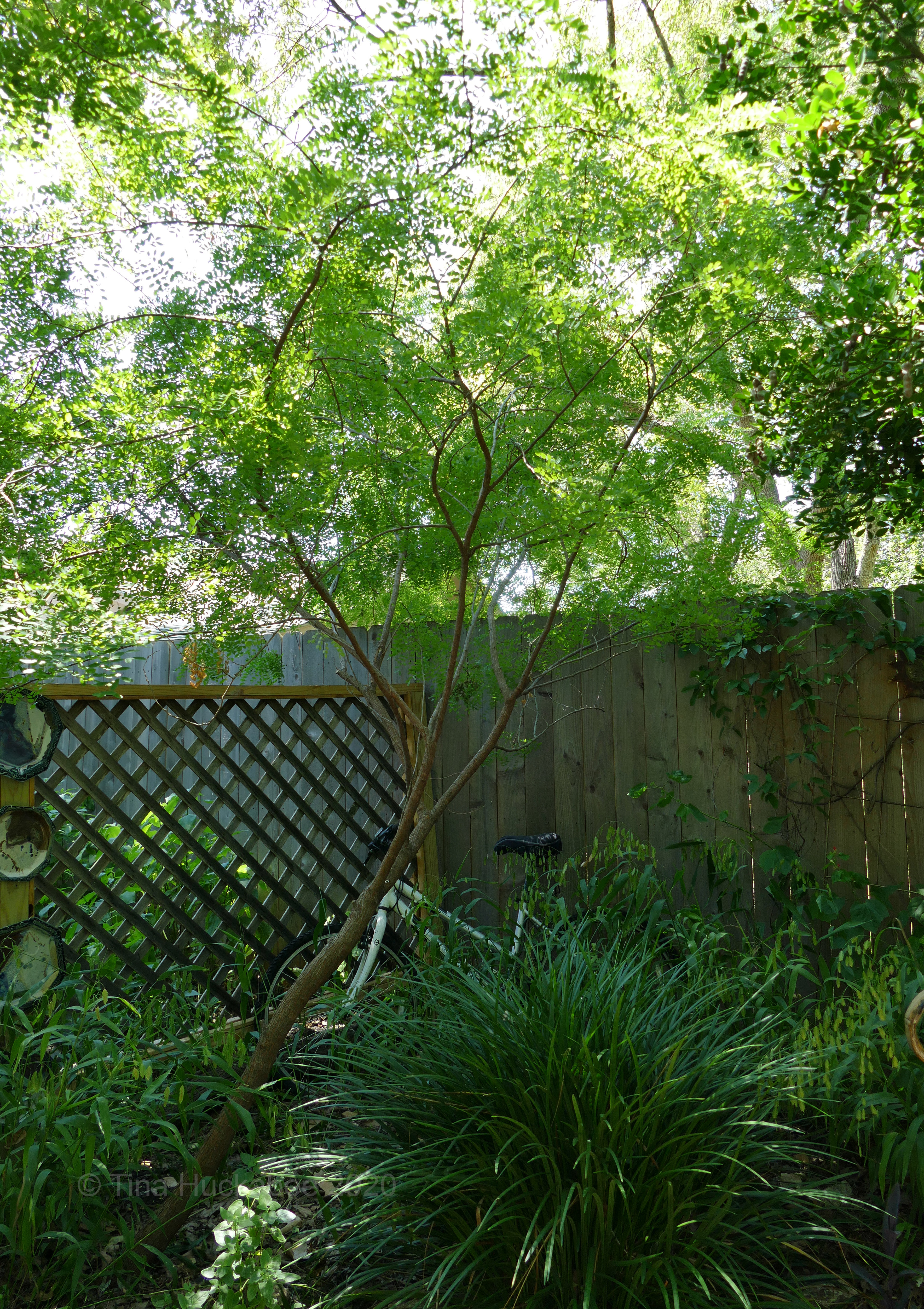
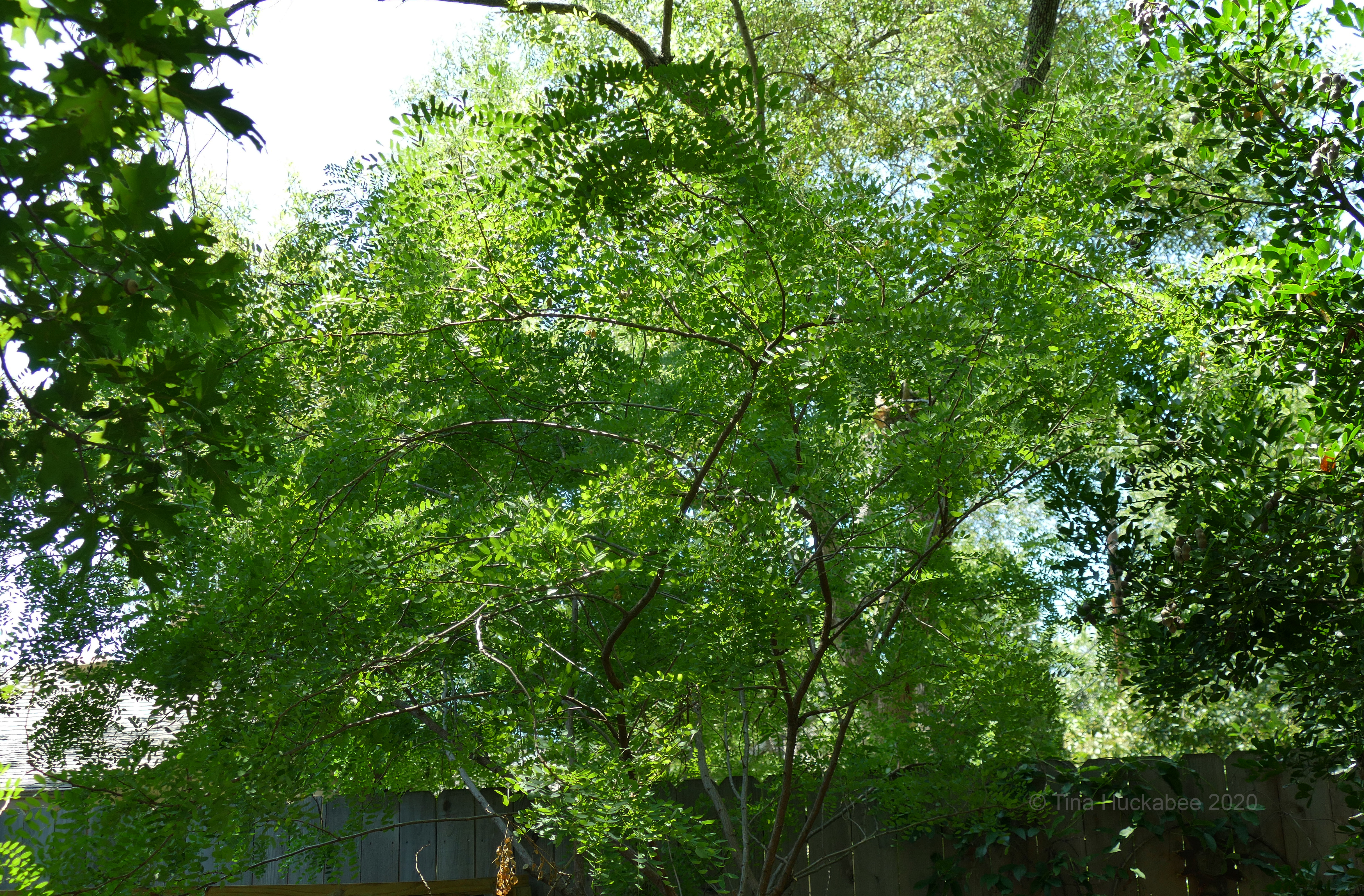
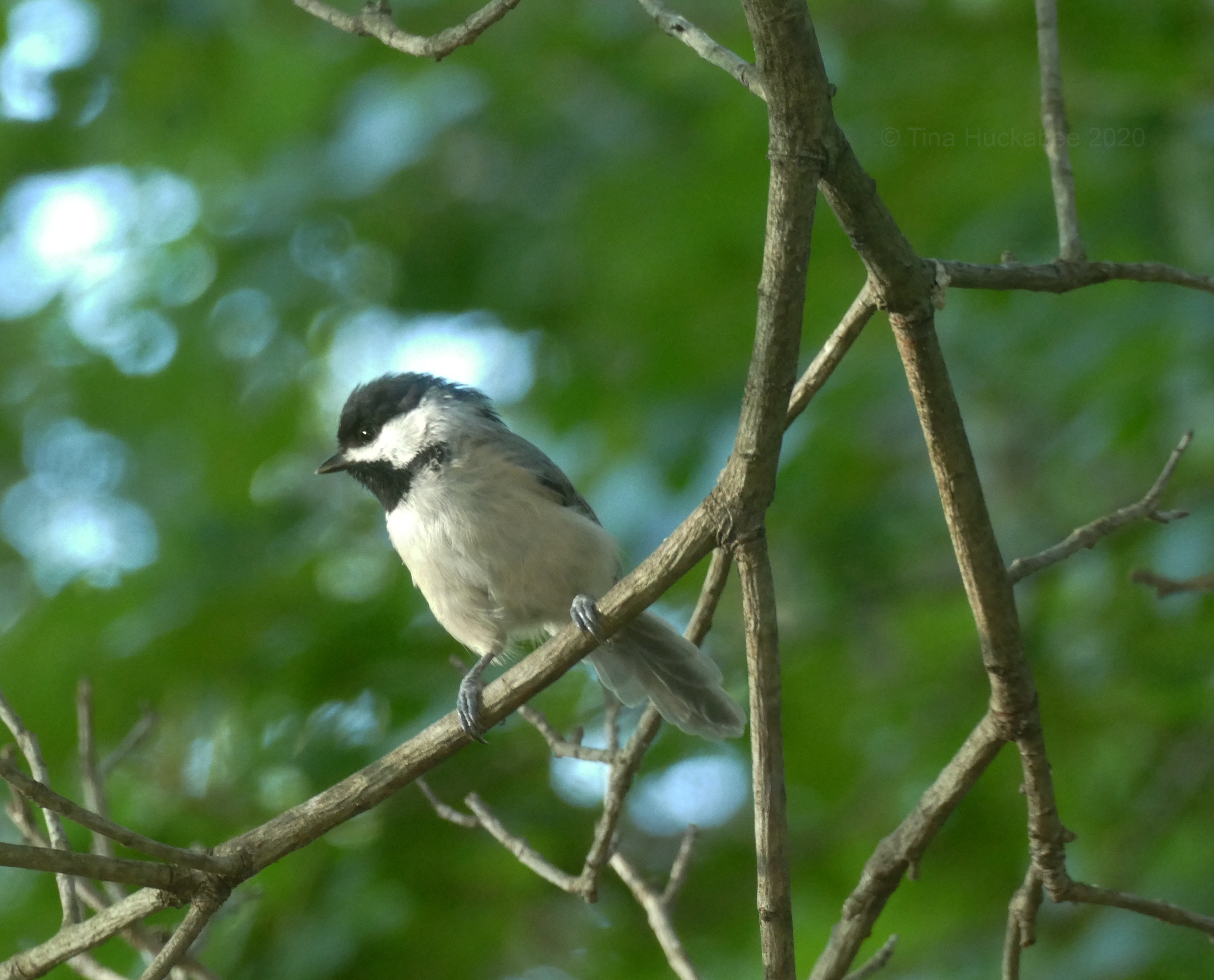
My Goldenball leeaans to the left, I suspect trying for as much sun as it can gather for itself, but I don’t mind that bit of quirkiness. Throughout the year and especially in summer, the fledging birds dash to this little bit of protective green, which sits not too far from the bird feeders. I’ve seen Carolina Wrens, Thryothorus ludovicianus, hopping along the slender branches, gleaning insects from the bark as they go, and during migration season, warblers zip to it for safety.
I like the Goldenball’s green glow. Notice how light and bright the green is on the Goldenball, versus the darker foliage on the Red Oak branch to the left and the Mountain Laurel, to the right.
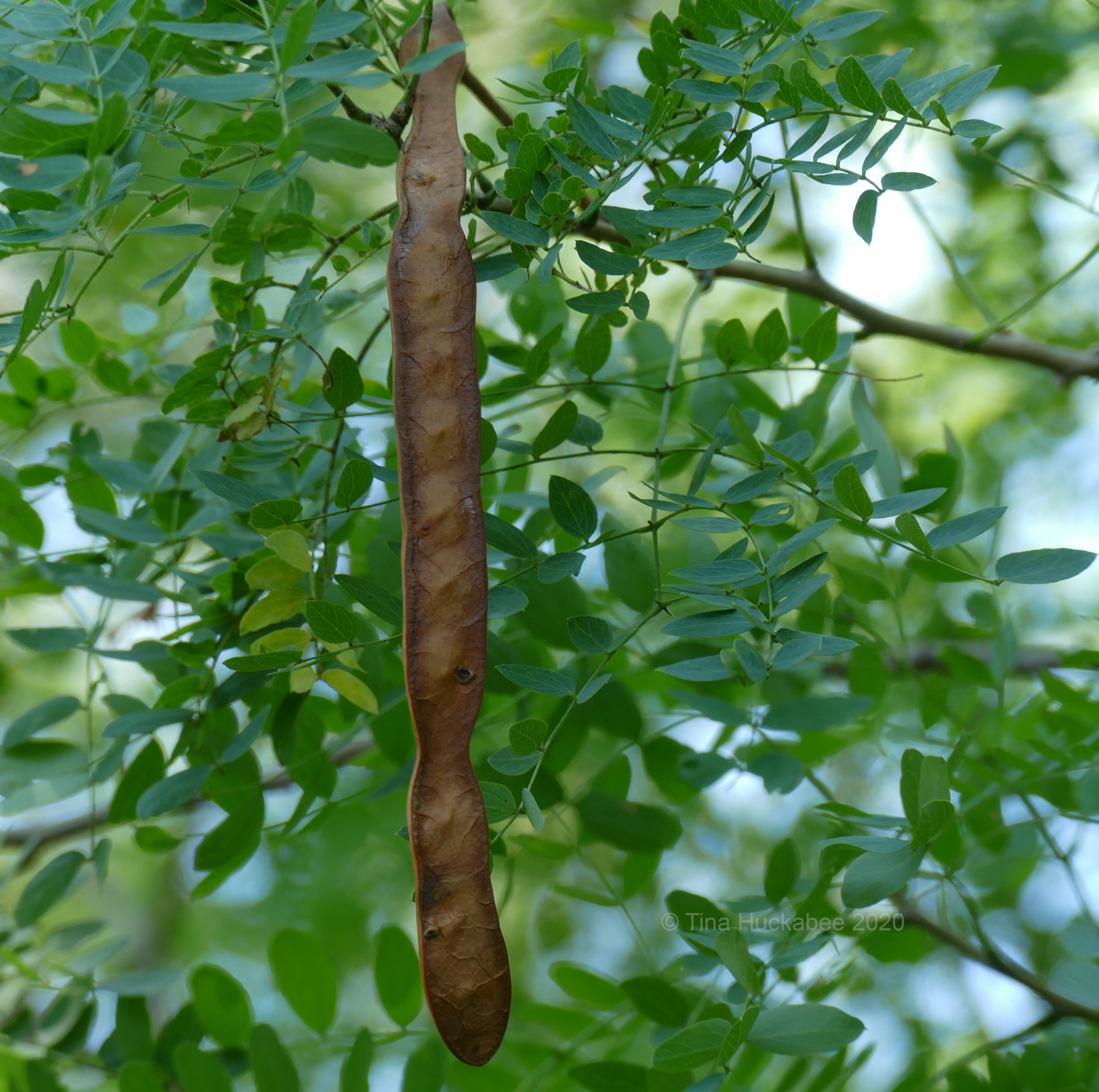
By late summer, the Goldenball Leadtree–true to its legume heritage–develops seedpods, which hang, pendant-like, from the branches.

I let mine break open and drop, but thus far, I no seedlings have grown from the mother plant. Supposedly, Goldenball easily grows from seed, but mine remains seedling-less. I would love to have some baby Goldenballs to share.
Until there’s a hard freeze, the foliage remains on the tree, thinning a bit with consistent temperatures near to, but not below, freezing. A hard freeze will take care of that green business, leaving the tree a skeleton of its former self.
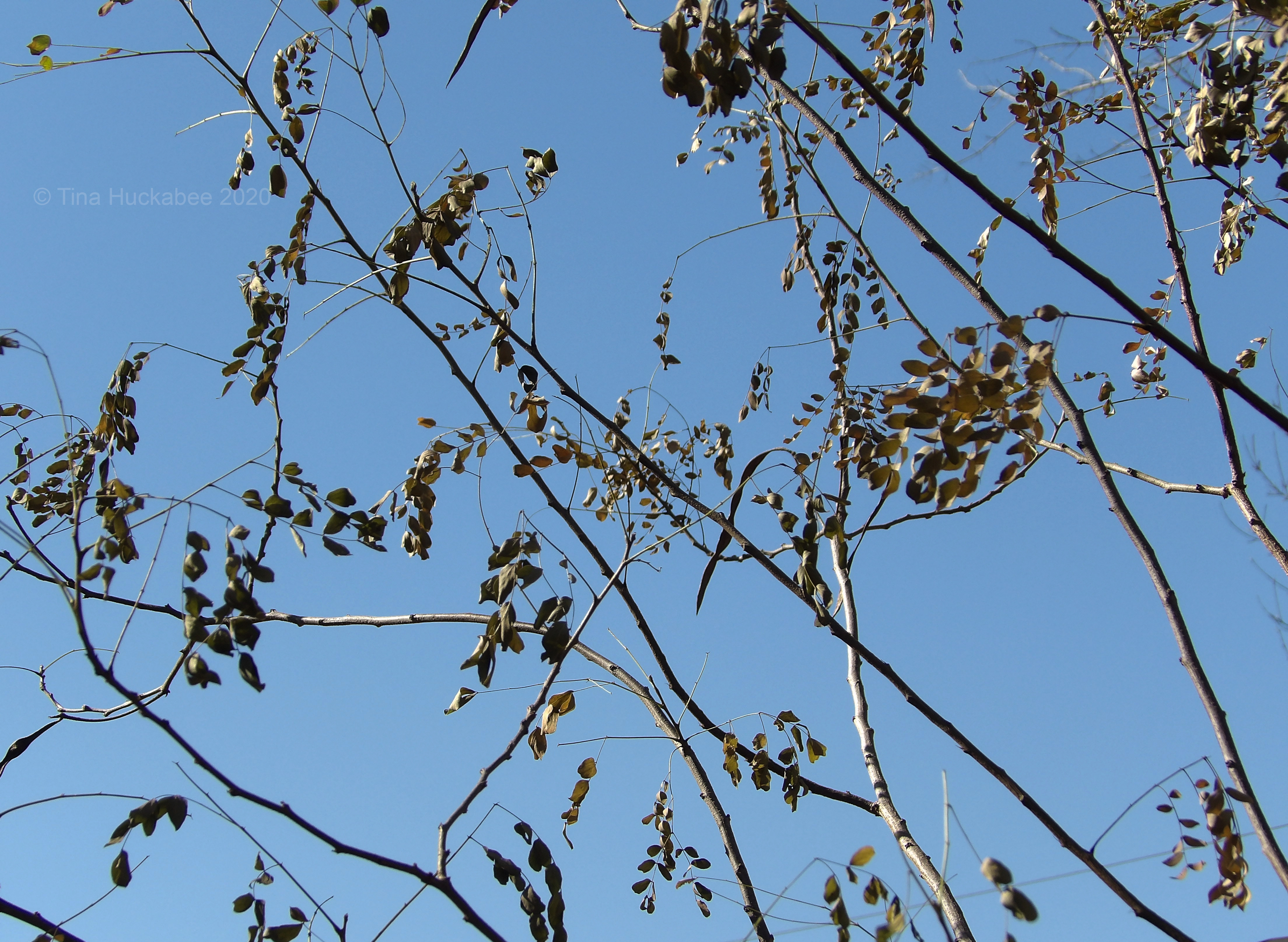
Goldenball Leadtree, winter form with sunny sky.

Goldenball Leadtree, winter form with gloomy sky.

The now freeze-burned and dropped Goldenball leaves mix it up with the also frozen and dropped Red Oak leaves.
For those with deer in their landscapes, Goldenball Leadtree is not deer resistant, so browsing will happen, at least until the foliage is high enough that deer can’t reach it. Is that even possible? But for those who have cattle and aren’t growing it for this tree for its beauty, Goldenball is reportedly a good browsing plant.

I am happy to have a spot for this lovely little tough-as-nails native tree in my urban garden.
In spring:


Summer and Fall:


In Winter:

If you garden anywhere in Central to West Texas, Goldenball Leadtree is a charming, easy-to-grow addition to your garden.



 My Gardener Says...