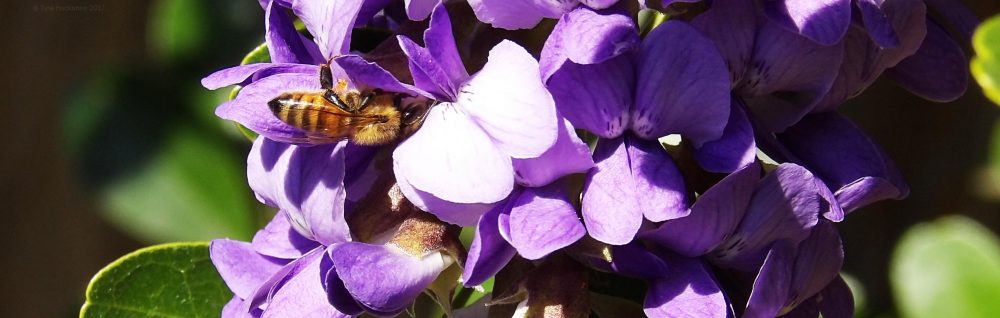
Wildlife Wednesday

I know it’s not Wednesday.

But I don’t believe there’s a specific blogging day dedicated to the celebration of wildlife in the garden and I want to change that.  I’m inviting enthusiastic garden bloggers everywhere to snap photos of the wild visitors in your gardens and then to join me on Wednesday, July 2, 2014 and every first Wednesday of the month after that, to share posts about those wild ones you encounter.  Photograph and write about any kind of wildlife that interests you.

From the ordinary,
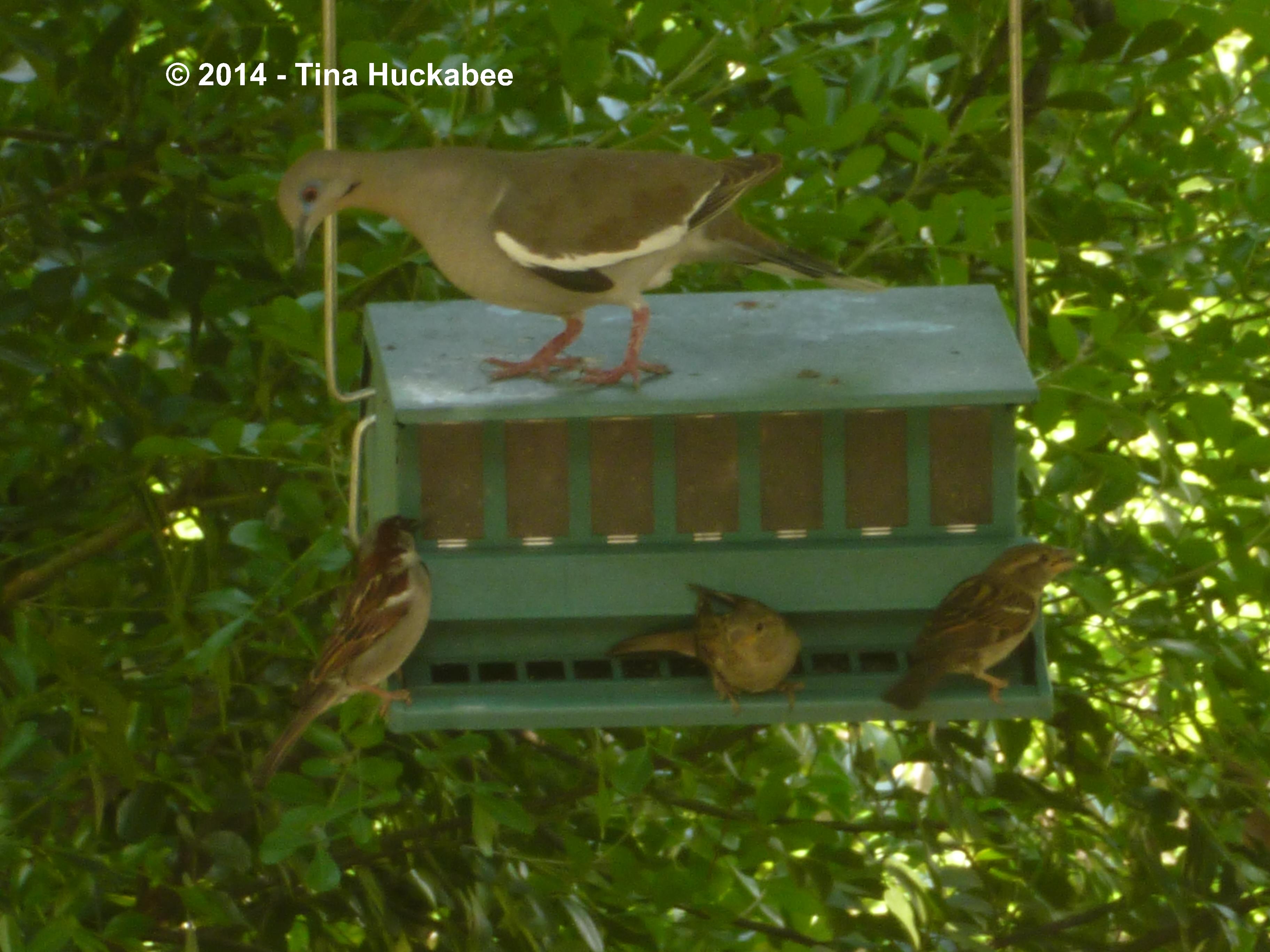
P1040895.new

to the extraordinary.

P1030230_cropped_2378x2433..new

Post about the beneficial ones,

P1040757.new

P1040891.new

or the not so beneficial ones.

P1040623.new

All garden bloggers dedicate some writing and photography to the furry, feathery, or scaly in their gardens.  Attracting wildlife to our gardens is partially why we garden isn’t it?  A garden is never so alive and vibrant than when it is graced by wildlife.  Otherwise, it’s not much of a garden.

I admire the many bloggers who have more patience (and probably a better camera) than I.  I’m frequently awed by the juxtaposition of the artful and the scientific displayed in gardening blogs.  Garden bloggers love sharing the beauty of wildlife in their gardens. We teach what we’ve learned and experienced because of our passion for gardening and the critters intrinsic to cycle of our gardens.

P1040755.new

In this dedicated wildlife meme, my own personal goal is to become a more patient  photographer and to improve my study of the wide variety of wildlife who inhabit, visit and share my garden space.

P1040660.new

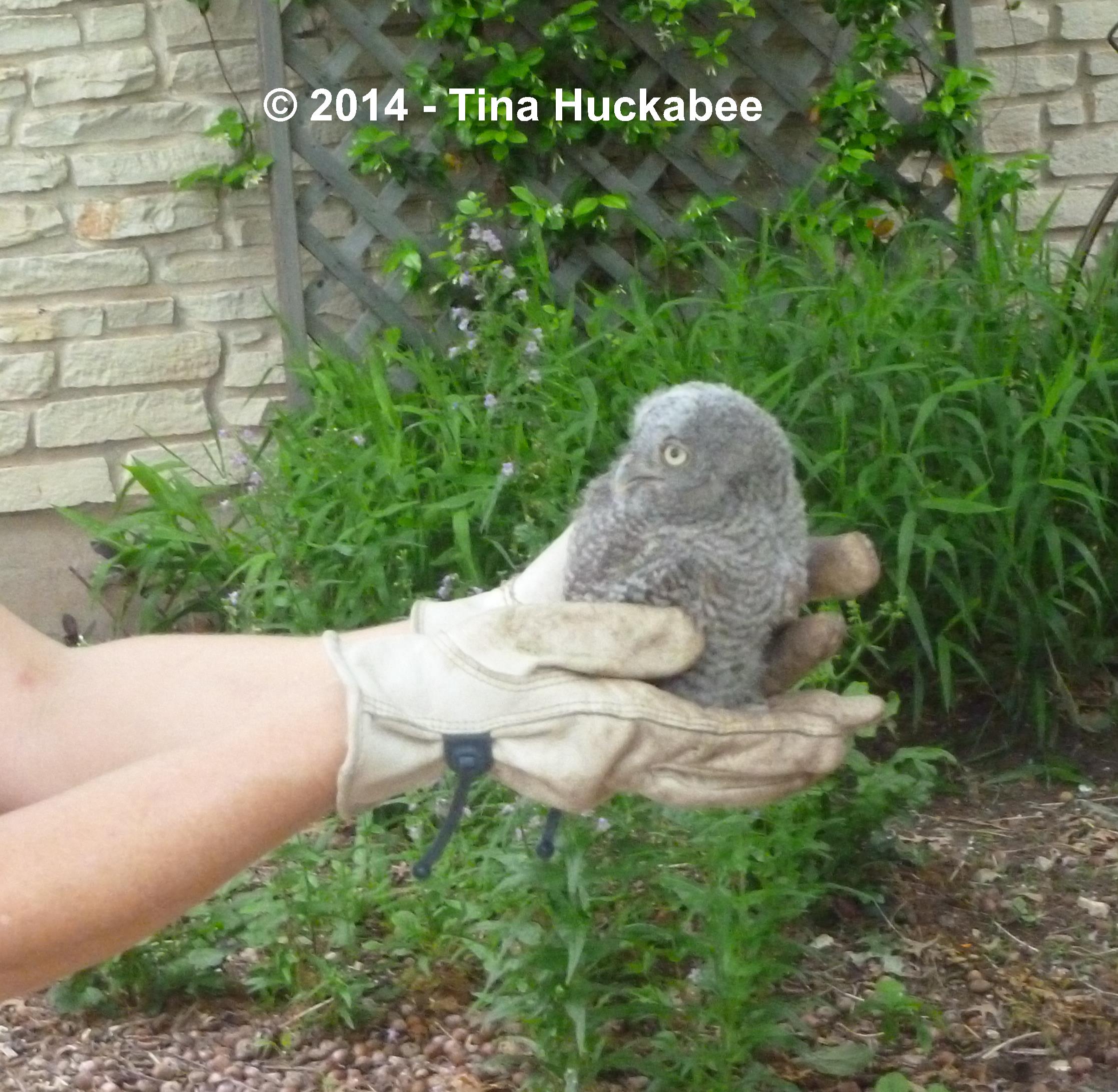
This past spring, I wasn’t able to post about my Eastern Screech owlets because they were high up in the tree before I spotted them and shy before that–I only saw one at the nest box, one time.   Mom and Dad owl raised four owlets this spring and seemingly ushered them into the outside world successfully.

Last year (2013) we enjoyed quite the drama when our owlets fledged, though I don’t think the owls were quite as pleased with their initial excursion from their nest box.

P1020473.new

This little one was glaring down at my curious and circling cats and needed my intervention. Check out those talons: woe to the rats, mice and toads when they come into contact with those.
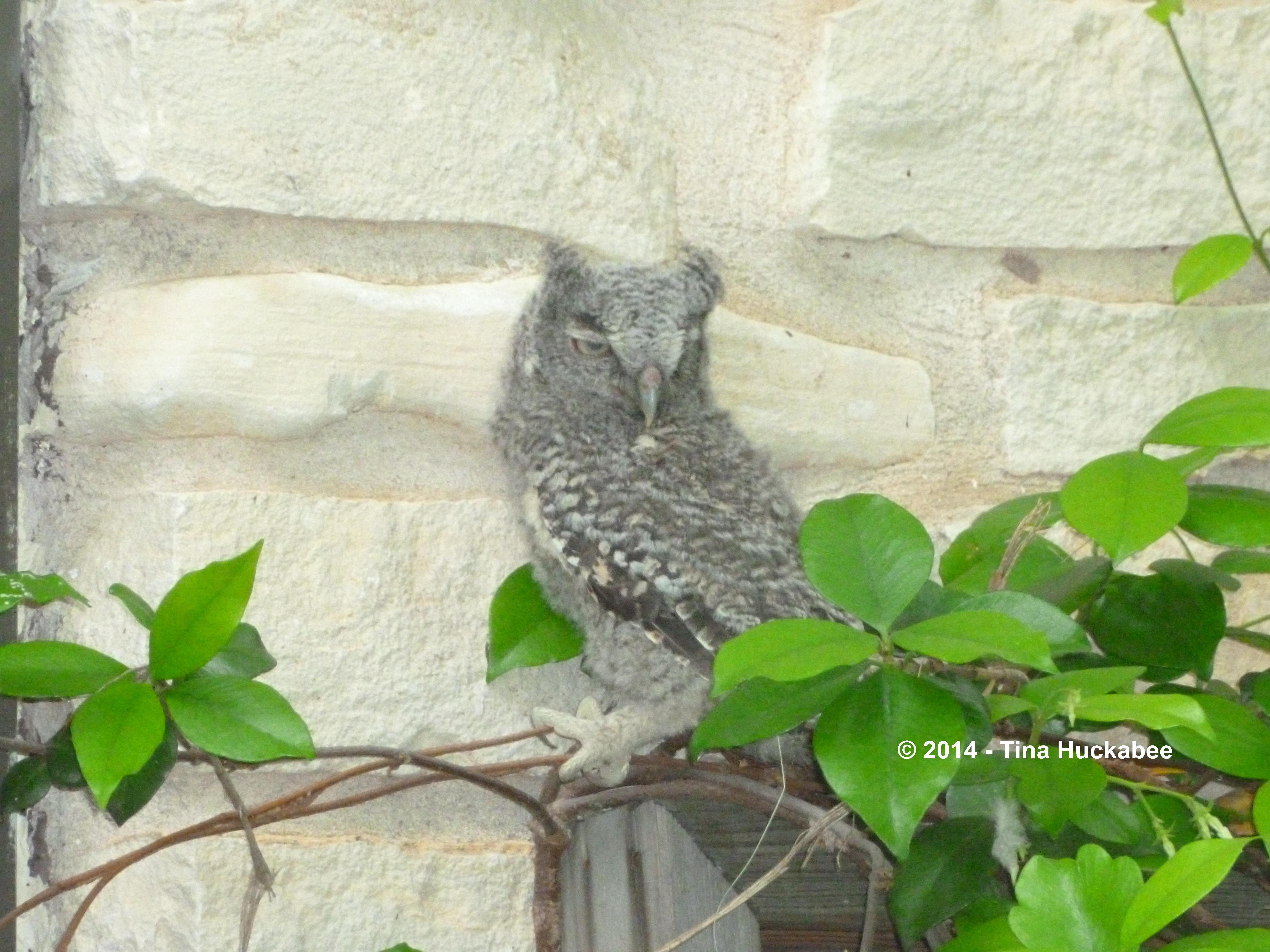
P1020478.new

I love being needed.

P1020481_cropped_2235x2184..new

P1020482.new

I don’t think Little Owl appreciated my help.

Don’t worry Little Owl, you’ll be back in the tree in asap!  I deposited Little Owl in the tree as both parents watched and within a few days, they were off!

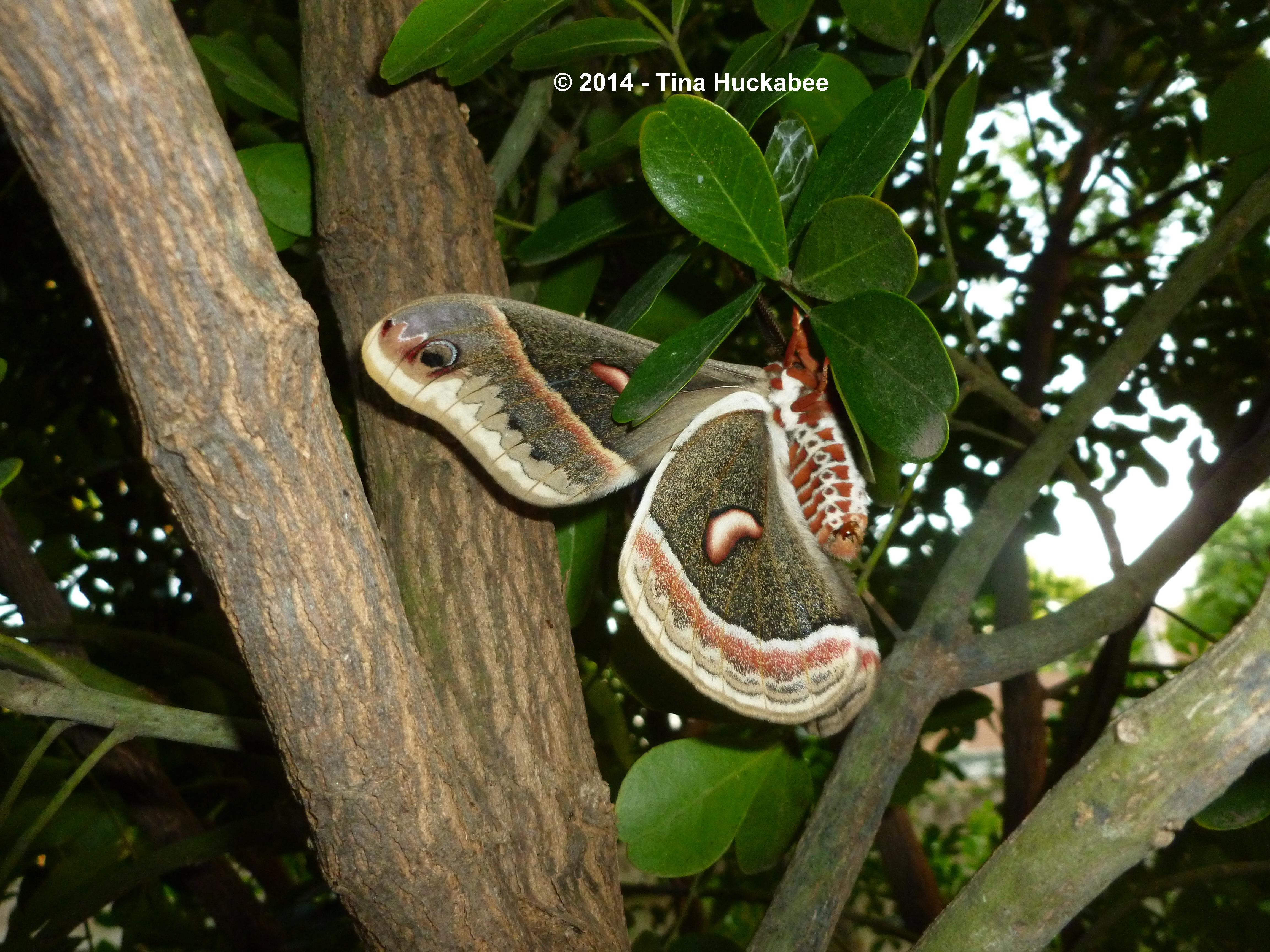
A day or two before The Great Rescue, I was eyeballing Dad Owl in the Mt. Laurel and discovered this magnificent Cecropia silkmothHyalophora cecropia .

20130406_12.new

I’ve never seen one before or since.
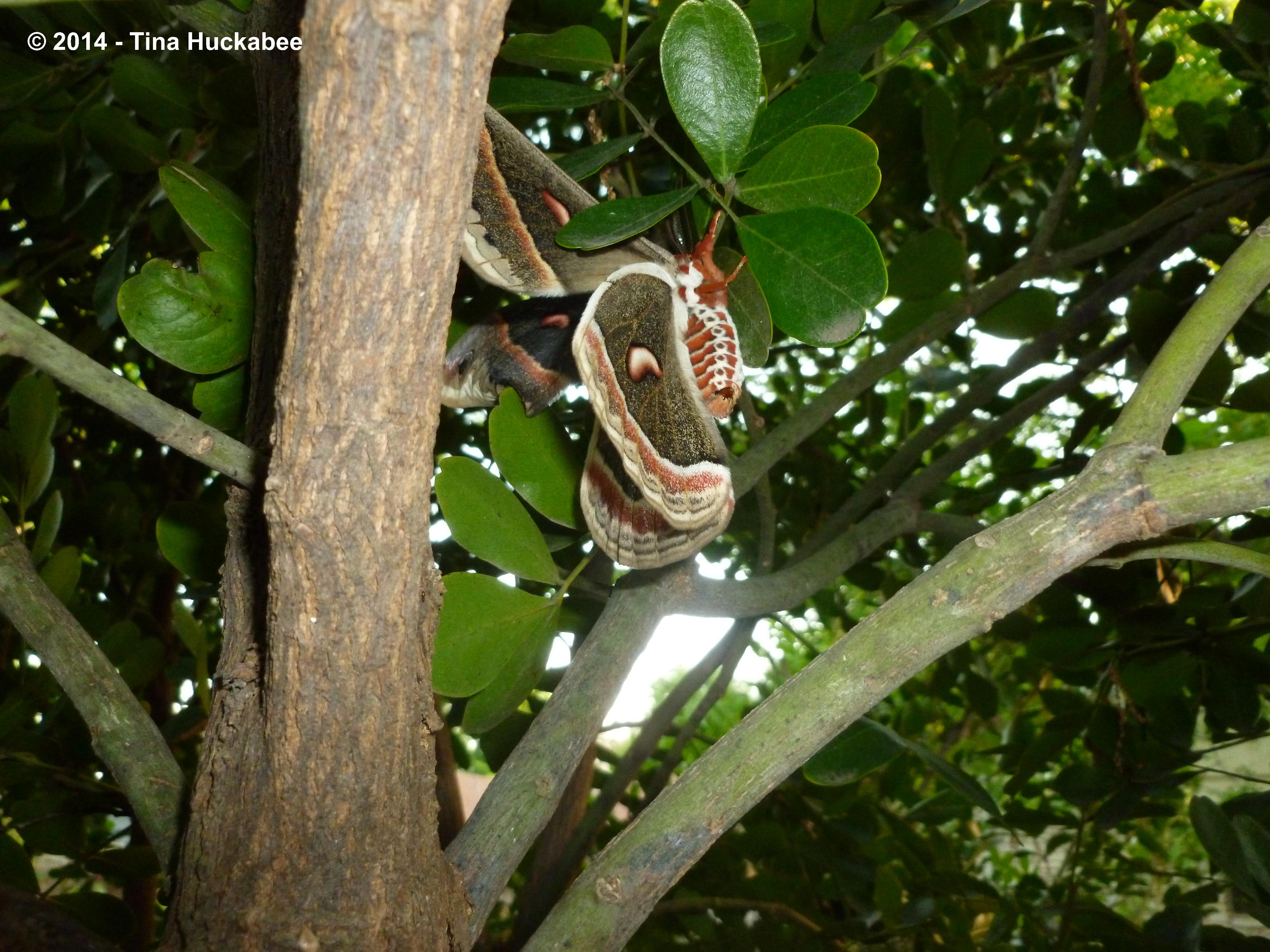
20130406_13.new

20130406_14.new

20130406_15.new

Wildlife in my garden–owls and their off-spring because I’ve welcomed them with a nest box (and plenty of toads from the pond to hunt) and a moth who found refuge in a lush, native tree.

Let’s do it!

Wildlife Wednesday.  July 2, 2014.

Beginning July 2, 2014 and every first Wednesday of the month thereafter.


Bee Mama Missive, May 2014

It’s been about seven weeks since we hived our honeybees and I’ve received requests for another update with their progress.  You can read about the hiving of our honeybees here and our first hive check here.   I’m glad to report that our honeybees are great!

Eating!

P1040507.new

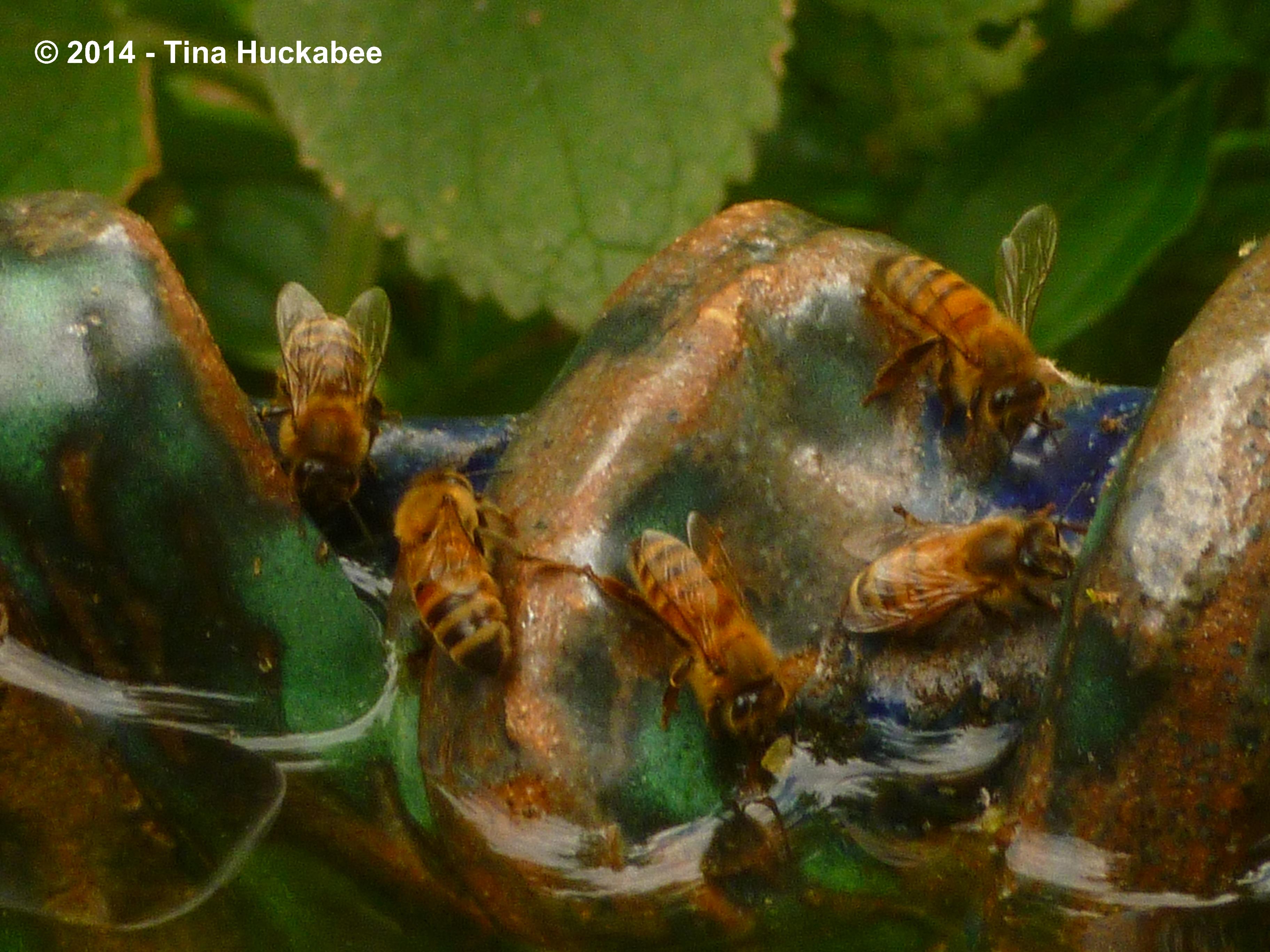
Drinking!

P1040498.new

Eating more!

P1040795.new

Hanging out!

P1040802.new

Bearding!

P1040326.new

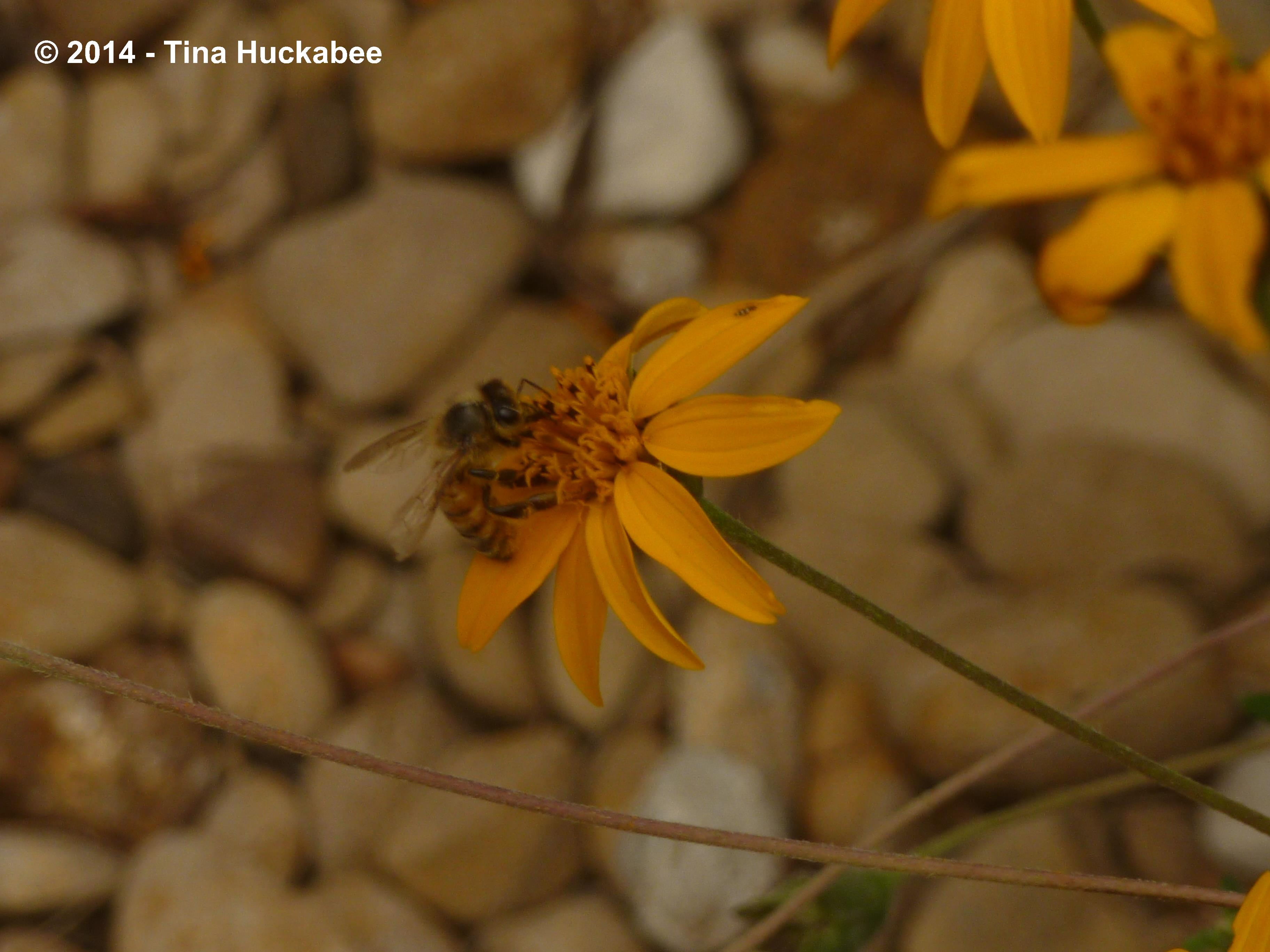
Visiting one bloom,

P1040856.new

flying to another.

P1040857.new

and sipping from that bloom!

P1040864.new

Gossiping with the neighbors!

P1040828.new

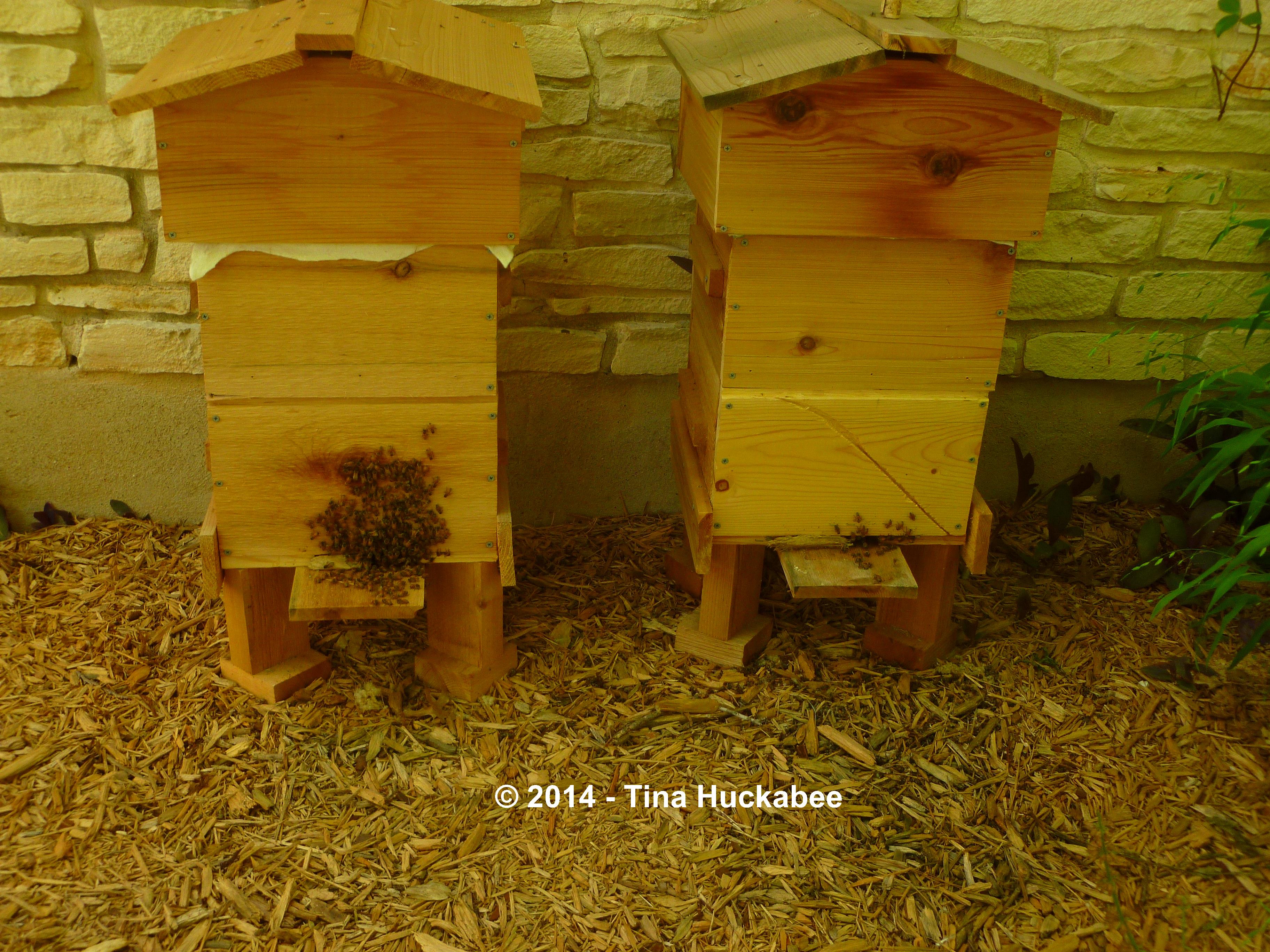
About three weeks ago, we added a second box to both hives because our industrious bees completely filled the bottom box with drawn comb.

P1040325.new

In that comb we spotted capped brood, recently hatched brood (next generation!), drone cells and capped and uncapped honey.  We also saw eggs and larva.  All looked healthy and prosperous (from a bee prospective), so we decided it was time to give the girls a bit more space. We haven’t opened the hive since, but all appears well.  I stopped feeding the bees sugar-water as there is plenty blooming for them, plus they’re good commuters.  (They don’t have to deal with Austin’s traffic.)  I placed wood at the entrance for the first week or so after I removed the Boardman feeders, so that the ladies wouldn’t need to suddenly defend a significantly larger entry space.

P1040317.new

You can spot the foragers bringing in pollen.  The pollen sacks on the hind legs are called pollen baskets or corbiculas.  I prefer to call them pollen pantaloons; I think that name has a certain charm.

I eased the wood away over the next ten days, so now they can defend with impunity.  I hope that’s happening.  All seems well and the hive is active and flourishing.

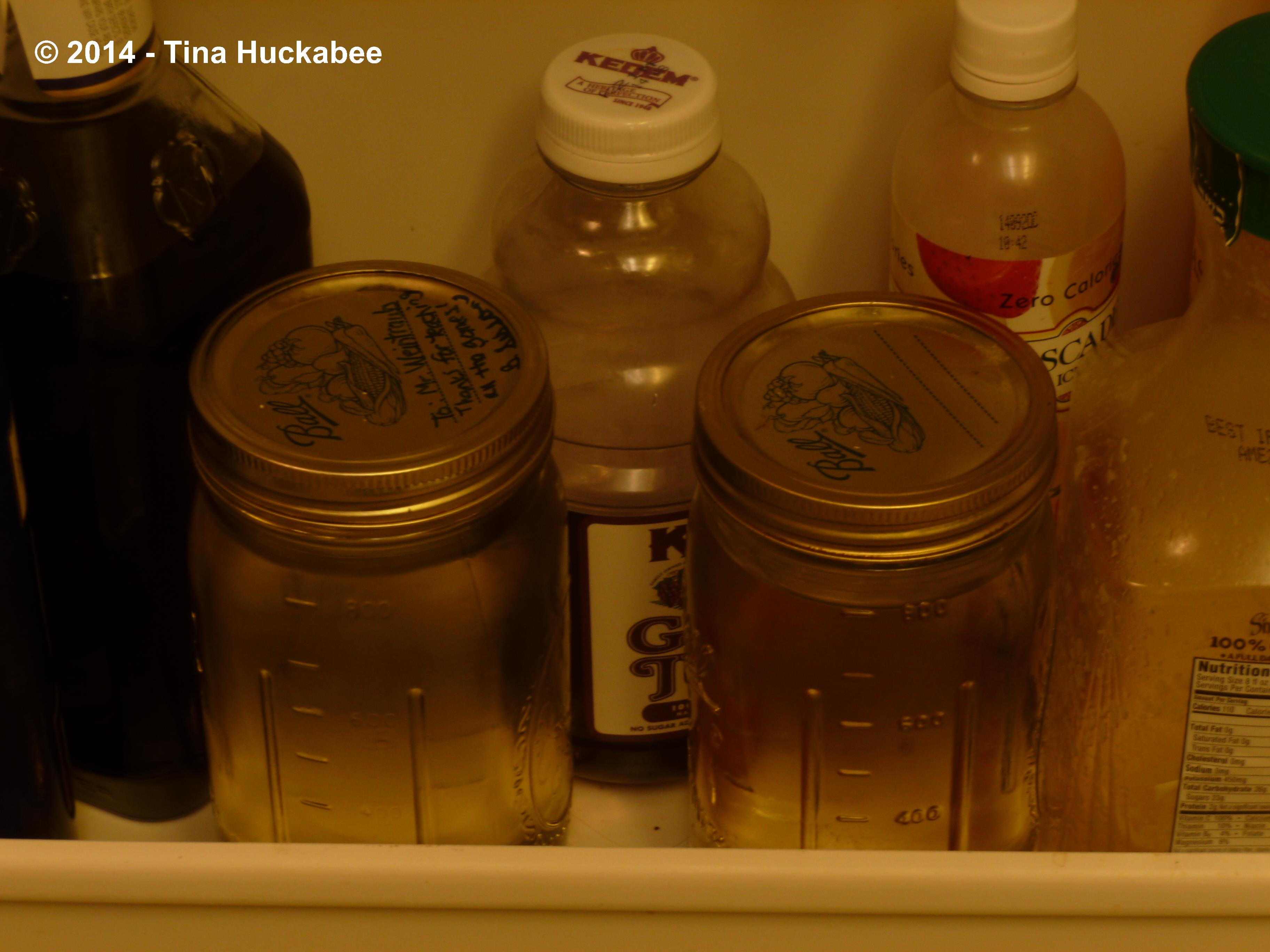
Now,  what to do with the extra sugar-water????

P1040865.new

Anyone?

Thanks to Deb at austin agrodolce for the Bee Mama moniker.

Wildflower Wednesday, May 2014

Here in Austin, Texas, May is quite pleasant and we’ve enjoyed some rain.  Yipppy!  Even better, our lakes have received some of that rain.  Double yippy!  We’re still in drought and the lakes are low, but at least we’ve had some relief.  Central Texas wildflowers continue their seasonal segue into summer bloom.  Thanks to Gail at clay and limestone for hosting Wildflower Wednesday to encourage and celebrate gardeners utilizing regional wildflowers in their home gardens.

My Yarrow, Achilliea millefolium, is especially beautiful this year.

20140508_29.new

Yarrow is an excellent perennial for Central Texas.  It sports pretty white flowers which will fade to an attractive tawny brown as summer progresses.

P1040764.new

PigeonberryRivina humilis, is a small, delicate looking ground cover with sweet flower spikes at the top of the stems.

P1040787.new

20140508_32.new

Luscious red berries will develop after the blooms fade and those berries are favorites with many birds, including their namesake pigeons.

The combination of  pink Hill Country Penstemon, Penstemon triflorus,  sunny Engelmann’s (or Cutleaf) Daisy, Engelmannia peristenia, and deep blue ‘Henry Duelburg’ SageSalvia farinacea, continues its happy riot of color this spring.

P1040010.new

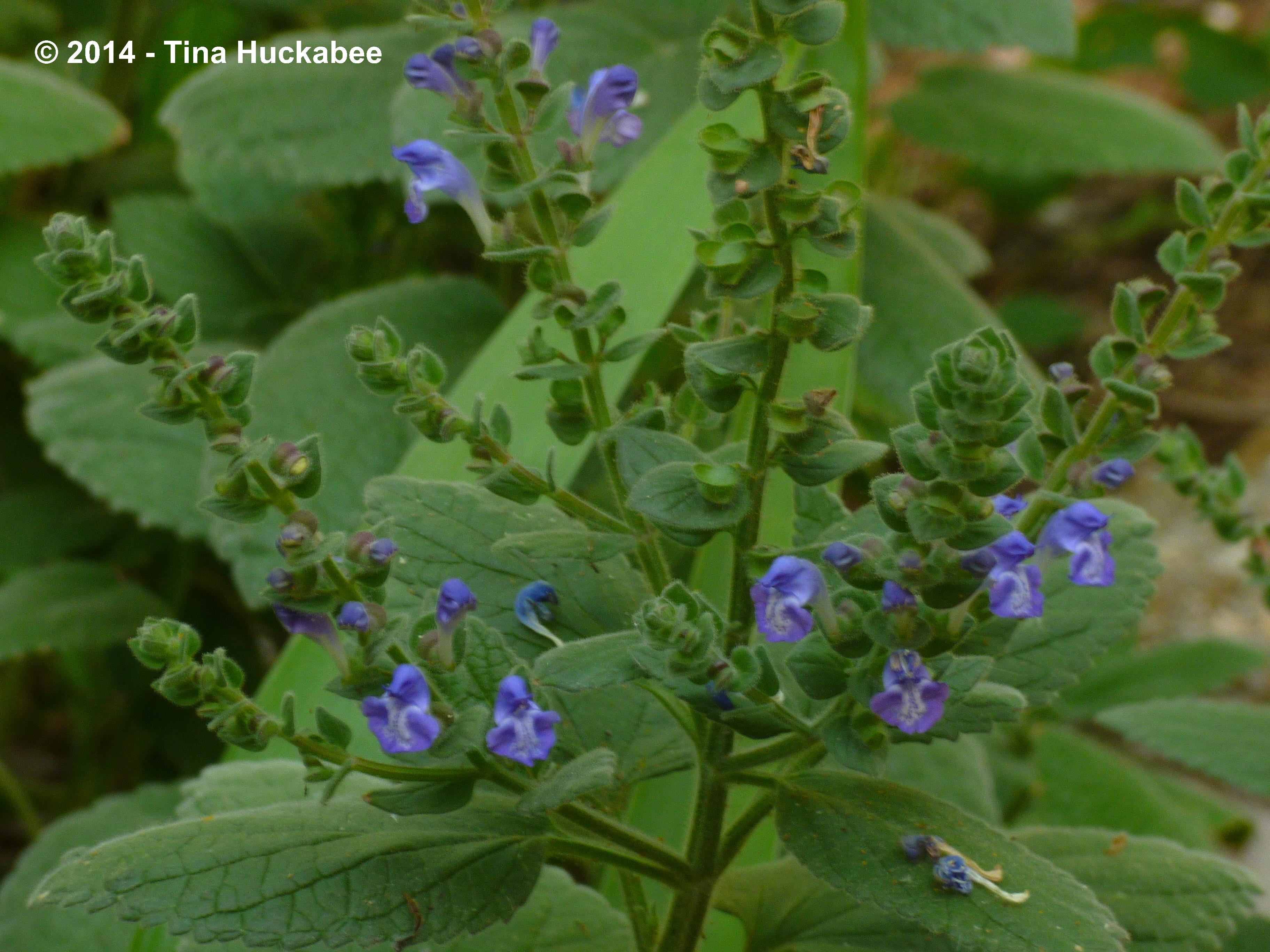
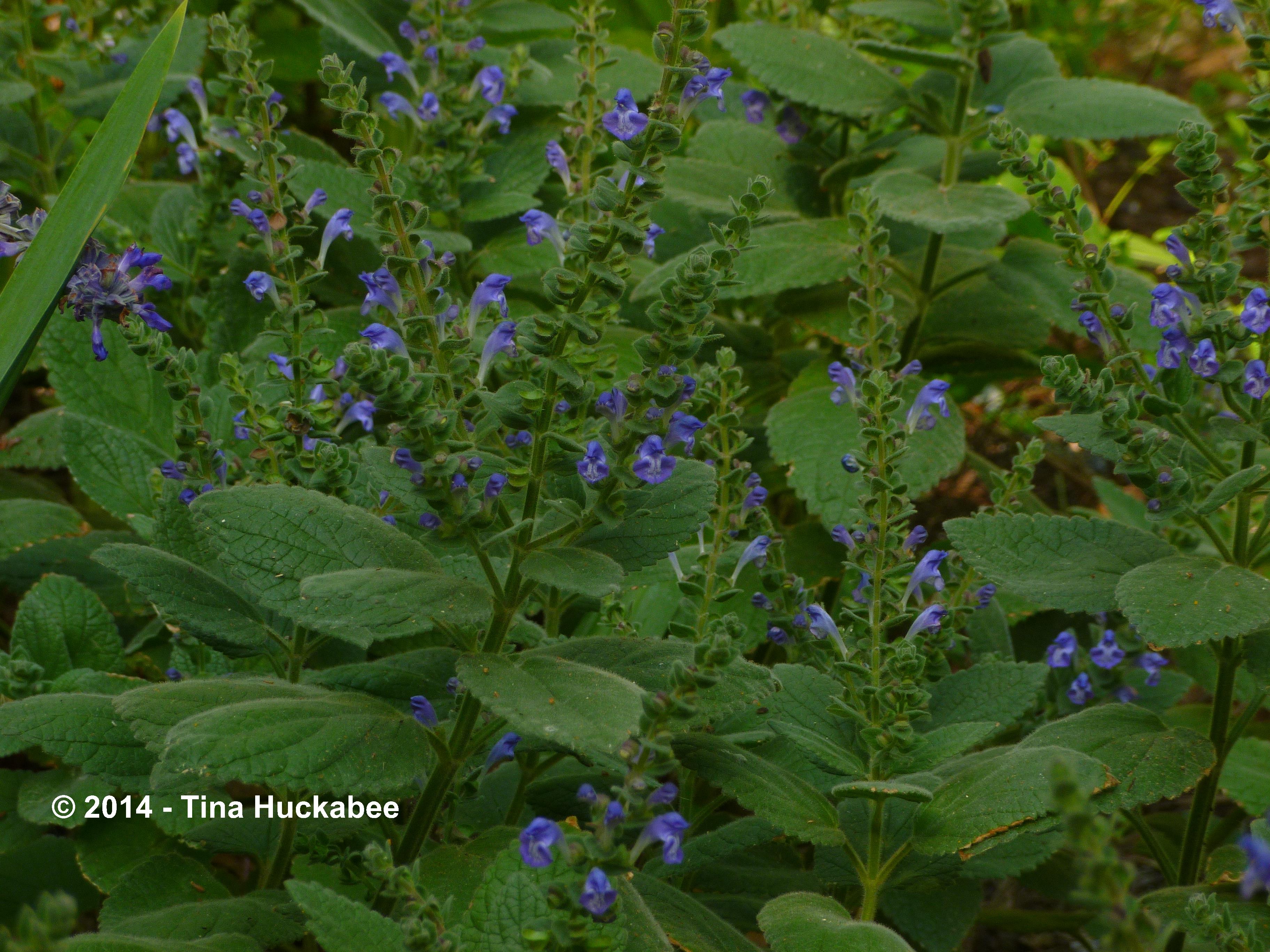
Heartleaf Skullcap, Scutellaria ovata ssp. bracteata,

P1040332.new

P1040333.new

is a gorgeous, cool season ground cover.   It spreads prolifically, but is easily controlled by pulling up individual plants as needed.  With beautiful blue blooms and soft, grey-green leaves,

P1040333.new

it fills in the late spring/early summer garden.  By mid-to-late July, Heartleaf Skullcap will be dormant, reappearing with cooler fall temperatures.

And always in my gardens: Purple Coneflower, Echinacea purpurea.

P1040004.new

I don’t think a garden is complete without some variety of this endemic American perennial.

Planted with Engelmann’s Daisy,

P1040315.new

or Heartleaf Skullcap,

P1040340.new

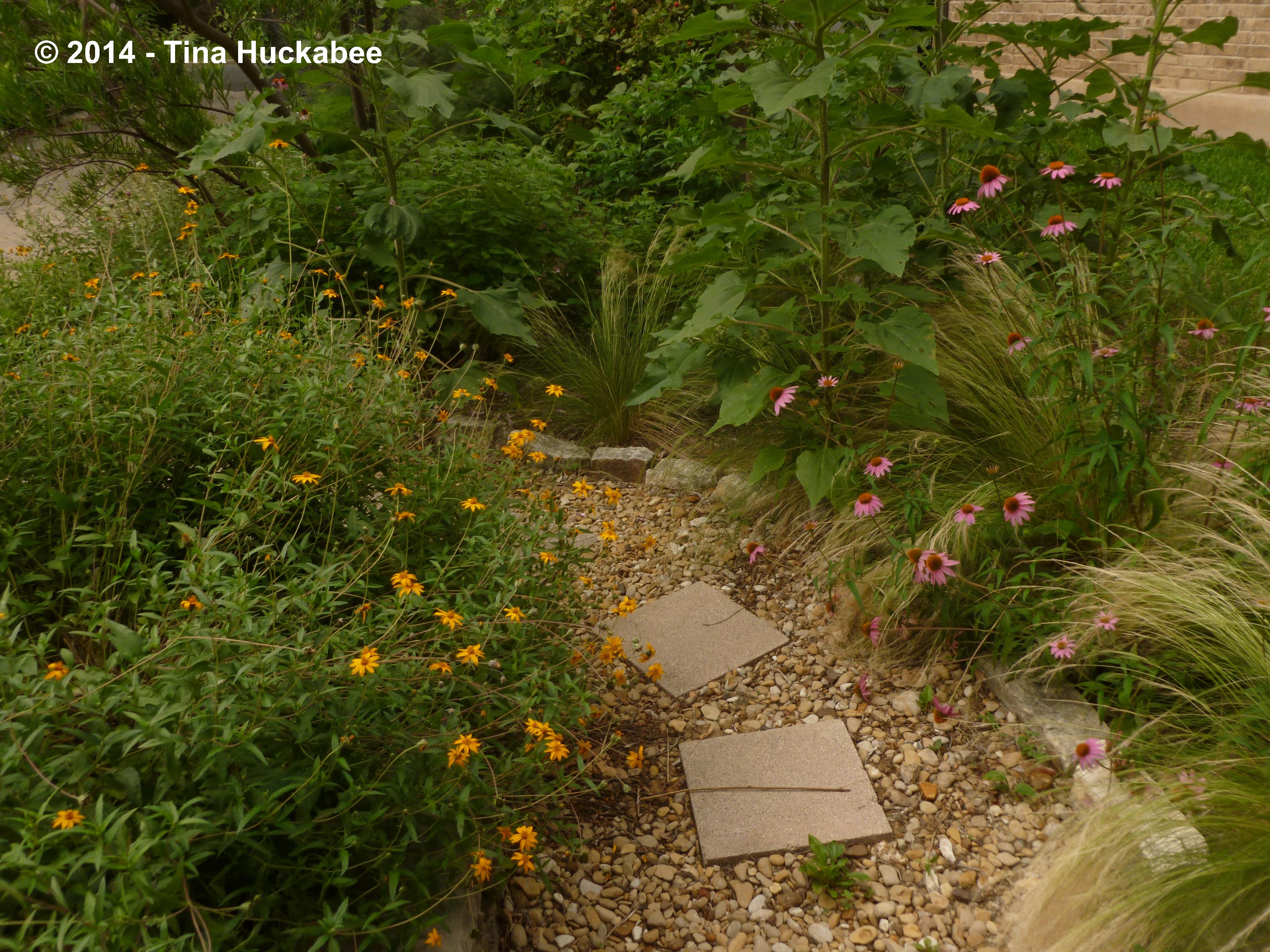
or Zexmenia, it is a perfect companion plant in full-to-part sun conditions.

P1040809.new

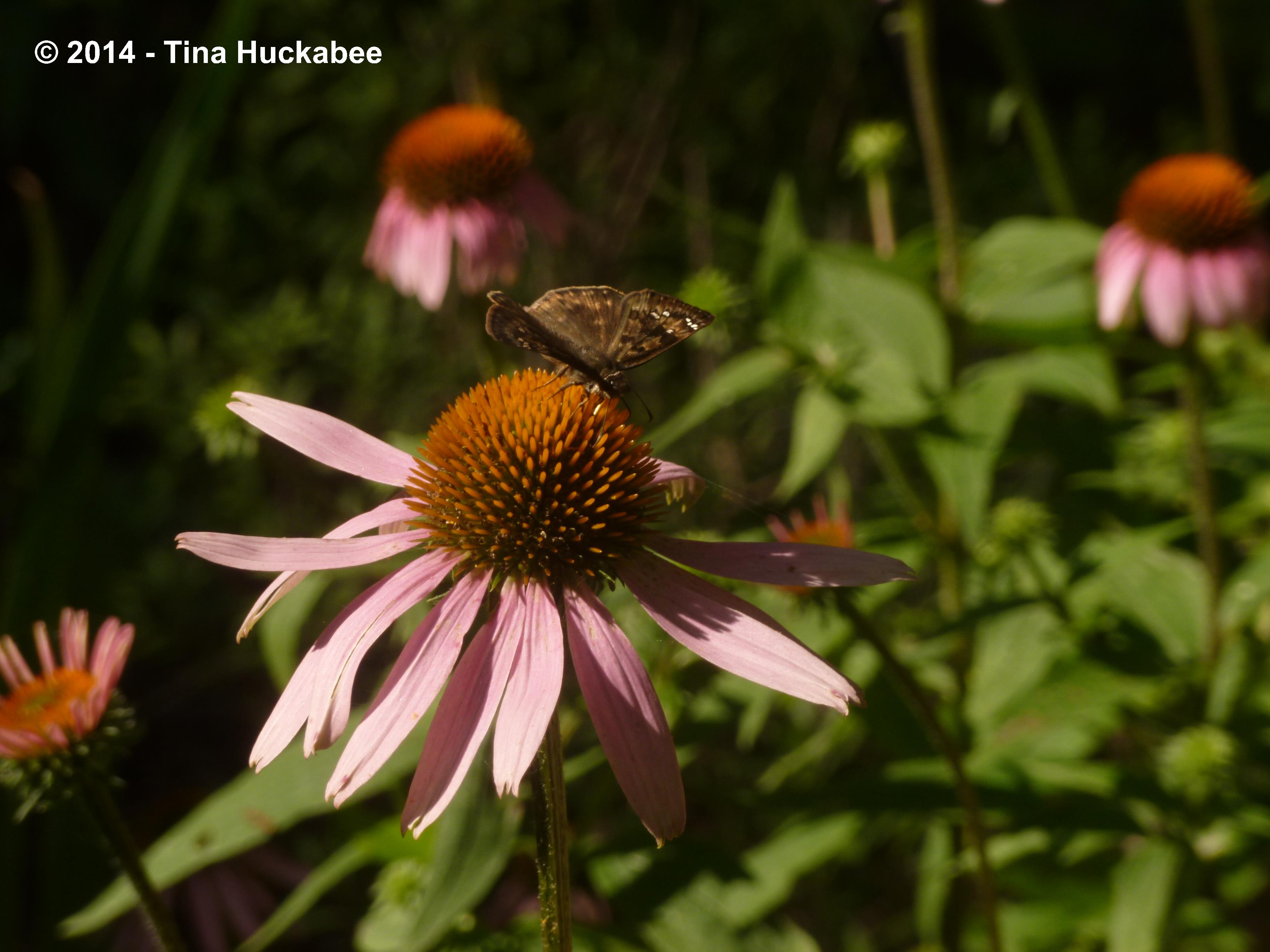
It’s a favorite flower for pollinators.

P1040682.new

P1040685.new

Purple Coneflower is the bomb.

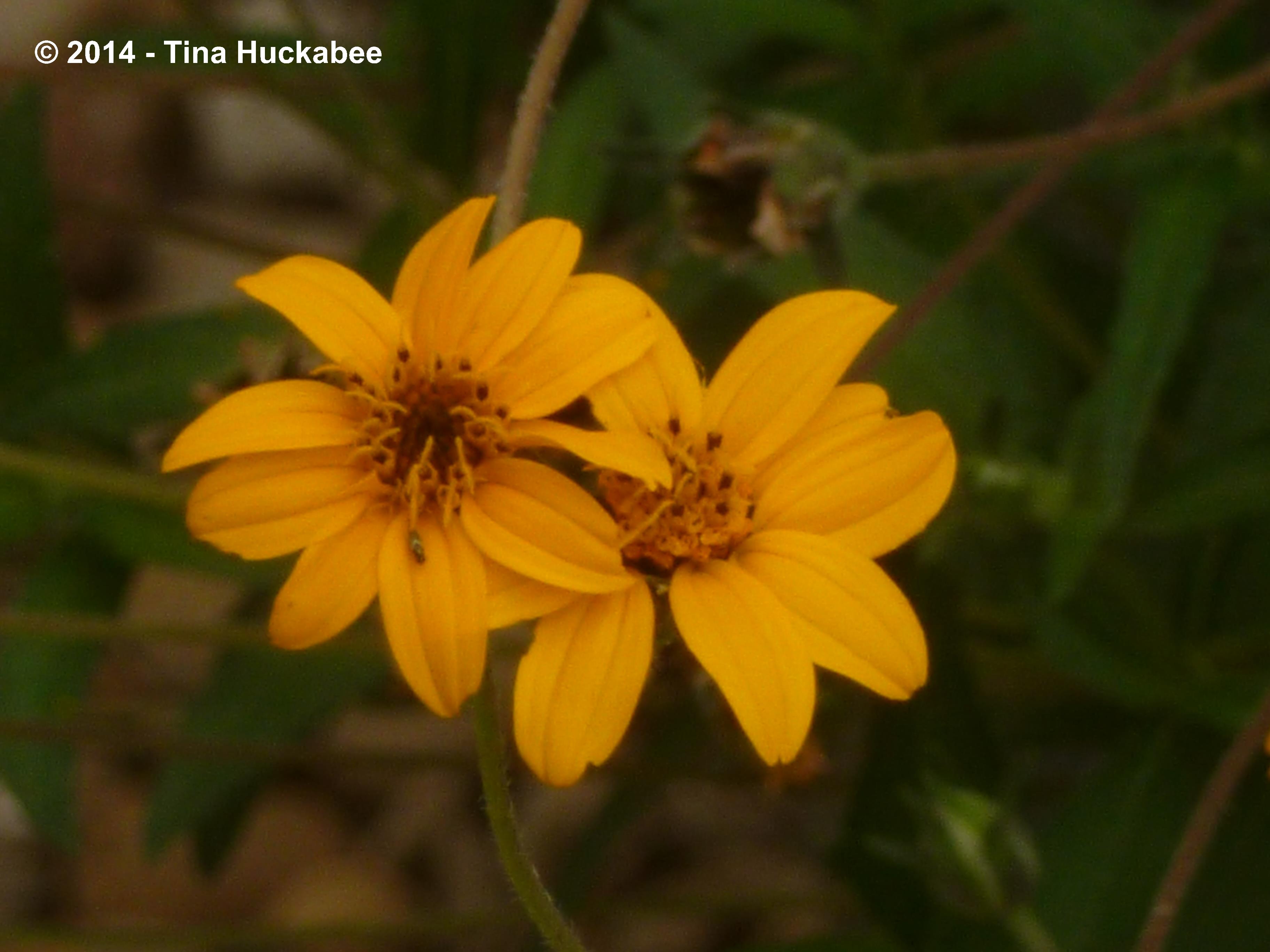
The xeric  Zexmenia, Wedelia texana,  begins its long bloom cycle in May.

P1040810.new

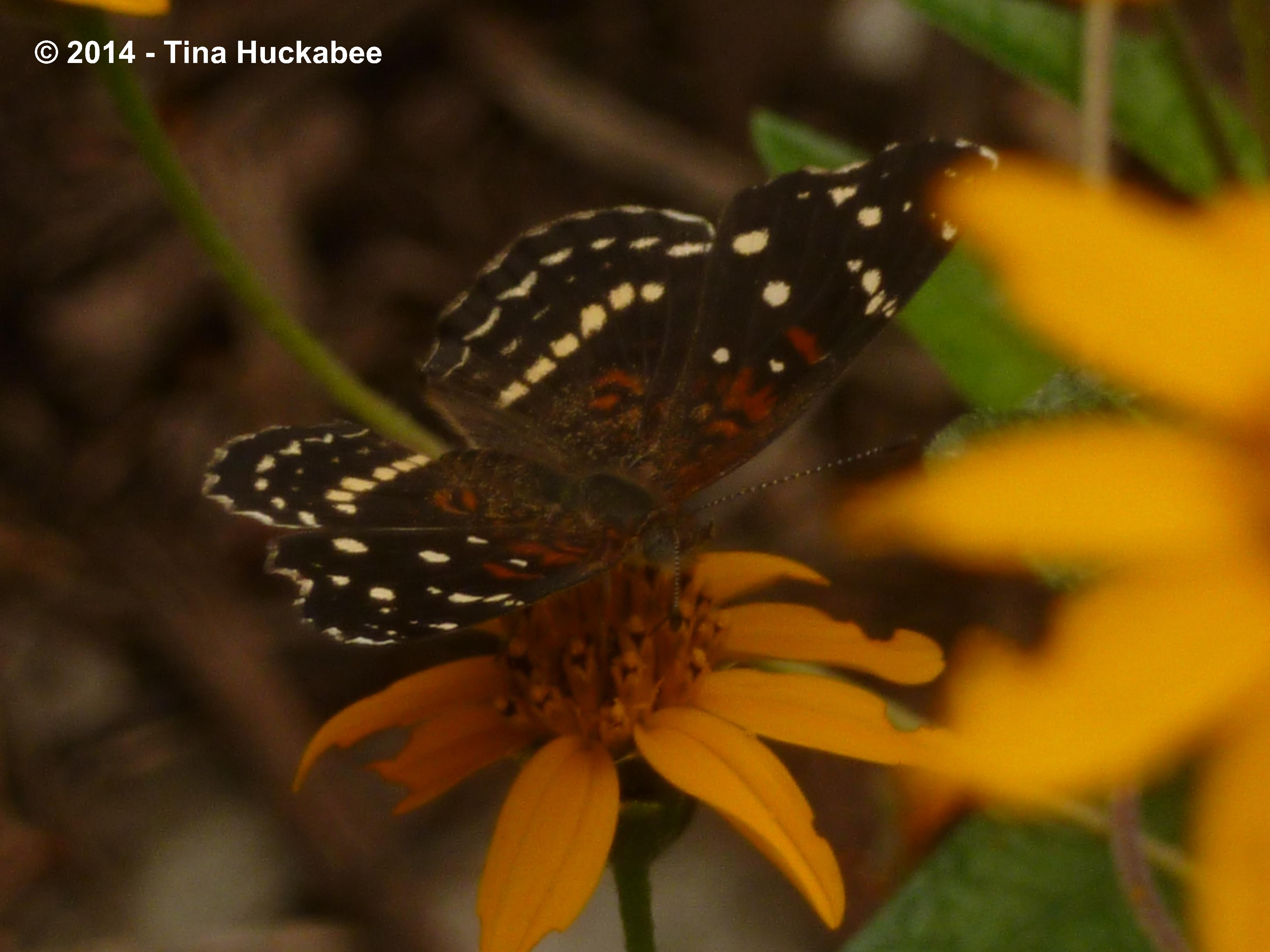
It’s another wildflower that pollinators prefer.

P1040620.new

P1040753.new

Even without a dinner companion, Zexmenia are lovely and tough perennials.

P1040812.new

Planting native plants and wildflowers is the easiest and a beautiful way to a fabulous, regionally appropriate perennial garden.  Rip out your grass, plant native wildflowers and perennials and celebrate your sense of place in our world.

P1040807.new

Happy Wildflower Wednesday!