
This week, October 19-25, is dedicated to celebrating home-grown native plants in geologically, topographically, and meteorologically diverse Texas. My experience in gardening is limited mostly to urban gardens in Austin, but I also have limited knowledge about plants along the central Texas coast, owing to having grown up in that area.

Texas is a big place–a really big place.
Natives that are completely at home in my gardens may not fare so well in the Panhandle or The Valley. What works well in the High Desert mountains of West Texas definitely won’t like the humidity, drippy rain, and acidic soils of the East Texas Piney Woods. Native to here isn’t necessarily native to there. Yes, there are crossover plants which thrive in vastly differing situations and there are plants which flourish worldwide. I certainly grow some plants in my gardens whose ancestors originated halfway around the world. But when a gardener uses native plants, several valuable and aesthetic goals are accomplished.


Native plants impart a sense of place. My garden looks different from a garden in the Northeast or the Pacific Northwest–and it should. What grows for me should be different from what someone in Minnesota grows. A home or commercial landscape in Arizona shouldn’t host the same plants as a garden in South Carolina. Some natives exist only in a very specific area, while others range throughout much of North America, but all suggest a regionalism that defines a specific climate and geography–native plants identify place.
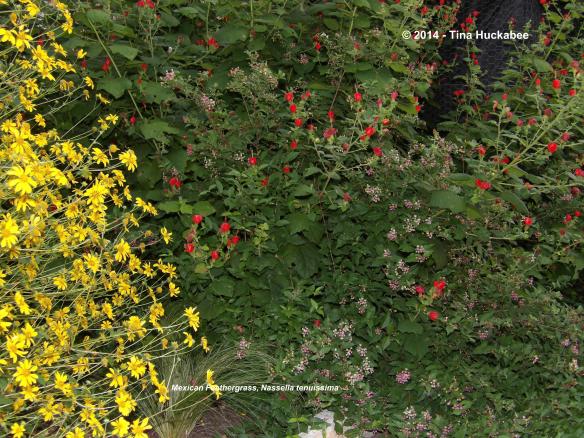

Native plants require less irrigation and less chemical intervention. Because native plants grow where they evolved, there’s no extra work in keeping native plants alive-except planting or seeding out the darn things, of course. Other than some watering immediately after planting, a native perennial or annual usually survives without extra effort–extra watering, extra fertilizing, or extra babying. The only plants I feed in my gardens are the pond plants and the roses; the entire process takes about 15 minutes, once per month. I haven’t used any herbicide or other chemicals–well, I don’t think I’ve ever used a herbicide, and the last time I used a commercial fertilizer, excepting the aforementioned plants, was when I still had turf–and that’s some years ago. I do irrigate, sparingly, June-August, but that’s all the irrigation I give to my perennial gardens.

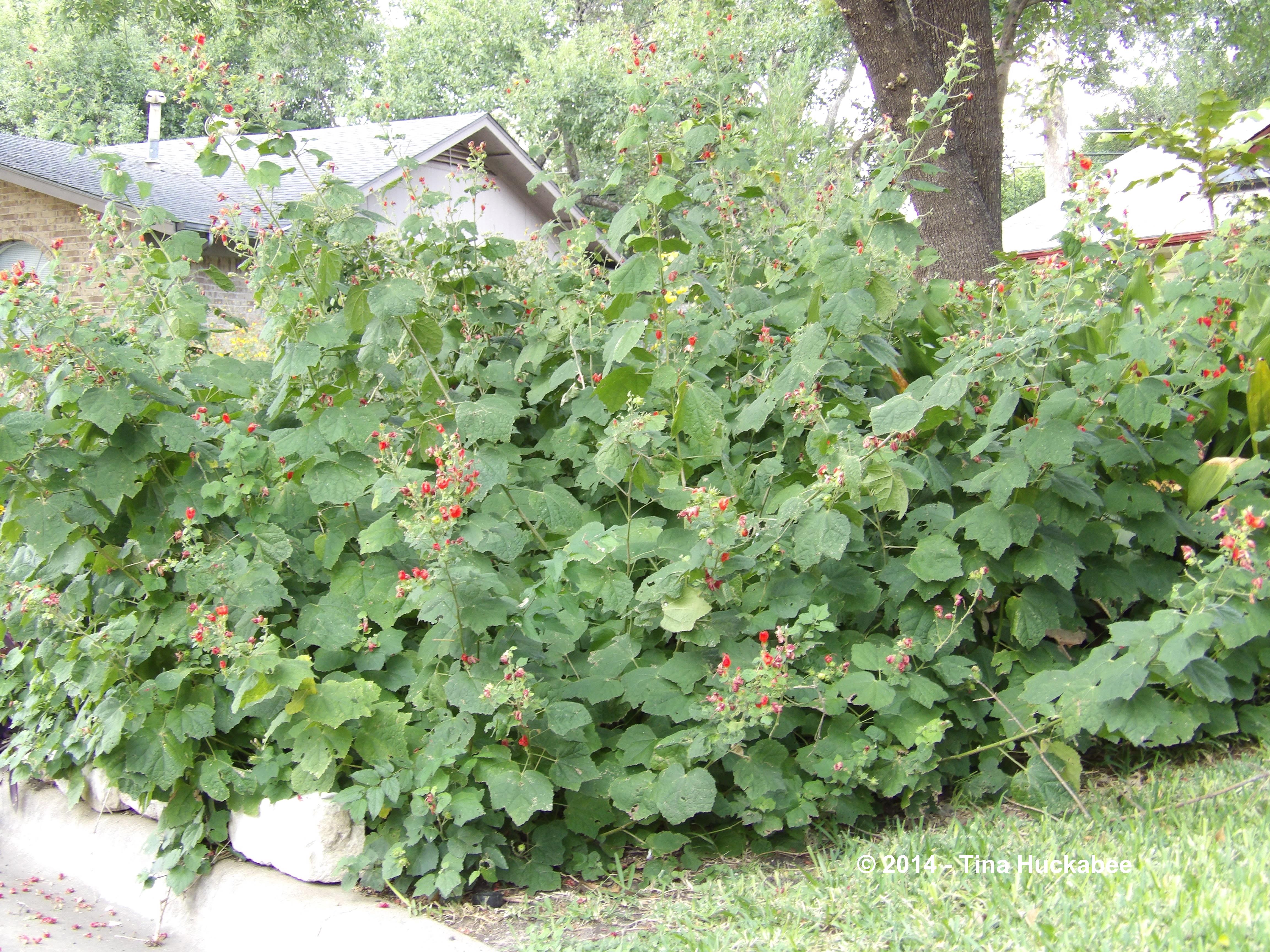
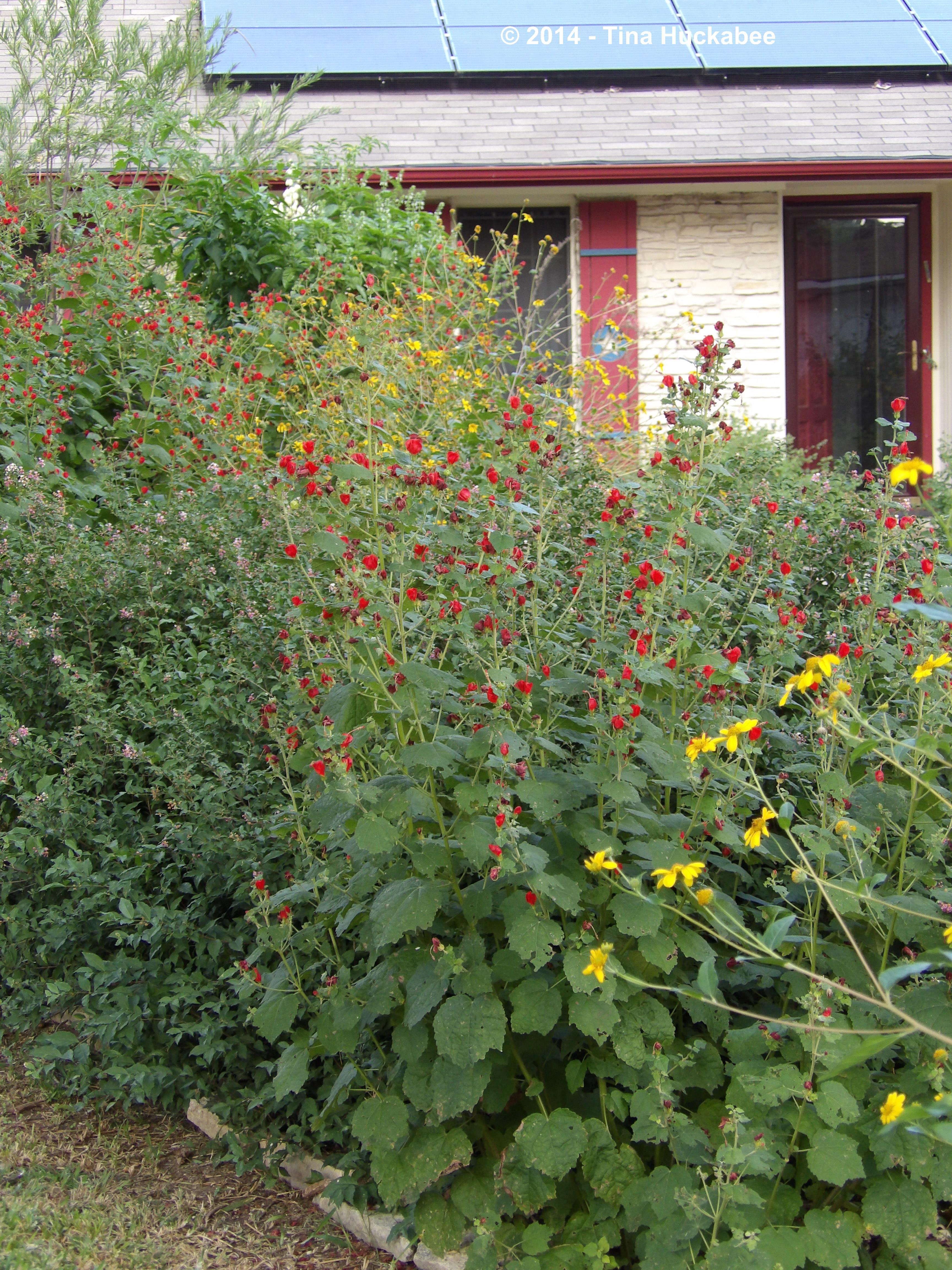
For Texans who are happily riding on the native plants bandwagon, our primary gardening efforts tend to be in the winter and early spring–pruning, mulching, and readying our gardens for the long growing season. Landscaping with native plants does require some work–they seed out (prolifically at times) and for the sake of tidiness, occasional pruning is a must. But the differential between landscaping with turf versus native plants is huge. When I observe the mowers in spring, summer, and fall, often perspiring as they pointlessly mow, edge, water and feed their grass–I’m befuddled. Why would you have grass, which requires weekly (or nearly weekly) maintenance, when there are so many beautiful, really beautiful, perennials, grasses, and annuals requiring little maintenance? What is the point of watering and fertilizing something, just so it can be mowed? I used to have grass and only grass. I used to mow, water, edge, fertilize–the whole absurd merry-go-round futility of turf–until I transformed my personal landscape with (primarily) native plants.


Not everything in my garden is native–I grow plenty of native cultivars and non-native plants and they are some of my favorites. But native plants are special–born and bred here in Texas. They are easy, lovely, and Texan and it doesn’t get better than that! If you live elsewhere, then your native plants are easy, lovely, and…emblematic of the wonderful and special place that you live–wherever that might be.
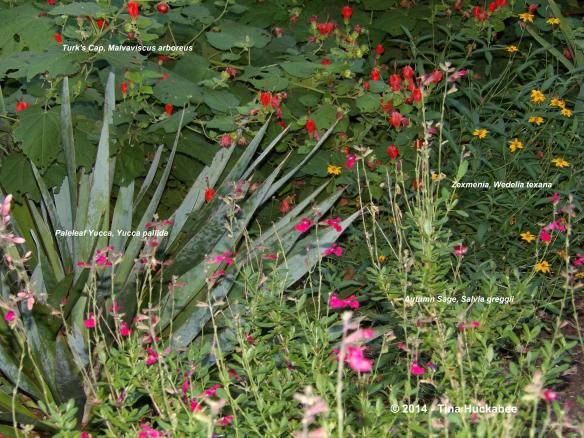
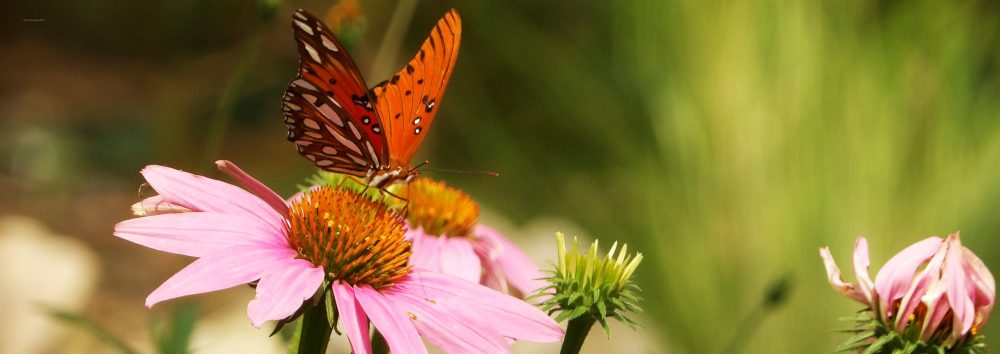
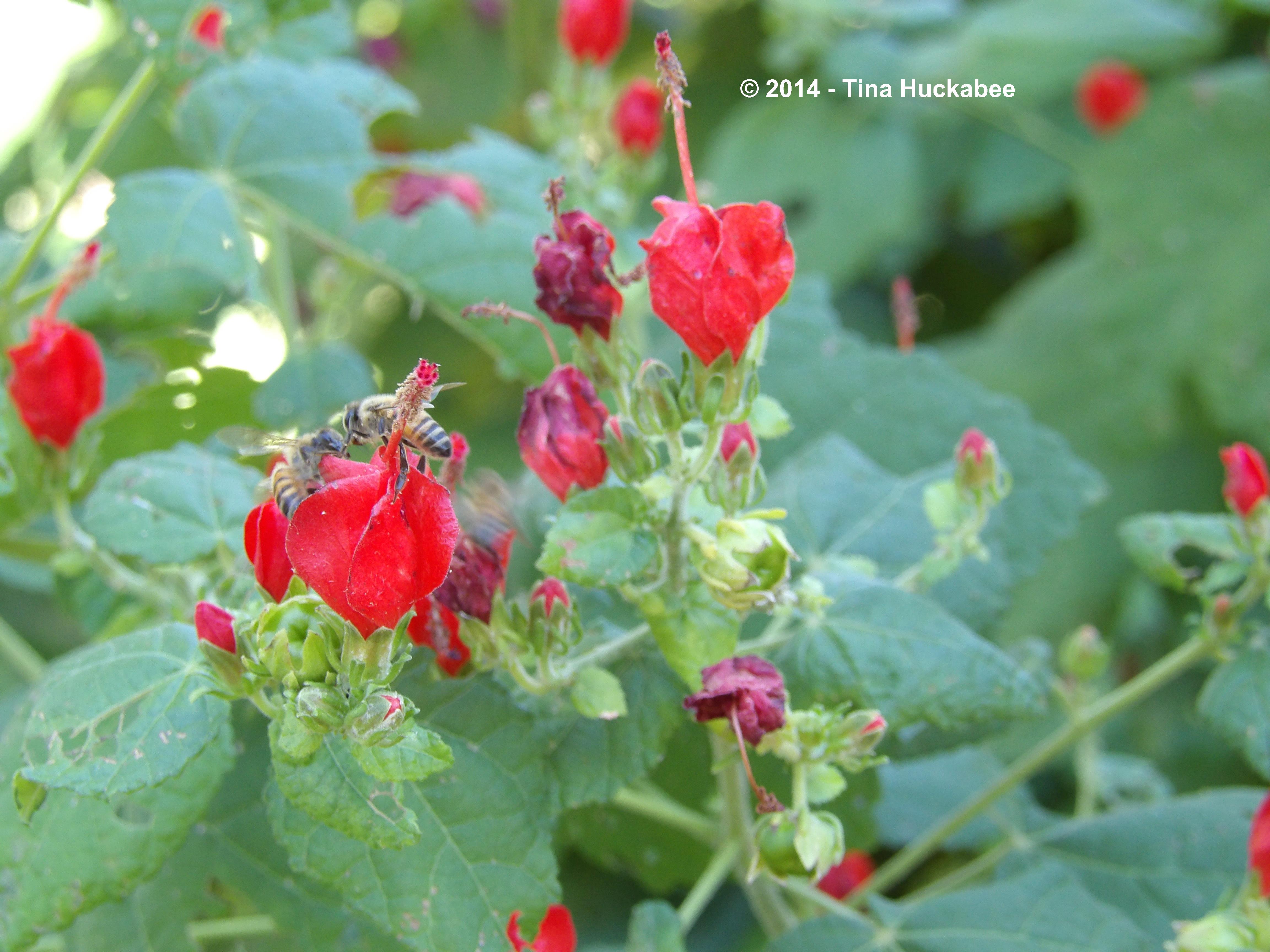
Native plants feed wildlife. The synchronicity of native plants with their pollinators and other wildlife partners is an established biological paradigm. In any given area, wildlife evolved along with their plant hosts–it’s just that simple. When you have native plants in your gardens, you will attract wildlife. Boom! The home gardener can play an important role in providing for wildlife by planting natives: as large swaths of land are destroyed for a variety of reasons, why not help heal the world, in a way that is very real and practical, by planting natives which will feed displaced wildlife?
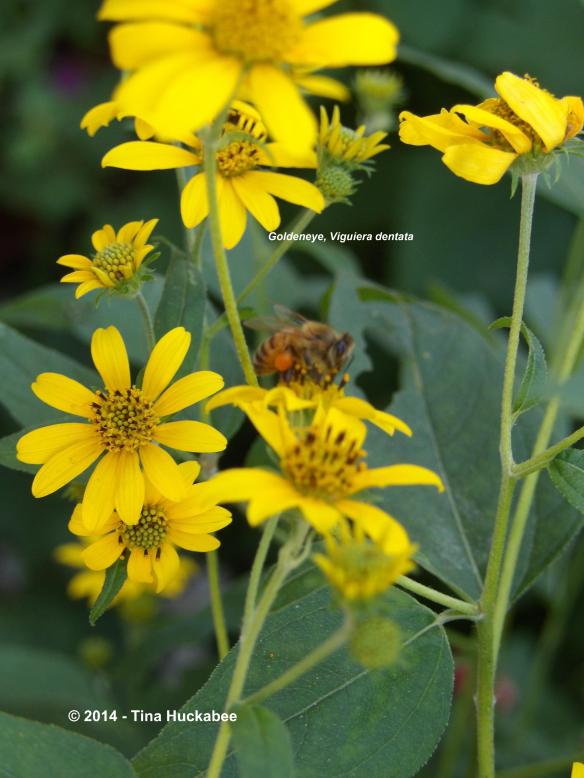

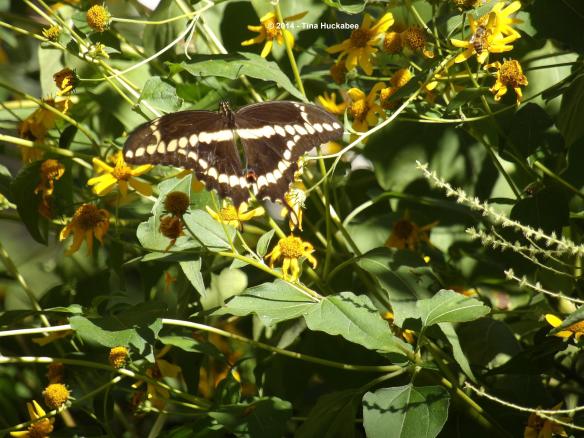

I putter in my gardens–constantly reviewing, reassesing, and replanting. Gardening is my passion, it’s what I do. I recognize that not everyone is a gardener and most are unlikely to do what I’ve done. I have been called “crazy” more than once by those who don’t get what I’ve done with my “yard.” However, I can’t help but wonder what would happen with our beleaguered and threatened natural world if everyone who owns property, the proverbial house with yard, would take out half, just half, of their useless and wasteful turf and install native plants instead. Think of how unique each home garden could be. Think of the water which would be conserved. Think of the fossil fuel which would not be used. Think of the wildlife which would be fed. Think of the locally owned nursery and landscape businesses which would boast more clients, rather than the large mowing companies and the big box stores siphoning off that work.


I don’t see a downside to using native plants in the garden. One difficulty you might encounter is if you live where the local nurseries don’t yet provide a selection of native-to-your-area plants, you’ll need to request they do. Business axiom dictates that if customers demand products, businesses will provide those products. It may take time and persistence, but the native plants ship is sailing and the savvy nursery owner or landscaper will climb aboard.

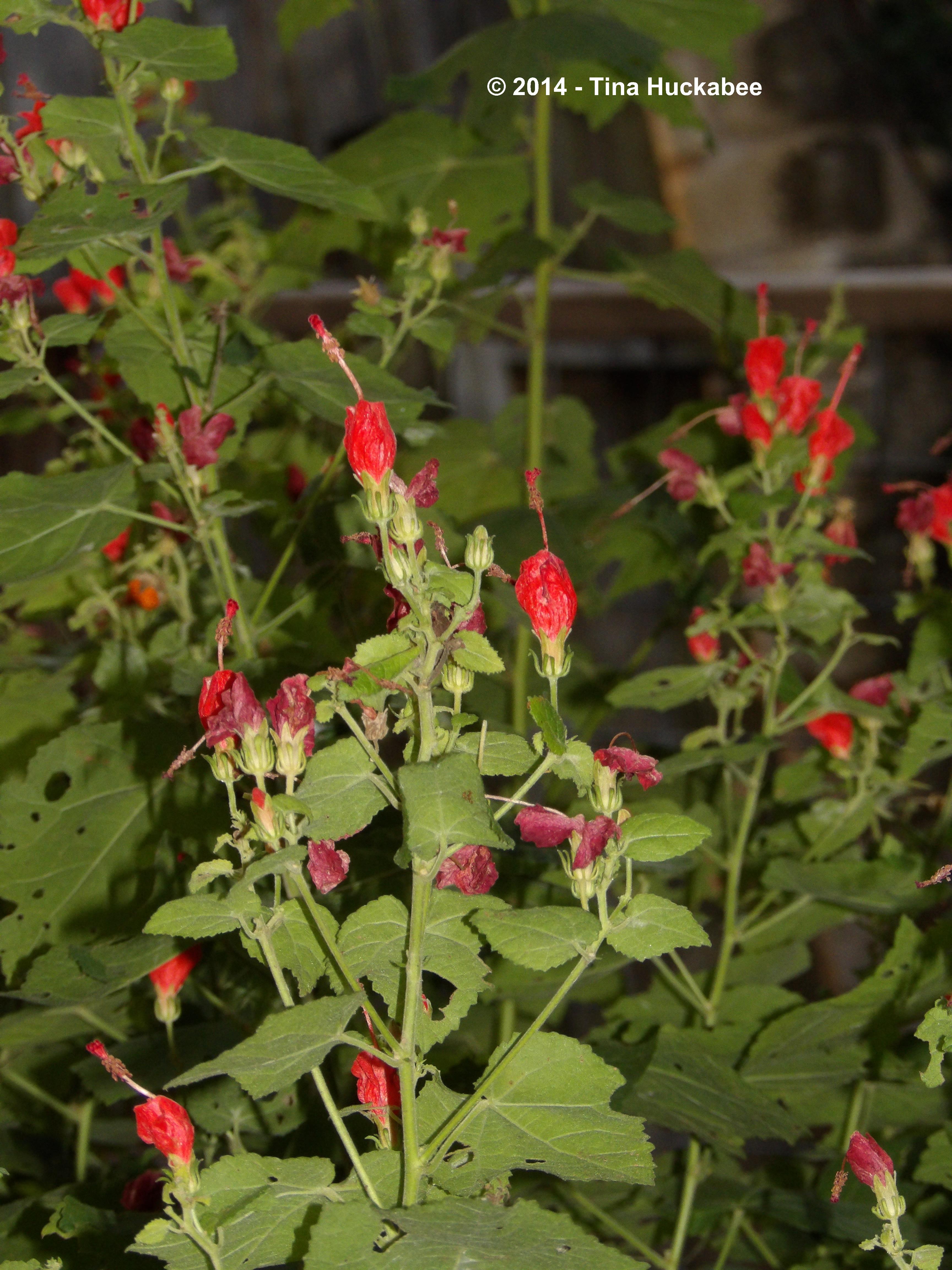
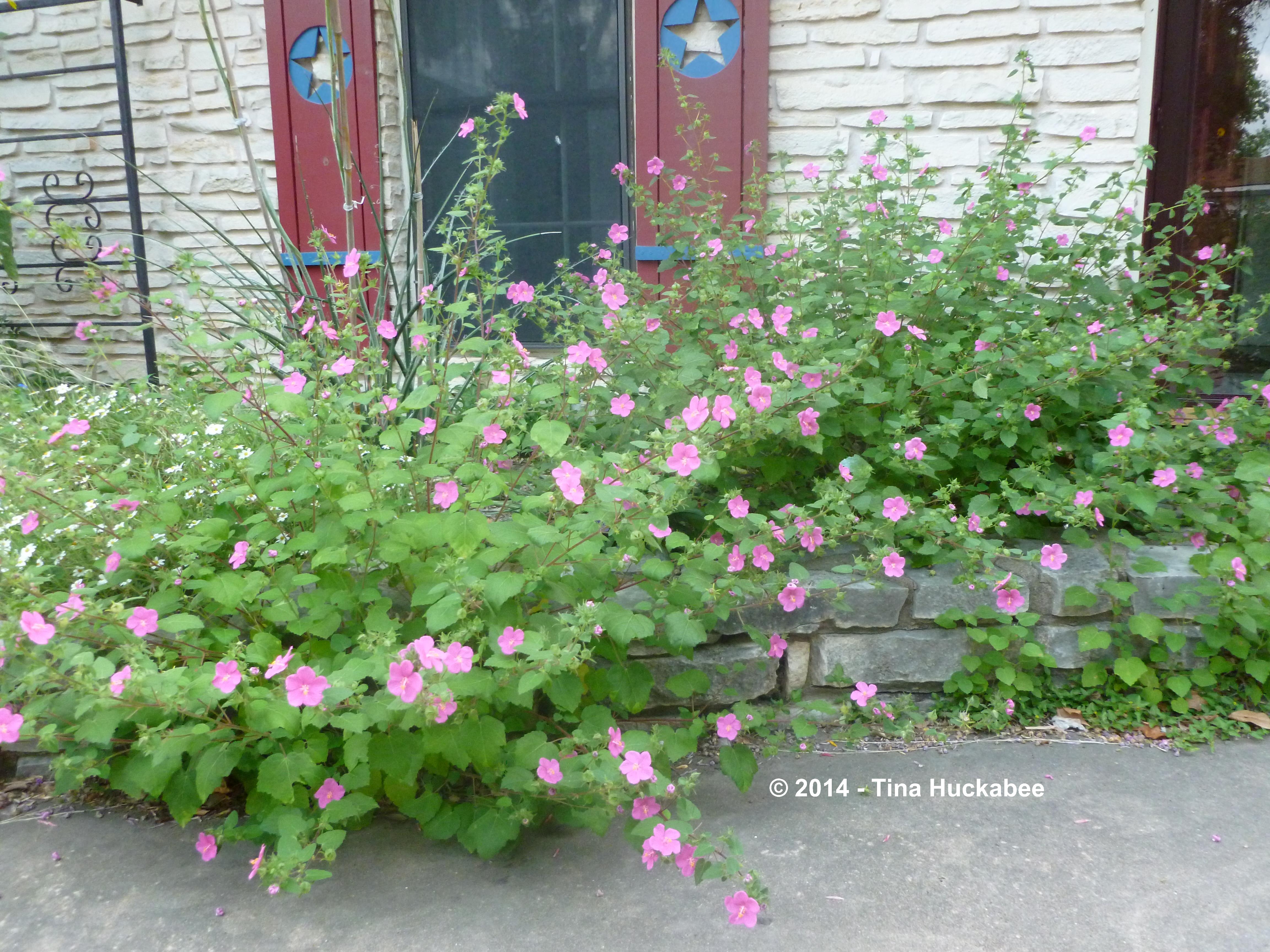
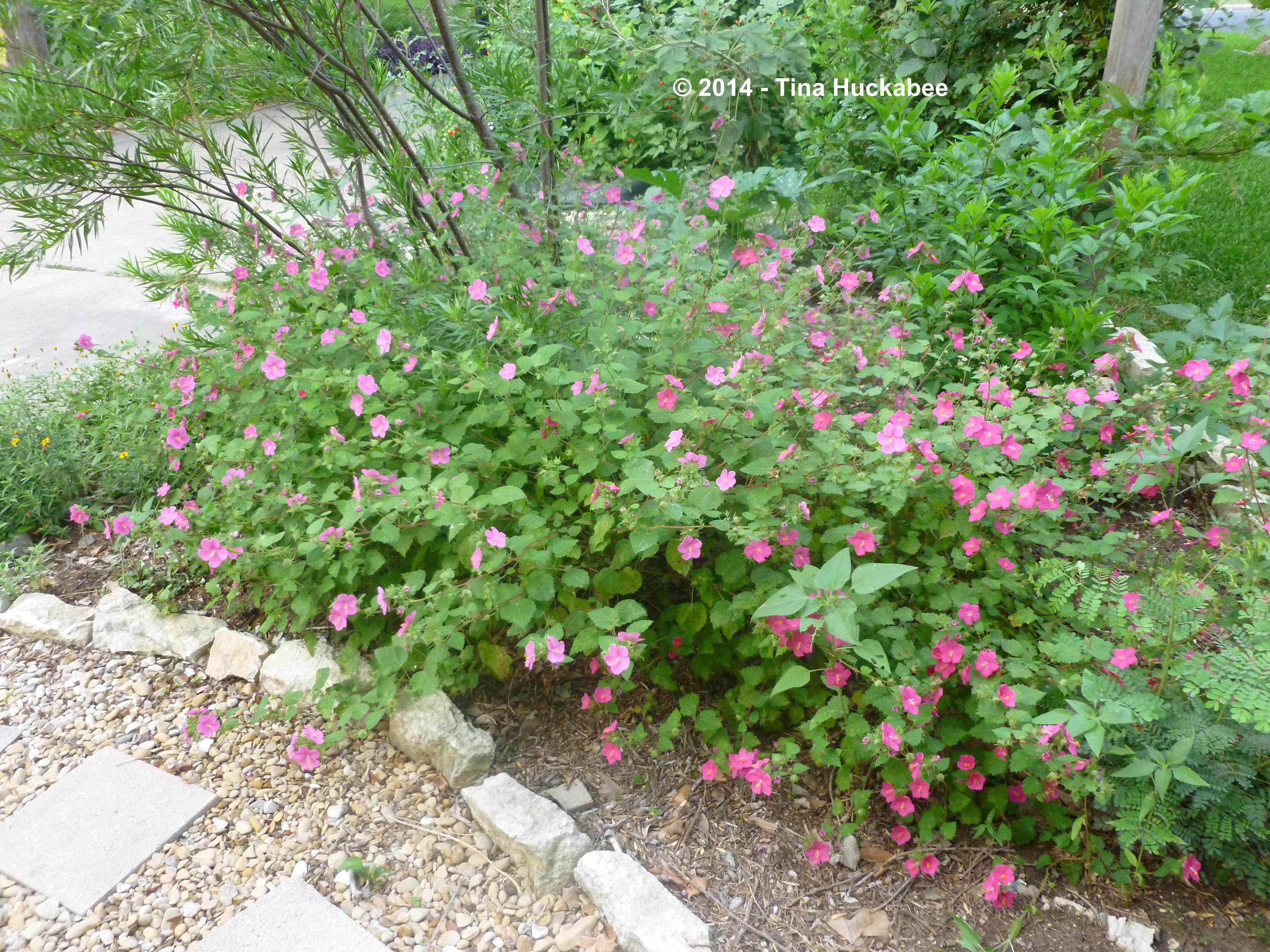
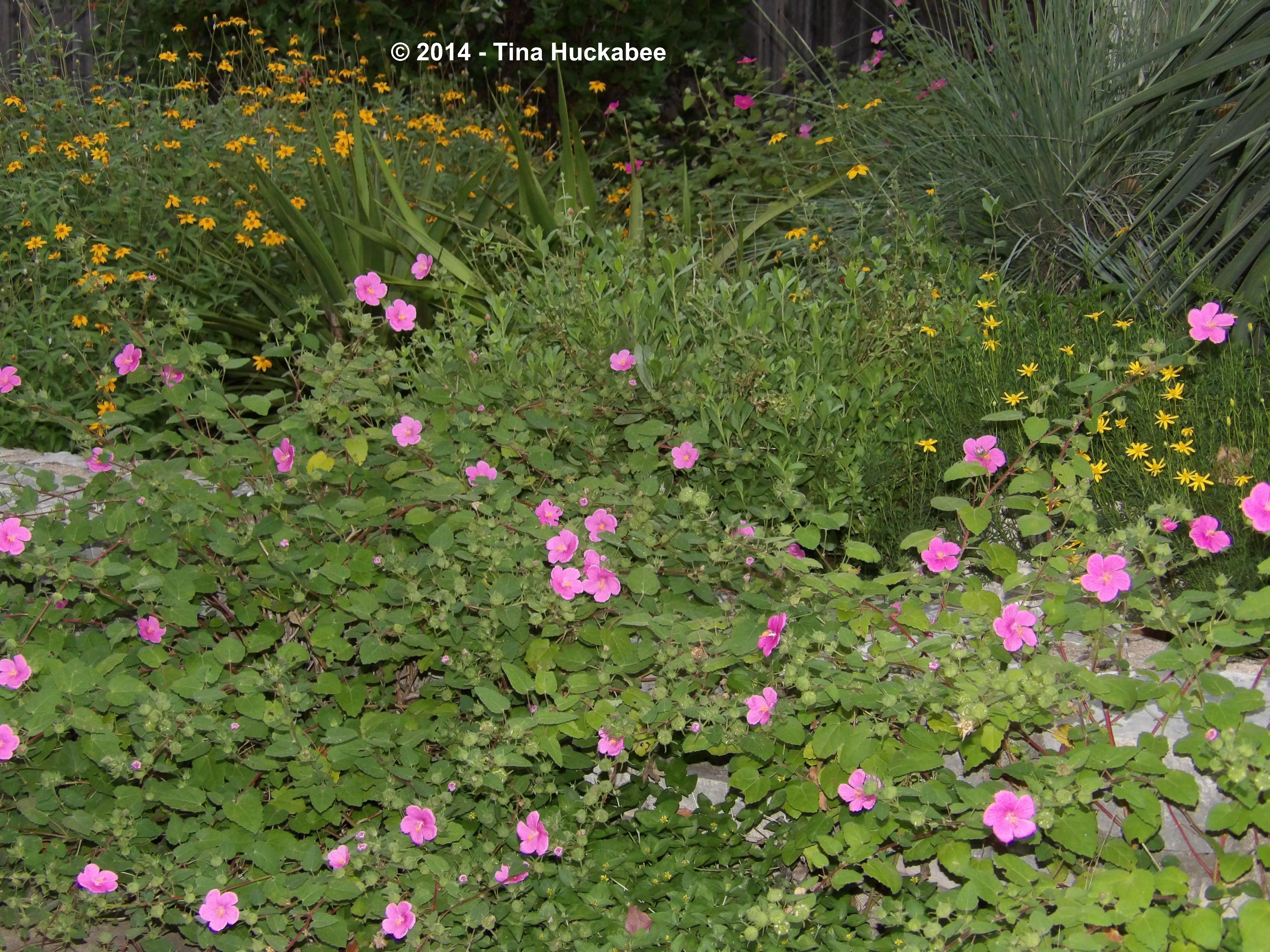
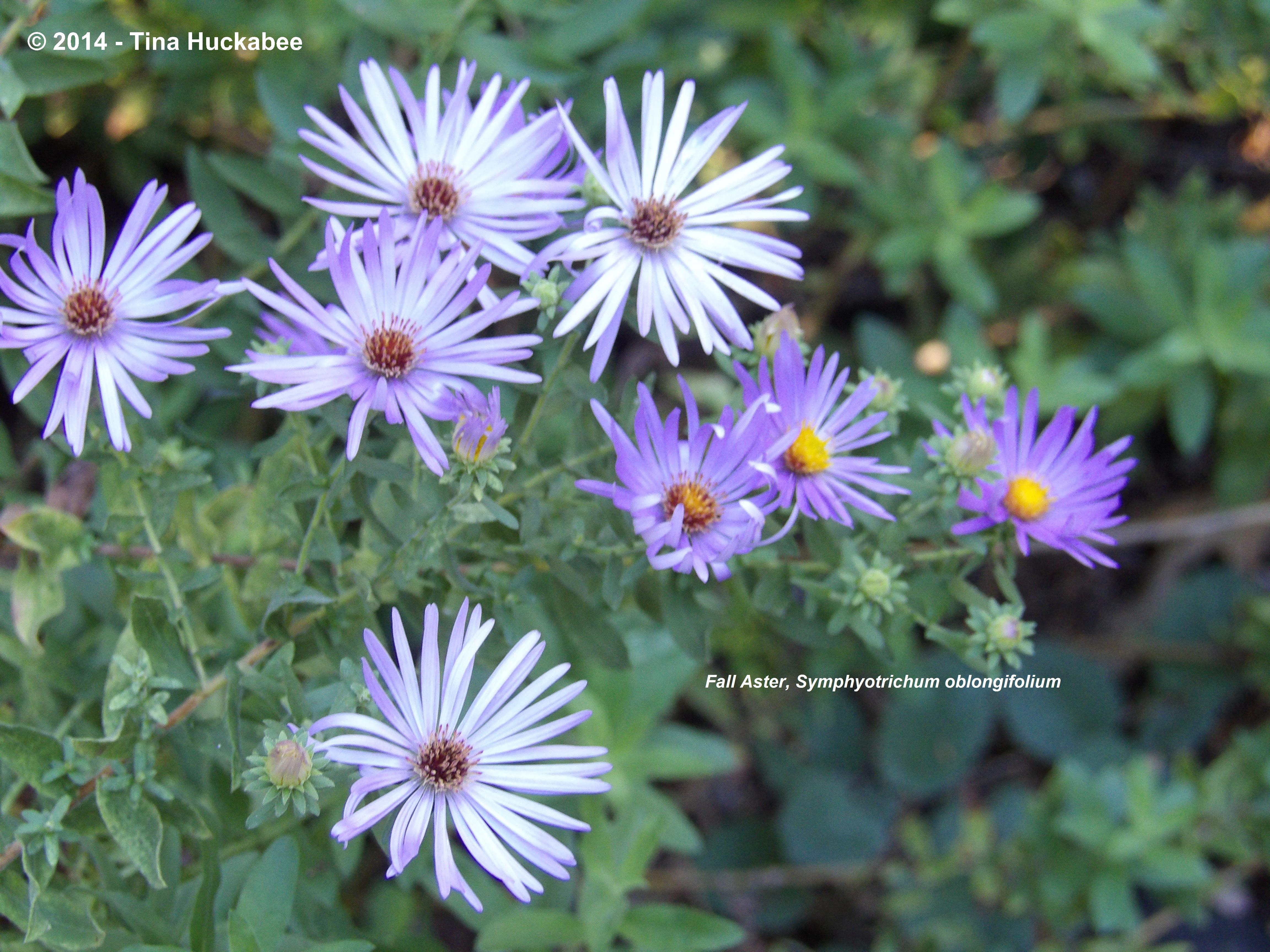
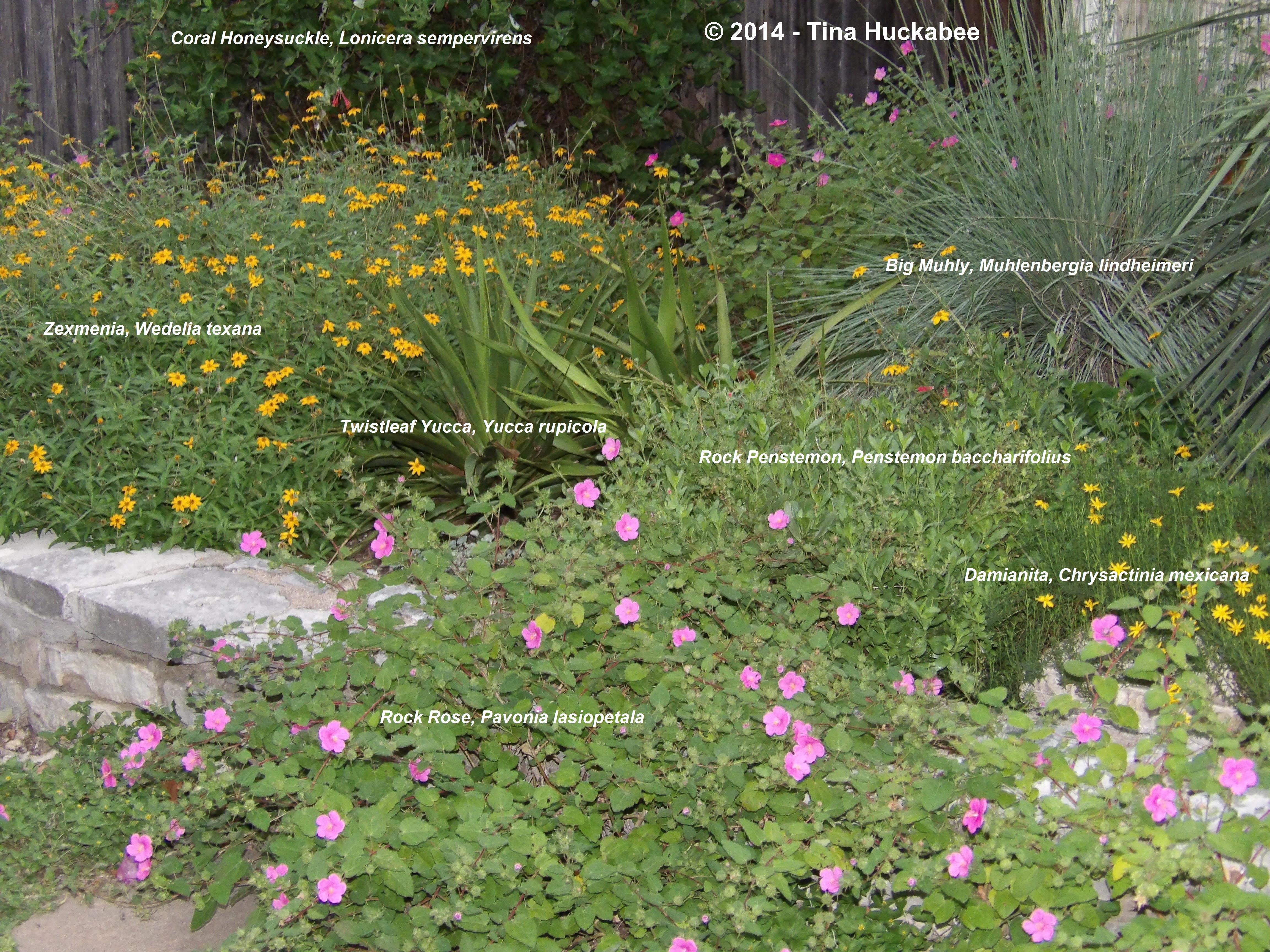
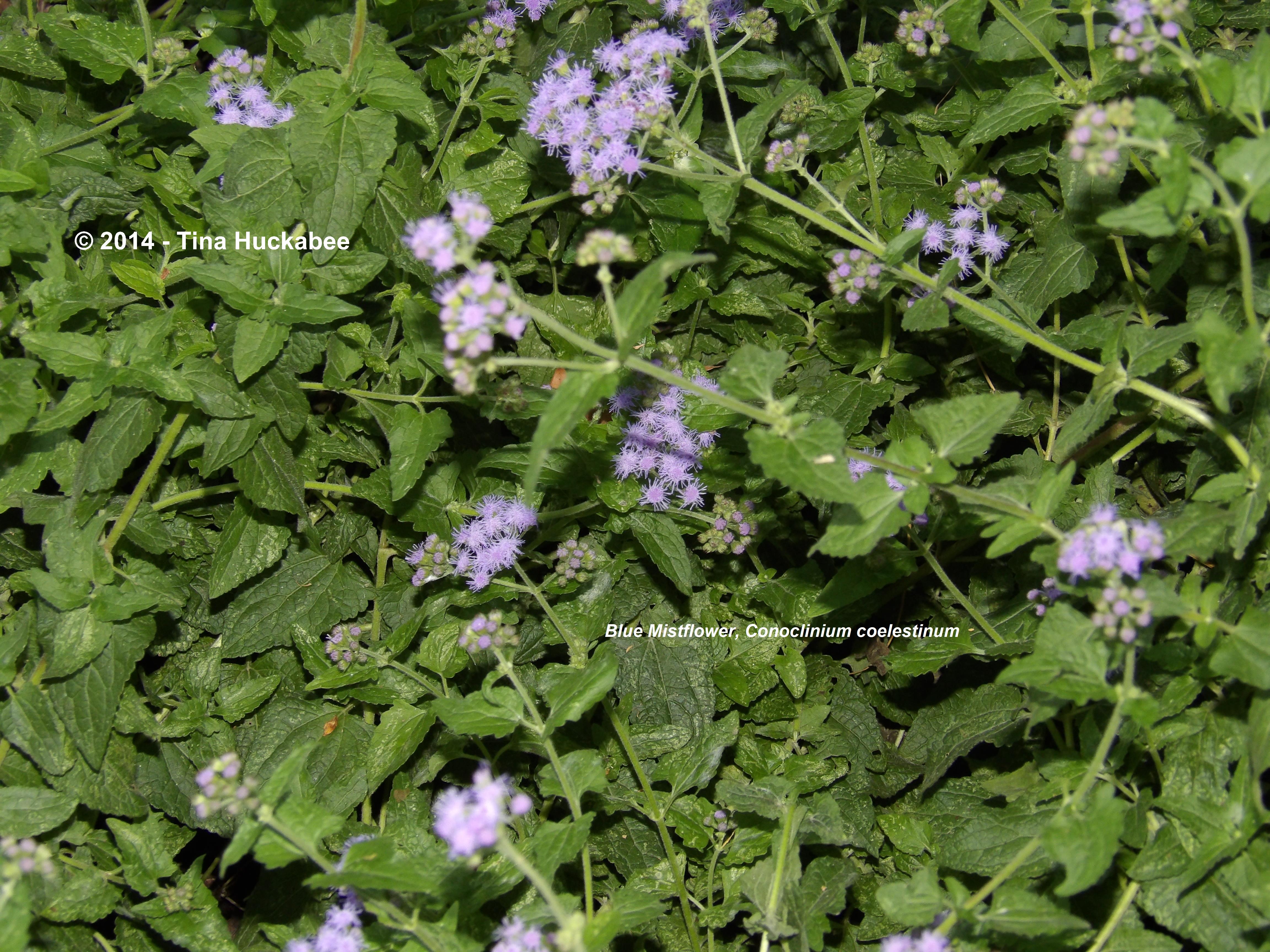
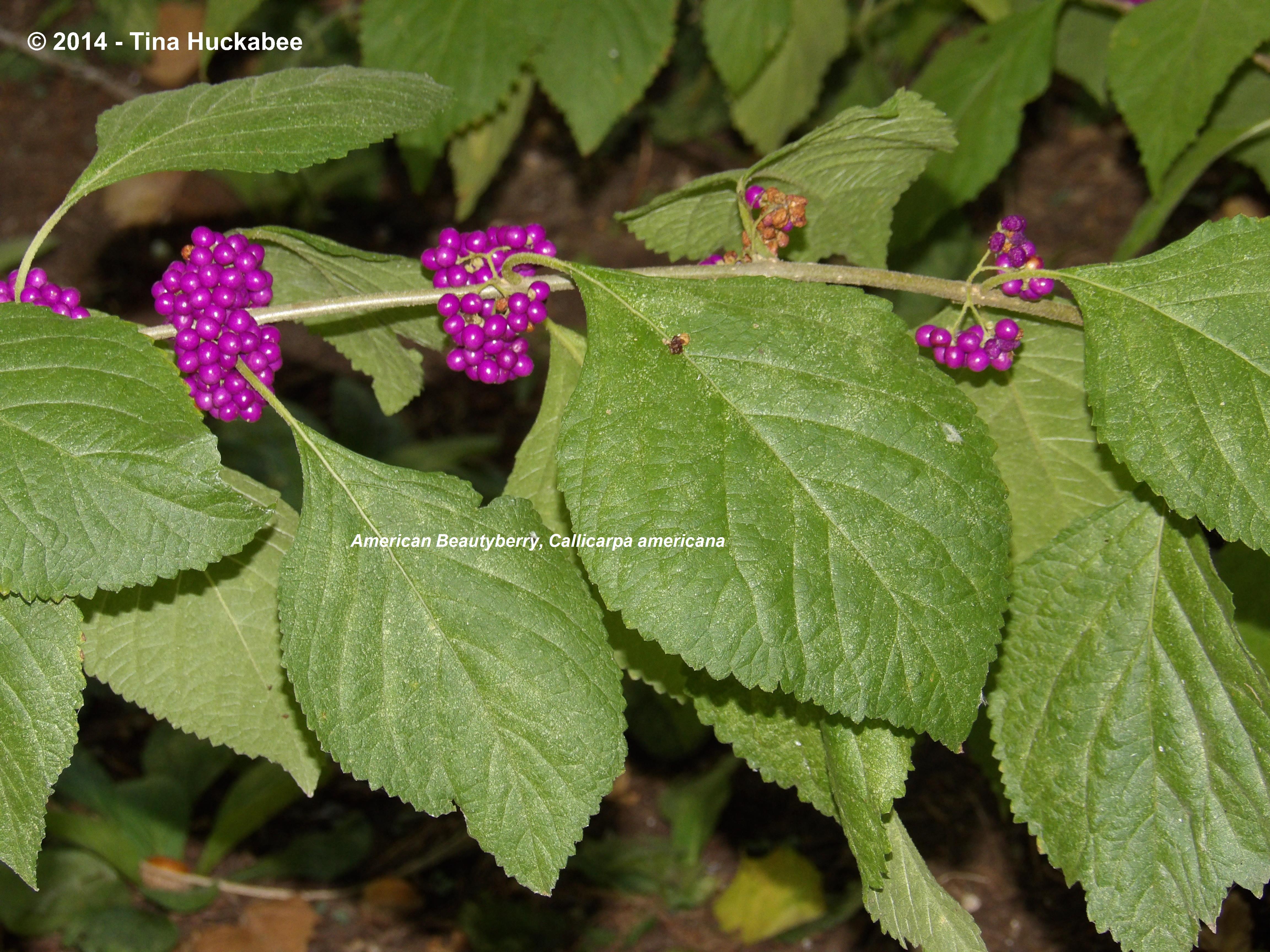
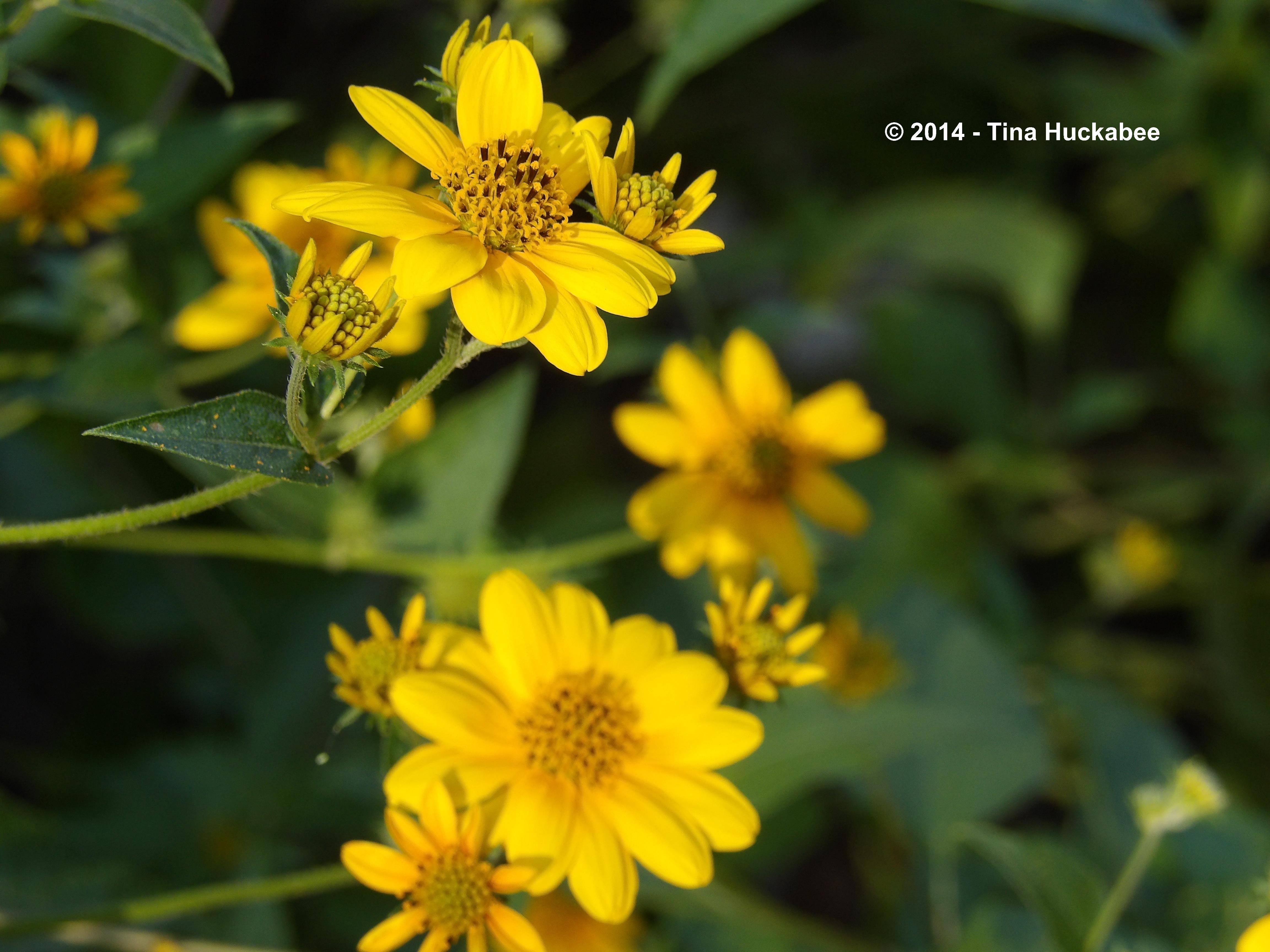
This coming week, I’ll be profiling a fraction of the natives that I grow in my garden. These plants are perennials that are doing something “now”–blooming or berrying or generally looking good. Readers from elsewhere–you might be bored with this week’s posts, as I’m writing primarily for Texas viewers. Hopefully though, you’ll be encouraged to discover what is native in your areas–many places now celebrate the use of native plants in home and commercial gardens.

Native plants work. They are beautiful, unique to region, and typically hardy and drought-tolerant. There are many resources available to learn about native plants and their value; you can start by checking out the “Garden References” section on this blog’s menu.
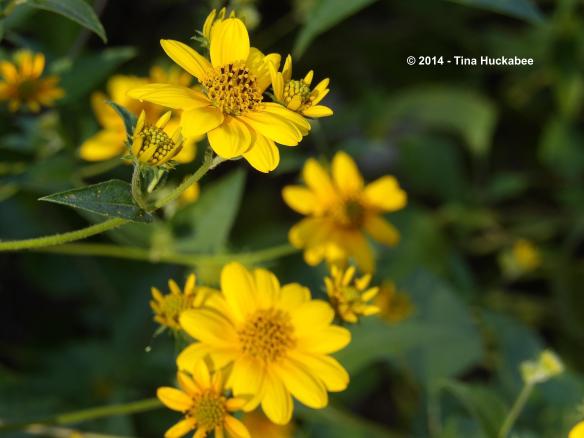
For more information about Texas Native Plant Week, take a look at the websites of the following organizations:
Lady Bird Johnson Wildflower Center
National Wildlife Federation
Native Plant Society of Texas
Texas Parks and Wildlife Department
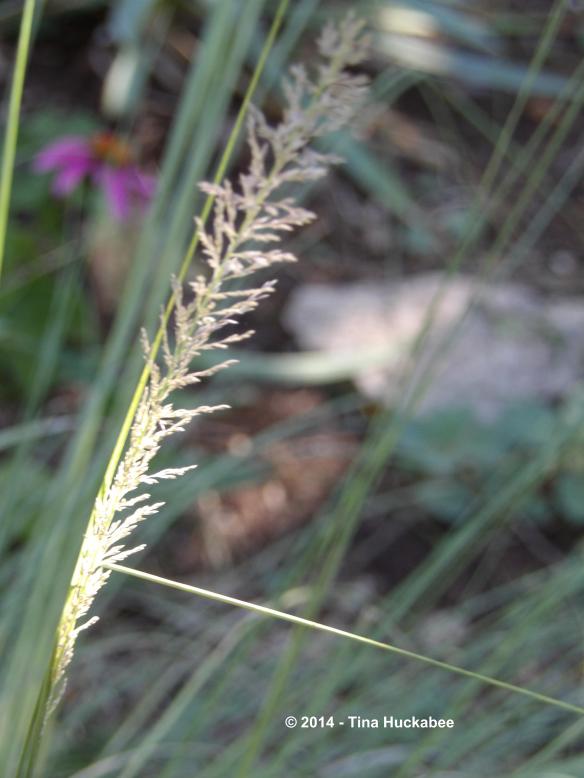
Go natives!

















 My Gardener Says...