The gloom and doom of winter has set in.
I’m such a spoiled gardener. In Austin there are endless sunny skies, balmy temperatures most of the year, rain off and on in good years and yet, when it’s a little bit chilly, I whine. I get cold, then lazy about gardening chores that I know require doing, like raking/mulching/composting leaves. I positively detest that particular gardening job and this year, the oak trees are hanging on to their leaves with all arboreal might, so that task is dragging on. I’ve transplanted a couple of perennials, but haven’t made any progress on that walkway which wants remulching or moving those rocks, which need transport to a different place in the garden.
In spite of my laziness in the garden, I have spent time observing and admiring visiting critters–they never fret about the damp and chill and they never cease to fascinate me. They roll with whatever weather presents and thank goodness for that. Welcome to the first Wildlife Wednesday for 2015. There are no fireworks today, just some nice insect happenings and a little bird action to report.
Firstly, let’s take a gander at some in the Insecta class: a handsome member of the order Orthoptera and some lovely Lepidoptera.
I’ve seen several large grasshoppers in the past few months, but none so beautiful as this Leather-colored Bird Grasshopper, Schistocerca alutacea.
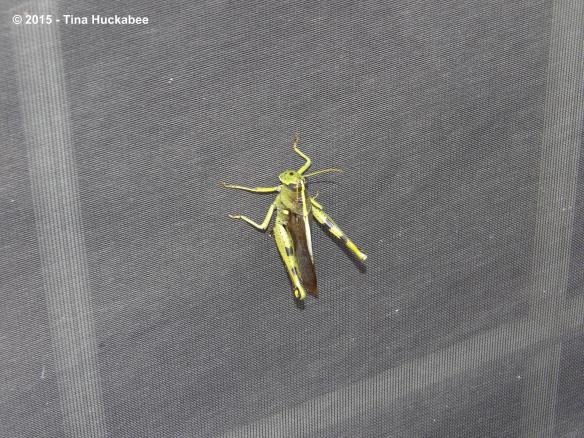
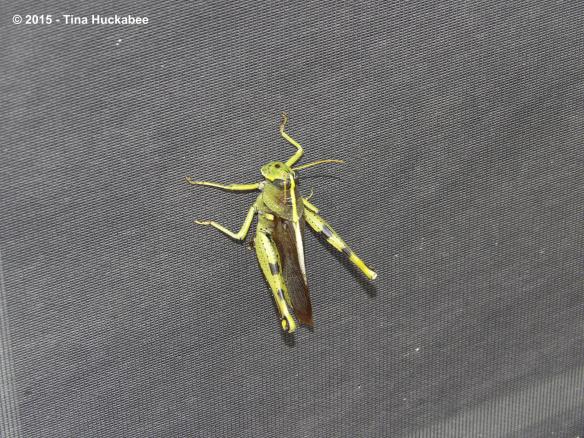
He hung out one day, mostly on the window screen, though he flew away into the adjacent garden when I annoyed him with my hovering. The information I read about this species suggests that this is a male–the females tend to duller colors. I spied several of those blander sorts earlier in the fall.
This Queen Butterfly, Danaus gilippus, is one of the Queens that I brought into my house as caterpillars and nannied until they emerged as adults.

I observed one or two Queens around my gardens in the week after I release the the adults–and saw them no more.
There are a number of yellow butterflies common in Central Texas in summer/fall/winter. They usually fly so fast, I’m unable to catch them in photo form. I love to watch them careening through the gardens, flying swiftly–first low, then high– in rapid succession.
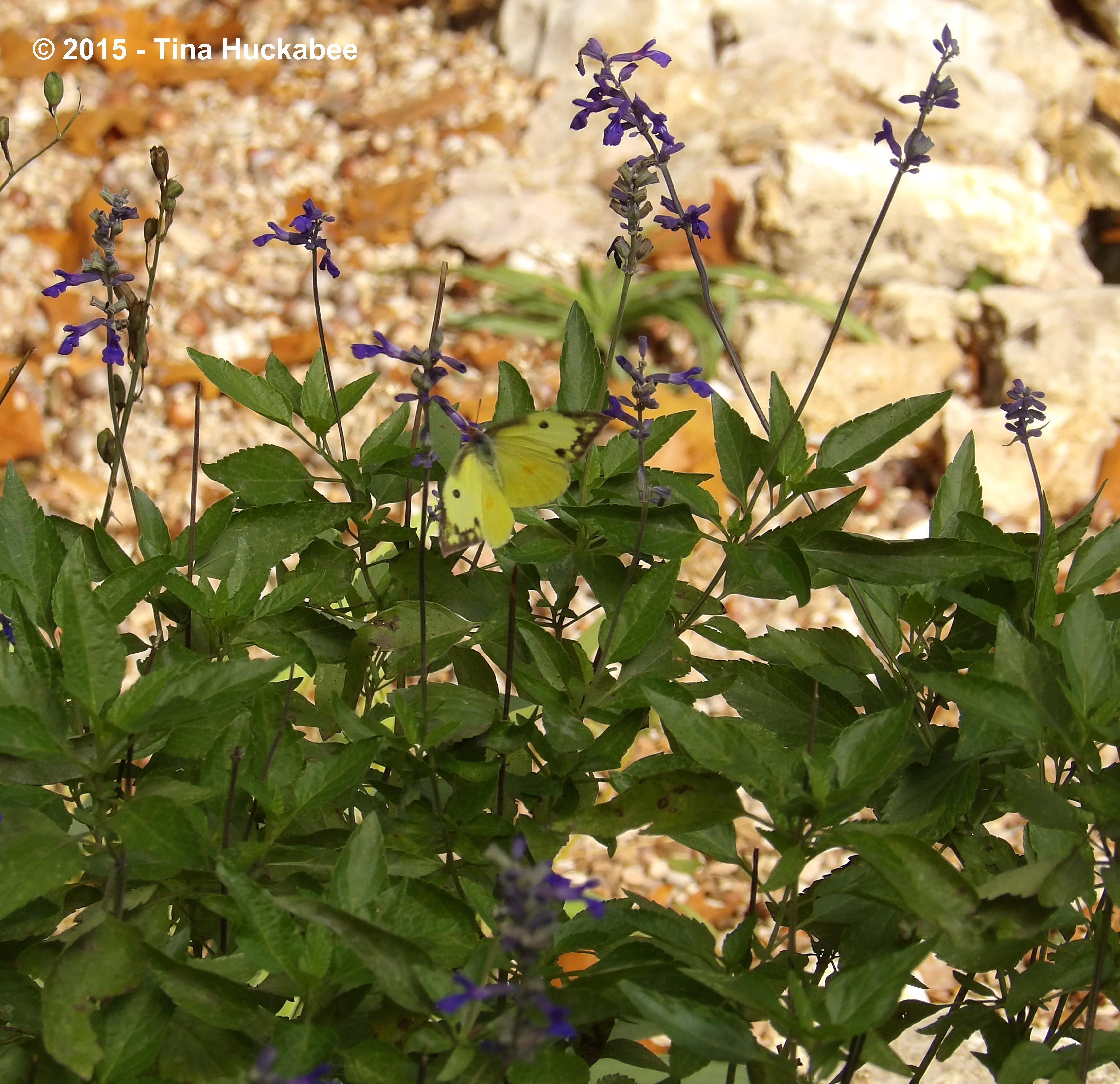
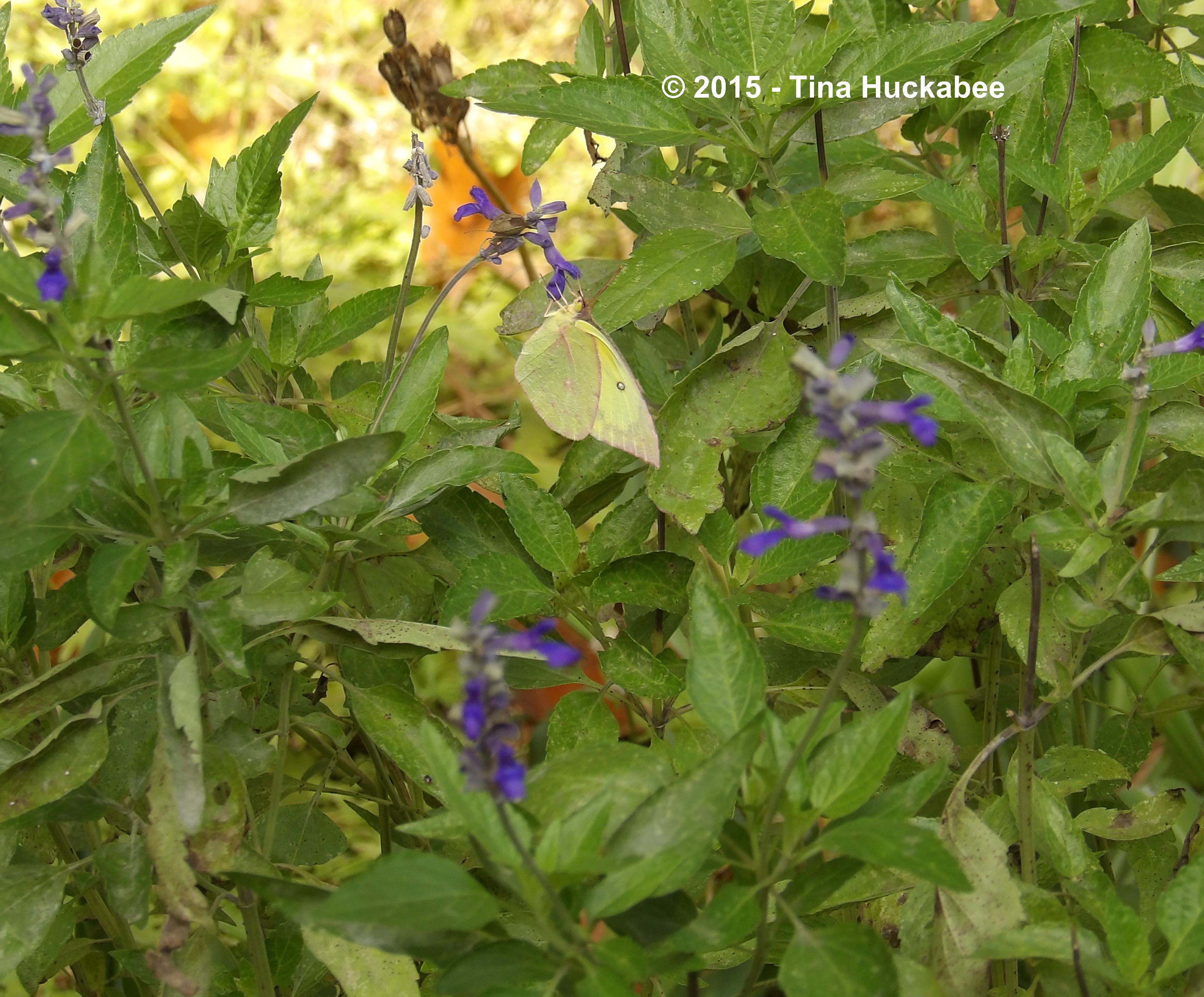
This Southern Dogface, Colias cesonia,
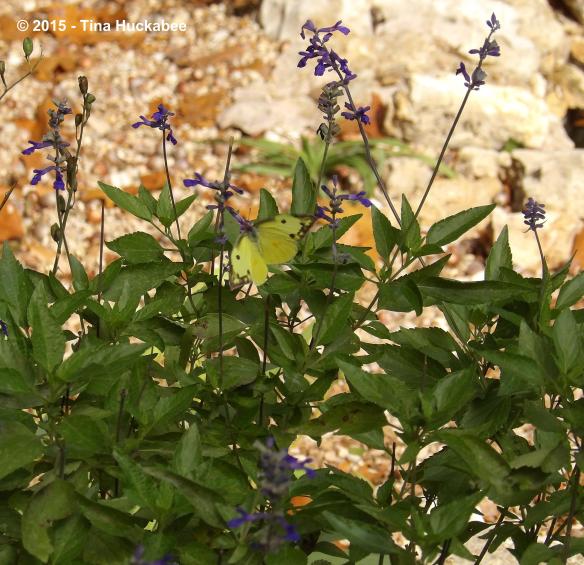
…was a lucky set of shots for me as it flew low to the ground at the Henry Duelberg Sage. According to austinbug.com the name “dogface” comes from the way the butterfly looks when viewed from the side. Supposedly, the butterfly looks like a cartoon dog face facing to the rear, with a strong black dot for the eye. I like the next comment, Because of variability, the resemblance to a dog profile is sometimes left up to one’s imagination.

I must be full of lack of imagination because I don’t see the dog face thing at all.
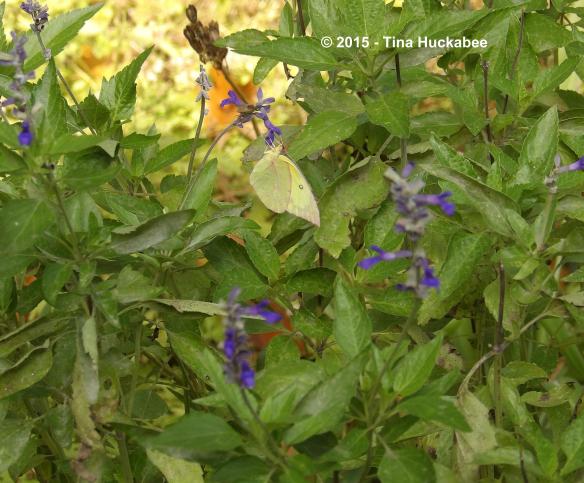
Then again, I also have trouble with constellations. Really? That’s a hunter? And those are his dogs?
I was thrilled though to get several good photos and I’ll call it a day vis-a-vis the dogface.
Red Admiral, Vanessa atalanta, often appear during cool fall and winter days.
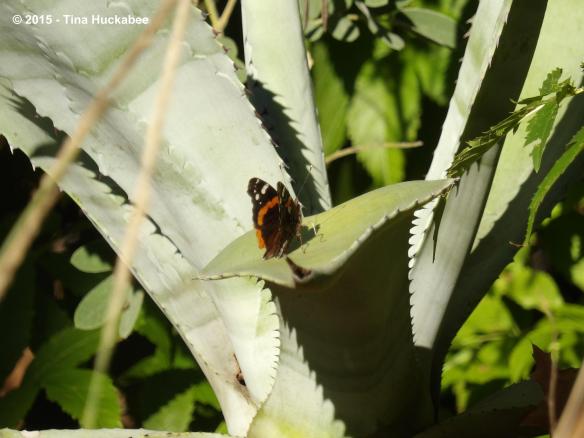
Mostly they land and pose, sunning themselves. That’s just fine with me.
I have mixed feelings about bird feeders. For a while I didn’t feed the birds, subscribing to the idea that there are plenty of seeds and berries available in my gardens. Birds relying on what’s available to them in their natural habitat is a gardening paradigm that I truly believe in. But,
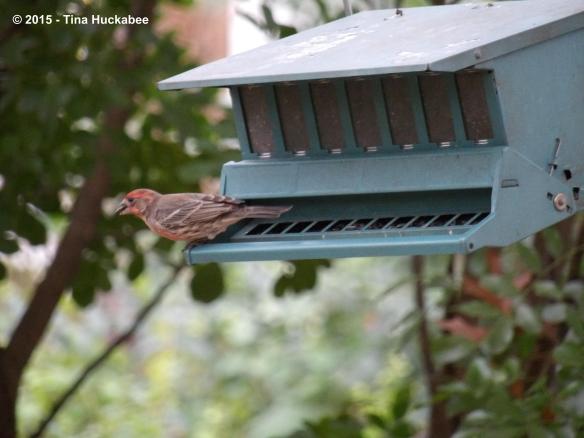 …it’s fun to have a feeder and see who shows up for a nibble; in this case, a male House Finch, Haemorhous mexicanus, is at the snack bar.
One cold snap a couple of years ago, I got all soft and tender and felt sorry for the birds. I bought a basket feeder and commenced to regularly supplying seed-infused suet, primarily during our cool season. (I shudder when imagining how the suet would turn to goo in our hot summers. Gross.) I also refilled two feeders I’d left empty for some time and continue to do so. I really enjoy the variety of birds, mostly winter/year-long residents of Central Texas this time of year, who swoop in and out of the garden, munching away on sunflower seeds I live in a dense urban area and my feeders shouldn’t negatively impact native birds by the feeding of more aggressive species. At least, I hope that’s the case. There are still plenty of avian visitors who feed on the seeds from spent blooms, like this female Lesser Goldfinch, Spinus psaltria,
…who’s gorging on Goldeneye seeds. Earlier in the fall, the Lessers were all over the spent Goldeneye daisies as they seeded out. I guess the Lessers flitted off to better feeding grounds because they disappeared for a while. But they’ve returned to my gardens recently and I’m glad to welcome them. Along with stops at the sunflower feeders and the Goldeneye daisies, I caught this little male Lesser bathing.

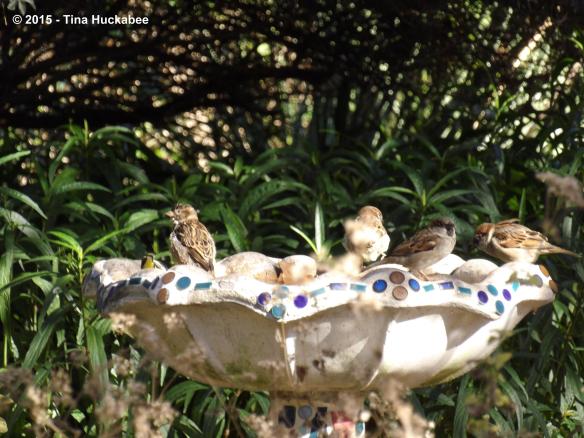
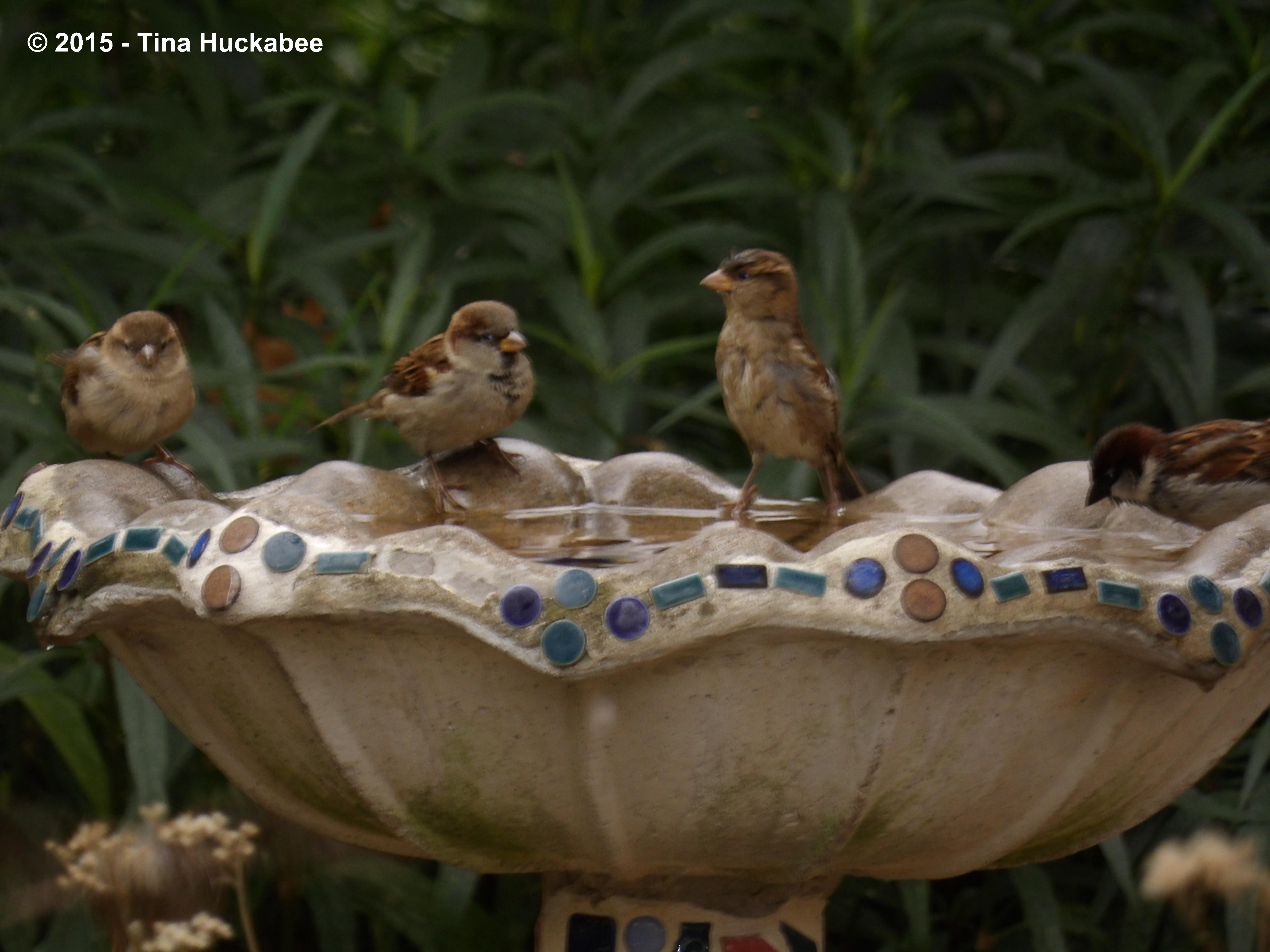
Can you see him? He’s that little smidge of yellow at the left side of the bird bath, sharing his bath with a group of House Sparrows. House Sparrows, Passer domesticus, are not my favorite bird, though ubiquitous in urban gardens. An introduced species, they out-compete native birds, who tend to shyness and often have more specific feeding and nesting requirements. Proliferation of House Sparrows is why I originally stopped supplying seeds to the local birds. I grew tired of feeding them–House Sparrows are rats with wings–is my general opinion of these birds. However, they haven’t been too obnoxious recently. One day, I caught them in a veritable bird bath orgy.

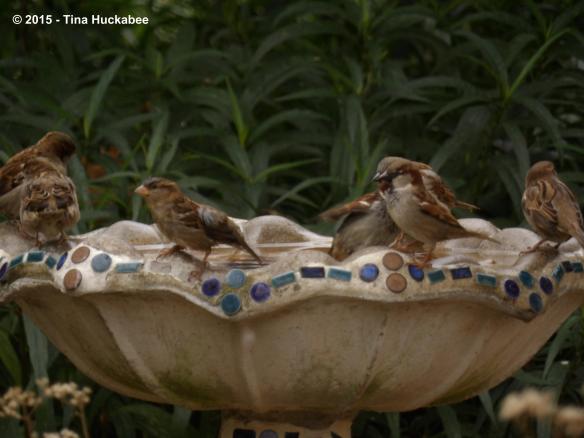

I couldn’t help but capture their fun. Confession: I love the chatter of House Sparrows; it’s noisy, fun, and playful. There. I said it.
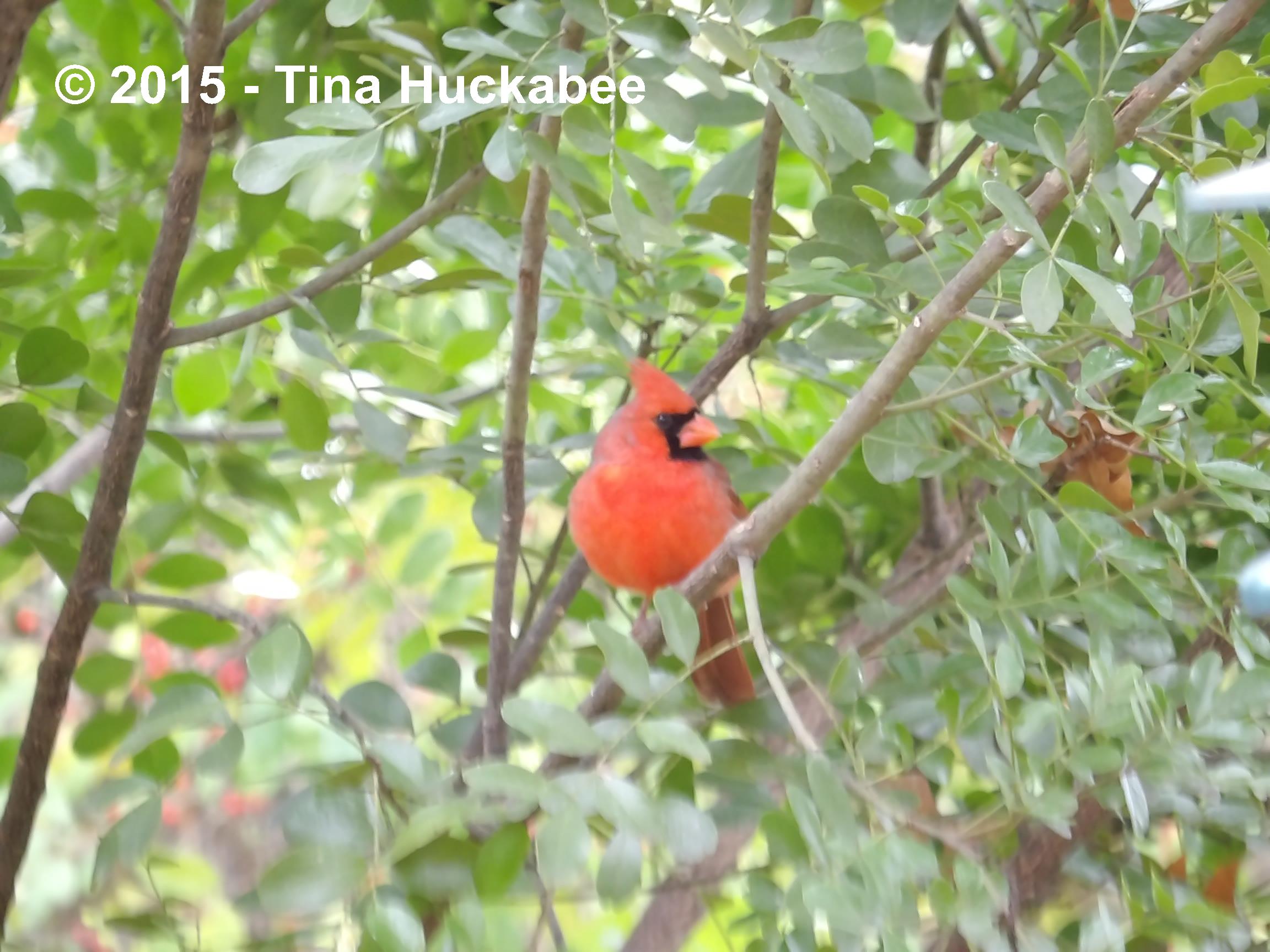
A Northern Cardinal, Cardinalis cardinalis, graces the gardens this early part of winter. Visiting the gardens regularly, this handsome male in various situations and activities, 
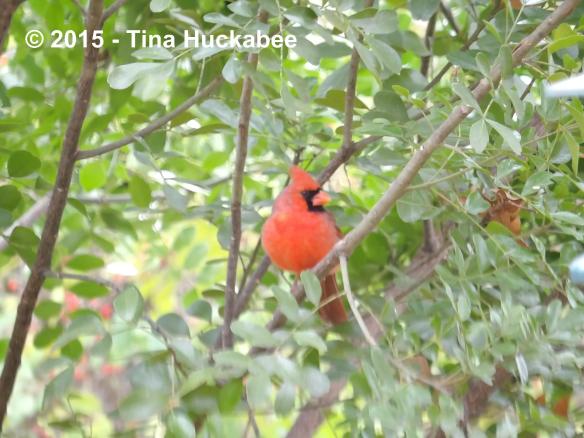

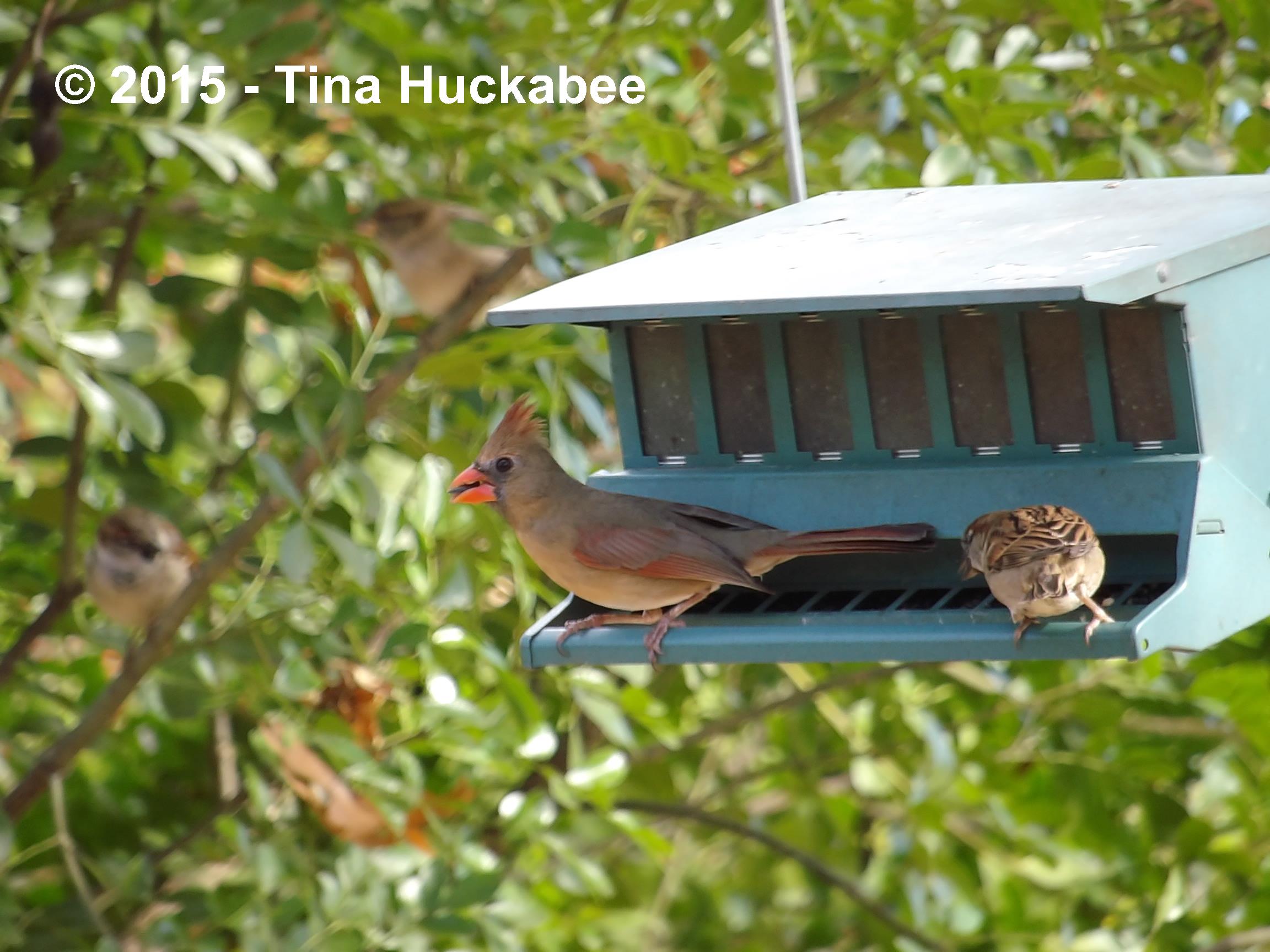
…and his Lady, who shares the feeder with a sparrow.
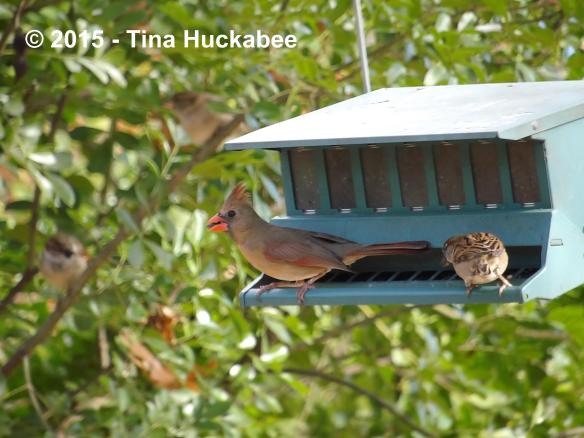

I’m not 100% positive that these two beauties are a mated pair, but I’m fairly sure. In this less colorful time of year, both birds certainly add a dash of color to the landscape.
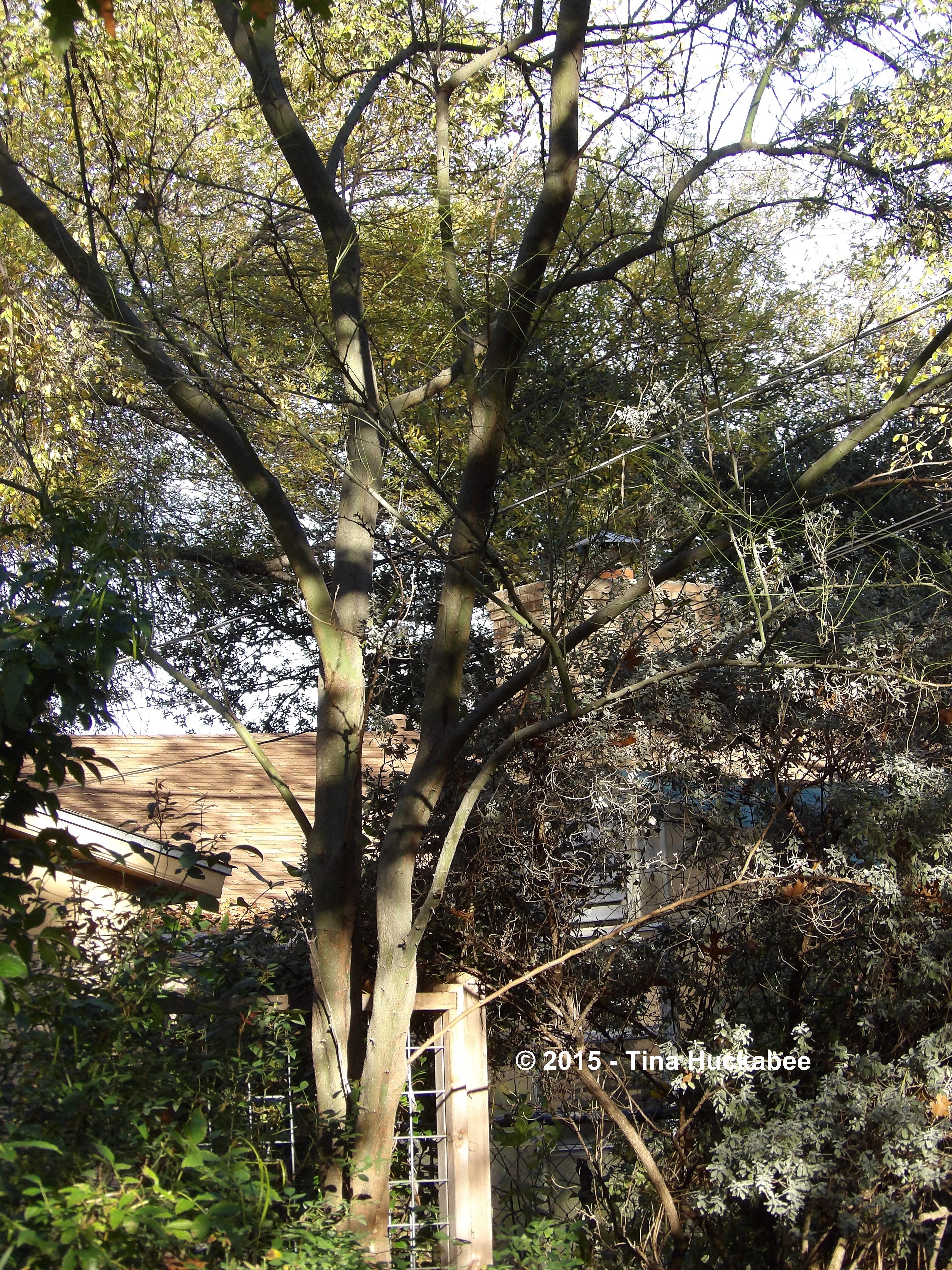
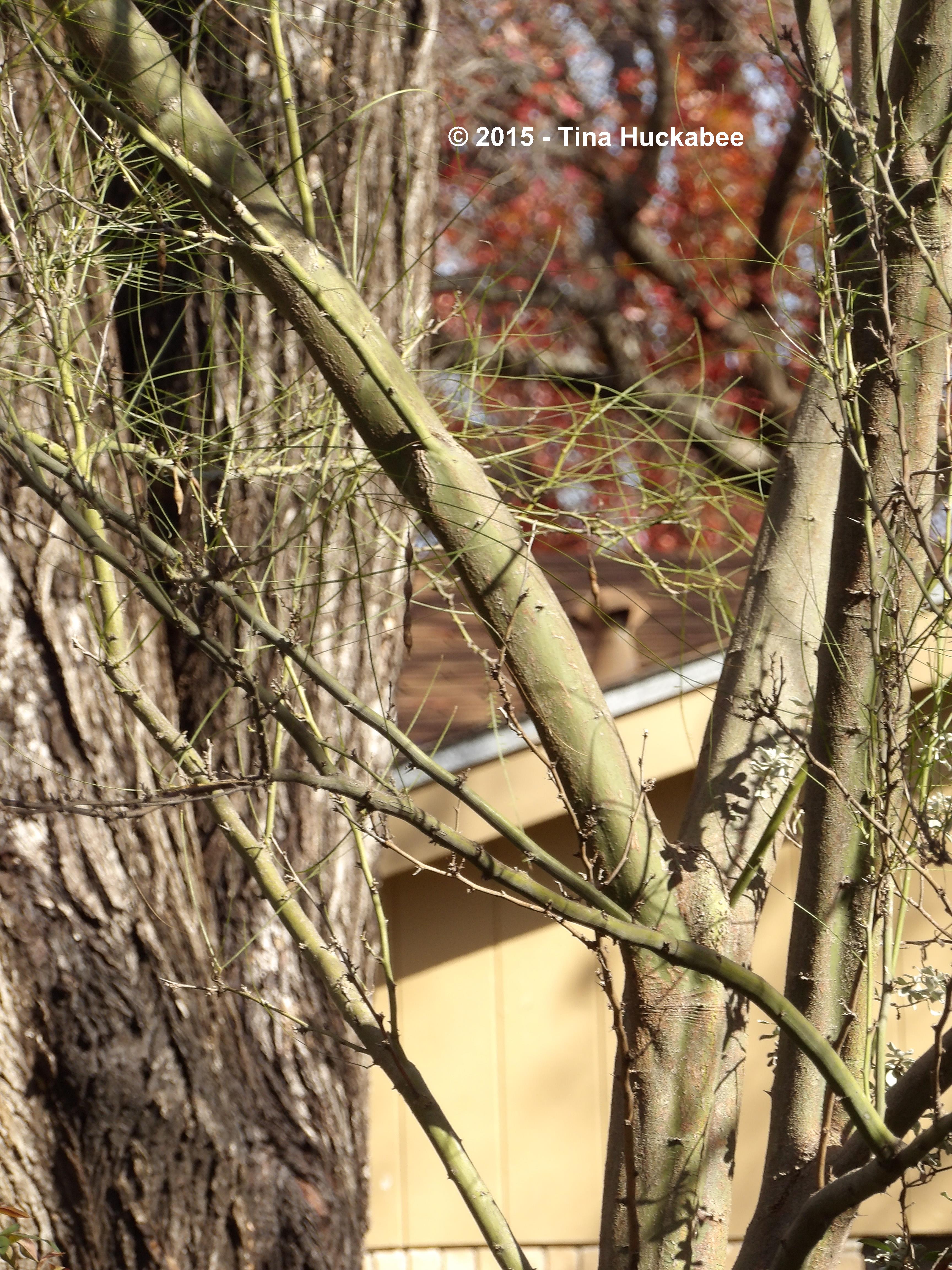
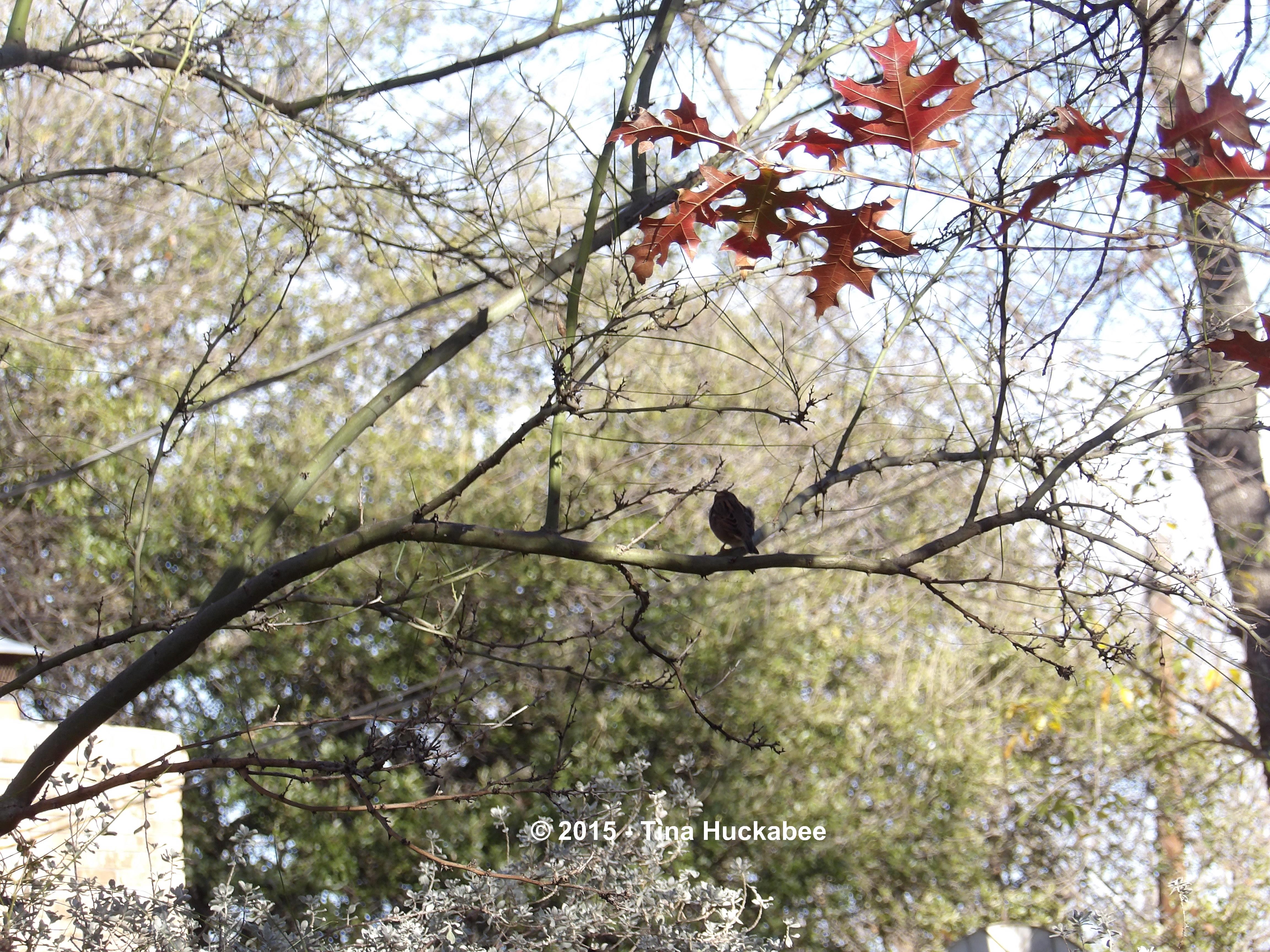
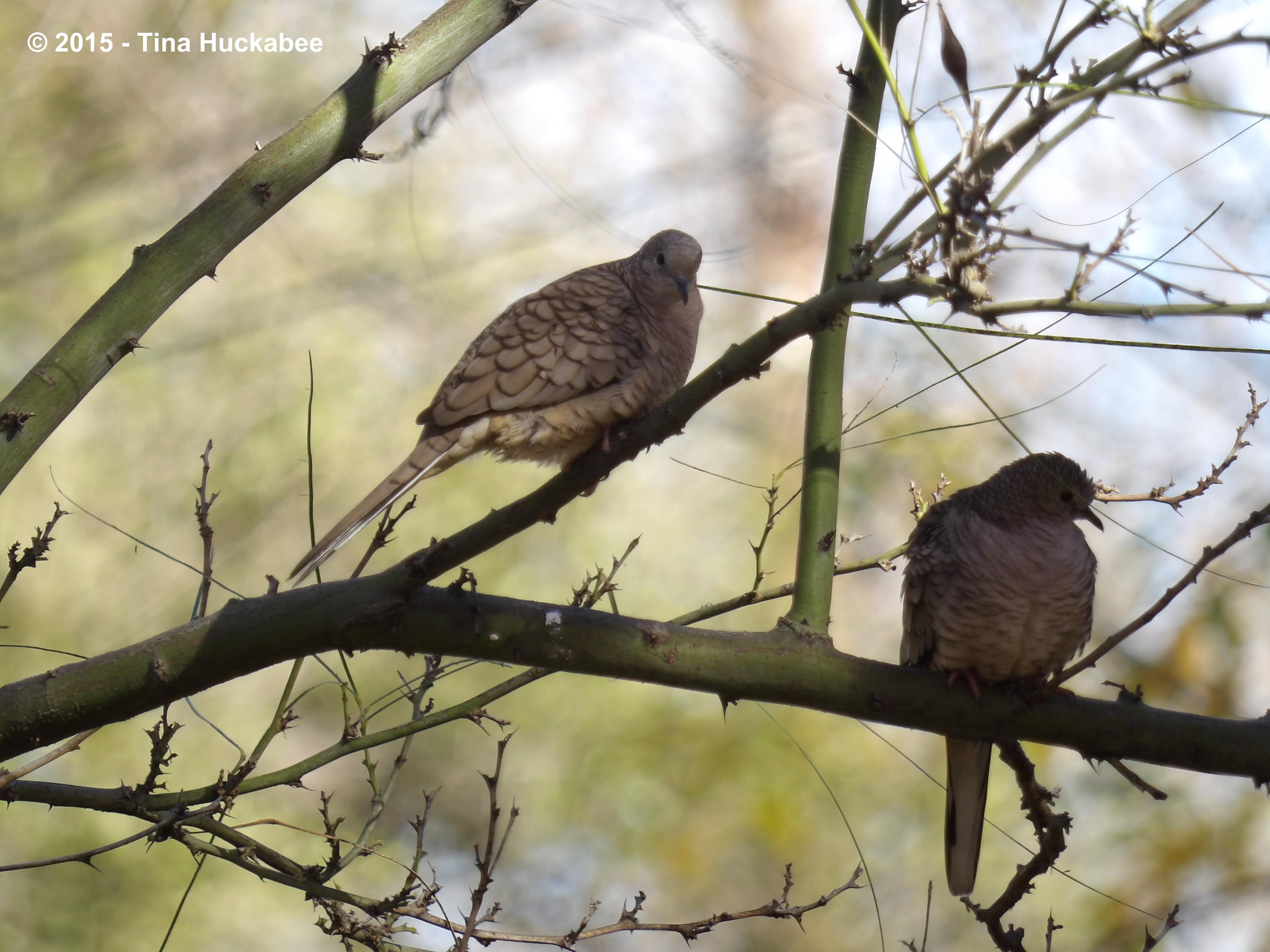
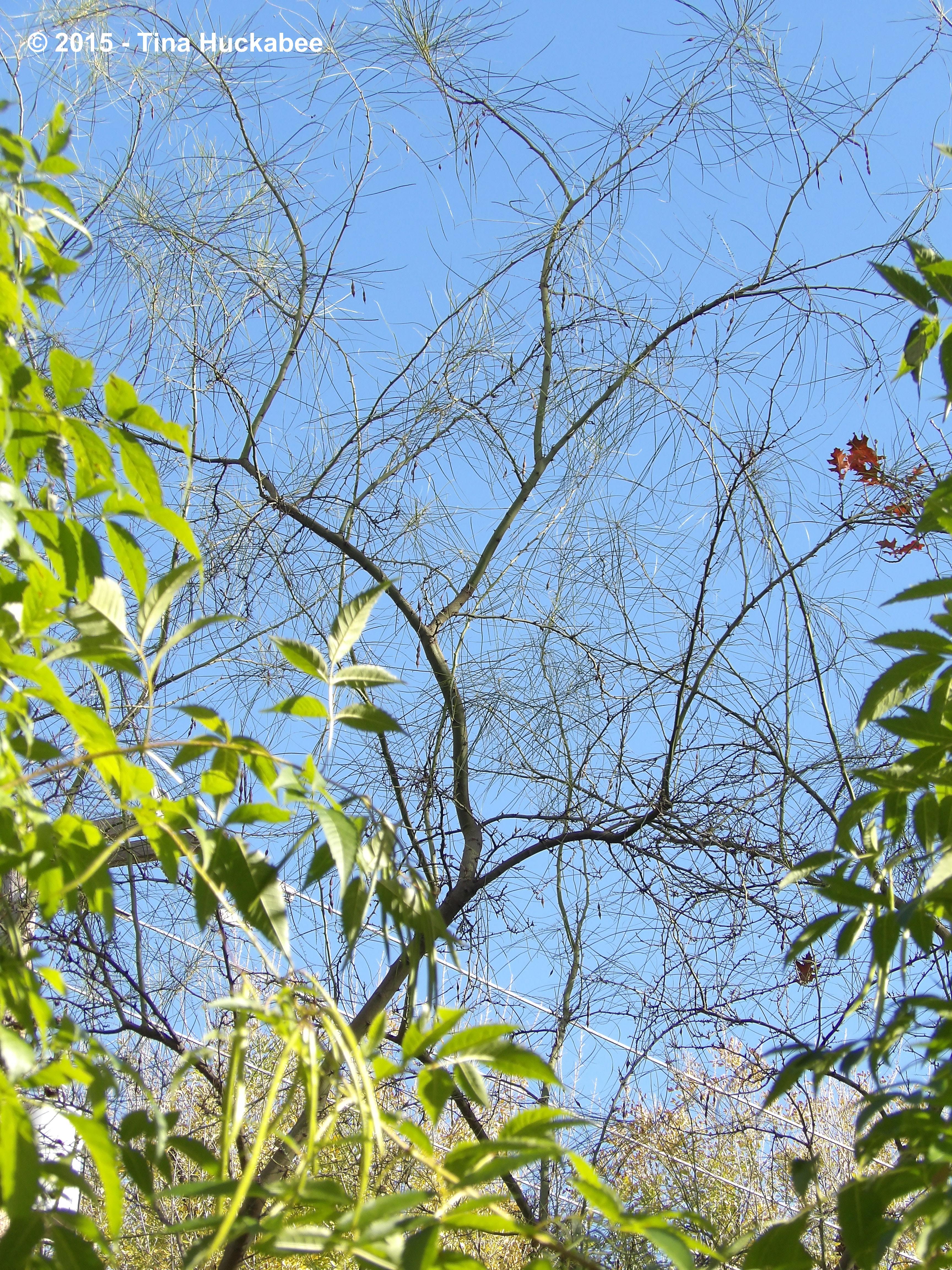
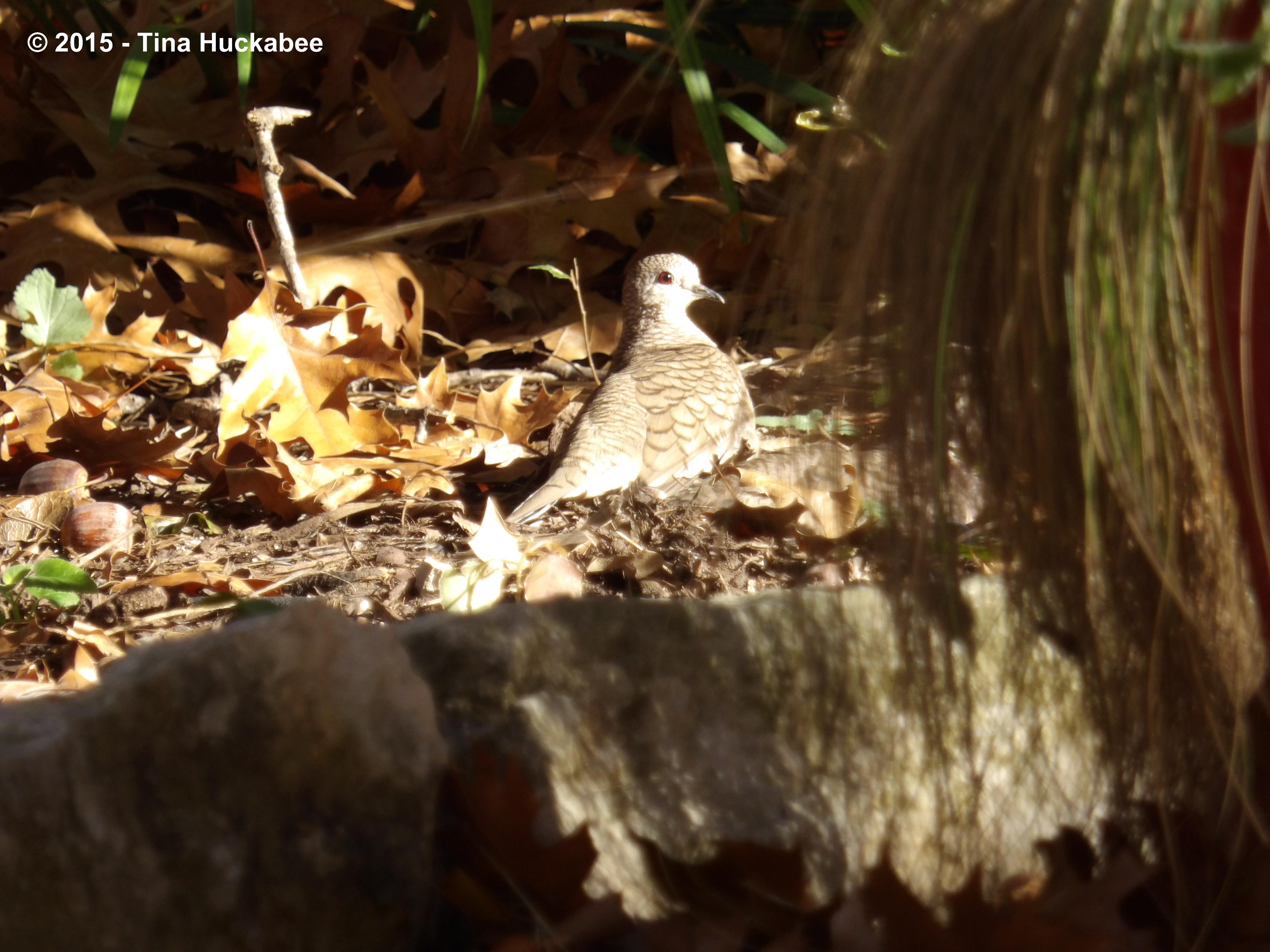
I’ve always had a soft spot for the Inca Dove, Columbina inca, but don’t see them in my gardens often. They’ve been hanging around in recent weeks and favor resting the Retama tree,

…but I also see them on the ground, sifting through the garden detritus,

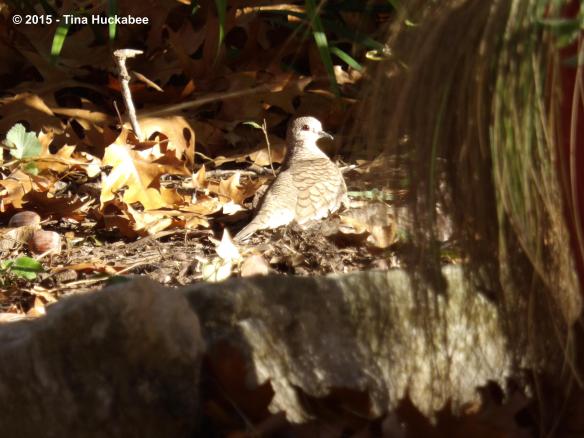 …and warming in the sun.
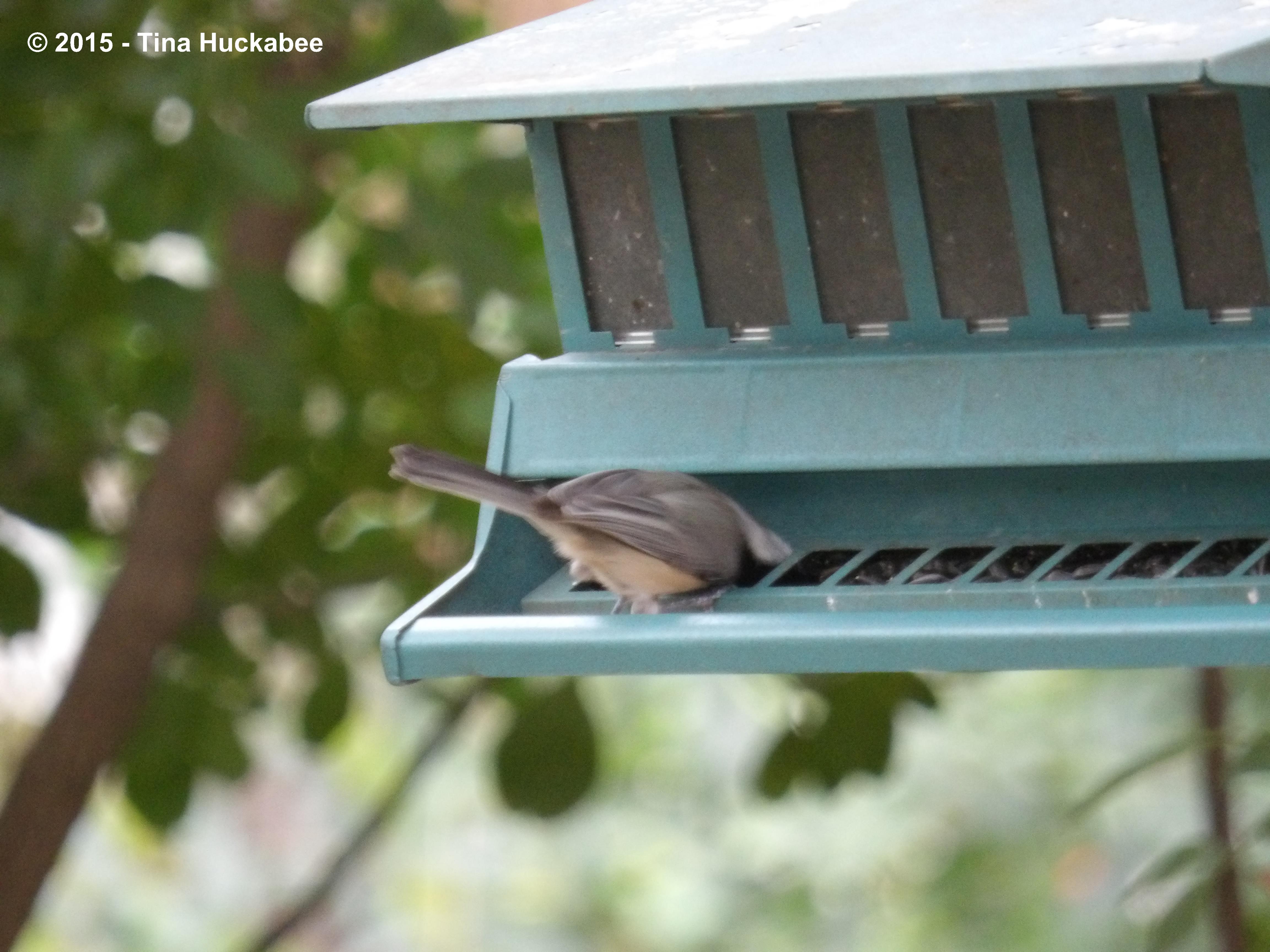
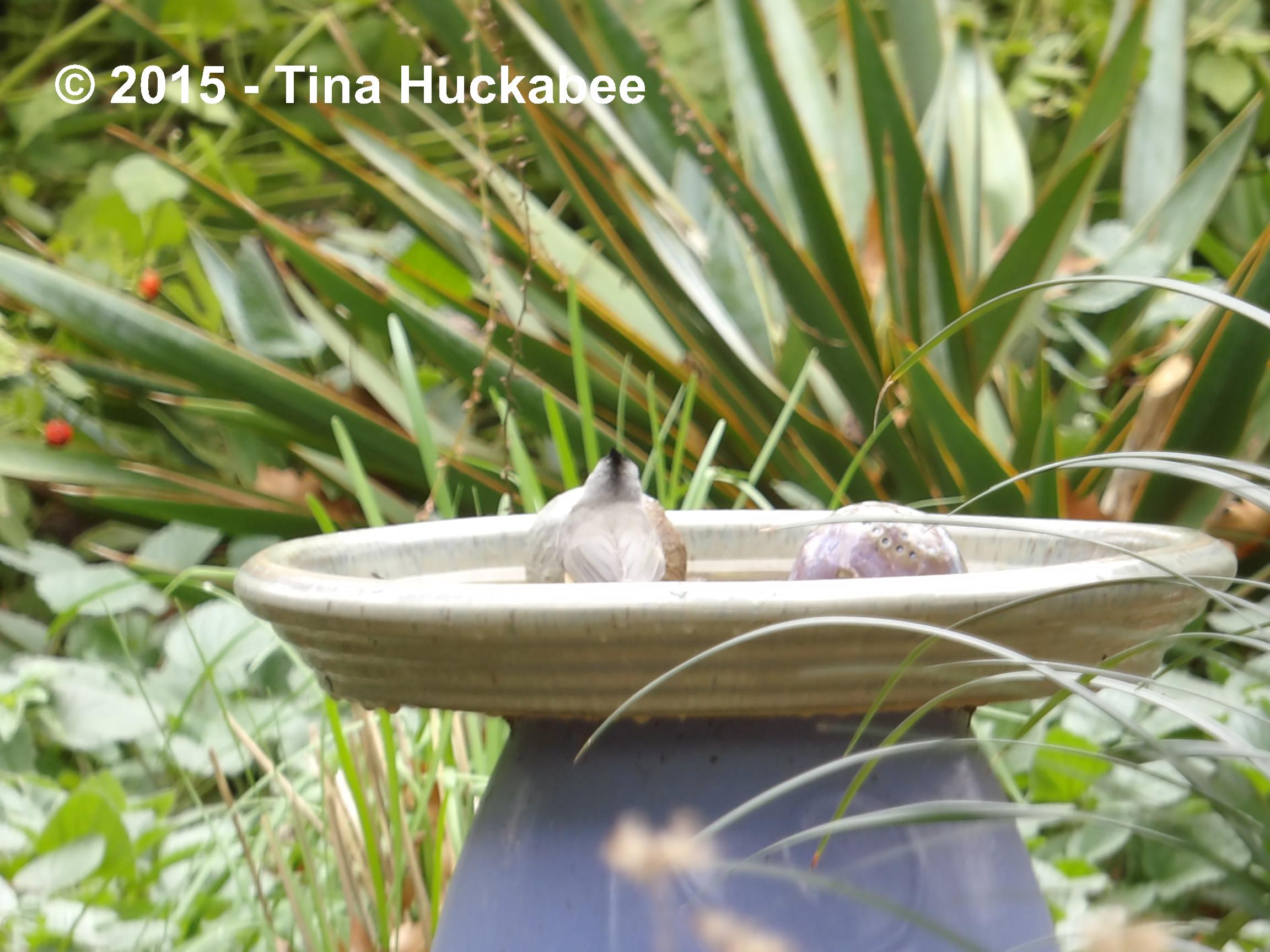
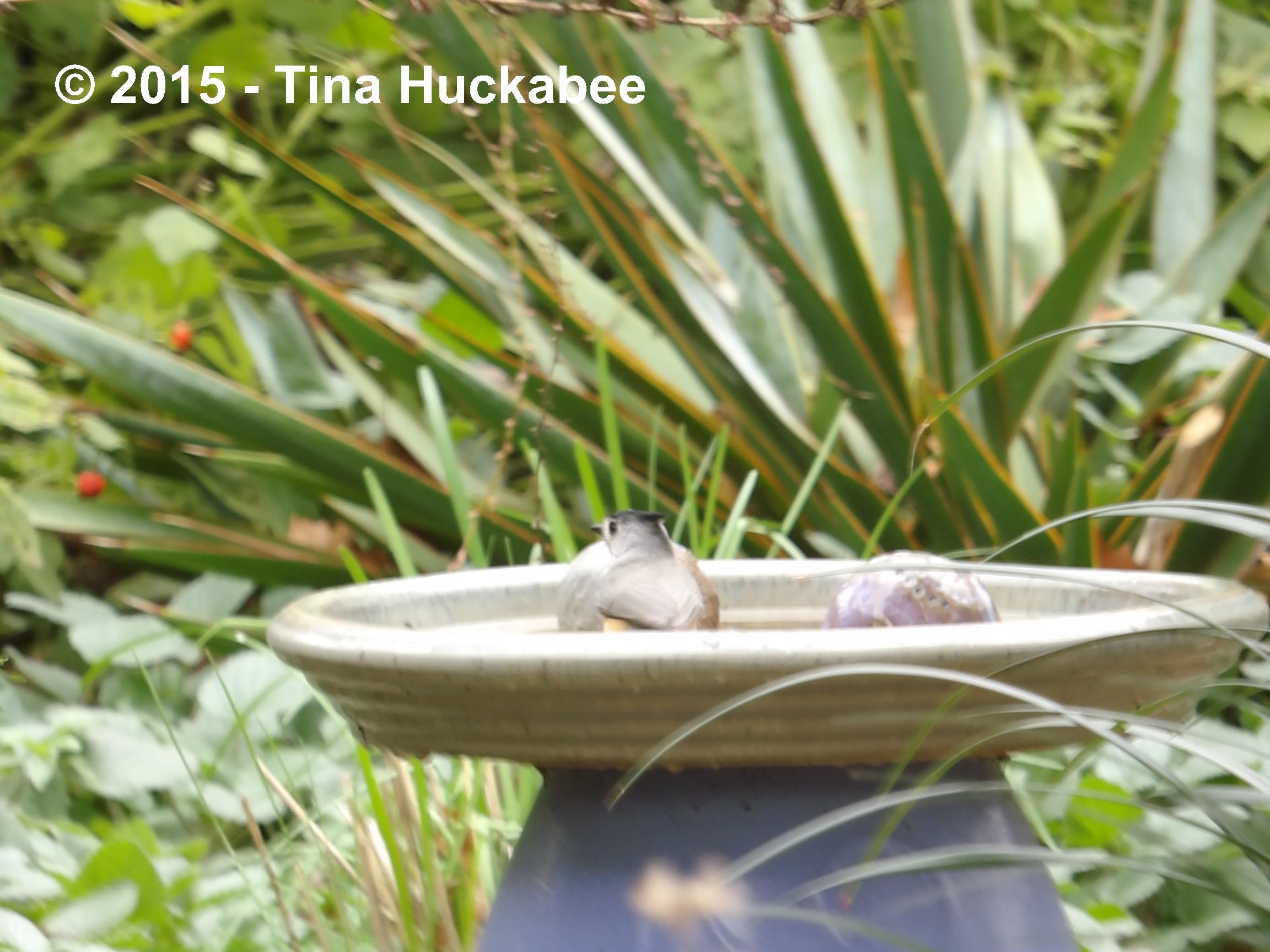
I adore the Tufted Titmouse, Baeolophus bicolor. This charmer is at or near the top of my list of favorite birds.

A North American songbird, it’s a common visitor to urban gardens in the Southeastern and Eastern part of the United States. Quick and with such a lovely little chirp, the Tufted Titmouse is so fun to watch in the garden, whether at the feeders,
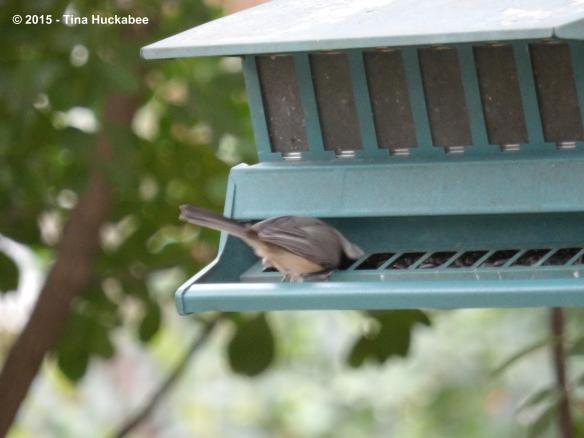
….or in the trees,


….or at a bath. Isn’t his mohawk darling? Punk bird.


I’m tickled that I’m learning the camera, to better catch these and other timid and elusive birds. I do remind myself regularly though, to put down the camera and just observe, appreciate, and marvel. I think that’s what makes wildlife gardening so satisfying.
My garden enjoyed a variety of wild visitors this past month and I’m sure yours did too. Please join in posting about the wildlife in your gardens for January Wildlife Wednesday. Share the rare or mundane, funny or fascinating, beneficial or harmful critters you encounter. When you comment on my post, please remember to leave a link to your Wildlife Wednesday post so we can enjoy a variety of garden wildlife observations.
Good wildlife gardening!
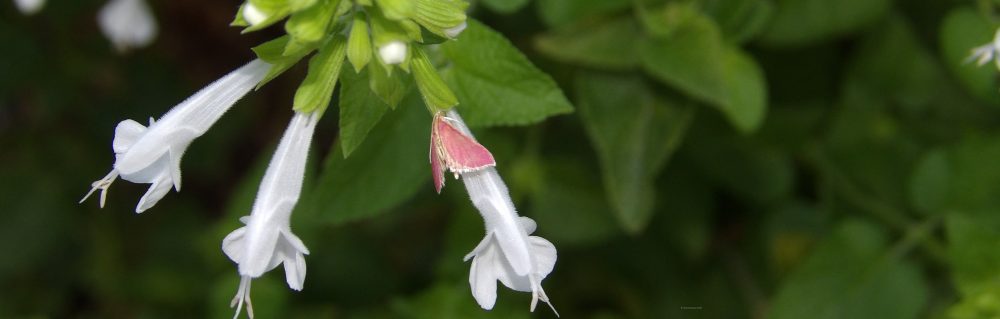
 This little group of hardy and pretty Texans still bloom and the flowers are available for pollinators who might stop by for a sip.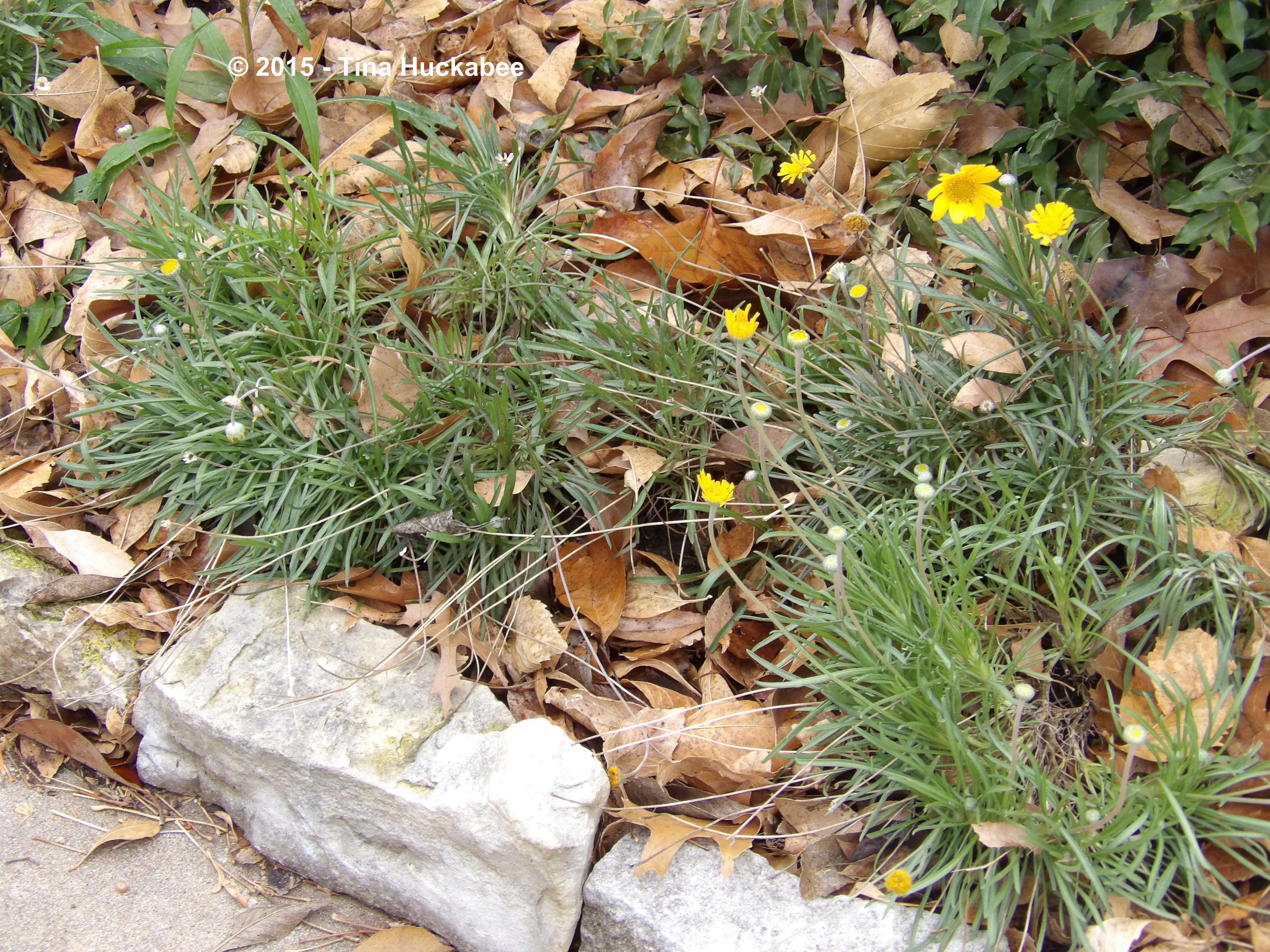
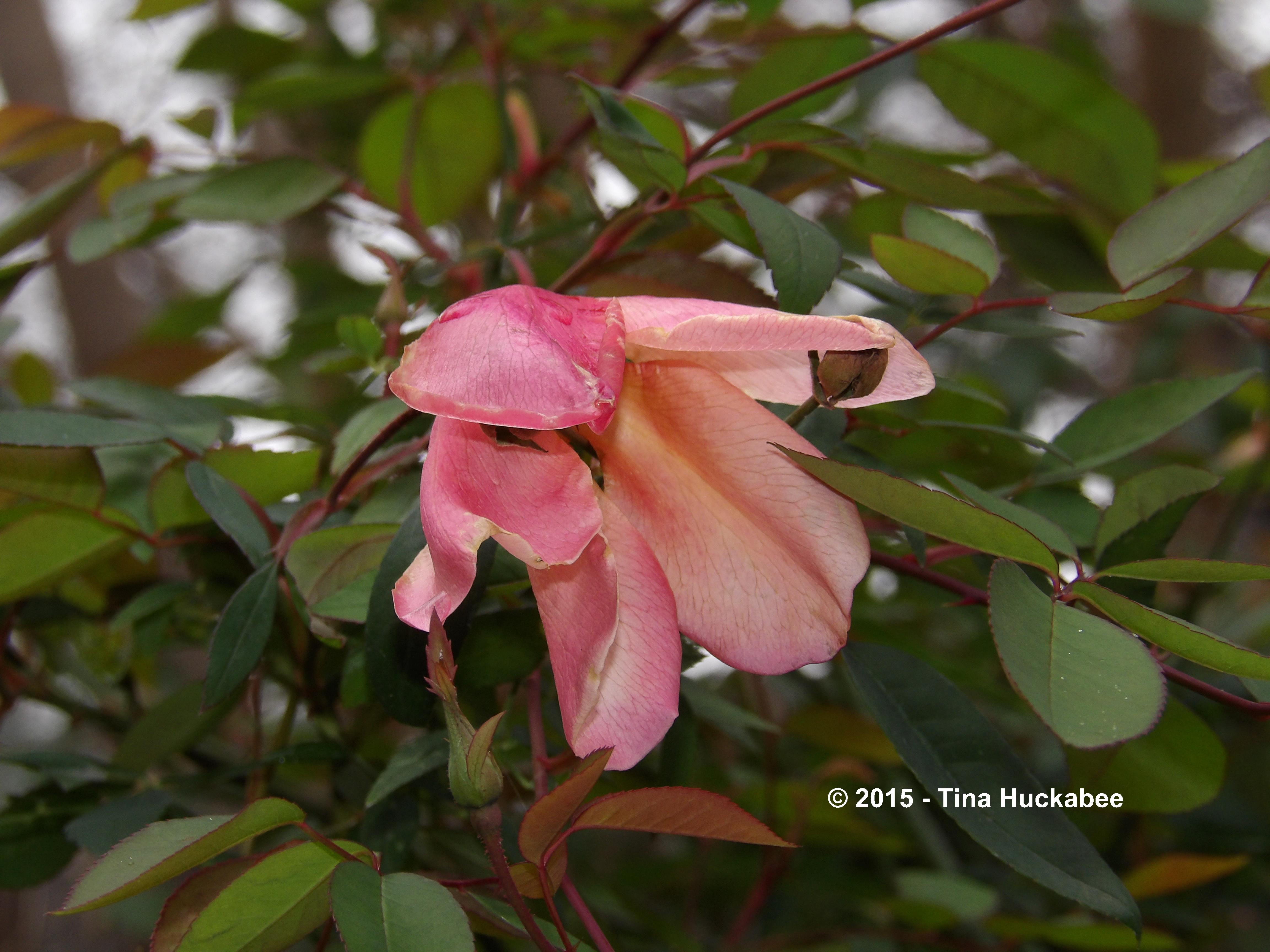 …hang on and there are others, awaiting their time to open.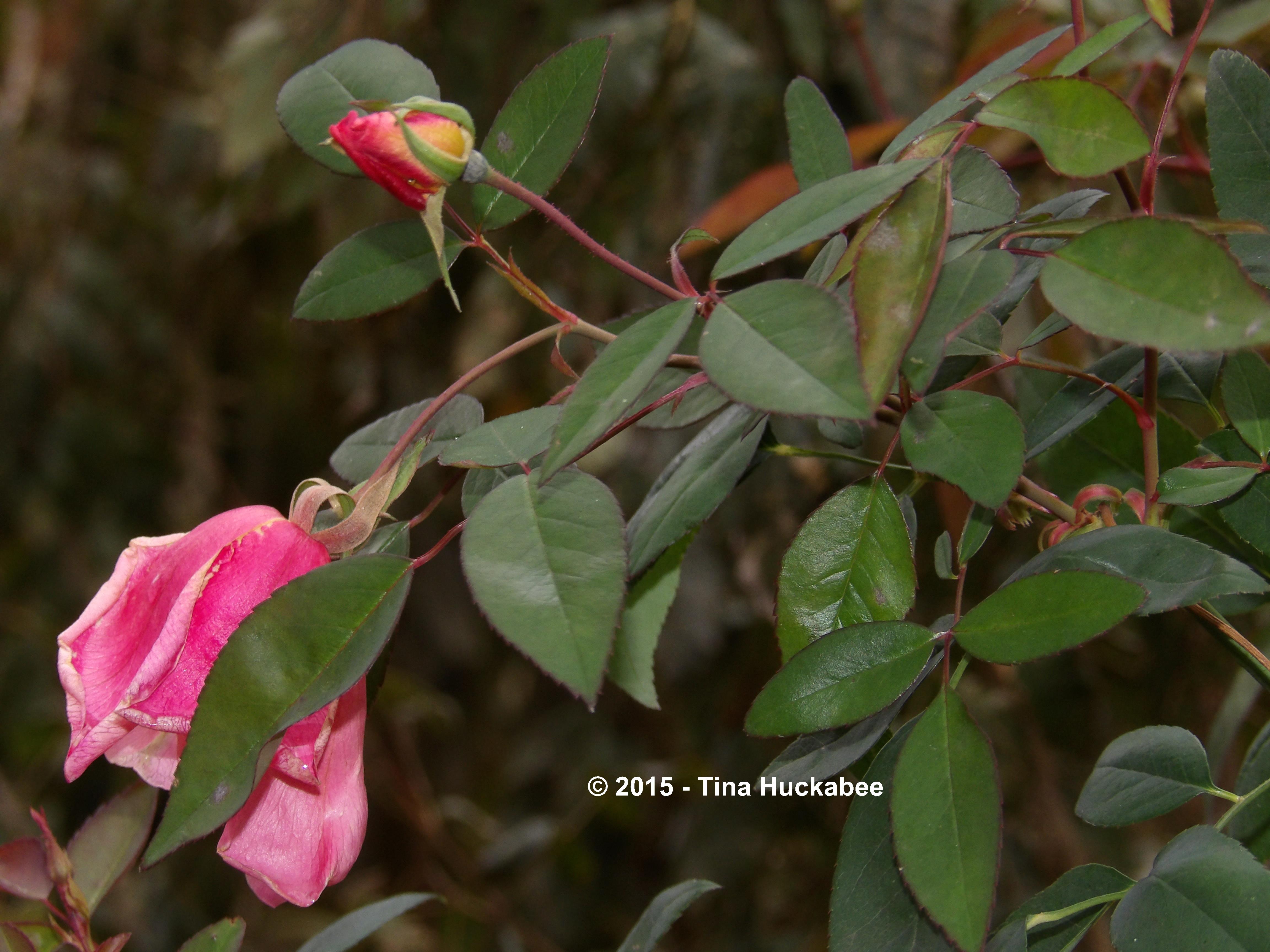
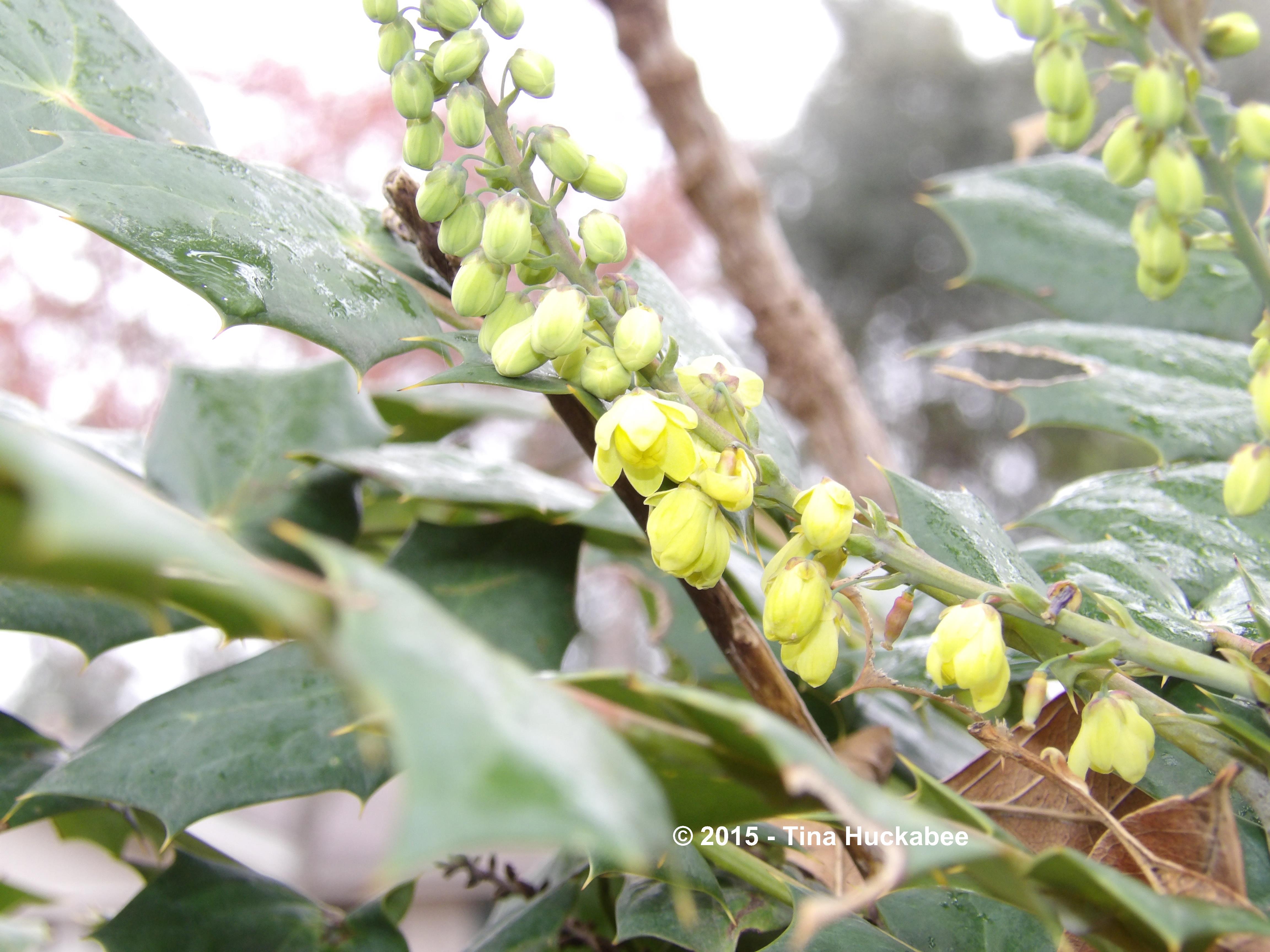
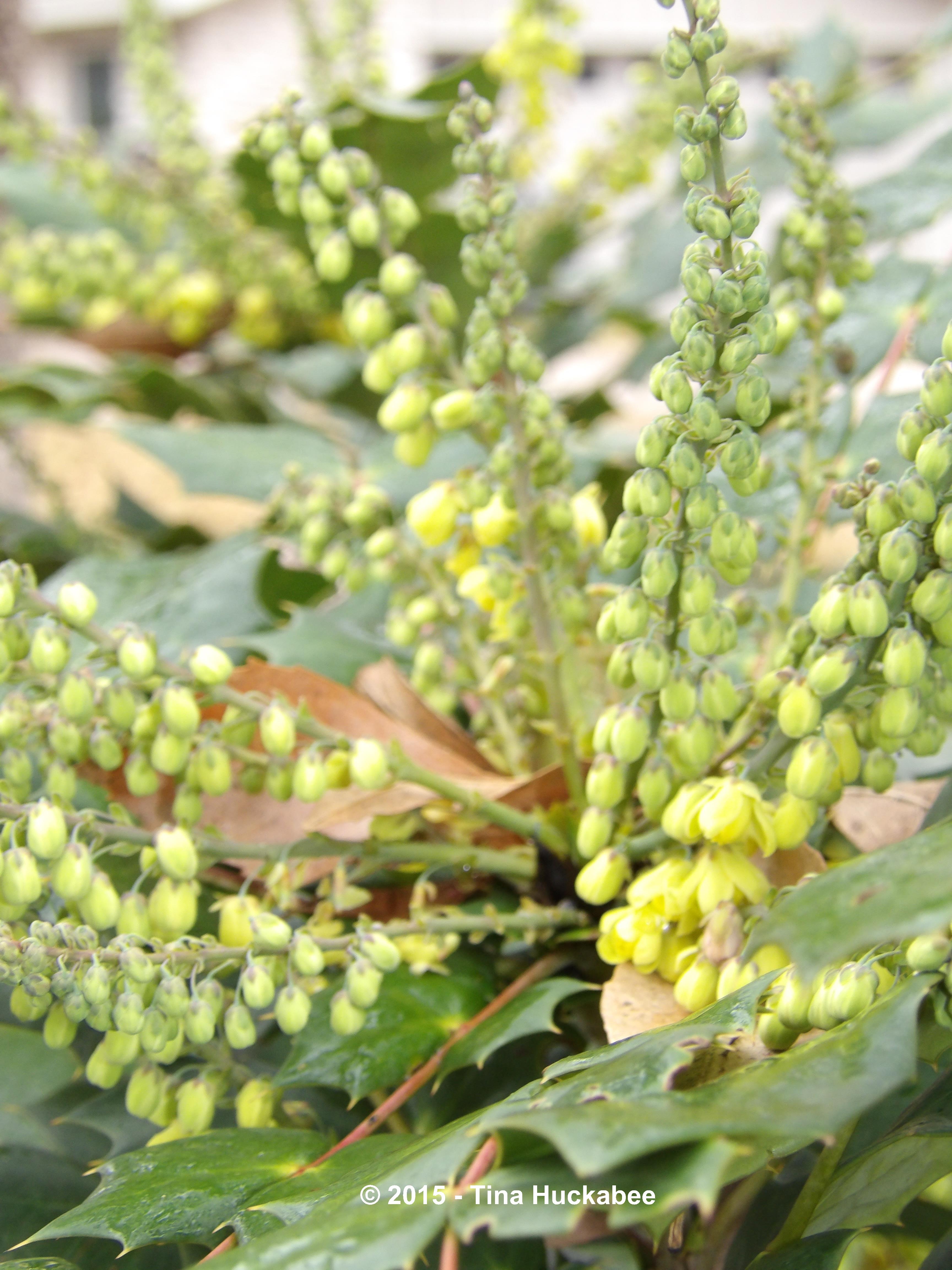 I always forget that these blooms appear in the shorter and darker days of January and February–but the bees remember.