It’s been an amazing month in my garden for wildlife–nothing rare or unusual, but lots of action from resident and visiting avian and arthropod critters. As spring unfurls its blooms, days lengthen, and temperatures warm, everyone is more active–and ready to breed. Ah, love is in the air. Let’s get twitterpated!
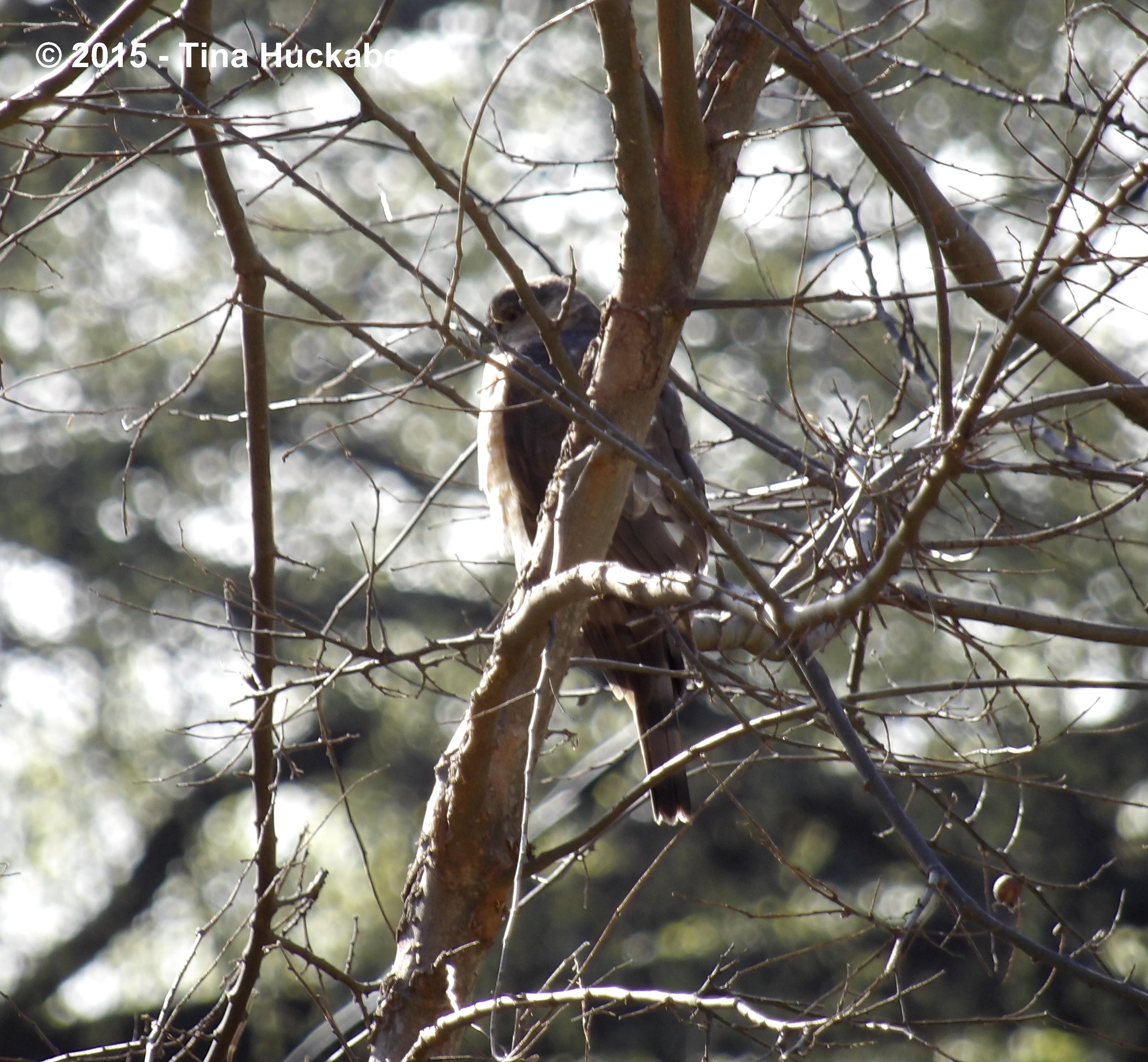
Last month I wrote about a single lady of the Buteo kind, this gorgeous Red-tailed Hawk, Buteo jamaicensis.
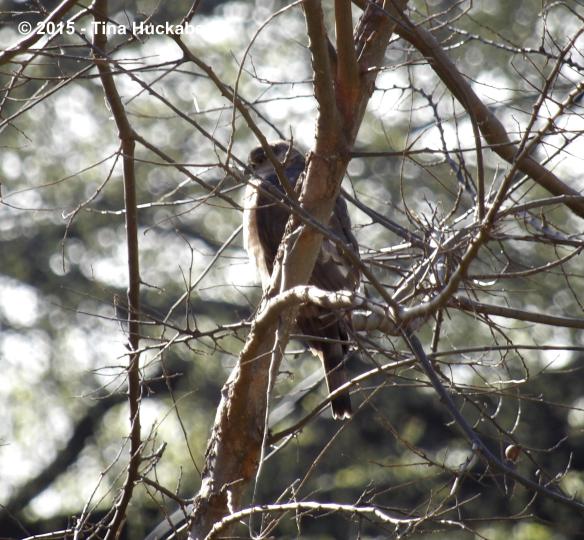

Those two photos were taken earlier in the month as she rested after scattering the birds with no meal to show for it. These two photos,

…I shot early Monday morning as I was alerted to her presence by the noisily squawking Blue Jays and Grackles. She doesn’t look all that impressed with their noise-making, but she flew off shortly afterward to a more distant tree. I think she’s a juvenile and I hope she finds a mate in the next year.
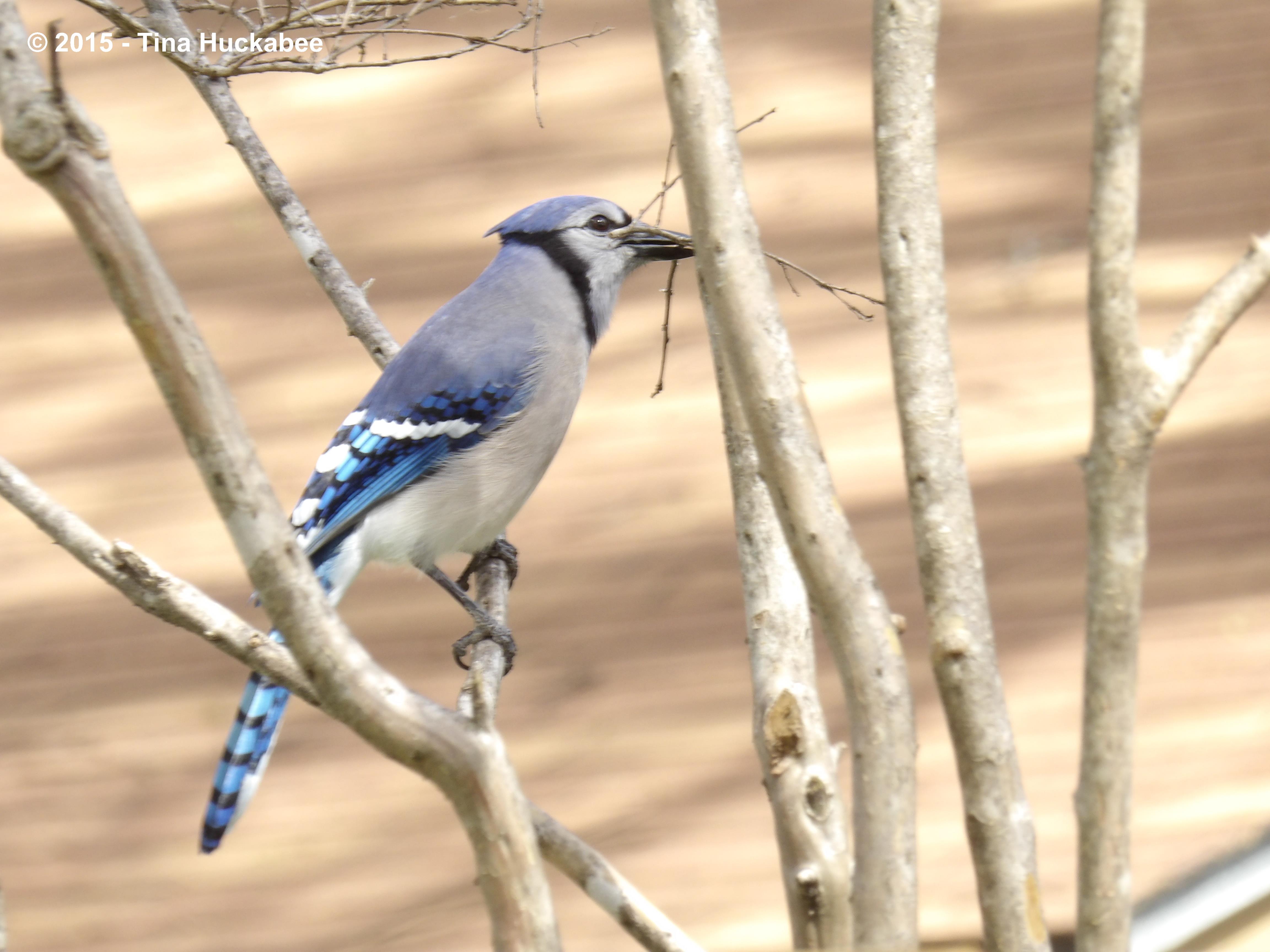
The Blue Jay, Cyanocitta cristata, (of course it’s ‘Cyan’ in the scientific name) are common birds in Texas and I see them every day, but rarely take photos of them. This one with a twig in the beak, is probably a female preparing for her nest.
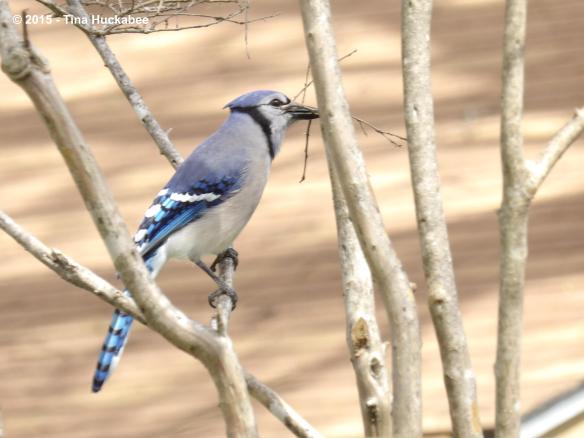 Blue Jays are loud, dramatic birds, but so gorgeous–and I think they know it.
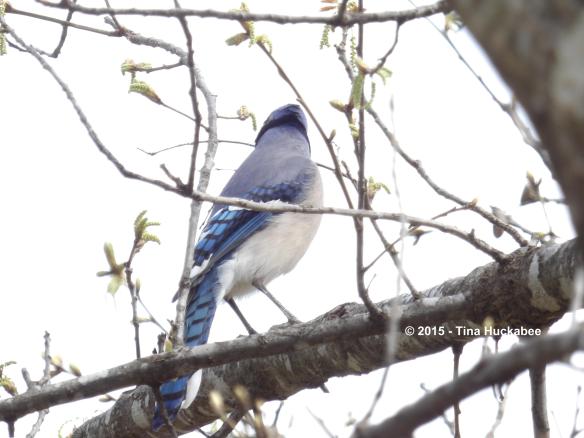
I enjoy their antics–and beauty.
This Northern Mockingbird, Mimus polyglottos, sang beautifully one morning.
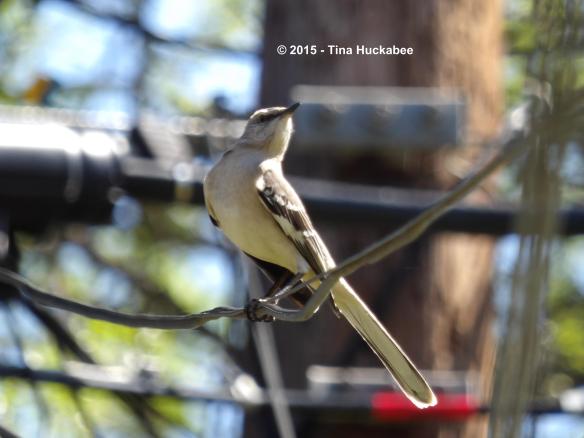 I love the songs of the Mockingbird–melodic, versatile, and constant. I’d like to think he was serenading me, but I imagine he was trying to impress a lady more fitting to his taste. His coloring looks buttery, not the grays than Mockingbirds really are. Obviously, the early morning light highlighted him in an unusual, though compelling, way.

Or I was off-kilter with the camera.
This Mockingbird shows truer colors,
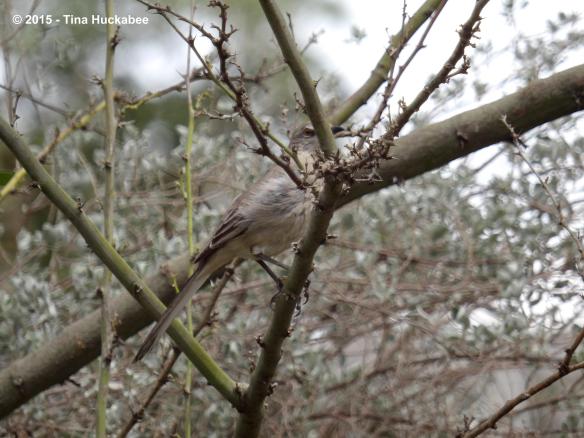 …as he rests in my Retama tree and surveys his territory.
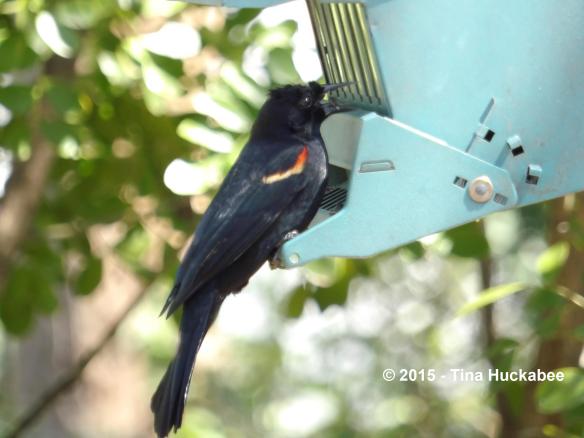
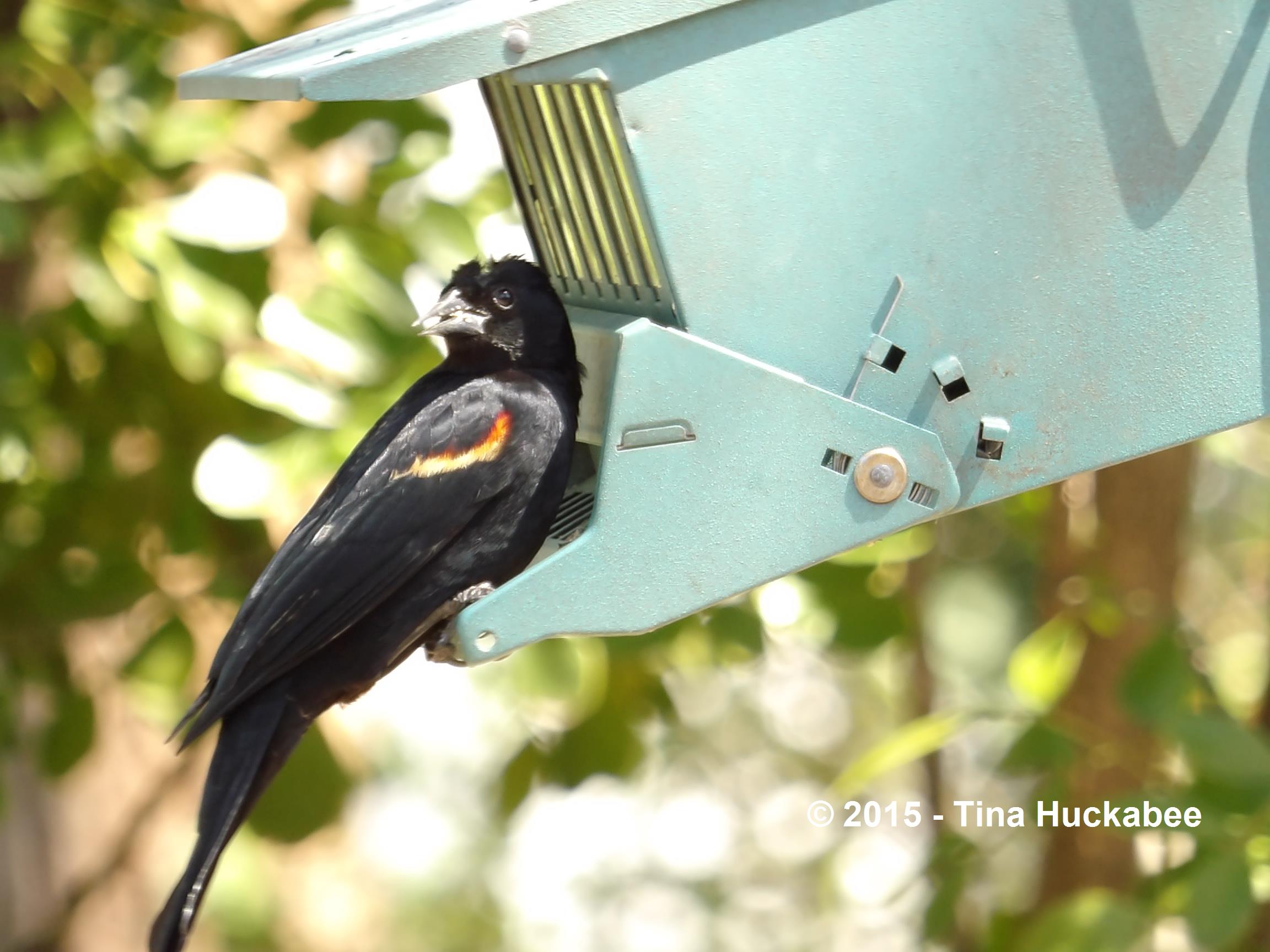
I used to enjoy the sight of many Red-winged Blackbird, Agelaius phoeniceus, species migrating through my gardens in spring, but this year, there is only one shy male.
 He visits the feeder from time-to-time, hesitant to land, but once he perches, he remains quite a long time enjoying sunflower seeds.
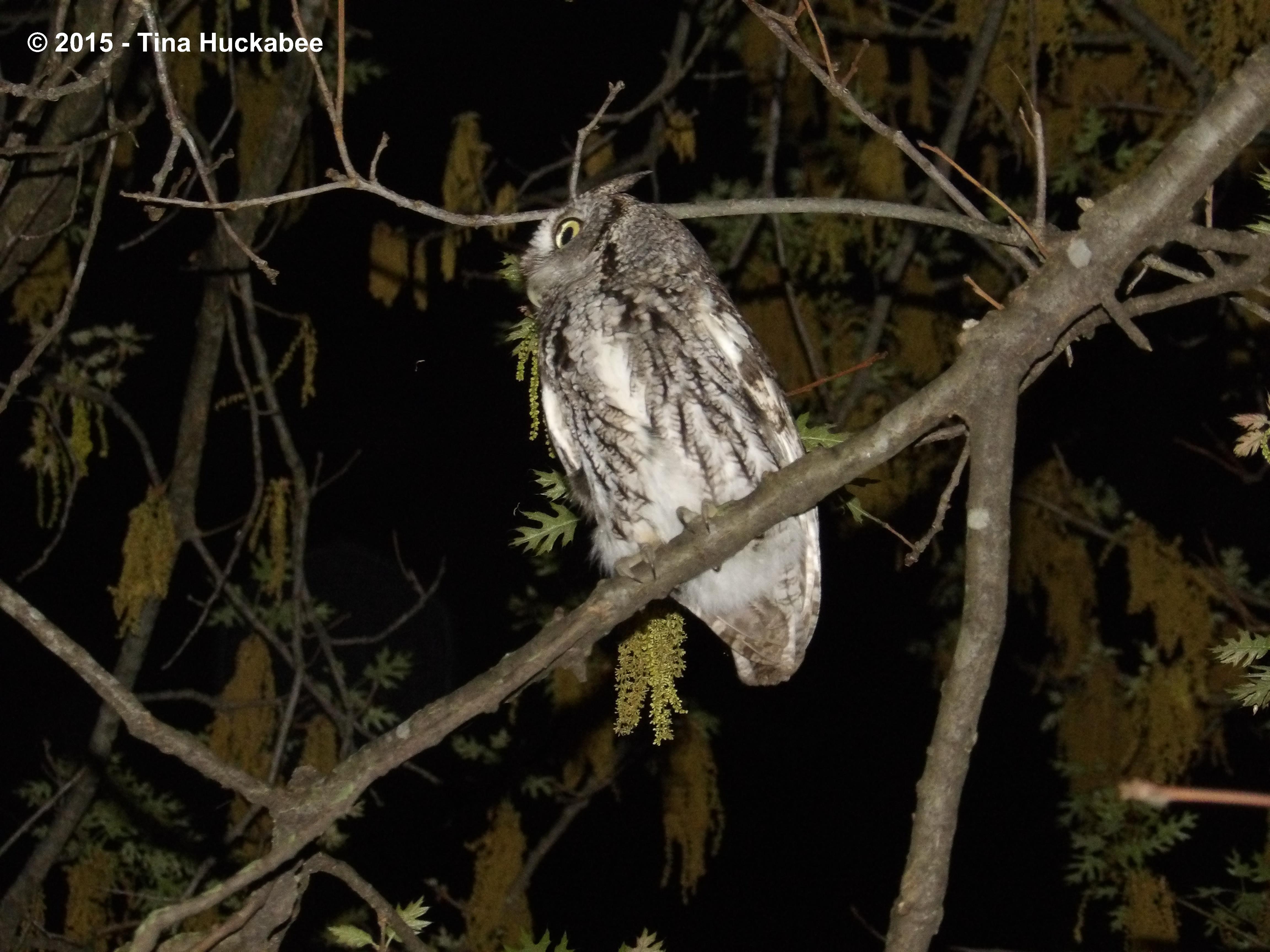
I’ve written about my resident Eastern Screech Owl, Megascops asio, couple in the past month and what a charming pair they are. These two are real love-match. I’ve observed Mamma,


…sitting in the tree, waiting patiently for her partner to bring her a treat at night or to pick her up from the house at sundown for a rat and a movie. Well, maybe not a movie.
Every time I see these two lovebirds meet each other, they touch beaks. At first I thought they were exchanging some morsel of food and it might be happening, but I don’t see any “stuff” pass between them. I think they’re beak-kissing.
Kissing is so much nicer than exchanging lizard gizzard.
Early some mornings, just before sunrise, I’ve spotted Dad,

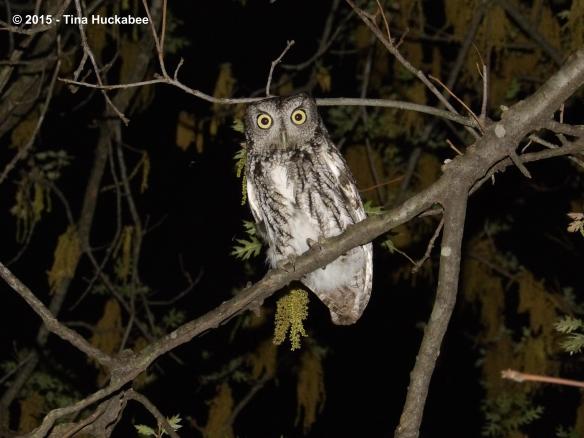
…hanging around the brood house. Mamma is nestled inside by then; sometimes she pokes her head out, sometimes not. He’ll trill a couple of times, then silently swoops off to the neighbor’s shrubs for his daily rest. What a treat and privilege it is watching these two court.
Take a look his talons.
 I wouldn’t want to be at the snatching end of those.
A Great Blue Heron, Ardea herodias, visited my pond several times early in the month, relieving it of a couple of fish. I like my fish and I’m very sorry for their end, but everyone has to eat.I never got a good photo of the heron because with any slight movement the heron spread his huge wings and loped off. I did get this one rather lame photo after he took flight from my back garden and banked around and upwards from the house.
He’s probably headed off to a nearby creek. I haven’t seen him since, but that doesn’t mean he doesn’t still visit the fishies.
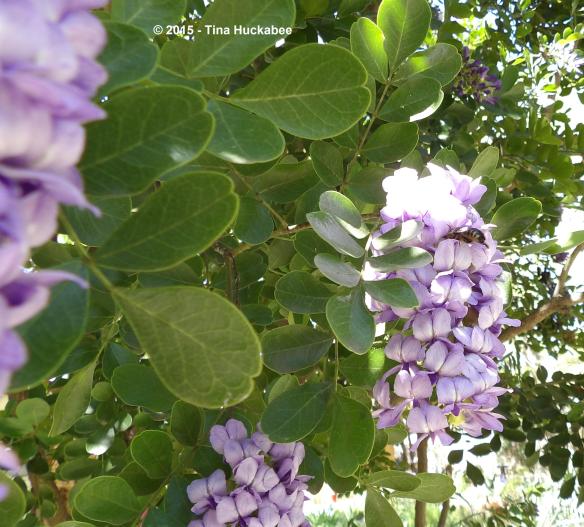
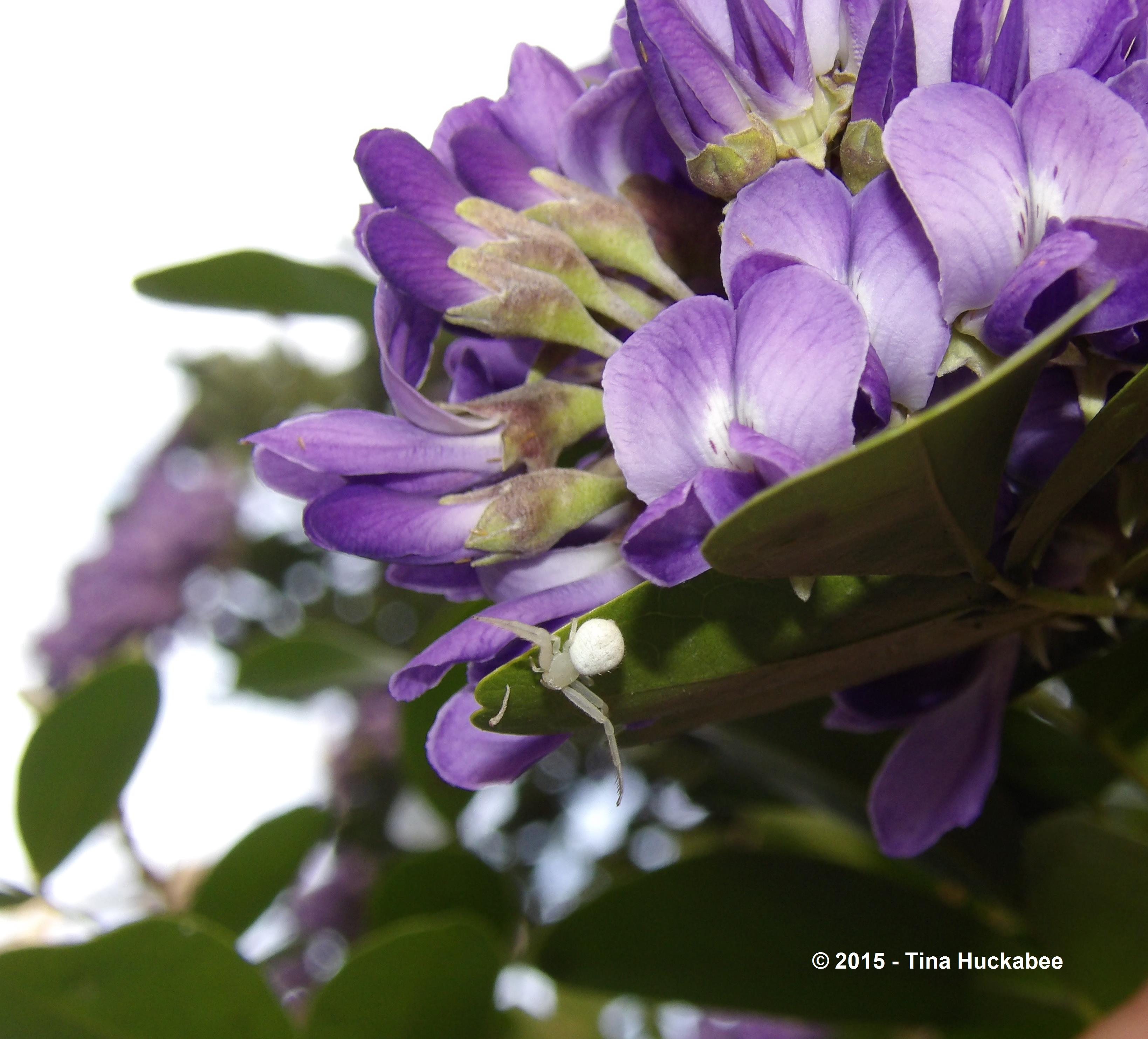
Texas Mountain Laurel, Sophora secundiflora, is blooming magnificently this spring. Beautiful trees year round, the Laurels are dripping with purple clustered blooms, to the delight of this gardener, as well as this White Crab Spider, Mecaphesa.

Hopefully, the spider isn’t hunting the honeybee as she harvests pollen and nectar.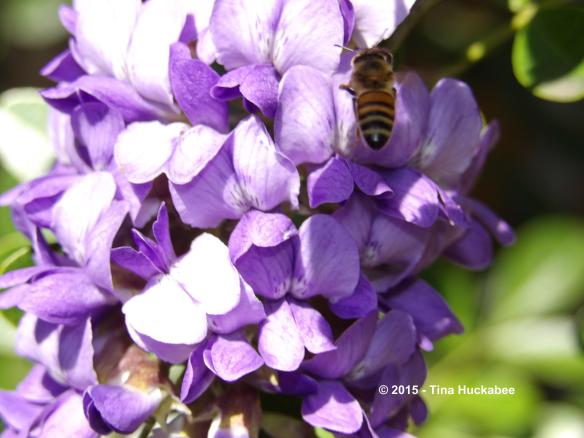
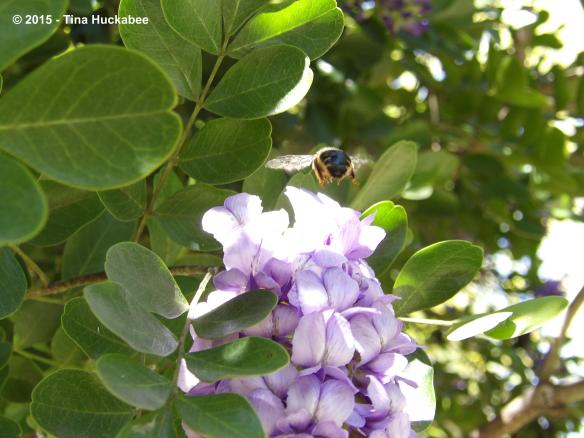
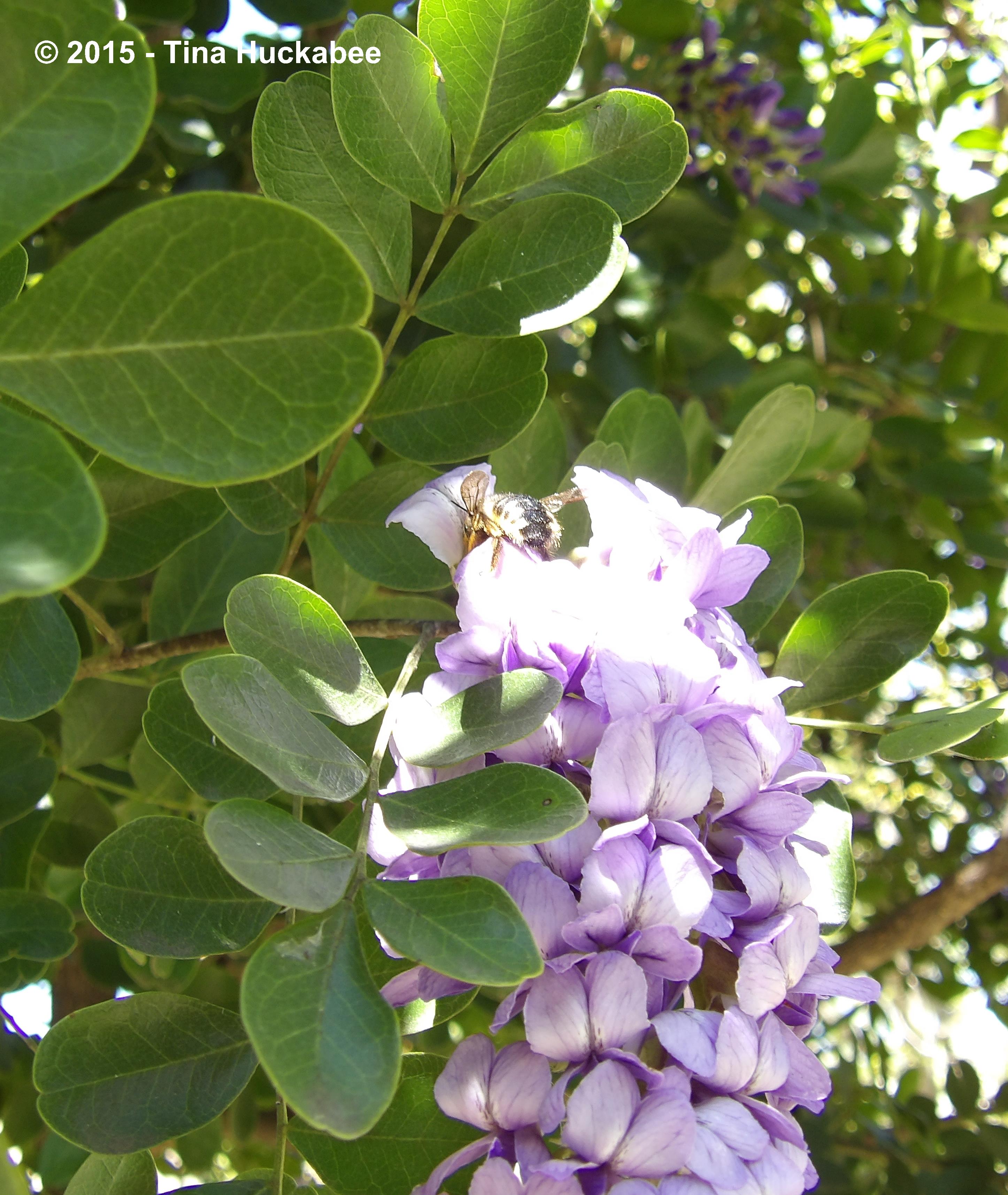
Similarly, this native bee, Horsefly-like Carpenter Bee, Xylocopa tabaniformis, enjoys the Mountain Laurel blooms.
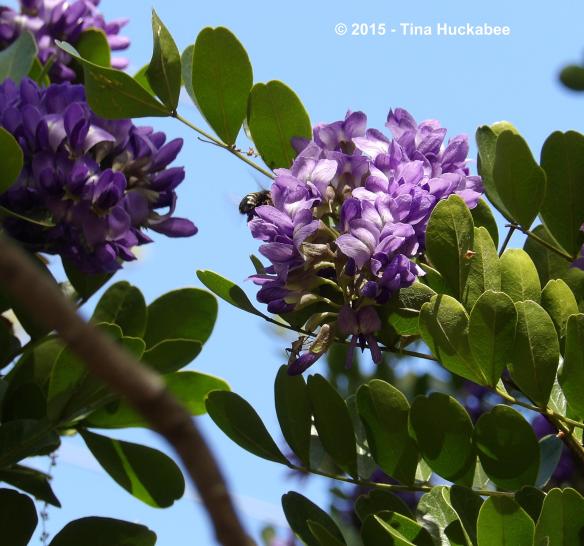 Just below the bee is another insect, but I only see it in profile. Any ideas about what it is?
I have a hard time photographing this bee species because they’re always on the move, except when entranced by blossoms full of pollen and nectar, like those of the Mountain Laurel.

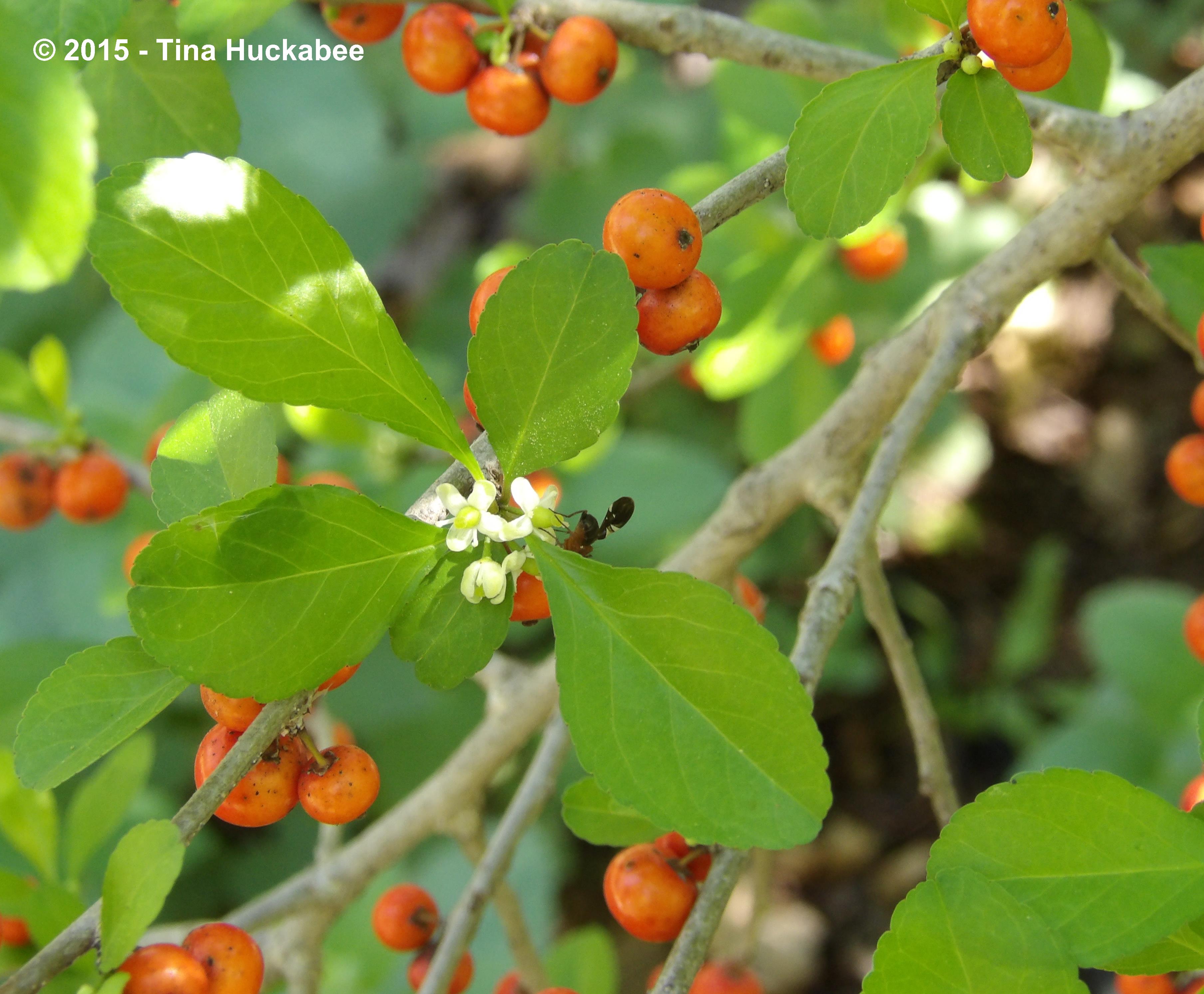
As beautiful as the Texas Mountain Laurel is, my wildlife plant-of-the-month award goes to the Possumhaw Holly, Ilex decidua.
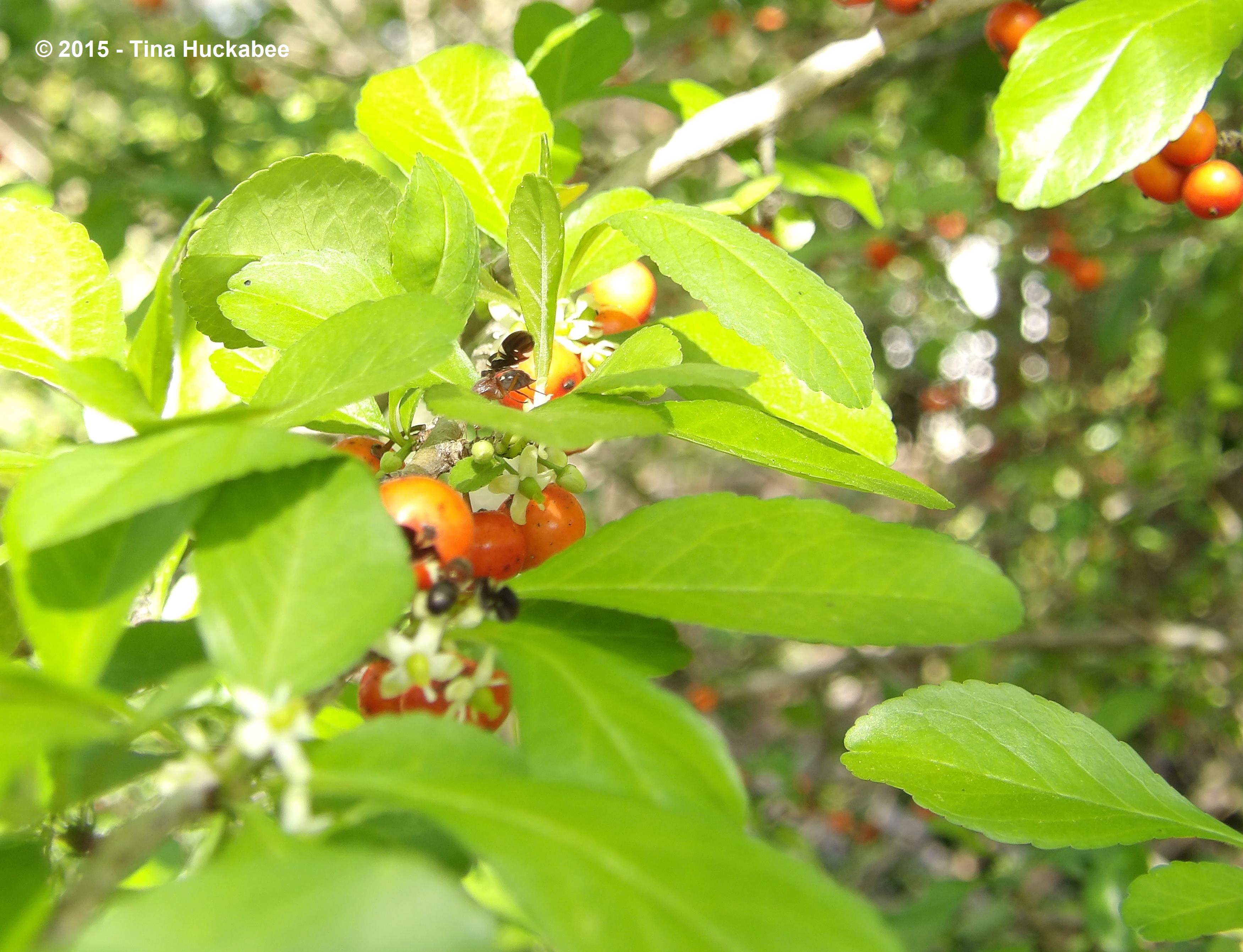
 This tree leafed out in late February, still holding its winter berries (why haven’t the Cedar Waxwings gobbled up the berries??), while blooming the tiny, sweet spring flowers.

The tree was and is alive with bird and insect activity. Most of the activity I’ve observed is so tiny and/or moves so rapidly that I opted to simply put down the camera to watch and marvel. I’ve observed a number of fly species, various native bees and honeybees, and a butterfly that I’ve never seen before, visiting those teensy flowers
The Possumhaw flowers are quite the favorites of very small pollinators–and small is the operative word.
One insect moved slowly enough that I was able to capture some shots. Picture-winged Flies, Delphinia picta, are common in my gardens–I’ve rescued them from the shallow bird bath near the Possumhaw and see them all over the garden.
The fly lays its eggs on the decaying fruits so the larvae can feed on rotting berries.


Adults sip nectar from the little flowers.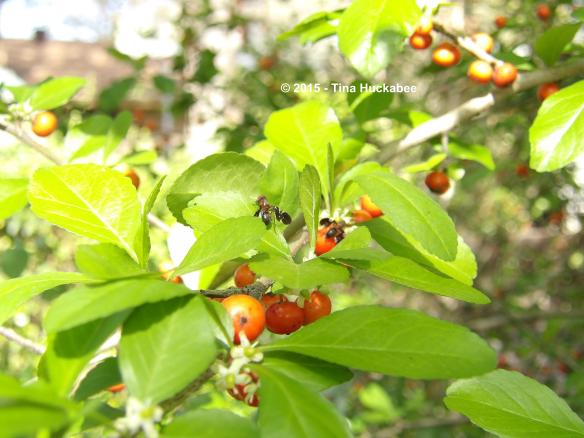
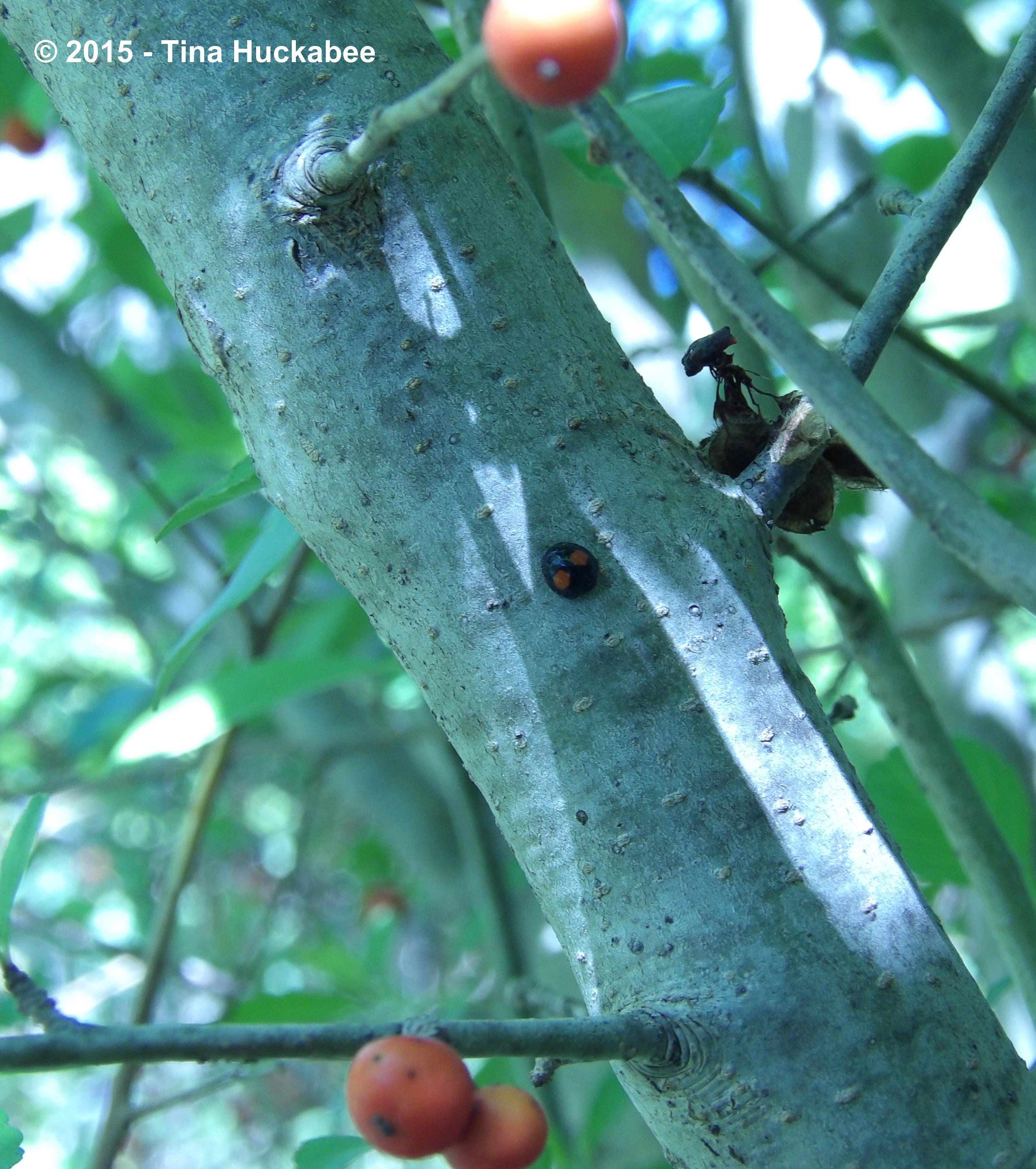
On the limbs and trunk of the Possumhaw, I’ve seen several of the Twice-stabbed Lady Beetle, Chilocorus stigma.

I find the name rather gruesome, but what a pretty little insect and beneficial too. Lady Beetles, no matter how many dots, enjoy eating aphids and other sucking insects; they are good friends to gardeners.
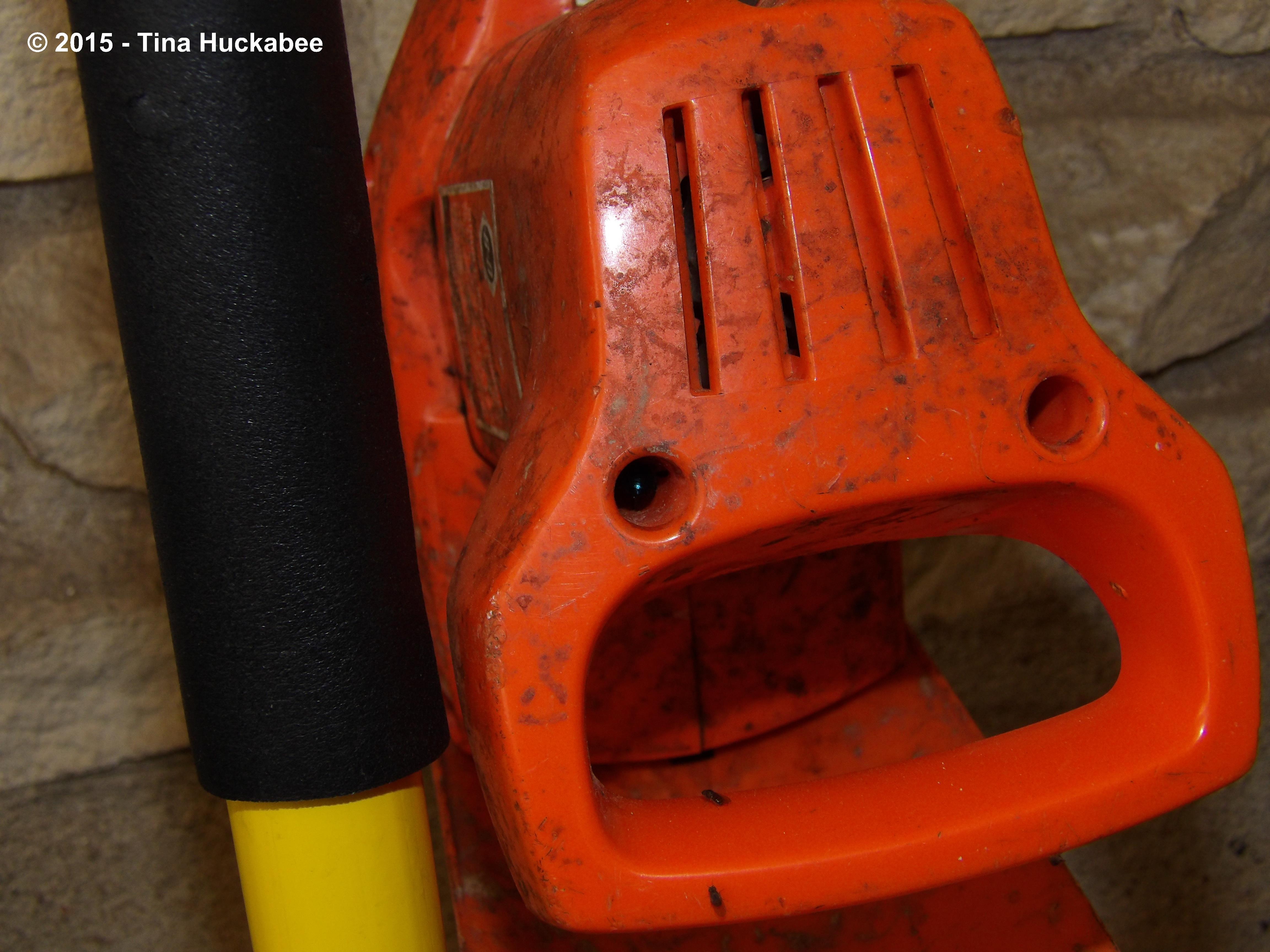
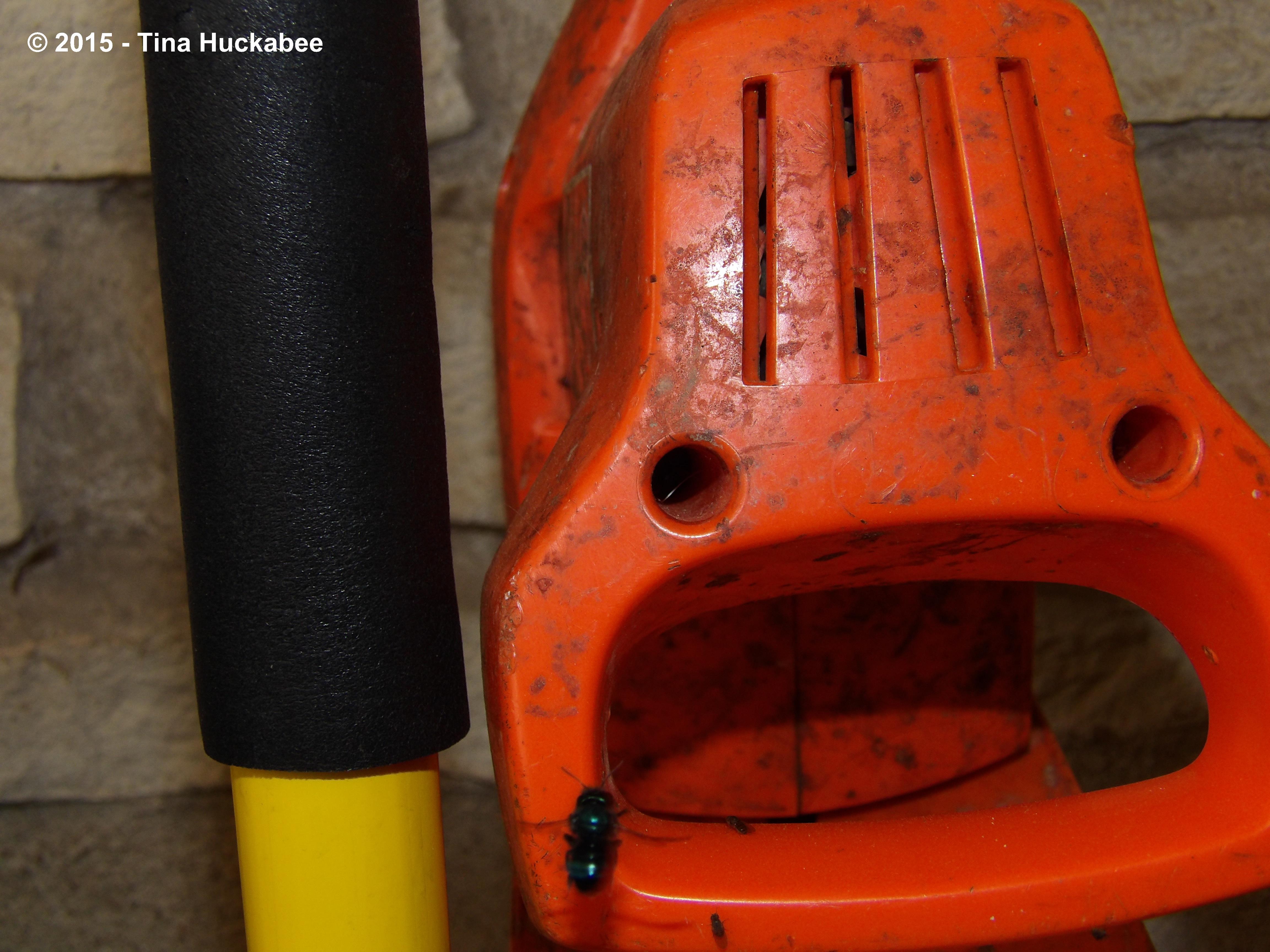
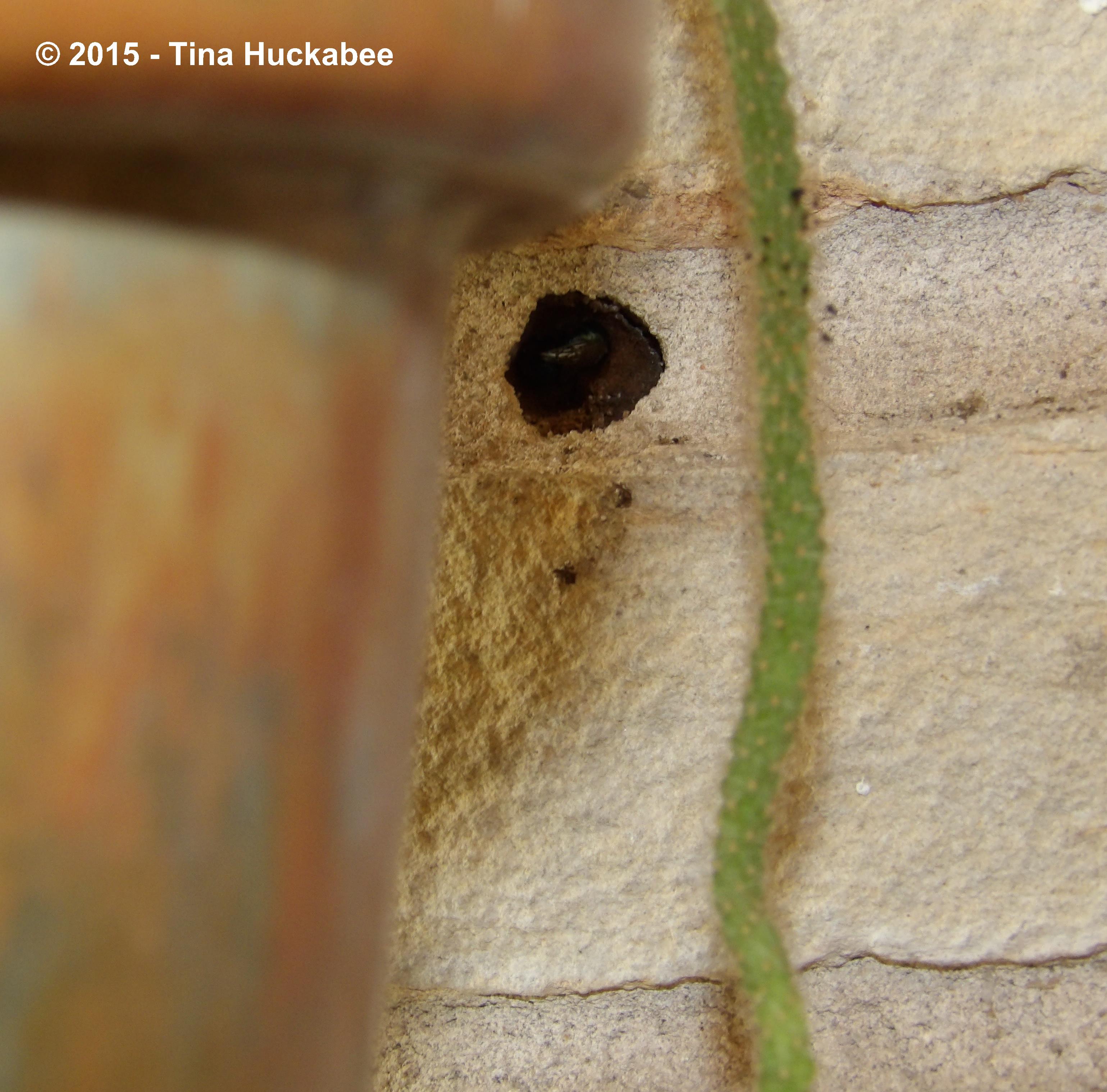
And finally, this Mason Bee, Osmia lignaria, wasn’t immune to the drive for spring romance, or at least, the drive for reproduction of the species. I watched two of these buzzing around my back patio walls in search of the right holes in which to form nests and lay eggs. This one chose a hole in my old (REALLY old) electric pruner. She entered several times,
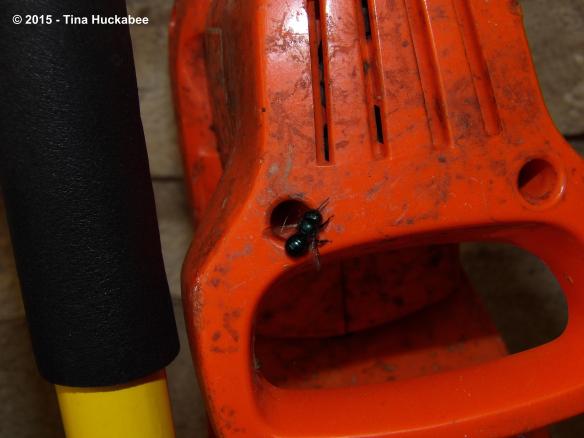


…and packed the hole with pollen and probably a little mud for whatever eggs she laid. Here are other holes in the mortar of my house walls were she and other native bees have done the same.
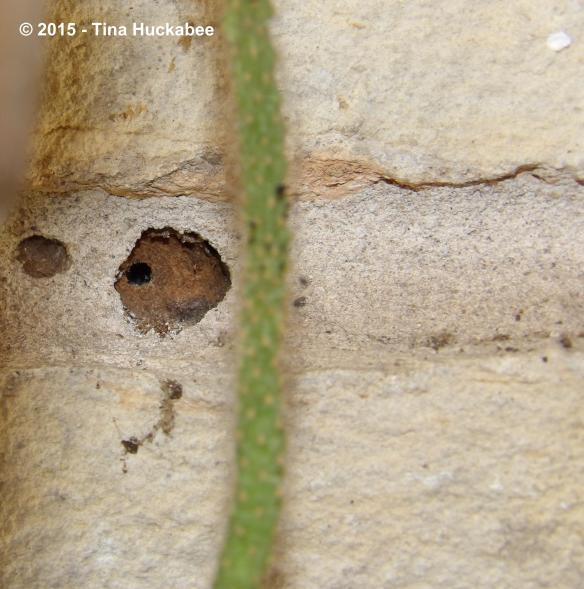
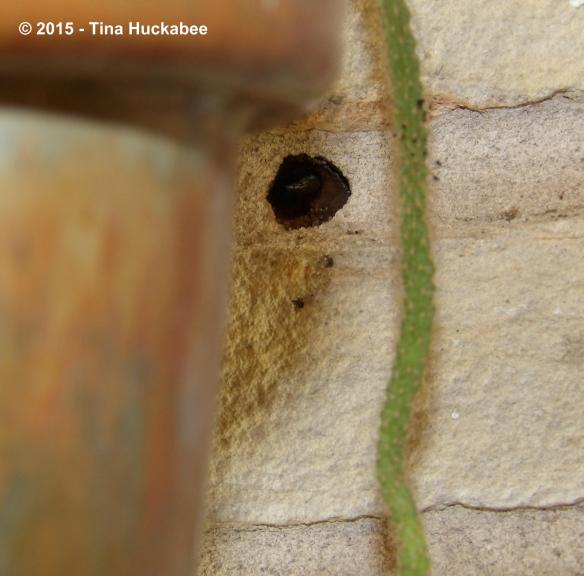
Many of these holes have existed in the mortar for years, some well before we bought our home, like these two.


At some point, these holes were filled with glue or caulk (maybe for shelves?). I’ve recognized for a number of years that bees and wasps use these holes as nests, so I have not cleaned or filled them in. I guess some would find holes in the walls a bit unsightly, but I love that the bees use them year after year to create homes for their larvae ensuring more bees in the future. To me, that is real home beauty.
I hope your gardens benefitted from wildlife visitors this month and that you will join in posting about it for April Wildlife Wednesday. Share the rare or mundane, funny or fascinating, beneficial or harmful critters you encounter. When you comment on my post, please remember to leave a link to your Wildlife Wednesday post so we can enjoy a variety of garden wildlife observations.
Good wildlife gardening!

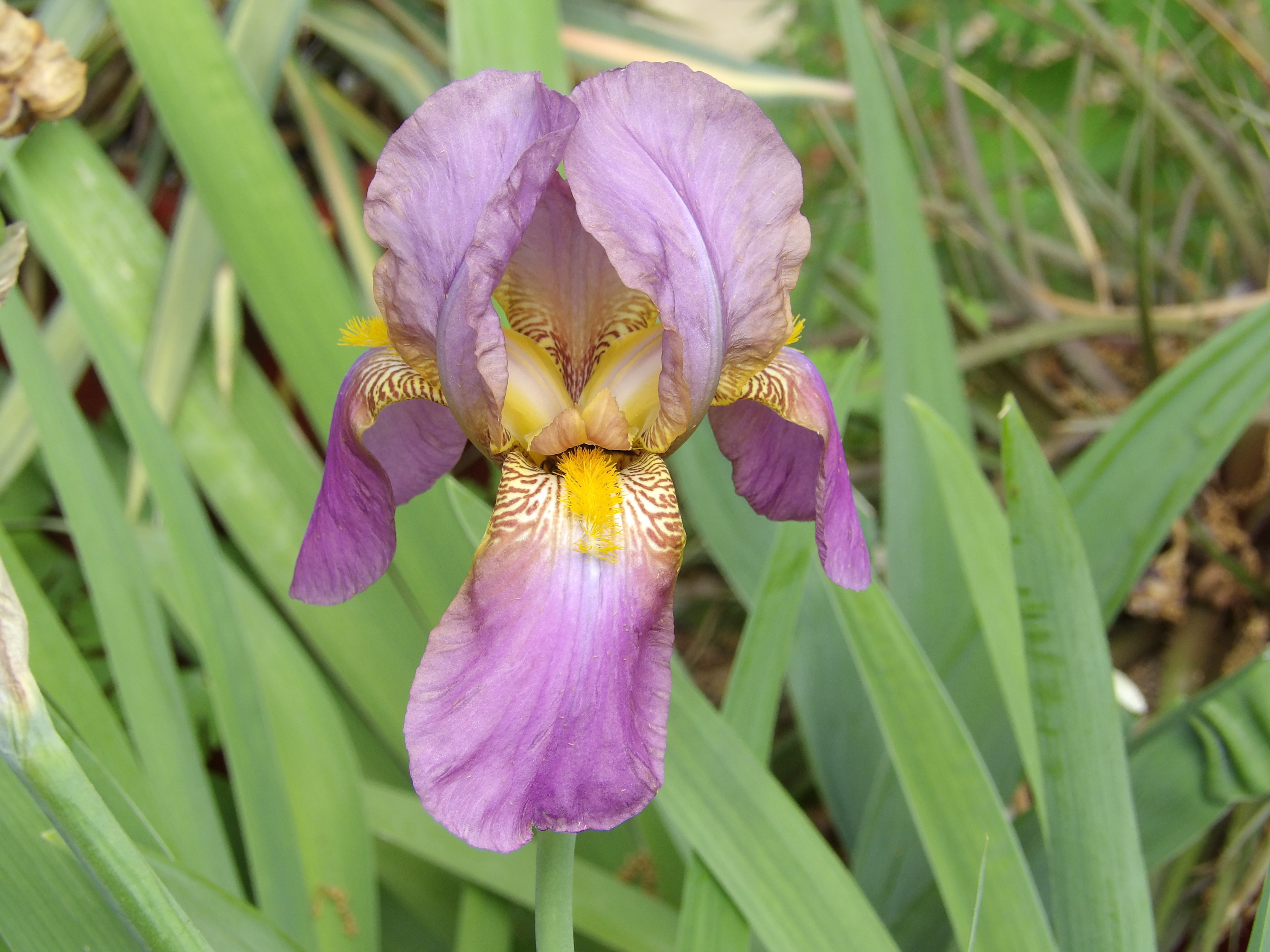
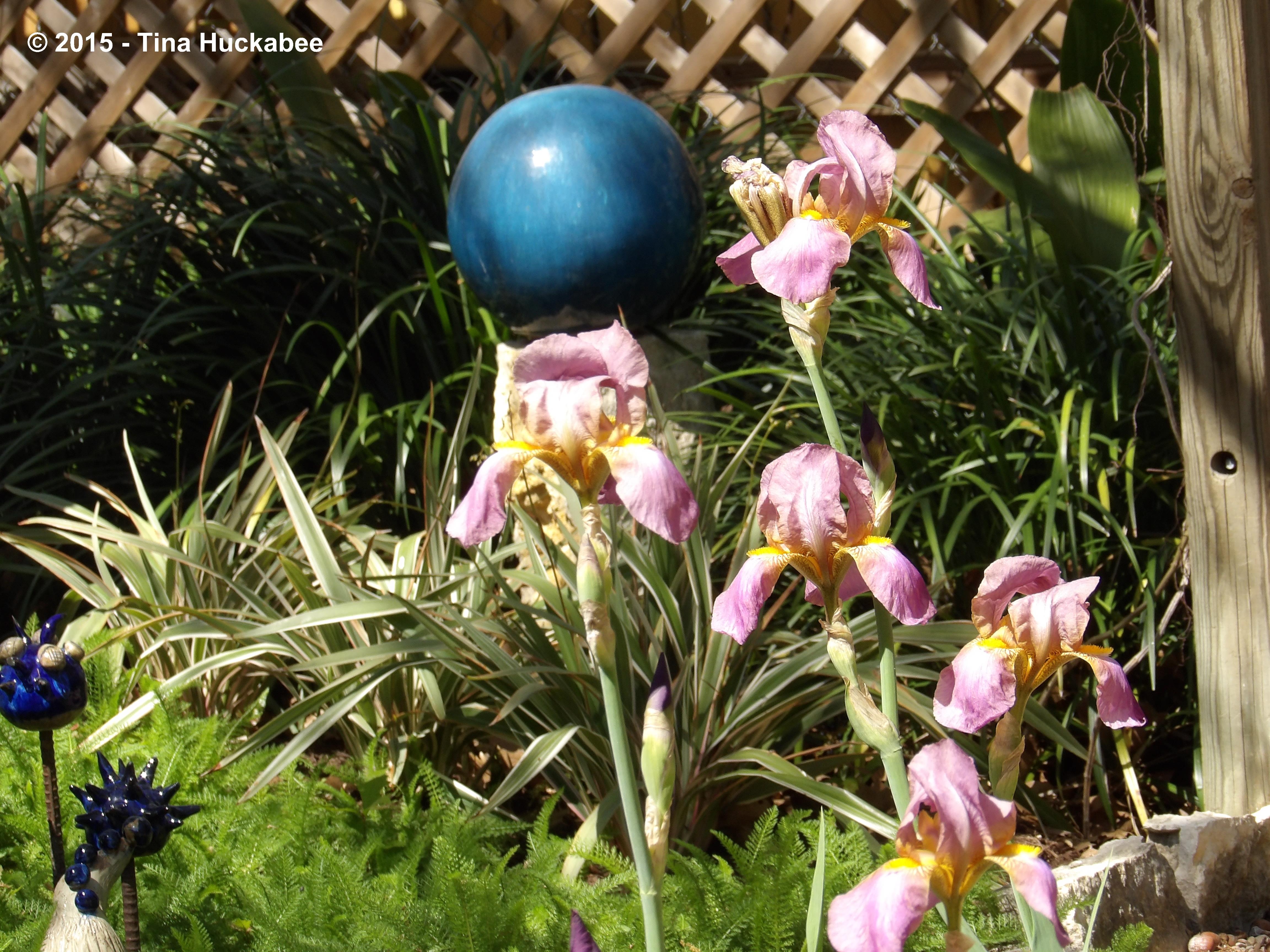
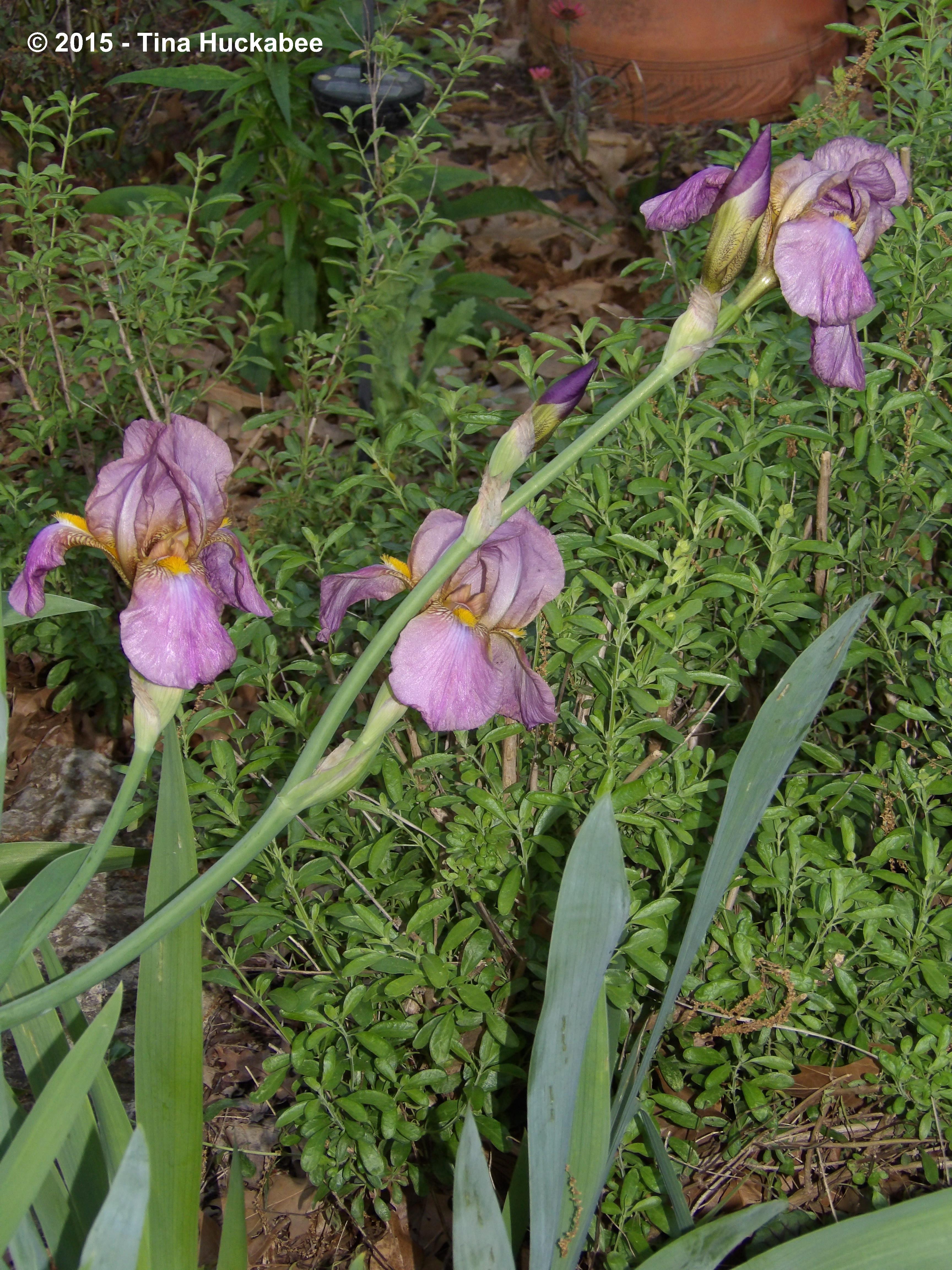
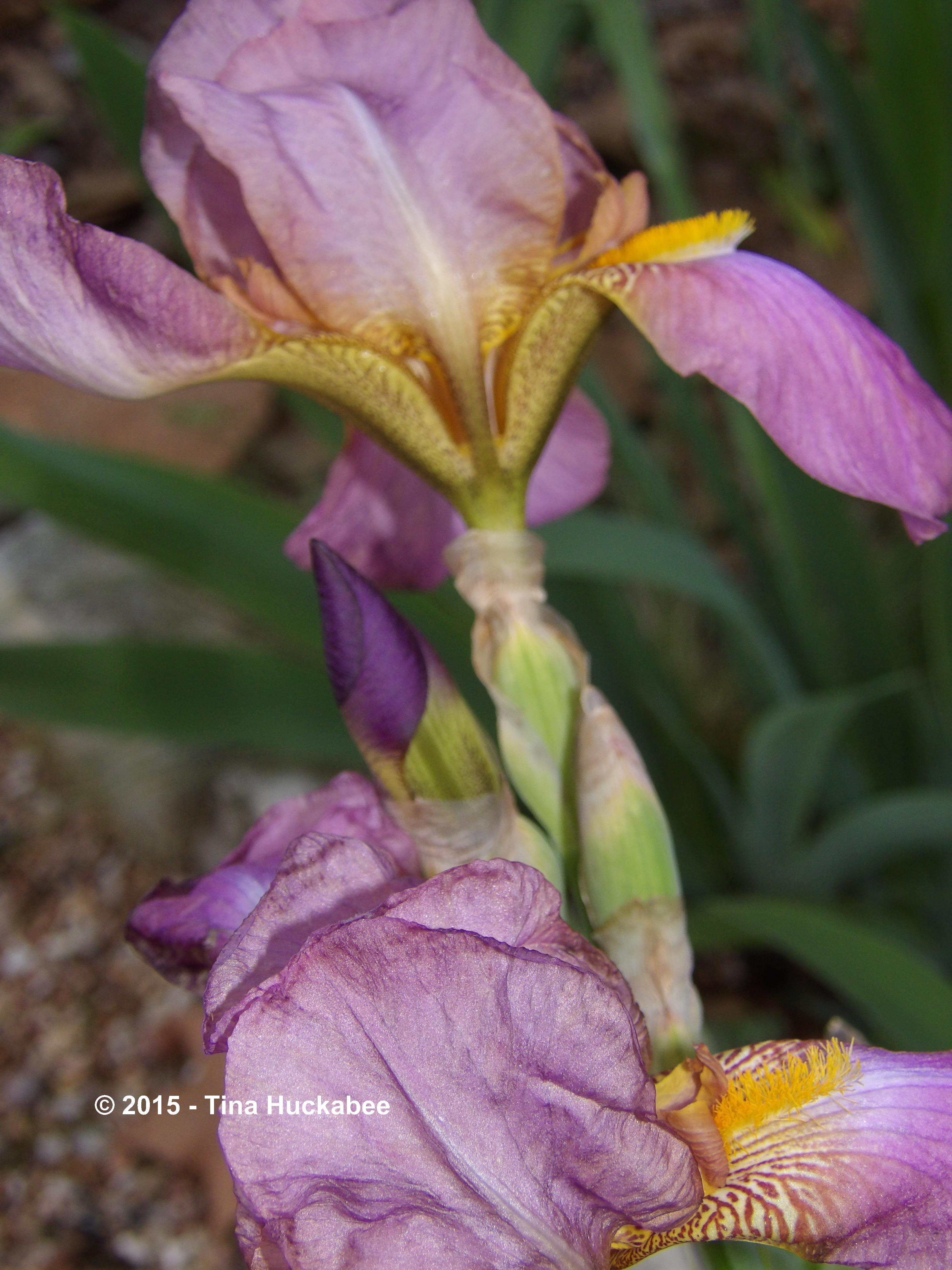
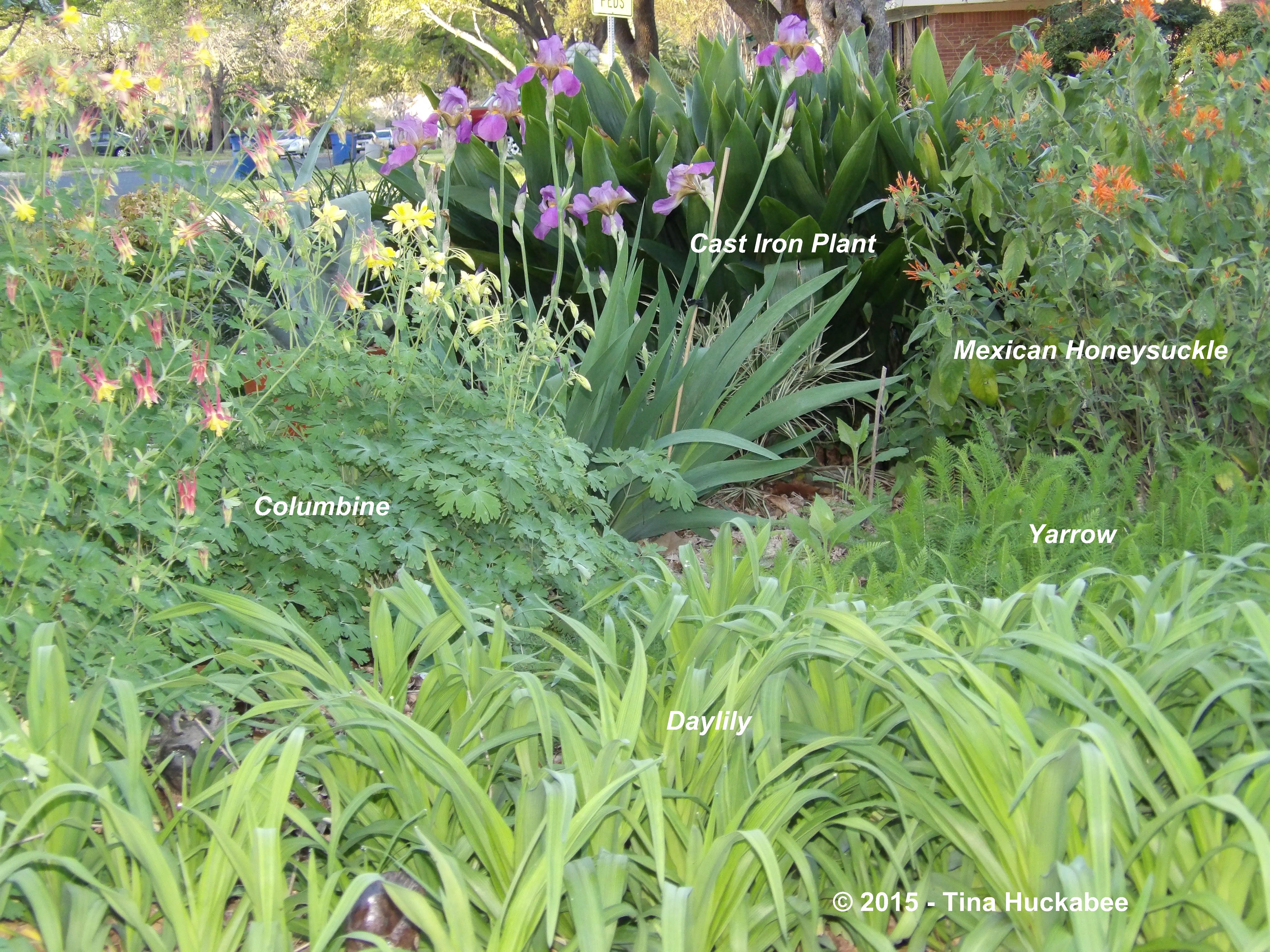

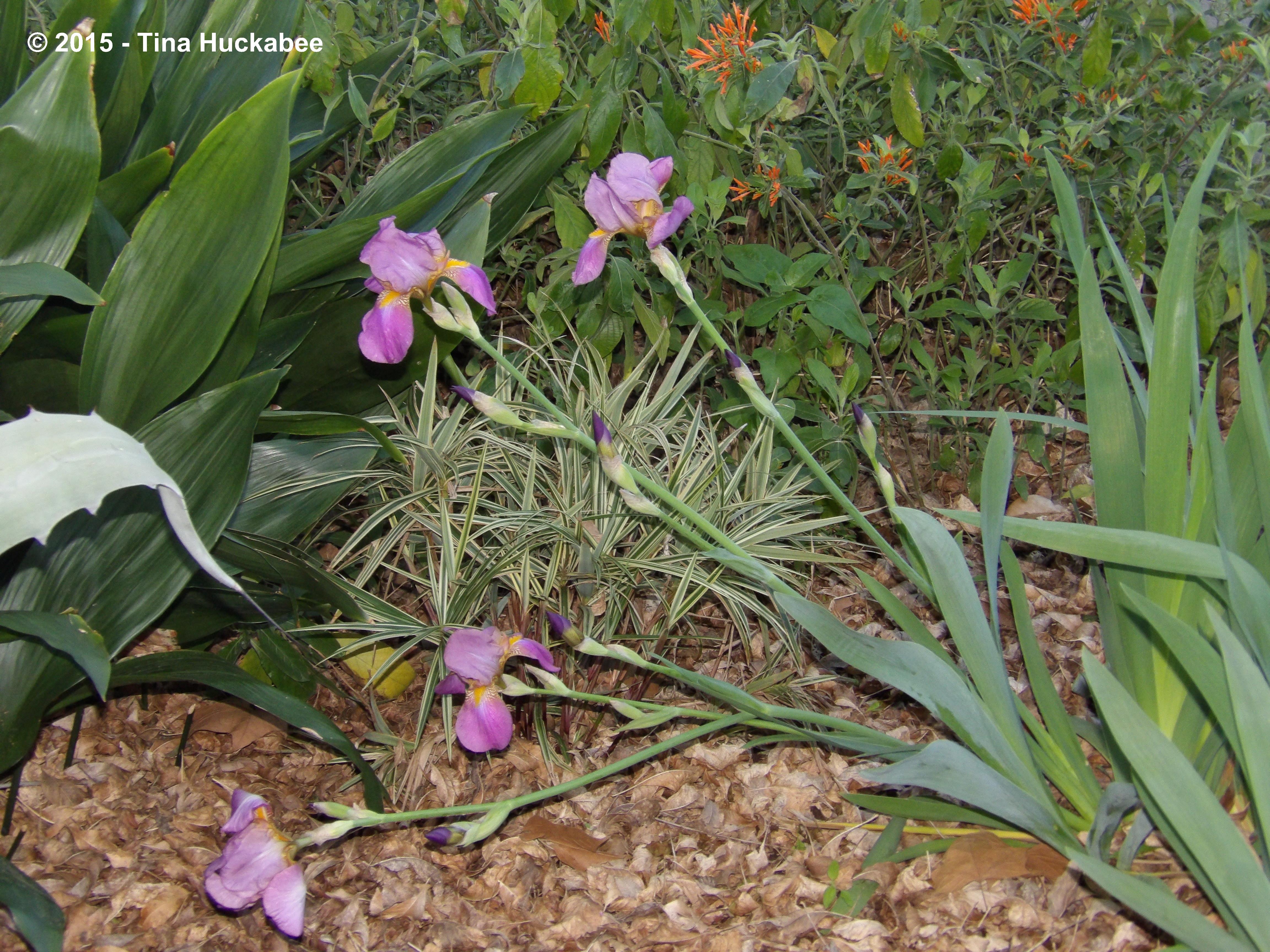
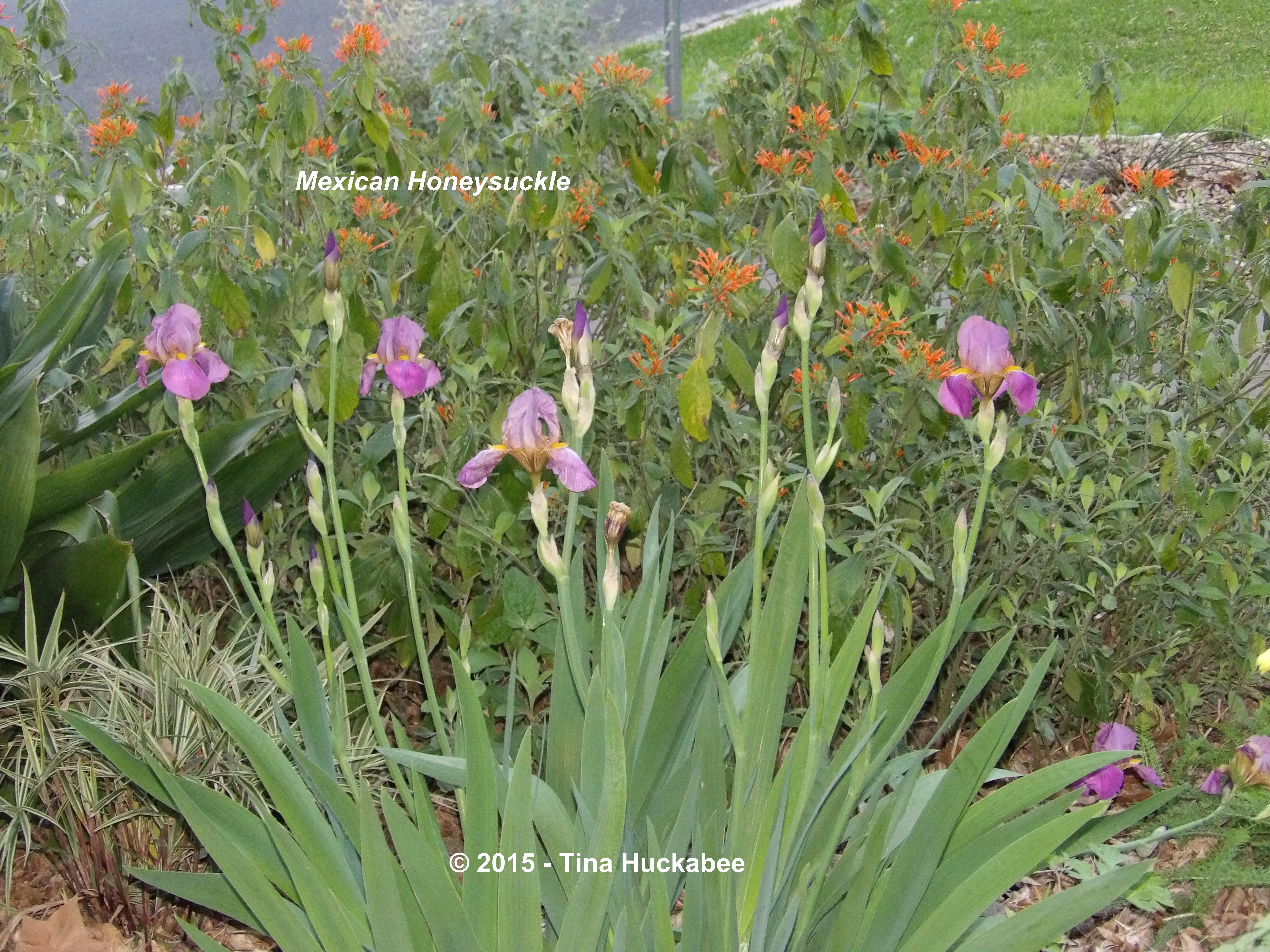

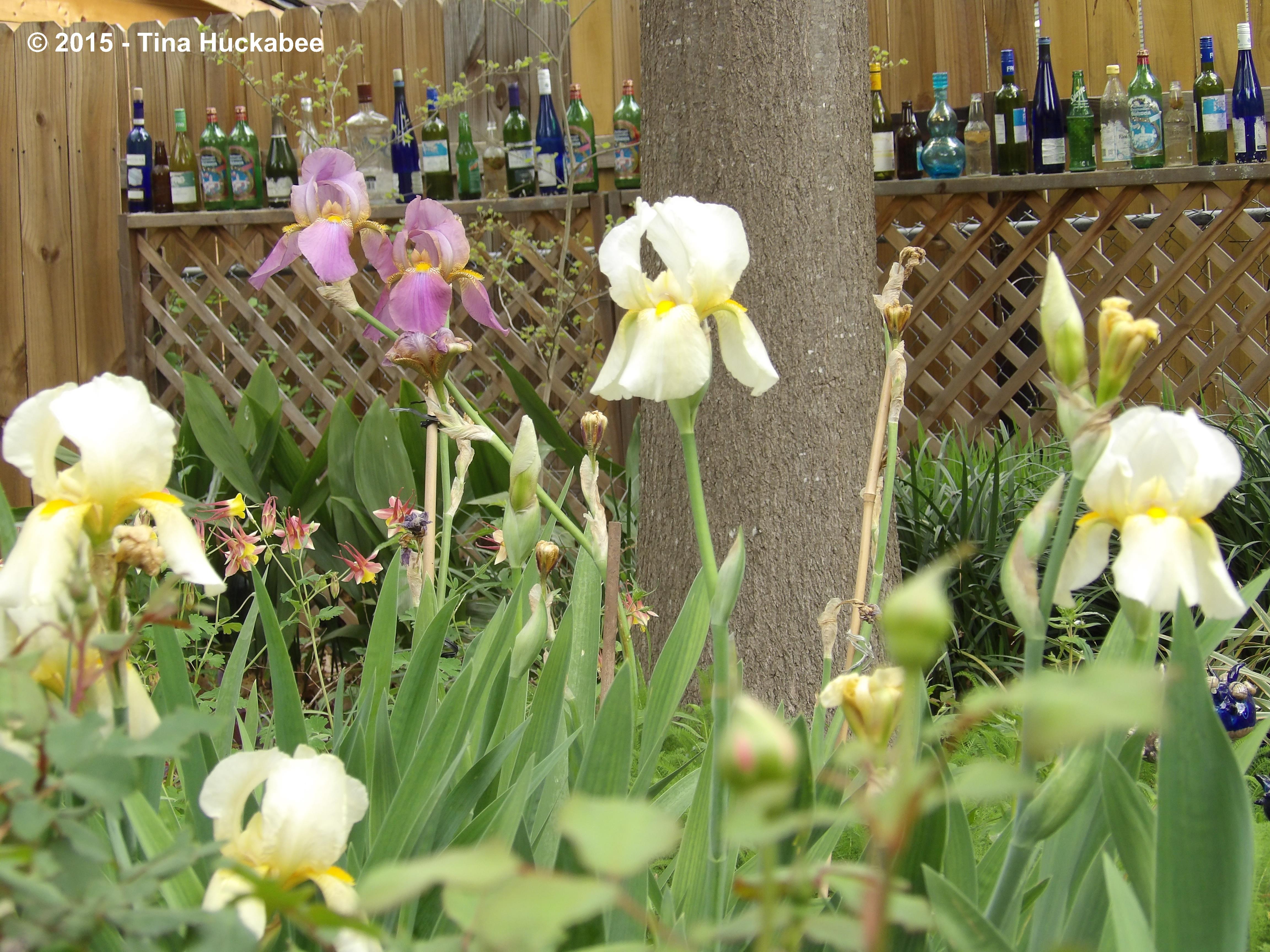
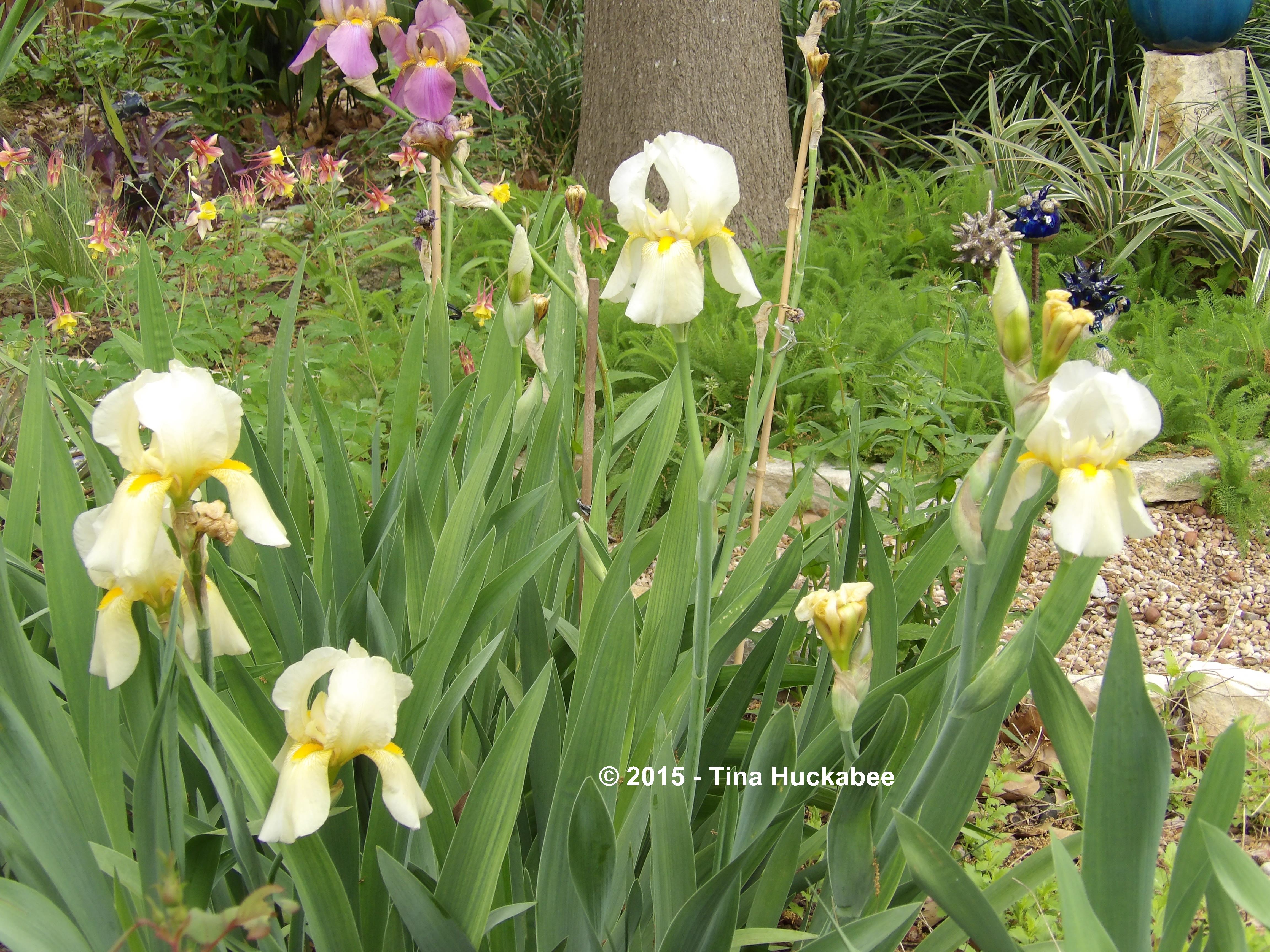
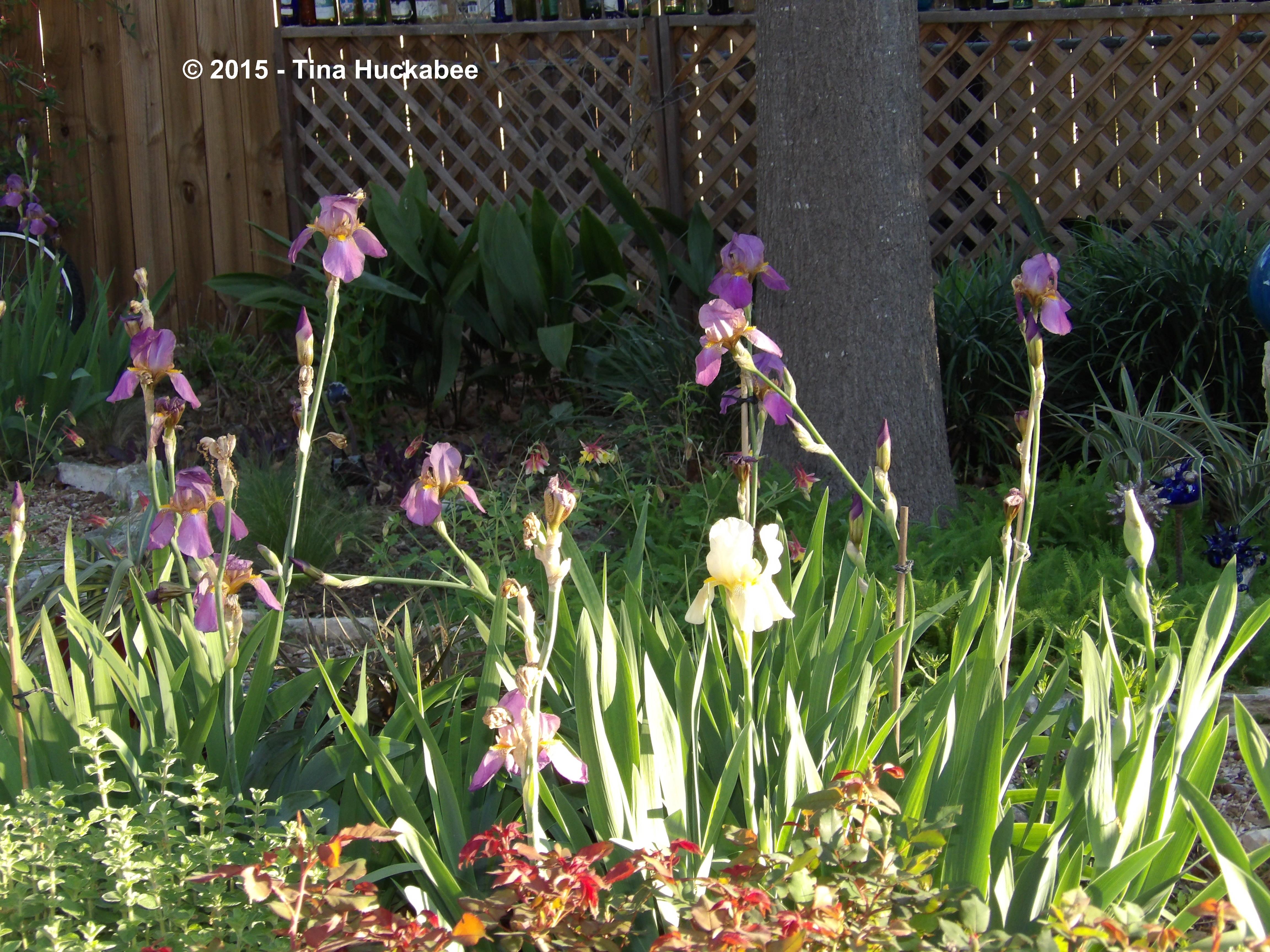
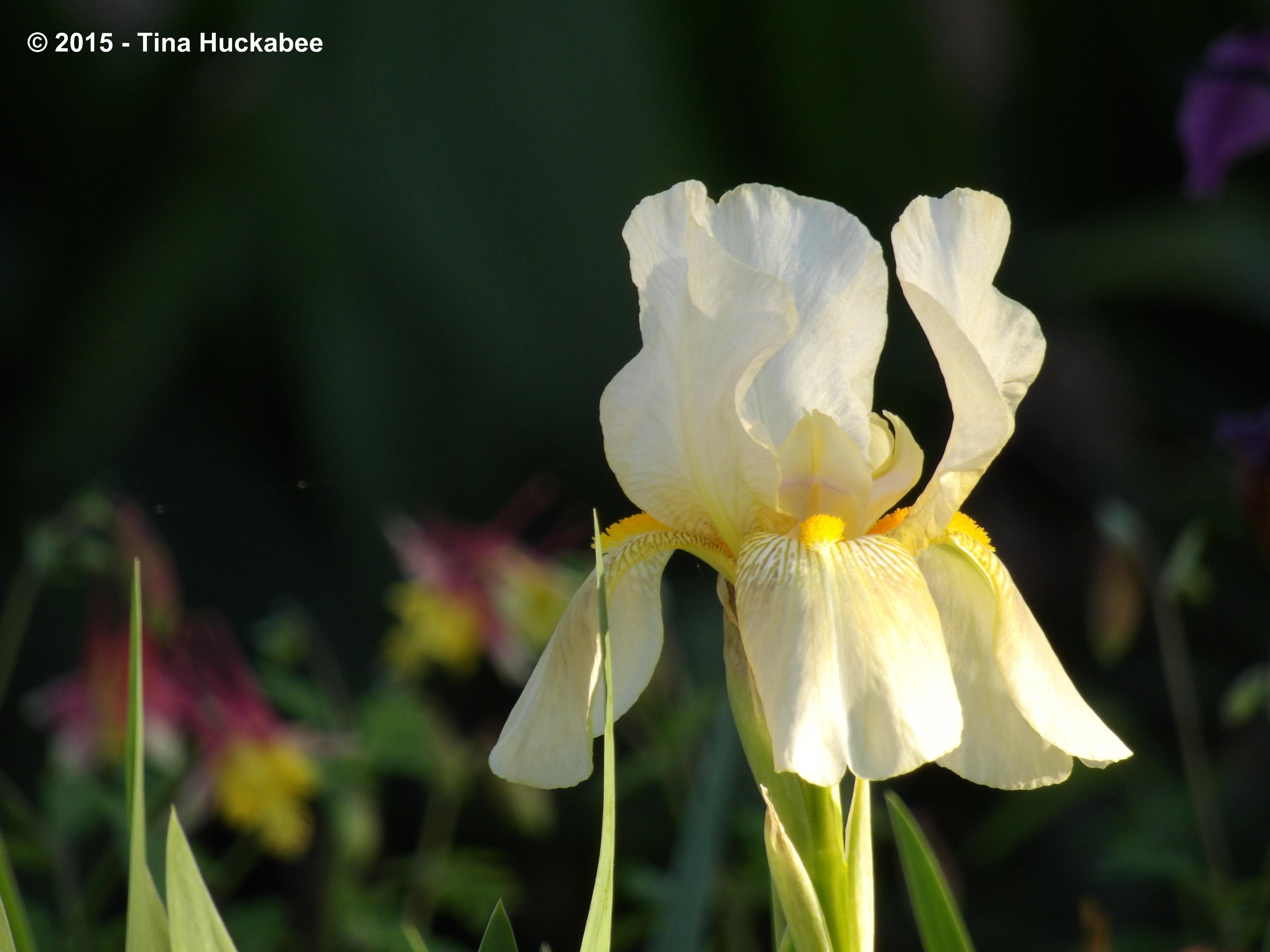

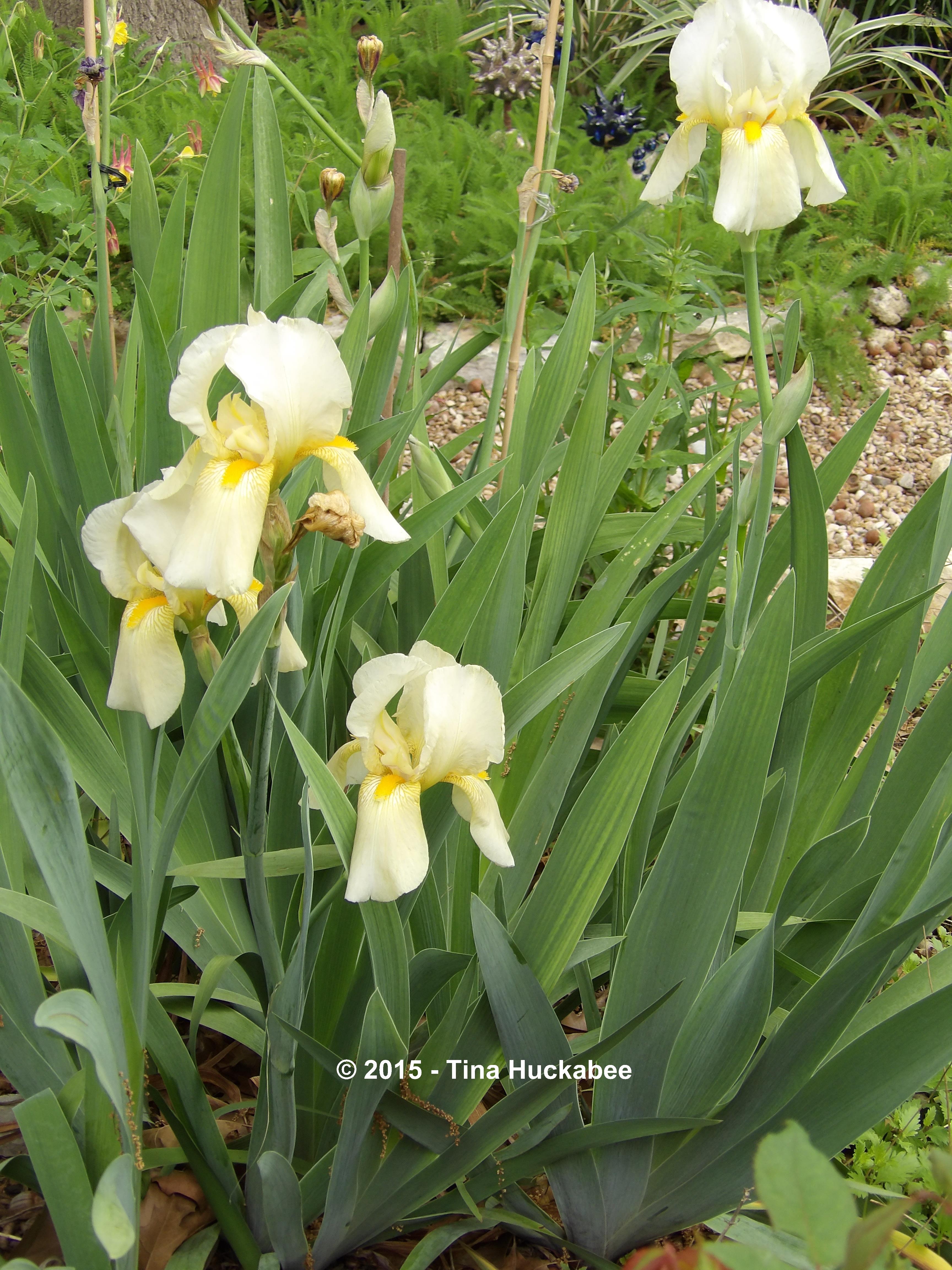
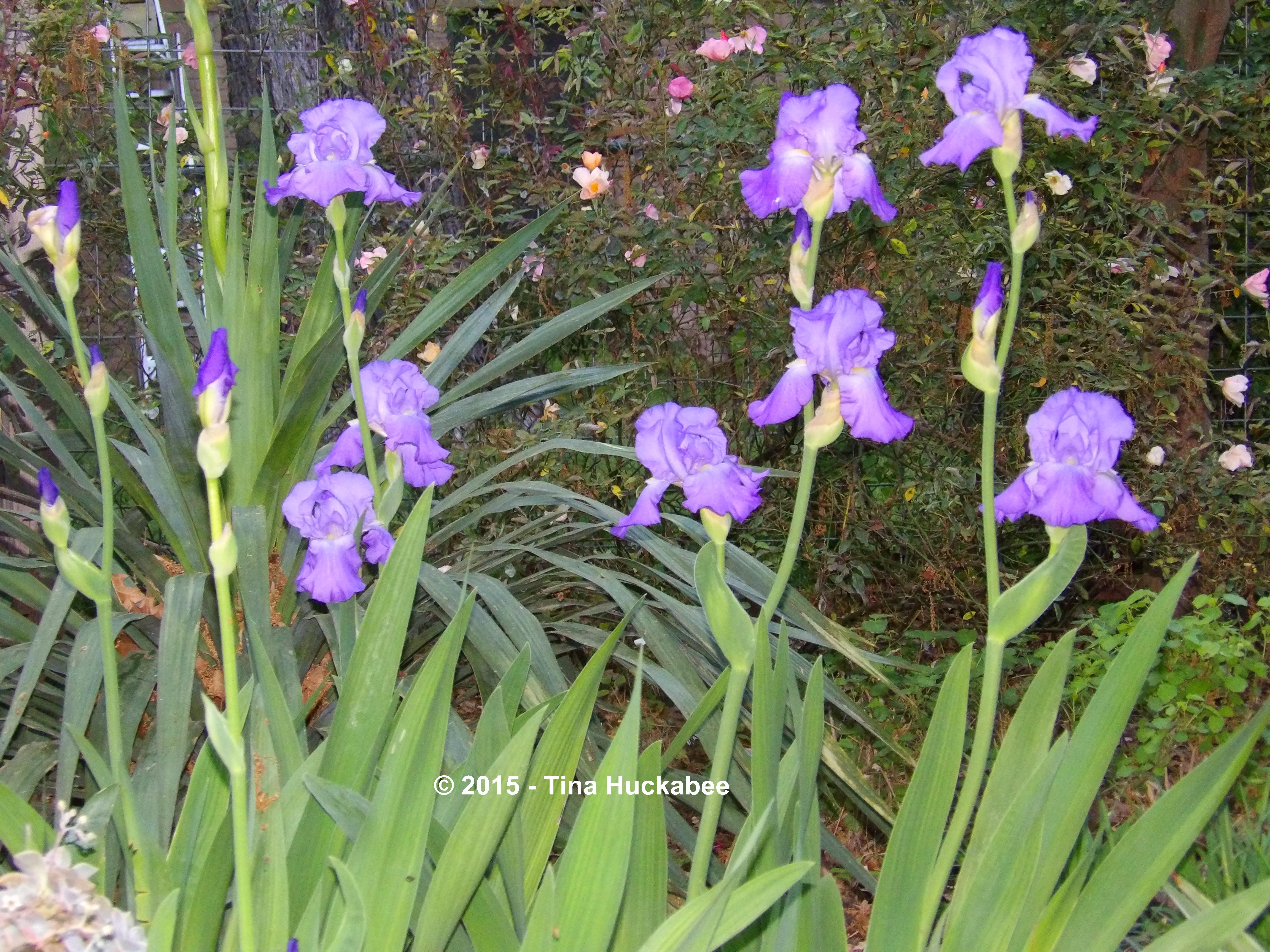
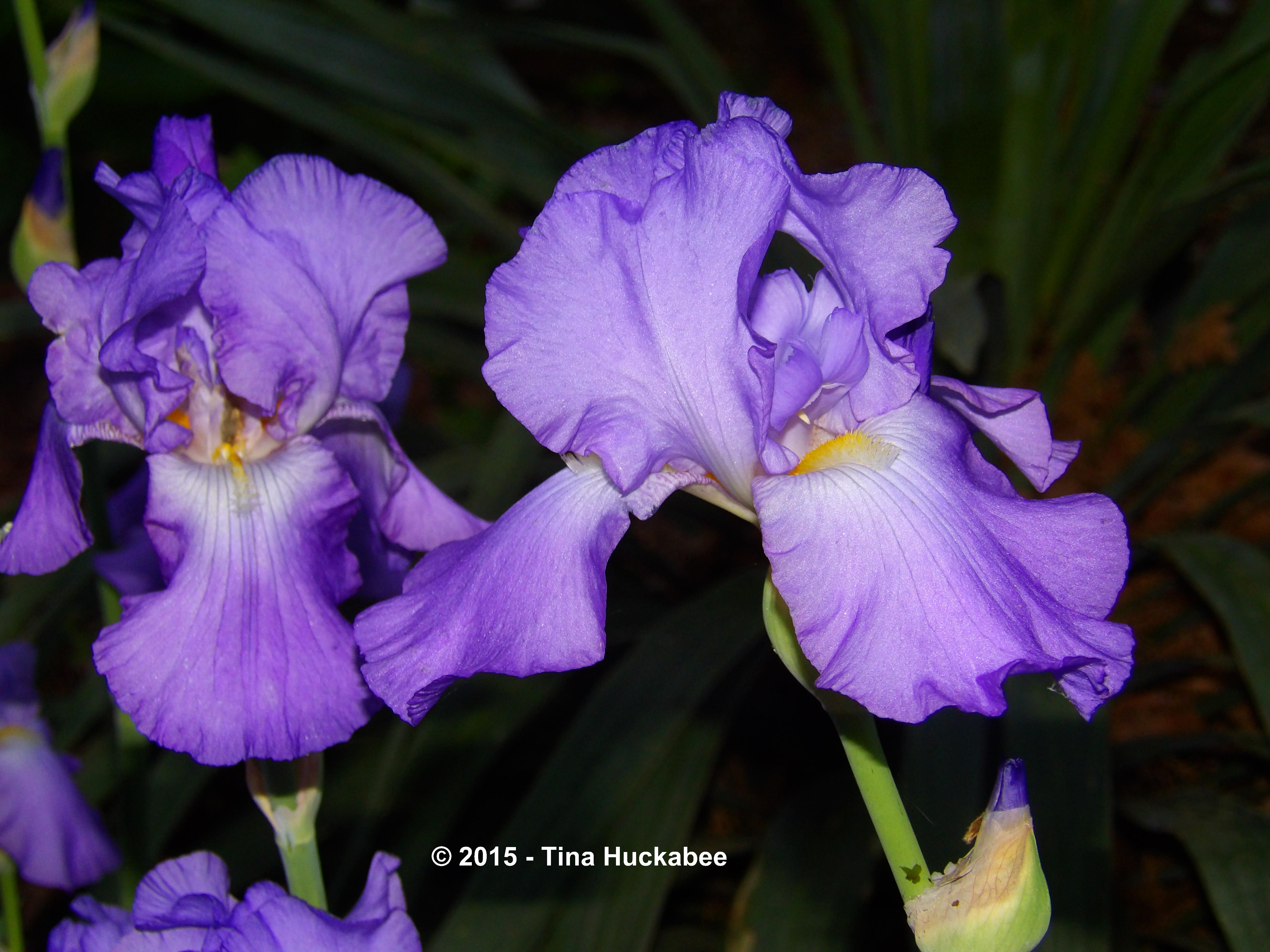
 Pam calls it ‘Shoshana’s Iris’ after my daughter, Shoshana, who died suddenly in 2006.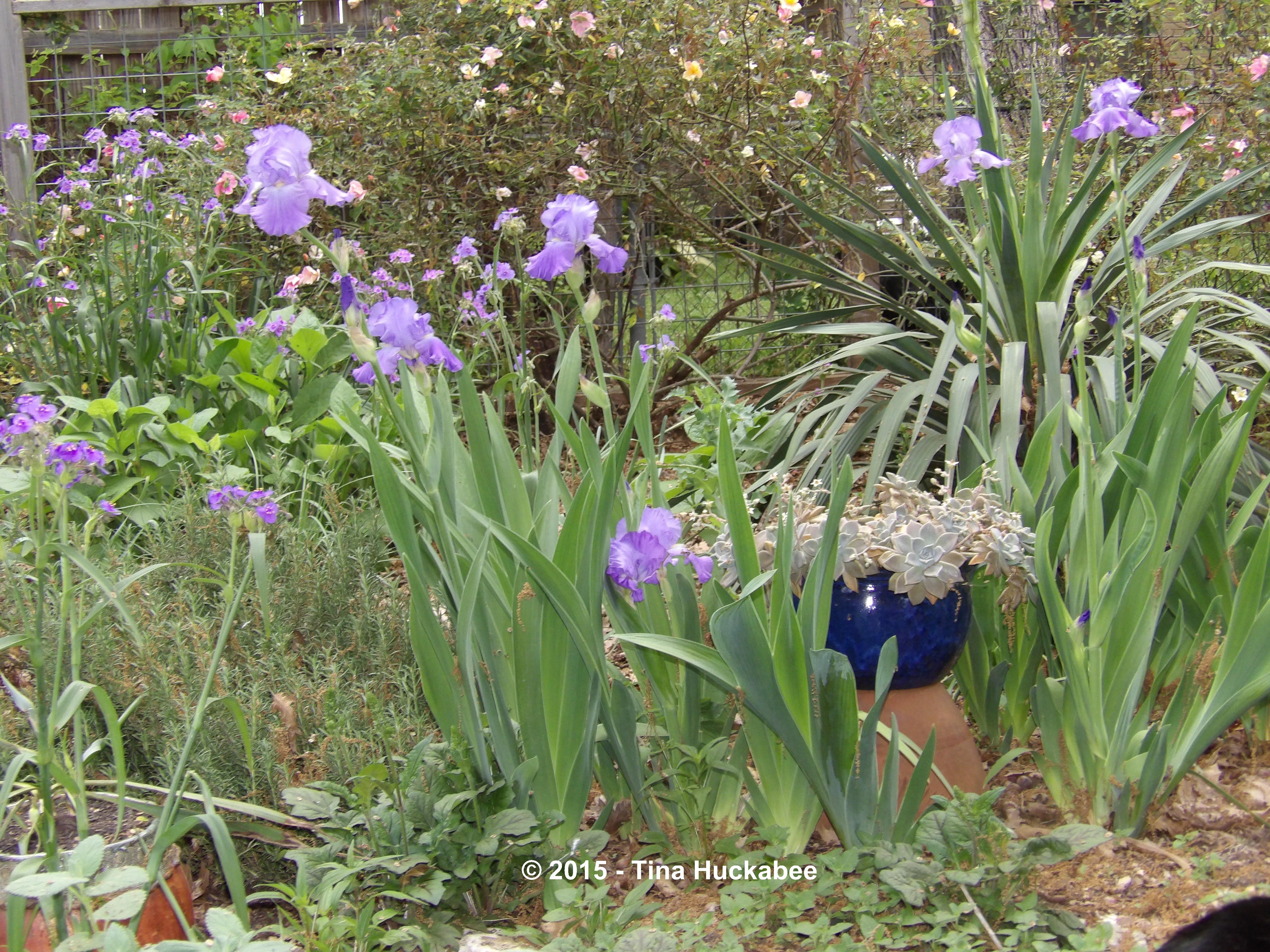
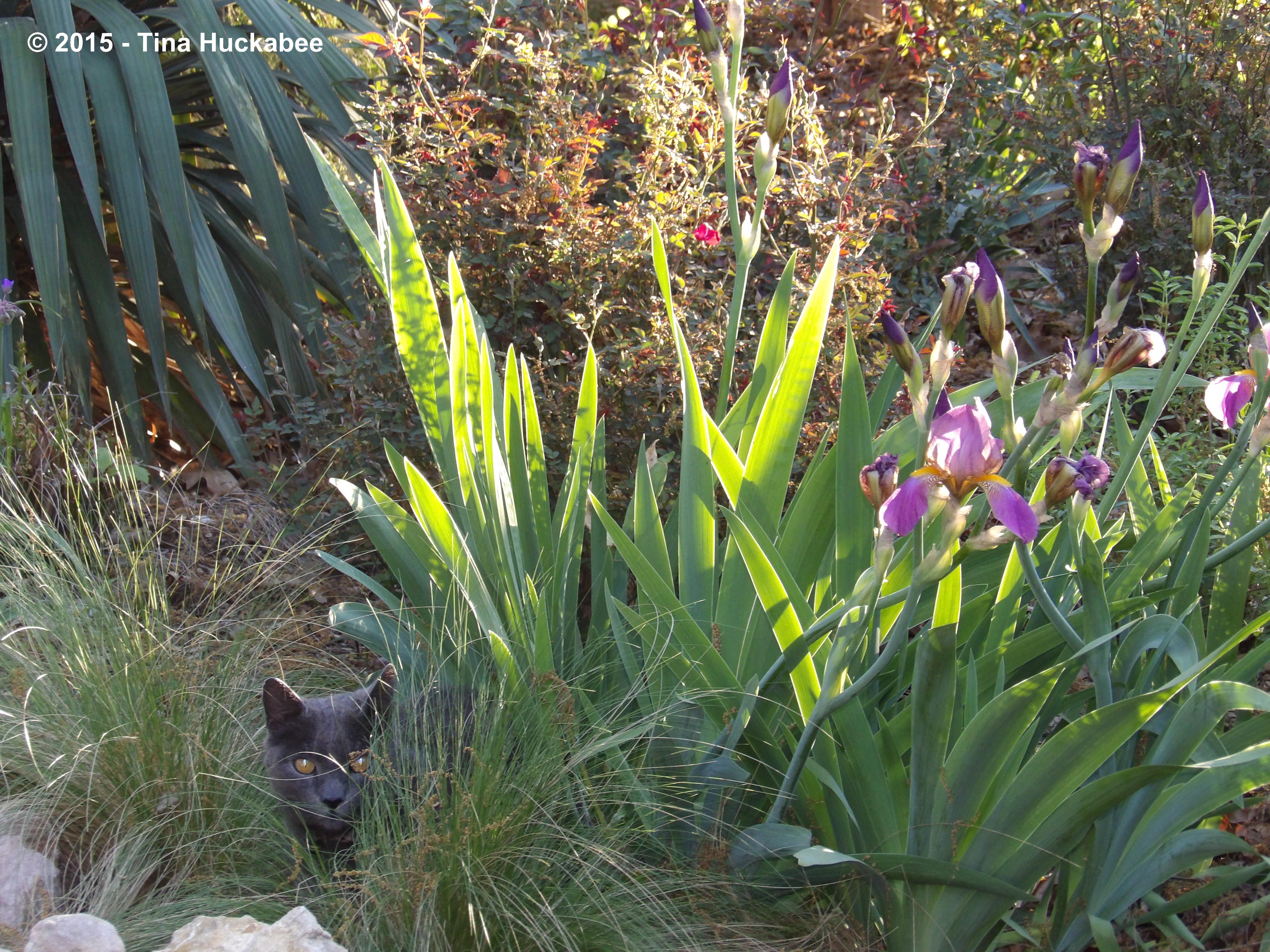





















 My Gardener Says...