Small, Lavender and Mysterious

While I might fantasize about tall, dark and handsome, it’s this darling,P1070706.new

….small, lavender and mysterious, that has turned my head recently. This Branched foldwingDicliptera brachiata has planted itself in my garden, courtesy of I-don’t-know-who-what-or-how.

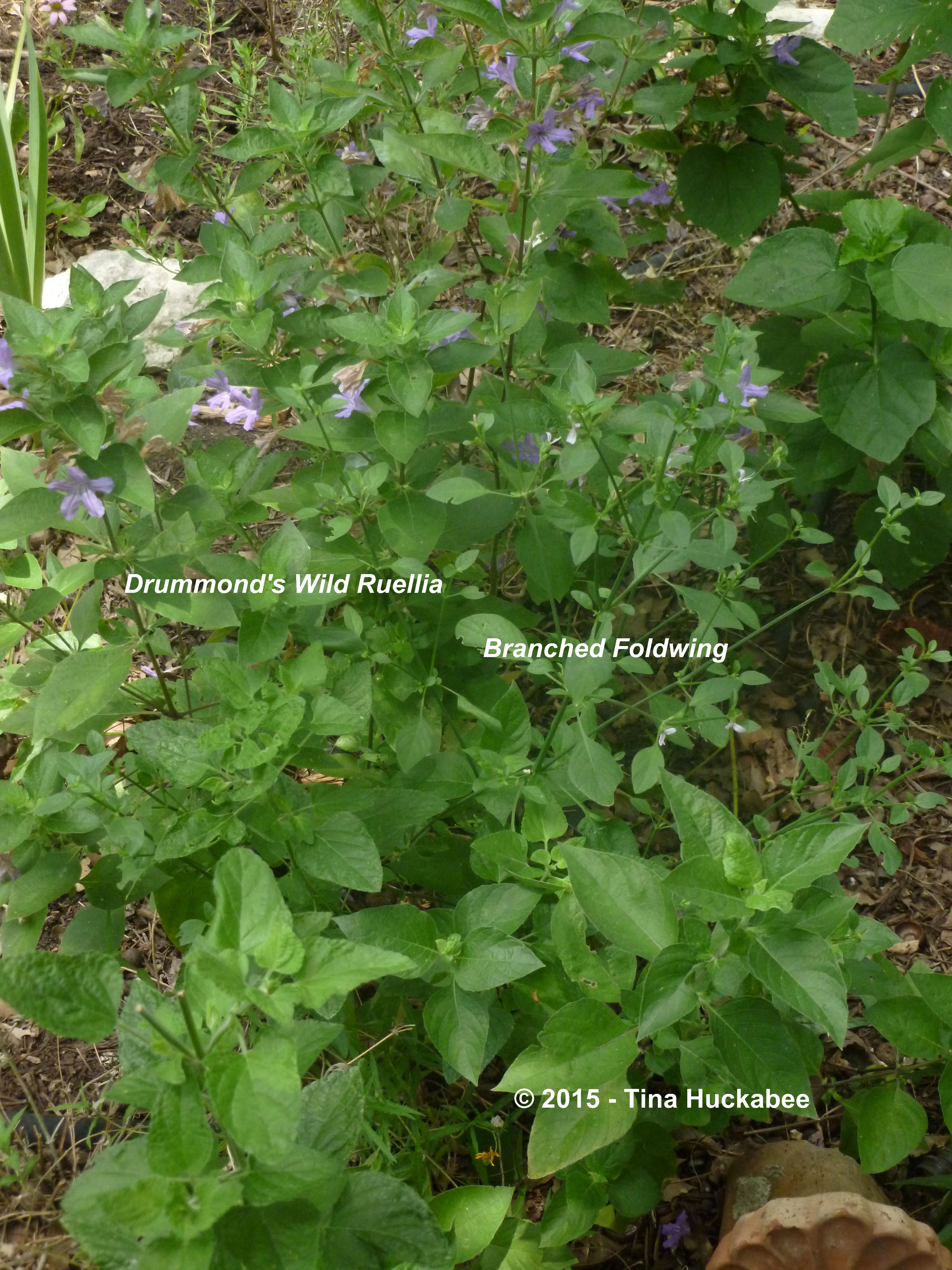
The pretty showed up late in spring, amid a cluster of Drummond’s Wild RuelliaRuellia drummondiana.

P1070700.new

 I grew the ruellia from seed and the group of four individual plants has been in the ground for a couple of years.  I noticed the different foliage and branching structure,
P1070463.new

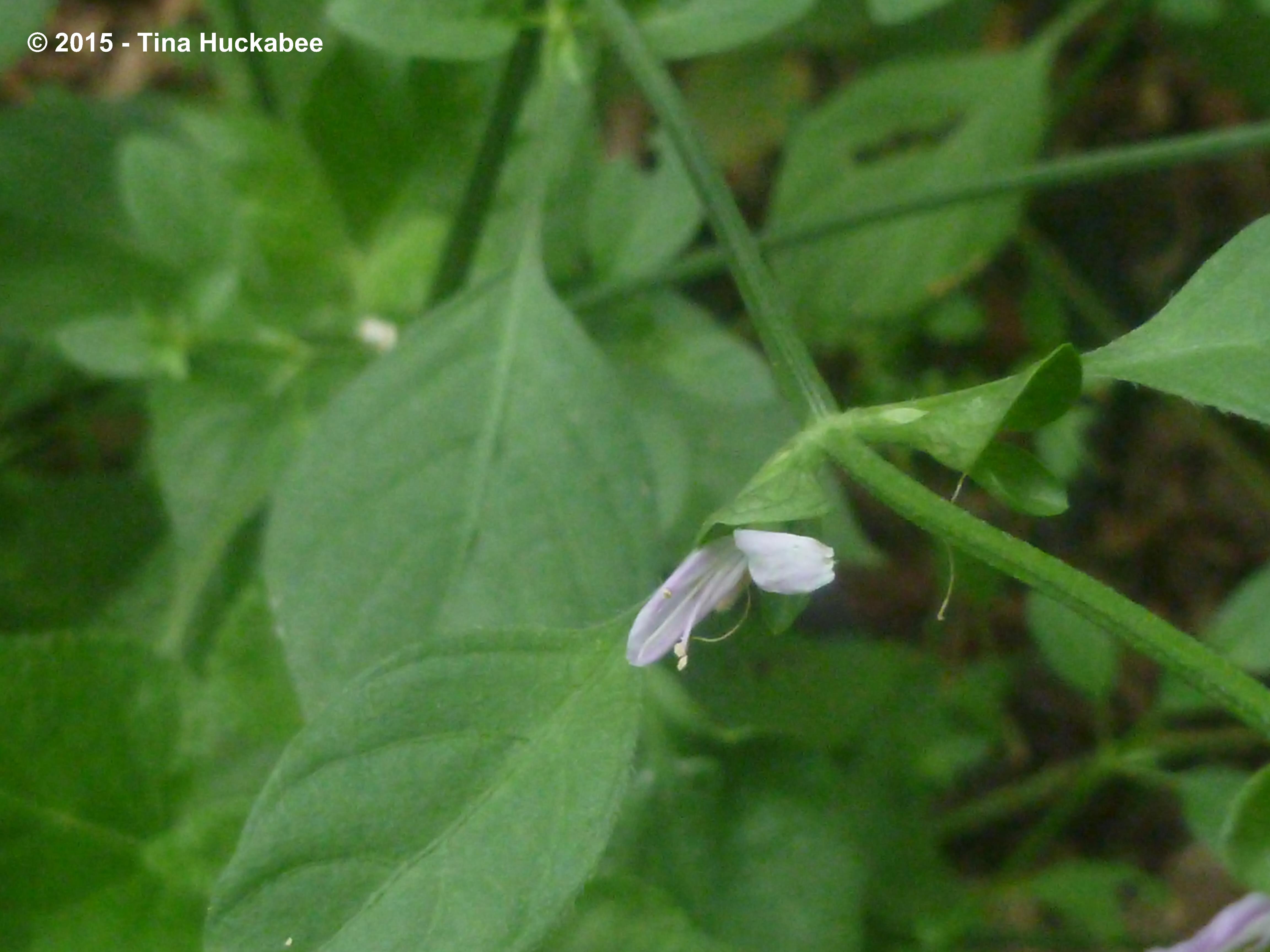
…and wondered what bloom would appear.  In the past few weeks, small, simple  flowers have unfurled at leaf nodes along secondary shoots from the major branches.P1070747.newP1070744.new
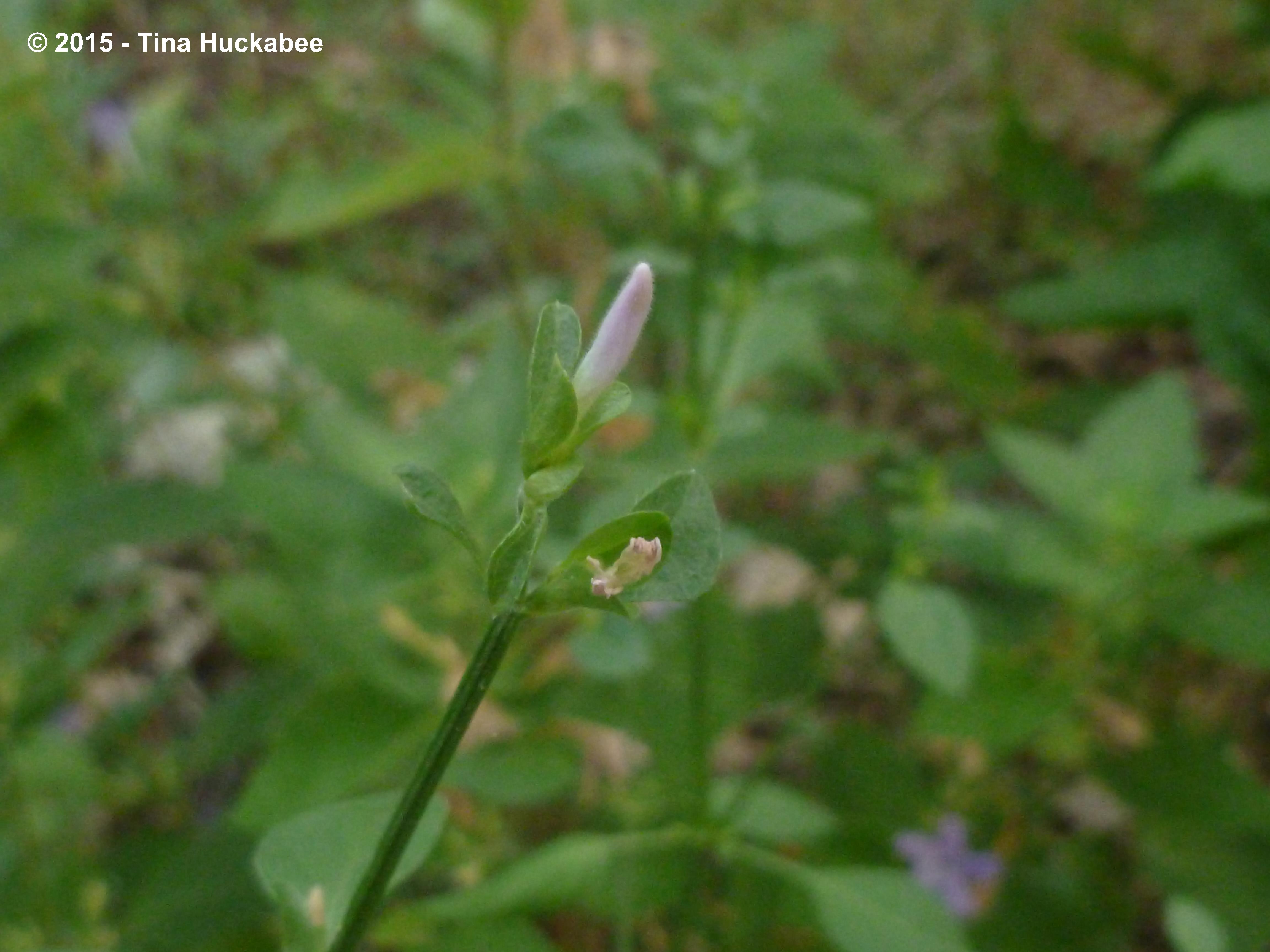
The flowers are a soft lavender (as if lavender isn’t a soft enough color), which grows paler as the blooms age. P1070453_cropped_3161x3170..new

Not striking or boisterous as blooms go, but, they are graceful.P1070461.new
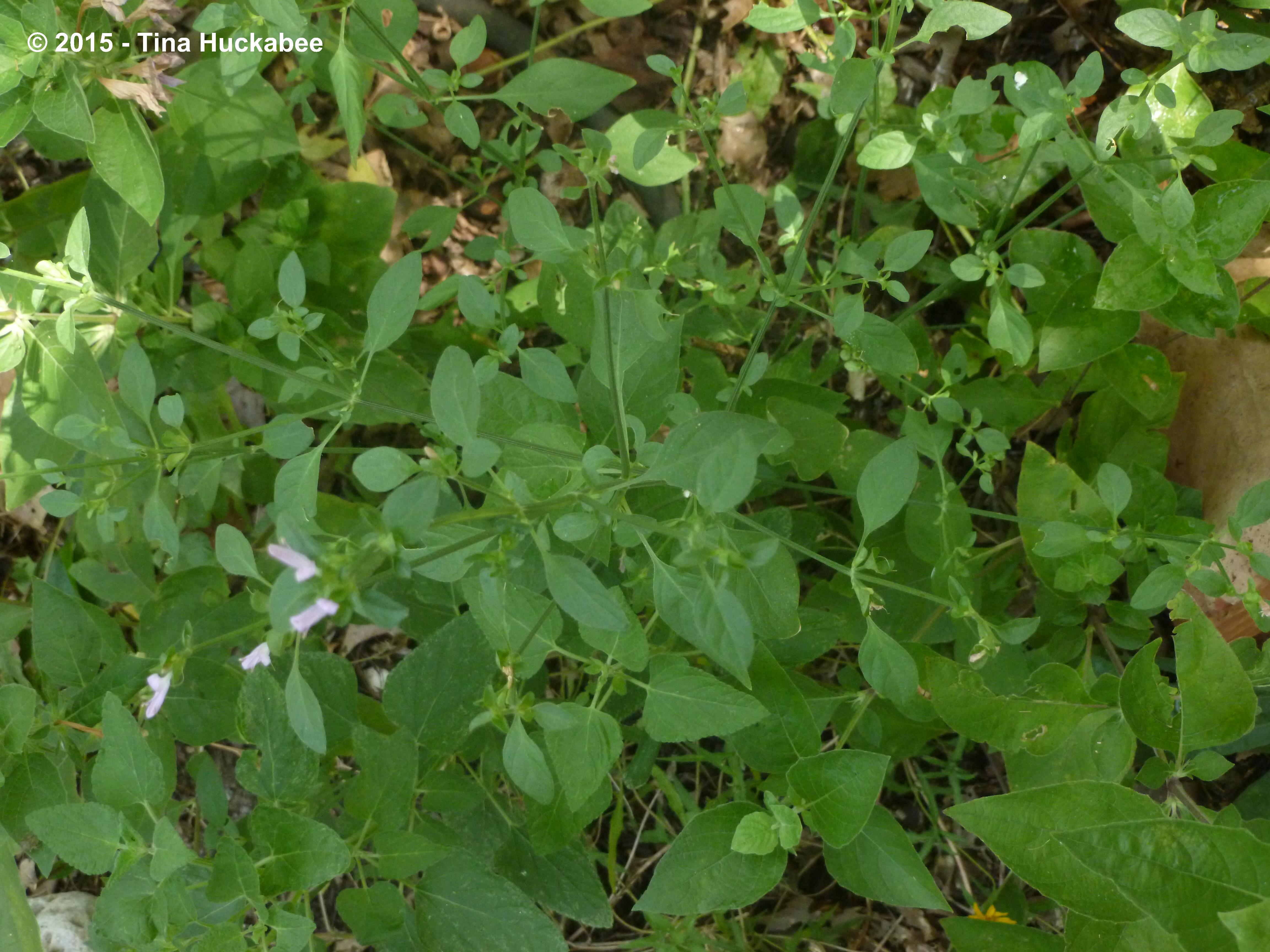
The plant itself is small, only about 1.5 feet in height and not wide; it forms  a loose growth habit.   Most of the leaves on the sub-branches are smallish, especially in comparison with the Ruellia foliage, P1070717.new

P1070464_cropped_4096x3258..new

…but the leaves from the main branches are larger.   The primary branch stalk is woody and all of the branches are somewhat square.

P1070708.new

P1070742.new

This plant is aptly named in both the Latin and common forms:  Dicliptera:  diklis, Greek meaning “double-folding” and pteron, Greek meaning “wing”; brachiata refers to “branch”.  The English is equally and elegantly straightforward:  Branched Foldwing.

P1070743.new

I couldn’t have named it better.  Until a couple of days ago, I had no idea what this happy garden surprise was.  I thought it was a native, though I can’t say why I thought it was native, except that it looks native-y.  I know, not very scientific.

I studied the plant, took photos, perused every plant detection search engine and book I connected to or own, but couldn’t find an exact match.   I dismissed it belonging to the native Texas plants in the Lamiaceae and Fabaceae families (thank you, Special Collections of the Lady Bird Johnson Wildflower website), though there are some physical characteristics of both plant families present in this plant.  Monday evening, as the temperatures cooled to a mere 100 degrees, I once again strolled into the garden and knelt beside the green and lavender gift.  I thought to myself: Do I have any plants that have similar blooms to this one? and realized, that yes, as a matter of fact, I do. The native to Mexico and hardy in Texas,  Mexican HoneysuckleJusticia spicigera, 

P1070745_cropped_4258x2973..newP1070746.new

…which is in a gorgeous, showy mood right now, also demonstrates the charming petal curl similar to that of the Branched Foldwing.

P1070734.new

P1070763.new

Ah ha!!  So what family does Justicia belong in?  The Justicia spicigera is in the Acanthaceae family.  So I whip out my phone, log on the the Wildflower Center’s site and scroll through the Acanthus family plants. Fortunately, the Acanthus family is a smaller group than some of the others–that makes looking at the small print on the phone more acceptable–and easier. The Ruellia drummondiana plants, where the mystery plant is located, is also an Acanthus family member, so I roll the phone’s window through all of the Ruellia species, as well as others in this valuable family of plants, and then…there it is.
P1070702.new

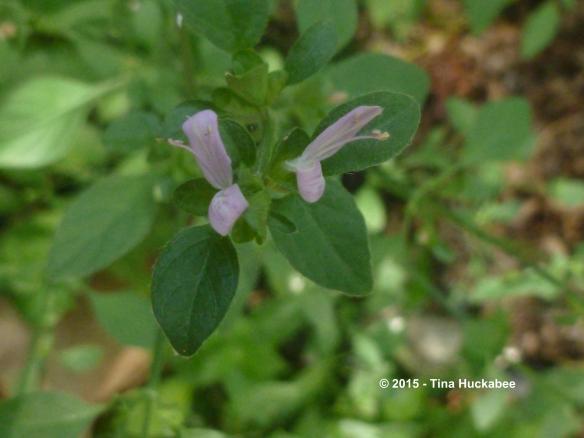
Dicliptera brachiata.  Branched Foldwing.

A native to Texas and much of the southeastern United States, and stretching into the Midwest, D. brachiata is classified as a herb and an annual/perennial–I’m guessing that it will prove to grow as a herbaceous perennial in my garden.  The Branched Foldwing blooms July through October.  The WC literature mentions that it is a good moist woodland plant and can be “weedy” in a watered garden.   I only water two times/month, so “moist” is not something that my garden gets much of, except that there was a lot of rain in late spring and early summer, and the Branched Foldwing in question is near a bird bath. The areas around my bird baths tend to get more water than most of my gardens and several of them are in shady spots.  Lucky gardener, lucky plant.

Even better, this native is also the host plant to the Texas CrescentAnthanassa texana,  a common and pretty little butterfly that I see regularly and that flitted prolifically in my gardens earlier this summer.  Well, that explains the munched-upon leaves, doesn’t it?

IMGP9740_cropped_2364x2511..new

P1070740.new P1070739.new

The Texan Crescent caterpillars might be feeding on other plants, but there’s unquestionably  foliage damage on the Branched Foldwing. Considering that there were a fair number of the butterflies and this is a new plant in my garden, I think I’ve figured out at least one of the food bars that Texas Crescents are eating from!

Yay for native plants!  Yay for native insects which evolved along with those plants and add to the rich diversity of life in my garden!!  Yay that I finally figured out what the heck it is!!

So where did the Branched Foldwing come from?  Maybe a passing bird planted a seed?  Or a seed was carried by the wind and found its way into my garden?   It’s not a showy enough plant to be picked up by the horticultural industry, so I doubt that it came as a stowaway from some purchased plant. More than likely, there was a seed, or maybe several, nestled in with the seeds of the Drummond’s Wild Ruellia.  The flower is small and I have yet to identify a seed, but I will keep an eye on seed development.

P1070454.new

The story has a happy ending.  Small, lavender and mysterious isn’t so mysterious after all and is a welcomed addition in my garden.  It’s not a dramatically blooming find, but in hot August, arguably the toughest time of year for Texas gardens, its flowers freshen the hot and tired garden,

P1070460.new

And along with the Ruellia drummondiana,

P1070755.new

and a few others.

And that’s something to be grateful for.

Bee Mama Missive: Beetles Bee Damned

In my last Bee Mama Missive, I mentioned that my hives have been invaded by Small Hive Beetles, Aethina tumida.

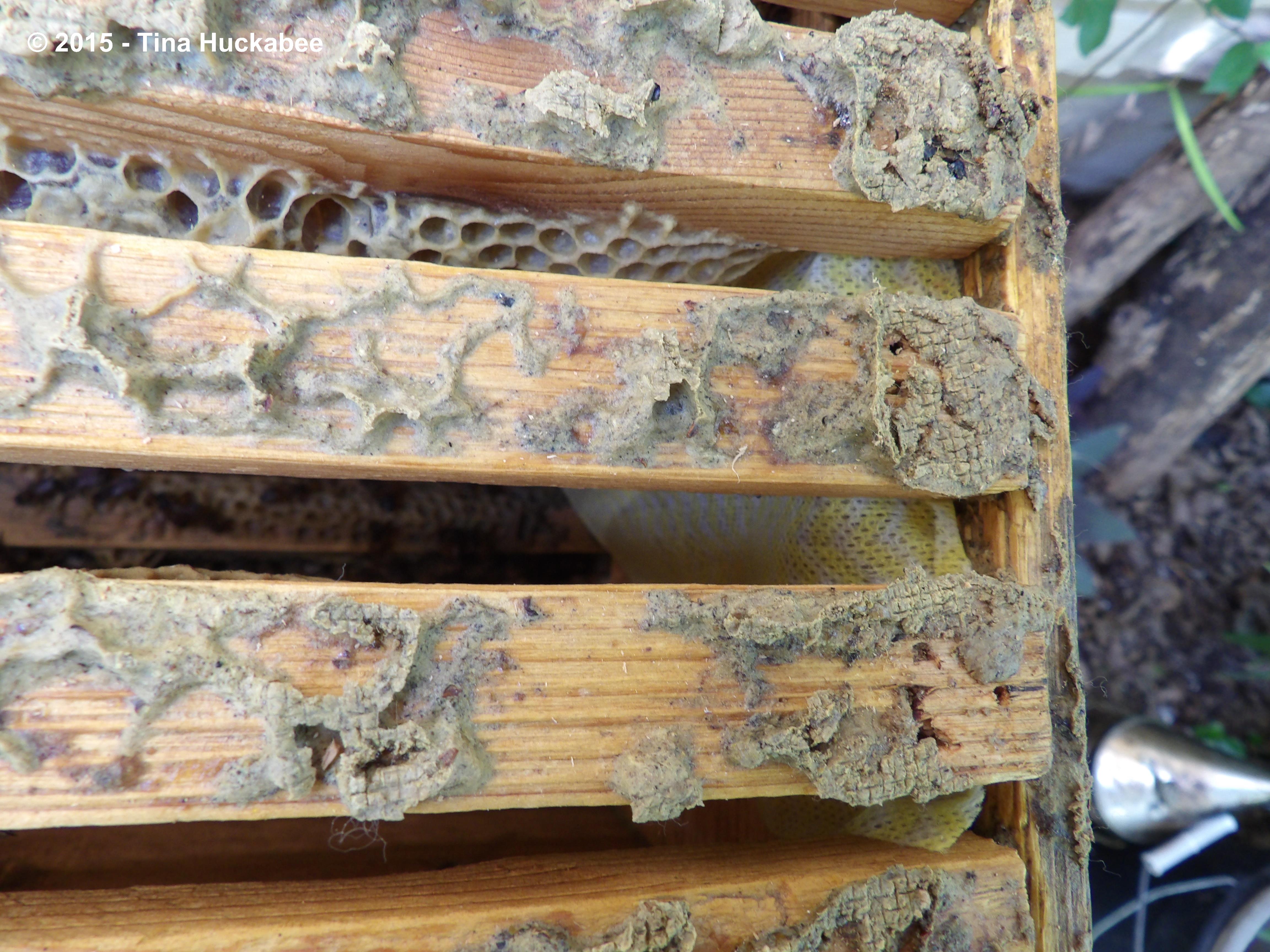
IMGP9694_cropped_2637x2392..newThese invasive ickies hail from Africa, appearing in the United States first in 1996.  Here in Texas, there’s nary a honeybee hive that doesn’t host these lovely creatures. Sarcasm here, folks. Our hives were invaded by them last year, too.  If the hive is strong, the beetles don’t cause all that much damage–bees will remove some of the beetles and their larvae, thus keeping the invaders in check.  But hive beetles are destructive; they can damage comb and the accompanying honey and pollen.  If the hive is weak for whatever reason, the hive beetles can destroy the hive and/or the honeybees will abandon their hive.

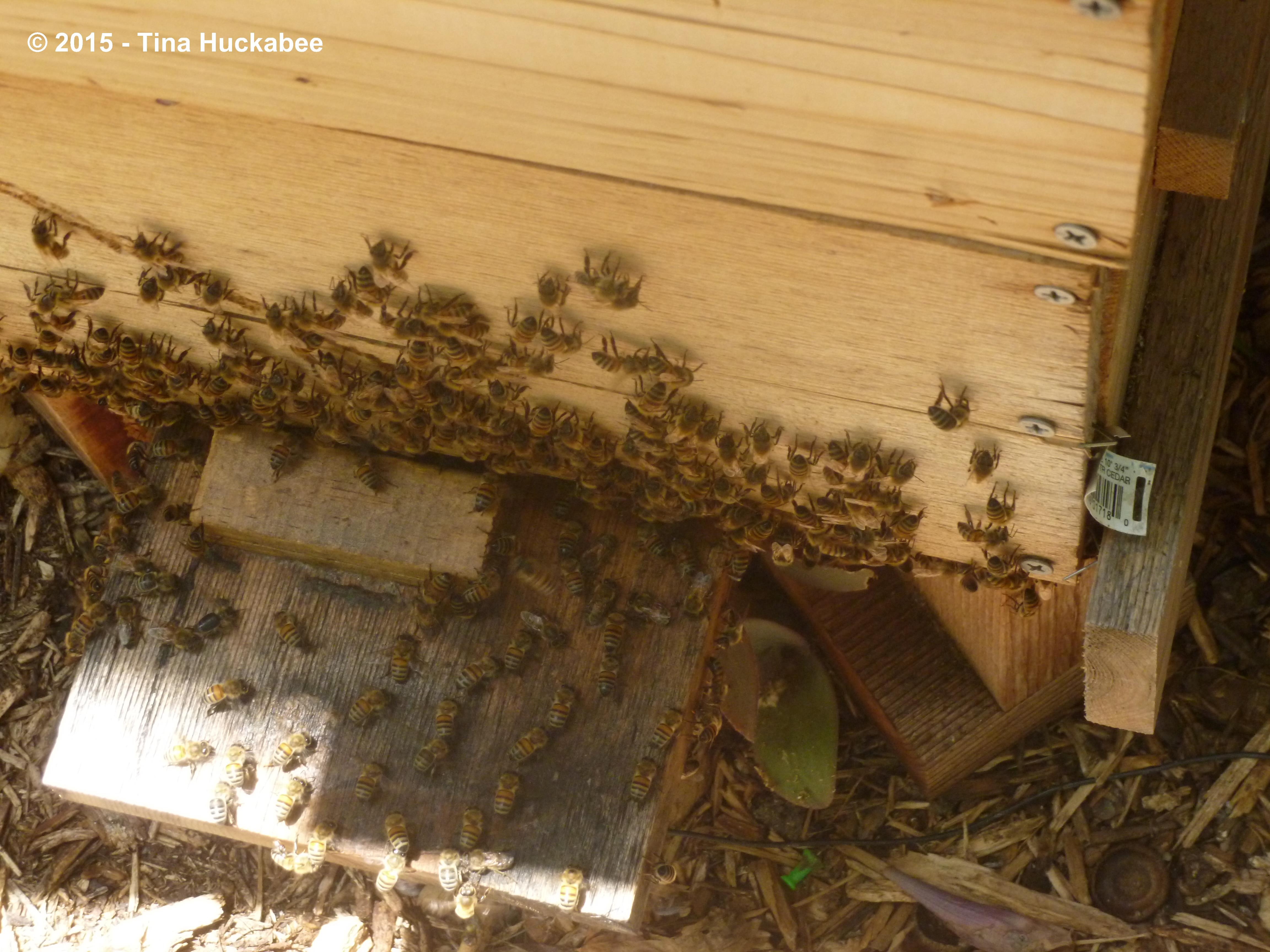
This summer, many beekeepers in Austin have reported prolific infestations of small hive beetles, owing to the heavy rains and resulting higher humidity that occurred in late spring.  My hives are no exception to the rampant hive beetle infiltrations. Last summer, I’d see a few beetles whenever we checked our hives, but only a few.  In the last three hive checks, I’ve been appalled at how many of the nasty critters scurried away as we removed the tops of our hives for inspection.

IMGP9695.new

P1070480.new

One  suggestion to limit hive beetle infestation is to place hives in full sun–apparently the beetles don’t particularly care for the blazing sun and resulting heat in the hives. In my garden, there aren’t many “full sun” spots on my property and none of those spots are particularly appropriate for hive placement, so that’s not a remedy I can employ.  My hives face east and are under the shade of a large Shumard Oak.  I don’t use chemicals in my gardens and with beekeeping (for obvious reasons), chemical fixes are generally discouraged. While Bee Daddy and I can squish the hive beetles when we open our hives, that’s not a particularly effective or practical way to limit their population, no matter how satisfying the squishing might  be.   What to do?

I noticed that Beeweaver Apiaries sells a product called Beetle Bee-Gone.

IMGP9686.new

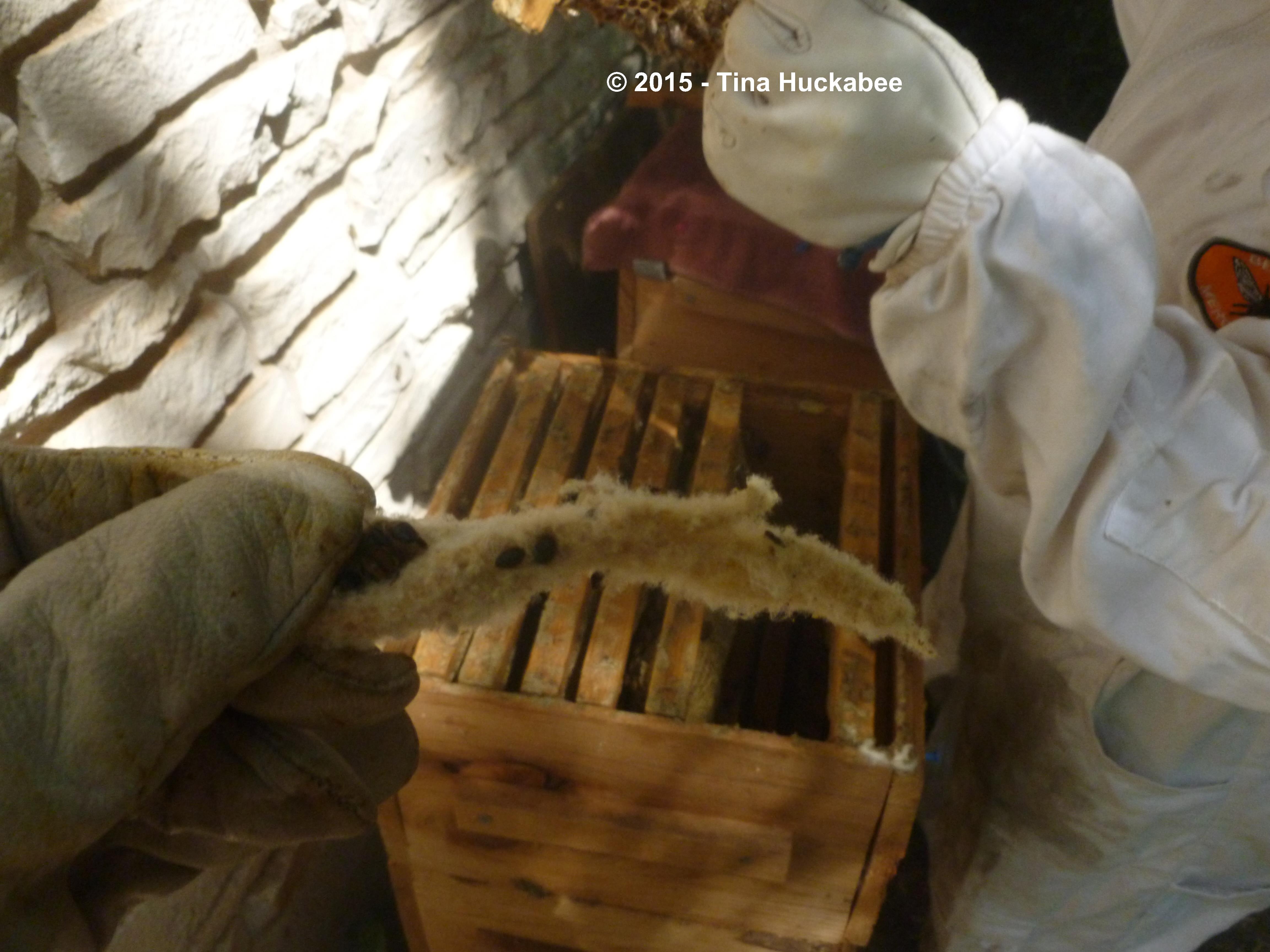
Basically, it’s a package of cotton cloth sheets that act to trap the beetles in the hives.

IMGP9687.new

The sheets are affixed to the frames and the bees will chew up the cloths, rendering them “fuzzy”. The beetles in the hive are then trapped because they have hooks on their legs and become ensnared in the fuzz.  Honeybees like tidy hives and they will remove the fuzz-n-beetles loose in the hive.

At $7.95 per 48 sheets, plus shipping and tax, I’m game to try just about anything against the helmeted menaces.

On July 22, just before I left on a trip, I placed two sheets in each of the top two boxes of both Scar and Mufasa.

IMGP9691.new

IMGP9692.new

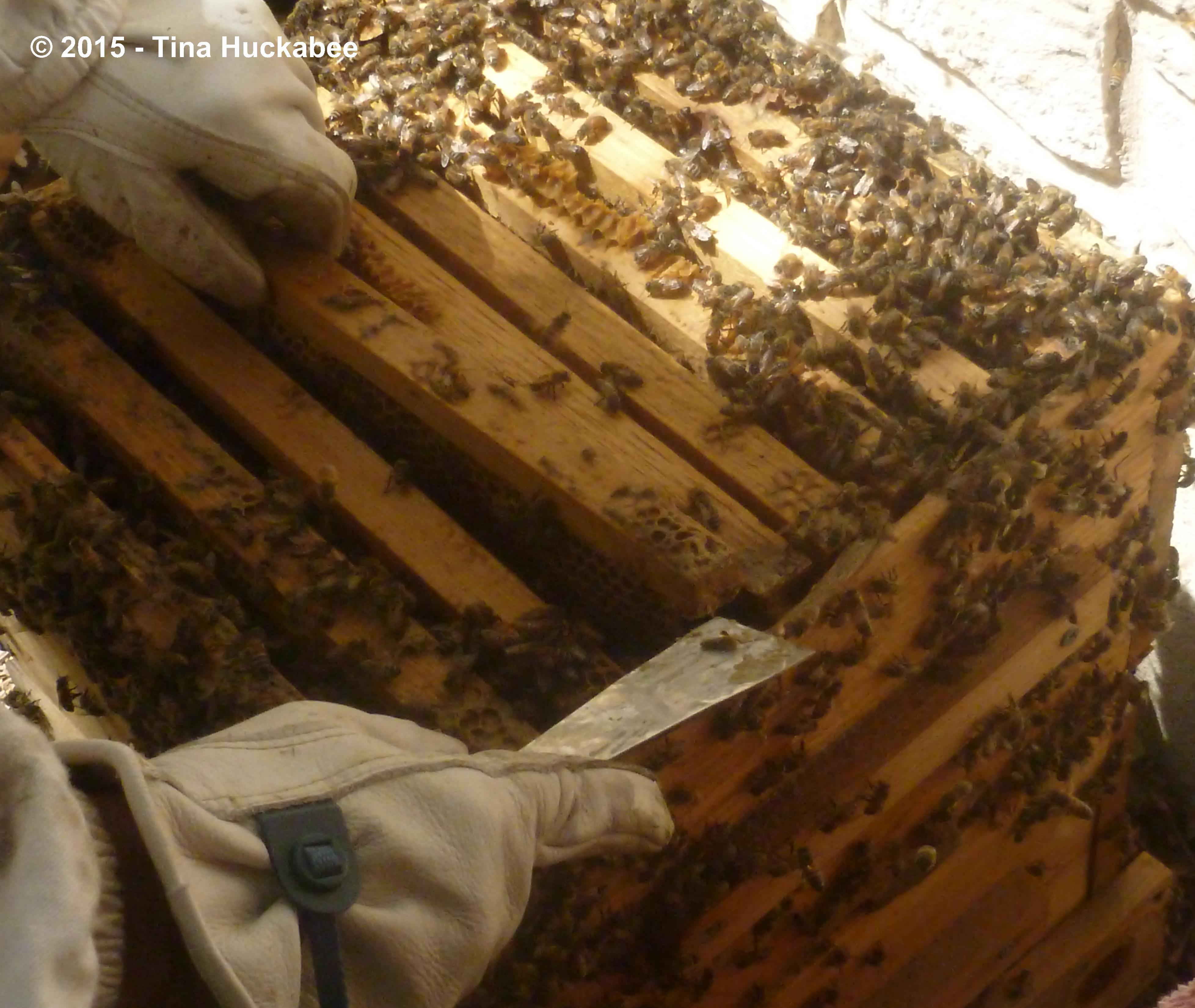
It wasn’t quite as easy as I’d envisioned, placing the sheets under bars while wearing thick gloves and crooning to the annoyed bees. Yes, I do that. I removed a couple of the center bars in the top and middle boxes, then tacked down each sheet with a little bit of wax, placing the bars back on top of the sheets.   I closed the hives, wished the bees well and left town with a good heart.

Sixteen days later and with some trepidation–Did the traps work? Will we see more beetles?  Is there beetle damage to the comb?–we opened and checked both hives.

P1070515.new

P1070520_cropped_2626x3295..new

P1070513.new

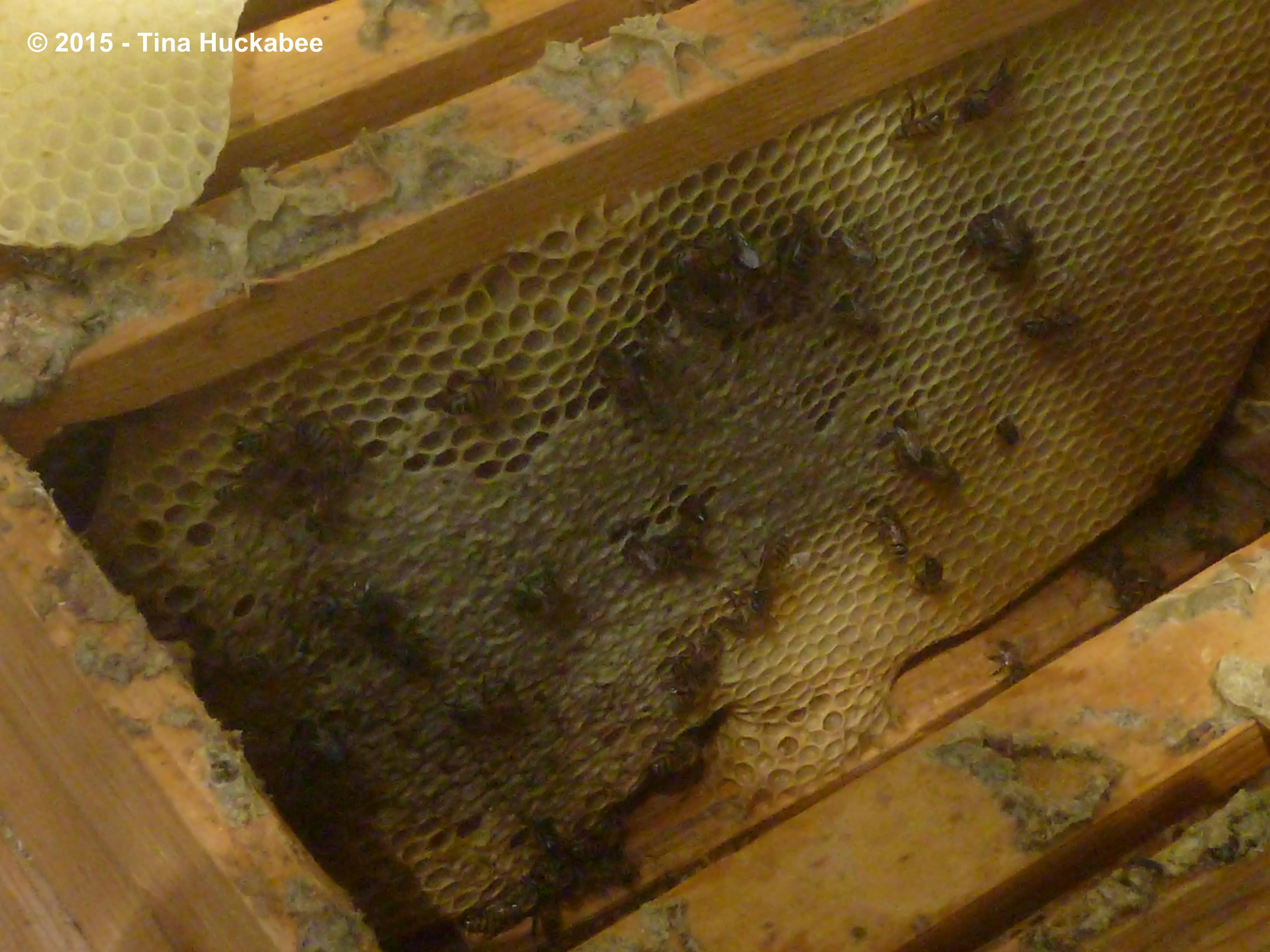
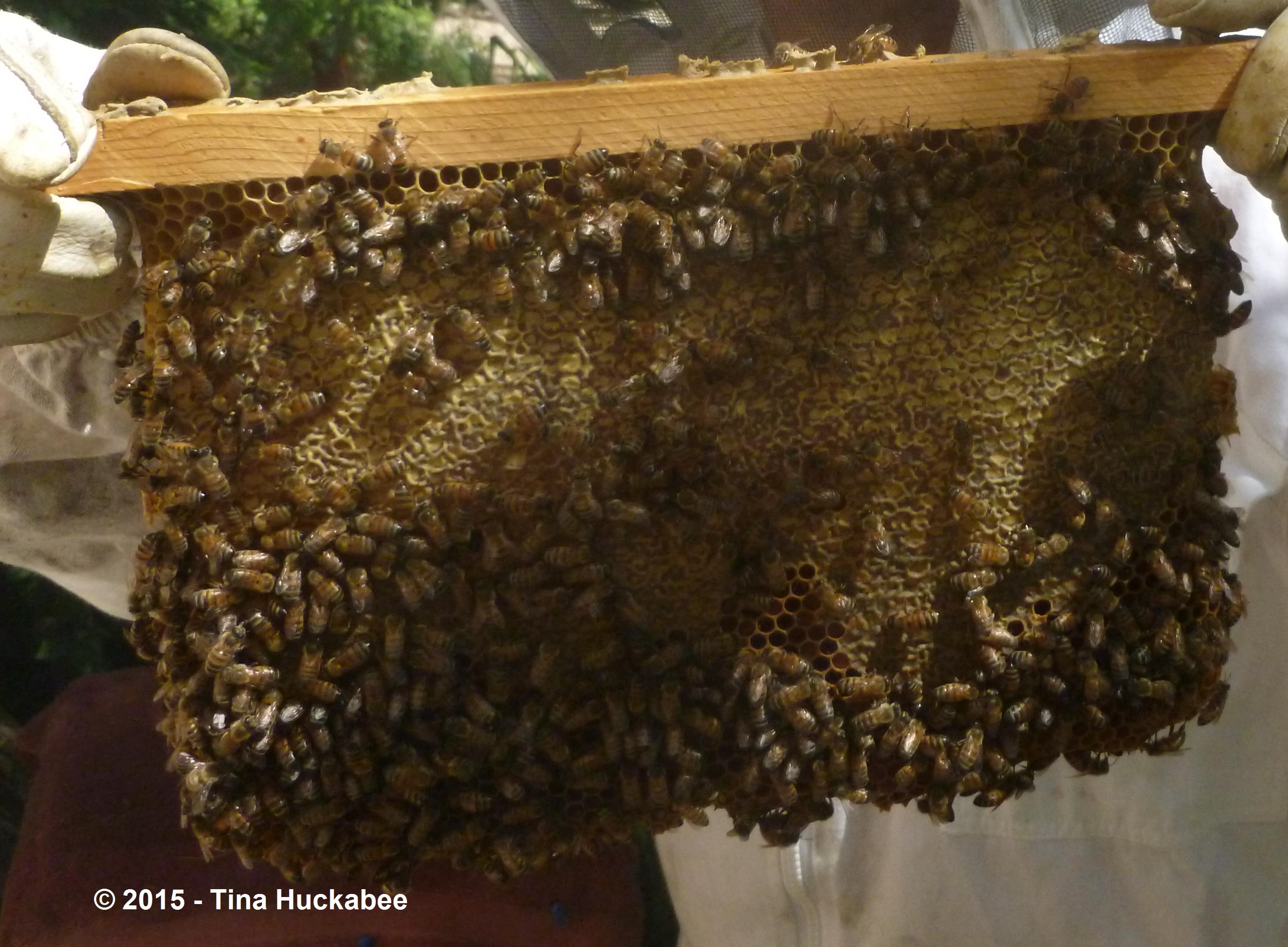
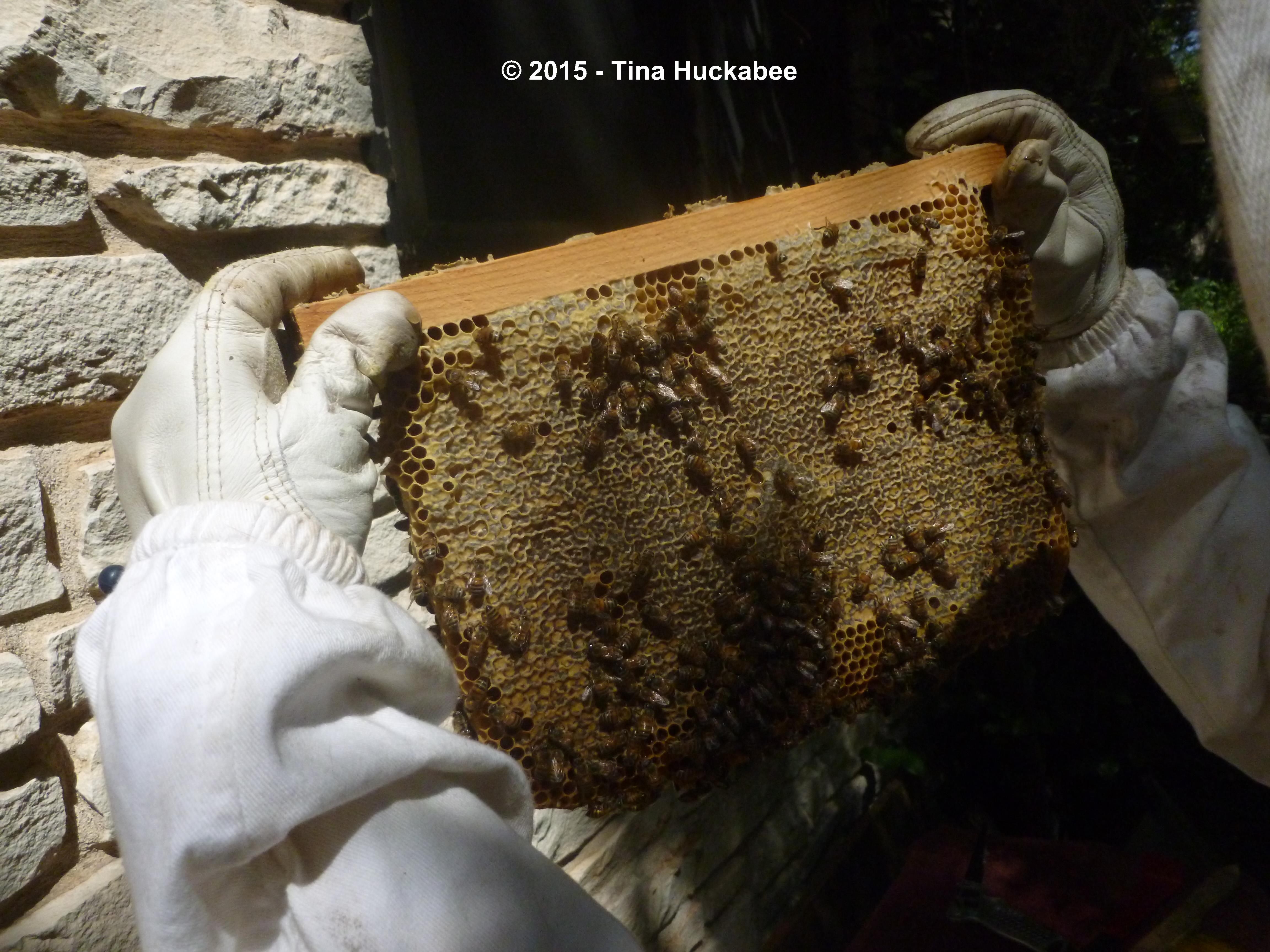
Mufasa is thriving!  Mufasa has a strong queen and the hive is healthy, active, a bit cranky, and loaded with beautiful honeycomb.

P1070494_cropped_2940x2161..new

P1070489.new

P1070485_cropped_3373x3185..new

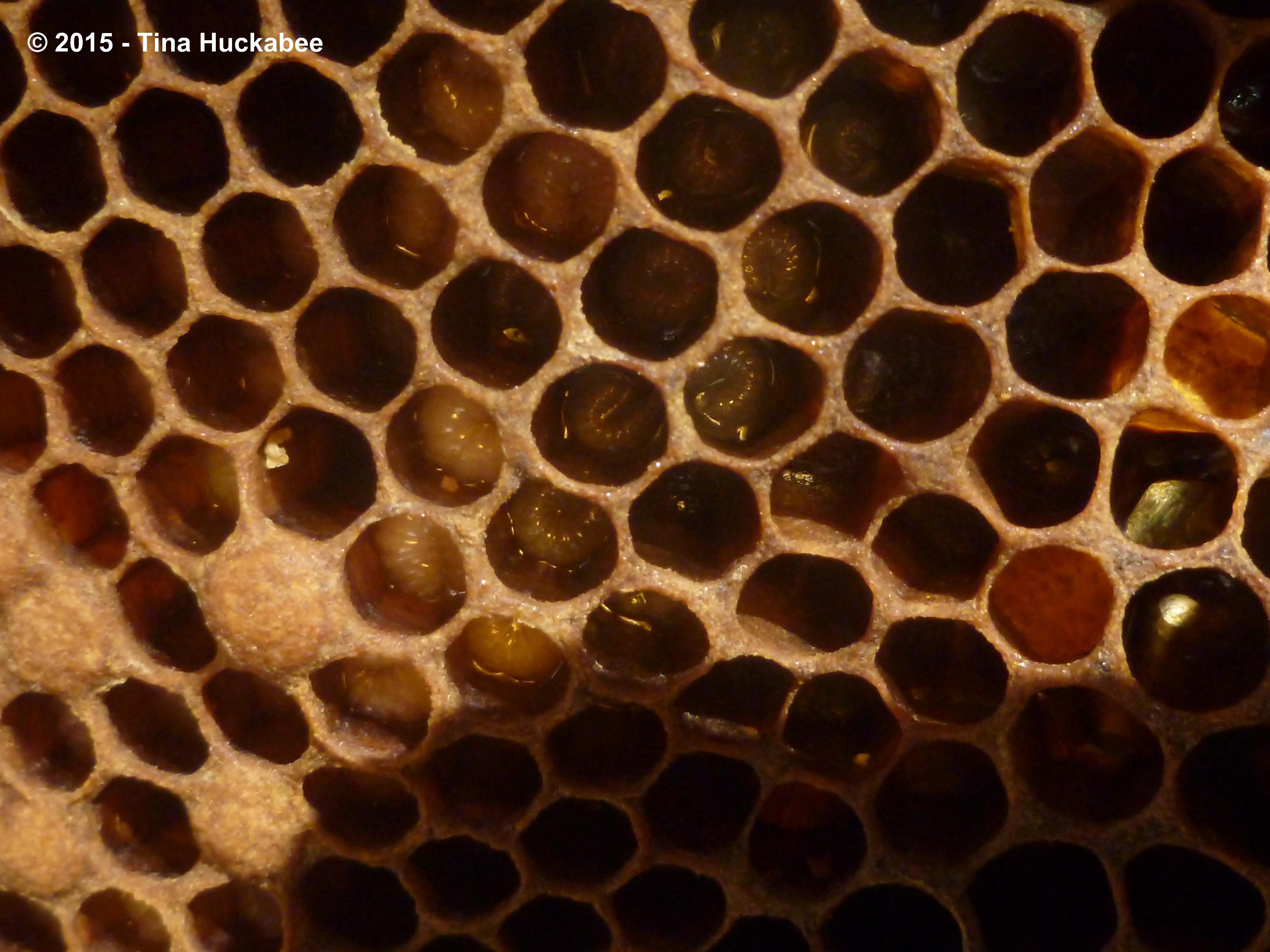
With plenty of capped and uncapped brood–a new generation is underway.

P1070502.new

P1070498.new

However, there was no sign of the sheets that I placed in Mufasa’s boxes.  A day or two before, I’d seen bees removing fuzz from the hive entry board.  Was it Beetle Bee-Gone fuzz?  Maybe, but I’m not positive.  There were still more beetles that scurried when we opened the hive than I would have liked, but significantly fewer than we’d seen in the last few hive checks.  We squished plenty; I’ve discovered an additional use for the hive tool.

P1070500_cropped_3913x3300..new.new

It’s an excellent beetle murder weapon when placed on top of a victim and pressed.

Generally pleased that the hive was healthy and that we saw fewer beetles, we closed Mufasa and moved on to Scar.  Scar was quite the revelation!!  Not as robust a hive as Mufasa, there were hardly any beetles–a few, but roughly in the manageable numbers that we saw last summer.  And in Mufasa, we were able to see the Beetle Bee Gone sheets in action.
P1070496.new

P1070527.new

P1070511.new

P1070507.new

P1070506.new

P1070509.new

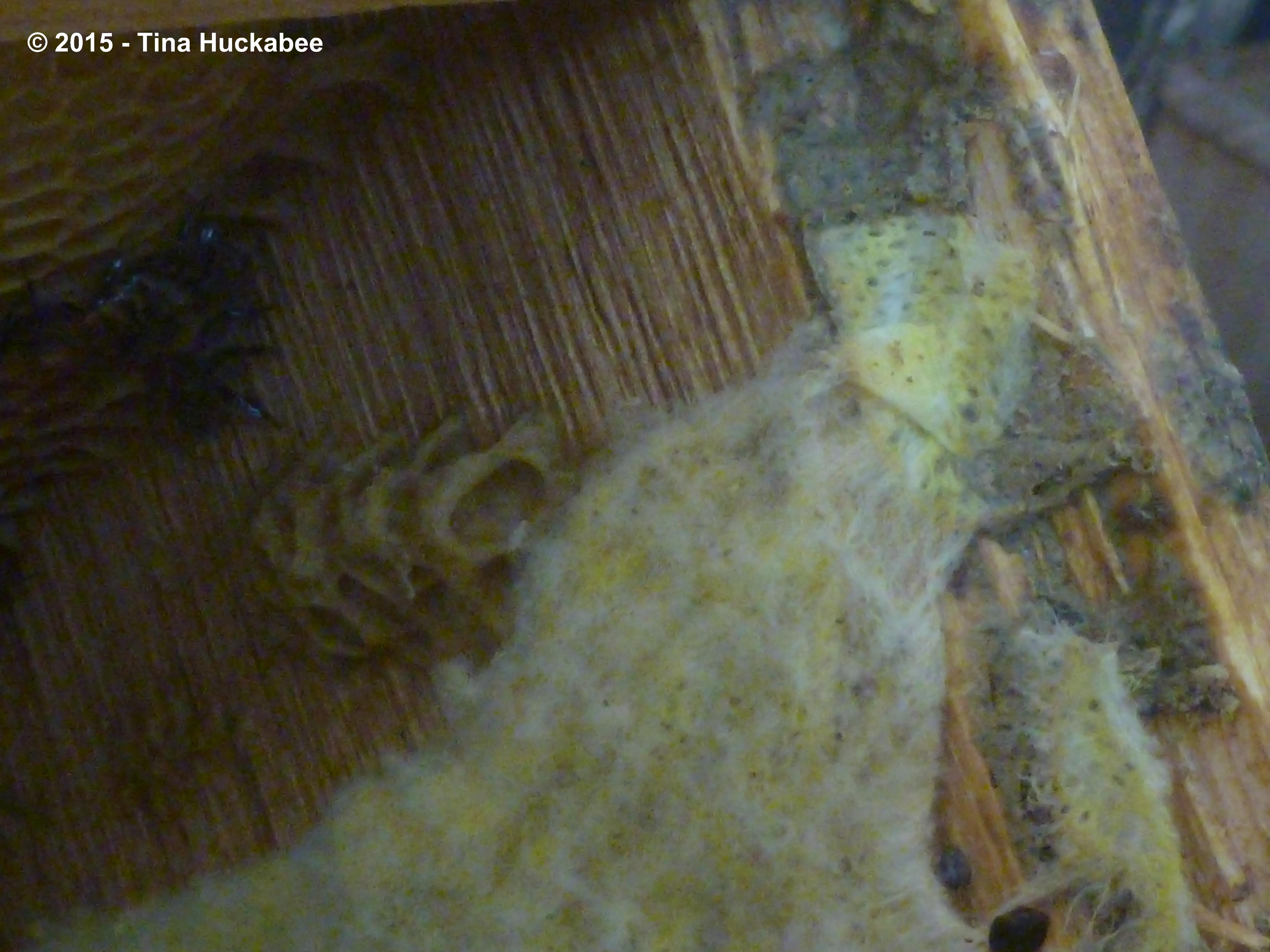
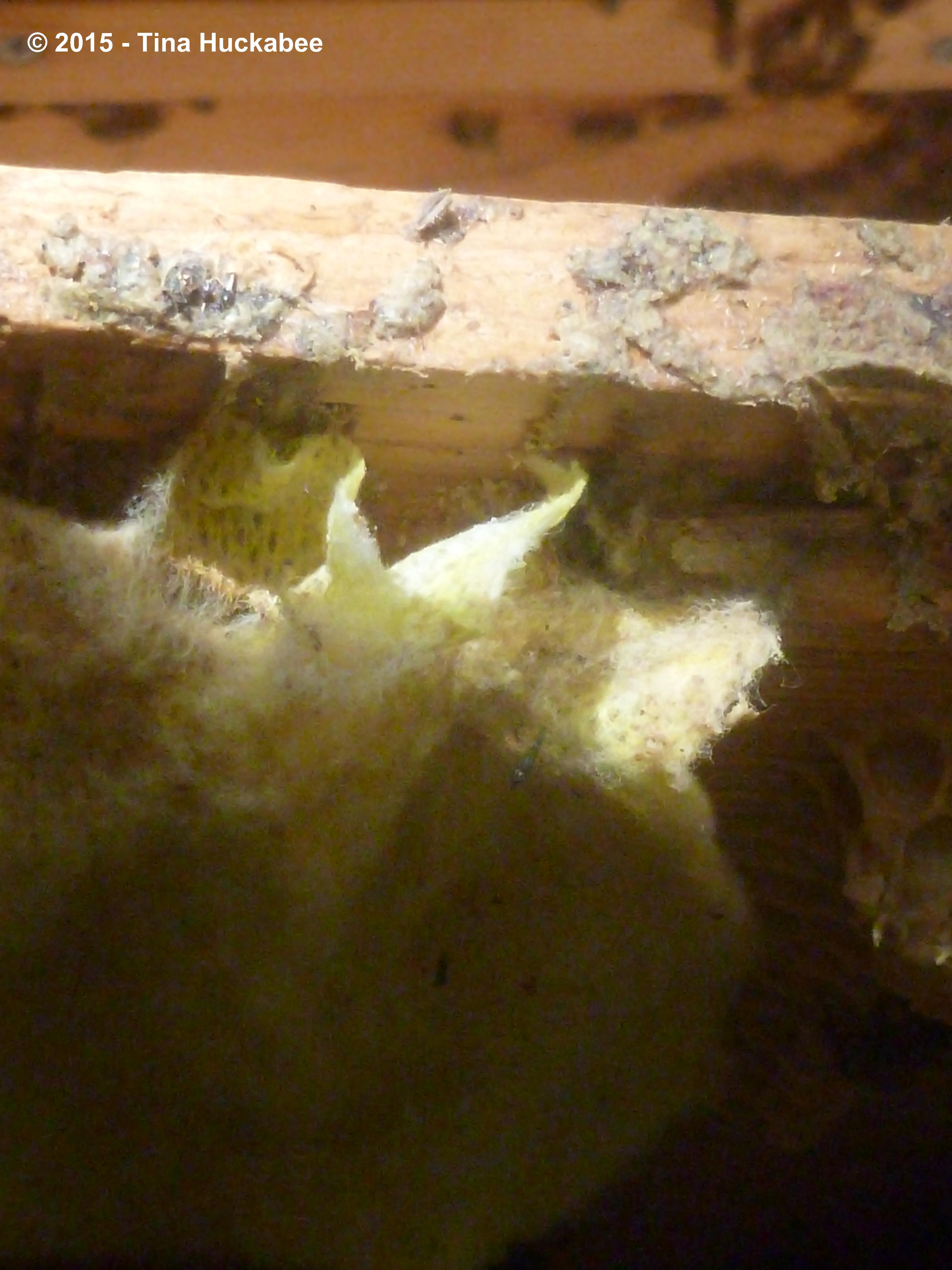
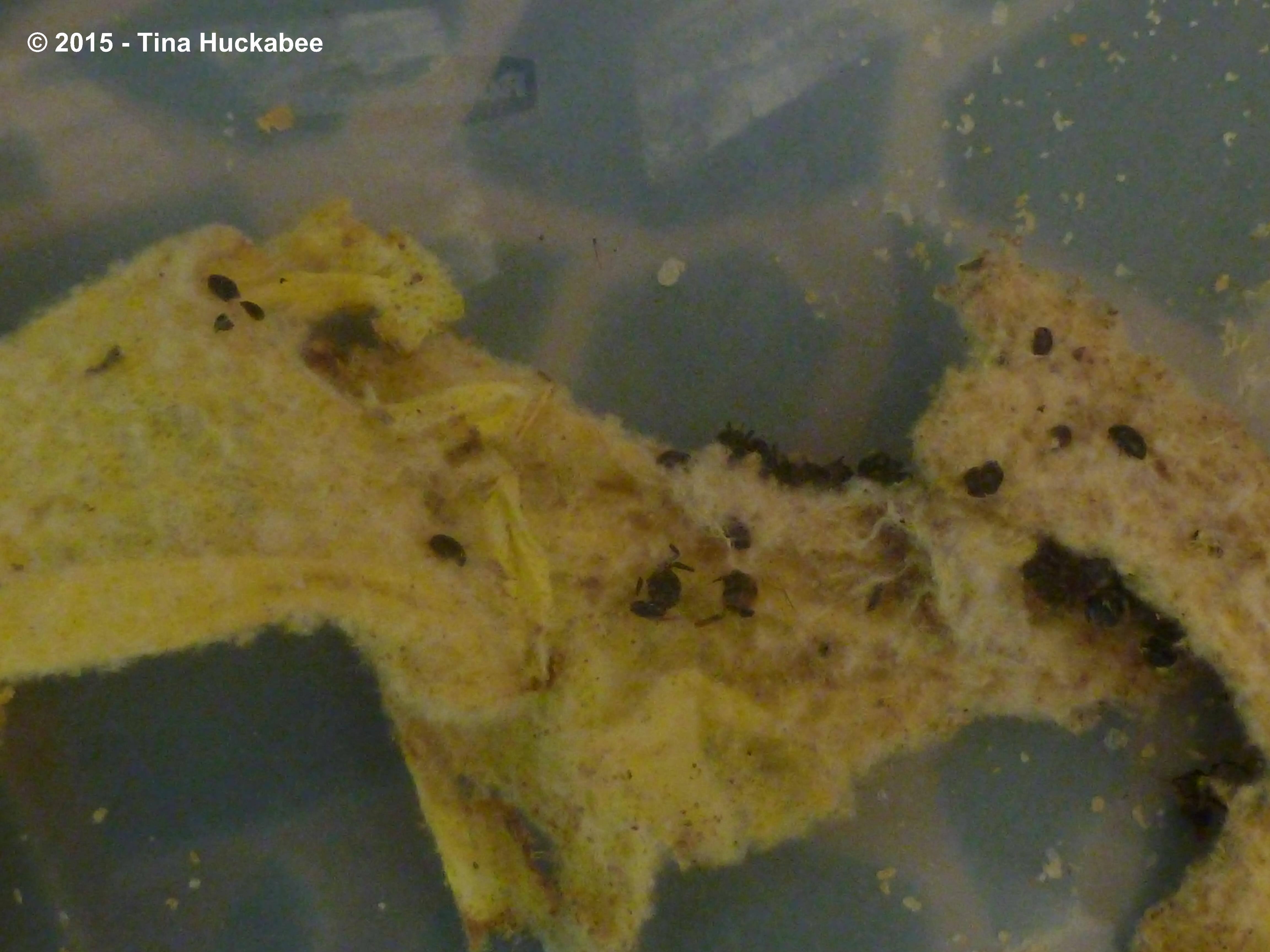
Or maybe post-action is a better description.  The sheets were obviously bee-chewed and fuzzy and there were beetles, dead and alive, caught in the fuzzy sheets.

P1070526.new

P1070525.new

P1070524.new

Victory!!

Scar doesn’t have the full comb in both top boxes like Mufasa has, nor the amount of honeycomb, but like Mufasa, Scar has lots of capped and uncapped brood.

P1070497.new

I added more sheets to both hives and will check on the beetle-trapping progress in a couple of weeks. I gathered up the used sheets with beetle bodies,

P1070528.new

…and tossed the whole mess where it will do some good–in my compost bin.

I feel good about the success of the Beetle Bee-Gone sheets and their trapping of some of the beetles.  Did we get them all?  No way and we also didn’t check the bottom, or main, brood box.  There could be beetles there, causing havoc.  But both Bee Daddy and I concur that we don’t want to go into the hive that deeply–the risk of rolling our queen is just too great. Been there, done that.  We’ll continue to monitor the hives from the middle and top box.

That will have to suffice.  Fingers crossed.

I think that giving the bees a hand in the maintenance of their hive may have allowed them to get ahead of their beetle infestation.  I won’t know if that’s true until we check the hives again, but we noticed that during  the last few hive checks and with full, gross beetle infestation,  our bees were quite cantankerous.  Really mean.  Even with adequate smoke, they were much more aggressive than usual. This hive check?  They were back to their (relatively) sweet selves. Yes, they get snippy when we invade their home, but they were tolerant of our intrusiveness this time, whereas in the last few checks–wowzers–they were tough customers!!  Was their over-the-top defensiveness because the hive was under siege?  I think that makes some sense, especially since they seem more normal now and the beetles seemingly have less of a presence.

For now, I have to give Beetle Bee Gone a thumbs up  in our war against the invasive Small Hive Beetle.

One of the best parts of checking the hives is that Bee Daddy always cleans our bee tools afterwards!

P1070530.new

Isn’t that nice?  Now for those dinner dishes….

Wishing the the girls a good August: success in foraging, in egg laying, and the raising of a new generation of bees and in the continued dissipation (dare I say eradication?) of the small hive beetle infestation.

If you live in or near Austin, The Tour de Hives will be held this coming Saturday, August 15.  The tour of local bee yards  is in celebration of National Honey Bee Day and is a fundraiser for the Travis County Beekeepers Association, a nonprofit organization committed to promotion of and education about honeybees.  Check out the links for more information.

P1070467.new


Tree Following: August Oven, 2015

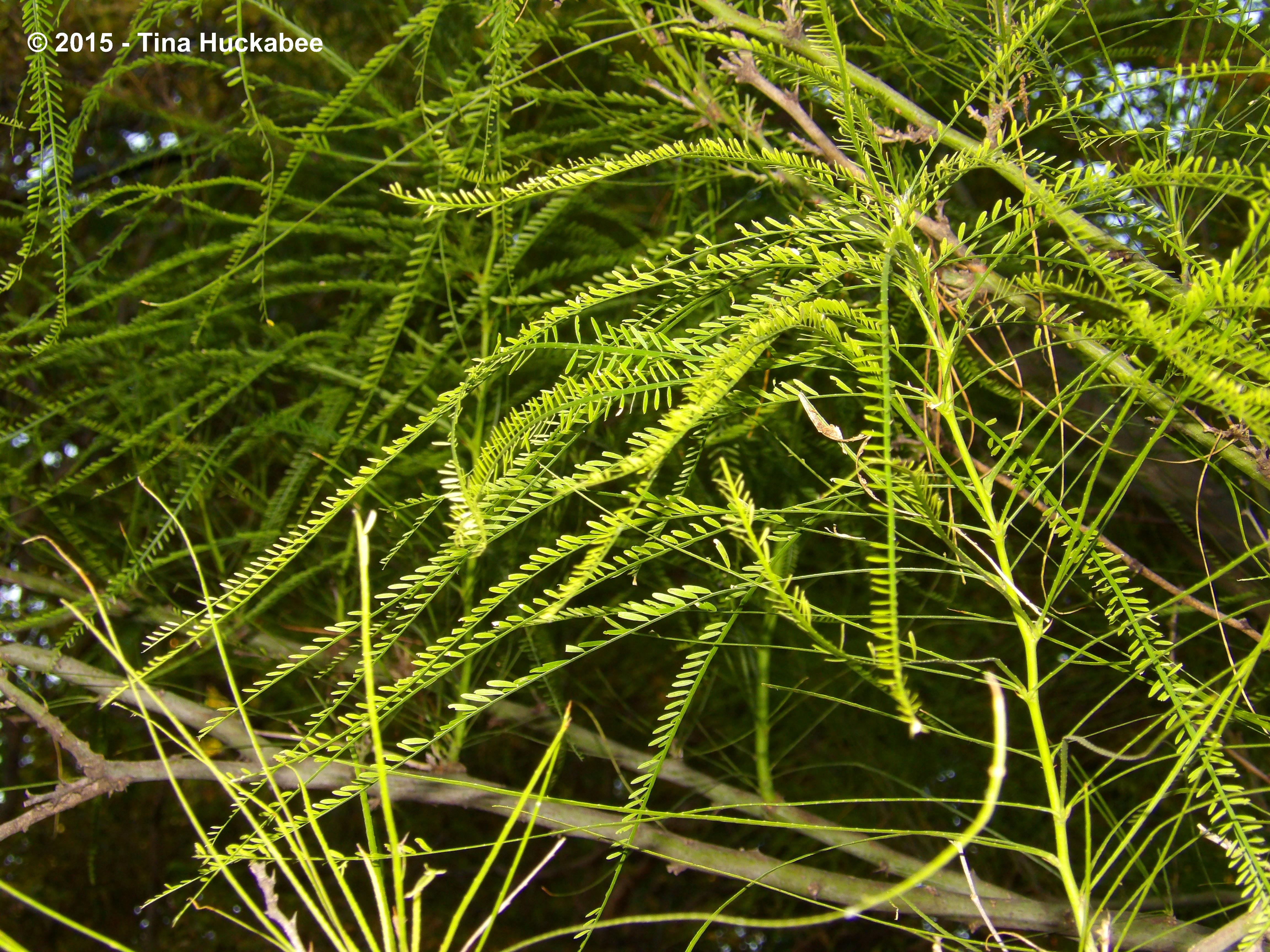
It’s toasty out there!  The hot August sun beats down on me and mine, but most of my tough Texas natives stand brave against the 100 F+ temperatures this hot August. Included in that set of stalwart botanical steadies is my 2015 Tree Following choice, the beautiful Retama, Parkinsonia aculeata.  It’s still green,

IMGP9789_cropped_3275x3483..new

…lacy and lush.

IMGP9893.new

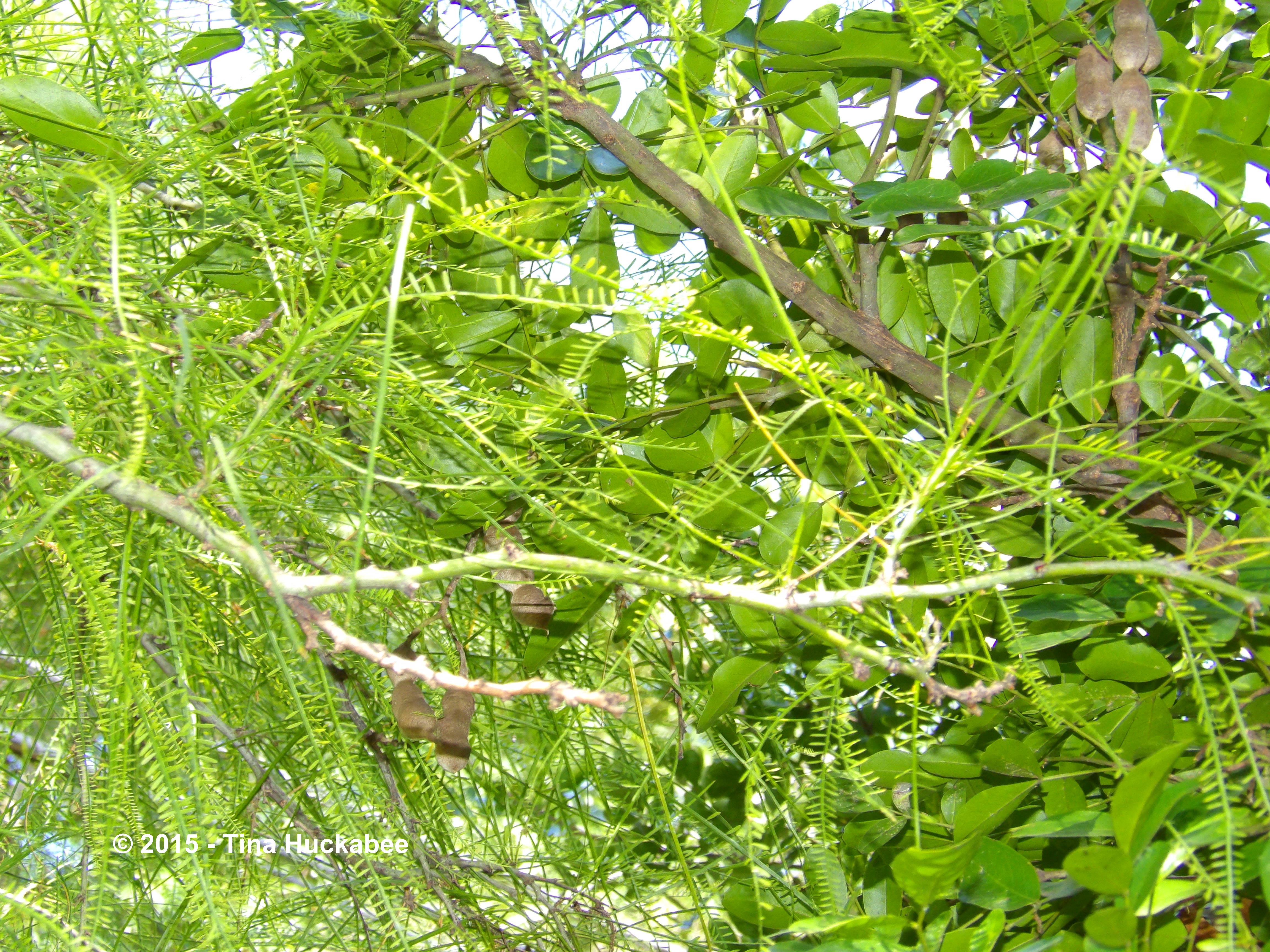
Juxtaposed with the Mountain Laurel, Retama’s fine foliage is brilliant,

IMGP9818.new

…and against the Shumard Oak’s more substantial leaves,

IMGP9936.new

IMGP9811.new

…it softens, though I must admit that I prefer the shade of the Oak to that piddling amount of cover provided by the Retama.

Against the big Texas sky, Retama foliage is stunning.

IMGP9820.new

IMGP9888.new

The foliage contrasts with summer light.IMGP9919.new

And sometimes, reflects it.

IMGP9939.new

The foliage is fresh and verdant and that is welcome in late summer.

IMGP9938.new

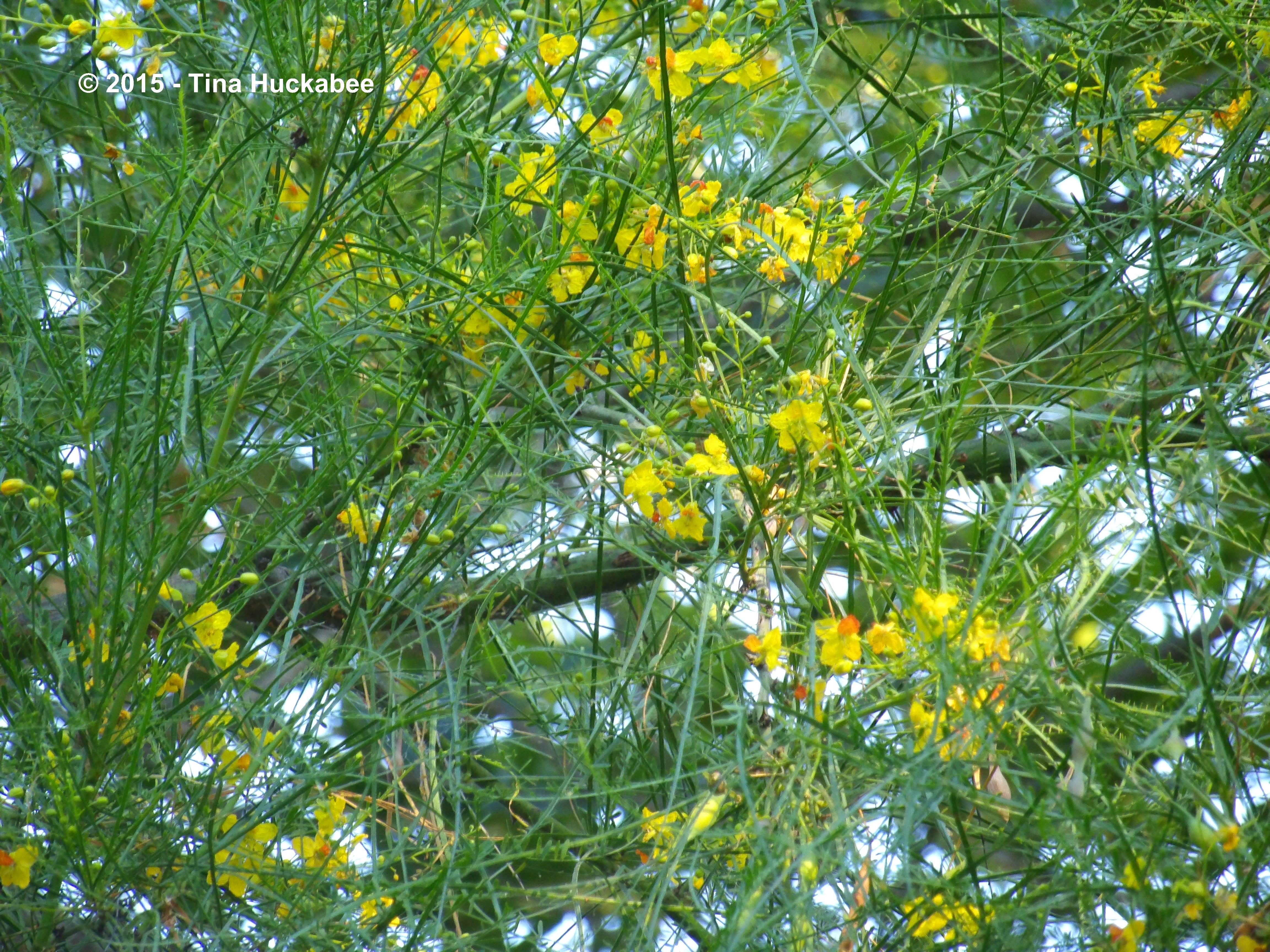
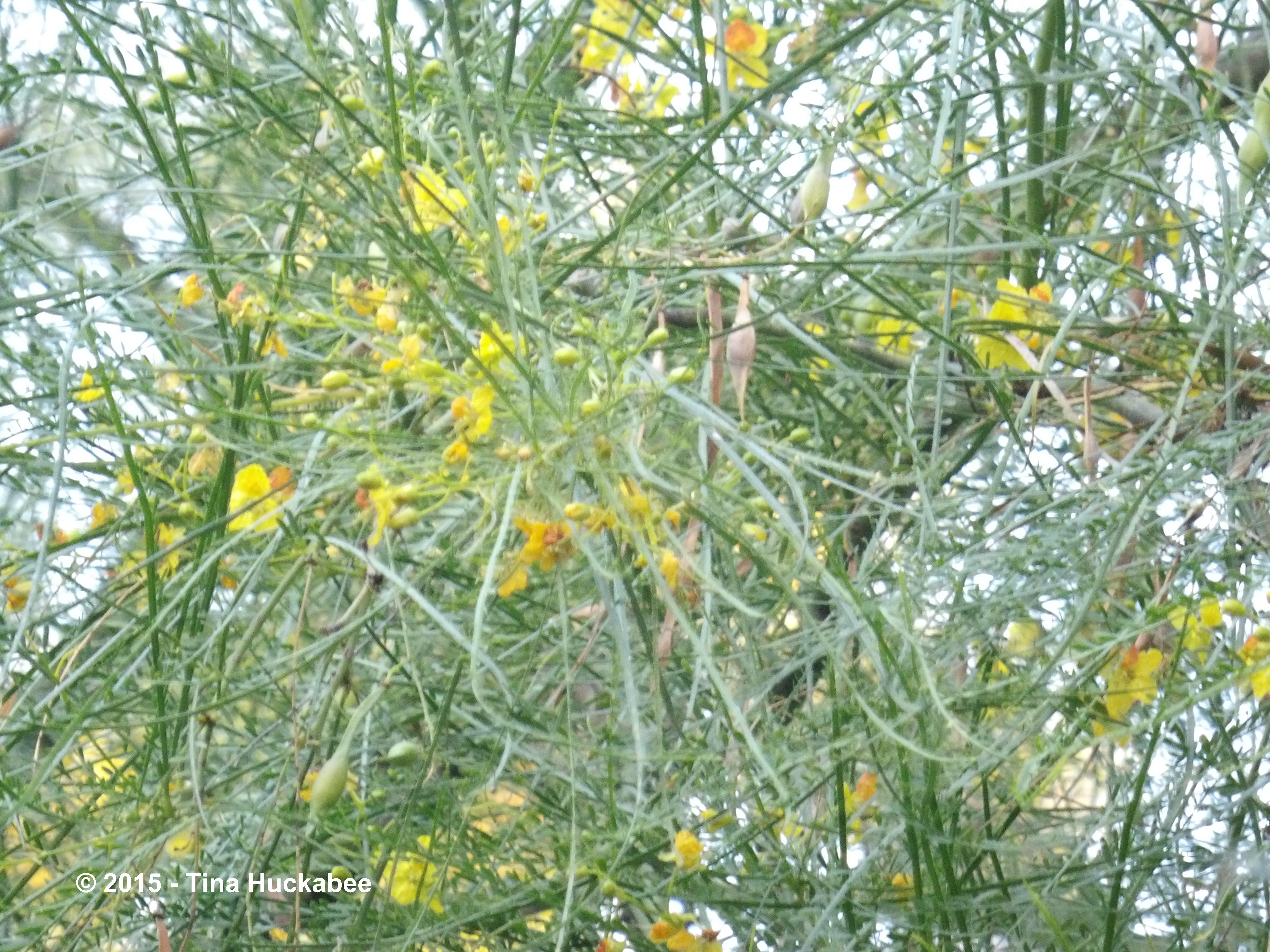
Clusters of Retama flowers are visited by bees, butterflies and hummingbirds. All the blooms are now situated at the top of the tree, whereas previously, individual blooms were scattered along the lower branches.  Because the flowers are high on the tree and summer breezes blow, I’ve had a difficult time getting adequate close-up shots.

IMGP9884.new

In the tangle of sunny yellow are freckles of red/orange “honey” petals, typical of each individual flower.  When the bloom first opens, the honey petal is not yellow, but a paler version of that orangey-red.  Once the flower is pollinated, that “honey” petal turns a deeper color and curls backward.  Retama flowers are a colorful two-fer gift.

IMGP9886.new

As bloom time wanes, the seedpods are growing larger, maturing, and turning brown. That is probably the biggest change since my Tree Following July report.

IMGP9927.new

Retama seeds are edible and also used as fodder for farm animals in parts of the world where this tree grows, whether in its native region (southwest US, Mexico and parts of South America) or where it is an introduced and often, an invasive species.  The seed pods will continue developing as fall approaches, eventually dropping to the ground. While this tree has become a problem plant in some areas of the world (Australia has banned it), I’ve rarely had seedlings develop from my tree.  When seedlings have germinated and grown, they don’t make it through winters. That said, out in open areas of south and west Texas, Retama must germinate well and often enough because there are plenty of Retama trees which dot and decorate the rugged Texas landscape and adjacent highways.

IMGP9887.new

Until September…please visit Lucy at Loose and Leafy to learn about other trees being followed for August.

IMGP9787.new

Love your trees!!