Strength and Peace

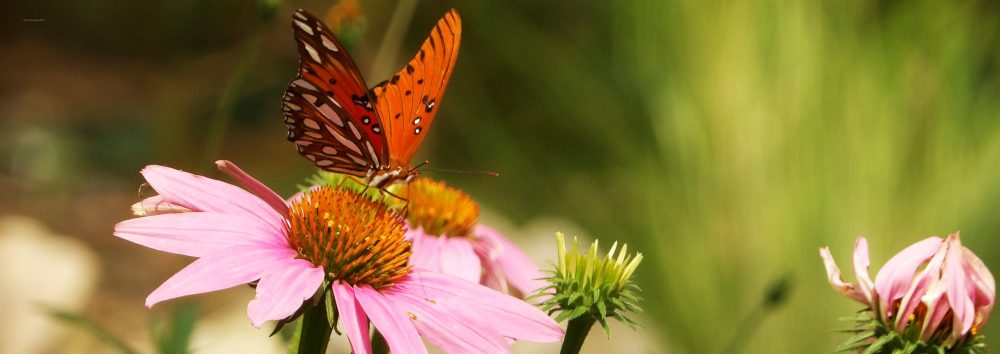
Once again I find it difficult to post about pretty flowers in my garden when hatred and instability, coupled with easy access to guns, wrecks havoc on innocent human beings.  I suppose there has always been tension between the ugly and the beautiful in this world, but it feels like the ugly is more prevalent and increasingly malevolent at this moment in time.

I know that’s not really true.  I know that people have great capacity for kindness and compassion.  I know that the open-minded and open-hearted are those who champion and advance the human condition.

I also know that the natural world is a balm for anger and discordance, if it’s experienced, appreciated, and protected.


For innocent and displaced Syrians:
IMGP8615.new

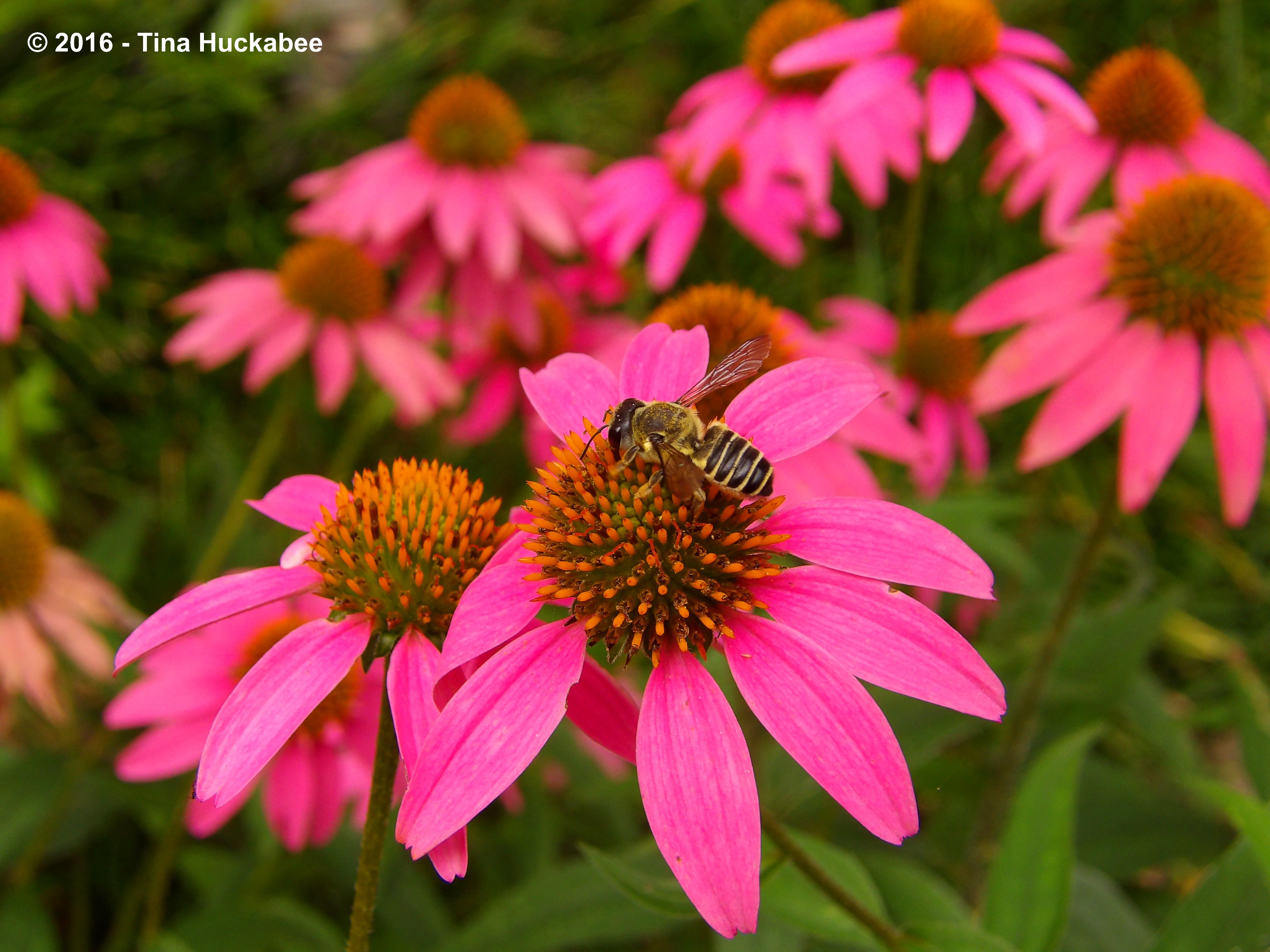
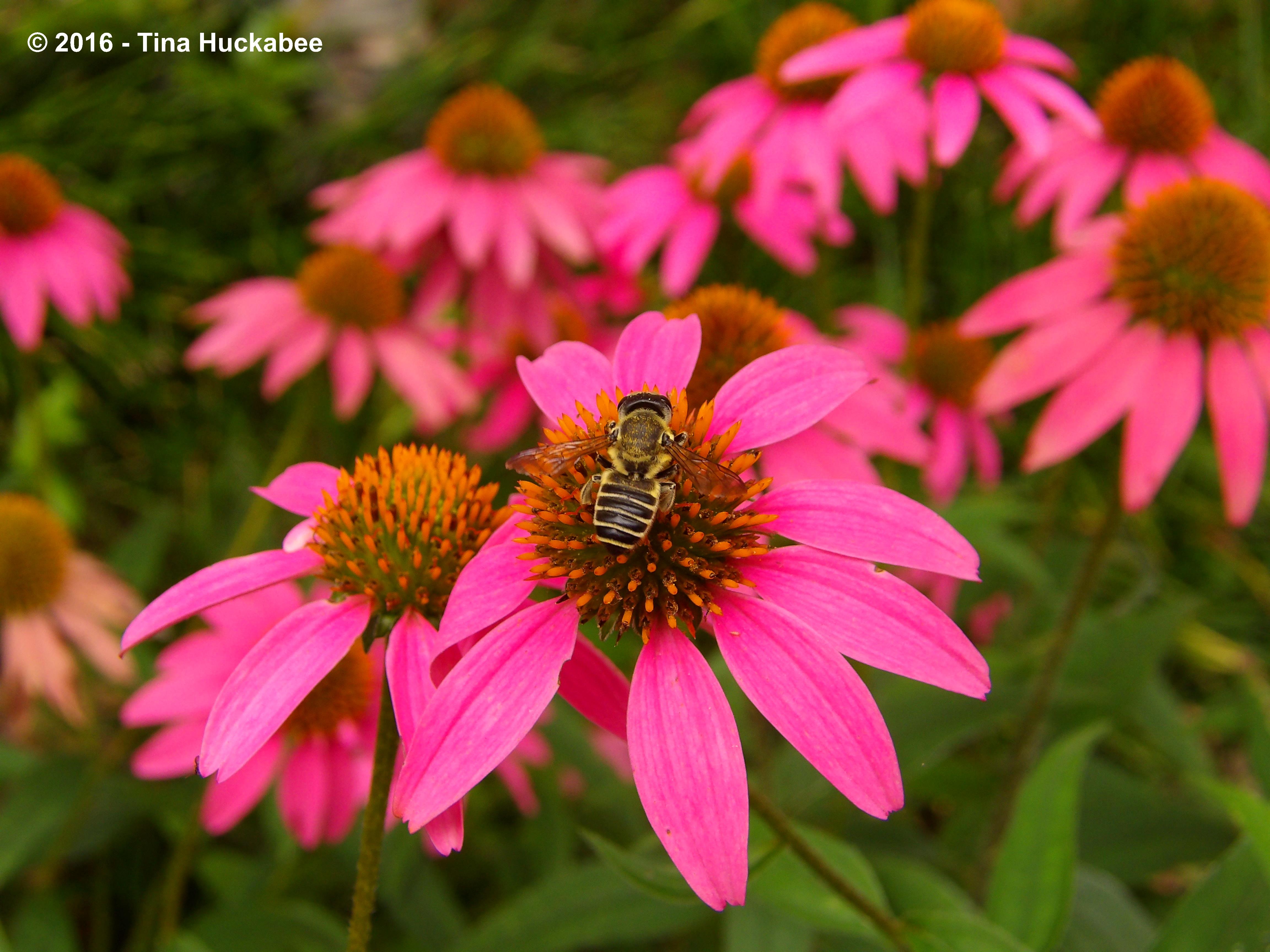
Purple coneflower (Echinacea purpurea) with attending Leafcutter bee (Megachile)
IMGP8614.new


For the unwary–gunned down in schools, nightclubs, cafes, and places of worship:

IMGP8627_cropped_3549x3363..new

Common yarrow (Achillea millefolium) with attending fly


For innocent and kidnapped Yazidis:

IMGP8631_cropped_3544x3250..new

Big red sage (Salvia penstemonoides) and Clasping coneflower (Dracopis amplexicaulis)

IMGP8604.new

Common daylily


For the guiltless citizens of many African nations, caught between factions; forgotten:
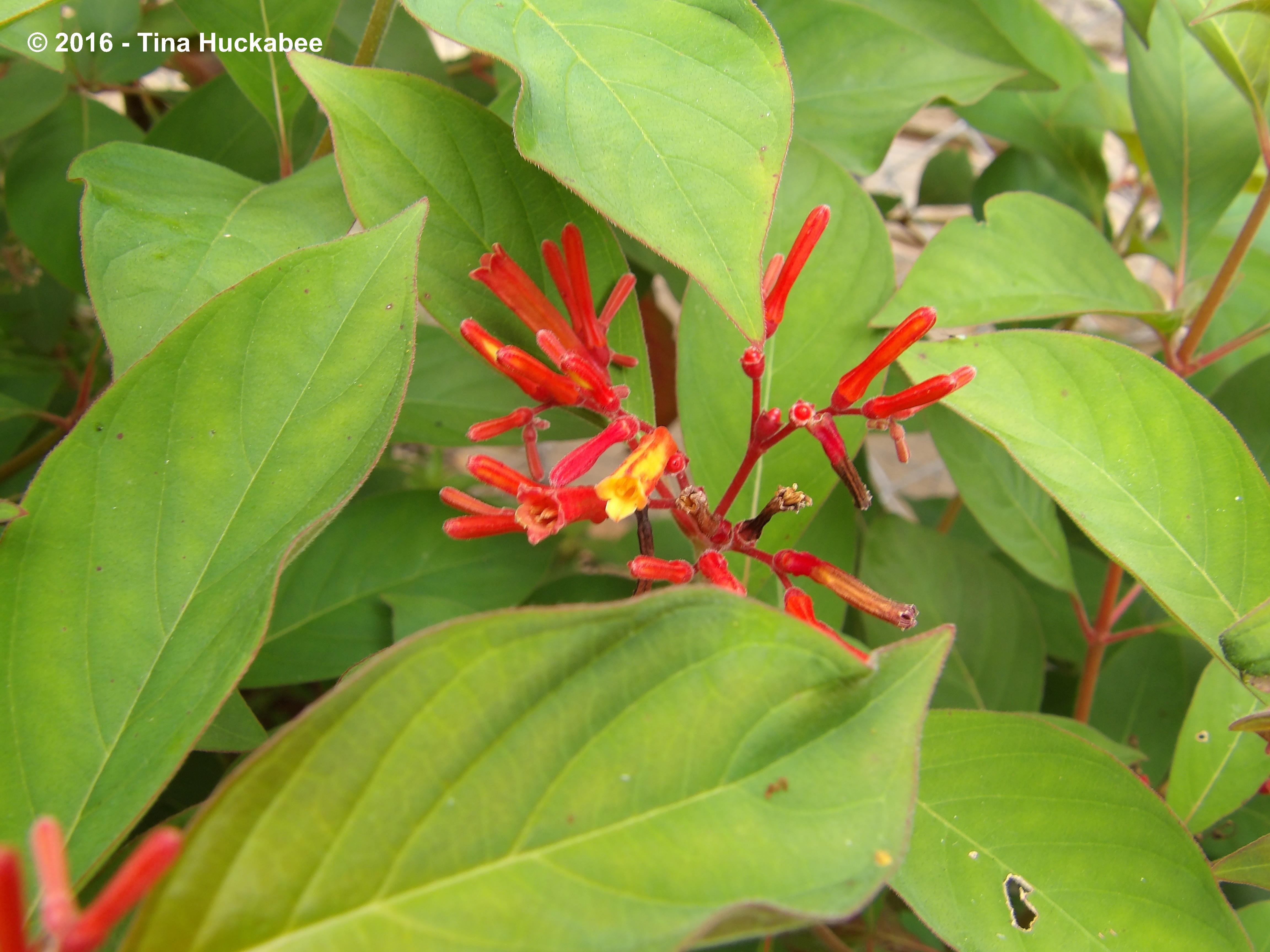
IMGP8621.new

Firebush (Hamelia patens)

IMGP7343.new

Clasping coneflower with attending Sweat bee (Lasioglossum spp.)


For the innocent in Turkey, Afghanistan, Lebanon–and all other troubled parts of the Middle East:
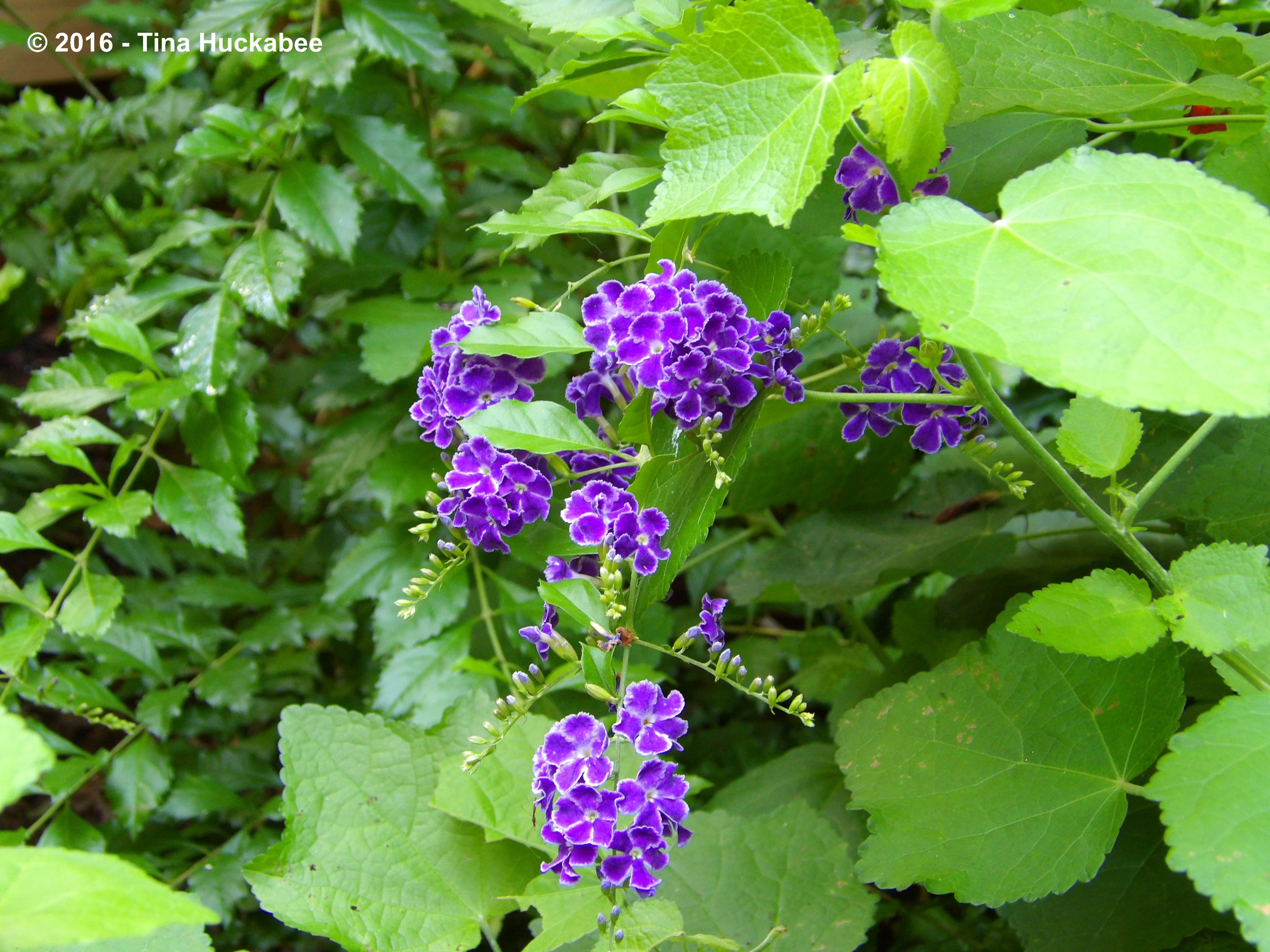
IMGP8601.new

Sky flower (Duranta erecta)

IMGP8401 - Copy.new

Purple coneflower


For unguarded Europeans and Americans, also unsure of their future:
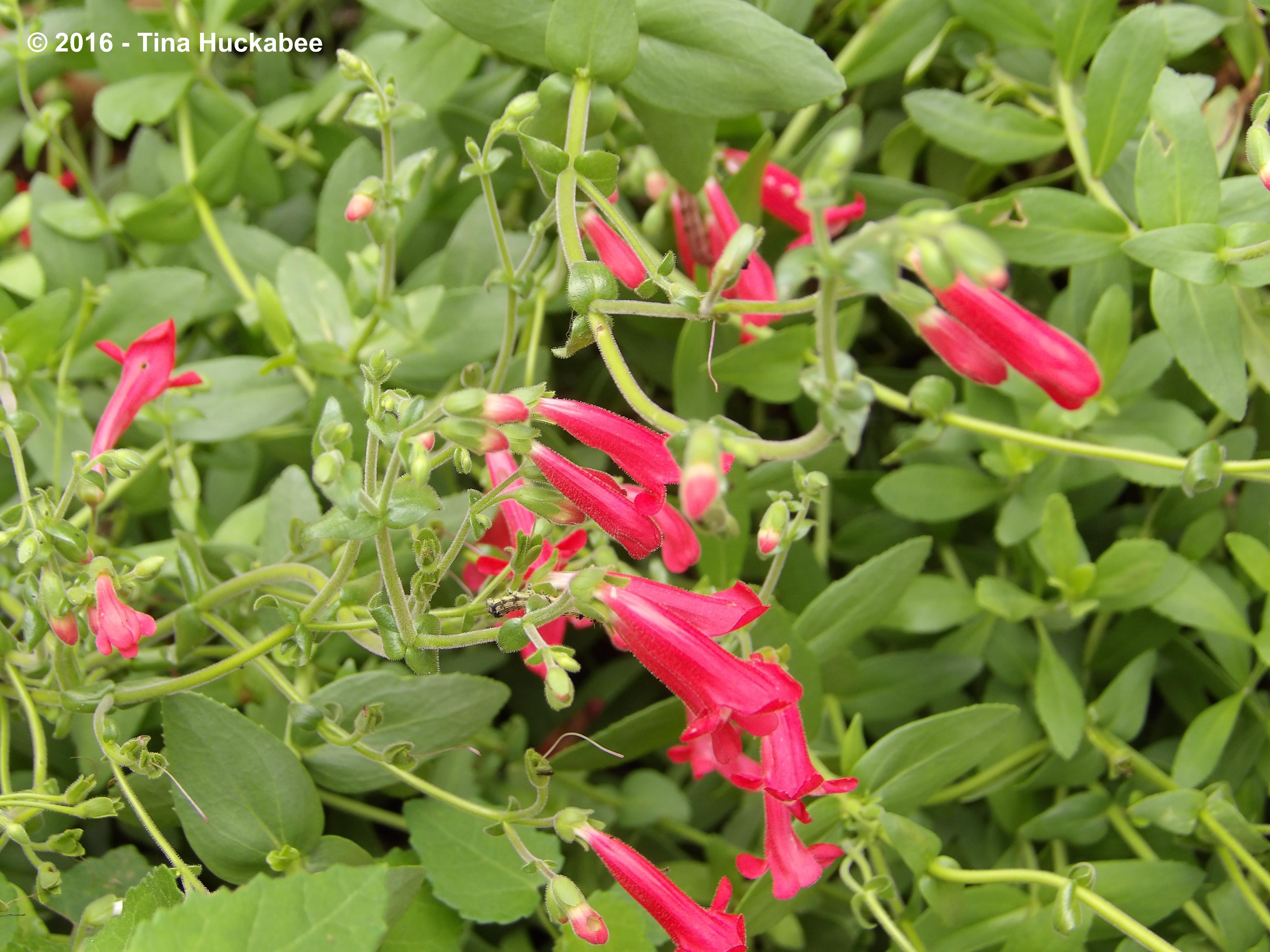
IMGP8444.new

Rock penstemon (Penstemon baccharifolius)

This CNN link profiles attacks that have rocked many communities. Sadly, there have been further assaults perpetrated by murderers since this article was published in April.

Wishing victims of terrorism and violence–wherever and however manifested–much strength and eventual peace.

IMGP8635.new

Sky flower paired with Turk’s cap (Malvaviscus arboreus), with benevolent sun.

I thank Carol at May Dreams Garden for hosting this monthly bloom bonanza known as Garden Bloggers’ Bloom Day.  Join in, share your garden pretties, then click over to her lovely blog to see and learn about blooms from many places.


Fishin’

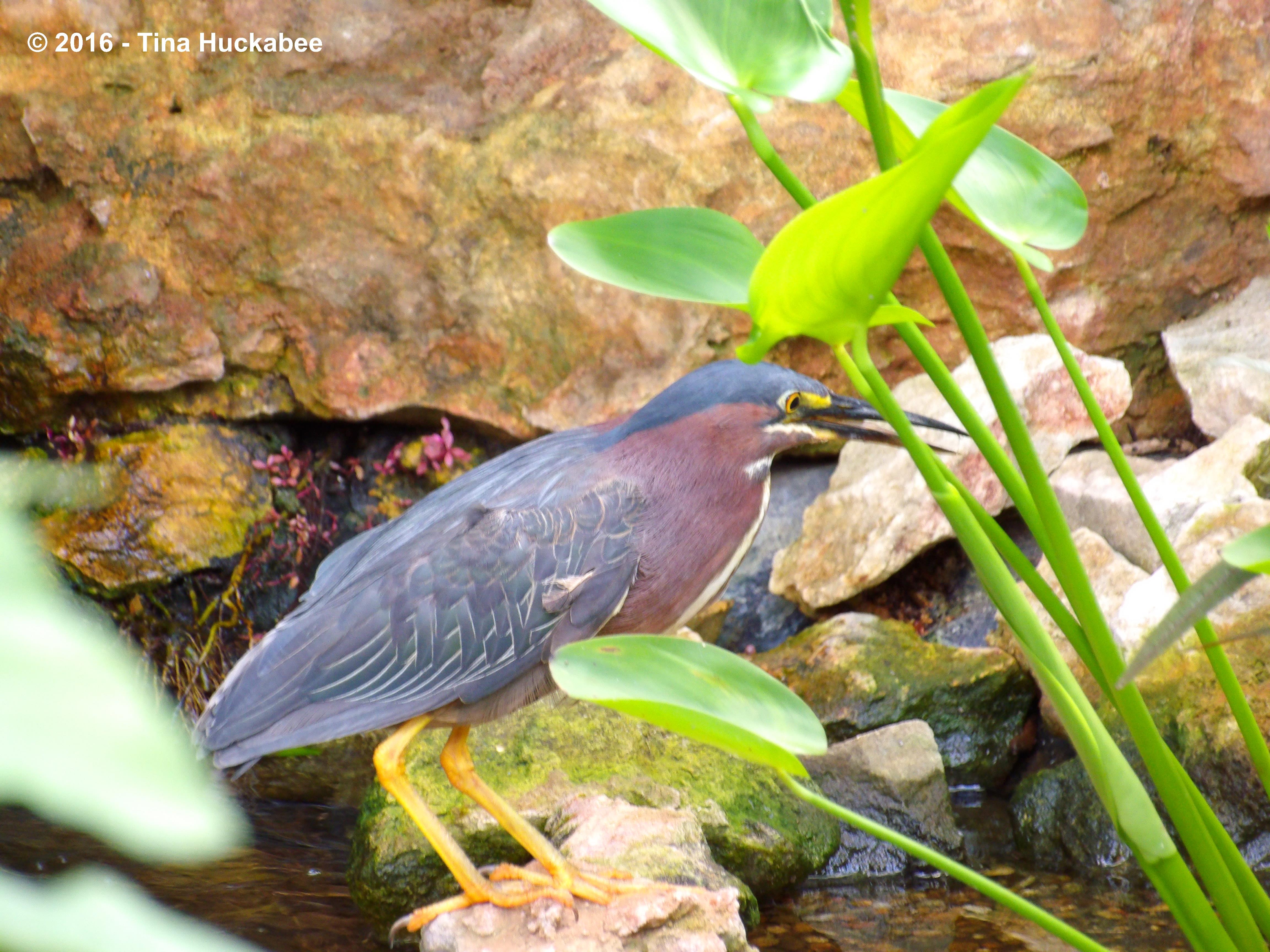
This fine-feathered Green Heron, Butorides virescens, was creeping in the bog, no doubt angling for some fish for lunch.

IMGP8584.new

He flew off after spotting me (I attempted unobtrusiveness, but obviously failed!).  The heron returned to the pond shortly afterward–the allure of a fish meal greater than wariness of the gardener.

Smacking his beak in pleasure, the pond is now short a few gambusia (mosquito fish).

IMGP8594.new

Everyone has to eat!

Lean-n-Green

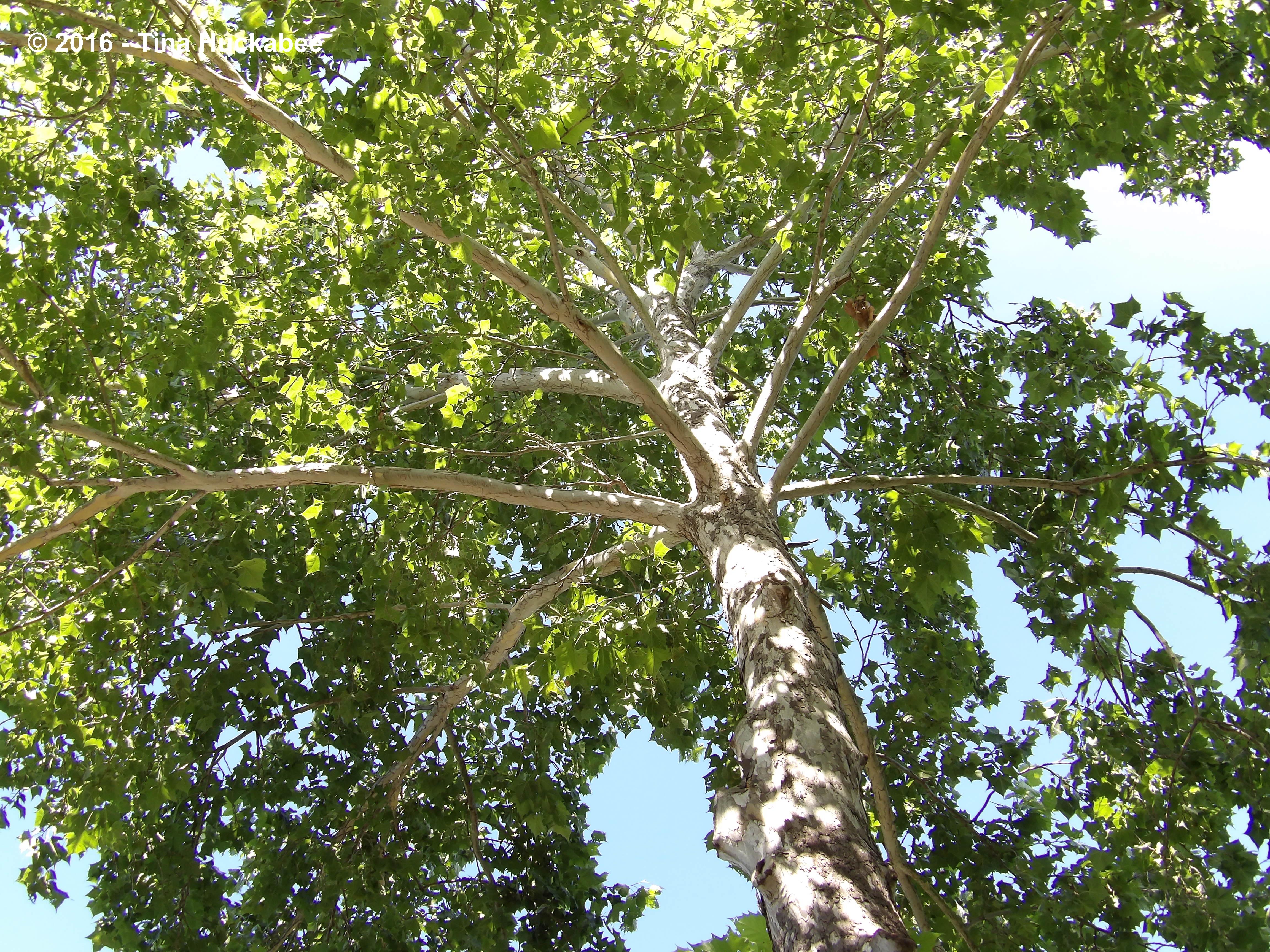
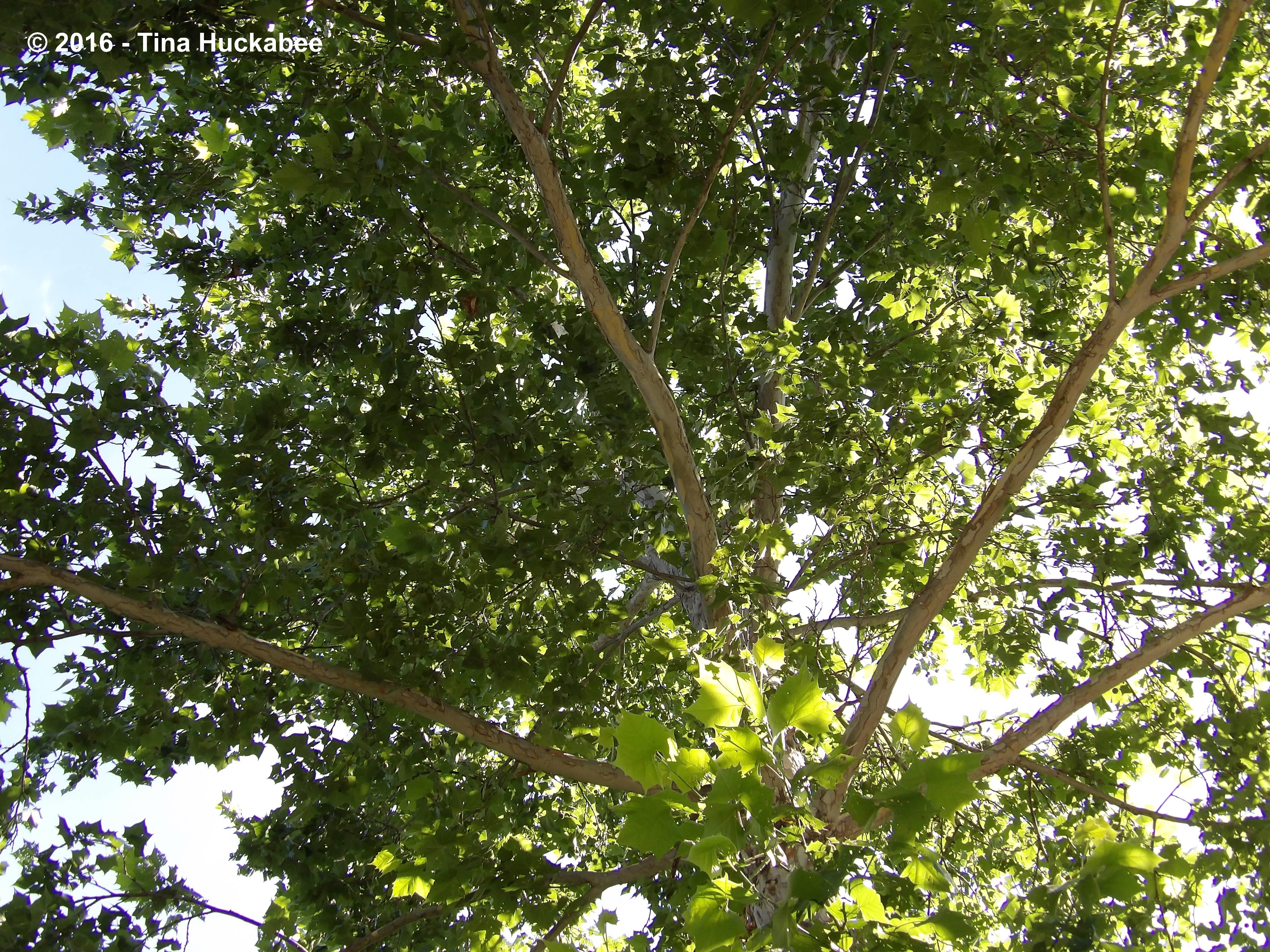
It’s been a wet March-May here in Central Texas and as a result, my American Sycamore, Platanus occidentalis, is plenty green and leafy-lush at this June Tree Following check-up.

IMGP8486.new

I never realized that  at this viewpoint, it looks like a chunk at the top of the tree has been removed.

Truly, there’s not much to report this time around, except that the Sycamore is in summer mode, full-leafed and providing cover for birds.  In fact, it’s such a good protector of birds’ privacy that I’ve  enjoyed no good luck in getting photos of birds resting, mating, or feeding their young–all activities that this tree has recently hosted.

IMGP8487.new

The birds are in the tree, but well-hidden.

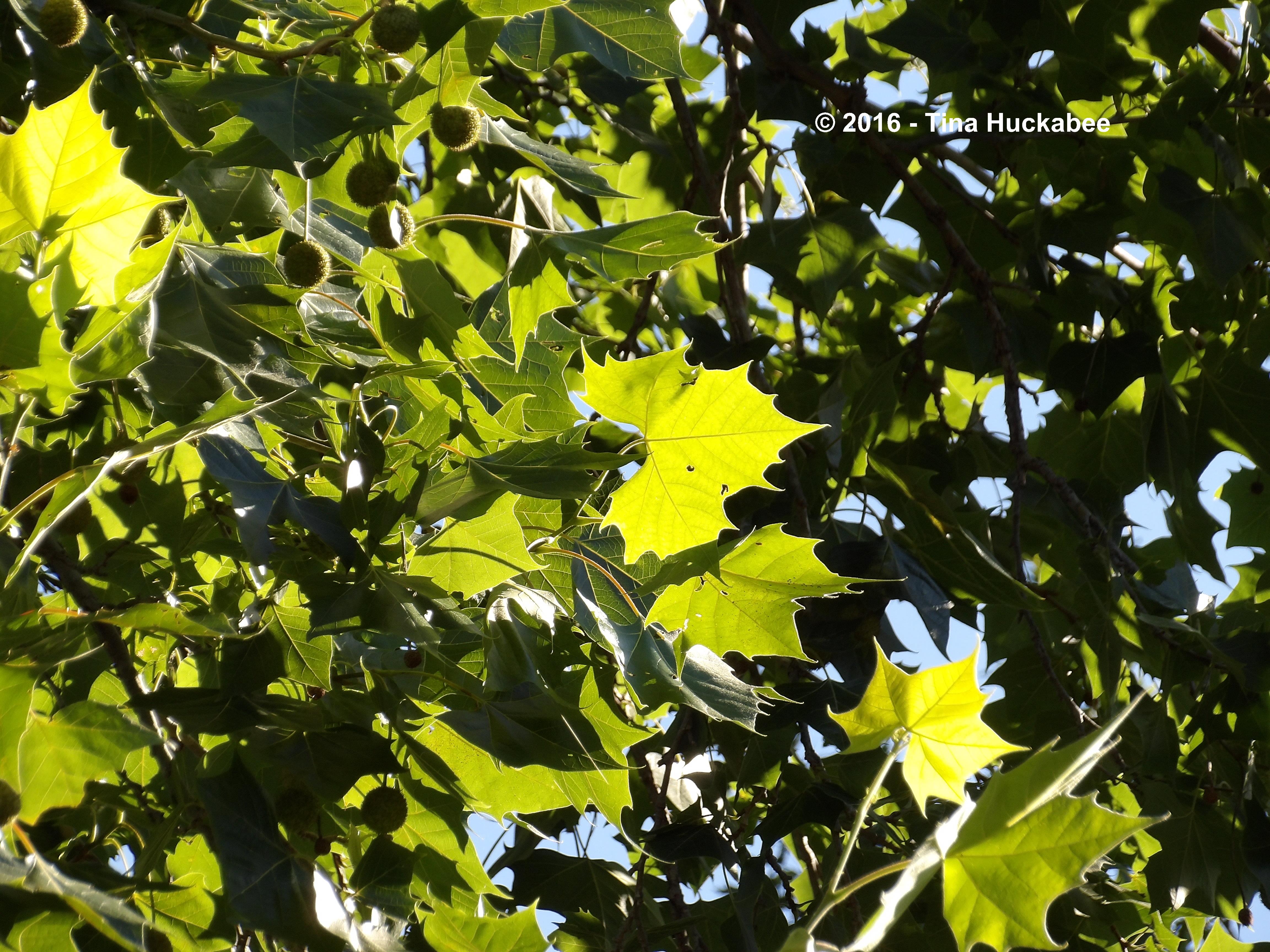
Darn these big ole leaves!

IMGP8488.new

IMGP8490.new

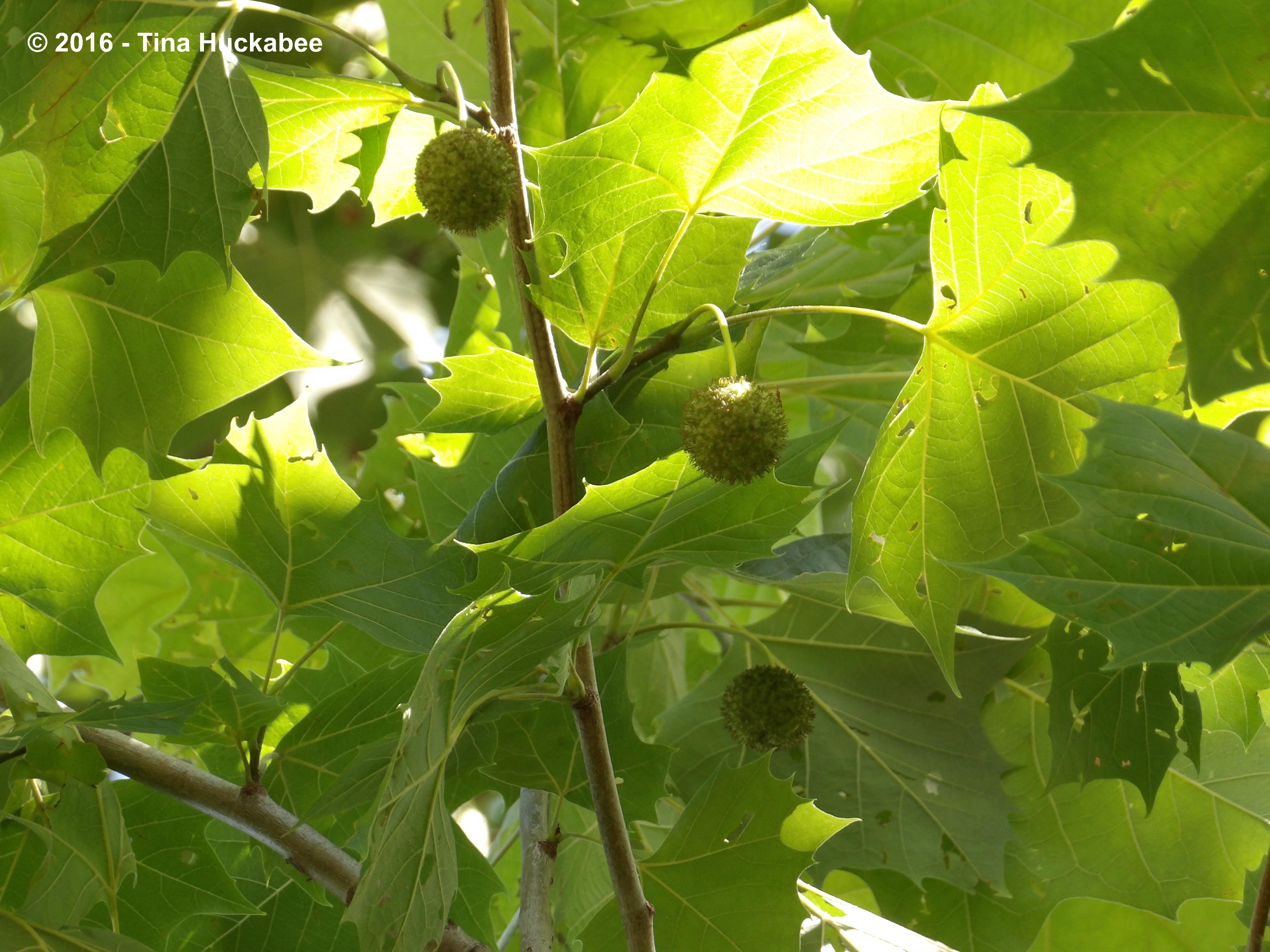
This year’s seed-balls are in form–and developing.

IMGP8548.new

I guess these big leaves are providing lots of oxygen too, while also helping to absorb pollutants in the air.  One of the reasons that American Sycamores are commonly planted in cities is just for that reason–they’re an excellent antidote for the multiple pollutants that urban life so excellently produces.

IMGP8491.new

As Central Texas segues into summer, it’s very likely that the generous spring rain spigot will shut off and the thermostat will be turned on. My gardening experience has taught me (repeatedly…) that after a mild and wet spring, summer drought and Texas heat can be especially harsh on certain plants–trees included.  Because the American Sycamore prefers more, rather than less, moisture, it tends to suffer a bit (more than other native trees) in that particular situation where the spring is gentle and moist, but summer is, well, Texas summer.  Changes in the Sycamore will depend upon just how hot and how dry the summer is. Time will tell whether this summer will be super hot-n-dry (as has become normative), or, perhaps, just normal hot-n-dry. That will make watching the Sycamore all the more interesting in the coming few months.

For today,  the American Sycamore is a lean and green arboreal machine.

IMGP8547.new

Thanking Pat of The Squirrelbasket for graciously hosting this fun and interesting meme about trees. Check out her blog to learn about trees from all over the world.