Antidote

In the few moments of sunshine in this past week or so, autumn native bloomers spark light and color-joy.  Fall astersSymphyotrichum oblongifolium, beaten down by heavy rains, turn their exuberance to singular rays of sunshine.

Pollinators reveal themselves, taking advantage of limited breaks in the clouds.

Syrphid fly on a Fall aster.


Plume-heavy grasses, like this Lindheimer’s muhly, Muhlenbergia lindheimeri,  add feathery grace to the garden.
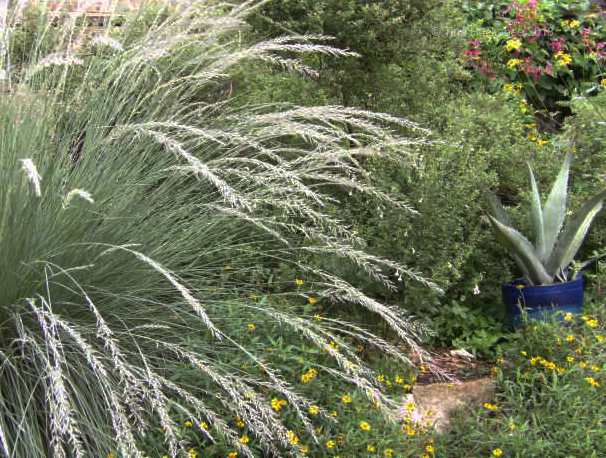
Heavy rains weigh down the panicles, which sweep walkways,

…and drape over perennials like the ZexmeniaWedelia acapulcensis var. hispida.

Zexmenia’s yellow joy is undiminished.

Absent is the Texas sun, which bleaches color in the height of day.  Instead, gloomy is de rigueur, highlighting startling color.  Crimson Turk’s capMalvaviscus arboreus var. drummondii, and Plateau goldeneye, Viguiera dentata, pair in a color palooza.


These days, sunshine is provided by blasts from blooms.

Plateau goldeneye enjoys its flowering zenith and pollinators (when it’s not raining!) rejoice.


Light in the garden serves as a beacon during dark times.  These little perennial shrubs, White tropical sageSalvia coccinea, and their partner, the still young Mexican orchid tree, Bauhina mexicana, flower intermittently throughout summer.  Both plants are in their prime once the cool and rain begin in autumn–and we’ve had plenty of rain, that’s for sure!

Amidst Austin’s emergency water restrictions caused by historic flooding, with silt and gunk slowing water treatment and risking bacterial infestation, we’re boiling water for cooking and drinking.

But water from the sky–pure and nourishing–pleases the garden.   Stately FrostweedVerbesina virginica, thoroughly pink Rock rosePavonia lasiopetala, and normally dry-loving Blackfoot daisyMelampodium leucanthum, are awash in blooms.

Austinites have heeded calls for water conservation, thus allowing our water treatment plants to meet demand.  Aerial photos of Lady Bird Lake demonstrate the mess that the treatment plants are rectifying.  We have a 90% chance of heavy rain today, but the rain is slated to end.  Sunshine is in the forecast and all–people, critters, and water treatment plants–will enjoy a break from the wet.   We’ll be boiling drinking water  for a few more days, but normalcy is anticipated.

This little Gray hairstreak (and all other pollinators) will be back in full-wing, fulfilling their pollinating drives. No doubt they’re weary of resting under leaves during heavy downpours.


While our blue skies are recently rare, my blue fix is provided by patches of Henry Duelberg Sage, Salvia farenacia.
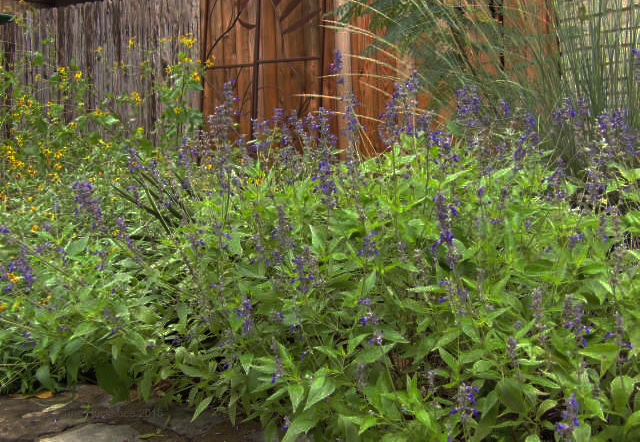
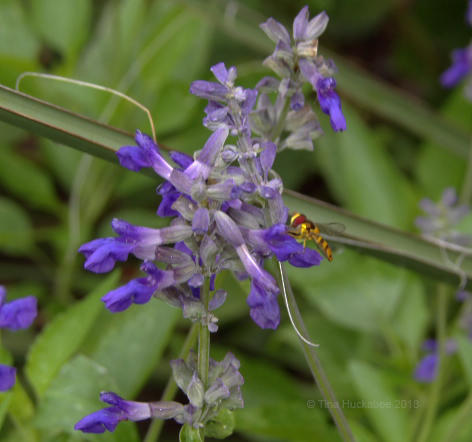
Syrphid flies also appreciate the blue, working during rain breaks, the blooms of Henry Duelberg
Blue skies are forthcoming.  Our gardens will dry, our streams and lakes will clear. Blooms and beasts will return to their daily duties.
 

The Future is Fall

Fall is thought of as a time of endings: the shortening of days, the slowing of seasonal growth, the turning inward for protection from the elements.

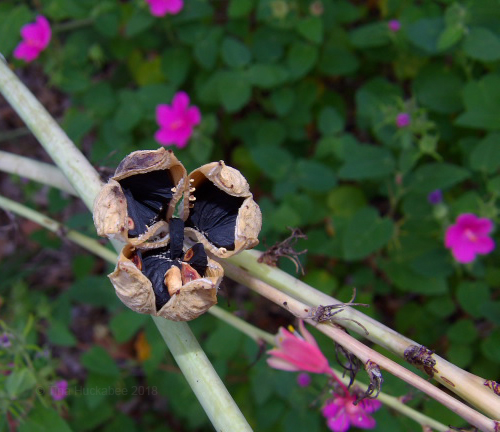
This ready-for-dispersal Red yuccaHesperaloe parviflora, seed head impresses me with its open-faced determination for life and its reach into the future.    The seeds will scatter–by wind, or water, or gravity–most likely swept away by rain, or maybe the gardener’s broom, and will carry life–renewing yucca DNA for living in another place and another time.

The native-to-Texas Red yucca is accompanied on this mission by also native-to-Texas Rock rosePavonia lasiopetala, their pink, happy faces full of life.

Celebrating Texas Native Plant Week, and native plants everywhere!  As well, linking to Anna’s fab Wednesday Vignette.

Texas Native Plant Week

The third week of October is Texas Native Plant Week.  School children and their teachers, native plant organizations, and individual gardeners are encouraged to learn about and then plant natives in eagerly awaiting gardens.  Aside from their beauty, native plants are a snap to grow with our capricious Texas weather patterns and difficult soils.  Native plants also provide sustenance and protection for endemic and migrating wildlife; diversity in all forms improves when gardeners go native in their landscapes.  Throughout the year and in every part of Texas, native plants are a key driver for conservation of our unique natural landscapes.

If you don’t live in Texas, celebrate the native plants of your region by growing natives in your garden and encouraging neighborhood and school groups to do the same.

Below are but a few of the native plants that I grow in my garden.  Many are passalong plants, shared with me by keen and generous gardeners.  Some are plants that I started from seeds, testing my gardener’s patience as I’m always excited to see how something fares as it grows and matures.  A couple of these plants appeared–unplanned, but very welcomed–by serendipitous acts of birds or the wind.  Many of these plants were purchased at Austin’s awesome locally owned nurseries.  All of these plants grow with little effort and less water than what a typical lawn demands. Ease of endeavor notwithstanding, my garden is alive with pollinator and bird activity, which is how a garden should exist.

No matter where you live and even if some of your plants’ ancestors hail from far away places, make room in your plot of the Earth for native plants.  You’ll help heal the world substantially, by conserving water and natural habitat, and by increasing local diversity of plants and wildlife.

Native plants are beautiful and belong where you live and garden.

Spring:

Pipevine Swallowtail on a Giant spiderwort (Tradescantia gigantea)

Southern Pink Moth on a Lyreleaf sage (Salvia lyrata).

Yellow columbine (Aquilegia chrysantha)

Honeybee working a Gulf coast penstemon (Penstemon tenuis).

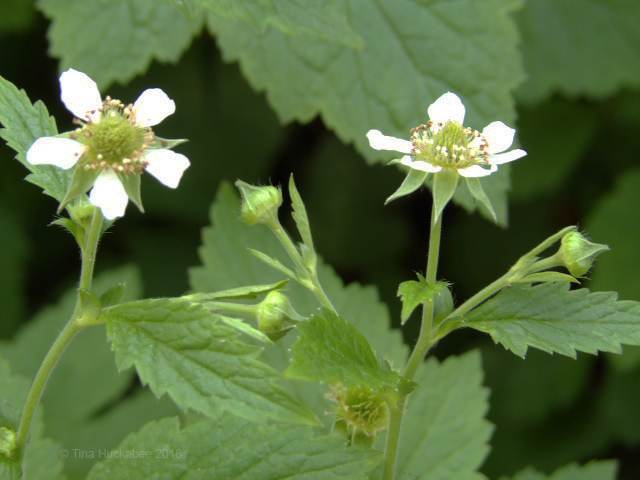
White avens (Geum canadense)


Late spring, early summer:

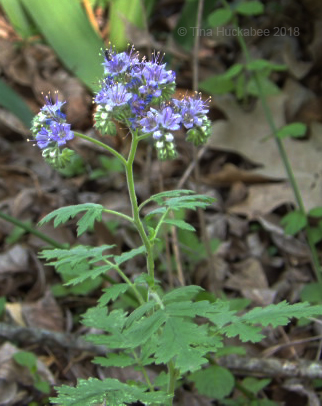
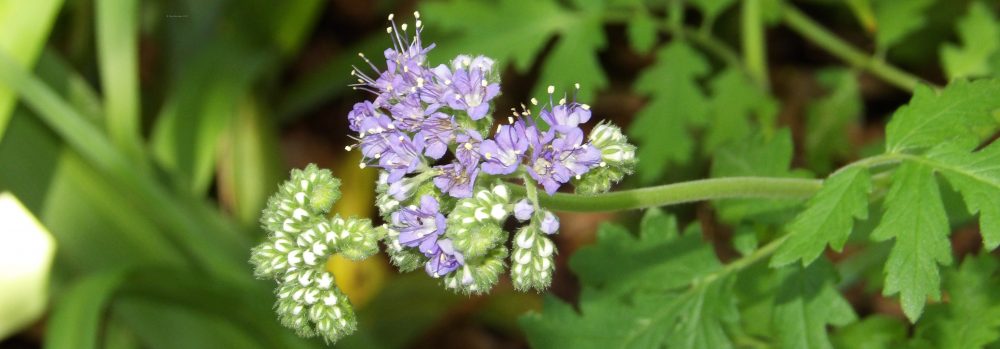
Blue curls (Phacelia congesta)

Red yucca (Hesperaloe parviflora)

Purple coneflower (Echinacea purpurea)


Summer:

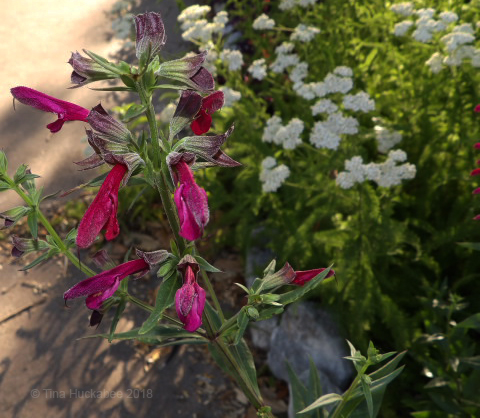
Big red sage (Salvia pentstemonoides) and Yarrow (Achillea millefolium)

Big red sage, bog plant Pickerelweed (Pontederia cordata), with  non-native waterlily, ‘Colorado’.

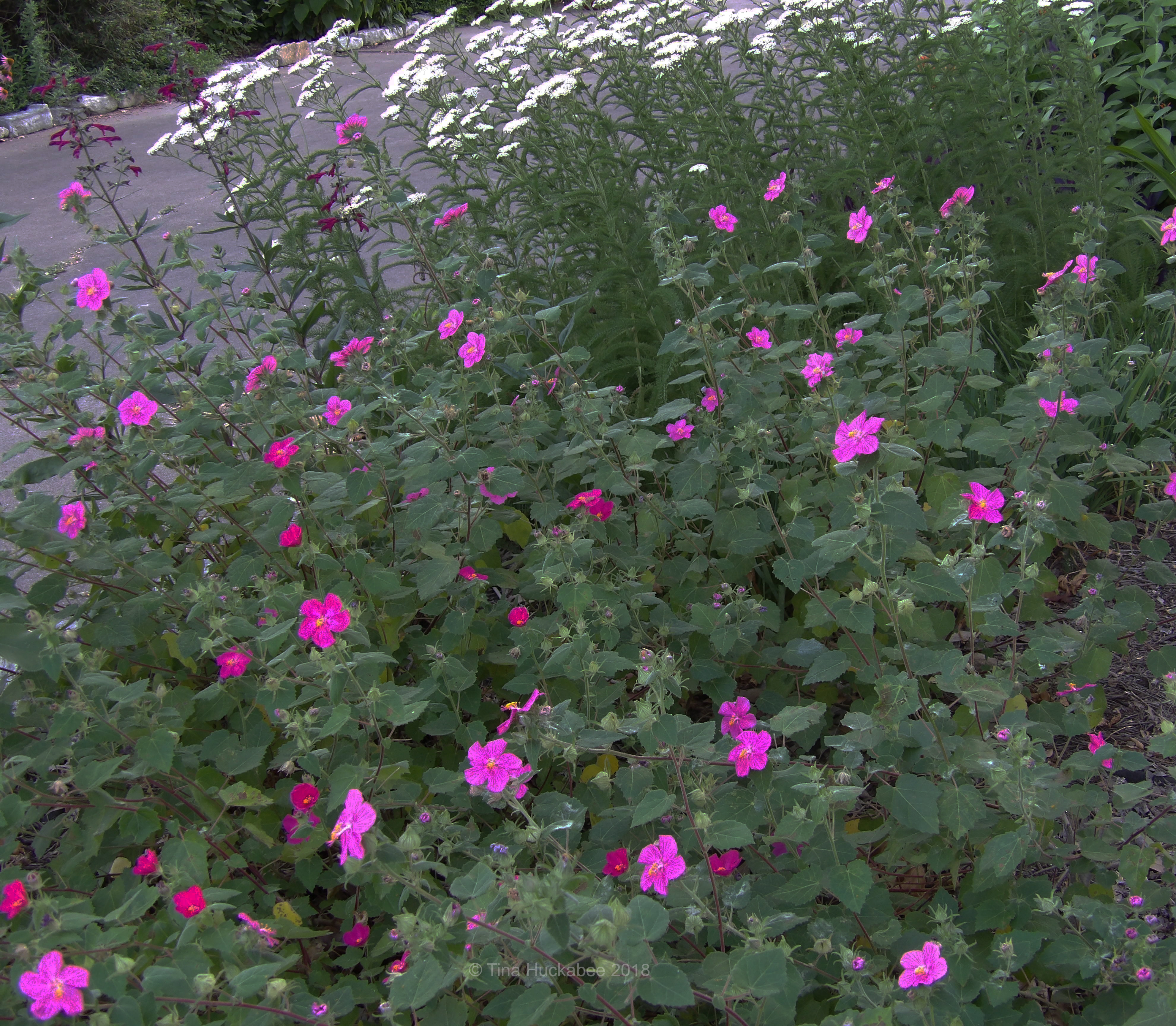
Rock rose (Pavonia lasiopetala) and Yarrow

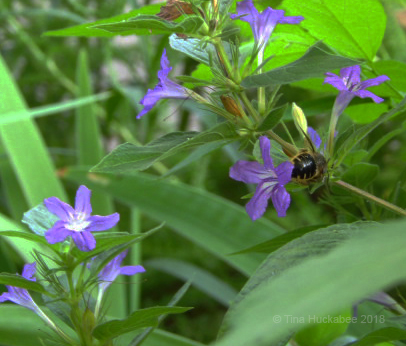
Drummond’s ruellia (Ruellia drummondiana) with attendant Carpenter bee.

Henry Duelberg sage (Salvia farenacia) and nectaring Eufala skipper.

White tropical sage (Salvia coccinea)

Red tropical sage (Salvia coccinea)

Pigeonberry (Rivina humilis) bloom spikes


Autumn:

Fruits of Pigeonberry

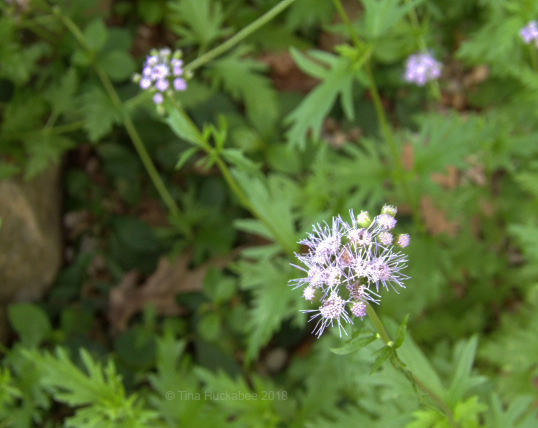
Gregg’s mistflower (Conoclinium greggii)

Texas craglily (Echeandia texensis)

Lindheimer’s muhly (Muhlenbergia lindheimeri)

Inland sea oats (Chasmanthium latifolium)

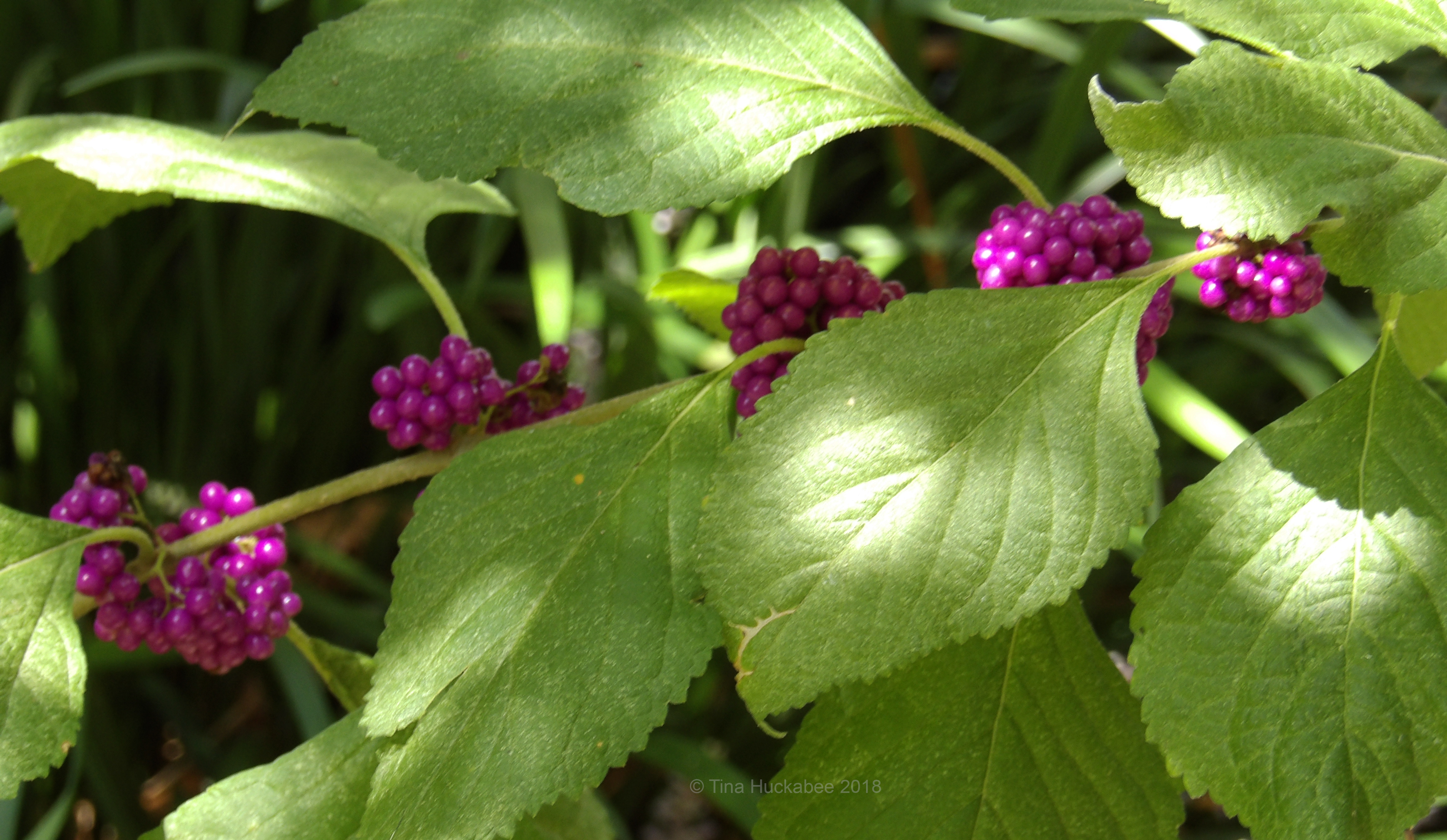
American beautyberry (Callicarpa americana)

Foliage of Texas red oak (Quercus texana).


Winter:

Possumhaw holly (Ilex decidua)

Ice formations in the stems of Frostweed (Verbesina virginica).

Seed heads of Frostweed, with bare stems of Red oak tree to the left, and Retama (Parkinsonia aculeata) to the right.