Wildflower Wednesday, May 2014

Here in Austin, Texas, May is quite pleasant and we’ve enjoyed some rain.  Yipppy!  Even better, our lakes have received some of that rain.  Double yippy!  We’re still in drought and the lakes are low, but at least we’ve had some relief.  Central Texas wildflowers continue their seasonal segue into summer bloom.  Thanks to Gail at clay and limestone for hosting Wildflower Wednesday to encourage and celebrate gardeners utilizing regional wildflowers in their home gardens.

My Yarrow, Achilliea millefolium, is especially beautiful this year.

20140508_29.new

Yarrow is an excellent perennial for Central Texas.  It sports pretty white flowers which will fade to an attractive tawny brown as summer progresses.

P1040764.new

PigeonberryRivina humilis, is a small, delicate looking ground cover with sweet flower spikes at the top of the stems.

P1040787.new

20140508_32.new

Luscious red berries will develop after the blooms fade and those berries are favorites with many birds, including their namesake pigeons.

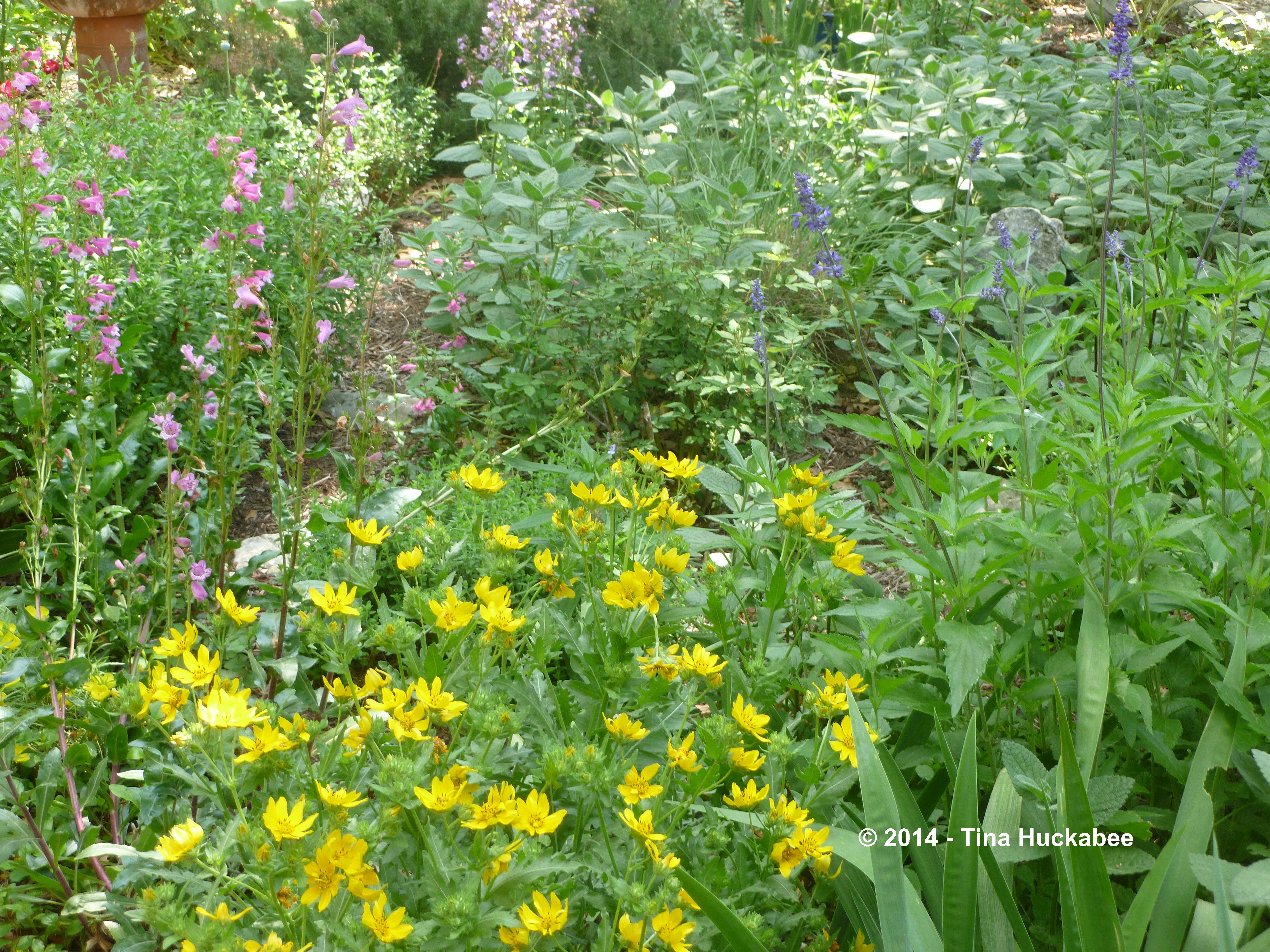
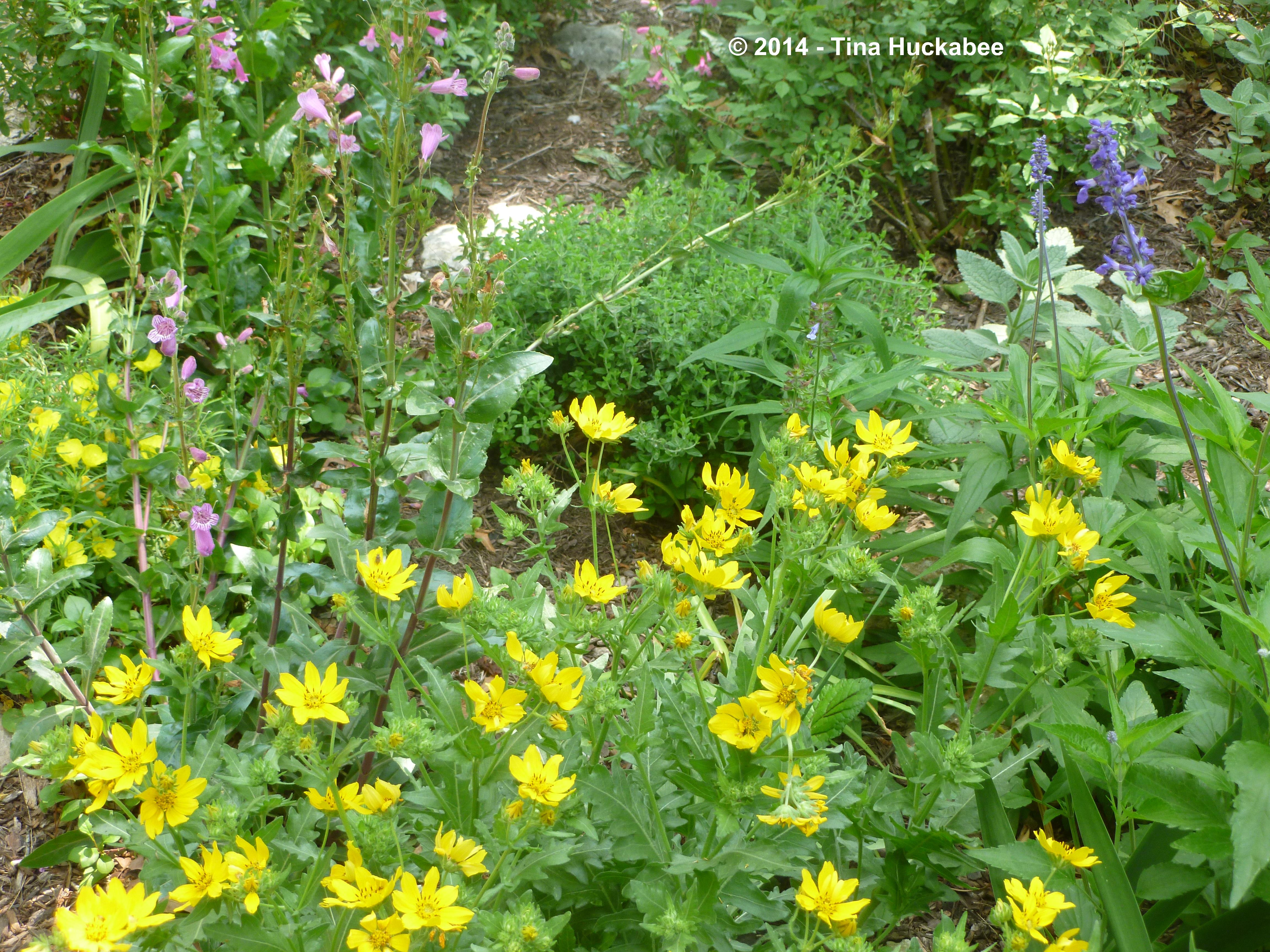
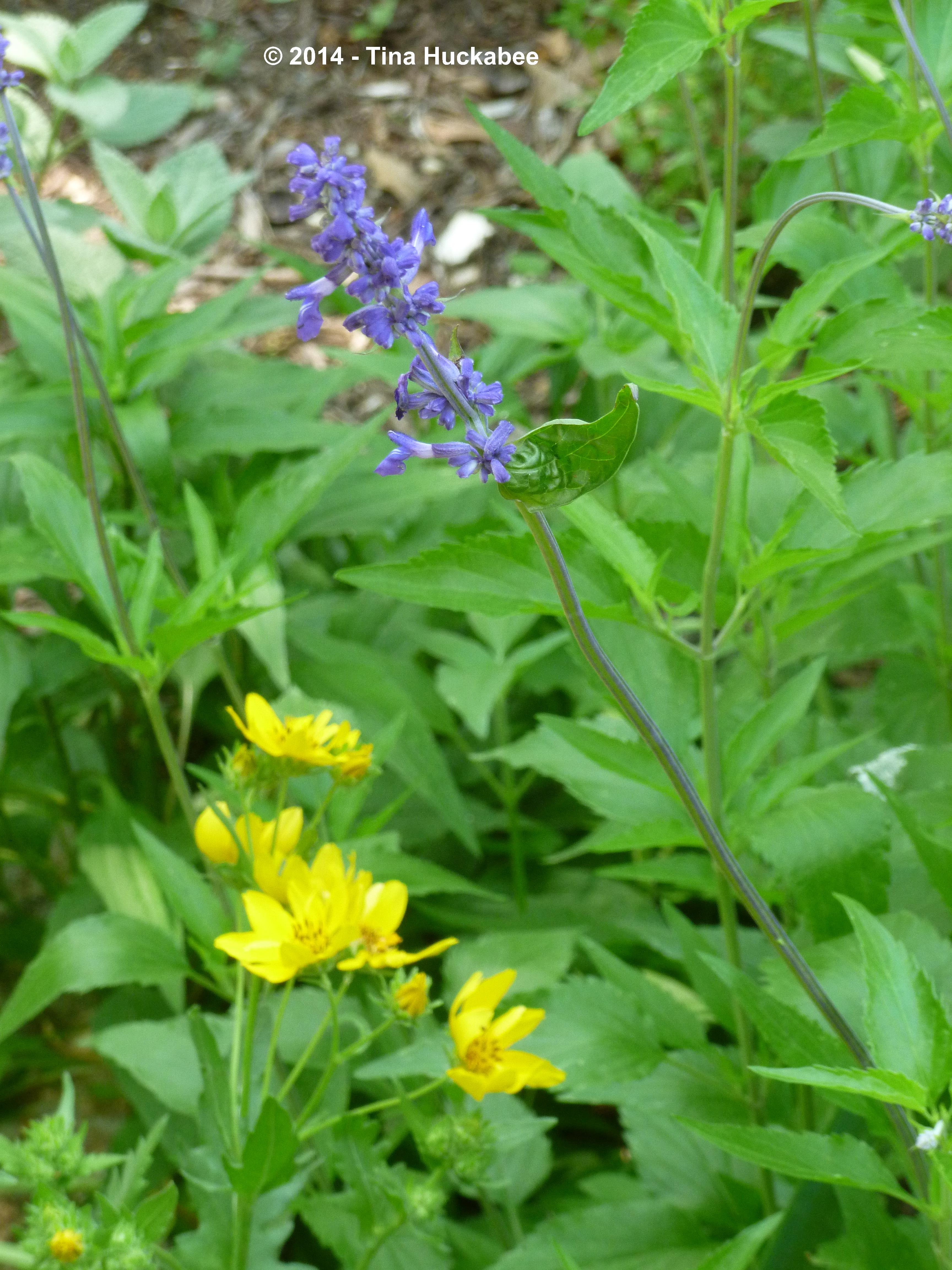
The combination of  pink Hill Country Penstemon, Penstemon triflorus,  sunny Engelmann’s (or Cutleaf) Daisy, Engelmannia peristenia, and deep blue ‘Henry Duelburg’ SageSalvia farinacea, continues its happy riot of color this spring.

P1040010.new

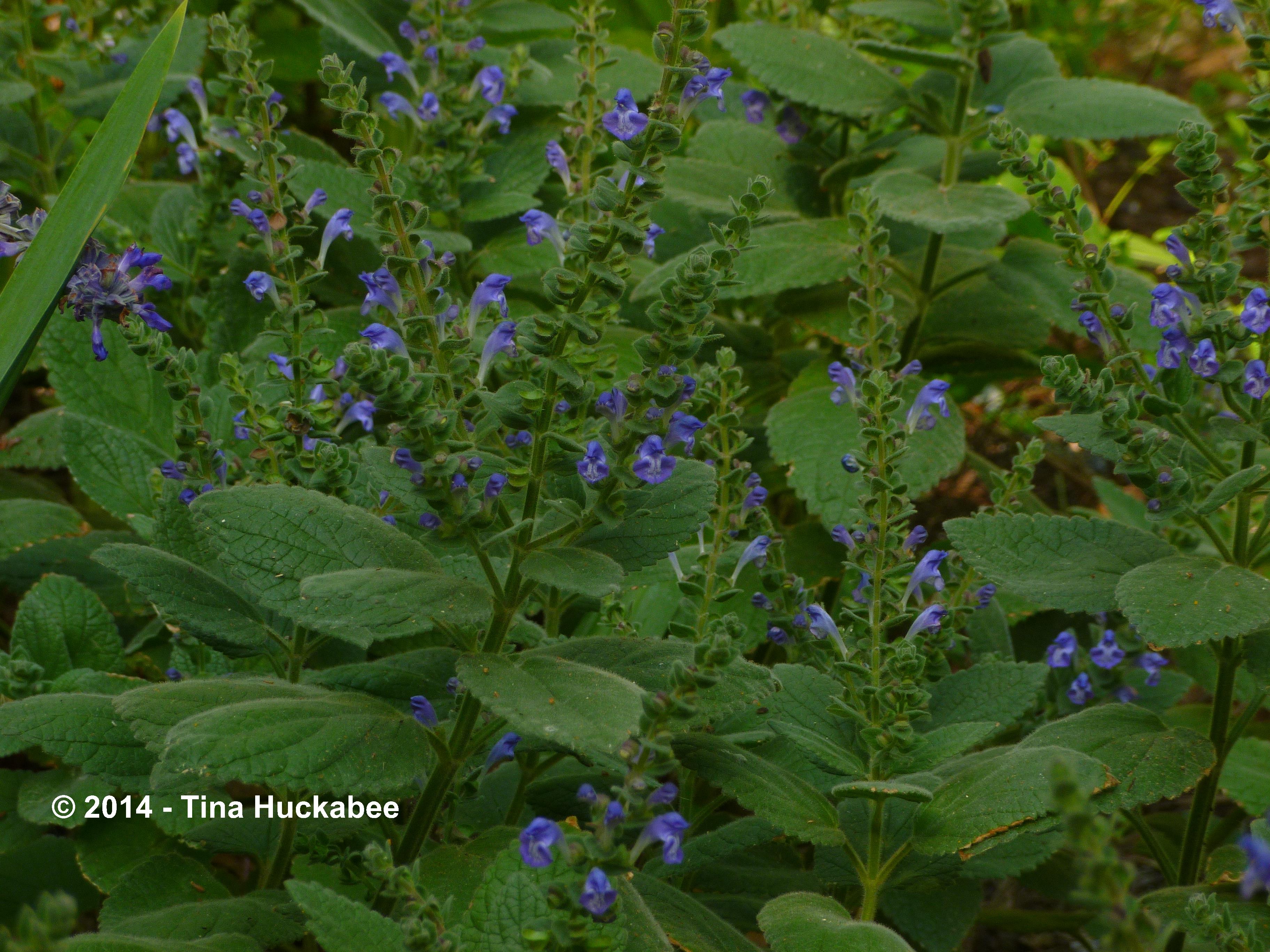
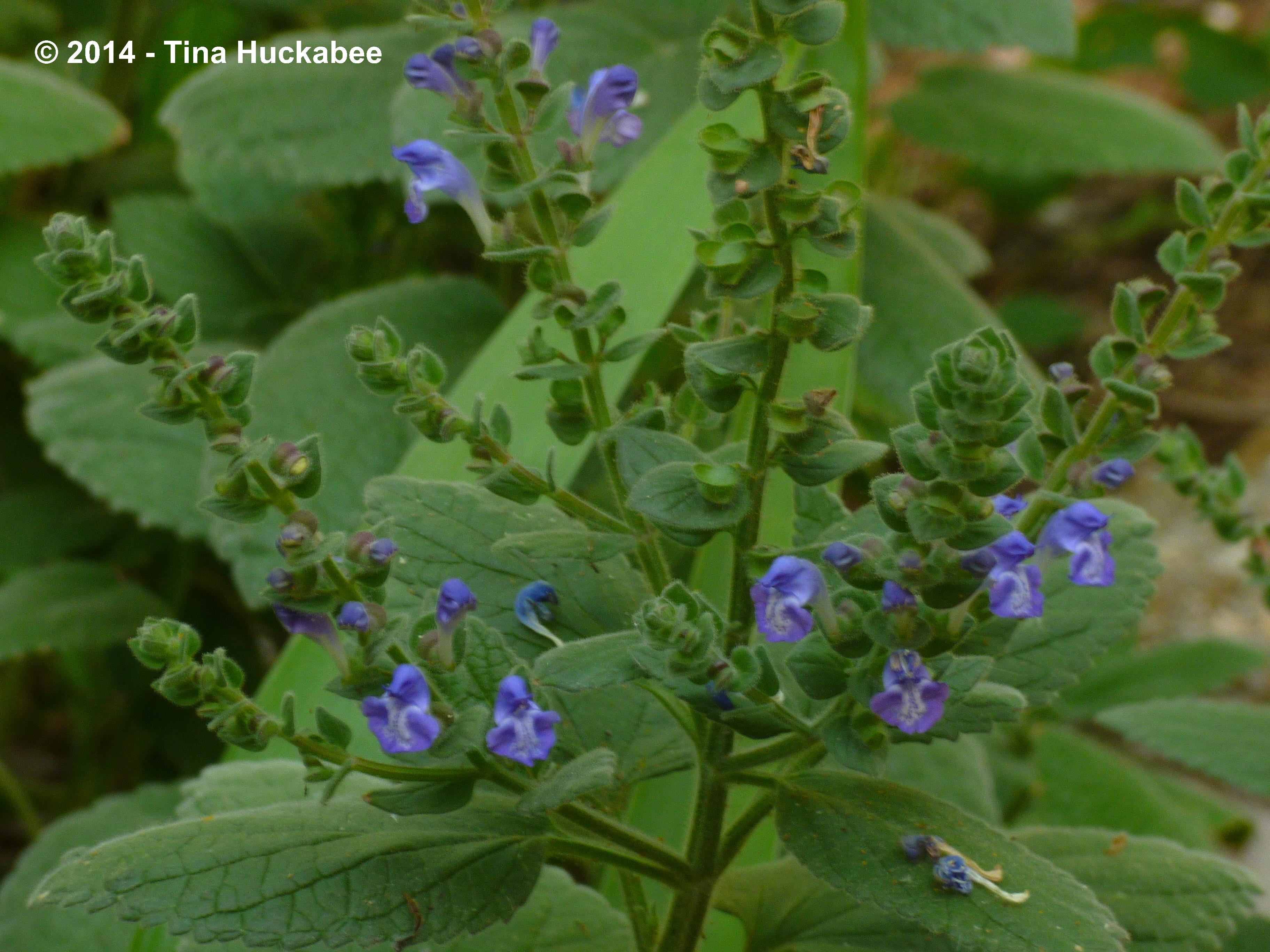
Heartleaf Skullcap, Scutellaria ovata ssp. bracteata,
P1040332.new

P1040333.new

is a gorgeous, cool season ground cover.   It spreads prolifically, but is easily controlled by pulling up individual plants as needed.  With beautiful blue blooms and soft, grey-green leaves,

P1040333.new

it fills in the late spring/early summer garden.  By mid-to-late July, Heartleaf Skullcap will be dormant, reappearing with cooler fall temperatures.

And always in my gardens: Purple Coneflower, Echinacea purpurea.

P1040004.new

I don’t think a garden is complete without some variety of this endemic American perennial.

Planted with Engelmann’s Daisy,

P1040315.new

or Heartleaf Skullcap,

P1040340.new

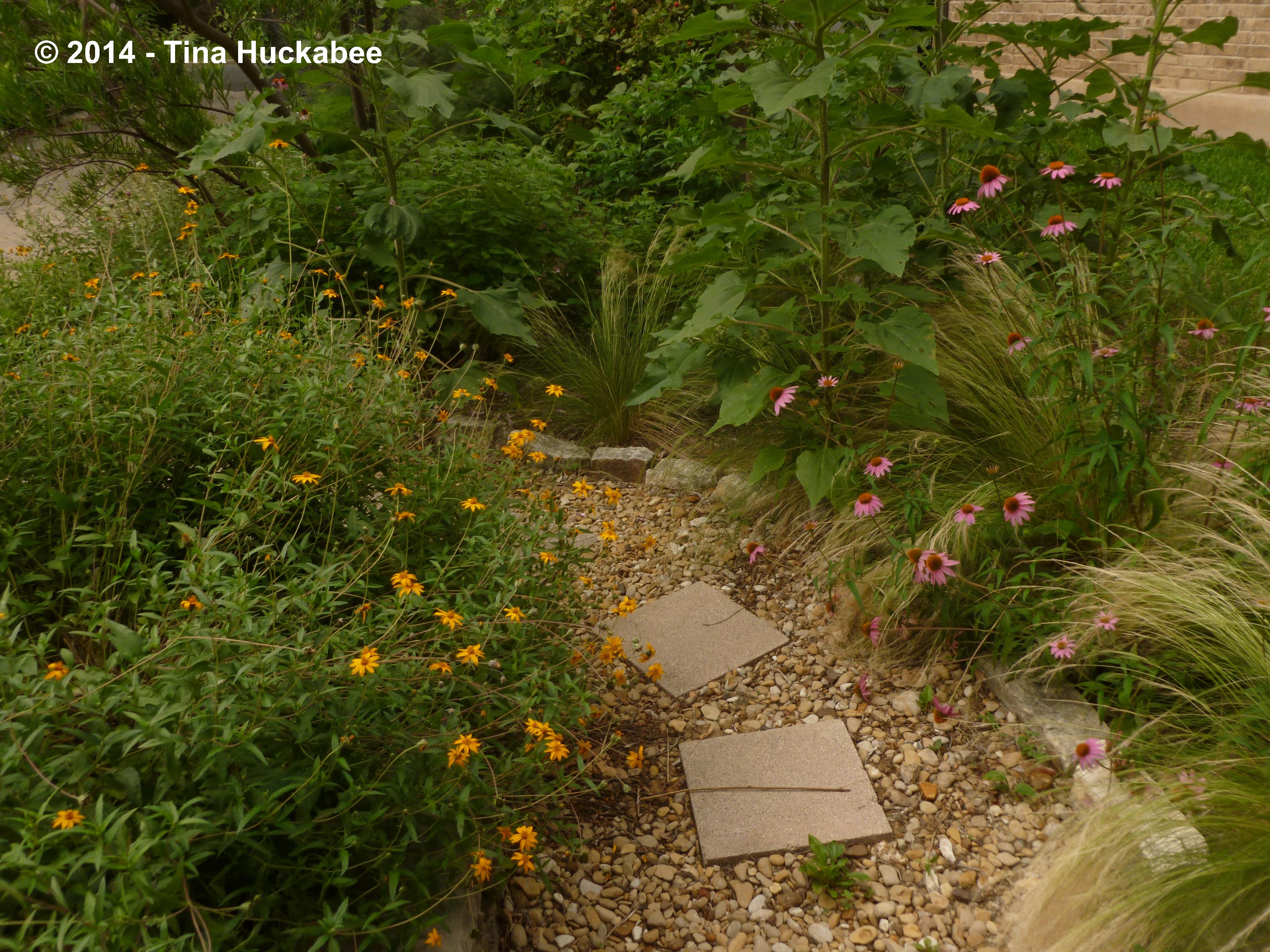
or Zexmenia, it is a perfect companion plant in full-to-part sun conditions.
P1040809.new

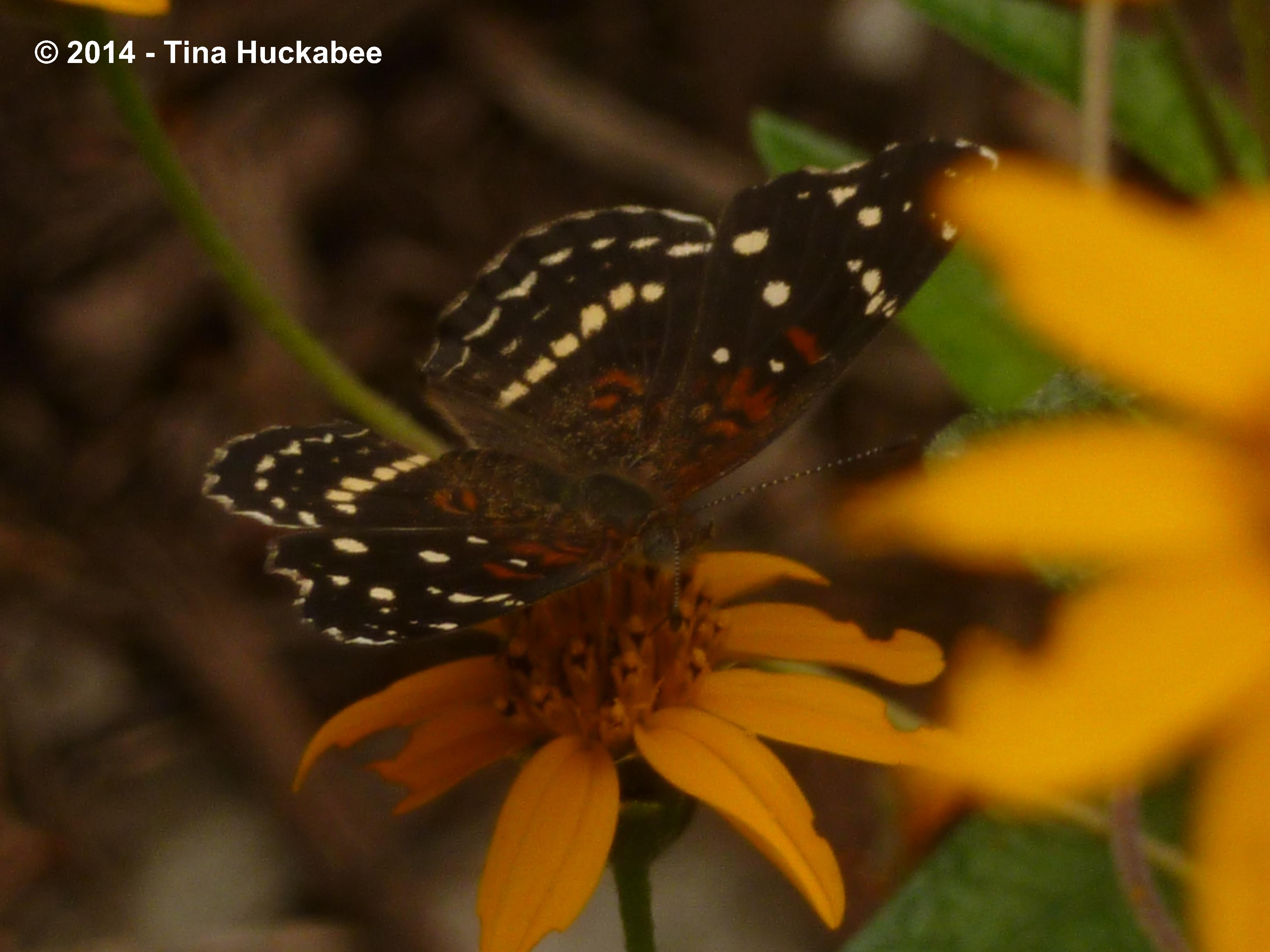
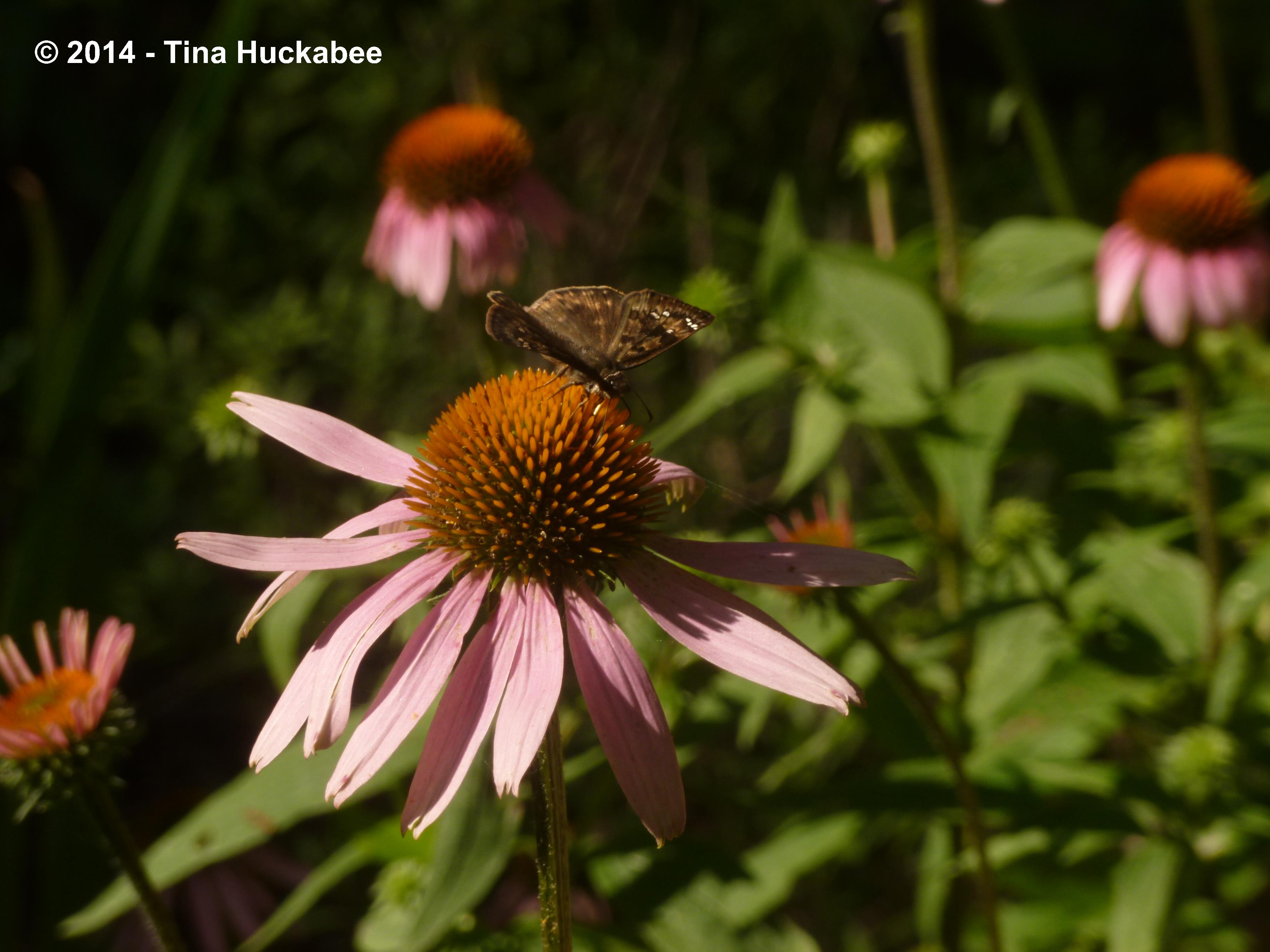
It’s a favorite flower for pollinators.
P1040682.new

P1040685.new

Purple Coneflower is the bomb.

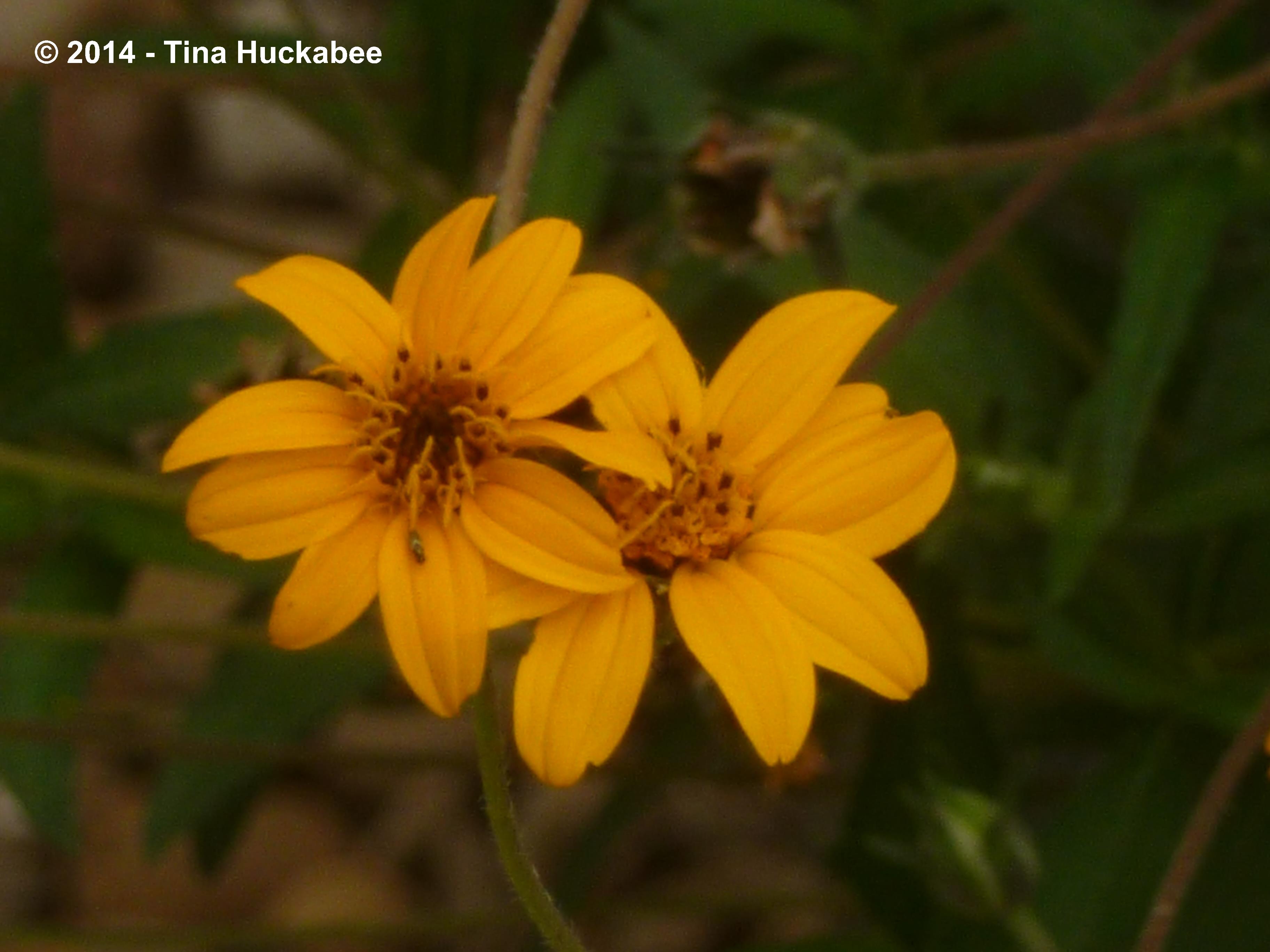
The xeric  Zexmenia, Wedelia texana,  begins its long bloom cycle in May.

P1040810.new

It’s another wildflower that pollinators prefer.

P1040620.new

P1040753.new

Even without a dinner companion, Zexmenia are lovely and tough perennials.
P1040812.new

Planting native plants and wildflowers is the easiest and a beautiful way to a fabulous, regionally appropriate perennial garden.  Rip out your grass, plant native wildflowers and perennials and celebrate your sense of place in our world.

P1040807.new

Happy Wildflower Wednesday!
 

Wildflower Wednesday, April 2014

Celebrating all things wild…well just all things wild and flowery, here are some of my wild ones this beautiful April in Austin, Texas.

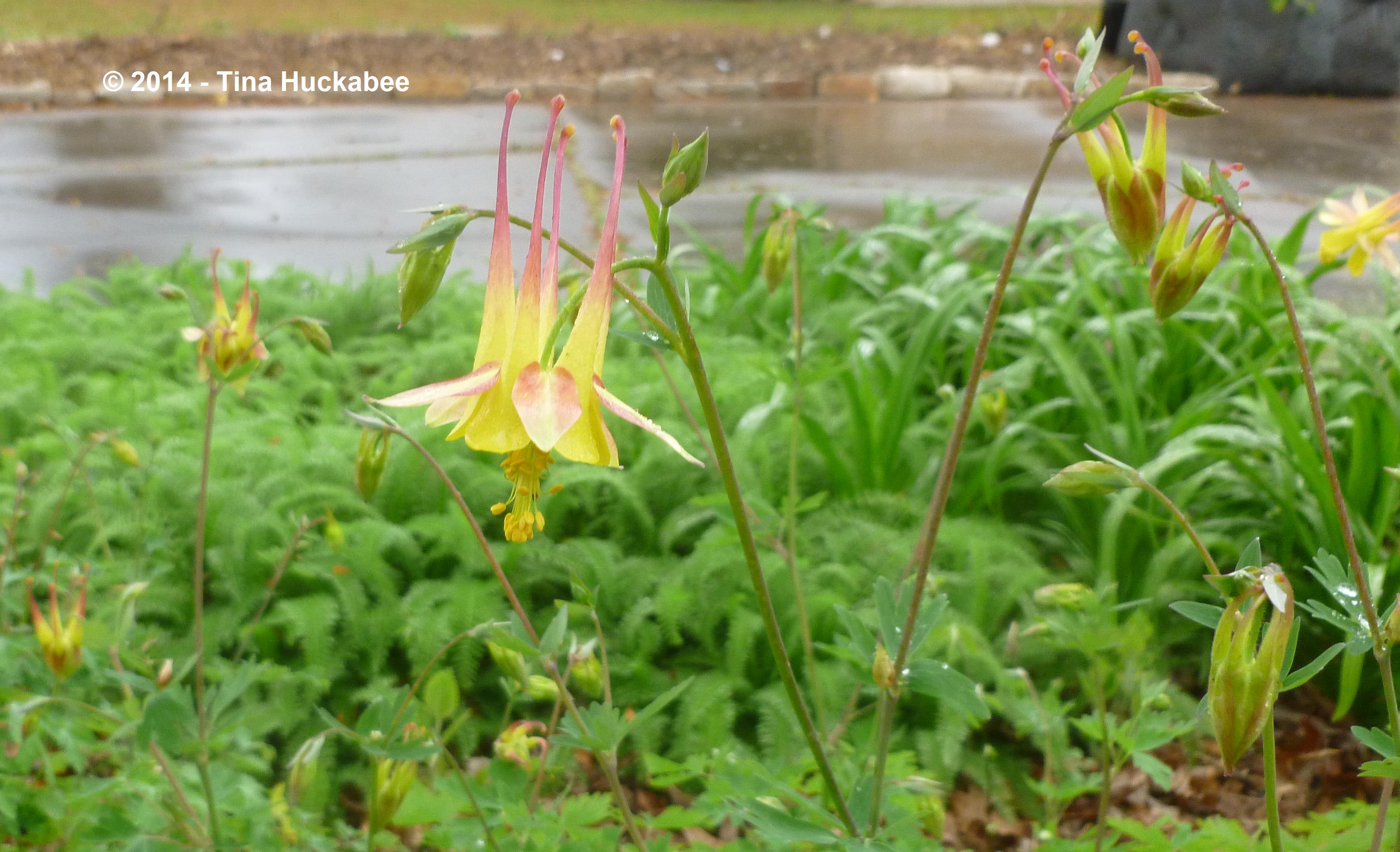
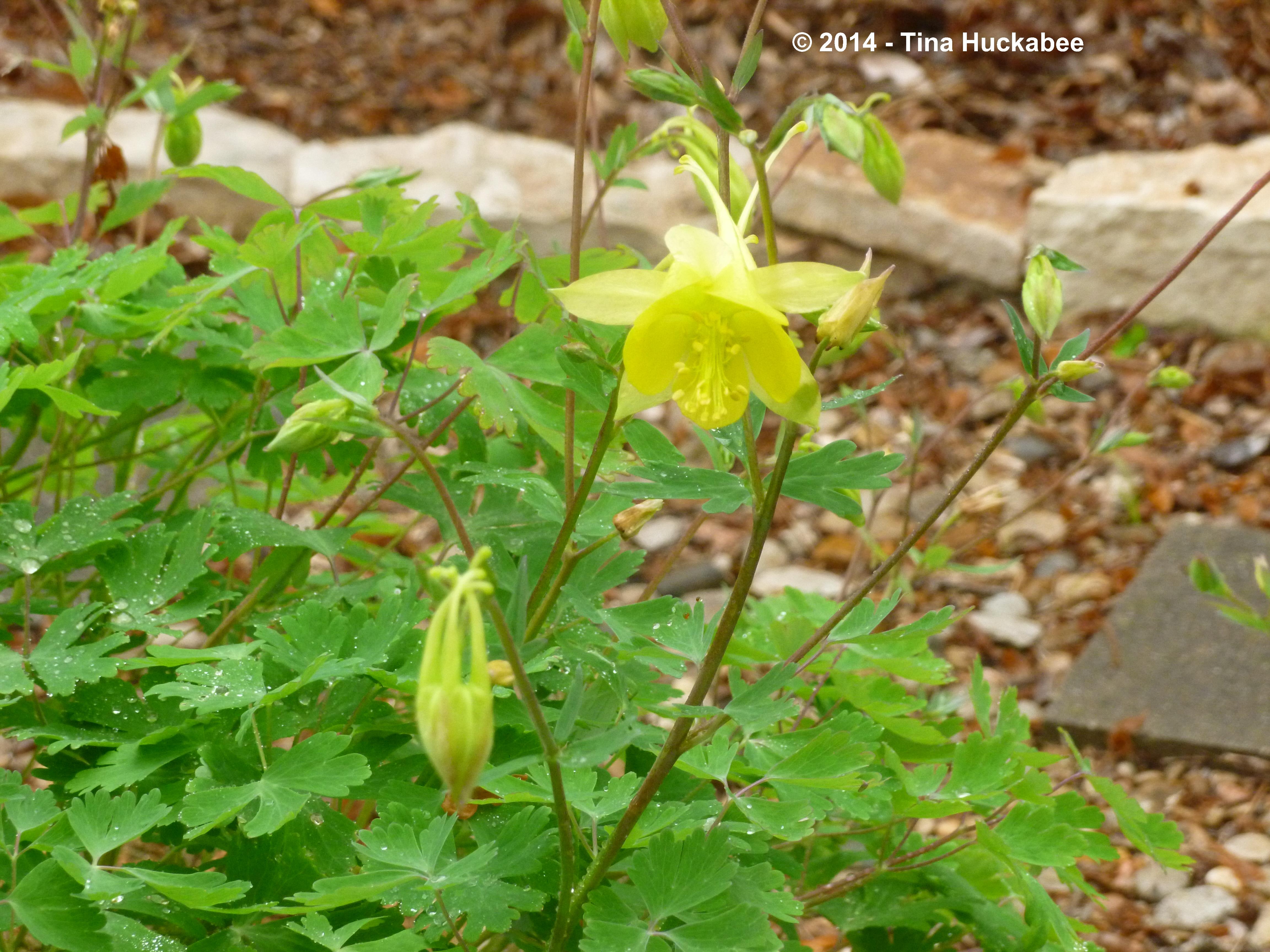
The luscious Yellow or Hinckley ColumbineAquilegia chrysantha var. hinckleyana, is still showing off after a month of blooms.

P1030444.new

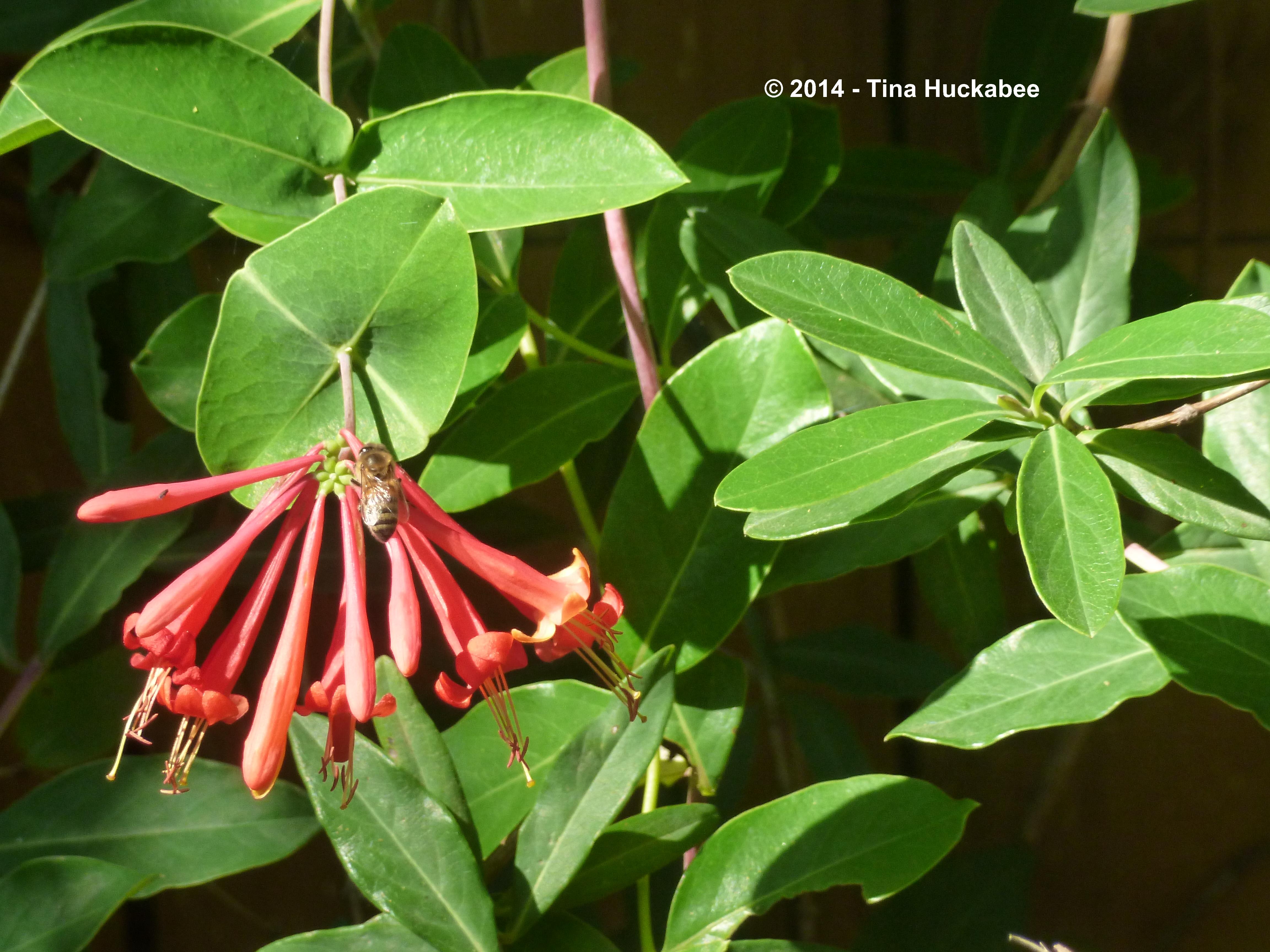
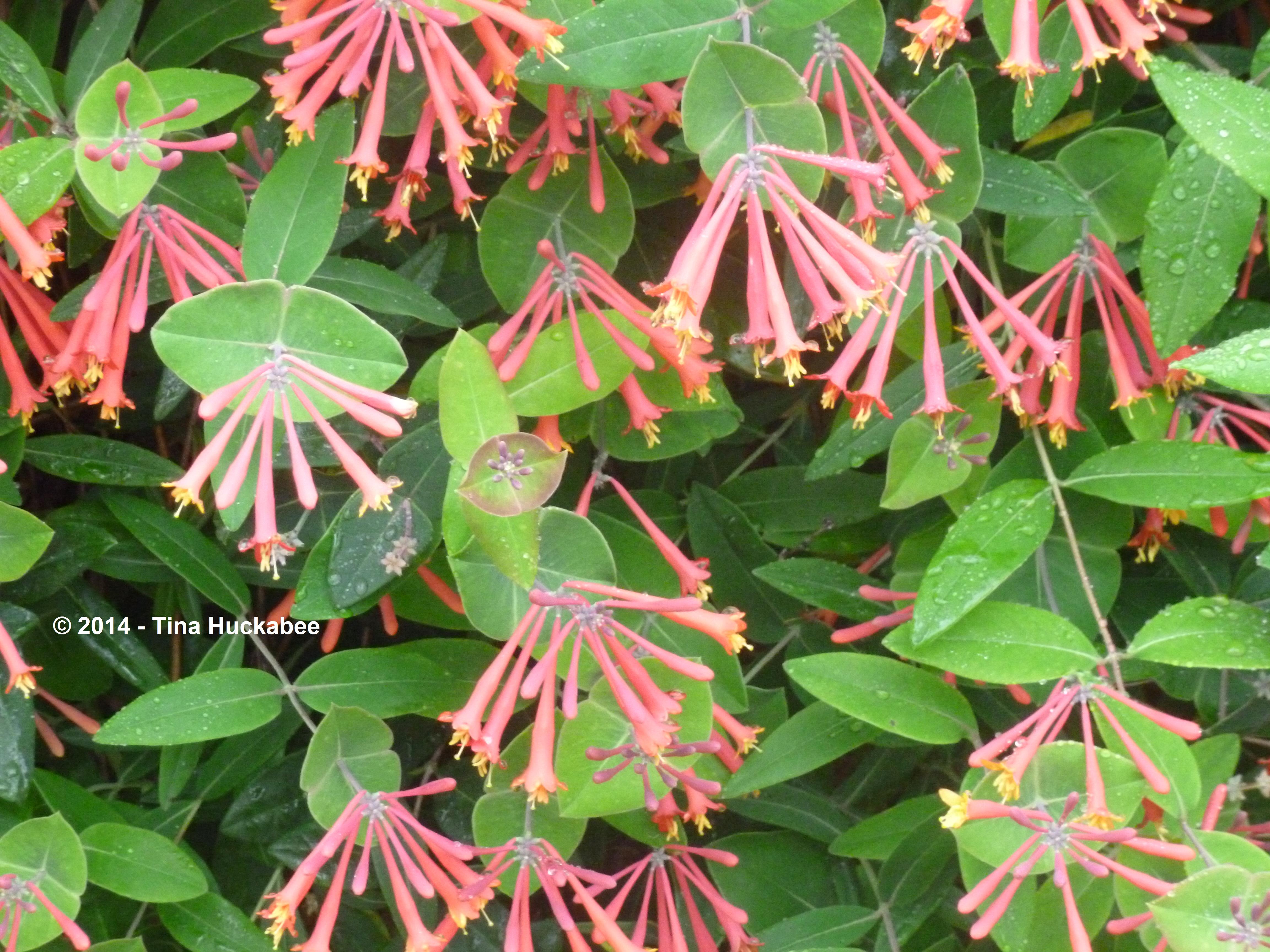
A favorite of my honeybees is the Coral Honeysuckle, Lonicera sempervirens.

P1030547.new


Though this year, I haven’t spied any hummingbirds sipping nectar from those tubular blooms.

The Lyreleaf Sage, Salvia lyrata, sports a color I can’t quite capture with my camera–a rich blue-purple.  This tidy little Texas native blooms for about a month, then sets interesting seed heads for the summer.

P1030559_cropped_3090x3366..new

P1030561_cropped_3138x3042..new

The sunny blooming Engelmann’s or Cutleaf Daisy, Engelmannia peristenia, is so bright that it almost overpowers its native companions– the deep pink Hill Country Penstemon    Penstemon triflorus, to its left and the ‘Henry Duelberg’ Sage, Salvia farinacea, on its right.

P1030565.new

P1030566.new

I love that combination and look forward to it every spring.

P1030570.new

Thanks to Gail at clay and limestone for hosting this wildflower party every month!

Wildflower Wednesday, March 2014

I don’t quite know how I’ve missed this wildflower party before now, given my appreciation for wildflowers and native plants in general, but while reading Shirley’s most recent post at Rock-Oak- Deer, I realized her excellent profile of wildflowers was part of a bigger picture.  Duh.

Thanks to Gail at clay and limestone for hosting the monthly celebration of wildflowers of all sorts.  Though it’s my first post and a day late for this month, I’m in.

My Golden Groundsel (Packera obovata), is blooming and so cheery on this gloomy, wet day.  It’s an early blooming, tough little shade-loving perennial which  brightens up a woodland setting.

P1030054.new

For more information about Golden Groundsel, check out the Lady Bird Johnson Wildflower Center’s Native Plant Database page.

I have Spiderwort (Tradescantia occidentalis) popping up all over my gardens.

P1030056_cropped_2479x1898..new

P1030058.new.new

The original couple of transplants were pass along plants gifted to me, so I’m not entirely positive that what I have is the S. occidentalis, though I think it is.  Check out the pages on Spiderworts or Tradescantia in the Native Plant Database and see for yourself how many are native  and available throughout North America.

The Columbines are finally starting their spring show–later this year than in the last few years.  I  have both the Yellow Columbine (Aquilegia chrysantha var. hinkleyana),

P1030061.new

and the native Wild Red Columbine (Aquilegia canadensis),

P1030065_cropped_2990x1867..new

plus hybrids of the two.

P1030063_cropped_3475x2115..new

Finally, the Coral Honeysuckle (Lonicera sempervirens) is in total bloom mode.

P1030066.new

P1030067.new

So far, we don’t have many butterflies or hummingbirds, but no doubt they’ll find this plant soon and feast, feast, feast.  This is a must-have vine for any gardener wishing to provide a food source for a variety of critters, insects and birds alike.

Thanks again  to Gail at clay and limestone for this chance to focus on and appreciate the  plants we have, native to where we live.