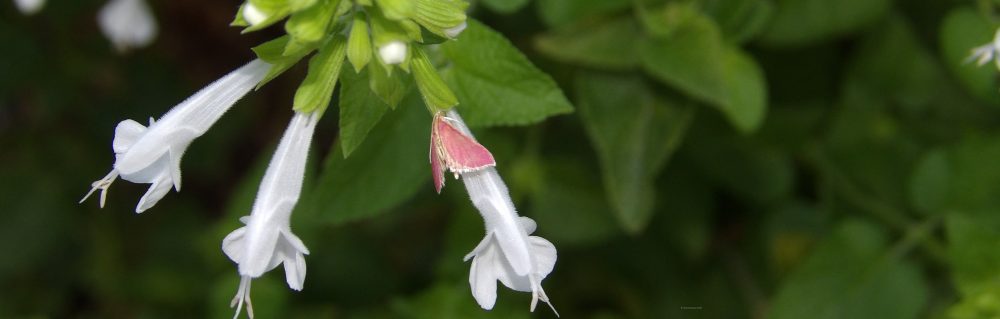
The ice arrived on Thursday, a sheet of crystalline wet over everything.

Little precipitation has fallen since, but not so the temperature. Austin has been below freezing since Thursday and as of Sunday afternoon, my garden sits in a freezer of mid-to-low 20sF, the cold to continue much colder overnight and into the next couple of days.
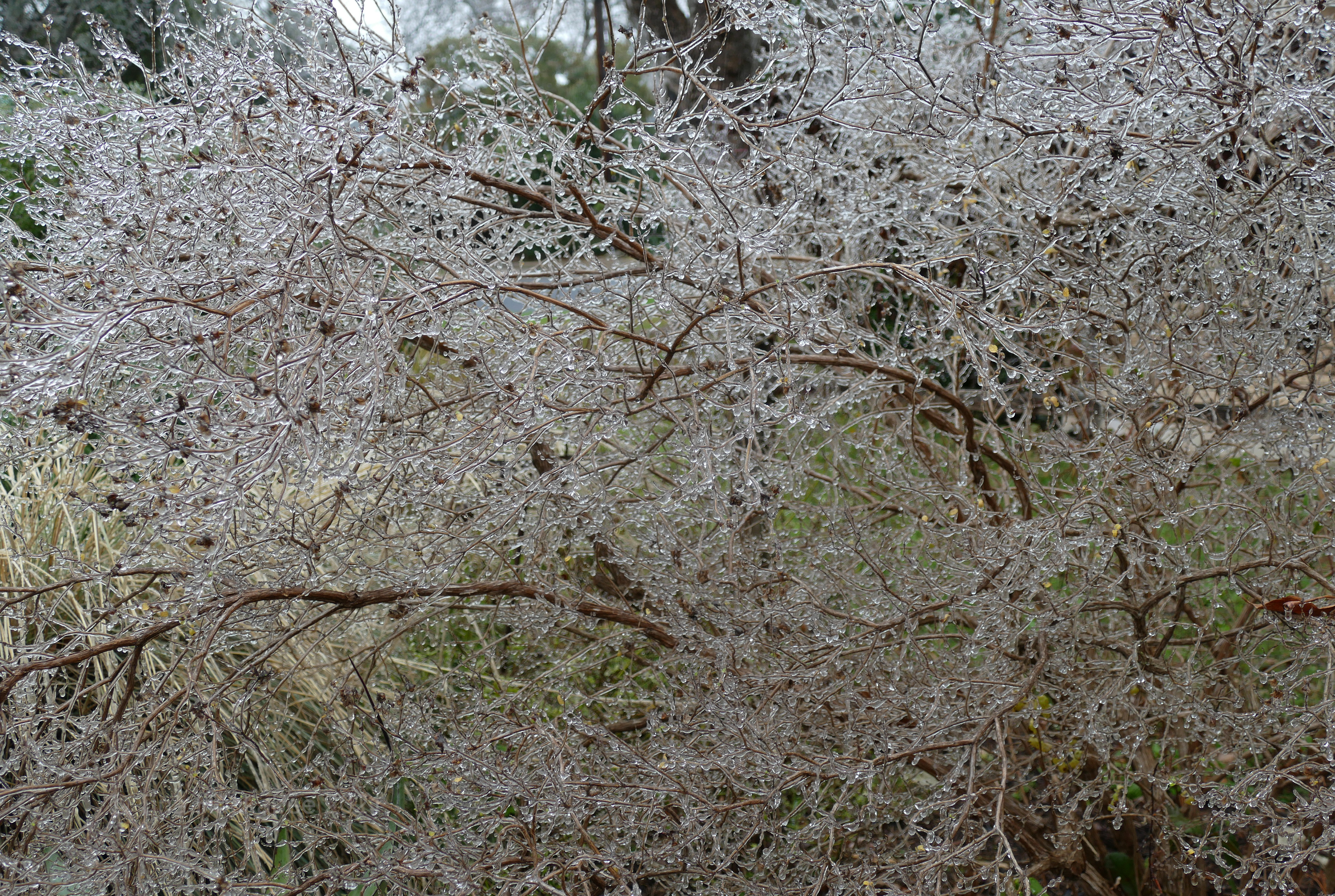
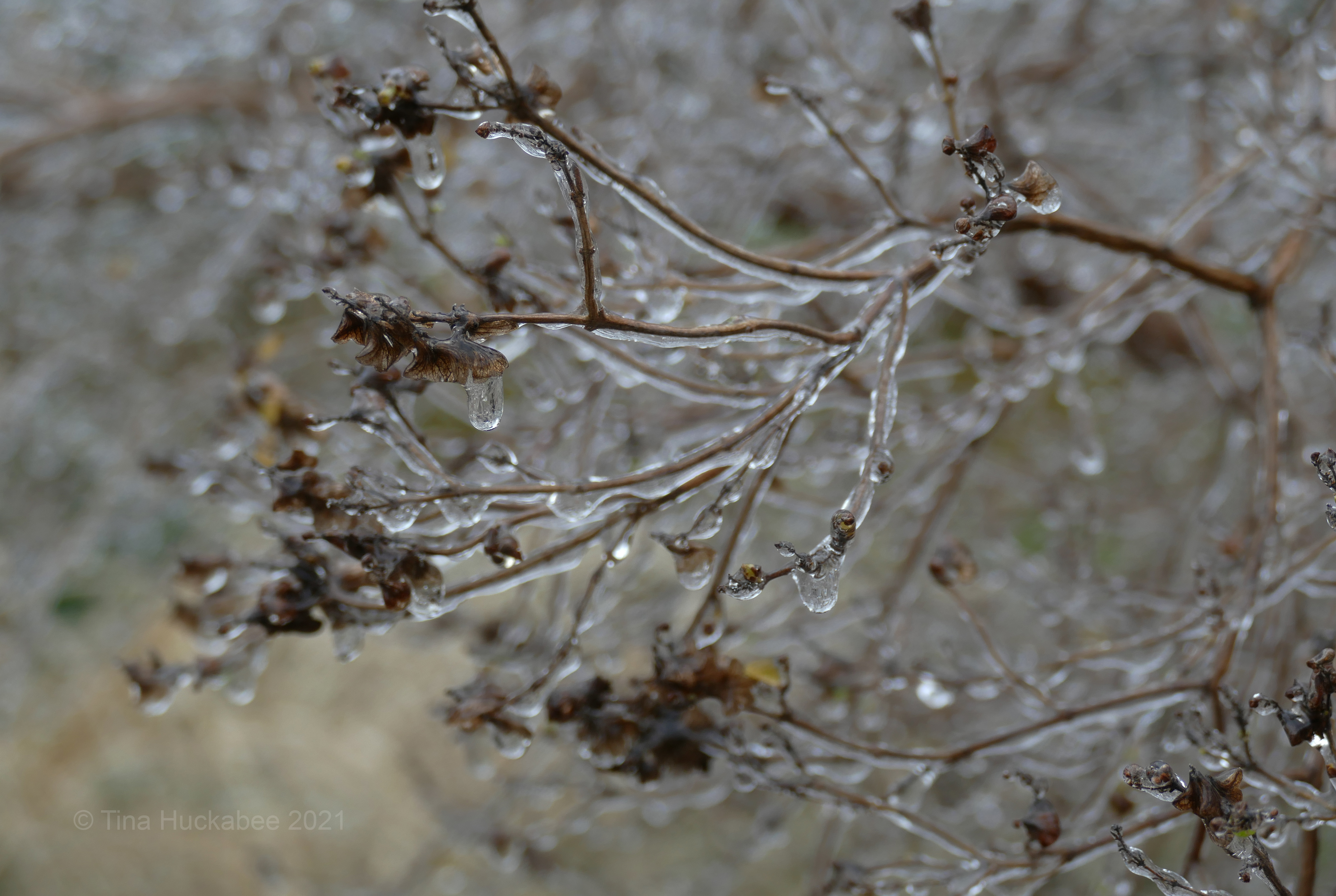
Shrubby Blue sage is native to Texas, but I haven’t grown it during the kind of deep-freeze that currently holds my garden hostage. Will new growth appear along each branch and limb, or will the shrub require pruning to the ground? I won’t know that answer for a while yet.
The non-native perennials that I grow–from Mexico and points southward–will suffer in this frosty time. Some may die, or be knocked back so hard that it will be next autumn before recovery is sufficient for blooming: I’m looking at you Mexican Honeysuckle and Mexican Orchid Tree! Both are heat lovers, not snow bunnies, and at least in my garden, have never lived through this much cold. The spring/summer pollinators will miss the bounty these two plants offer. My hope is that the plants are chastened, not defeated.
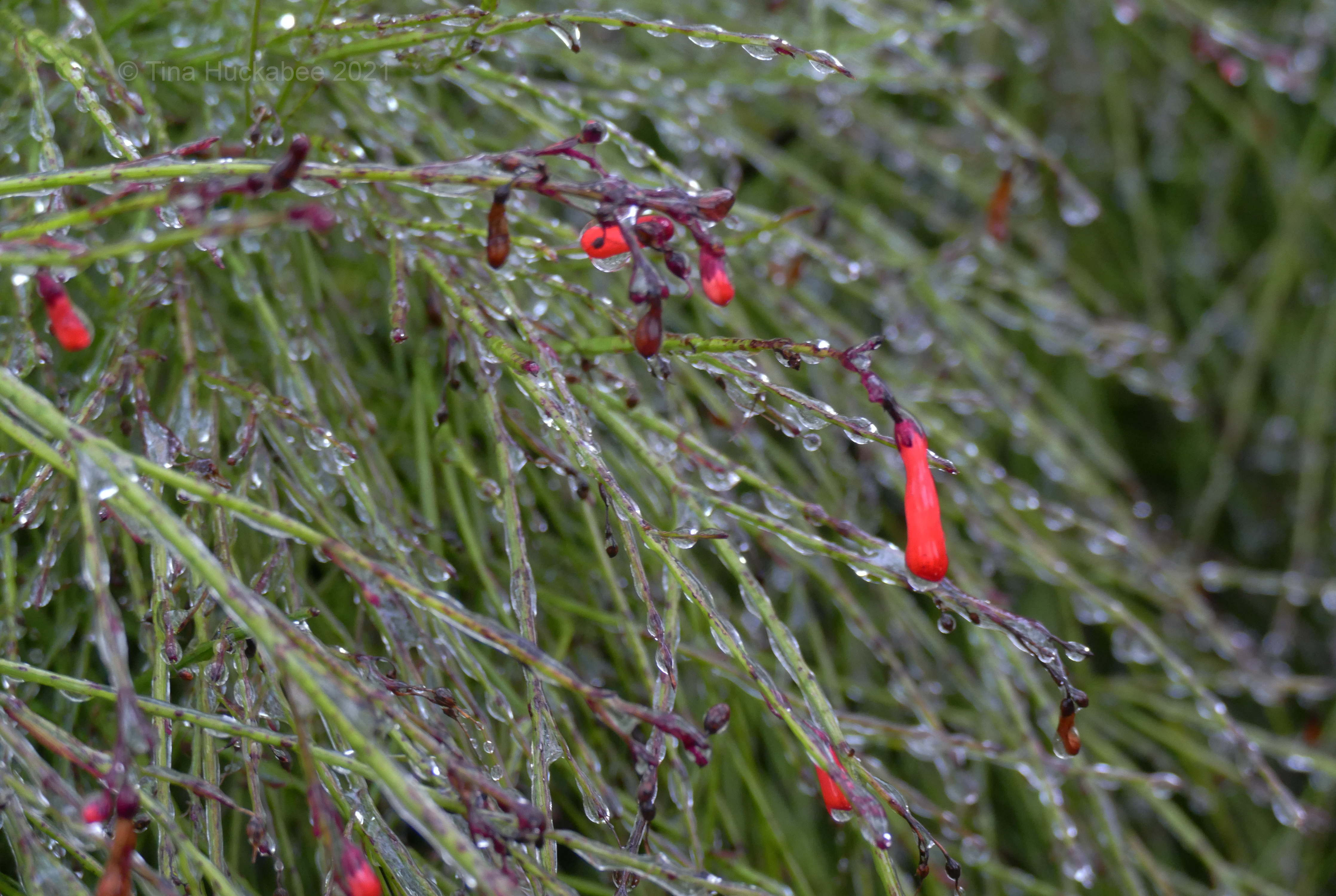
That is also true of Firecracker plant, Russelia equisetiformis. Native to Mexico and parts of Central America, my three clumps will definitely die to the ground, even though it’s been evergreen in my garden for the past few years. I hope the roots survive and the plant rejuvenates in spring. I don’t hold any hope for the return of popping blooms until next autumn.

The blooms still look red-hot, but that’s all that’s hot on this plant for now.
Another native plant, Chili pequin, Capsicum annuum, clings to its tiny, spicy fruits–those left unpicked and uneaten by the birds and the Hub.

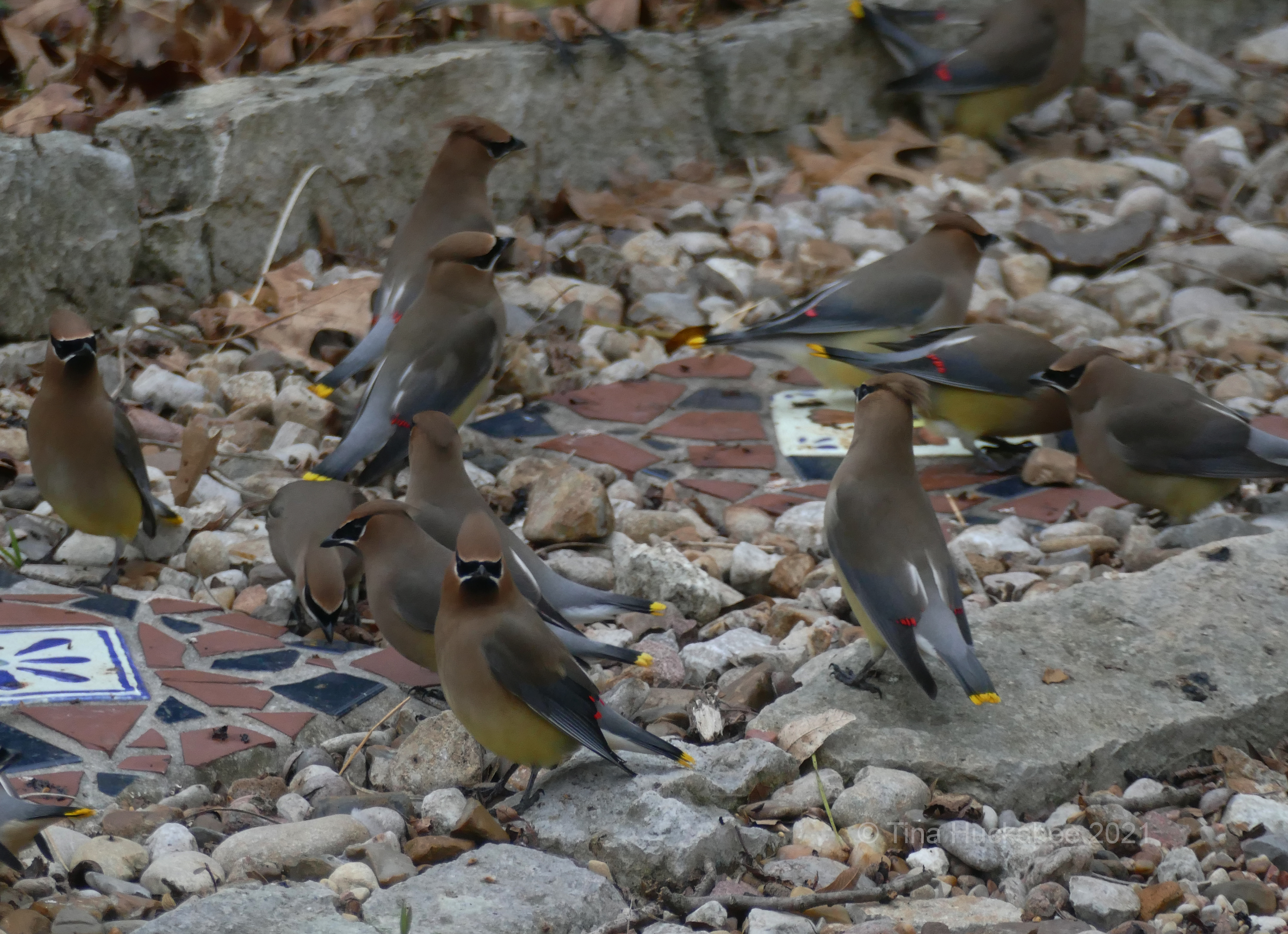
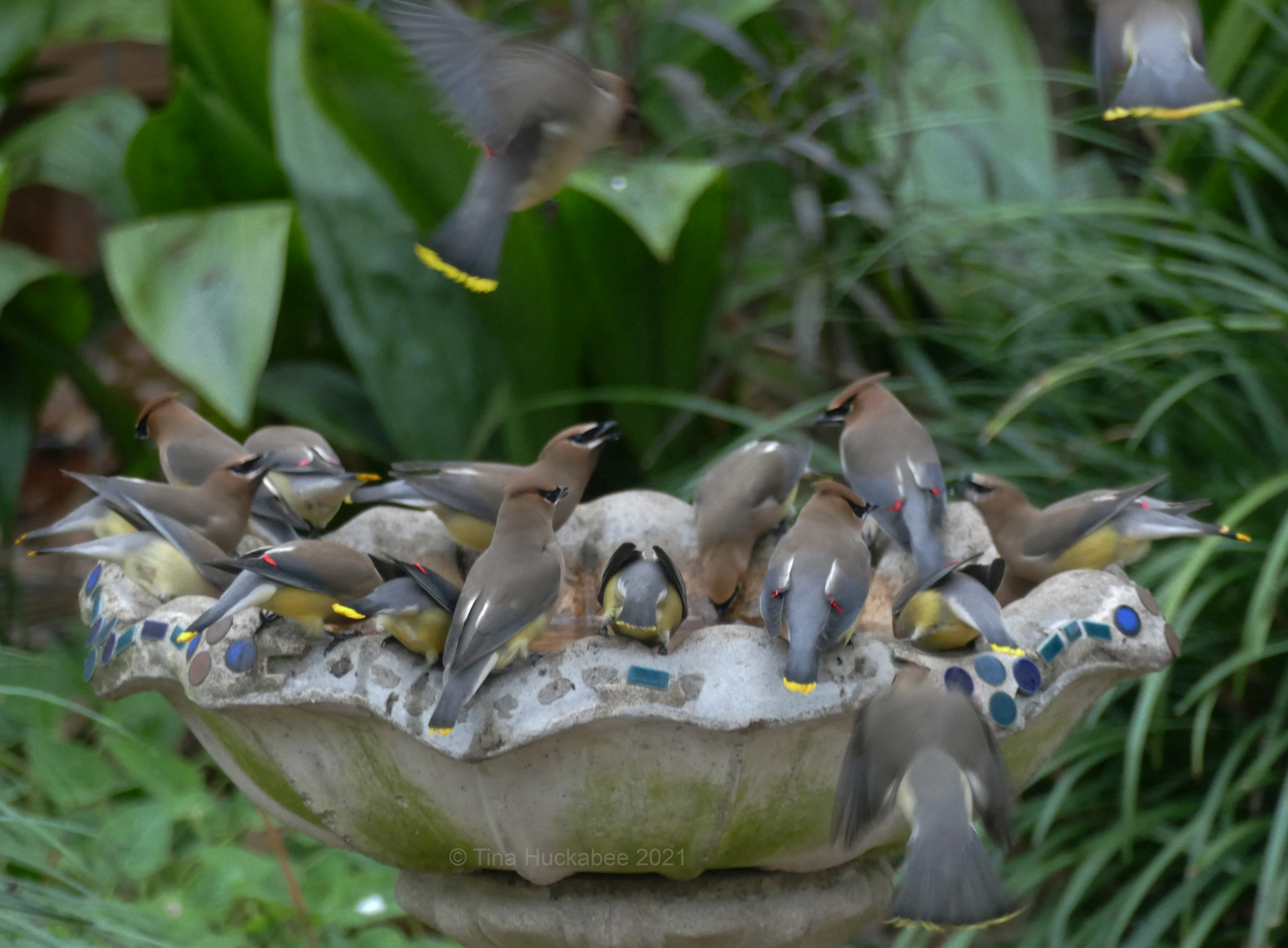
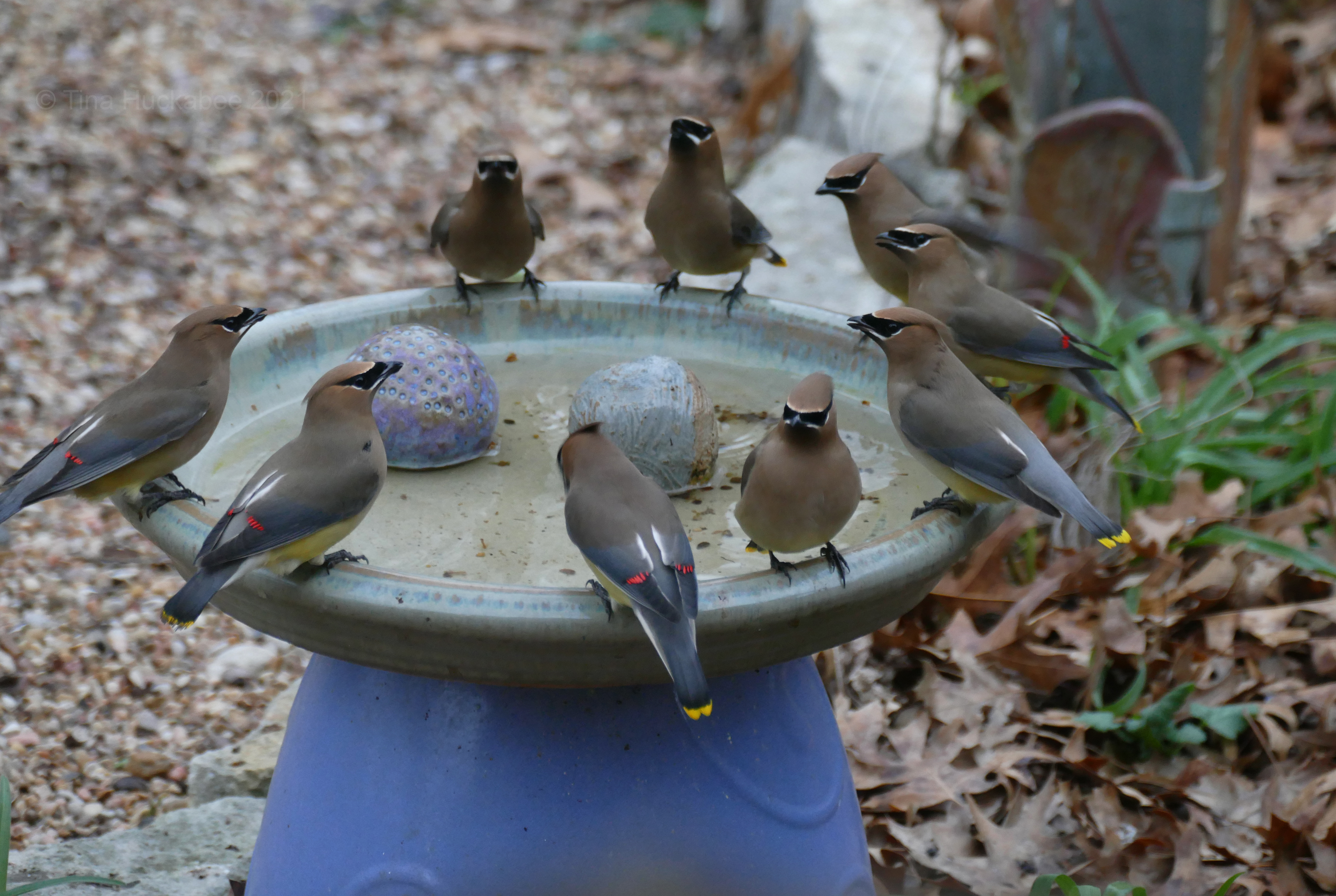
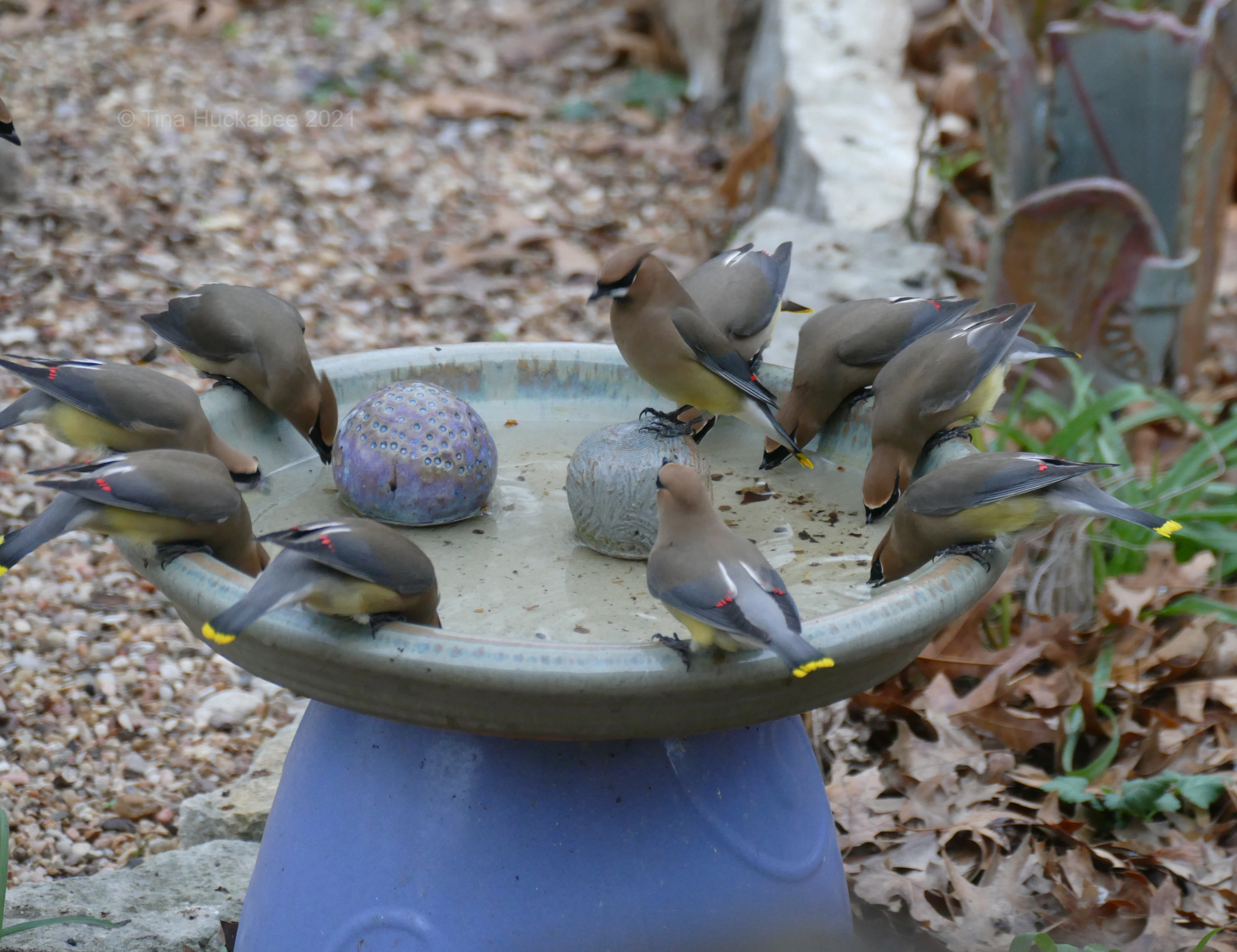
Behind the pequin sits a group of non-native, but freezer tough, Burford Holly. Along with the deep green foliage, they’re also carrying ripe berries and plenty of ice. No doubt the Cedar Waxwings will feast once the temperatures return to Austin normal. I’ll need to park the car in the garage.
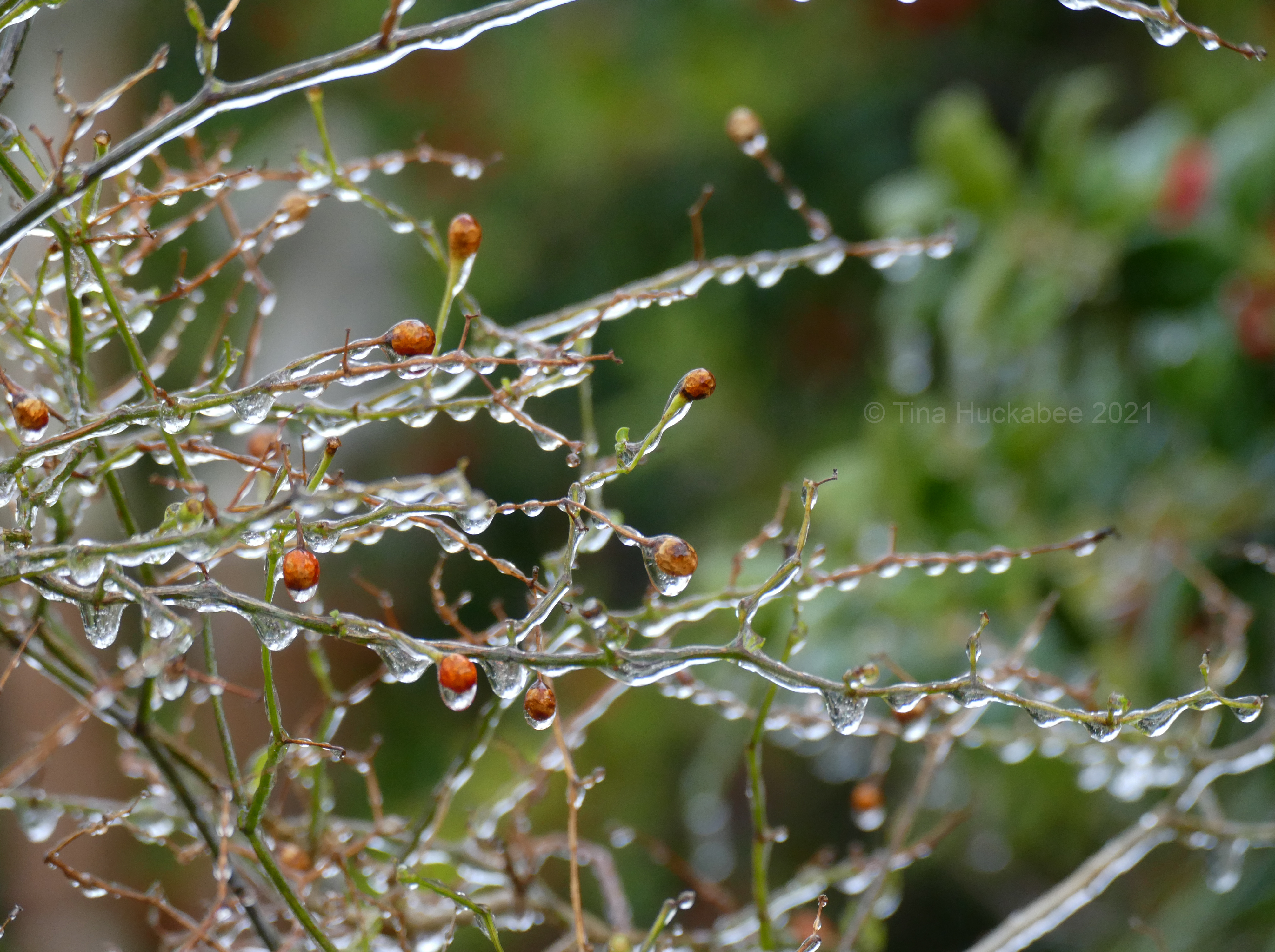
Ice droplets, rather than fruit and foliage, currently decorate the small Chili Pequin shrub.
It’s not often that Central Texas experiences long periods of freezing temperatures, or temperatures that dip to single digits, but it’s not unprecedented. I’ve live here since the late 70s (started college in 1978) and this is the third true deep freeze Austin has seen during those decades, but this one will prove a historically cold event. Typically, our freezes are of short duration and rarely dip lower than 20F (in the city). During the past two decades, mild winters have become normative. Gardeners are understandably lulled into complacency, planting inappropriately with tropicals and tenders, assuming mild winters are always expected, when in reality, contrary results are delivered just often enough for reminding.
I’ve certainly made that mistake. Many times. Ahem.
Native plants, evolved to withstand the capricious nature of Texas weather patterns, will come through this bitter, deep cold intact and ready to meet another growing season, whereas many non-native plants will be crumble and mush.
This native Roughleaf Dogwood, Cornus drummondii, looks cold and forlorn in its bare-n-icy form. The two plants behind it, Star Jasmine vine, Trachelospermum jasminoides, and, at the bottom, Cast Iron Plant, Aspidistra elatior, are seemly green-n-growing.

If our temperatures reach single digits, especially for two nights, along with almost a week of sub-freezing temperatures, the Star Jasmine will likely die to the ground–gone, kaput. Maybe it will return from the roots, maybe not. To its credit, native-to-China and Japan Cast Iron Plant is hardy and evergreen for most winter weather, but I’ve never grown it in single-digit temps, so I won’t predict whether, in a week’s time, the foliage will be green–or gone.
But sometime in March, new foliage, followed by lovely white blossoms will appear on the Dogwood; the gardener will rejoice, the pollinators will feed.

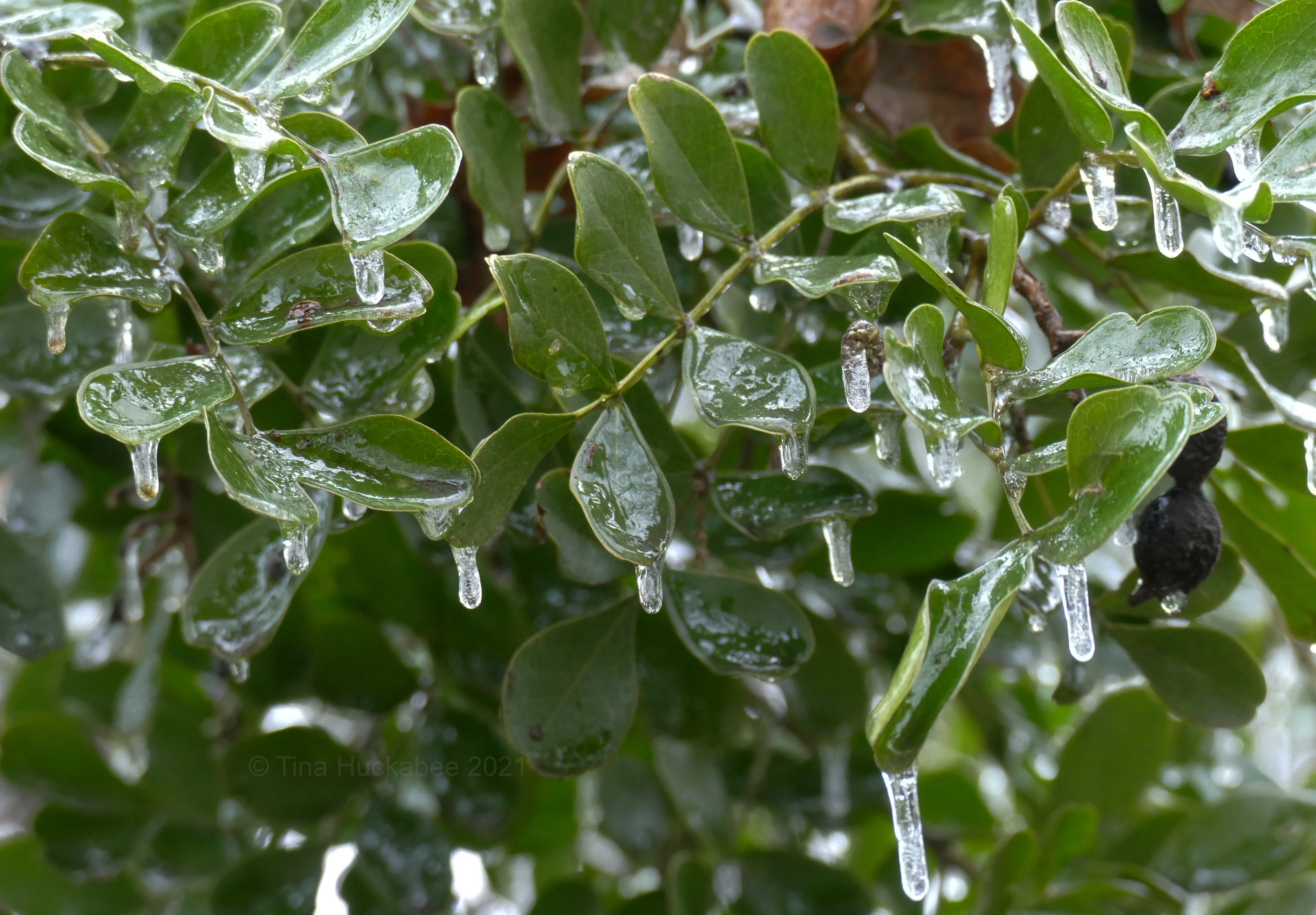
One of the first native trees I planted is this Texas Mountain Laurel, Sophora secundiflora. Rich, glossy foliage year round, decorated with luscious purple, fragrant blooms in March and April, is today, was yesterday, and will be for the next several days, wearing a coat of ice. The small tree’s genetics remember that the Arctic has visited before and it knows how to weather the weather. I doubt the laurel will miss a beat in its preparation for the spring flower show and stalwart summer, fall, and winter beauty to come.
I confess to dreading what my garden will be when this Arctic blast has frozen its last. That being said, plants live, plants die, changes happen. A garden is always in flux, always evolving with nature’s influence or human touch. It will survive in some form and shape and I’ll replace or renew, depending upon time and creative inspiration.



 My Gardener Says...