A Gander at Grasses

The last bastion of prunable perennials in my gardens are the ornamental grasses. I’ve noticed in Austin that many landscape companies prune ornamental grasses earlier in winter, but the little nubs of grass left are unattractive–they remind me of alien pods. (Not that I’ve seen many alien pods.)  Grasses don’t flush with new growth until late February or early March and winter-tinged grasses are lovely specimens.  During winter dormancy, ornamental grasses develop a toasty color and the graceful forms lend elegance and interest to any landscape.

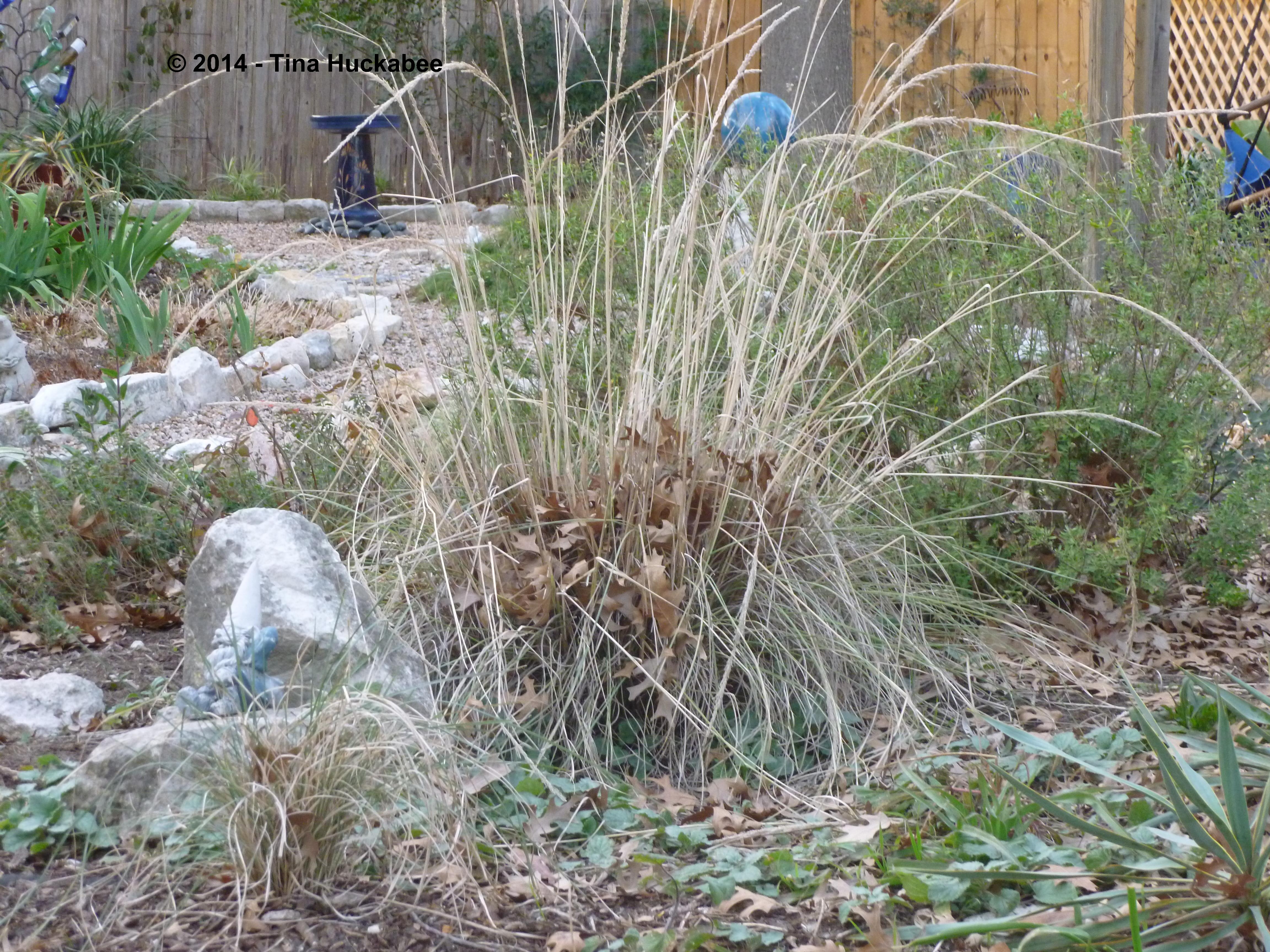
I’m especially fond of the native Big Muhly (Muhlenbergia lindeimeri). These larger grasses move gracefully in winter winds.
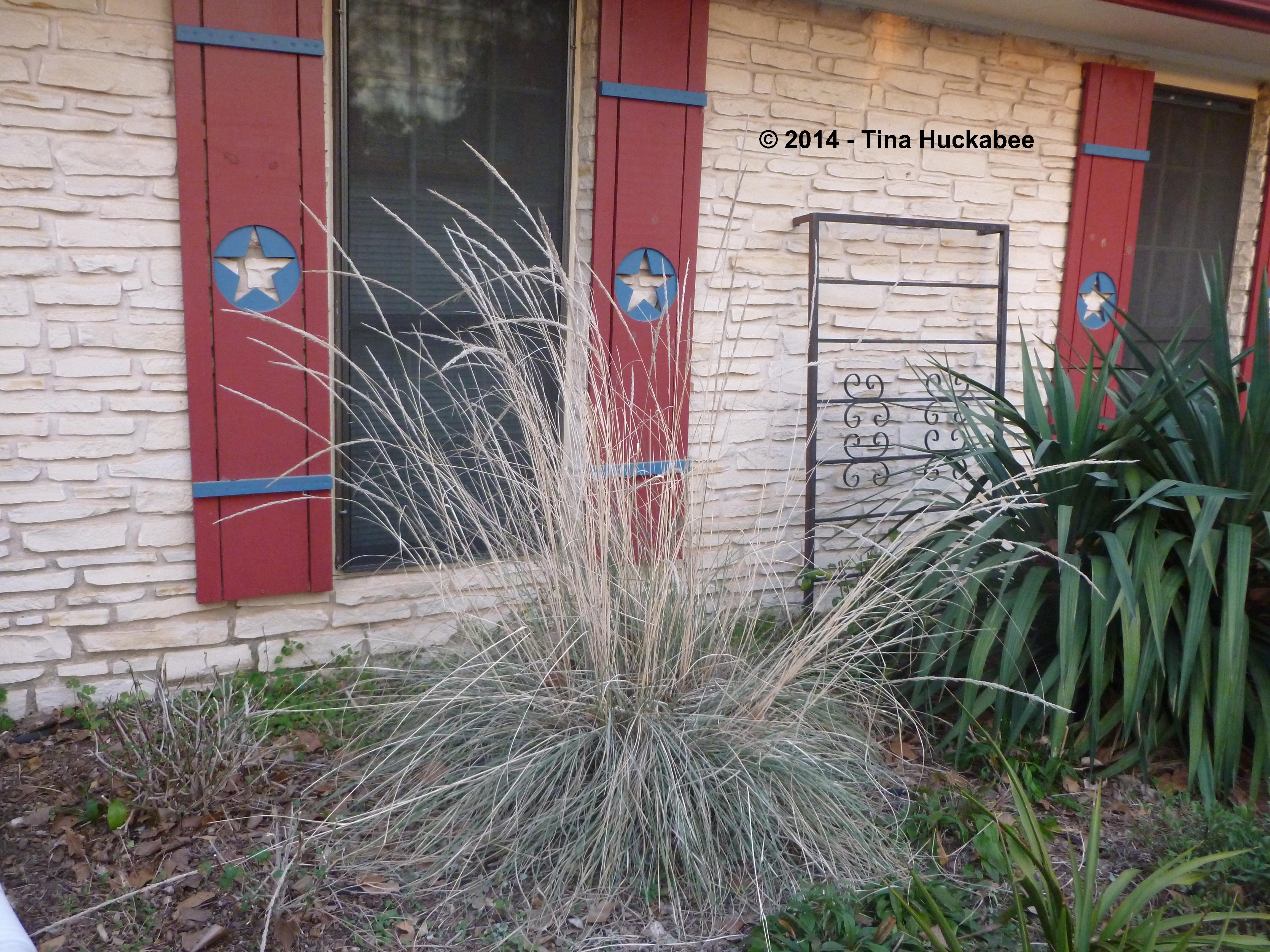
P1020649.new

Though, I guess I could have raked the leaves from this one in the back garden.
P1020648.new

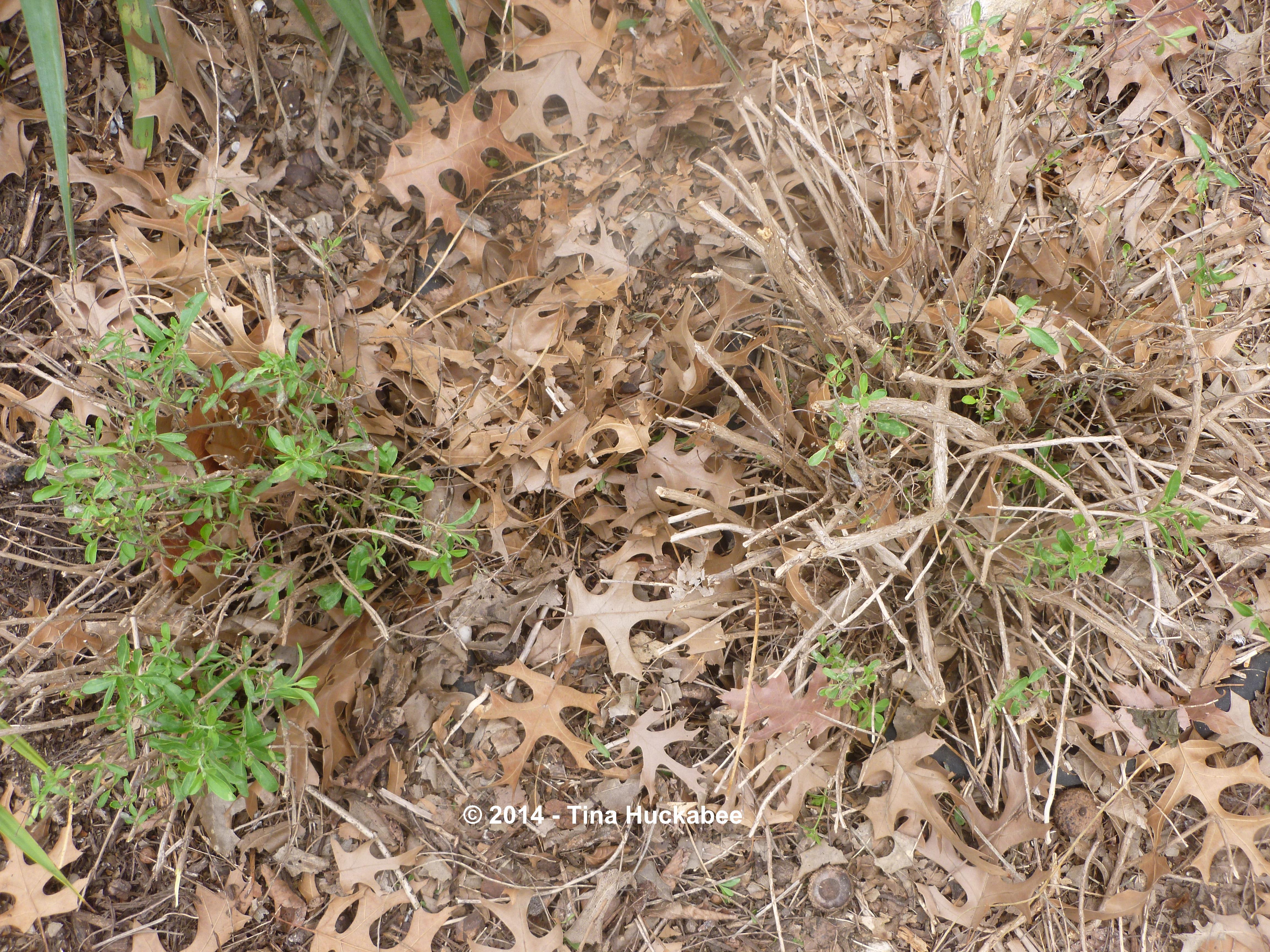
Once I detect discernible green shoots emerging, that’s when I prune.

P1020808.new

I prune to a ball/oval shape, but I’ve also seen these grasses pruned flush to the ground.  I’ve even seen them pruned as boxes, though that doesn’t appeal to me and the natural form of the mature plant is round, so pruning as a square is weird and antithetical to the form of the plant.

P1020823.new

P1020827.new

Ready for new growth!

This non-native (to Texas) Maiden Grass (Miscanthus sinensis),

P1020646.new

has been a fine addition to my gardens–I wish I had space for more of them.  It’s been a great performer all year, but who could prune these fabulous seed heads early in the winter?

P1020641.new

P1020643.new

But, it’s time for spring growth, so off with their heads!

P1020824.new

I transplanted my three Gulf Muhly (Muhlenbergia capillaris) in November.  I don’t have a great spot for these grasses because my gardens are full-sun challenged and Gulf Muhly perform best in blasting sun.

P1020818.new

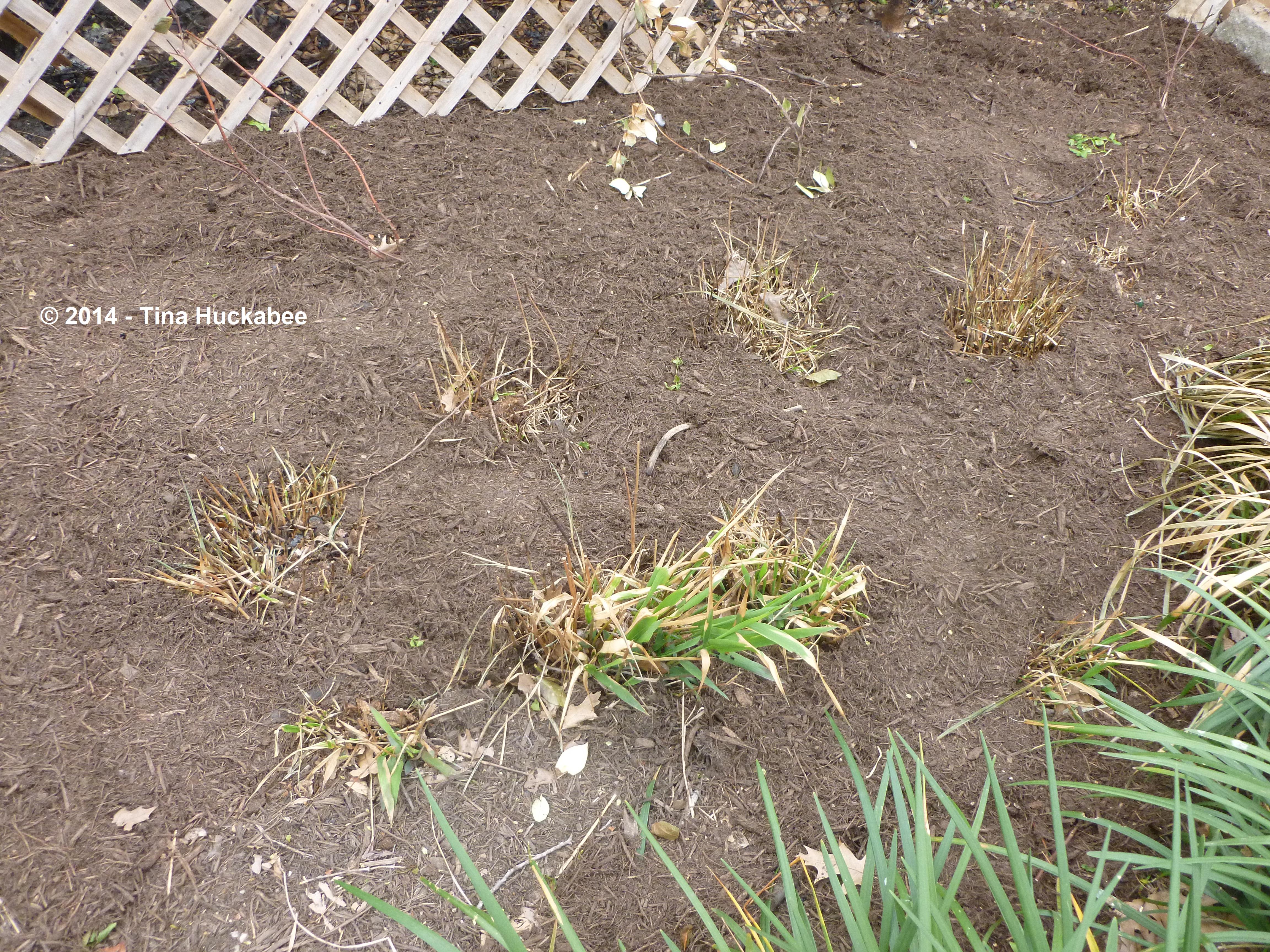
I’ve pruned for the new growth,

P1020828.new

and have hopes that this spot will provide the correct amount of sun for these native beauties.

Bamboo Muhly (Muhlenbergia dumosa) is  native to New Mexico/Arizona and is an airy, light green grass during the growing season.  During winter dormancy, the foliage is tawny beige, though it holds its feathery plumage. When completely dormant, Bamboo Muhly  benefits from shearing to its clump.

In my gardens, two of the Bamboo Muhly didn’t become completely dormant,  so I decided to selectively prune only the cold damaged foliage.

P1020662.new

P1020830.new

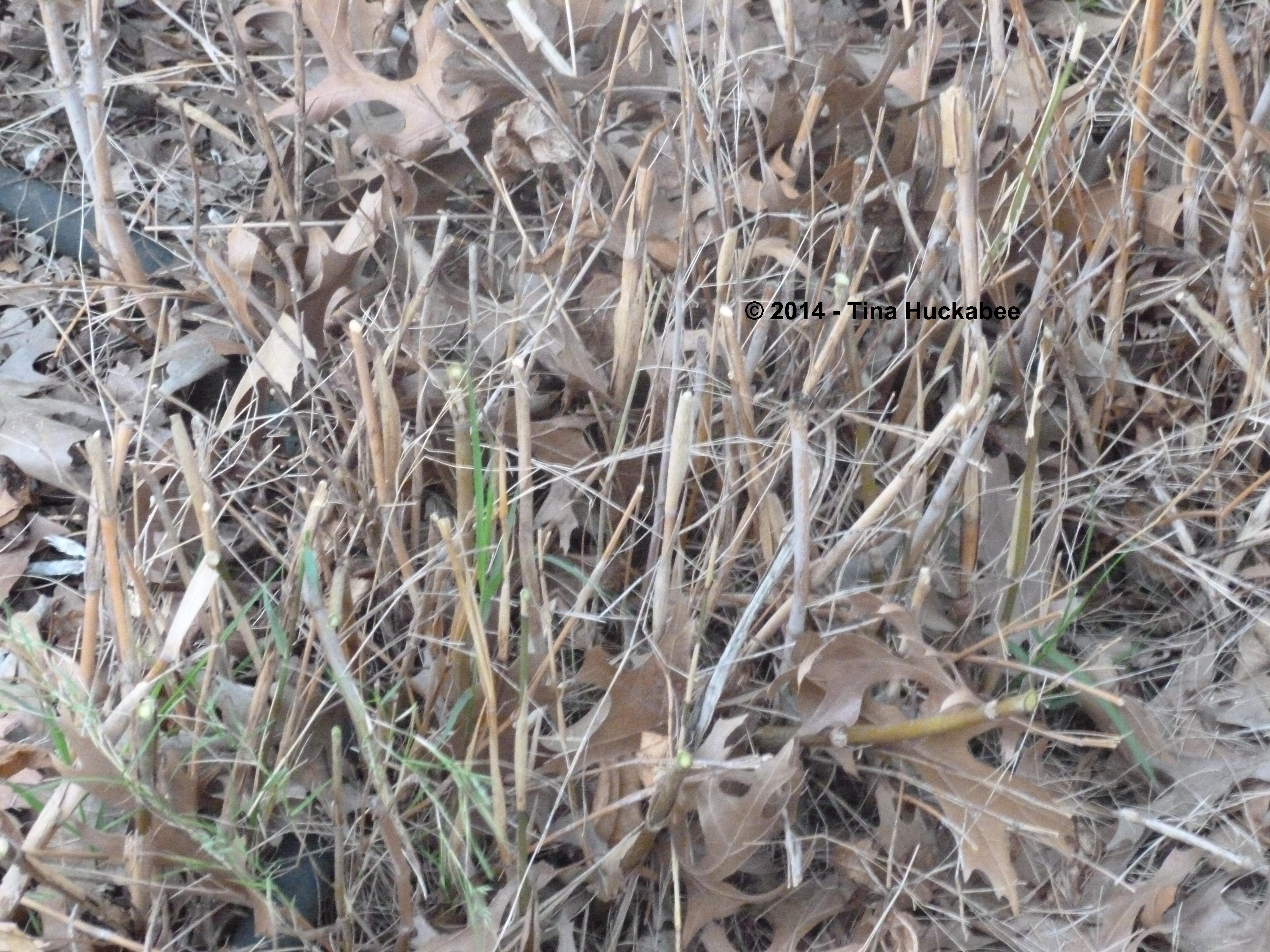
However, one plant had no green growth, so I sheared it to the ground.

P1020833.new

And now it’s ready for new spring growth!
P1020834.new

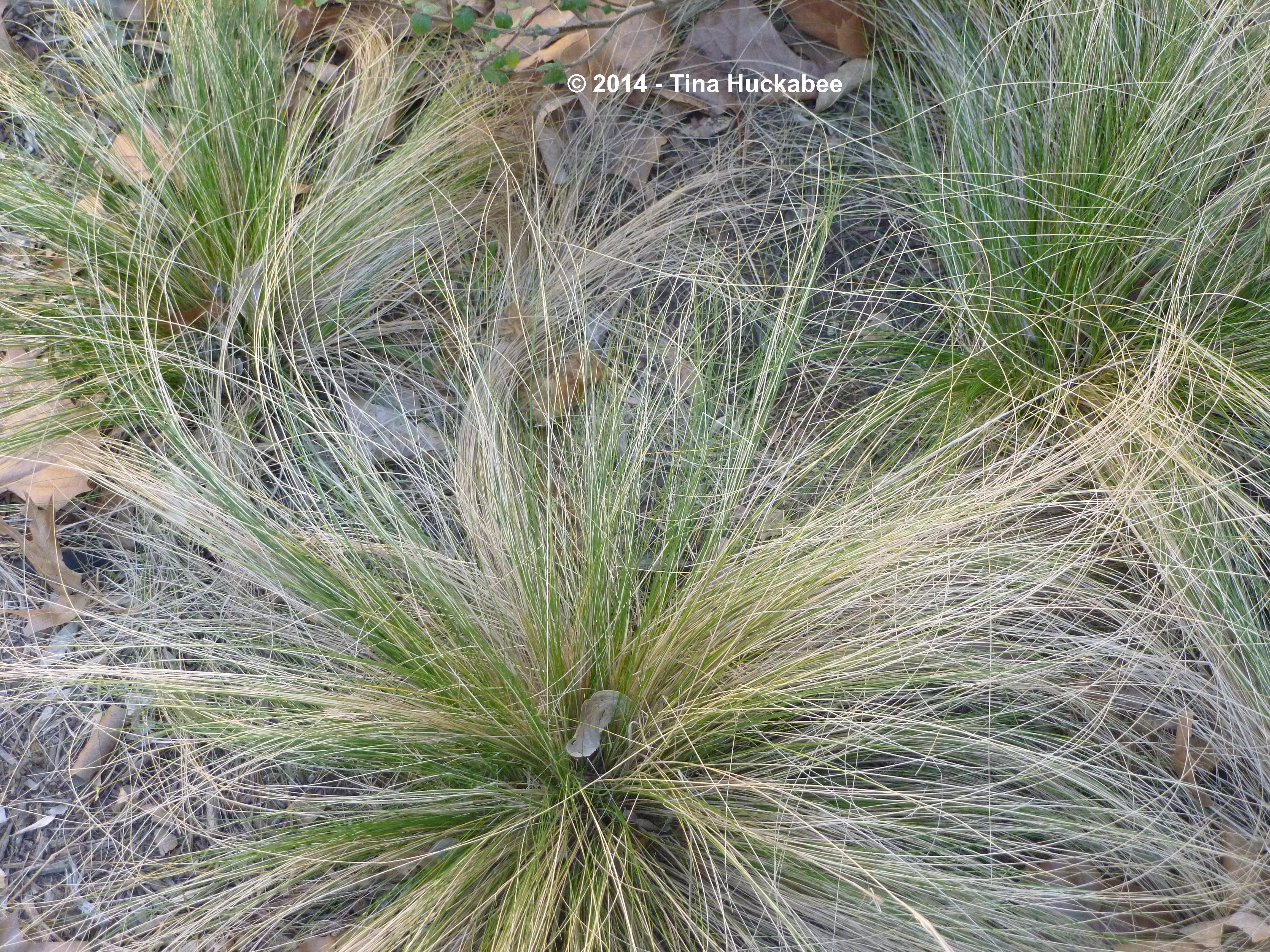
Mexican Feathergrass (Nasella tenuisima) is beautiful year round as a single specimen,

P1020651.new

or in groups.

P1020665.new

P1020645.new

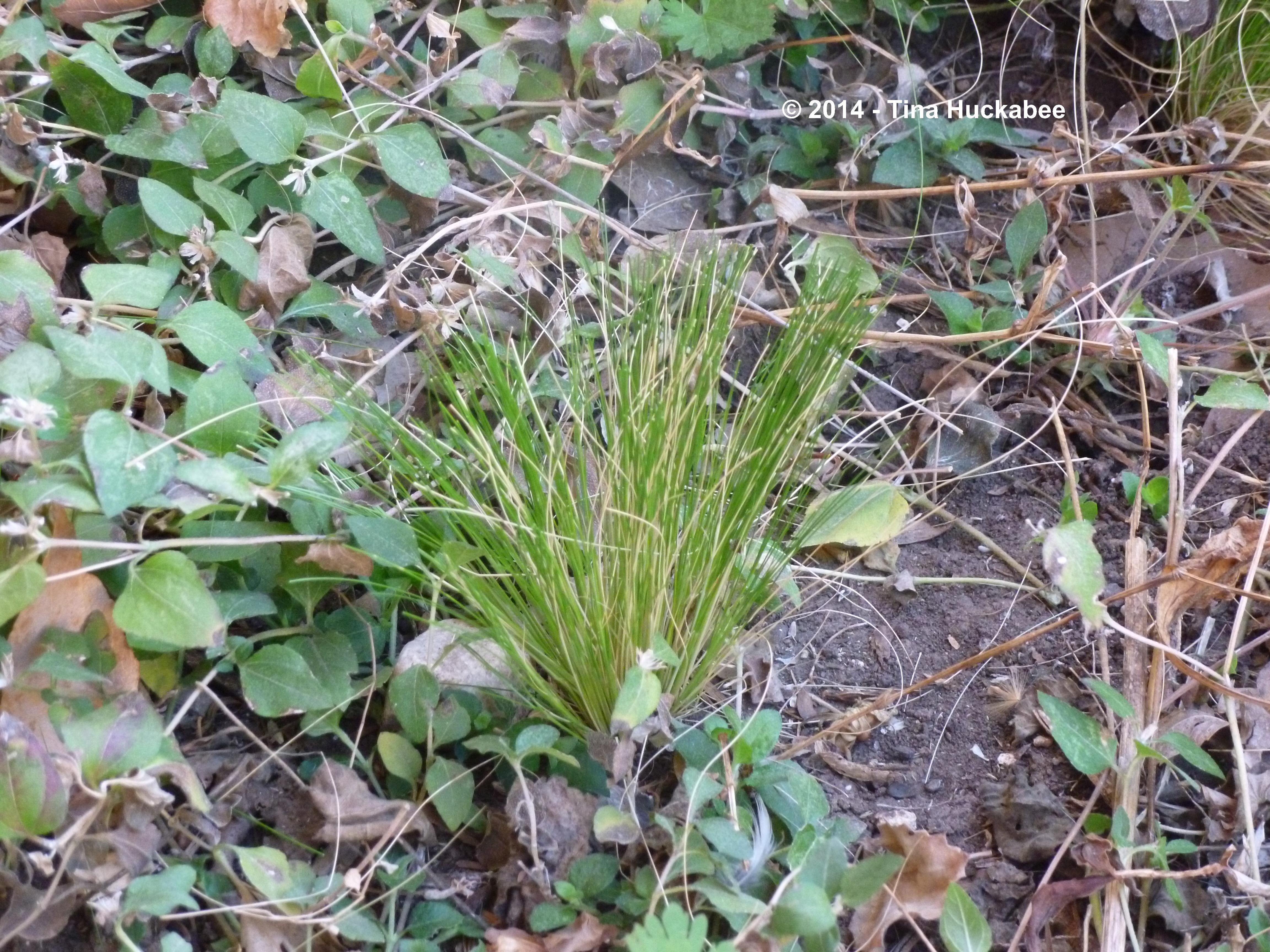
It is NOT however, a plant pruned by shearing foliage like the four discussed above. If you do this in the winter:
P1020821.new

You will not get this in the spring.

20120327_30

NO. NO. NO. Never, ever do that!! It will take MONTHS to recover and will look stupid in the interim.  I sacrificed a seedling to demonstrate this abhorrence, but I see this all over Austin.

The method for “pruning” Mexican Feathergrass is to gently pull off the dead foliage which by late winter is a light brown/tan color.

P1020799.new

Hold down the center of the plant and gently tug the dead grass or run your fingers through the foliage, in small bits, until it pulls free of the main plant.  It will come out easily and if it doesn’t, don’t force it. I’m not coordinated enough to photograph that action, but you’ll end with a handful of grass pulled out.

P1020800.new

As you’re pulling out the dead foliage, hold the mother plant down with the other hand, otherwise, especially in older plants, you’ll pull the up the entire plant.  Which I’ve done.  Numerous times. If that happens, swear a little, (you’ll feel better), then re-plant a new seedling and start over again.

For me, pruning ornamental grasses means the end of winter and is the gateway to spring abundance and a long growing season.

It’s done.  Happy Spring!

Game On, Spring

As February races toward its conclusion, this Austin garden is ready for spring.  I started pruning in late December, after the first of the freezes lay waste to the herbaceous  perennials in my gardens.  I’ve been pruning since.  Seven garbage cans full of garden detritus every week, for almost two months.

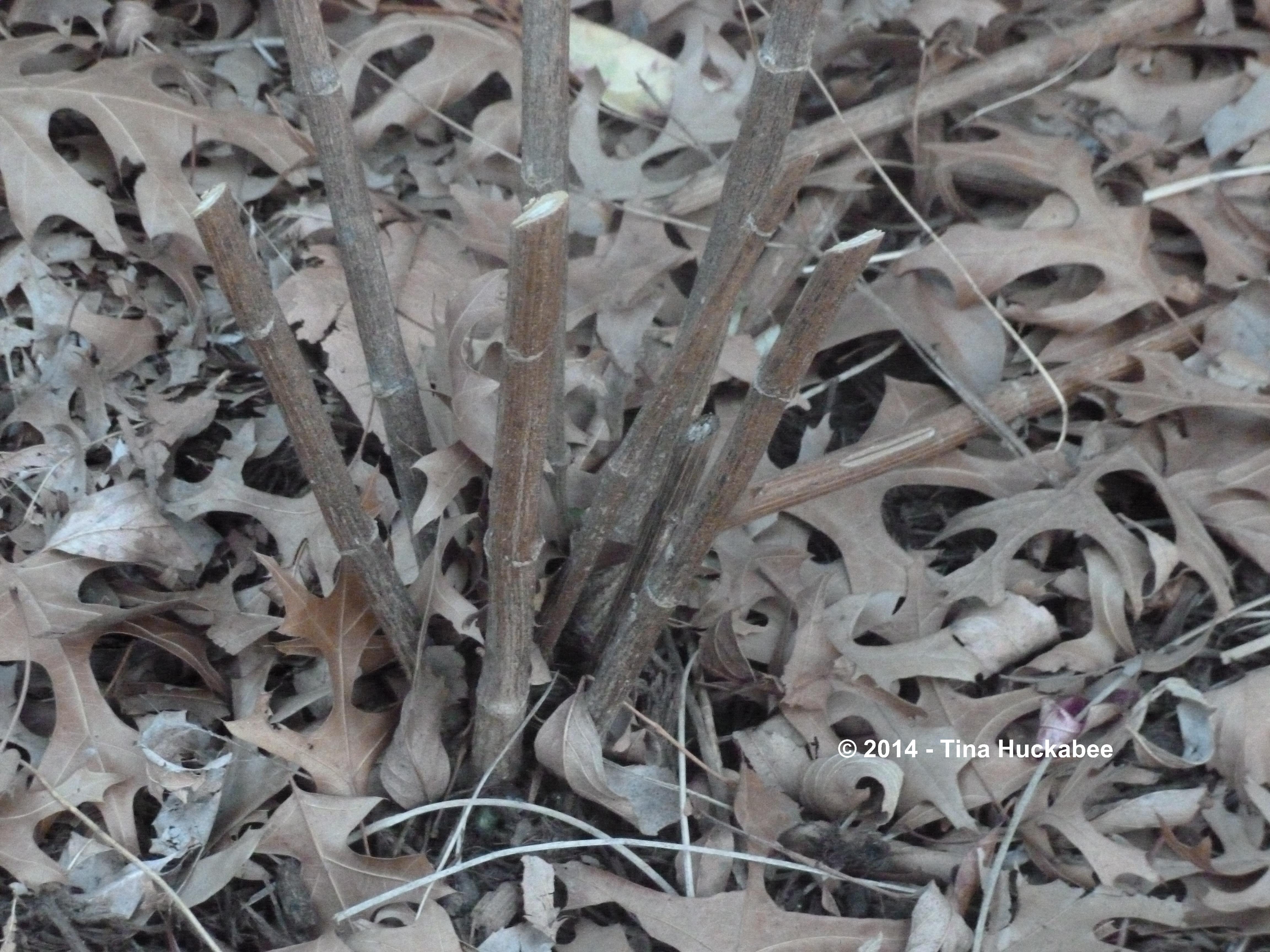
Plants like Turk’s Cap (Malavaviscus arboreus var. drummondii) are whacked.

P1020746.new

The luscious, sunny-blooming Goldeneye (Viguiera dentata)? Nary but sticks protruding from the ground.

P1020761.new

The Martha Gonzales Roses are reduced to a fifth of their full size.

P1020755.new

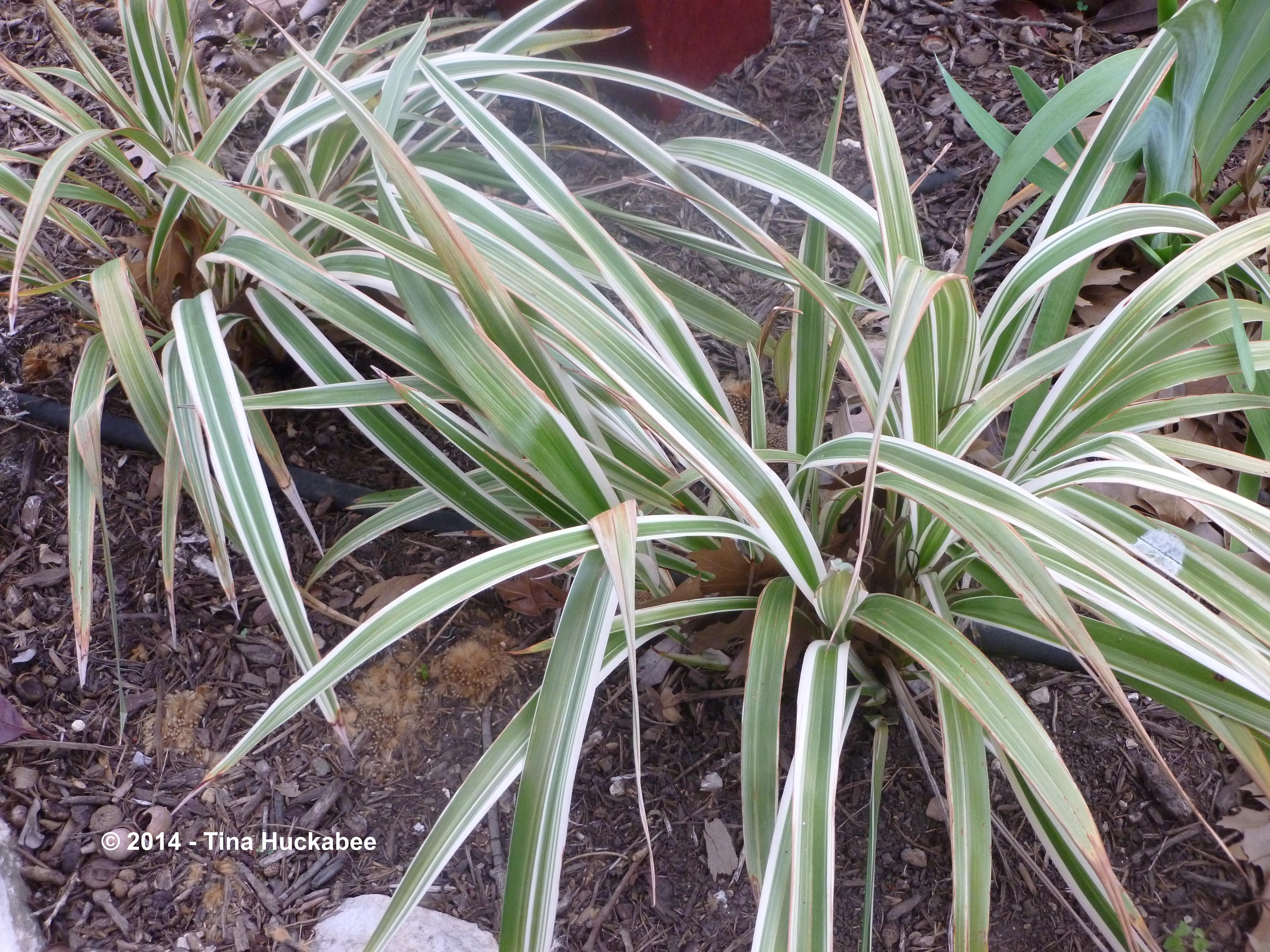
Some Variegated Flax Lily (Dianella tasmanica),

P1020668.new

fared better than others in my gardens.

P1020669.new

All I pruned from the Flax Lily were the freeze damaged straps.  It’s the one plant (I have four groups of them) that I dutifully covered with each freeze forecast into the 20s.

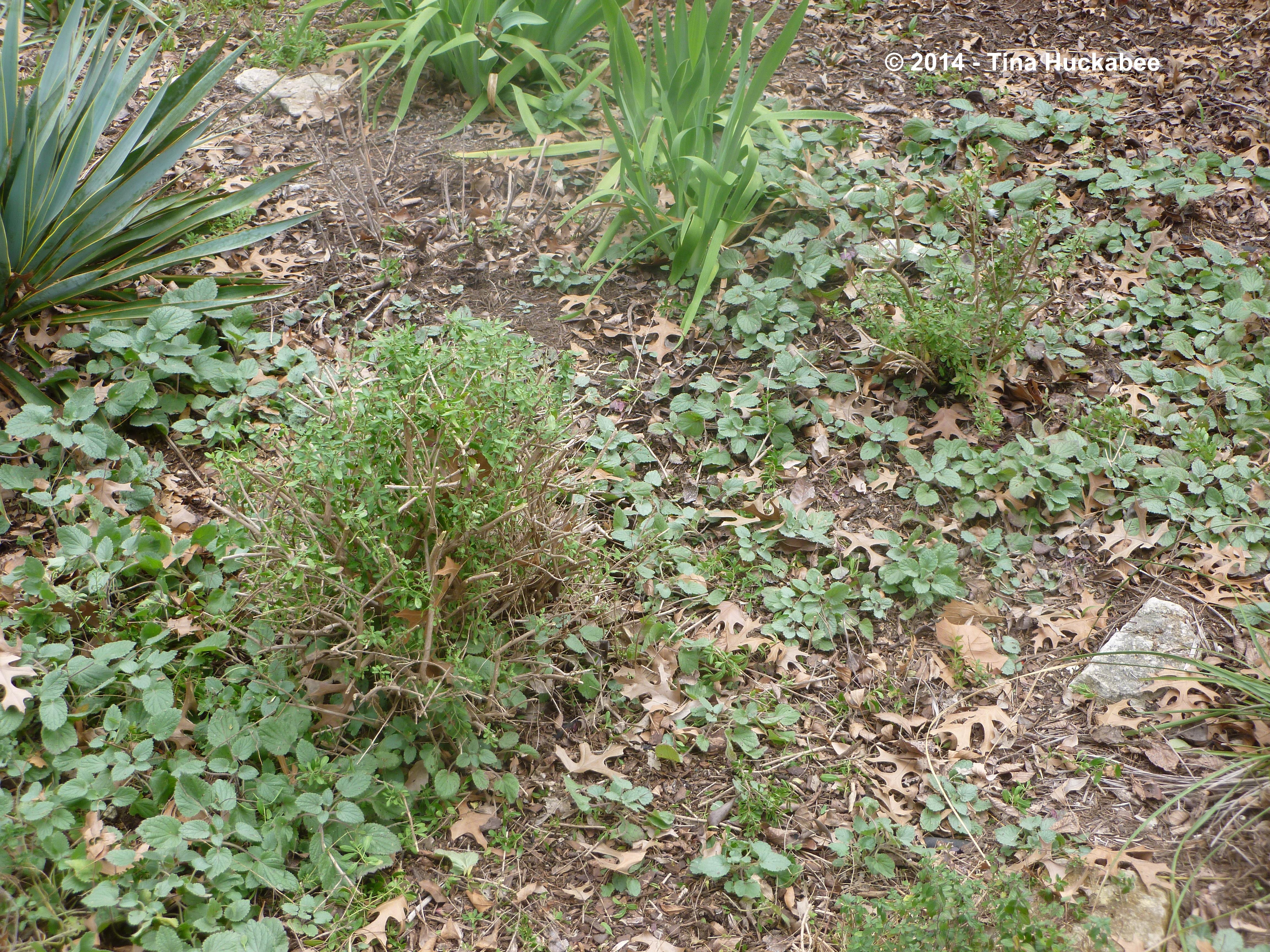
And the  Autumn Sage (Salvia greggii) and other evergreen native shrubby plants are pruned into tidy balls,

P1020708.new

or spindly bits of green perched on woody stems, waiting for the just right  light and breath of warm spring air to burst into new growth.

P1020711.new

I still have more to prune, but I’m almost finished for the year.

I didn’t lose any established plants this winter and that gratifies me and validates my garden choices.  I choose natives or hardy non-natives, with the occasional splurge for the newest, cheap thrill plant that everyone (okay, just gardeners) is talking about.

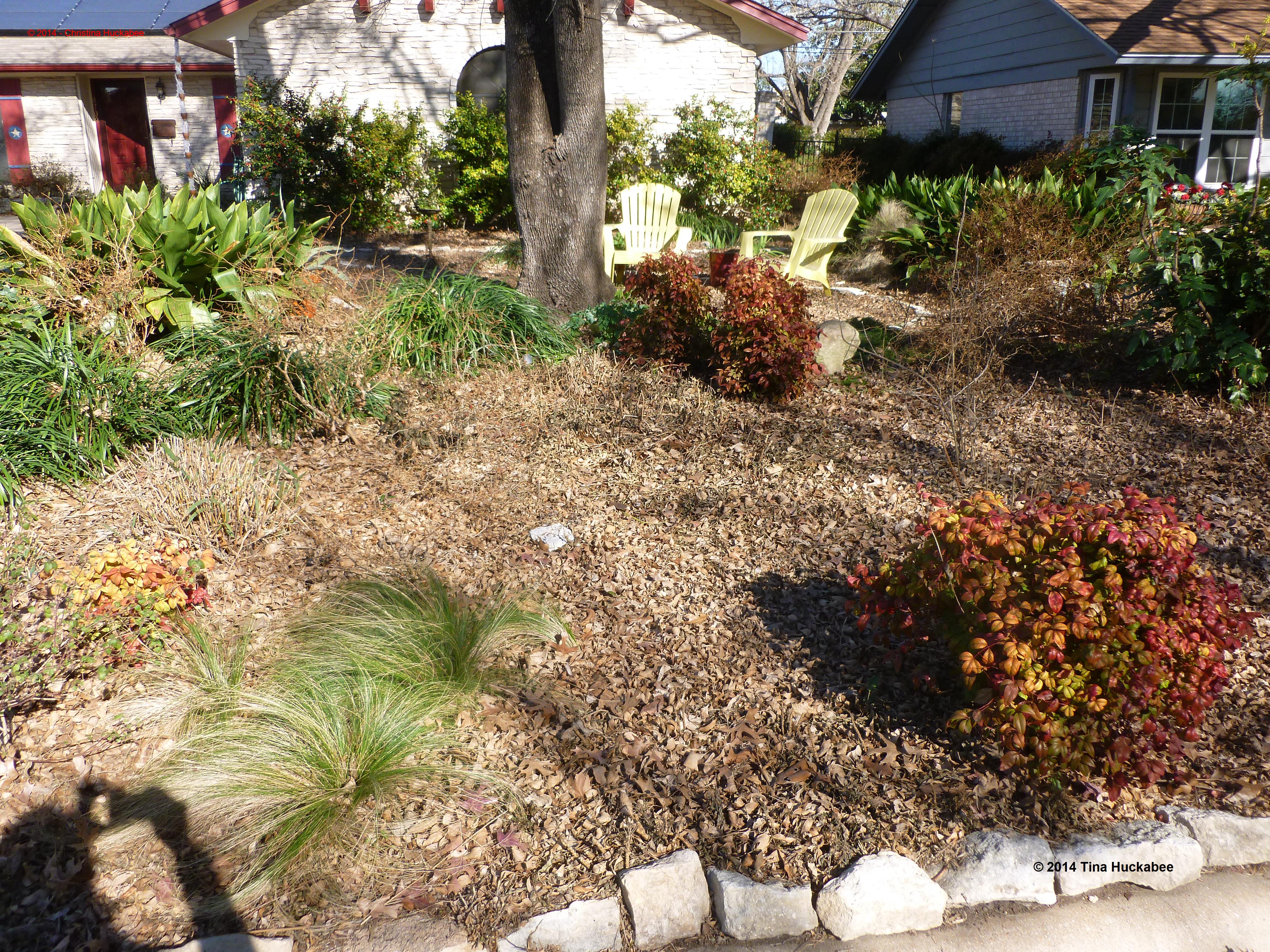
I always think of the winter landscape as barren, but it isn’t, even in this winter which was colder than any of the past 19 years.   With most of the flowering perennials in my front garden temporarily gone, I’m reminded how nice my ignored-most-of-the-year evergreens are during their winter concert on this sunny February day.

P1020562.newP1020564.new

And in my back garden, I like the clearly defined garden and pathways.  The iris and yucca straps dominate,

P1020784.newP1020787.newP1020788.new

while the Heartleaf Skullcap (Scutellaria ovata ssp. bracteata) insinuates its soft green carpet anywhere allowed.

P1020786.new

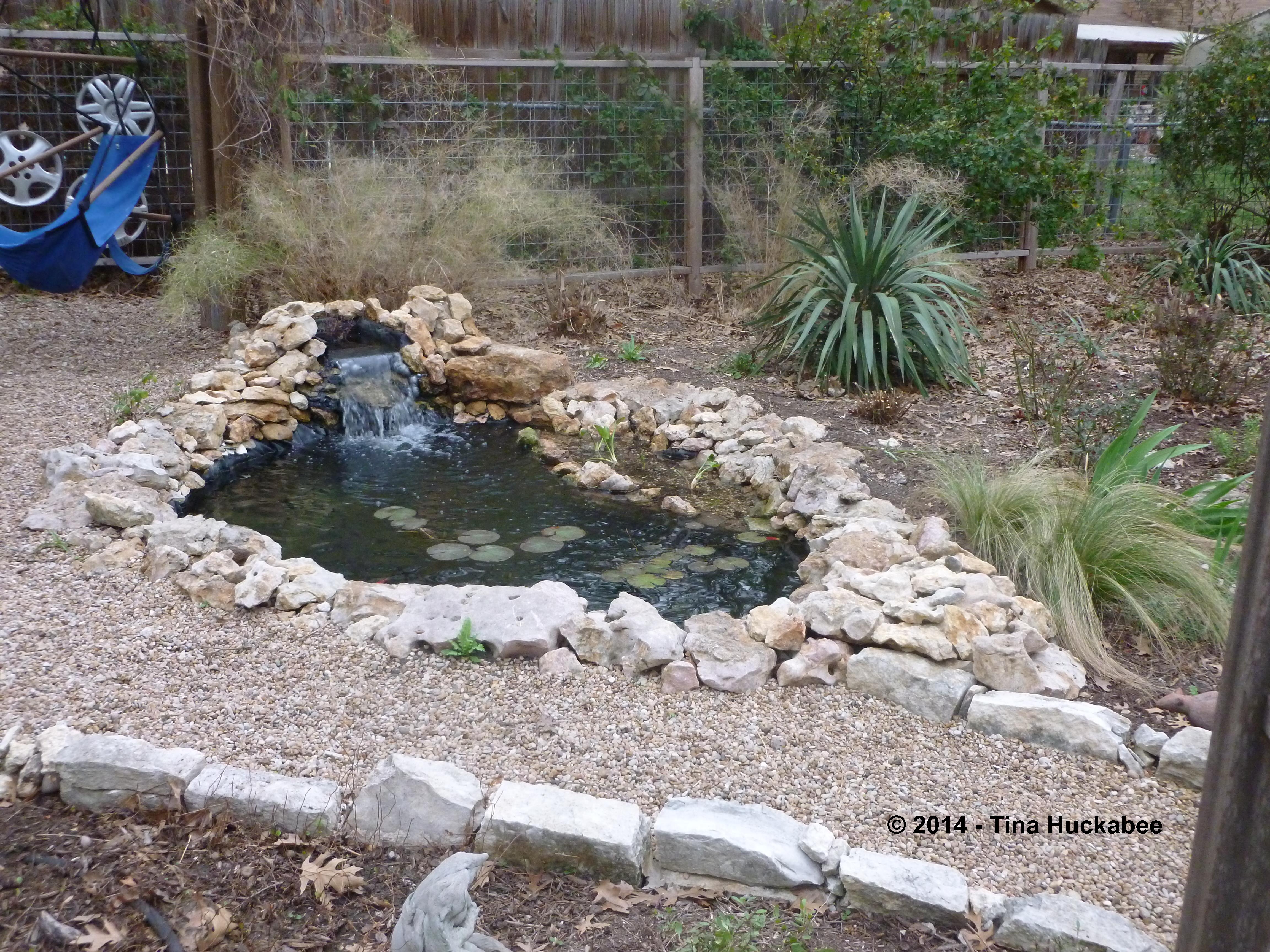
I have a clean pond, which will make pond maintenance easier for the rest of the year and appeals to my aesthetic sense.  I don’t think the fish care whether I clean the pond or not.

P1020789.new

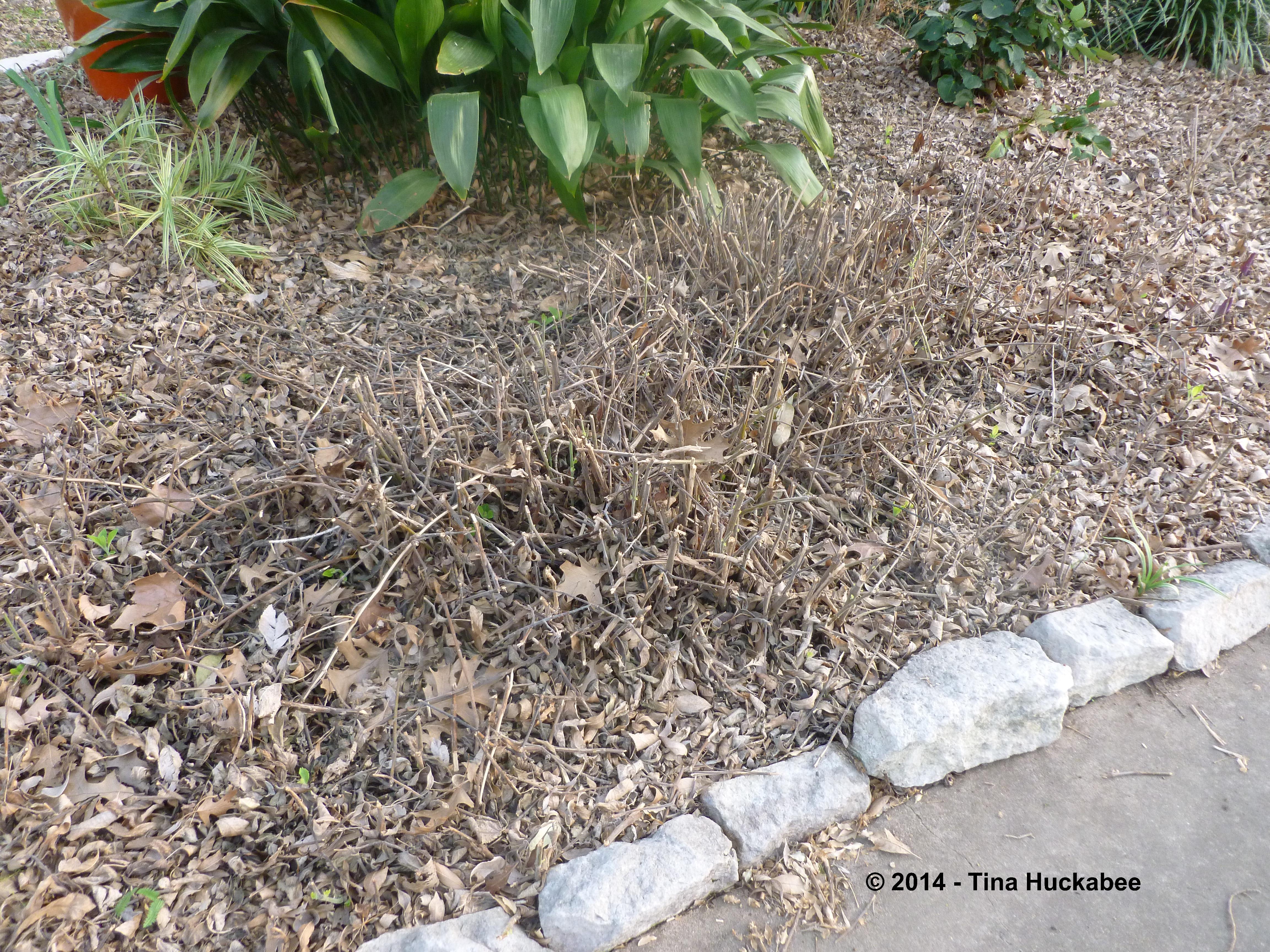
Spring is almost here.  The Mexican Honeysuckle (Justicia spicigera) is pruned to the ground

P1020790.new

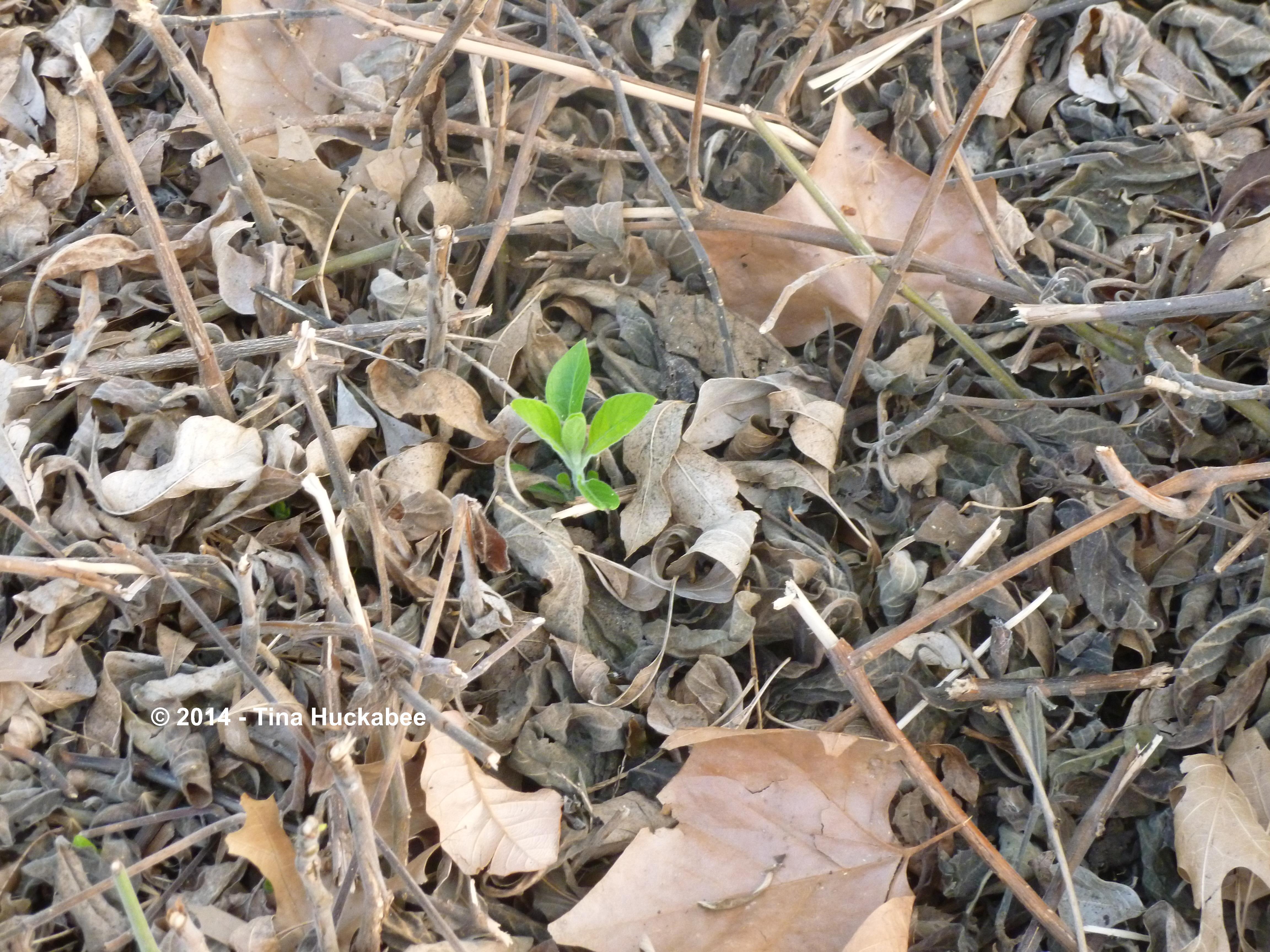
but life begins anew.

P1020791.new

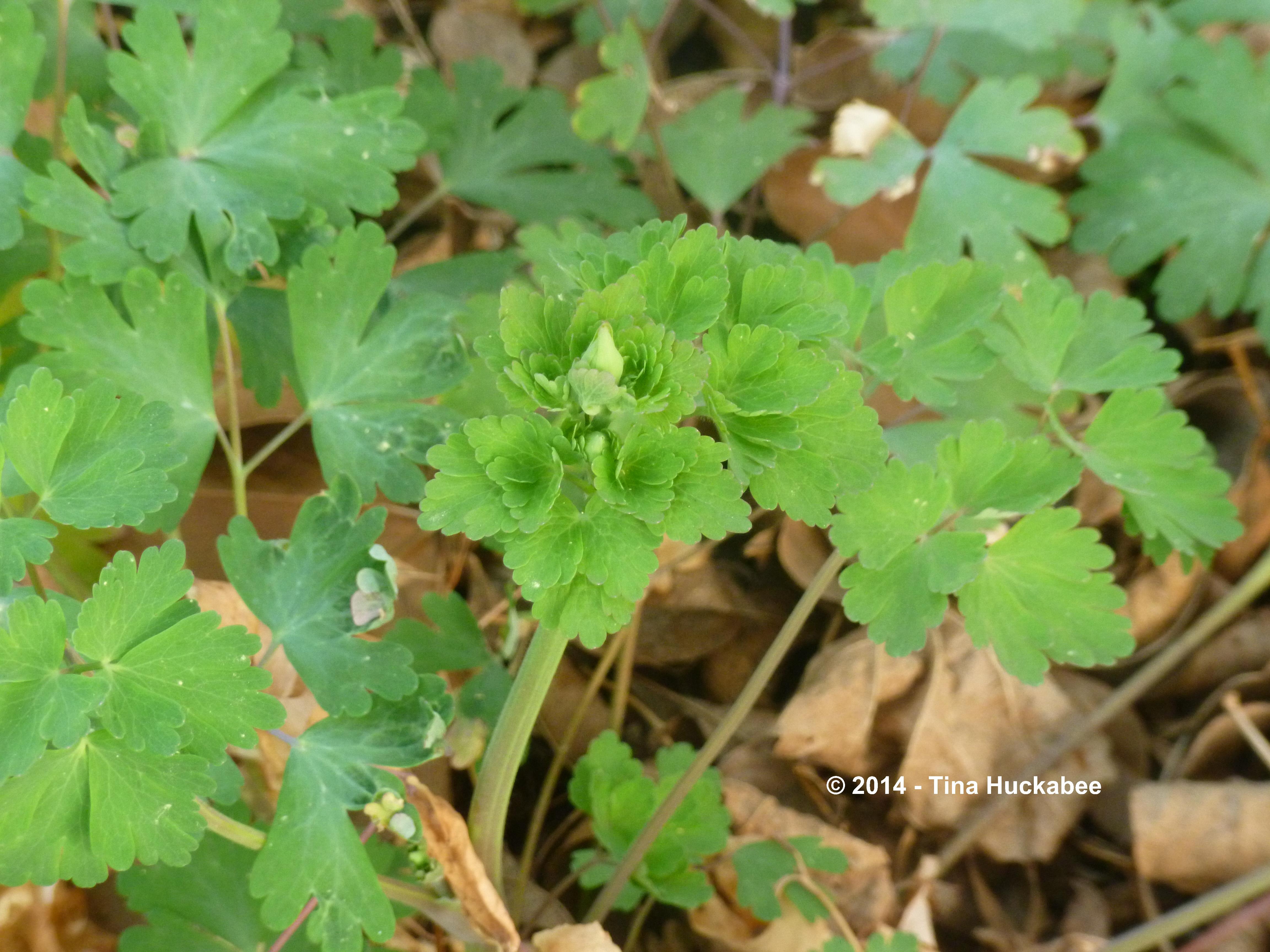
The Columbines (Aquilegia chrysantha var. hinckleyana) are lush,

P1020793.new

their first buds emerging.

P1020794.new

Bring it on, Spring.

Fire!

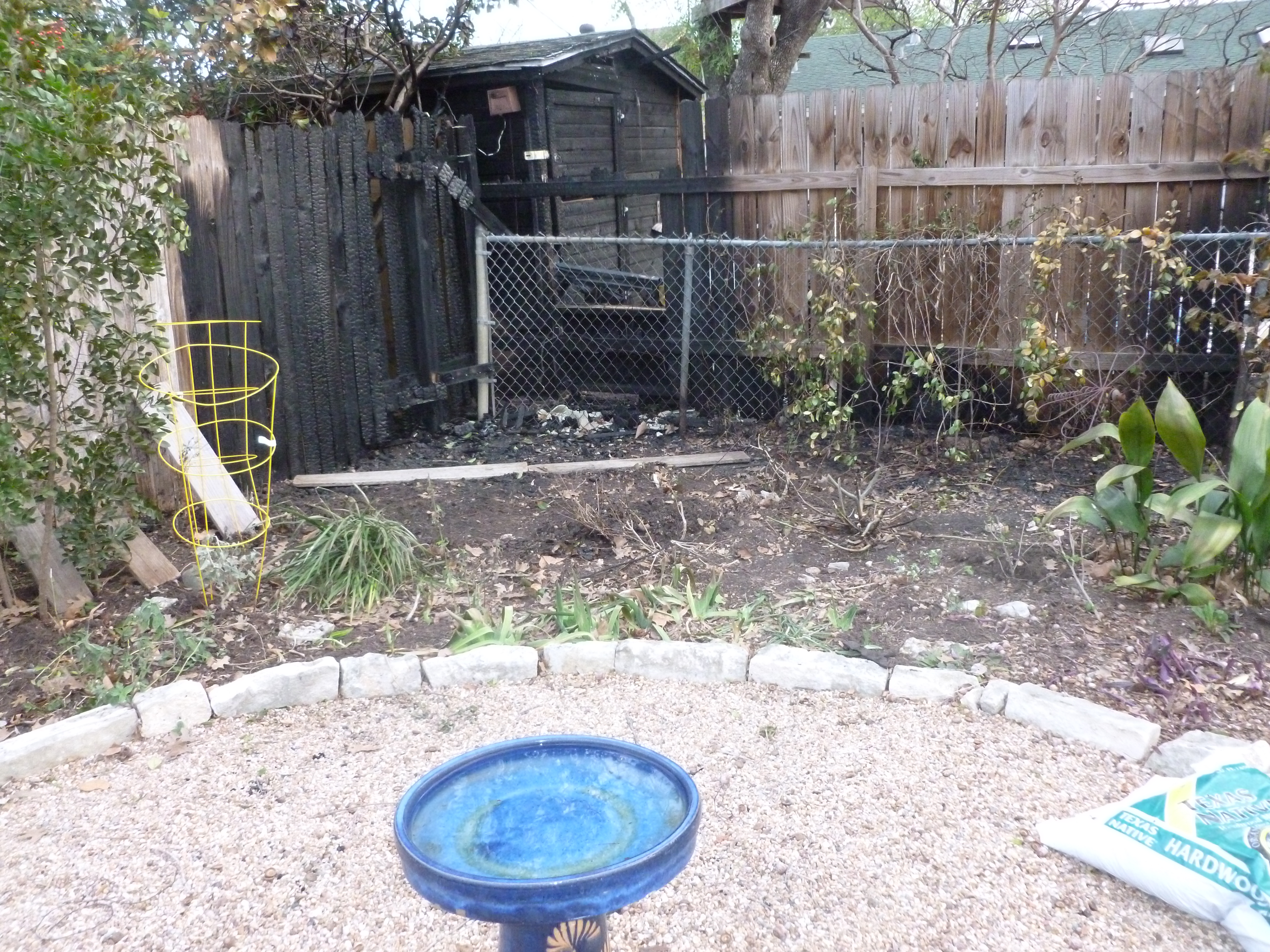
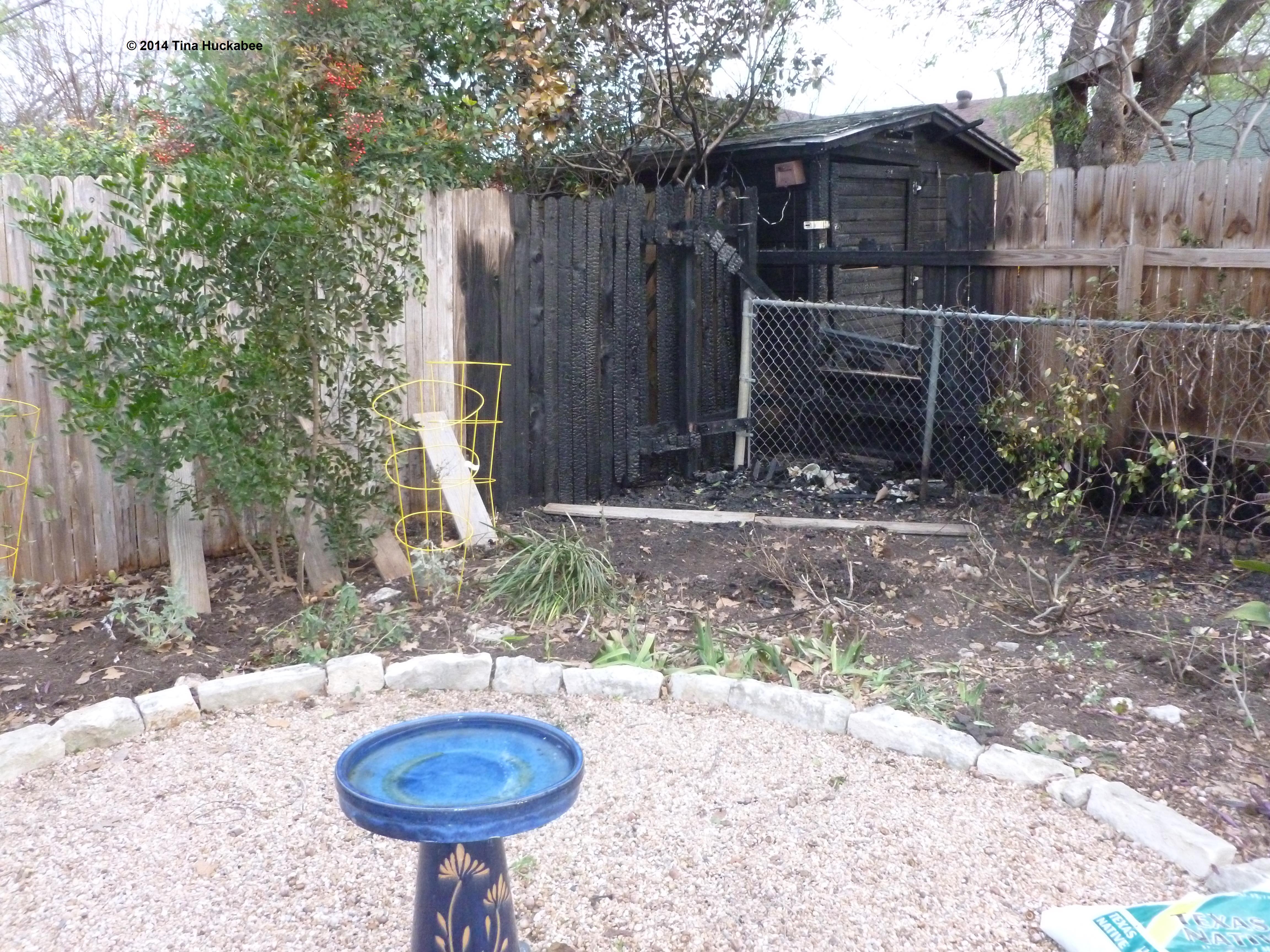
In late February 2013, on a windy, dry Monday afternoon, I walked into my backyard to assess damage from the gales of the day.  I noticed the fence bordering the north side of my property pulled out from the four-by-four post in the ground and  in danger of falling.  As I contemplated repairing the fence, I was hearing a tssst, tssst, tssst sound.  I finally  realized that a neighbor’s large elm tree branch was being blown against the live electric wires over the boundary of my northern neighbor’s back property line.  Each time the branch hit the wire, there were sparks, a small fire which almost immediately blew out, and smoke.  I immediately called 911 and was transferred to the Austin Fire Department.  Because there were other fires that afternoon, as well as downed electric wires, the dispatcher told me that a crew would be there as soon as possible, but not immediately.  I nervously observed the increasingly scorched branch for the next hour.  Within that hour, a group of firefighters arrived and viewed the branch, but by that time, the branch had apparently burned through and fallen to the ground. It probably fell onto the neighbor’s property directly behind my north-most neighbor.  The firefighters left–I assumed they were going to check out property where the limb most likely landed, but didn’t (and don’t) know that.

Not long afterward, another neighbor called me and asked what was “going on” in my backyard.  I walked to my back door and was shocked to see the backyard filled with smoke, flames whipping along the fence line.  I called 911 and reported the fire.  In those few minutes, as I watched the fire spread, not only along the fence, but into a garden IN my backyard, all I could think of was the devastating 2011 fire in Bastrop, Texas. For the first time in my life, I witnessed how quickly fire spreads and I feared that if the fire fighters couldn’t contain it, the wind would spread the flames throughout my property and the entire neighborhood.  My (much calmer than I)  teenage son helped me leash the dog, then he grabbed my arm and ushered me out of the house, to the front garden.  There was still no fire truck screaming to my house, so I called 911 again.  The dispatcher insisted that there was a fire truck at the address of the fire.  I looked into my backyard and saw that firefighters were fighting the fire from the house directly behind mine. As it was late afternoon when the fire started, there were numerous calls about the fire. Eventually, another truck came to my house and firefighters tramped through with a long hose and were able to extinguish  the fire.   Later that evening, a captain told us that the fire department was shutting off electricity for the entire area because the tree was “electrified” and they had to wait for a City of Austin tree trimming crew to prune the offending tree far from the wires.  As the crews were also overloaded with damaged trees, our electricity would be off until the crews arrived.  By 2 am, our electricity was back on and the tree no longer a danger.

This is how my little garden was left:

20130302_9

20130302_4.new

20130302_2.new.new

The Feline Fire Inspection Crew, checking out the damage:

20130406_7.new

What a mess!  But, my OCGD (Obsessive Compulsive Gardening Disorder) kicked in at full force and I got to work re-vamping that area over the next few weeks.  Truthfully, the garden needed updating. It had always been a very shady garden (in the shade of both a Red Oak and  Eastern Sycamore), but we drastically pruned the Sycamore when we installed solar panels in November 2012.  The garden would now receive more western sun and I realized before the fire happened that I could add more sun-loving plants.  Yippy!  Who doesn’t love  a challenge?  So, the fire damage proved the impetus of change.

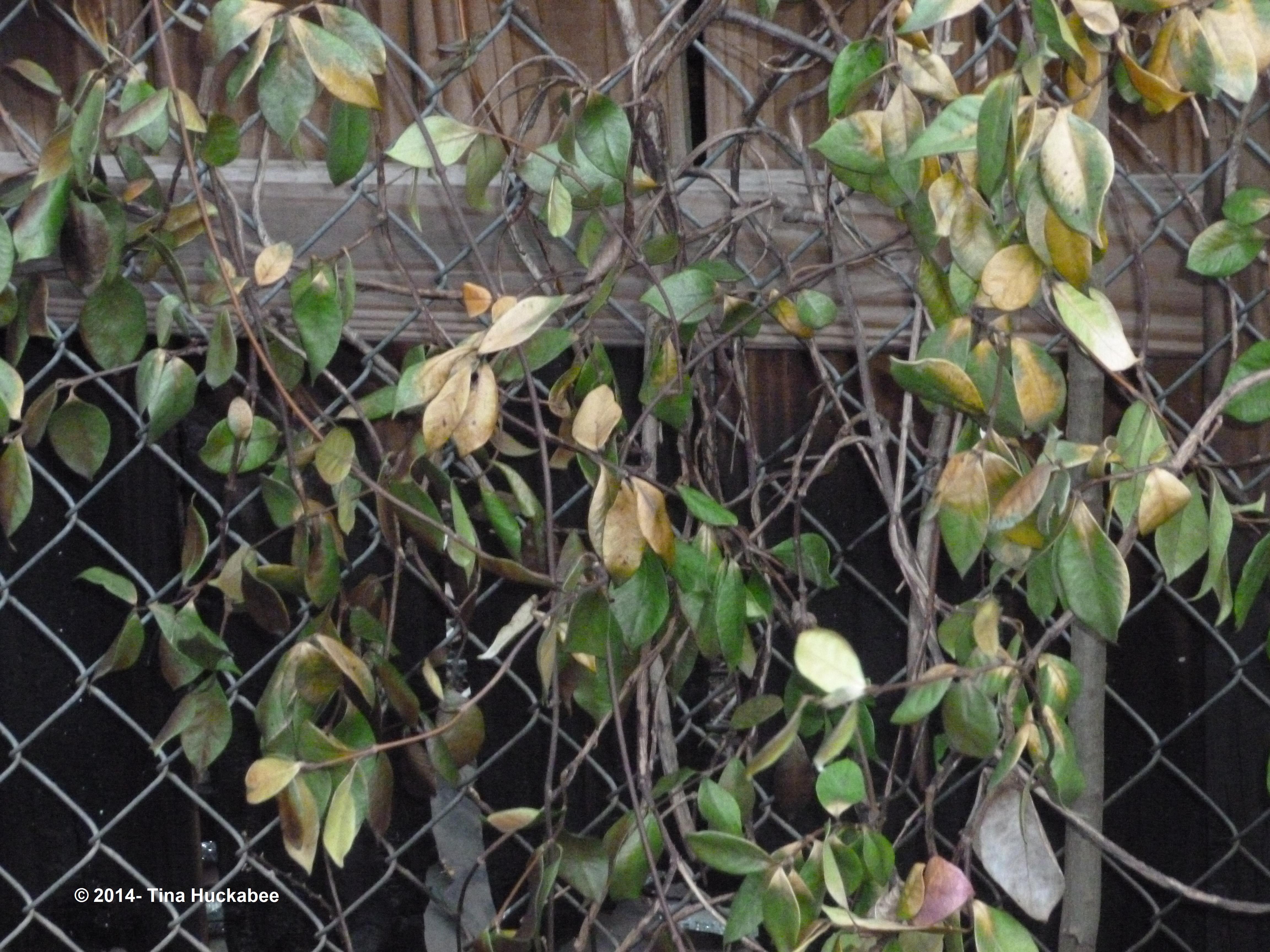
My poor Star Jasmine (Trachelospermum jasminoides),  planted along the ugly chain link fence, was ruined.

20130302_8.new

20130302_10.new

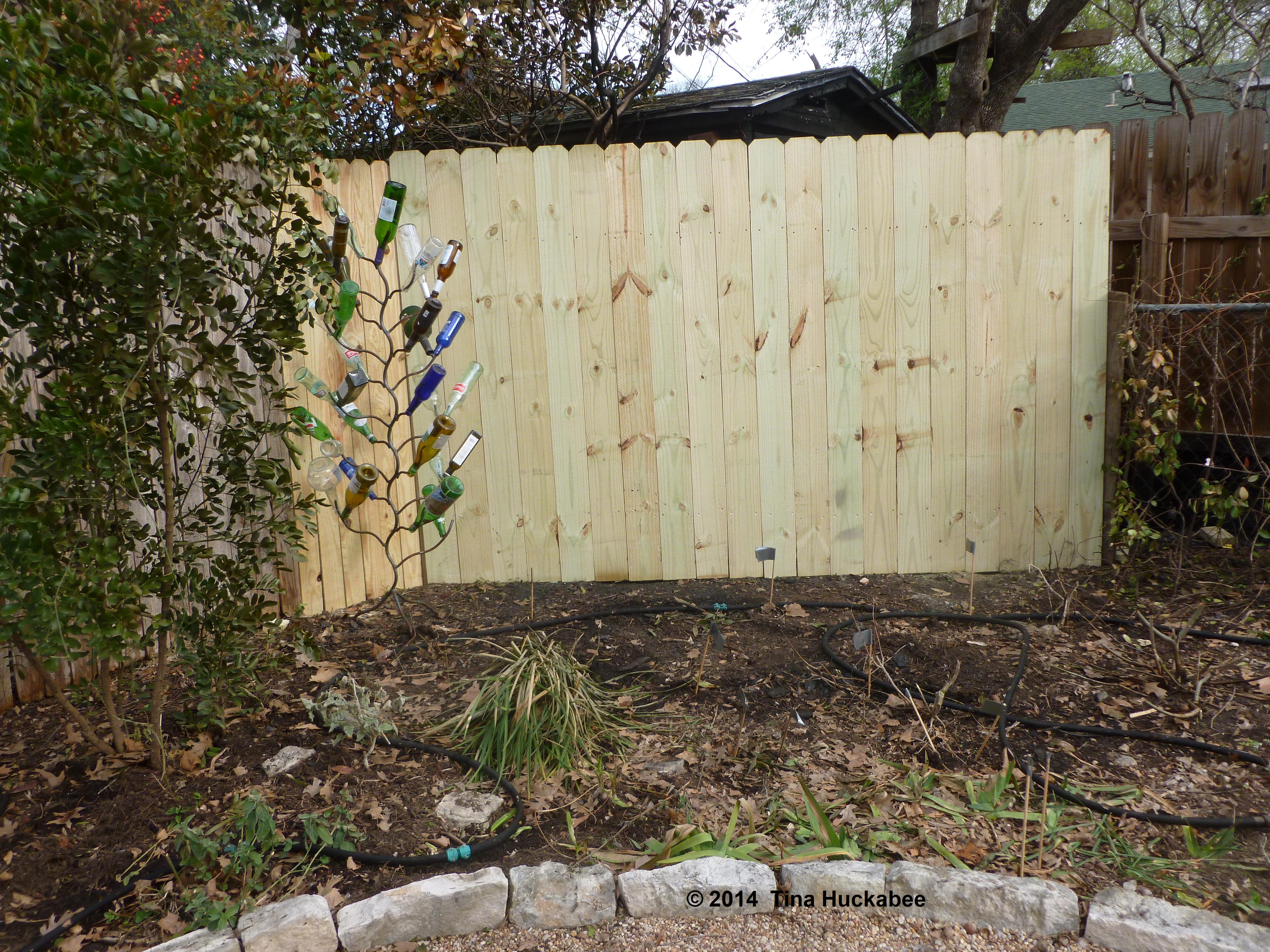
I long regretted that we hadn’t remove that nasty fence.  It spans the entire length of my property at the back, abutting two different neighbors’ back yards.  I’ve always had a  congenial relationship with one of the neighbors in particular and never wanted to limit that physical connection.  So I planted shorter screen plants along the fence line to obscure the chain link monstrosity.  The Star Jasmine vines planted in this area matured very slowly and this  this was the year that the vines would finally cover the fence.  However, fire and heat wrecked havoc and I was left with the chain link exposed, as well as the unsightly back neighbor’s fire damaged wood fence.  I hired a fence builder to replace the wind/fire damaged northern section and add a corner where the original wood fence and the chain link fence meet.

20130302_18.new

Then, The Nice Husband build a lattice screen in front of the chain link fence.  It is opposite  another screen he’d built earlier to separate the garden from the compost area. The space now evokes an enclosed, secret garden.  And, the screen hides (not completely, though) the unattractive chain link and fire damaged wood fence that the neighbor still has not replaced. Later, I  planted two more Star Jasmine vines to trail up the lattice. Remarkably, in late summer, I noticed that at either end of the lattice screen, two of the original Star Jasmine vines reappeared–I was amazed that they returned from the roots so long after the fire.

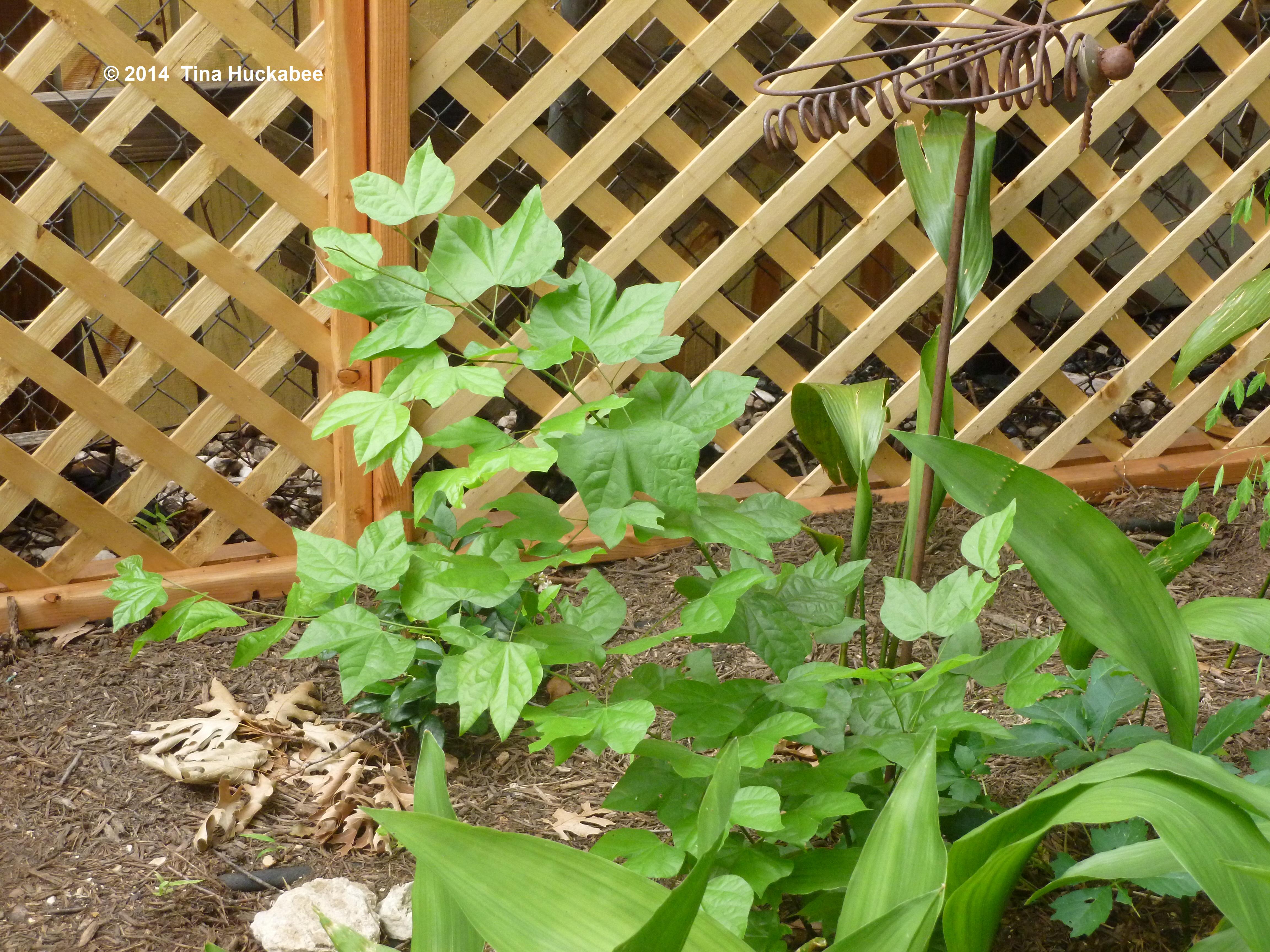
My Mexican Orchid Tree (Bauhinia mexicana) also suffered heat and some direct fire damage:

20130302_11.new

While most other plants returned quickly, it was late spring before the Orchid Tree grew from its roots.

P1020547.new

I don’t have photos of this past growing season, but the Orchid Tree enjoyed several bloom cycles.

The heat damage to the Texas Mountain Laurel (Sophora secundiflora) occurred  primarily on the right side of the tree.

20130406_2.new

Eventually, that side of the tree defoliated, though it  recovered and there is new growth.

I had pruned the Inland Sea Oats (Chasmanthium latifolium) to the ground prior to the fire, but the early new growth was damaged.

20130406_8.new

I re-laid my soaker hoses, composted and mulched, plus we experienced good rainfall, so they recovered nicely.

P1020442.new

P1020553.new

The Shoshana’s Iris wasn’t damaged by the fire, but were on the receiving end of firefighter boots,

20130302_15.new

and didn’t bloom in the spring.  They have recovered well and I hope to enjoy blooms this spring.

P1020447.new

I planted a Coral Honeysuckle (Lonicera sempervirens) on the new corner fence, flanked by four Goldeneye (Viguiera dentata) and they grew and bloomed magnificently.  So much so, that I’ve recently removed two of the Goldeneye–they  grow too large for that area.  I also added some Mexican Feathergrass (Nassella tenuissima), White Tropical Sage (Salvia coccinea) and some Crinum Lily. By early summer, this is what the fire garden looked like:

P1020548.new©P1020549 -

For now, with the “cold” winter we’ve had, the garden is barren, except for the evergreens.

P1020594.new

P1020593.new

The discoloration between the new and old fence sections annoys me.  I added bottles across the top of the lattice screen, in the hopes of distracting from the fire damaged neighbor’s fence and the little bit of the chain link that is visible.  Also, as I age, kitsch  appeals to me.

Still, I’m grateful that our damage was  minor, appreciative for the quick response of the Austin Fire Department and glad to have successfully re-gardened this area.