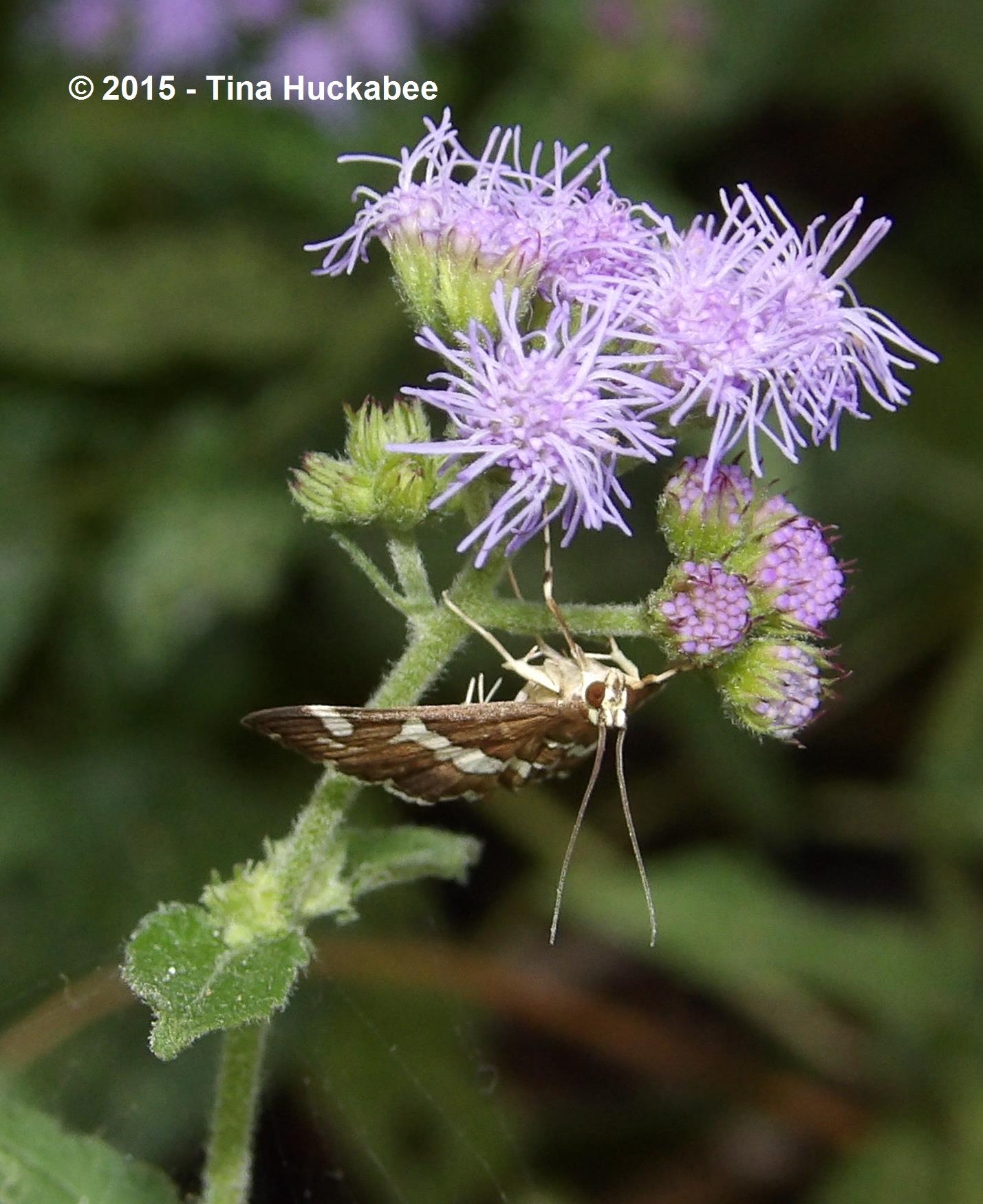
October in Austin ushers the end of the seemingly interminable summer and portends a transition to cooler temperatures of autumn and its promises of rain. This past month was no exception with our typical, atypical early autumn weather. October saw hot, dry, days, juxtaposed with heavy rain and flooding, augmented with the gift of appreciated and ballyhooed crisper days and nights. The variable weather also saw many winged things of feathered and scaled varieties in my garden space. Welcome to Wildlife Wednesday for November, heralding all things wild–by and for–the garden.
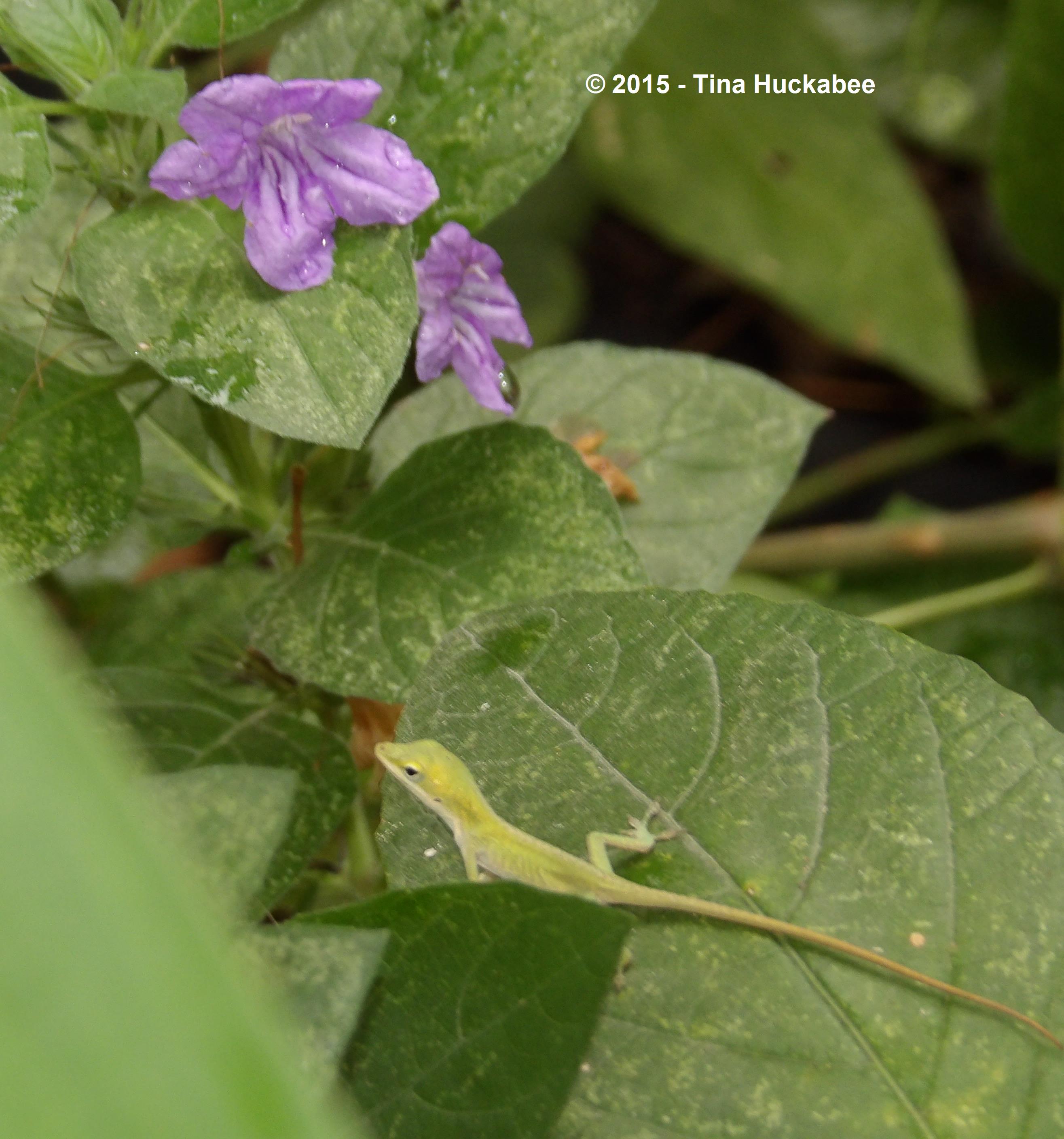
This little guy sports neither feathers nor scales, but instead, his green jammies as he traipses through the Drummond’s Ruellia and keeps a wary eye on anything bigger than himself, including me.
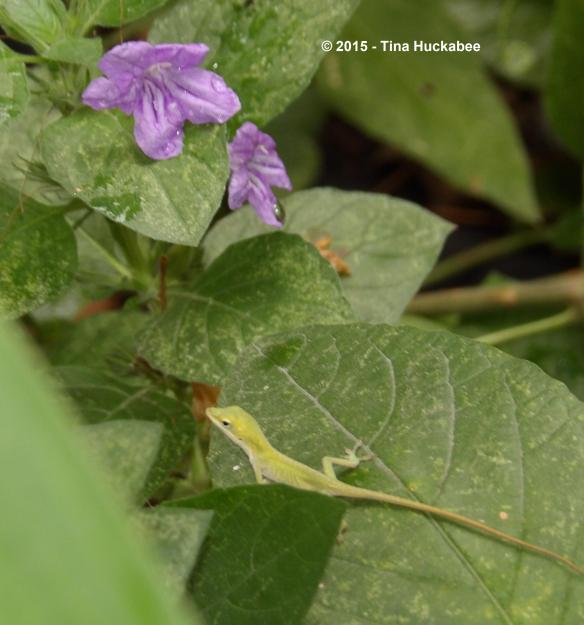
Many young Green Anole, Anolis carolinensis, lizards are eating and presumably growing in preparation for winter and the spring that will follow. Wishing them good hunting for anything smaller than themselves and some measure of safety from those who will be hunting and eating…Green Anoles.
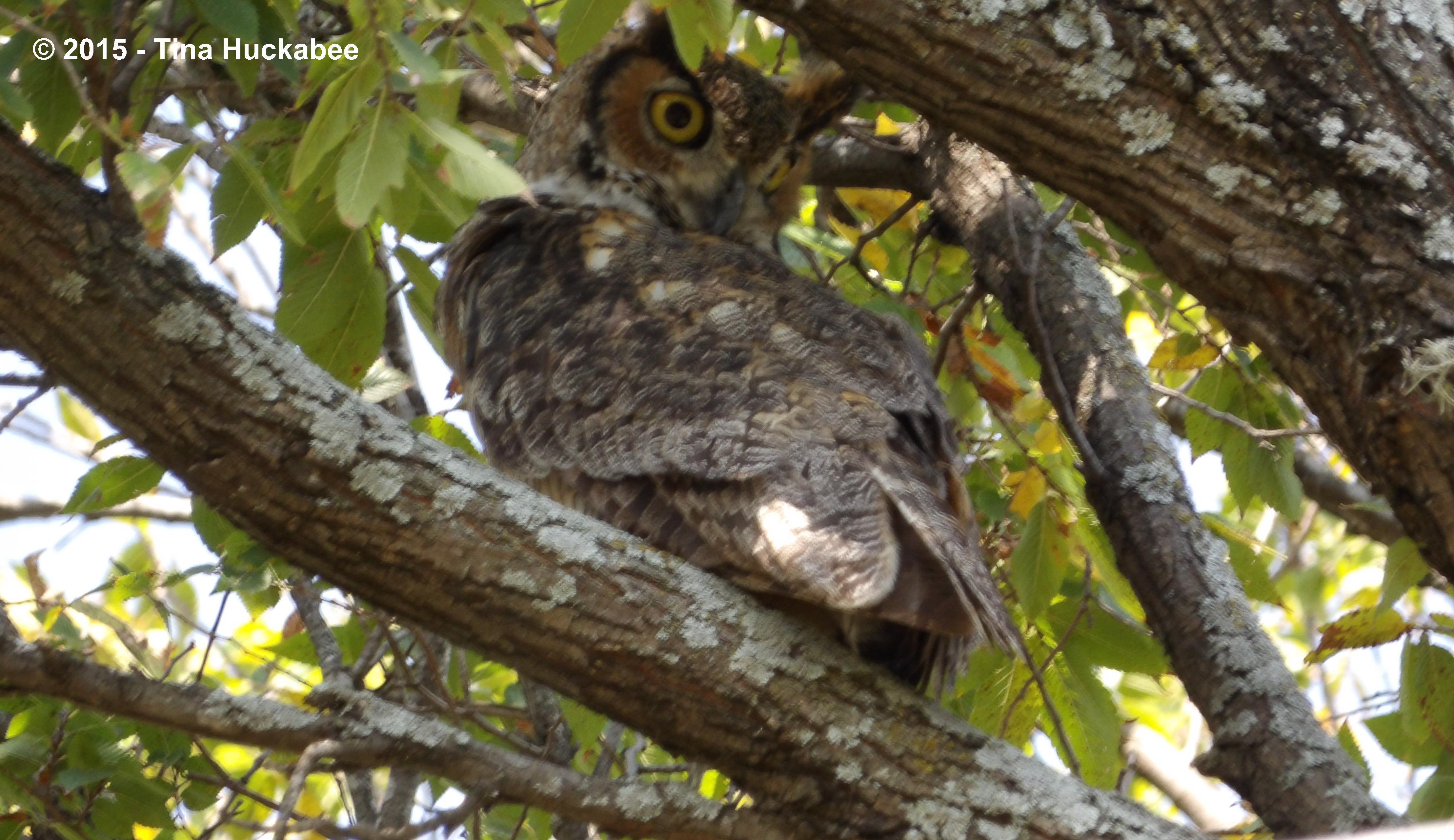
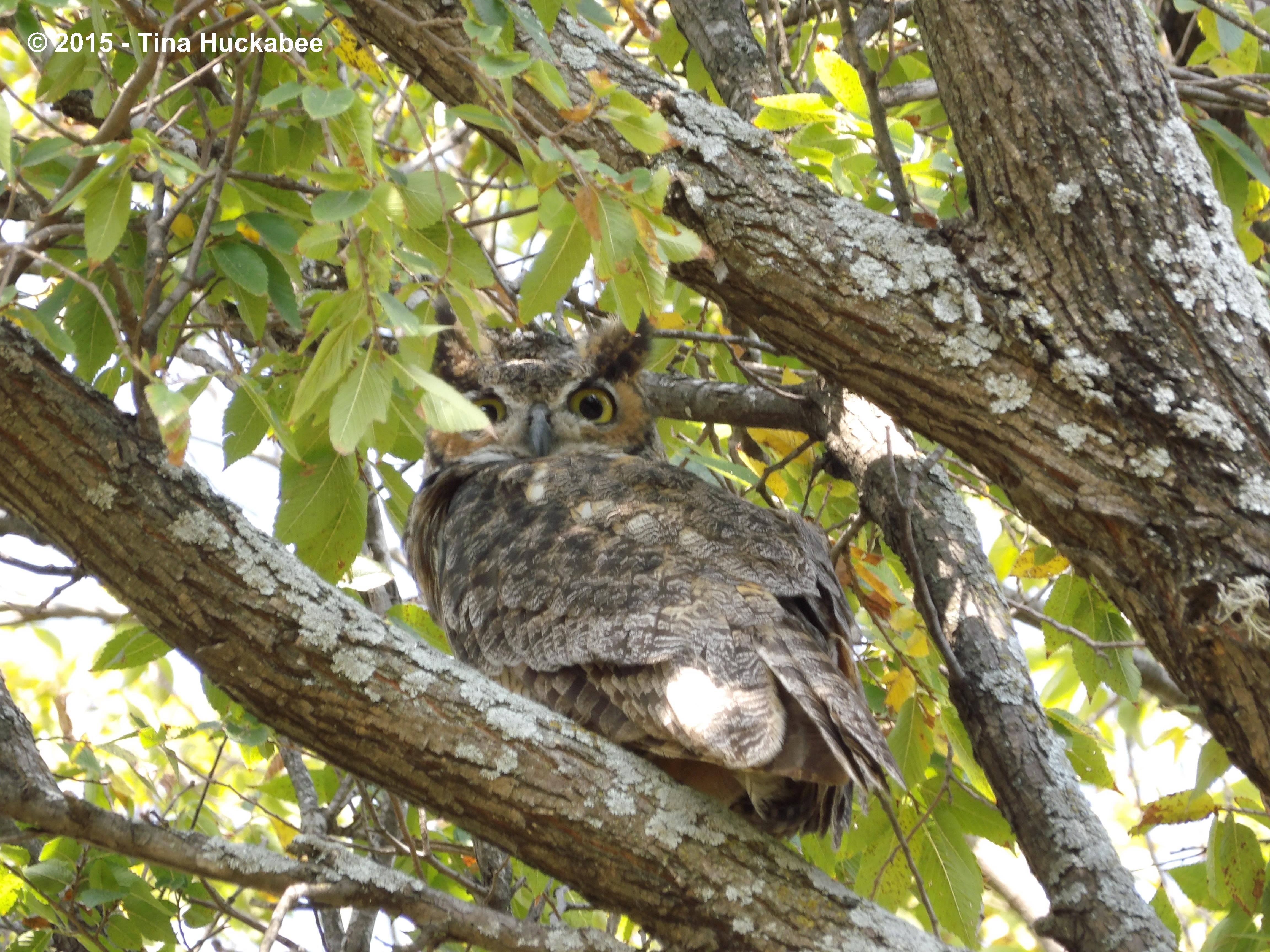
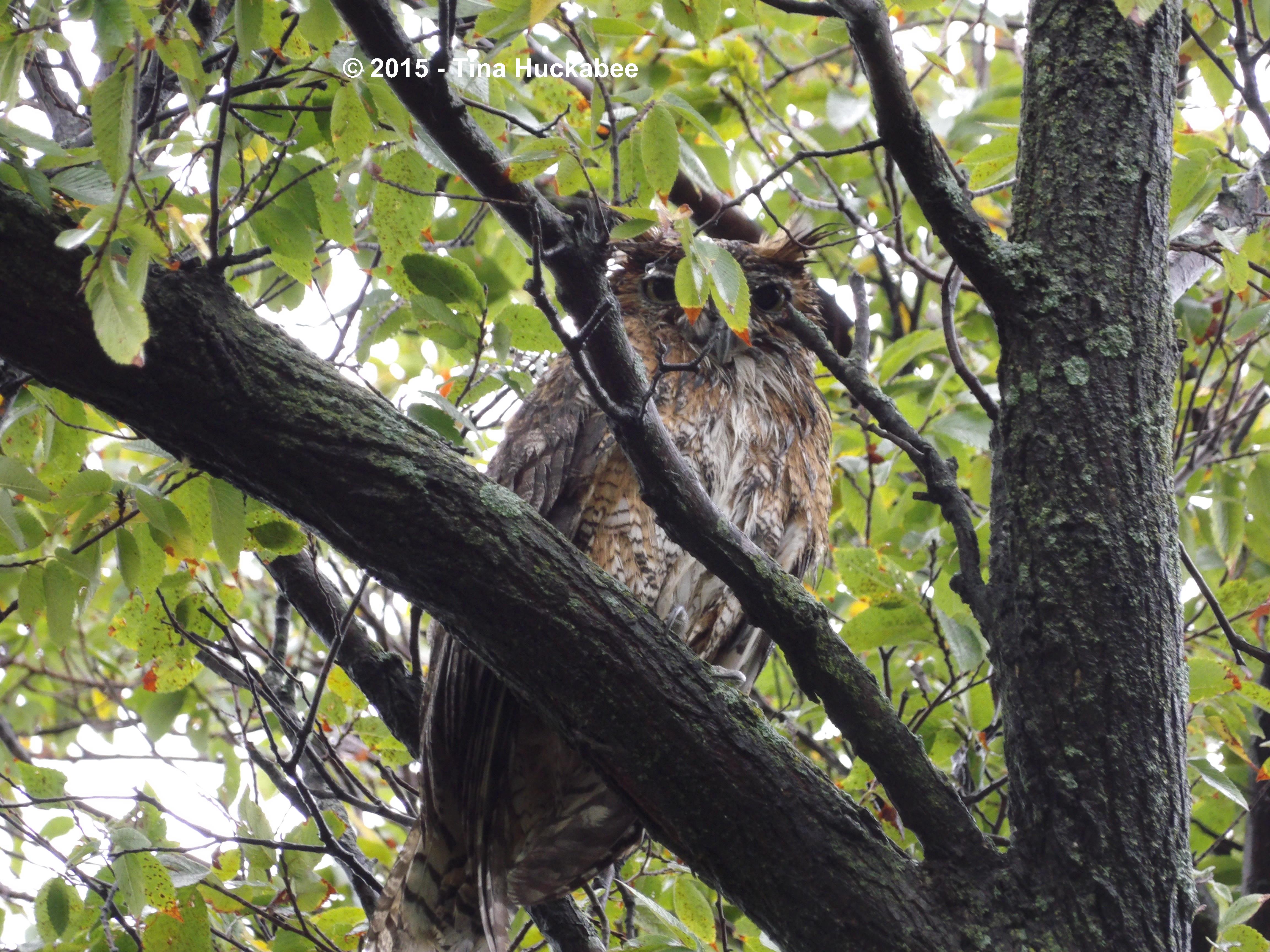
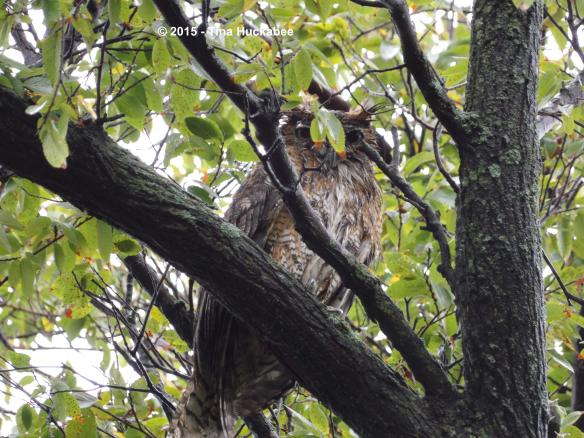
Some of the “whatever” that might be on the hunt for lizards, though I’m guessing they’d prefer bigger and juicier prey, includes this majestic Great Horned Owl, Bubo virginianus, who rested for a couple of days in my neighbor’s large Elm tree.
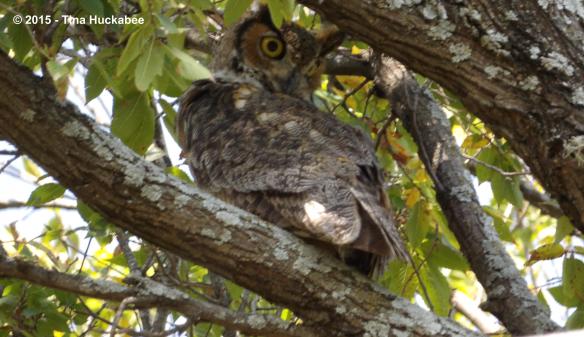
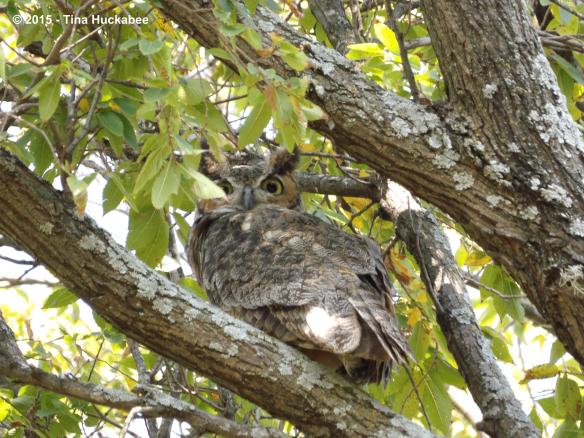
Gorgeous. I haven’t heard any hooting from this one and without a mate to compare, I’m not sure if this beauty is male or female. But it was a treat to observe the large predator as she/he attempted some zzzzzzz before nighttime hunting.
This photo was taking on the second, but rainy day of roosting; he/she looks wet and bedraggled, but owls are tough.
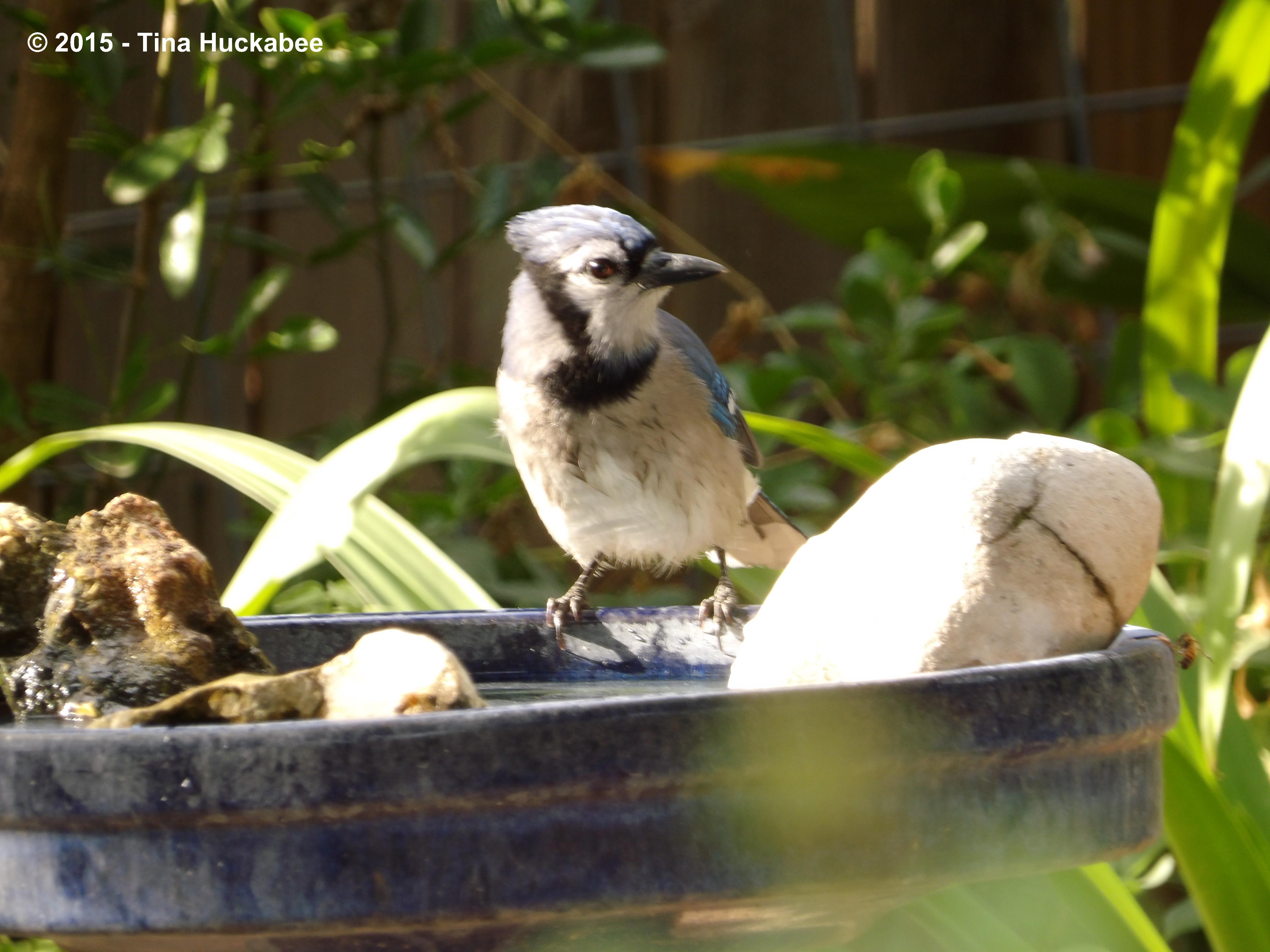
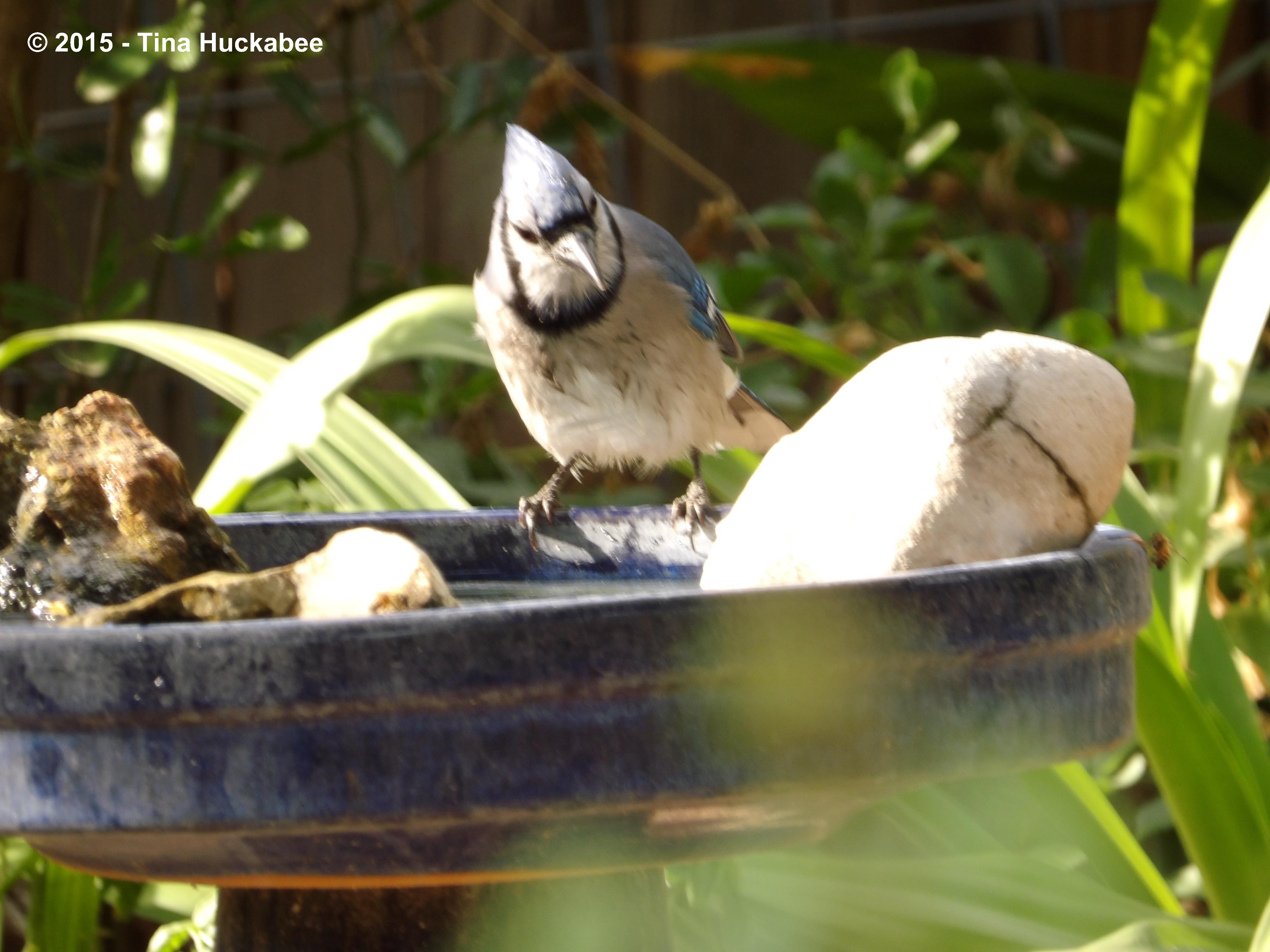
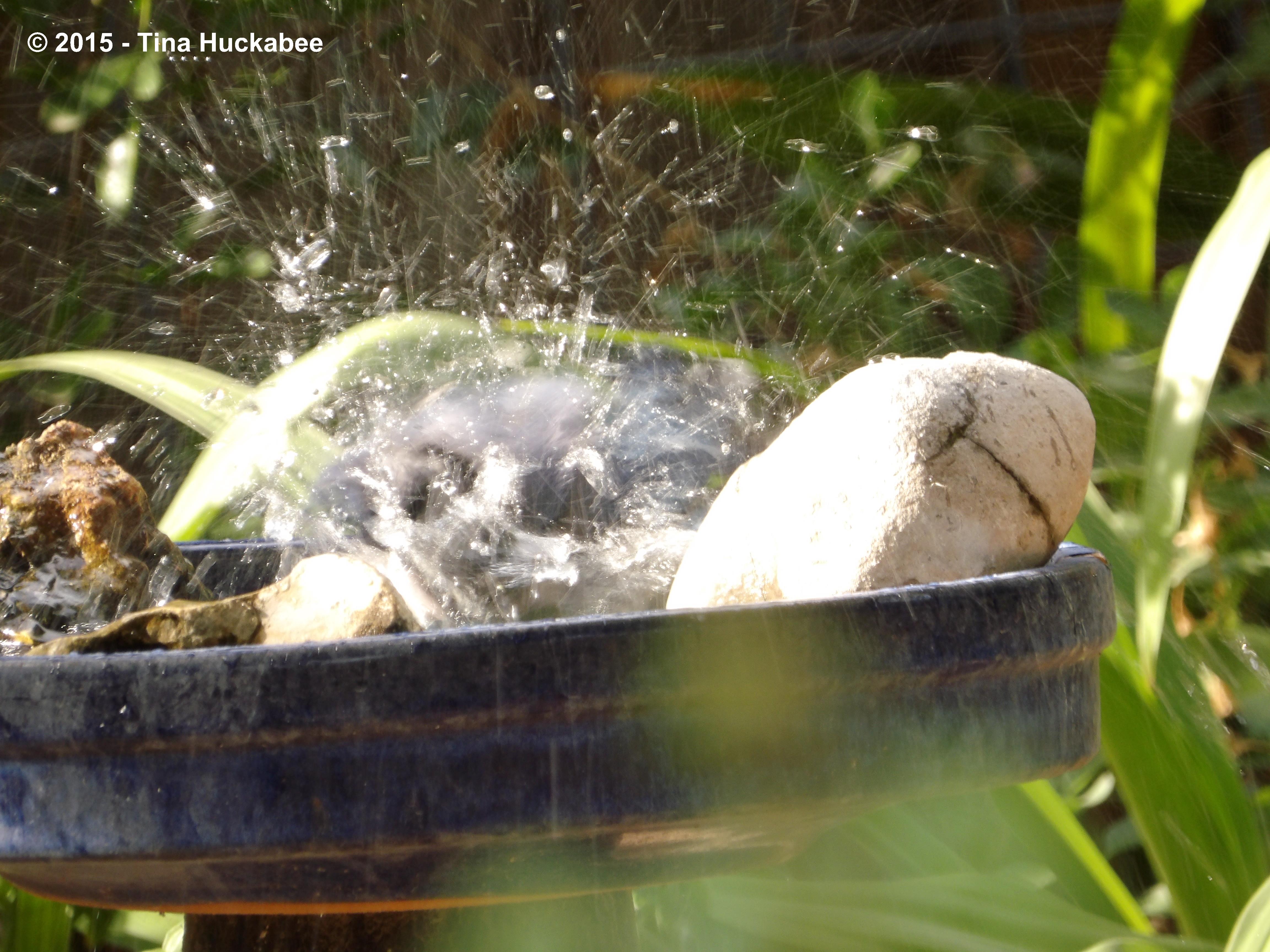
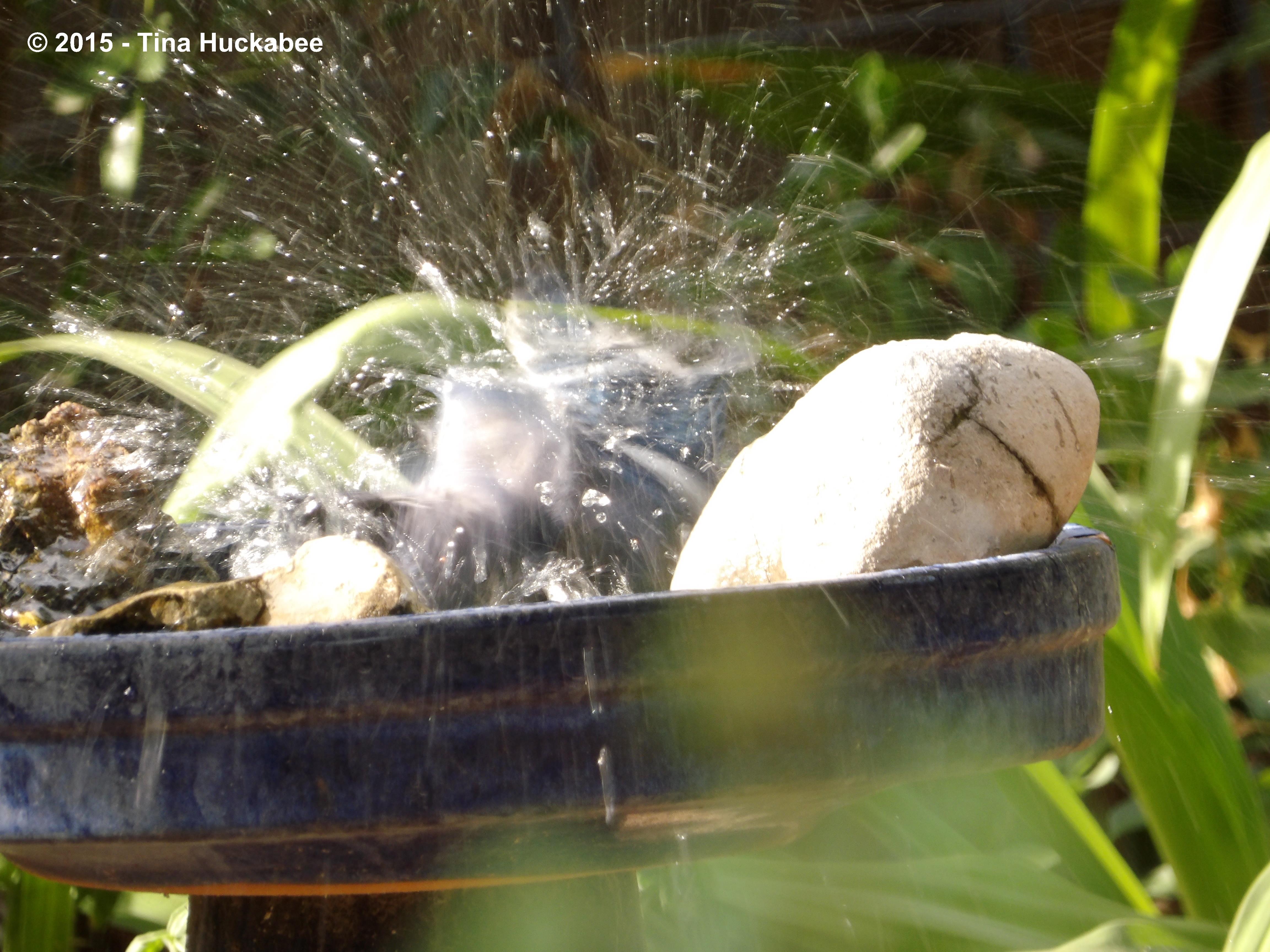
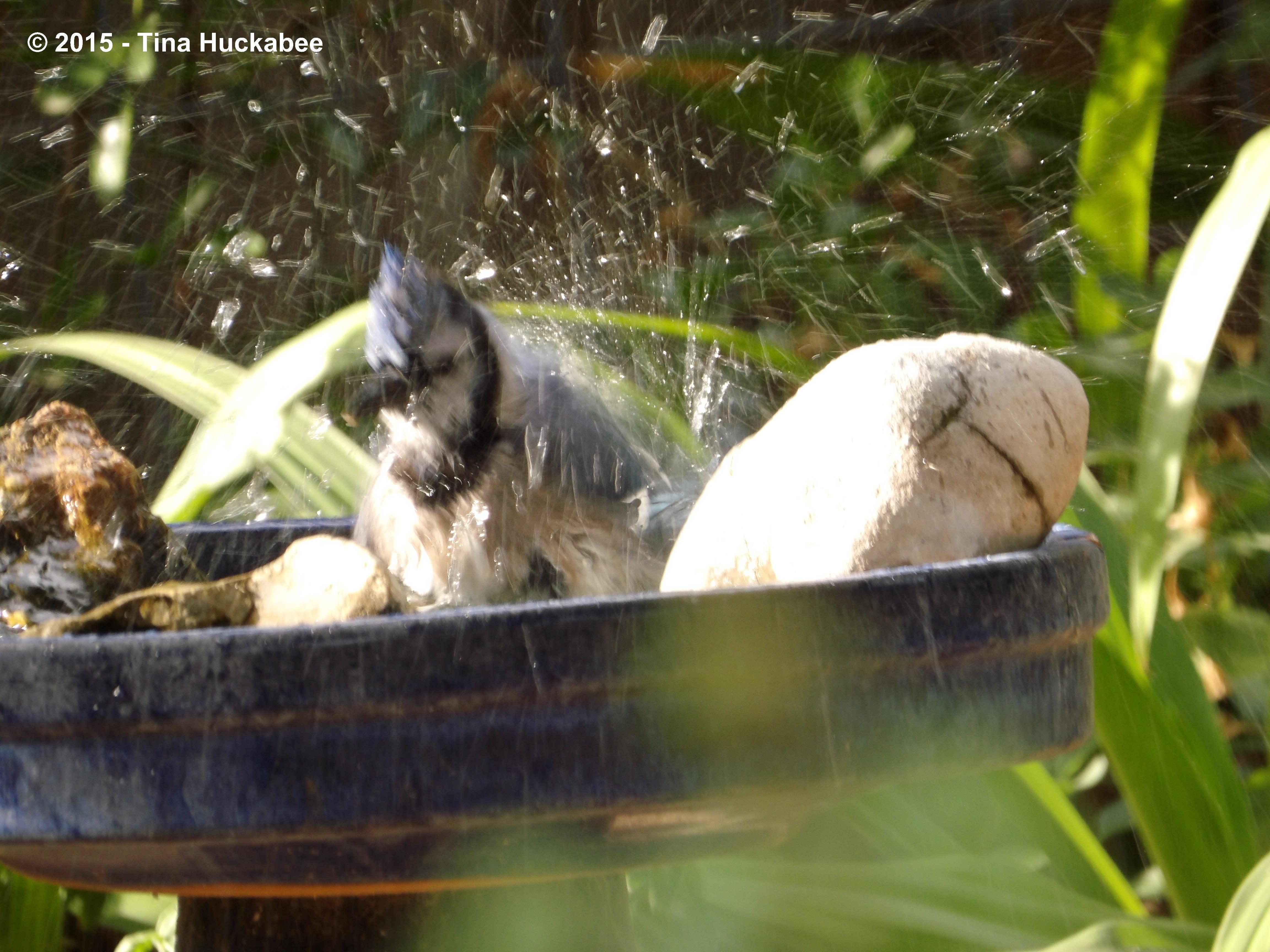
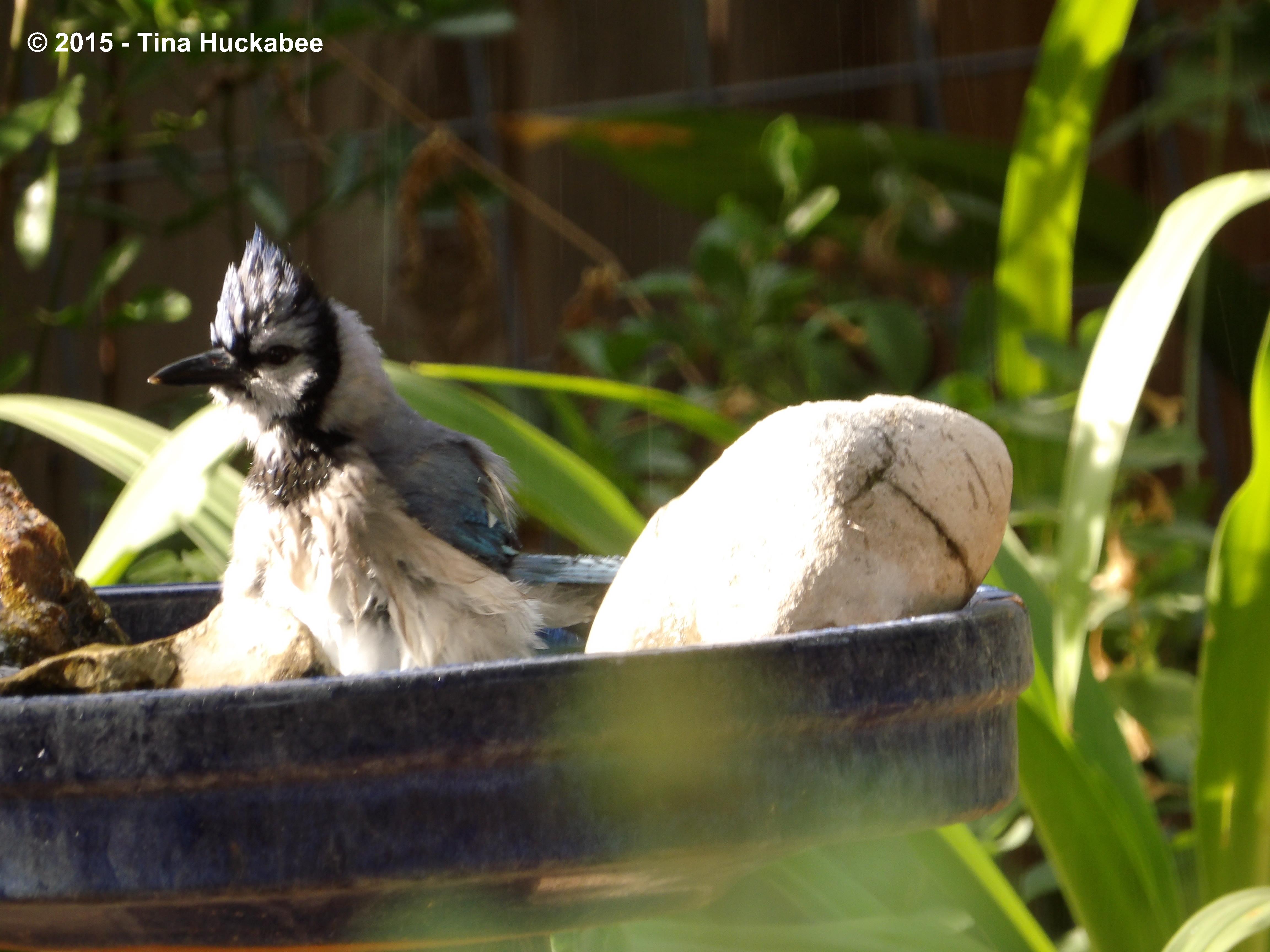
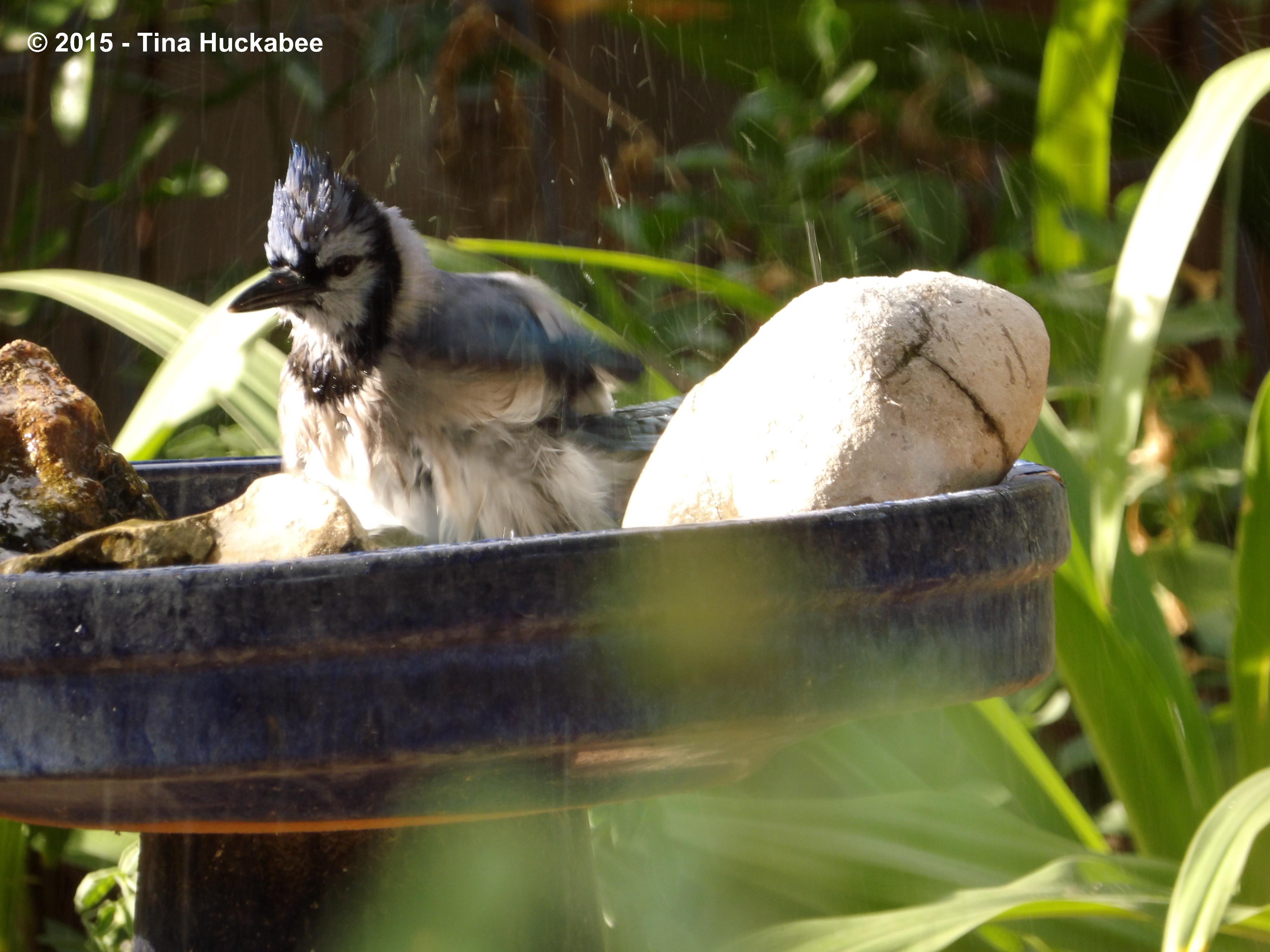
I was alerted to the owl by the complaints of Blue Jays, Cyanocitta cristata, who are vociferous when anyone visits who is big and potentially dangerous. Even with their noisy calls and sometimes obnoxious behaviors, no one enjoys a bath more than a Blue Jay.
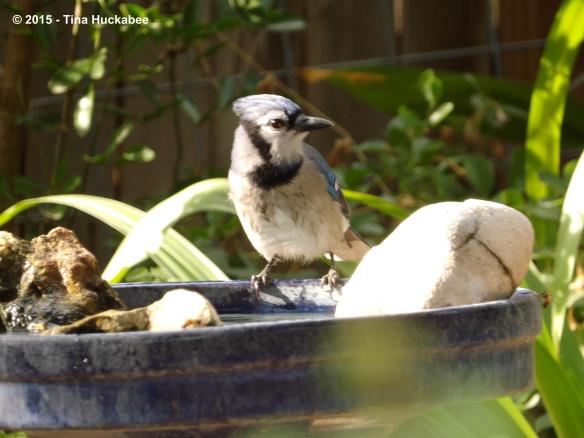
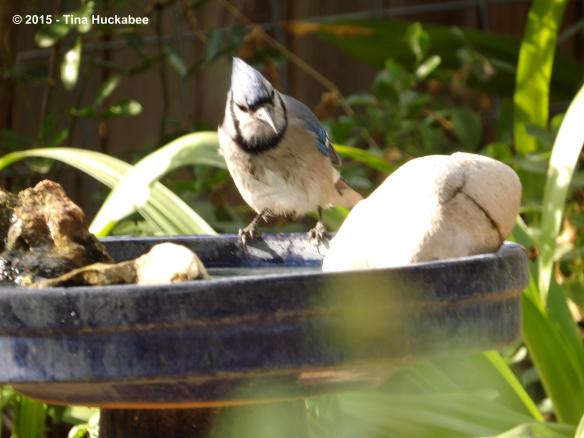
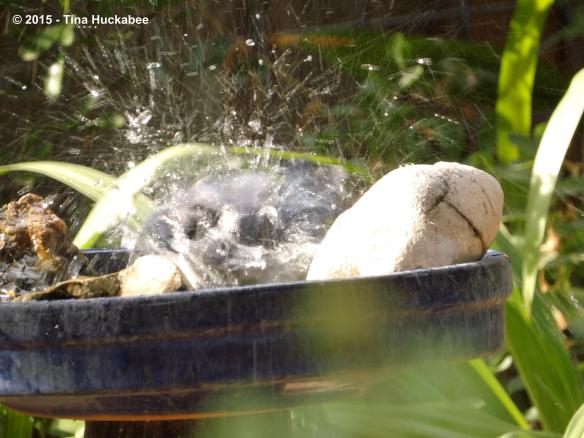
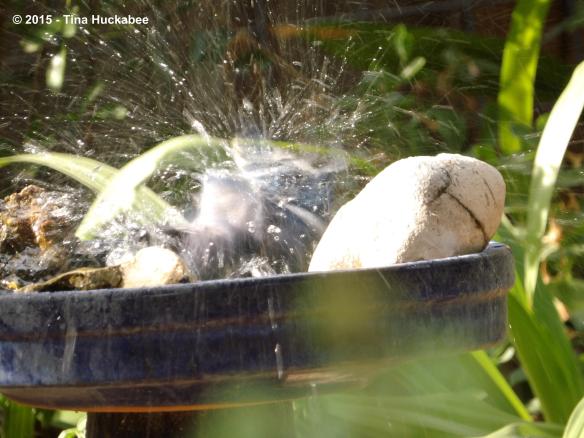
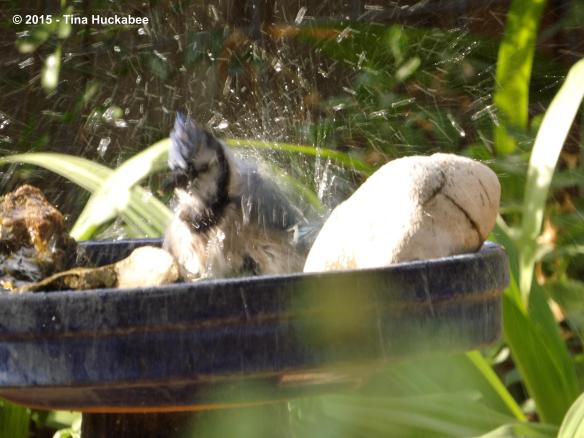
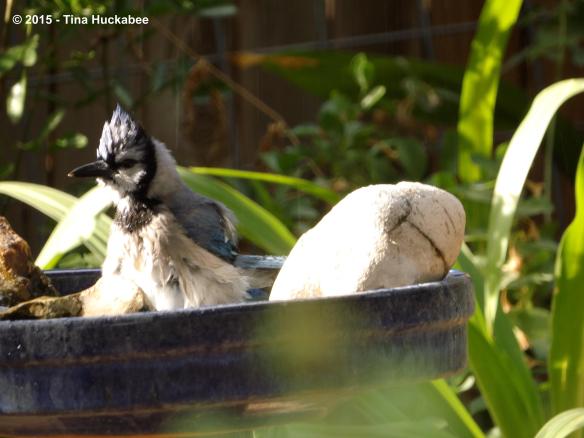
I guess they know how pretty they are and are pleased that the bathing enhances their good looks.
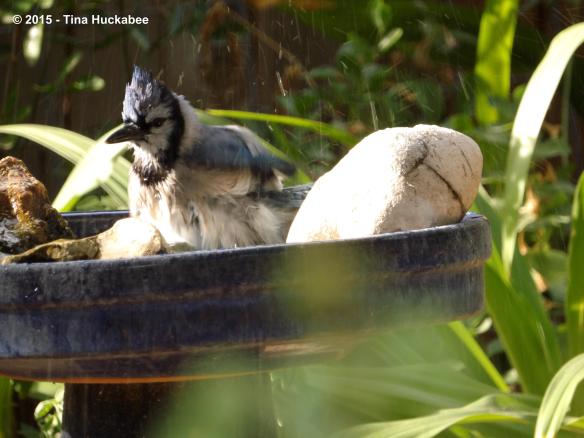
Fluffed feathers atop, notwithstanding.
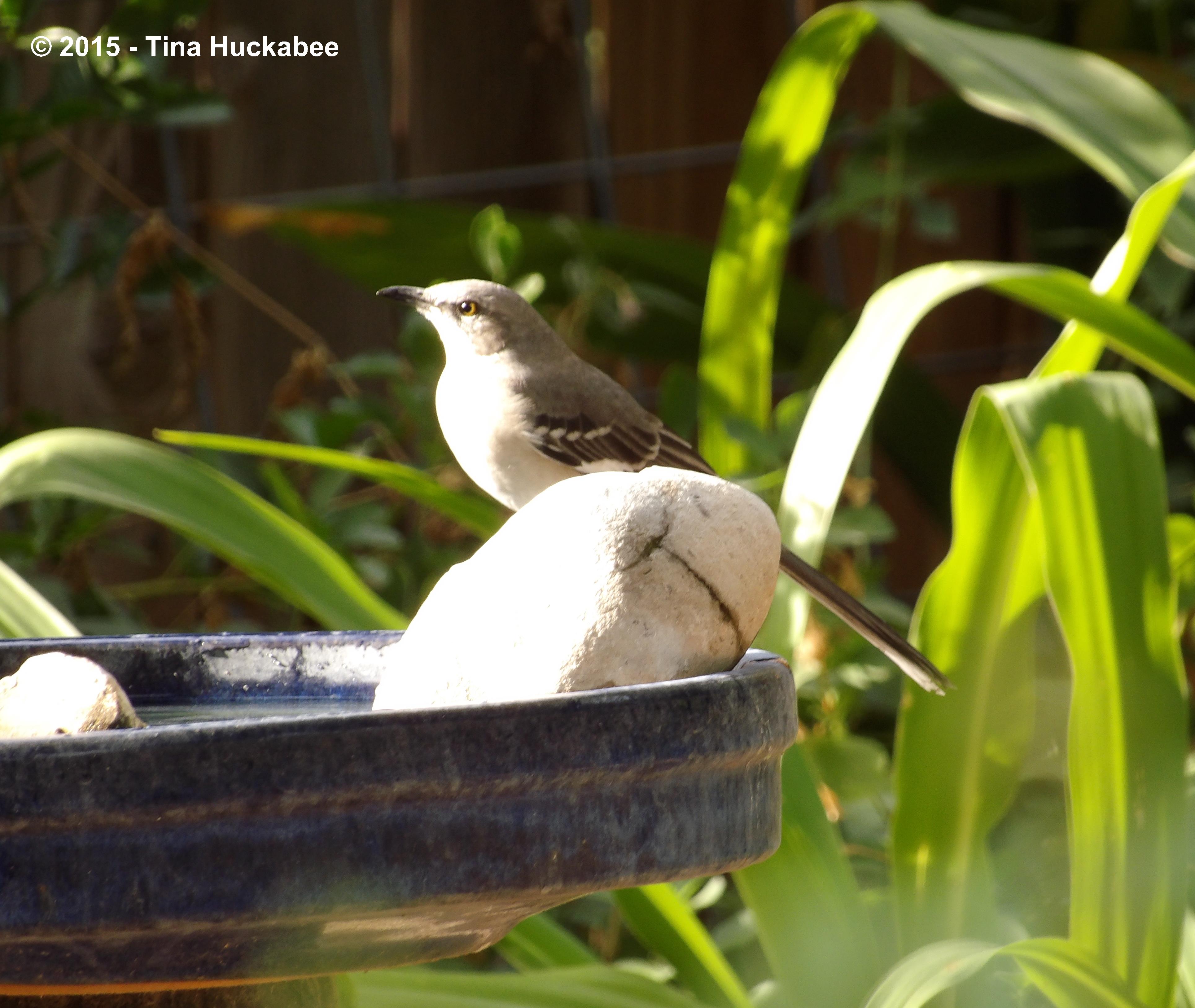
The state bird of Texas is the Northern Mockingbird, Mimus polyglottos. There are always Mockingbirds in my gardens–singing, bathing, and eating, but I rarely catch photos of them. What a shame that is.
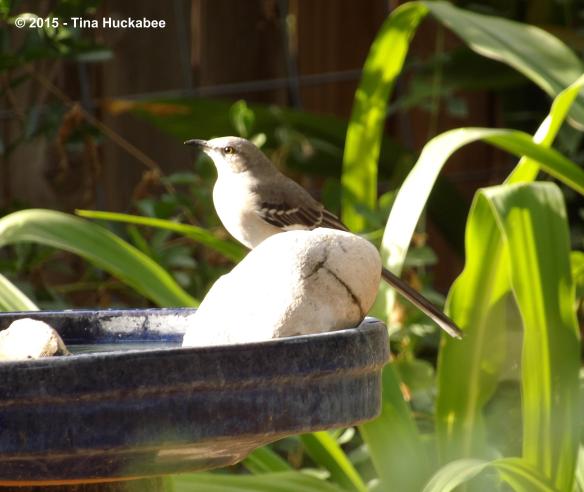
Handsome guy–or gal, I’m not sure which. Both male and female Mockingbirds sing beautifully and with varied, complicated songs (“polyglottos”) that mimic many other birds. Sometimes unmated males sing at night. Poor dudes. I guess singing to the full moon is their version of playing computer games on a Friday night, sans dates.
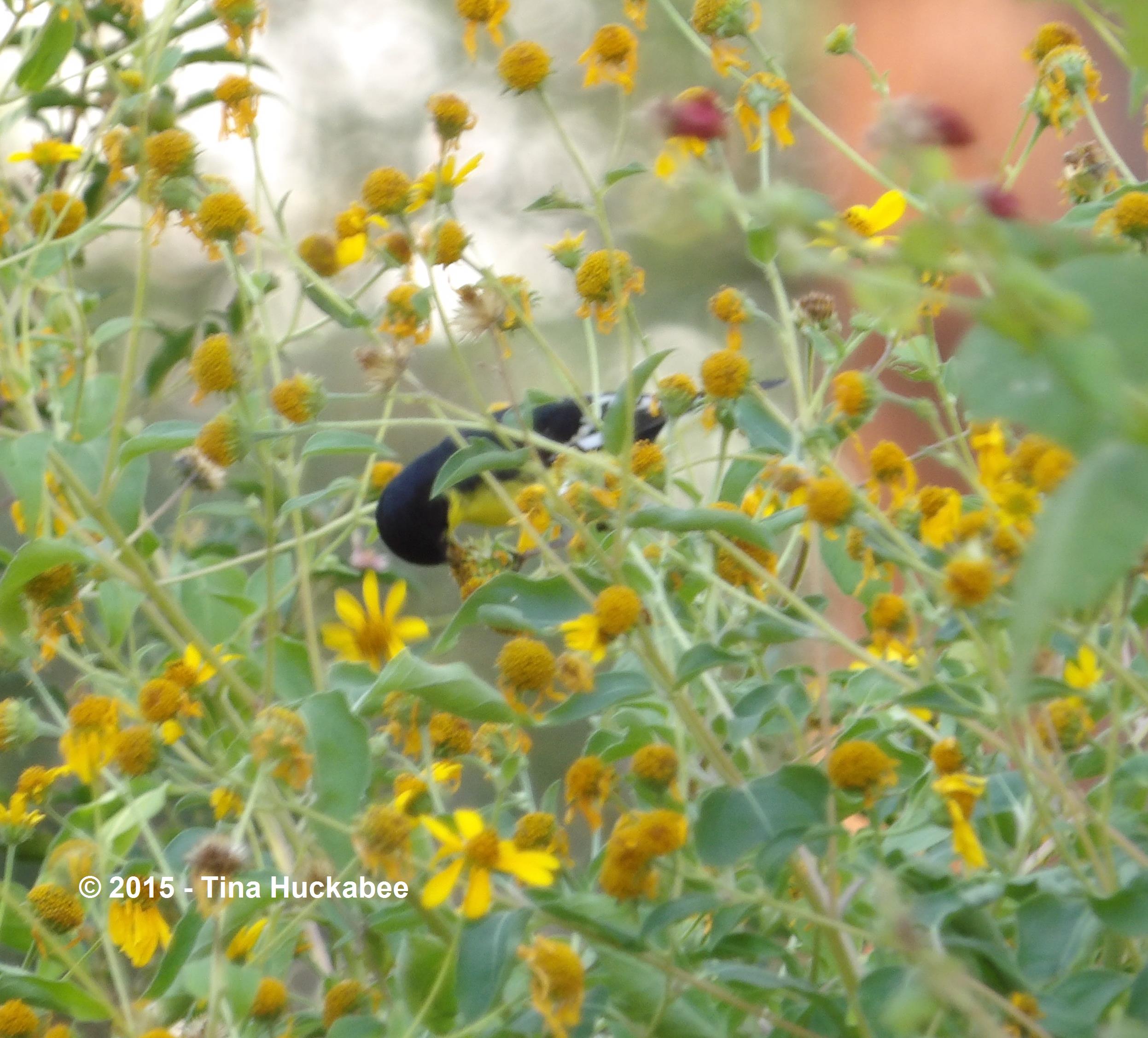
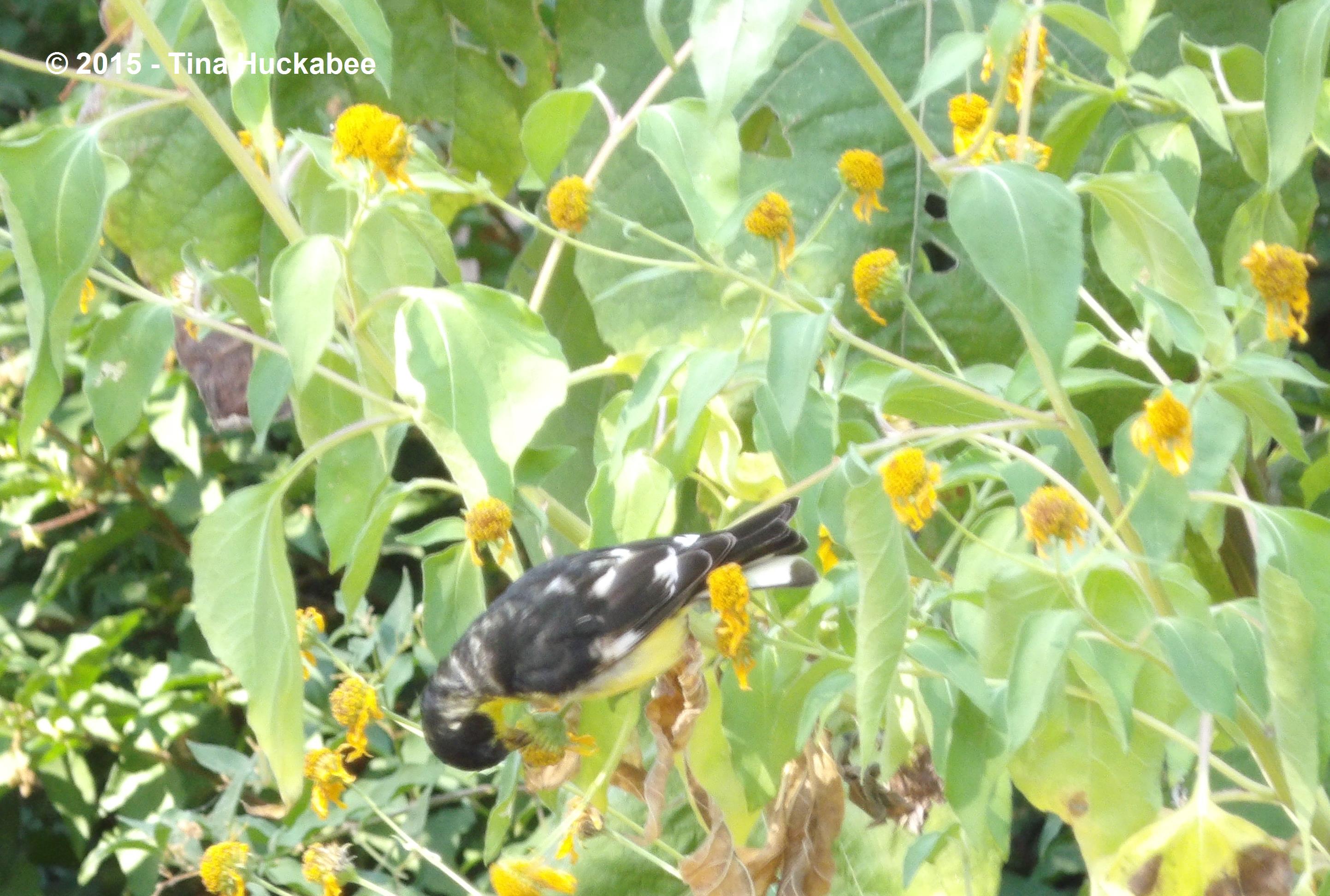
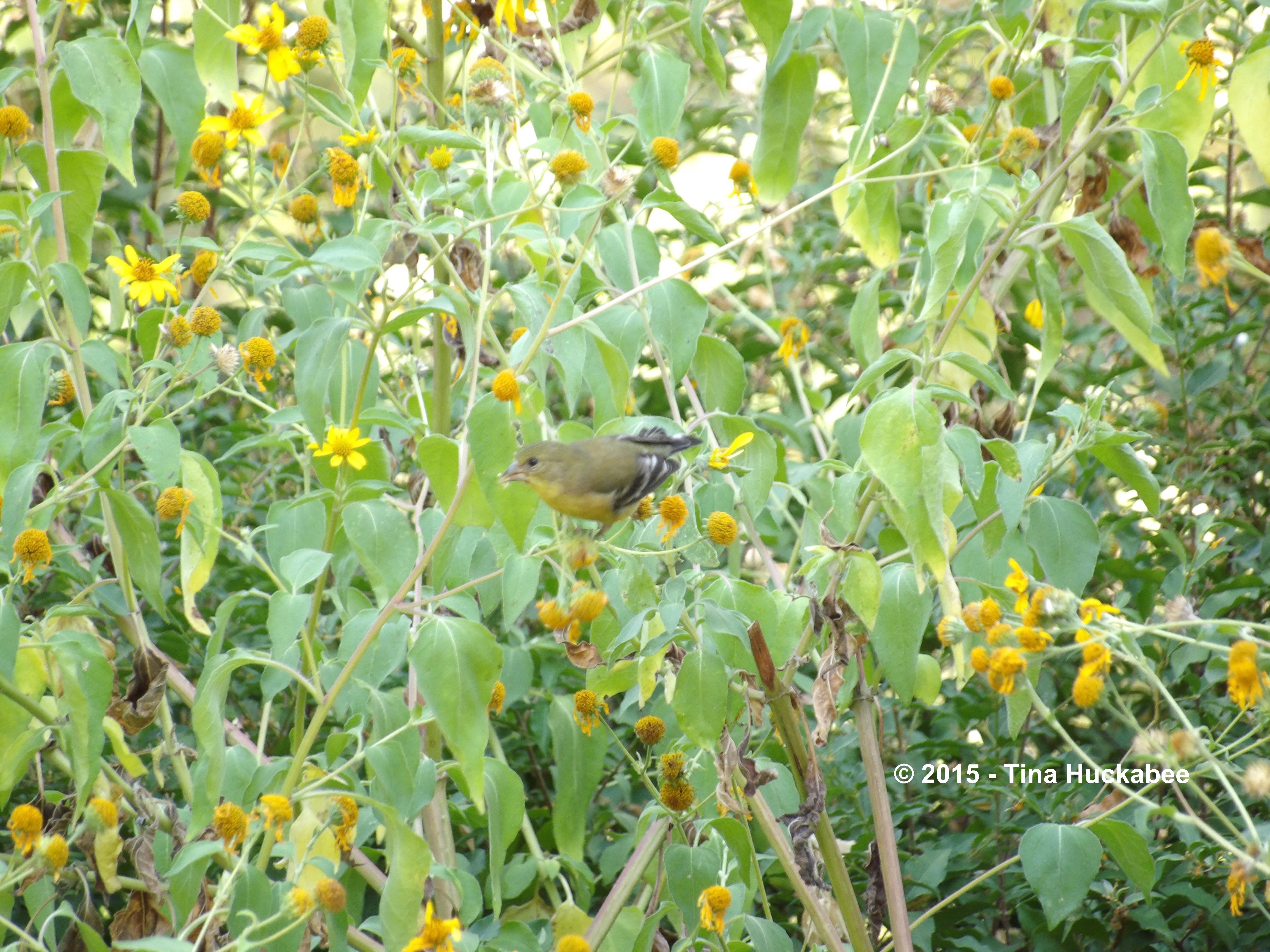
And the Lesser Goldfinch, Spinus psaltria, gang is back!!
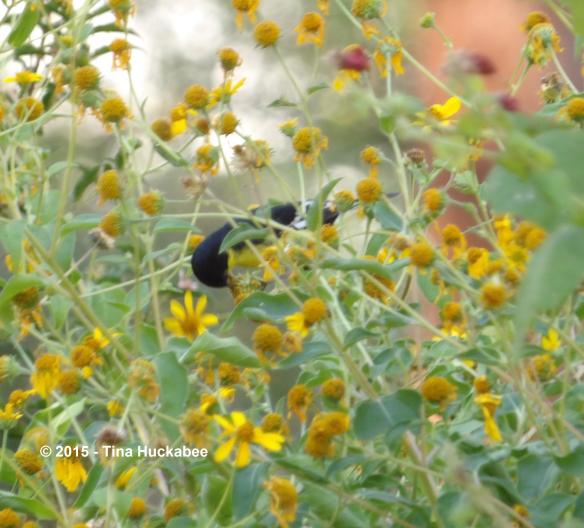
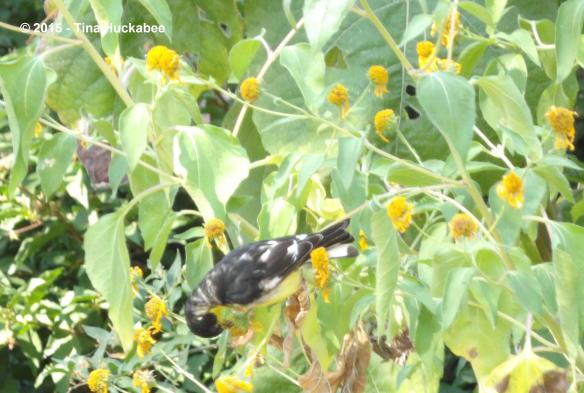
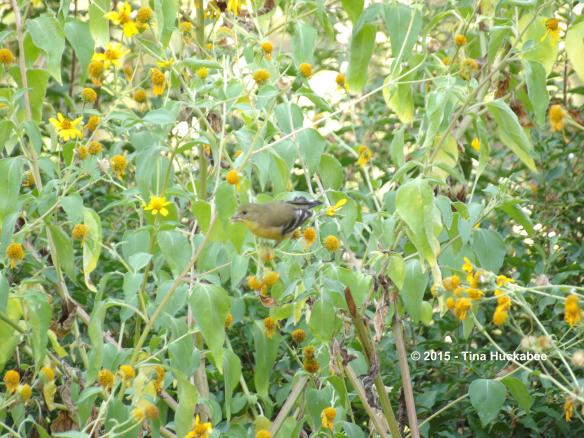
I don’t think they ever actually leave, but they definitely prefer certain seed choices through the seasons. Currently and for the past month, the Goldeneye, Viguiera dentata, have produced scads of seeds for feeding the scads of little finches. I promised myself to catch a couple of decent photos for Wildlife Wednesday and then simply enjoy their antics. And so I have.
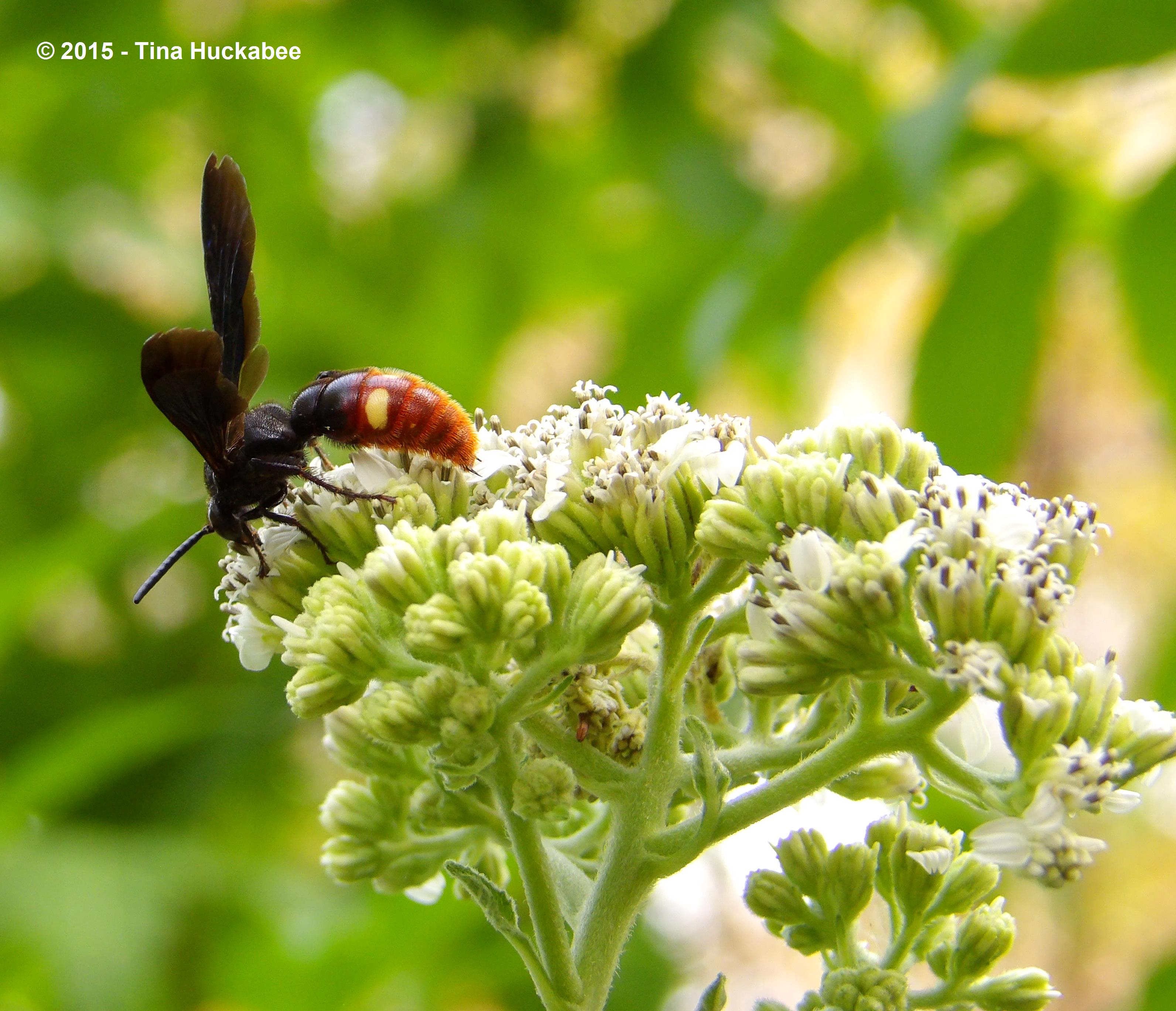
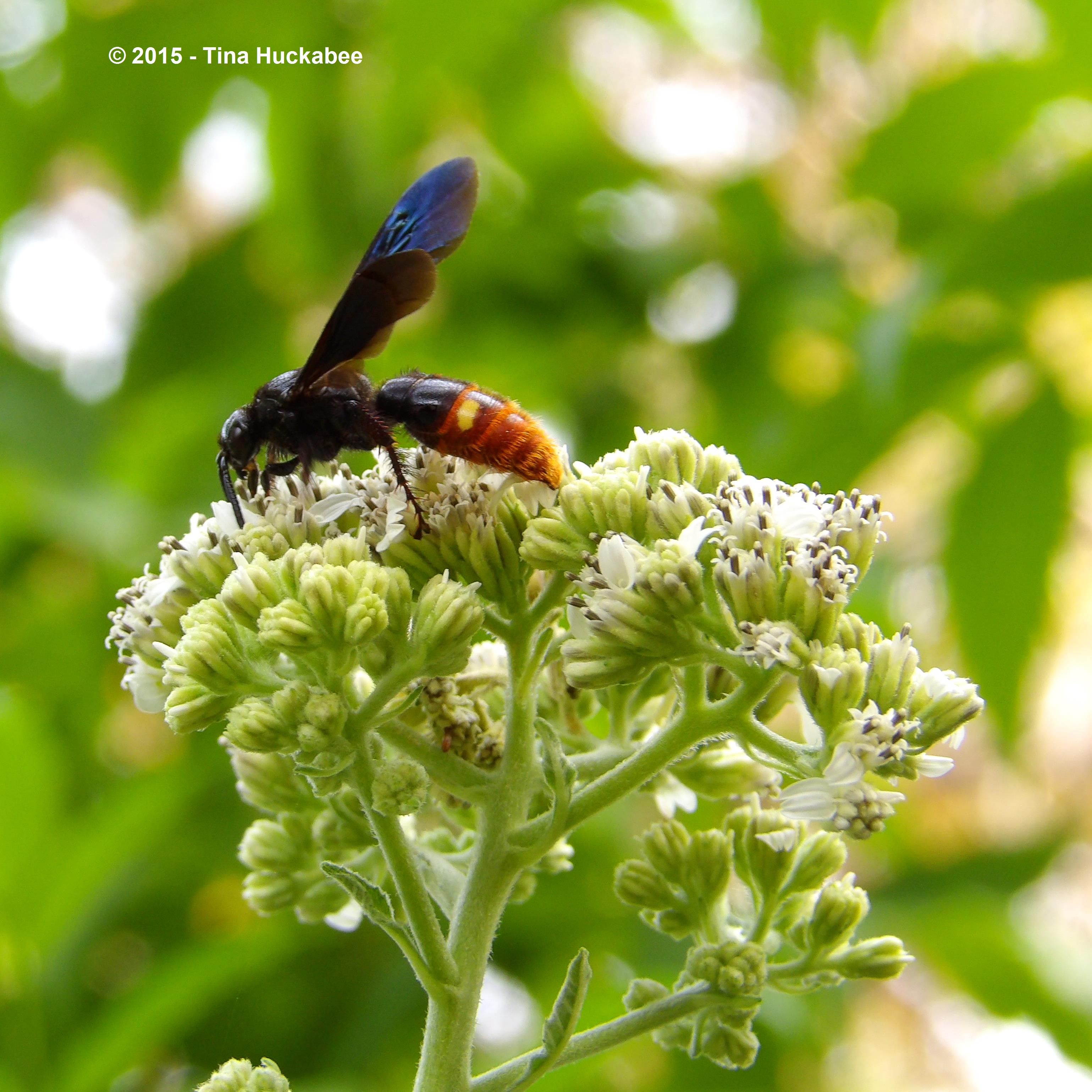
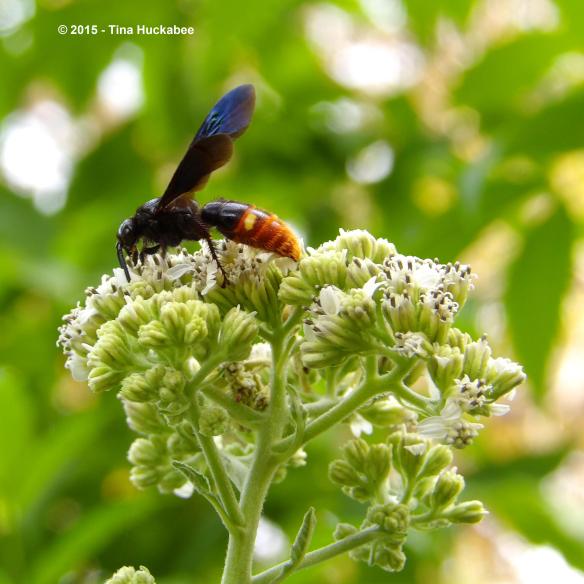
As for other winged wonders, there’s been no real shortage there. This interesting critter is a Blue-winged Wasp, Scolia bubia,
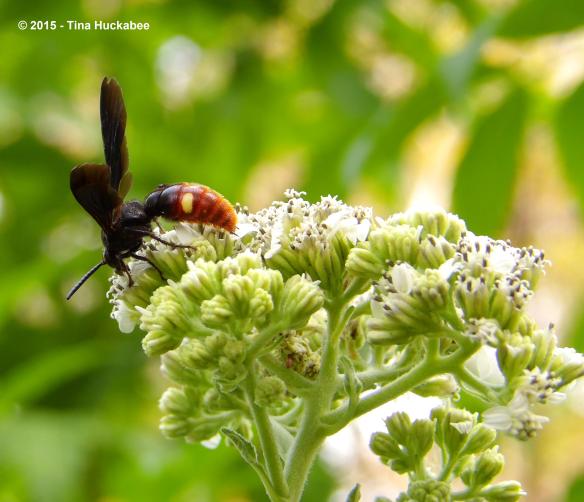
…and it enjoyed the blooms of the Frostweed, Verbesina virginica. Adults enjoy nectar and also beetles–beetle juice, if you will–and their larvae parasitize certain beetle species, especially of the invasive Japanese beetle. Good for them!! Lots of folks don’t like wasps, but they’re good guys-n-gals. Leave them alone to nectar, to pollinate, and to do-away with some of the bad bugs.
Skippers (Hesperiidae) are also good to have in the gardens, but I have misgivings about photographing them. Firstly, they’re hard to catch. They’re tiny, quick, and generally, don’t perch still for long periods of time. Secondly, once photographed, I then have to identify them for Wildlife Wednesday.
So here goes nuthin’!
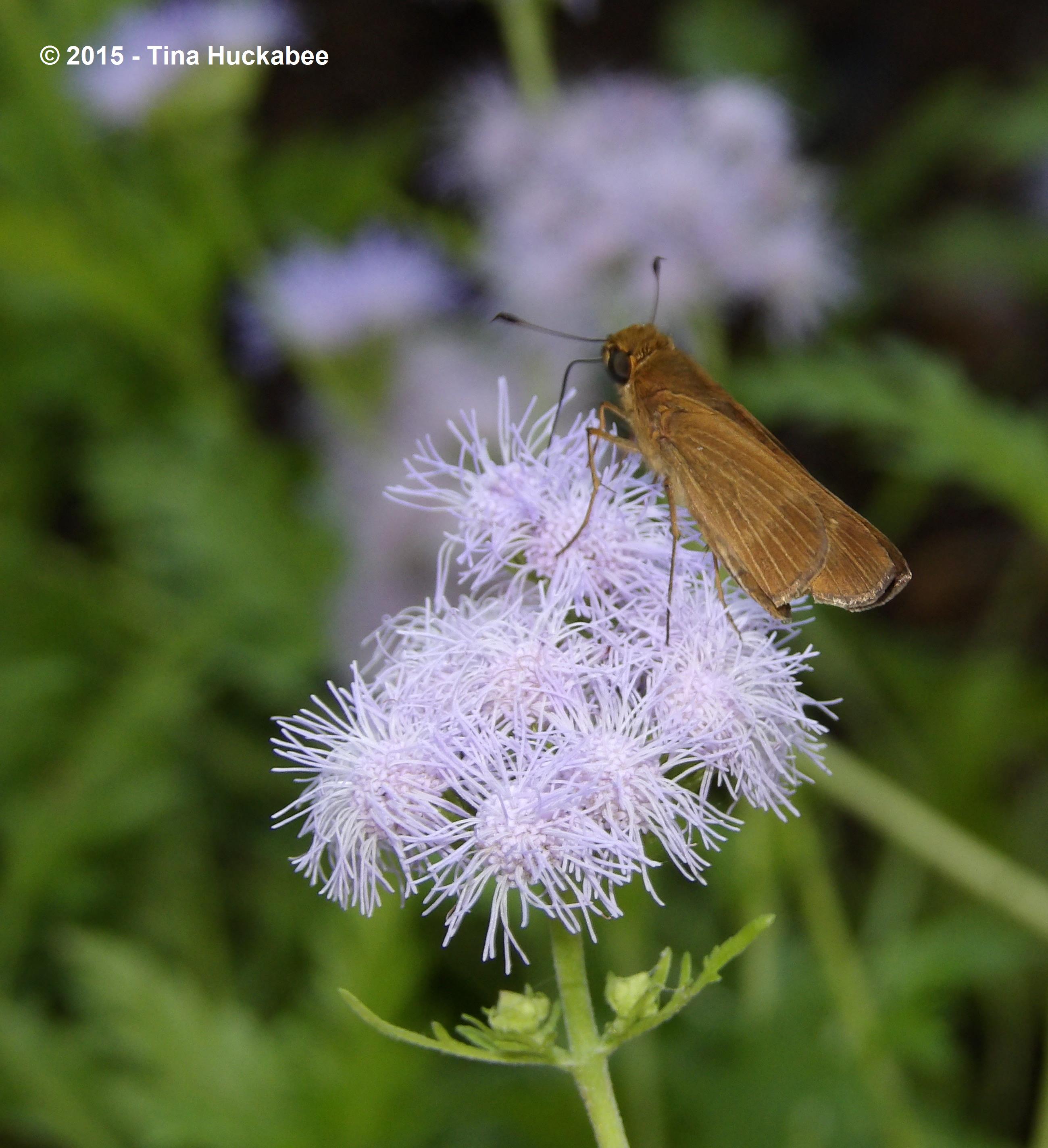
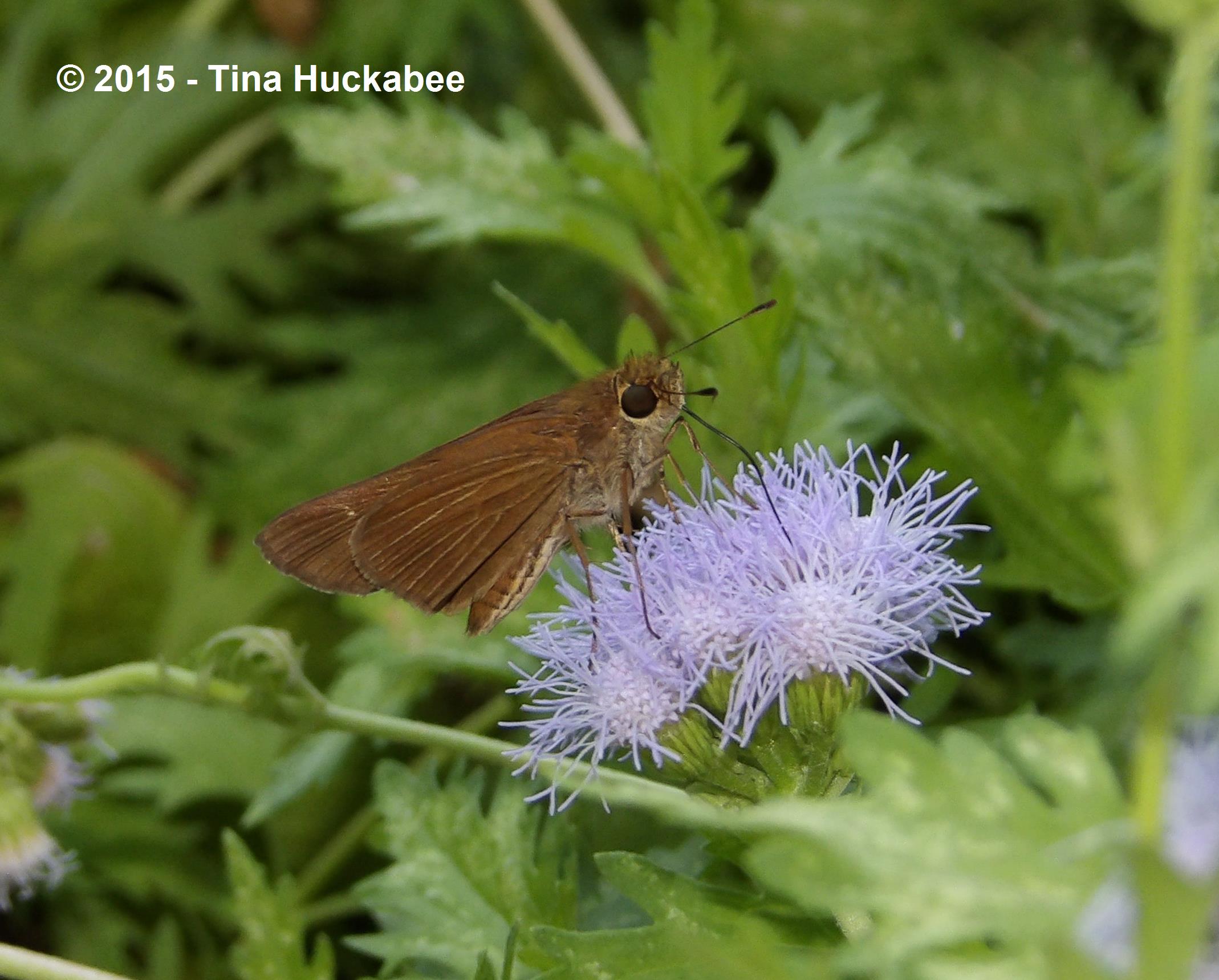
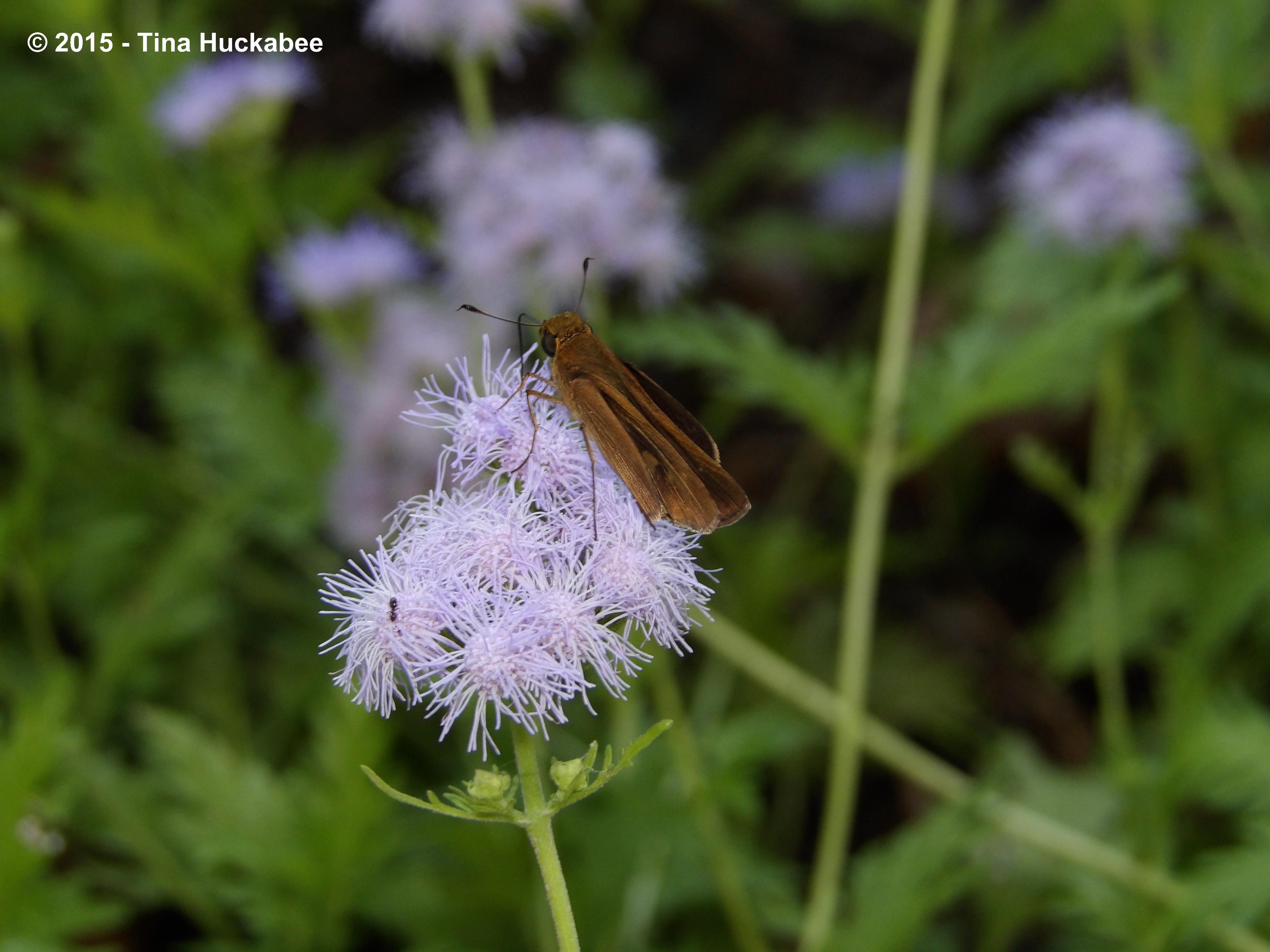
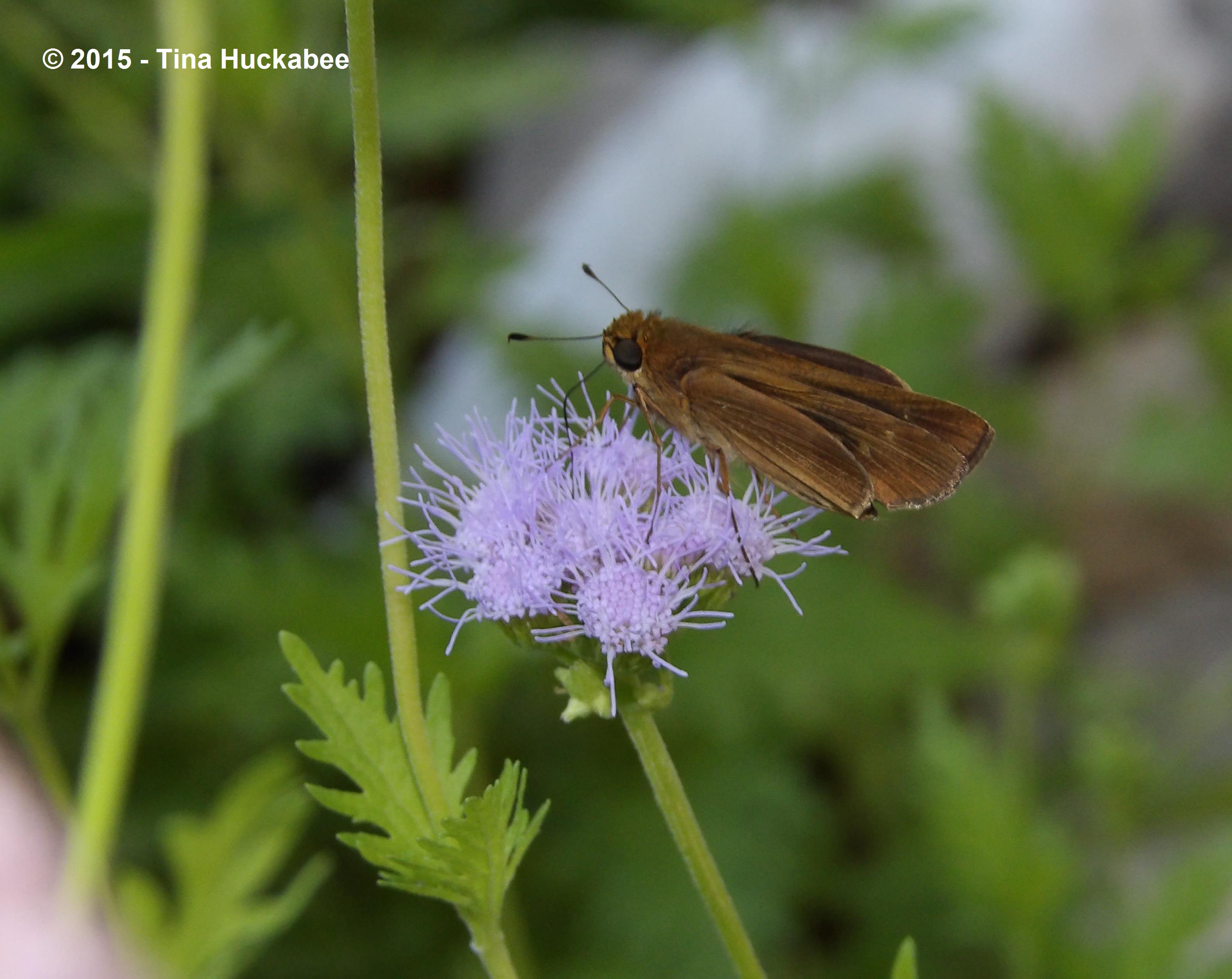
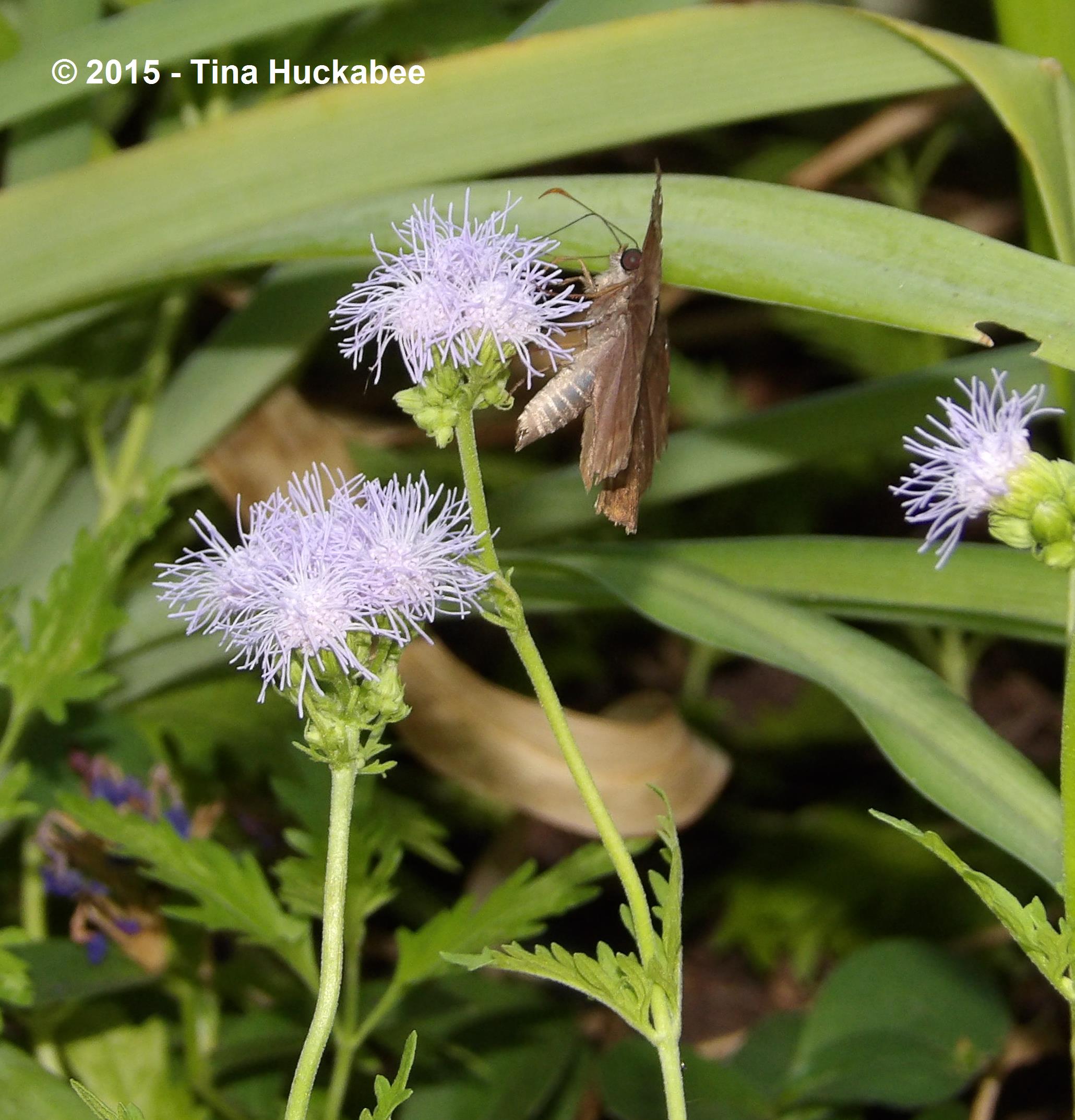
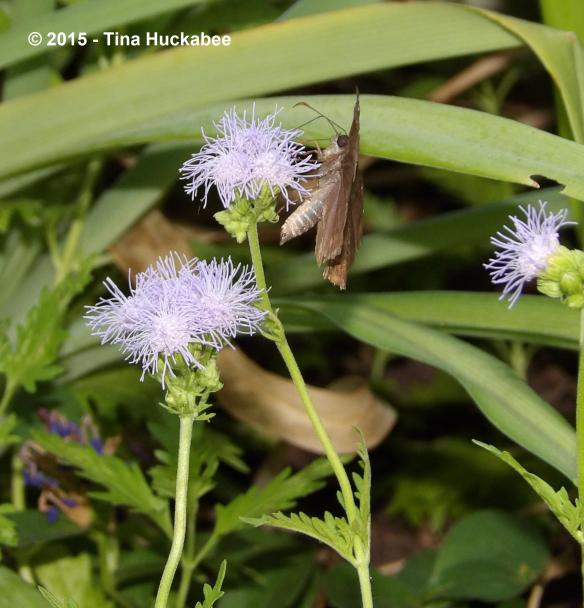
I think this is an Ocola Skipper, Panoquina ocola, probably a male.
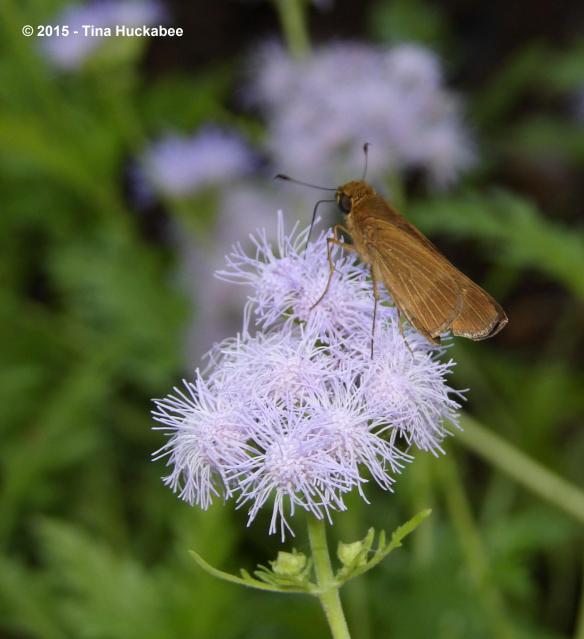
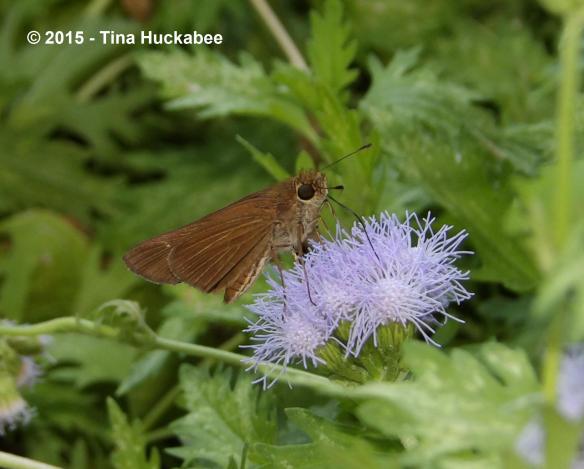
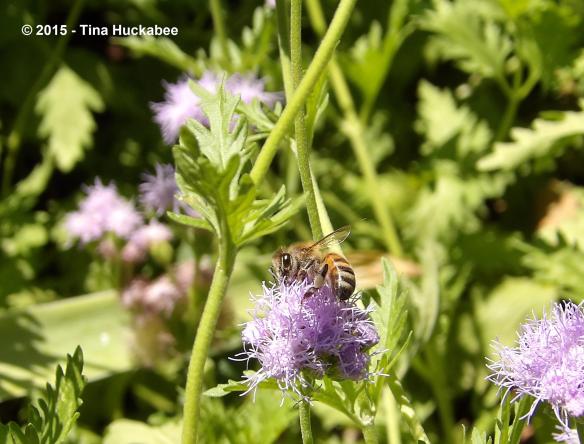
Or, it might be a Dun Skipper, Euphyes vestris. Honestly, I’m not sure. Skippers are common in my gardens and they nectar on a variety of blooms. In autumn, they have a special affinity for the three Mistflower species that I grow: Blue Mistflower, Conoclinium coelestinum, (especially) Gregg’s Mistflower, Conoclinium greggii, and White Mistflower, Ageratina havanensis.
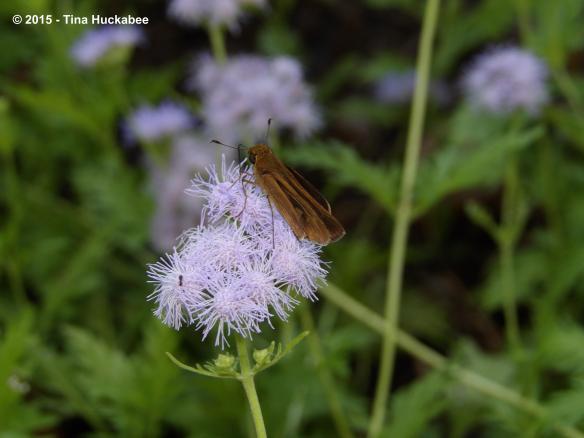
Their wings are held separately in levels–upwards, and to the sides–and is something that is apparently unique to certain species of skippers.
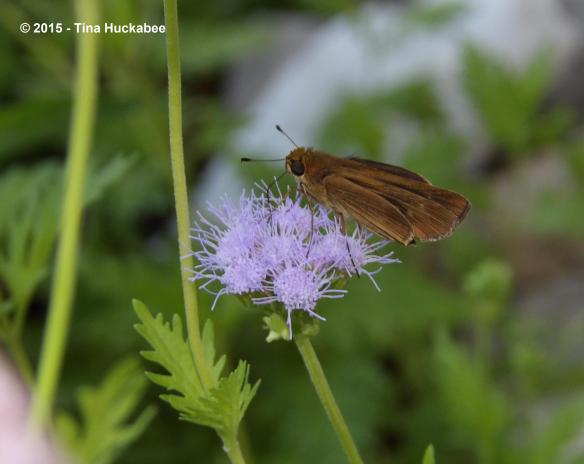
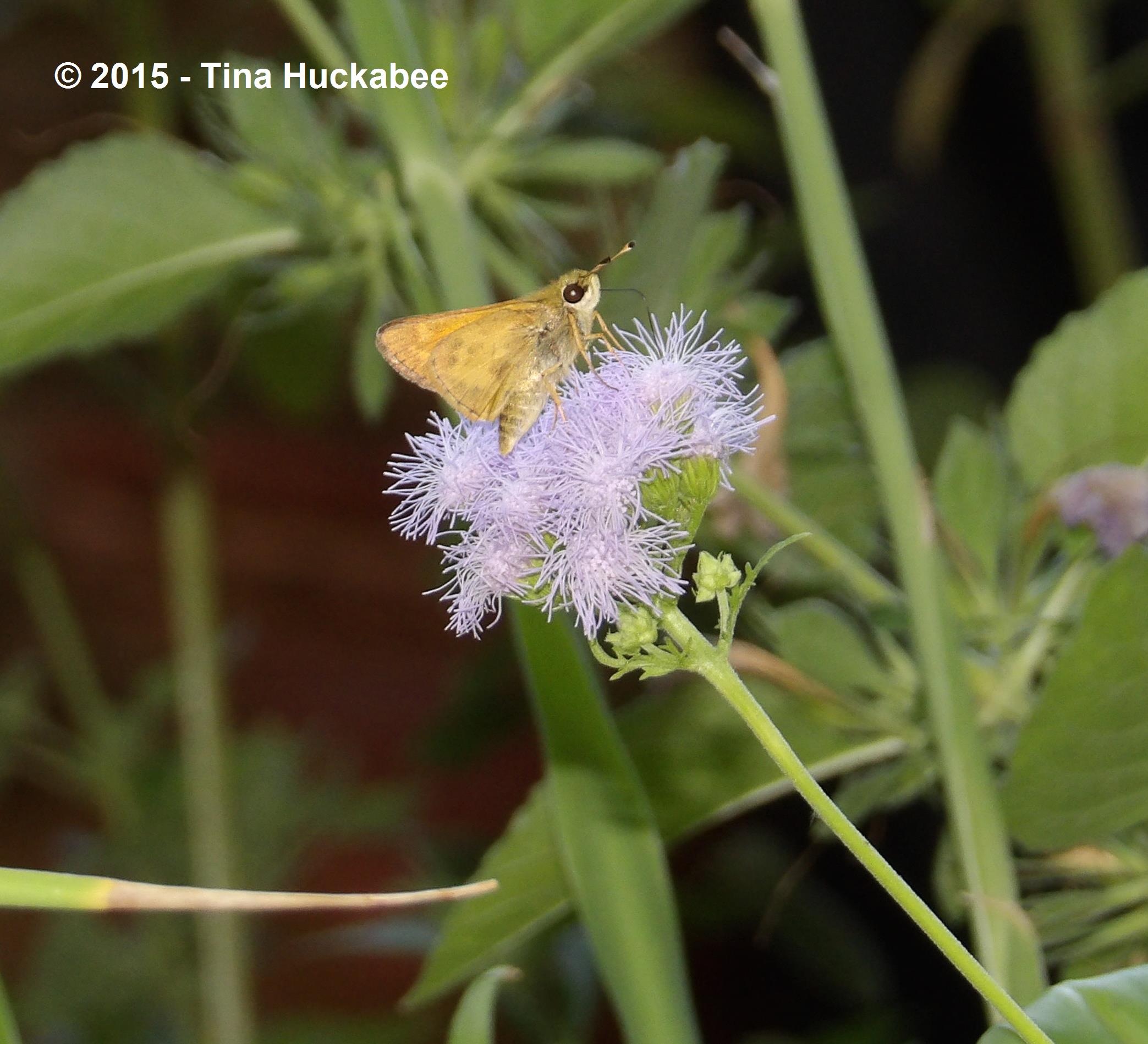
This autumn orange-colored skipper is a Fiery Skipper, Hylephila phyleus.
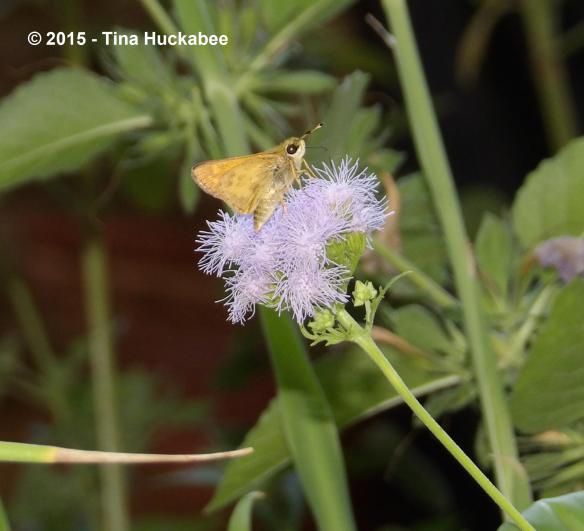
At least I think it is. It would be a male, because of the orange coloration (females are brown/tan) and there are kinda-sorta dots on the undersides of the wings, which male Fiery Skippers sport. I know that I’ve seen Fiery Skippers in my gardens, I’m just not positive this is one. Best guess. So there.
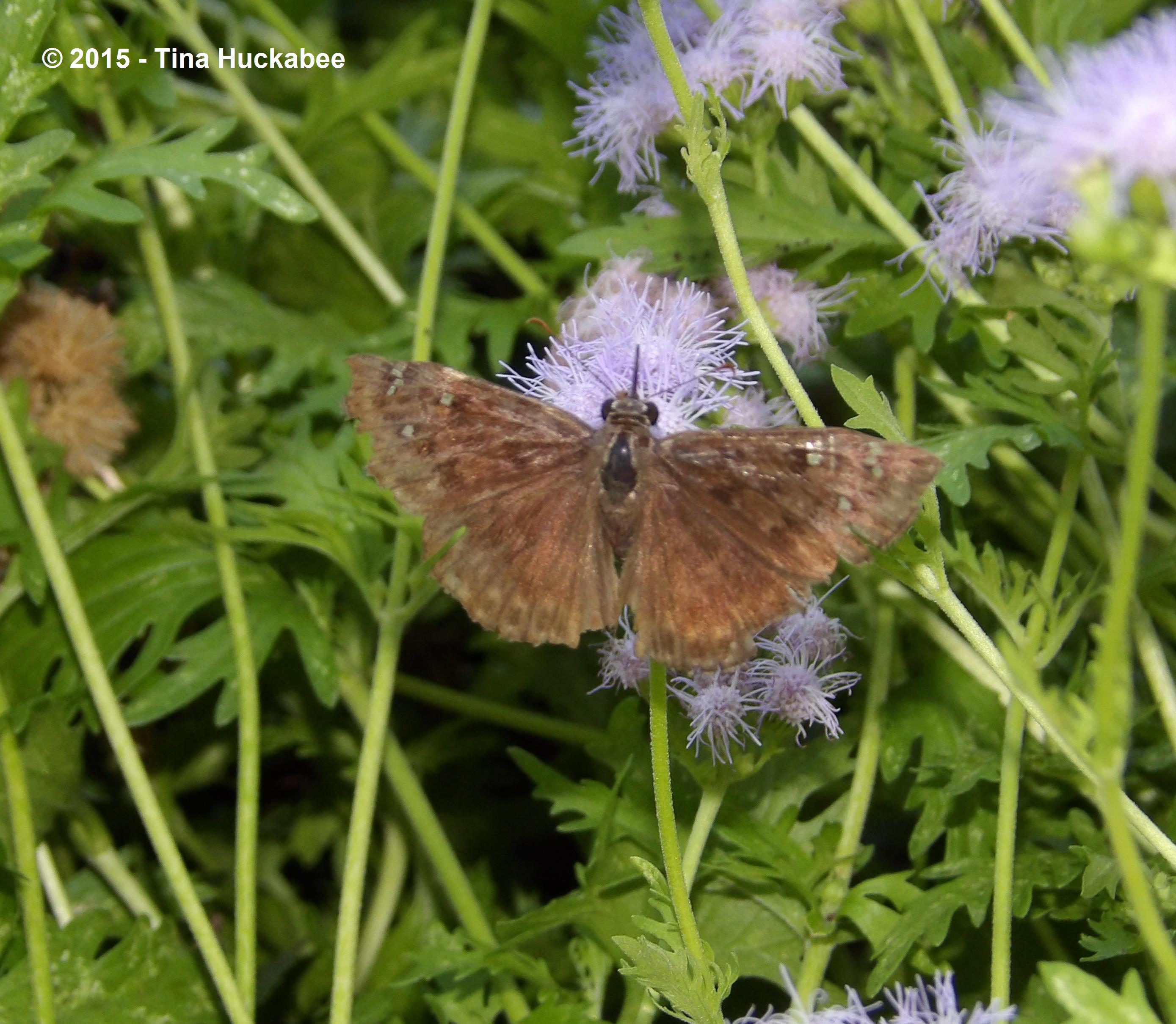
This Horace’s Duskywing, Erynnis horatius, is another regular in my gardens. Rather drab in comparison to some, this boy is a hard-working pollinator and thus, welcome anywhere in my gardens and at anytime.
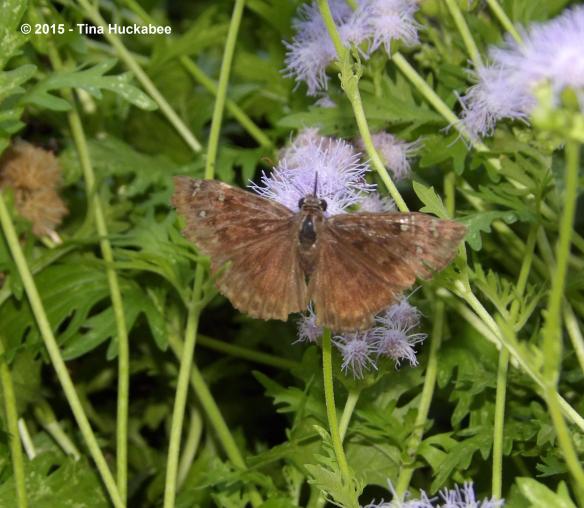
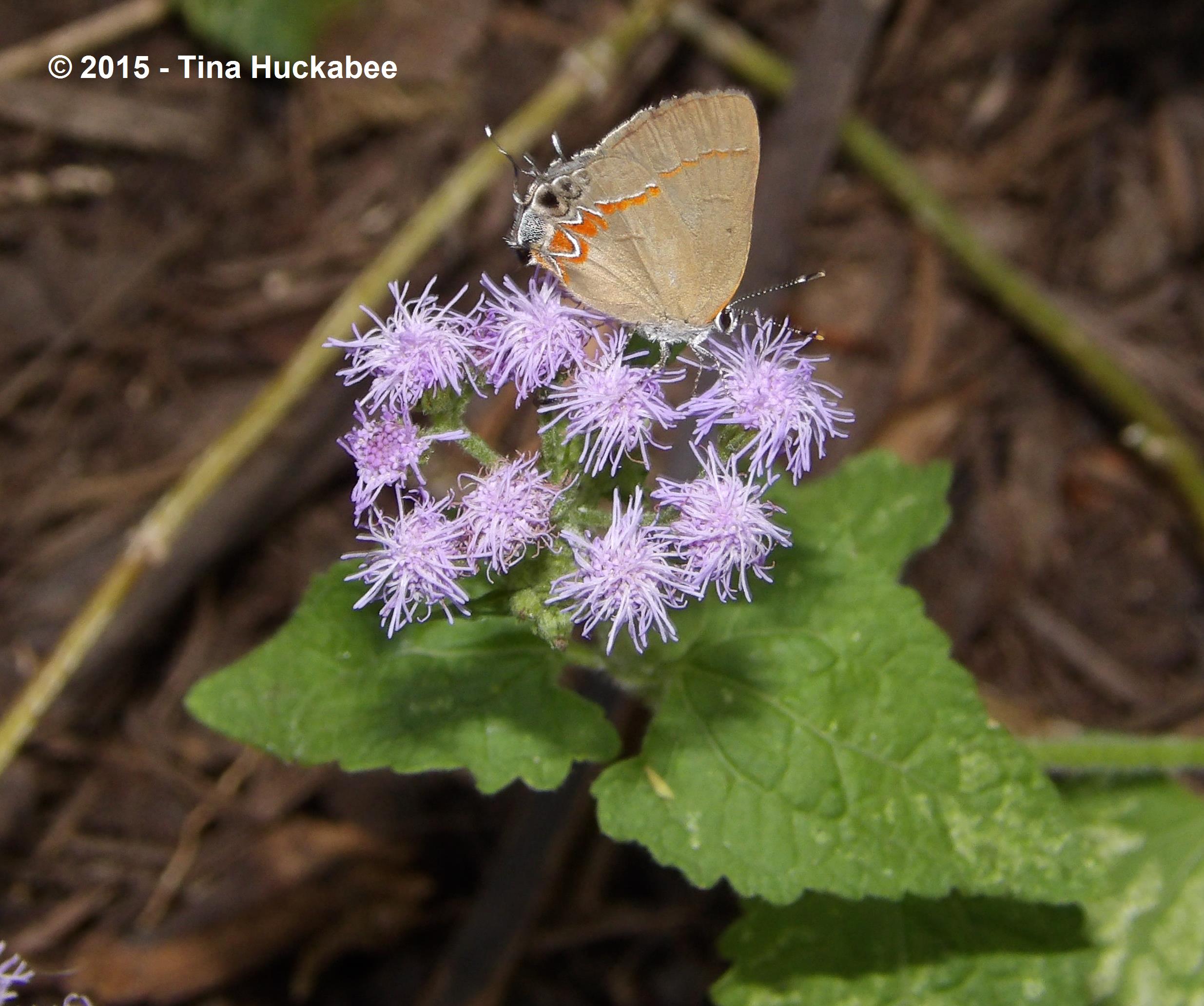
And the last of the tiny butterflies (whoop!) is this Dusky-blue Groundstreak, Calycopis isobeon.
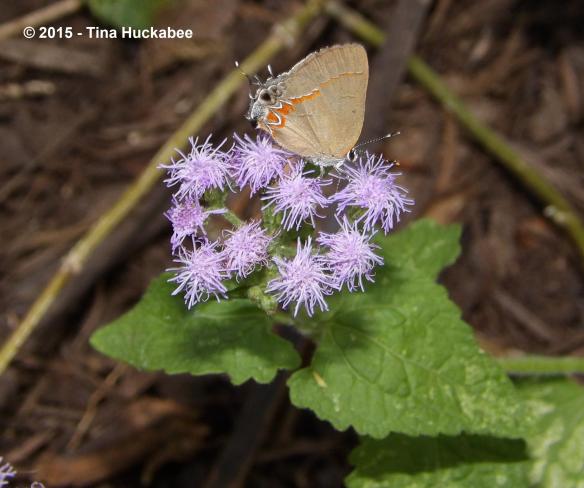
As a group, I think the Lycaenidae Family of butterflies are especially attractive–the Blues, Coppers, Hairstreaks, and Harvesters. Pretty, of course, doesn’t really matter, but the intricacies of their markings are remarkably artful, it’s hard not to admire their beauty.
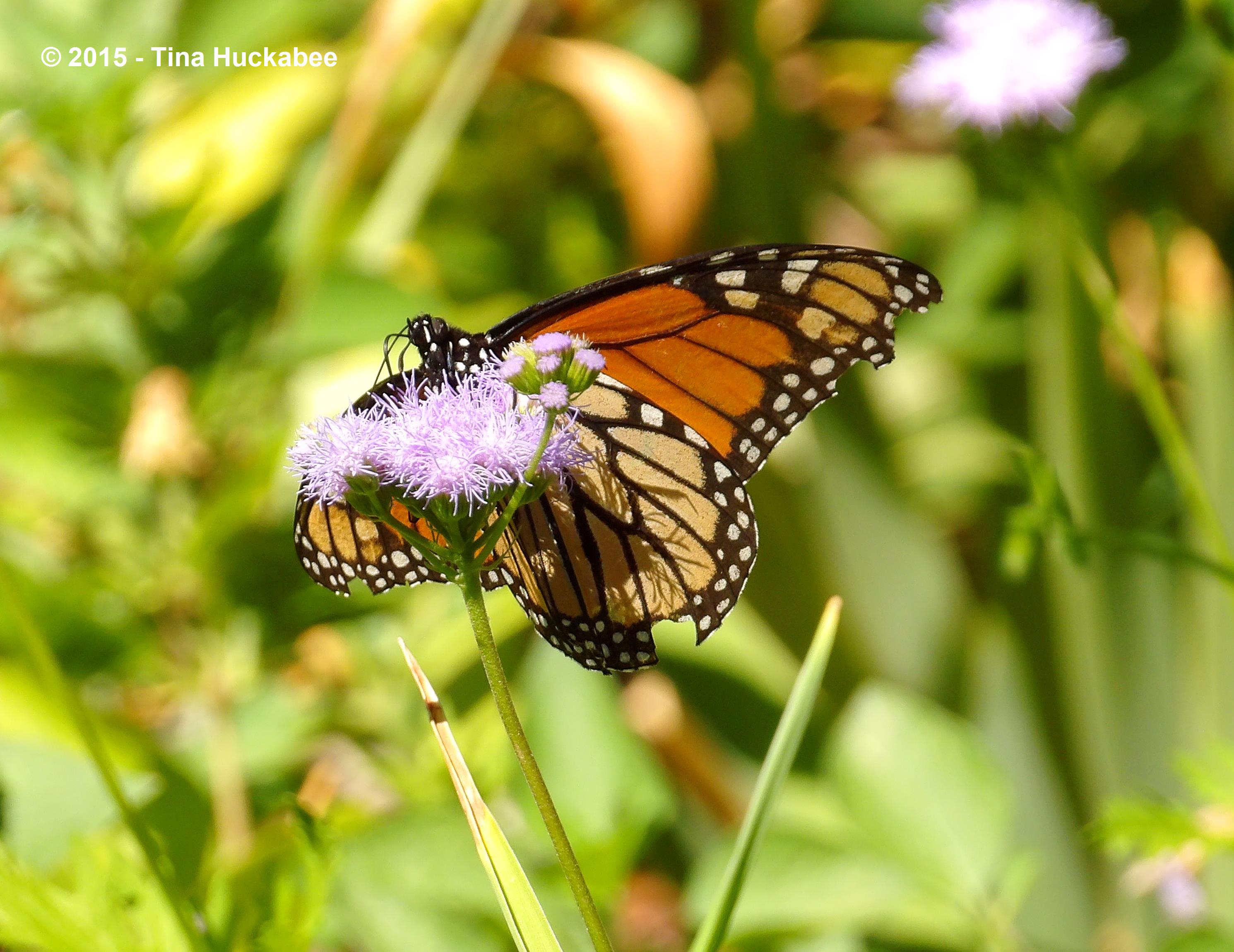
And speaking of beautiful, there were a few Monarch Butterflies, Danaus plexippus,
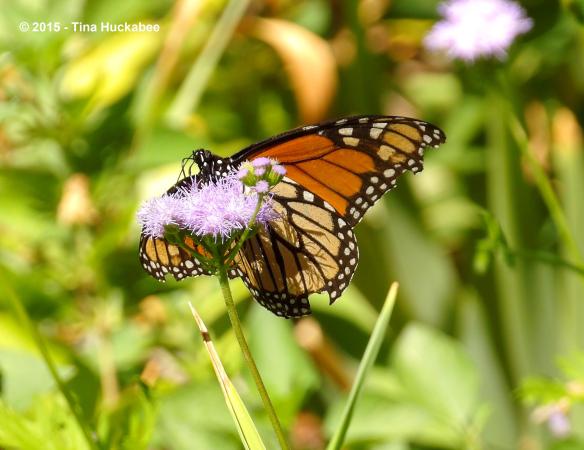
..though only a few. Most of the migrating Monarchs veered west of the Austin area this year.
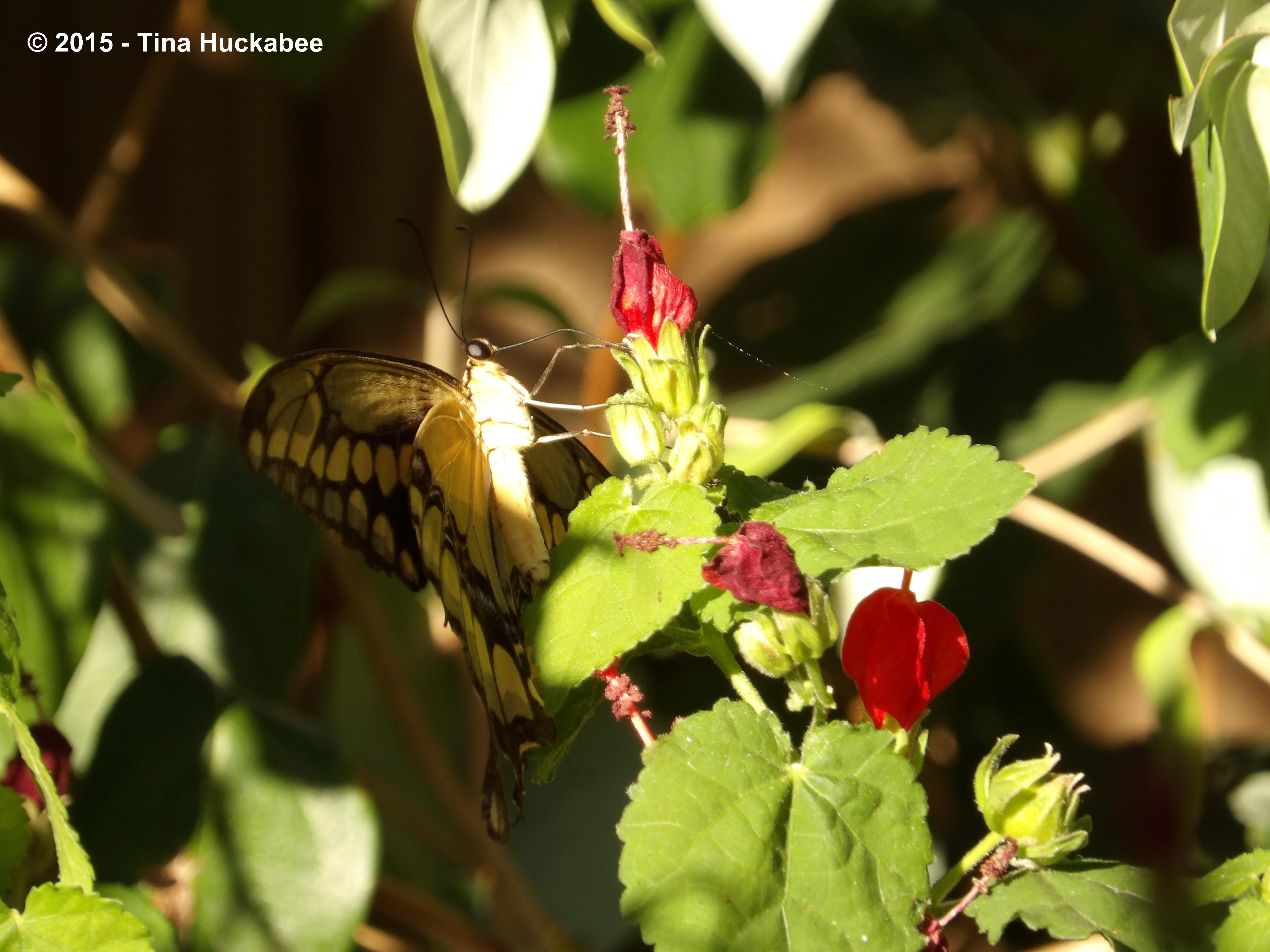
A Giant Swallowtail, Papilio cresphontes, nectared on favorite blooms,
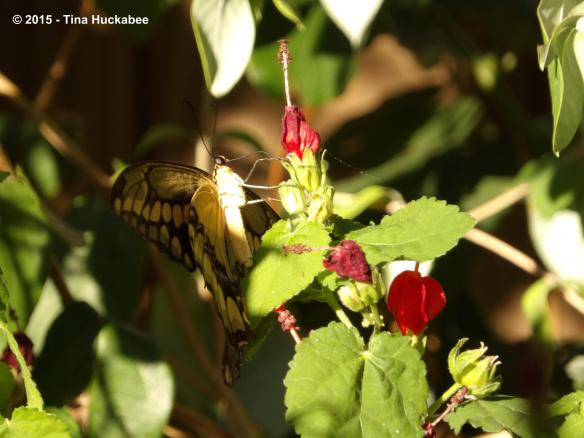
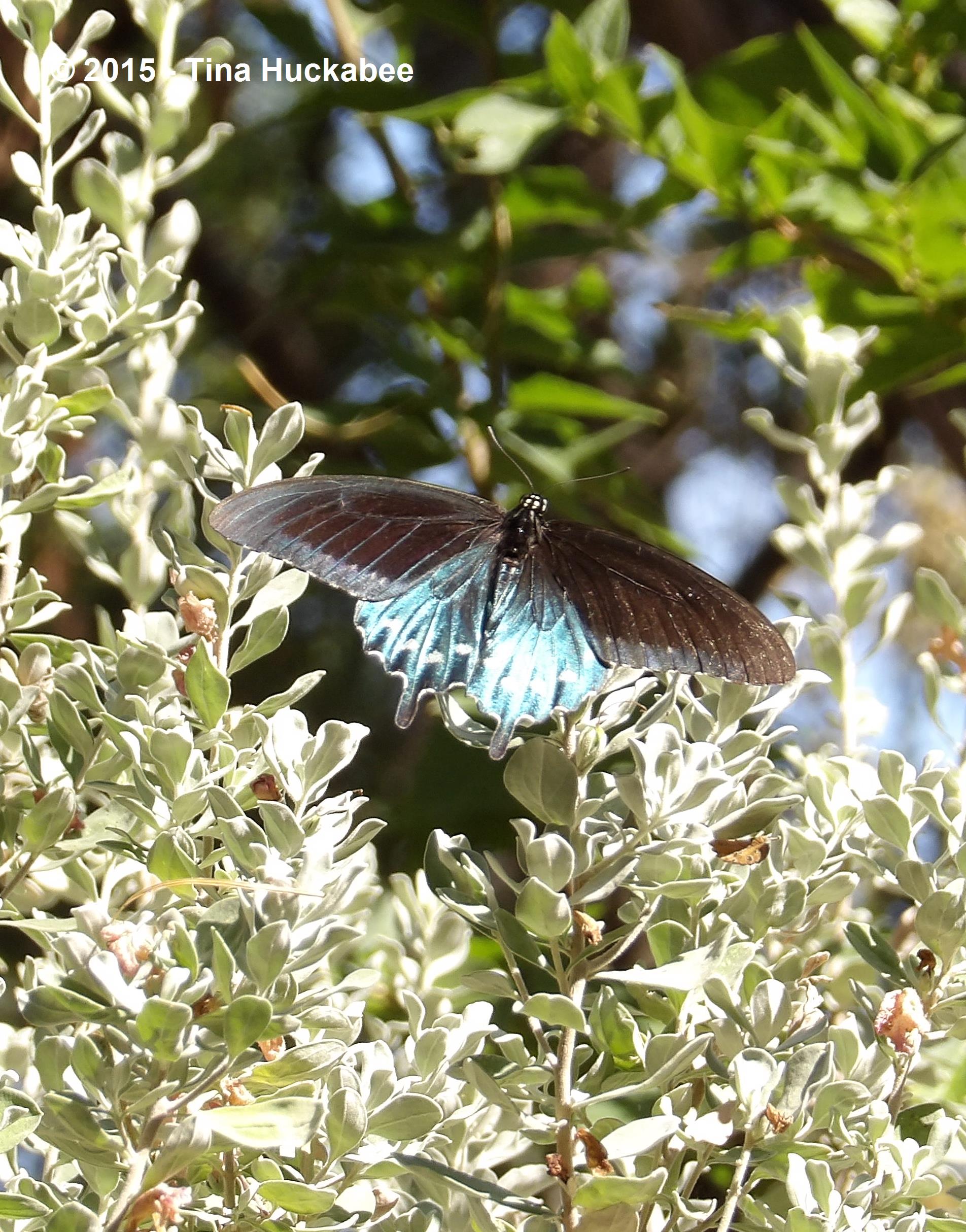
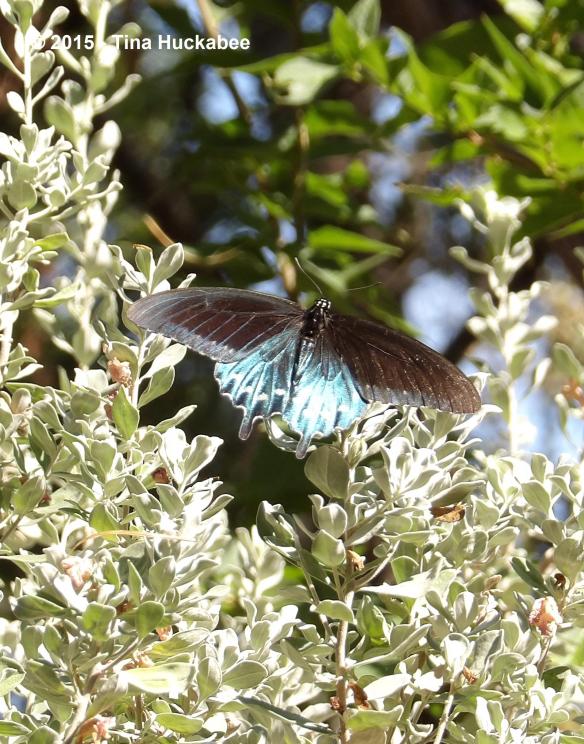
…and a Pipevine Swallowtail, Battus philenor, was a regular visitor as well.
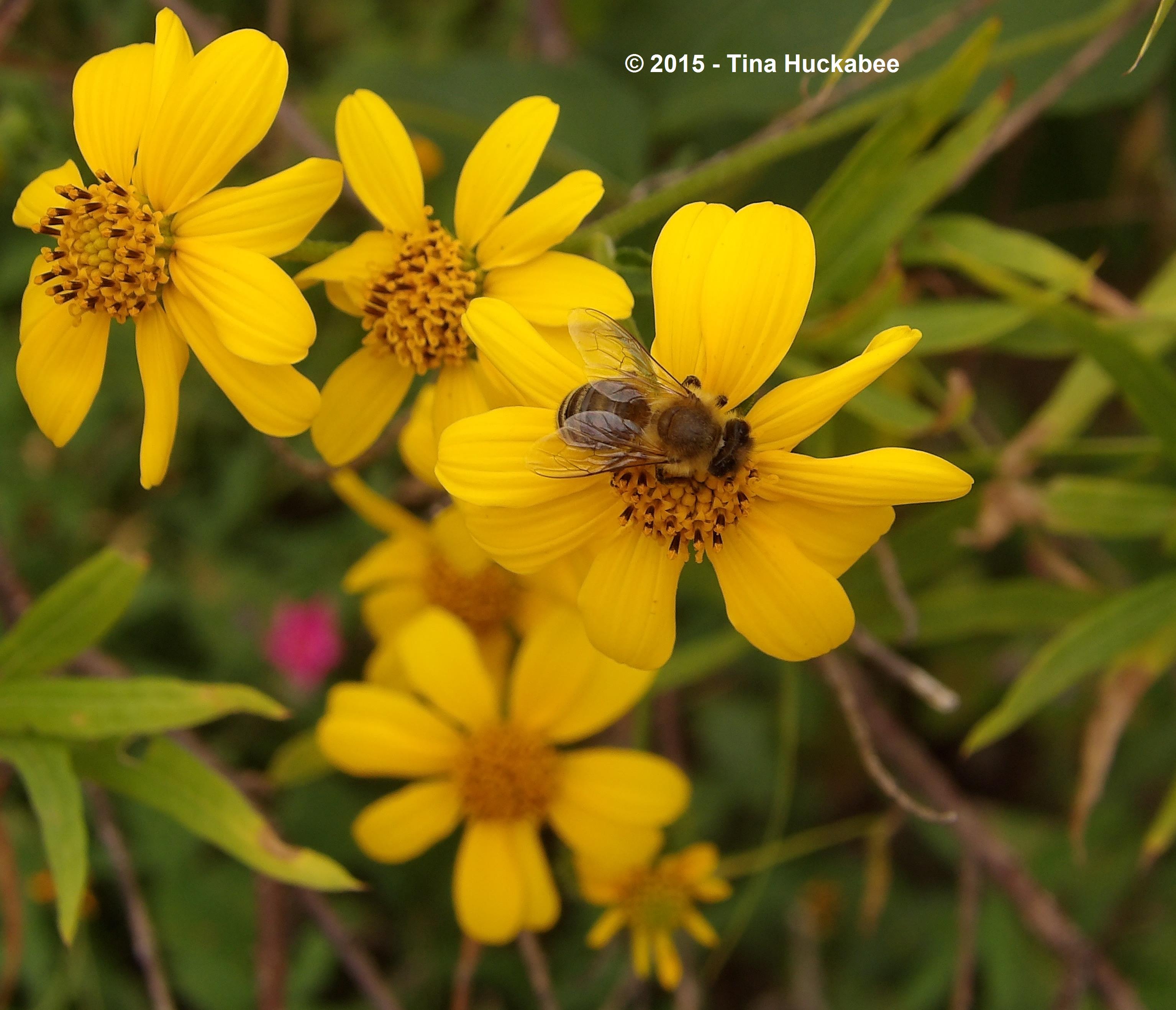
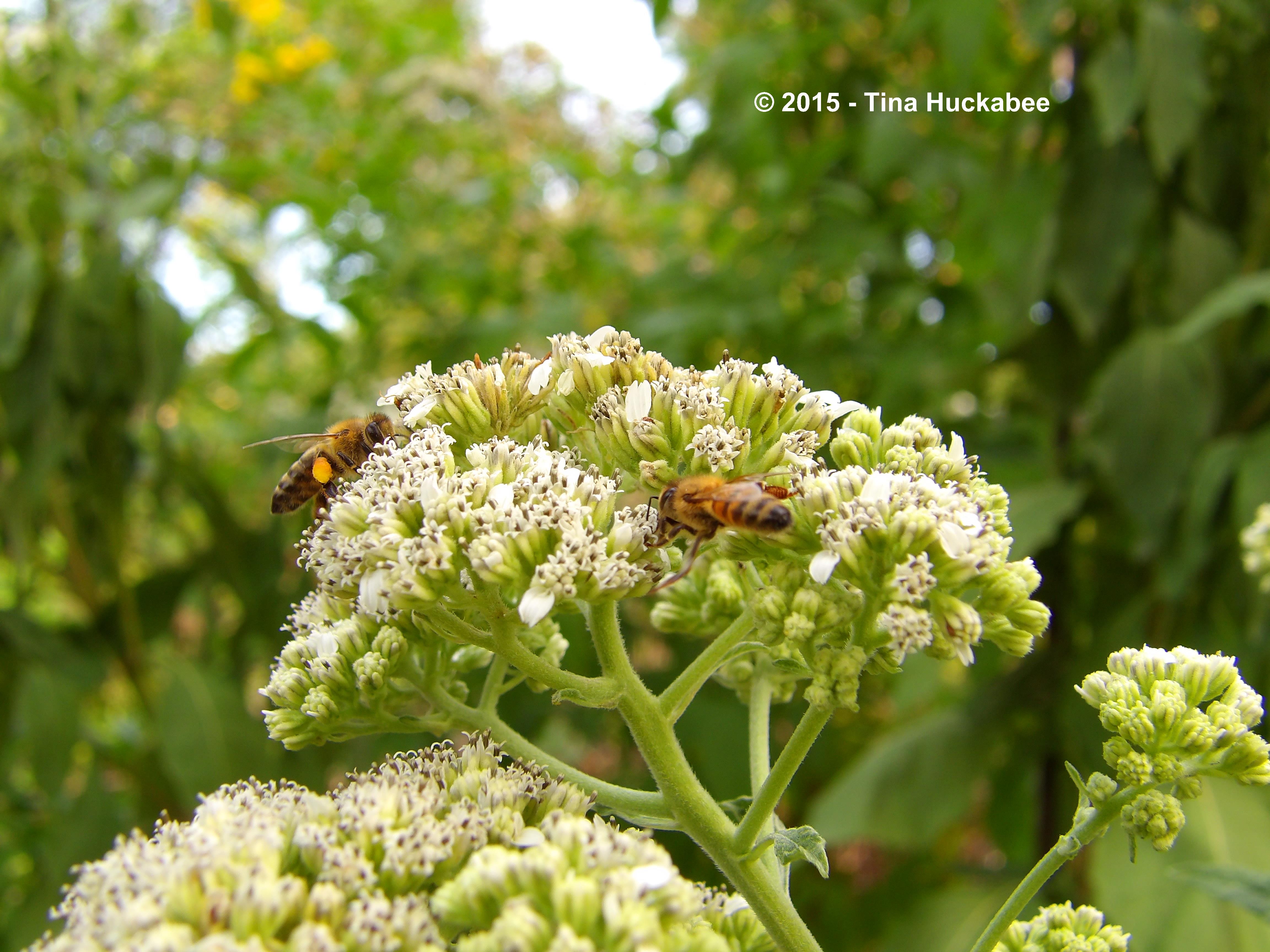
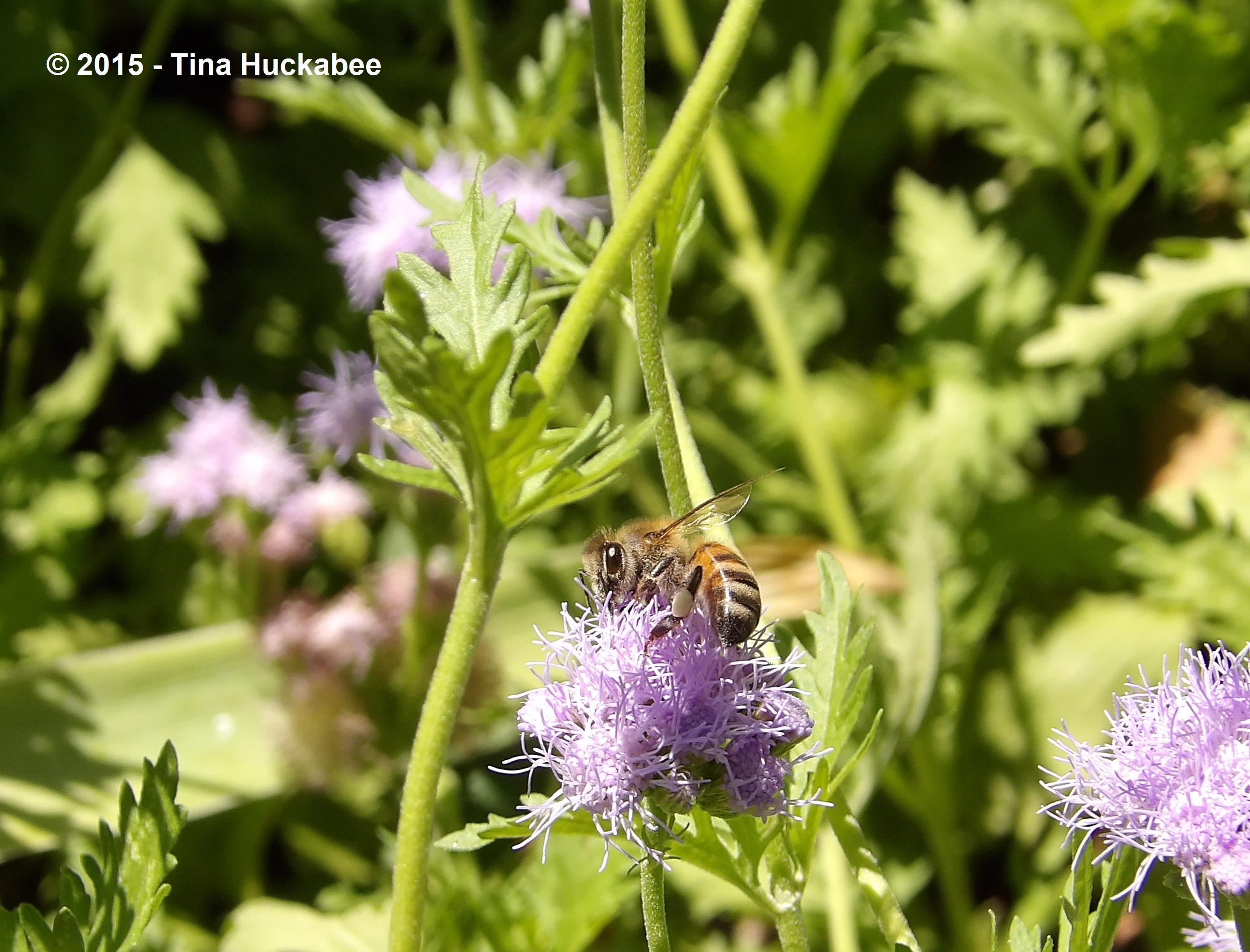
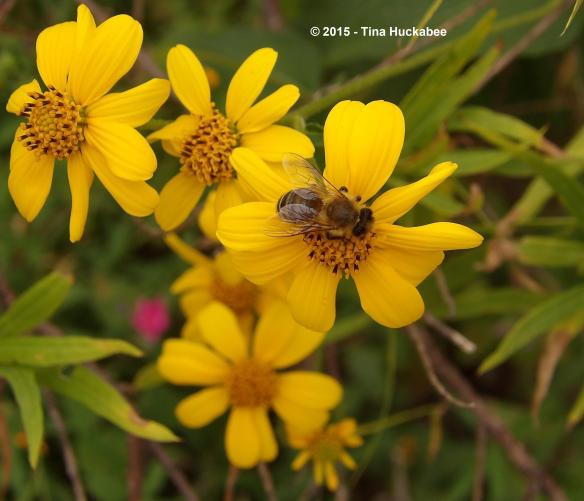
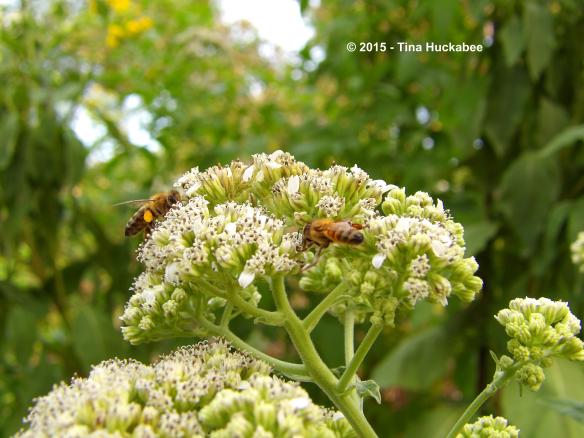
Lastly, the honeybees are gathering for winter storage–delighting all who observe them and long for a taste of their honey…
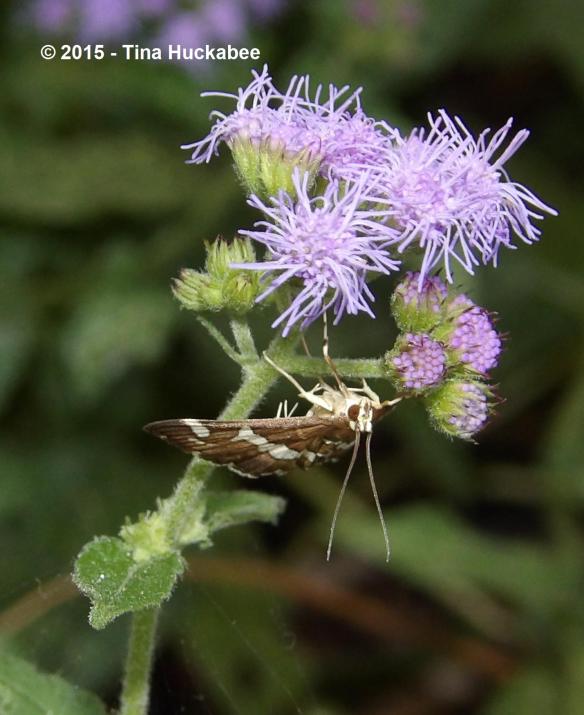
My gardens host a variety of plants which provide seeds and fruits, nectar and pollen, cover, and larval host food. Diversity in plant choices and a focus on choosing native plants reflects how nature is intended to work–that is, as a complex food web for a multitude of predator and prey insects, birds, mammals, and reptiles. Everyone can encourage wildlife in their gardens with simple, yet profound changes: ridding your space of mono-culture turf, planting with native plants, and avoiding the use of chemicals in the garden. By making these simple changes, your garden will be healthier and more productive and by choosing to plant for wildlife, you can help heal the world.
What wild critters are in your garden? Please post for November Wildlife Wednesday–share the rare or mundane, funny or fascinating, beneficial or harmful critters you encounter. When you comment on my post, please remember to leave a link to your Wildlife Wednesday post so readers can enjoy a variety of garden wildlife observations.
Happy wildlife gardening!