Still Green

Often by mid-August ( I realize it’s not “mid” yet, but, close enough), summer’s heat and dry is stressing my American SycamorePlatanus occidentalis.

It’s a tough tree and hard to kill, but it likes a river bottom situation with plenty of regular moisture.  In droughty times, the Sycamore will shed leaves as a survival mechanism, though mine has never gone completely nude.  But Sycamores are also subject to some disease problems which can hamper growth and beauty. 

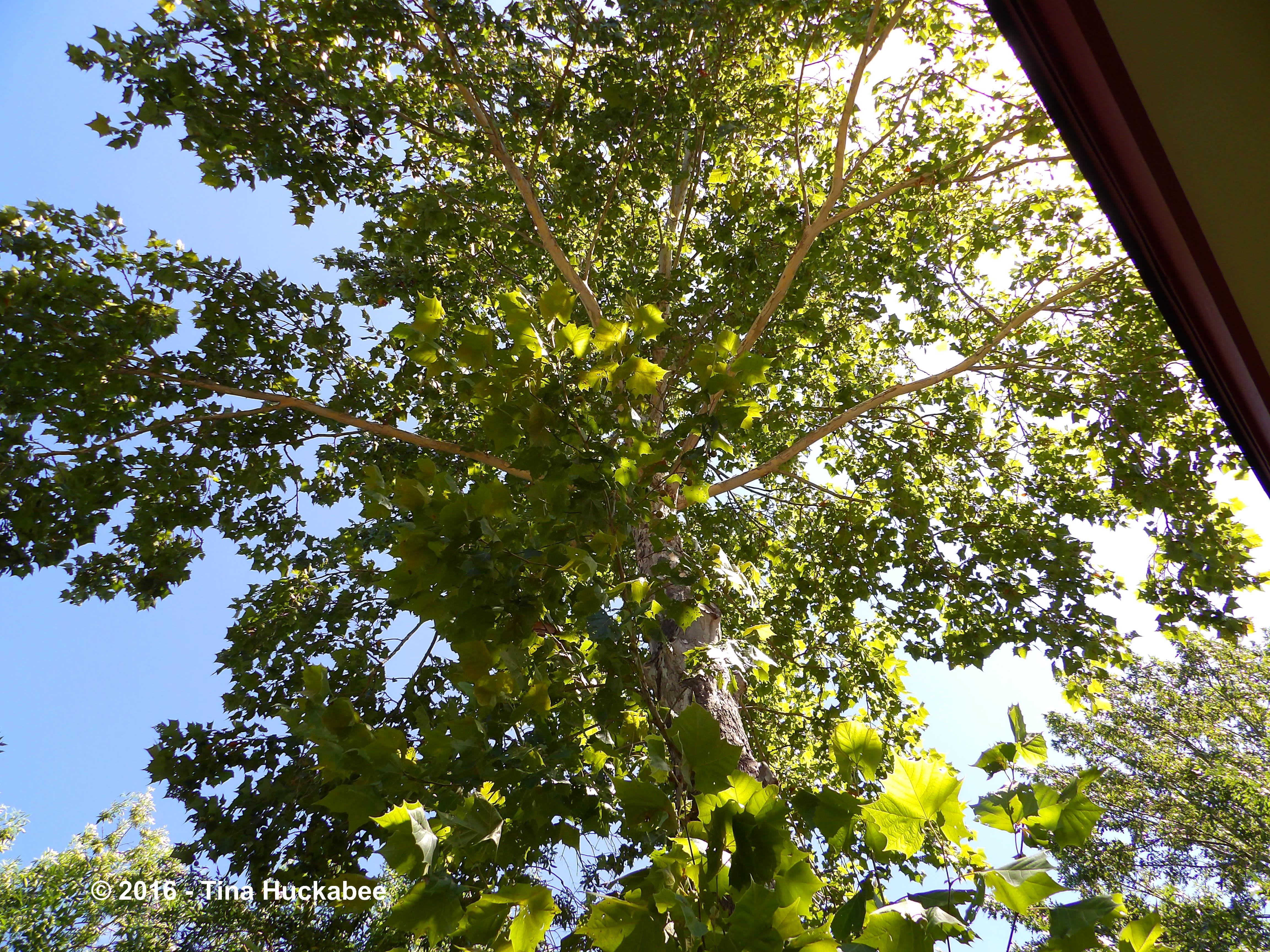
The upper canopy of my Sycamore looks healthy to me–green and lush–though that might simply be a result of distance, rather than reality.

IMGP9120.new

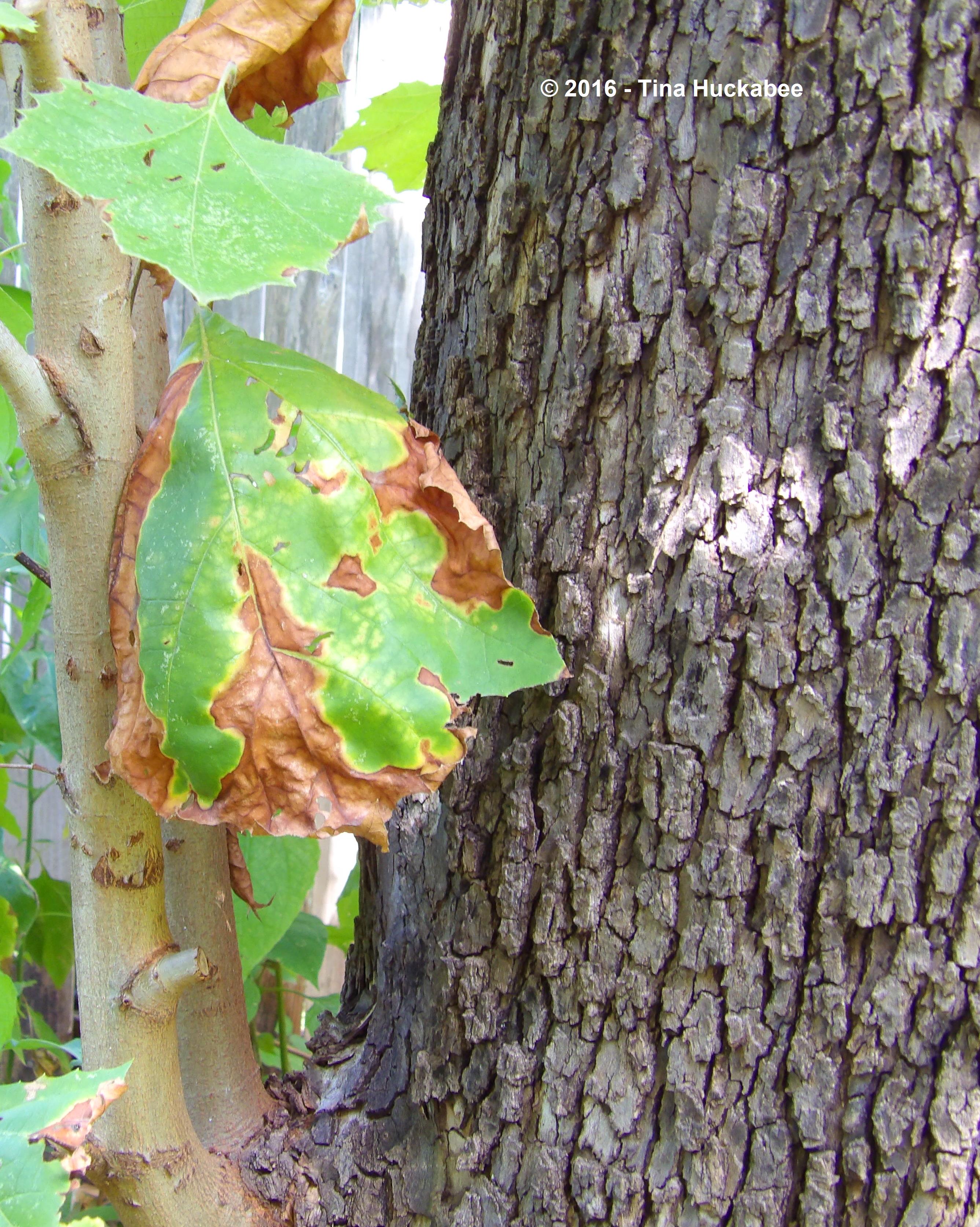
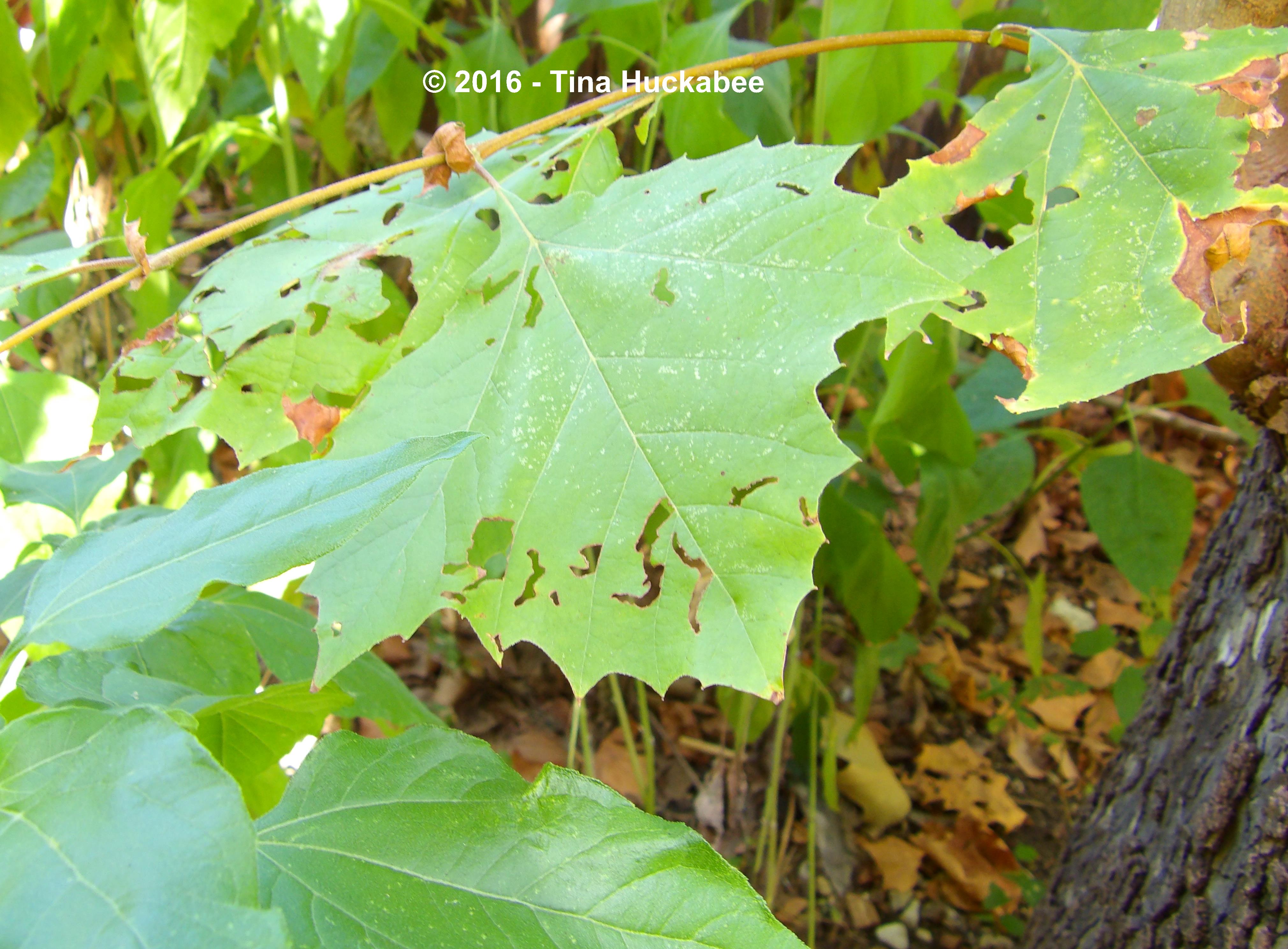
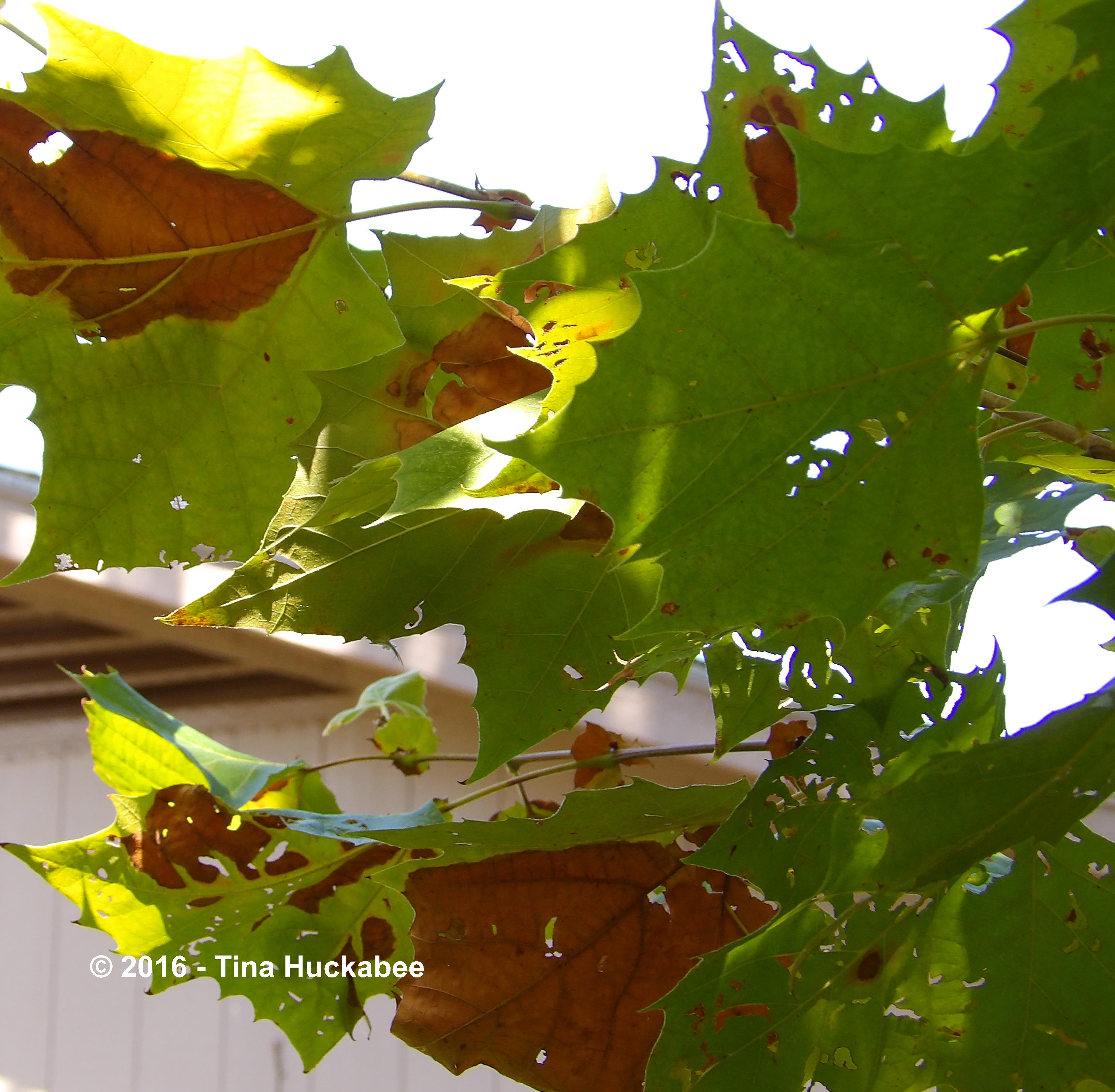
Two lower branches (which I plan to remove soon; then again, I’ve been saying that for a while) demonstrate foliage damaged by one of Sycamores’ various banes–anthracnose.

IMGP9117_cropped_2673x3346..new

IMGP9118_cropped_4041x2976..new

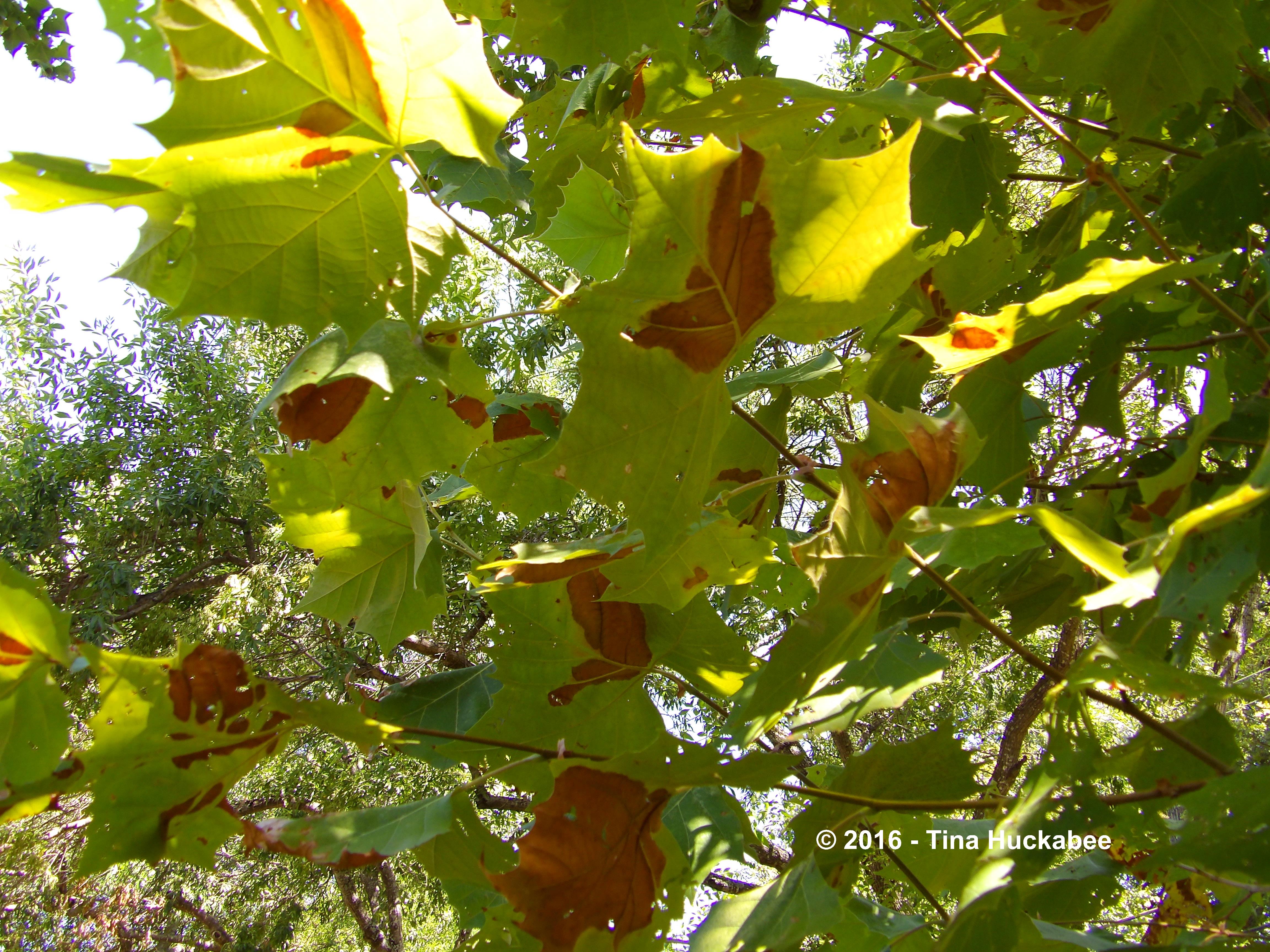
According to the Missouri Botanical Garden website, Anthracnose is caused by a fungus, Apiognomonia veneta, and is common in urban Sycamore trees.  The brown spots show a tell-tale “V” shape and the fungus can eventually cause the whole leaf to brown and drop prematurely.

IMGP9121.new

IMGP9119_cropped_3309x3240..new

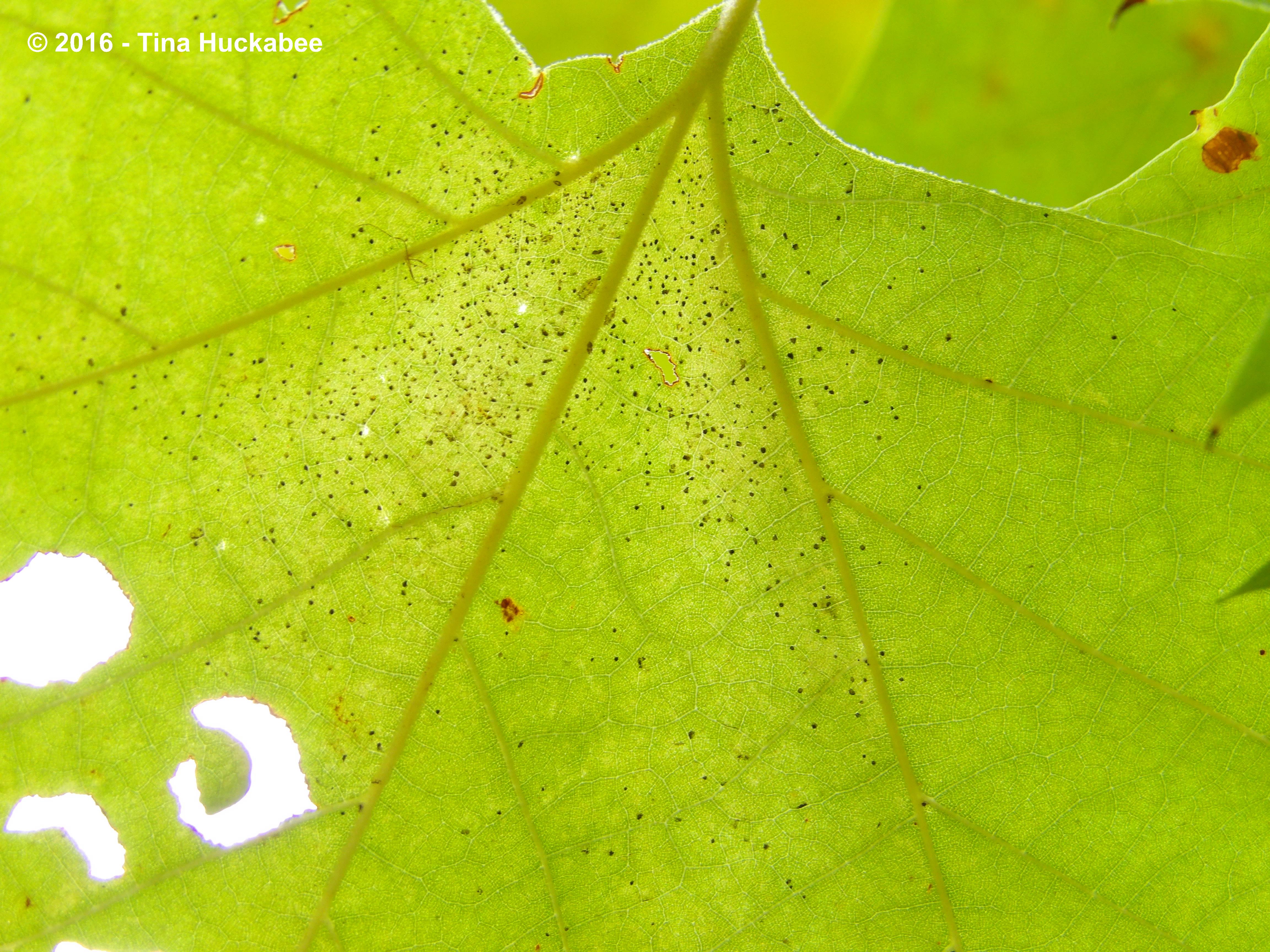
The article also mentions tiny black spots which are the “fruiting bodies” of the fungal spores and, sure enough, they’re visible on the undersides of some of the leaves.

IMGP9126.new

My Sycamore shows some anthracnose damage almost every summer, but it’s usually worse in wet years, which 2016 certainly qualifies for.  Spring saw deep, soaking rains and that set up a situation for fungi to flourish.  Additionally, there have been some heavy rains this summer, no doubt continuing the stage for fungal spread.

What to do?  Well, I probably won’t do anything.  I’m certainly not going to spray with a fungicide, but as good garden sanitation practice, I should rake up the fallen leaves.

IMGP9123.new

There aren’t many leaves dropped this summer,

… just enough that one or two hitch a ride on the the dog’s fluffy tail or for some to whoosh into the house when the back door is opened.  My Sycamore stands in a work/storage area, and I tend to procrastinate in regular tidying of this area.  Plus, as a wildlife gardener, I’m prone to leave limbs and leaves on the ground as cover for a variety of critters. I suppose a little compromise is in order: picking up potentially diseased foliage to protect the tree’s viability, while avoiding the sterility brought on by obsessive weeding, raking, and “cleaning” of garden areas.

During prolonged drought periods, I soak the soil around the tree once or twice a month, which prevents massive leaf drop, but with this year’s summer rains, that hasn’t been necessary.

I’ll keep a watch on the tree as August progresses into September, but unless I see significantly more damage, I won’t fret about this tree.

IMGP9122.new

There seem to be plenty of other things to fret about!

Thanking Pat of The Squirrelbasket for graciously hosting this fun and interesting meme about trees. Check out her blog to learn about trees from all over the world.


Dog Days: Wildlife Wednesday, August 2016

Welcome to Wildlife Wednesday for August–and a toasty one it is.  July definitely felt like the dog days of summer had arrived: it was hot and dry, with the relentless, searing Texas sun beating down mercilessly.  Weirdly, that didn’t keep me out of the garden–I’ve been tweaking and transplanting in the garden all summer. Truthfully, it’s not as hot as recent summers, though it’s been humid owing to the generous spring–and some late July– rain.

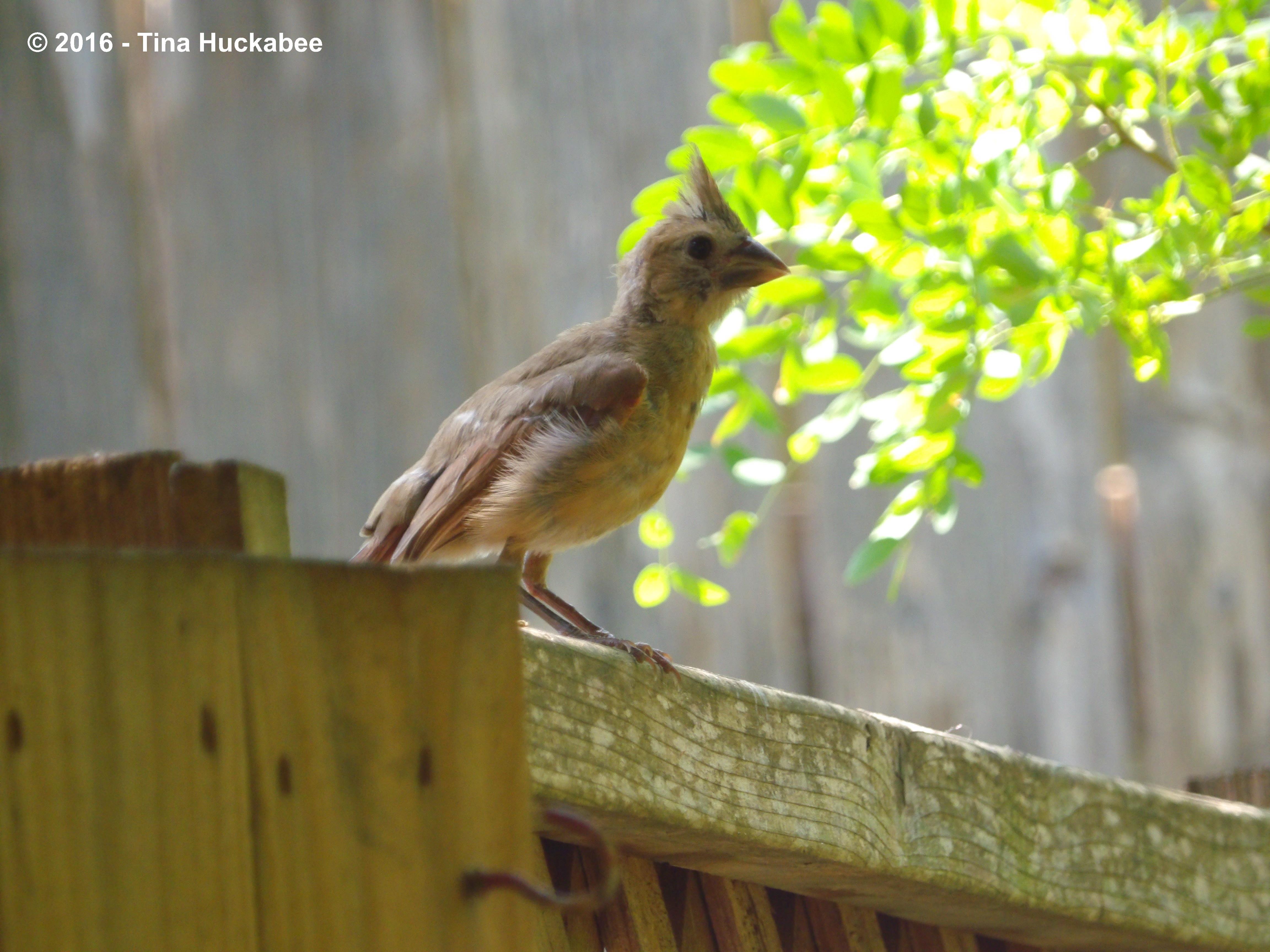
Because of the pond and bird bath water available, wildlife in my garden has been active and varied, though only (it seems) when I don’t have my camera at the ready. Regardless, I’ve enjoyed observing Dad Northern Cardinal, Cardinalis cardinalis, feeding his fledged chicks, but never nabbed a shot of the charming familial activities.  The Little Boy Cardinal, all scraggly and awkward, is cute:

IMGP8989.new

IMGP9009.new

But I don’t have any photos of Little Girl Cardinal, though often see both siblings pecking seeds alongside one another on the ground.

I see the odd Carolina Chickadee, Poecile carolinensis, snitching seeds from the feeder, but more often, I hear one announcing his territory.  It’s always fun to observe and hear them–big songs out of tiny birds.

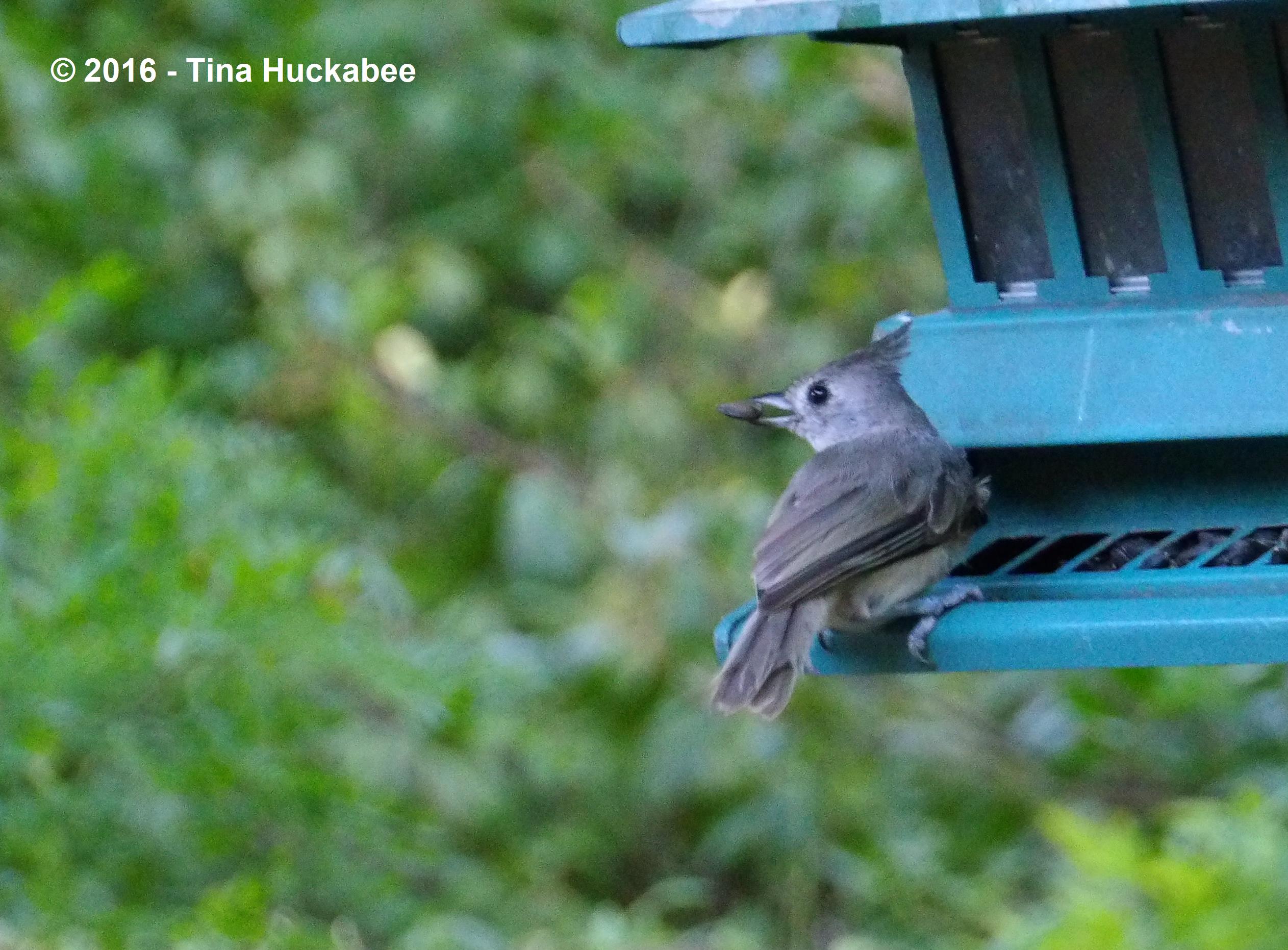
The Chickadees’ pals, Black-crested TitmiceBaeolophus atricristatus, dash in for their share of seeds, taking turns with the Chickadees as they feed while dodging the gluttonous White-winged doves.

IMGP8942_cropped_2525x1862..new

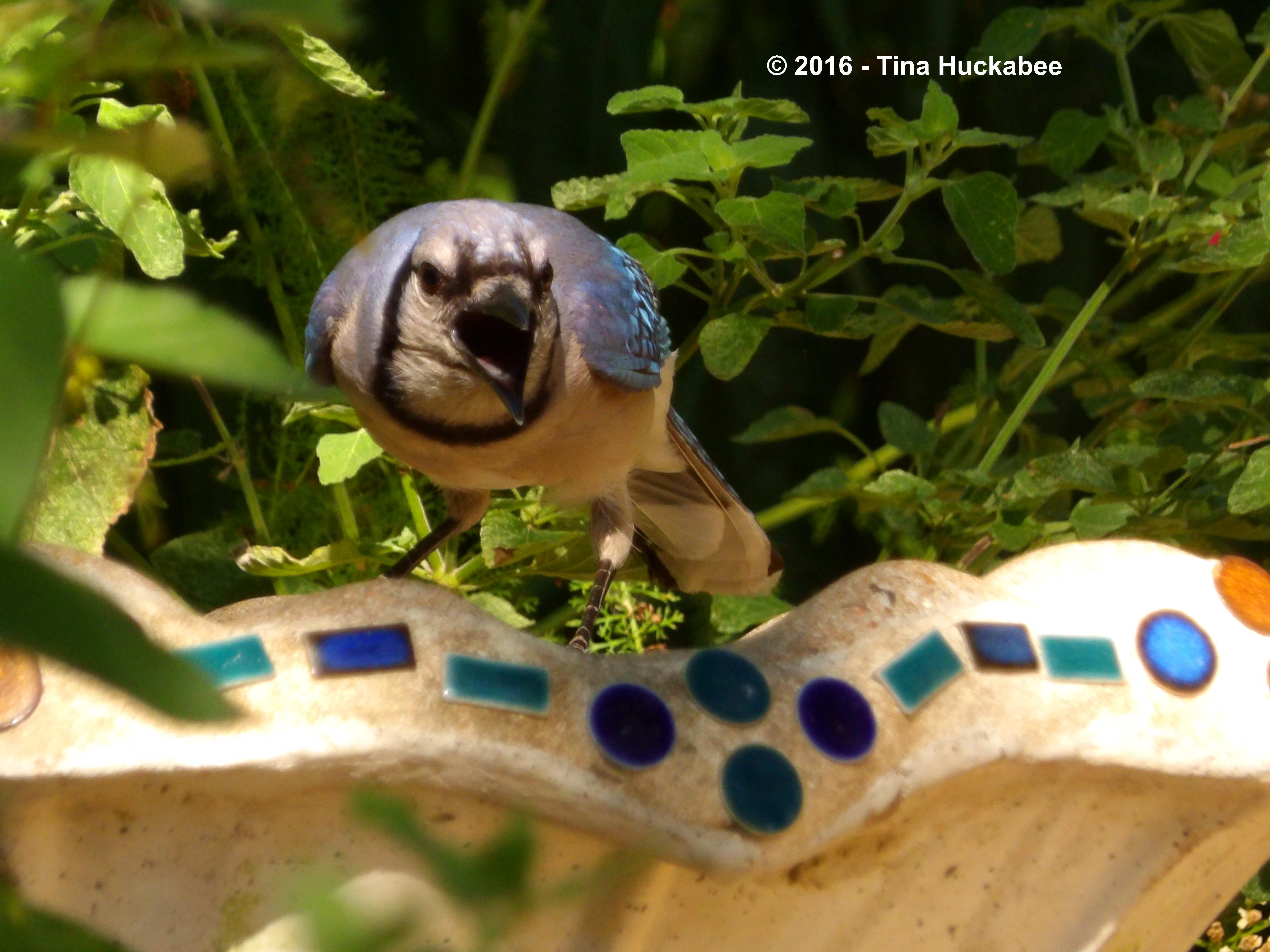
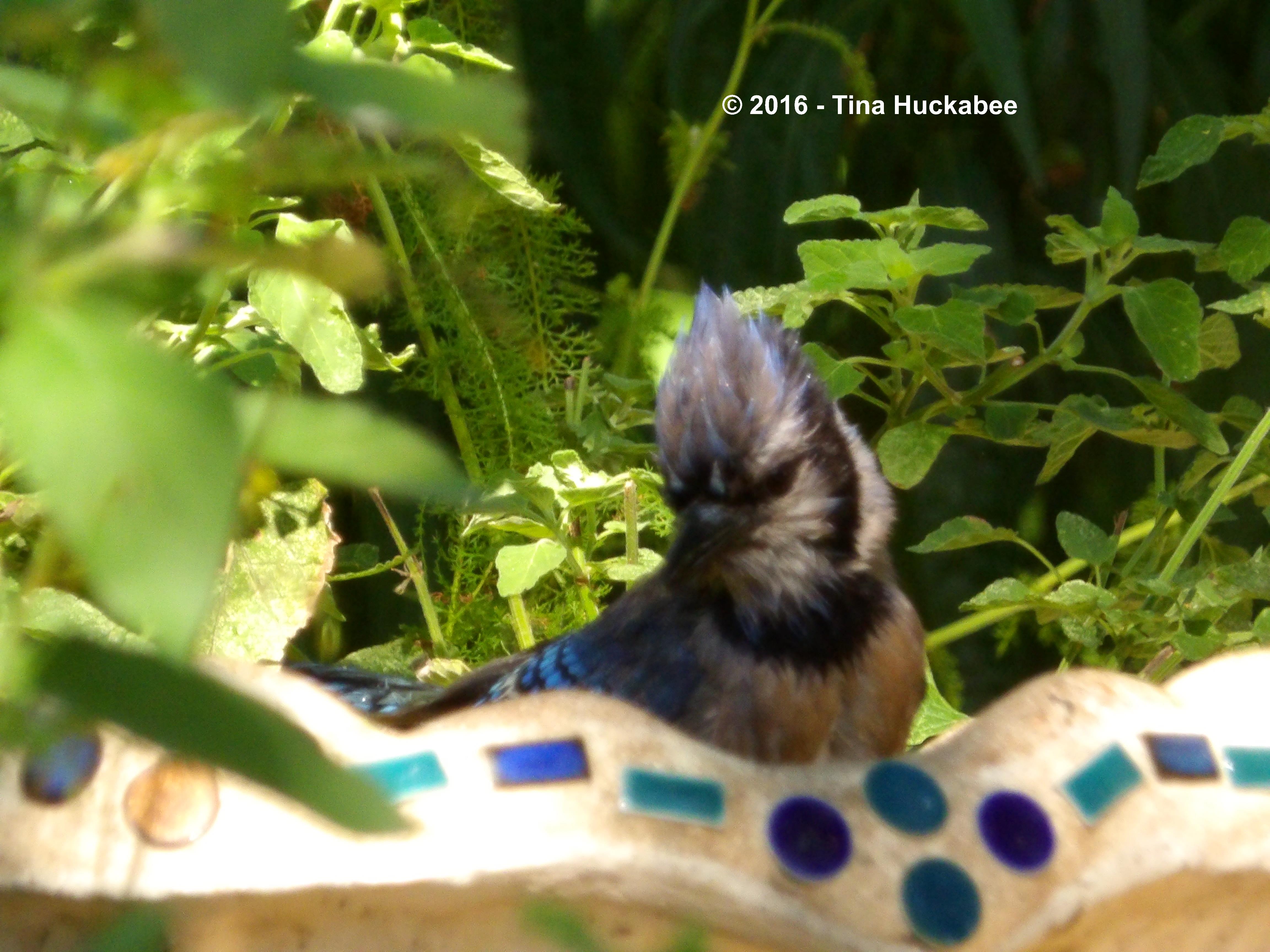
The bird baths and pond have hosted a steady stream of visitors sipping and cooling off, like this joyful bathing Blue Jay, Cyanotta cristata       .

IMGP8947.new

Announcing her intention of bathing, she’s making it clear that there will be no sharing of the bath.

IMGP8953.new

Pretty at this angle…

IMGP8949.new

Pretty at this angle.

I don’t think there’s a bird species anywhere that relishes a splash-in-the-bath more than these beautiful guys-n-gals.

Earlier in the month, I fretted about the lack of Lesser Goldfinches, Spinus psaltria, nibbling at the sunflower seeds.  I’m fairly sure I rankle a neighbor (or two…) when I don’t immediately prune done-with-flowering plants according to human sensibilities of beauty. But I’m glad I don’t prune because this past week, a little crew of Lessers arrived to partake of the sunflower seed buffet!

IMGP9018.new

Chatty and determined to eat their fill, I love watching them bop around the plants as they munch away. Lesser Goldfinches, as well as other bird species, enjoy seeds from a variety of perennials in my gardens.   In the fall, I’ll see another round of these cuties dining on the Plains Goldeneye seeds–it’s something to look forward to.  Enjoy your beautiful blooms, but once the blooming is done, leave the spent blooms to develop nutritious seeds for birds: they’ll visit your garden and you’ll enjoy the show.  After all, that’s what seeds are for–to feed wildlife.  Plants may look messy for a short time, but the pleasure of watching a variety of birds feed is well worth the short-lived untidiness of the plants, plus you’ll be adding to the health of your endemic wild critters.

IMGP9028_cropped_2428x2774..new


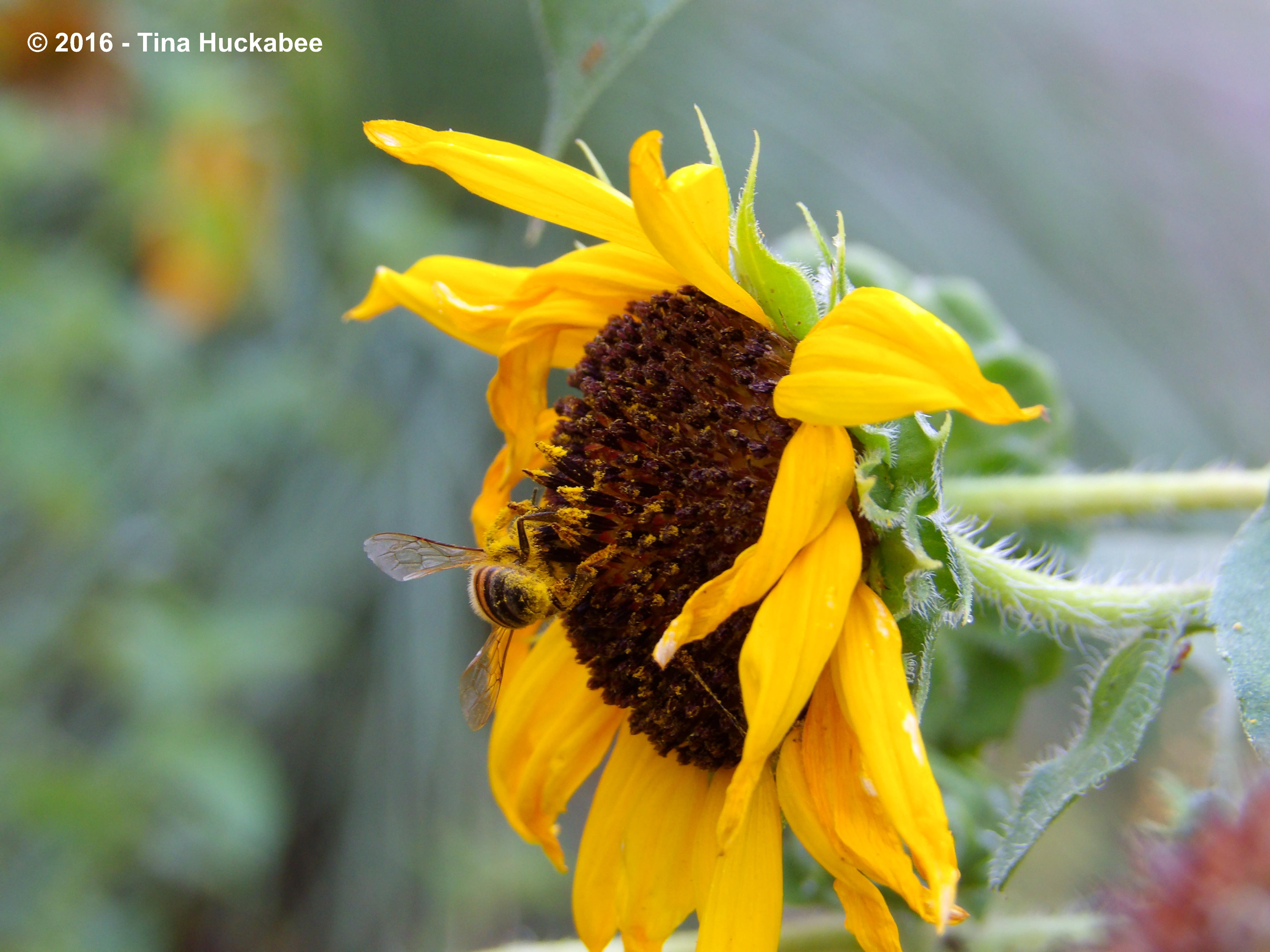
Honeybees have had plenty to nectar on and pollen-gather from this summer.

IMGP8810.new

IMGP8815_cropped_4143x2918..new

Native bees are busy at their work.  This tiny bee (Perdita ignota?) and her friends have been all over the also tiny florets of an oregano,

IMGP9034_cropped_2391x1839..new

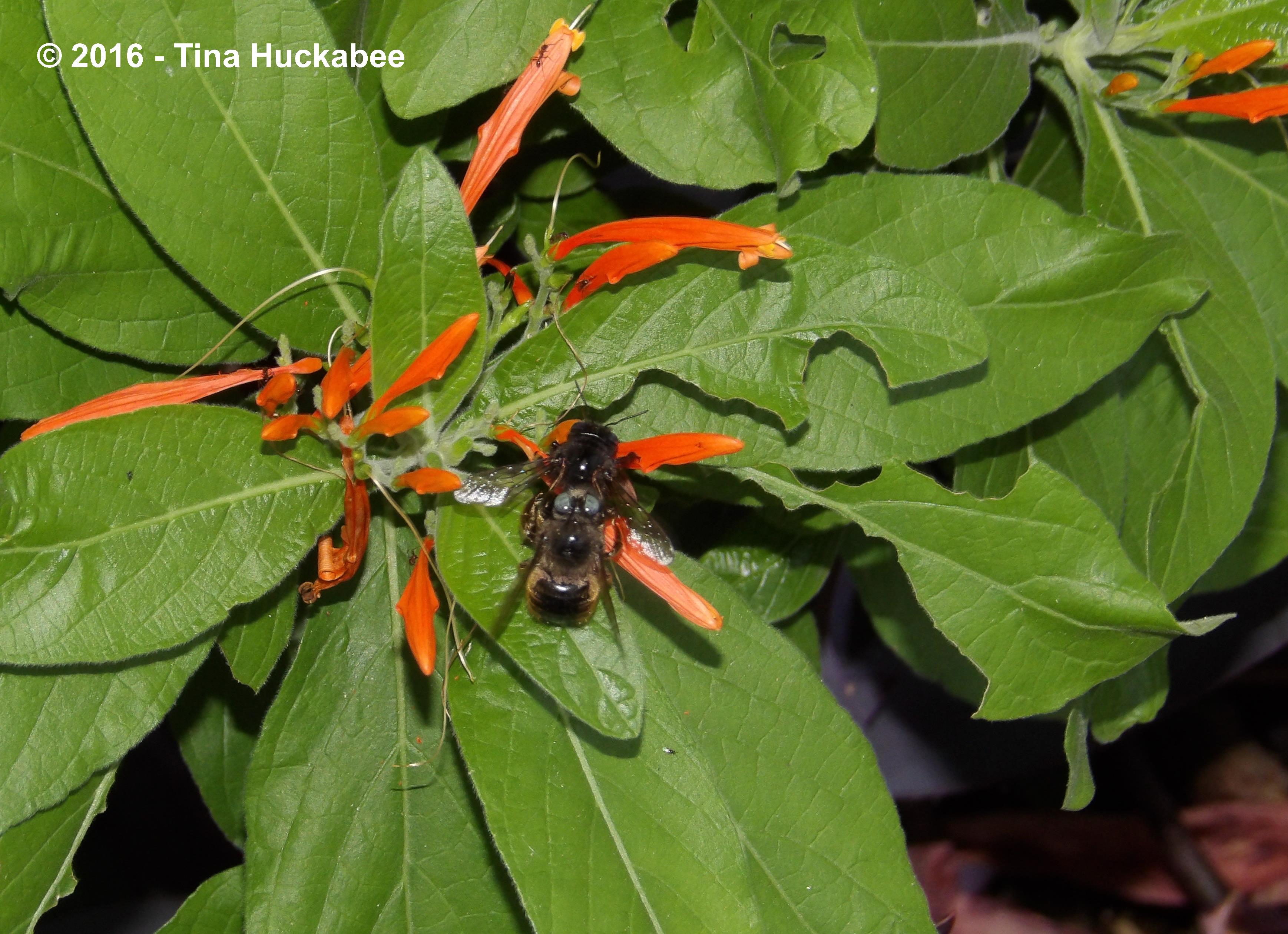
…while these two mating Horsefly-like carpenter bees, Xylocopa tabaniformis,

IMGP8972_cropped_3475x2520..new

Ole Blue Eyes is very determined.

…bring a new meaning to the term multi-tasking, as they flew “entangled” while nectaring on Mexican Honeysuckle blooms.

No bee here, but instead, evidence of a busy mama leafcutter bee sawing off bits of leaves to pack into her nest for her little bee-ones.

IMGP8955.new

I wish I could have watched her work.

Moths and butterflies are occupied, too.  Pretty-in-pink is this Southern Pink Moth, Pyrausta inornatalis, resting on a Henry Duelberg Sage.

IMGP8936_cropped_2479x2198..new

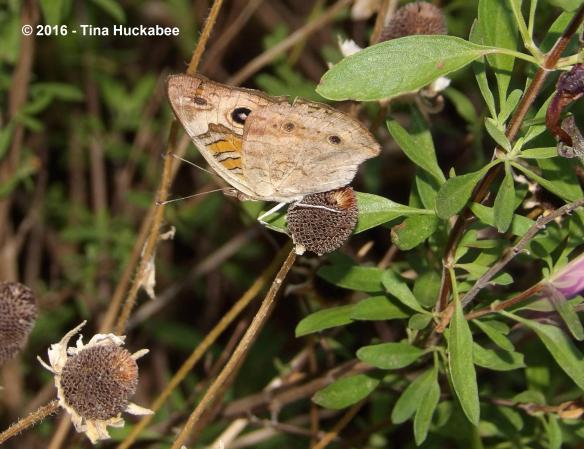
I was lucky late one afternoon to spy a Common Buckeye, Junonia coenia.

IMGP8967_cropped_3516x2373..new

Buckeyes are common–except in my garden, though I grow several species of Ruellia plants which is one of this species host plants. I guess I need to keep a keen eye out for eggs and/or caterpillars on the Ruellia.  Stunning in color and patterns, the males will perch on plants scanning for females–maybe this one was looking for a mate?
IMGP8960_cropped_2654x2042..new

At any rate, he posed nicely and I hope he met a nice girl.

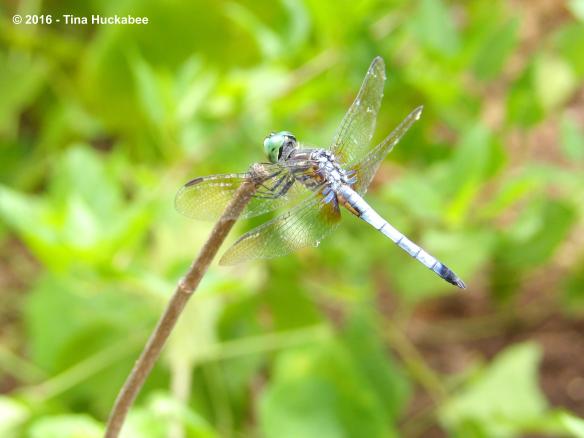
It isn’t July–or summer, for that matter–without the dragonflies.  This jewel-like Blue Dasher, Pachydiplax longipennis, demonstrated patience with my photo taking .
IMGP9103.new

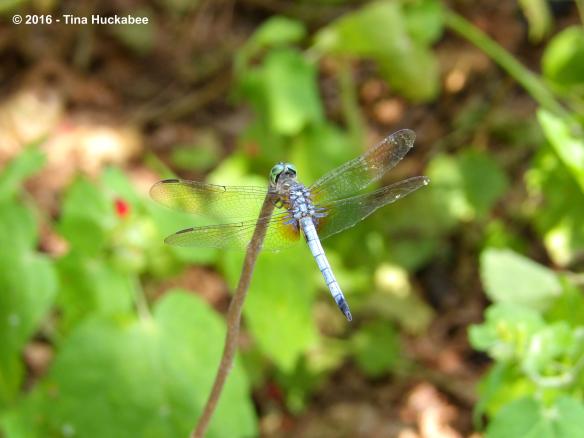
I saw him land, went inside the house to get my camera and promptly was distracted by something shiny. Later (at least 10 minutes later), I remembered why  I came into the house (please tell me that happens to you!).  I grabbed the camera, headed back out and Mr. Gorgeous was graciously waiting for me.  I guess he REALLY wanted to appear in this month’s Wildlife Wednesday.  

IMGP9101.new

There are plenty of other dragons and damsels in the garden, mostly because there are several ponds in the neighborhood. They’re excellent predators for mosquitoes and who can complain about that?  Go get’em, dragons-n-damsels!
IMGP9098.new

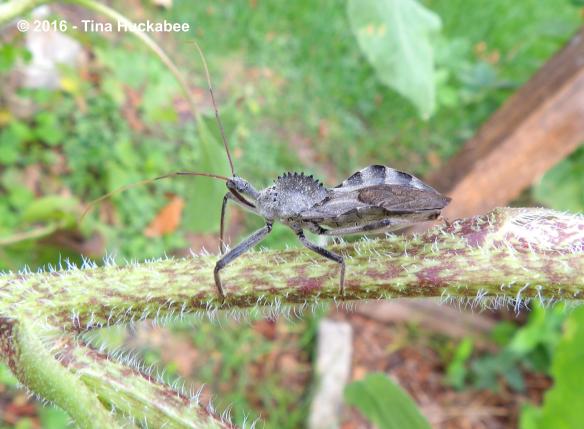
Speaking of predators, the assassins are active, as well as being some of the coolest looking bugs around.  The Wheel BugArius cristatus, is looks like he just exited  from a space ship.
IMGP8774_cropped_3368x2479..new

Both males and females have the toothy-wheel protuberance on their thorax, though the exact purpose of this crest is not known.  Probably it’s to freak out everyone.

IMGP8777_cropped_3073x2479..new

Actually, these beneficial insects are quite shy and don’t seek conflict.  Of course, that’s true of most insects–and other wildlife.  Wheel Bugs and their kin feed on aphids, caterpillars and other assorted insects and thwart predators with their stinky essence.

IMGP8776_cropped_2884x2682..new

A related assassin bug is this Zelus luridus.

IMGP8890_cropped_3364x2327..new

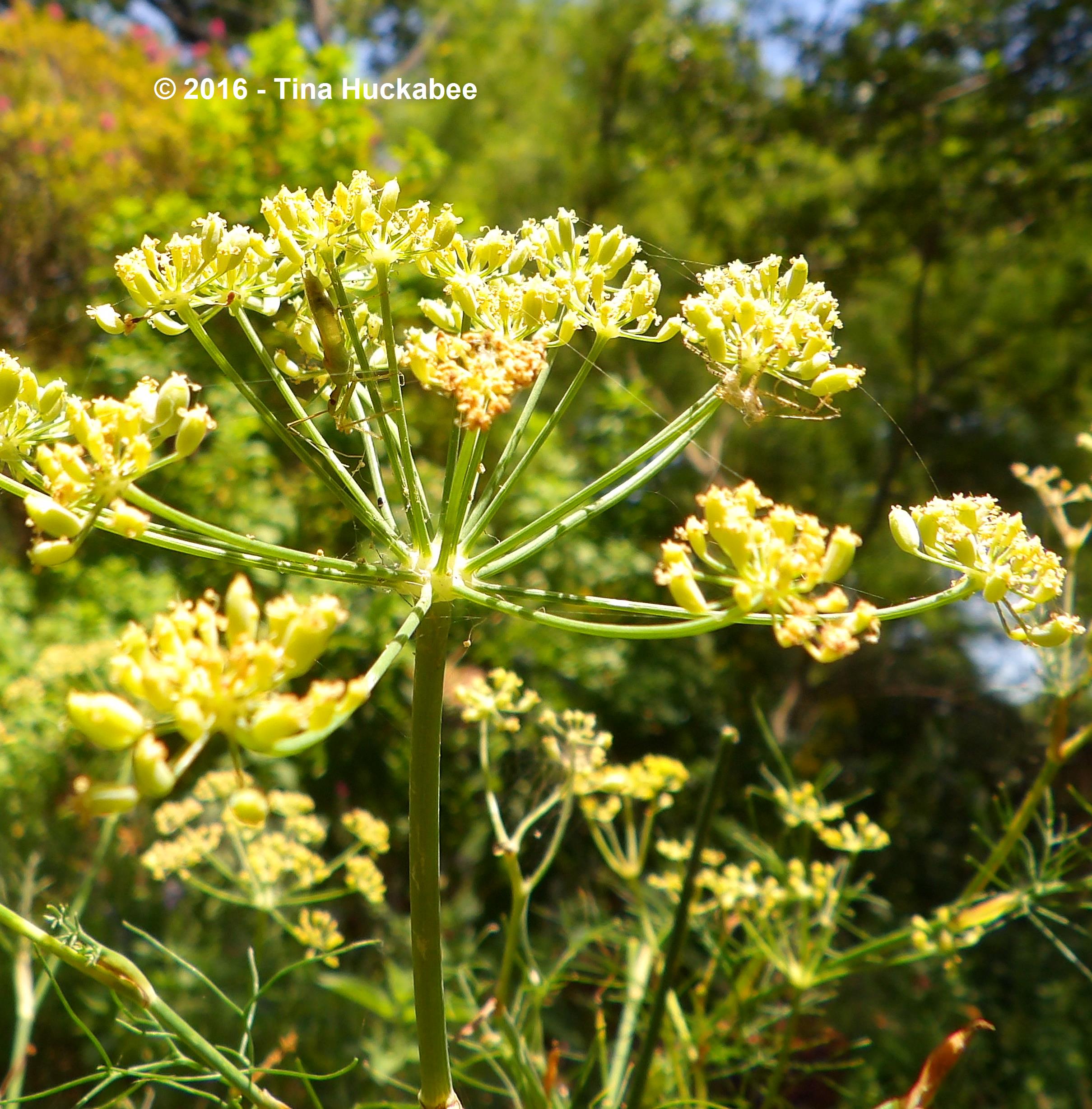
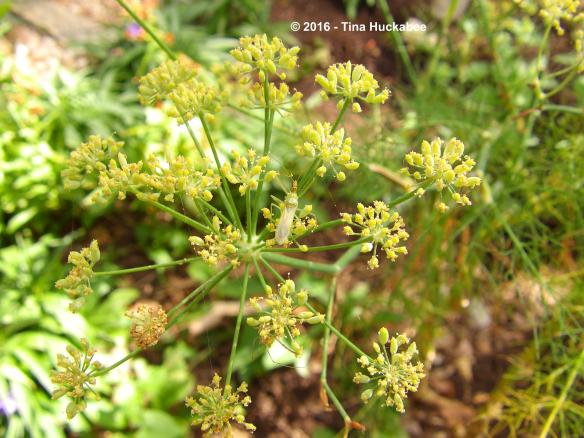
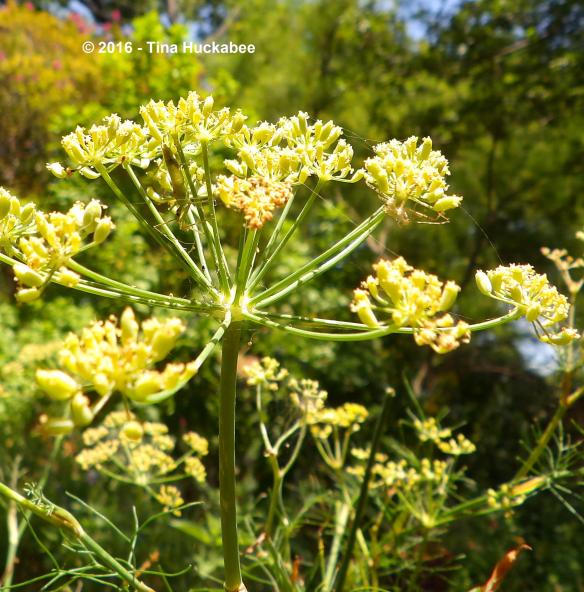
I observed him (her?) lurking about on the developing seed heads of a fennel plant.

Another was perched on top of the plant,
IMGP8895.new

…but later in the day, during mid-afternoon when it was very hot, this smart one decided to use the seed umbel as an umbrella and crawled underneath for some shade.
IMGP8899_cropped_2419x2456..new

In vertical stance along the stem, the bug is shaded.

I’m fairly sure that I spied this one was holding an iddy-biddy umbrella drink in its claws.

A good idea, if you ask me.

A day or two before, I’d seen another assassin (or maybe the same?) with a hapless and stunned little native bee in its grips.  As I leaned in for a closer look, the predator winged to the ground, with prey “in hand.”  Assassins prey on all soft-bodied insects, including some of the good ones.

Late July saw the dog days disrupted briefly with a gift of gorgeous, soaking rain.  Woo-hoo!!  The reprieve from summer’s heat didn’t last for long though and August is always tough here in Texas.  Alas, autumn is just around the corner.

Until next month…

Did wildlife visit your garden this past month? Please post for August Wildlife Wednesday. Share the rare or mundane, funny or fascinating, beneficial or harmful critters you encounter. When you comment on my post, please remember to leave a link to your Wildlife Wednesday post so readers can enjoy a variety of garden wildlife observations.

Happy wildlife gardening!
July’s Parade: Wildlife Wednesday, July 2016

Welcome to the July 2016 edition of Wildlife Wednesday.  The United States marked its 240th birthday on Monday and today we mark the 2nd birthday of this wildlife gardening meme! I appreciate and thank all who’ve participated in Wildlife Wednesday.  Each first Wednesday, I’m impressed and inspired by the fabulous photos and compelling anecdotes that avid wildlife gardeners share when they post for the meme.  And for those who’ve tuned in each month to read–a big kiss on the cheek for your interest in and love for wildlife.

Kudos to you all!

Wildlife gardening is an activity that everyone can take part in.  Especially in urban areas, planting for birds, pollinators, and other wild animals helps balance ongoing damage to natural zones and allows our world to heal–if just a little bit–by providing for those who can’t speak for themselves and with whom we share our world.

As July sees celebratory parades with accompanying banners and fireworks, I thought I’d host my own parade of critters that I’ve profiled during this past month.  So, strike up the band and wave your gardening flags, here are July’s wild things!

IMGP8735.new

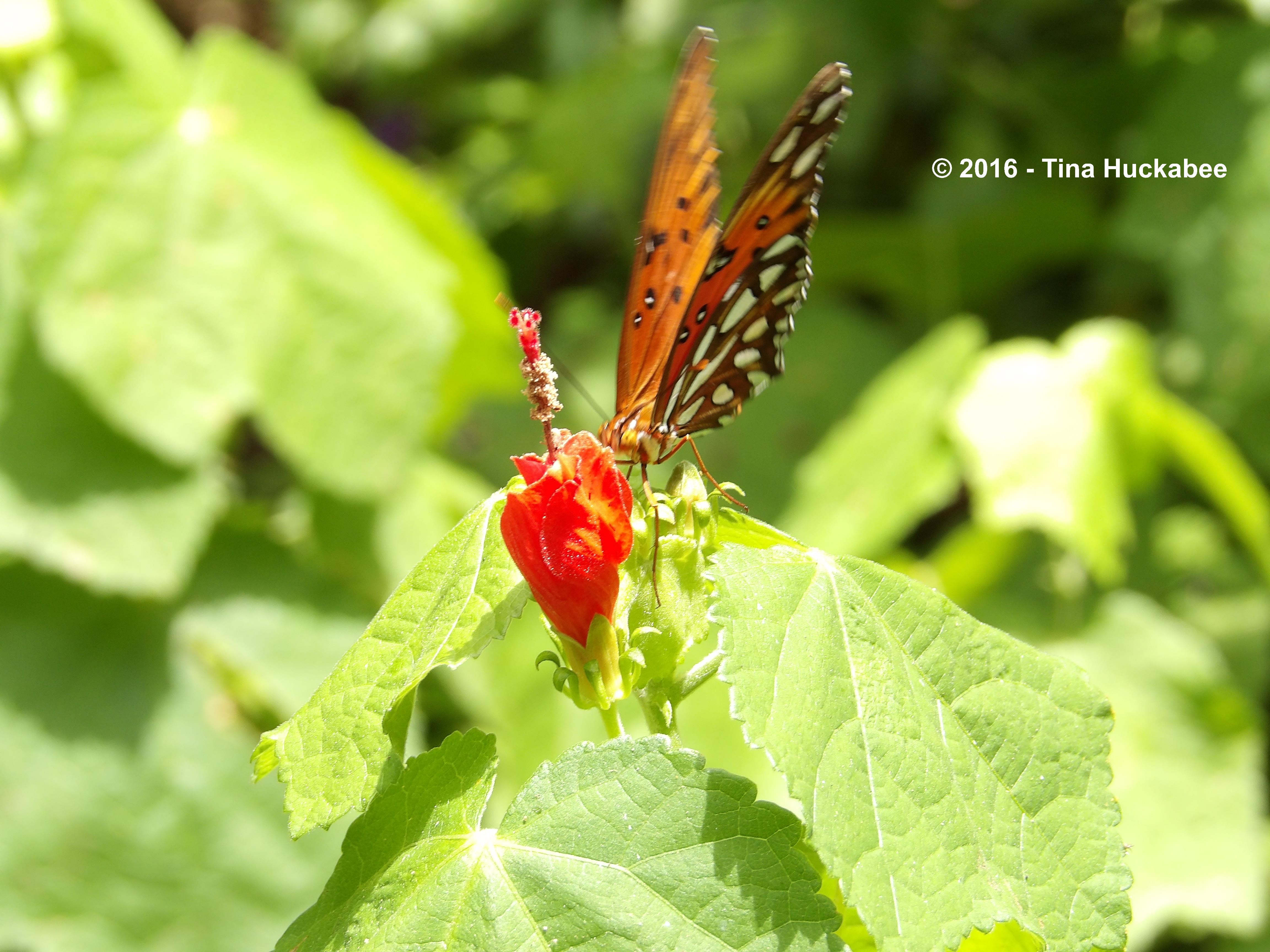
The garden has been full of Gulf Fritillary (Agraulis vanillae) flitting and feeding this past month.

IMGP8734_cropped_2410x2221..new

Gulf Fritillary nectaring on a Turk’s cap bloom (Malvaviscus arboreus). Look at that long proboscis.


I enjoyed this guy’s visit earlier in the month: Green Heron, Butorides virescens.

IMGP8590.new

Standing stalwart, ready to pounce in the bog.

IMGP8578.new

Impressionist coloration.

IMGP8570.new

“I spy with my yellow eye…a gambusia!”


IMGP8700.new

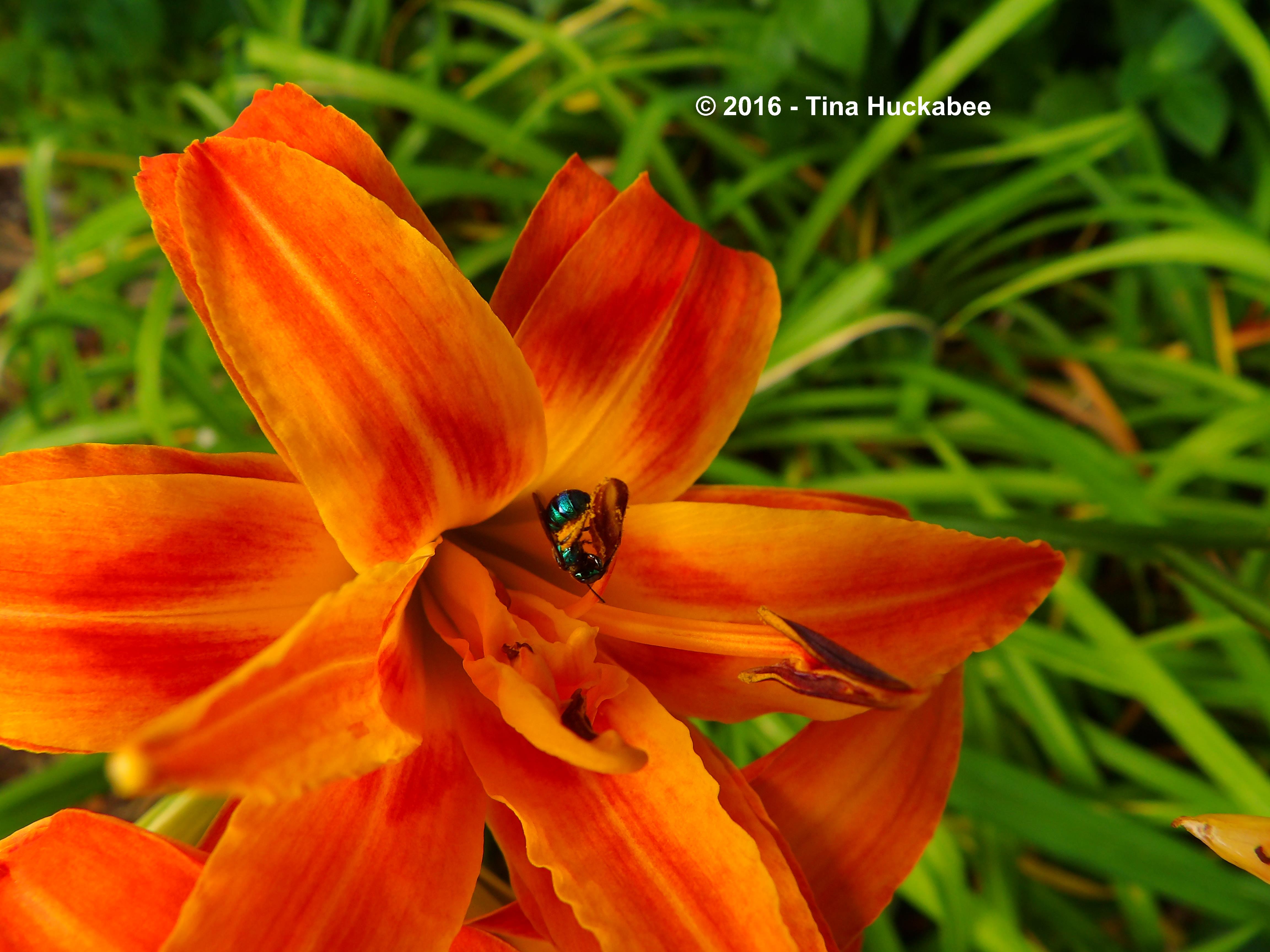
Beautiful metallic native bee enjoying the bounty of a passalong daylily.


IMGP8478.new

Female leafcutter bee, also a native, gathering pollen for her offspring from a Purple coneflower (Echinacea purpurea).


IMGP8425_cropped_3534x2175..new

Pipevine Swallowtail (Battus philenor) showing off pretty wings.


IMGP8449_cropped_3092x2400..new

Soldier beetle (Cantharidae family), one of many pollinators who live and thrive in my garden.


As June progressed and summer has settled in for the duration, damsels and dragons zoom around in the garden, landing here and there on pond and plants, adding their special charm to summer’s wild festivities.

This dreamy (ahem, unclear) shot is, I believe, an Eastern RingtailErpetogomphus designatus.  

IMGP8727.new

Supposedly common in the Austin area, I’m not sure I’ve enjoyed the privilege of meeting this kind of dragonfly before.  According to several sources, the males have a slightly larger “club” at the end of the abdomen, also orange-colored, but this one has neither quality.  My guess is that she’s a she.

Giving firework colors a run for their money, Neon Skimmers, Libellula croceipennis, grace my garden regularly from June to November and are always welcome.

IMGP8549.new


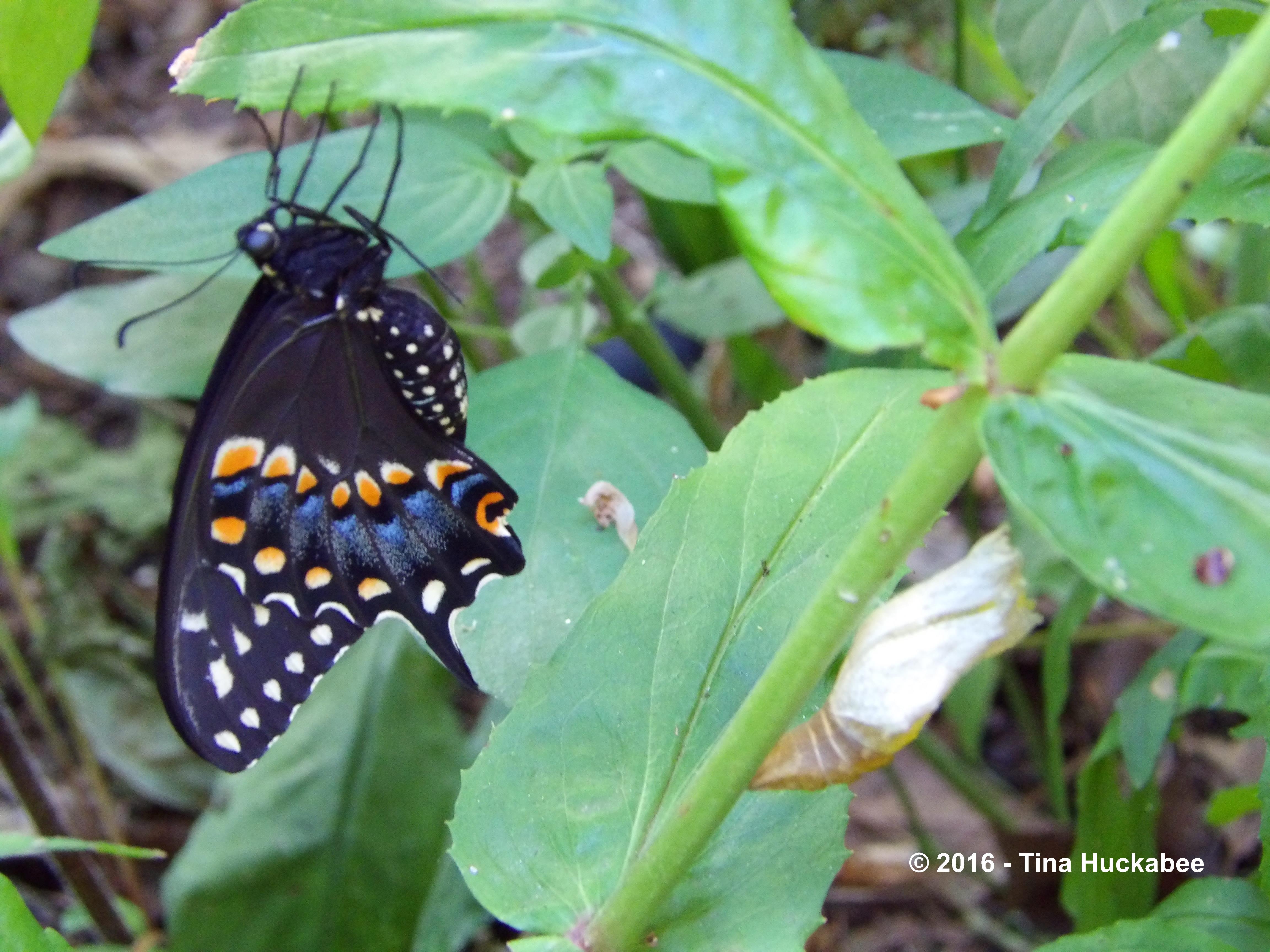
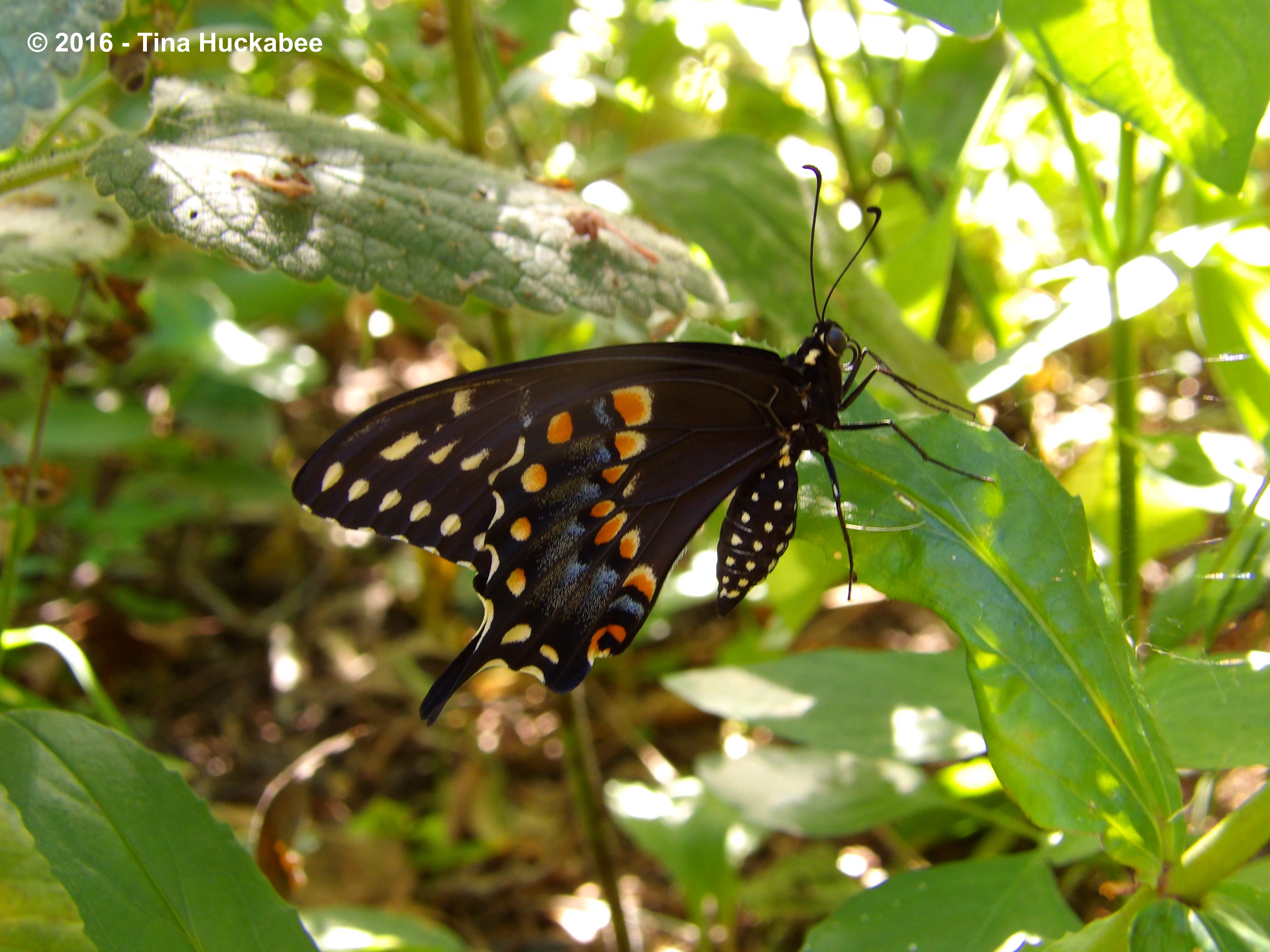
During National Pollinator Week, I profiled the Black Swallowtail, Papilio polyxenes,  butterflies who make their nurseries in my garden, but who travel as adults throughout the neighborhood to nectar and mate.  In my garden, there are several currently in metamorph stage, attached to stems and hidden from predators.  I photographed this winged jewel on the morning of emergence.

IMGP8724.new

A newly emerged adult, drying its wings near its former home.

IMGP8725.new

IMGP8726_cropped_2432x2147..new

A newly vacated chrysalis.

Butterfly and moth chrysalises are so well camouflaged that it’s a gift to find them–lucky me this time!!

Butterflies are easy to appreciate because of their beauty and daytime winging and nectaring habits.  But moths, common at dark and more subtly pattered and colored, also contribute to pollination and play an equally important role in a balanced ecosystem. Like many, my knowledge of moths is woefully inadequate.  I can tell you that this is a moth, but haven’t found the exact identification.

IMGP8650_cropped_2401x1991..new

It reminds me though of a rock climber, sans ropes, hanging on to the rock, before advancing upwards.

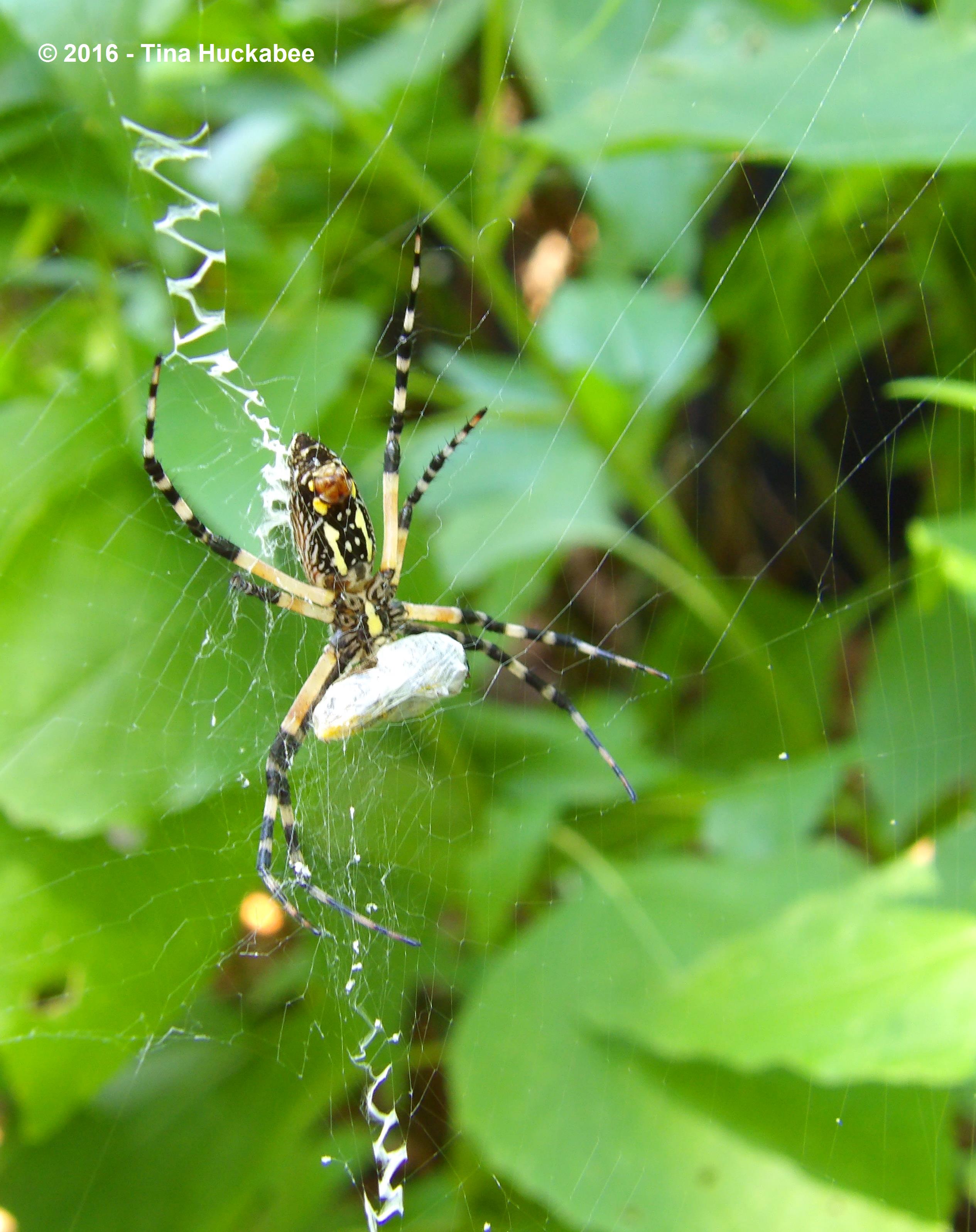
Spiders are back!  I enjoy watching the Black-and-yellow Argiope spiders that are common in Austin gardens, including my own.  I was frustrated that I couldn’t get a clear shot of the top, more decorative part of the spider, and then realized that I was quite fortunate to have a clear view of the usually hidden underside of this female argiope.

IMGP8756_cropped_2530x3193..new

It looks like she’s snagged one of my darling honeybees for a meal.  Well, I’m not so crazy about that part of a garden spider, but tolerance of hunting and acceptance of the fate of prey is part of wildlife gardening.  Everyone must eat, which usually means that something was alive and no longer is.


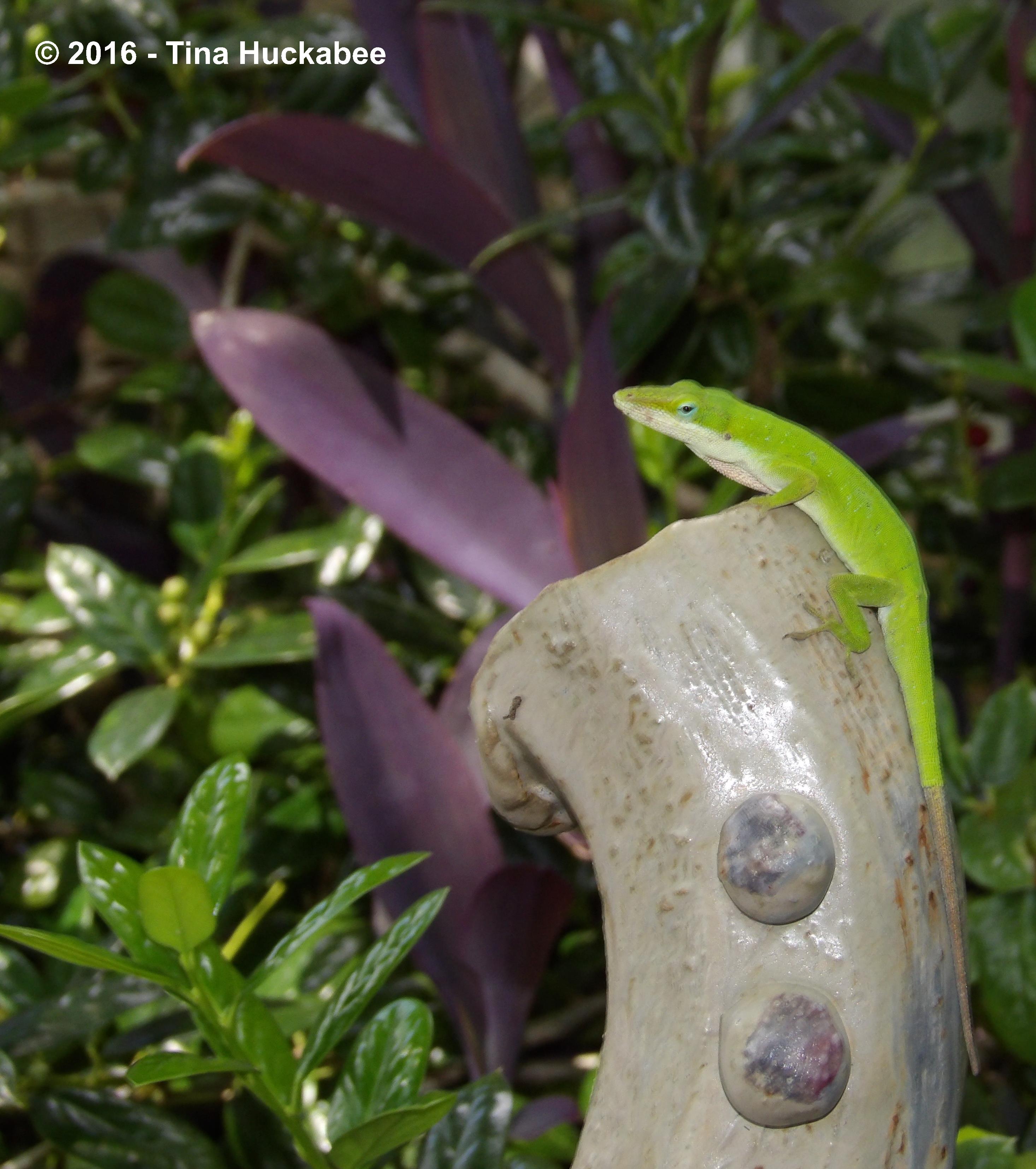
I usually observe and photograph the green form of the Green anole lizard, Anolis carolinensis, like so:

IMGP8732_cropped_3157x3222..new

IMGP8733_cropped_2932x3309..new

But these cheeky ones also blush brown when necessary, as camouflage from predators.

IMGP8653.new

This anole blends in well with the wooden fence.

IMGP8656.new

This anole hides with the backdrop of a limestone wall.

And gardeners!

And finally, there was this dude:

IMGP8460.new

You want a piece of me?!

IMGP8458_cropped_2543x2341..new

YOU WANT A PIECE OF ME?!

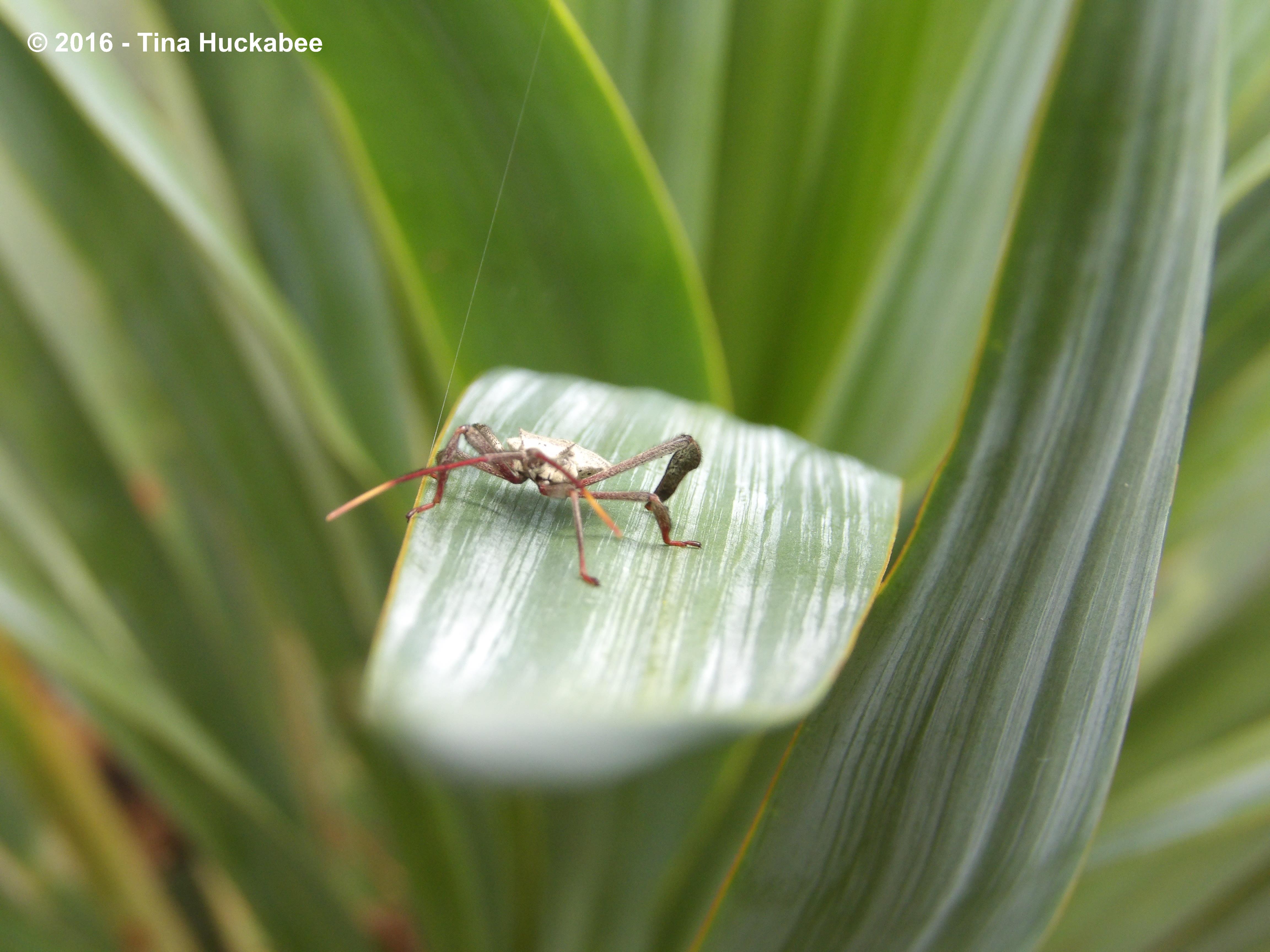
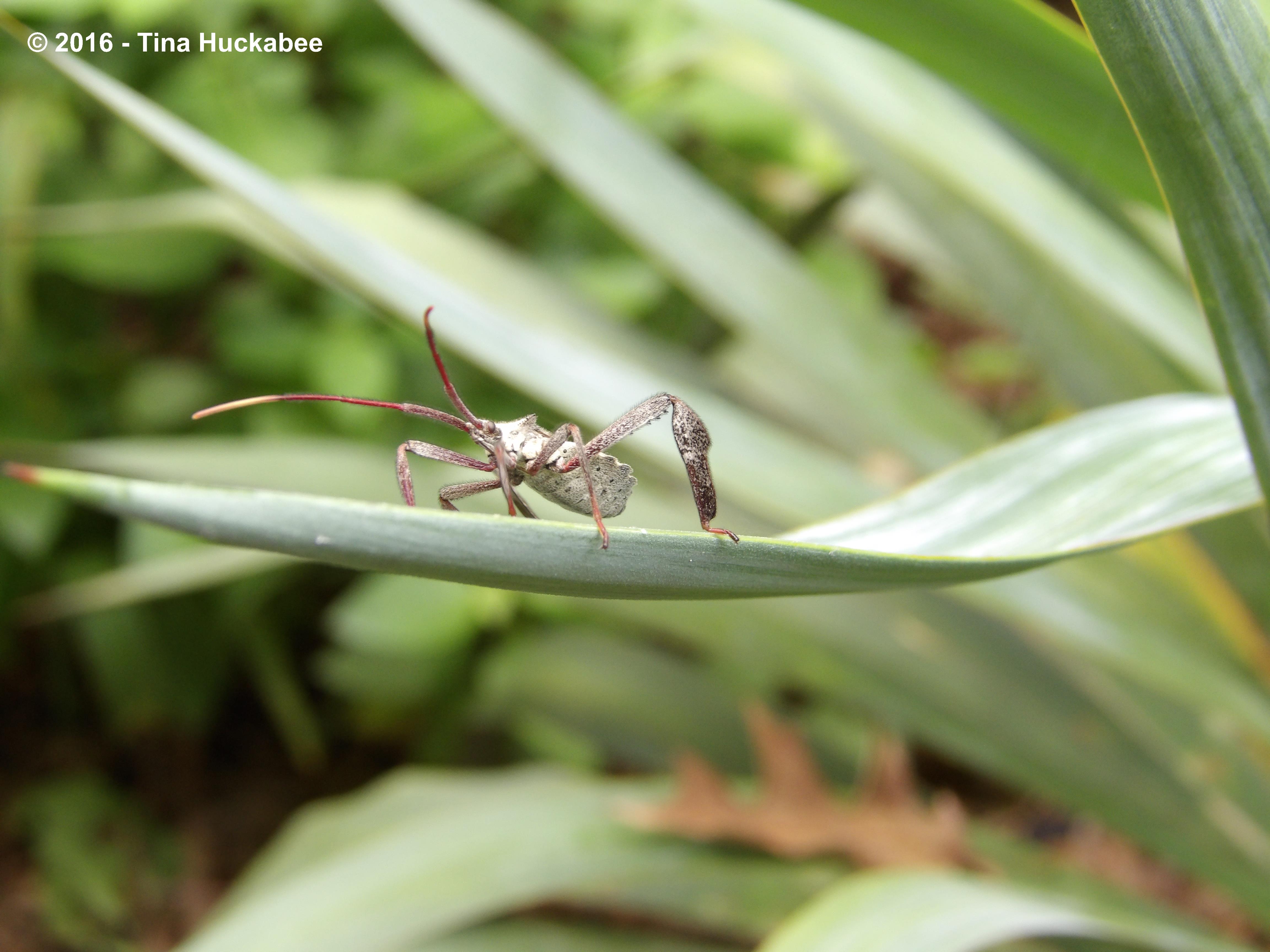
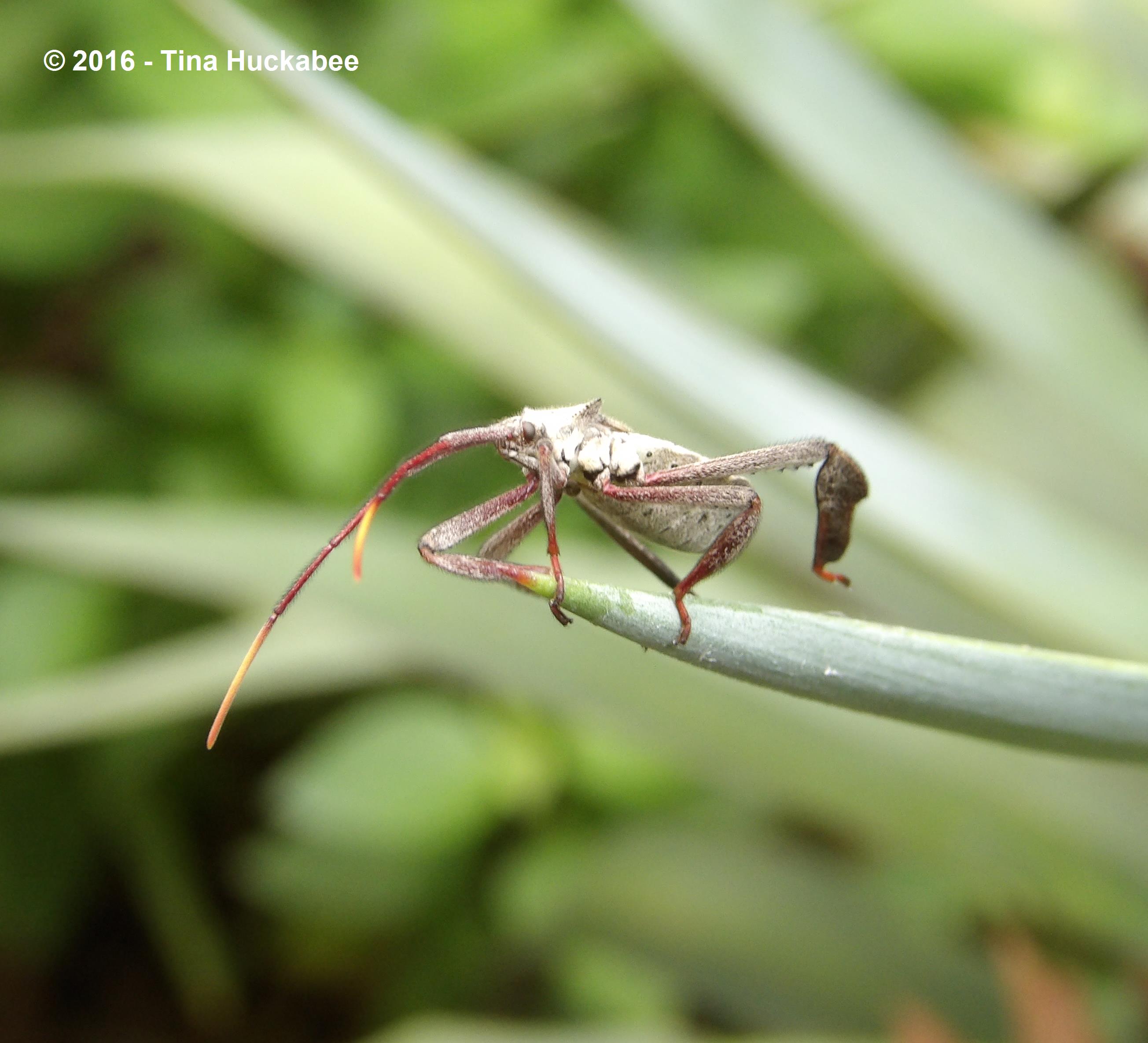
This Leaf-footed bugAcanthocephala terminalis, practically dared me to catch a photo as it traveled the length of a Soft-leaf yucca leaf, toward this camera-wielding gardener.

IMGP8462.new

I’m walkin’ here!

IMGP8463_cropped_2608x2369..new

It looks like he’s dancing a jig as he made it to the end of the leaf.

But in the end, I’m bigger, more technologically advanced (sort of…), and higher up on the food chain, so yeah, I was able to catch him/her in a plucky stance.

IMGP8454_cropped_2415x2530..new

This bug sports decorative feet and antennae.

There are a wide variety of Coreidae, or Leaf-footed bugs, in this area and I enjoy seeing them in my garden.  They do feed on plants, but I’ve never seen serious foliage damage from them, or at least, none that I’m aware of.   I’m sure there are some leaves, less than pristine, which owe their damage to the bugs’ meal preferences, but it’s nothing that I lose sleep over.  Keeping abreast of who inhabits and visits your garden will ensure that no serious “pest” damage occurs.  Usually, a spritz of water, once or twice, is all that is needed to discourage less-than-welcome marauding insects. Pesticides, even “organic” pesticides are highly damaging to many garden creatures, and not only the ones targeted.  A garden is alive and fulfilling its purpose when it nurtures a wide diversity of critters–insects, spiders, birds, mammals, and reptiles, and chemicals are anathema to a healthy, diverse wildlife community.

Did wildlife visit your garden this past month? Please post for July Wildlife Wednesday Share the rare or mundane, funny or fascinating, beneficial or harmful critters you encounter. When you comment on my post, please remember to leave a link to your Wildlife Wednesday post so readers can enjoy a variety of garden wildlife observations.