The Green of Spring

Spring is springing here in Austin, Texas–and how!  After a mild winter, punctuated by a few days and nights of low 20sF/-6 to -16C, fresh greens are poking out and peeking through, heralding a new year of plant growth and garden possibilities.  It’s only the beginning of the Central Texas season of verdancy, but notable for its altering of the tawny and gray palette that is the Texas winter landscape.

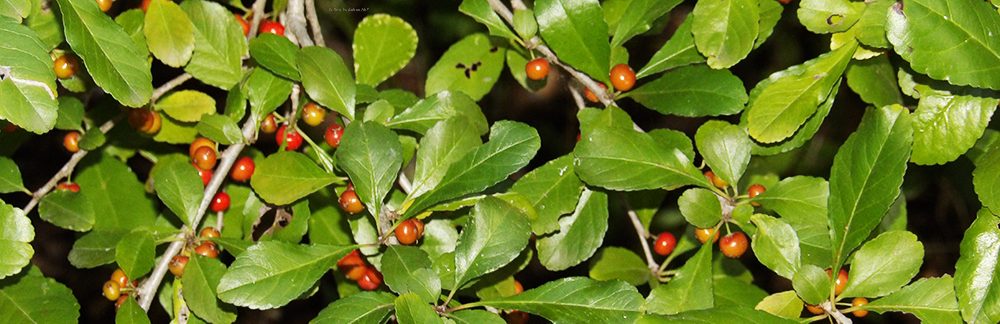
Possumhaw hollyIlex decidua, is flushing out new yellow-green foliage growth.
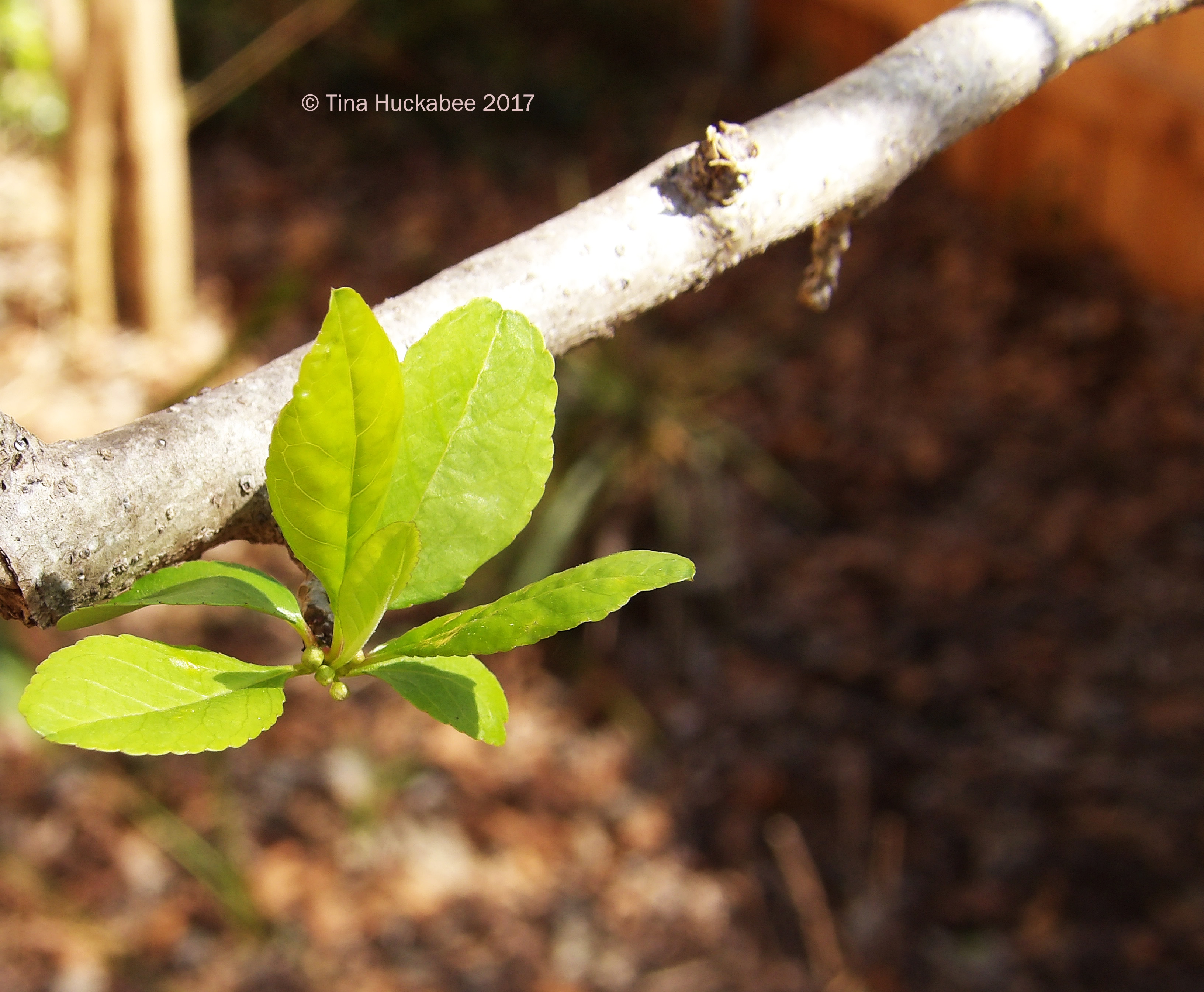
Buds of the tiny white flowers are developing at the base of the leaves.

Bark of this attractive small tree serves as elegant white scaffolding in an emerging sea of green, popped here and there by luscious red berries which haven’t yet been gobbled up by various wild critters.
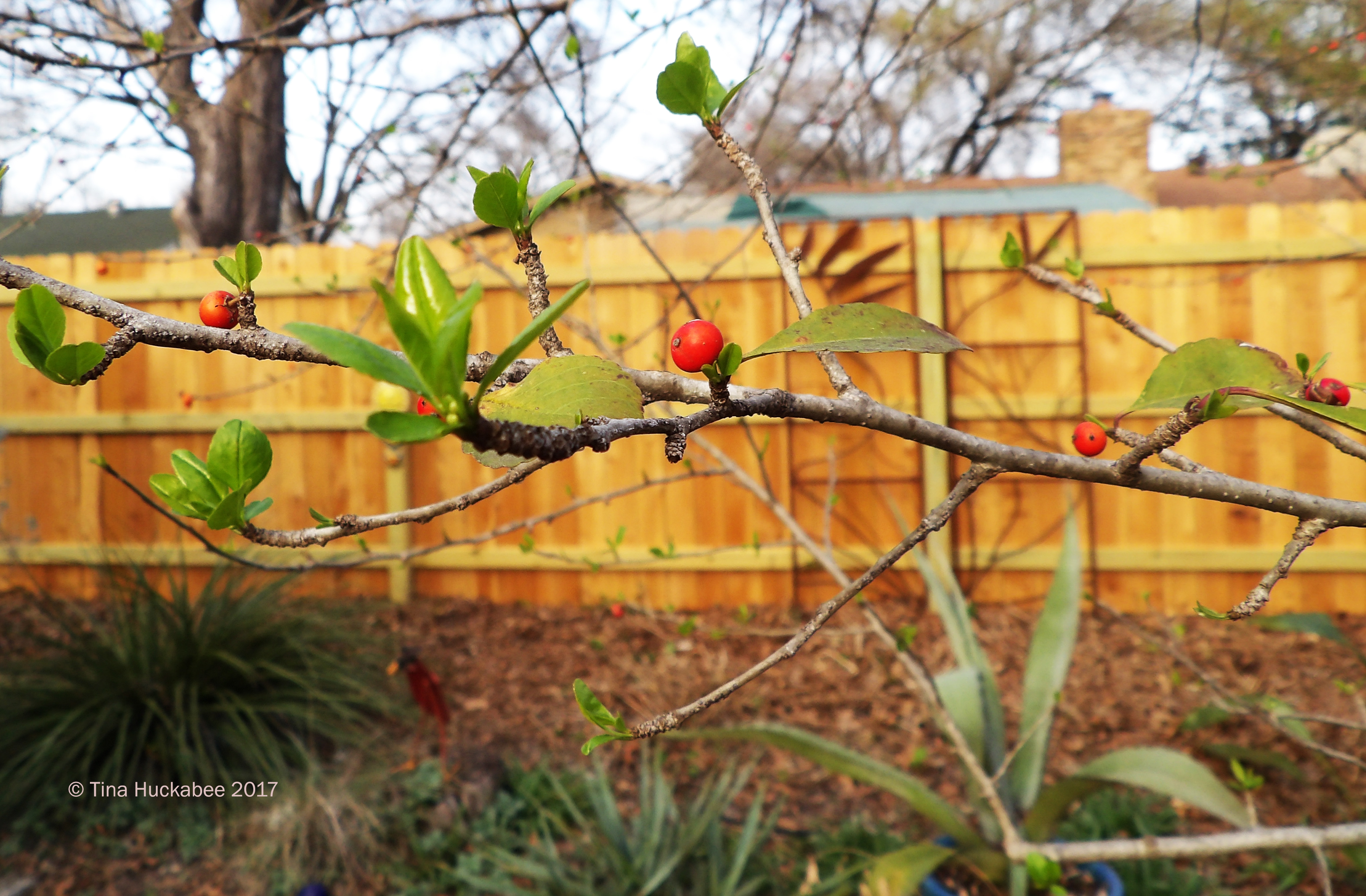
 

The Possumhaw’s  garden neighbor, an Almond verbena,  Aloysia virgata, was an impulse buy for me some years ago and one I don’t regret.  No berries on this small tree, but after each rainfall during the growing season, fragrant white blooms materialize and are friends to the pollinators.  For now, its foliage blushes new, transforming to solid green when ready.


Another small native tree with multicolored foliage is my Texas smoke treeCotinus obovatus.  

This one is a couple of years old and growing well, with foliage color year-round and sprigs of blossoms coming soon.


The Goldenball leadtree, Leucaena retusa, has sprouted its new greens against the clear blue sky.

Additionally, its koosh-like blooms will be ready for interested pollinators in the next month.

Budding blooms keep new foliage company.

Not as tall as the aforementioned wildlife-friendly trees is the shrub White mistflower, Ageratina havanensis, a semi-evergreen, sometime spring, and always fall bloomer, whose blooms are beloved by butterflies and bees alike.
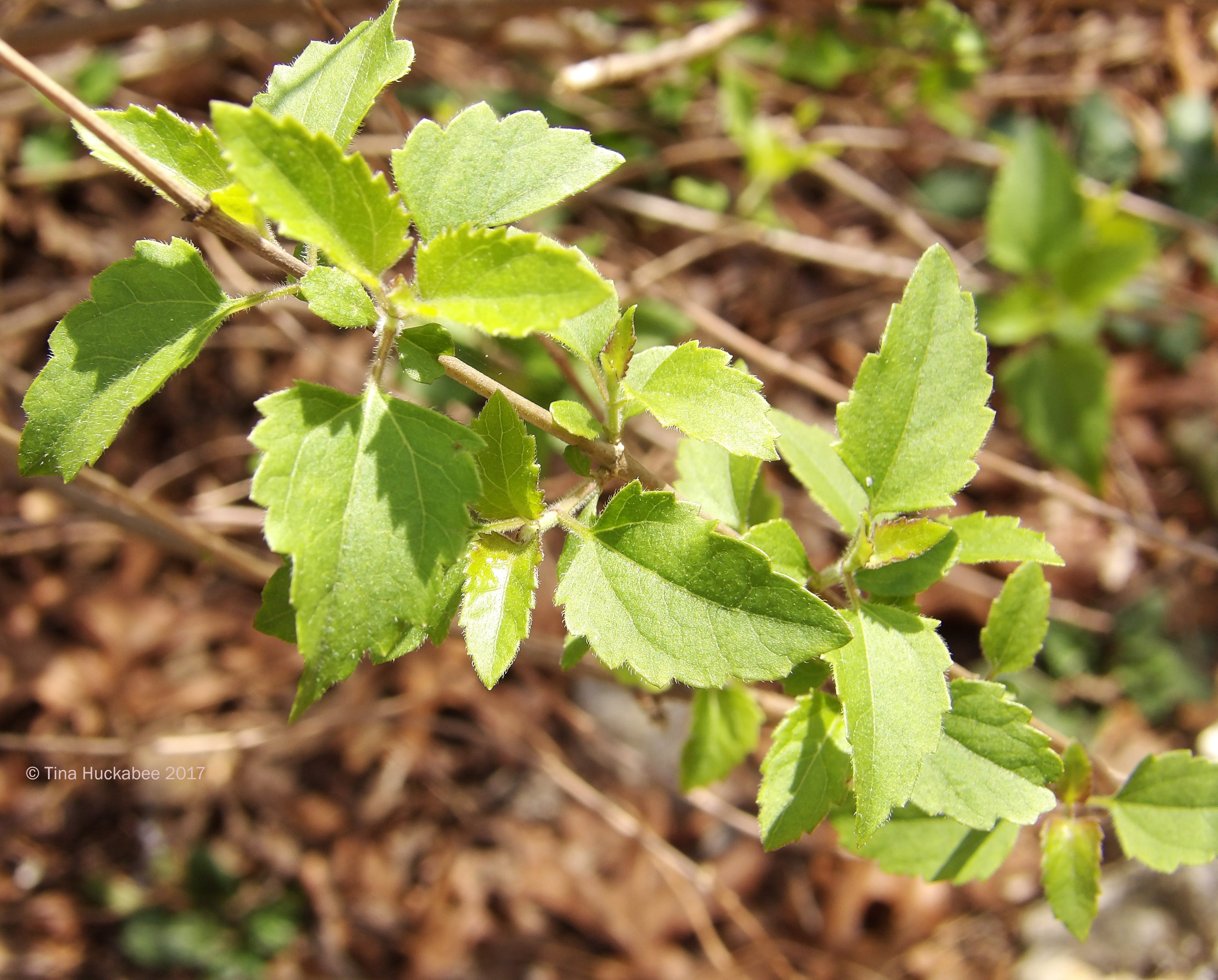
Some leaves remained on my shrub after our hard freezes, but fresh foliage is quickly appearing to fill in the bare-limbed gaps.


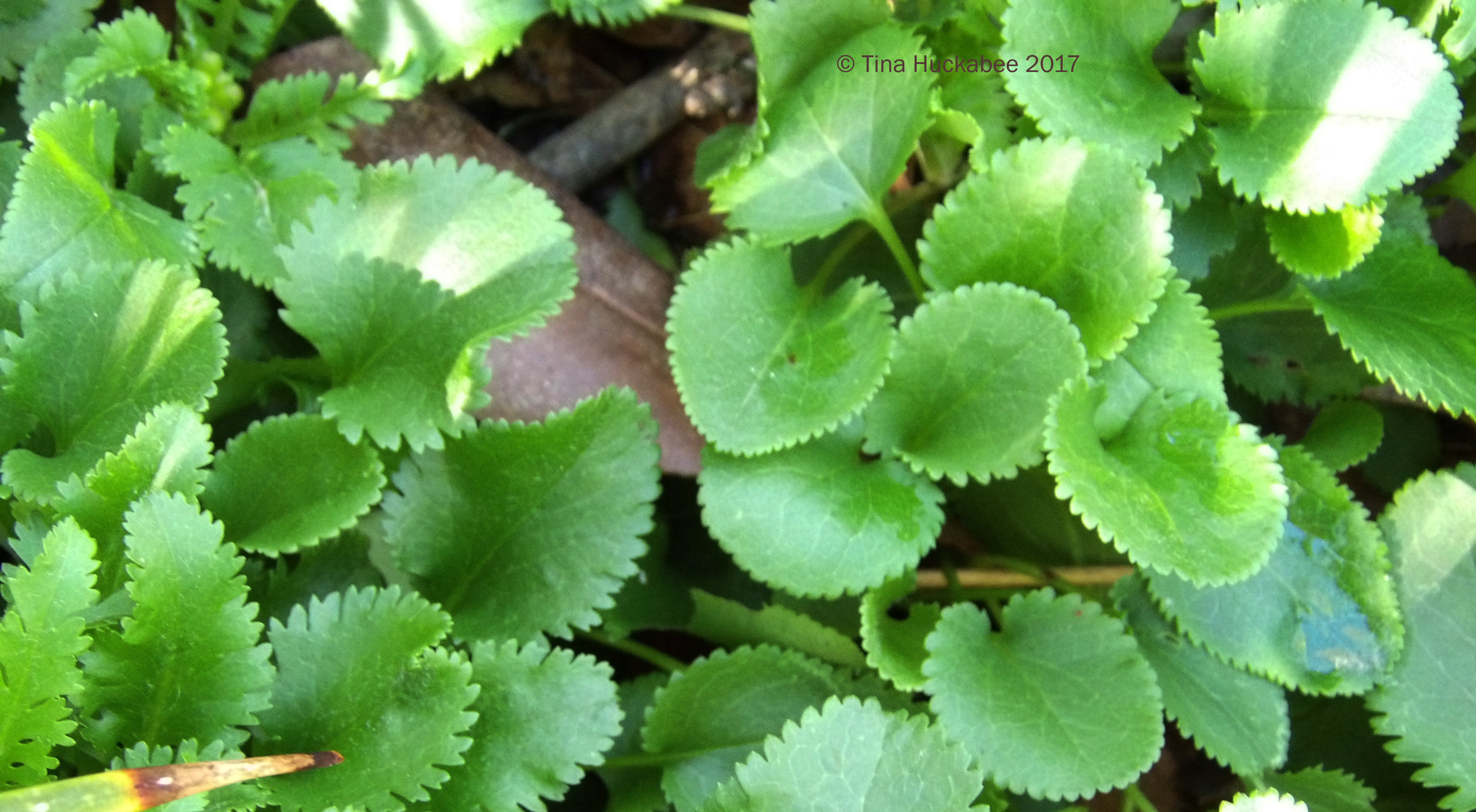
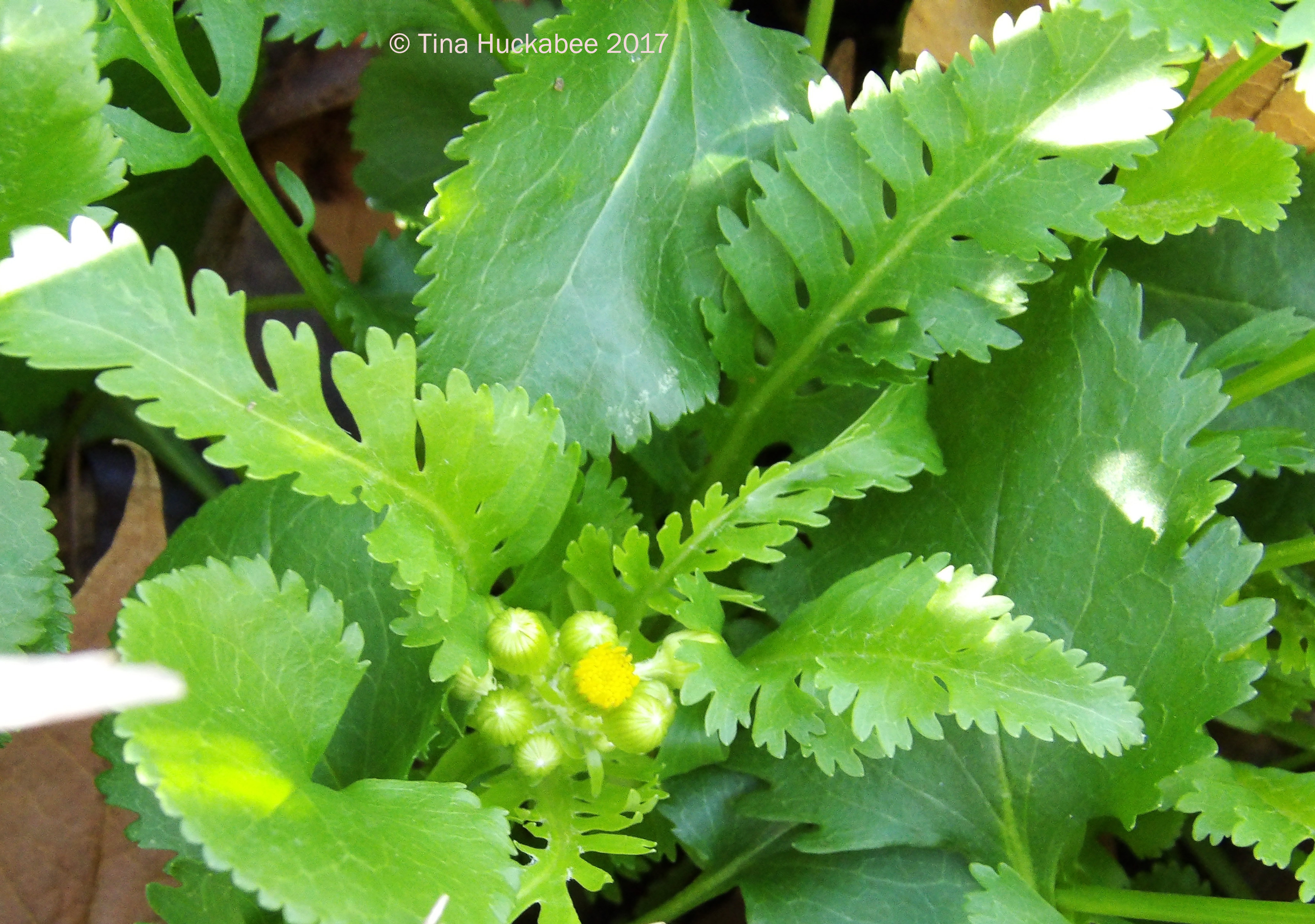
Closer to the ground are the evergreen serrated leaves of the wildflower Golden groundsel,  Packera obovata.
.

The oval leaves lend year-round groundcover beauty, but the lance-like and dramatically serrated leaves announce the pedicels that host cheery yellow blooms which will mature in the next month or so.
 

Turk’s capMalvaviscus arboreus,  is awakening from its winter slumber, as well. It’s hard to imagine that this plant’s stems will grow to 5 or 6 feet by May.

This set of Turk’s cap leaves share space with a Giant spiderwort (Tradescantia gigantea).

A close-up shot shows a slight fuzz, which is part (only part!) of the reason that Turk’s cap is such a water-wise perennial.


I’m awaiting the vibrant blooms of the Red poppy, a reseeding annual, world-wide garden favorite and welcomed spring flower.  Its foliage is beautiful,

…a gray-green, ruffly wonder in the unfolding spring garden, and in this case,  hosting a green stink bug.  Do you see it?

Whatever foliage you grow–bugs, or not–please check out Christina’s lovely Creating my own garden of the Hesperides Garden Bloggers’ Foliage Day.  See interesting foliage from many gardens and many places, and then share your own leafy loveliness.

Additionally, many thanks to howtostartagarden.org for honoring ‘mygardenersays’ with a ‘Top Southwest Garden Blogs’ recognition.  I’m honored and humbled.
 

Bloom Love

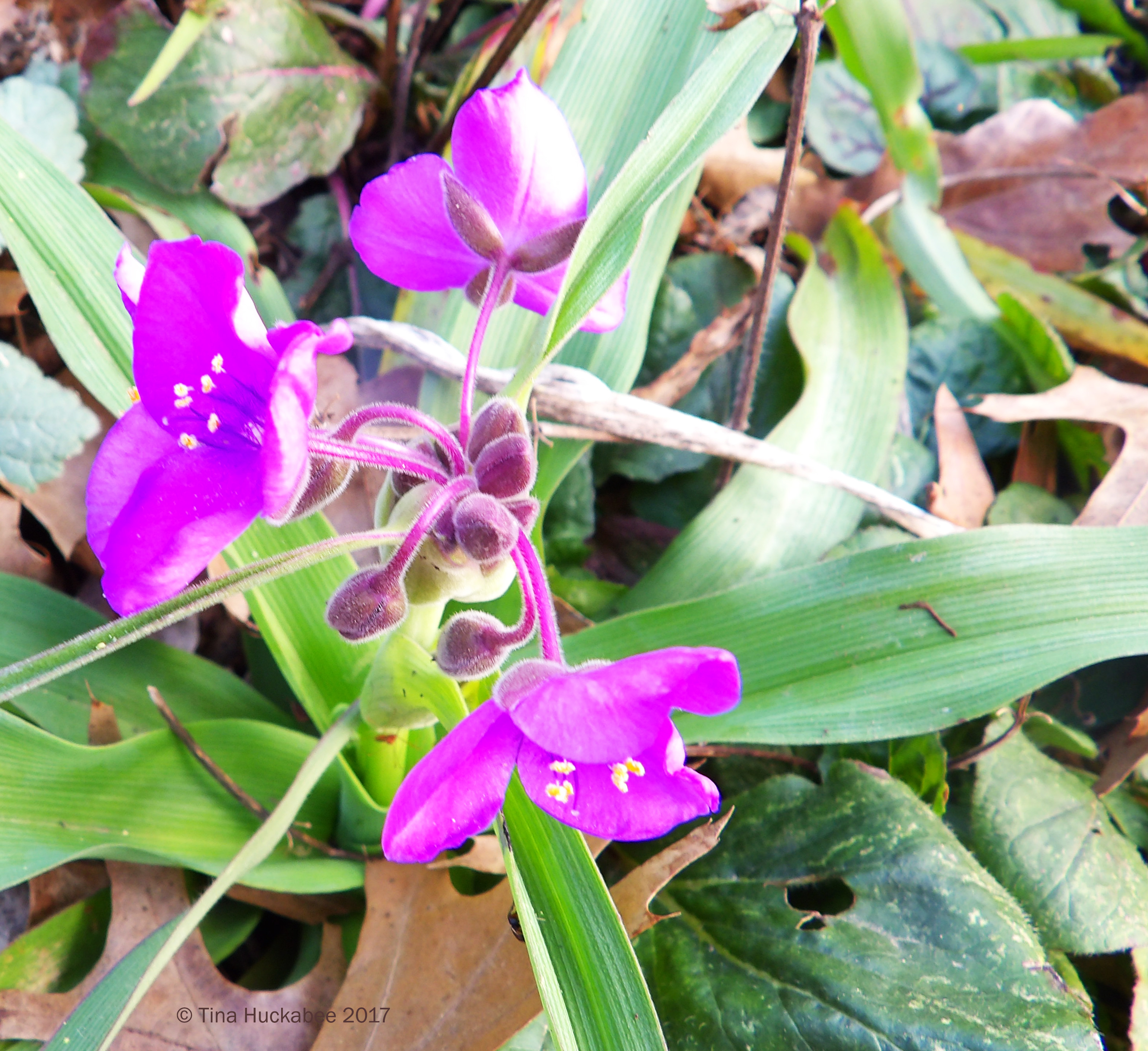
Oh this is happy day of love: for our partners, children, friends and communities and it’s also a perfect day to love those first blooms in the garden.  In my awakening garden, only a few are showing their well-loved faces and providing for hungry pollinators.   Included in these earliest blooms are flowers of Giant spiderwort, Tradescantia gigantea.

RICOH IMAGING


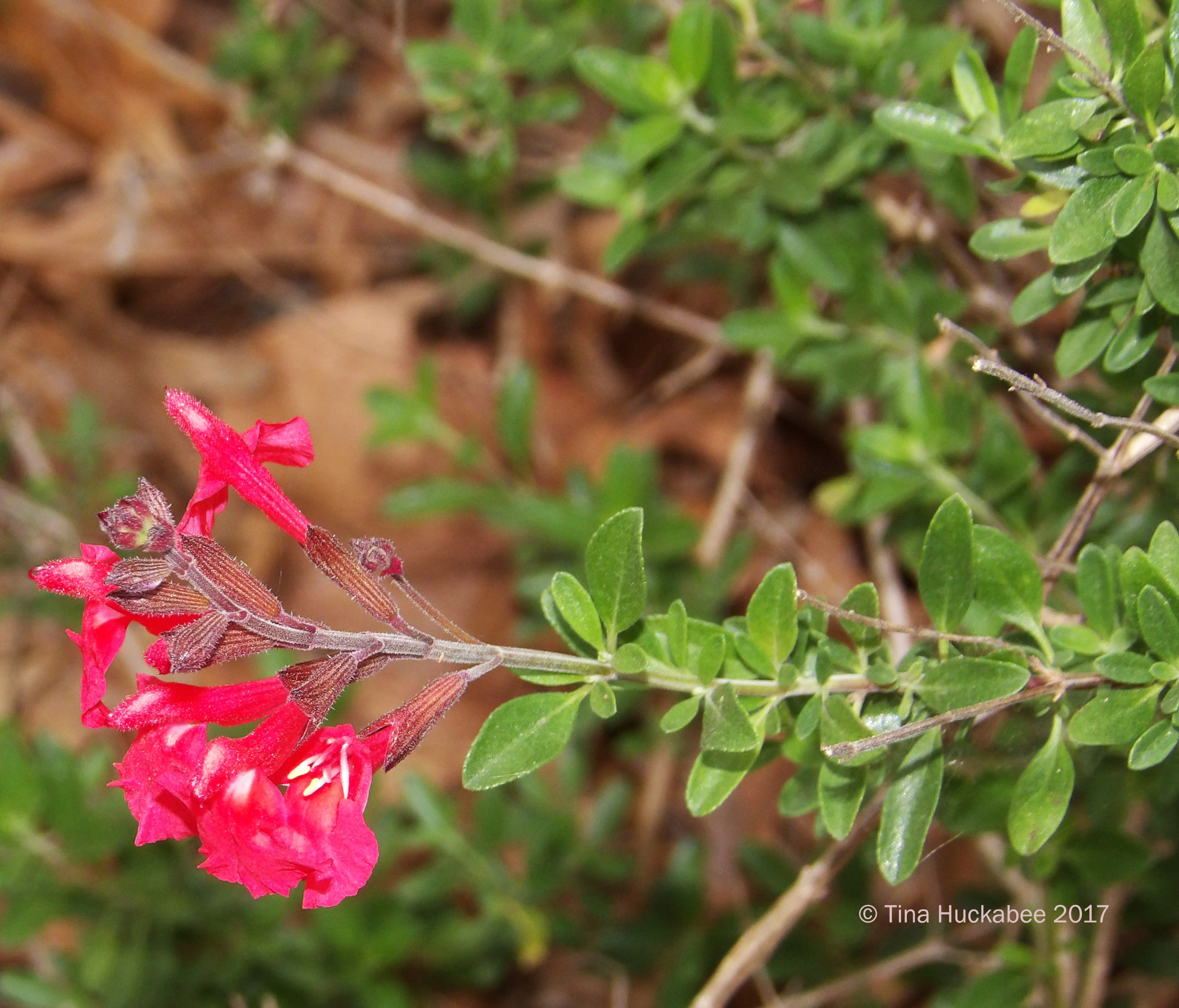
The first of many-to-come blooms of Autumn sageSalvia greggii,  are presenting in a salmon-colored package.

RICOH IMAGING

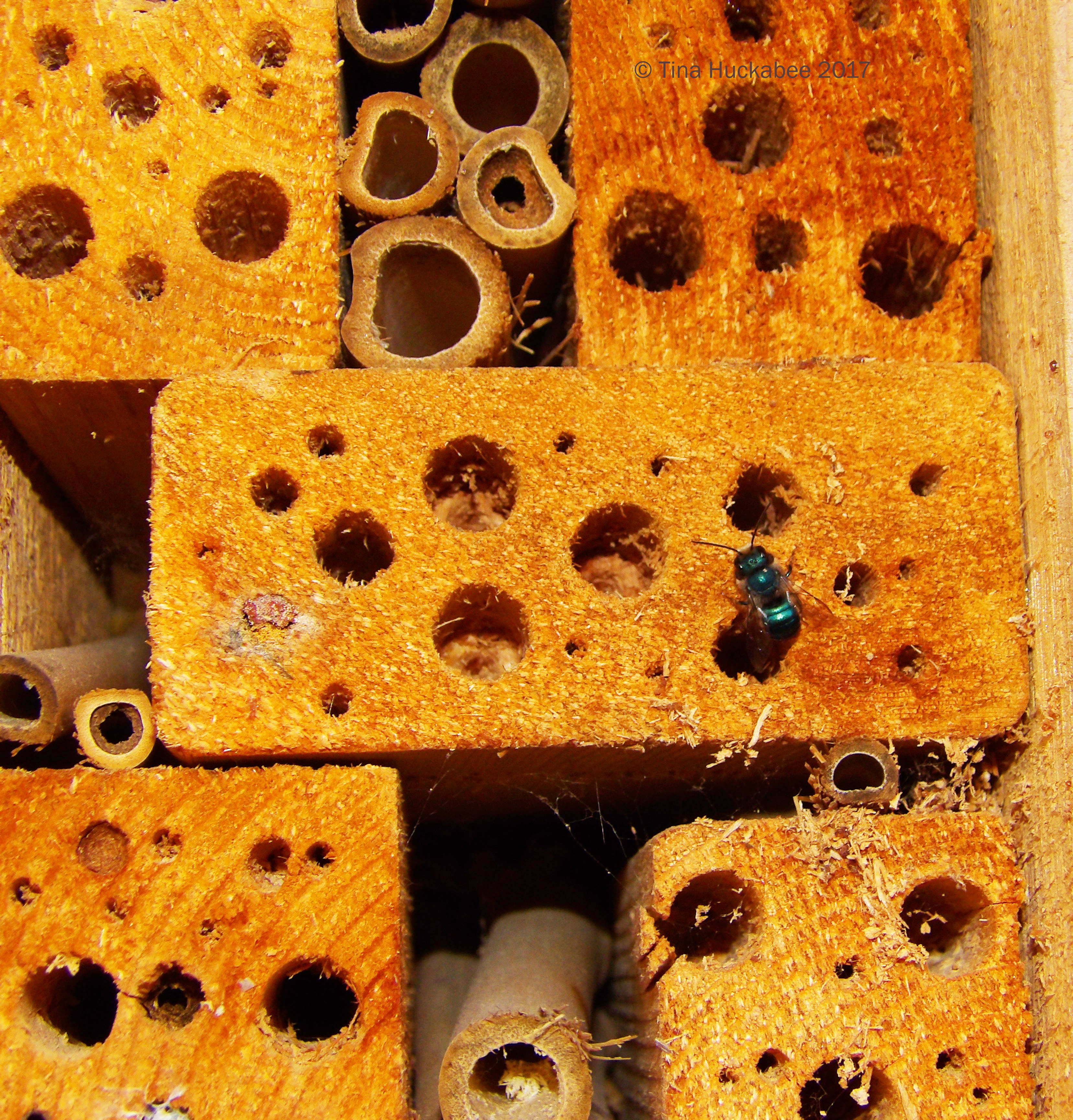
It was in this set of blooms that I spied one of the early native bees, a Blue Orchard bee,  busily gathering nectar and pollen.


Reliable winter bloomers are the charmers adorning the Potato vineSolanum laxum.

RICOH IMAGING

This little cluster decorates the residential area of a non-occupied wren house.  I’m eagerly awaiting a wren couple settling in, loving and raising some chicks, and enjoying their flowers.


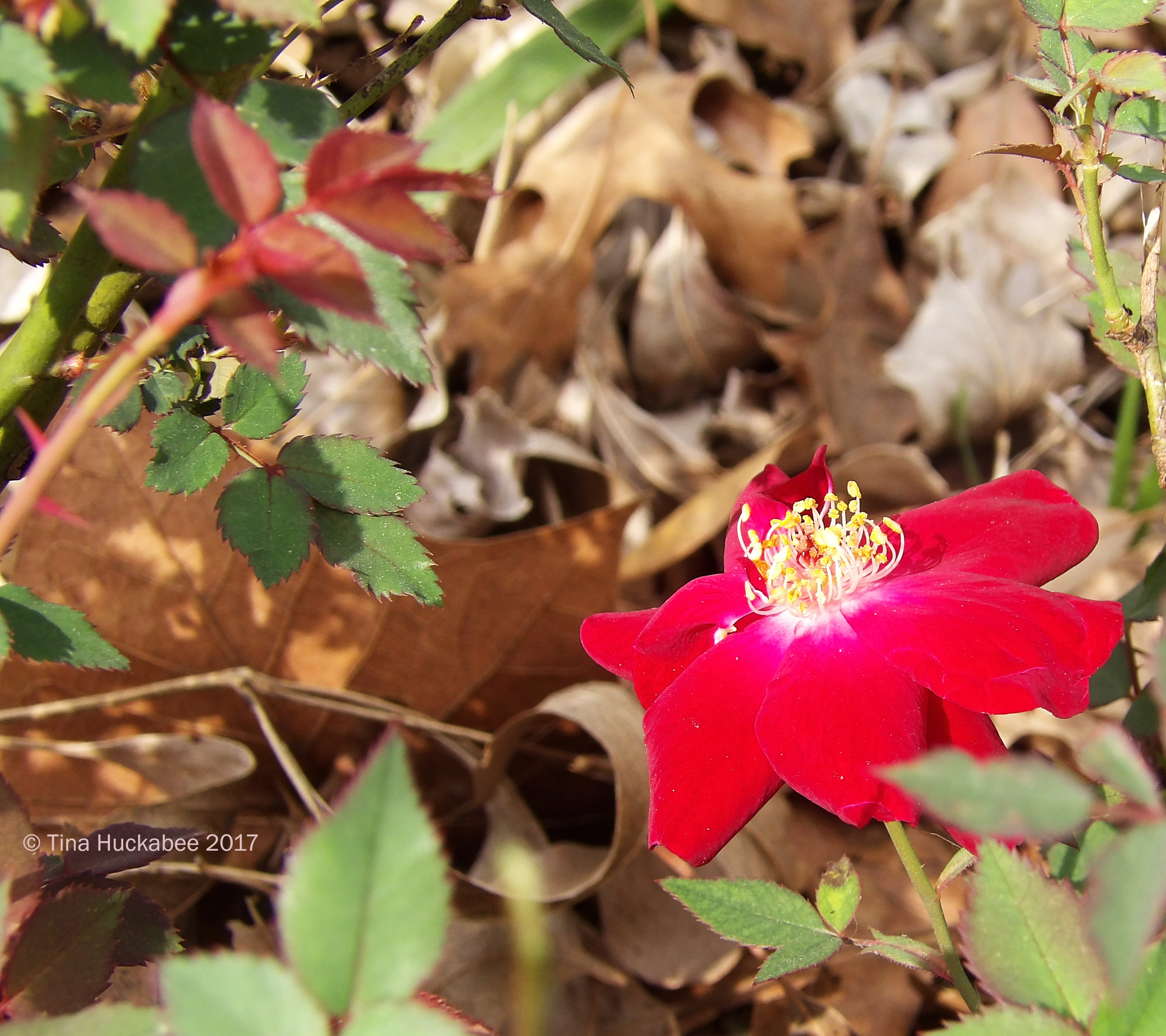
With apologies to Robert Burns and his June-blooming red, red rose, my two red rose shrubs each sport a couple of blooms which have opened for pollinator business and gardener love this February.  The Old Gay Hill rose,

RICOH IMAGING

…and the Martha Gonzales rose,  are gearing up for their spring performances.

RICOH IMAGING

These two roses look similar at first glance but Martha is a smaller shrub decorated with petite, deep red blooms and the Old Gay Hill rose showcases larger blooms with a more brilliant hue.  Both are water-wise perennials and stalwart bloomers.  I look forward to the blast of crimson they lend my garden later in spring.

It’s early days for bloom love in the Northern Hemisphere.  This day and everyday, should be a day of love and kindness in the garden–and everywhere.

For a look at more loved and lovely blooms, check out Carol’s May Dreams Gardens celebrating all things blooming from many places this February.

Blue Bees!

Last year at about this time, I noticed some stunning metallic blue bees buzzing around my newly installed native bee houses. They worked quickly to fill some of the holes and bamboo pieces in the homes, then they disappeared from my sight and garden.  Many different native bee species–big, small, shiny, fuzzy–followed those early blue gals during the growing season.  But that startling blue pollinator was a nice introduction to a long period of native bee activity.

These early spring blue beauties are Blue Orchard Mason beesOsmia lignaria and they’re making their appearance again.

RICOH IMAGING

RICOH IMAGING

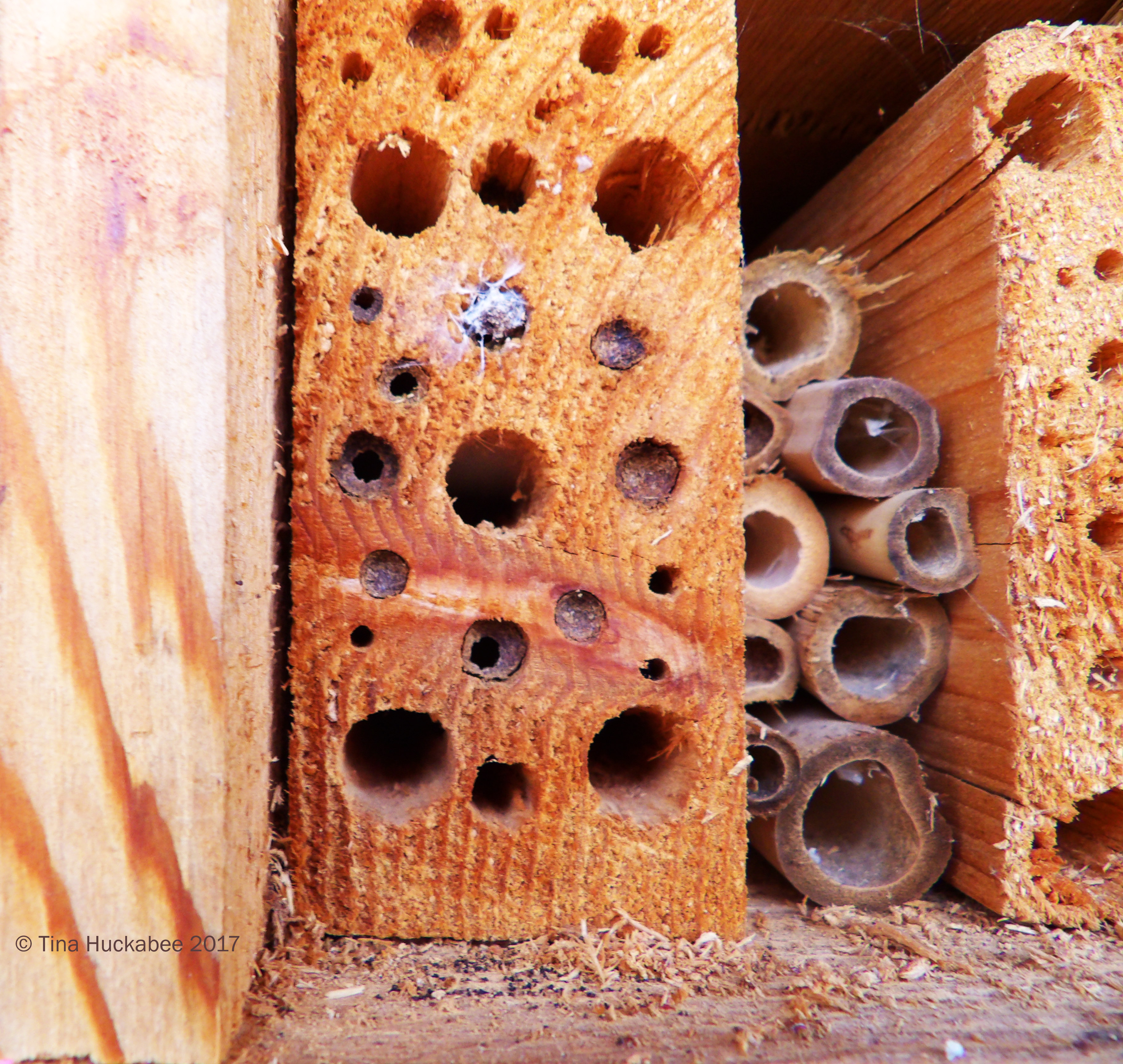
Earlier this week,  I spotted one working at a small cluster of a salmon colored Autumn sage, Salvia greggii and thought that perhaps I should  pay closer attention to what’s going on with the native bee houses as spring is in its infancy.  Sure enough, some of the mud nests have been breached and there they are: blue bee adults emerged, mating, (I assume. I don’t watch.) and are in the process of busily preparing for the next generation of Blue Orchard bees.

RICOH IMAGING


You can clearly see holes that have been opened in the packed mud and that’s where the adults emerged from.

RICOH IMAGING

Interestingly, according the the information from the US Department of Agriculture that I linked to above, the eggs or “brood cells” that are laid first are female and placed at the back of the nesting hole and the last eggs laid at the front of each hole, are male.  The female bee packs the hole with pollen and mud for security, tucking in the brood safely for the year.  In case of predation, the male brood are the first in line to get eaten, thus assuring more protection for the females.  Poor guys, but the females are more important in survival of the species.

I observed two adults flying around the bee house, entering various holes and most likely laying eggs There are more than two holes opened in the packed mud nests, indicating that more than just these two adults have emerged.

RICOH IMAGING

Blue Orchard bees have a short life, but are vital for pollinating the early spring blooms, including those of fruit trees.

Not only did the Blue Orchard bees find a nice nursery and baby-bee day care in the bee houses, but other bee species laid eggs in neighboring holes last year.  Those will emerge in their due time–whenever that is.

I know that a different species of carpenter bee, a Horsefly-like Carpenter beeXylocopa tabaniformis. drilled and packed nests in a few spots of the mortar between limestone rock of my home to protect their progeny.   It looks like an adult has emerged,

RICOH IMAGING

…though I haven’t seen one yet.   I look forward to watching these charming, blue-eyed carpenter bees sporting their cool racing stripes as they zing from flower to flower.  This species is active for most of the year.imgp6840-new

Isn’t she a cutey?