Foliage Follow-up, June 2014

As The Warm settles in for the duration here in Austin, Texas, interesting and lush foliage positions well alongside flowers in our early summer gardens.

Yes, summer in Texas is hot.  But here in Texas reside tough, tough plants that shrug off the heat and the dry and are magnificent to behold.  One such is the Retama, Parkinsonia aculeata.  Retama is a small, airy tree which grows along highways receiving no care and yet is stunning: in form, bloom and  foliage.

P1040311.new

The leaves are tiny, delicate and bright green. They form on a long leaf stalk and are paired opposite one another.

P1040994.new

P1040995.new

The Retama is a Texas beauty.  I’m glad it graces my garden.

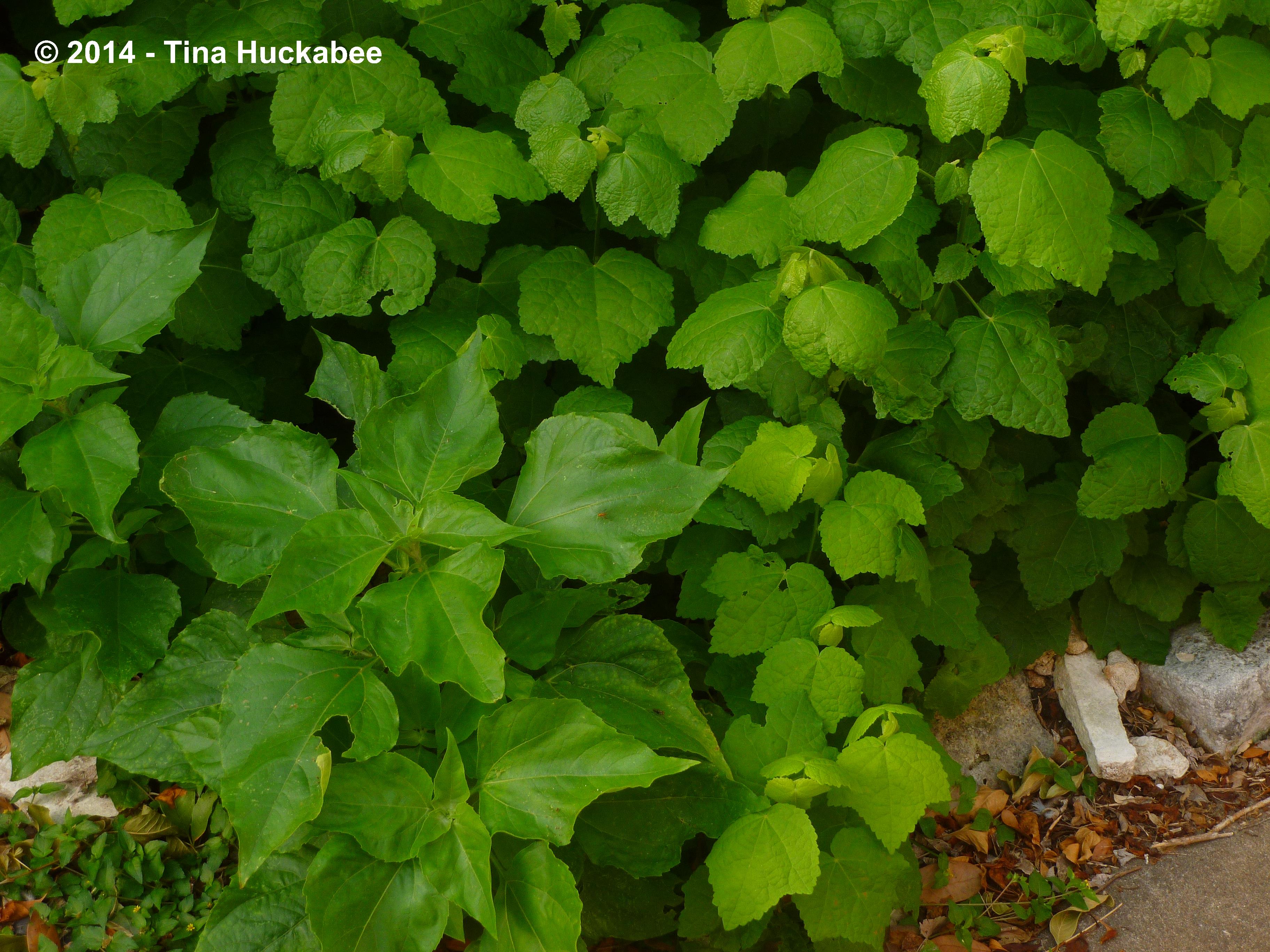
The pairing of a not-in-bloom Goldeneye, Viguiera dentata and Turk’s Cap, Malvaviscus arboreus, provides lots of lushness.
P1040482.new

The Mexican Orchid TreeBauhinia mexicana, returned after our cold winter.  It hasn’t bloomed yet, but the leaves on this little tree have always reminded me of ungulate hooves.

P1040314.new

Really, how often does one have an excuse to use that word??  Ungulate

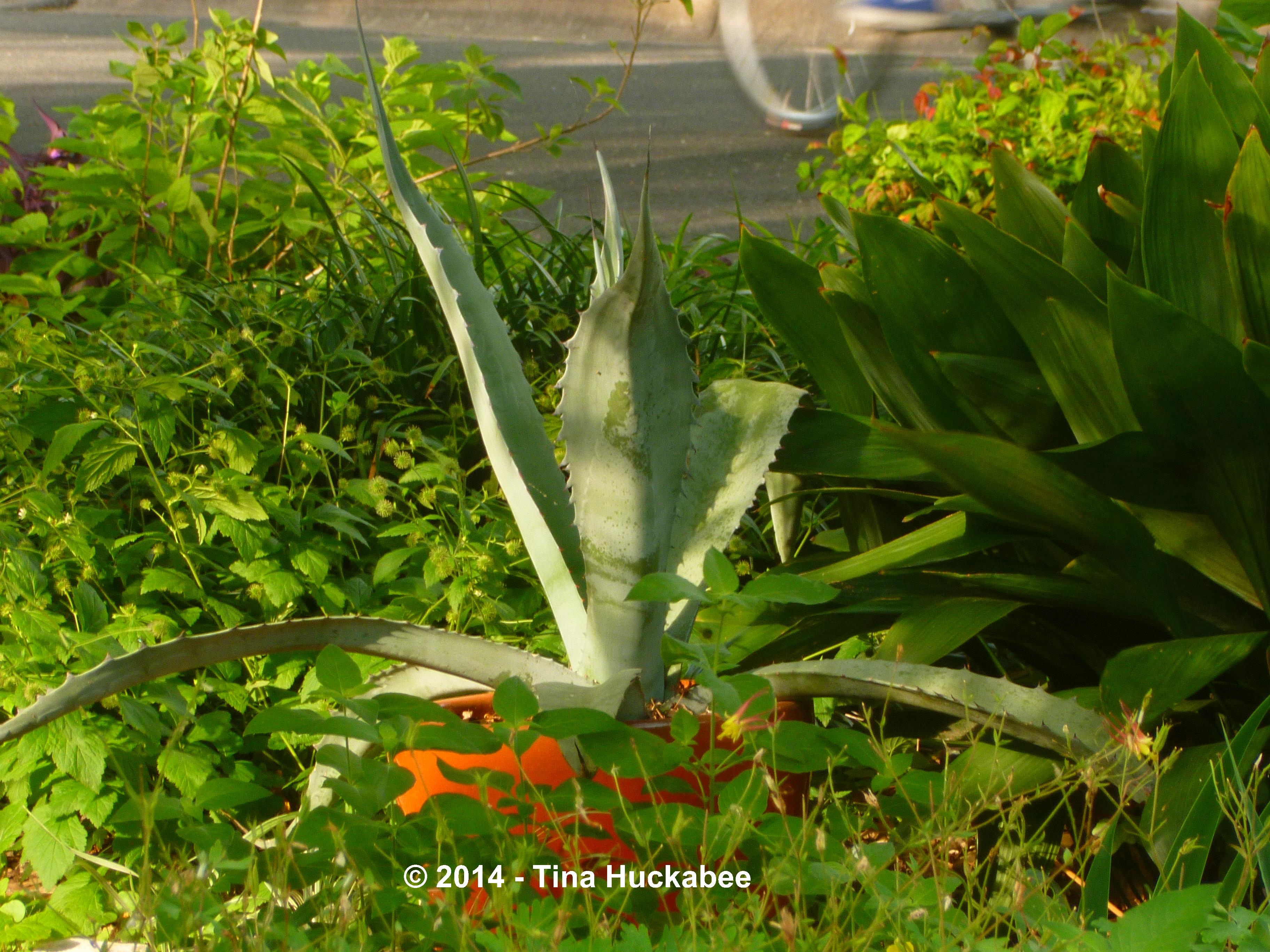
The American Agave, Agave americana, in the container  provides a striking contrast with the Cast Iron Plant, Aspidistra elatior.
P1040484.new

If you look closely at the photo, top right, you can see The Husband’s bicycle, wheel a whirl, as he pedals to work. That’s a brave man in Austin’s traffic.

The unfurling of new Agave growth.

P1040786_cropped_1766x3176..new

Beautiful.

The Mexican Feathergrass, Nassella tenuissima, is lovely with the YarrowAchillea millefolium, in the background.

P1040565.new

Both plants have delicate-looking foliage, but are hardy choices for our challenging soil and climate.

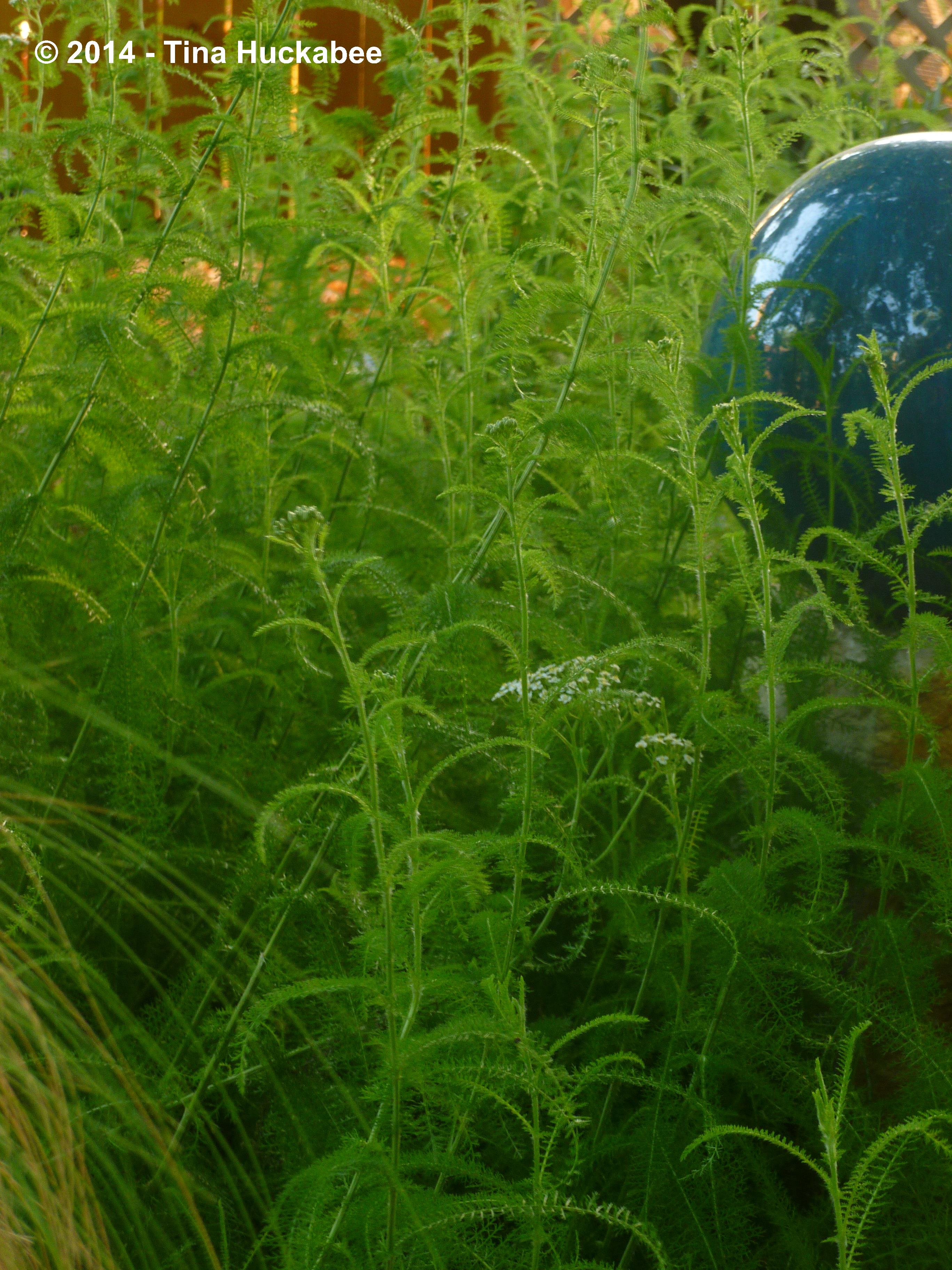
Another look at the Yarrow,  a summertime favorite of mine.
P1040566.new

I love this shot of the Sparkler SedgeCarex phyllocephala ‘Sparkler’, behind (and above!) the Uruguayan Firecracker Plant, Dicliptera suberecta.

P1040573.new

The spiky, variegated ‘Sparkler’ looms over the soft, gray-green Firecracker Plant–they are opposite in  the foliage spectrum, but a nice combination.  The Firecracker doesn’t  bloom often, though it’s pretty when it happens.  I chose this plant primarily for its lovely foliage.  The ‘Sparkler’ is relatively new for me and so far, I love it.  It was evergreen during the winter and seems like a winner for summer as well.

Thanks to Pam at Digging for hosting this festival of June foliage!


Game On, Spring

As February races toward its conclusion, this Austin garden is ready for spring.  I started pruning in late December, after the first of the freezes lay waste to the herbaceous  perennials in my gardens.  I’ve been pruning since.  Seven garbage cans full of garden detritus every week, for almost two months.

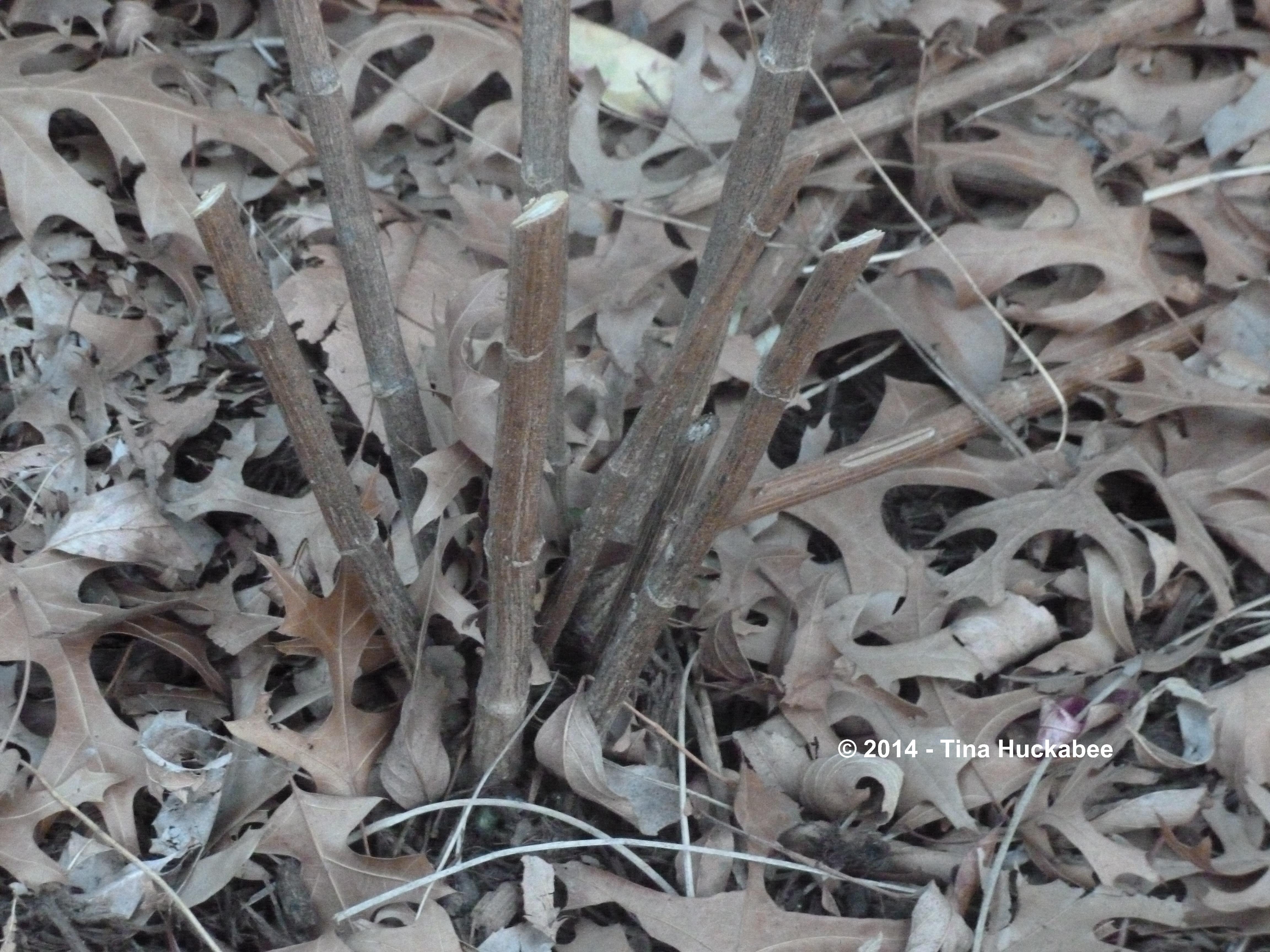
Plants like Turk’s Cap (Malavaviscus arboreus var. drummondii) are whacked.

P1020746.new

The luscious, sunny-blooming Goldeneye (Viguiera dentata)? Nary but sticks protruding from the ground.

P1020761.new

The Martha Gonzales Roses are reduced to a fifth of their full size.

P1020755.new

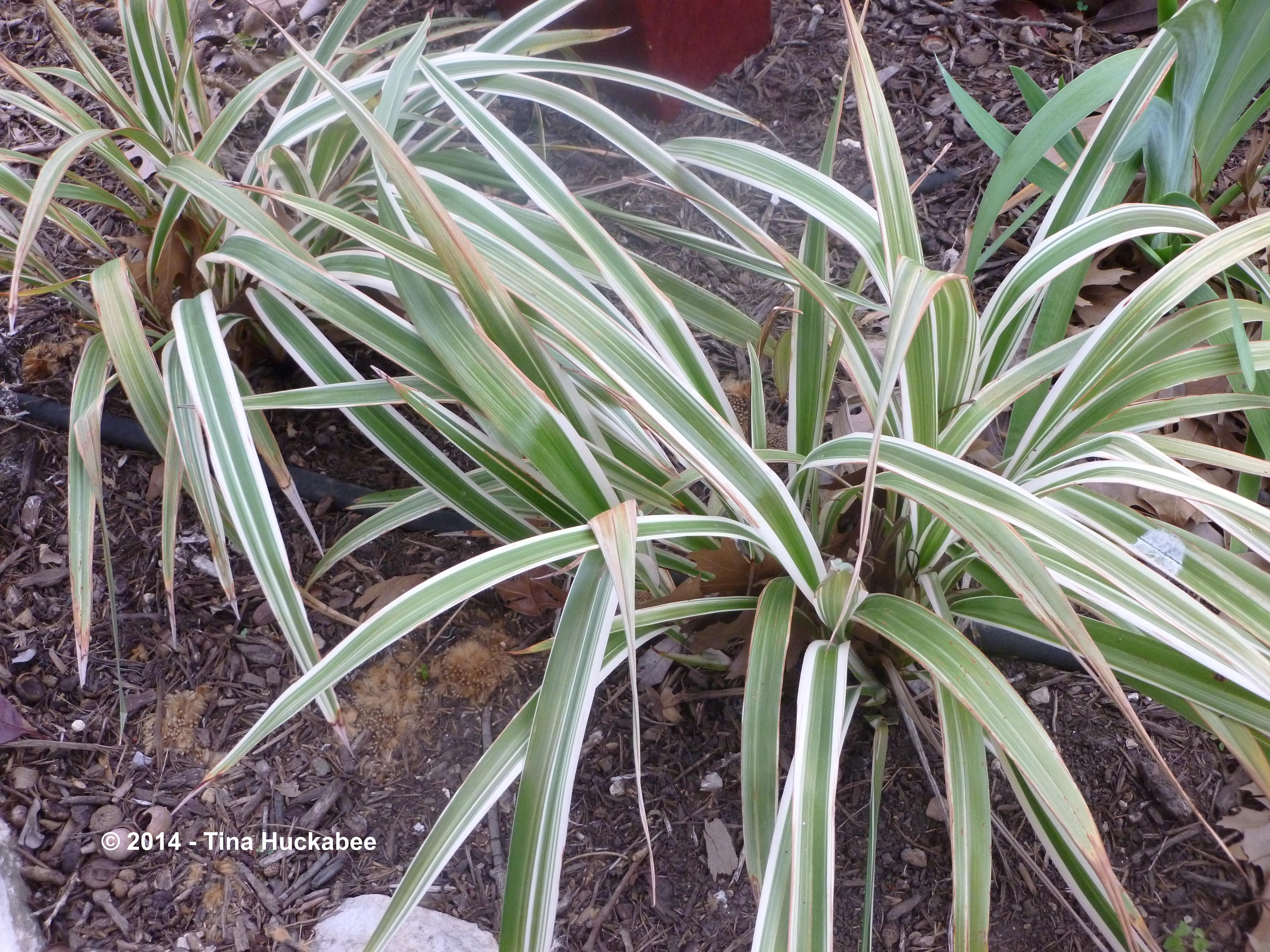
Some Variegated Flax Lily (Dianella tasmanica),

P1020668.new

fared better than others in my gardens.

P1020669.new

All I pruned from the Flax Lily were the freeze damaged straps.  It’s the one plant (I have four groups of them) that I dutifully covered with each freeze forecast into the 20s.

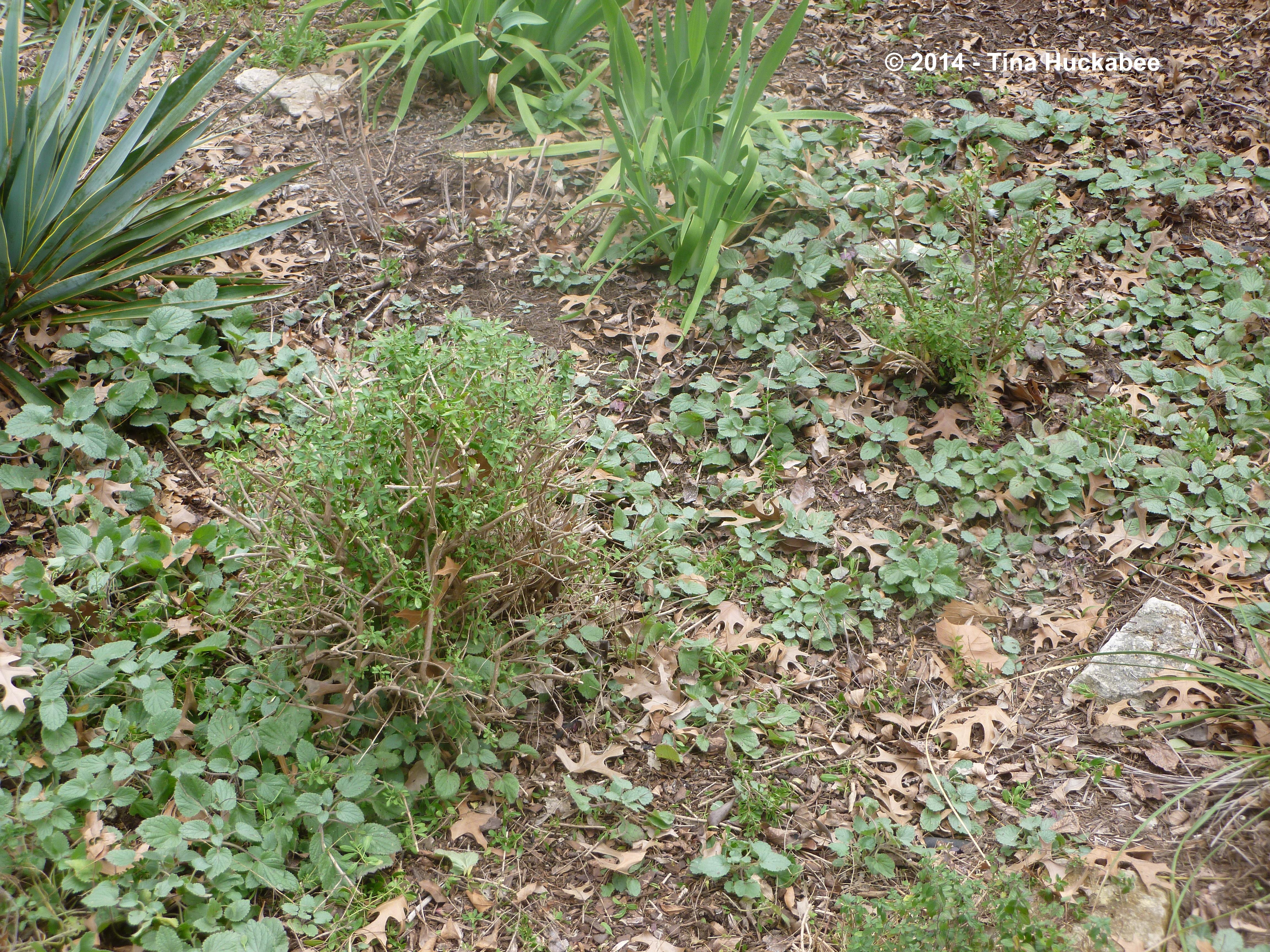
And the  Autumn Sage (Salvia greggii) and other evergreen native shrubby plants are pruned into tidy balls,

P1020708.new

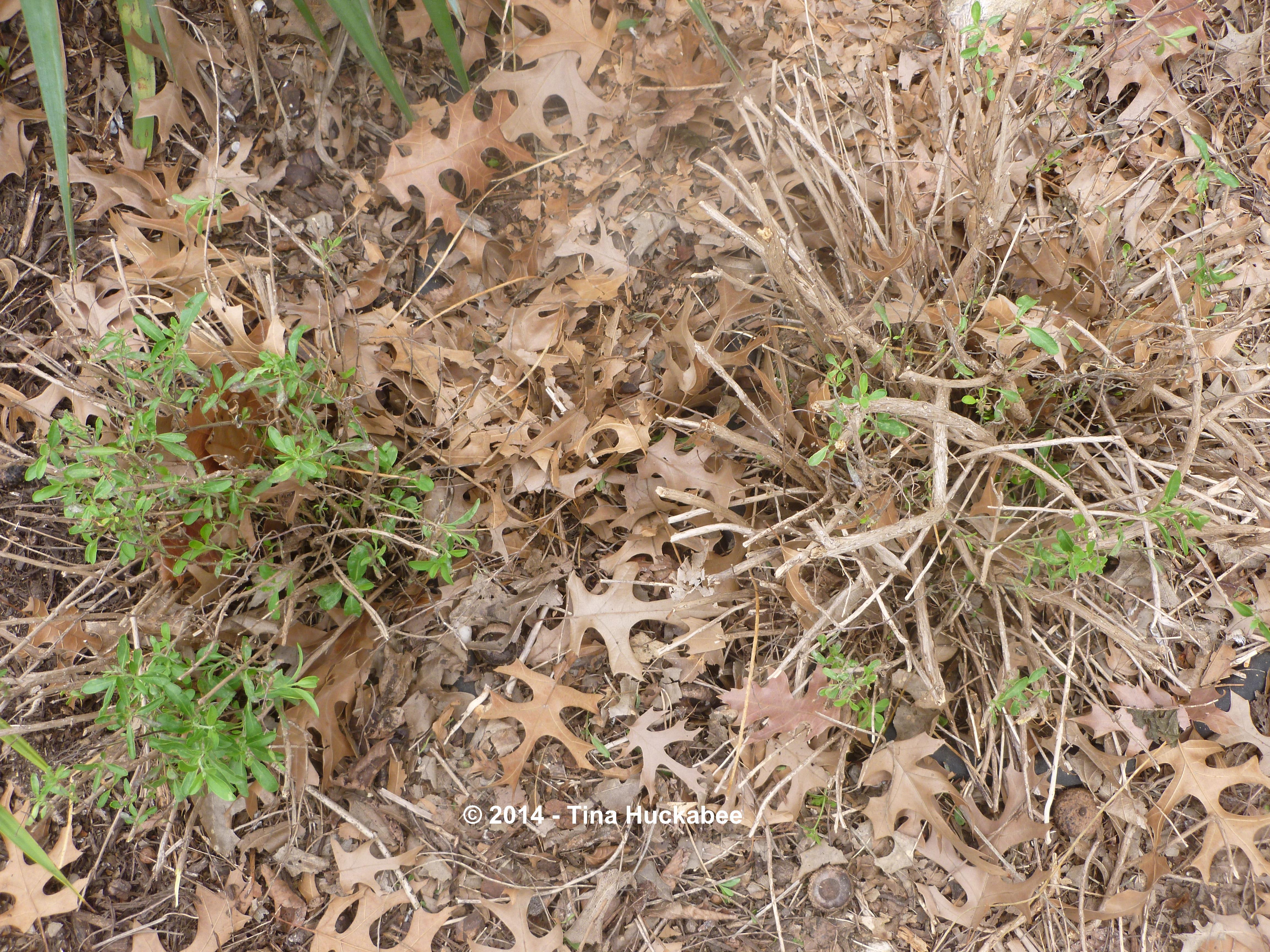
or spindly bits of green perched on woody stems, waiting for the just right  light and breath of warm spring air to burst into new growth.

P1020711.new

I still have more to prune, but I’m almost finished for the year.

I didn’t lose any established plants this winter and that gratifies me and validates my garden choices.  I choose natives or hardy non-natives, with the occasional splurge for the newest, cheap thrill plant that everyone (okay, just gardeners) is talking about.

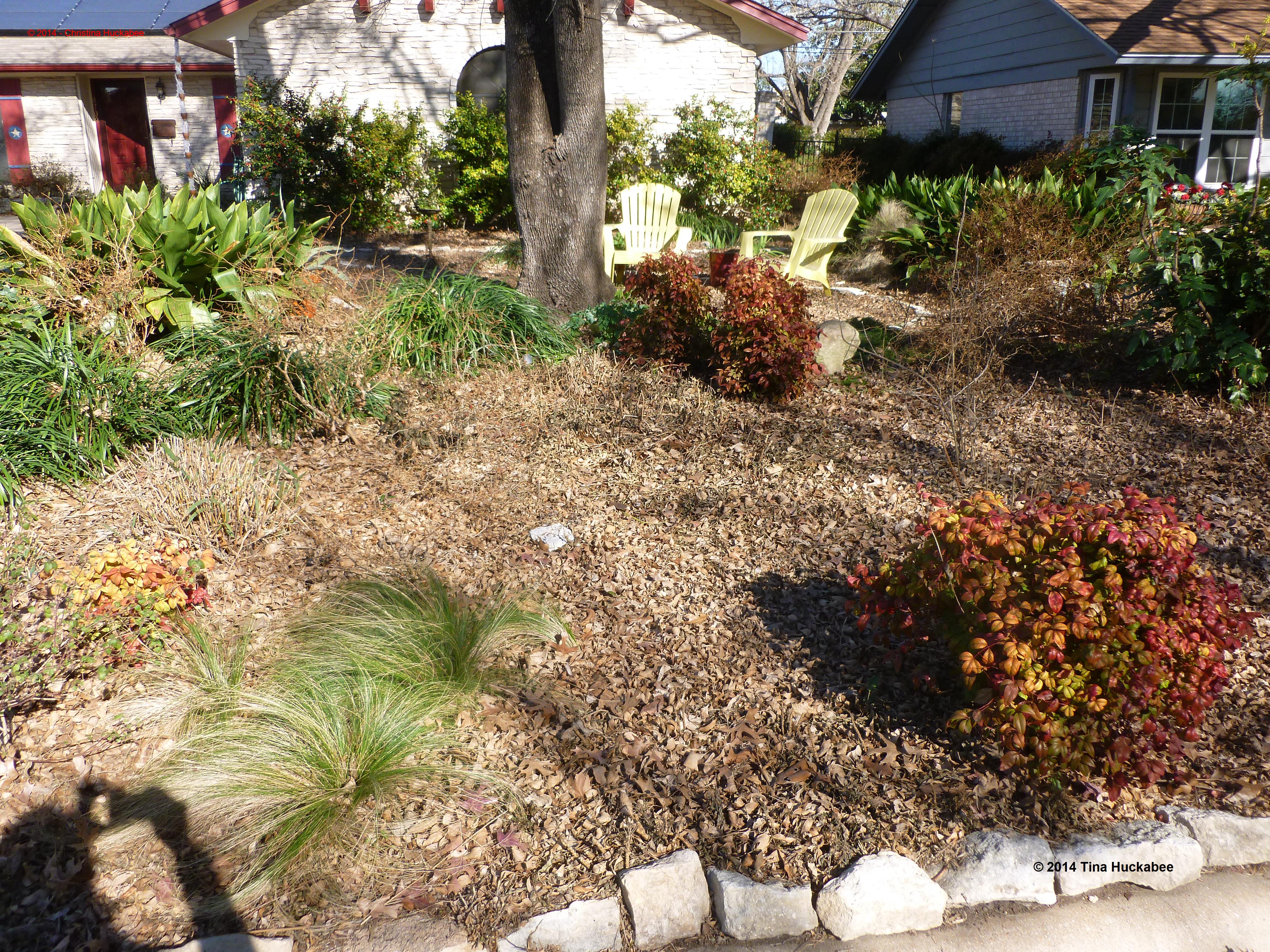
I always think of the winter landscape as barren, but it isn’t, even in this winter which was colder than any of the past 19 years.   With most of the flowering perennials in my front garden temporarily gone, I’m reminded how nice my ignored-most-of-the-year evergreens are during their winter concert on this sunny February day.

P1020562.newP1020564.new

And in my back garden, I like the clearly defined garden and pathways.  The iris and yucca straps dominate,

P1020784.newP1020787.newP1020788.new

while the Heartleaf Skullcap (Scutellaria ovata ssp. bracteata) insinuates its soft green carpet anywhere allowed.

P1020786.new

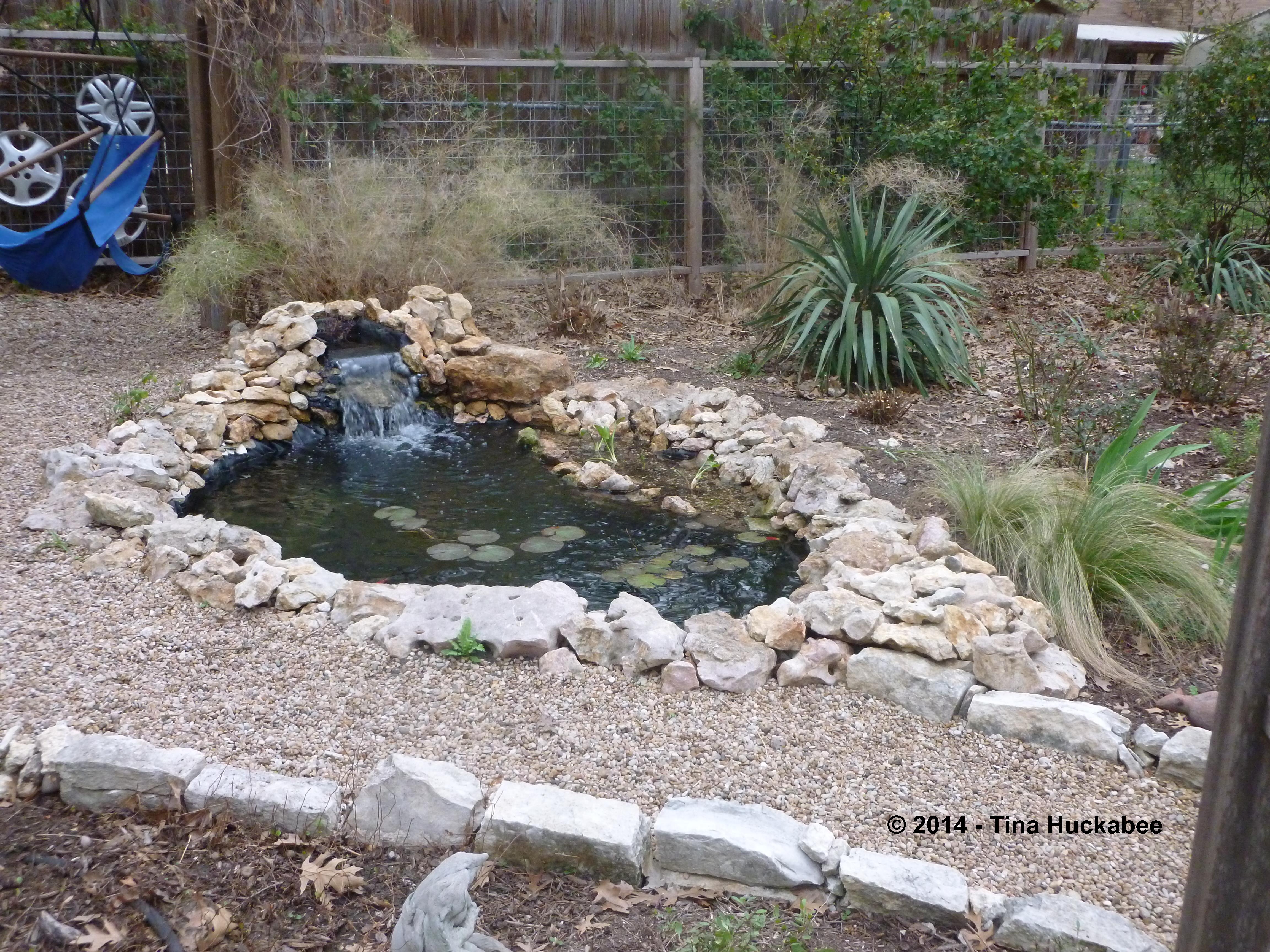
I have a clean pond, which will make pond maintenance easier for the rest of the year and appeals to my aesthetic sense.  I don’t think the fish care whether I clean the pond or not.

P1020789.new

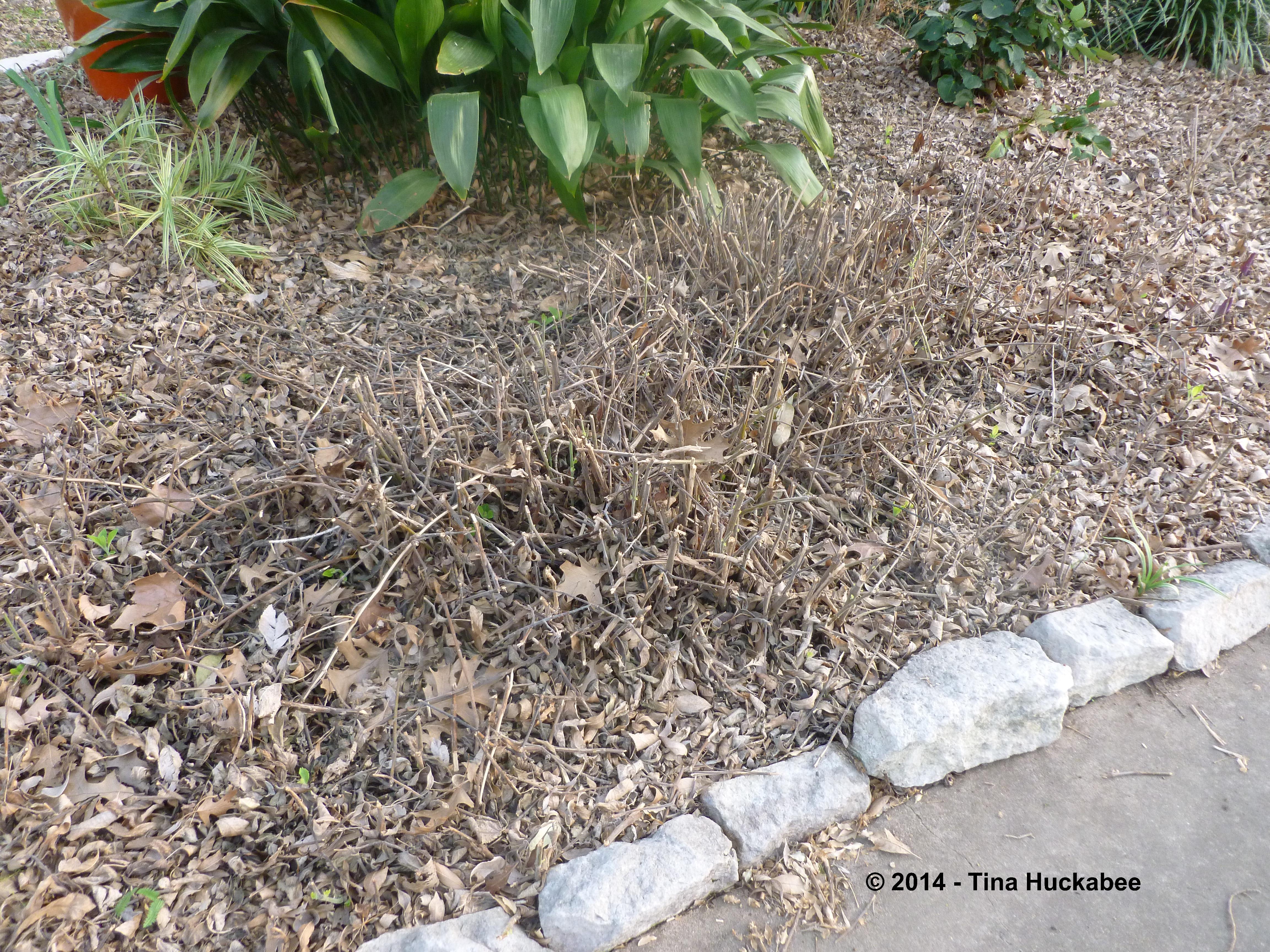
Spring is almost here.  The Mexican Honeysuckle (Justicia spicigera) is pruned to the ground

P1020790.new

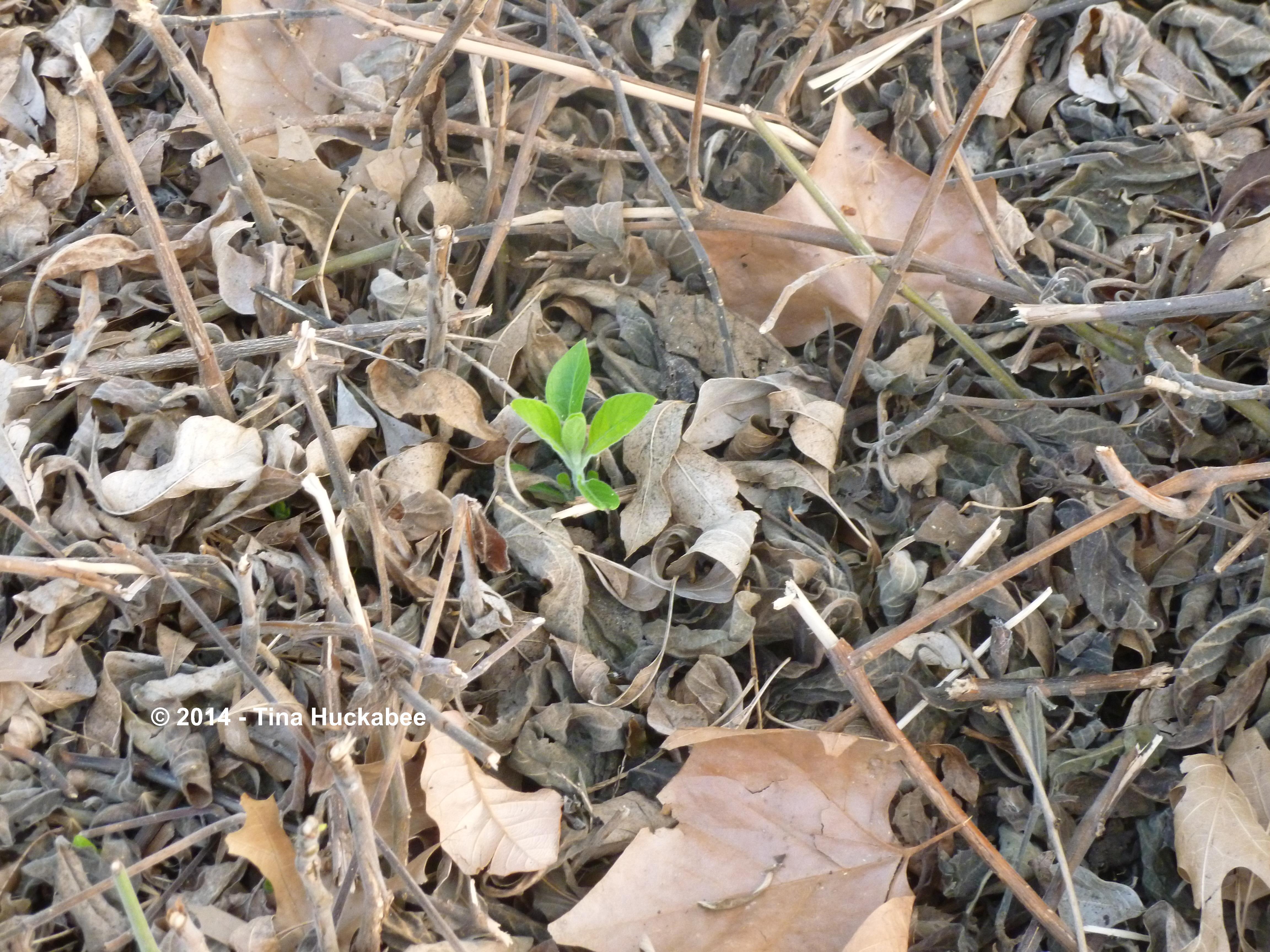
but life begins anew.

P1020791.new

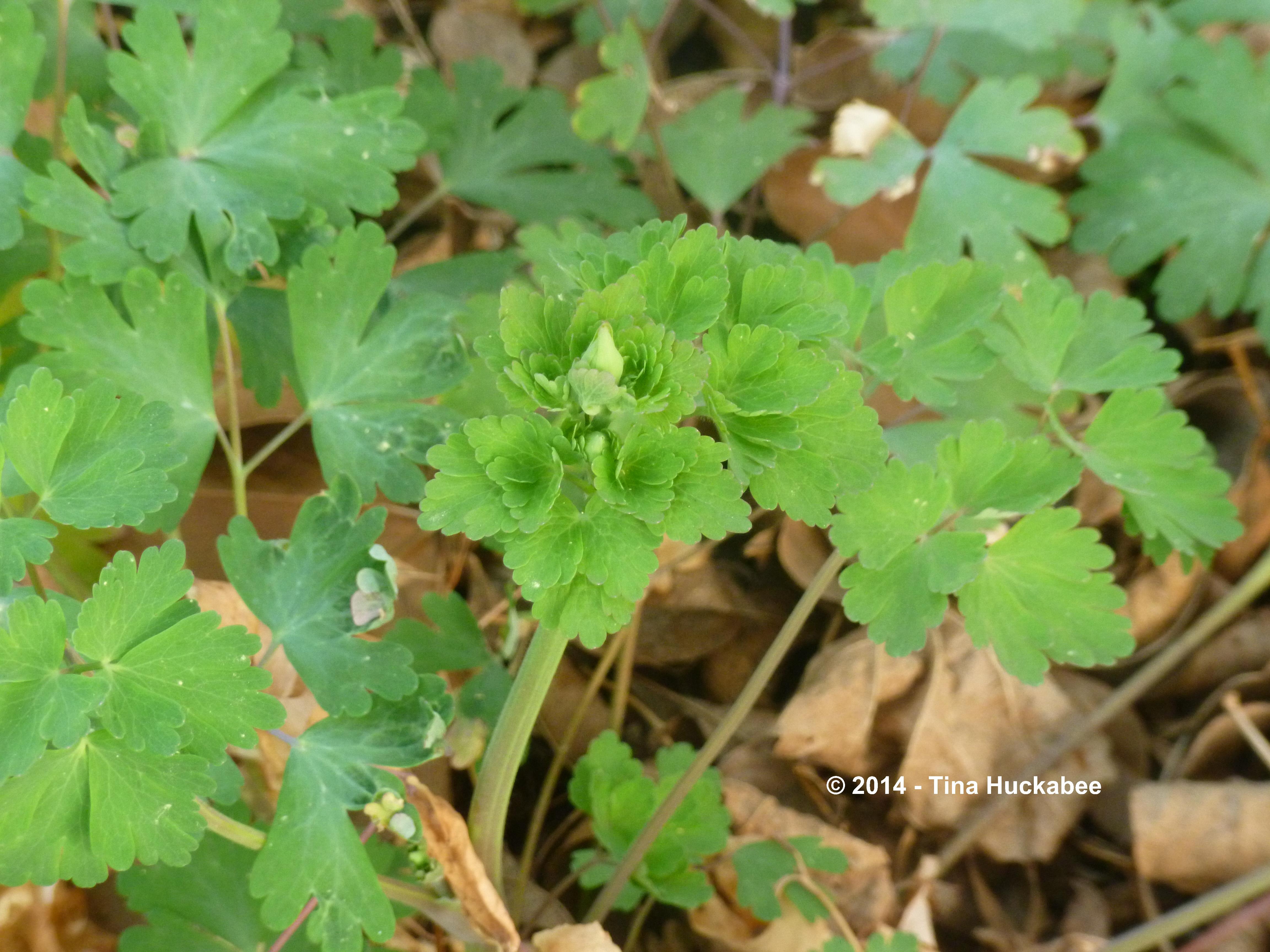
The Columbines (Aquilegia chrysantha var. hinckleyana) are lush,

P1020793.new

their first buds emerging.

P1020794.new

Bring it on, Spring.

Native Texas Plant Week and Garden Bloggers’ Bloom Day–October 2012

For Garden Bloggers’ Bloom Day and in celebration of Texas Native Plants week, I’m posting some pics of a few currently flowering beautiful native plants in my garden.  Thanks to Carol at May Dreams Gardens for hosting–check out her site to enjoy photos of blooms from many places.

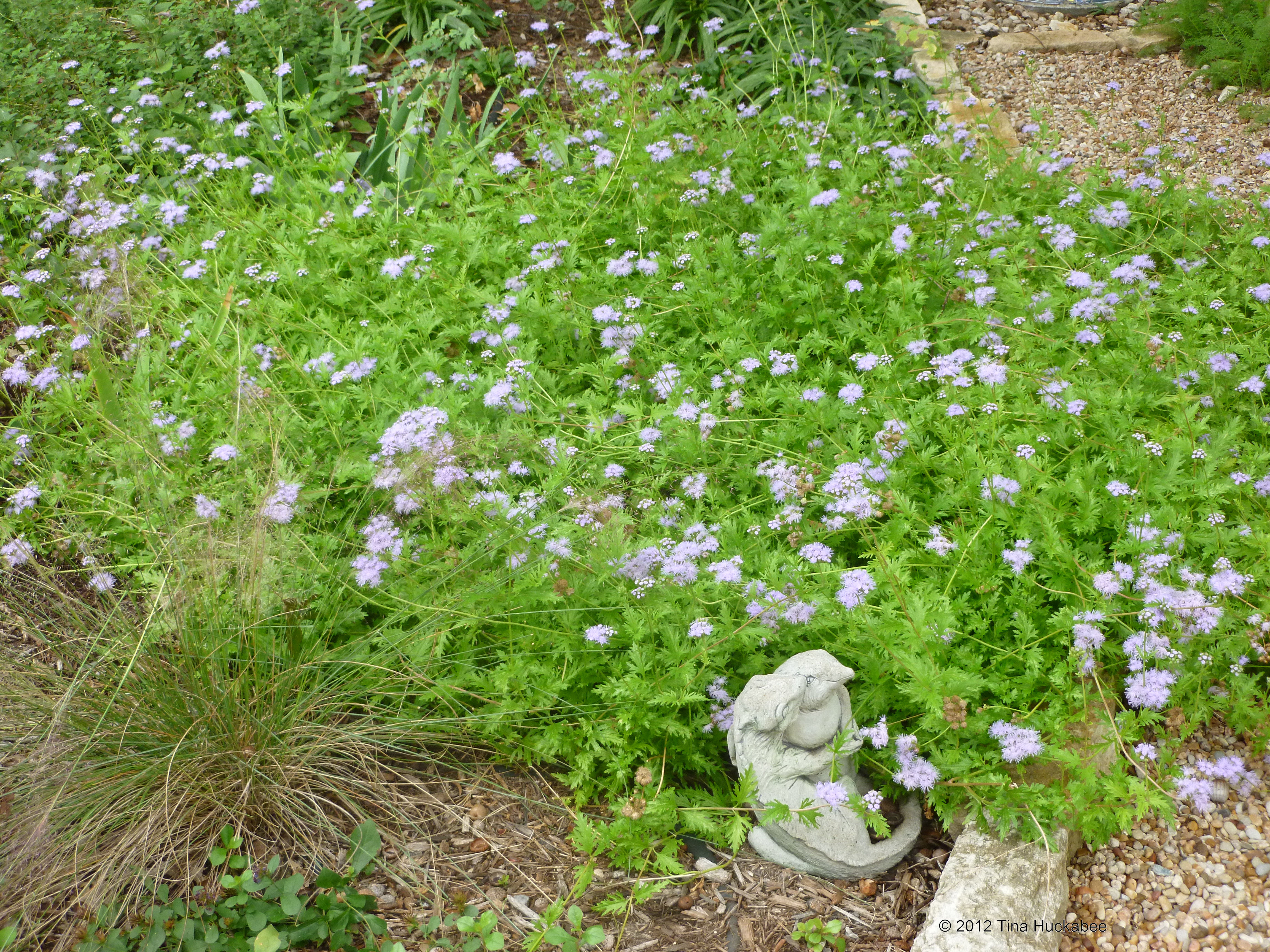
One overview look at a group of Gregg’s Mistflower (Conoclinium greggii),

and a close up of this great native perennial ground cover.  The Gregg’s Mistflower is native to Texas, New Mexico and Arizona.

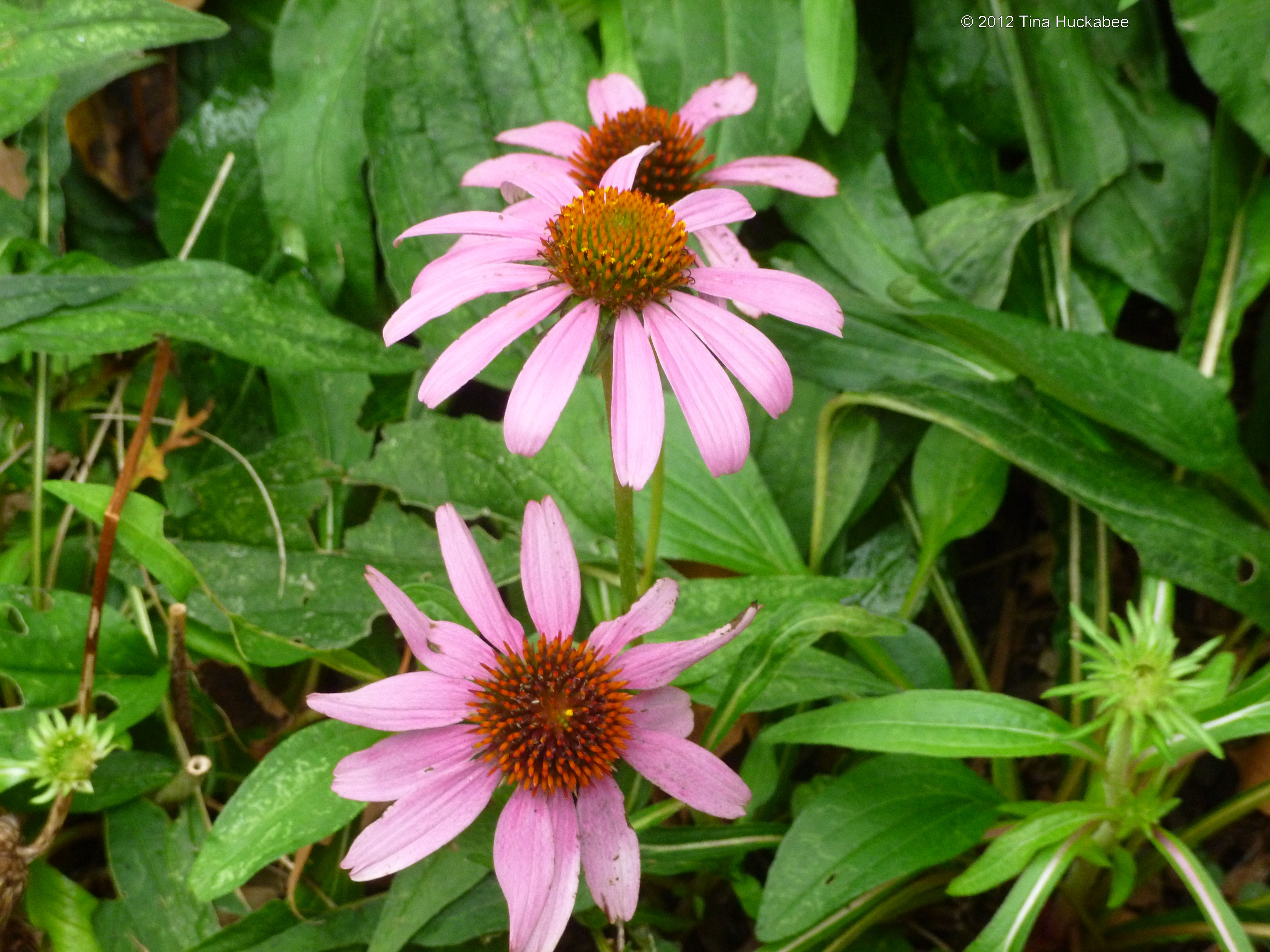
The Purple Coneflower (Echinacea purpurea), is always a winner in my gardens.  Its main bloom period is spring through mid-summer, but I always have some blooms in the fall until a hard freeze ends the glory.

A larger view of another perennial, Blue Mistflower (Conoclinium coelestinum),

and its closeup.

The two mistflower species are related, but they are a little different. It’s difficult to tell from my limited photographic abilities, but the Gregg’s Mistflower is a lighter blue, while the Blue Mistflower is much darker.  Also, the leaf characteristics are different in the two plants.  Both are perennial ground covers with the main blooming period occurring from September through November.  Both are also favorites of the butterflies and bees.

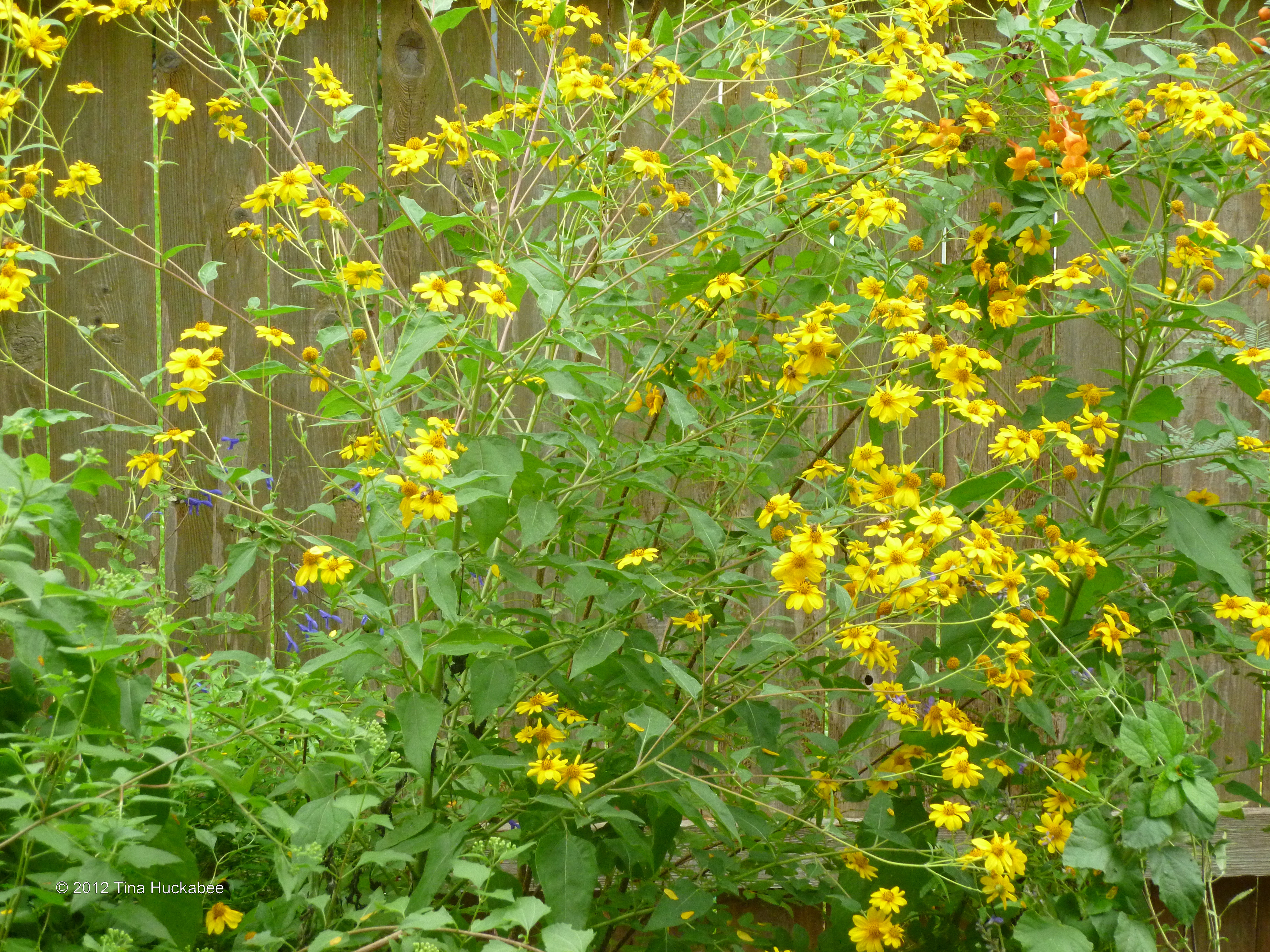
The Goldeneye (Viguiera dentata) brightens the roadsides and my gardens in October.

At its peak of beauty now, Goldeneye blooms in the spring and sporadically in the summer months and is an excellent wildlife plant.  It provides for pollinators and birds, alike and it’s pretty for people to enjoy too!

Fall Aster (Symphyotrichum oblongifolium) is a relatively new addition for me.

I’m glad I have a place for this hardy and sweet little aster.

A nice combination of plants:

From left to right in the photo above are Mealy Blue Sage (Salvia farinacea), some overhanging blooms from a Red Yucca (Herperaloe parviflora), at the back, some Turk’s Cap (Malvaviscus arboreus var. drummondii), a Pale Leaf Yucca (Yucca pallida), the yellow daisy, Zexmenia (Wedelia texana) and Red Autumn Sage (Salvia greggii).

Another nice mingling of native perennials:

more Coneflower, more Turk’s Cap, more Goldeneye.

The Damianita (Chrysactinia mexicana) is a plant with shocking yellow flowers paired with striking dark, green foliage.

Damianita blooms on and off for the growing season and is native to Central/West Texas and New Mexico.

Texas native plants fit well within the palette of a large mixed perennial garden.

Natives that are blooming are White Autumn Sage (Salvia greggii), Henry Duelberg Sage (Salvia farinacea, ‘Henry Duelberg’), Yellow Bells (Tacoma stans), Big Muhly (Muhlenbergia lindheimeri).

Wherever you live, plant natives in your gardens.  They’re easy, hardy and reliable and attract wildlife to your gardens.

For more information about native plants of North America, check out the Lady Bird Johnson Wildflower Center site.

Go natives!  Go garden bloggers!