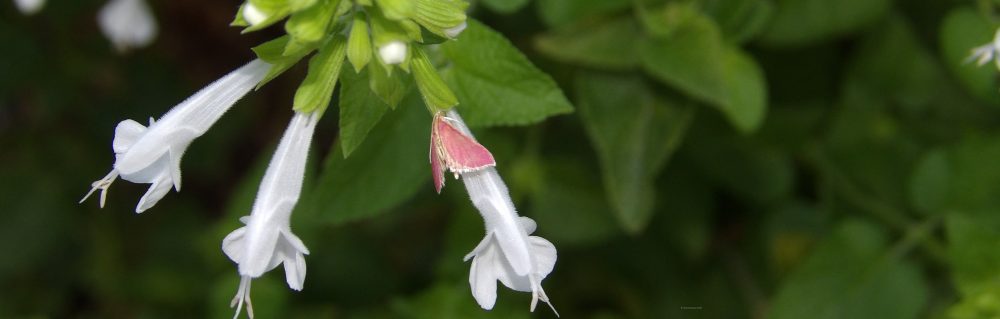
Wildflower Wednesday, August 2014

Today I join Gail at clay and limestone with heat loving wildflowers for August. No longer cool nor even somewhat pleasant, we’re crawling down the hard stretch of summer here in Austin, Texas. But the light is different and once in a great while, I feel a slight change to the breeze. When there is a breeze.  I say that every year, to anyone who will listen: Sometime in August there is a change–the air is different, the breeze is different! Usually those I’m in conversation with roll their eyes and smirk.

I get lots of smirks.

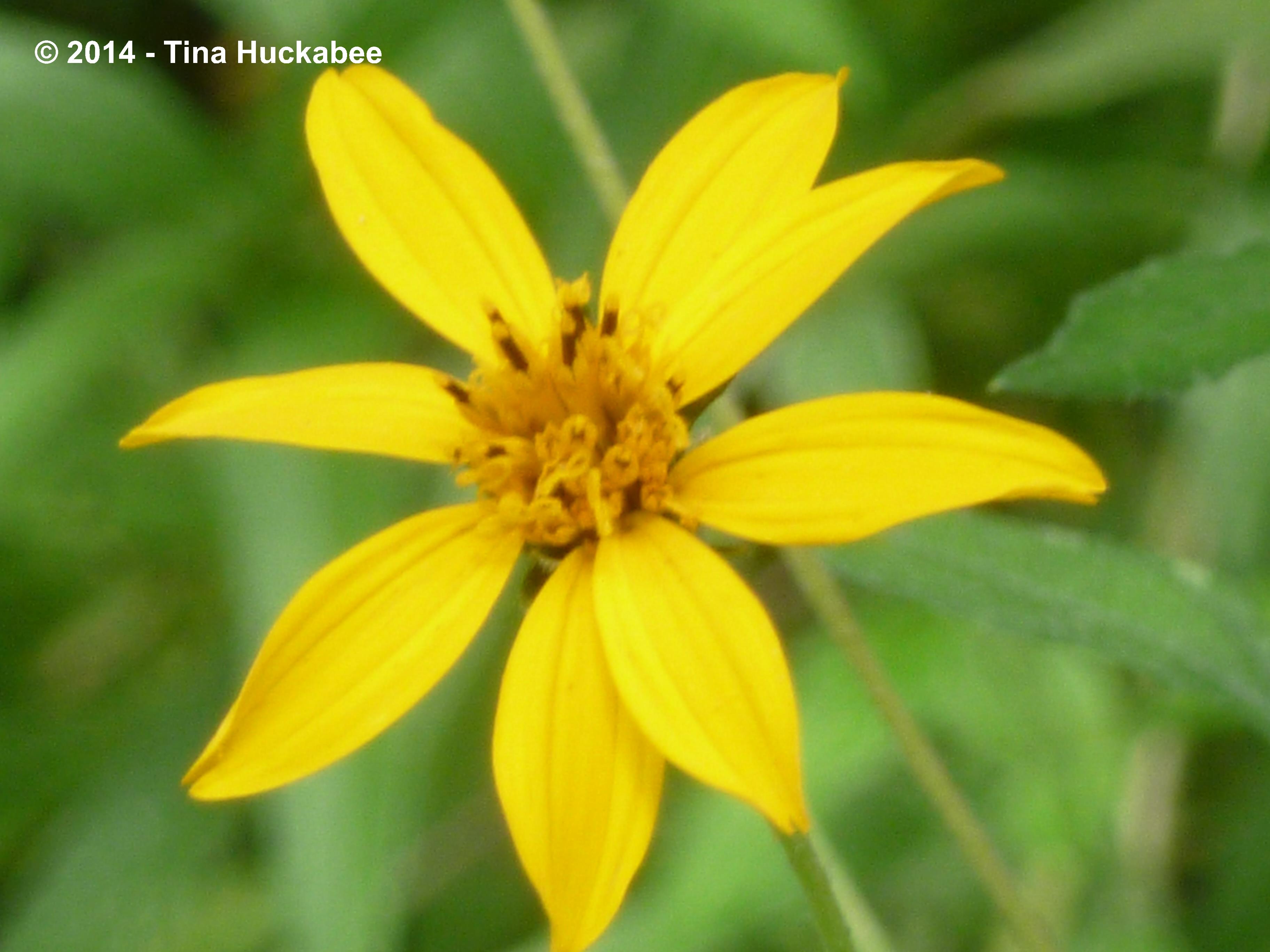
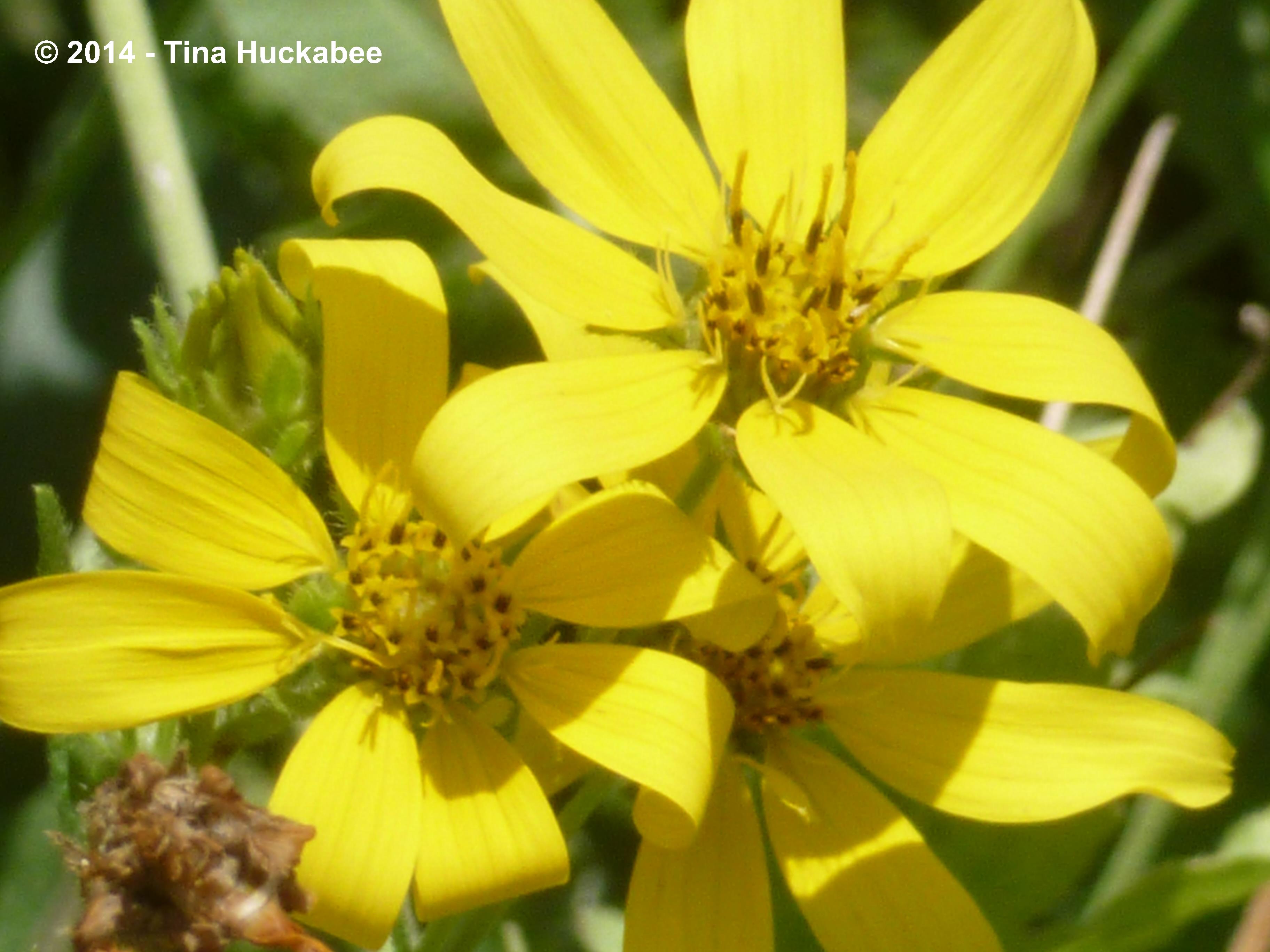
There’s no smirking though when viewing  this hot, summer/fall blooming GoldeneyeViguiera dentata.

P1060547.new

A few of these flowers open throughout the summer months, but in October? Watch out! There will be an explosion of yellow.

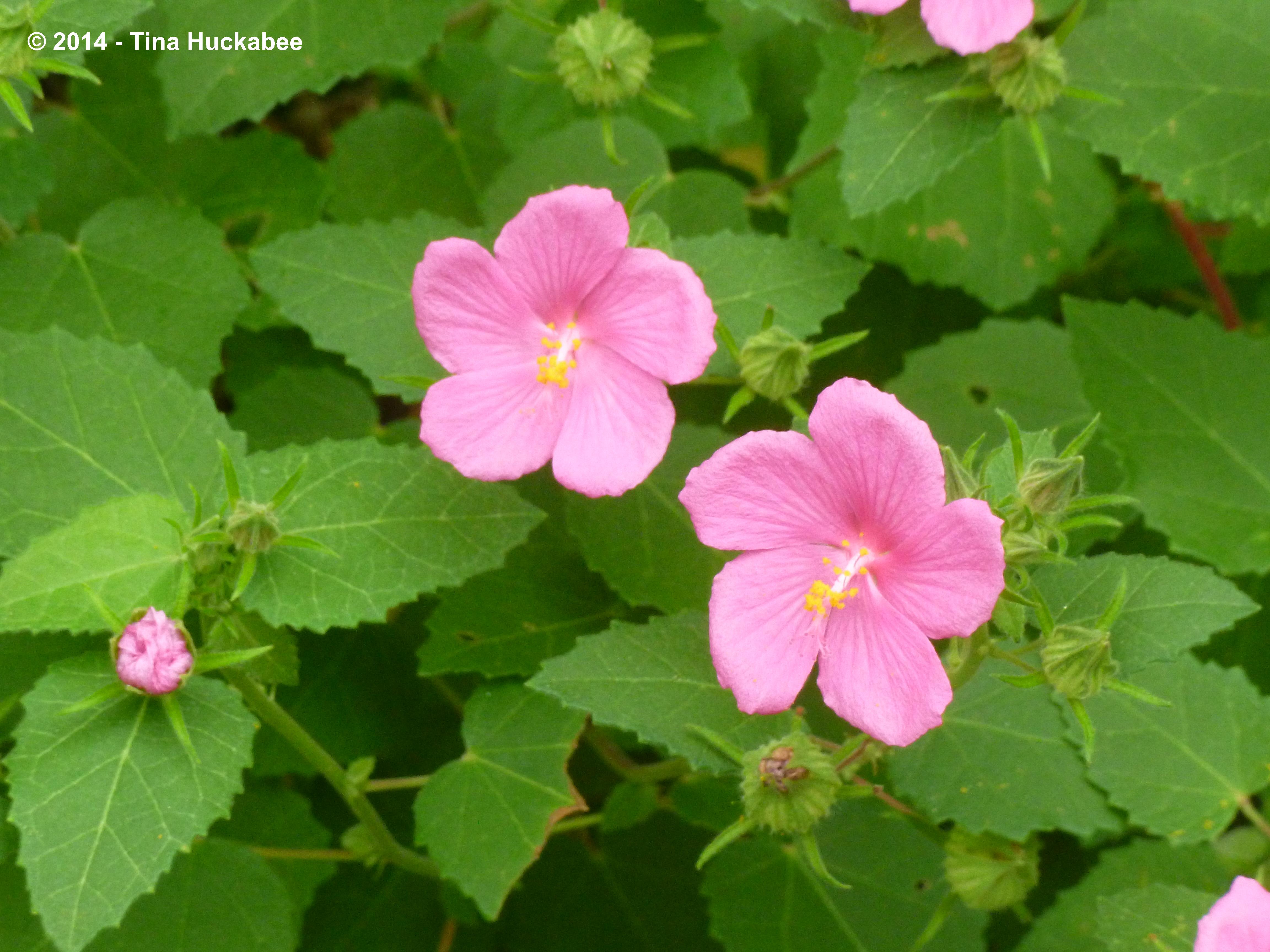
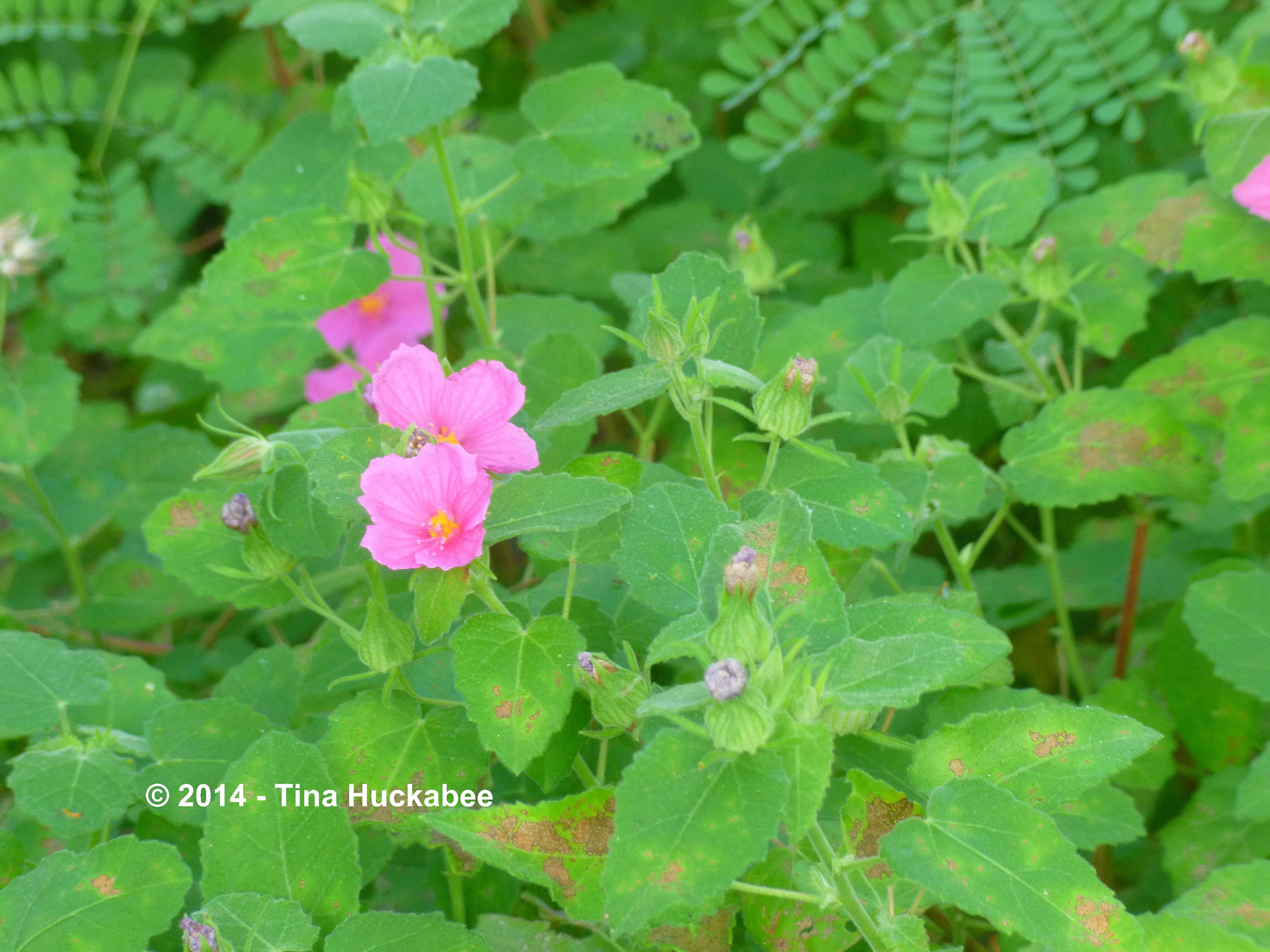
The ridiculously pink Rock RosePavonia lasiopetala, is a long-blooming native perennial. These pinks,

P1060605.new

look almost too pink.  They open in the wee hours before dawn and close in the afternoon heat.  This group is tired of the heat and are closing up shop for the day,
P1060606.new

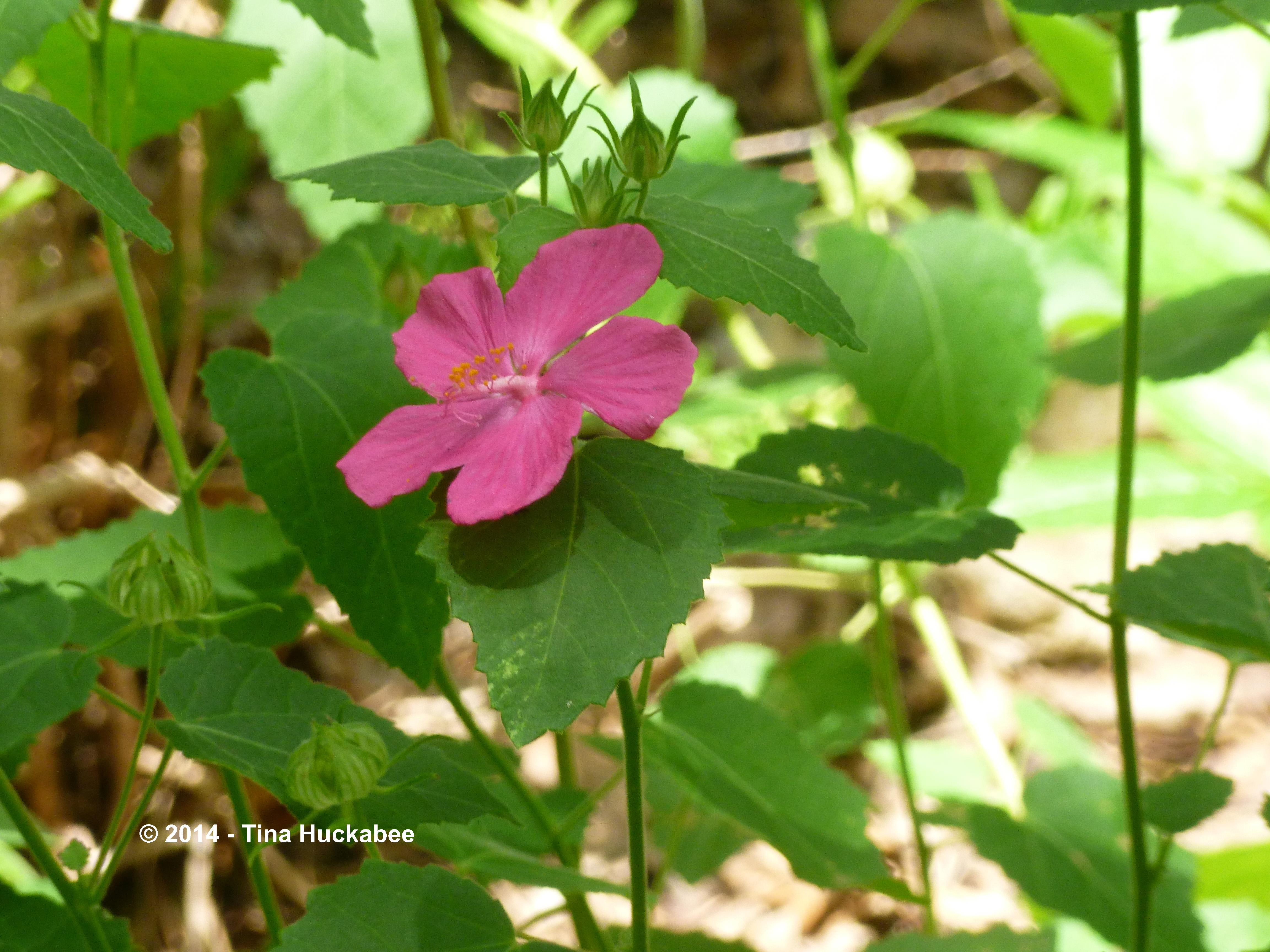
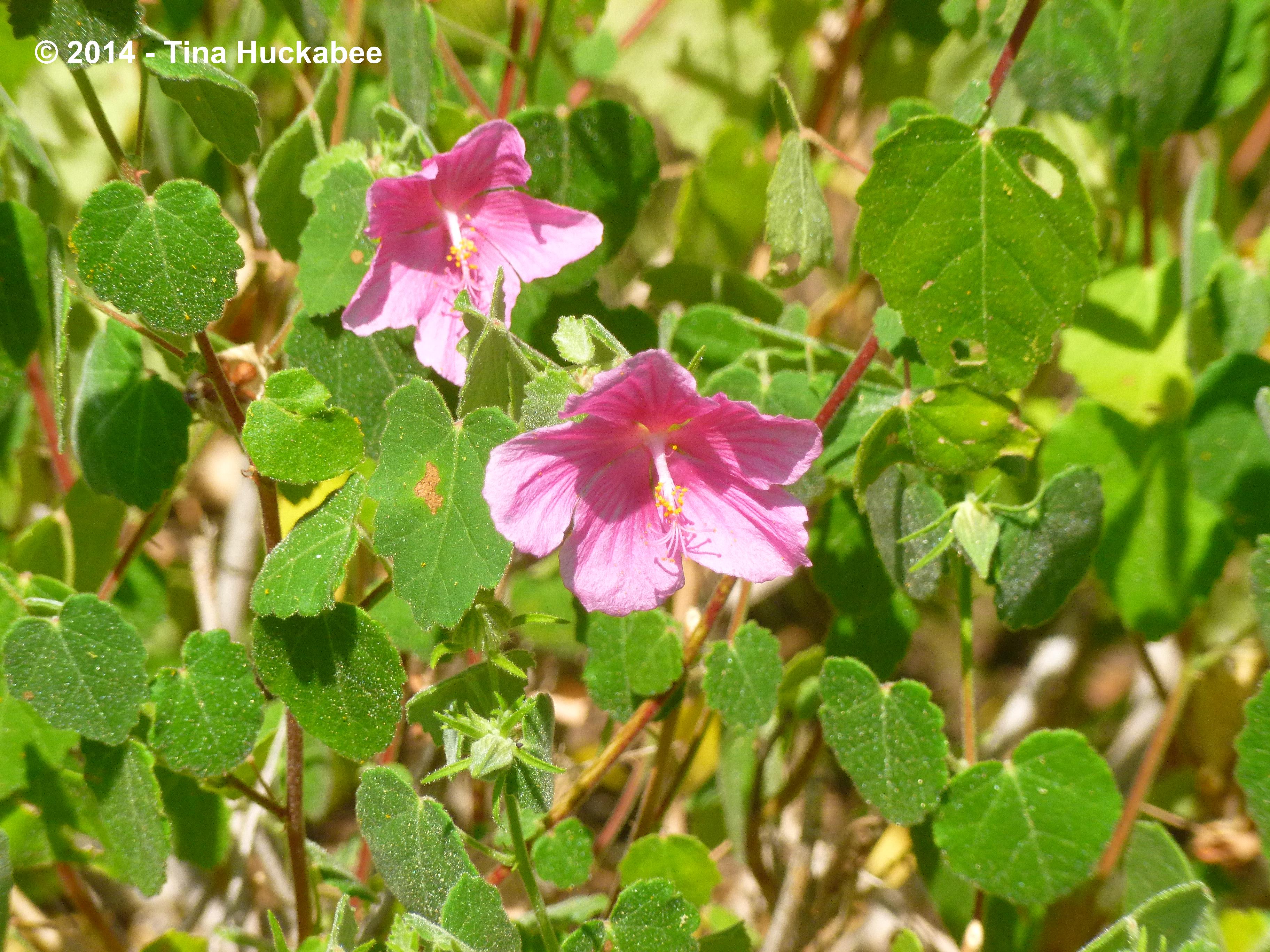
…while this group contends with both heat and sun.
P1060640.new

By 4pm in hot August, Rock Rose blooms are done for the day. Fresh, perky blossoms will open for business early the next morning.

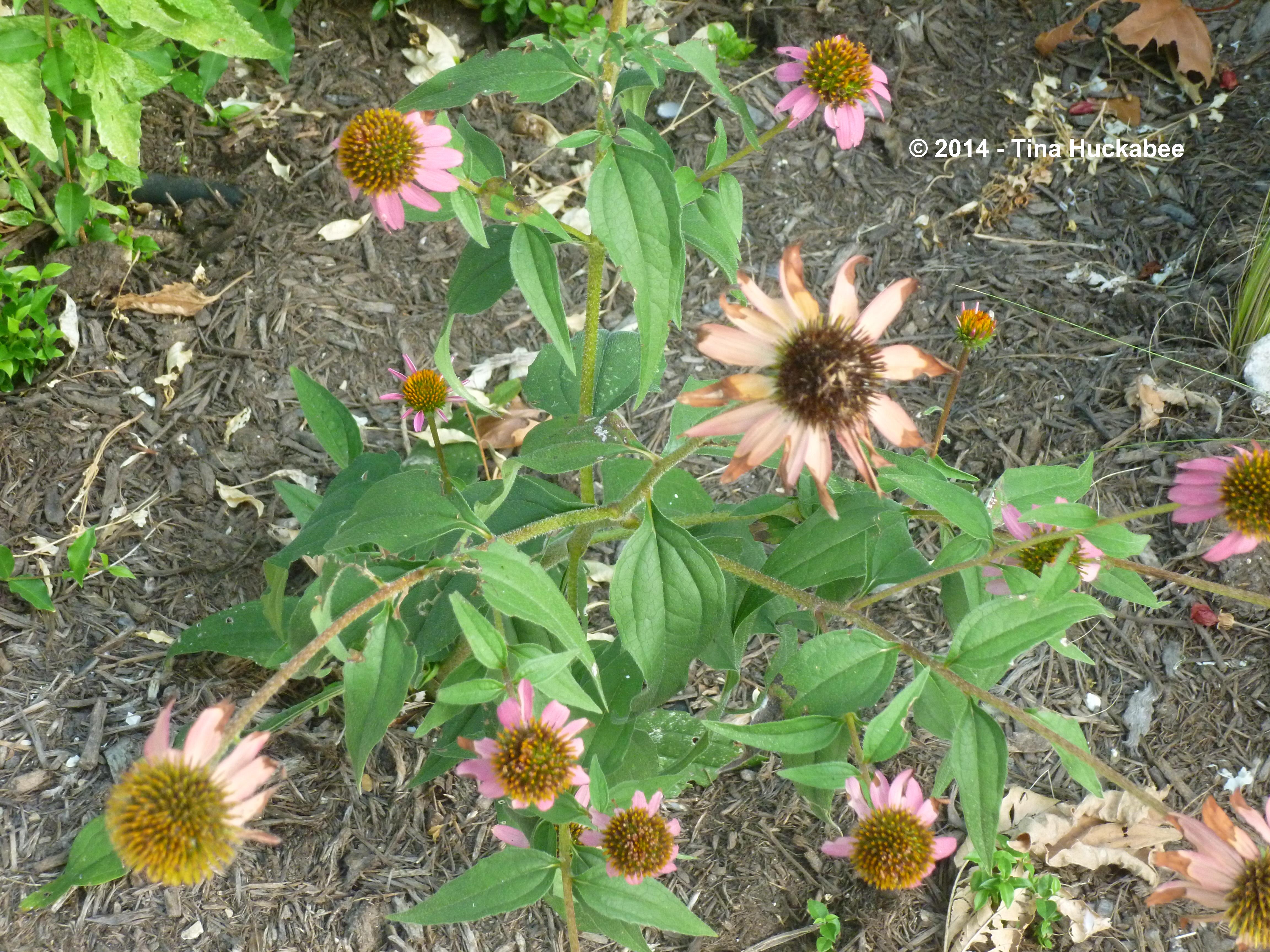
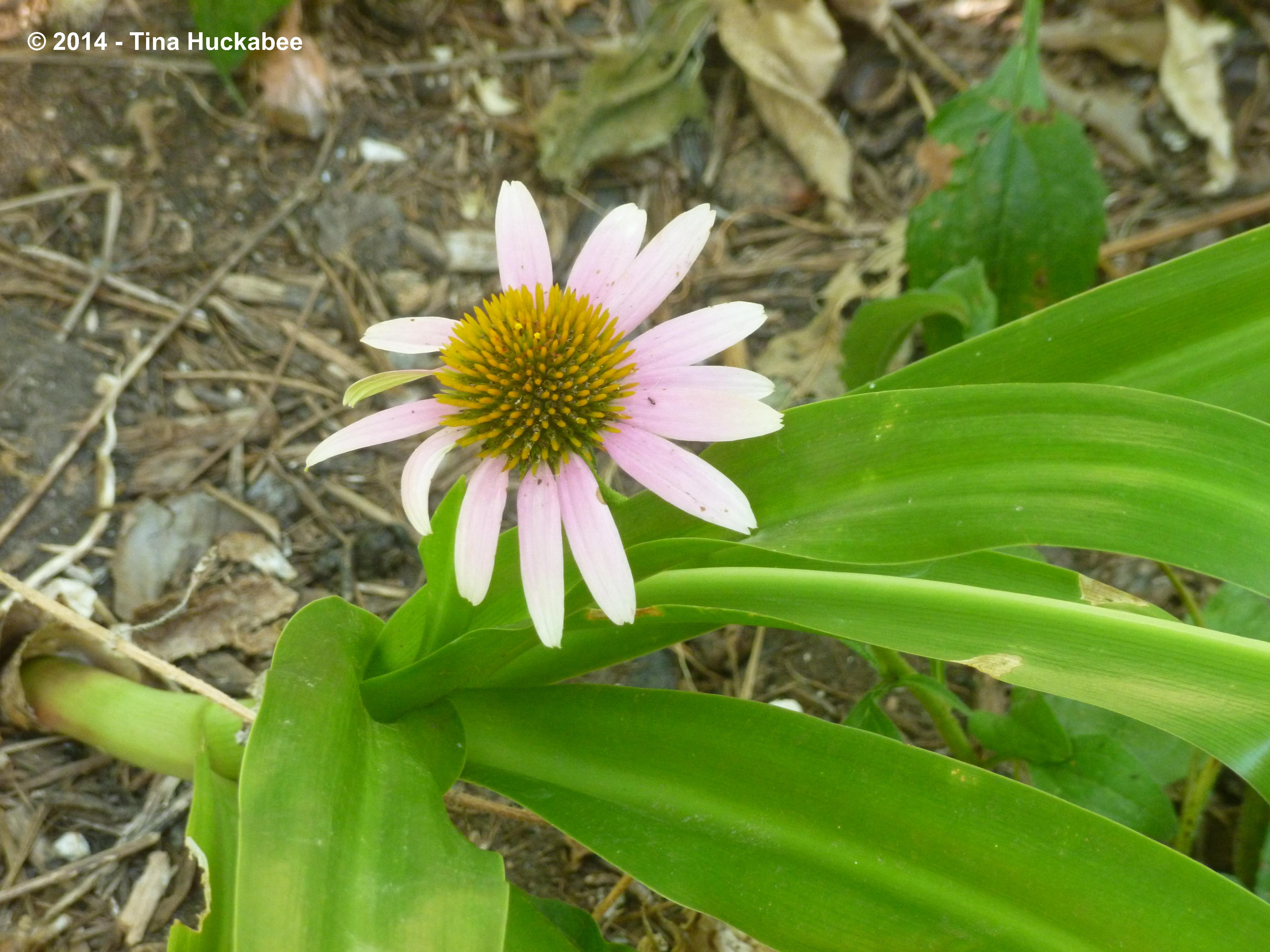
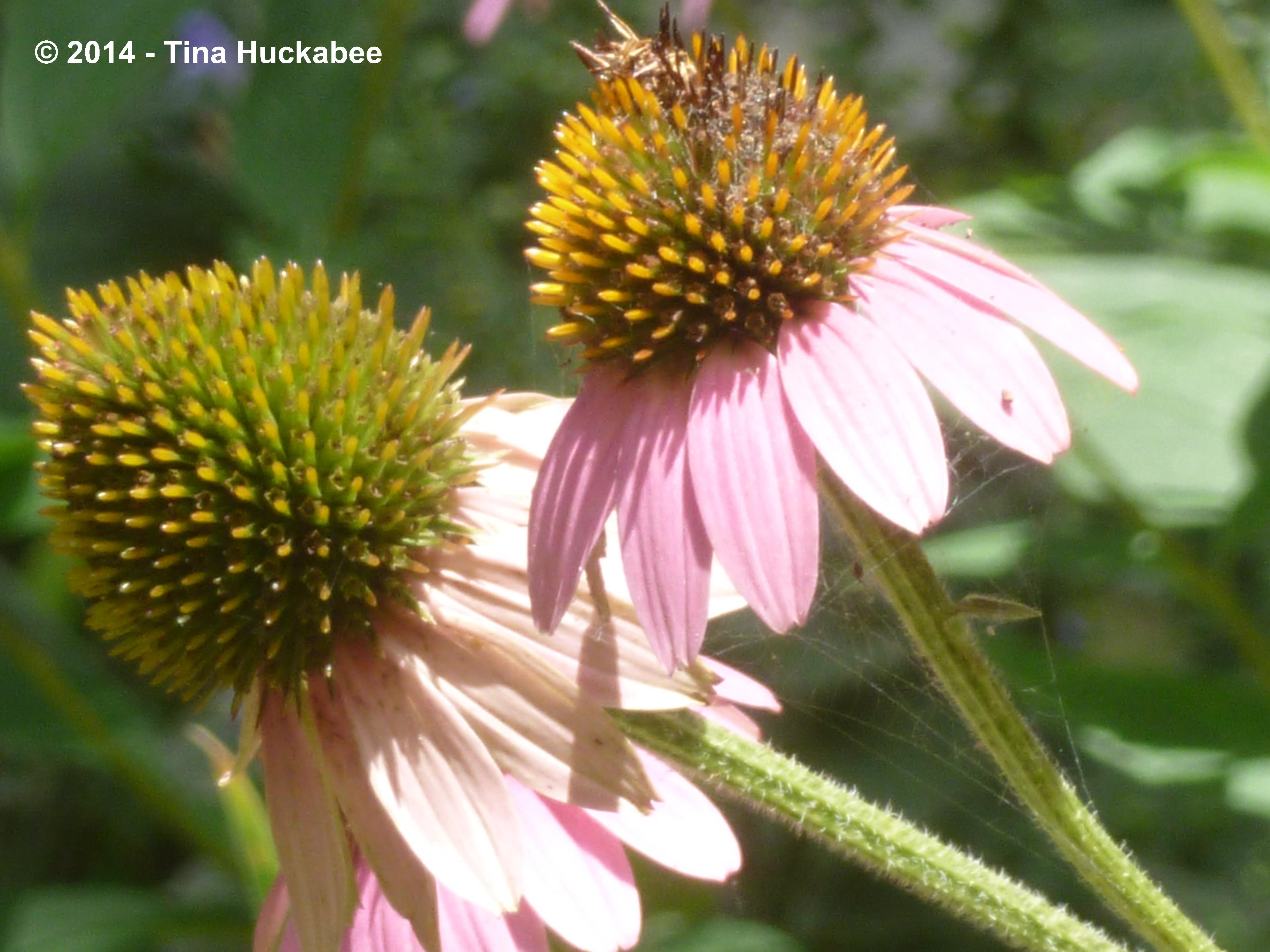
The glory of Purple ConeflowerEchinacea purpurea, 

P1060609.new

is over for the year.   I leave the gone-to-seed flower heads as long as possible for finch nibbling, but the blooms are crispy now and I’ve pruned most back to their rosettes. After the spring/summer blooms are done and pruned, there’s usually a second flowering that is shorter in stature, but very welcomed,

P1060650.new

P1060824.new

…by pollinators and people.  Later in fall, Purple Coneflower will segue again into seed production for winter finch food.

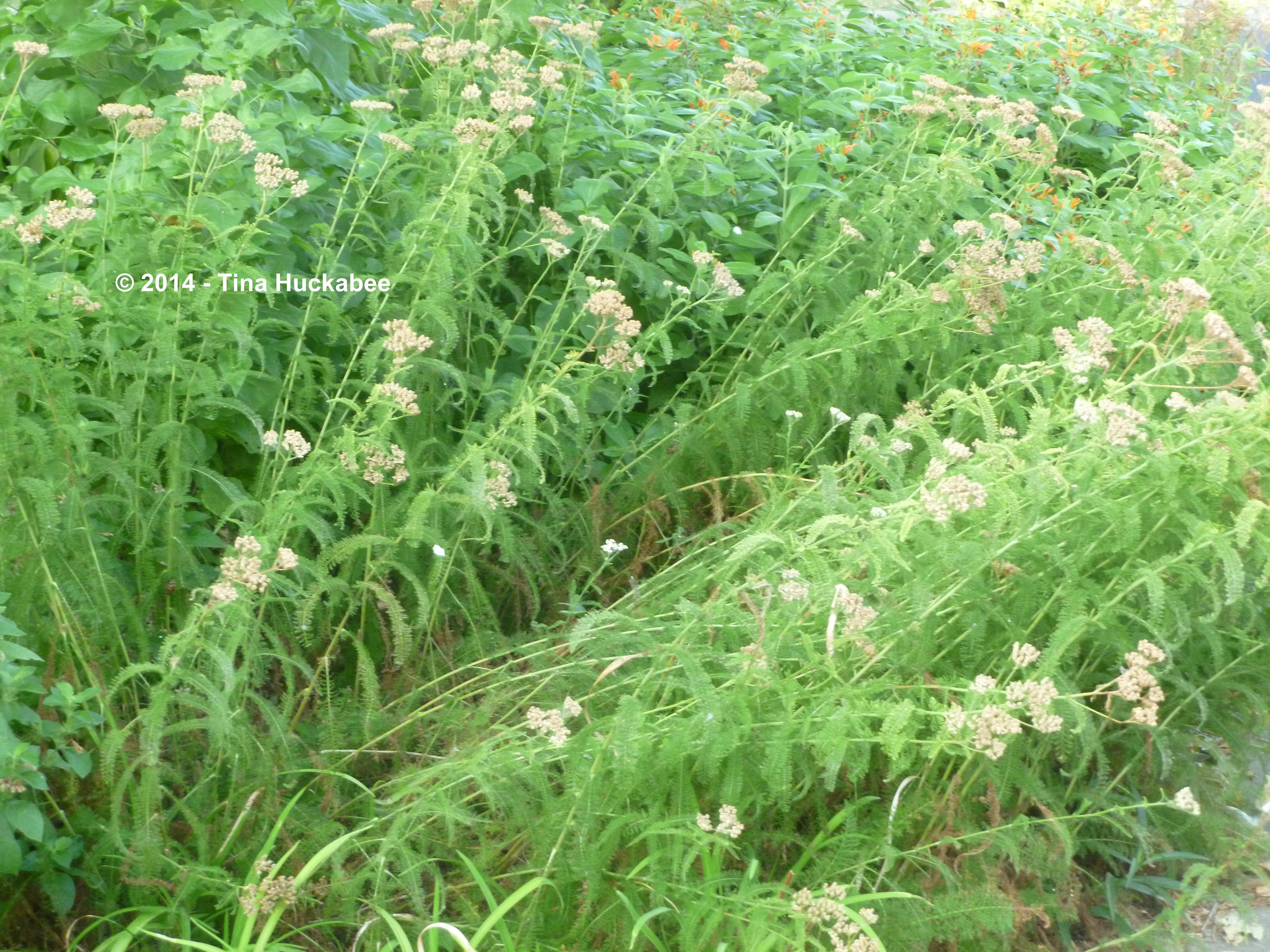
YarrowAchillea millefolium, is taking a bow for its long bloom season as well.  All of mine, save this patch,
P1060611.new

are pruned to their ground foliage for the year.  I’ve always found the ecru disks of spent blooms as attractive as the snowy white of the peak of Yarrow season, so I keep them through the long summer months.
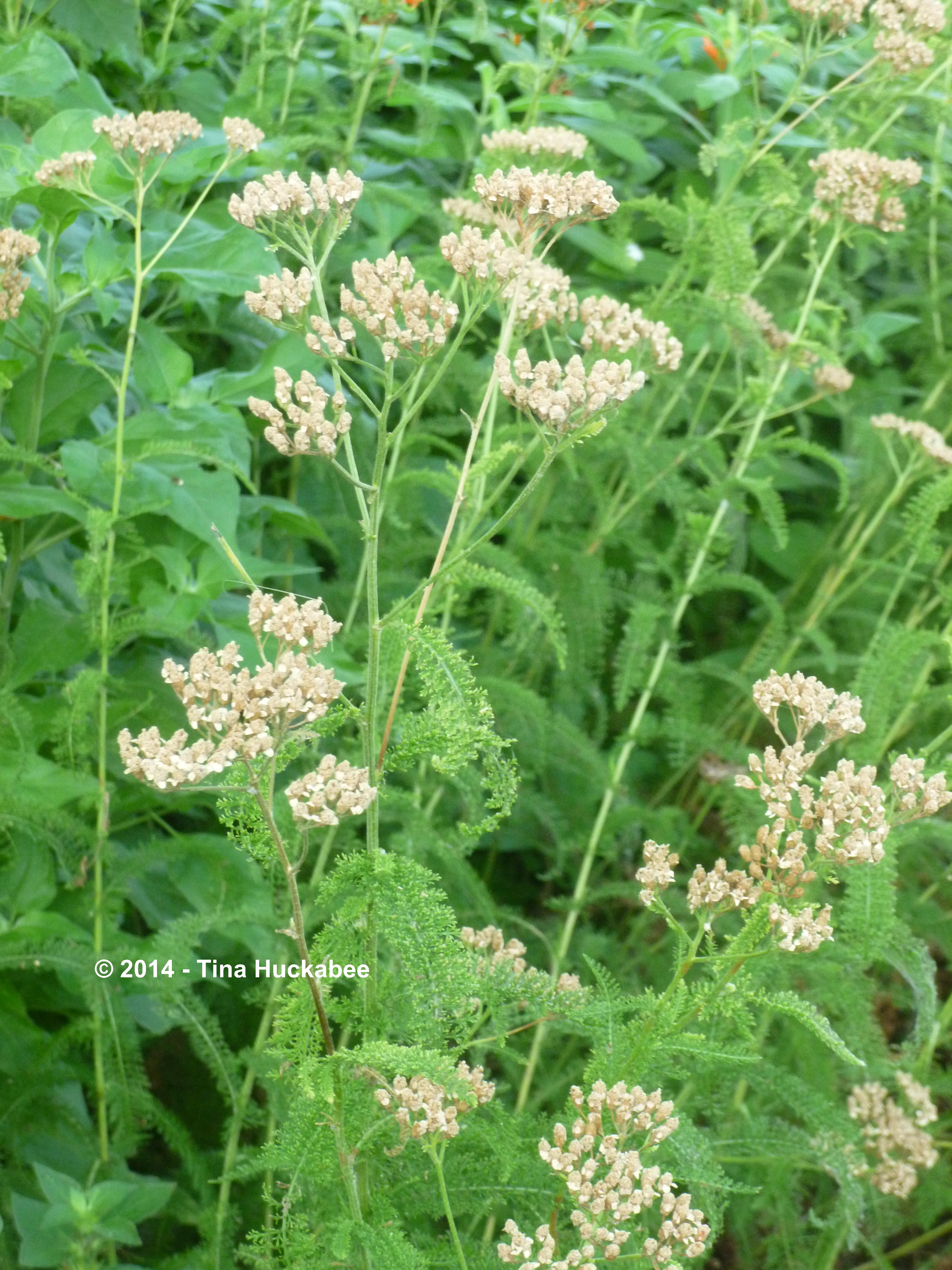
P1060610.new

The finches appreciate the seeds, too.

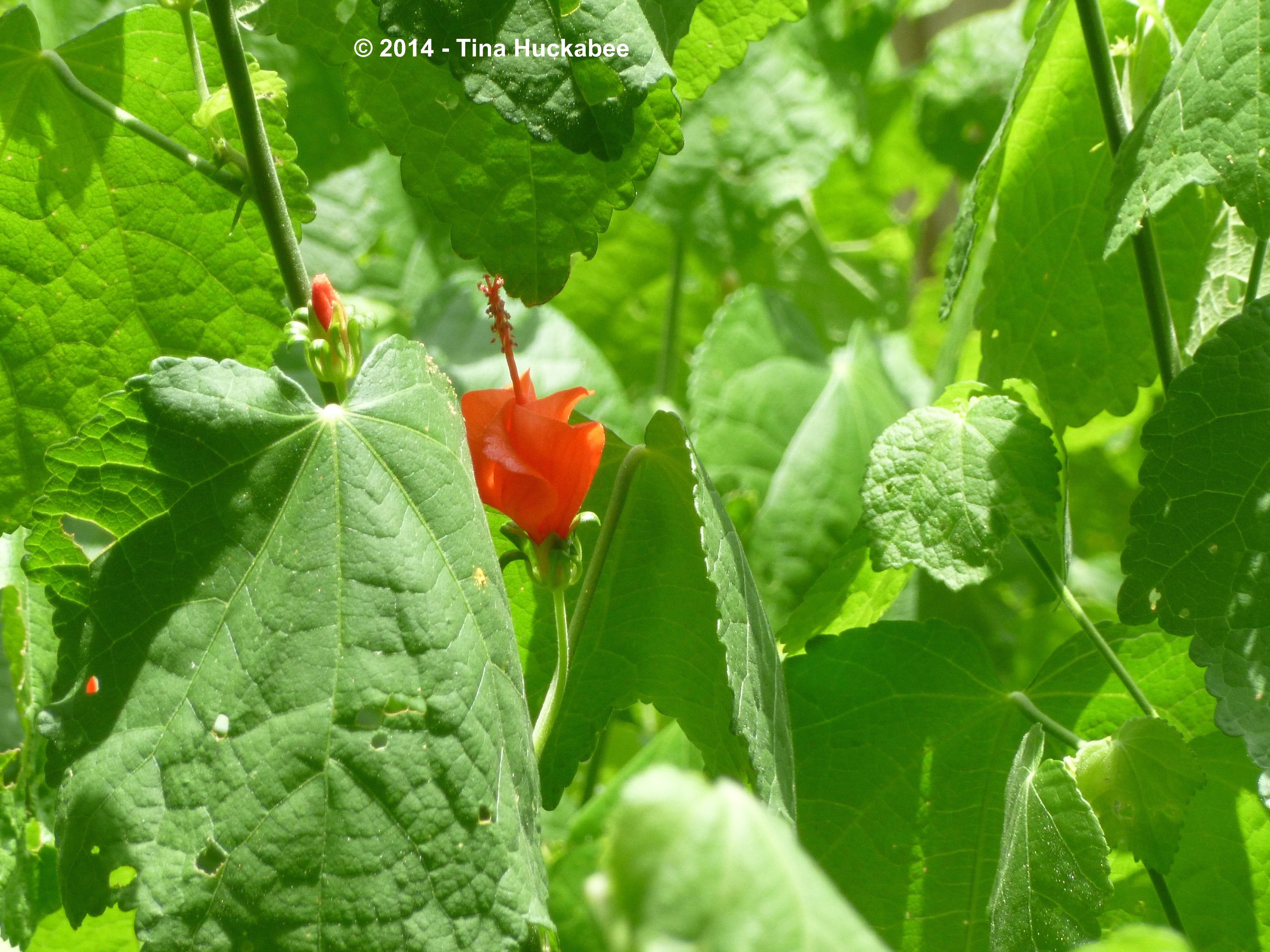
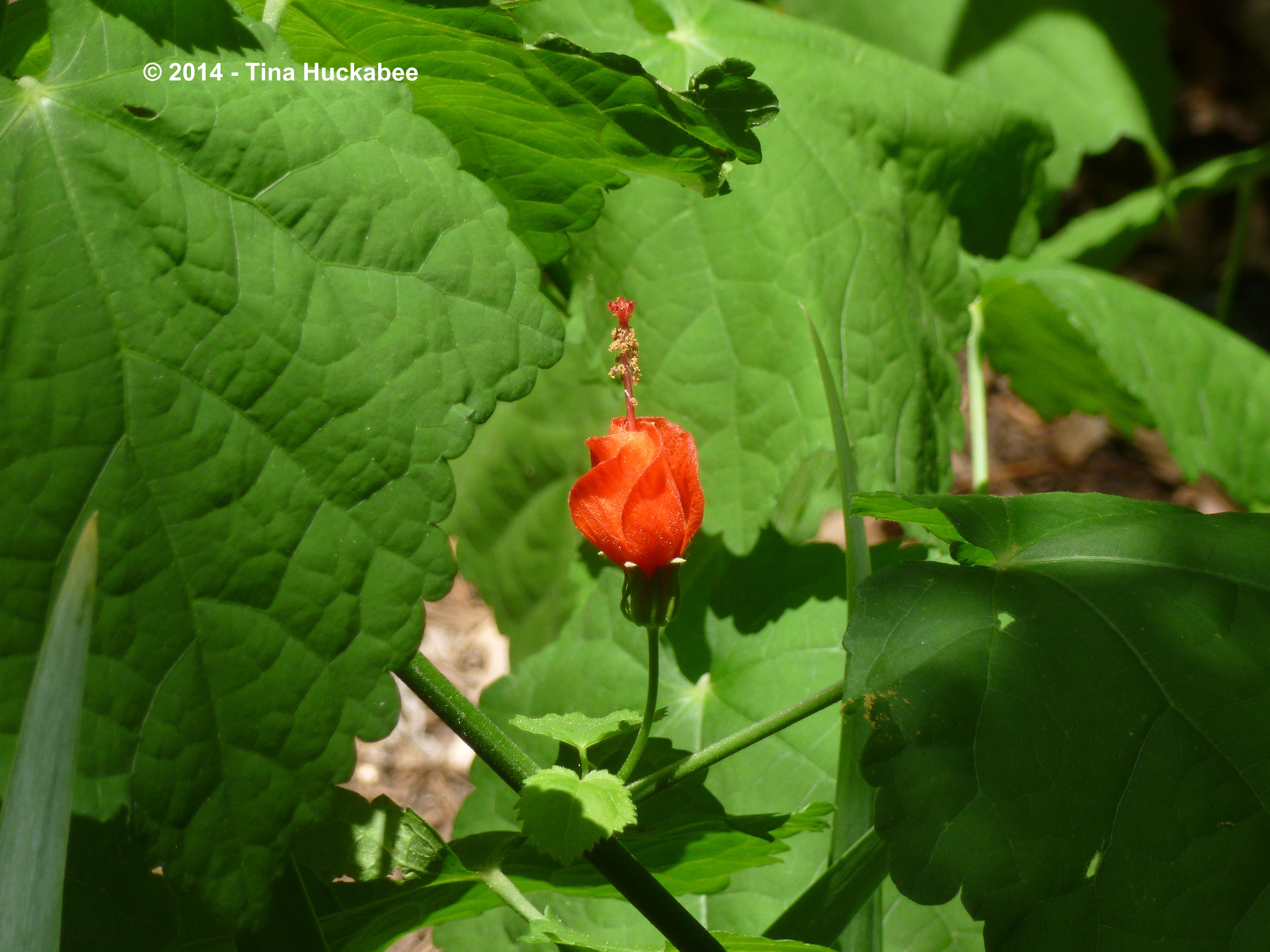
Turk’s Cap,  Malvaviscus arboreus, blooms magnificently during this toasty time of year.

P1060632.new

Visited by bees,

P1060612.new

P1060613.new

Turk’s Cap produce scads of swirled lovelies with pollen and nectar galore and will do so for another month or two.

Frostweed, Verbesina virginica, employs a hopeful common name.

P1060615.new

Frost.  That’s hard to imagine right now. Frostweed’s snowy blooms evoke a coolness we can only dream about with our daily 100 degree-plus temperatures and the death rays of the August sun.

P1060616.new

Flowering will continue into September, giving way to seed production in the fall.

Slather on the sunscreen, drink plenty of fluids and traipse over to clay and limestone to see other hot August wildflowers.

Wildflower Wednesday, July 2014

Given the seemingly intractable problems our world faces, sometimes it’s hard for me to take garden blogging seriously.  But encouraging beauty and sustainability through practical gardening choices is one ingredient toward healing a troubled world–even if it’s only on the trifling scale of our own back yards.  Celebrating native plants and wildflowers, I’m joining with Gail at clay and limestone for July’s Wildflower Wednesday.  Native plants and wildflowers provide year-round pleasure and sustenance–for gardeners and wildlife.  There are so many reasons to use wildflowers in the home garden: they are beautiful, they require little irrigation and no chemicals and wildflowers evoke a sense of regional location.  Using wildflowers in the home garden is one way to honor the natural, local beauty inherent in all places and to affirm a positive future, wherever one lives and grows.

In my gardens, FrostweedVerbesina virginica, is just beginning its bloom period.  I captured the very first tiny florets recently.

P1050747.new

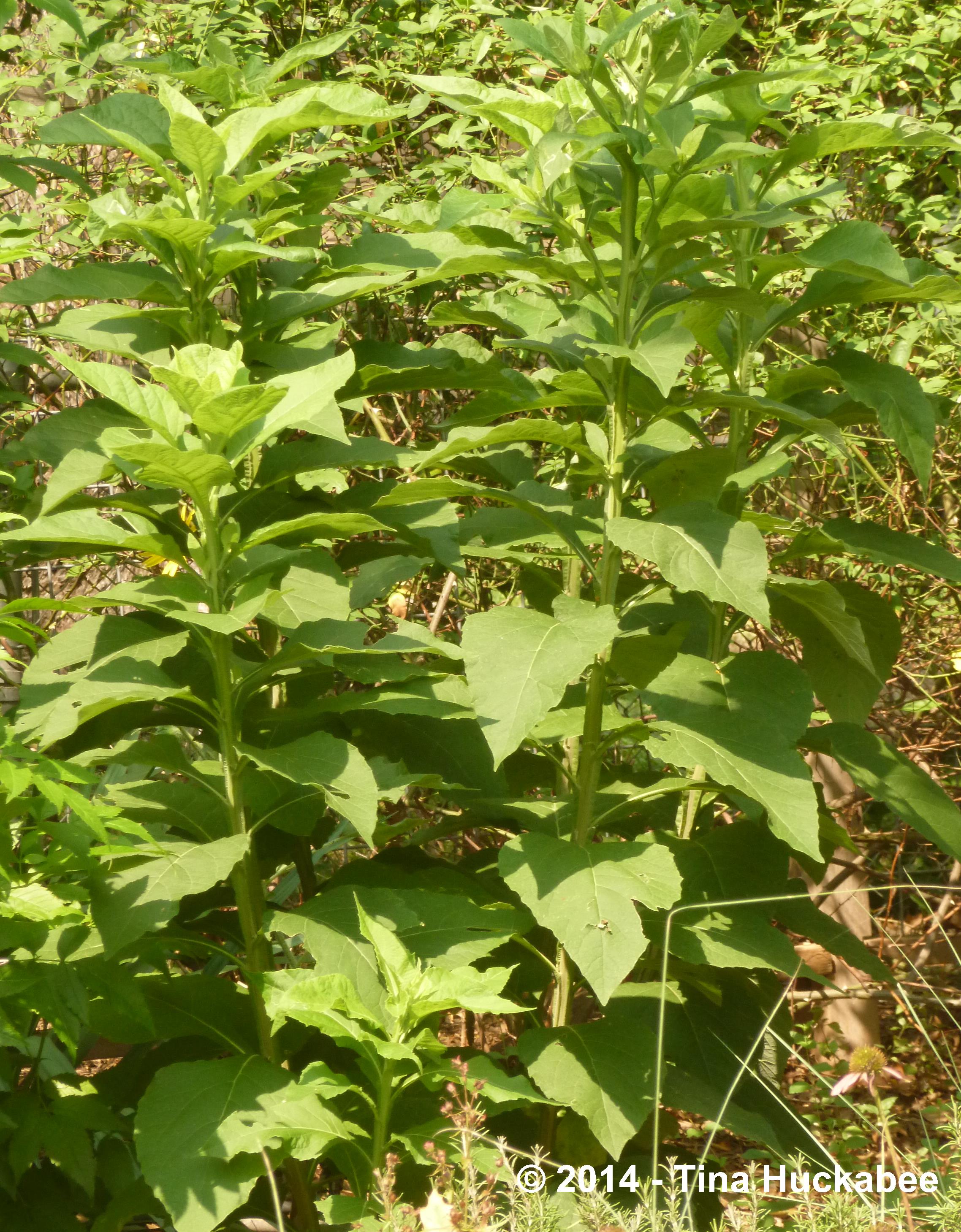
The flowers will expand in summer and early fall, then form into attractive seed heads. A mature Frostweed is multi-trunked,

P1050984_cropped_2276x2919..new

and tall. This deciduous plant fits nicely into a shade or part shade garden.

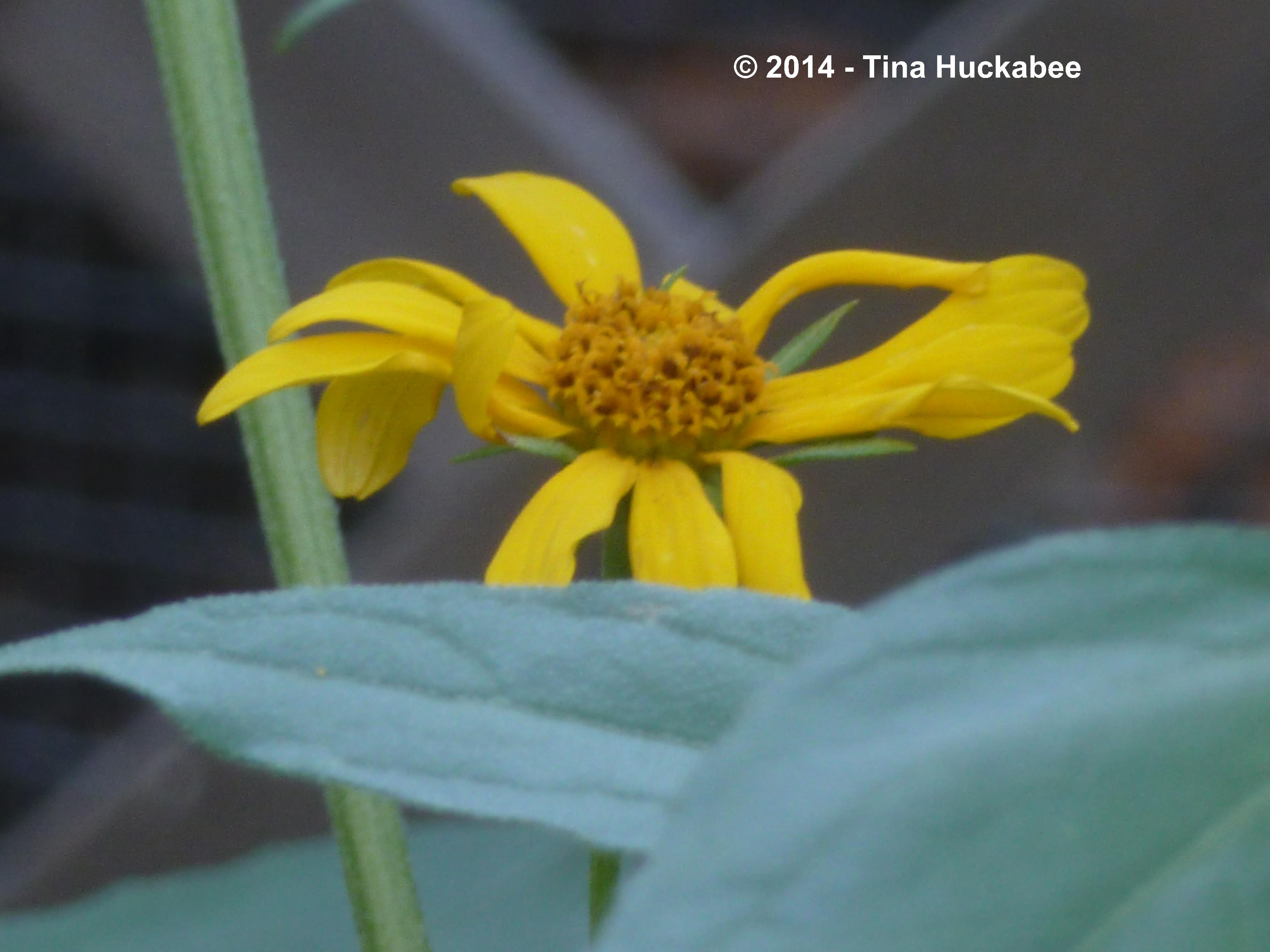
One of this year’s first GoldeneyeViguiera dentata, flowers was hiding behind some large leaves.

P1050785.new

Another primarily fall bloomer, this happy native will burst forth with masses of blooms in October, so Texas-bright that you’ll almost need sunglasses to look at them!    For now, the perennial sunflower is growing and producing a smattering of blooms.

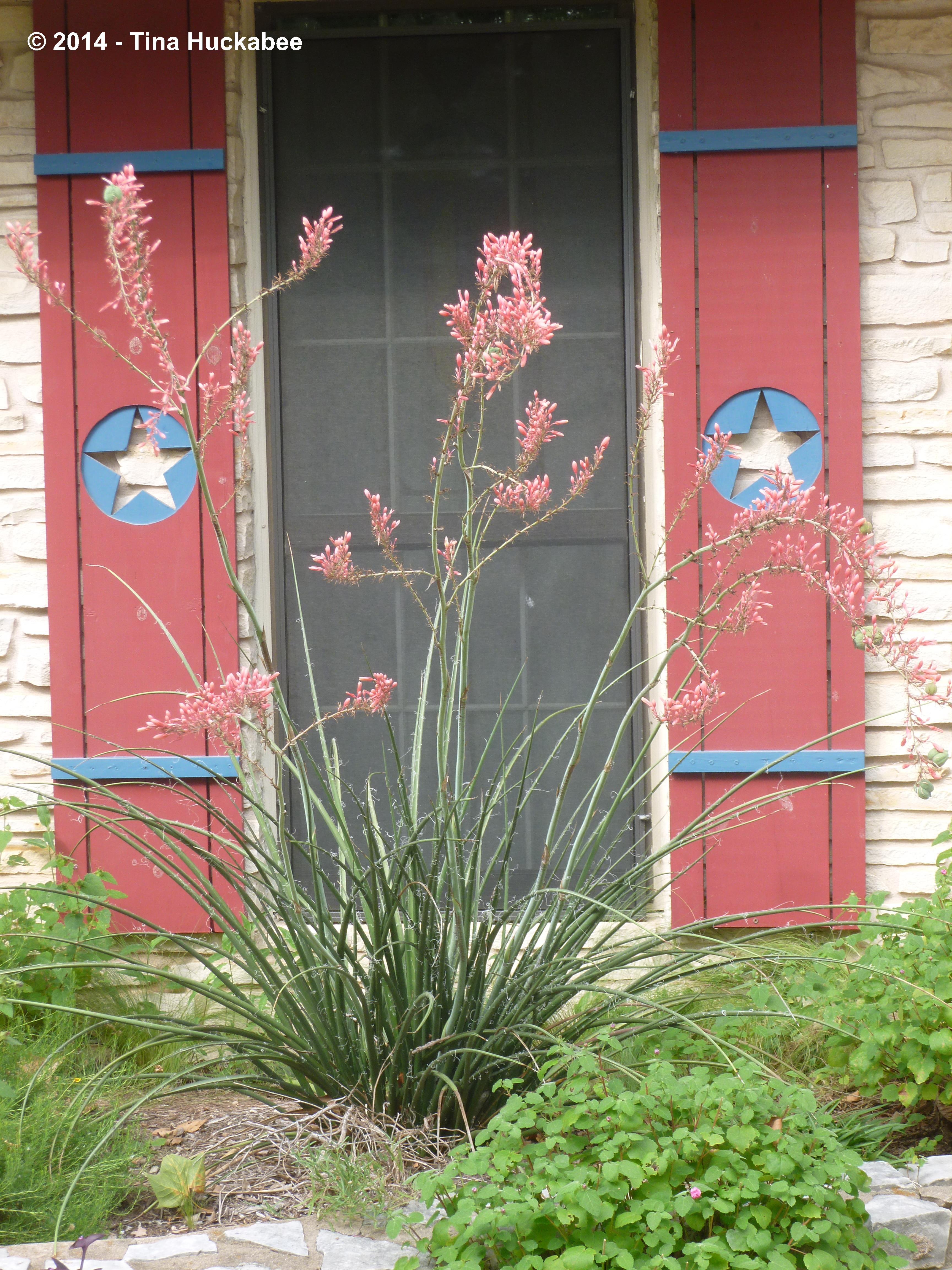
The Red Yucca, Hesperaloe parviflora, is common in Central Texas. The clusters of pink-to-coral blooms,

P1050800.new

are favored by hummingbirds, bees and people.   Red Yucca is quite dramatic when viewed in its full form.

P1050994.new

The tall, arching branches hold aloft those bloom clusters high above other perennials.

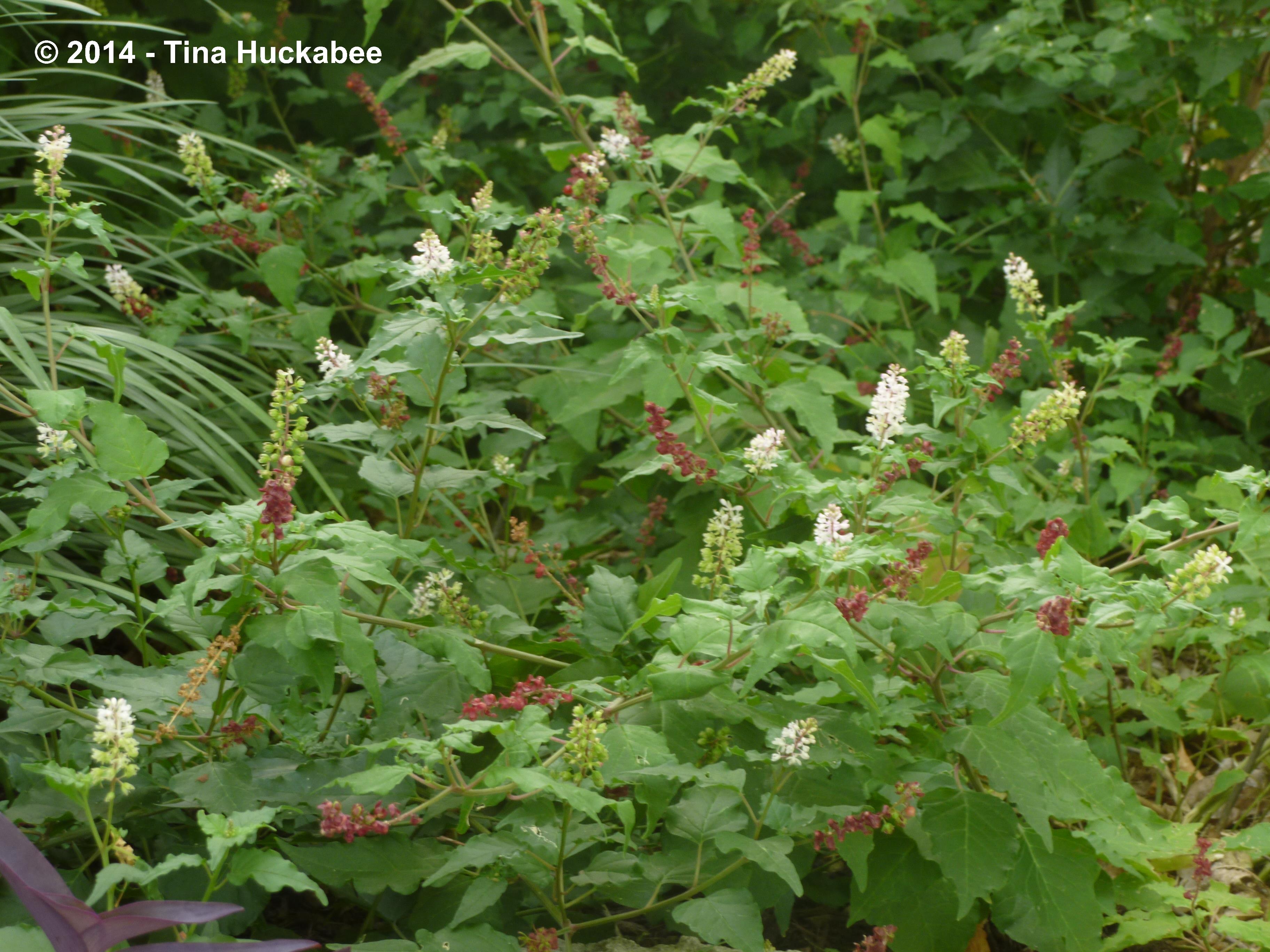
Closer to the ground, Pigeonberry, Rivina humilis,  is a low-growing ground-cover that is beautiful and cooling in shade.

P1050818.new

P1050823.new

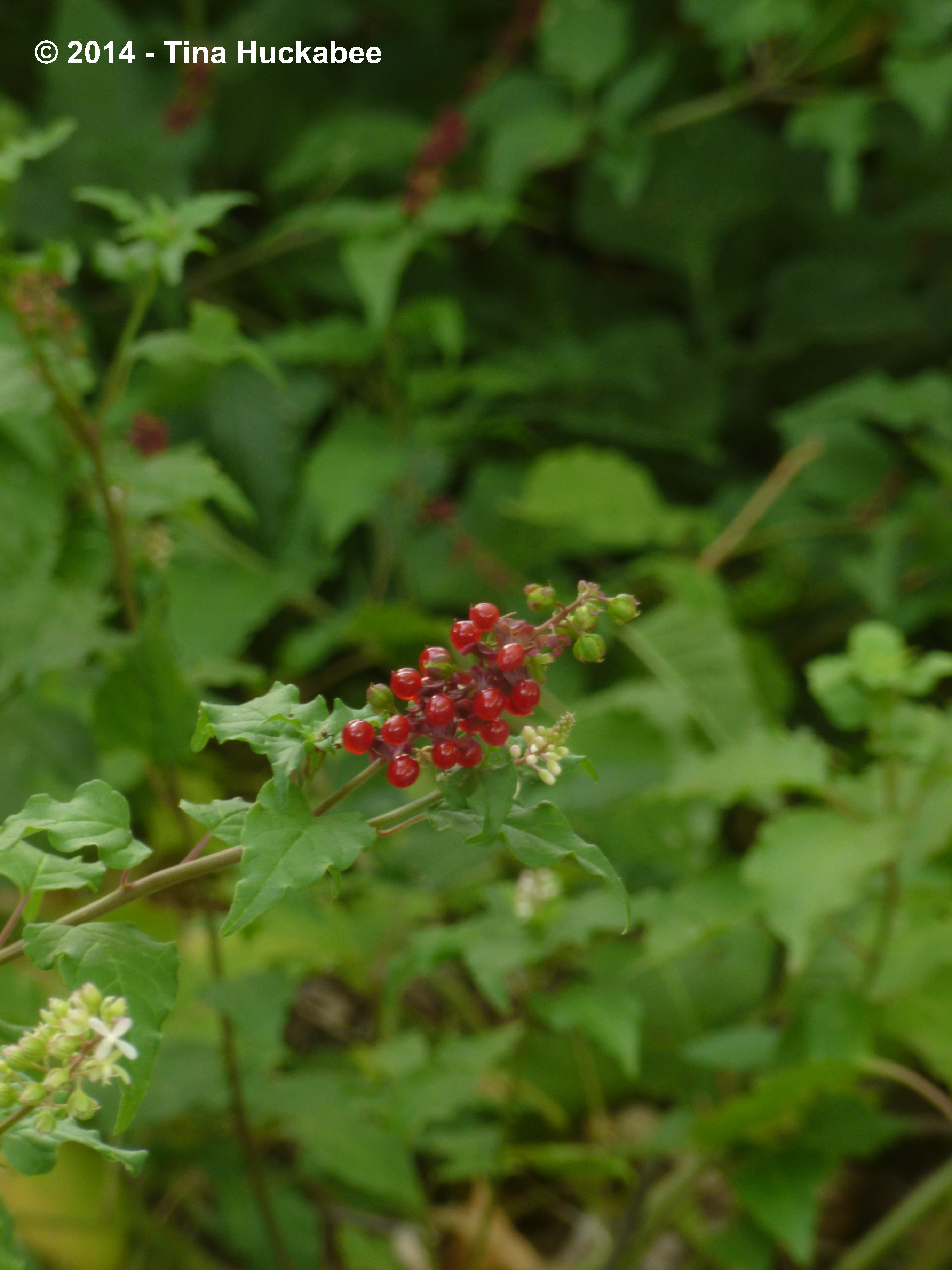
It produces many small, pink flower spikes which form luscious red berries which grateful birds enjoy.

P1050829.new

In my gardens, a variety of doves snack on these berries.

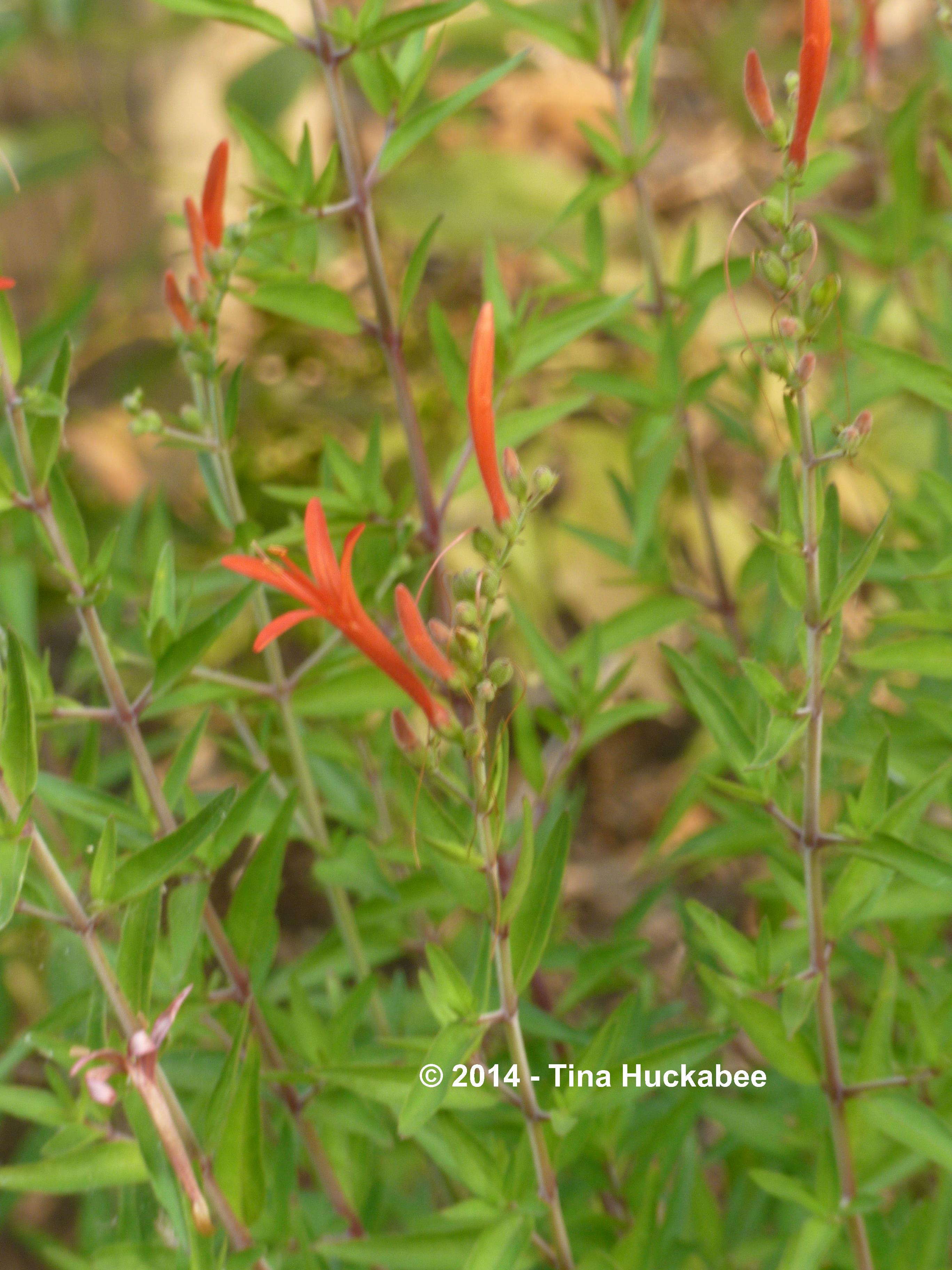
Another strong hummingbird attractor is the Flame Acanthus, Anisacanthus quadrifidus var. wrightii.  A deciduous shrub, the Fame Acanthus grows red-to-orange tubular flowers.
P1050837.new

These striking blossoms bloom profusely during the summer and fall months and without efforts from this gardener.

P1050852.new.new

That’s my kind of wildflower plant!

Here it is in full shrub mode, photo-bombed by a hardy Turk’s Cap!P1050985.new

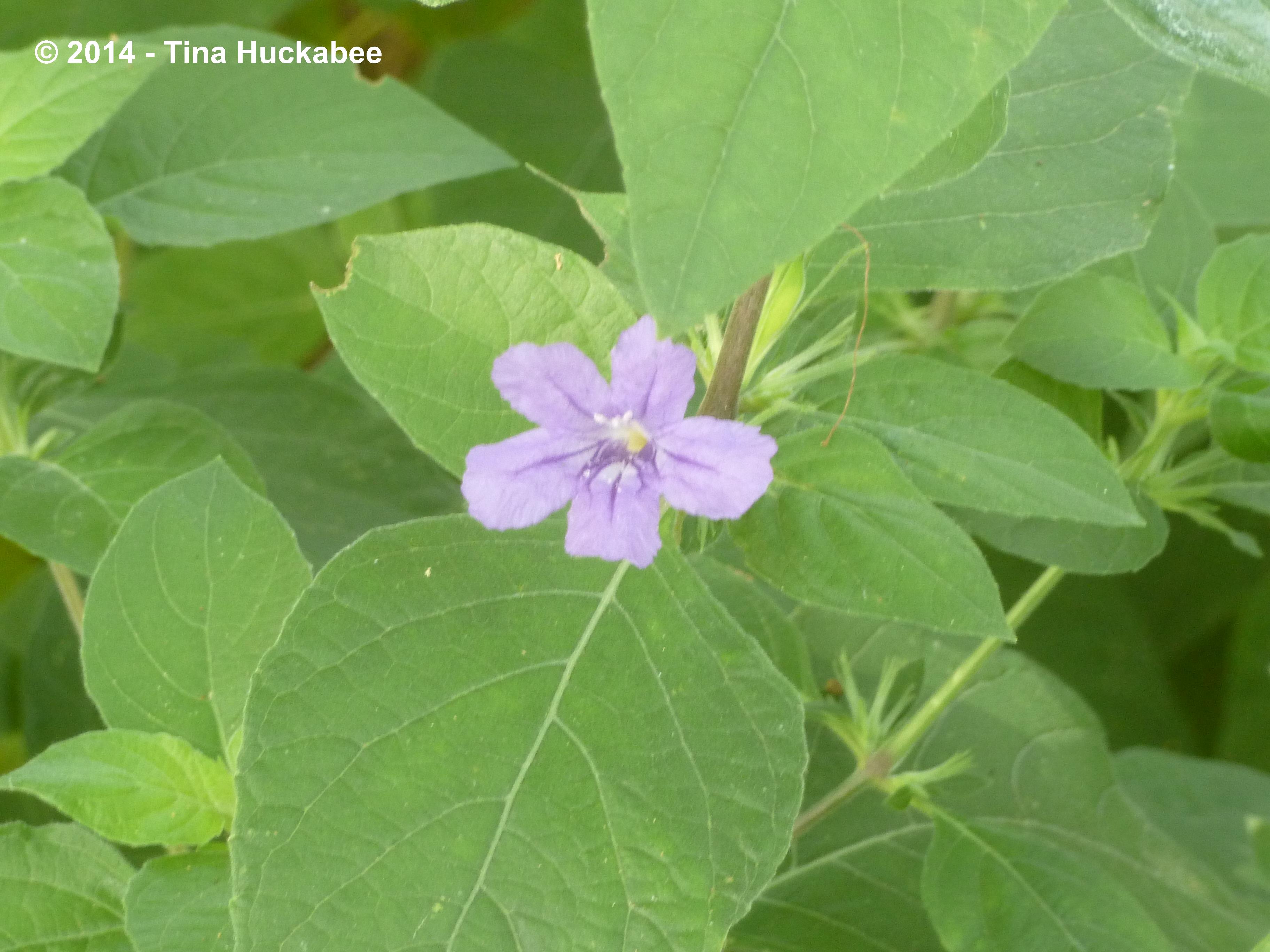
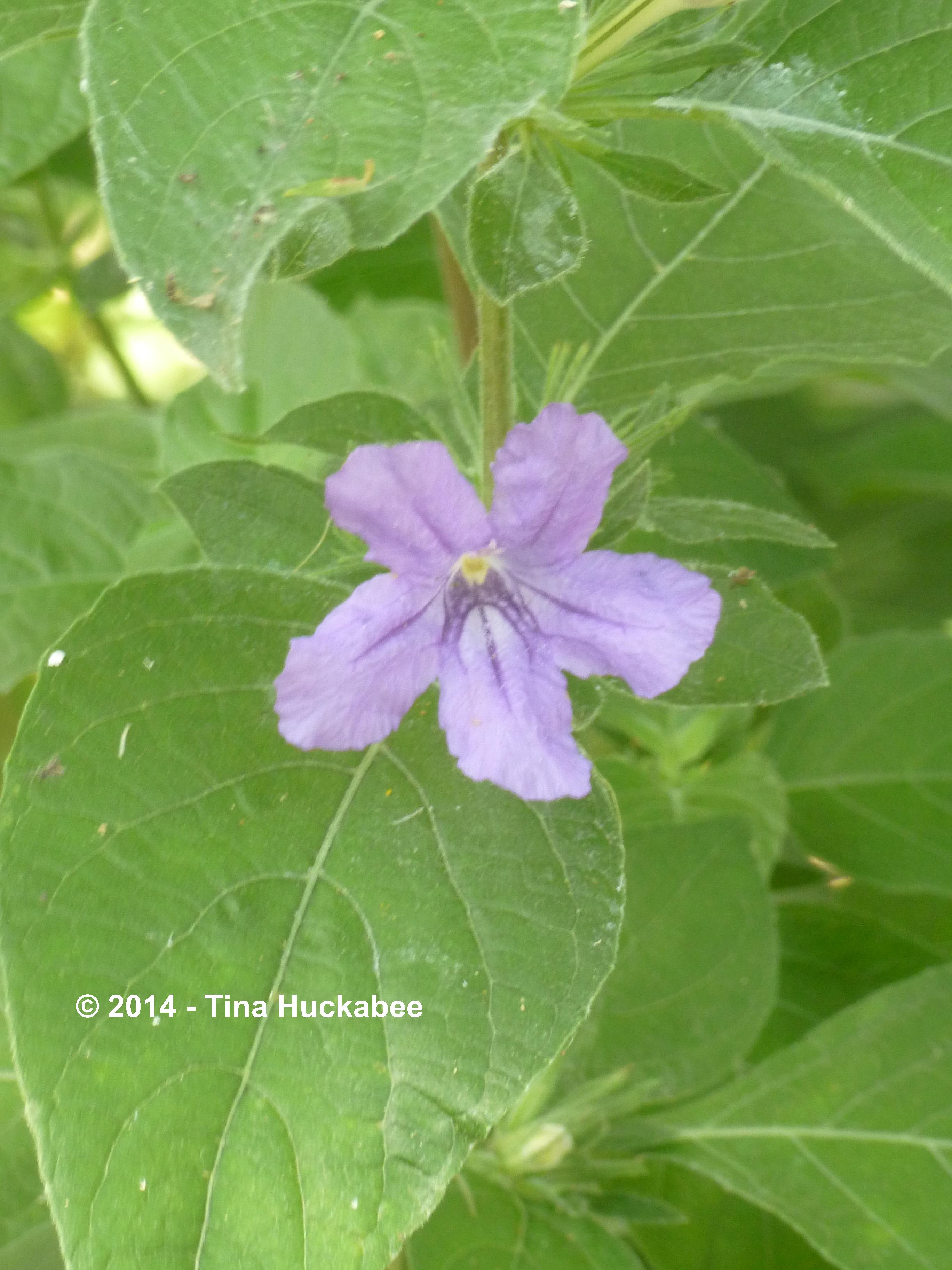
There are many native Ruellia Texas.  The one I grow is called Drummond’s Wild Petunia or Ruellia drummondiana and is another wildflower at the start of its summer/fall bloom cycle.  A very tough plant which doesn’t require work from me, it displays small, purple blooms. Fresh blooms open each morning, then drop at the end of the day.

P1050875.new

P1050883.new

A versatile perennial, it performs well in either shade or sun and isn’t large.  Ruellia dies to the ground in the winter, so  I like to plant it between evergreens, like this group which is sandwiched between native Columbine on its left and native Yarrow to its right.

P1050855.new

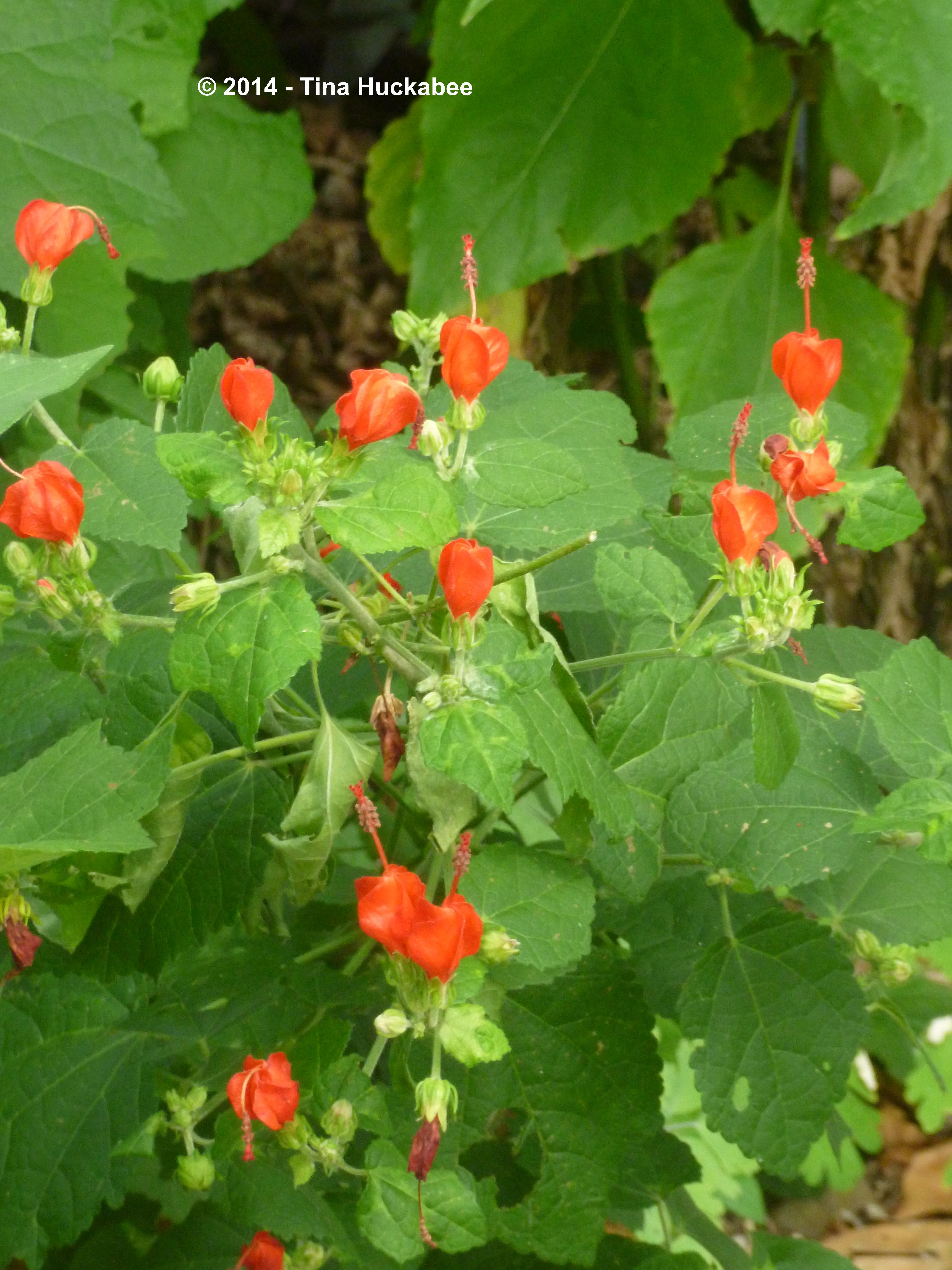
To me,  Turk’s CapMalvaviscus arboreus,  is the quintessential Texas wildflower.  Thriving in the hottest and toughest conditions, it blooms, blooms, blooms.

P1050992.new

P1050991.new

It provides all sorts of good things for wildlife: cover, nectar, pollen and fruit.  What’s not to love about that plant for Texas birds, bees and butterflies?  And for two-legged Texans, Turk’s Cap form lovely perennial shrubs for their gardens that are easily maintained and make the statement: I’m from here!

P1050988.new

Beauty matters.

Wildflowers matter.

Grow what belongs where you are: for ease, for wildlife, and because wildflowers work in the garden–in all sorts of ways.

Grow wildflowers because they give joy.  And joy matters.


Wildflower Wednesday, June 2014

Summer is in full swing in Austin–heat, blooms, heat, blooms.  I tire of the heat and humidity, but beautiful native wildflowers thrive in our sticky summers and today is the day to show them off.  Thanks to Gail at clay and limestone for hosting and promoting the use of native plants and wildflowers in the home garden.

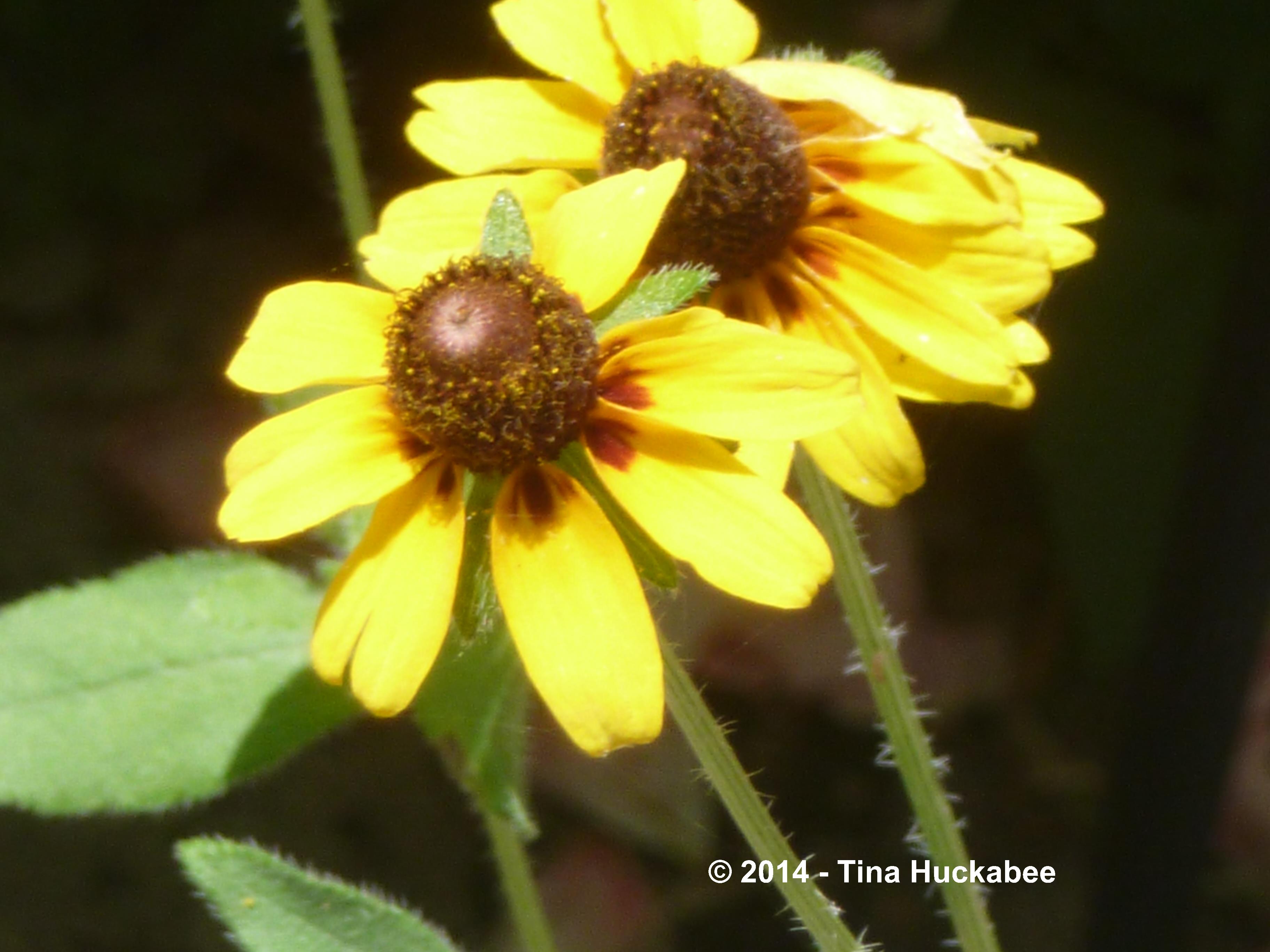
A few years ago at the Lady Bird Johnson  Wildflower Center’s fall native plant sale, I bought a Black-eyed Susan, Rudbeckia hirta.

P1050206.new

P1050205_cropped_2072x2646..new

It was a total impulse purchase and I’m glad for that particular lack of impulse control!  Each spring, this little annual (for me) pops up in a different place in my gardens.  This year?  It’s on the back patio, keeping the potted bougainvillaea company.  I’ll let it seed out this summer and who knows where it will appear next summer.

I must share a photo or two of my wonderful Purple Coneflower, Echinacea purpurea.

P1050209.new

P1050210.new

The quintessential summer perennial in my gardens, Coneflowers are tough, happy summer flowers.  They are great for pollinators and also are terrific as cut flowers indoors, if you’re so inclined.

The  Zexmenia, Wedelia texana, began blooming a little late this year, but is in full force now.

P1050215.new

Zexmenia is a lovely Texas flowering perennial and performs no matter how hot it is in Austin.

P1050217.new

I often pair Zexmenia with Rock Rose, Pavonia lasiopetala, in my gardens.

P1050231.new

From morning through mid-afternoon, the combination of the pink Rock Rose and the yellow  Zexmenia is pretty and fresh.  Both perennials require little water and are favorites of native pollinators. The hibiscus-like flowers of Rock Rose close with the heat mid-afternoon, leaving  the yellow Zexmenia to go it alone until the next sunrise.

P1050173.new

P1050230.new

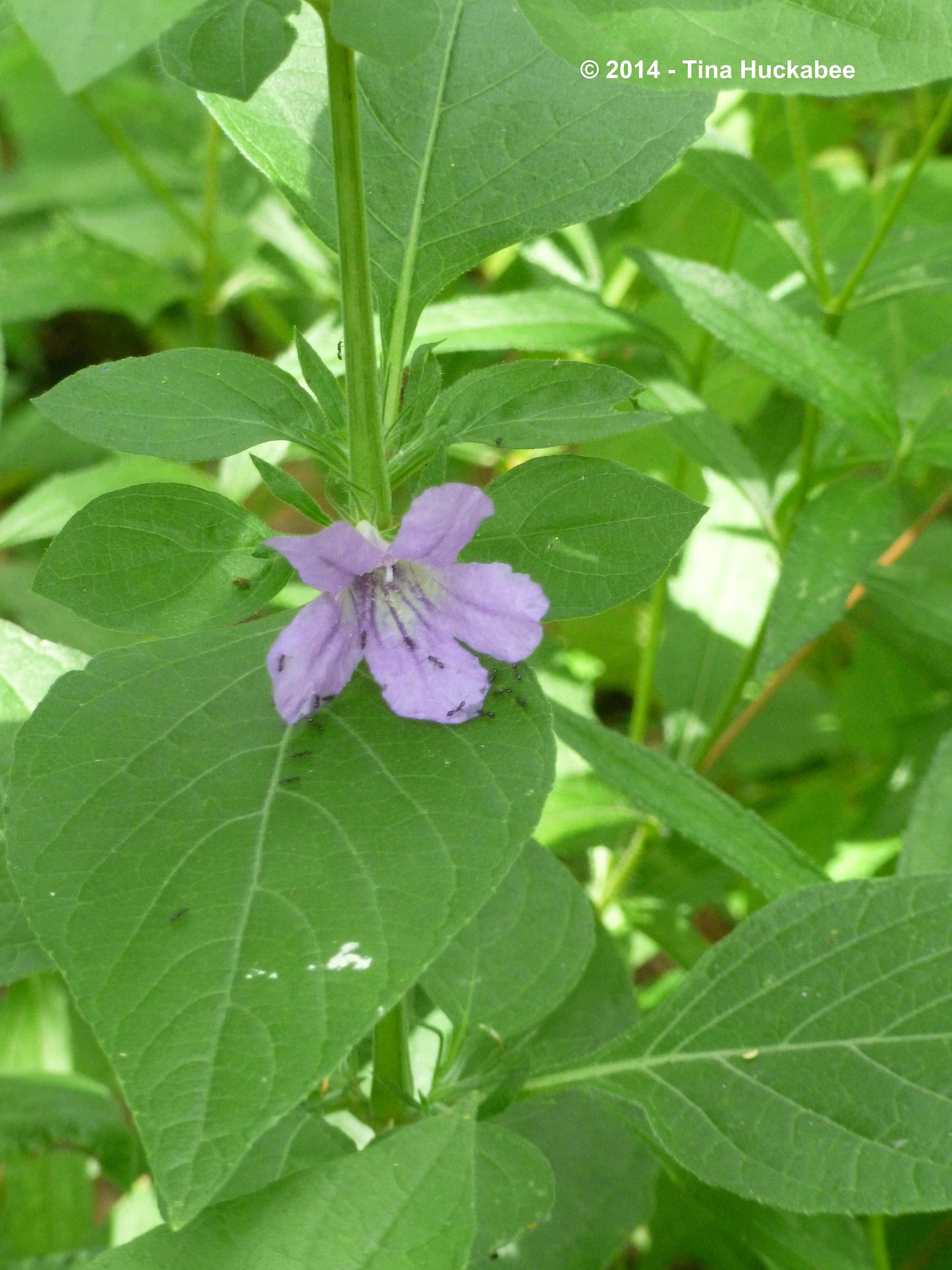
A few years ago, I collected seeds of Drummond’s Ruellia, Ruellia drummondiana. I caught the first bloom of the season recently.

P1050229.new

This ruellia, which isn’t commonly available, doesn’t usually begin blooming fully until mid-to-late summer.  I was tickled to see one open early in the growing season.  It looks like the ants are happy about that too!

The ‘Henry Duelberg’ Salvia, Salvia farinacea ‘Henry Duelberg’ still sports its pretty bloom spikes.

P1050233_cropped_1855x2850..new

It’ll bloom until it’s too hot, then the ‘Henry’ rests, renewing its bloom cycle again with cooler autumn temperatures.  I’ll prune the ‘Henry’ to keep it tidy until its fall bloom cycle.

Turk’s Cap, Malvaviscus arboreus, is an excellent summer bloomer and another favorite of mine.

P1050244.new

P1050234.new

P1050241.new

It’s a superb  wildlife plant as well:  hummingbirds, bees and butterflies love its bright red blossoms and the birds devour its fruits in the fall.  It grows as a thick shrub,  so many lizards, birds and insects shelter in it.

The cheerful Engelmann’s Daisy, Engelmannia peristenia, should bloom through mid-summer.

P1050238.new

One reason I chose this wildflower for my gardens is that I noticed how many bees visit it in other gardens.  That hasn’t been true for this daisy this year and I’m not sure why, but Engelmann’s Daisy is still a bright spot in the garden.

P1050239.new

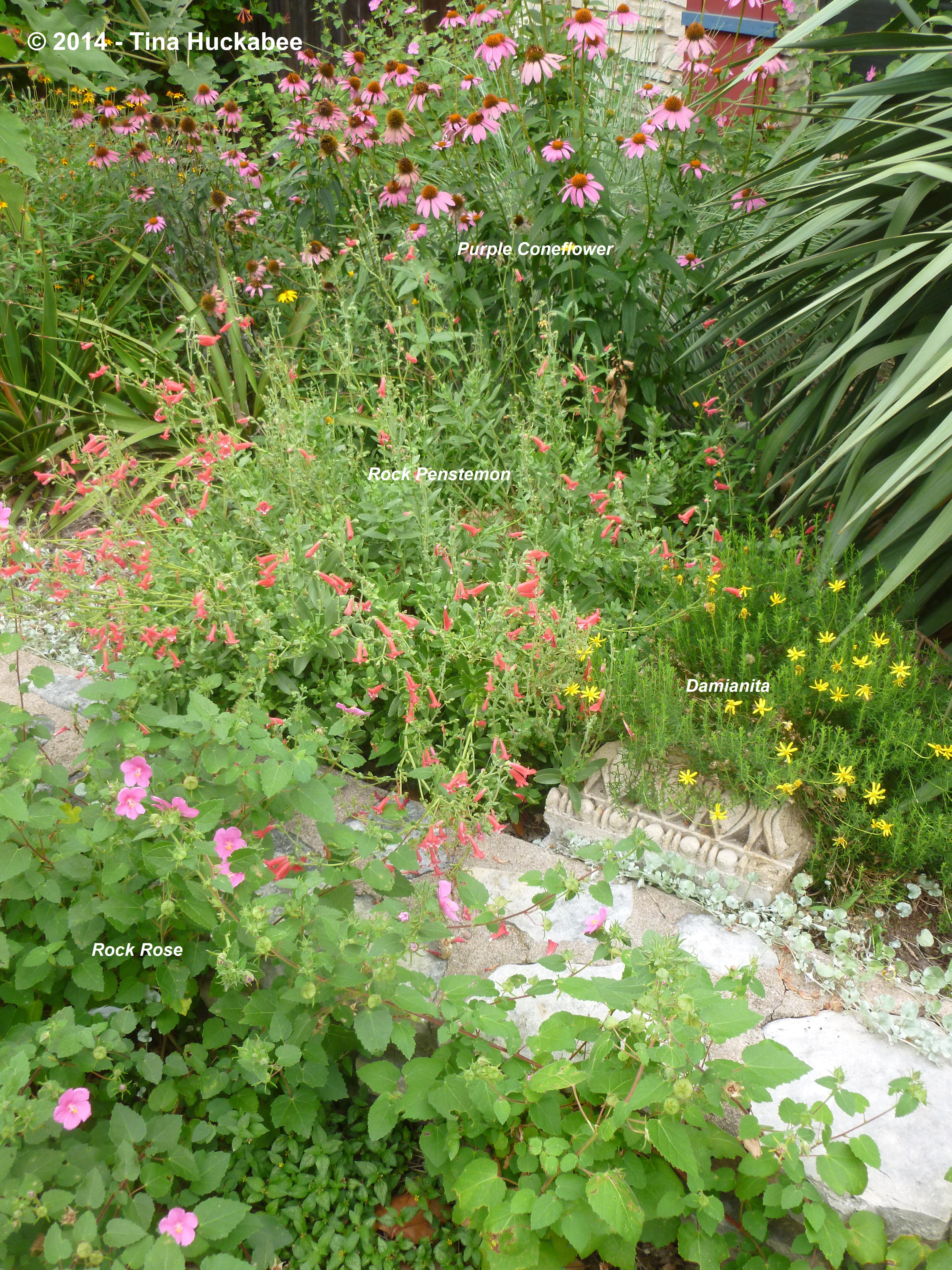
Lastly, this is a nice conglomeration of summer beauties together:

P1050326.new

Two native Texas perennials I haven’t profiled today, Damianita, Chrysactinia mexicana, and Rock Penstemon, Penstemon baccharifolius, are blooming in this photo.  Usually, the Damianita takes a break in the summer after its profusion of spring blossoms.  Rock Penstemon is a hardy summer/fall bloomer.

What native wildflowers are in your garden?  For more wildflower goodness from many places, check out clay and limestone and its celebration of June wildflowers.