Texas Native Plant Week-Autumn Stuff

For this weeklong recognition and appreciation of native Texas plants, I’ve enjoyed sharing my experiences with using favorite perennial bloomers, trees and shrubs.  Because it’s October and not March or April, I’ve focused on plants which are doing something now.  Like other places, we in Texas enjoy our beautiful spring blooming plants, but we also admire those plants that take over the blooming work in the long, hot summer, and we glory in  our “second spring,” also known as autumn.  Many Texas native shrubs and perennials blossom throughout our long growing season, with resting periods between bloom cycles. Plus, our Texas plants take a well-deserved hiatus during the height and heat of summer–late July through August.  Hunkering down is often the phrase used to describe that 8-10 week period of relentless heat and little, if any, rainfall.

And that’s during a “normal” year.

As we’re now enjoying our autumn blooms, today’s post is about the plants that are known specifically as fall performers.  These plants are attractive during the other times of the year, but it’s in the autumn, September through November, that they are the stars, the divas, the lead actors on the garden stage.  So enjoy the photo tour and remember–you too can plant and successfully grow these and many others in your gardens!  All of these plants are carefree and low maintenance.

Check out your local nursery, online native seed sources like Wildseed Farms and the Lady Bird Johnson Wildflower Center for more information.


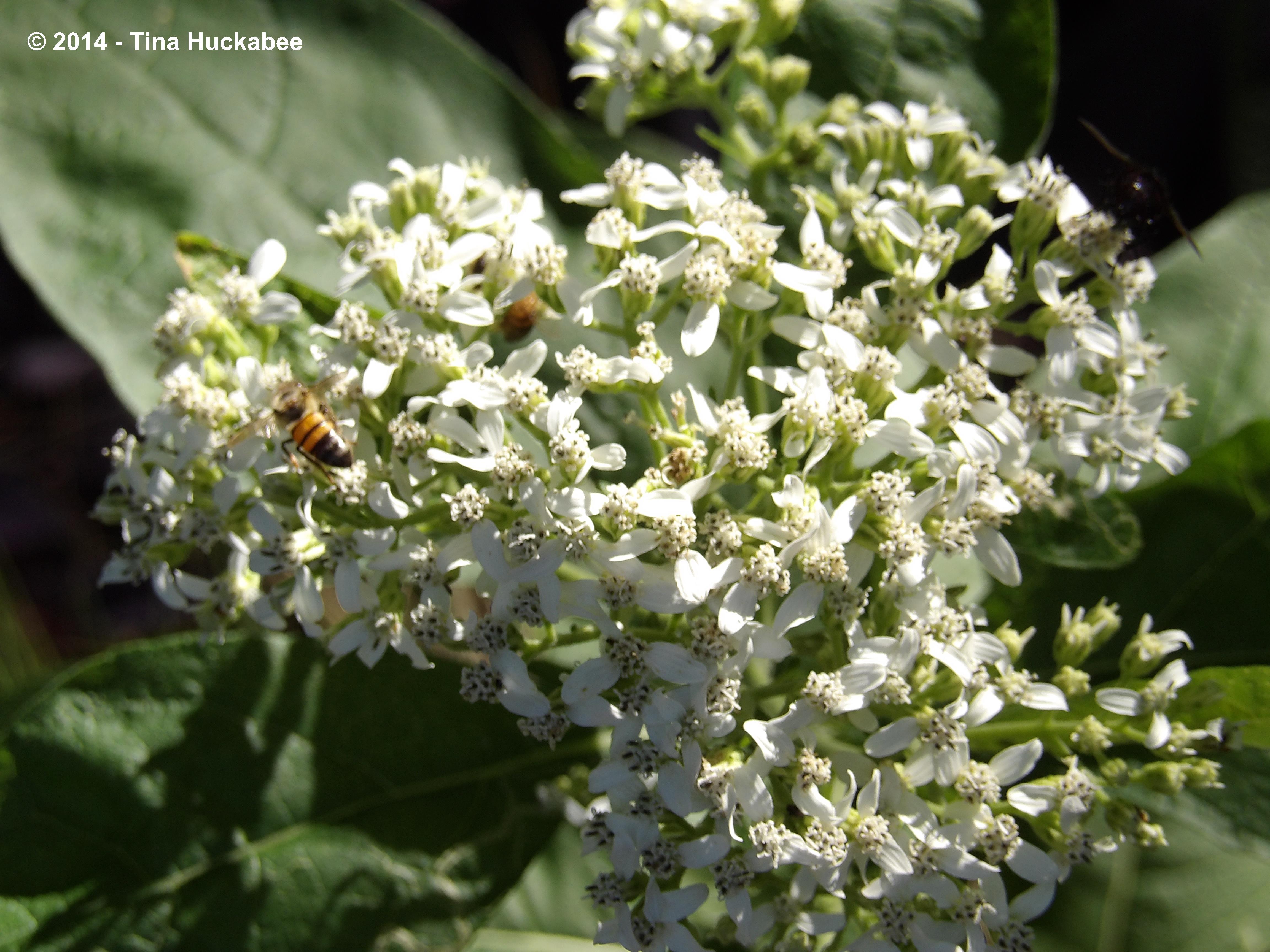
Frostweed, Verbesina virginicaIMGP0842_cropped_3461x2848..new

IMGP1149_cropped_4119x2617..new IMGP1784.new


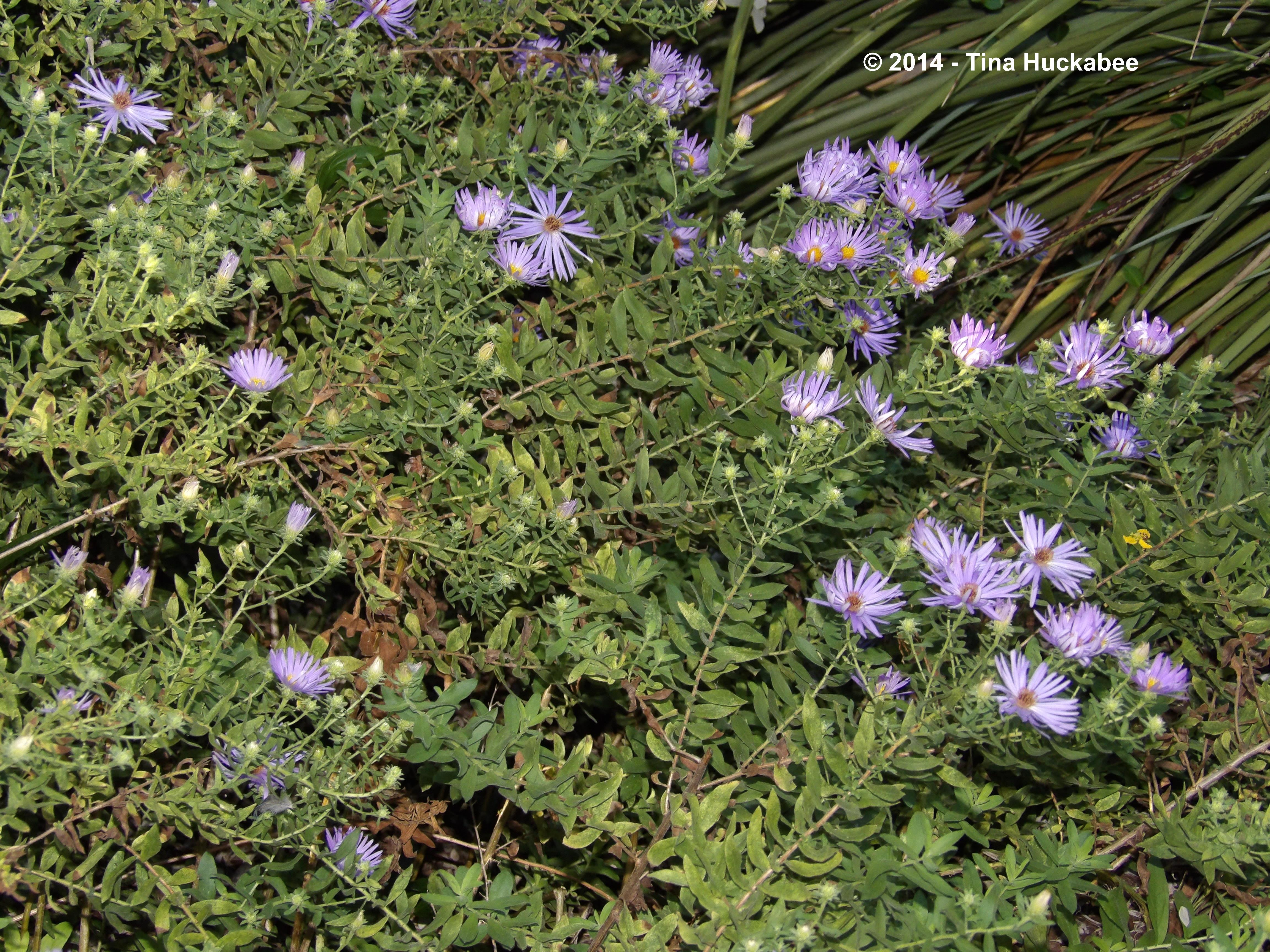
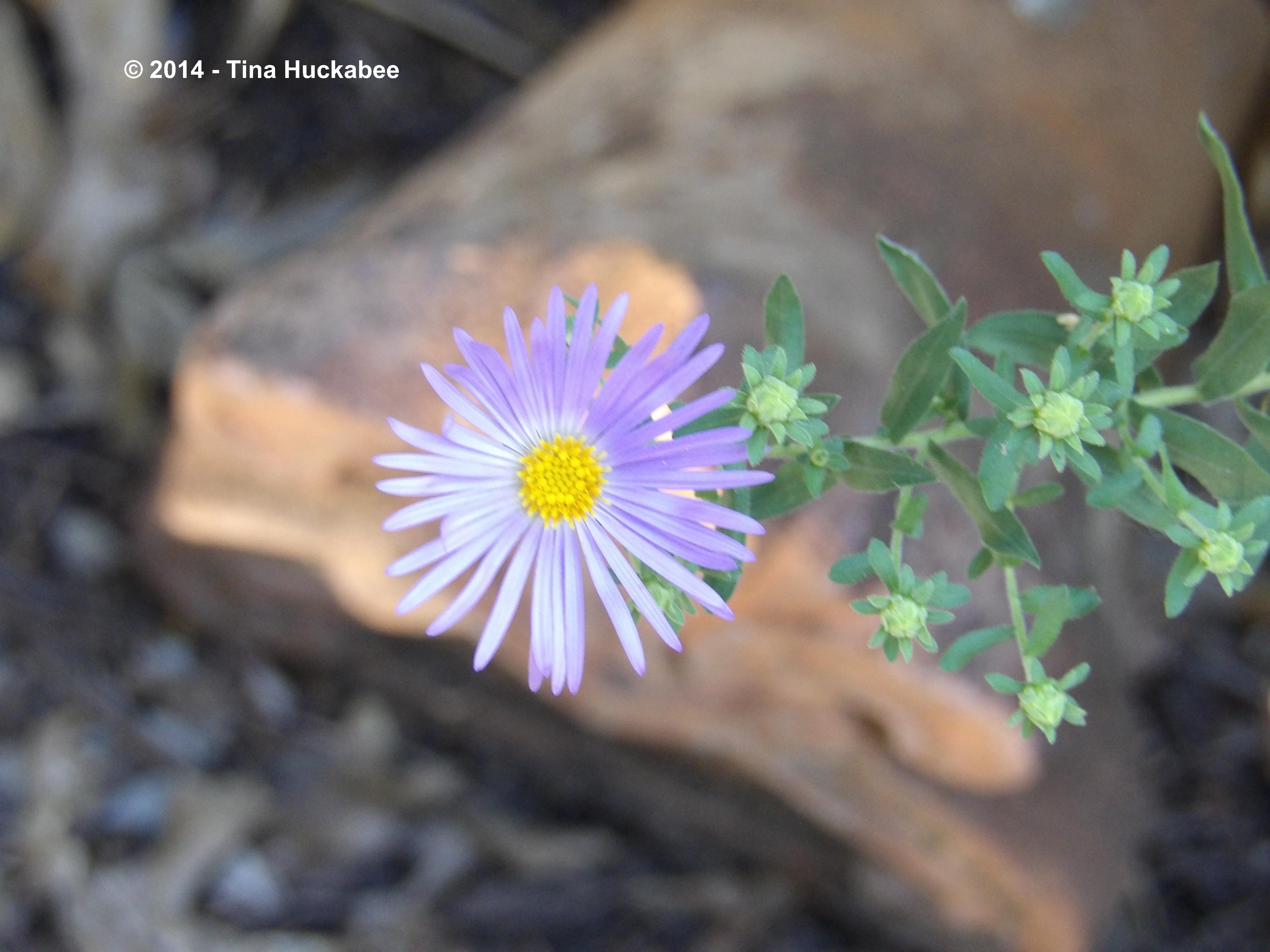
Fall Aster, Symphyotrichum oblongifolium
IMGP1478.new IMGP1824.new

IMGP2135.new


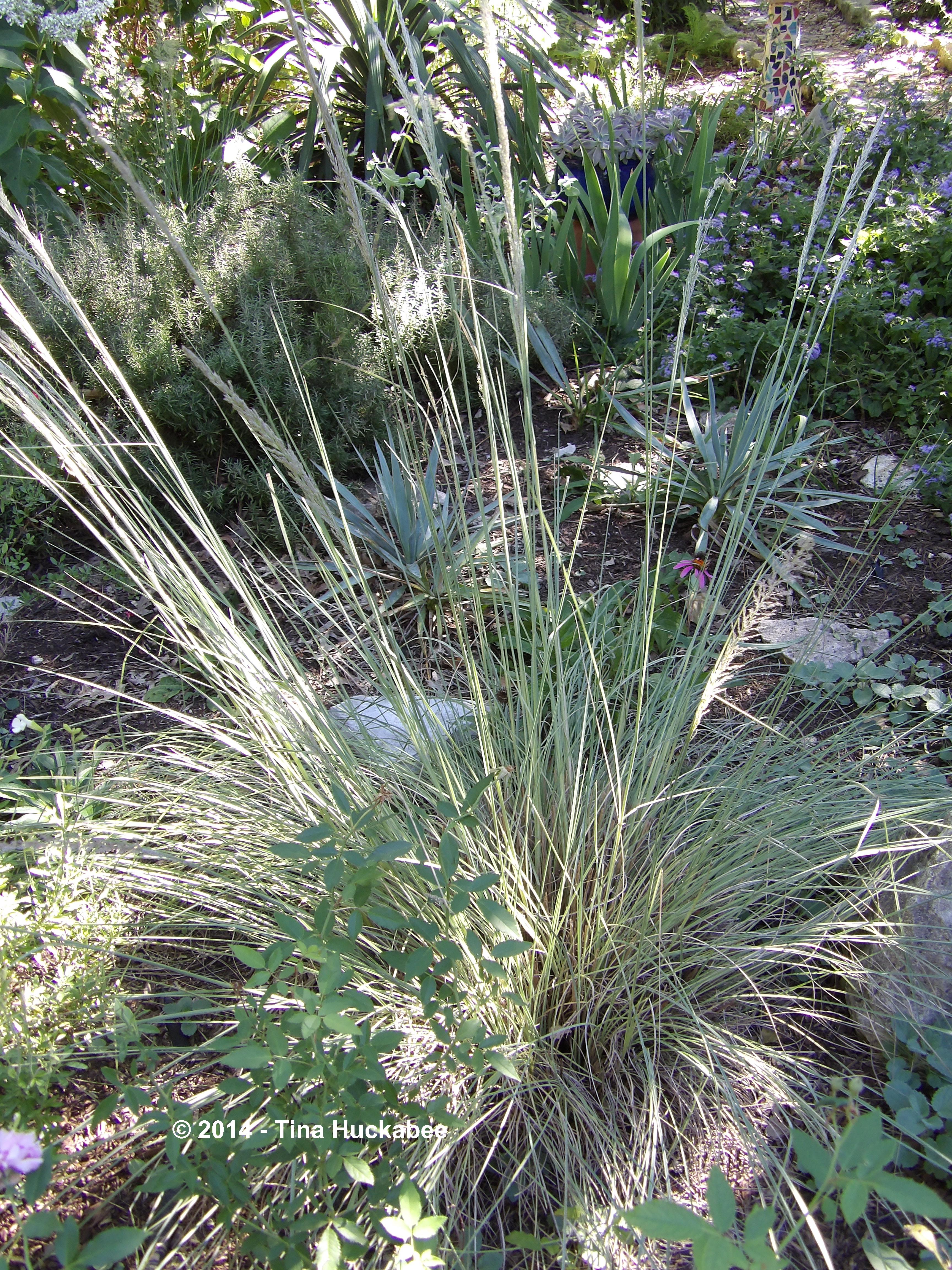
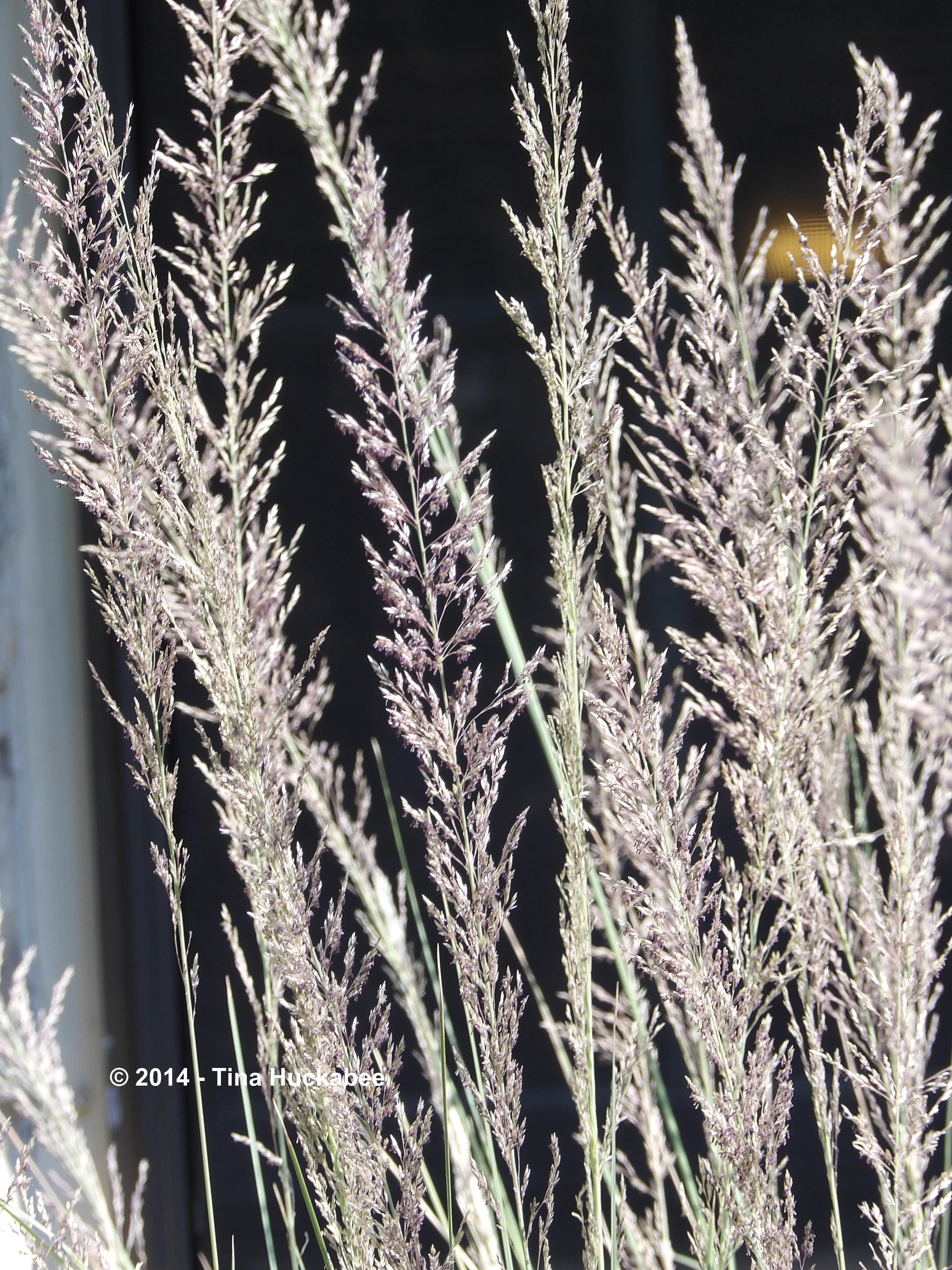
Big Muhly, Muhlenbergia lindheimeri

IMGP1859.new IMGP1820.new

IMGP2209.new


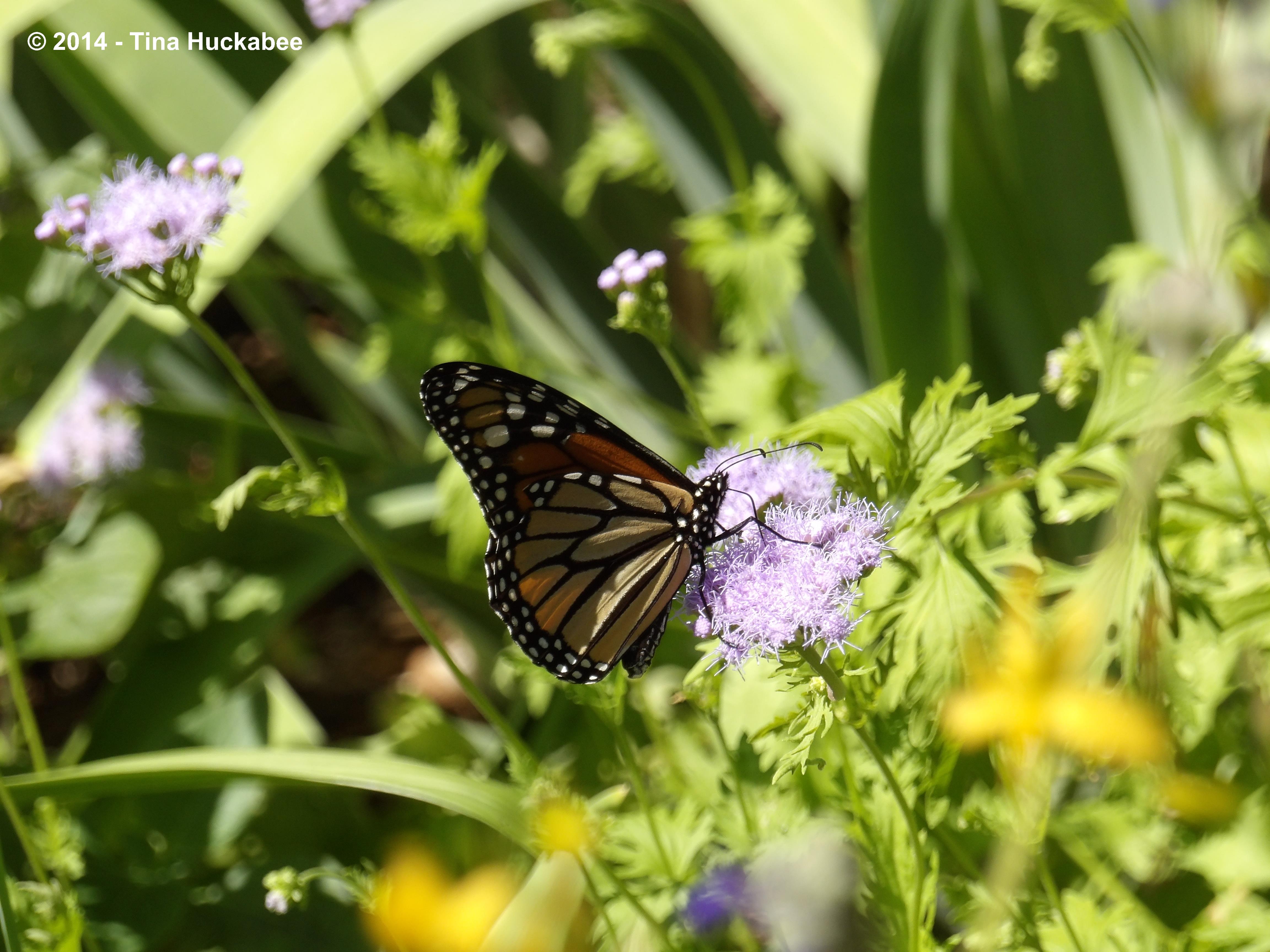
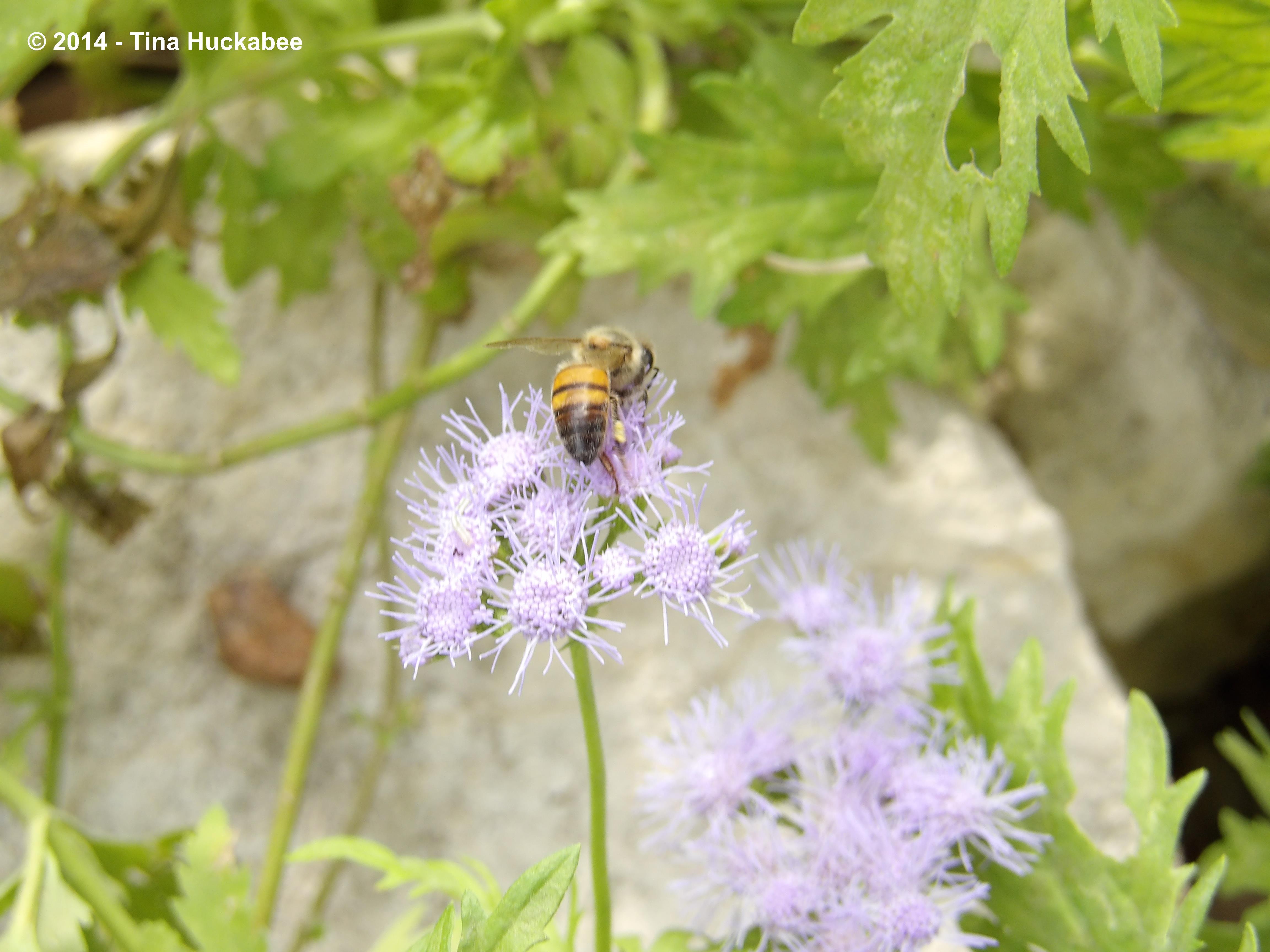
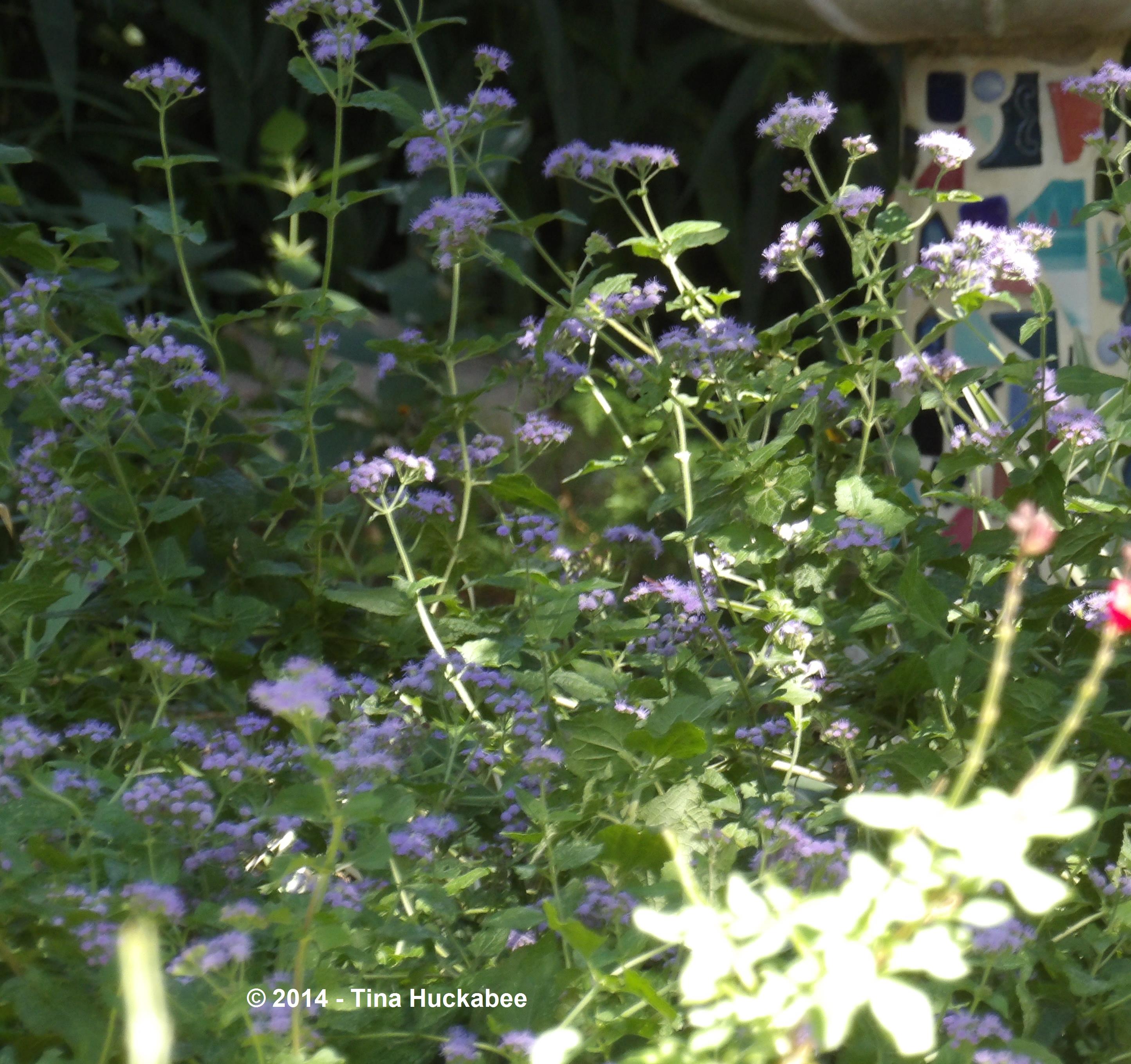
Gregg’s MistflowerConoclinium greggii

IMGP1772_cropped_2797x3331..new

IMGP2006.new

IMGP2056_cropped_3995x3304..new

IMGP2099.new


Blue MistflowerConoclinium coelestinum

IMGP1763_cropped_3608x3313..new

IMGP1849_cropped_2889x2718..new IMGP2020.new

IMGP2021.new


Texas CraglilyEcheandia texensis

IMGP1984.new

IMGP1978.new


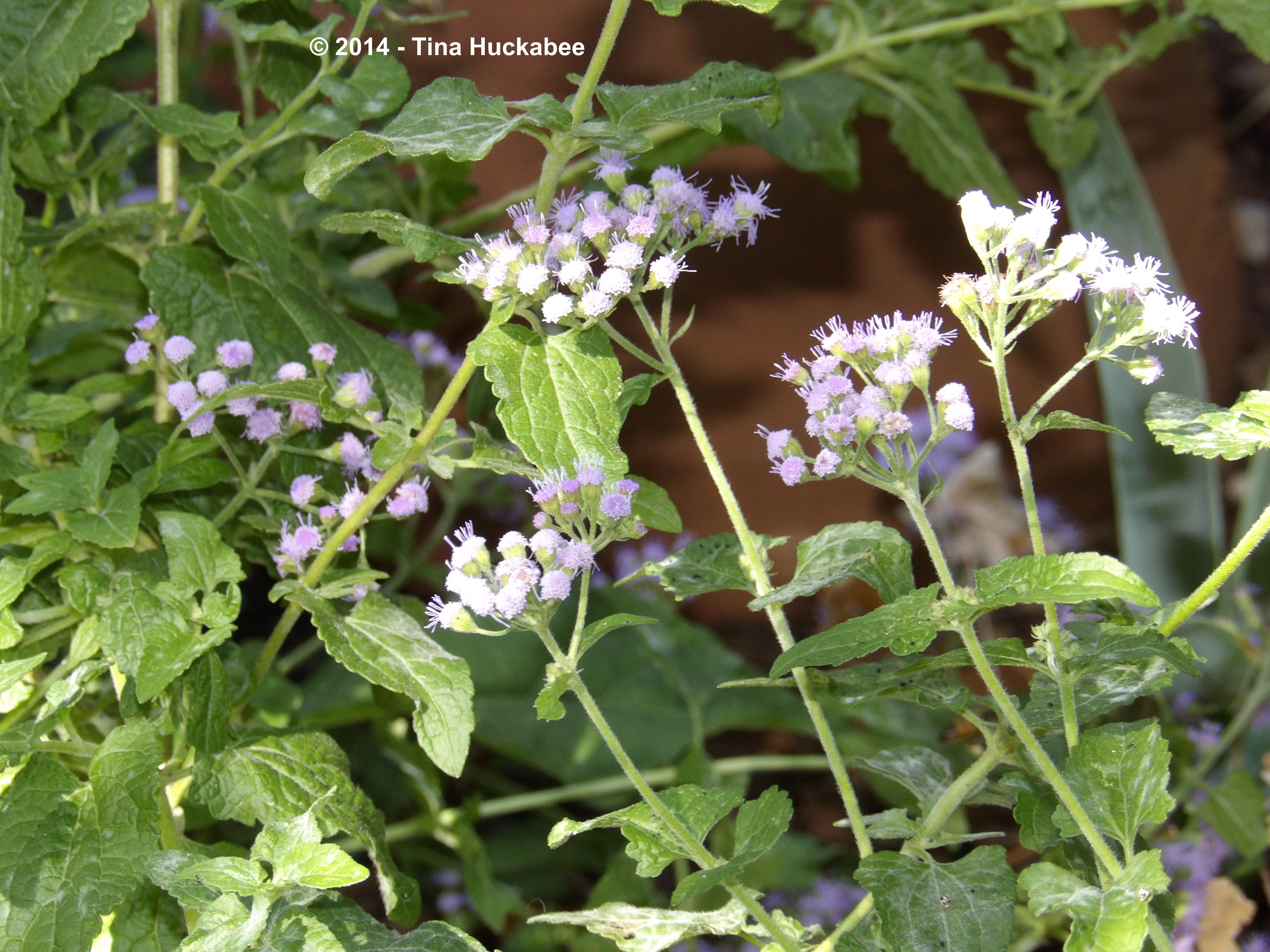
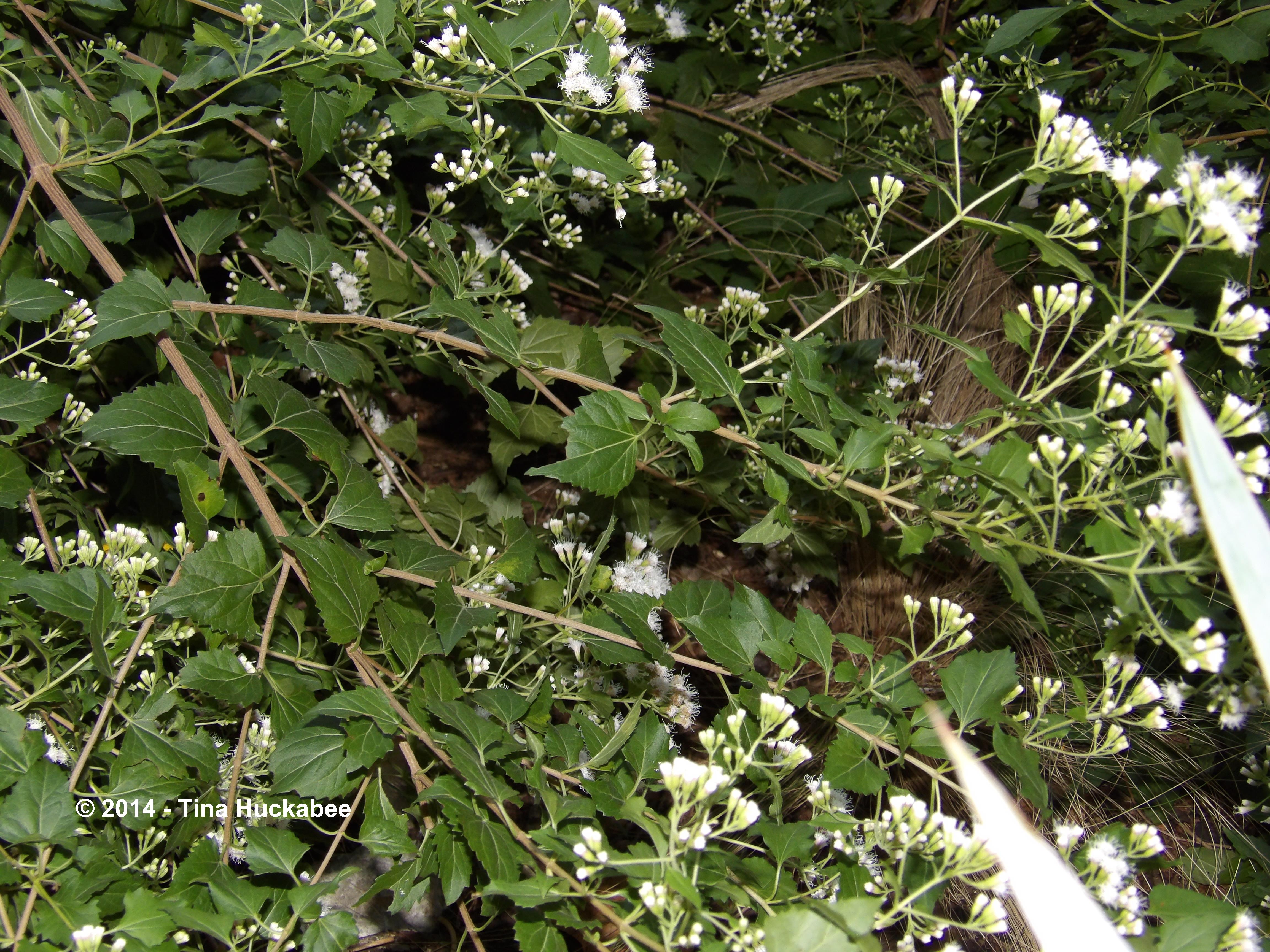
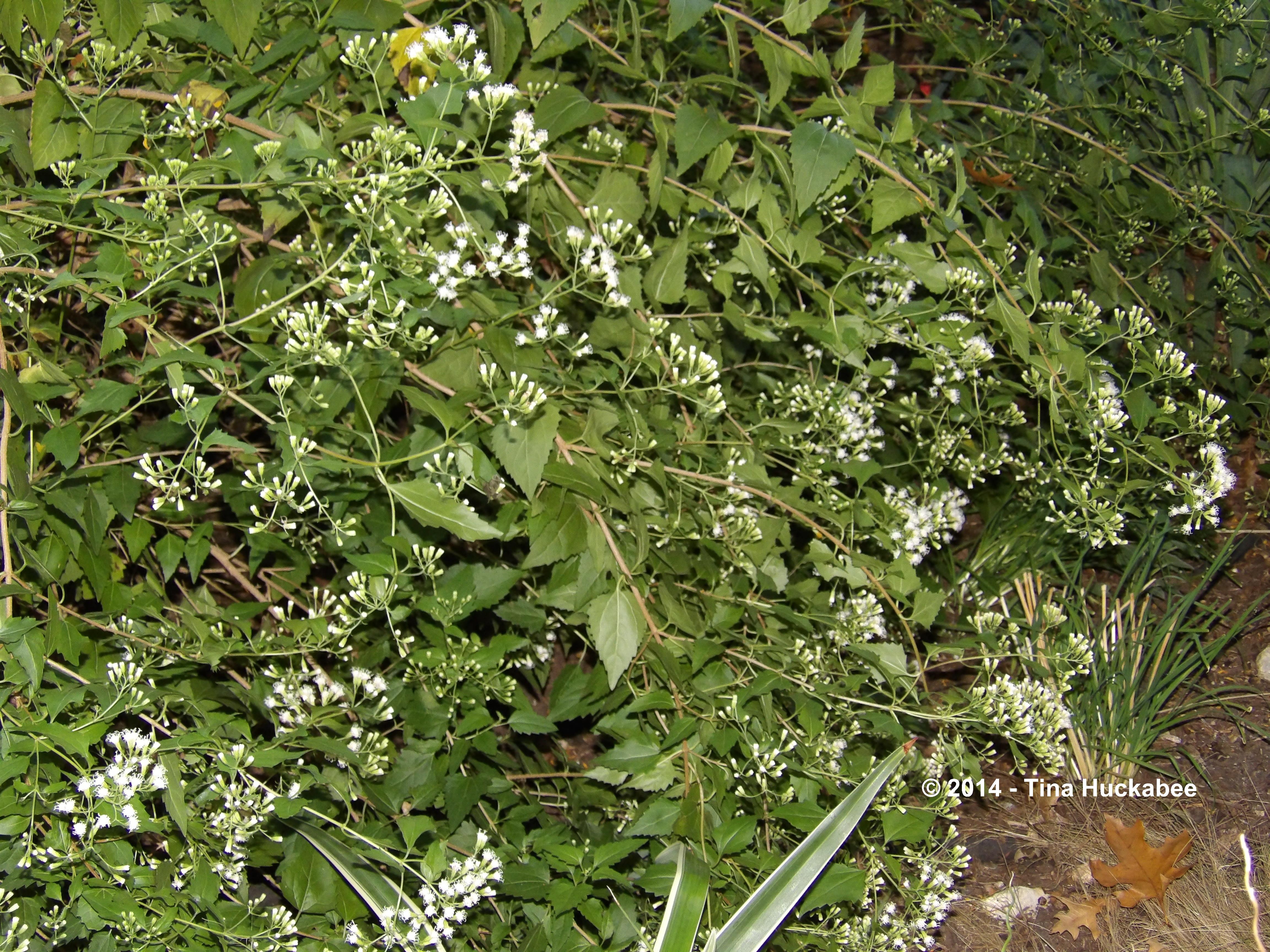
White MistflowerAgeratina havanensis

IMGP2131.new IMGP2132.new

IMGP1996.new


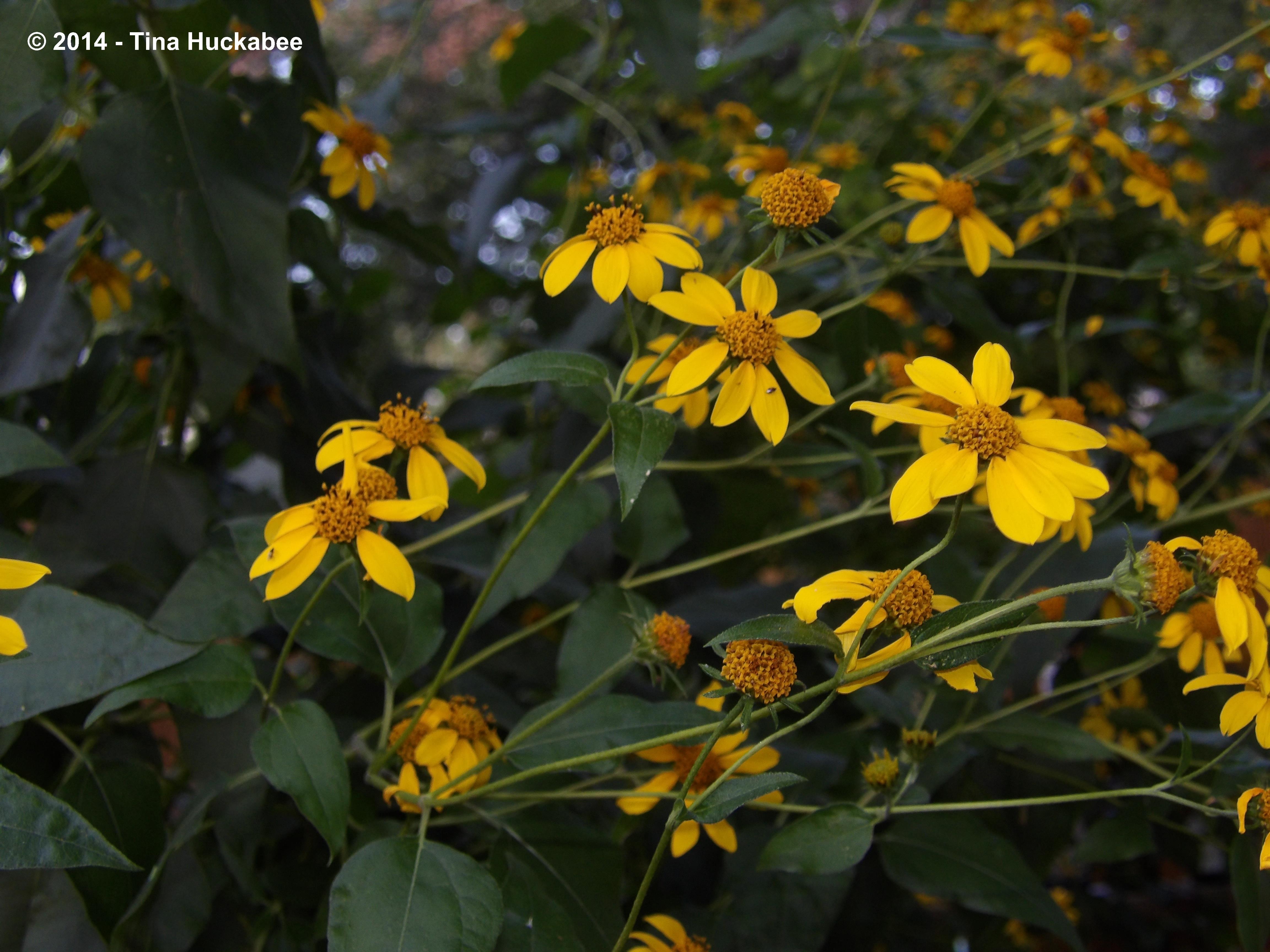
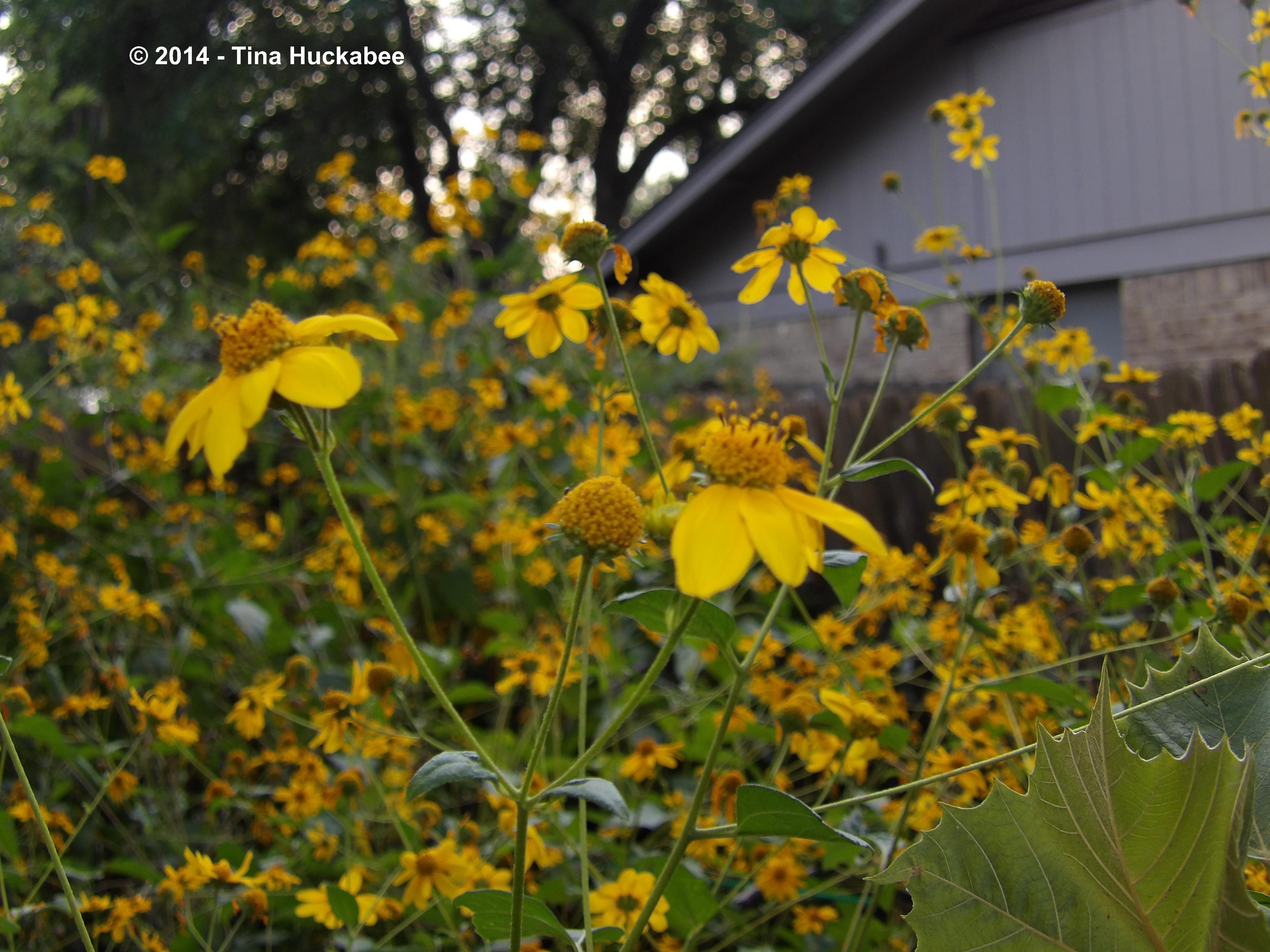
GoldeneyeViguiera dentata

IMGP2120.new

IMGP2122.new


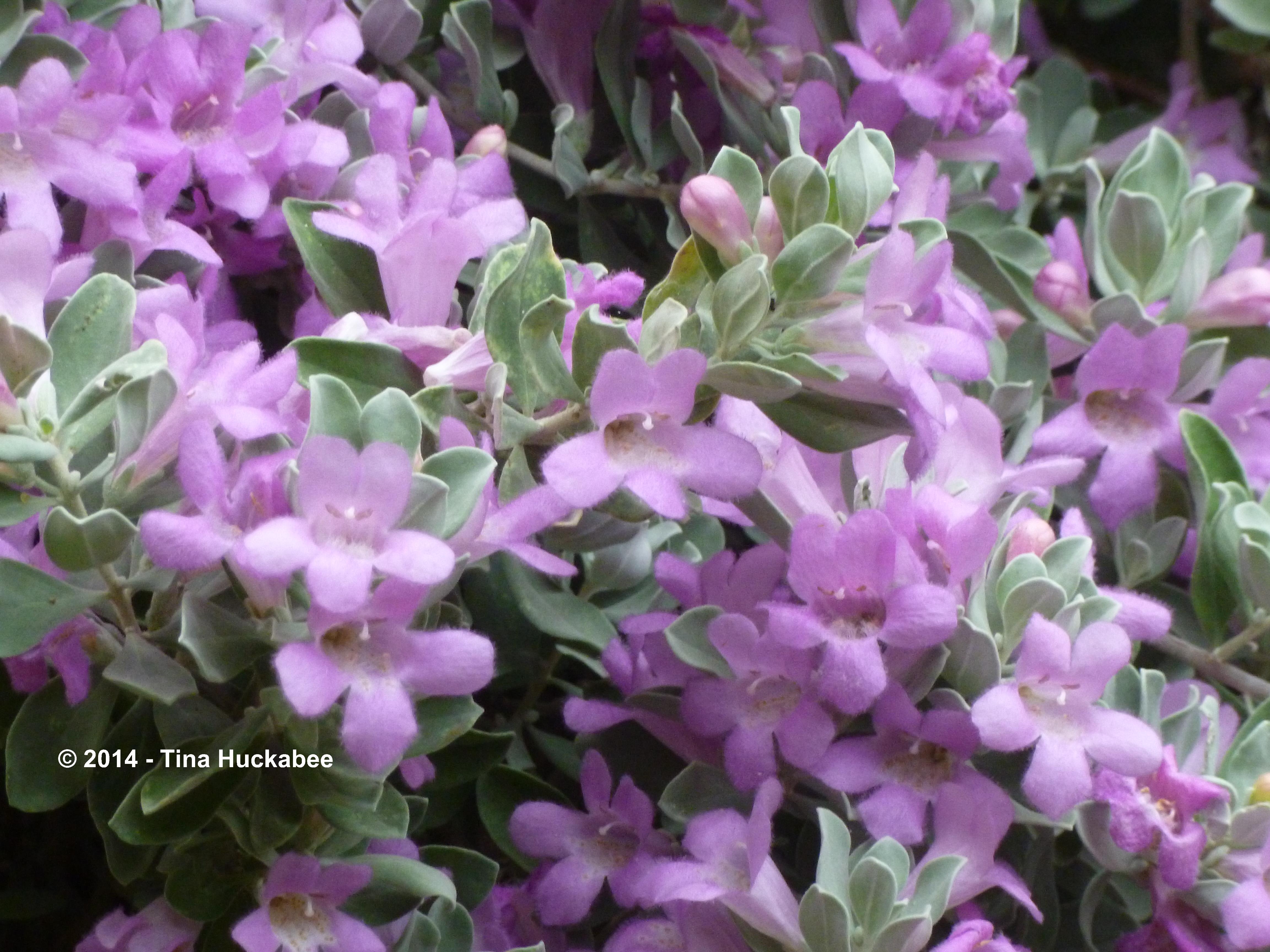
Cenizo, Leucophyllum frutescens

P1060144.new

P1060153.new


Yaupon Holly, Ilex vomitoria

IMGP2141.new


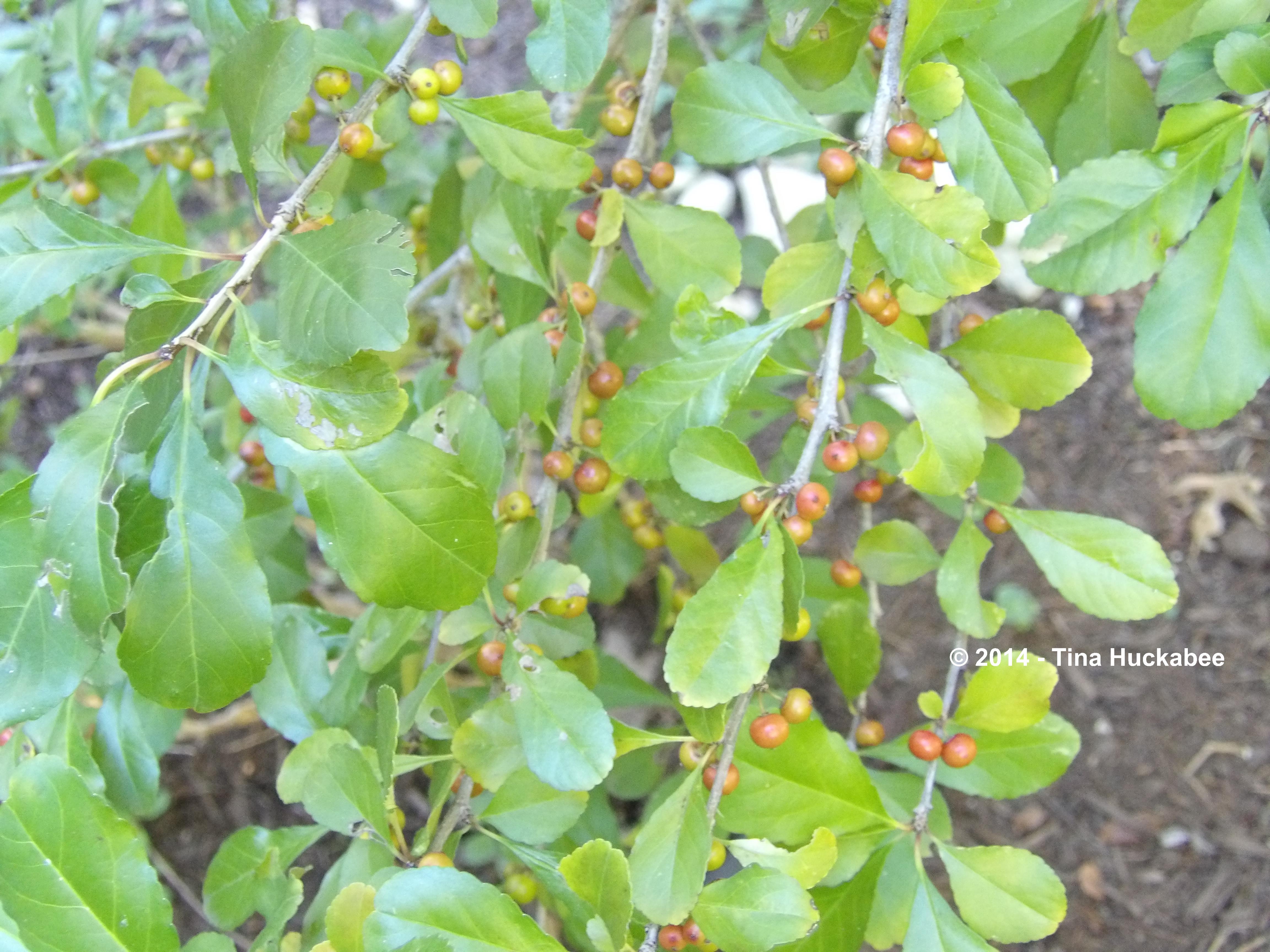
Possumhaw HollyIlex decidua 

IMGP1908.new IMGP1911.new


American BeautyberryCallicarpa americanaP1070184.new

These are the “fall” plants in my garden.  By no means is this a complete invoice of plants whose performance peaks in the autumn months–it’s simply what I grow and have room for in my gardens.  As with the rest of the calendar year in Texas, there are many more beauties for the gardener to choose from.

Go forth, Texas gardeners–plant natives!


Texas Native Plant Week-Seeds-n-Berries

It’s Texas Native Plant Week and to celebrate, I’m profiling some of the native plants in my gardens.

Mostly, I’m about blooms–flowers are what I love about a garden.  Angiosperms are boss.

IMGP2049.new

IMGP2152.new

Flowers are pretty.

IMGP1727_cropped_3949x3110..new

They’re bright and showy and are what initially attracts most people to a garden.  But more importantly, flowers provide nectar and pollen for bees, butterflies and other assorted pollinators. Flowers and pollinators work and play well together.   Flowers are one stage in the reproduction cycle of a diverse array of plants.  Once plants grow,  bloom and have been pollinated, they become seeds.  Or berries.  Or some form of plant DNA transport mechanism, ready to spread their genetic material to the next generation.  Then, they attract a different crew of critters to eat them, poop them, and that glorious botanical cycle begins anew.

Obviously, all of my flowering natives produce seeds and often, the “fruits” are quite attractive.  But for today, I’m focusing on the native plants in my gardens which showcase especially lovely or interesting berries or seeds desired by gardeners, especially gardeners who want to attract wildlife to their gardens and who doesn’t want to do that?

Texas in known for its spicy Tex-Mex food and there are many hot chile peppers used in the preparation of salsa, enchilada sauce, and other delectable yummies. However, the only native chile pepper in Texas is the Chile Pequin, Capsicum annuum.

IMGP1286.new

This beautiful plant grows wild, in sun or shade ( it’s best in shade, I think), and is great for birds and husbands who love hot peppers.

IMGP2045.new

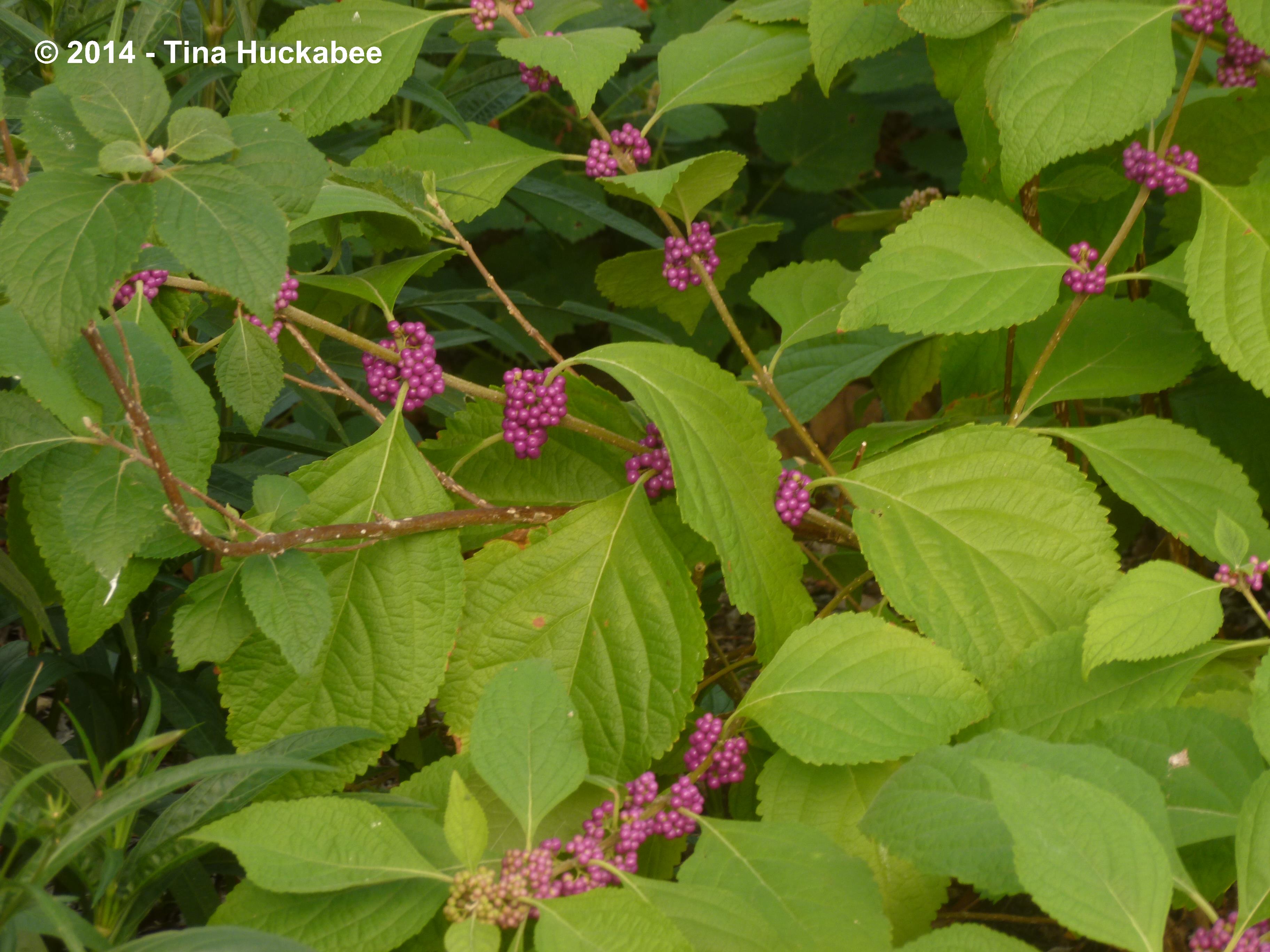
I wrote recently about the American Beautyberry, Callicarpa americana.  It’s a beautiful, deciduous, arching shrub with striking purple berries in late summer and fall.
P1070241_cropped_2597x2709..new

Like the Chile Pequin, Beautyberry is a plant that works well in either sun or shade, though I prefer it in shade.  In mass plantings, it’s stunning.  It’s also a plant that attracts birds; sometimes those birds eat the berries almost as soon as they ripen and in other years, the gardener will be allowed to enjoy the beauty of those berries for a longer time.

IMGP1317_cropped_3640x3341..new

Pigeonberry, Rivina humilis, is a small, ground-cover type perennial,

IMGP1306.new

IMGP1308_cropped_3834x2401..new

IMGP1311.new

IMGP1398.new

…with bright red, apparently delicious, berries. Producing berries during summer and fall, Pigeonberry supplies birds with a long season of nibbling.  Another shade-appropriate plant, in my gardens the doves dine on those luscious berries.

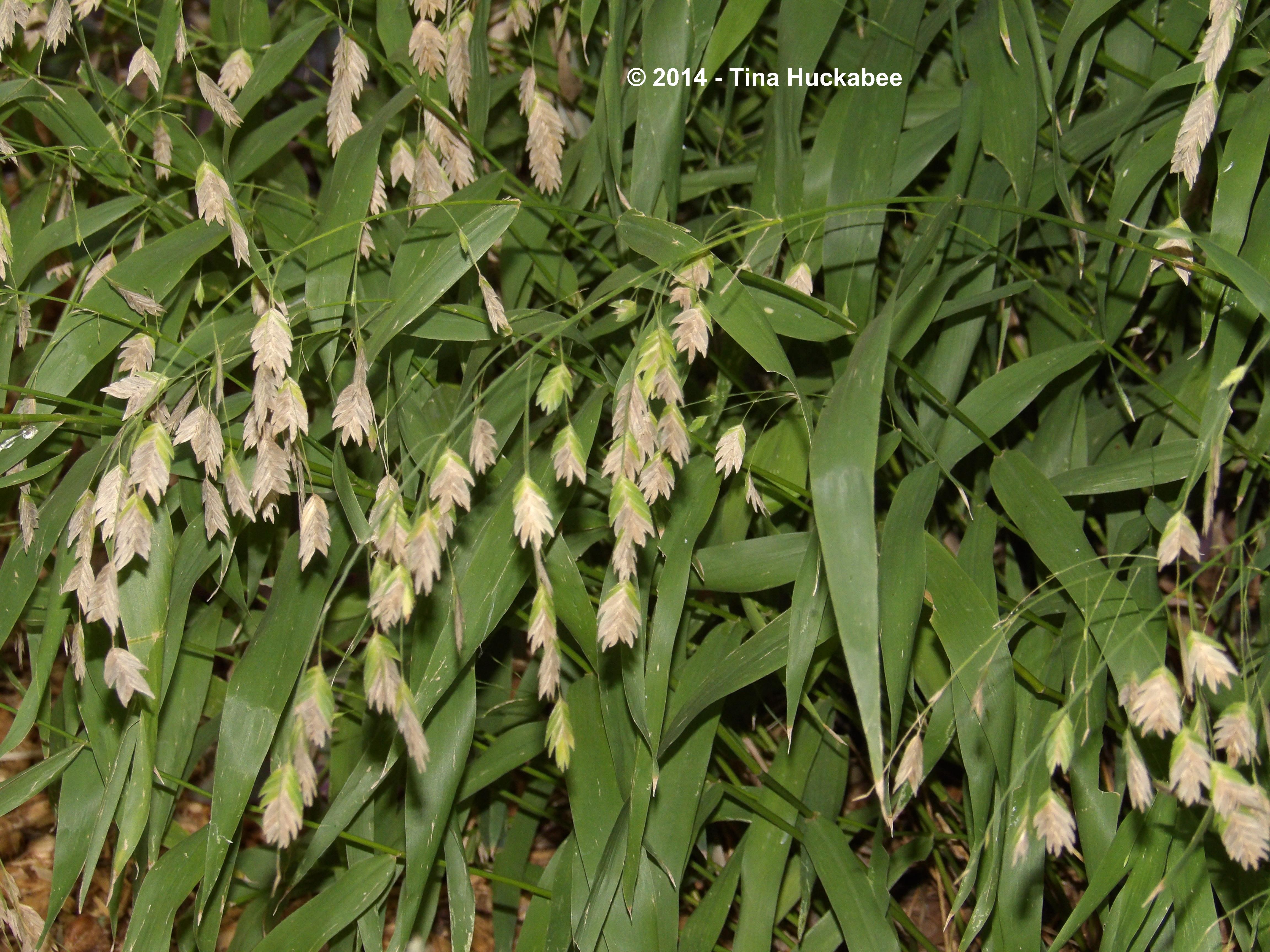
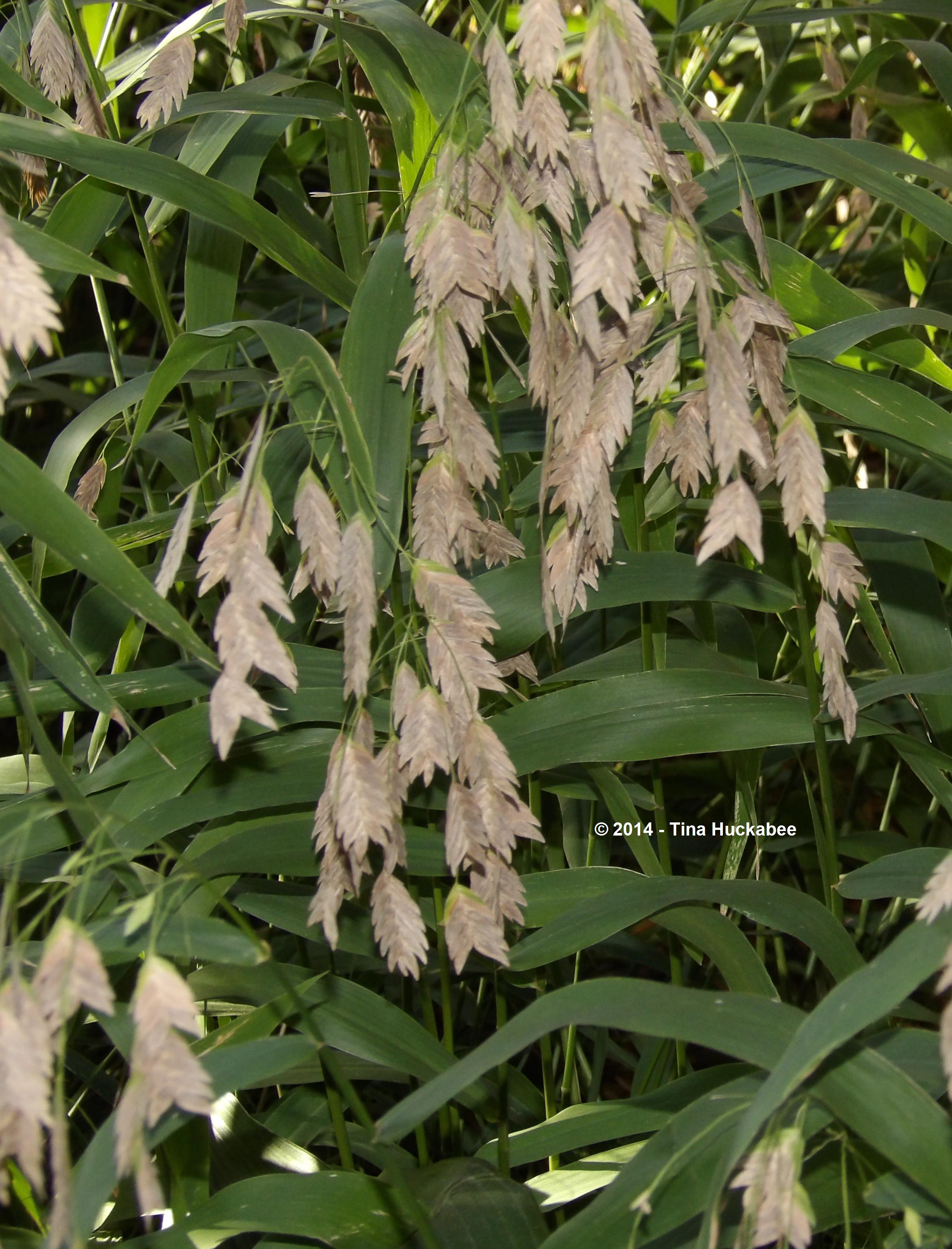
Inland Sea Oats, Chasmanthium latifolium, is a hardy and resilient, but graceful grass which lends softness to any garden.

IMGP1318.new

It has a wide native distribution and grows best in shade and dappled shade.

IMGP1319_cropped_2534x3323..new

It will seed out profusely, but can be controlled with moderate weeding.

IMGP1425.new

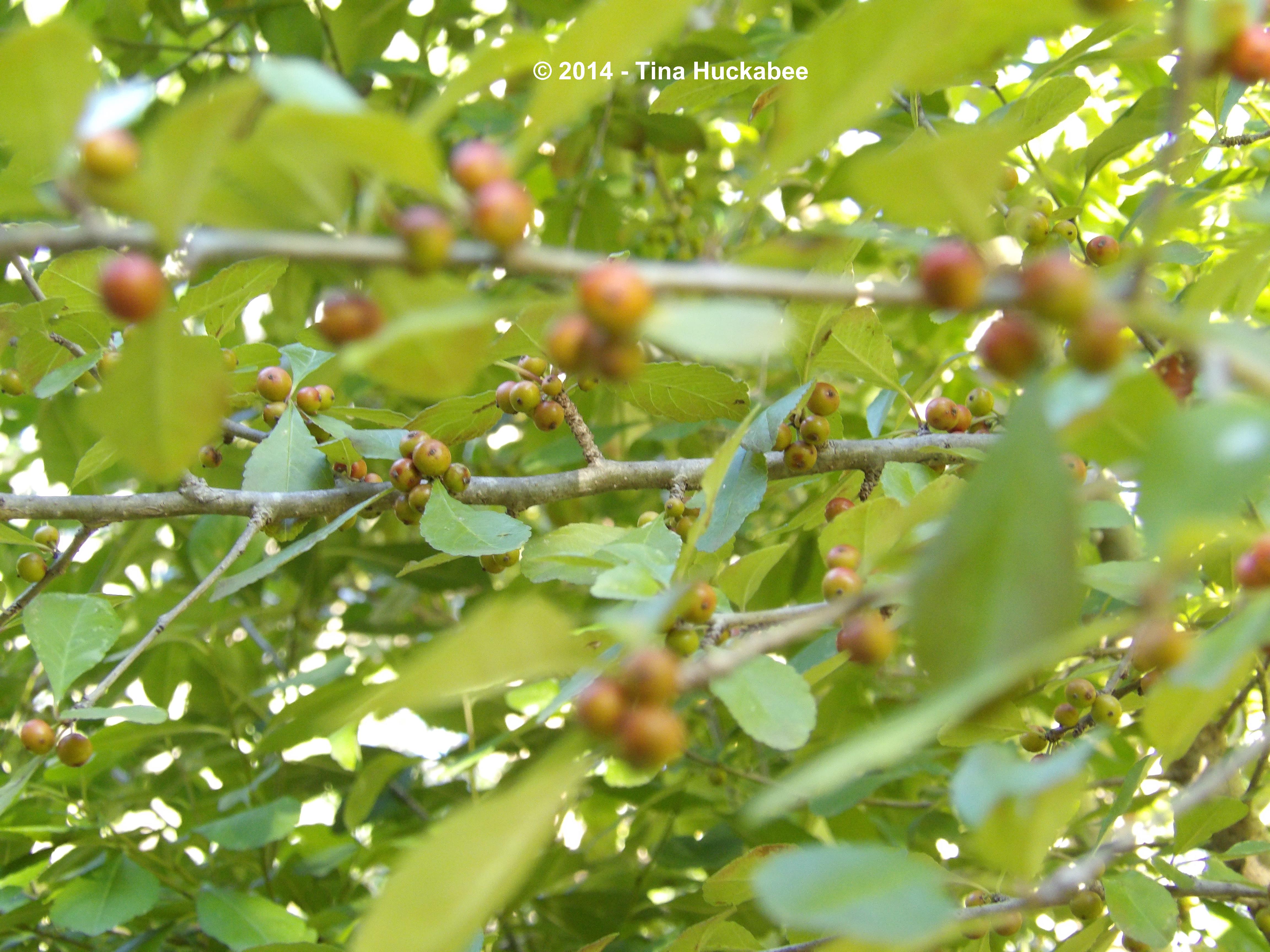
Possumhaw HollyIlex decidua, grows native in a large swath of the central to southern part of the United States, including Central Texas.   It’s a small, usually multi-trunked tree with beautiful red-orange berries in the winter. The berries on my tree are just beginning their color turn, from green to red.

IMGP1912.new IMGP1909.new

By late fall, the berries will be ready for eating by the many birds who enjoy them.  On my Possumhaw, the berries generally remain on the tree through most of winter, well after Possumhaw loses its leaves (“decidua”, deciduous).  It’s quite a lovely winter plant. Sometime in late winter, the Cedar Waxwings will swoop through and within a day, relieve the Possumhaw of its cheery berries.

Its kin, the evergreen Yaupon HollyIlex vomitoria, (one of my all-time favorite botanical names), is also  a small tree with gorgeous and desirable berries,

IMGP2142.new

IMGP2143.new

…which have already turned red.  The berries of the Yaupon are redder and shinier than the Possumhaw berries.  Mockingbirds are always in this tree hopping and munching and tweeting warnings to others to stay away from their food source.

This is a small sampling of native plants with attractive-to-gardeners and valuable-to-wildlife food sources.   There are other shrubs, trees, and perennials which produce lovely seeds, seed pods, and berries–I wish I had room for them all!