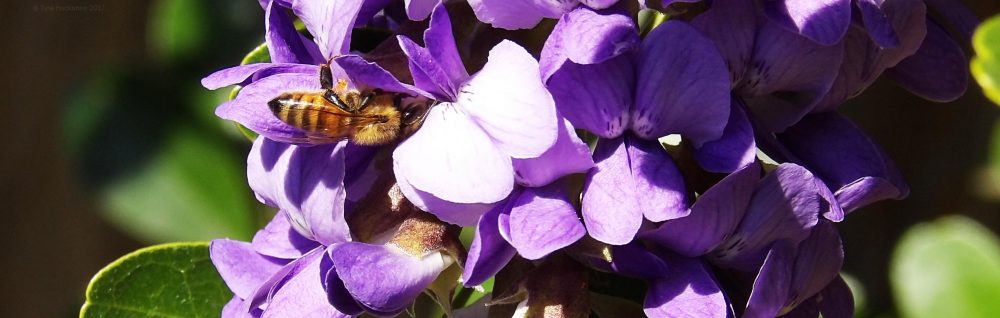
Munching for a Cause

I would usually post nice photos of the currently stellar-in-the-garden foliage to mark the monthly foliage fanfare that is Garden Bloggers’ Foliage Day, but since it’s also National Pollinator Week in the U.S., I’d like to remind gardeners everywhere to look beyond mere surface of leaf beauty to something deeper, and even profound, in the garden.

In my garden this month, there are certain leafy greens that are being munched.
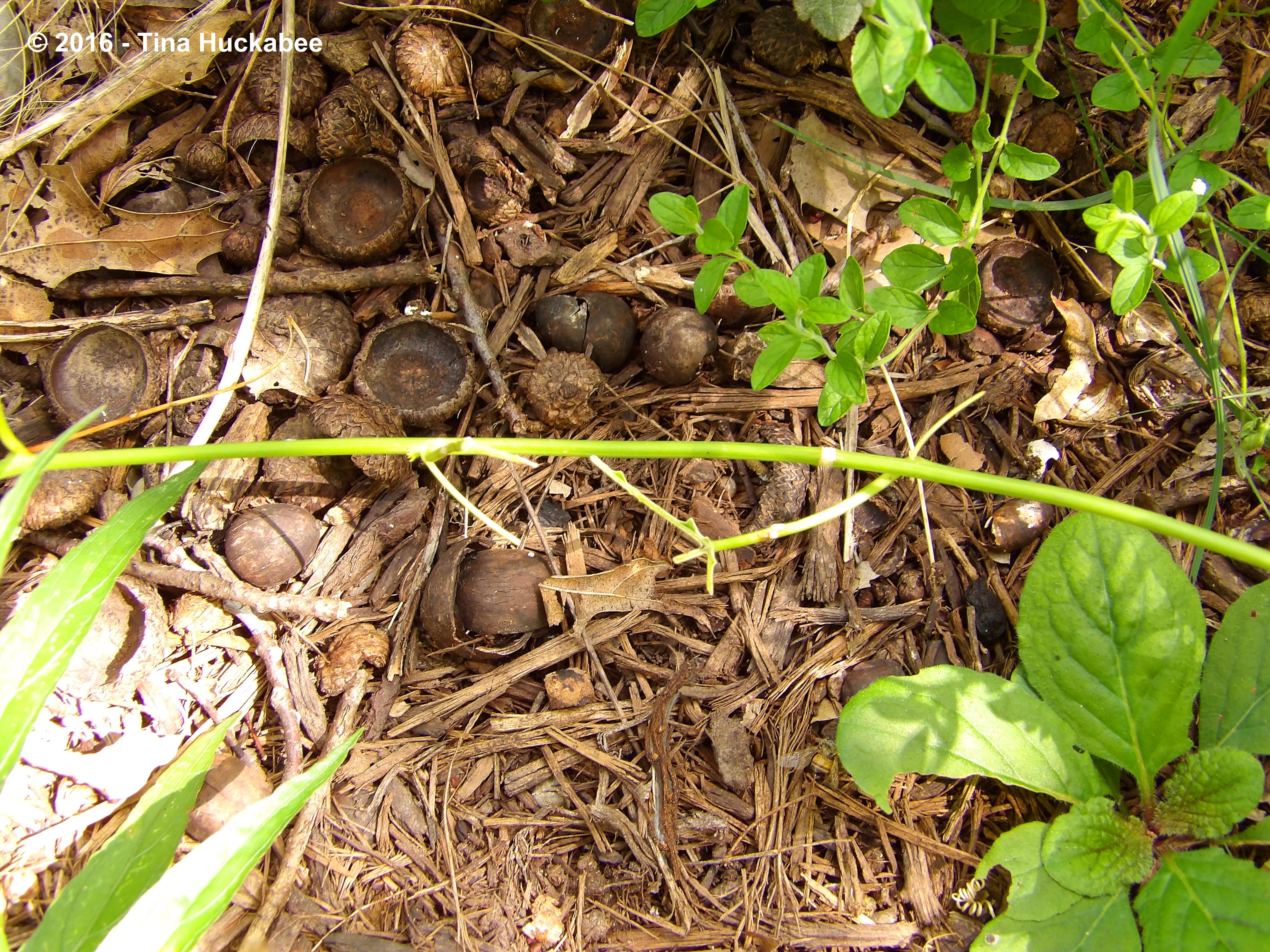
IMGP8651.new

The stripped remains of Maypop foliage
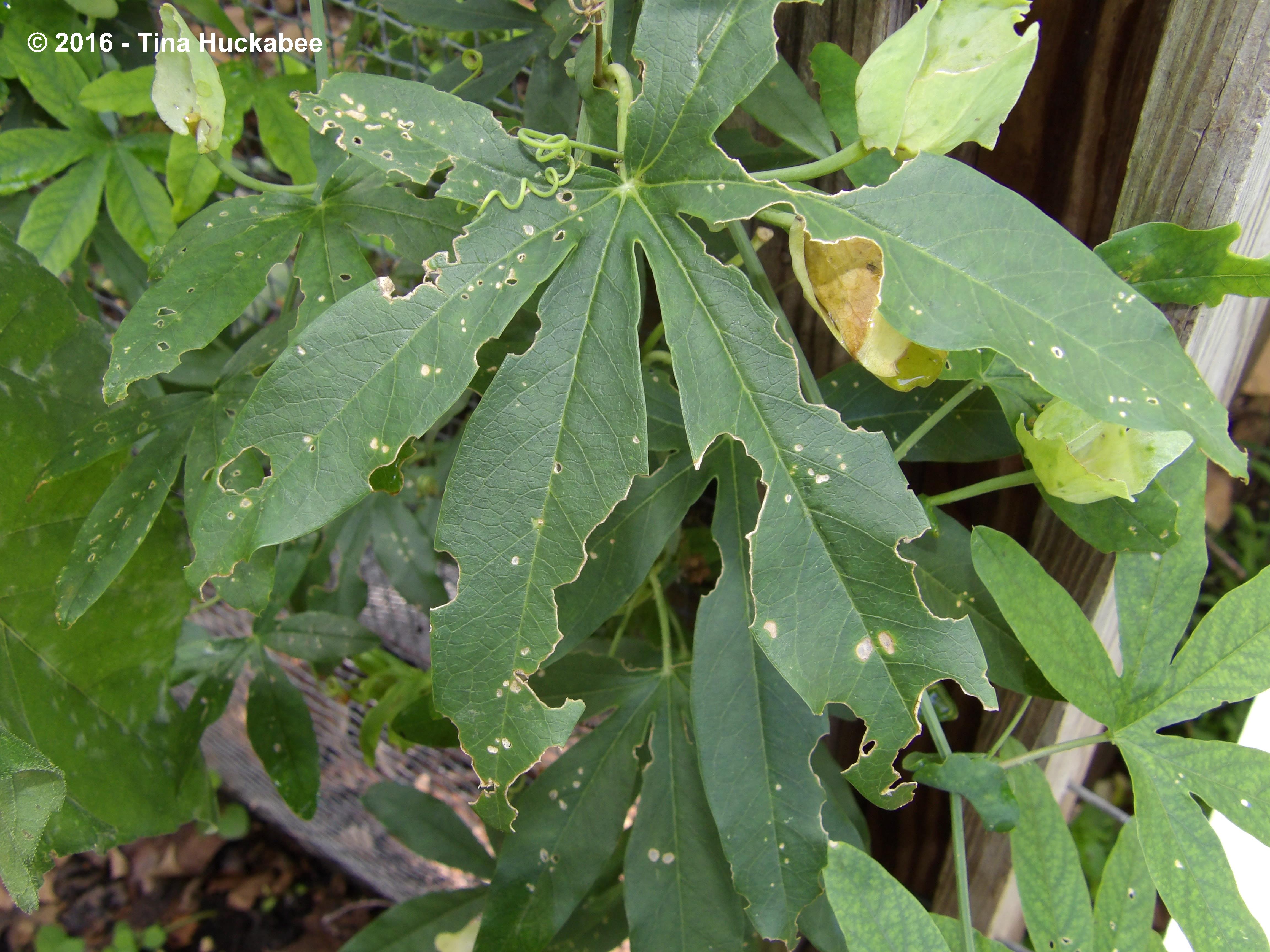
IMGP8493.new

Chewed foliage of  Blue passion-flower

Oh my!!  Should I fret?  Should I swear?  Should I throw in the trowel and give up gardening entirely? Or instead, should I celebrate the life cycle of pollinators who lay their eggs on host plants and then accept that at certain times during the growing season, some of my plants’ foliage will be less than flawless because of insect-eating damage?

I think I’ll go with that plan.

The host plants of many pollinators (butterflies and moths species in particular) serve as ready-made food bars where the leaves and stems host the incubation period of the eggs, and then once hatched, are munched by the larvae.  Eventually, the larvae, after consuming their fill of the required greens, morph in their beautiful adult stage.

P1060200_cropped_2145x1874..new

A newly emerged Black Swallowtail

Yes, fennel foliage is fabulously beautiful in June’s sunshine.

IMGP8626.new

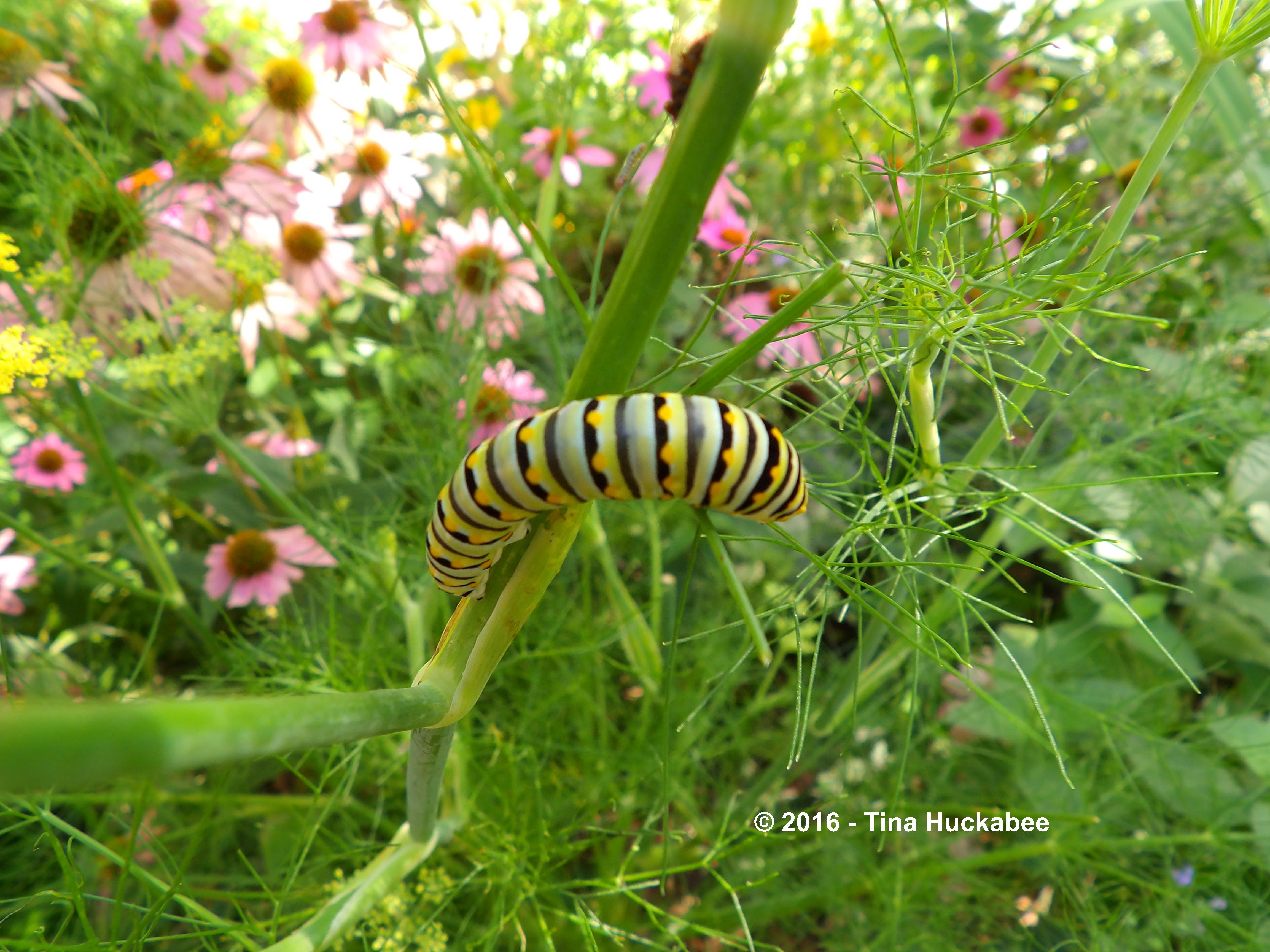
But so are the Black Swallowtail, Papilio polyxenes, caterpillars that are devouring contentedly.

IMGP8446_cropped_3290x3143..new

A mid instar  Black Swallowtail larva

IMGP8639_cropped_3664x3305..new

IMGP8649_cropped_3271x2986..new

Eventually, that hungry, hungry caterpillar will morph into this:
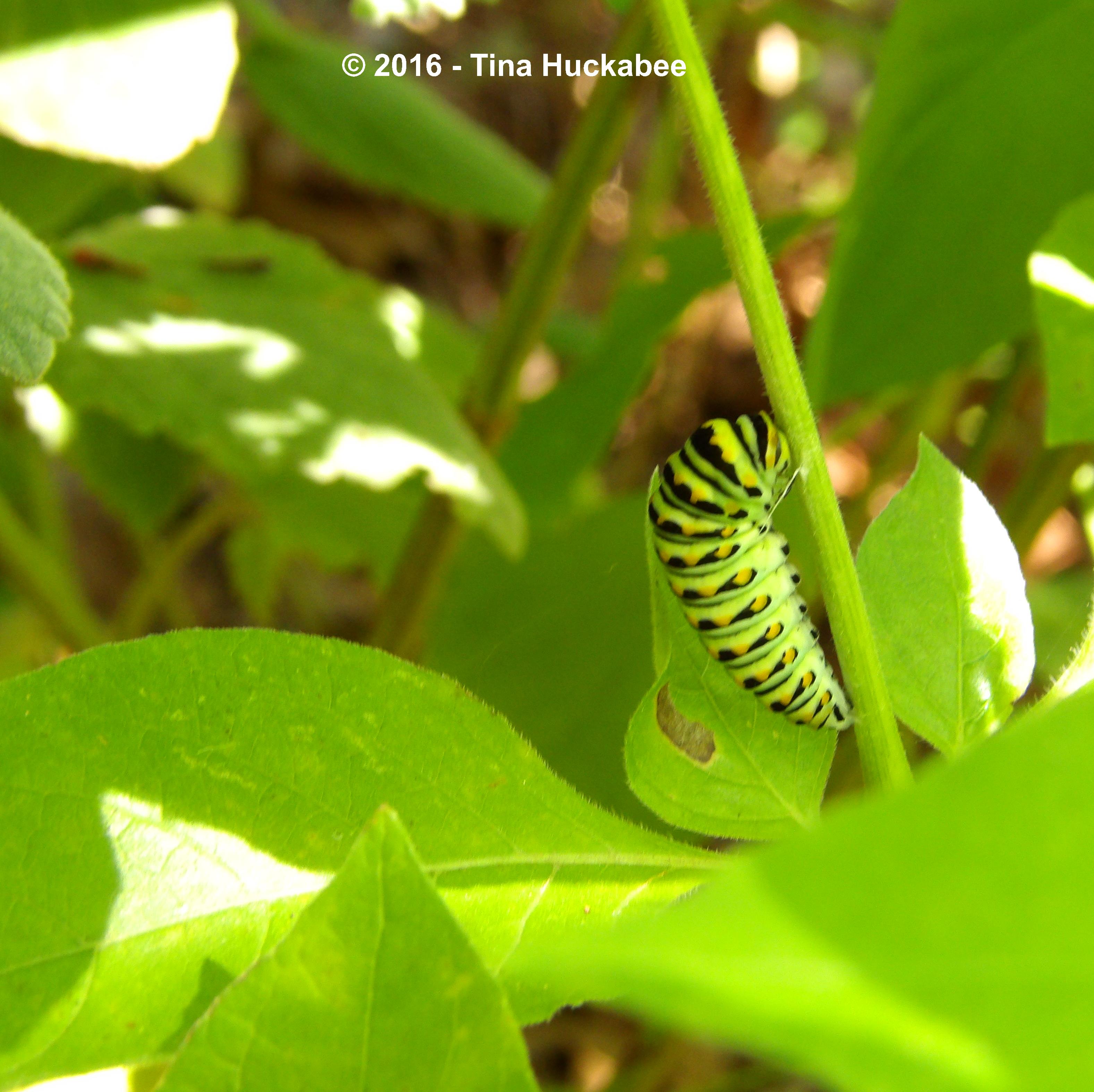
IMGP8702_cropped_3153x3148..new

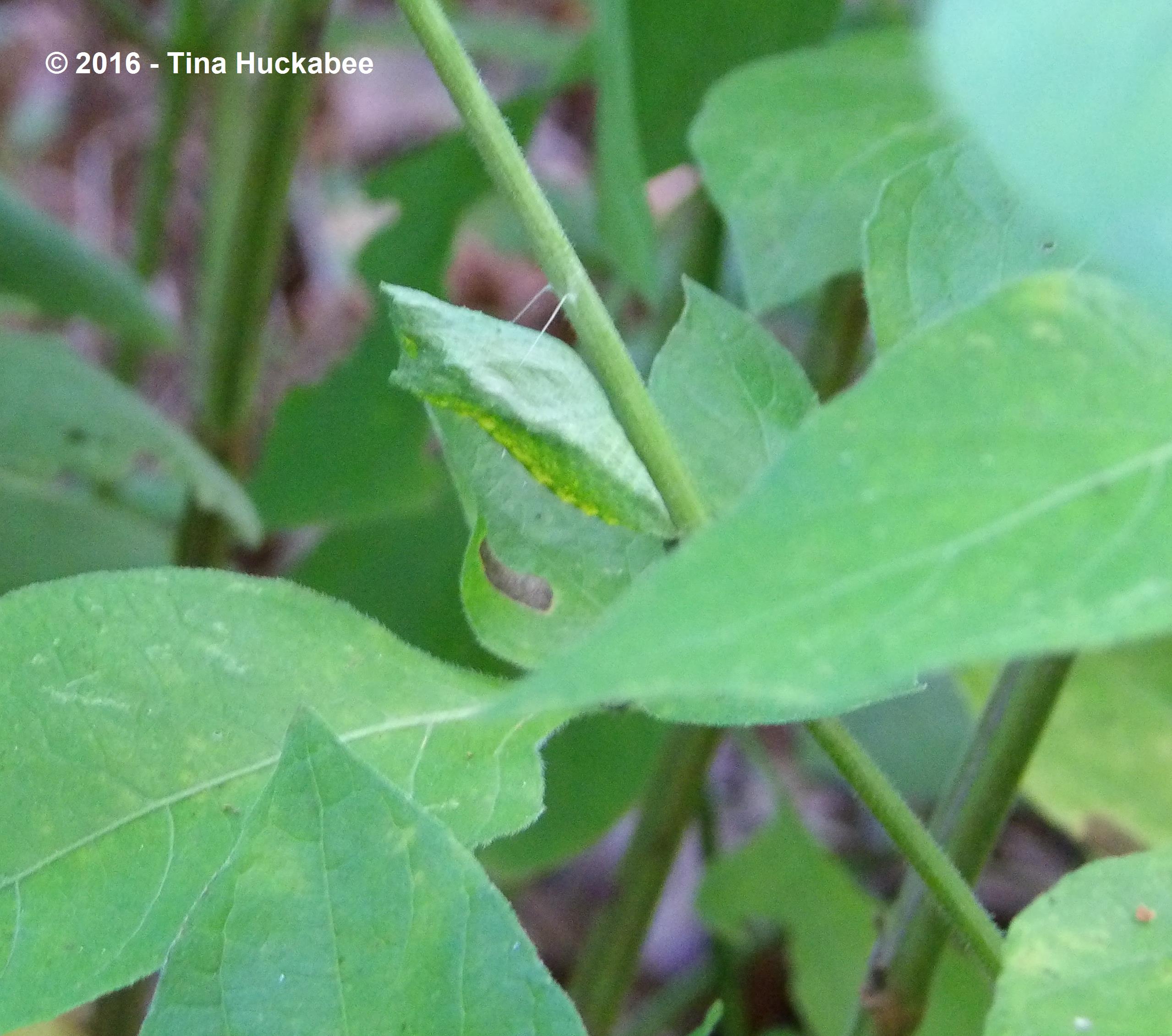
A Black Swallowtail in “J” formation. Finished with eating and growing, it’s time to morph into the adult stage
IMGP8715_cropped_2558x2262..new

The same pupa, 24 hours later–in full chrysalis mode
IMGP6402_cropped_3133x2742..new

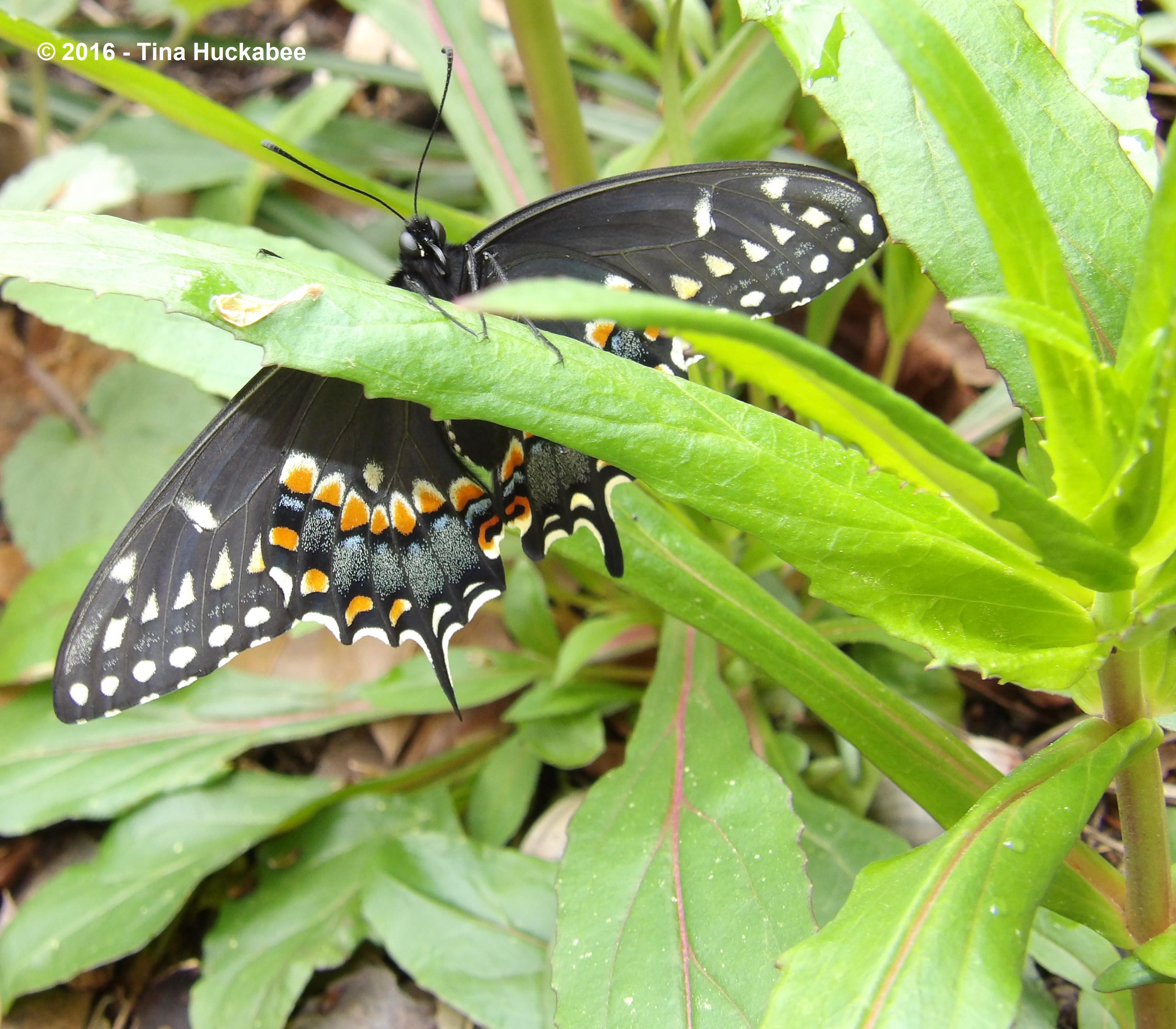
Newly hatched Black Swallowtail, with ventral (underside) wing view. This butterfly is drying its wings after emergence from the chrysalis

IMGP6387_cropped_3213x2247..new

The same butterfly, with dorsal (top) of wings in view–still drying.


For a while, I’m glad to tolerate the change from this,

IMGP8475_cropped_3438x3350..new

IMGP8637_cropped_3968x2996..new

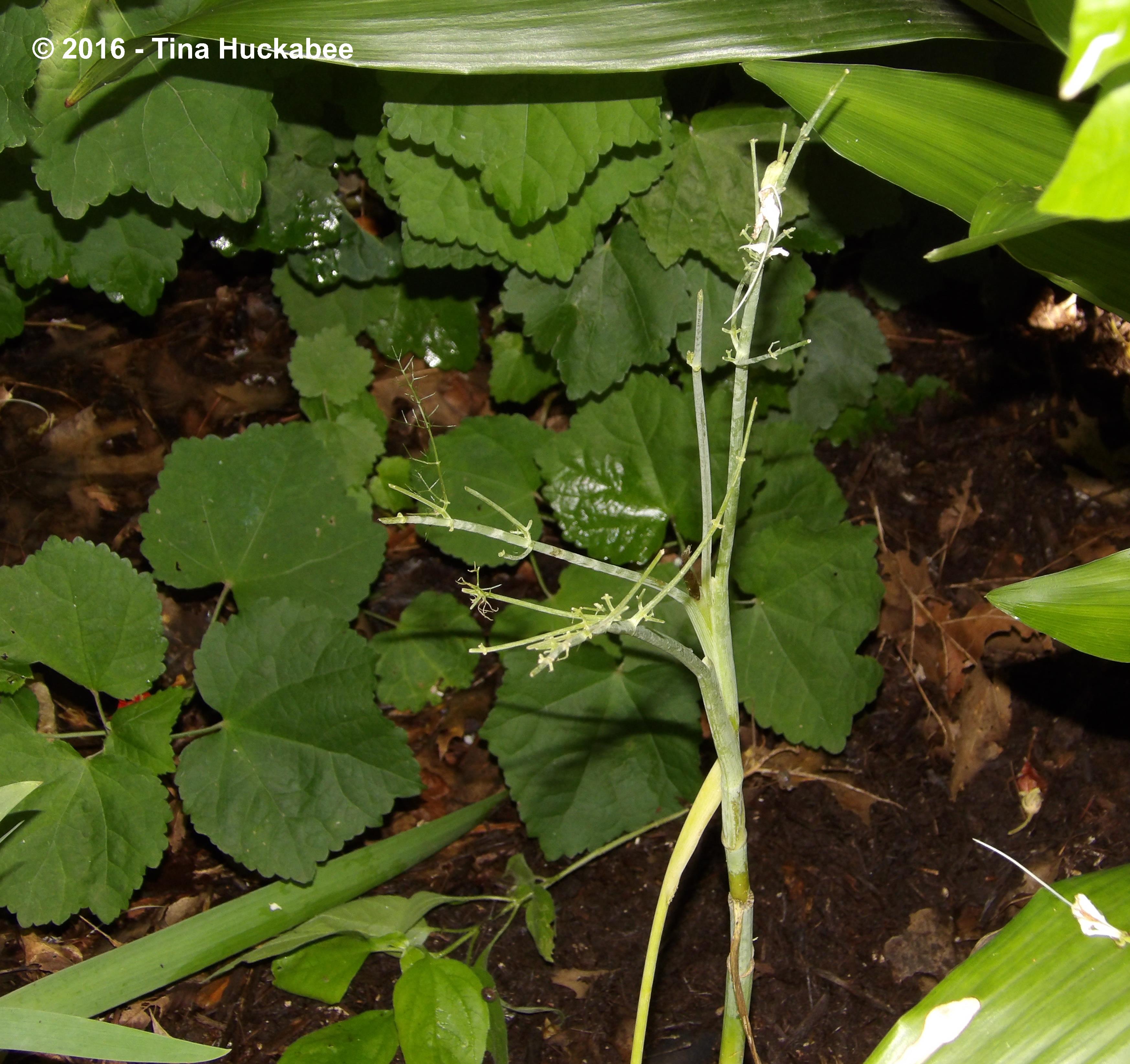
…to this:  the spare, stripped stems and leaves, and yes, less lovely foliage, that is fennel after the larvae feeding.
IMGP8485_cropped_3494x3291..new

None of my butterfly host plants (I grow about a half-dozen) have ever experienced too much munching damage to the point that the plant(s) didn’t return to full health.  From a biological standpoint, that makes sense, because a host plant wouldn’t be much of a host plant if the visiting insect ate it to death–that wouldn’t bode well for either the plant or the insect.  Nature is generally designed better than that.  The only caveat in my experience is that if fennel (a cool season plant and NOT the native host plant for the Black Swallowtail) is decimated, and it’s an older plant, and the summer is truly blazing hot (reminder–I live in Central Texas), the fennel might succumb. But there is an easy fix for that: a four-inch pot replacement is about $2 at my favorite nursery.

Also, as lovely as fennel foliage is for most of the year, I must be patient and understanding during the late spring/early summer and then again, in early fall, when the Black Swallowtail larvae are most active and therefore, the fennel isn’t in its best looks. I must recognize that the munched fennel will not add anything to accepted aesthetics of garden beauty. At that point, fennel has a more important role to play than as a just another pretty plant.

IMGP8244.new


Currently, two different passion-flower plants, Blue passion-flower, Passiflora caerulea,

IMGP8655.new

… and Maypop, Passiflora incarnata,

IMGP8412.new

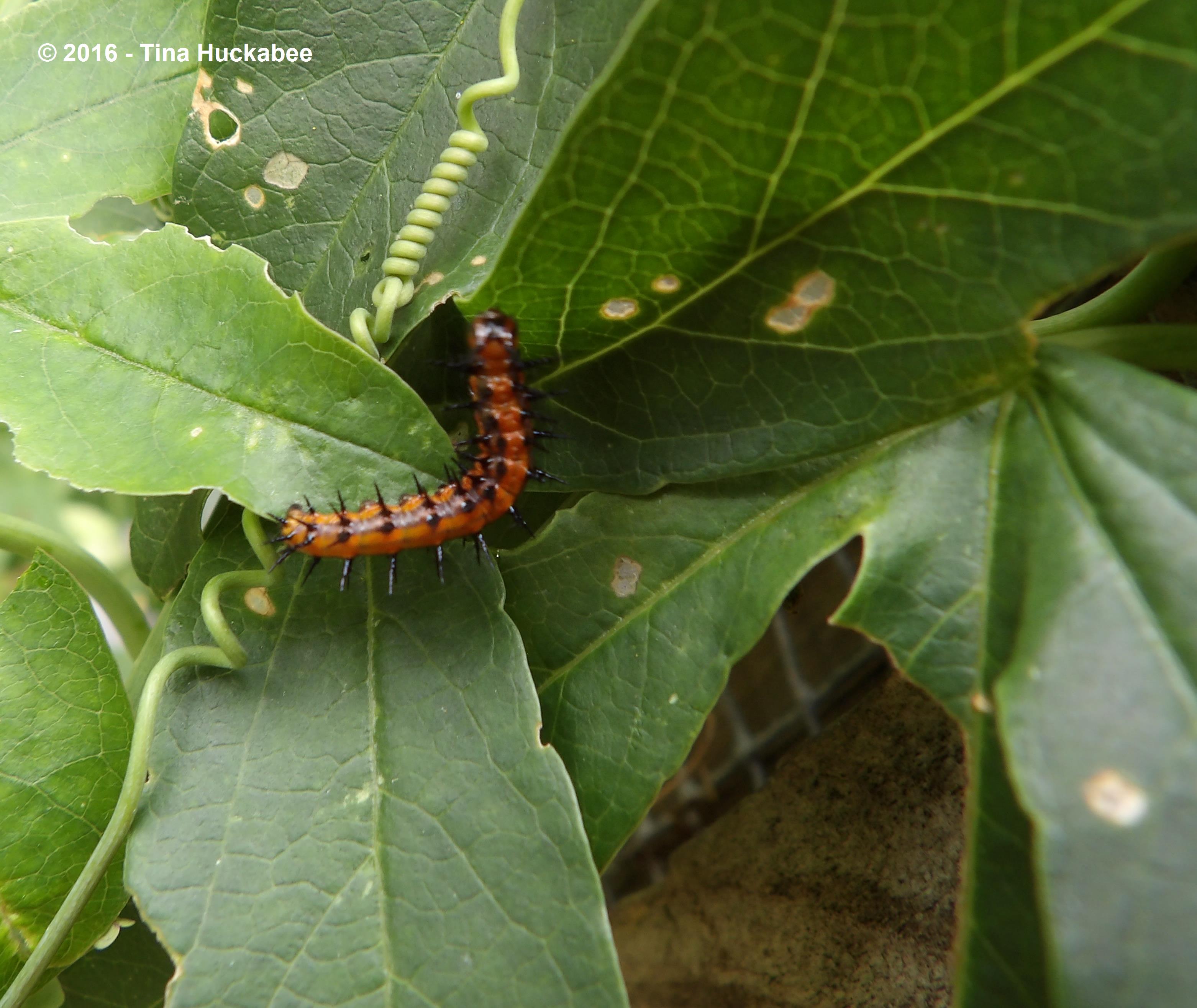
…are hosting the eggs and caterpillars of the Gulf FritillaryAgraulis vanillae.

IMGP7317_cropped_3171x2932..new

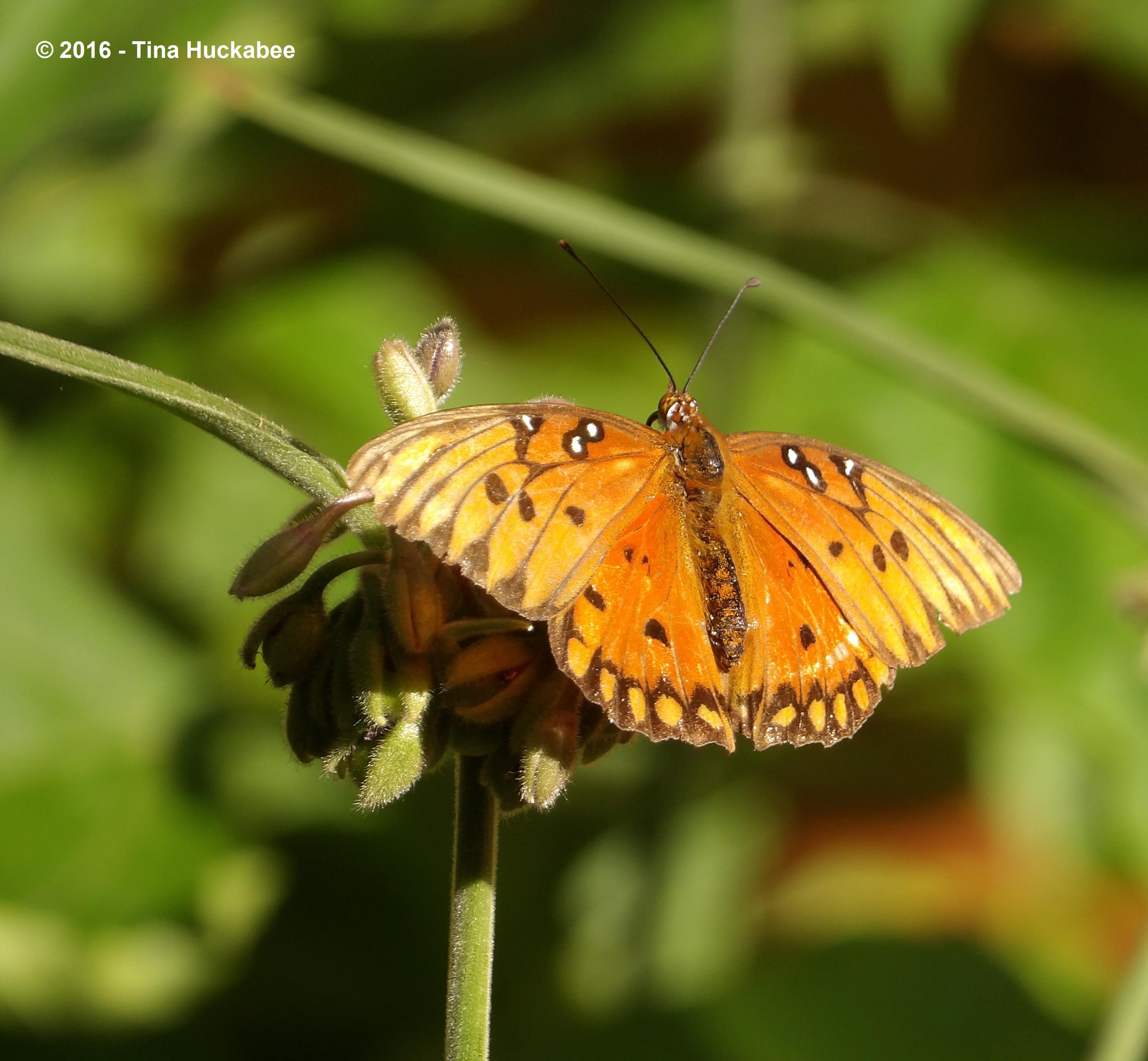
Gulf Fritillary nectaring on a Giant spiderwort

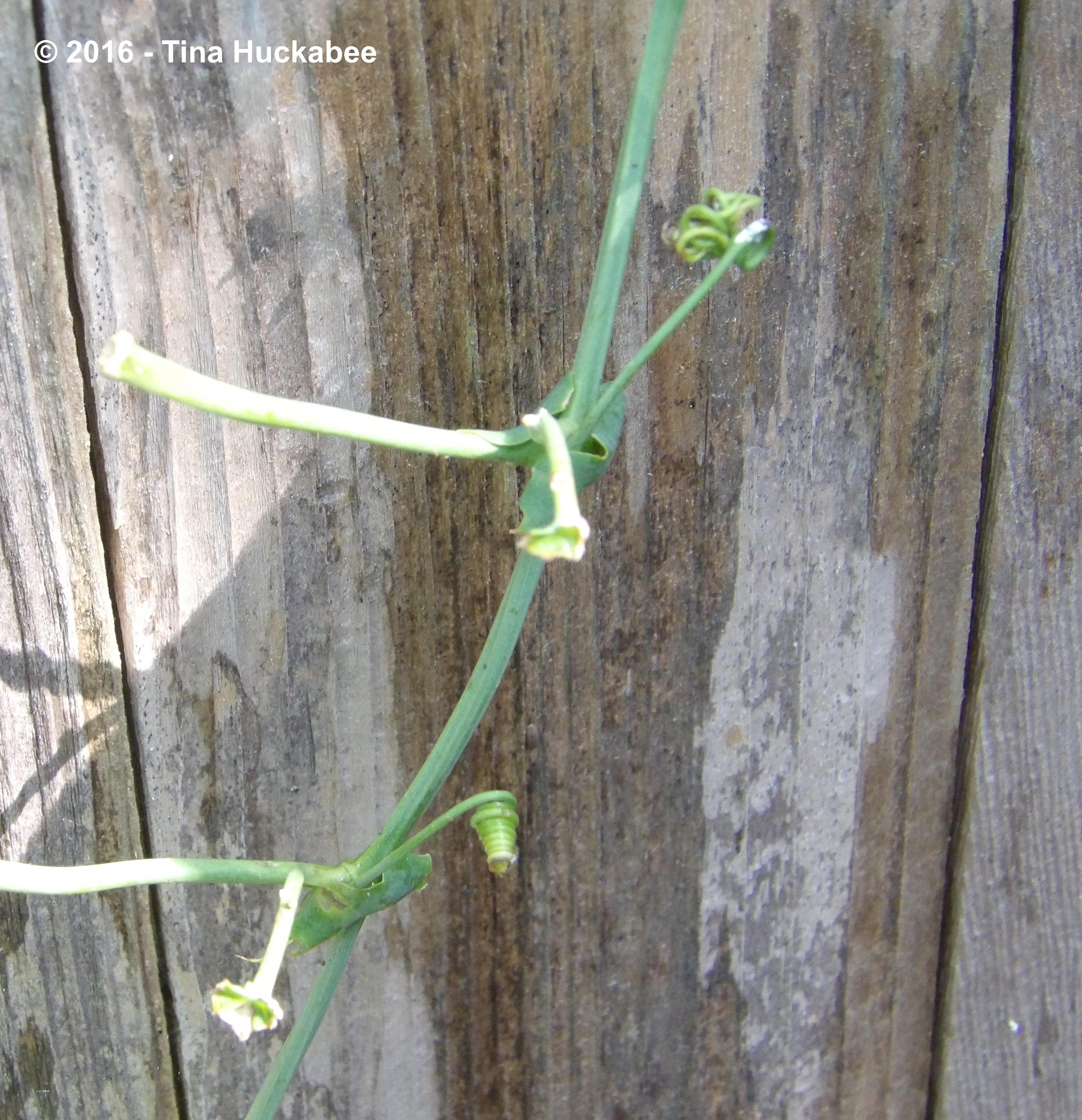
A bit chewed up and worse for wear,
IMGP8492_cropped_3138x3249..new

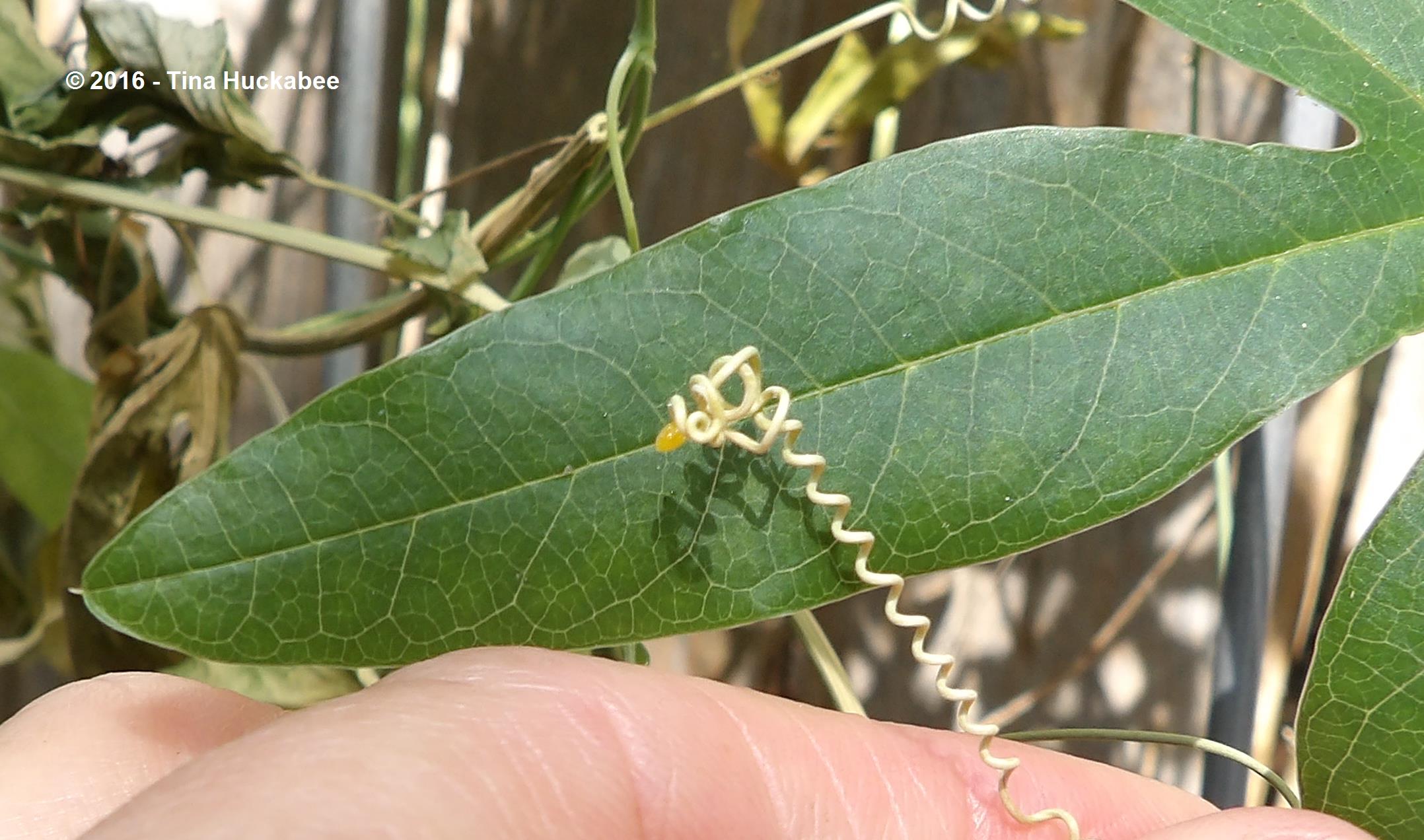
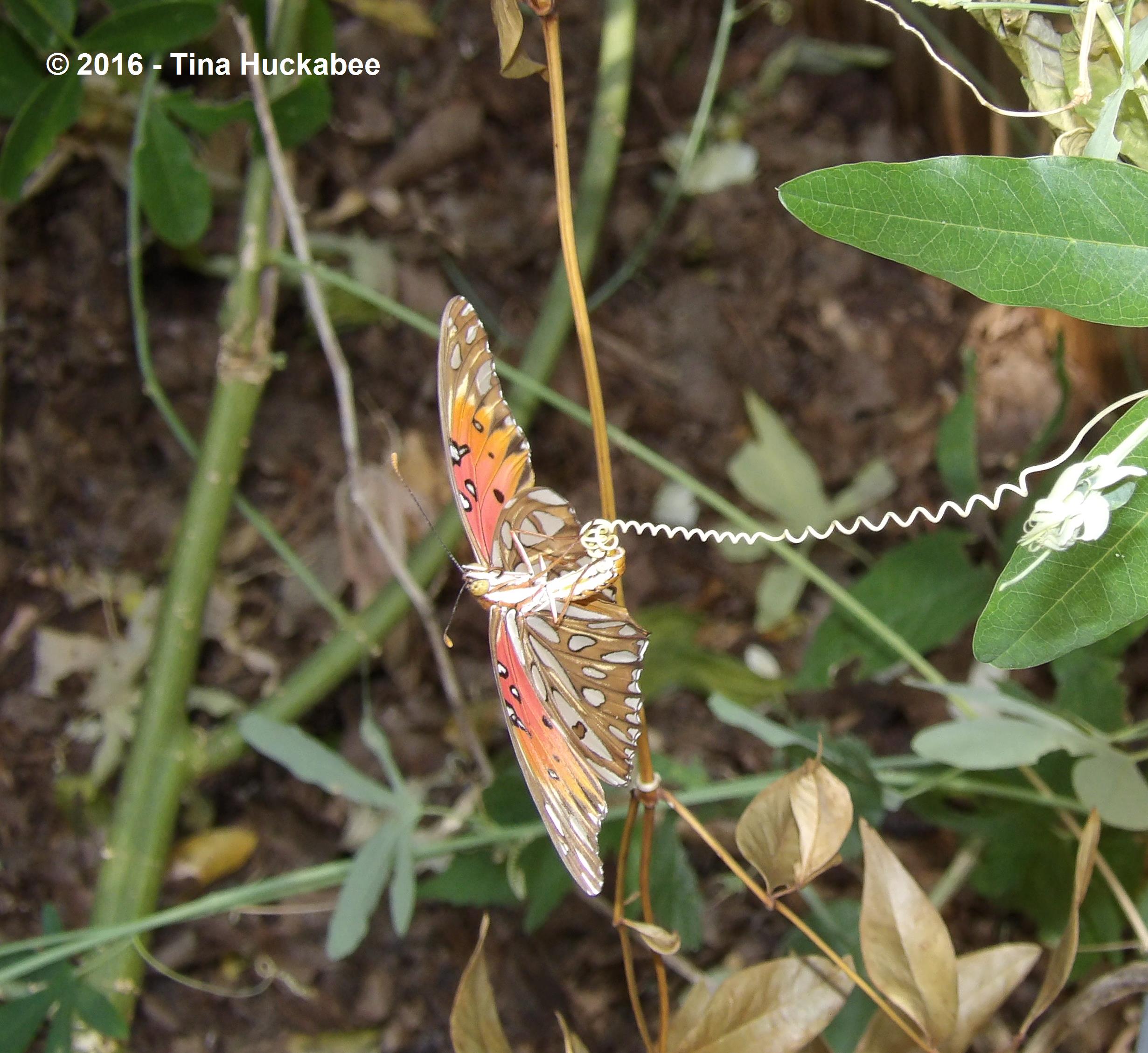
…the foliage feeds the larvae of this active and important pollinator which lives throughout Florida and Texas. The Gulf Fritillary lays her egg,
IMGP9744_cropped_2461x2258..new

IMGP9747_cropped_2156x1272..new

The newly laid egg is perched on the passion flower’s climbing tendril

…the larva eats,
IMGP7902_cropped_3124x2631..new

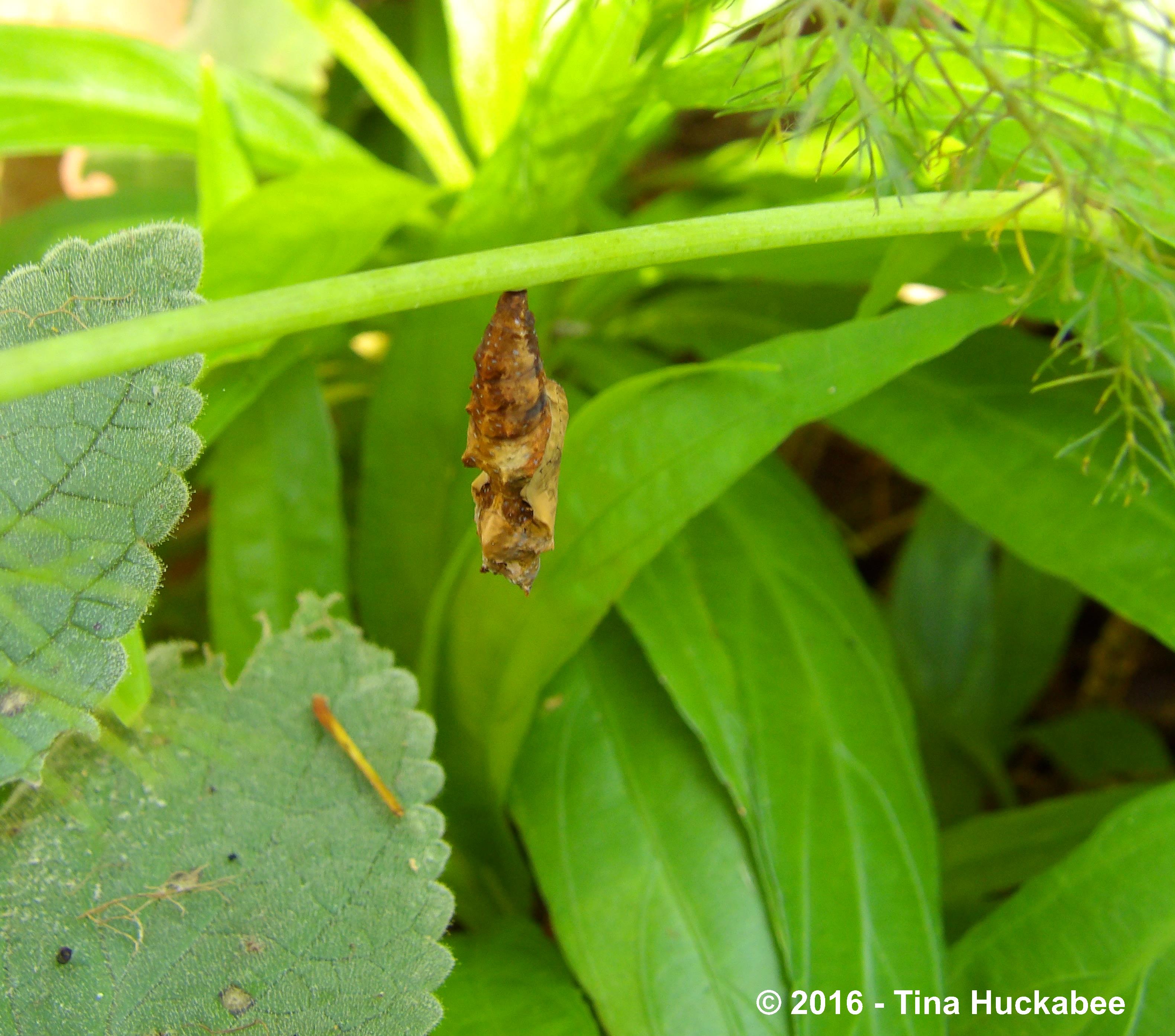
…a  chrysalis is formed,

IMGP8701_cropped_3161x2788..new

…and in time, the butterfly is born.

P1070711.new

Gulf Fritillary in a resting position–ventral wing position


Gardening is neither an exact science or pure art form.  Gardeners must keep a keen eye on the garden for changes–good and bad–and for potential problems.  While almost all insects (like moths and butterflies, as well as their larvae) are beneficial, there are the bad bugs that no one wants to see cozying up to their well-loved and well-maintained gardens. Obviously, we don’t want to allow tomato horn worms to careen through our summer tomato crops with abandon.  Nor do most gardeners have much patience with aphids and other sucking insects.  But let’s keep noxious insecticides on the shelf, or better yet, un-purchased, and let’s hand remove or water-spritz the bad bugs when necessary.  A low maintenance insect management method will allow beneficial insects, pollinators especially, to thrive and to continue their work in our gardens and contribute to the health of larger world.

Even if they do eat up our foliage!
IMGP8629.new

Whether your foliage is intact–or otherwise– join with me in celebrating foliage in the June garden.  Thanking Christina and her lovely Creating my own garden of the Hesperides for hosting, check out her Garden Bloggers’ Foliage Day for a look at foliage in many gardens, from many places, and share your leafy loveliness, too!

National Pollinator Week

June 20-26 is the week set aside this year to celebrate pollinators and the important work they do.

IMGP7078_cropped_3087x2286..new

Syrphid or Flower fly nectaring at a Zexmenia (Wedelia hispida)

EVERY week should be a week to celebrate pollinators and the important work they do.

IMGP8526_cropped_2350x2060..new

Miner bee (Perdita ignota)(?)  visiting a Fall aster (Symphyotrichum oblongifolium)

IMGP8420.new

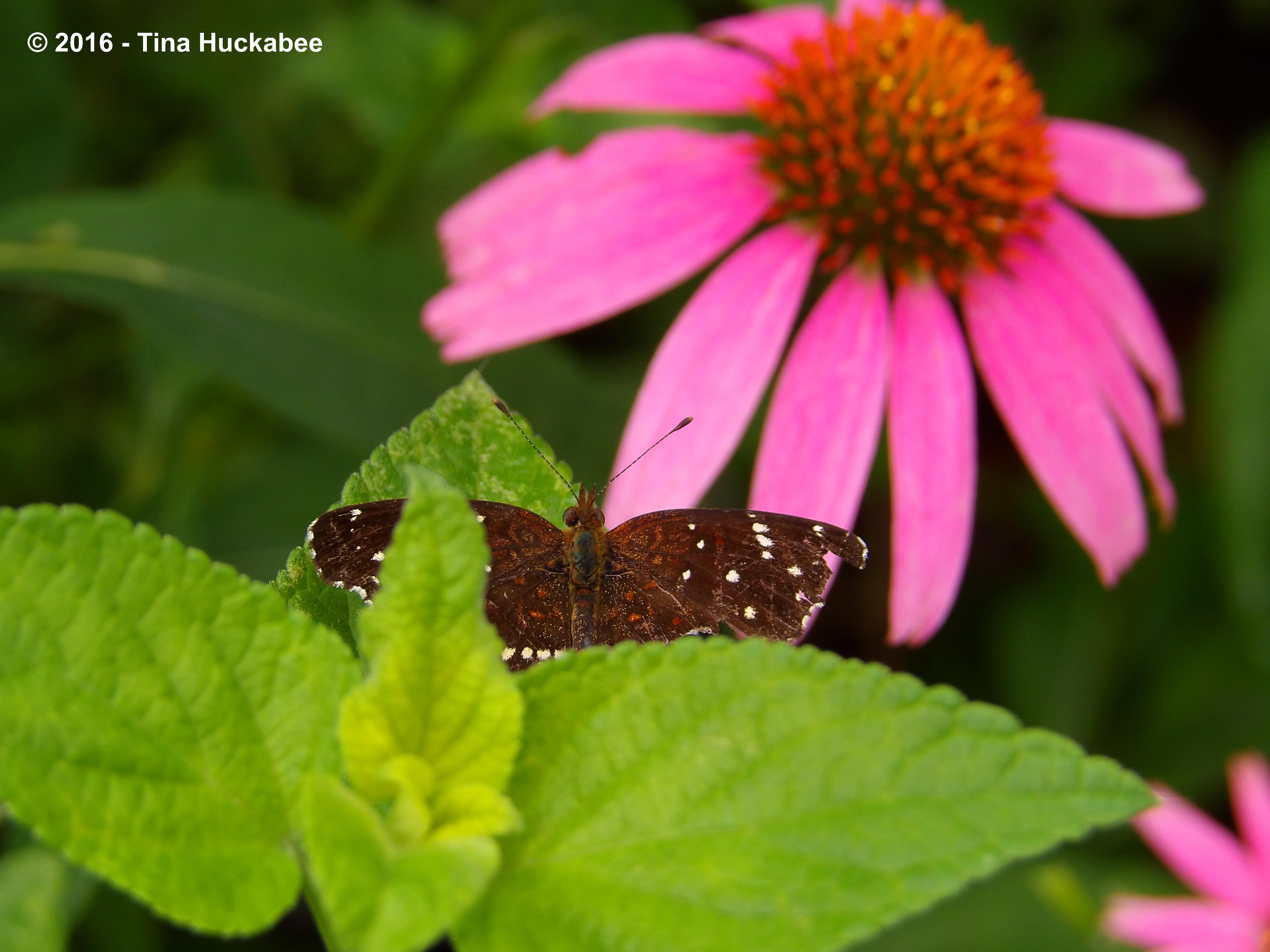
Texas Crescent (Anthanassa texana) considering a trip to the Purple coneflower (Echinacea purpurea)

Pollinators constitute the thread that holds together the world’s food web and native plants production.  Upwards to 90% of native plants are pollinated by insects, birds, and bats; 1 out of every 3 bites of food humans partake of is pollinated by (primarily) bees–honeybees, and wild, or native bees.  According to Pollinator Partnership, 1,000 different plants that humans use in a variety of ways are pollinated by pollinating animals,

IMGP7455_cropped_3234x2903..new

American lady (Vanessa virginiensis) at a Purple coneflower bloom

…and in the U.S. alone, pollinators produce products worth $40 billion annually.

IMGP8417_cropped_3903x2968..new

Two-spotted Long-horned bee (Melissodes bimaculatus) at a Purple coneflower

The bottom line is that pollination and pollinators are principal players in the good health of all eco-systems.

IMGP8272_cropped_2498x2640..new

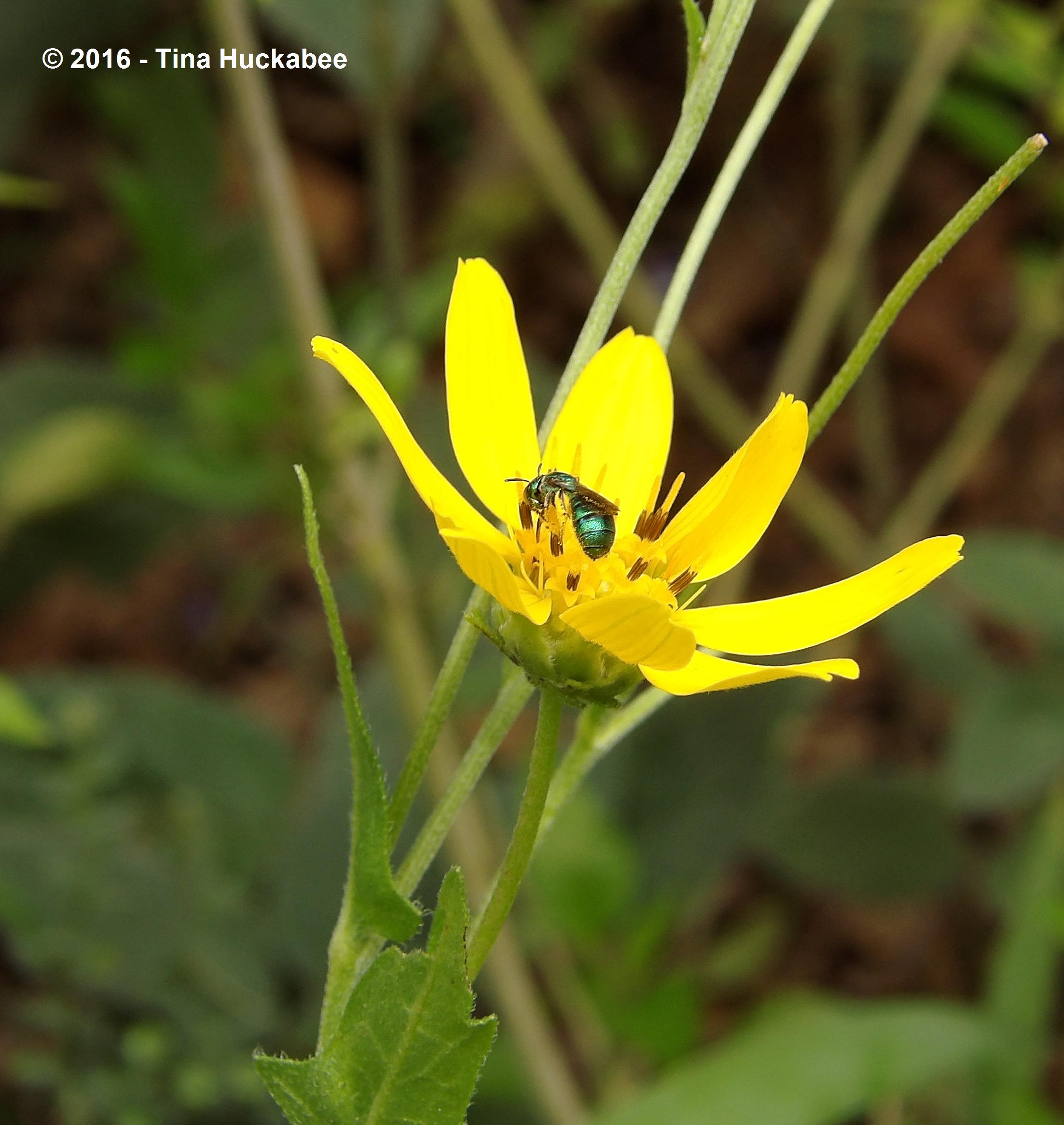
Sweat bee (Augochloropsis metallica)(?) and an Engelmann’s daisy (Engelmannia peristenia)

What is pollination?  It’s the process whereby pollen is moved, usually either by pollinating animals or the wind, to other plants thus assuring reproduction of the plants with development of seeds and fruit–and the next generation of viable plants.

IMGP8527_cropped_2594x2170..new

Fly and Fall aster

Pollination produces new plant life.

IMGP7316_cropped_3765x2700..new

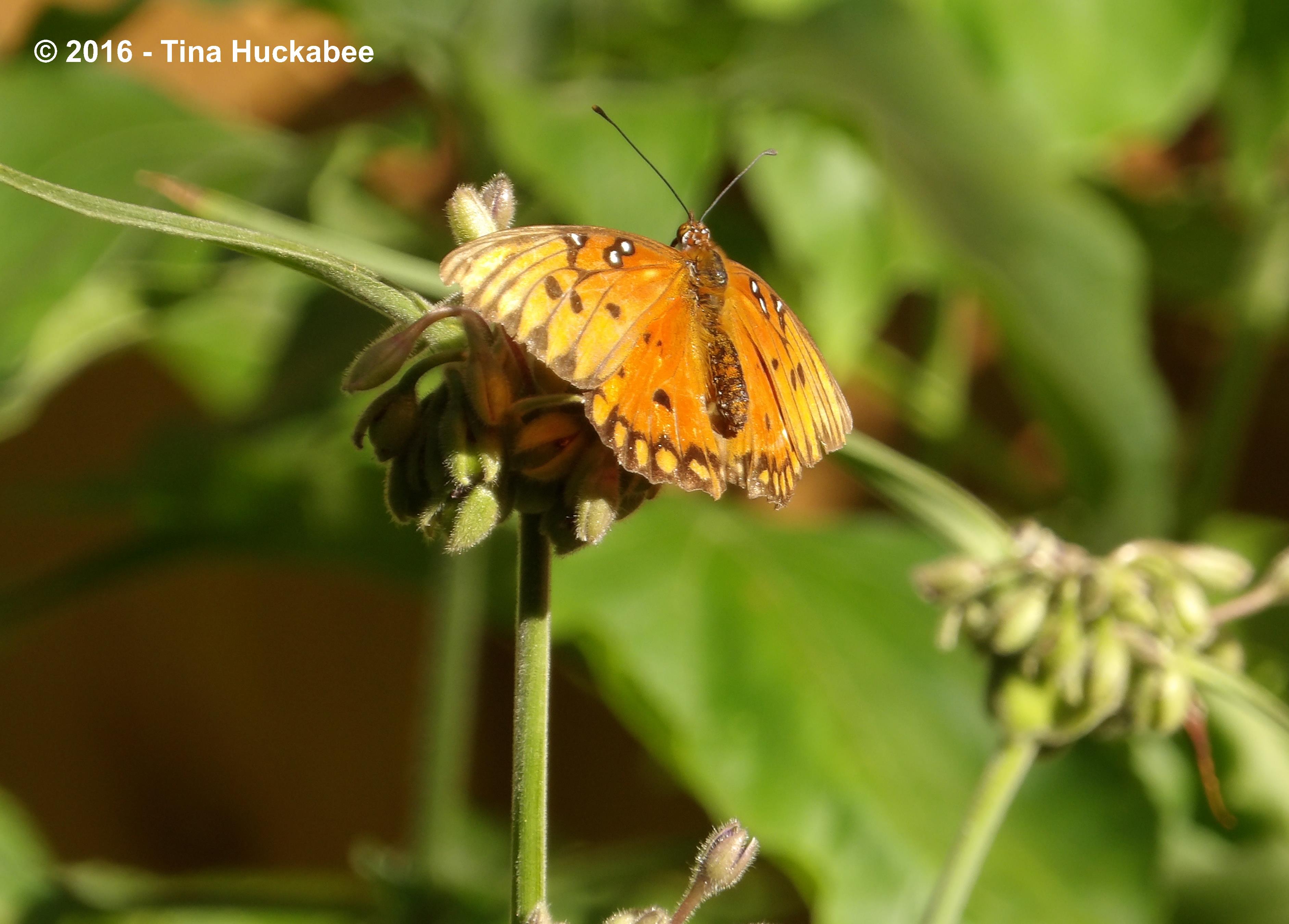
Gulf fritillary (Agraulis vanillae) resting on a Giant spiderwort (Tradescantia gigantea)

What are pollinating animals?  Pollinators include, but are not limited to: birds, bats, moths and butterflies, flies, mosquitoes (Boo!), native/wild bees, and honeybees.  There are many, many other insects that pollinate.  Additionally, in parts of China where overuse of chemicals has killed all natural pollinators, people must hand pollinate some agricultural fields.

That frightening fact should scare all of us into taking care of the Earth’s pollinators.

IMGP8648.new

Honeybee (Apis mellifera) nectaring at a Blue passion-flower (Passiflora caerulea)

We know that pollinators are declining throughout the world because of habitat destruction, over and mis-use of chemicals, certain big agriculture practices, the unfettered spread of invasive plant species and the decline of native-to-region plant species, as well as other reasons, like pollinator diseases.

IMGP8399_cropped_2608x2382..new

Orange Skipperling (Copaeodes aurantiaca) working at a Rock rose (Pavonia lasiopetala)

The outlook for the health of pollinators and therefore, the rest of us, is tricky at best.

IMGP7340_cropped_3074x3189..new

Sweat bee (Lasioglossum) (?) collecting pollen from a Clasping coneflower


So, what can we do?  The easiest thing is to plant for pollinators in our own home gardens, or neighborhood school gardens, or local parks–or all three, plus anywhere else you can think of.

It’s so simple!

Get rid of some (or all!) of the water-wasting turf so common in home and commercial landscapes.  Mono-culture turf feeds nothing, except for problematic insects, and requires more irrigation, more chemicals, and more effort than planting native or well-adapted flowering perennials and annuals.

Once your garden bed is prepared and planted, sit back and watch the show.  If you plant it, they will come.

IMGP8472_cropped_3540x3282..new

Gray Hairstreak (Strymon melinus) working a Purple coneflower

Your garden doesn’t have to be huge, but do plant a variety of blooming plants for the whole of your growing season–the more, the merrier!

IMGP7460.new

Red Admiral (Vanessa atalanta) visiting a Purple coneflower

It’s always best to use native plants if you have access to a local seed source or a nursery that promotes native plants.  But non-native, well-adapted blooming annuals and perennials will also do the pollinator trick.  Ask the nursery or plant provider if any pesticides were used when growing the plants you want to buy.  If so, don’t buy them and TELL the nursery why.  Pesticides and insects are not a good combination–EVER.

IMGP7429_cropped_3567x2839..new

Minor bee (?) nectaring at a Zexmenia flower

Contact your County Extension Agent’s office for a list of good pollinator plants for your area.  As well, locally owned nurseries are usually great sources of information on pollinator plants.  The Pollinator Partnership, Lady Bird Johnson Wildflower Research Center, and National Wildlife Federation are all excellent on-line sources for learning about pollinators and how you can be a part of the solution to their problems.

IMGP7463_cropped_3544x2867..new

Three honeybee amigos hanging out with three Purple coneflowers .


Pollinators are beautiful.

IMGP8394_cropped_3913x3378..new

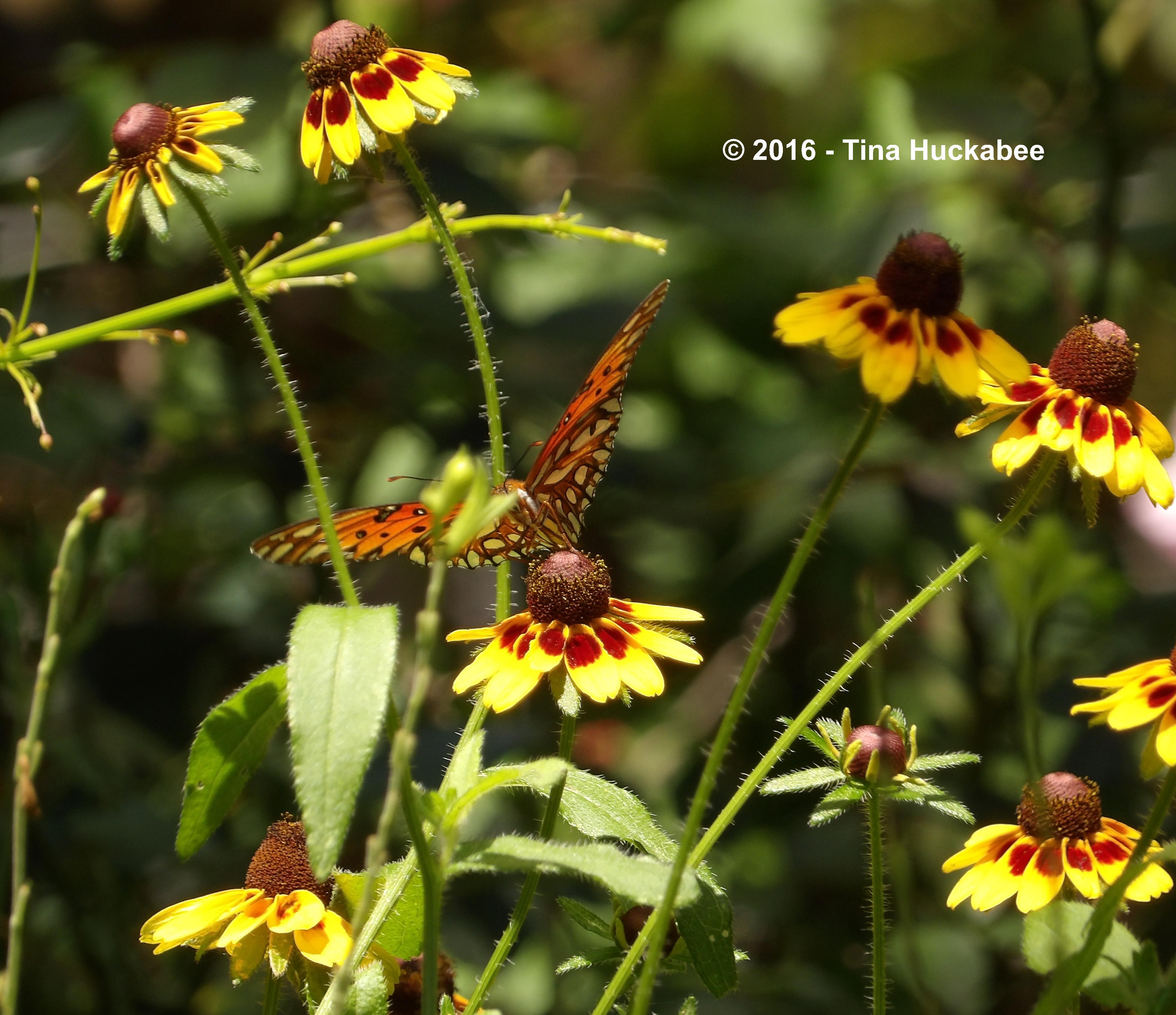
Gulf fritillary visiting Clasping coneflowers


Pollinators are vital links in the fitness of the Earth’s eco-systems.

IMGP8397_cropped_3253x2498..new

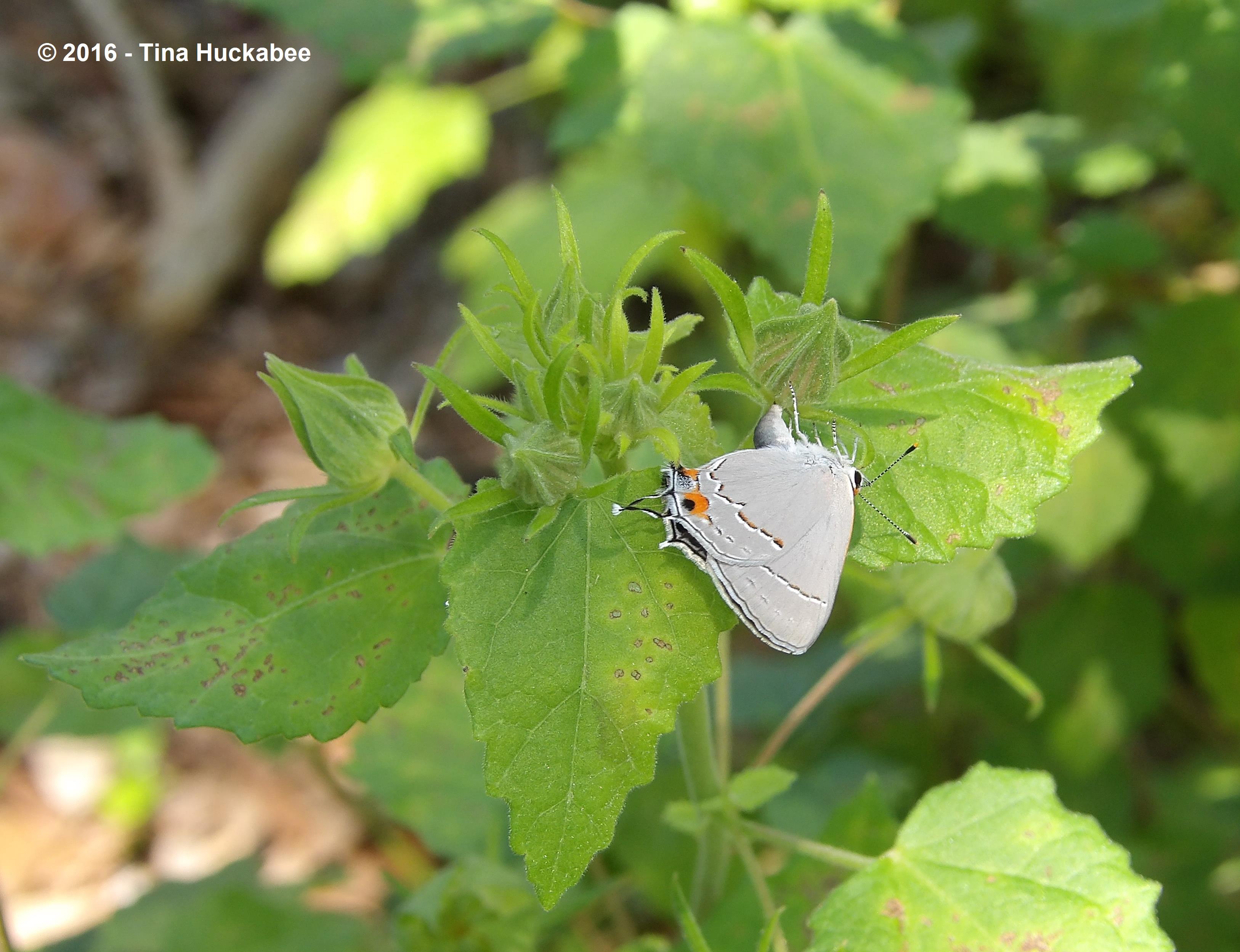
Gray hairstreak resting on the foliage of Rock rose

IMGP8402_cropped_3382x2876..new

Minor bee (?) heading for the nectar and pollen of a Winecup (Callirhoe involucrata)


Pollinators deserve to live and thrive.

IMGP8450_cropped_2488x2373..new

Soldier beetle  (Cantharidae family) sipping nectar from a Purple coneflower

IMGP8451_cropped_3005x2723..new

Plant for pollinators in your garden.  Encourage neighbors and community organizations to do the same.  Lobby your local, state, and national representatives to set aside land so that these essential creatures can continue their work and contributions to the well-being of our world.

Happy National Pollinator Week!

IMGP8426_cropped_3240x3222..new

Pipevine Swallowtail (Battus philenor) resting on Turk’s cap (Malvaviscus arboreus) foliage