Native Texans

In this post you won’t find any cowboy boots or hats, nor plates of barbecue and bowls of salsa, and certainly no funny, twangy accents, but you will see plenty of beauty and Texan toughness.  What is this you’ve stumbled across?  It’s an homage to Texas native plants and to the celebration thereof:  Texas Native Plant Week marked annually during the week of October 16-22.
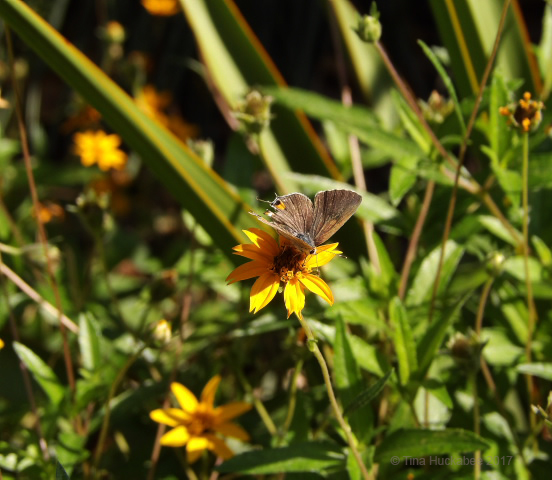
Nectaring Gray Hairstreak (Strymon melinus) on Zexmenia (Wedelia acapulcensis var. hispida).  Twistleaf yucca (Yucca rupicola) serves as a backdrop

Established to educate and encourage Texans to recognize and utilize our lovely, valuable native plants in personal and public gardens, many communities in Texas sponsor events promoting the use of native plants during this week of native plant love.
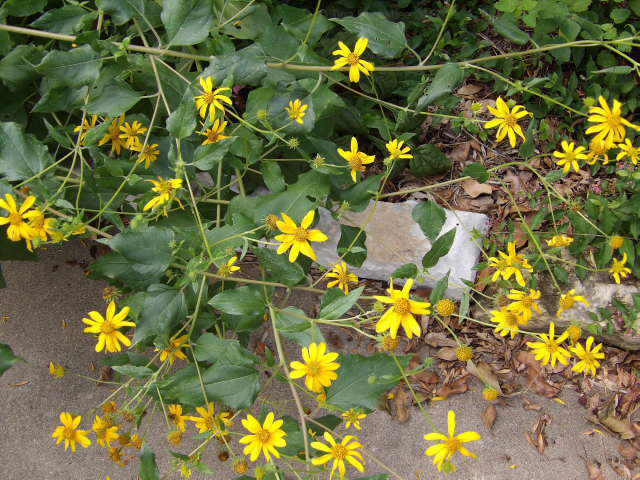
Plateau goldeneye (Viguiera dentata)


Native plants are valuable for many reasons:  they’re easy to grow and maintain, and require less irrigation; they feed and protect native fauna; they’re key to biological diversity, and vital for a healthy environment.

Shrubby blue sage (Salvia ballotiflora)


Plants can be native to a wide geographical area–like the whole of North America–or specific to a small, confined eco-system–like the area in which you live.

Texas Craglily (Echeandia texensis)


Natives belong where you live, whether you’re in Texas or some other fabulous place.

Turkscap (Malvaviscus arboreus var. drummondii) and White tropical sage (Salvia coccinea)
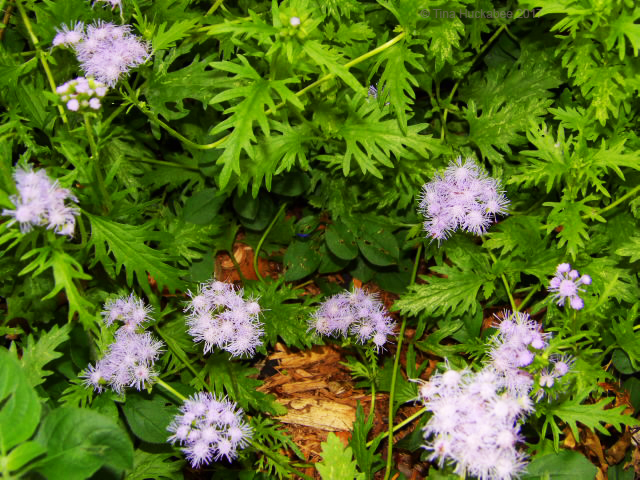
Gregg’s mistflower (Conoclinium greggii)


Do we need to practice purity in our gardening aesthetics and utilize only natives in our gardens? Well, it would be nice if we planted all natives, all the time, but for many gardeners, that’s simply not possible because native plants aren’t always as commercially available as non-native plants.  And it’s true that there are many non-native, well-adapted plants which enrich our gardens and beautify our world; it’s perfectly fine to garden with both natives and non-natives.

Red tropical sage (Salvia coccinea) paired with non-native, potted Yucca filamentosa ‘Golden Sword’

But when you plant natives in your garden, you help define the place you live. What grows for me here in urban Austin, Texas doesn’t work–or may not fit–for gardeners in Chicago, Illinois,  Eugene, Oregon, or Bangor, Maine.  What grows here, doesn’t necessarily grow there; plant diversity makes the world go ’round.  All regions enjoy unique botanical flavor and that should be appreciated–and practiced–by those who’re driven to create gardens.

Blue mistflower (Conoclinium coelestinum)


Plant natives in your garden for ease and practicality.

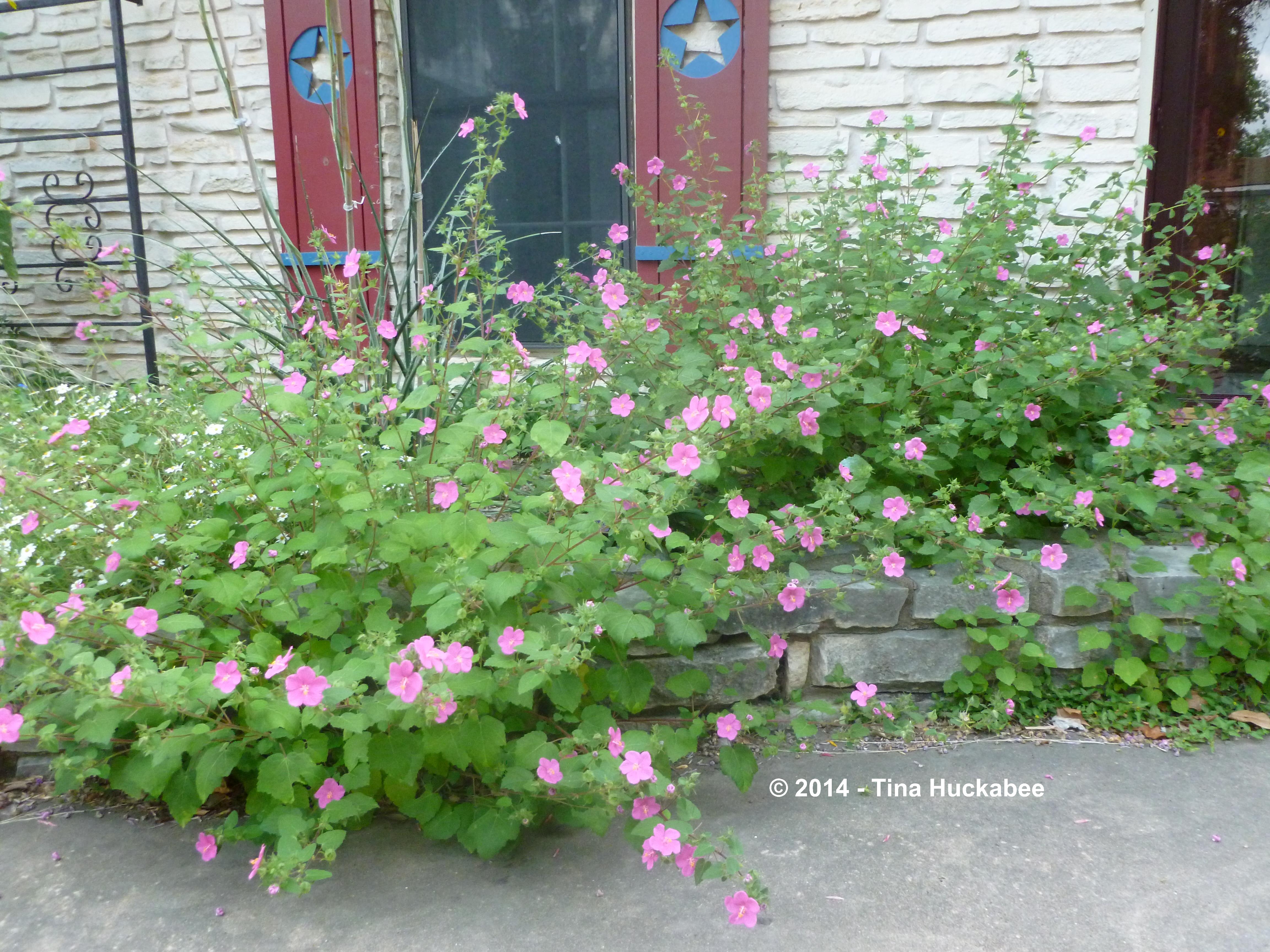
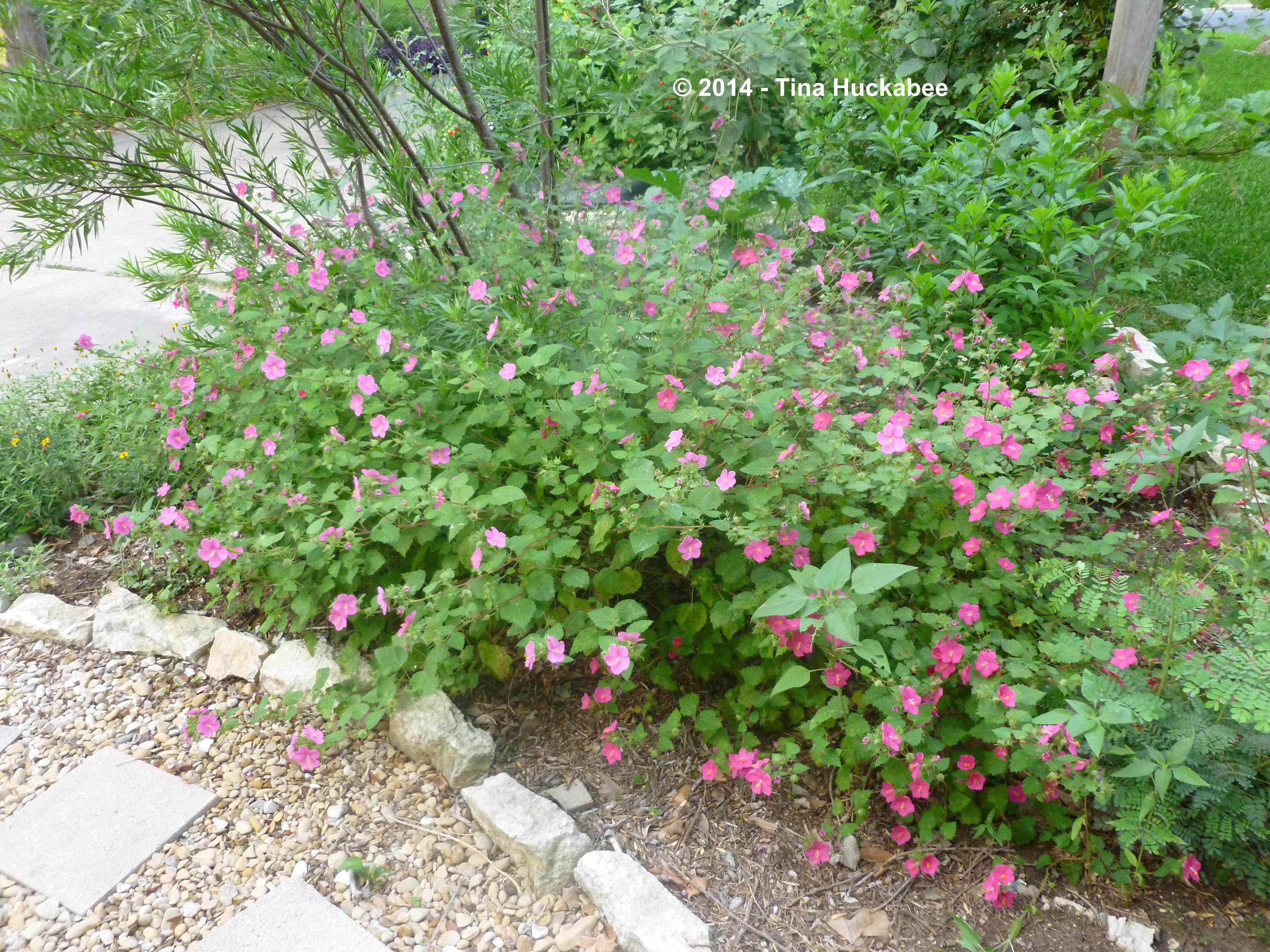
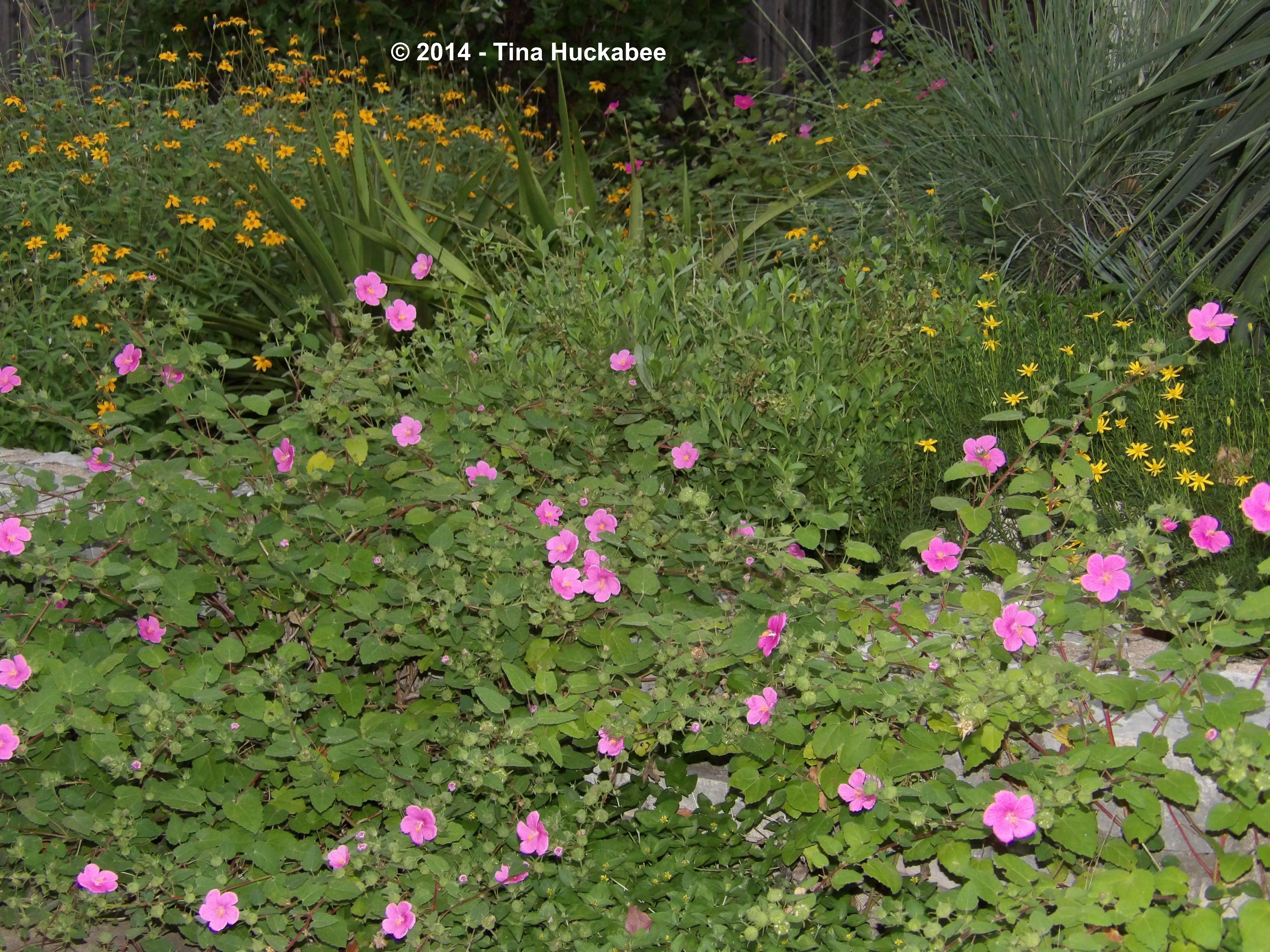
Rock rose (Pavonia lasiopetala)


Plant natives to protect and nurture wildlife.
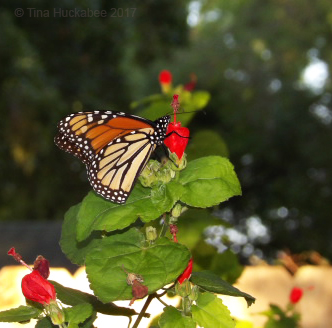
Migrating Monarch (Danaus plexippus) nectaring on Turkscap


Plant natives for seasonal interest and to elicit a sense of place.

White mistflower (Ageratina havanensis)


Especially in urban areas, the use of native plants helps restore wildlife habitat and regional character.

Migrating Monarch on Plateau goldeneye


Flowers in the city are like lipstick on a woman–it just makes you look better to have a little color.  Lady Bird Johnson

Plateau goldeneye


For more information about Texas Native Plant Week, check out these links:

Lady Bird Johnson Wildflower Center
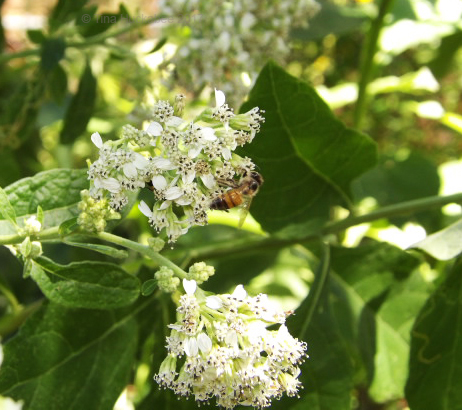
Native Plants of Texas

Frostweed (Verbesina virginica)


Today I’m also linking with Carol of May Dreams Gardens for Garden Bloggers’ Bloom Day.  Check out flowers from all over the world, honoring all things blooming–native or otherwise.
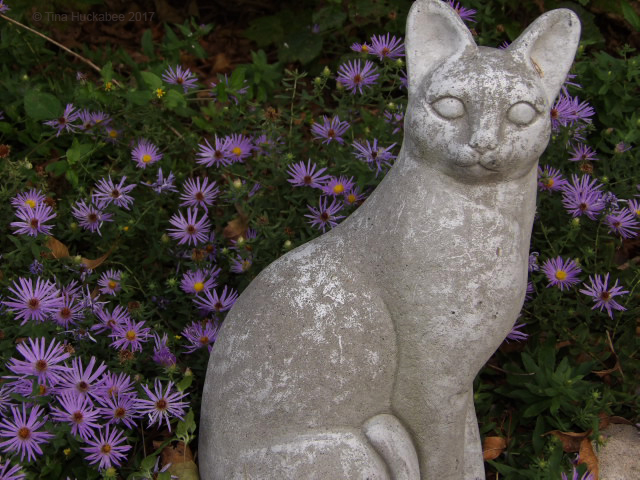
Wild blue aster (Symphyotrichum oblongifolium)
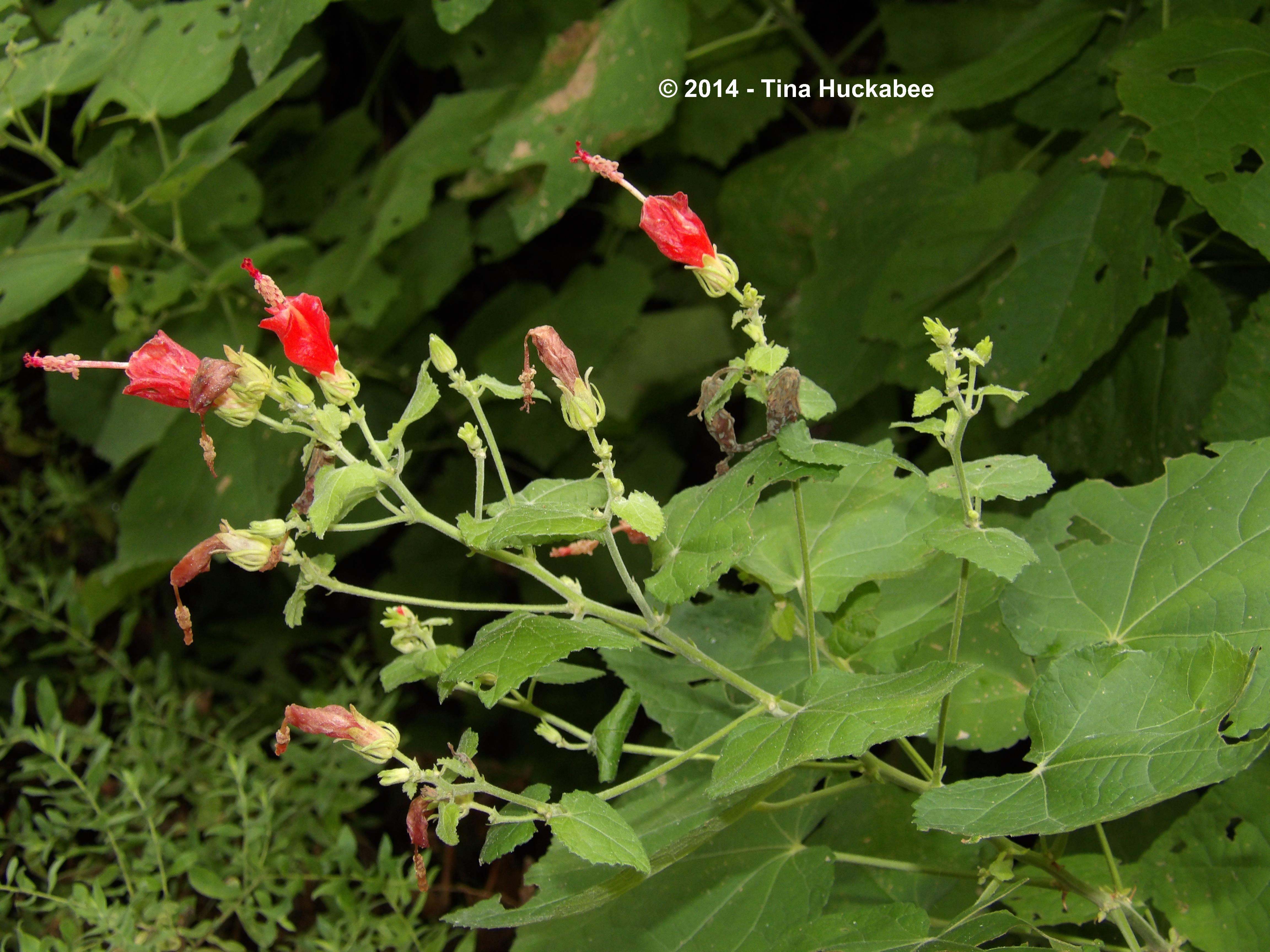
Texas Native Plant Week-Turk’s Cap, Malvaviscus arboreus

In keeping with my native plants manifesto, which you can read here, I’m celebrating Texas Native Plant Week by profiling some of the native plants in my own gardens.  The information reflects what I’ve learned from the transformation of my traditional maintenance heavy “yard” to a no-lawn, water-wise garden, featuring beautiful Texas native plants– which were the drivers and are the stars of that metamorphosis.

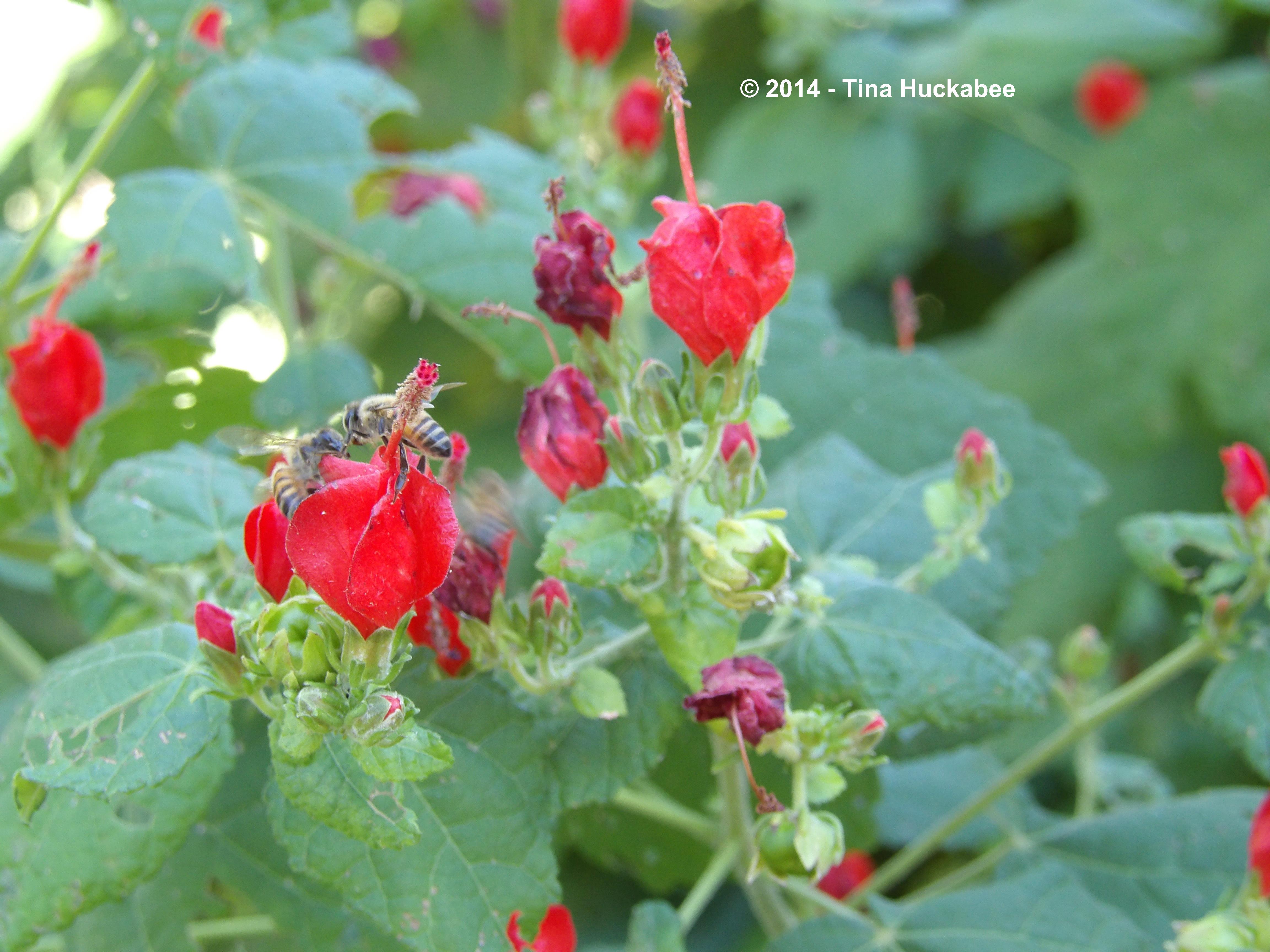
Turk’s Cap, Malvaviscus arboreus, is another perennial in my gardens that I consider a “staple” plant.

IMGP0174.new

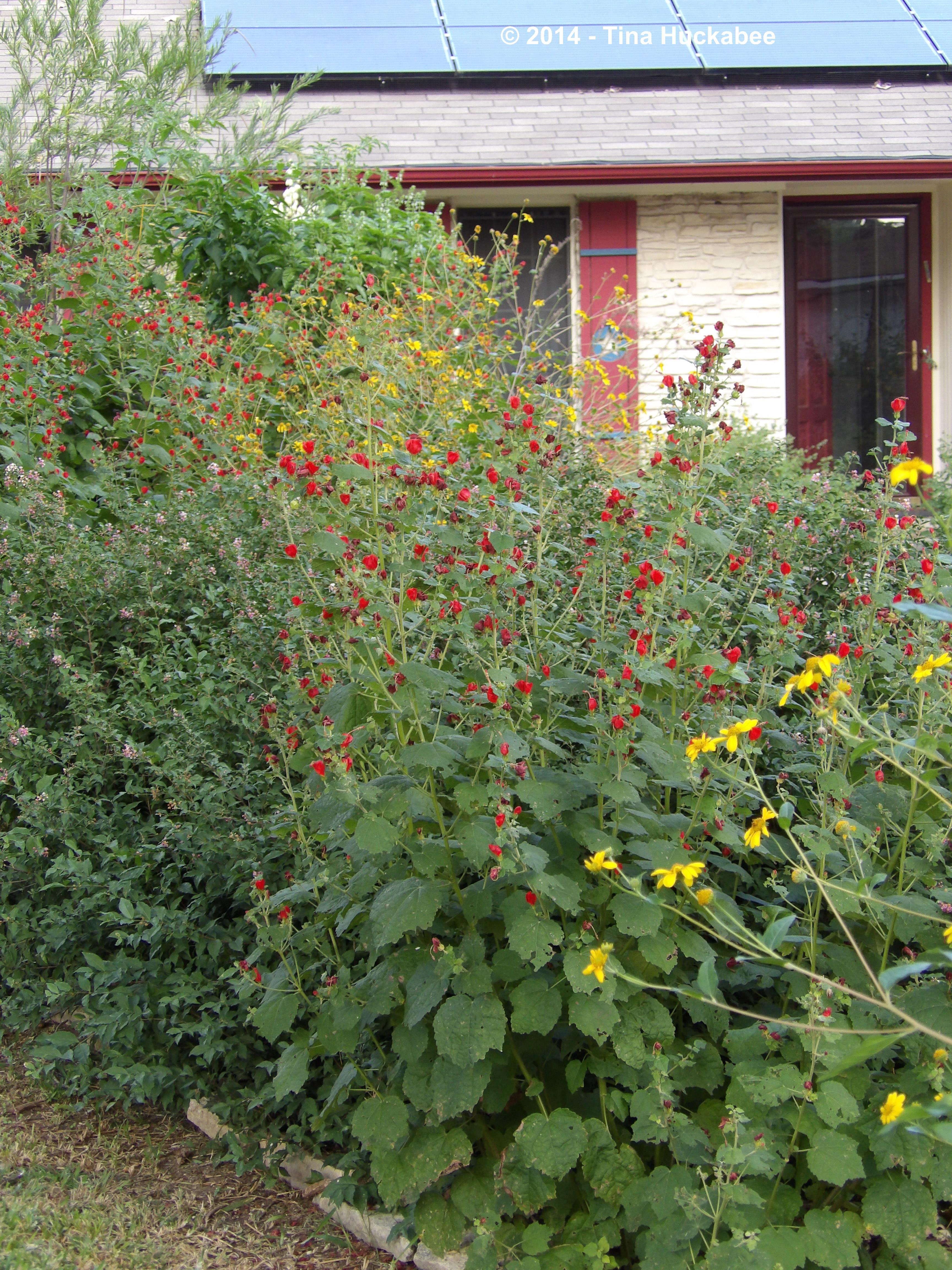
Turk’s Cap was one of the first Texas natives that I loved and planted and I have it growing throughout my property–it serves an anchor perennial for most of my gardens.

IMGP0328.new

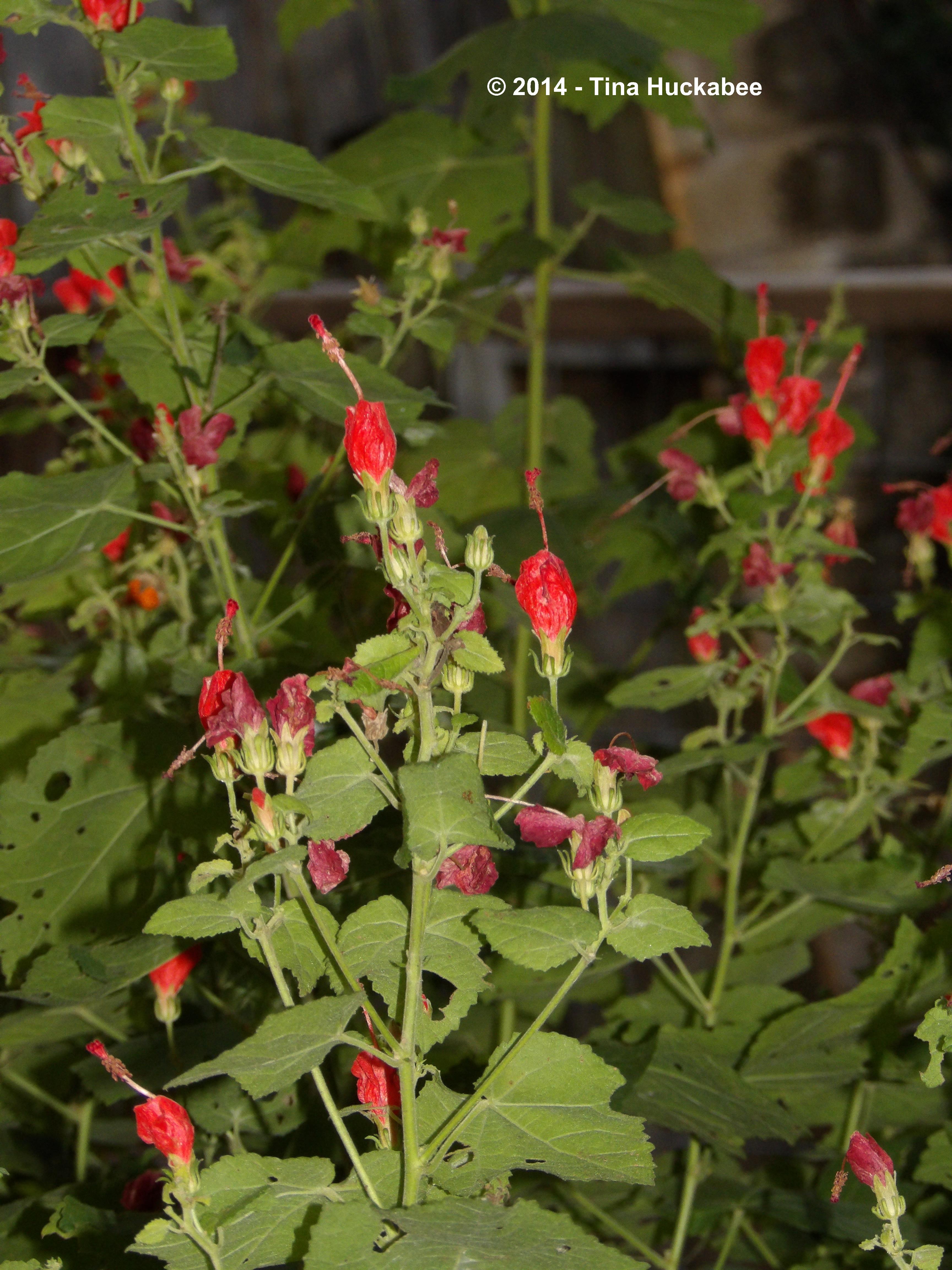
The petite, scarlet and swirled hibiscus-like flowers, blooming May through October,

IMGP1294.new

…herald the beginning of our long growing season here in Texas.  Turk’s Cap is native to Texas and other parts of the Southeast, all the way to Mexico.

IMGP1447.new

An excellent wildlife plant, it feeds bees (native and honey),

IMGP1788.new

…hummingbirds, butterflies of all sorts, and birds favor the fruits in summer, fall and early winter.

IMGP2118.new

The leaves are wide and tropical looking, giving plenty of room for bird poop to land on,

P1040410.new

…and the flowers are showy and prolific.

IMGP1347.new

IMGP2043.new

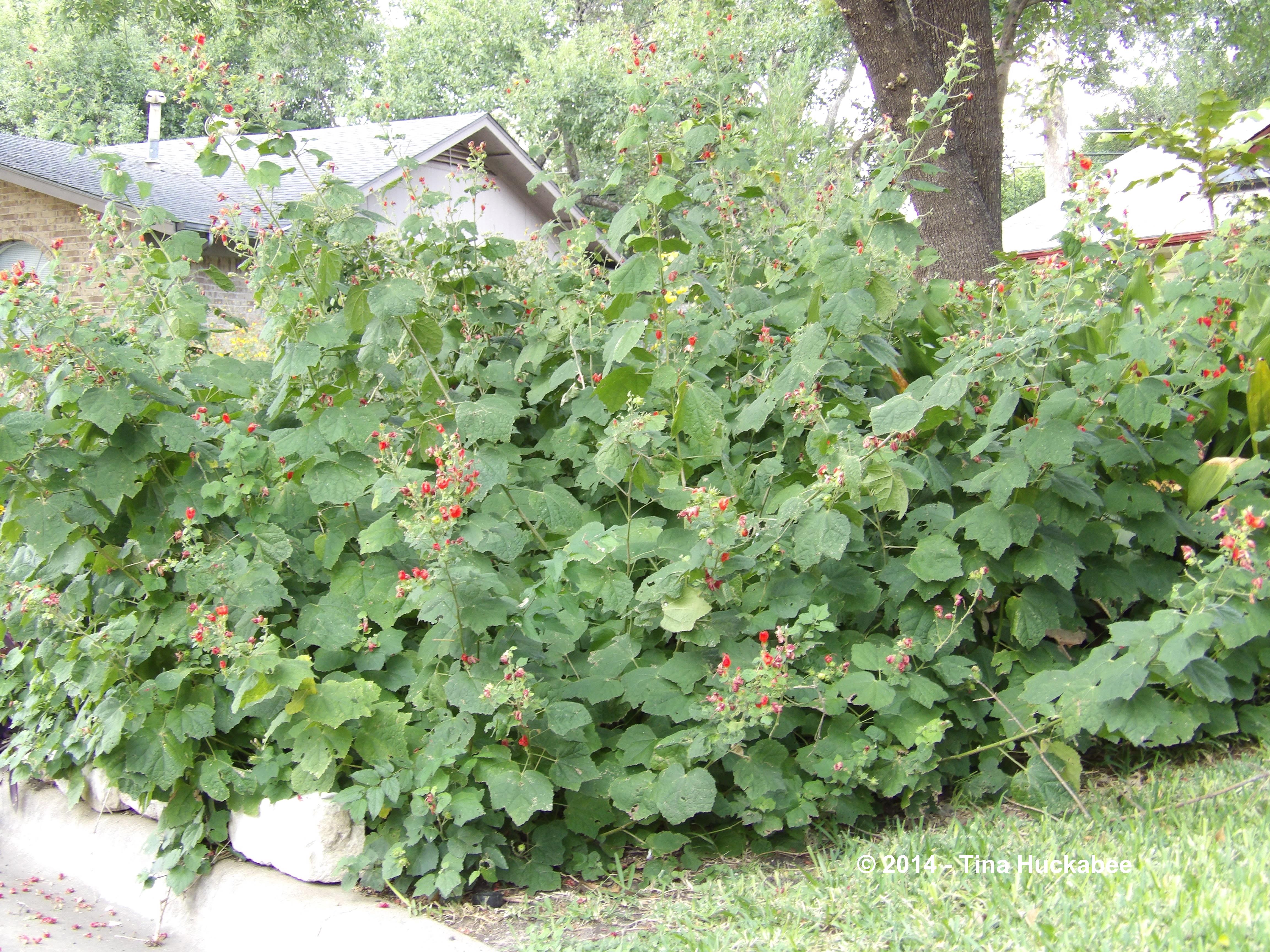
Gosh, I love the look of this plant.  But it’s huge.  It can get so, so large, you’ll want to make room for it–so don’t squeeze it in. All of my established stands of Turk’s Cap are 8-10 feet across.  Big ole thangs.

IMGP2102.new

IMGP2104.new

IMGP2109.new

If you plant Turk’s Cap, you’d better like where you put it because after a few years, once it’s established, it’s hellacious (and back-breaking) to transplant.  The bulbous and massive root (system) is the reason why Turk’s Cap  is so hardy and drought tolerant. I don’t water several of my established groups of Turk’s Cap.

Turk’s Cap is best in shade, dappled shade, and part-shade.  Yay!  A beautiful perennial that is great in shade!  It’s adaptable though and works in full sun–in fact, it blooms beautifully. However, the leaves flatten and darken in a way that I find unattractive, so I generally don’t plant mine in full sun–there are much better choices for planting in the blasting Texas sun.  However, as a shade perennial? I just love it!

P1040406.new

Turk’s Cap is a herbaceous perennial, meaning that it dies to the ground with a hard freeze.  It will disappear in a cold winter after you’ve pruned it to the ground, so it’s a good idea to pair Turk’s Cap with evergreen growing companions.  Some examples might be Columbine, Iris, holly shrubs (for example, the native Yaupon), Rock Rose, or even some of the more shade tolerant yucca plants, like this Paleleaf Yucca.

IMGP1397.new

(Disclaimer: this particular part of my garden receives late morning to early afternoon summer sun, but is shaded for the remainder of the day.)

Don’t be dissuaded by Turk’s Cap going AWOL in winter.  It will return quickly in early spring; tough, hardy and beautiful, Turk’s Cap will bloom and bloom during the long Texas growing season.

IMGP1293.new


Texas Native Plant Week–Rock Rose, Pavonia lasiopetala

In keeping with my native plants manifesto which you can read about here, I’m celebrating Texas Native Plant Week by profiling some of the native plants in my own gardens.  The information reflects what I’ve learned from the transformation of my traditional maintenance-heavy “yard” to a no-lawn, water-wise garden, featuring beautiful Texas native plants– which were the drivers and are the stars of that metamorphosis.

I grow lots of Rock RosePavonia lasiopetala, in my gardens.

IMGP1783.new

I say “grow”–Rock Rose grows itself and mostly, I let it.20120609_1.newThis small “evergreen” perennial  blooms late spring, throughout summer, and into fall and is a Texas tough plant.  Rock Rose flourishes in a variety of light situations, from shade, to dappled shade,

IMGP1422.new

to full sun, though it blossoms more in full sun.

IMGP1288.new

The pretty-in-pink flowers open early in the mornings and close for business by 3 or 4pm during the heat of summer.  The closing of those blooms is the plant’s response to heat and is a natural conservation measure.

IMGP1290_cropped_4299x2935..new

As cooler autumn months arrive, the blossoms will stay open until sundown.

IMGP1441.new

IMGP1450.new

Rock Rose will seed out–really seed out, so if you don’t like that, it may not be the plant for you. I simply yank up the seedlings I don’t want and give them away, compost them, or transplant them.

IMGP1933.new

Rock Rose is one of those plants that I pop in difficult situations where I’m having problems figuring out what would work; it’s a staple plant in my gardens–good in so many situations.

IMGP1426.new

Rock Rose flowers on new wood, so after bloom cycles (which start in May) you can “deadhead” or prune the stems (6-8 inches) and the plant will flush out with new growth to start the next bloom cycle.  If you object to pruning, you can let Rock Rose continue to grow and it will bloom, but slightly less because it’s placing its energy toward seed production.  If left unpruned, the branches arch over, heavy with seeds and blooms.  Rock Rose is evergreen, though not a lush evergreen–green leaves remain on the shrub during winter; the plant is more woody than green.

When I prune my Rock Rose plants, I tidy and shape them a bit,

20120609_5.new

IMGP1452.new

…but Rock Rose is loveliest in its casual form, meaning that this is a perennial you don’t want to shape too much–let Rock Rose, be Rock Rose.

IMGP1936_cropped_4050x2802..new

Rock Rose attracts bees, butterflies, and hummingbirds but isn’t a specific host plant to any particular critter.  It is moderately deer resistant and very drought resistant. Native to Central to South Texas,  I wouldn’t guarantee winter hardiness in the northern parts of Texas. It probably acts as an annual.

Don’t worry if it croaks during the winter though, I’m sure it will seed out.

IMGP1894.new