National Pollinator Week

June 20-26 is the week set aside this year to celebrate pollinators and the important work they do.

IMGP7078_cropped_3087x2286..new

Syrphid or Flower fly nectaring at a Zexmenia (Wedelia hispida)

EVERY week should be a week to celebrate pollinators and the important work they do.

IMGP8526_cropped_2350x2060..new

Miner bee (Perdita ignota)(?)  visiting a Fall aster (Symphyotrichum oblongifolium)
IMGP8420.new

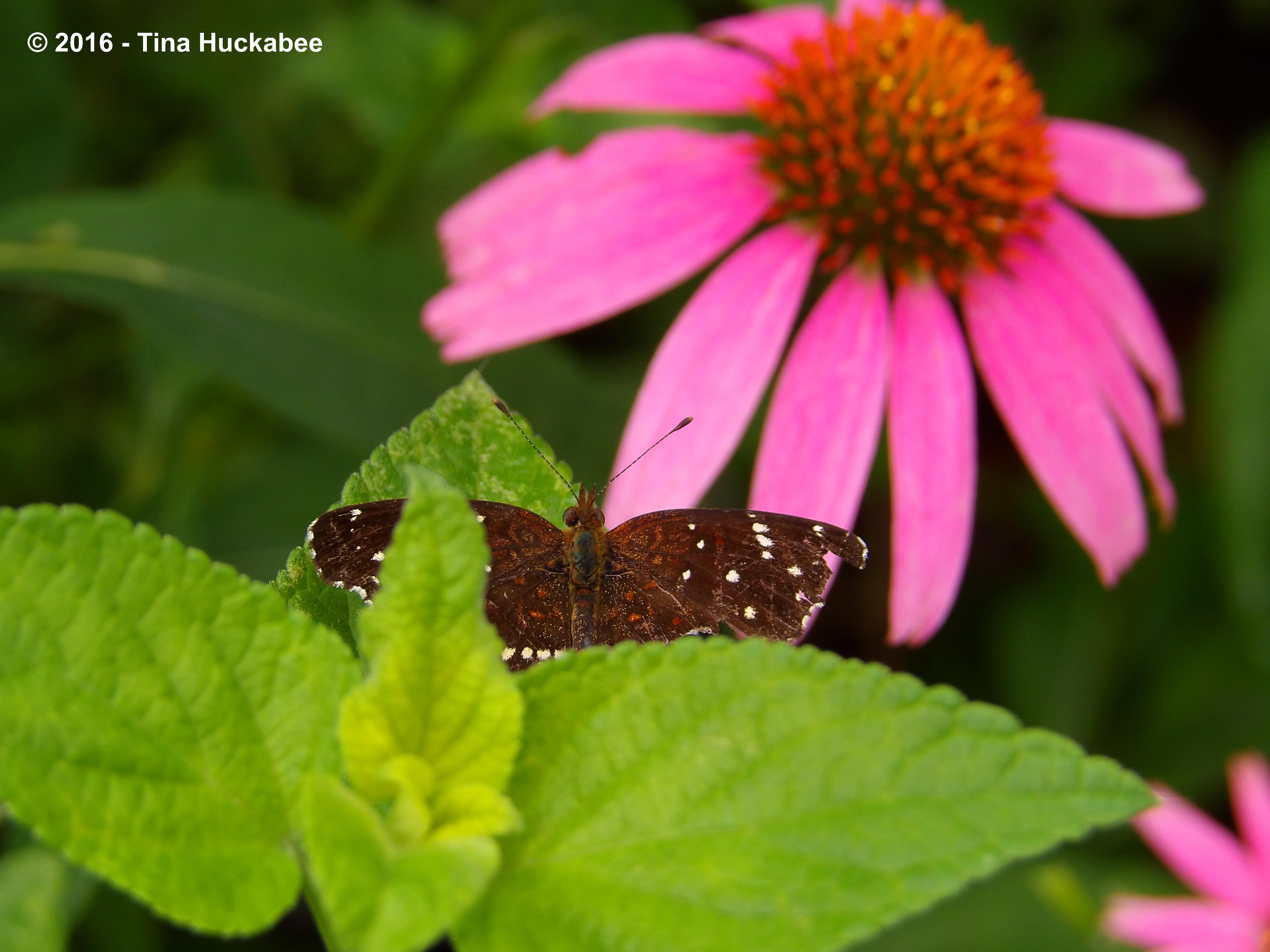
Texas Crescent (Anthanassa texana) considering a trip to the Purple coneflower (Echinacea purpurea)

Pollinators constitute the thread that holds together the world’s food web and native plants production.  Upwards to 90% of native plants are pollinated by insects, birds, and bats; 1 out of every 3 bites of food humans partake of is pollinated by (primarily) bees–honeybees, and wild, or native bees.  According to Pollinator Partnership, 1,000 different plants that humans use in a variety of ways are pollinated by pollinating animals,

IMGP7455_cropped_3234x2903..new

American lady (Vanessa virginiensis) at a Purple coneflower bloom

…and in the U.S. alone, pollinators produce products worth $40 billion annually.

IMGP8417_cropped_3903x2968..new

Two-spotted Long-horned bee (Melissodes bimaculatus) at a Purple coneflower

The bottom line is that pollination and pollinators are principal players in the good health of all eco-systems.
IMGP8272_cropped_2498x2640..new

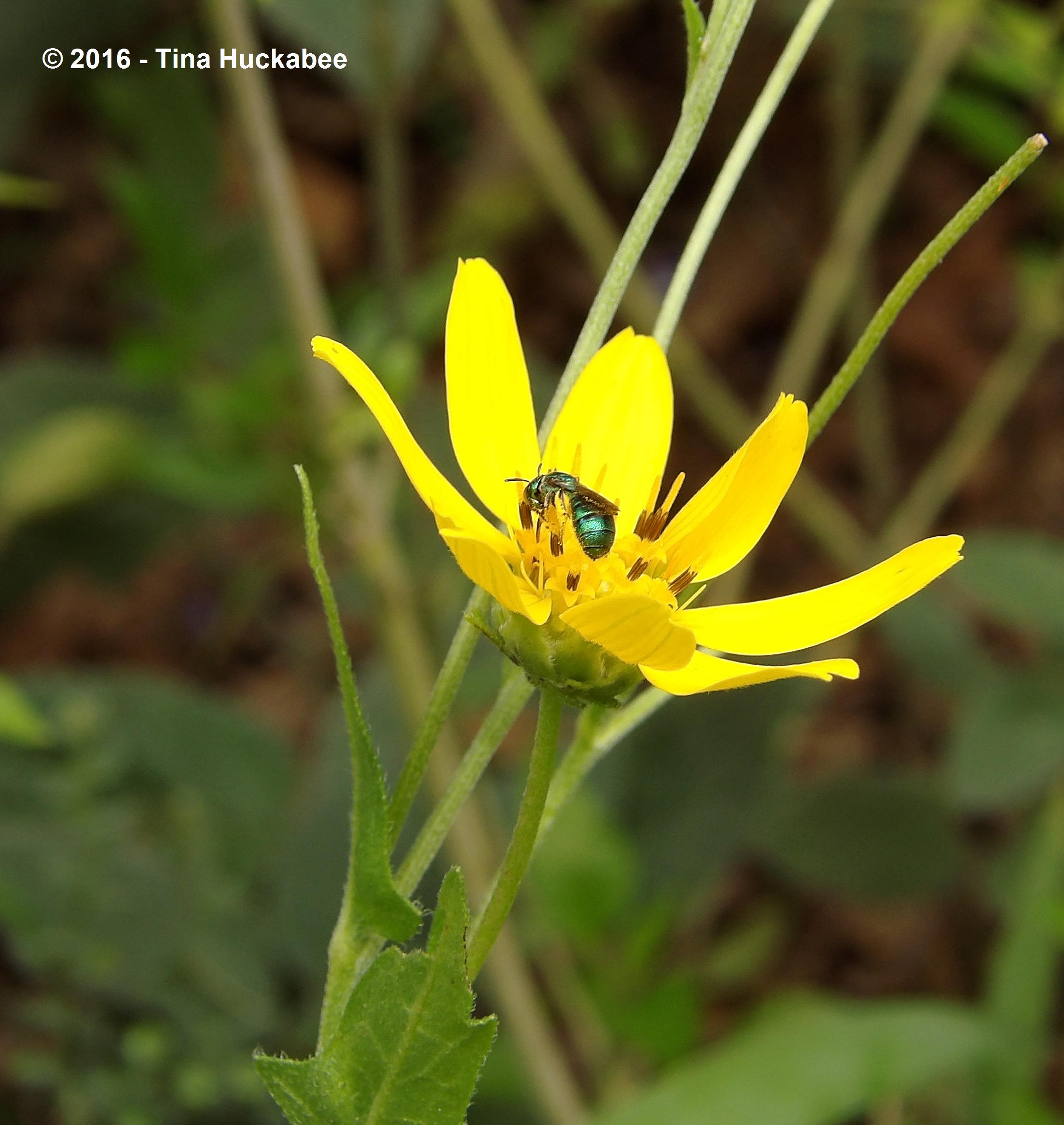
Sweat bee (Augochloropsis metallica)(?) and an Engelmann’s daisy (Engelmannia peristenia)

What is pollination?  It’s the process whereby pollen is moved, usually either by pollinating animals or the wind, to other plants thus assuring reproduction of the plants with development of seeds and fruit–and the next generation of viable plants.

IMGP8527_cropped_2594x2170..new

Fly and Fall aster

Pollination produces new plant life.
IMGP7316_cropped_3765x2700..new

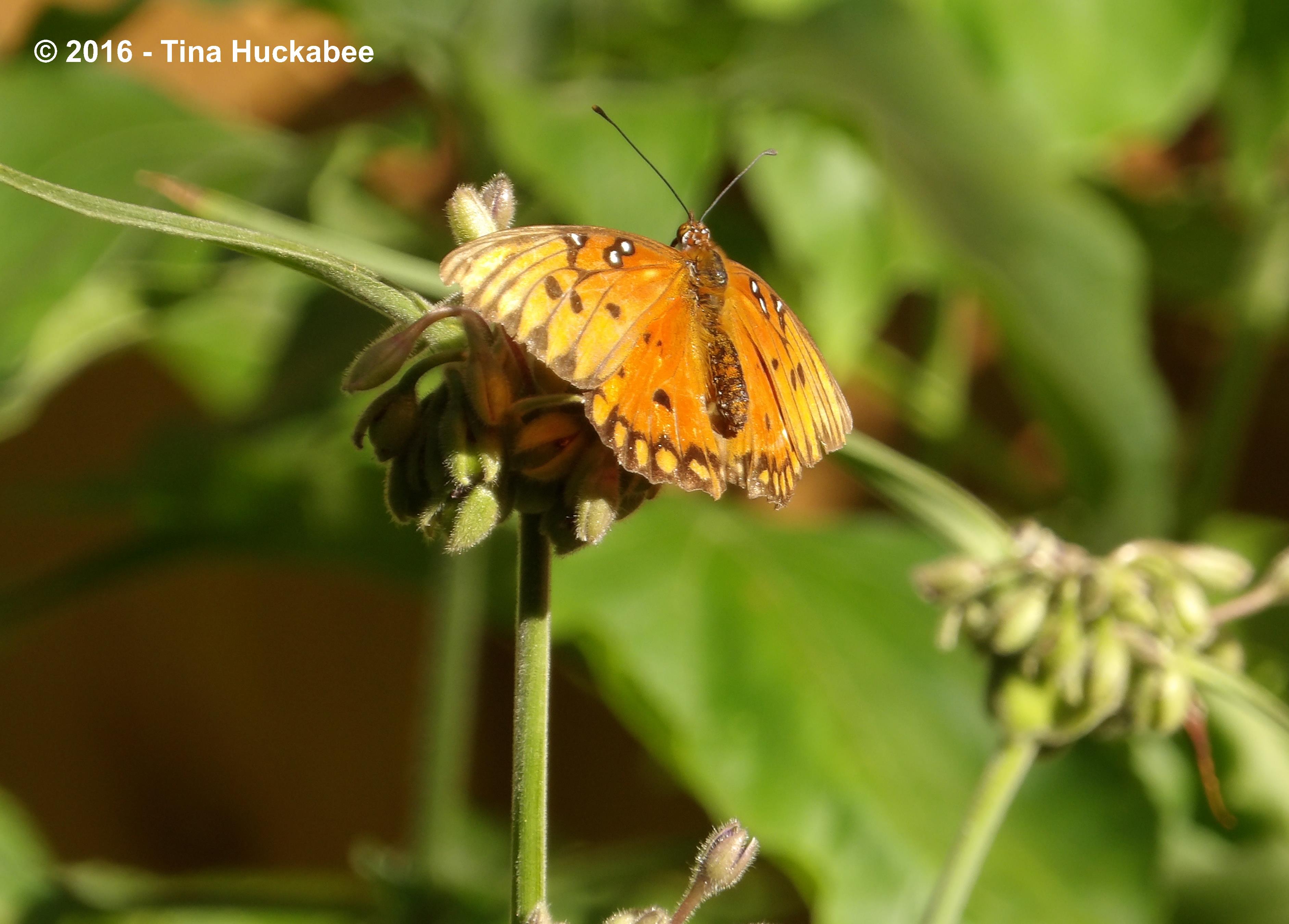
Gulf fritillary (Agraulis vanillae) resting on a Giant spiderwort (Tradescantia gigantea)

What are pollinating animals?  Pollinators include, but are not limited to: birds, bats, moths and butterflies, flies, mosquitoes (Boo!), native/wild bees, and honeybees.  There are many, many other insects that pollinate.  Additionally, in parts of China where overuse of chemicals has killed all natural pollinators, people must hand pollinate some agricultural fields.

That frightening fact should scare all of us into taking care of the Earth’s pollinators.

IMGP8648.new

Honeybee (Apis mellifera) nectaring at a Blue passion-flower (Passiflora caerulea)

We know that pollinators are declining throughout the world because of habitat destruction, over and mis-use of chemicals, certain big agriculture practices, the unfettered spread of invasive plant species and the decline of native-to-region plant species, as well as other reasons, like pollinator diseases.

IMGP8399_cropped_2608x2382..new

Orange Skipperling (Copaeodes aurantiaca) working at a Rock rose (Pavonia lasiopetala)

The outlook for the health of pollinators and therefore, the rest of us, is tricky at best.

IMGP7340_cropped_3074x3189..new

Sweat bee (Lasioglossum) (?) collecting pollen from a Clasping coneflower


So, what can we do?  The easiest thing is to plant for pollinators in our own home gardens, or neighborhood school gardens, or local parks–or all three, plus anywhere else you can think of.

It’s so simple!

Get rid of some (or all!) of the water-wasting turf so common in home and commercial landscapes.  Mono-culture turf feeds nothing, except for problematic insects, and requires more irrigation, more chemicals, and more effort than planting native or well-adapted flowering perennials and annuals.

Once your garden bed is prepared and planted, sit back and watch the show.  If you plant it, they will come.

IMGP8472_cropped_3540x3282..new

Gray Hairstreak (Strymon melinus) working a Purple coneflower

Your garden doesn’t have to be huge, but do plant a variety of blooming plants for the whole of your growing season–the more, the merrier!

IMGP7460.new

Red Admiral (Vanessa atalanta) visiting a Purple coneflower

It’s always best to use native plants if you have access to a local seed source or a nursery that promotes native plants.  But non-native, well-adapted blooming annuals and perennials will also do the pollinator trick.  Ask the nursery or plant provider if any pesticides were used when growing the plants you want to buy.  If so, don’t buy them and TELL the nursery why.  Pesticides and insects are not a good combination–EVER.

IMGP7429_cropped_3567x2839..new

Minor bee (?) nectaring at a Zexmenia flower

Contact your County Extension Agent’s office for a list of good pollinator plants for your area.  As well, locally owned nurseries are usually great sources of information on pollinator plants.  The Pollinator Partnership, Lady Bird Johnson Wildflower Research Center, and National Wildlife Federation are all excellent on-line sources for learning about pollinators and how you can be a part of the solution to their problems.

IMGP7463_cropped_3544x2867..new

Three honeybee amigos hanging out with three Purple coneflowers .


Pollinators are beautiful.
IMGP8394_cropped_3913x3378..new

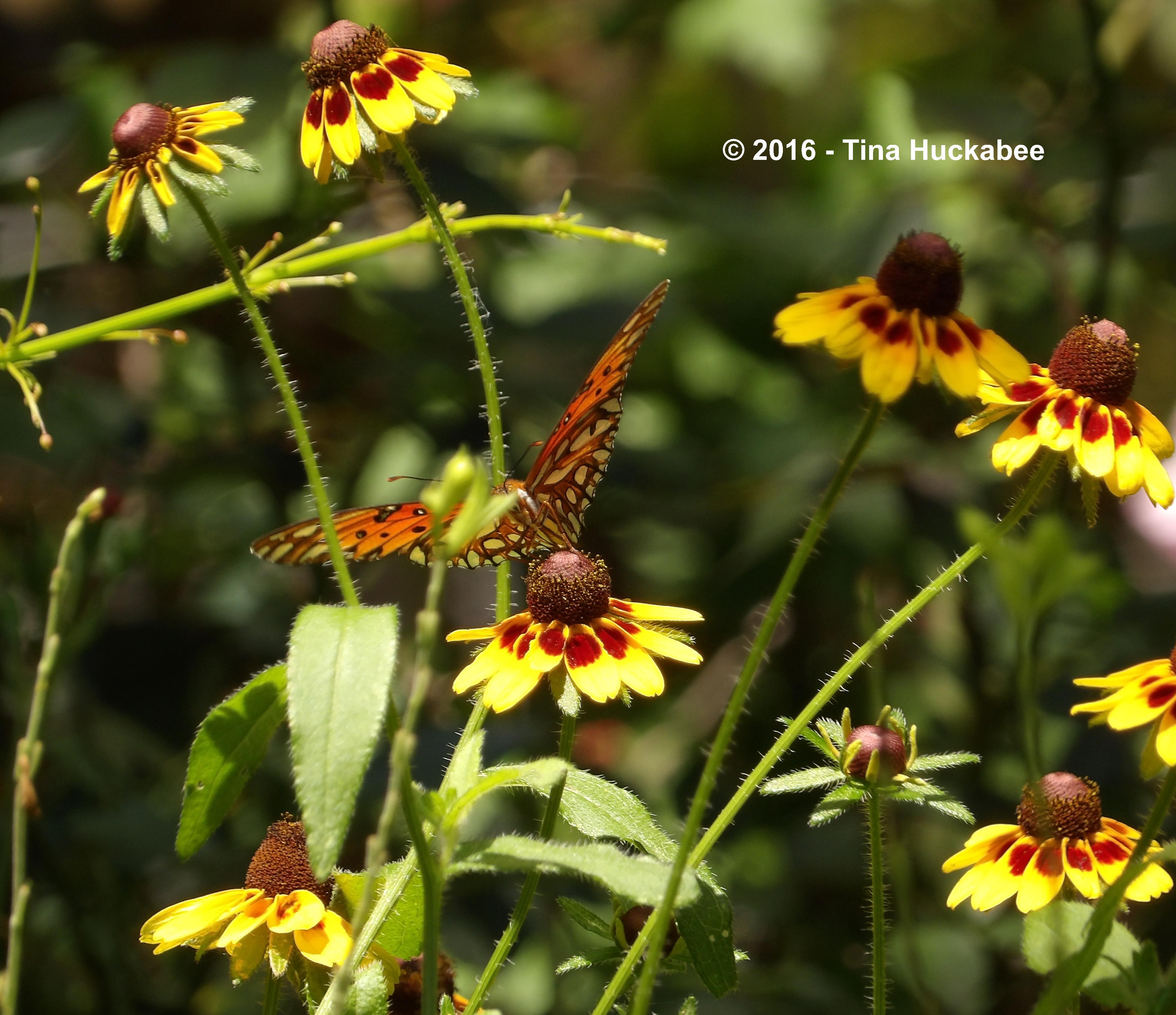
Gulf fritillary visiting Clasping coneflowers


Pollinators are vital links in the fitness of the Earth’s eco-systems.
IMGP8397_cropped_3253x2498..new

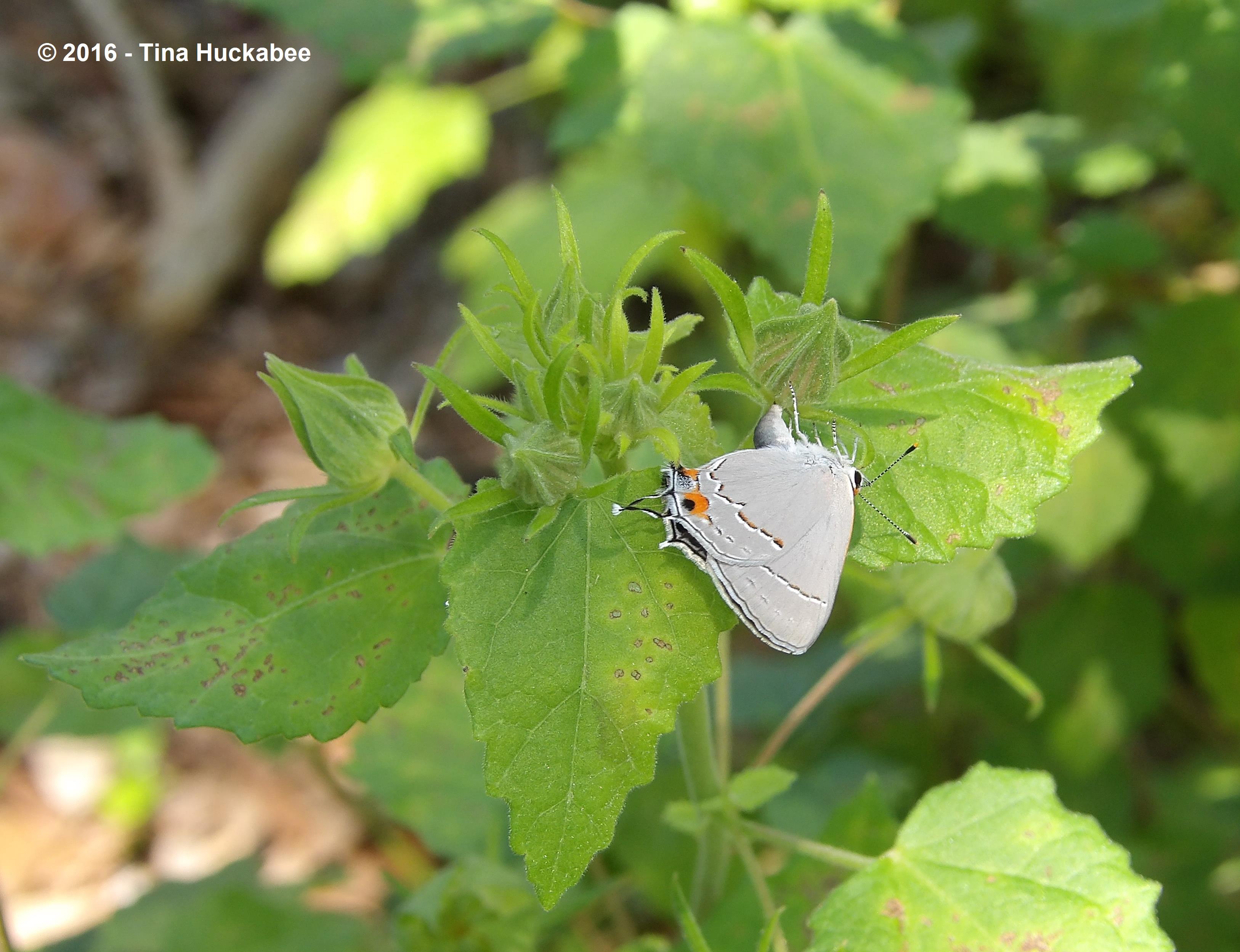
Gray hairstreak resting on the foliage of Rock rose

IMGP8402_cropped_3382x2876..new

Minor bee (?) heading for the nectar and pollen of a Winecup (Callirhoe involucrata)


Pollinators deserve to live and thrive.

IMGP8450_cropped_2488x2373..new

Soldier beetle  (Cantharidae family) sipping nectar from a Purple coneflower

IMGP8451_cropped_3005x2723..new

Plant for pollinators in your garden.  Encourage neighbors and community organizations to do the same.  Lobby your local, state, and national representatives to set aside land so that these essential creatures can continue their work and contributions to the well-being of our world.

Happy National Pollinator Week!

IMGP8426_cropped_3240x3222..new

Pipevine Swallowtail (Battus philenor) resting on Turk’s cap (Malvaviscus arboreus) foliage

Bee Mama Missive: Mufasa No More

Mufasa, one of the two beehives that Bee Daddy and I have fretted and fussed over, has died, or if not dead,  is mostly on her way out.  Unlike her namesake, she wasn’t pushed off a steep edge by a rival, but sadly succumbed to an all too common infestation of honeybees:  varroa mites.

That’s what we think, anyhow.  In December, long after our last hive check of the year before the days grew chilly, I was out and about in the back garden.  I noticed some bees crawling along an open space in the garden a little ways in front of where Scar and Mufasa are situated.  Then I realized that it was more than just a few bees–indeed, there were hundreds of bees crawling along the ground.  I observed this massive and confused exit from the hive for several days, reading what I could about what I was observing.  I contacted a leader of the Austin Area Beekeepers Association and he confirmed what I suspected:  my honeys were abandoning the hive because of sickness from a varroa mite infestation. Varroa mites, Varroa destructor, are probably the greatest single threat to honeybees.  The mites have a complicated life cycle, but essentially they  feed on the blood of adult bees and the brood, causing disease, deformities, and general mayhem in honeybees.  I didn’t witness any deformed wings which is a common visual symptom of disease, but Mufasa’s honeys exited the hive in droves and that’s another sign that the bees are infected and dying.

The honeybee expert I consulted called the  honeybees leaving Mufasa, “walkers.”

Zom-bees.  That can’t be good.

Not only were the bees walking out of the hive, but they were dying in droves.  They died along the landing board,

IMGP3287.new

IMGP3285.new

…and were in piles on the ground around the beehives.

IMGP3288.new

Sob.

My bees are BeeWeaver bees, touted as  varroa resistant through genetic selection of queens resistant to the varroa mites.  Of course varroa resistant doesn’t necessarily mean varroa proof.  BeeWeaver claims that fewer than 5% of their queens will succumb to varroa mites and apparently, Mufasa’s queen landed in that statistical range.

BeeWeaver bees are the descendants of bees who survived the initial onslaught of varroa mites in the late ’80s.  An idea behind their survival is that they’re particularly tidy bees and they rid themselves of varroa when the varroa arrive–and sooner or later, varroa mites will arrive.  Varroa mites are the biggest invasive scourge that North American honeybees and their keepers must deal with.  Bee Daddy and I have been fortunate–this is the first hive we’ve lost in the almost two years since we began this buzzy backyard adventure.

In fact, in early summer of 2014 shortly after we started beekeeping, we removed a couple of frames of comb from one of our new hives and on some of the larvae  I saw several  varroa mites; I just knew that the hive was a goner right then and there. But true to their varroa resistant genetics, the bees rid the hive of the mites and the hive continued successfully,  despite occasional (some might say, constant) beekeeper ineptitude.

Until now.

I think my mistake was in assuming that my bees were immune to an infestation, rather than keeping a keen watch on the goings-on of the hive, year-round, winter included.  I became a complacent bee keeper.

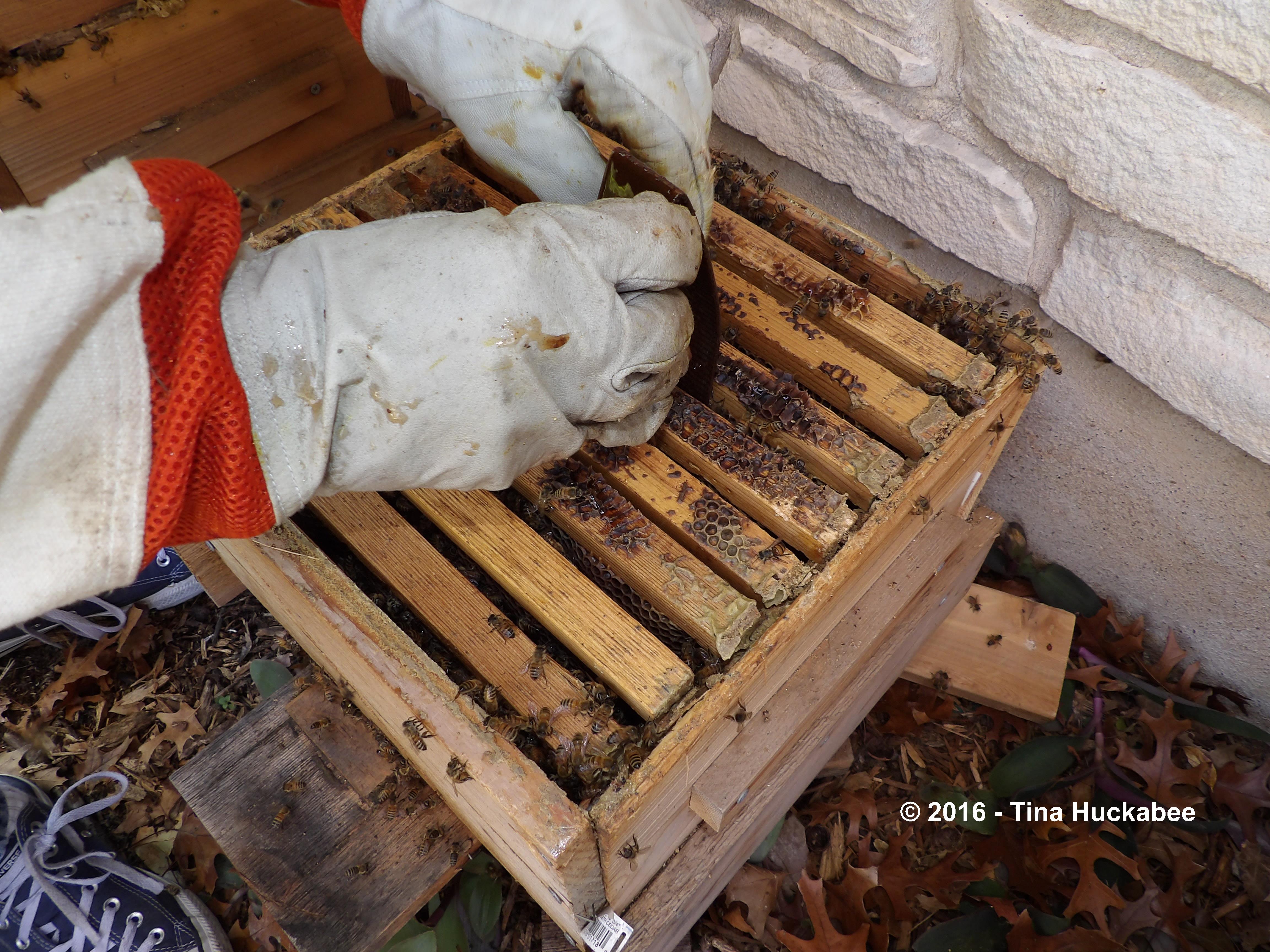
We treated Mufasa with an organic product called HopGuard II, which is made from hops.

IMGP3340.new

Apparently, beer helps all situations.

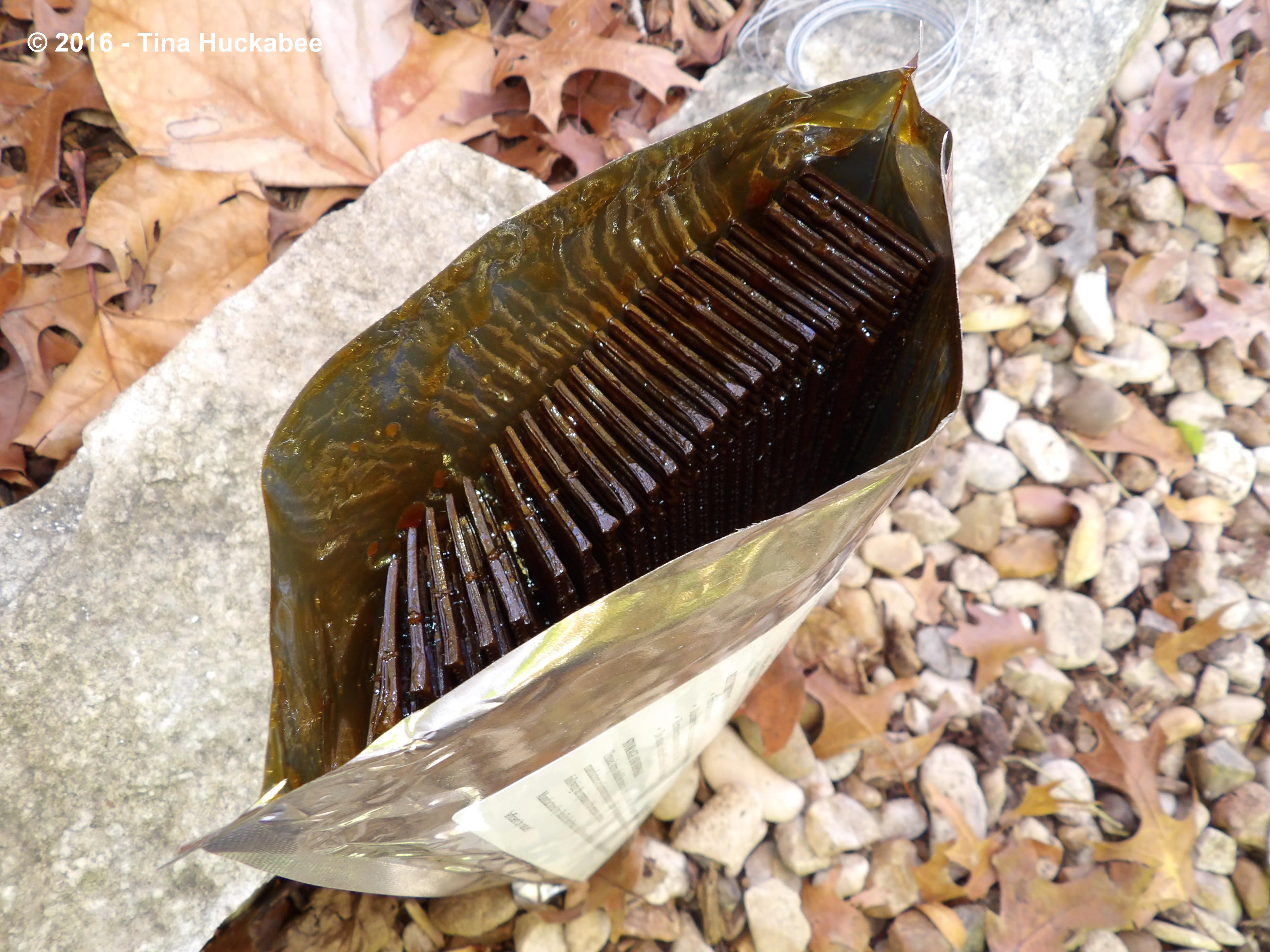
HopGuard comes in a sealed package and contains a series of strips coated with a thick and sticky hops solution.

IMGP3346.new

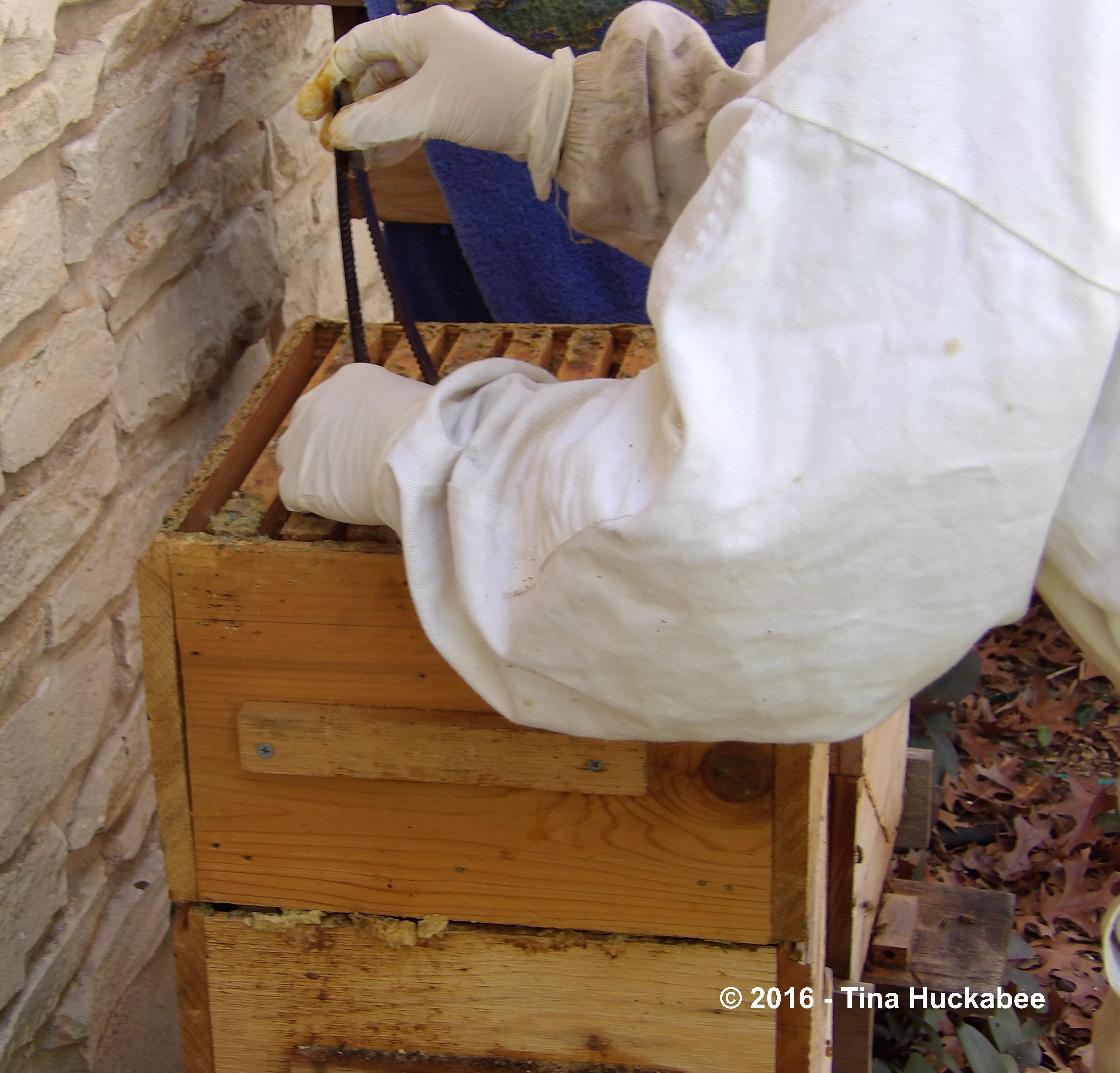
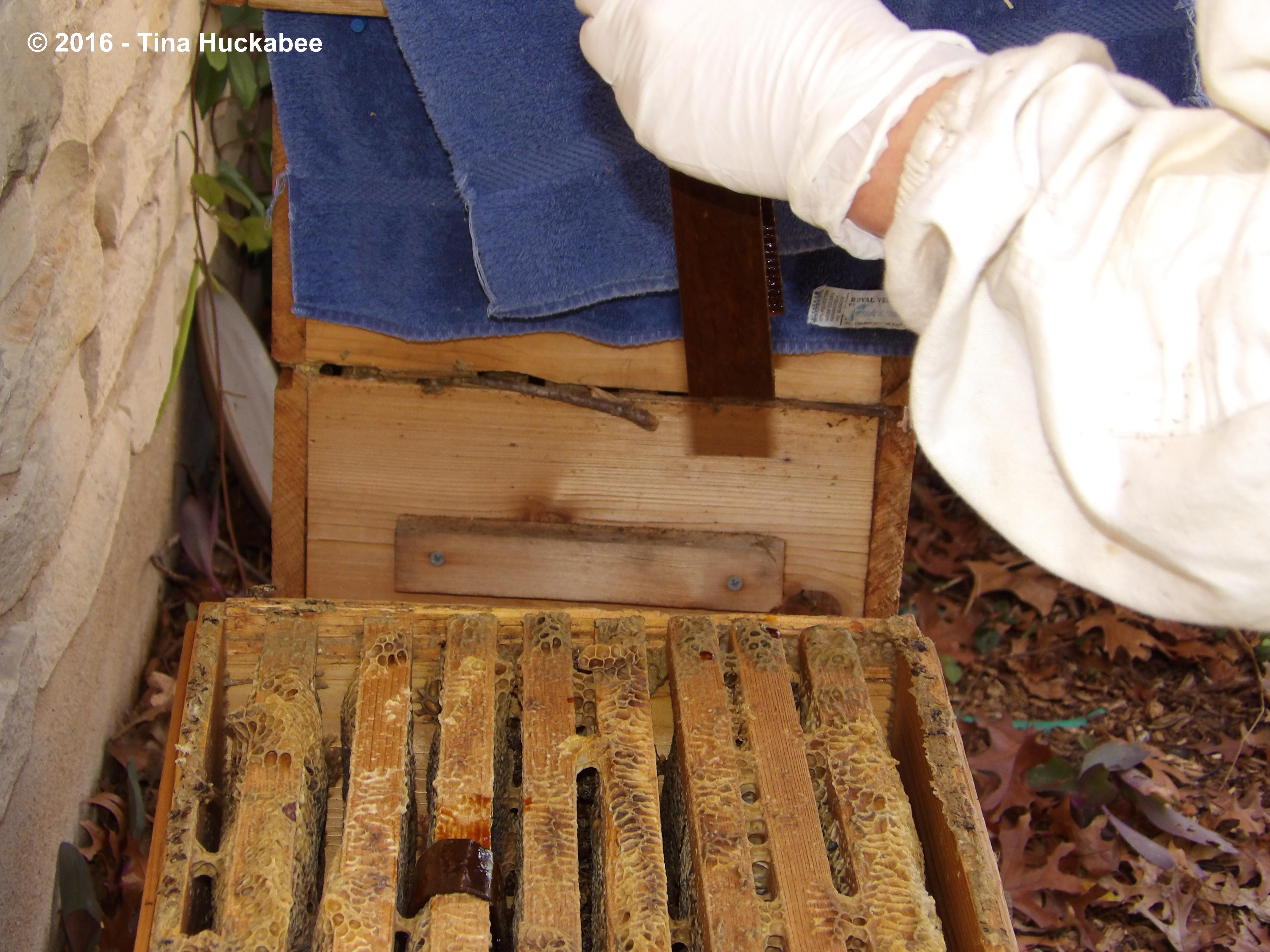
We placed two gooey hops strips in each box of each beehive, each draped over a comb.

IMGP3355_cropped_3419x3276..new

IMGP3351.new

IMGP3353.new

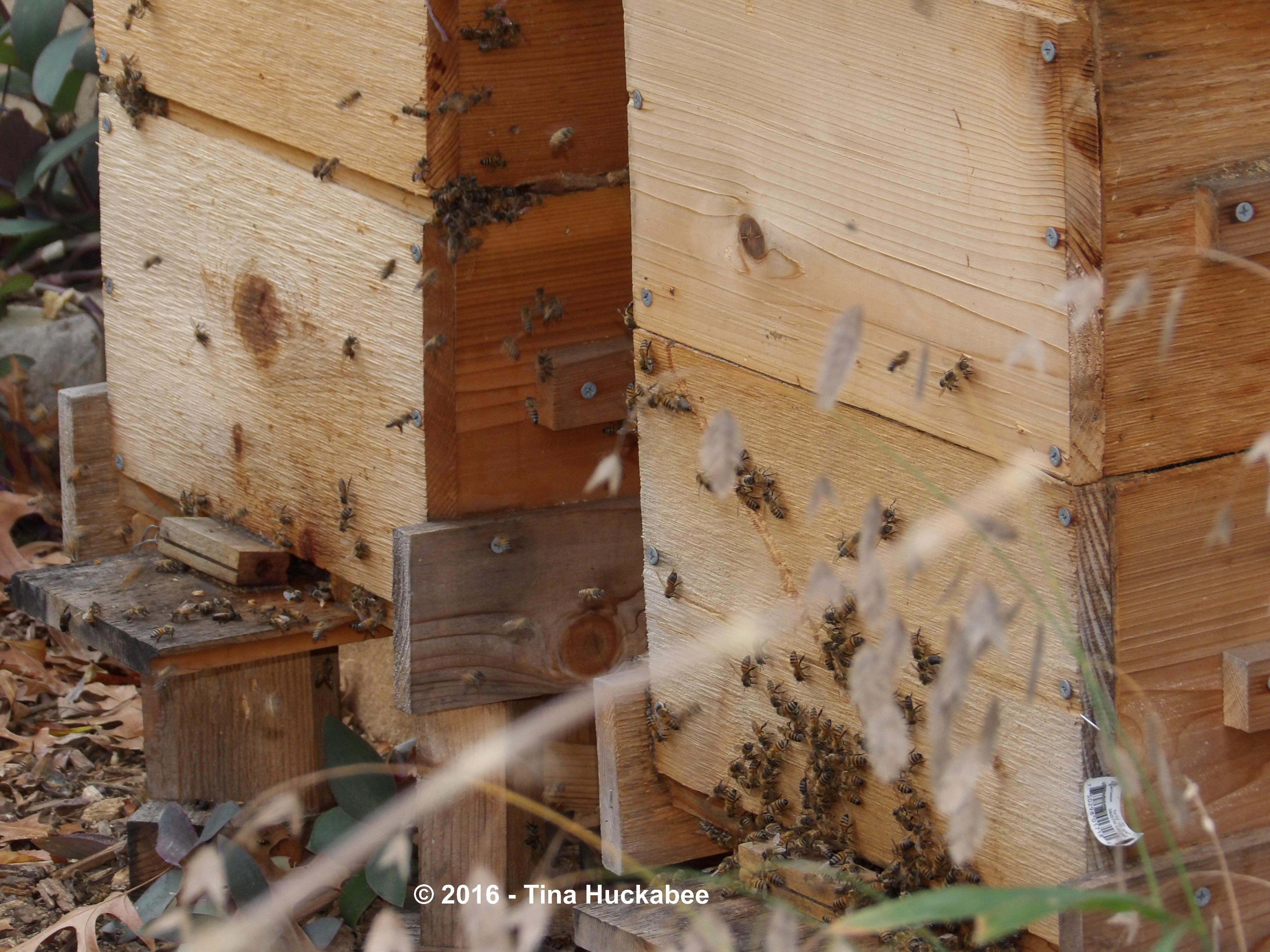
Though not showing any symptoms of infestation, we treated Scar because as Mufasa was dying, she was also robbed of her stores of honey (yes, honeybees do that) and it’s possible the mites could migrate from Mufasa to Scar if we don’t stay ahead of the mite situation.

IMGP3373.new

IMGP3375.new

IMGP3376.new

In this picture,

IMGP3514.new

…there are lots of bees buzzing around Mufasa (left in the photo), but this was taken after many (most?) of Mufasa’s bees absconded and died.  I’m guessing that the bees are Scar’s bees, or even bees from another nearby hive, robbing poor Mufasa with abandon.

The HopGuard procedure was simple enough, though it’s messy.  I could smell the grainy fragrance for a day or so afterwards.

For the moment, Scar appears healthy and we’ll treat with HopGuard II again when temperatures are appropriate.  I’m sad about Mufasa’s death, but life is full of loss and one must learn from experience and move forward.  If we’re going to lose a hive, now is not a bad time.  Bee Daddy is busy making two new Langstroth hives and we’ll have two new  honeybee packages (mated queens each with 10,000 workers) delivered in April. With our plans in place to hive new honeybees in more easily managed and efficient hives, we were going to let Scar and Mufasa just…bee,  allowing them to swarm (if they want) or to just hang out to pollinate and nectar as they see fit.  For Scar and Mufasa we would become honeybee havers rather than honeybee keepers.

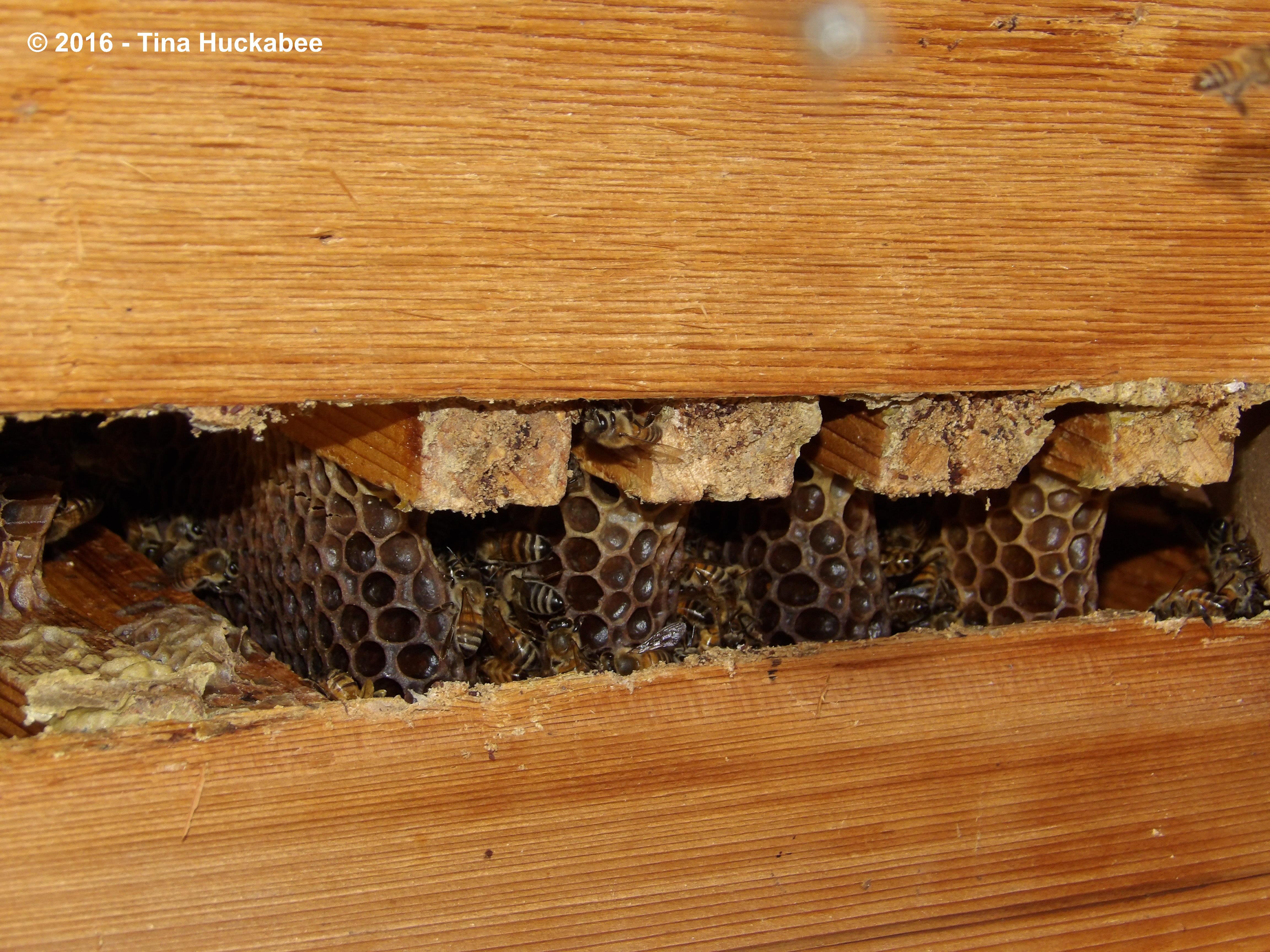
There is a bit of activity in Mufasa even now, though very little; the difference between Mufasa (left) and Scar (right) is telling.

IMGP3379.new

As of this post, I haven’t opened the hive up fully since treating with the HopGuard, but I did peek in about 10 days after treating and things were very quiet, certainly in the top two boxes–I can’t  see into the bottom box.  There was no buzzing and no concerned guard bee coming to the top to check me out, bum in the air ready to warn the rest of the hive of an invader, so I’m guessing there’s little life left. If this winter continues mild, it’s possible that there might be a bit of Mufasa by springtime, but I’m not hopeful about that.  We’ll just have to wait, be patient, and accept the outcome.

In the days that followed the revelation that we were losing Mufasa, I was out dealing with  leaves in the garden.  I spied a probable drowned honeybee in one of my birdbaths.  I hate to see their floating bodies, so I always fish them out and deposit them in a garden;  a garden  seems like an appropriate resting place for a dead bee.  This little girl vaguely waved a leg at me, so I cradled her in my palm in the hopes that my warm skin might revive her,  all the while depositing rakes and other garden utensils in their appropriate places with my other hand.  Within about 5 minutes, she’d revived, was licking off the offending bird bath water and then, without so much as a by-your-leave, she flew off to  her next pollinating date.

The resilience of that little bee was affirming in the wake of Mufasa’s death.  Her drive to live  and continue her community responsibilities and her acceptance of life in that moment, was touching and a good reminder of the importance of purpose.  It’s been a transformative adventure to learn about honeybees–to work in the garden closely with them and to learn about their remarkable lives.  Becoming a backyard bee keeper has also strengthened my commitment to providing for native bees and all the other pollinators so important to the health of our ecosystem.  I’ve loved and planted native plants, focusing on gardening for wildlife in my personal garden and beyond. By actively encouraging pollinators to live and breathe in my gardens by what I choose to plant–or not–I hope to continue an intentional repair of the world, in my own small space, giving respite and nourishment to wildlife despite occasional losses and setbacks.

Lastly, Bee Weaver shared a lovely and locally produced film by  Dylan Tidmore profiling two Austin beekeepers, Tanya Phillips and Chuck Rayburn–and of course, the real stars of the production: honeybees.

Enjoy…learn…appreciate.

Bee Mama Missive: Beetles Bee Damned, Part II

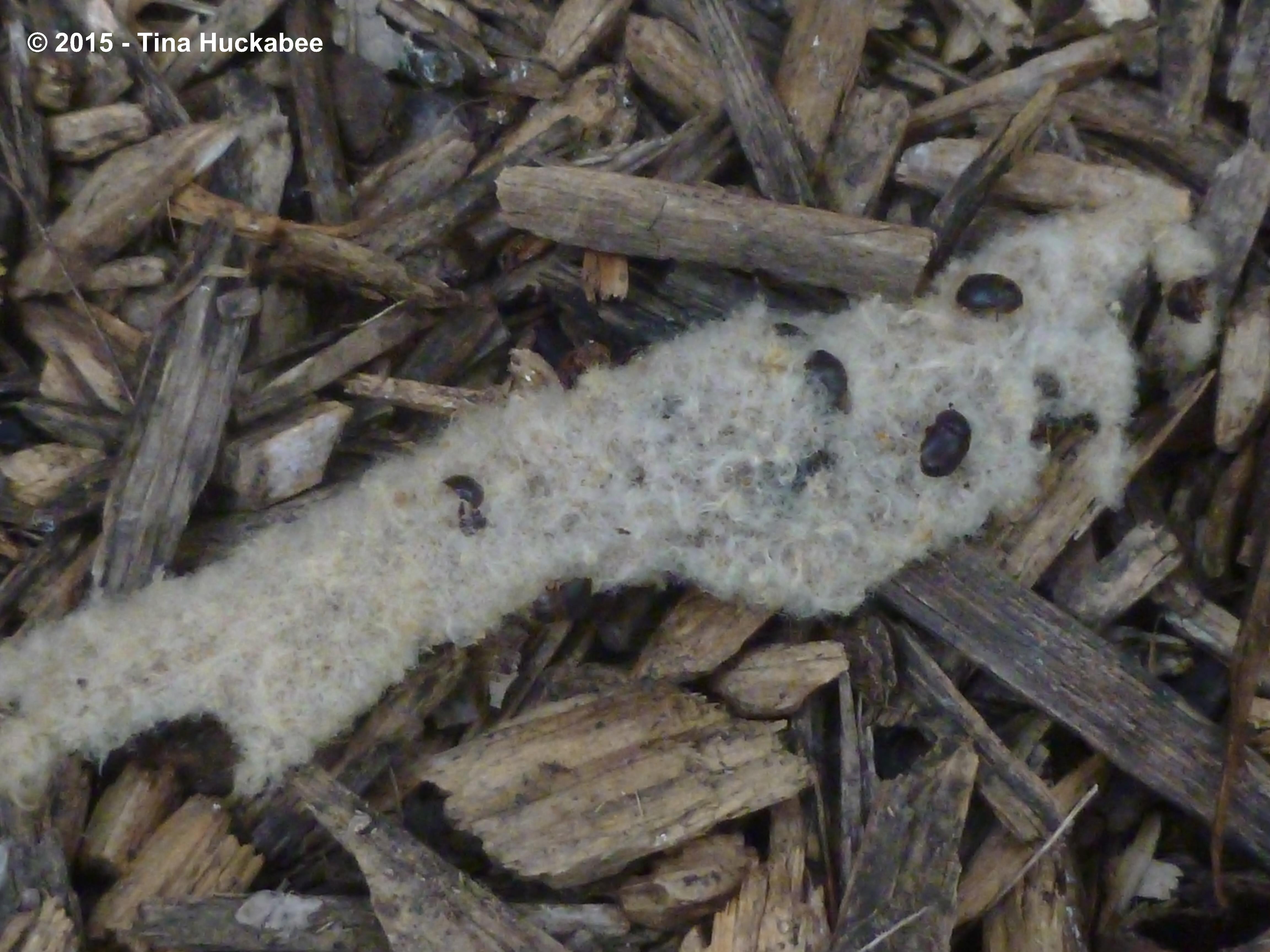
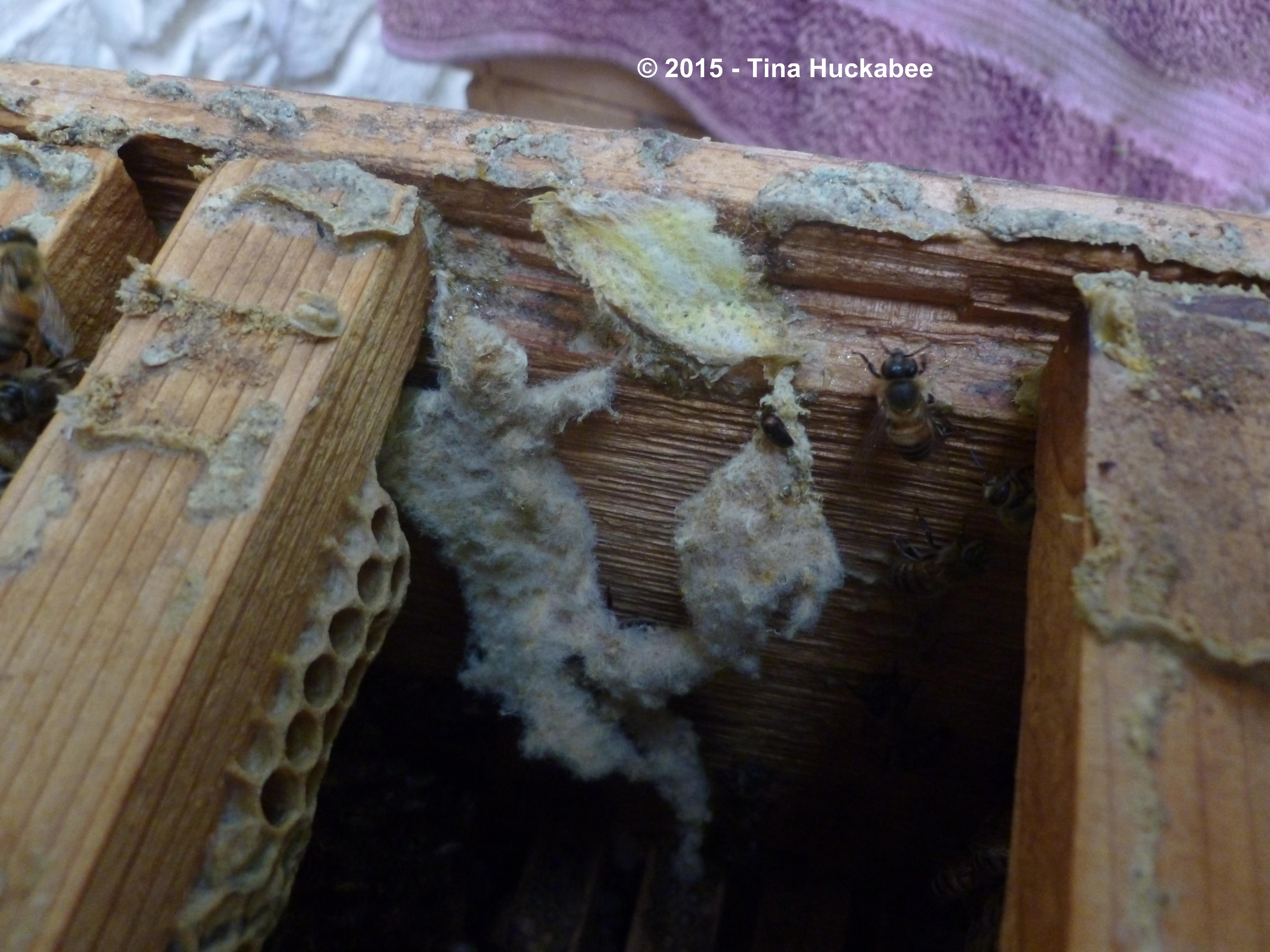
In my last post I promised an update on the Small Hive Beetle, Aethina tumida, (also known as SHB), infestation of our beloved Scar and Mufasa hives.  SHB can wreck honeybee hives by damaging comb and spoiling honeystores; they can be the death knell of weak hives.  We’ve had more of the SHB making themselves at home in our hives this summer, due (probably) to the wet spring.   Bee Daddy and I  are attempting to control their population and help our bee-gals gain the upper hand against these noxious creatures by setting non-chemical traps.  We checked the hives twice, once in late August and again, two weeks ago, and the Beetle Bee Gone traps continue to do what they’re supposed to do–trap beetles.  Yay!

P1070814.new

P1070813.new

Scar, the weaker of our two hives, had very few beetles at last check–which is excellent.  Mufasa, though stronger, still had more beetles than I’d prefer, but significantly fewer than at the beginning of summer.

P1070842.new


We’re doing our part and the honeys are doing their part. Just as we were preparing to open up the hives, these girls were cleaning out the bee ‘hood.  They were removing some of the fuzz, beetles entrapped, from the hive.  I smoked the bees, then pulled out the  material so the girls could put their efforts toward more important work.

P1070806.new

Hmmm.  I wonder if I could get them to clean my house?

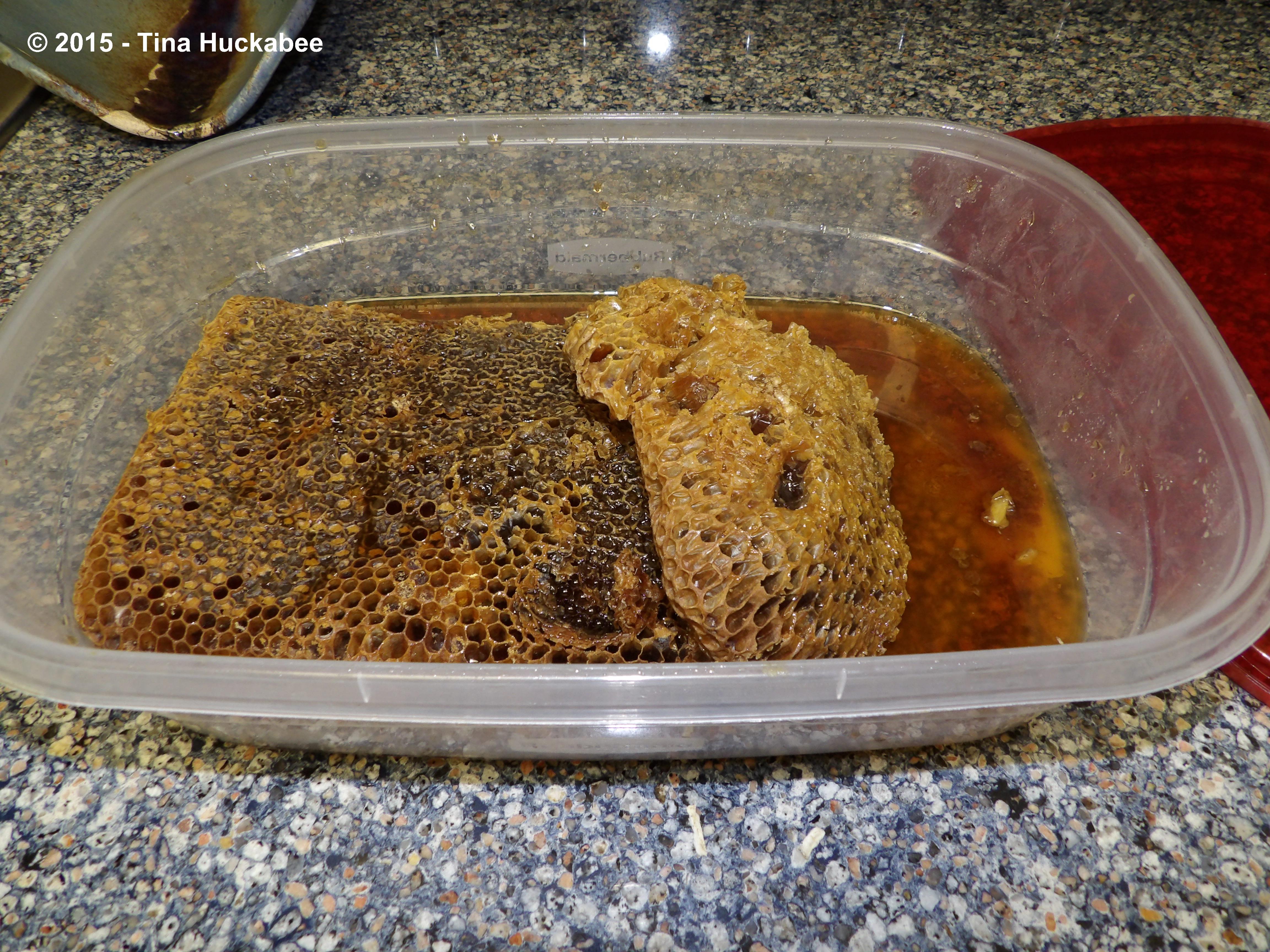
Both hives also had capped and uncapped brood and Mufasa was so flush with full honeycomb that we harvested one comb, though I haven’t had time to squish and drip the golden glory into bottles.  I’m guessing this haul is worth about 24-32 ounces.

IMGP1520.new

Once our autumn blooming season kicks into gear, the bees will be in honey flow mode and more of the gorgeous goo will be made for winter storage.

IMGP0308.new

We’ll pull some off for ourselves, leaving the bulk of honey for the bees to nosh during the cold and the dark of winter. Not that it gets that cold and dark in Central Texas, but yeah, we do have winter!

Sort of.

All good news on the honeybee front for now!   I will check the hives again soon, but am confident that the SHB have declined and are no longer threatening our darling girls.

Go honeybees!