Heartleaf Skullcap, Scutellaria ovata, is a perennial that some gardeners love to hate.
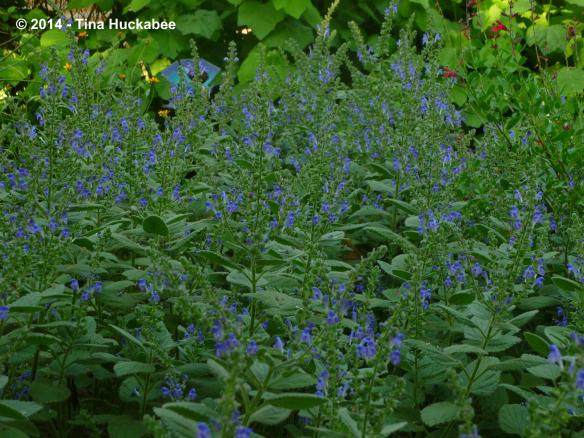
I am not one of those gardeners and I am here to sing Hallelujah praises for Heartleaf Skullcap. From its rich blue-grey foliage,

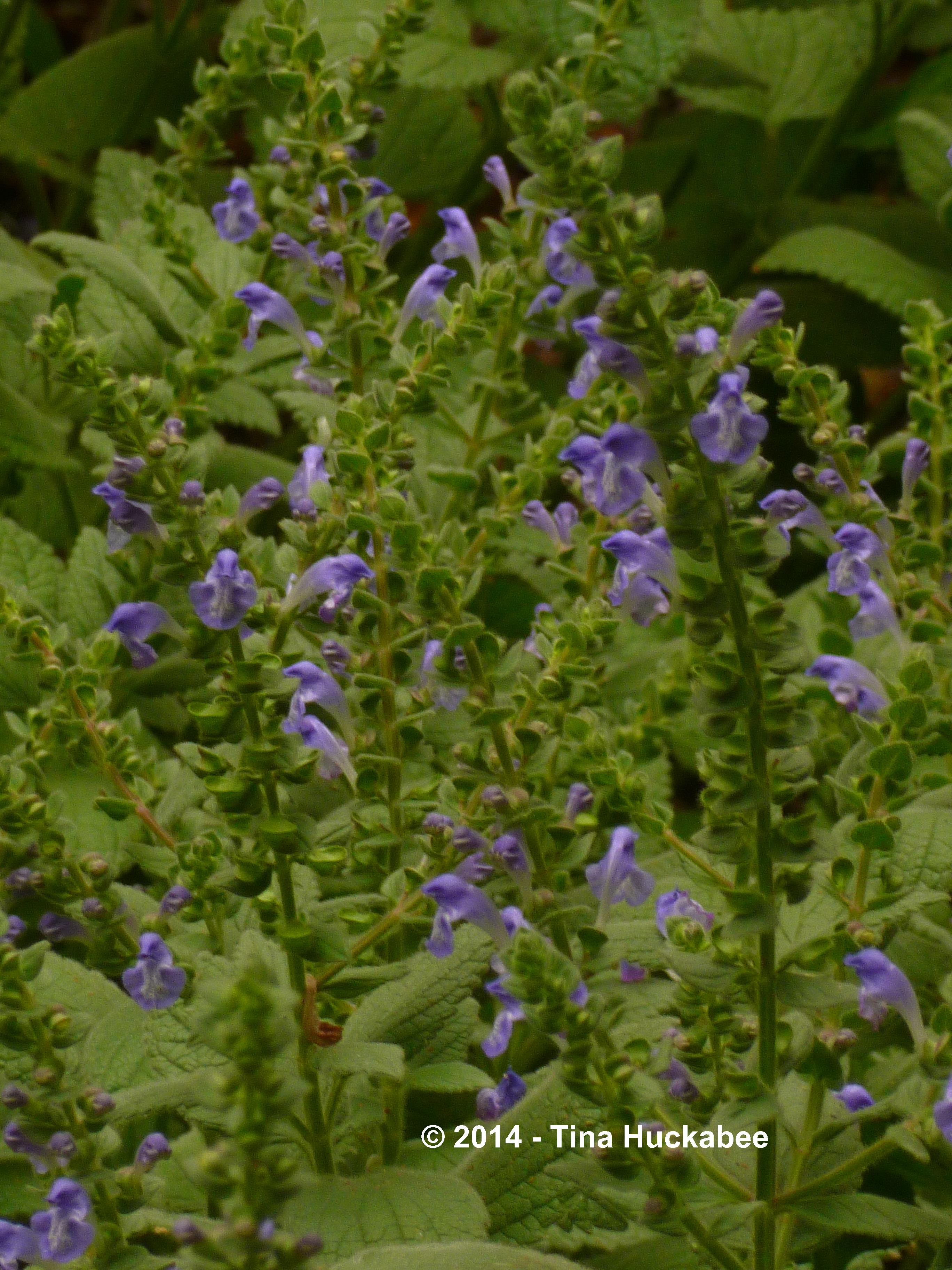
to its gorgeous blue-violet blooms,

to its ability to grow lushly in a garden as a drought tolerant and hardy perennial

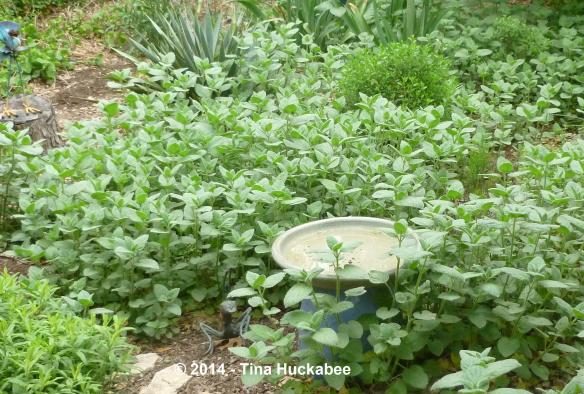 …Heartleaf Skullcap is an excellent choice for filling in newly established or troubled areas and as a stunning spring-blooming, evergreen ground-cover.
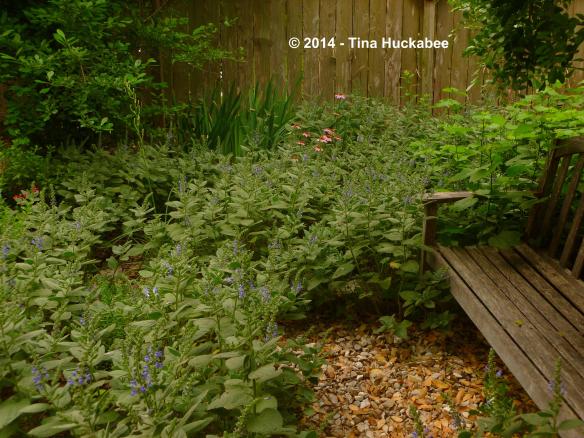
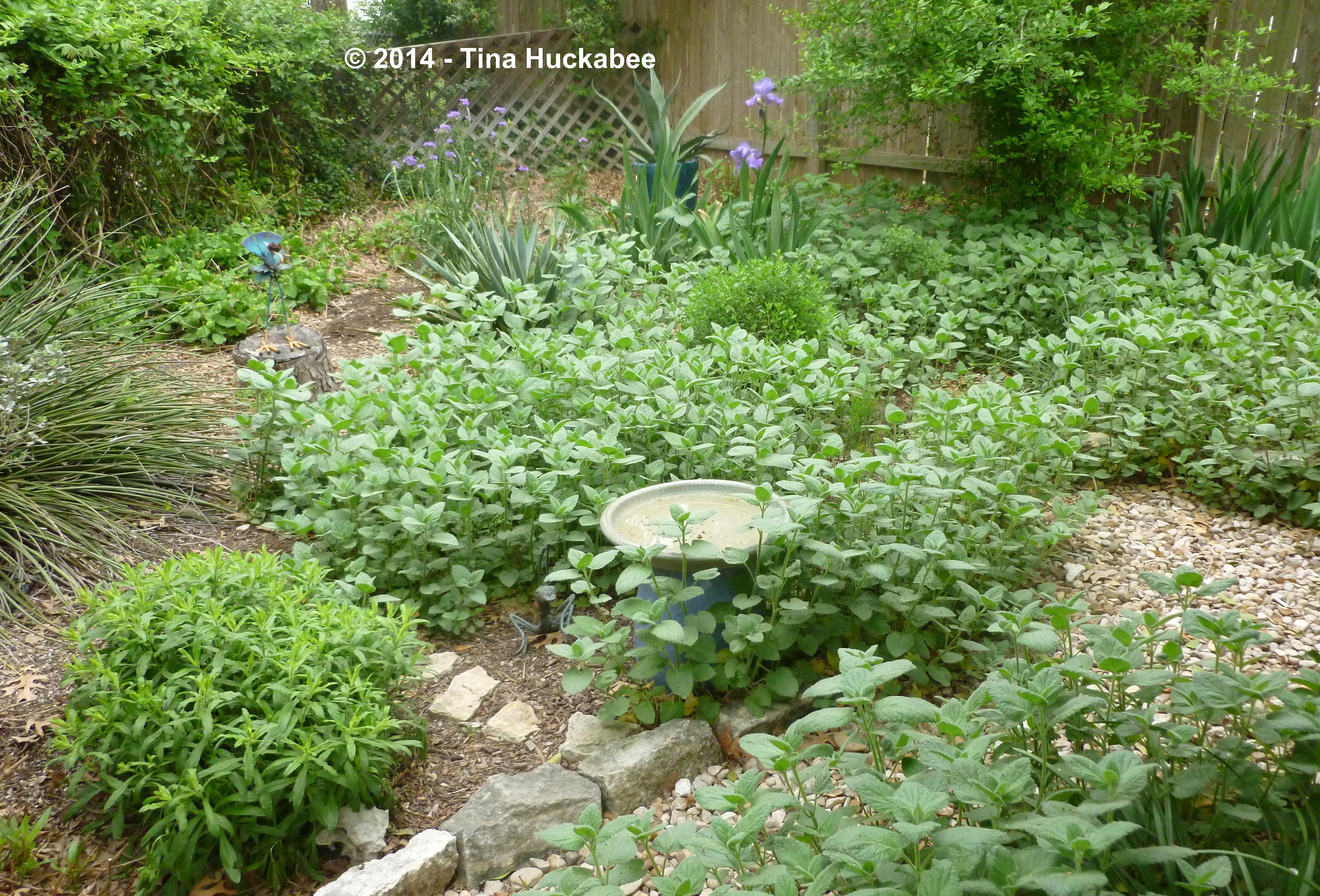
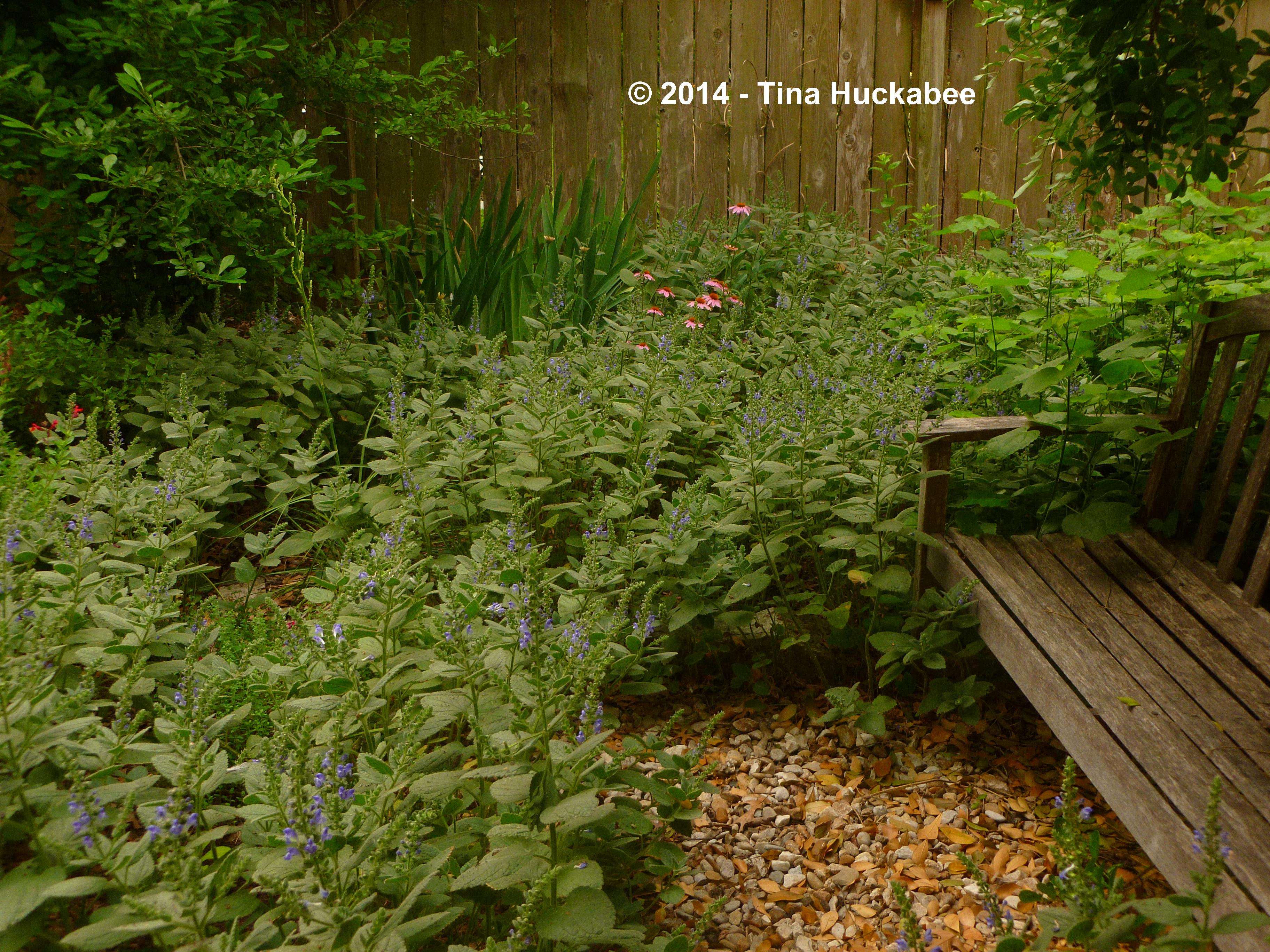
Continuing the series A Seasonal Look, I’m profiling Heartleaf Skullcap’s growth cycle in Austin, Texas. This plant enjoys a wide native range, growing from “Maryland to Minnesota and southward to South Carolina, eastern and central Texas and Mexico” according to the Lady Bird Johnson Wildlife Center’s page on Heartleaf Skullcap. I’ve grown this plant for about a decade. I was gifted a clump with roots and I planted it in this spot, to the right of the bench

and it did nothing for 4-5 years. Then it decided to grow,
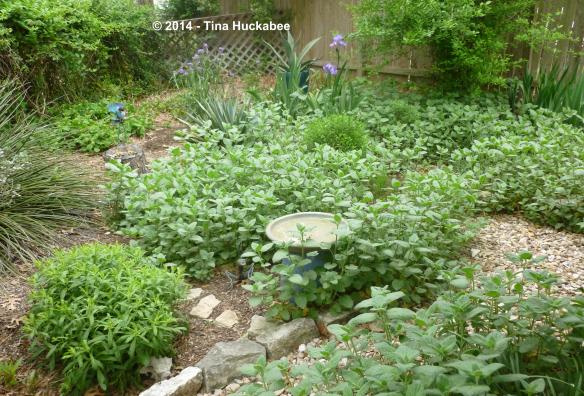
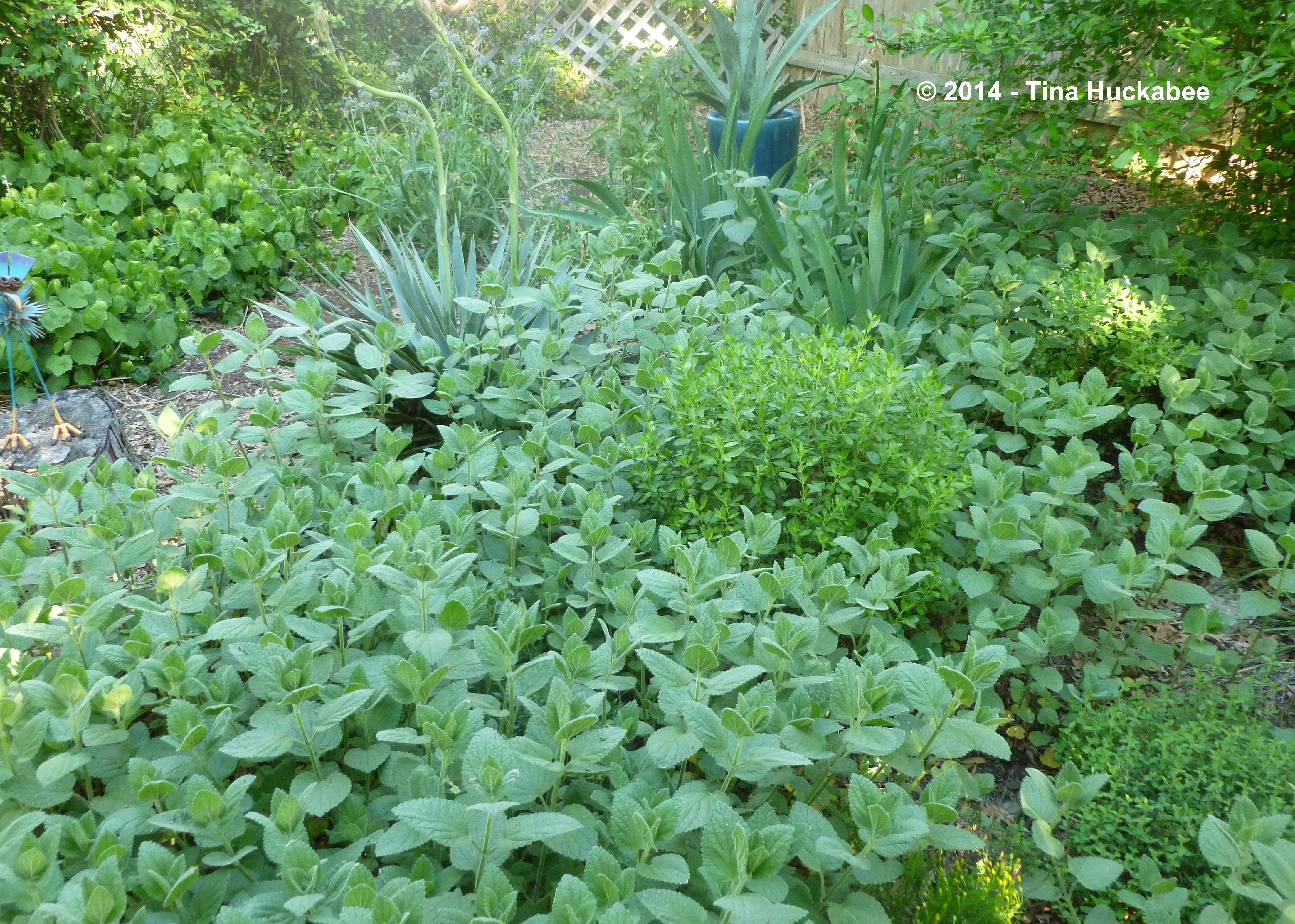
and spread,

and flower.
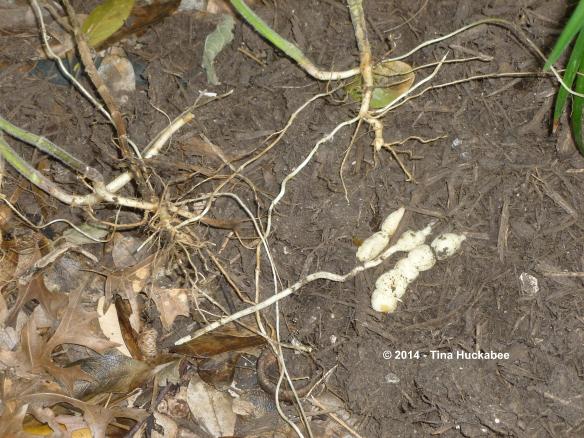
Heartleaf Skullcap propagates by its seeds and through its fleshy rhizomes and spidery roots.
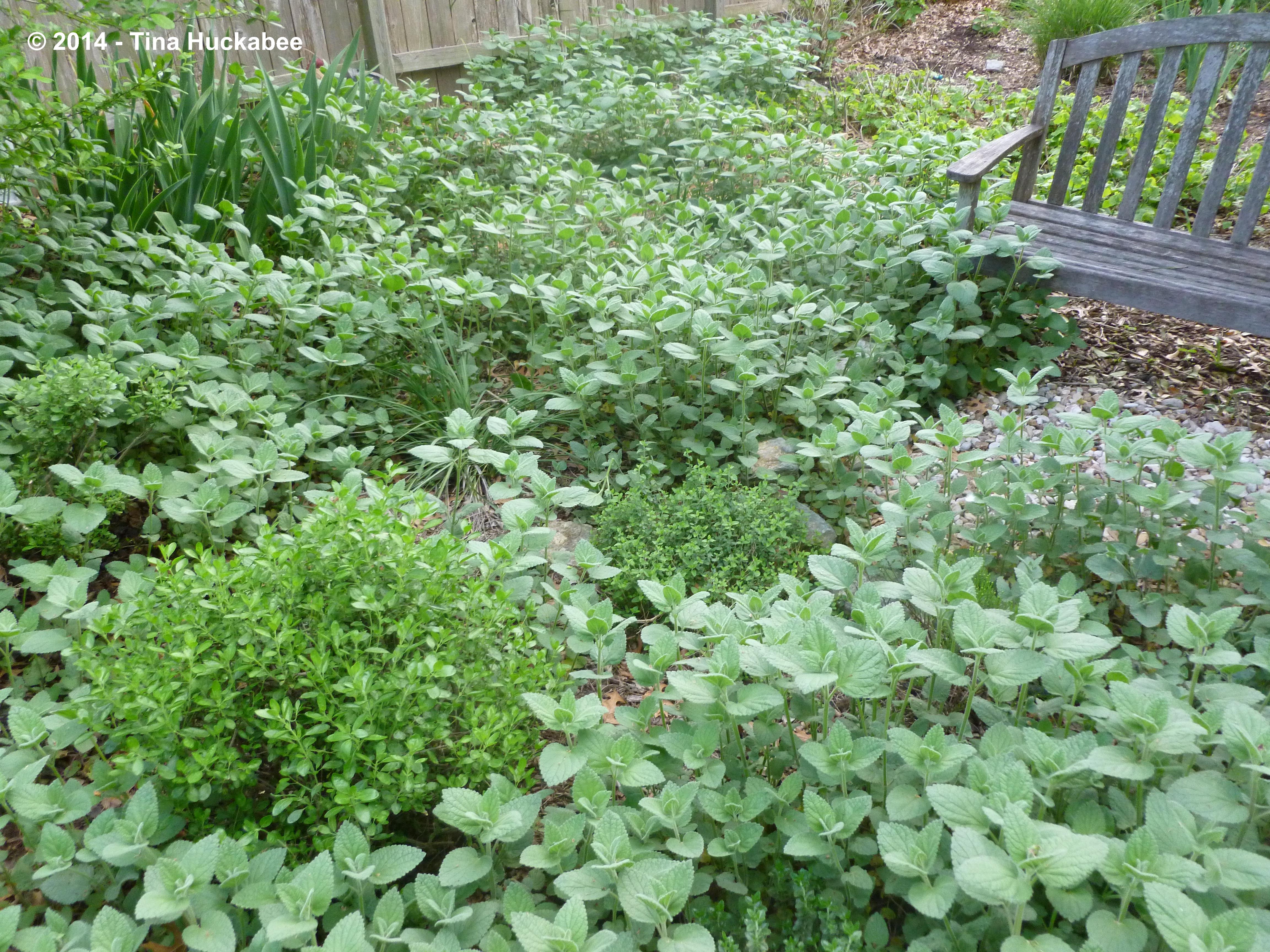
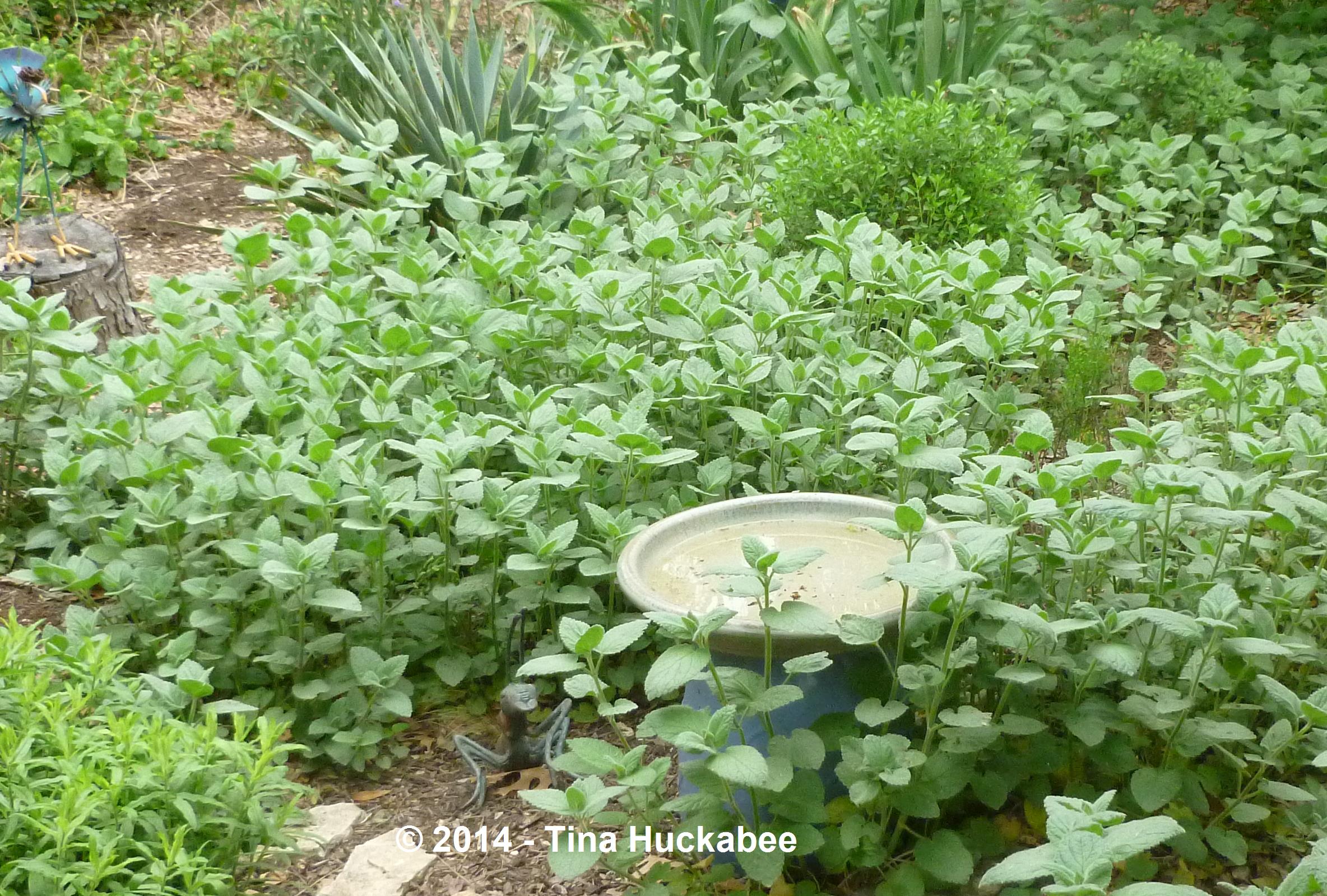
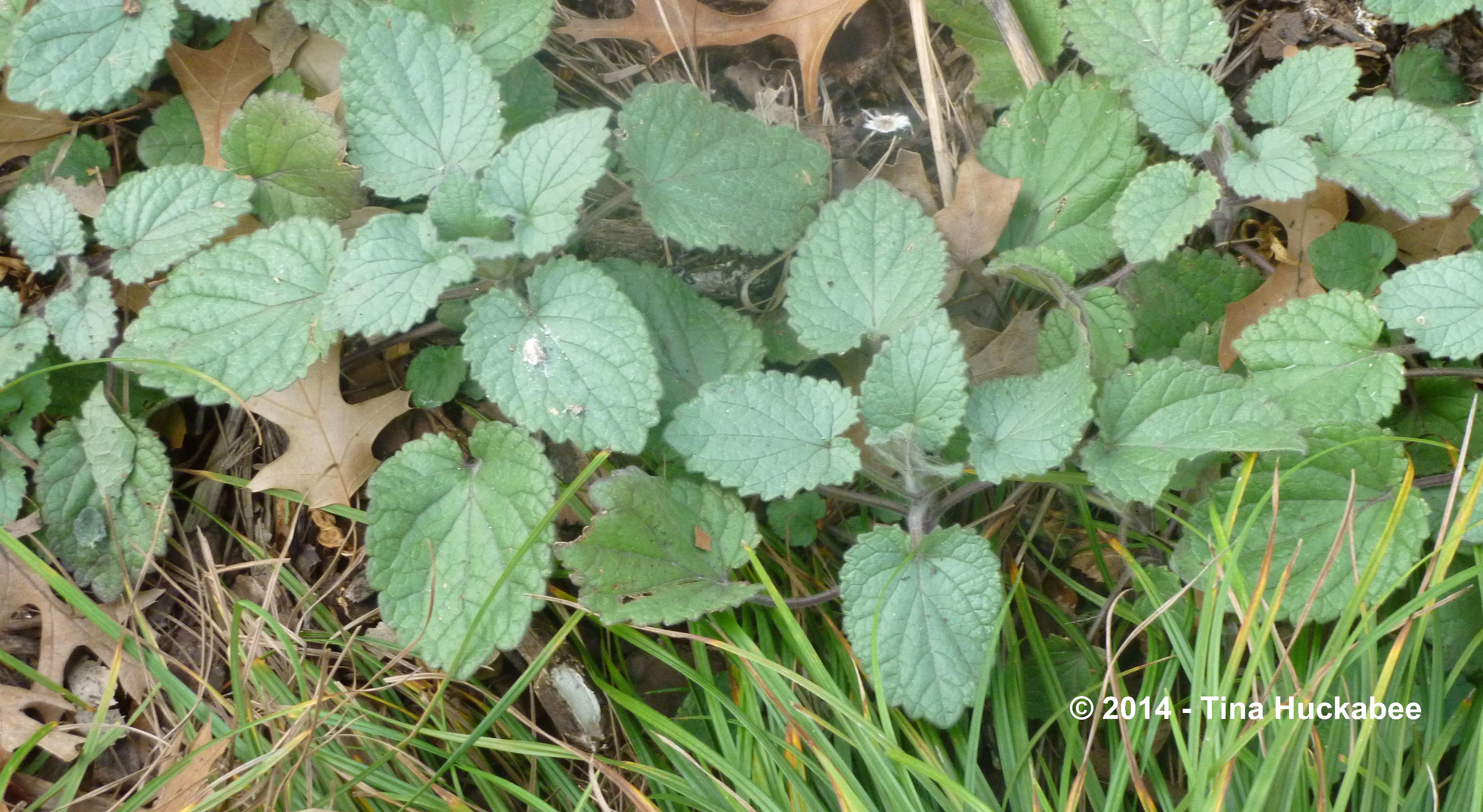
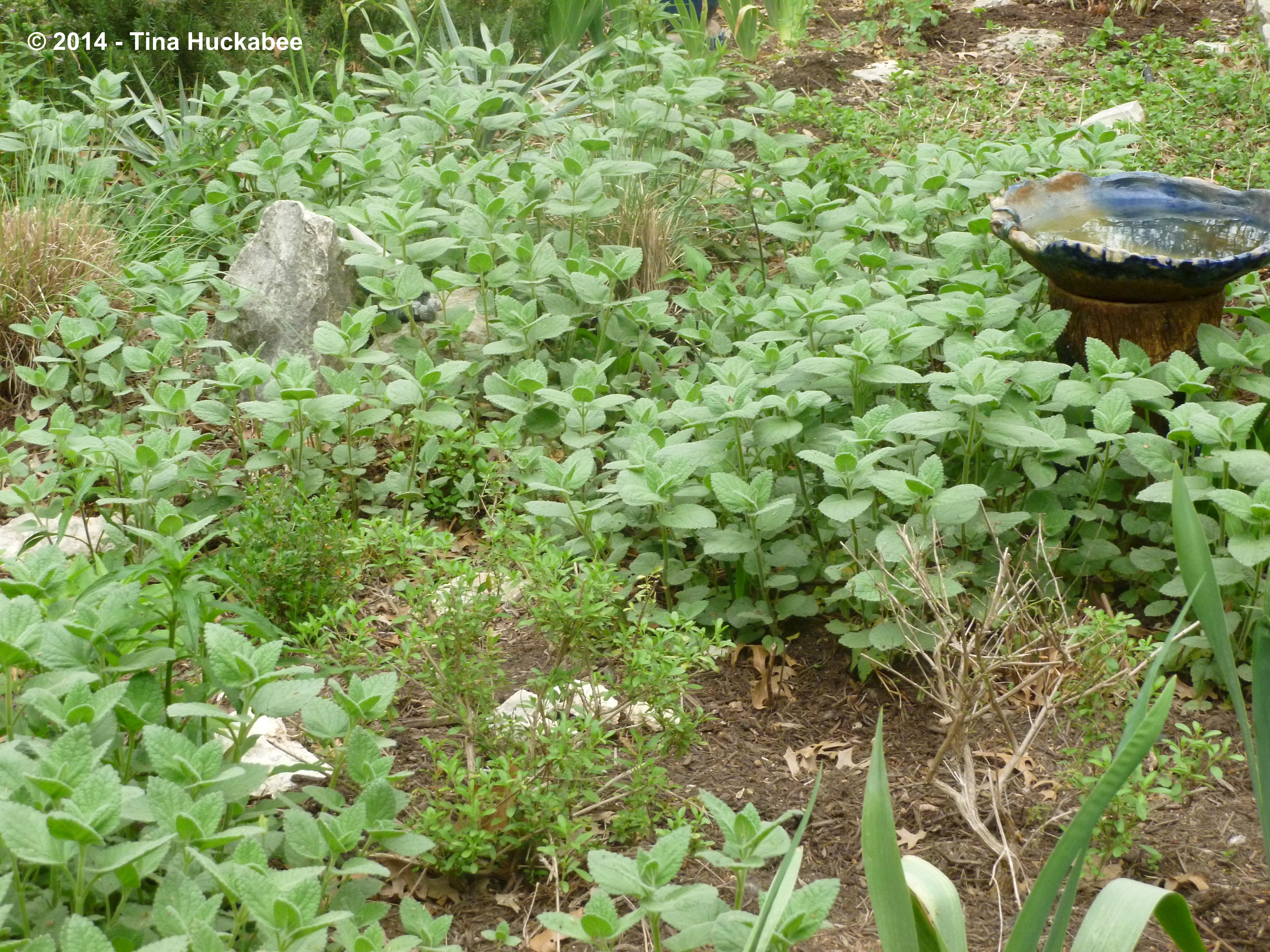
Here in Austin, beginning mid-October (or so, depending on rainfall) the dormant-since-summer perennial re-appears. It pops up in established areas first,

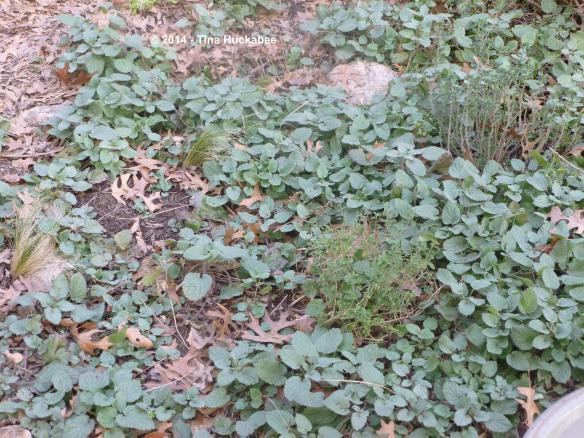 emerging in other spots throughout fall and winter. It’s a cool season plant throughout its native range, enjoying a well-earned siesta during the heat of summer. Throughout our cool seasons, I pull it up where I don’t want it, as it multiplies into pathways or hugs too close to the root base of established perennials.
It’s a plant that comes up easily–many’s a time that I’ve weeded Heartleaf with one hand while holding a cup of coffee with the other. Heartleaf Skullcap is winter hardy; even in our coldest cold snaps, the beautiful, fuzzy foliage proves a lush ground cover for those inevitable bare spots which develop as herbaceous perennials freeze to the ground.
I’ve heard gardeners call Heartleaf Skullcap “invasive” –I beg to differ. This perennial is an aggressive grower, but not invasive. The generally accepted definition of “invasive” is that of an organism which isn’t native and negatively affects a region. As a native to Central Texas, Heartleaf doesn’t fit that definition. I would agree that this plant can dominate other plants because it grows into their root zones. Gardeners should regularly cull this Skullcap when it insinuates itself near established or newly installed perennials and shrubs. That bullying trait is Heartleaf Skullcap’s primary flaw: it is weedy in a mixed perennial garden and gardeners must maintain control of it throughout its growing cycle.

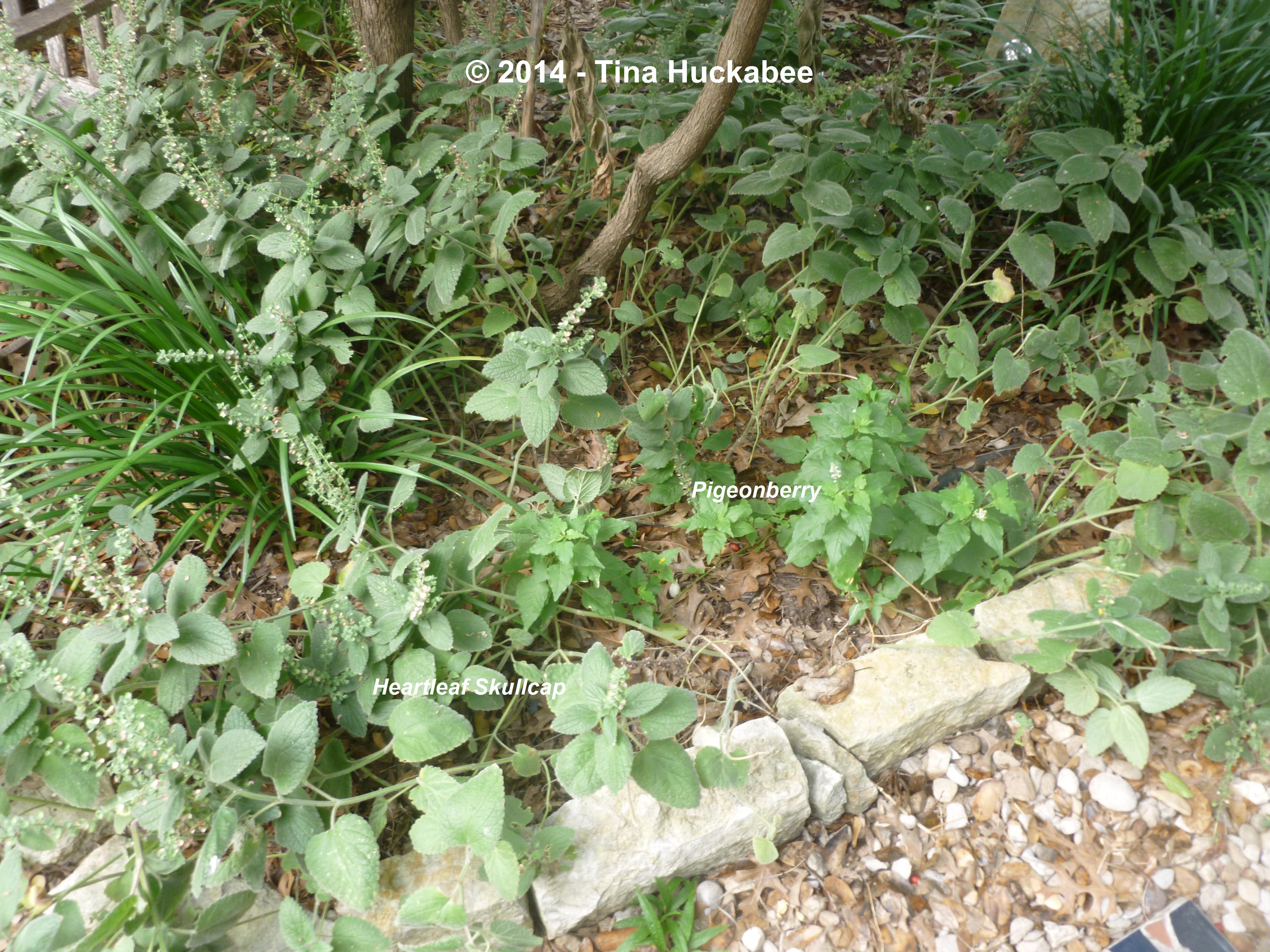
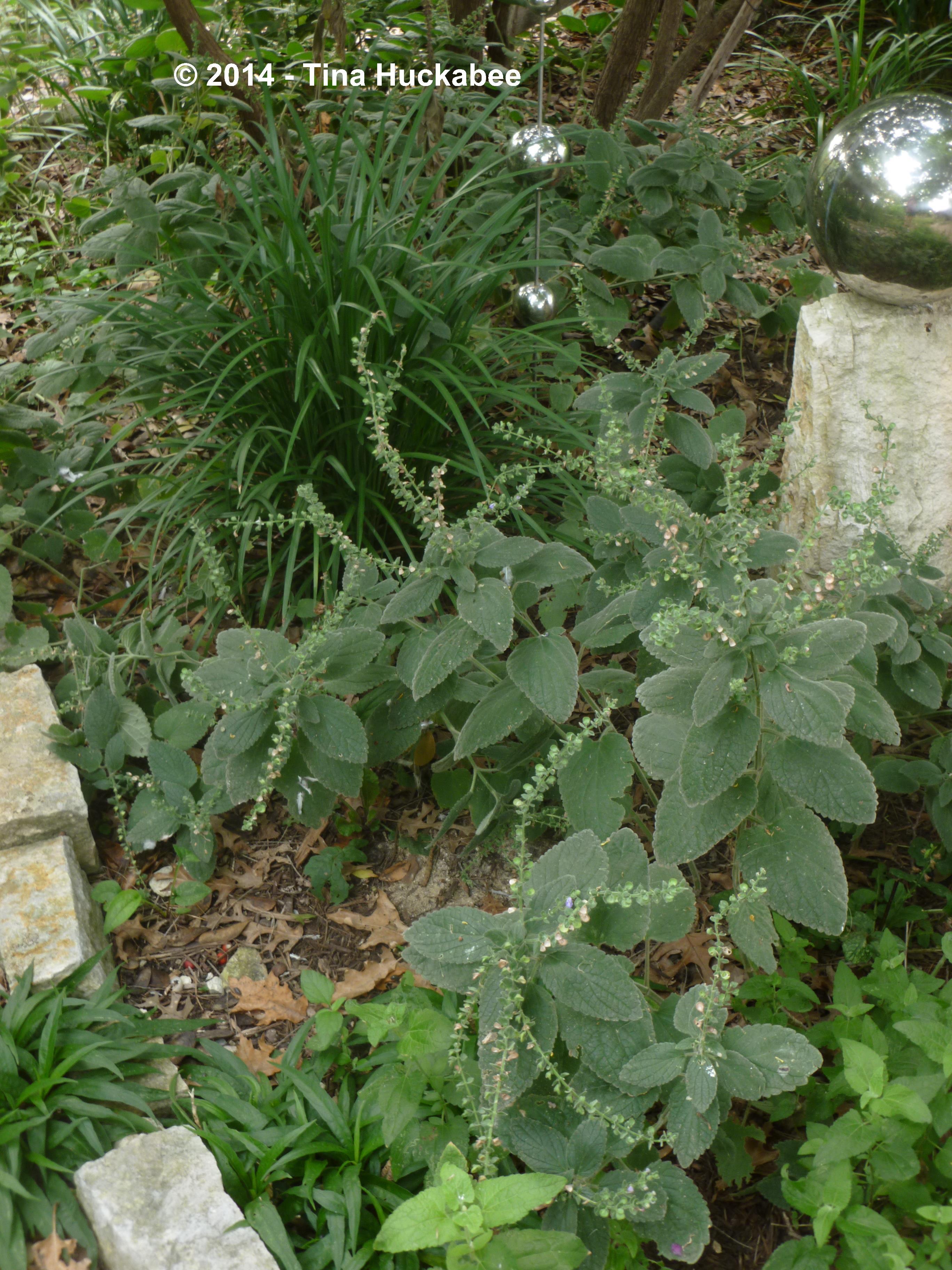
I am vigilant about removing it if it overshadows late-emerging perennials. For example, in this shot, the Heartleaf thrives under the shade of a Texas Mountain Laurel, Sophora secundiflora, along with two evergreen Giant Liriope, Liriope gigantea and a herbaceous Pigeonberry, Rivina humilis.

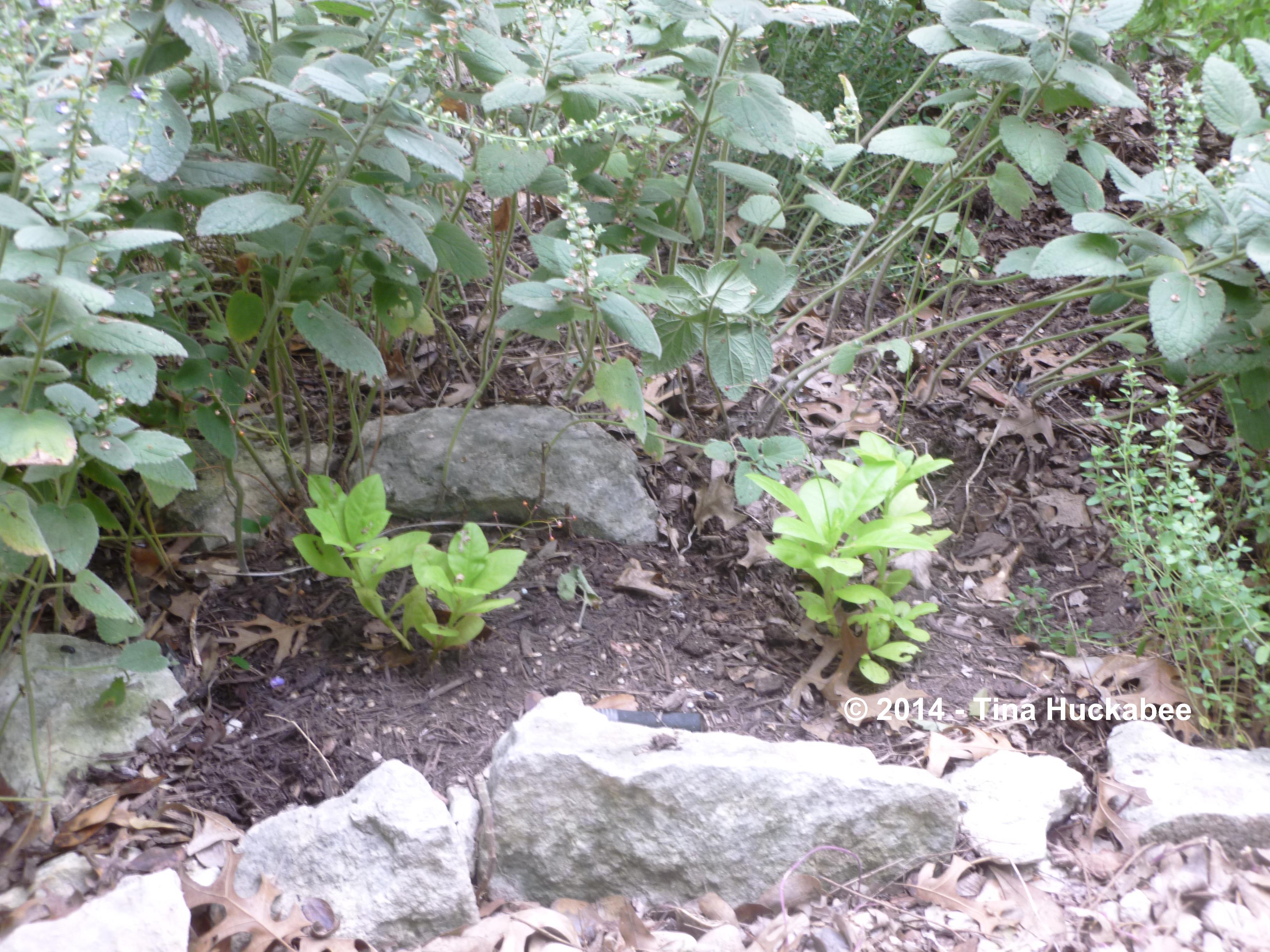
I pulled out the Heartleaf Skullcap to give the Pigeonberry room to “breathe” and grow in preparation for its turn on center stage in late summer and fall–its primary bloom time.
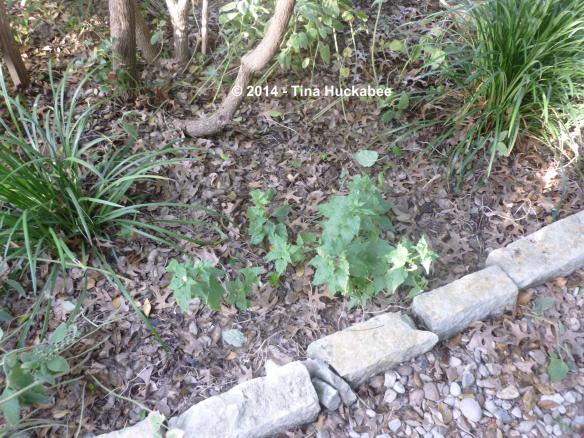
No worries about removing the Heartleaf Skullcap, the remaining roots and rhizomes guarantee reemergence sometime during fall or winter after the Pigeonberry is rendered dormant by our first frosts.
Similarly, I eliminated the Heartleaf from a spot where I planted two pass-along seedlings of Jewels of Opar, Talinum paniculatum, from my blogging friend, Texas Deb at austinagrodolce.

The Jewels will grow and bloom, then die back with the first freeze. By then, the Heartleaf will materialize from its roots, in preparation of its bloom cycle. It will flourish during the cool seasons, then decline in summer and once I decide it’s time, sometime next summer, I’ll pull up the Heartleaf Skullcap so that the Jewels can do their thing. With that seasonal sharing and interplay between the growth cycles of two plants, there is usually something interesting happening in the garden.

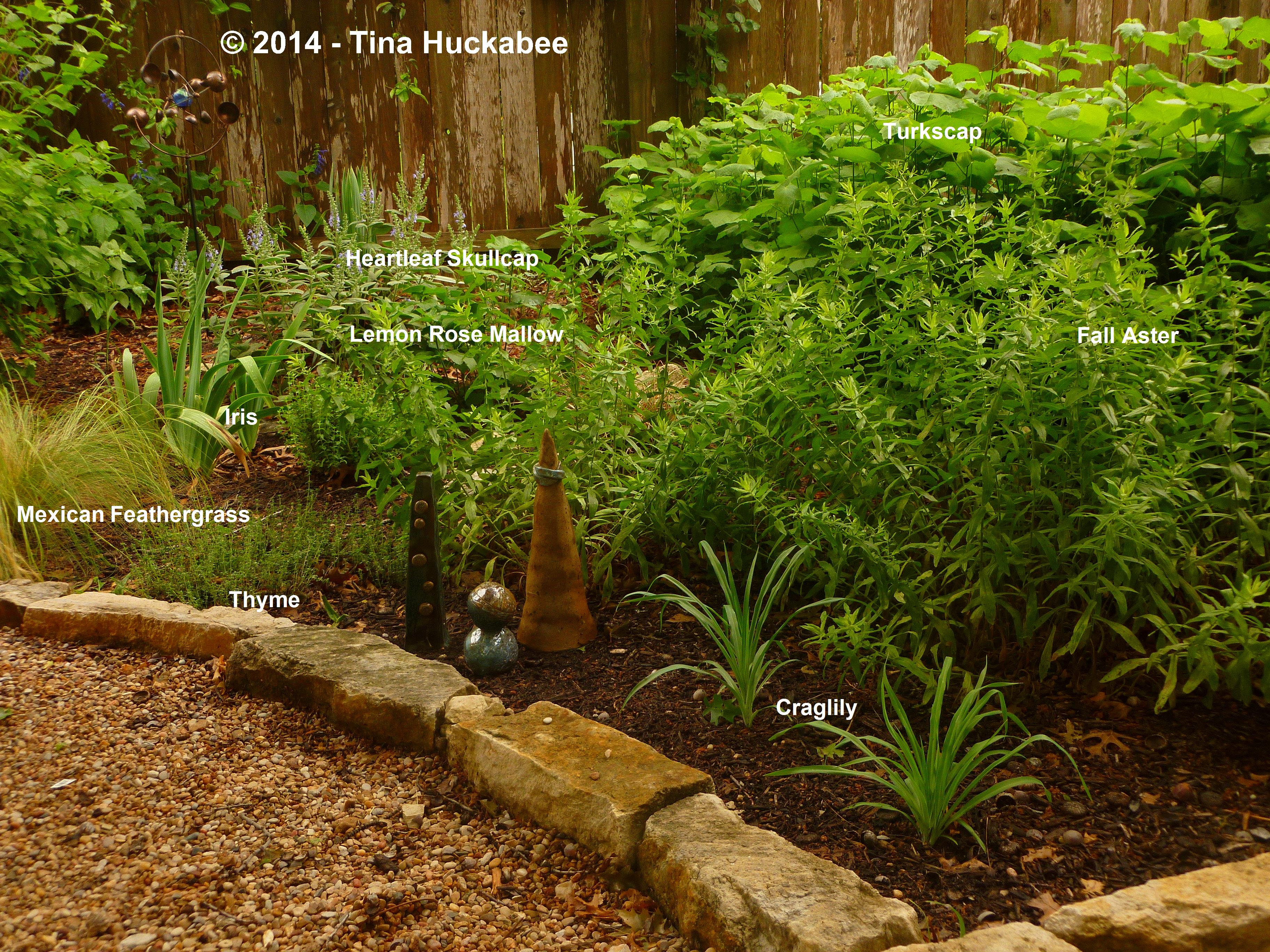
Timing is everything when pulling out spent Heartleaf Skullcap. In another spot, I paired it with three Texas Craglily, Echeandia texensis, which are dormant in winter and early spring and bloom in fall. As summer progressed and the Heartleaf’s blooms diminished, I didn’t pull it up, even though I realized the Texas Craglily clumps were hampered by Heartleaf’s overgrowth.
I was lazy.

Heartleaf Skullcap has never smothered or killed any plants in my gardens, but in this case, the Texas Craglilies were thwarted in development due to the exuberance of the Heartleaf.
I should have removed it sooner. My bad.
Personally, I don’t find the maintenance onerous. Mostly, that work occurs during our most pleasant time of the year (October-May), though I’m usually still weeding it out in June and it’s a touch toasty in Austin by that time. But let’s face it: weeding is a gardening thing–an expected chore. If you’re looking for a completely maintenance-free plant, Heartleaf Skullcap is probably not for you and your garden. If you don’t mind it taking over an area and there are no worries about what it will do to other plants, then Heartleaf could be a great addition for your gardens. I’d caution against that because most gardeners want a variety of plants thriving throughout the seasons. You don’t want Heartleaf Skullcap to significantly delay smaller, winter-dormant and late season perennials because it’s loitering in the garden past its welcome. For a successful perennial garden, preservation of the integrity of all plants is the goal. It’s mandatory to control an aggressive plant to ensure showtime for all.
A member of the mint family, Heartleaf Skullcap is aromatic. Its foliage, while lambs-ear soft to touch and lovely to behold,

feels oily to me and I don’t particularly care for that. Apparently, deer don’t care for it either, since it’s considered reliably deer resistant. That’s a bonus for many gardeners. Additionally, Heartleaf is considered a shade to part-shade plant, though mine are also in full sun–it’s versatile in its light requirements.
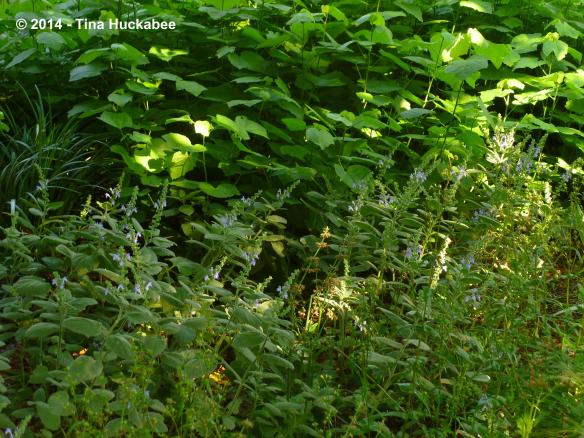
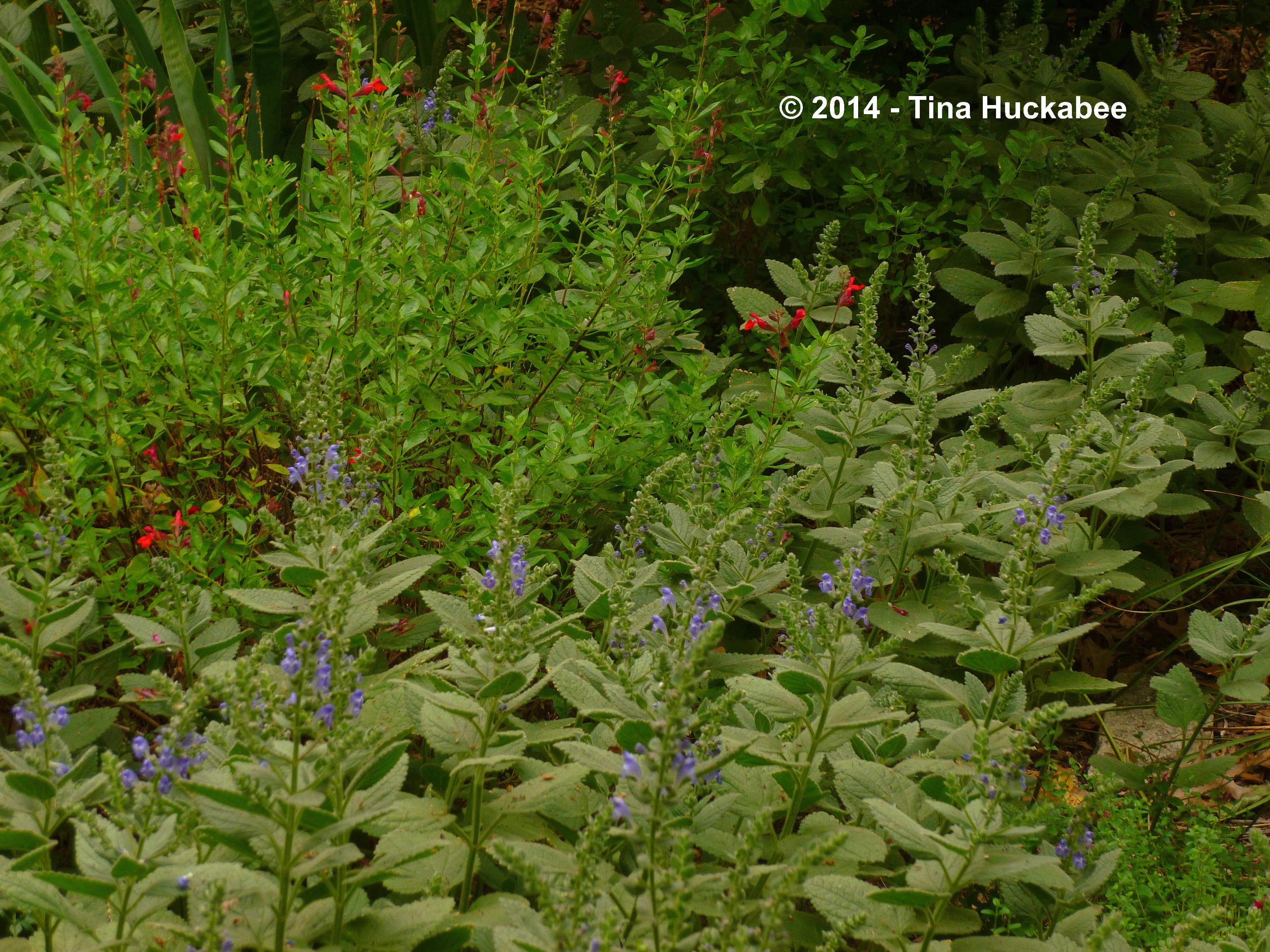
As Heartleaf Skullcap continues its growth during the spring months, it gets taller,

and taller.
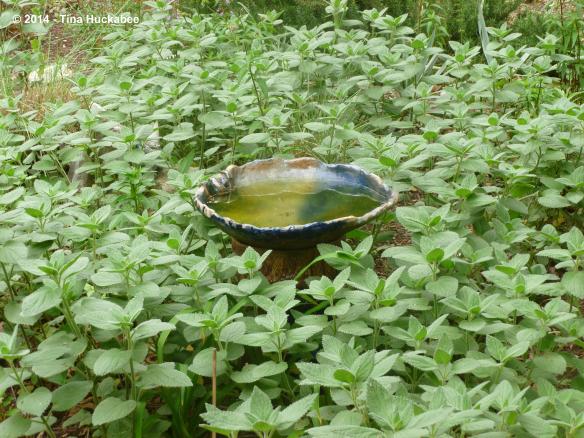
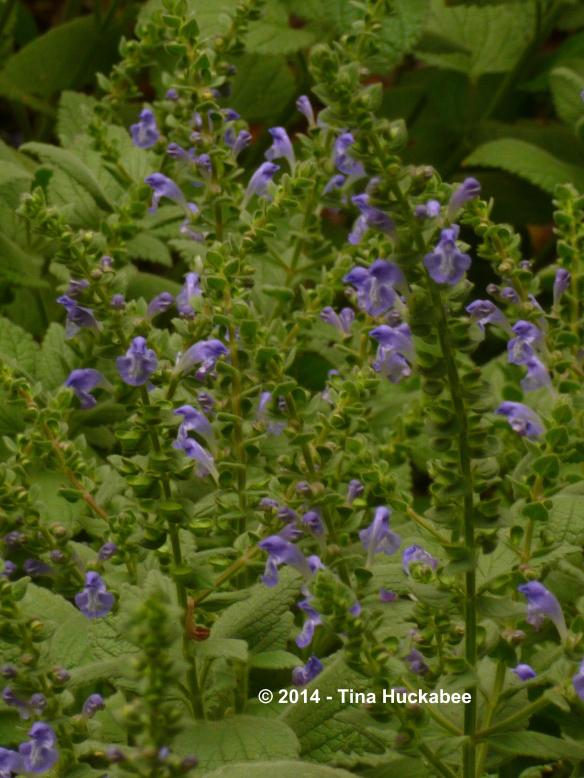
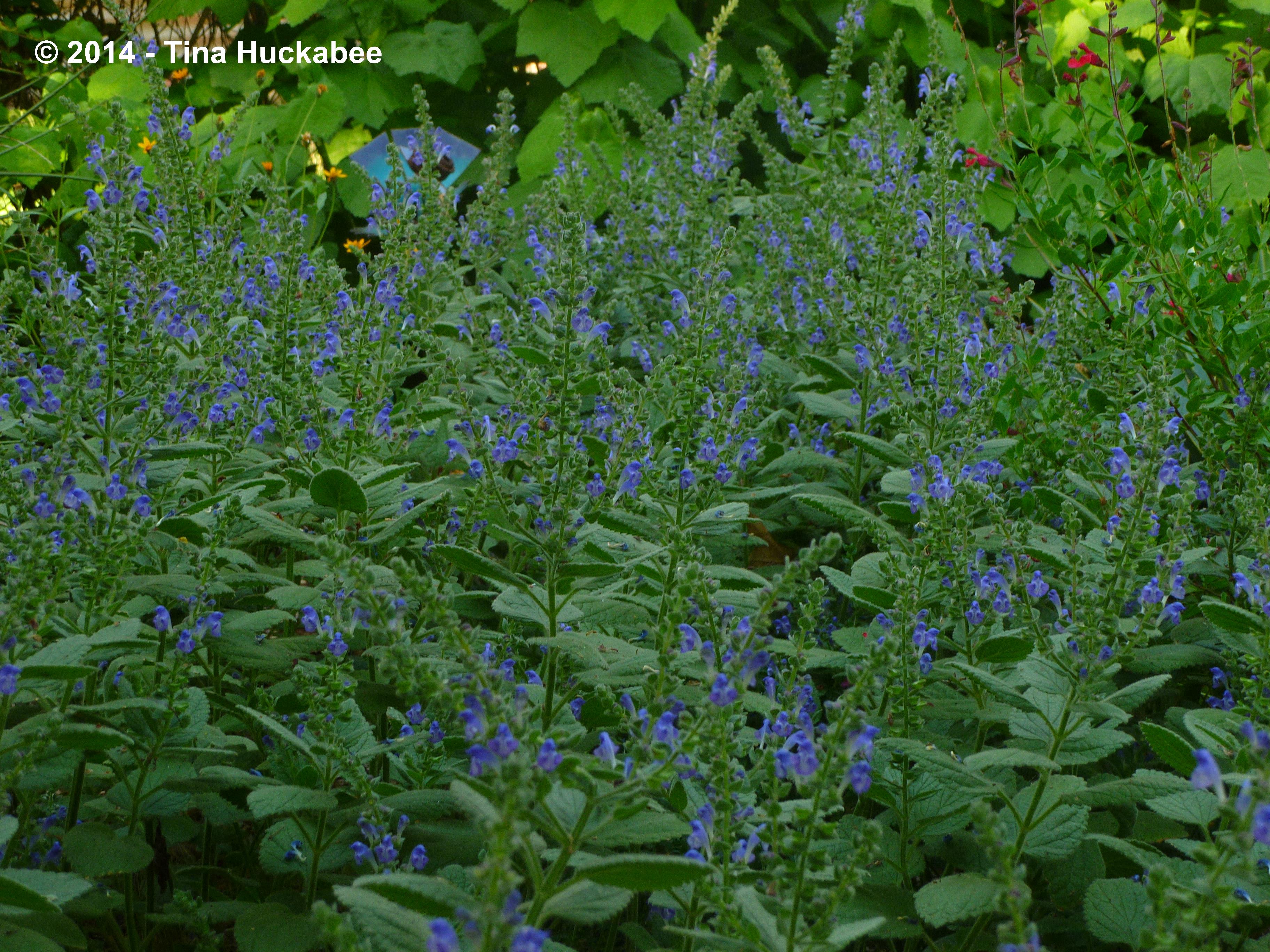
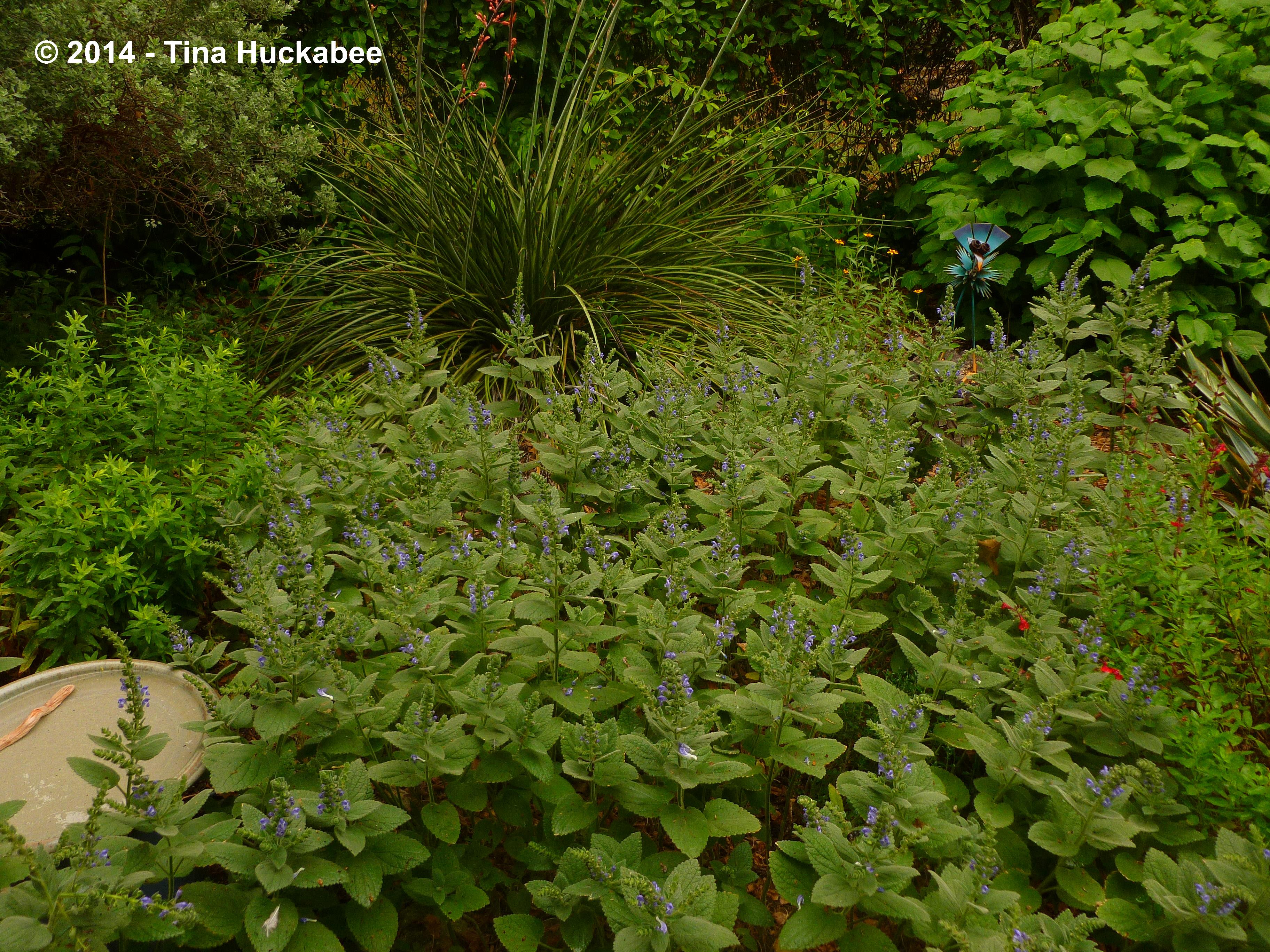
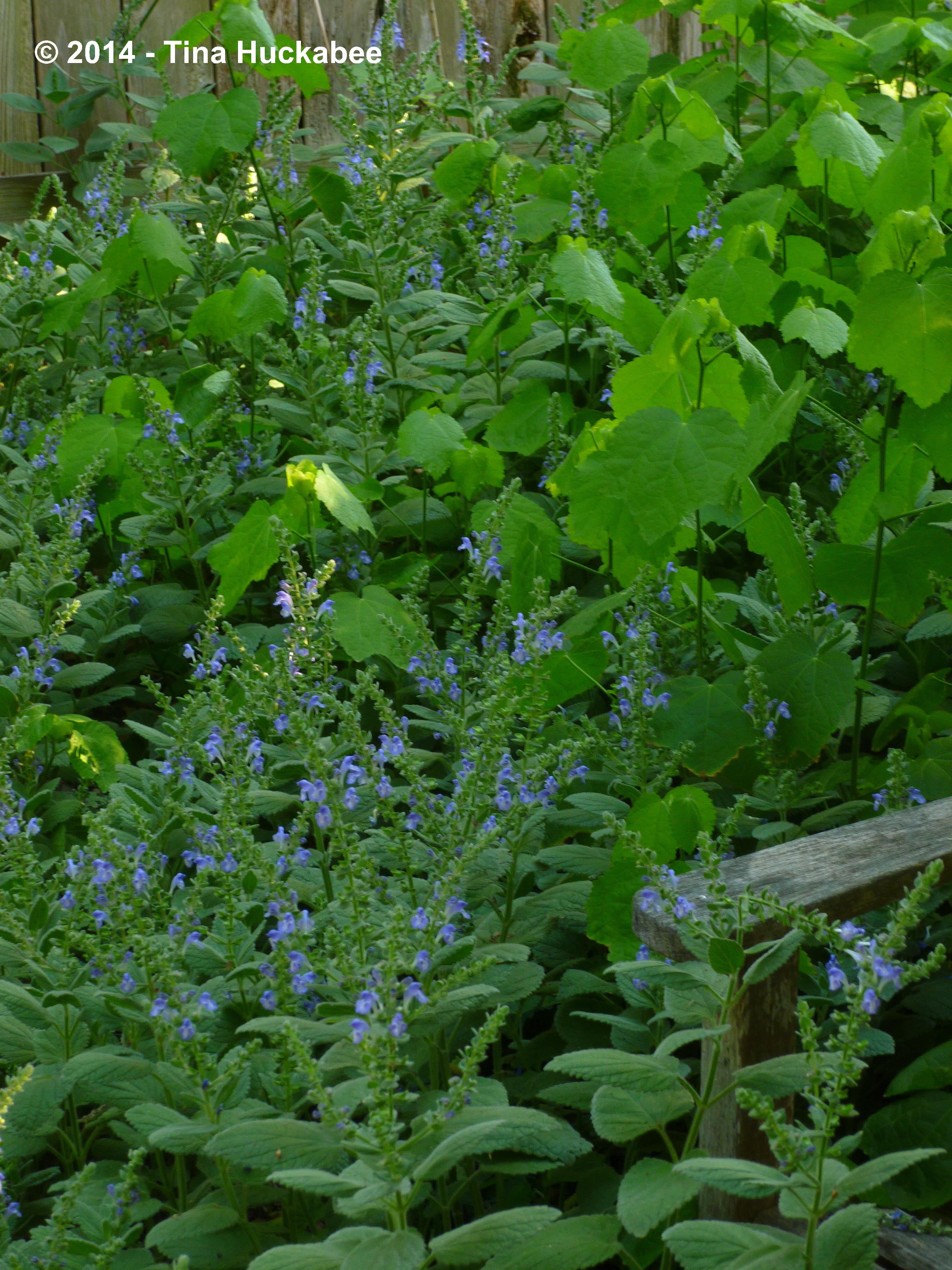
By April, it’s ready to bloom

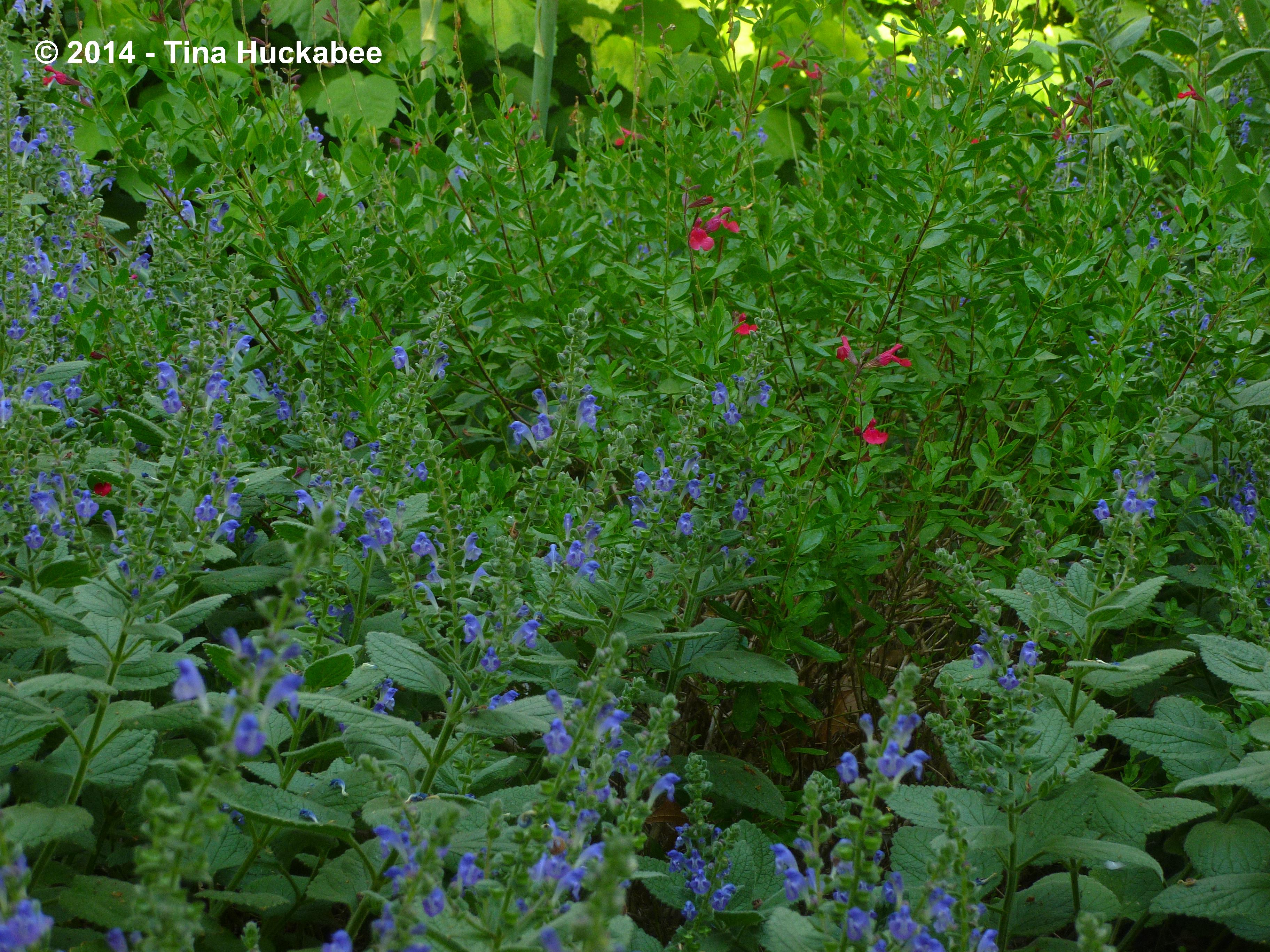
and it’s stunning!
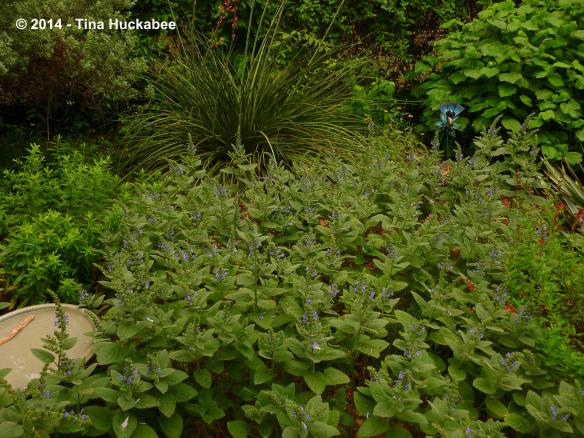


A favorite of bees, both native and honey,

it pairs well with other blooming perennials. I especially love the combination of Heartleaf with Turk’s Cap, Malvaviscus arboreus.
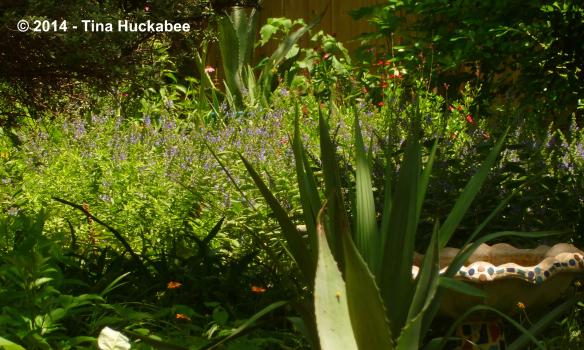
Here it is with red Autumn Sage, Salvia greggii.

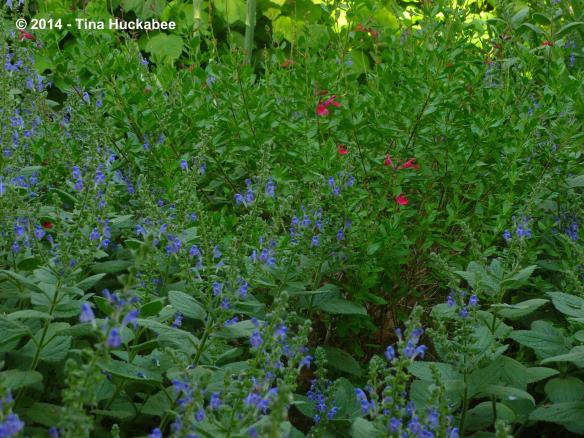
Heartleaf Skullcap is a beautiful companion plant.
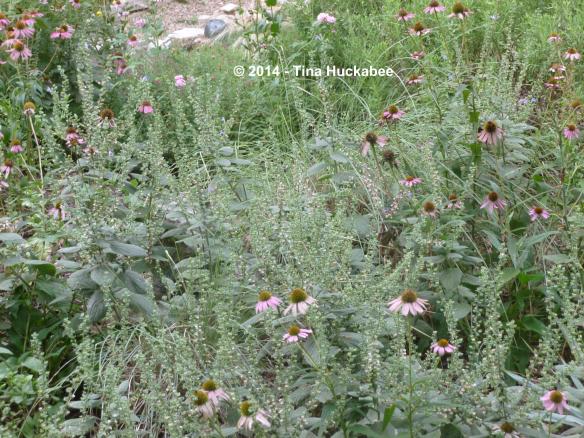
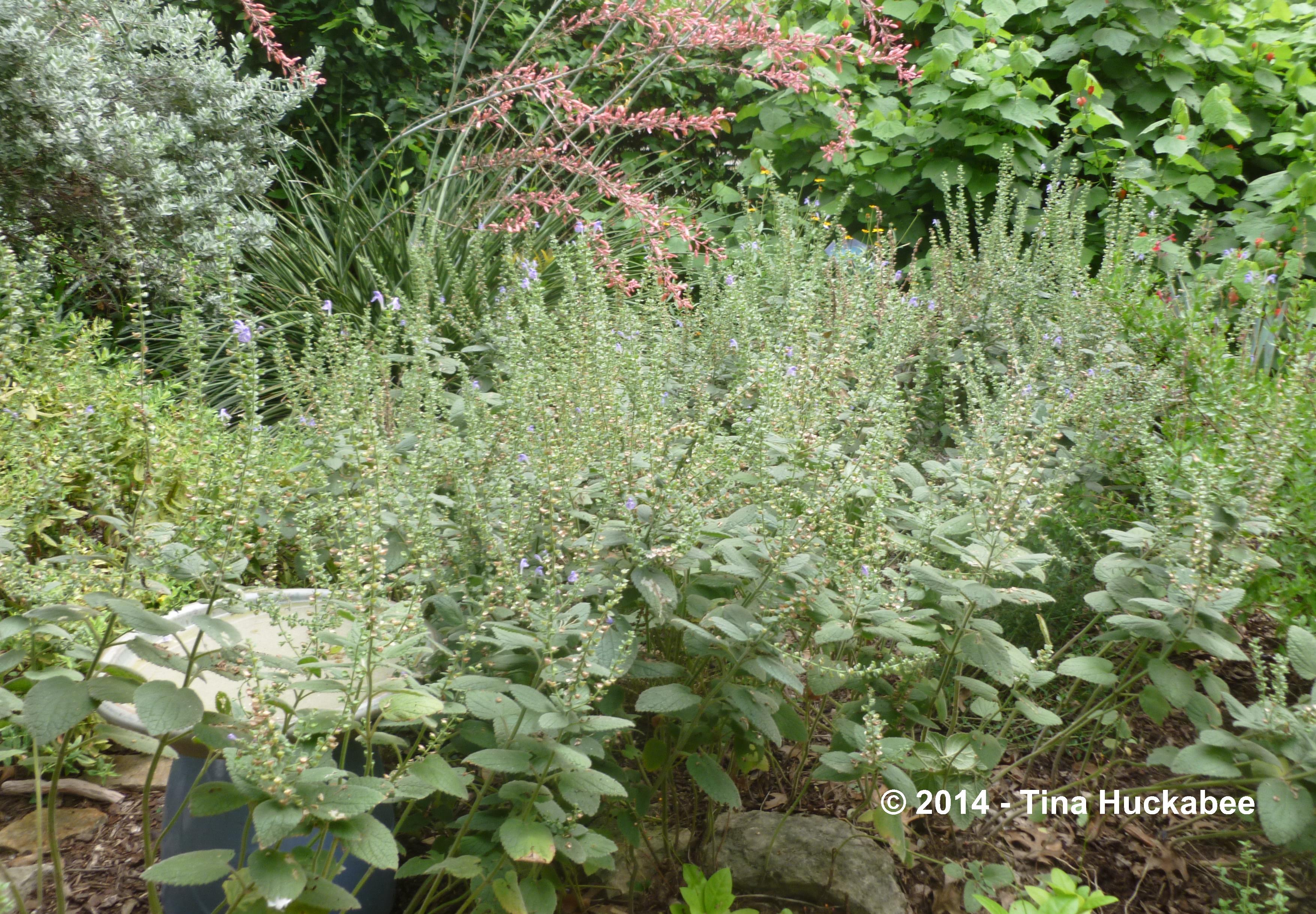
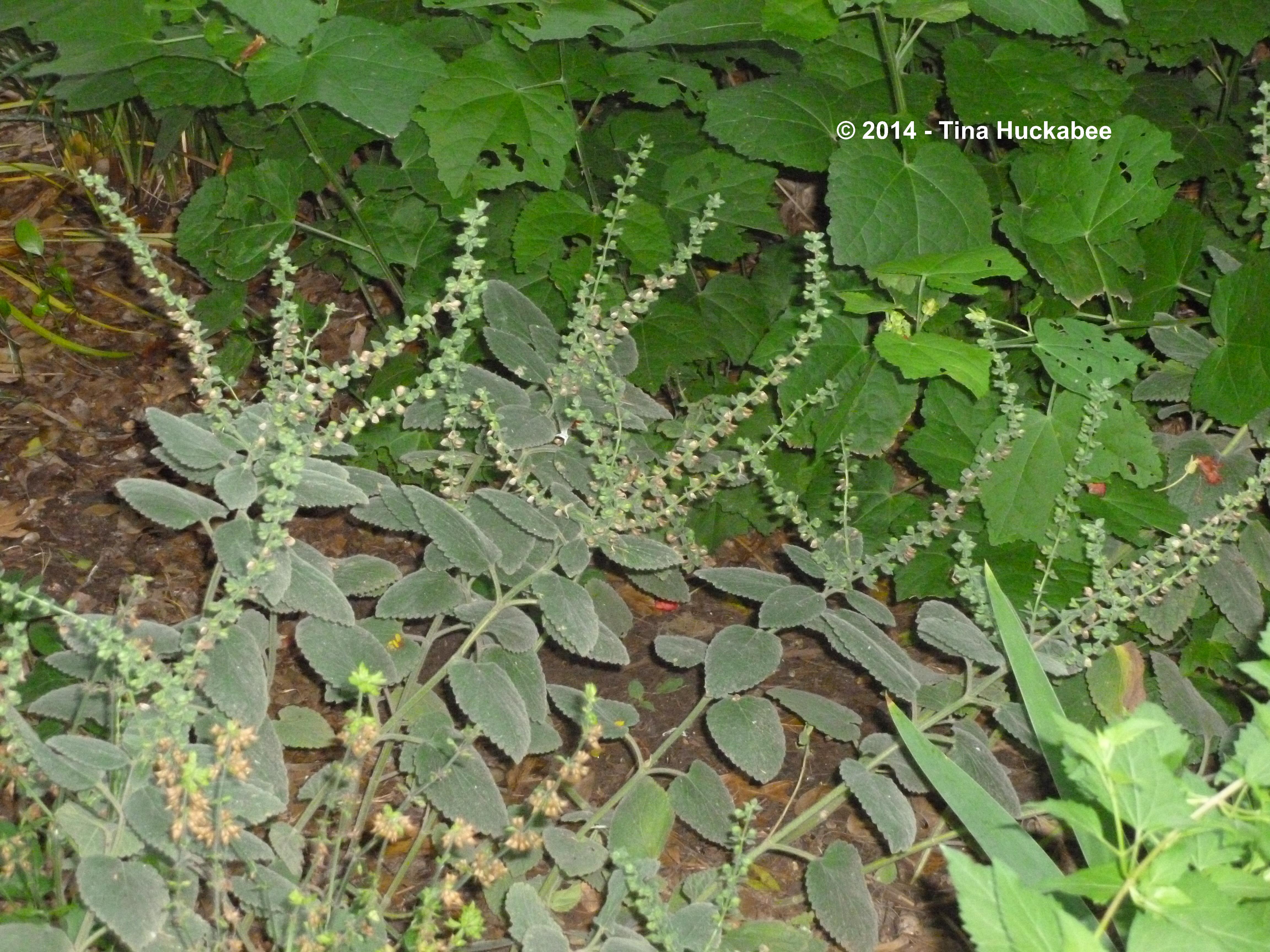
Once summer arrives, Heartleaf is generally past its prime, but it remains handsome for a time,

even though it’s mostly finished with blooming. I think the spent bloom stalks are attractive .
.


…to a point.
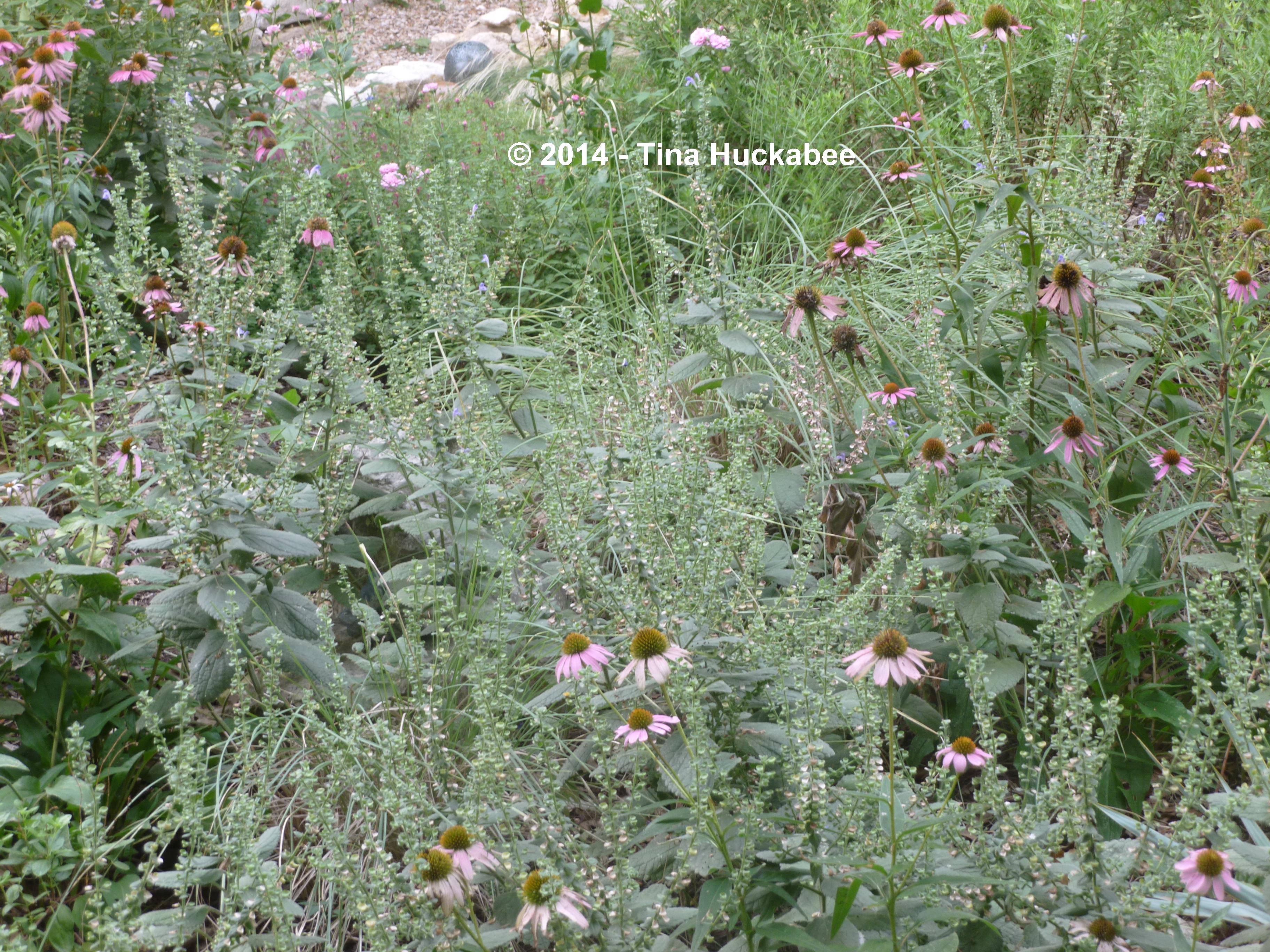
As summer wears on, depending on rainfall amounts and extremity of temperatures, Heartleaf Skullcap begins to appear peeky and a little messy. That’s when I completely pull out this plant, both because it’s past the zenith of its beauty and also to allow other perennials their turn at bat.
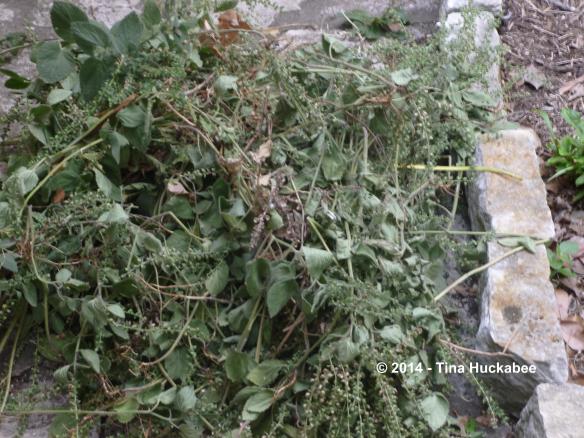
I don’t dump the yanked-out Heartleaf Skullcap in my compost. I’m not consistent about turning my compost and as hardy as this plant is, I’d rather not have it biding its time, waiting to sneak its way into my gardens through the guise of soil-amending compost. I’ve never thoroughly weeded out Heartleaf from my gardens–there are always plenty of rhizomes left in the ground, ready for action in autumn once the temperatures cool and the light softens.
Typically by late July, there’s little Heartleaf Skullcap visible in my garden, though I tend to leave this group (under the Mt. Laurel) for quite a long time.
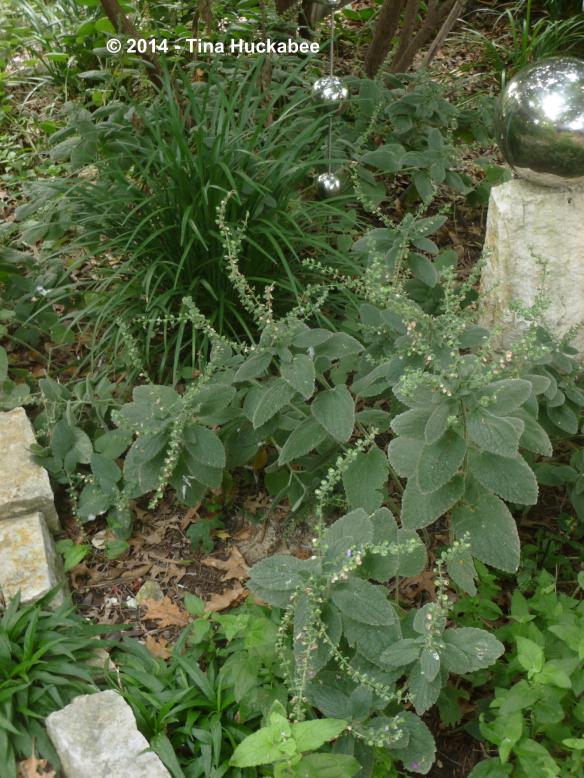
If you’re willing to weed a bit to rein in this plant, Heartleaf Skullcap is a must-have perennial for your gardens.
So pretty and for so many months of the year!
In fall,

winter,

spring,

and summer,

…Heartleaf Skullcap is an arresting and valuable plant: for pollinators because of its blooms and for gardeners because of its shade-tolerant, as well as drought and deer resistant qualities.
Plant it!





























 My Gardener Says...