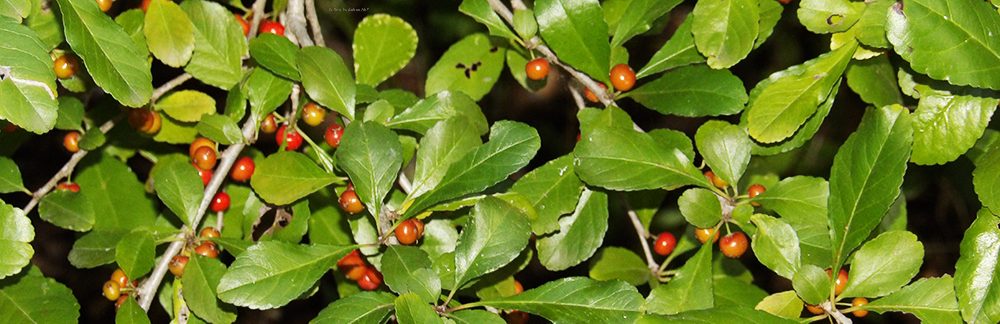
Bloom Day, November 2014–Dodged the Frozen Bullet

After a chilly week and our first real touch of winter, there are still blooms in my gardens. Lucky gardener!  Lucky pollinators!  I live in central Austin and those supposedly in the know predicted our temperature would fall to the high 20’s by early Friday morning.  Well there was no freeze for me and mine.  Outlying areas received their first freeze, but much of  Austin was spared–this time. To celebrate those lucky blooms, I’m joining with Carol at May Dreams Gardens for November Garden Blogger blooms.

The Coral Vine, Antigonon leptopus, bloomed its signature fuchsia necklace  rather late this year.

IMGP1604.new

Now with colder temperatures and shorter days, the blossoms are fading on the vine.IMGP2341.new
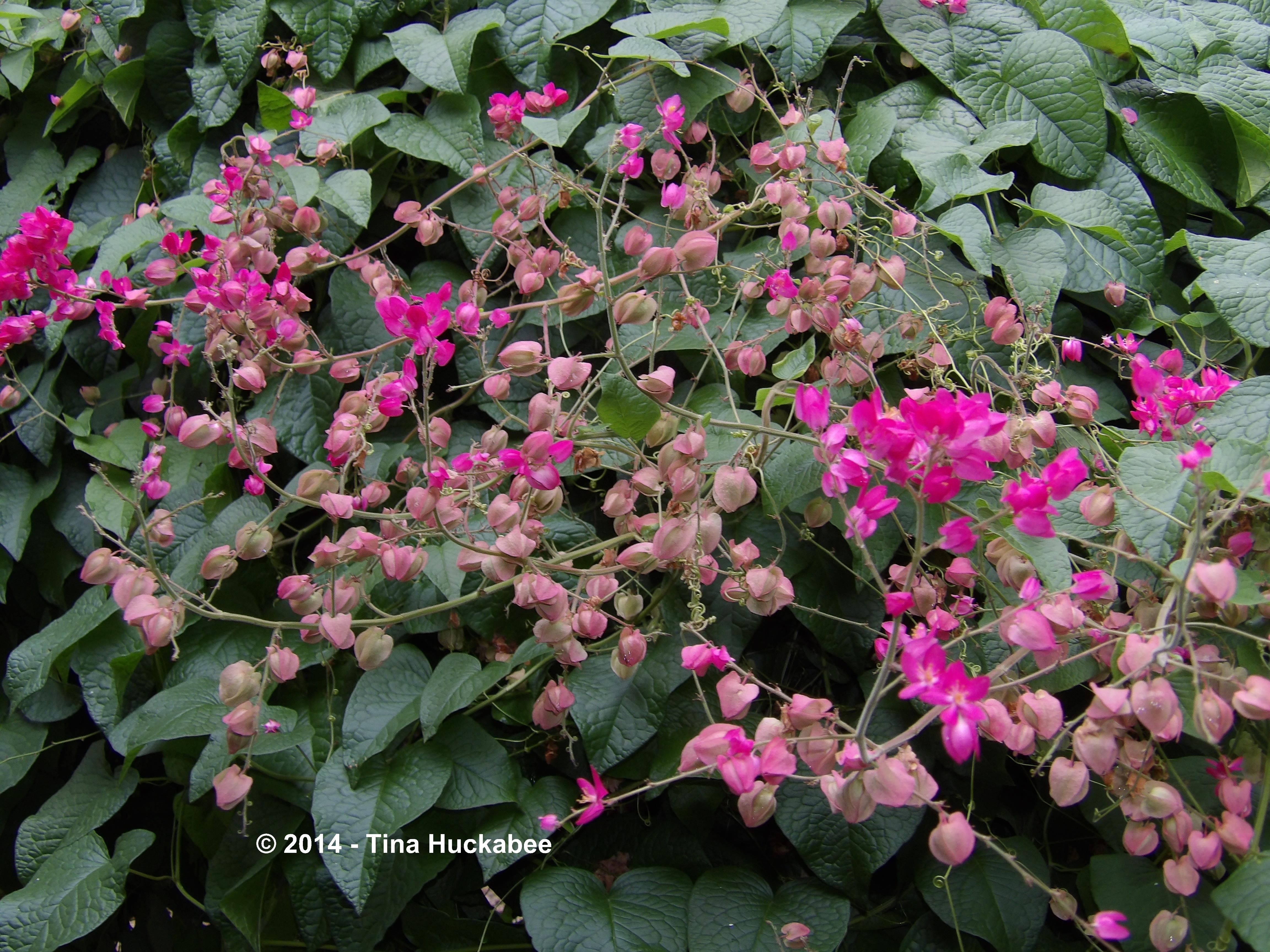
I think my honeybees will miss this favorite nectar source.

The native Texas CraglilyEcheandia texensis,  still blooms, IMGP1507.new

IMGP2343.new

IMGP2344.new

…though it’s going to seed. One patch blossoms in tandem with the blue Henry Duelberg SageSalvia farinacea,’Henry Duelberg’.

IMGP1978.new

A freeze would have quickly ended that pretty pairing.

Rock RosePavonia lasiopetala, sports flowers this November and that’s unusual–they normally stop production by late October.IMGP2383.new

IMGP2362.new

IMGP2360.new

Heavy with seed, I’ll expect more of these lovelies in seedling form next year.  Any takers?

And GoldeneyeViguiera dentata?  It just won’t quit.  This most photogenic of flowers, has bloomed since September.

IMGP2379.new IMGP2381.new

This is one of my two last blooming Goldeneye plants.

IMGP2531.new

The Goldeneye plants in the back garden bloomed first, then set seed and were followed by others throughout my gardens, each individual plant taking turn at adding cheeriness and wildlife goodness to the world.  I’m glad these hardy natives have planted themselves all over my gardens.  Bees, butterflies, birds, as well as this gardener, enjoy and appreciate a long season with these pretties.

IMGP2387.new

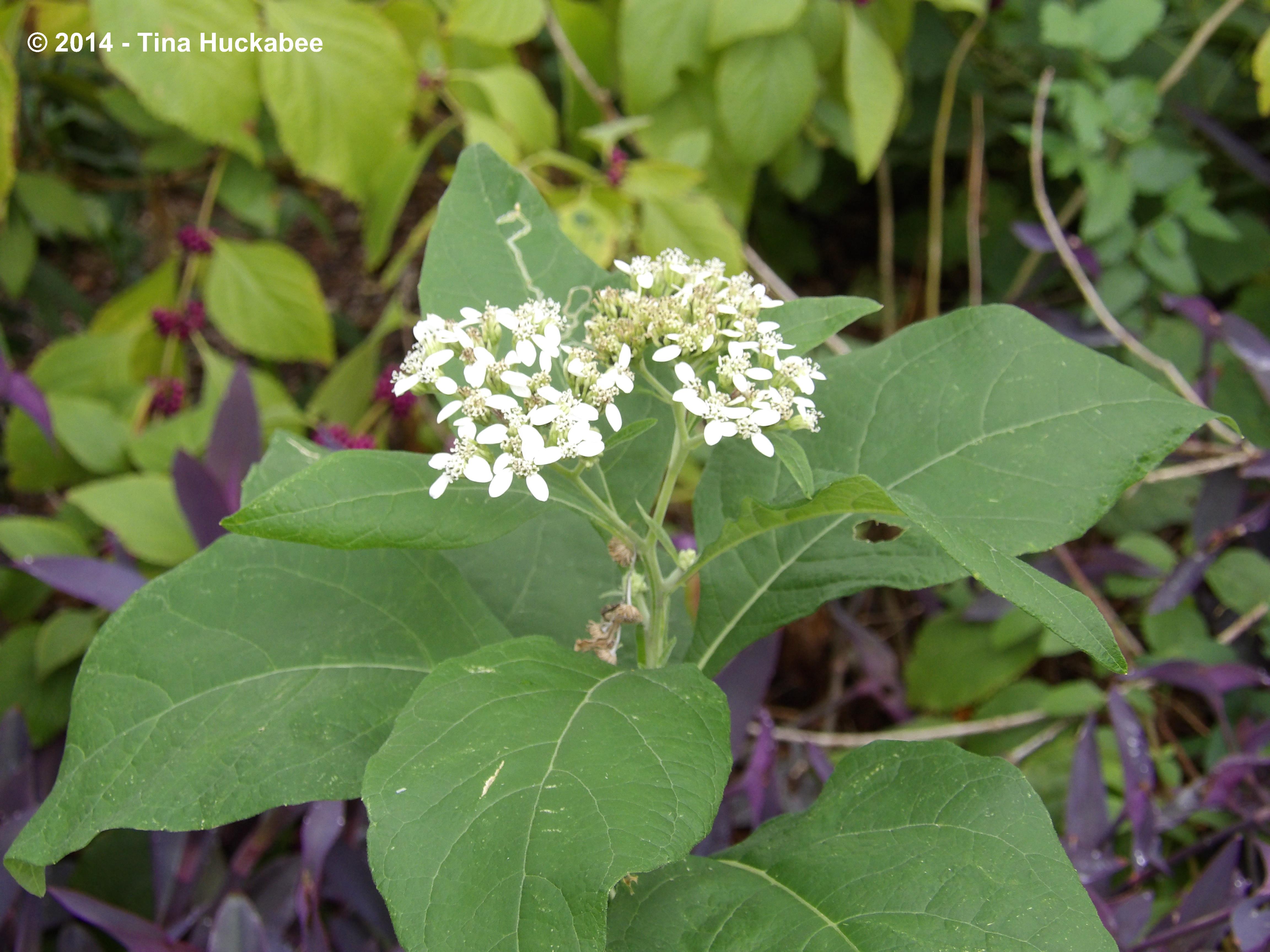
The last FrostweedVerbesina virginica, is in flowering mode.
IMGP2384.new

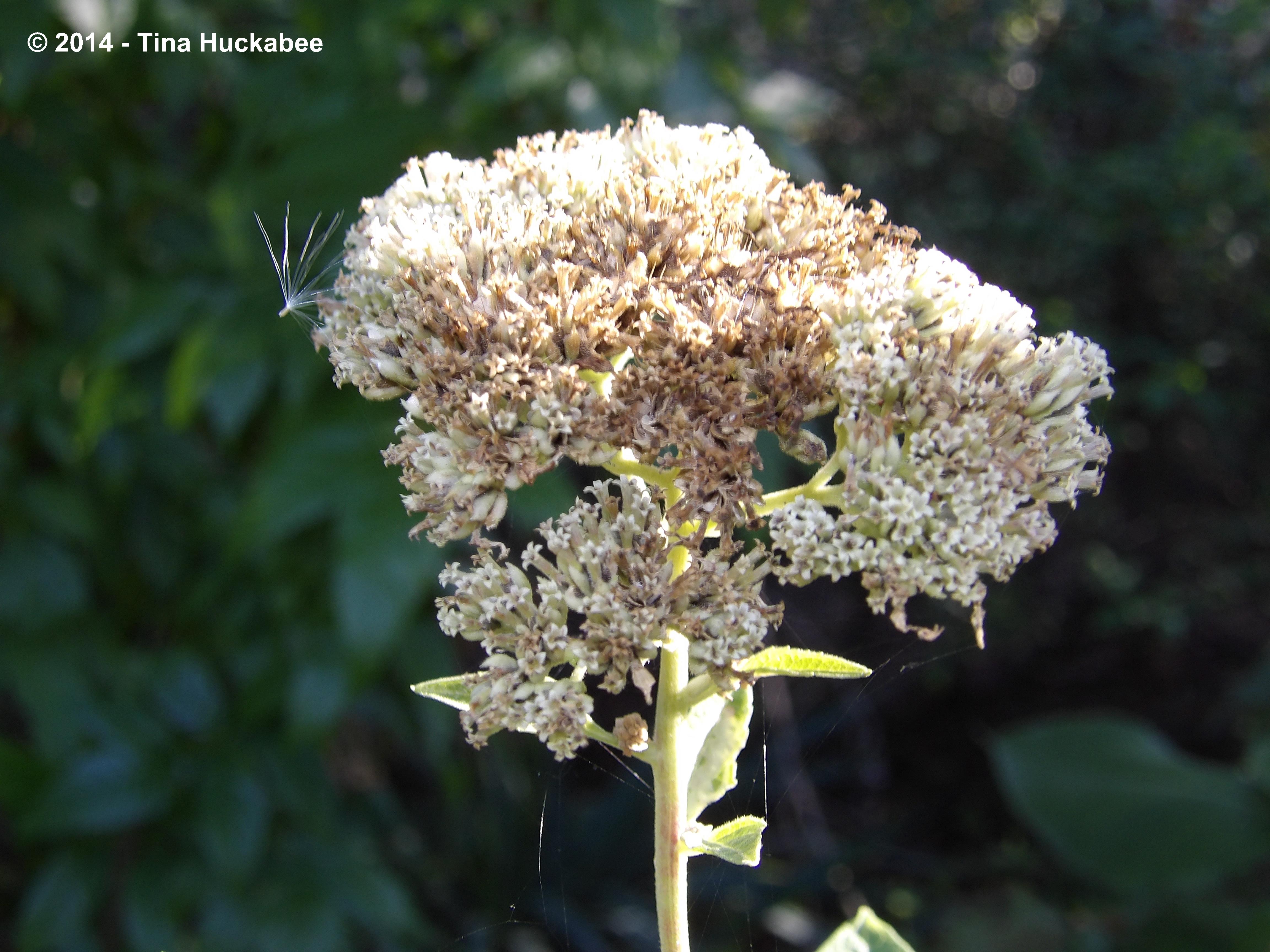
While most of that species are setting seed.
IMGP2469.new

A few Turk’s CapMalvaviscus arboreus, still bloom.

IMGP2394.new

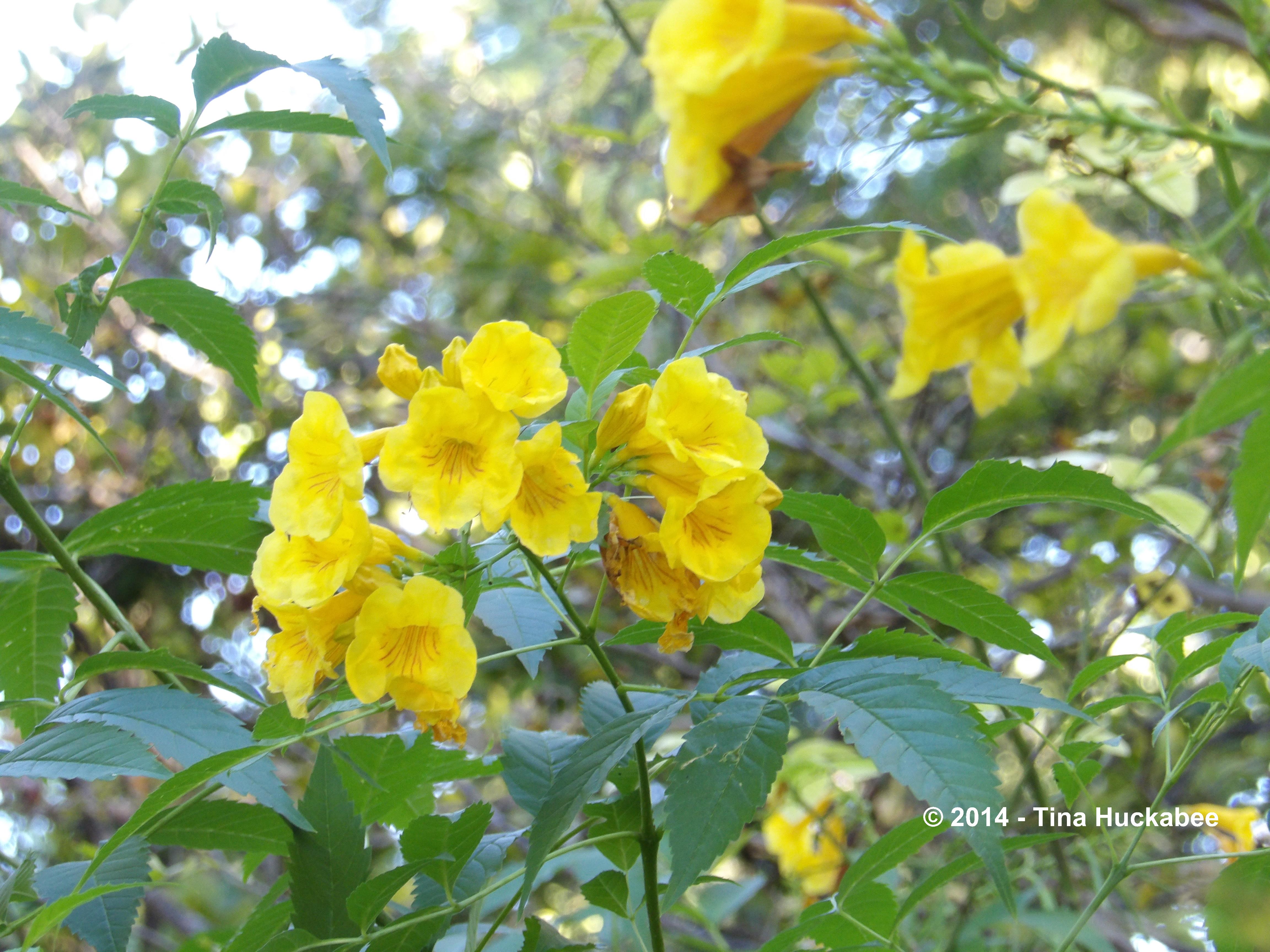
Yellow BellsTecoma stans, ‘Esperanza’, are available for passing bees and butterflies.

IMGP2467.new IMGP2471.new

Blue MistflowerConoclinium coelestinum,

IMGP1475.new

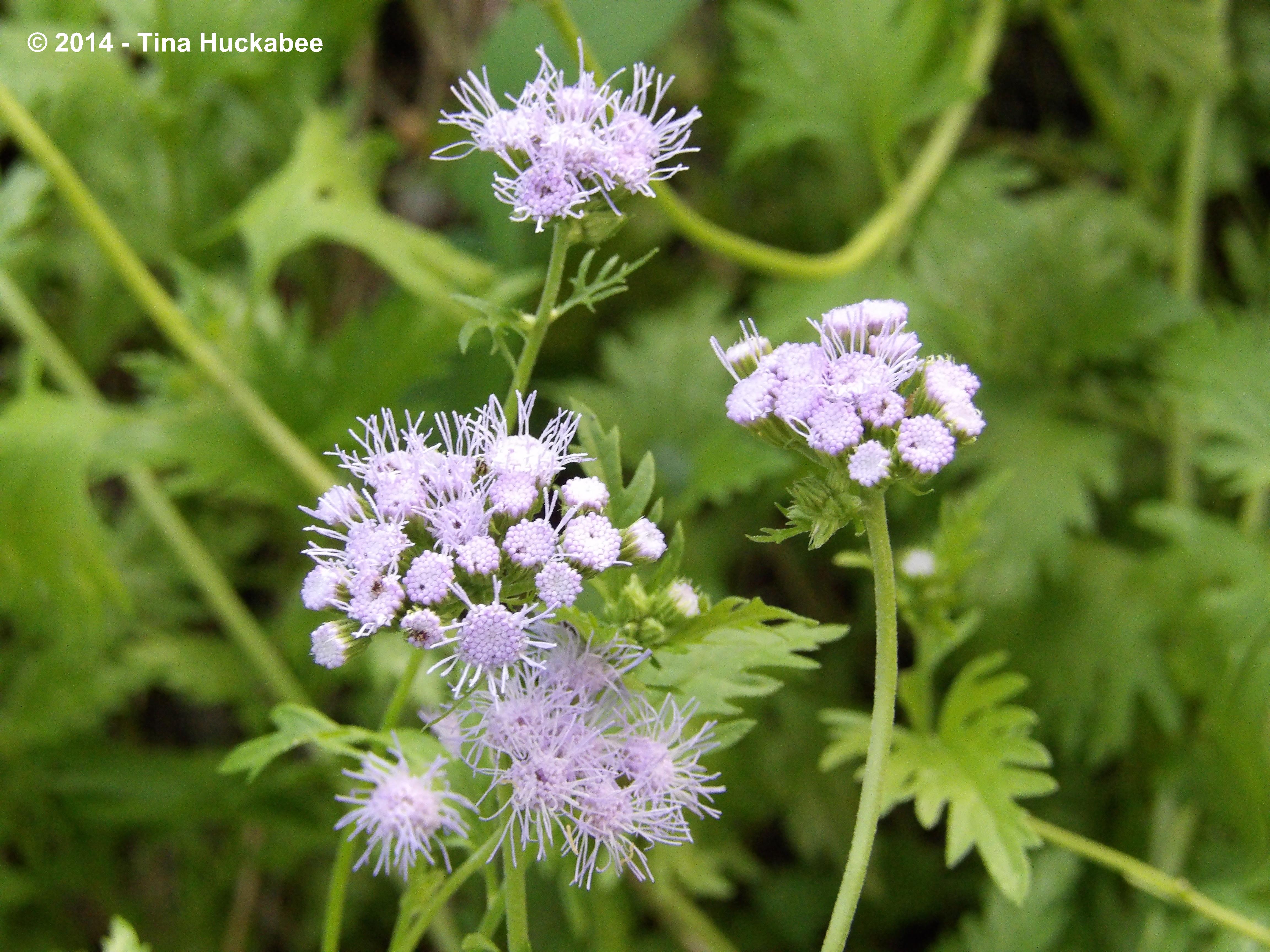
and Gregg’s MistflowerConoclinium greggii, 

IMGP1555.new

IMGP1560.new

…are toward the end of their season.  A true freeze will force the blue blooms into a tawny fluff, ready for dormancy.

Red YuccaHesperaloe parviflora, blossoms on its long bloom spike until a hard freeze.

IMGP2364.new

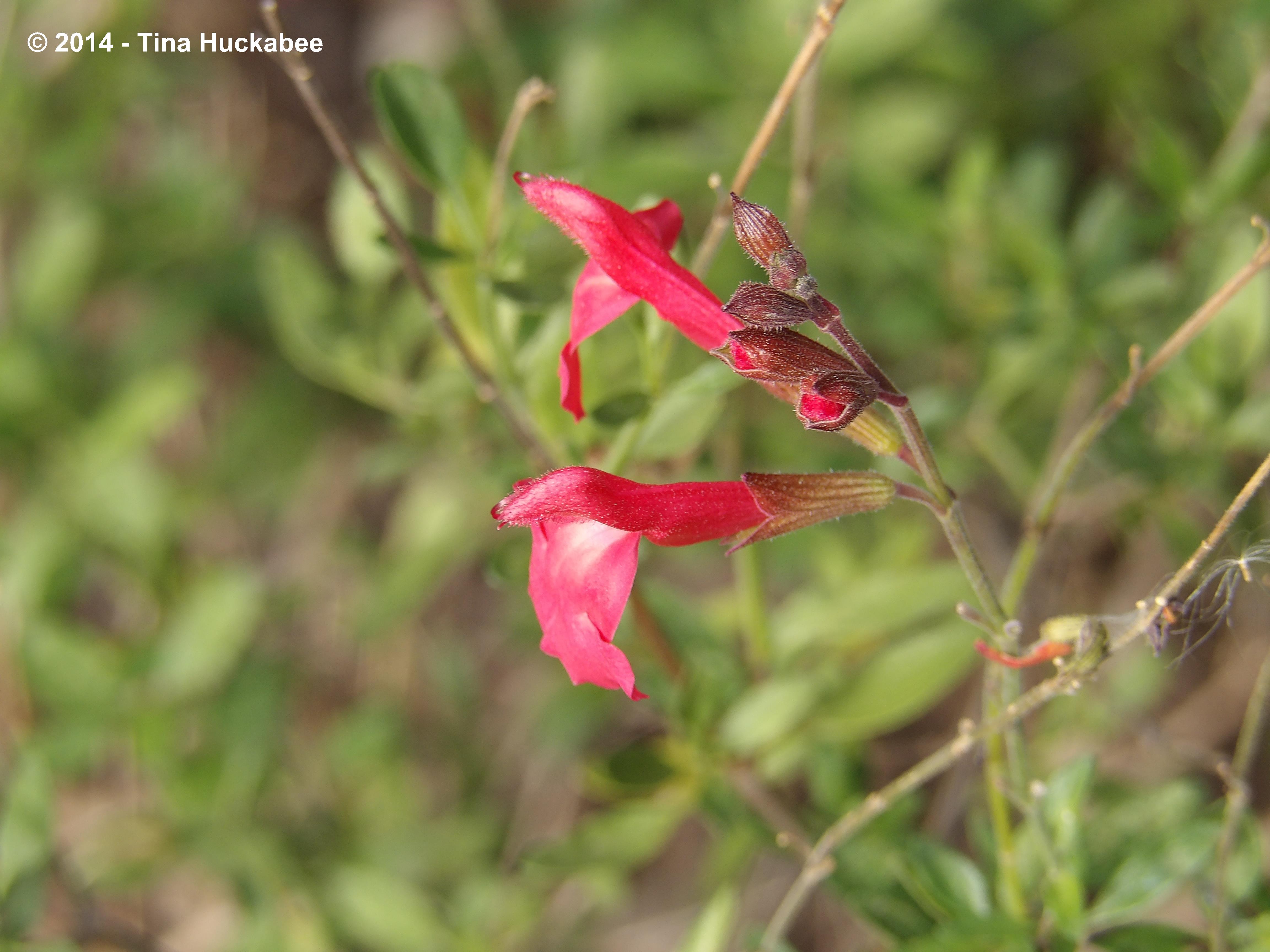
This hasn’t been a banner year for my salvia species.  They’ve bloomed, but not regularly nor as fully as usual.  But they aren’t quite ready to close up shop, so bloom they will until it’s just too chilly and dark.  Salvia like this red Tropical SageSalvia coccinea,

IMGP2354.new

…and this Purple Sage, S. greggii x mycrophylla,

IMGP2560.new

…and this red Autumn SageS. greggii, 

IMGP2611.new

…and another,

IMGP2614.new

…and this coral Autumn Sage.

IMGP2612.new

They’re determined, if not prolific.

The remains of Fall AsterSymphyotrichum oblongifolium, are tired of blooming and ready for seeding themselves.
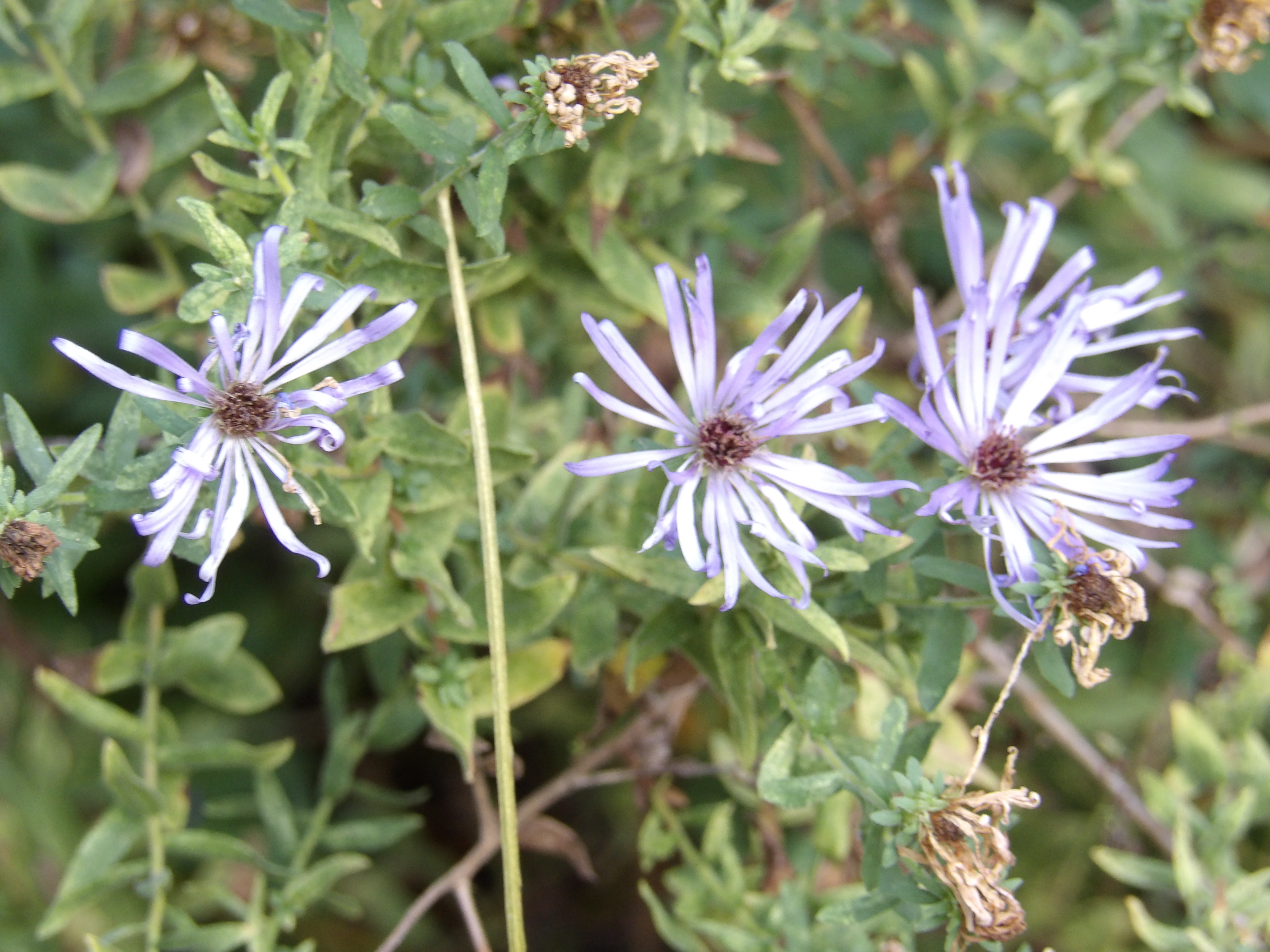
RICOH IMAGING

When I thought there would be freezing temperatures, I cut the last of the fall blooms of Purple ConeflowerEchinacea purpurea and Tropical Sage and did this:

IMGP2616.new

As well, I cut a few Goldeneye and basil and did this:

IMGP2590.new

I’m not much for cut flowers in the house (I much prefer a garden full of blooms), but they are nice when it’s gloomy outside. I guess November in my garden and my house is not so barren after all!

Pop on over to May Dreams Garden and enjoy a show of November blooms from all over


Blue Mistflower(s)

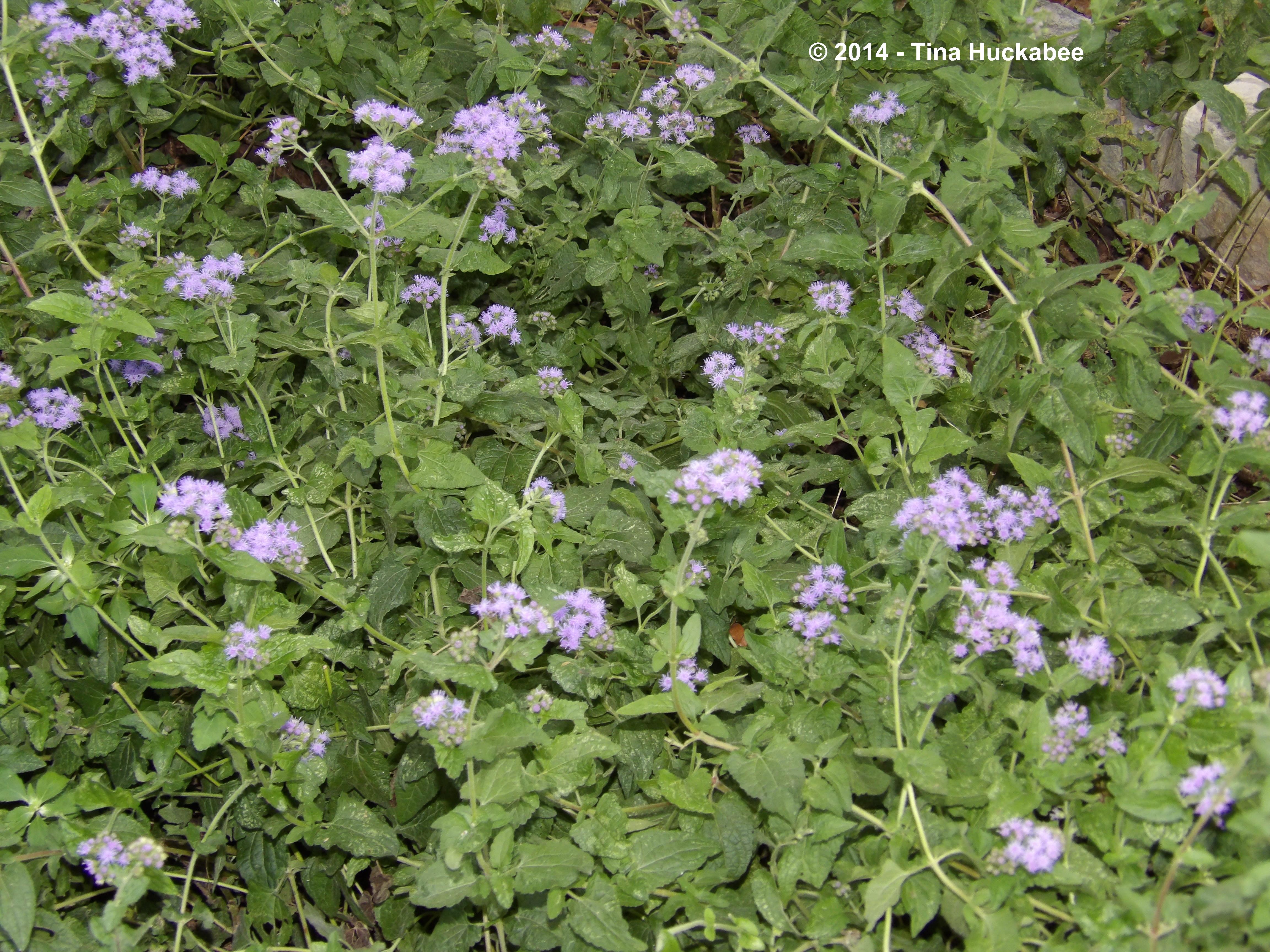
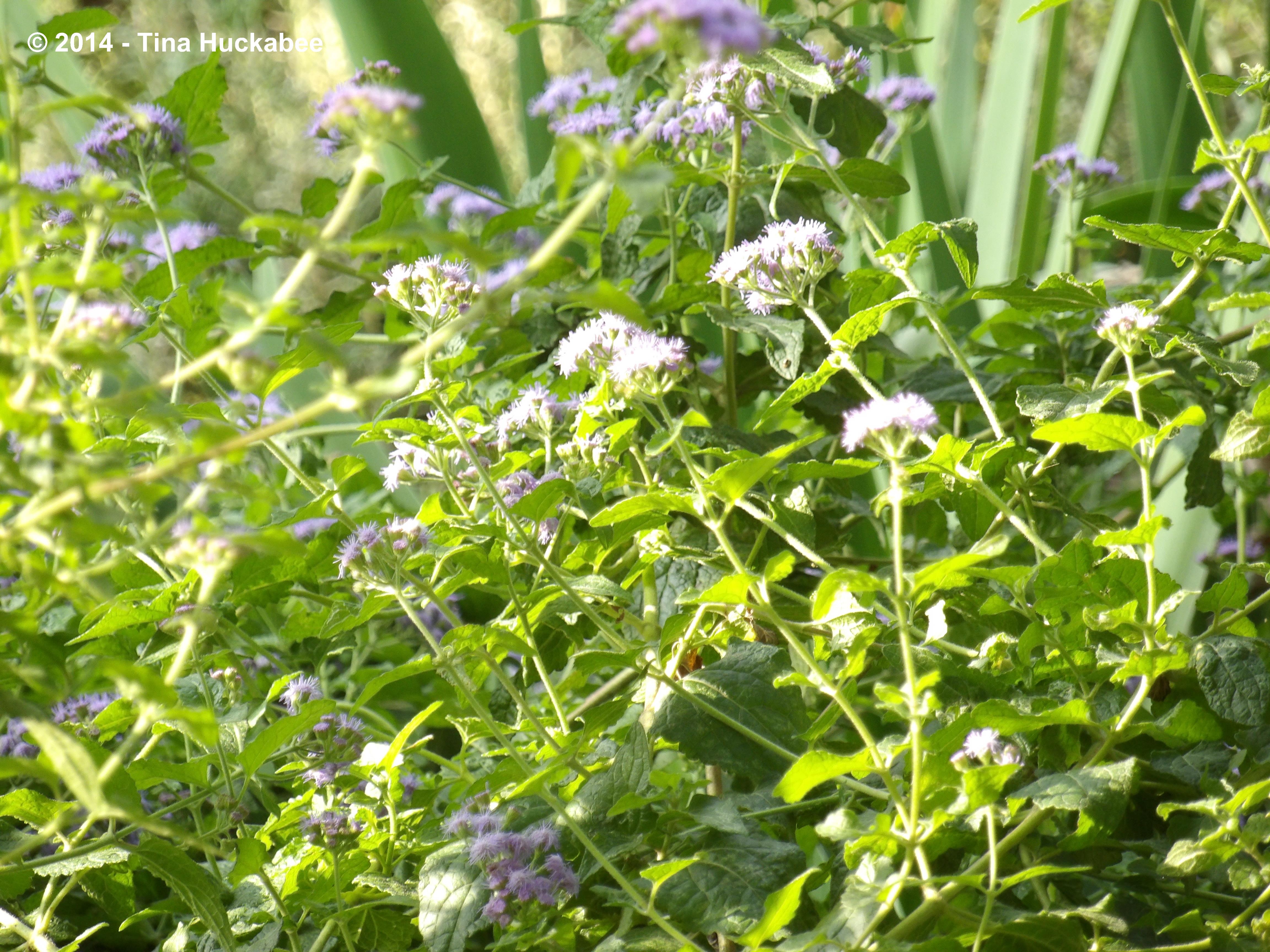
This is Blue MistflowerConoclinium coelestinum.  

IMGP1461.new

IMGP1472.new

This is also a blue mistflower,

IMGP1488.new IMGP1709.new

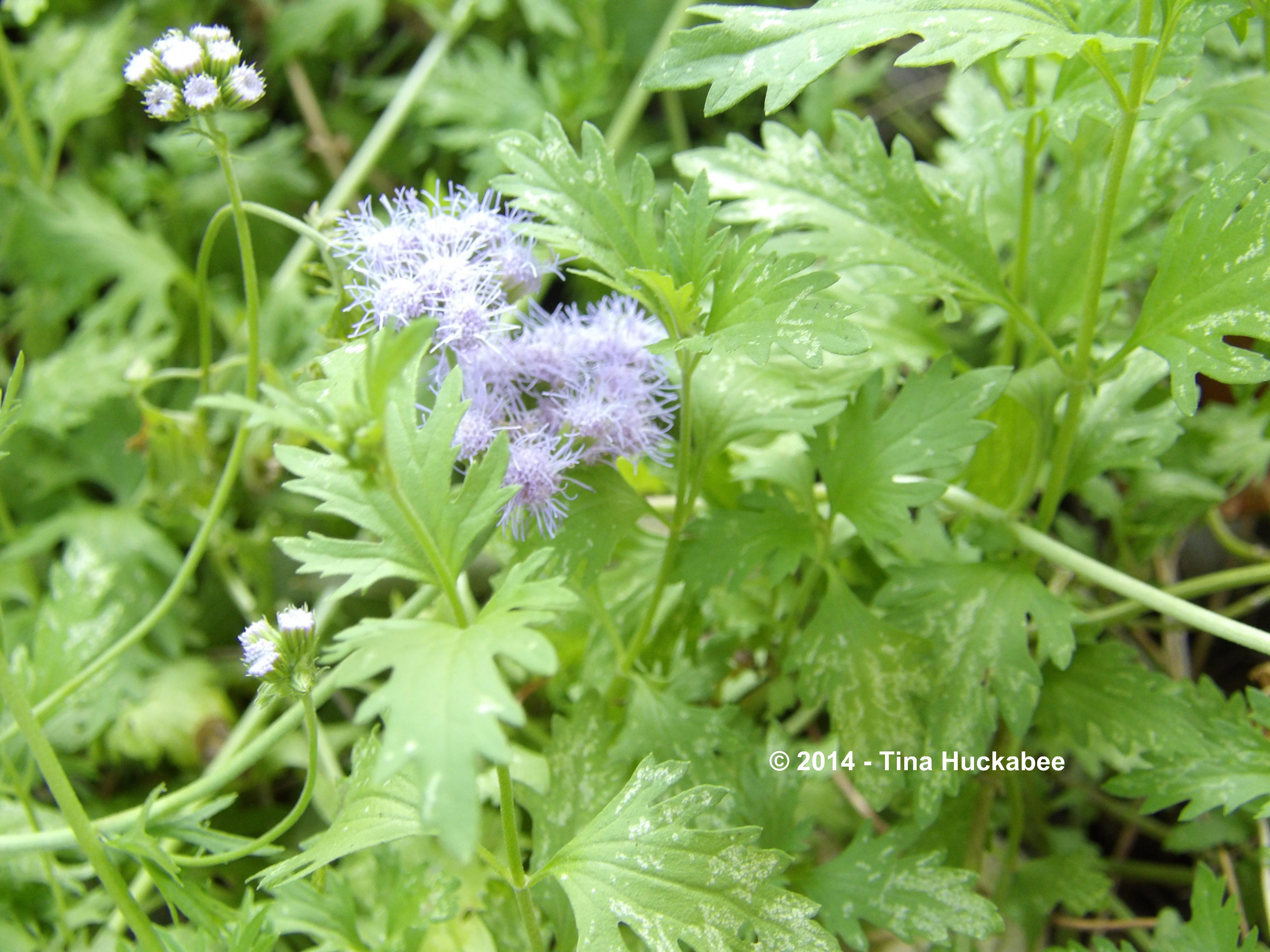
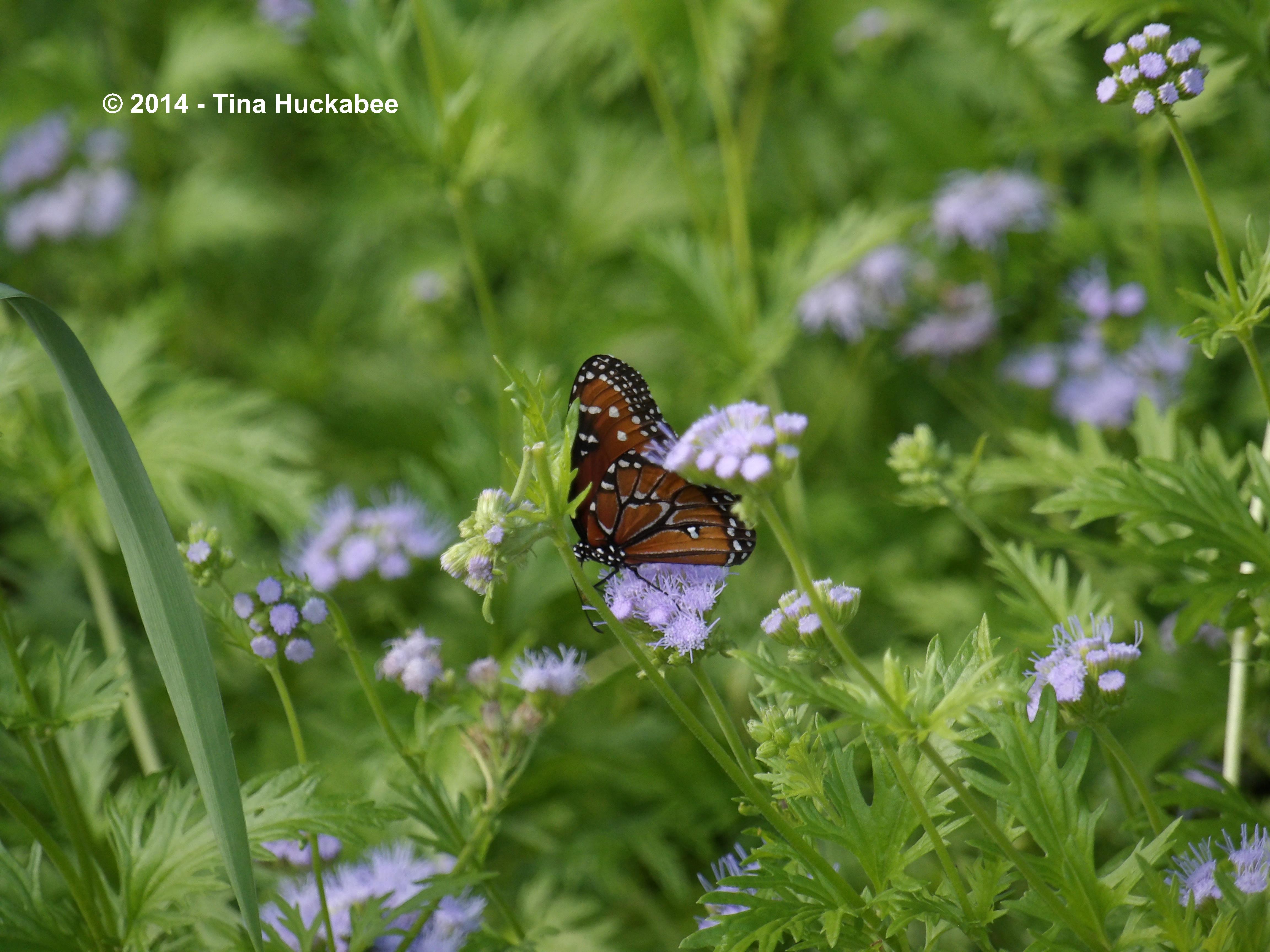
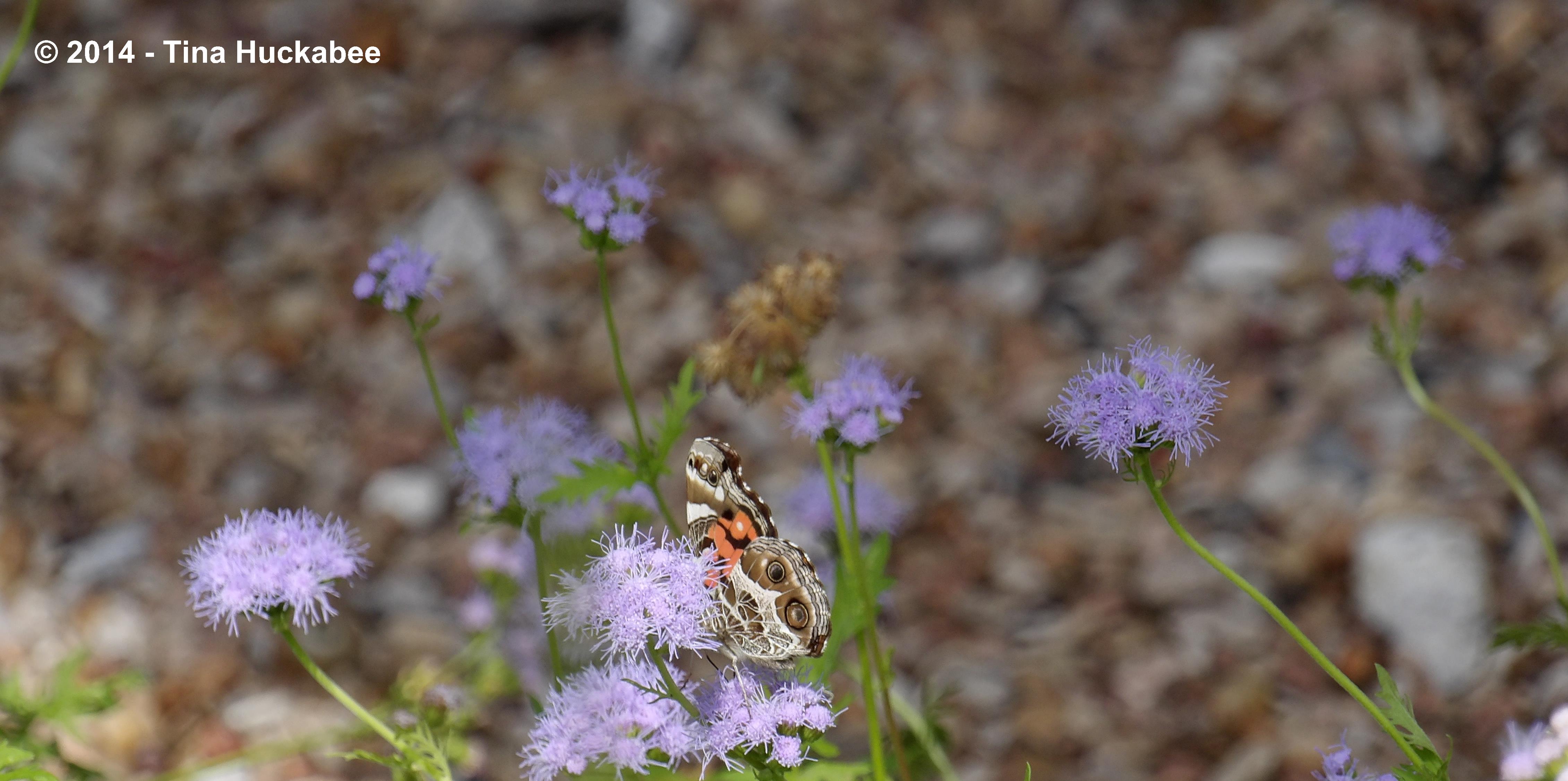
…except that it’s Gregg’s MistflowerConoclinium greggii.  From the shared Latin name, Conoclinium, it’s obvious that these two lovelies are related.

IMGP1711.new IMGP1795.new

Both Blue Mistflower and Gregg Mistflower are in the Asteraceae, or Aster, family of plants and both are native Texas groundcovers.  Blooming in August until the first light freeze, these mistflowers are desirable pollinator plants, easy to grow, and downright pretty.

I planted the Blue Mistflower many years ago in a different spot from this,IMGP1851.new

IMGP1482.new

…and loved it.  About five years ago, as spring arrived, only about ten “sprigs” emerged from winter dormancy.  I was in major garden redo mode, so I pulled those few surviving sprigs up and replanted them.

IMGP1508.new The leaves are dark green and slightly serrated, with fuzzy, rich blue-violet flowers atop the branches.

IMGP1618.new

The color of the photos doesn’t translate well, but Blue Mistflower is quite striking in full bloom.

IMGP1766.new IMGP1665.new

The Gregg’s Mistflower is a newer addition in my gardens, though it’s more commonly planted in Austin gardens than the Blue.

IMGP1770_cropped_2949x2949..new

IMGP1485.new

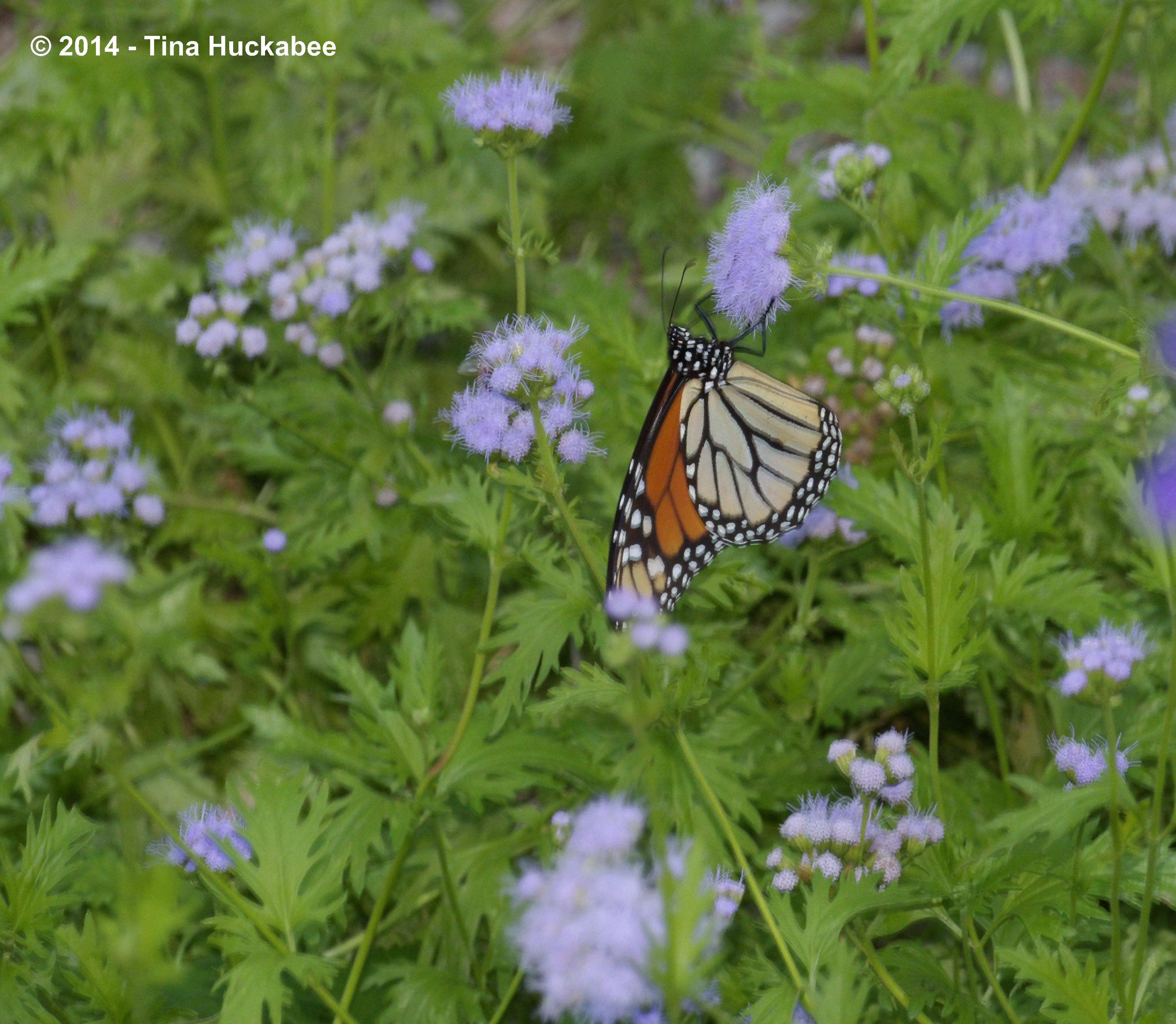
I’ve only grown the Gregg’s for about three years.  It’s an excellent attractor of pollinators–bees, butterflies, and moths are constantly working these flowers.

IMGP1917_cropped_3838x3341..new IMGP1919.new

IMGP2011_cropped_4521x2253..new

IMGP2076.new

The flowers are similar to the Blue, though a lighter blue with a hint of lavender,

IMGP1486.new …and the leaves bright green and deeply lobed.  Another common name for Gregg’s is Palmleaf Mistflower, because of this lobed characteristic.

IMGP1488.new

These two mistflower species are members of the autumn cast of garden performers here in Texas.  They provide nectar for pollinators,

IMGP2182.new

and visual pleasure for gardeners.


Foliage Follow-up, April 2014

Spring has definitely sprung here in Austin and though blooms may be foremost for most garden lovers, foliage loveliness deserves a shout-out.   Here are my foliage favorites for April.

The summer and fall blooming Gregg’s Mistflower (Conoclinium greggiisports deeply lobed foliage, giving rise to one of the common names for this hardy ground cover, Palmleaf Mistflower.

P1030173.new


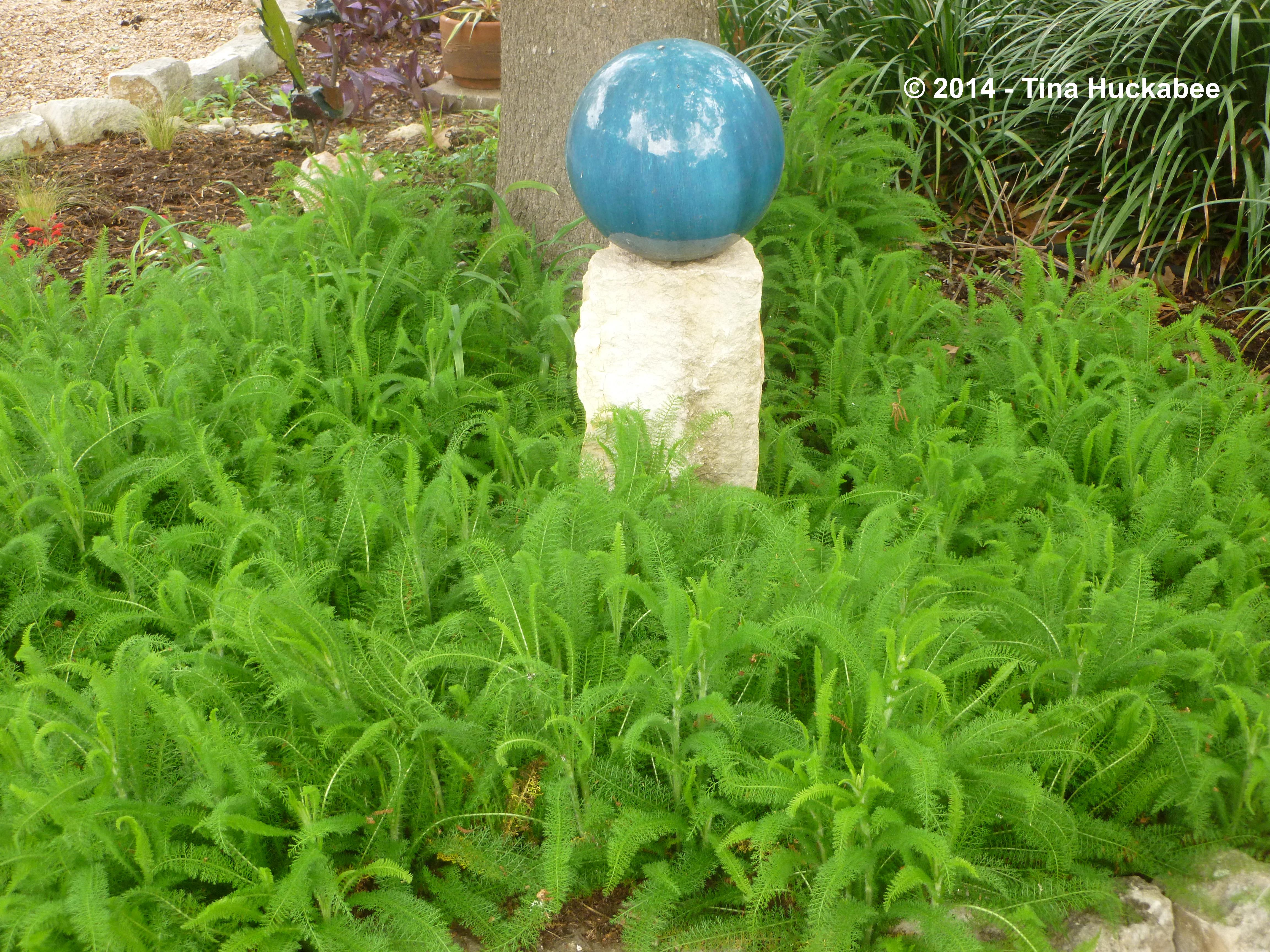
Yarrow (Achillea millefolium) has beautiful foliage year-round.  It’s delicate, fern-like and spreads well (sometimes too well).  Yarrow is evergreen, hardy and drought tolerant.

P1030174.new

It brightens this shady spot.

A perennial favorite of mine and one I’ve profiled before, Mexican Feathergrass (Nassella tenuisima) is at the zenith of beauty in the spring.

P1030180_cropped_4282x2843..new


P1030223_cropped_4055x3253..new

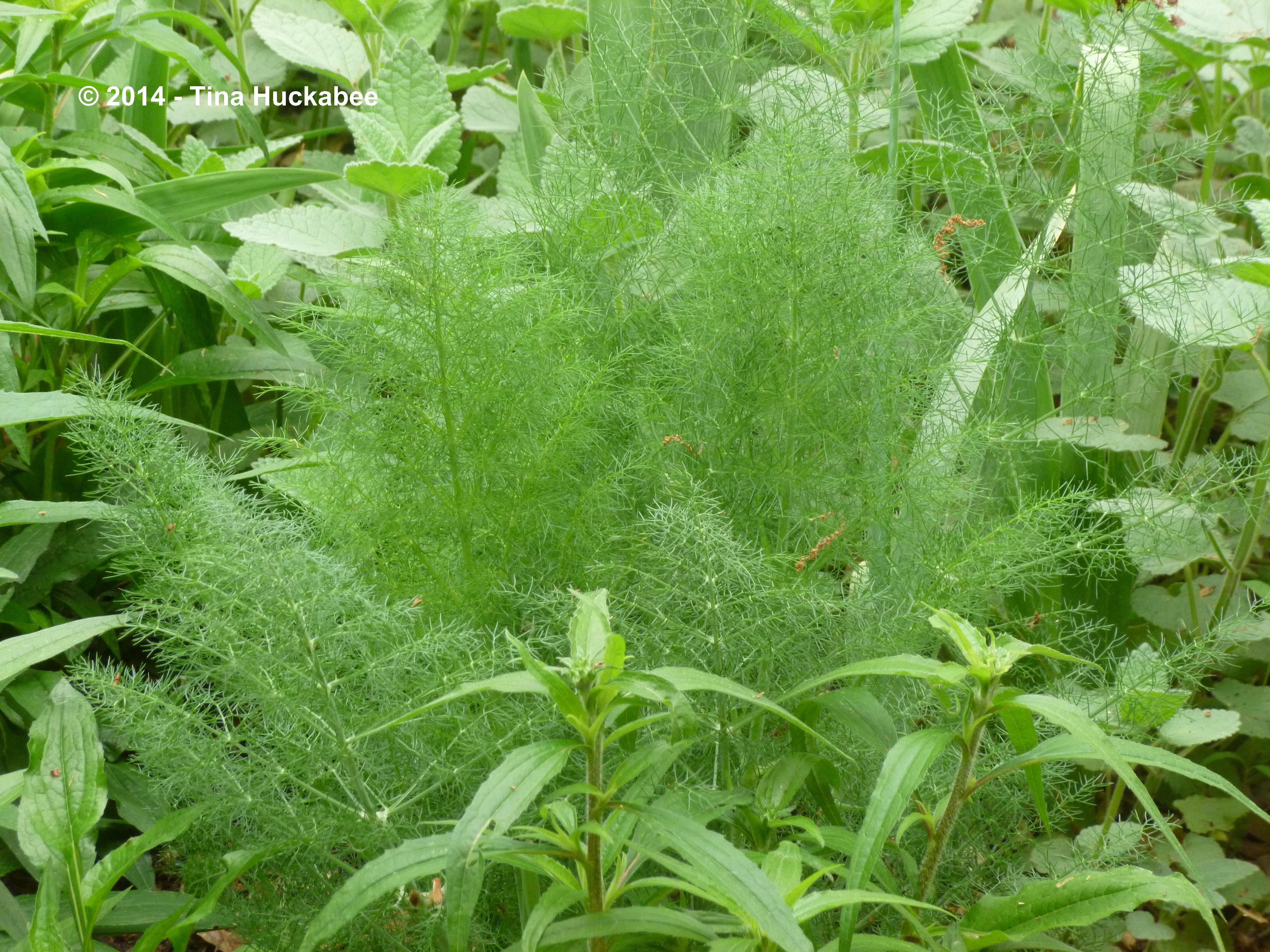
The lone green Fennel (Foeniculum vulgare)  in my back gardens apparently wasn’t decimated by butterfly larva last year.

P1030181.new

With soft, graceful foliage, it’s a wonderful addition to the mixed perennial garden.

Globe Mallow (Spaeralcea ambigua)  is such a show-stopper with its combination of orange blooms and arresting, pale gray-green, fuzzy leaves.

P1030187.new

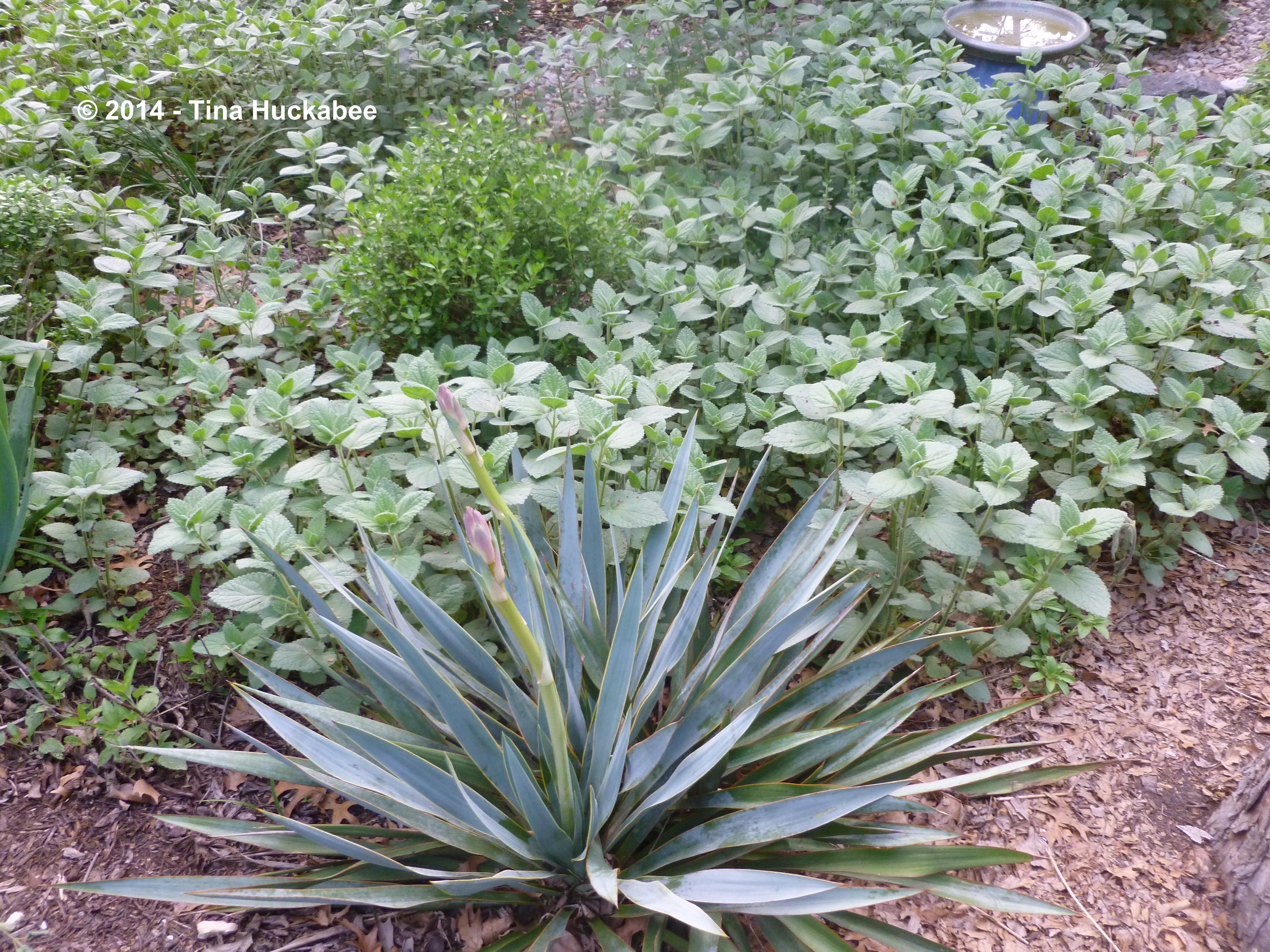
I like this combination of  Pale-leaf Yucca (Yucca pallida), Heartleaf Skullcap (Scutellaria ovata) and the bright green Autumn Sage (Salvia greggii).

P1030189.new

The Pale-leaf Yucca appears blue against the backdrop of the greener Skullcap ground cover  and the Autumn Sage’s is a bright green punctuation situated further in that same ground cover.

The Wild Red Columbine (Aquilegia canadensis) not only has beautiful blooms in spring, but interesting foliage year-round.

P1030206.new

New growth from a young American Smoke Tree (Cotinus obovatus), promises more beauty as it matures.

P1030126.new

Lastly, I can’t resist the photo of the Scarlet Tanager, Piranga olivacea, who has visited my garden this past week as he rests on the green branch of Retama (Parkinsonia aculeata).  Plumage and foliage–you can’t beat that!

P1030229_cropped_2397x2139..new

Thanks to Pam at Digging for hosting Foliage Follow-up for April.