While I might fantasize about tall, dark and handsome, it’s this darling,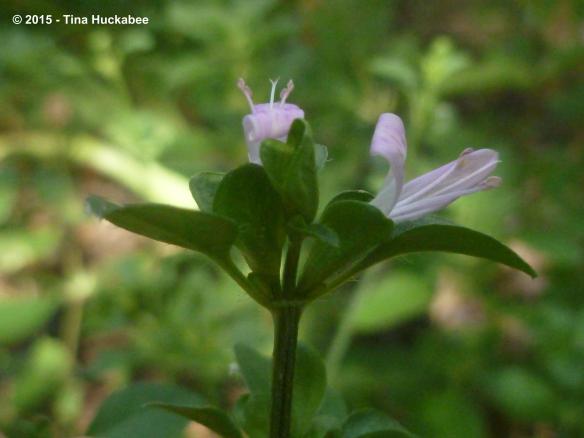
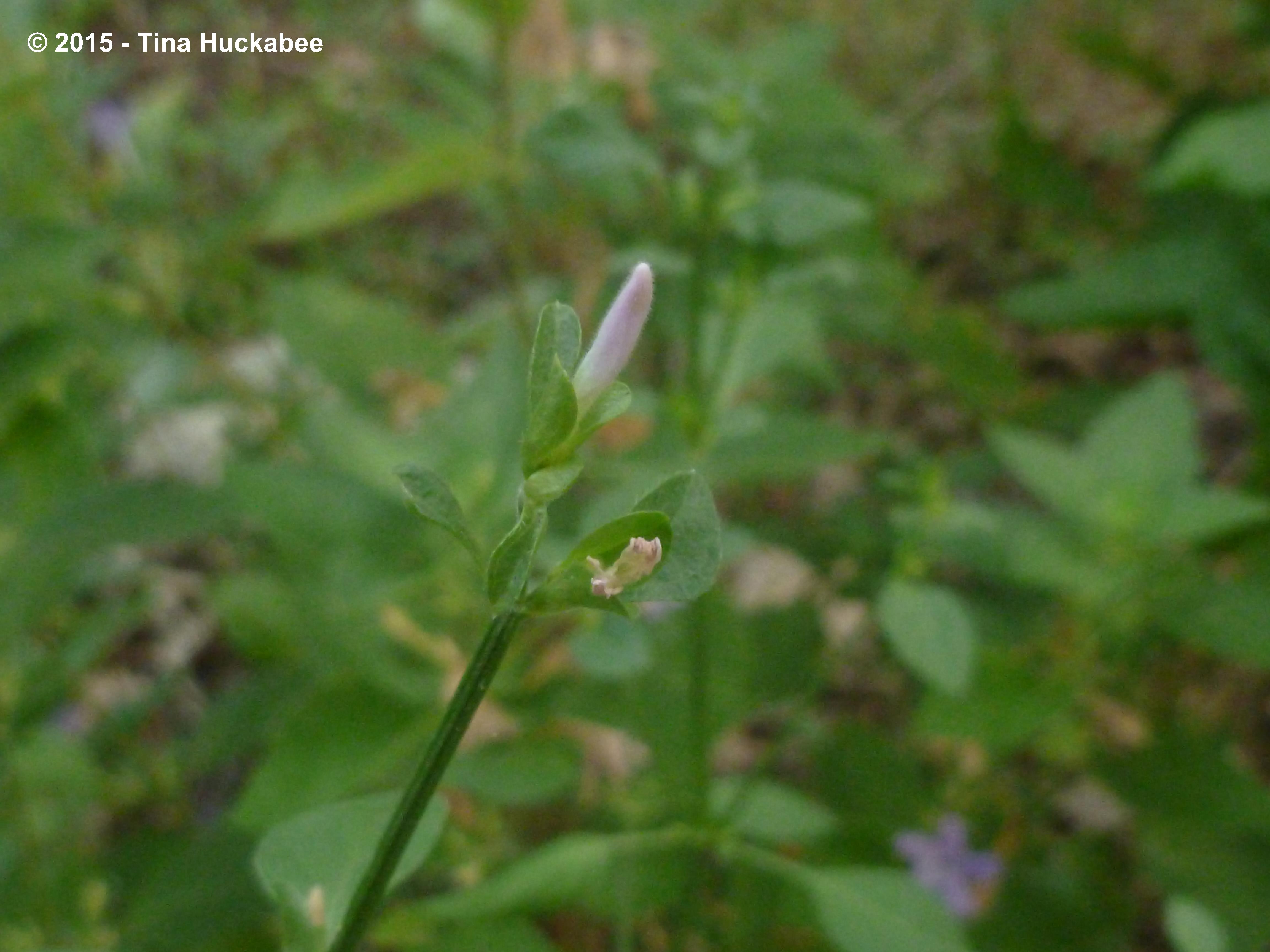
….small, lavender and mysterious, that has turned my head recently. This Branched foldwing, Dicliptera brachiata has planted itself in my garden, courtesy of I-don’t-know-who-what-or-how.
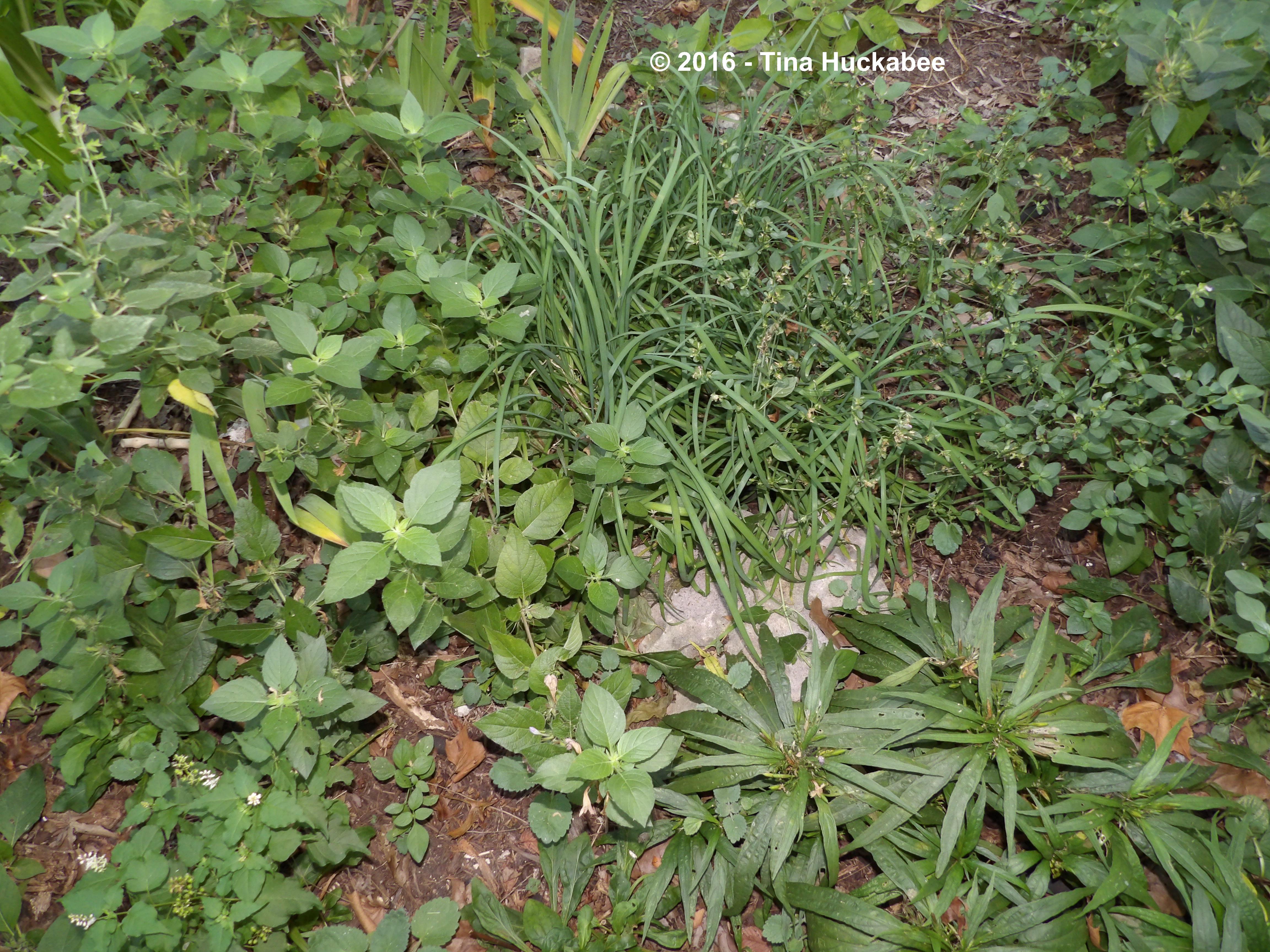
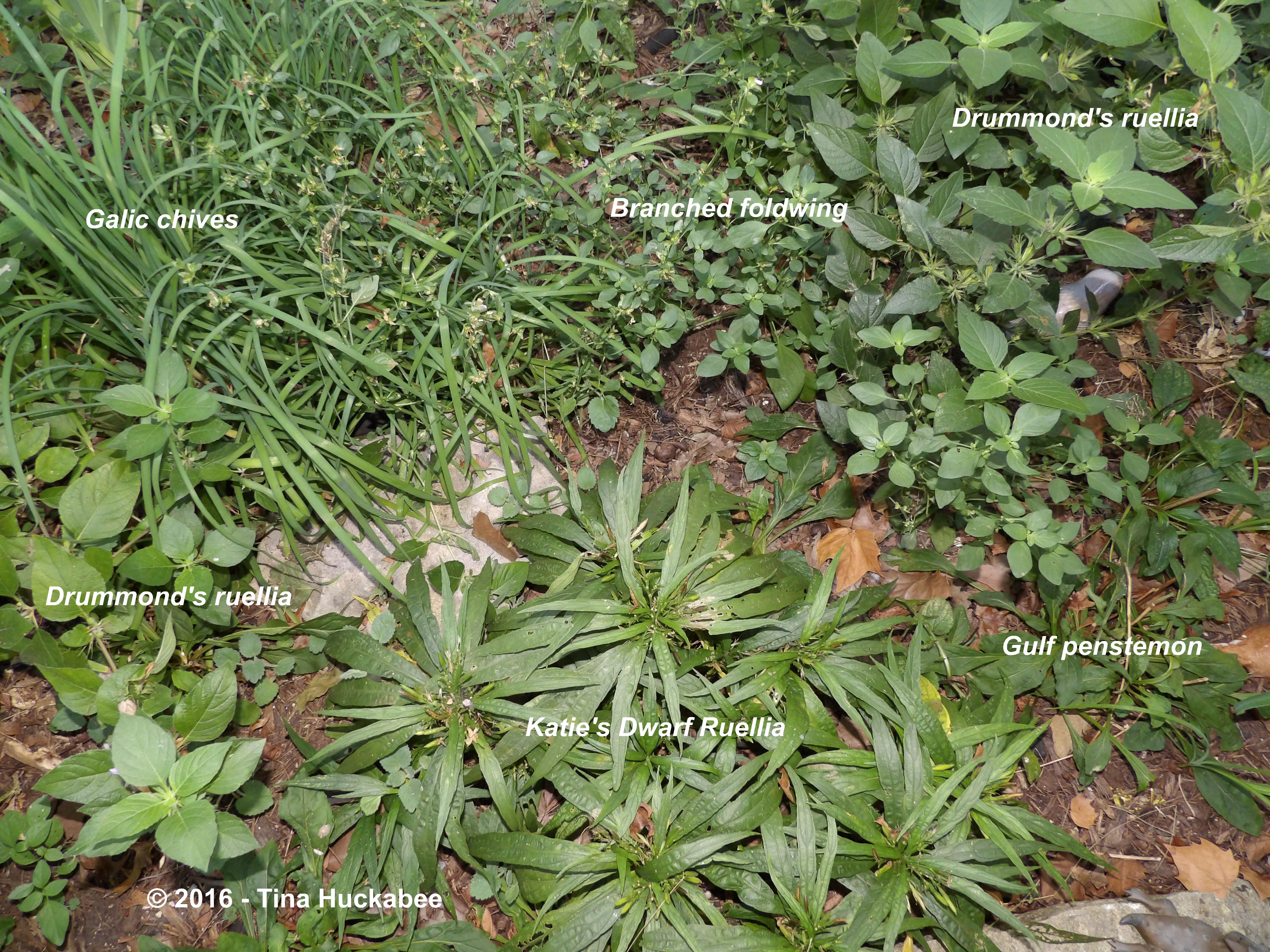
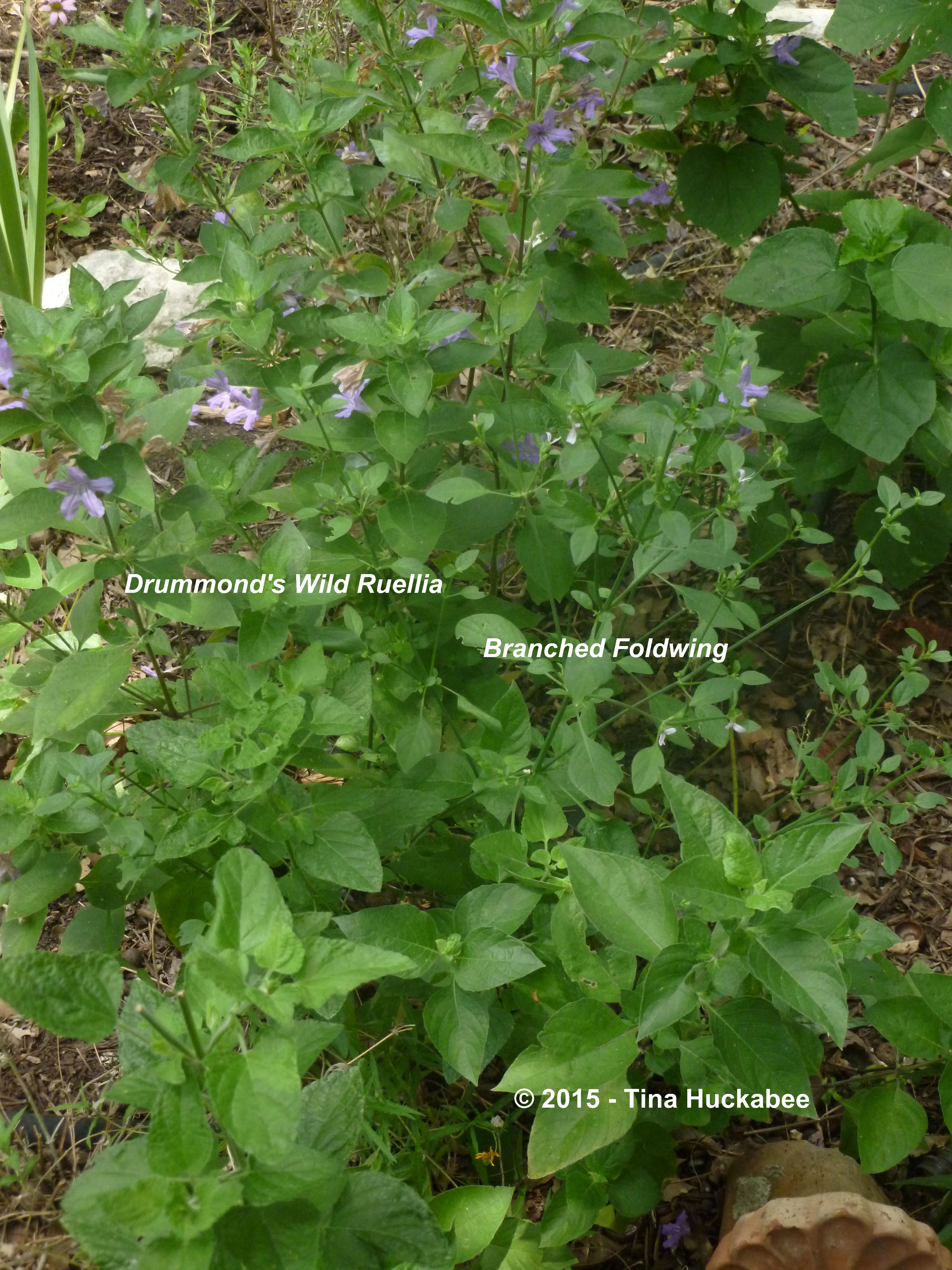
The pretty showed up late in spring, amid a cluster of Drummond’s Wild Ruellia, Ruellia drummondiana.

I grew the ruellia from seed and the group of four individual plants has been in the ground for a couple of years. I noticed the different foliage and branching structure,
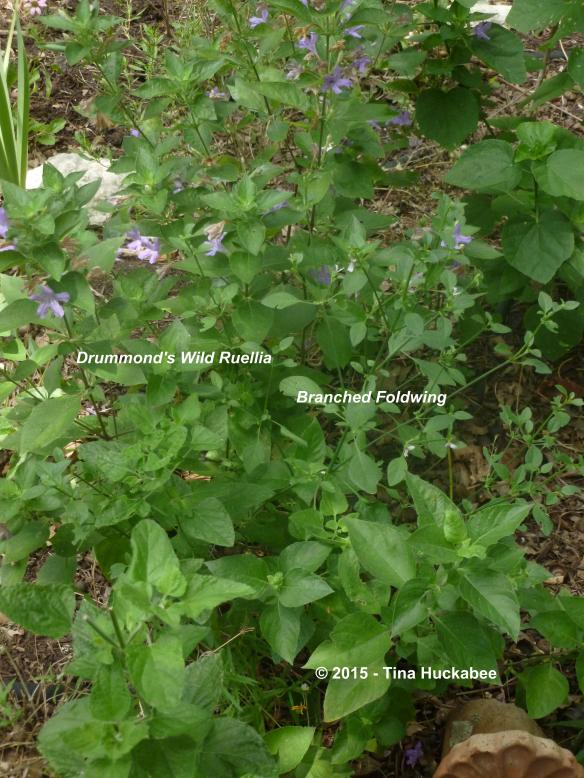
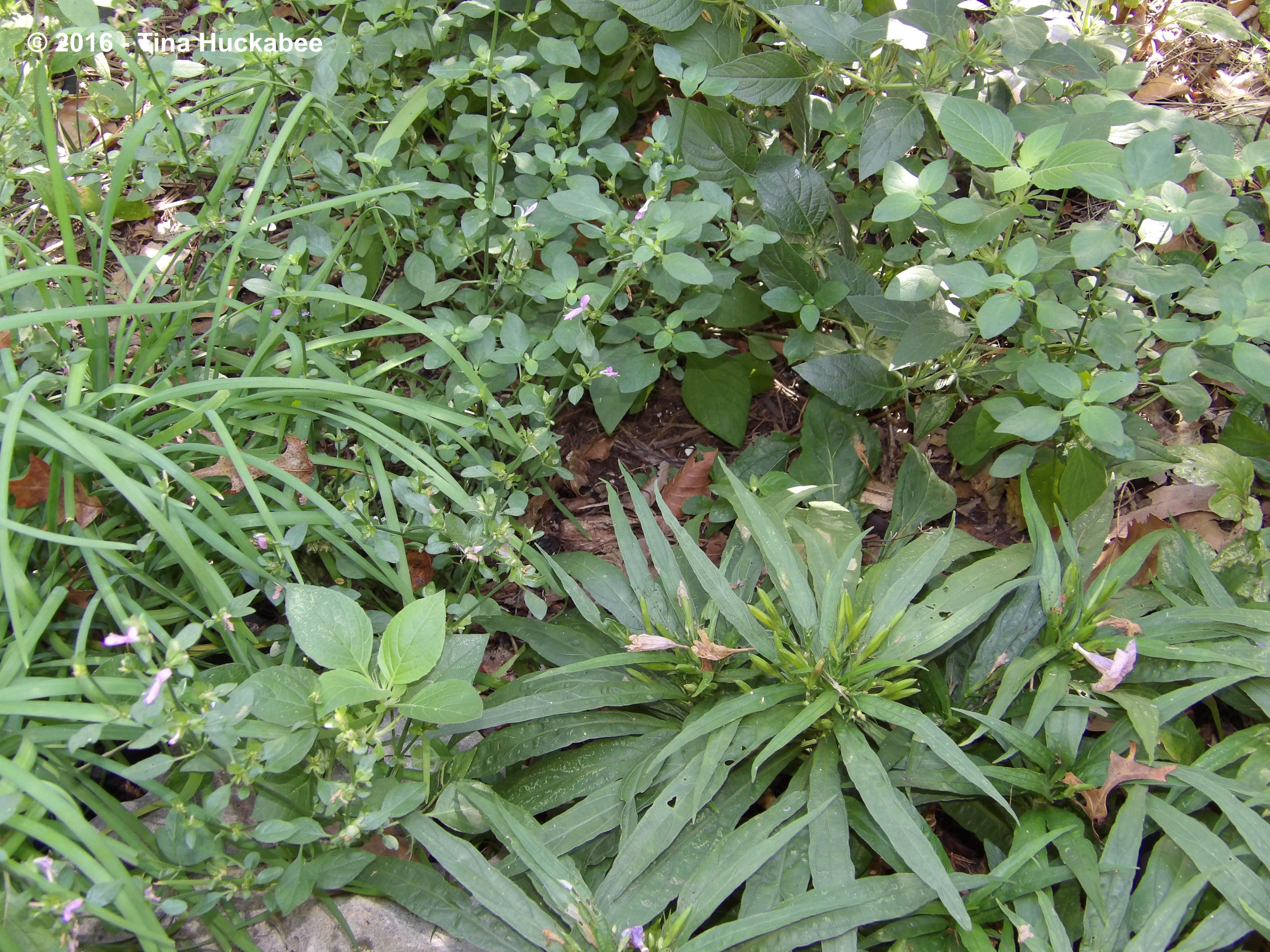
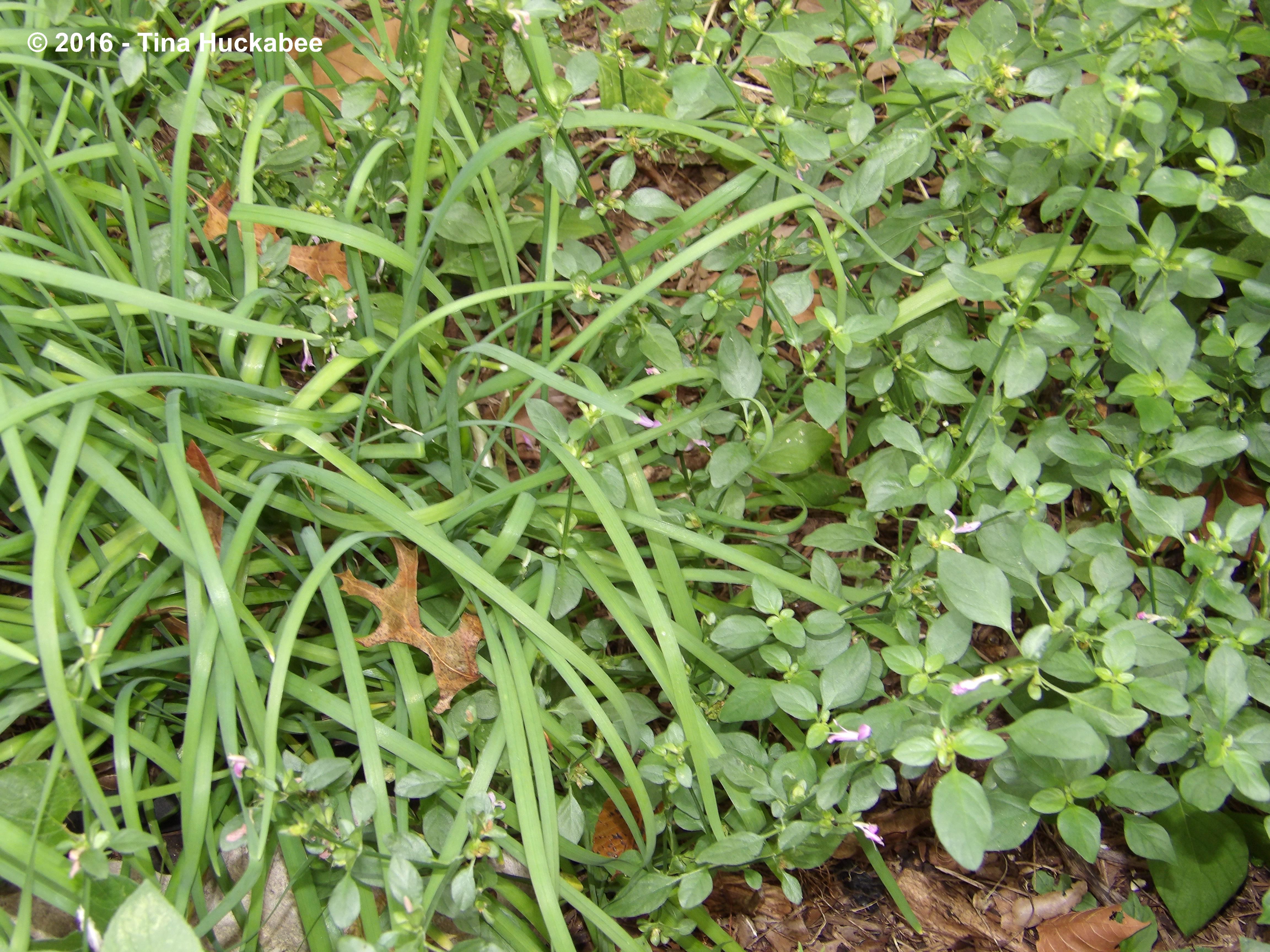
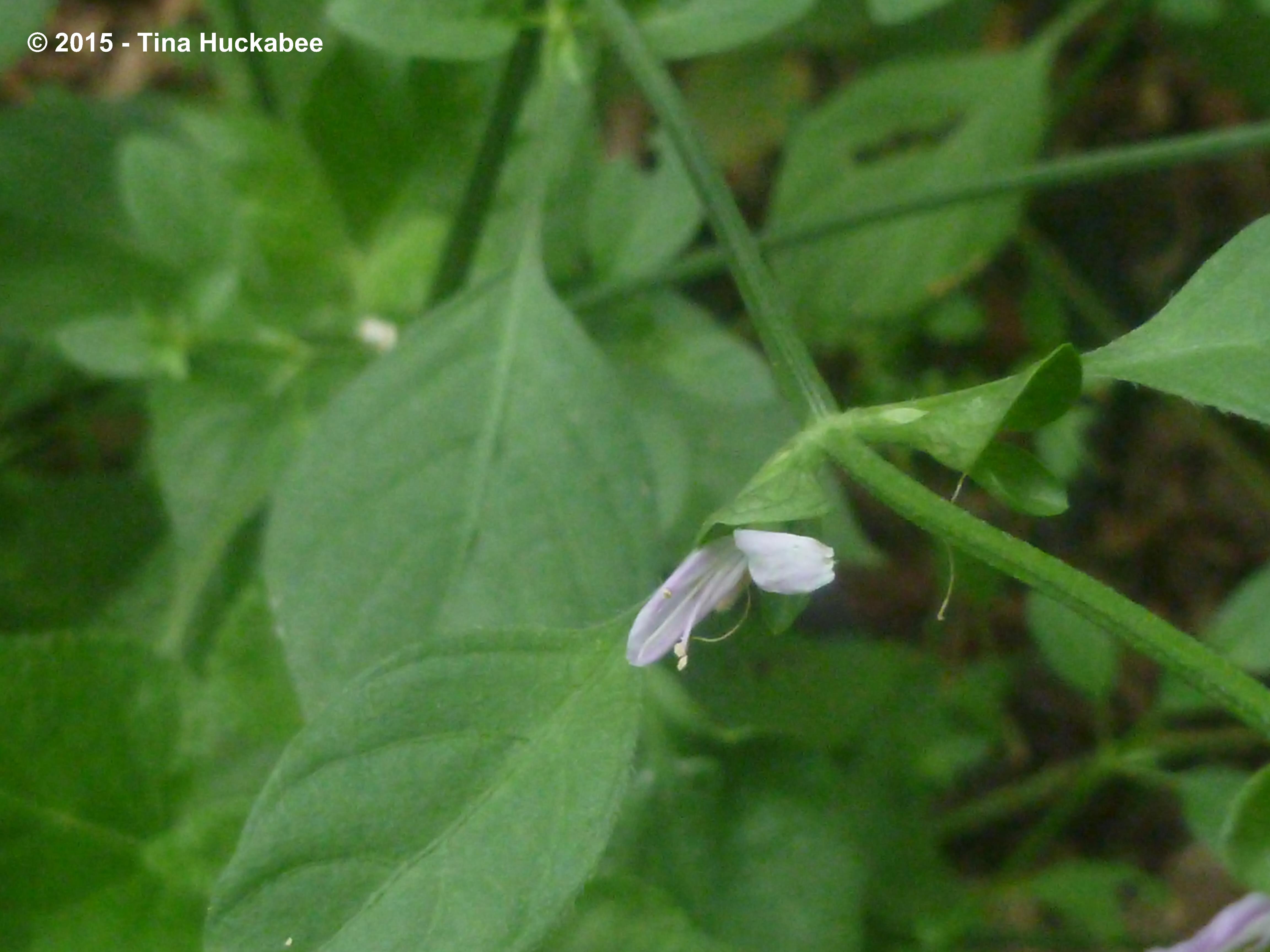
…and wondered what bloom would appear. In the past few weeks, small, simple flowers have unfurled at leaf nodes along secondary shoots from the major branches.

The flowers are a soft lavender (as if lavender isn’t a soft enough color), which grows paler as the blooms age. 
Not striking or boisterous as blooms go, but, they are graceful.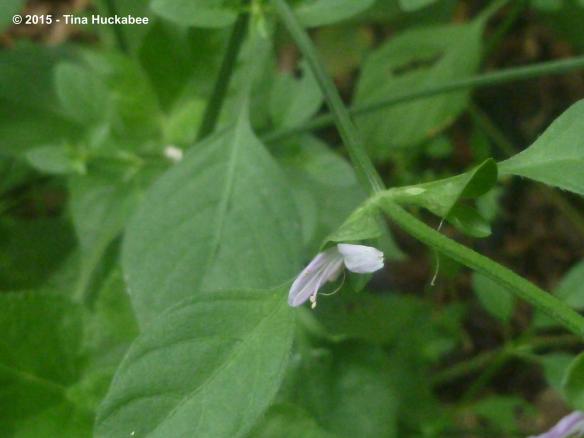
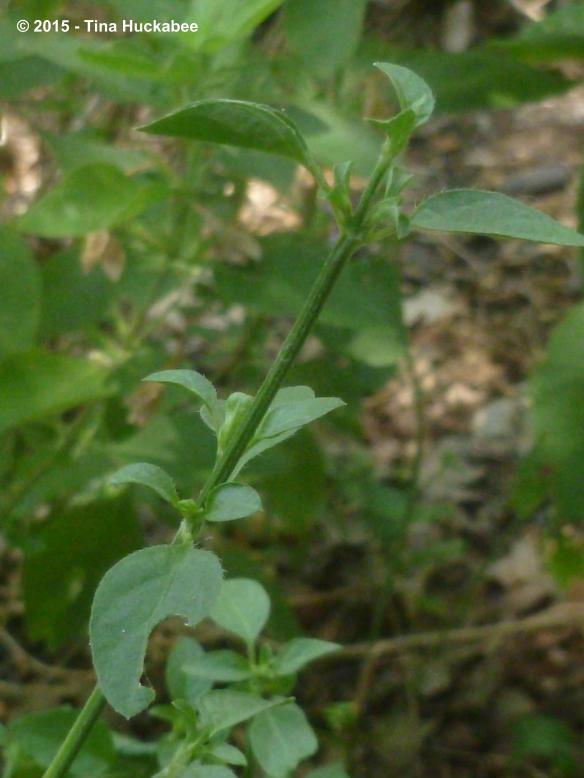
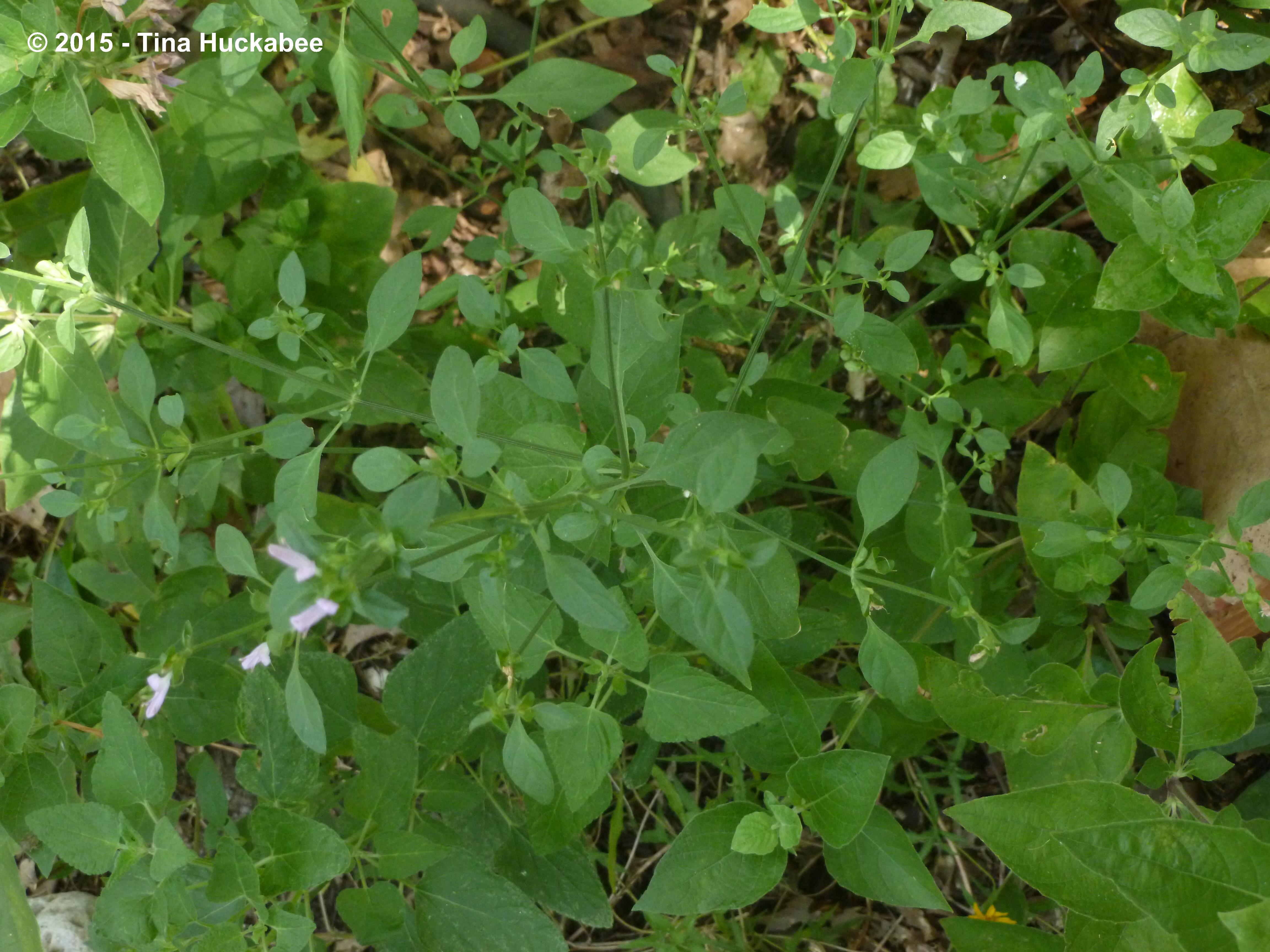
The plant itself is small, only about 1.5 feet in height and not wide; it forms a loose growth habit. Most of the leaves on the sub-branches are smallish, especially in comparison with the Ruellia foliage, 

…but the leaves from the main branches are larger. The primary branch stalk is woody and all of the branches are somewhat square.

This plant is aptly named in both the Latin and common forms: Dicliptera: diklis, Greek meaning “double-folding” and pteron, Greek meaning “wing”; brachiata refers to “branch”. The English is equally and elegantly straightforward: Branched Foldwing.

I couldn’t have named it better. Until a couple of days ago, I had no idea what this happy garden surprise was. I thought it was a native, though I can’t say why I thought it was native, except that it looks native-y. I know, not very scientific.
I studied the plant, took photos, perused every plant detection search engine and book I connected to or own, but couldn’t find an exact match. I dismissed it belonging to the native Texas plants in the Lamiaceae and Fabaceae families (thank you, Special Collections of the Lady Bird Johnson Wildflower website), though there are some physical characteristics of both plant families present in this plant. Monday evening, as the temperatures cooled to a mere 100 degrees, I once again strolled into the garden and knelt beside the green and lavender gift. I thought to myself: Do I have any plants that have similar blooms to this one? and realized, that yes, as a matter of fact, I do. The native to Mexico and hardy in Texas, Mexican Honeysuckle, Justicia spicigera,
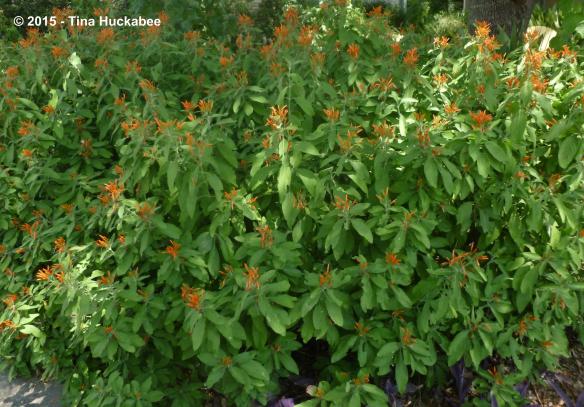
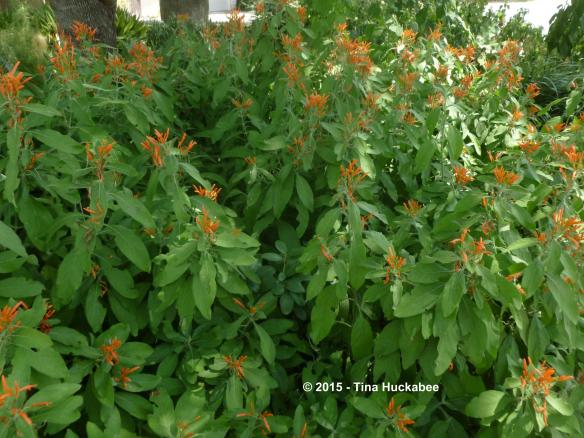
…which is in a gorgeous, showy mood right now, also demonstrates the charming petal curl similar to that of the Branched Foldwing.


Ah ha!! So what family does Justicia belong in? The Justicia spicigera is in the Acanthaceae family. So I whip out my phone, log on the the Wildflower Center’s site and scroll through the Acanthus family plants. Fortunately, the Acanthus family is a smaller group than some of the others–that makes looking at the small print on the phone more acceptable–and easier. The Ruellia drummondiana plants, where the mystery plant is located, is also an Acanthus family member, so I roll the phone’s window through all of the Ruellia species, as well as others in this valuable family of plants, and then…there it is.
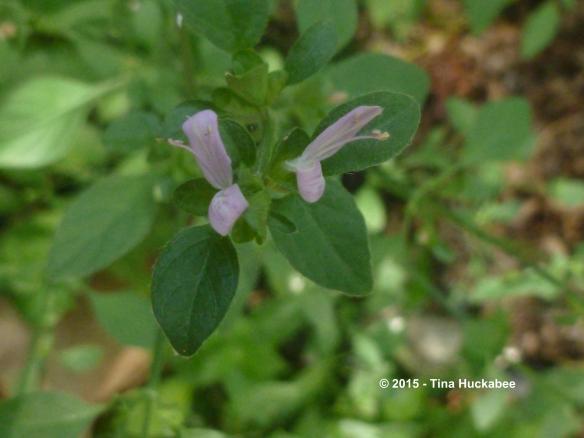
Dicliptera brachiata. Branched Foldwing.
A native to Texas and much of the southeastern United States, and stretching into the Midwest, D. brachiata is classified as a herb and an annual/perennial–I’m guessing that it will prove to grow as a herbaceous perennial in my garden. The Branched Foldwing blooms July through October. The WC literature mentions that it is a good moist woodland plant and can be “weedy” in a watered garden. I only water two times/month, so “moist” is not something that my garden gets much of, except that there was a lot of rain in late spring and early summer, and the Branched Foldwing in question is near a bird bath. The areas around my bird baths tend to get more water than most of my gardens and several of them are in shady spots. Lucky gardener, lucky plant.
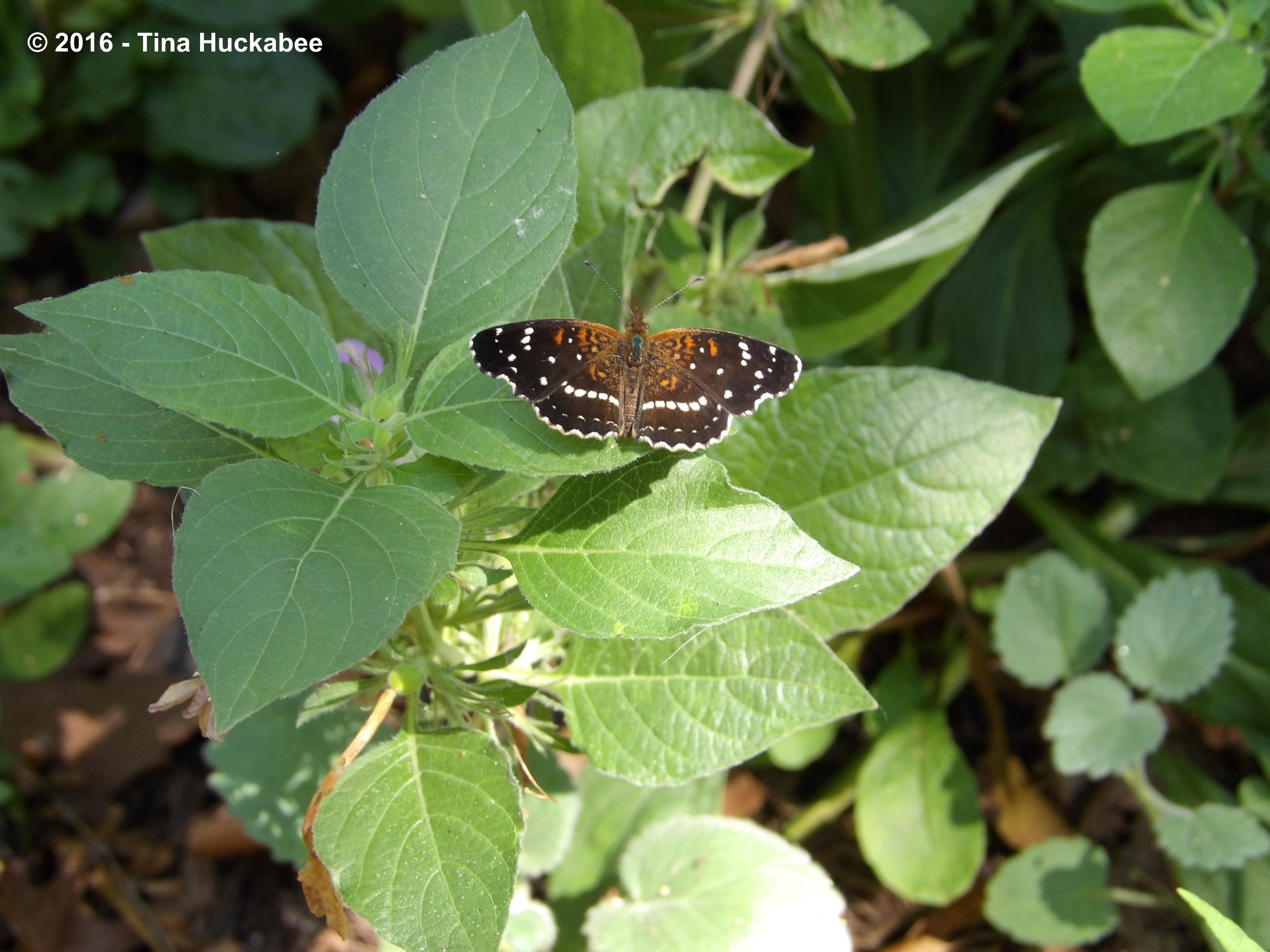
Even better, this native is also the host plant to the Texas Crescent, Anthanassa texana, a common and pretty little butterfly that I see regularly and that flitted prolifically in my gardens earlier this summer. Well, that explains the munched-upon leaves, doesn’t it?


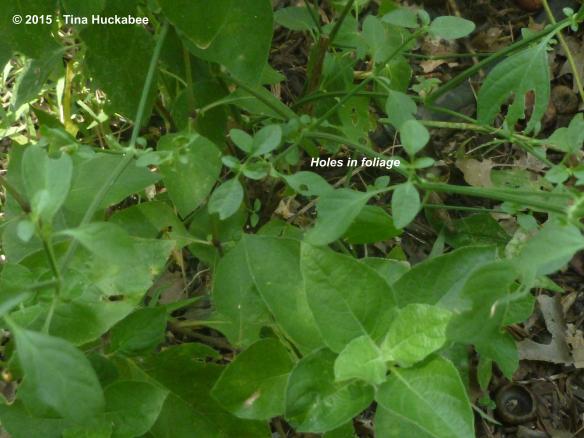
The Texan Crescent caterpillars might be feeding on other plants, but there’s unquestionably foliage damage on the Branched Foldwing. Considering that there were a fair number of the butterflies and this is a new plant in my garden, I think I’ve figured out at least one of the food bars that Texas Crescents are eating from!
Yay for native plants! Yay for native insects which evolved along with those plants and add to the rich diversity of life in my garden!! Yay that I finally figured out what the heck it is!!
So where did the Branched Foldwing come from? Maybe a passing bird planted a seed? Or a seed was carried by the wind and found its way into my garden? It’s not a showy enough plant to be picked up by the horticultural industry, so I doubt that it came as a stowaway from some purchased plant. More than likely, there was a seed, or maybe several, nestled in with the seeds of the Drummond’s Wild Ruellia. The flower is small and I have yet to identify a seed, but I will keep an eye on seed development.

The story has a happy ending. Small, lavender and mysterious isn’t so mysterious after all and is a welcomed addition in my garden. It’s not a dramatically blooming find, but in hot August, arguably the toughest time of year for Texas gardens, its flowers freshen the hot and tired garden,

And along with the Ruellia drummondiana,

…and a few others.
And that’s something to be grateful for.









 My Gardener Says...