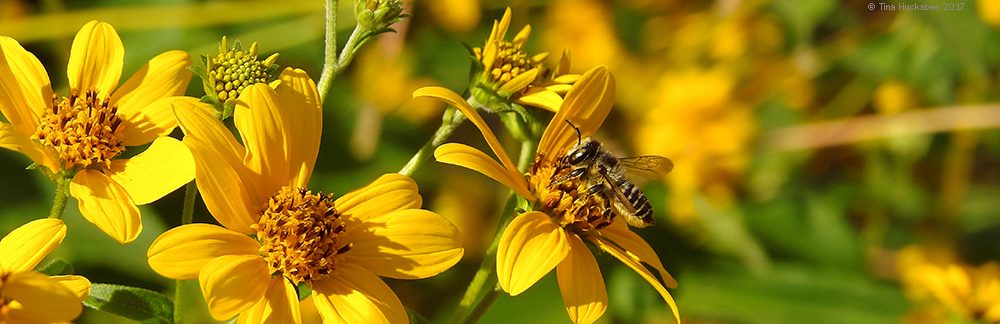
Letting you know that it’s fall in Texas–thus, the y’all, y’all. A conjunction of you + all, and common in the vernacular of the American South, it’s a friendly and practical term for inclusion and invitation to a conversation. This conversation is about the beginning of our second blooming season, so-named “Autumn” or “Fall” in most of the Northern Hemisphere. Here in Texas? We usually refer to it as, I’m so glad summer’s over!!
While in most places plants are beginning the decline of growth and production in anticipation of winter, many of our tough customers are readying for their second spring. The days still reach into the low 90’s F, but nights and mornings are cool and lovely, and even the afternoon warmth feels different from the summer heat. Or so I tell myself. Human rationalizations aside, with a smidge of rain and gentler temperatures becoming normative, every Texas gardener eagerly awaits the garden’s emergence from summer’s dormancy.
It’s about time!
Native to Argentina but naturalized throughout much of Texas, Oxblood or Schoolhouse Lily, Rhodophiala bifida, in my garden have unfolded in a couple of waves this fall.

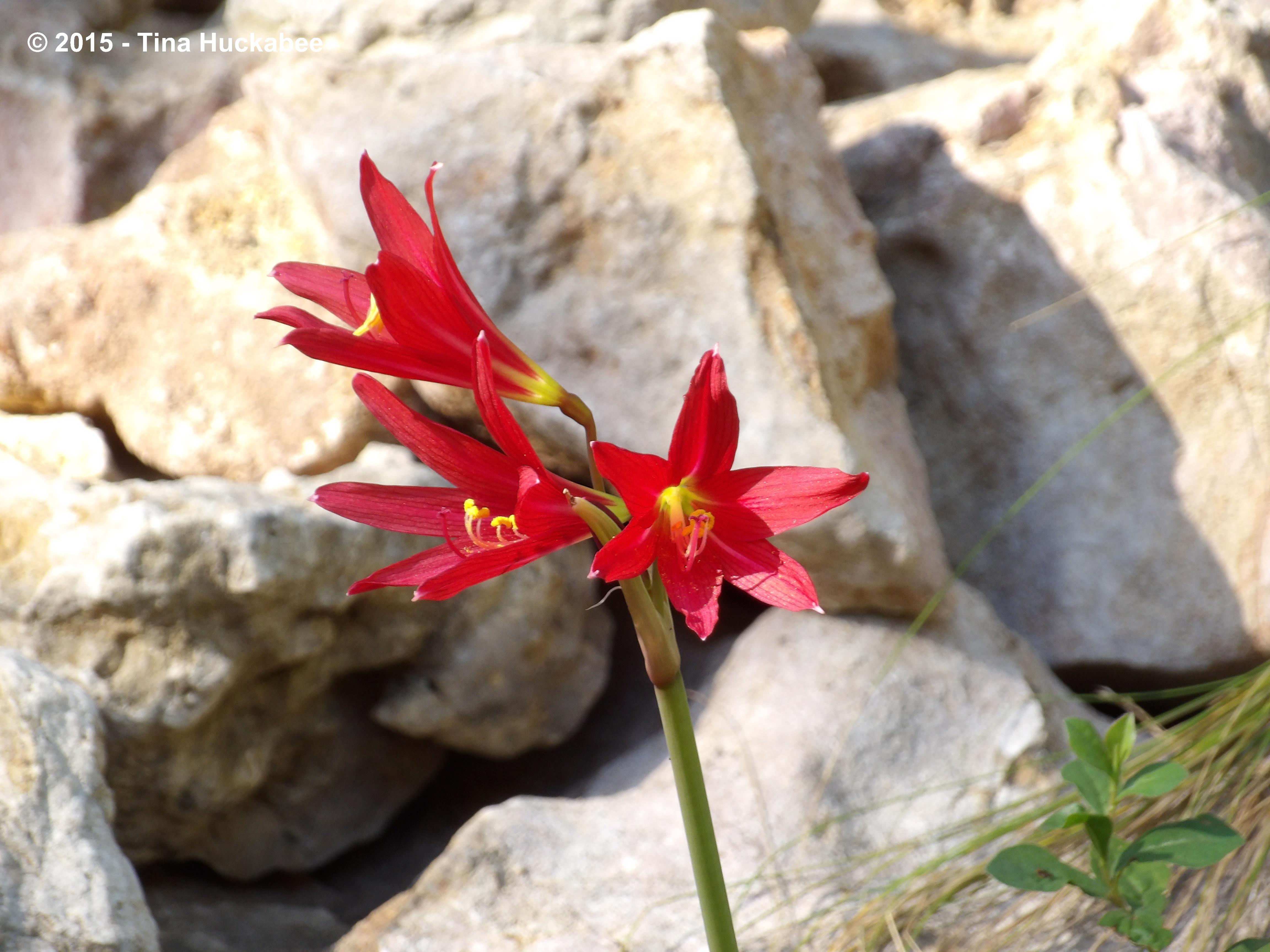
The stratification of blooming time has been a nice change. Usually these individual bulbs jut out of the ground, stalk with buds, then blooms atop, bursting open with showy flowers, all with a few days of one another. Oxblood fade away until the next September, leaving only foliage as a reminder–and not even that remains after winter.
And there’s a romance in the garden, too, this early fall.
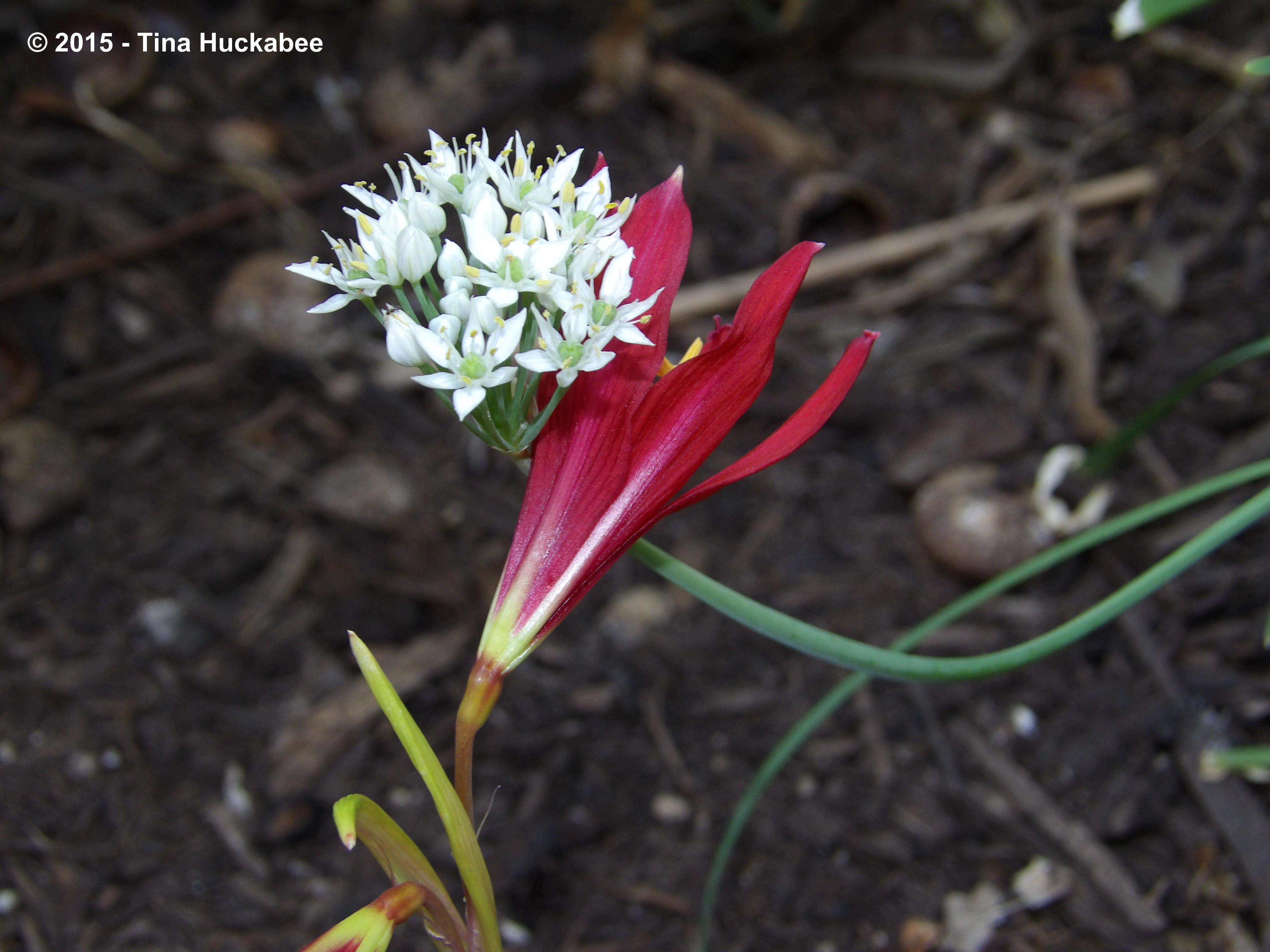
Hugs between this extrovert Oxblood and a reserved Garlic Chive, Allium tuberosum–I guess it’s true that opposites attract.
Another Garlic Chive waits alone, early in the morning, for honeybee suitors.

A new-ish bloomer for me is this purple grape juice colored Autumn Sage, Salvia greggii x Salvia microphylla.
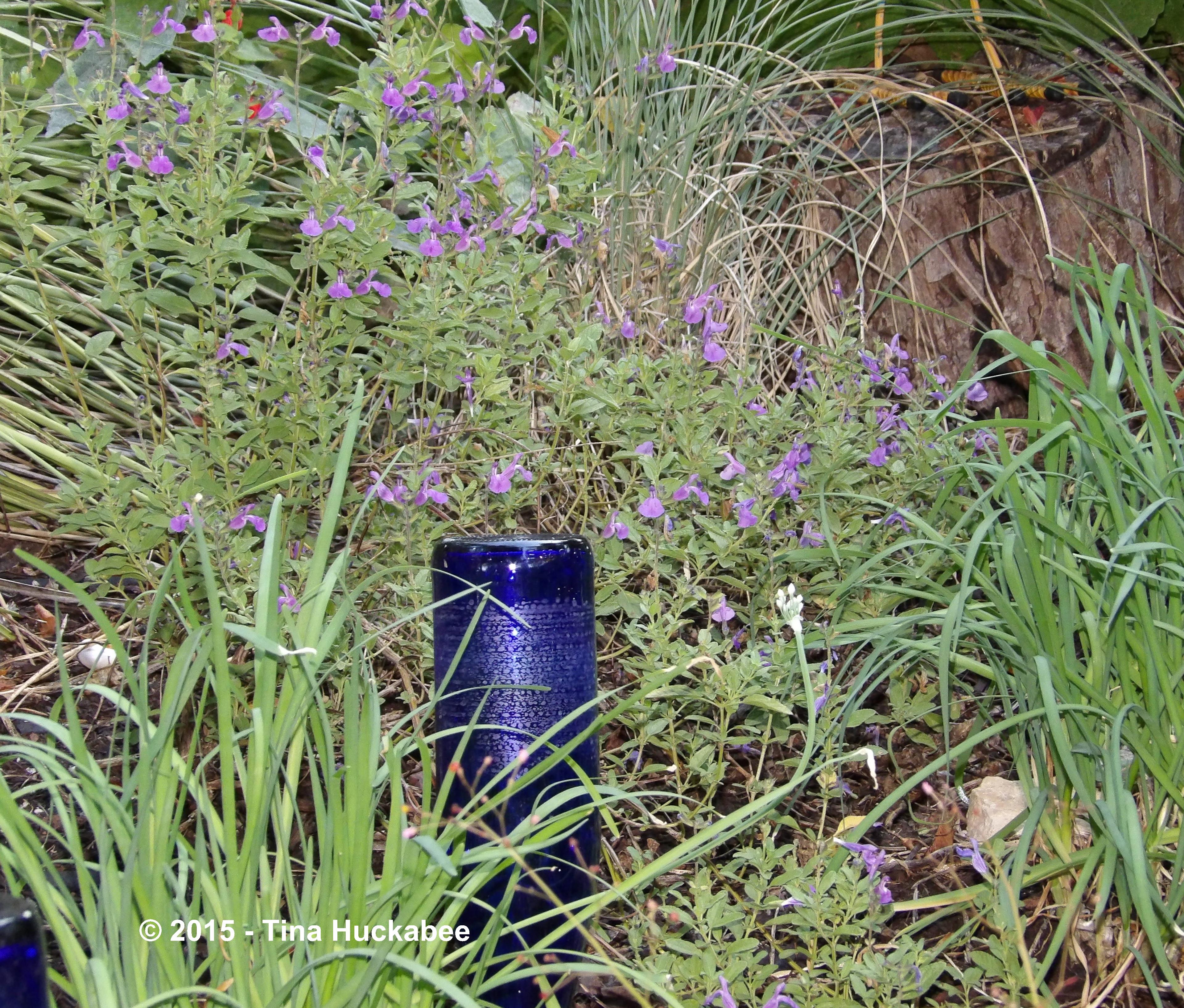
I purchased three plants from a locally owned nursery well over a year ago and am finally seeing clusters of blooms, though there were a smattering throughout summer. The story told is that one of the employees of the nursery spied the mother plant, un-named and un-tagged, at a big box store. The plant was purchased, cuttings were taking, and now the big-box plant descendants are sold from time-to-time at that nursery, usually during summer. It’s an attractive purple salvia, water-wise and tough, and beloved by my honey and native bees.

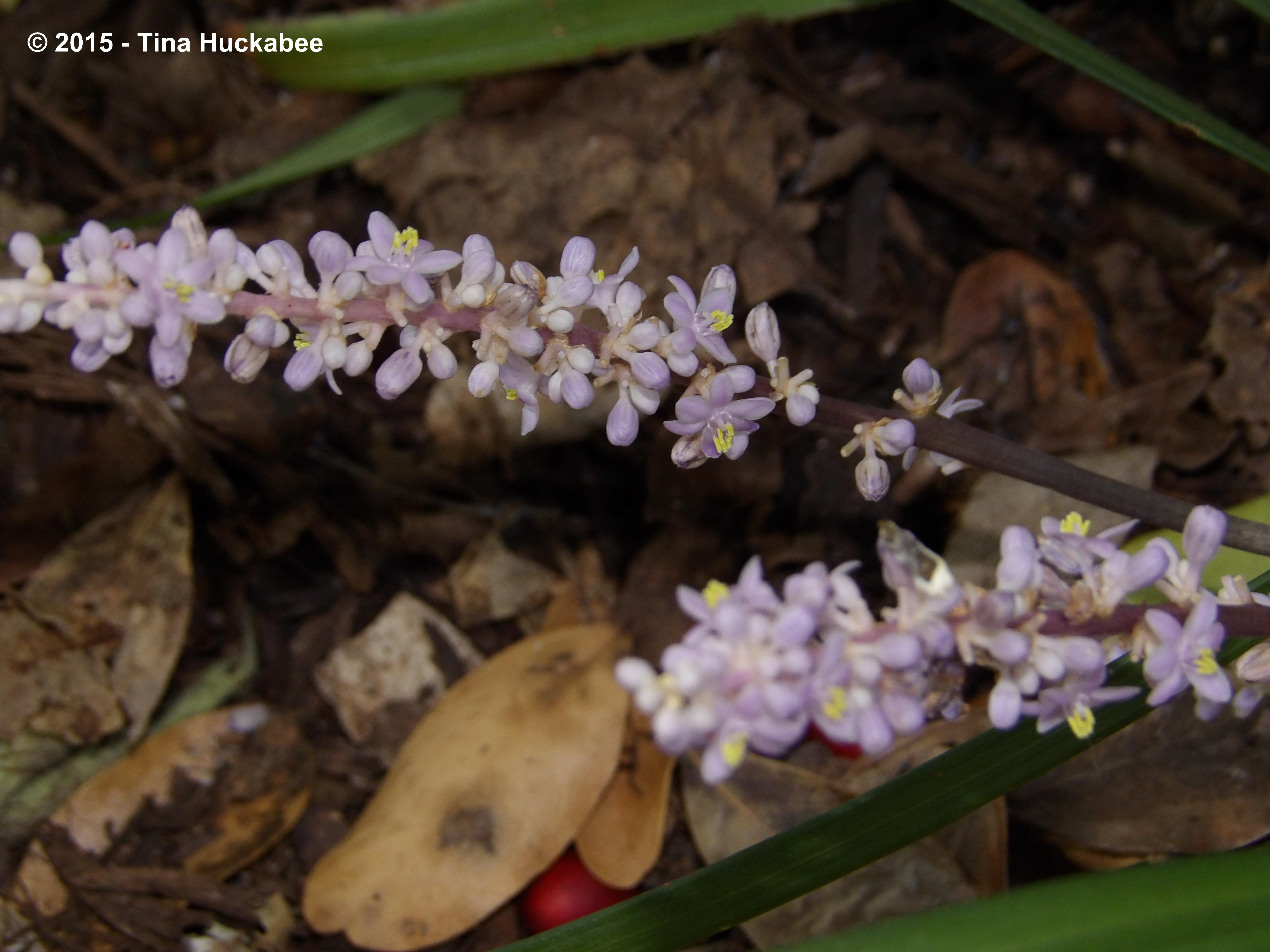
Stalking a honeybee as she worked, partially hidden in the grassy foliage of a Giant Liriope, Liriope muscari ‘Evergreen Giant’, I snapped shots of the pretty lavender bloom spikes. If you look closely, you can see a little bee butt.

These ornamental and drought-tolerant grasses don’t bloom often, though they are very welcomed when they do, usually in early fall.
In late July I pruned the bountiful Henry Duelberg Sage, Salvia farinacea, ‘Henry Duelberg’, in preparation for fall blooms. This beautiful native perennial is an excellent food source for wildlife–pollinators and seed-eaters–and provides a great fall (and spring/summer) flower show for me.

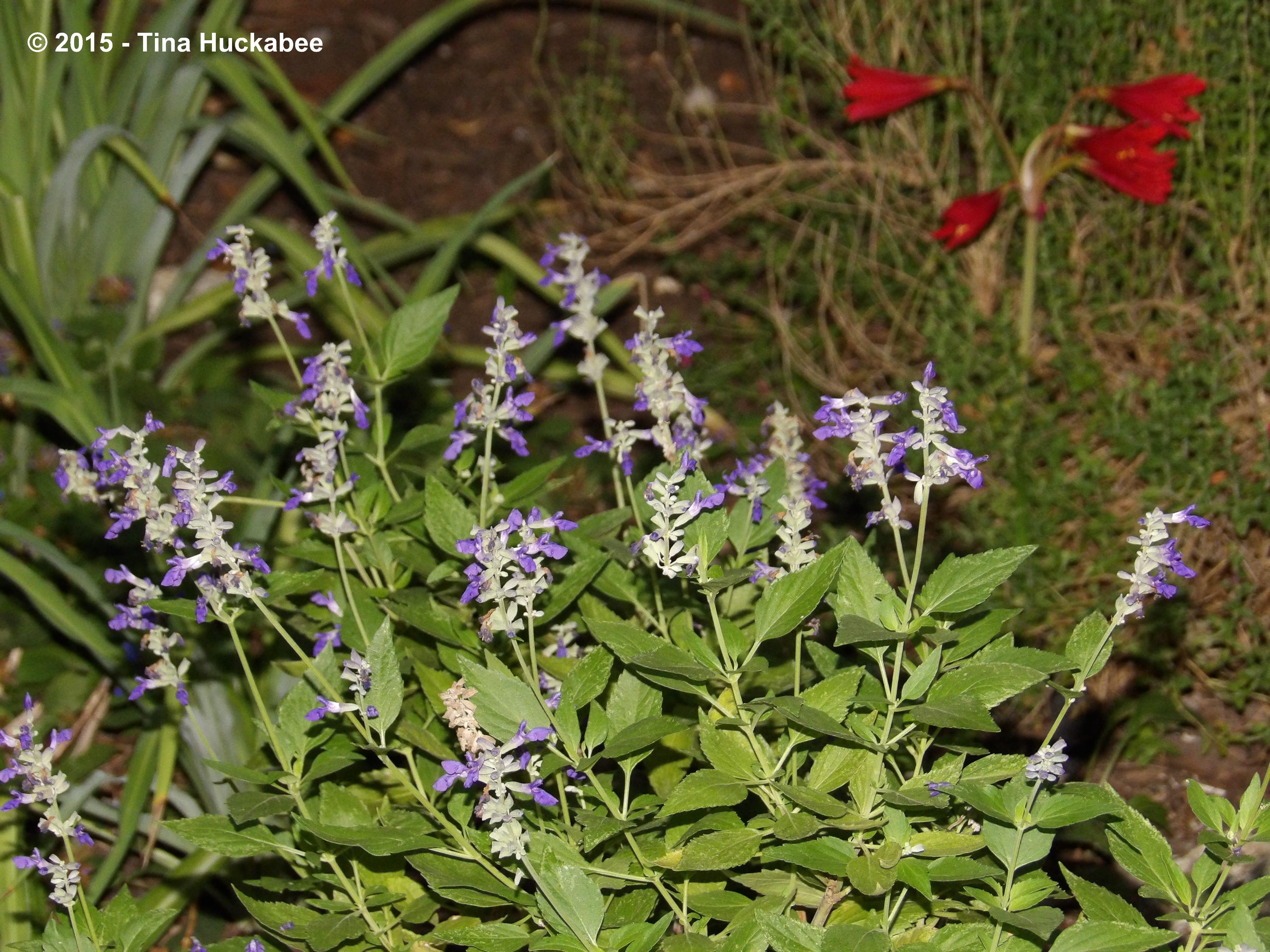
That show has begun and will not disappoint–either the pollinators or the gardener.
‘Henry’ is nice, planted in conjunction with the open-for-nectaring business, Gregg’s Mistflower, Conoclinium greggii, blooming just behind.

I think this migrating Monarch butterfly,
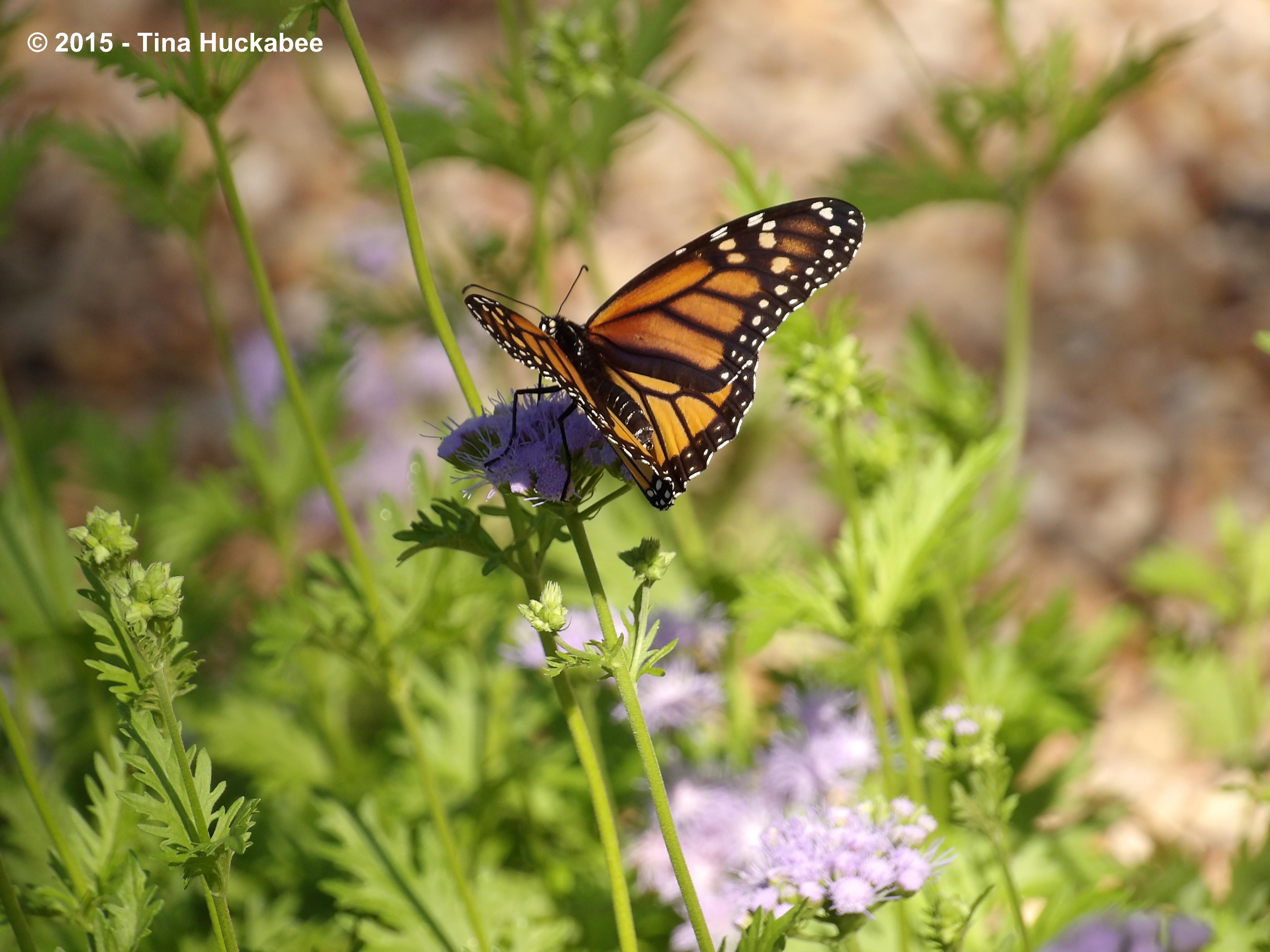
..and pollen-gathering, nectar-sipping honeybee,

…would readily agree–huzzah for the fall bloomers!
The white and red Tropical Sage, Salvia coccinea, have blossomed for the past month or so, even before the moderate cooling.

Mexican Butterfly Vine, Mascagnia macroptera, are showcasing cheery yellow blooms,

…and a few “butterfly” seedpods.

Fall Obedient, Physostegia virginiana, is a re-introduced perennial for me–I grew it many years ago.
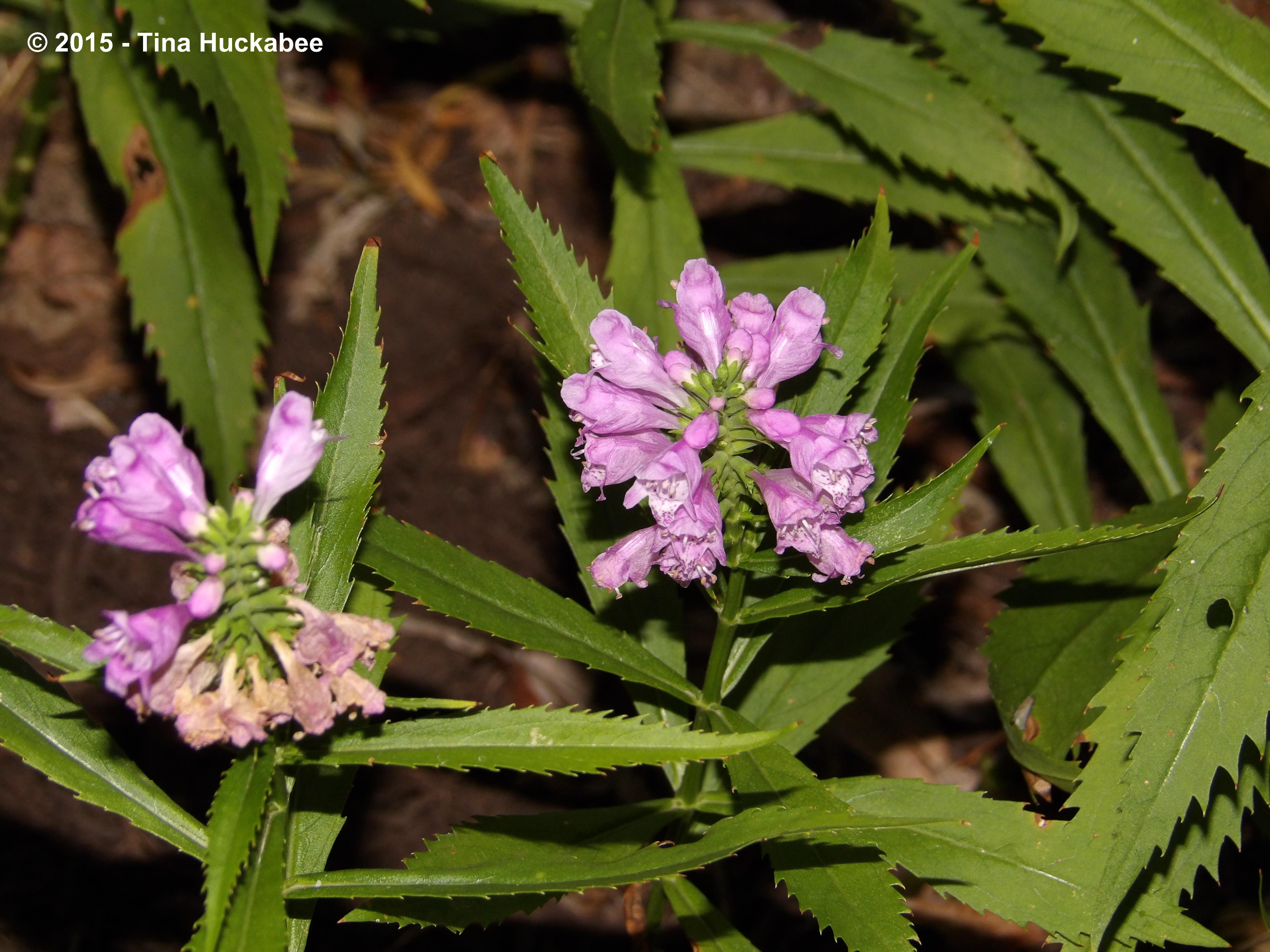
I’m happy to host this charming bloomer and tough native again. How did I go so long without it??
Frostweed, Verbesina virginica,

…Goldeneye, Viguiera dentata,


…and Rock Rose, Pavonia lasiopetala, are full-flush with fall flowers.
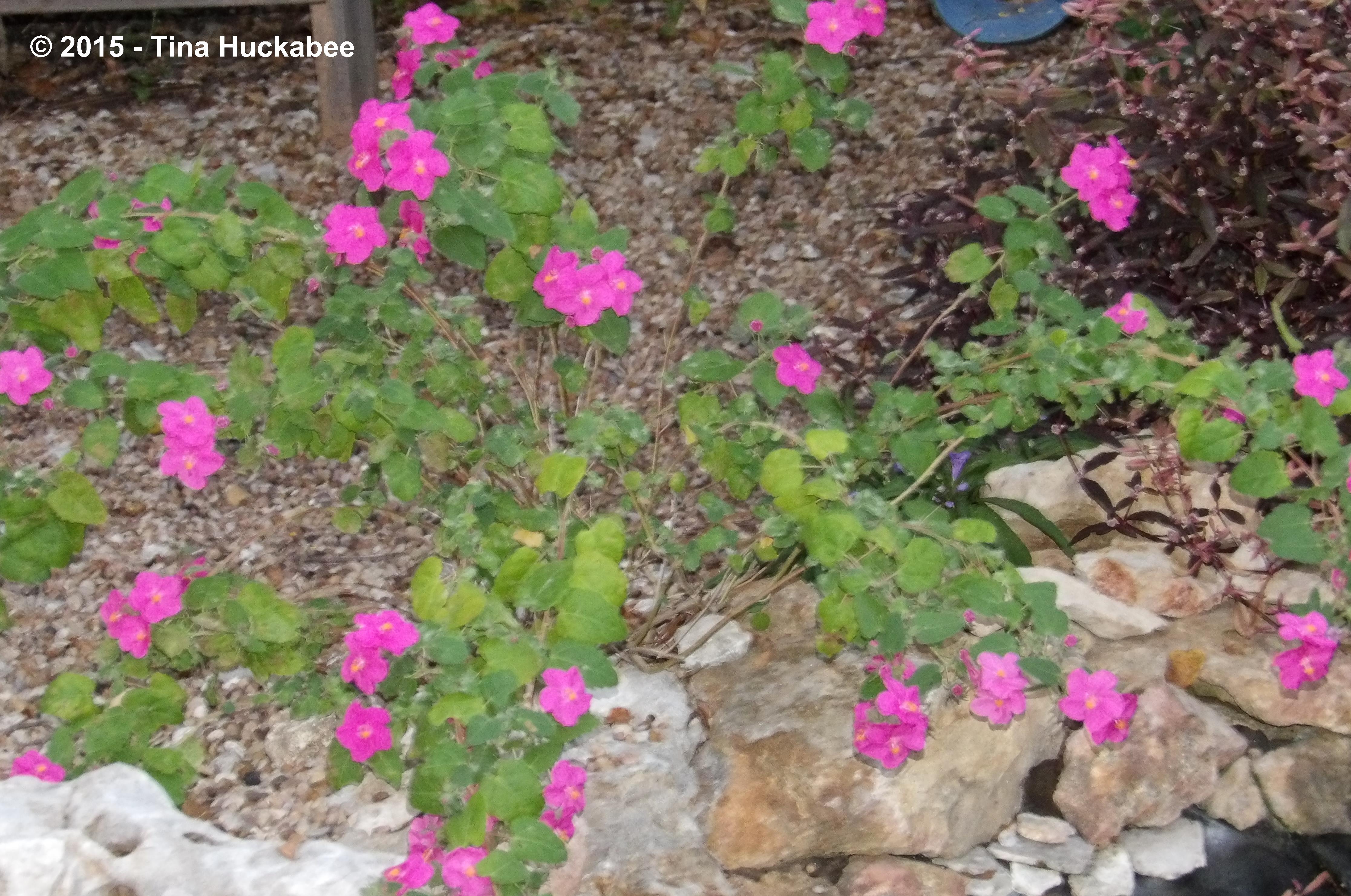
The Rock Rose blooms crinkle a wee bit against the afternoon heat, but are staying open-ish. That’s a definite change from the summer xeric practice of shuttering the petals by mid-afternoon.

Zexmenia, Wedelia acapulcensis var. hispida, are also back in top form.


All of these perennials are ready for visits from pollinators, and later for the seed-munching warblers, wrens and finches.
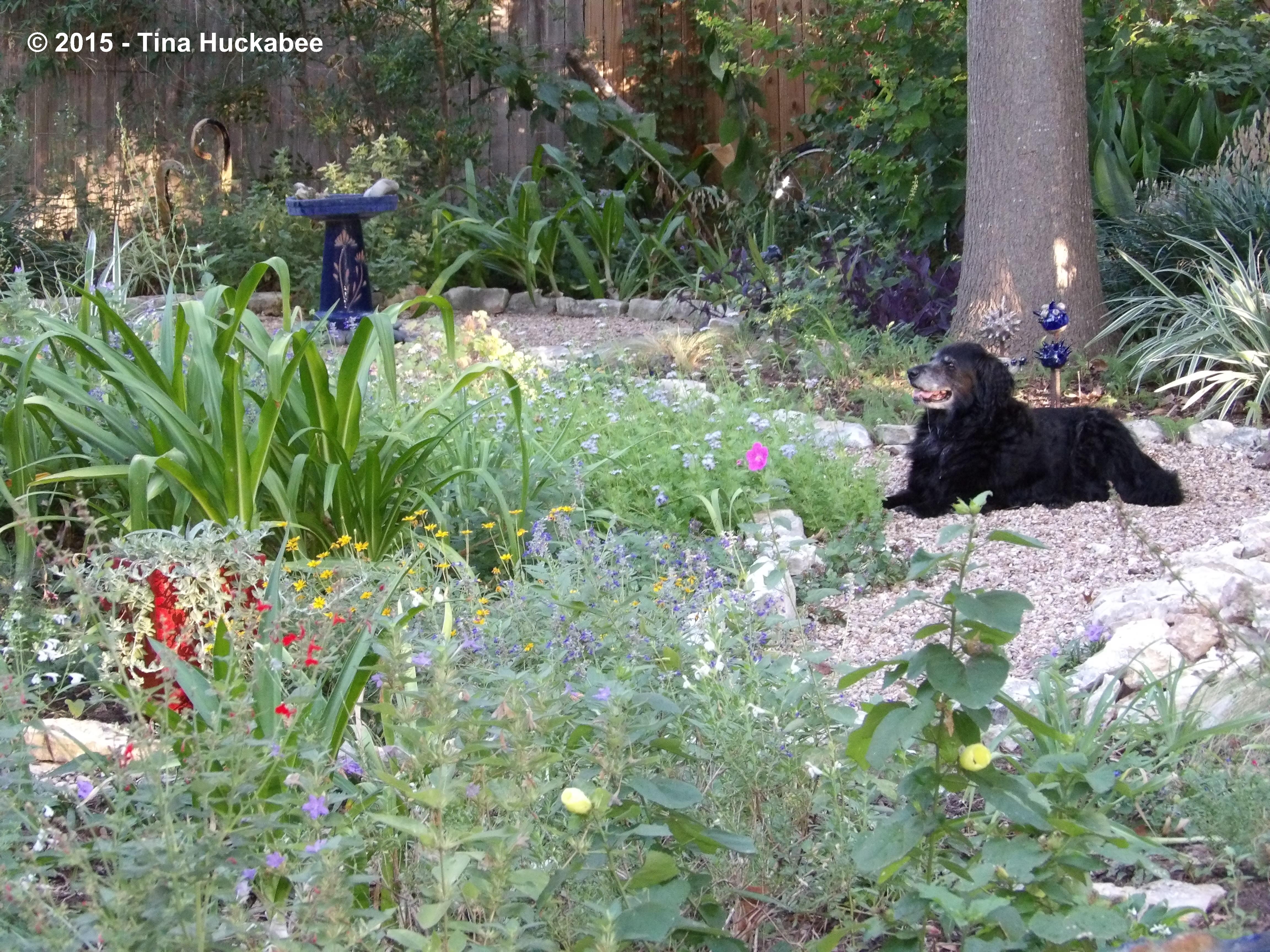
And my good friend, sweet Asher-the-Dog? He’s happy to rest on the cool pebbles, enjoying an early fall Texas morning.
Happy Autumn, y’all!
 My Gardener Says...