It’s Not All About The Flowers

I do so love flowers.
P1040334.new

P1030504.new

But a primary reason why  I choose native plants and xeric (drought tolerant) plants for my gardens is to attract wildlife.

Neon SkimmerLibellula croceipennis, (male).

20120816_5_cropped_2364x1903..new

Black Swallowtail Caterpillar, Papilio polyxenes.

P1030584.new

Scarlet Tanager, Piranga olivacea.

Also, I choose natives/xerics to limit water usage.  I choose natives/xerics to challenge myself in the study of plants and related fields of interest.  I choose natives/xerics to experiment with aesthetic design of those plants in my gardens.  I choose natives/xerics to add beauty to my corner of the world.

I digress.

When I began the re-landscaping efforts from my boring, water-thirsty lawn to the diverse, water conserving, perennial garden that I now enjoy, I scattered seeds of Purple Coneflower, Echinacea purpurea,  purchased from the Lady Bird Johnson Wildflower Center.  This was 18 or 19 years ago–my children were wee bairns.  What I remember about that patch of Coneflowers is that when the butterflies were startled as they sipped Coneflower nectar, they would flutter into the air en masse.  There were so many butterflies that I could actually hear the whoosh of their wings.  It’s been a long time since I’ve seen that many butterflies (or any other pollinators) in my gardens.  Drought, habitat destruction, climate change, overuse of commercial and home chemicals have devastated wildlife of all sorts.

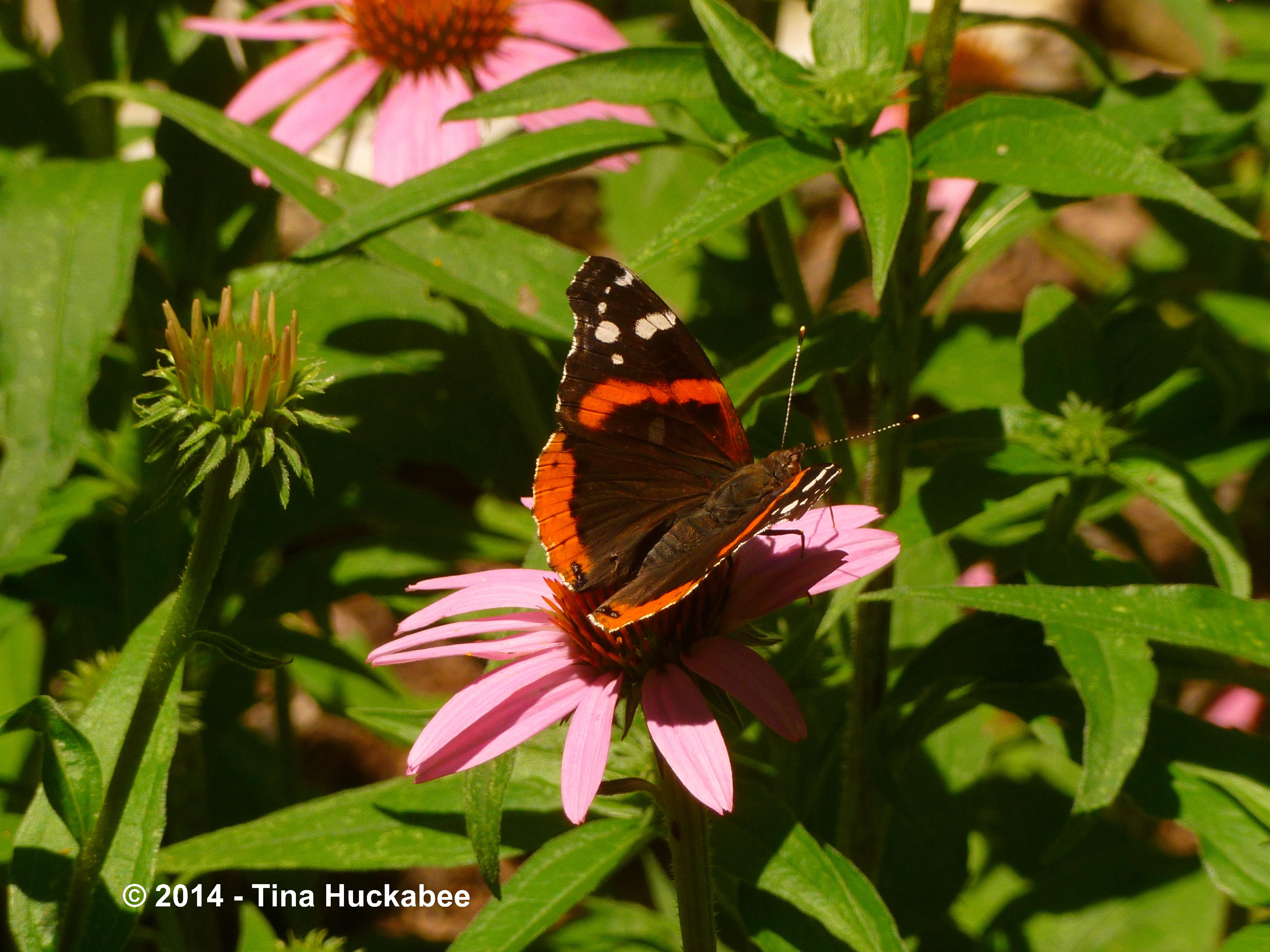
Even so, there are still butterflies around.   Recently, I watched this common Red AdmiralVanessa atalanta, enjoying the spring nectar of a Coneflower.

P1040244.new

He (she?) posed nicely for me.

P1040243.new

P1040236.new

Gardeners usually have competing reasons for the gardening they undertake and appreciate the bounty that a garden grants.

Thanks to Deb at austin agrodolce for introducing me to BugGuide.net

Foliage Follow-up, May 2014

We’ve received a little rain here in Austin, Texas and so continue our verdant spring before the summer heat fries everything in the garden.  I particularly like this lush threesome of the glossy, dark green-leafed Star Jasmine vine, Trachelospermum jasminoides, fronted by the soft, graceful Inland Sea Oats, Chasmanthium latifolium, further fronted by an arching American BeautyberryCallicarpa americana.

P1030420.new

I’ll remove the Inland Sea Oats next year to give the Beautyberry room to grow. For now, I  like the array of foliage these three plants provide in this shady spot.

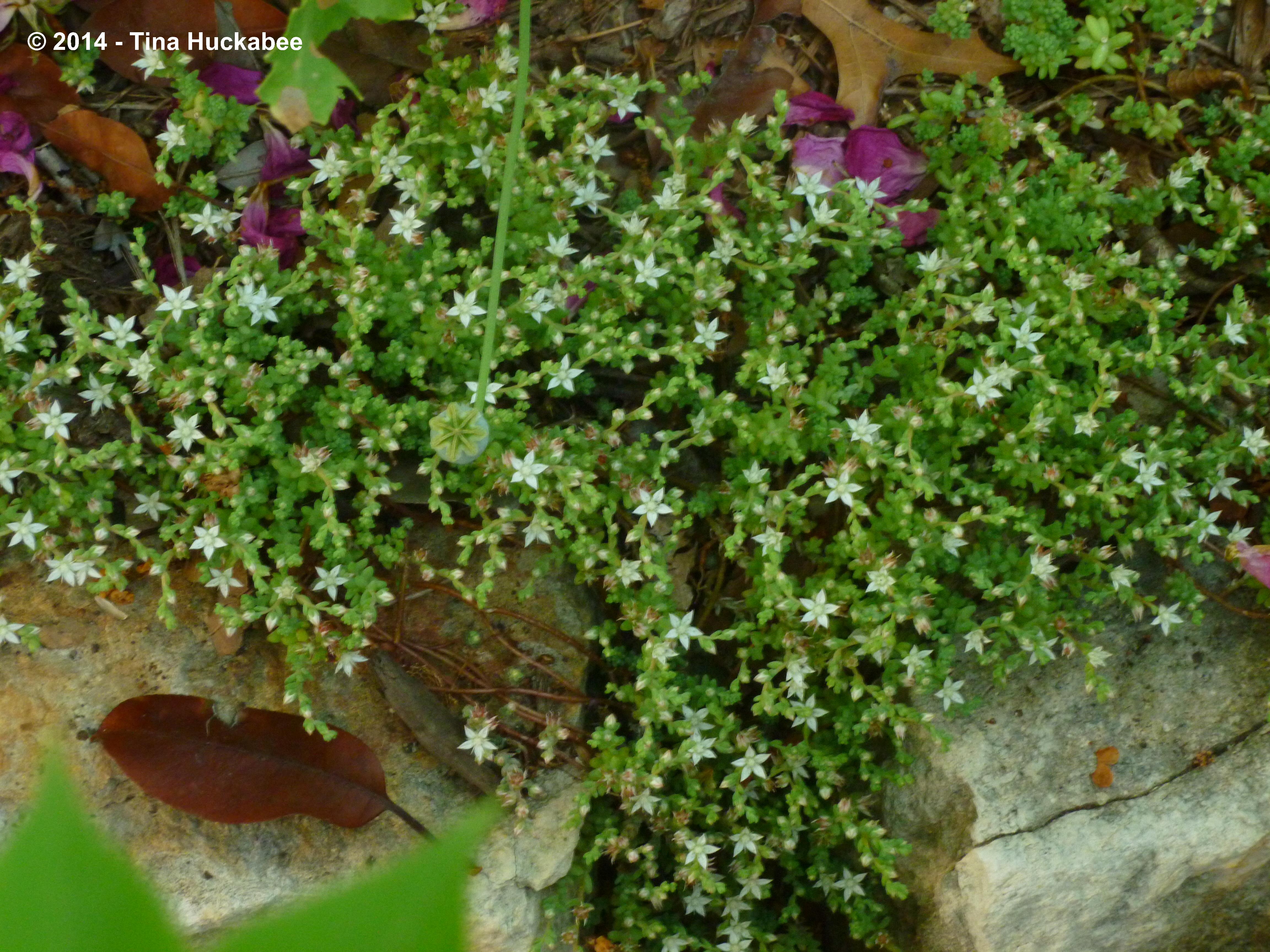
Sedum, Sedum potosinum, is delightful in the garden; its delicate, fleshy foliage hugs the ground and rocks as it spreads.  It is attractive before it blooms,

P1030427.new

and during bloom time.

P1030686.new

All of the Fennel plants in my gardens are still gorgeous this May.

P1030470.new

I’ve seen a few butterfly caterpillars chomp, chomp, chomping, but apparently not enough to eat the Fennel to the ground.

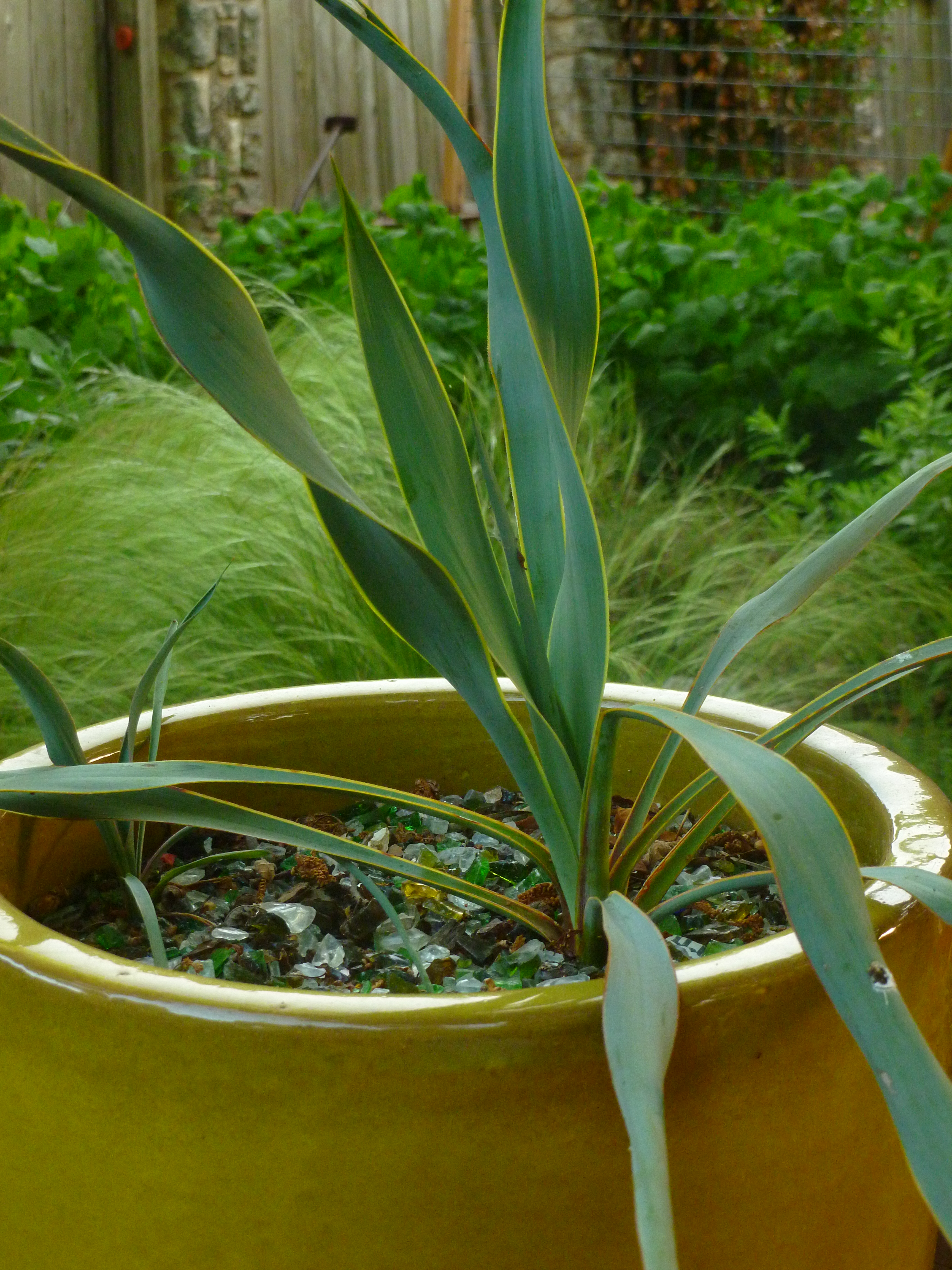
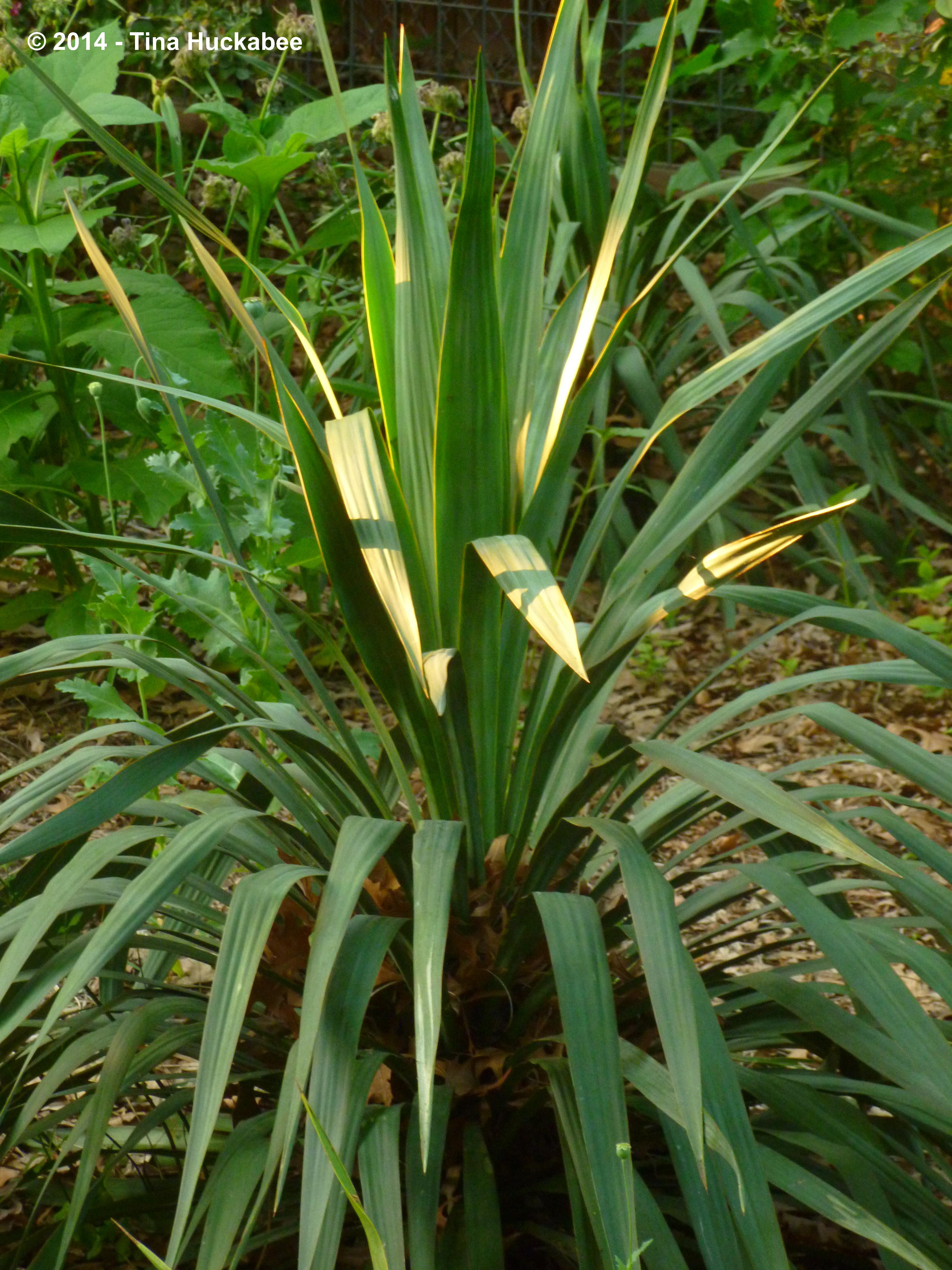
This Pale-leaf Yucca, Yucca pallida,  

P1030668 - Copy

echoes the yellow of its home with stripes along the edges of its leaves.

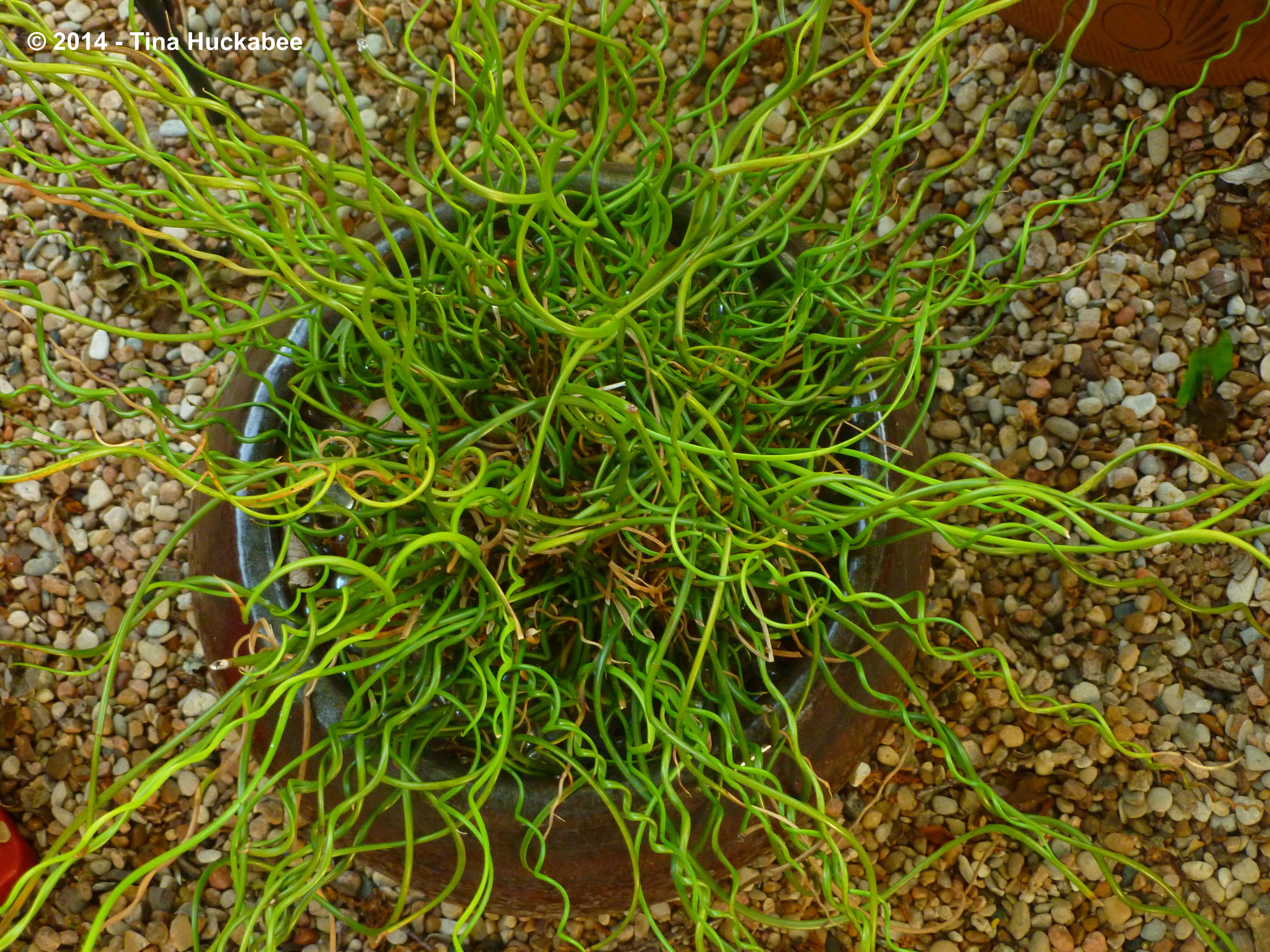
I fell in love with the Corkscrew Rush, Juncus effusus, when I visited another garden.

P1030673.new

It requires more watering than I typically tolerate from my plants (twice/week during our summers), but I don’t consider that onerous and this sedge plant is a fun addition to my gardens.

I enjoy the play of late afternoon light on this Soft-leaf Yucca, Yucca recurvifolia.

P1030676.new

I have several of these non-native yuccas in my gardens and appreciate their tolerance of my somewhat heavy soil.

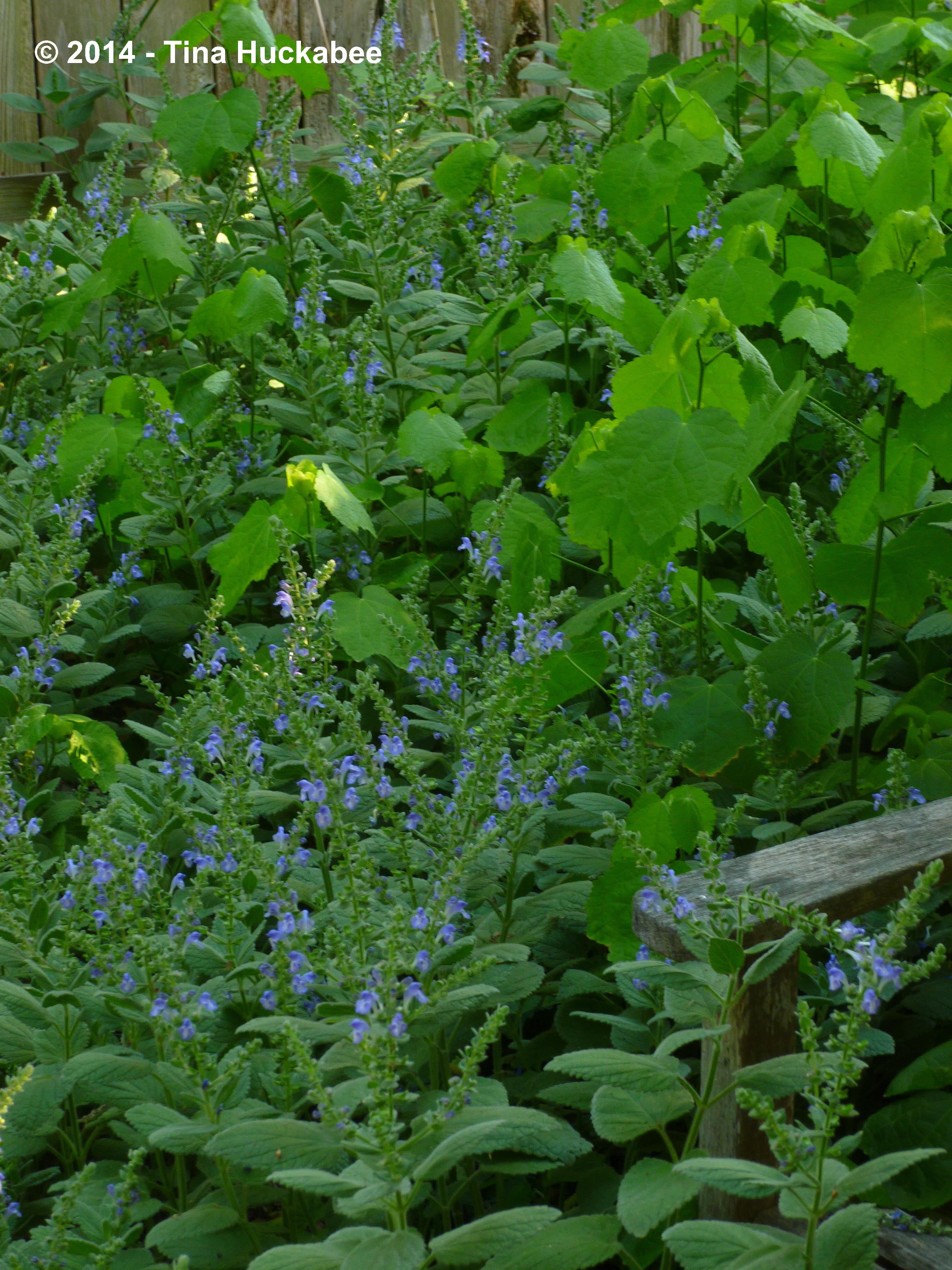
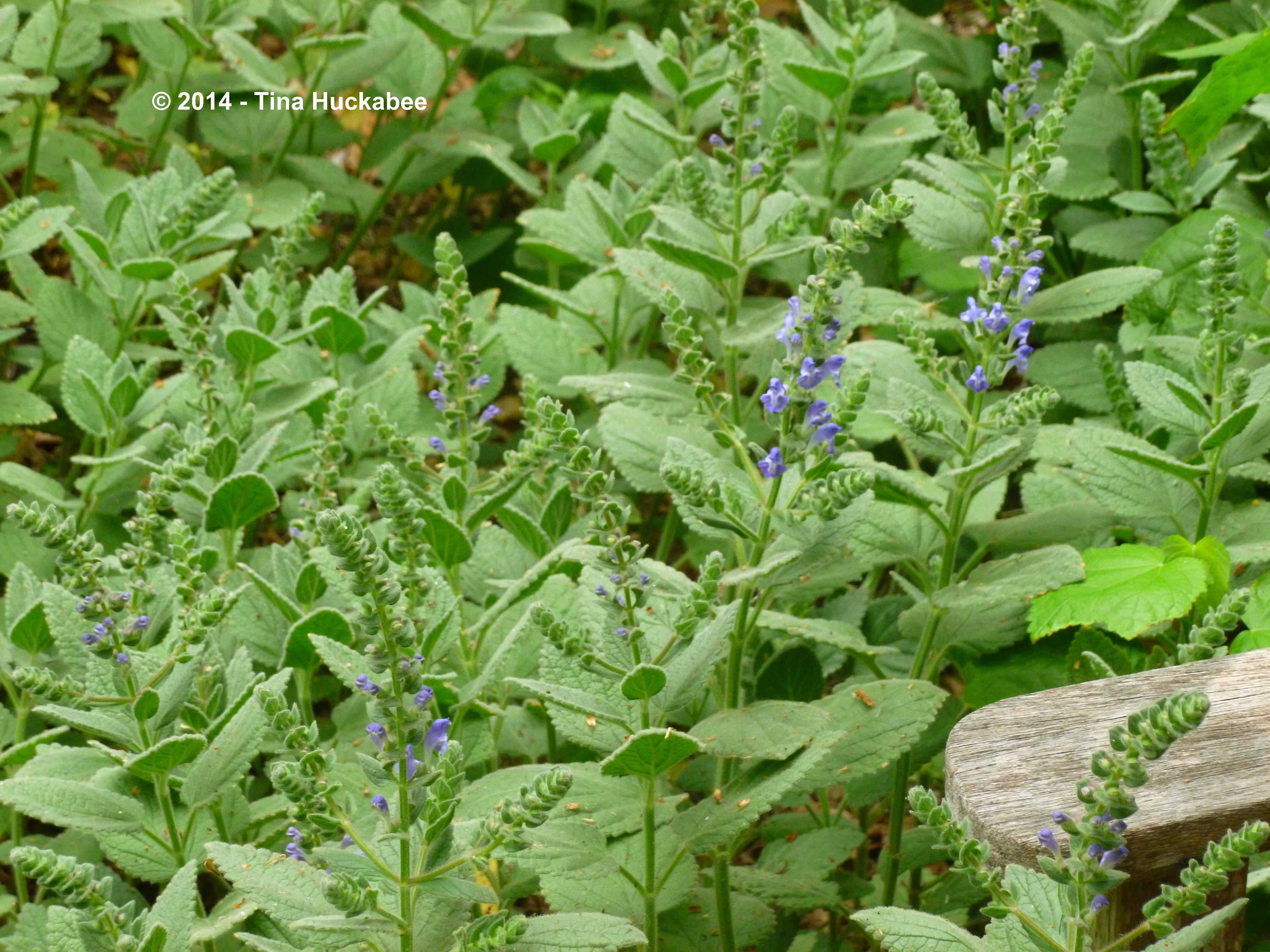
The pairing of the bright green, tropical foliage of the not-yet-in-bloom Turk’ s Cap, Malvaviscus arboreus, with the gray-green, fuzzy Heartleaf Skullcap, Scutellaria ovata ssp. bracteata, was a gardening serendipity that I’ve encouraged.

P1030773.new

P1040232.new

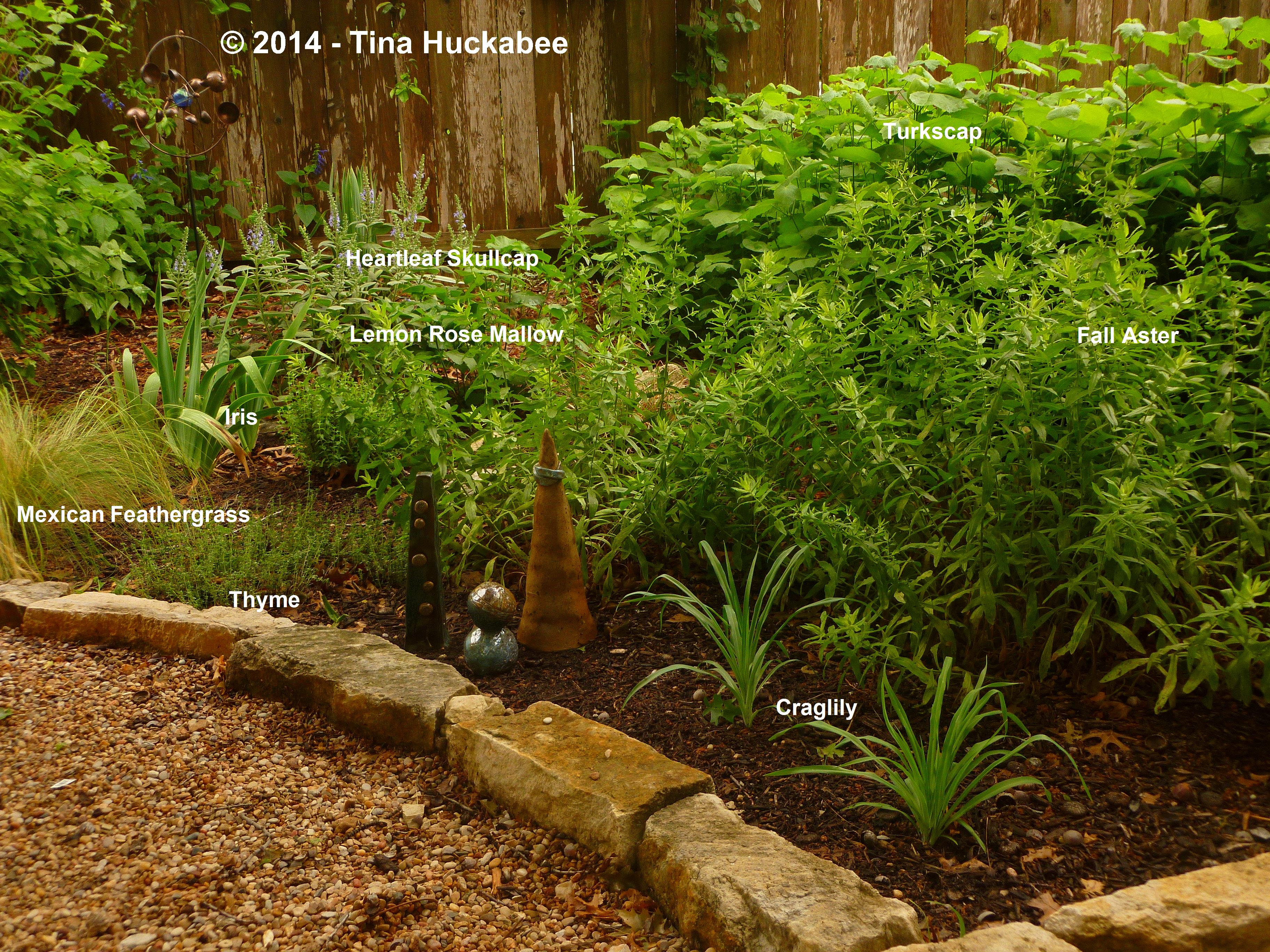
Finally, there’s little but foliage going on here–and such a nice variety of shape and form, if not color.

P1040211.new

At the far left is the soft, silvery Mexican Feathergrass, Nassella tenuisima, with spiky  Iris flanking its right.  A tiny-leafed, ground-hugging Thyme completes the trio.  Two plants from the Malvaceae family, Lemon Rose MallowHibiscus calyphyllus, and Turk’s Cap fill the center/right section of the photo.  The foliage of those two are similar–wide and heart-shaped.  To the right and front of the photo, Fall Aster, Symphyotrichum oblongifolium and Texas Craglily, Echeandia texensis, both sport foliage which contrasts with the tropical looking Malvaceae plants: the Craglily’s slender grass-like lily leaves and the perennial aster’s narrow leaves.

Actually, if you look closely, you can see some blooms–at the top-center of the plant group is a cluster of Heartleaf Skullcap–its blue/purple flowers and fuzzy, gray-green foliage in total contradiction to everything else.

Thanks to Pam at Digging for hosting the May salute to foliage.

Garden Bloggers’ Bloom Day, May 2014

As we roll into our long warm season here in sunny Austin, Texas,  perennials segue from the early cool season blooms to heat-loving (or at least heat-tolerant) late spring/summer blooms.  Several different native yucca plants grace my gardens this May, such as a Pale-leaf Yucca, Yucca pallida.

20140508_16.new

20140508_17.new

Another native yucca, Red Yucca, Hesperaloe parviflora,

20140508_24.new

will bloom continually until fall.  The flowers are delicate looking and favored by hummingbirds.

20140508_25.new

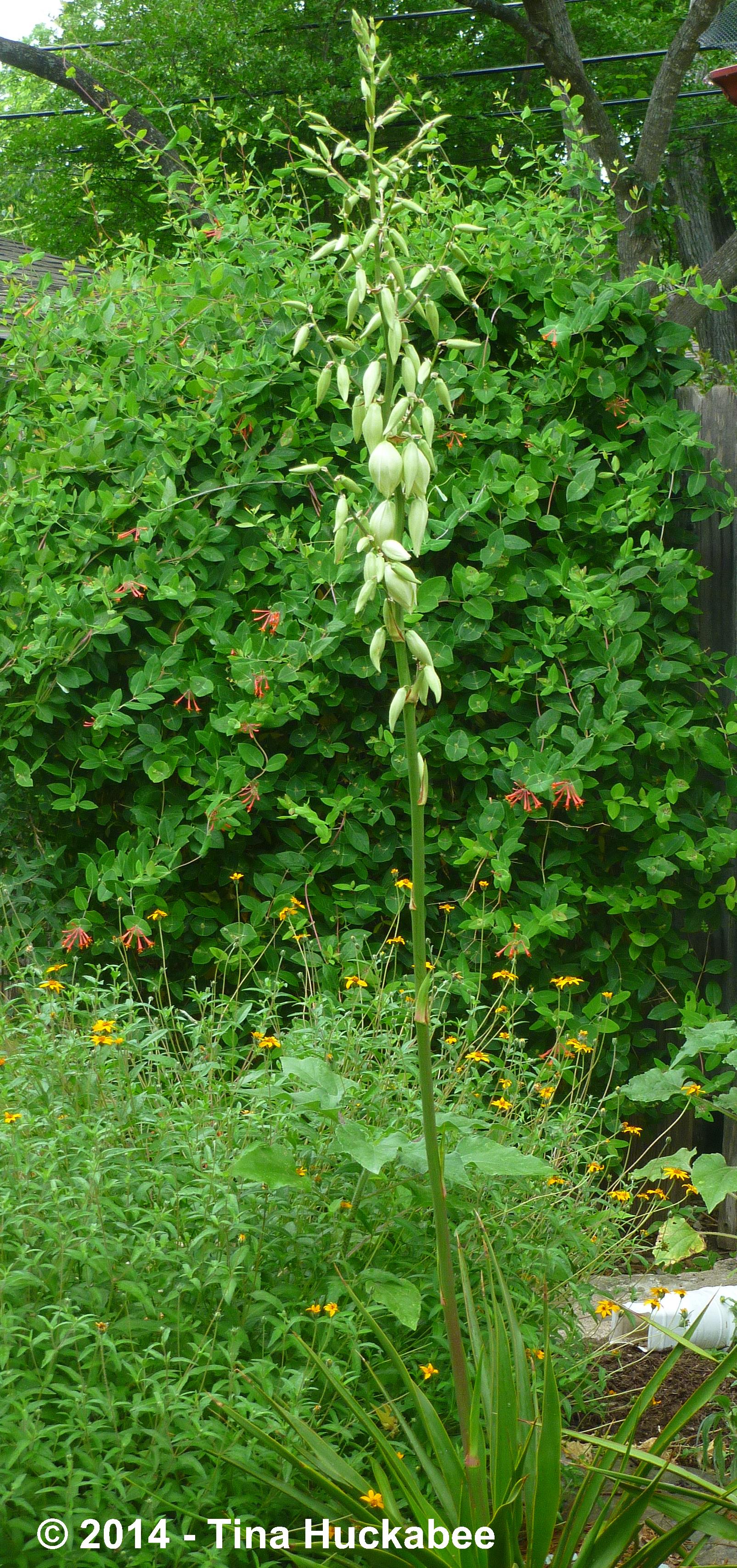
Another native yucca, Twistleaf Yucca, Yucca rupicola, shot up a bloom stalk this spring.

20140508_27_cropped_1605x3415..new

Heat-loving ZexmeniaWedelia texana, begins its long bloom cycle in May.  This hardy perennial blooms prolifically throughout our hot summer and into the cooler October.

20140508_22.new

20140508_23.new

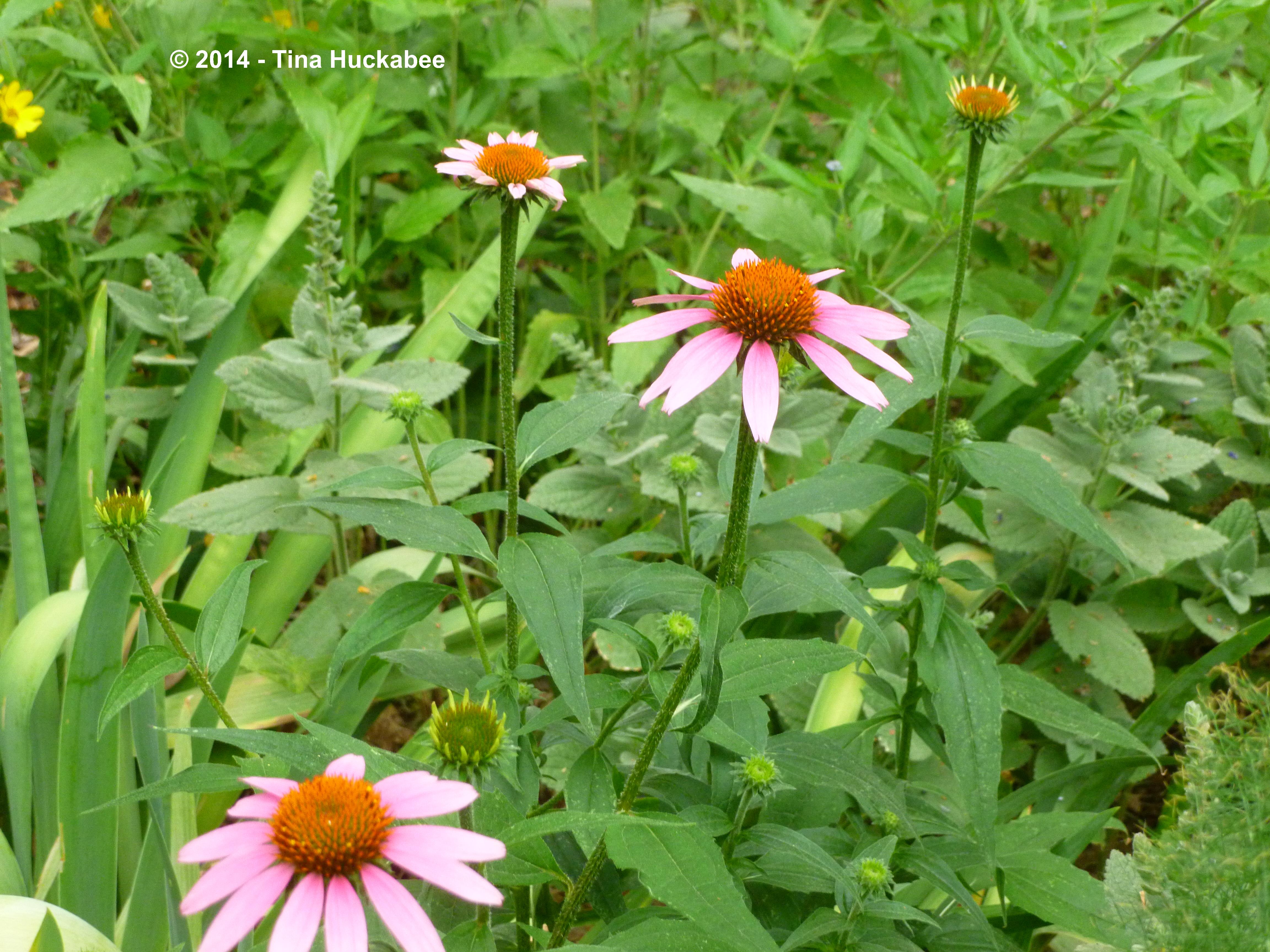
A favorite spring and summer bloom  for butterflies, bees and people is the Purple Coneflower, Echinacea purpurea. 

P1040003.new

Here it resides across from patch of cheery Zexmenia.

P1040078.new

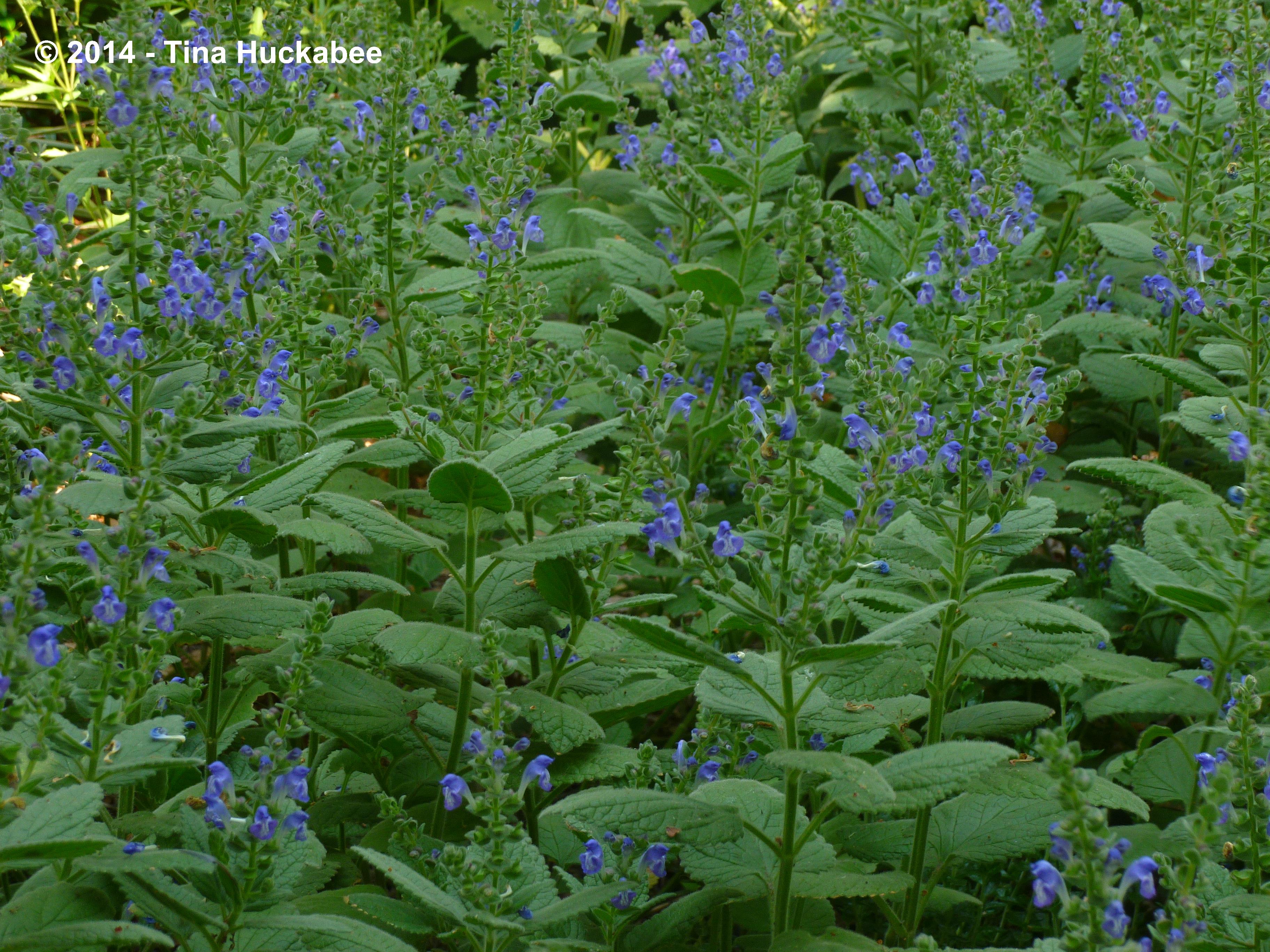
The Heartleaf Skullcap, Scutellaria ovata ssp. bracteata, is a beautiful, spreading ground cover which develops stunning blue/lavender flowers, blooming April through June.

P1040206.new

P1040214.new

P1040217.new

In the late spring garden, the Heartleaf Skullcap is stunning–in both bloom and foliage.

P1040110.new

P1040008.new

The lilies in the pond are blooming as well. This pretty pink one is the ‘Colorado’ Lily,

P1040105.new

and the creamy yellow is the ‘Claude Ikins’ Lily.

P1040106.new

Both lilies bloom almost year-round in my pond, even occasionally in  winter.

Revel in your blooms, wherever you (and they) May be.  Thanks to Carol at May Dreams Gardens for hosting Garden Bloggers’ Bloom Day for May.