Foliage Follow-up, August 2014

Thanks to Pam at Digging for hosting Foliage Follow-up, the monthly fanfare of foliage in the garden. As much as I love flowers, a plant’s foliage is often a deal-breaker when choosing for my gardens.  Especially in August when Austin blooms are a little scarce, the plant parts that are not flowers can lend beauty and definition to a garden space.

While not exactly foliage, seed heads certainly aren’t  blooms either.  Ex-flowers, I guess, but I’m including them because in mid-to-late summer, seed pods produced by former blooms impart interest to perennial gardens.  This group of seed heads of the Gulf Penstemon, Penstemon tenuis, are just about to POP open and spread their glory!

P1060158.new

The Gulf Penstemon is a lovely lavender spring-blooming perennial.   I keep the seed heads as long as possible to give the seeds time to develop for propagation of new specimens for this short-lived perennial and also because I find them attractive.

P1060156.new

Little, tawny turban-hats, the hard shell will burst open, spreading the seeds to nearby areas.  Or, the gardener (that’s me, folks) can prune the stems, crack open those turbans, shake out the seeds and in doing so, appear to evoke some pagan ritual while waving the stalks over the gardens.  I wonder what the neighbors think?

The Hill Country Penstemon, Penstemon triflorus, sports a larger, darker turban-capped seed head.

P1060256.new

This year marks the latest I’ve ever left these seed pods on their bloom spikes. Usually, this plant topples over by early summer, I lose patience with the mess and cut it to the ground.

This seed pod of the RetamaParkinsonia aculeata, hangs from the tree’s slender branch like a pea ready for pickin’.

P1060173.new

Retama is a member of the pea family (Fabaceae), so the pea analogy works.

This combination of varying foliage pleases me:  Mexican Feathergrass, Nassella tenuissima, Globe MallowSphaeralcea ambigua, and GoldeneyeViguiera dentata.  

P1060236.new

This trio includes some of the premier hardy perennials easily available for the Austin gardener.

If you have, have had or have ever seen a teenage boy of that certain age when the hair is long and a bit shaggy, close your eyes and visualize that in this DamianitaChrysactinia mexicana.

P1060239.new

I love the swoosh of the “bangs” framed over the decorative stone.  Just imagine the teenage boy-head, constantly swooping his hair back to keep those bangs out of the eyes, in that annoyingly cute, but insolent way.

The wide, heart-shaped and deeply veined foliage of Coral VineAntigonon leptopus,

P1060244.new

suggests a tropical lushness that is welcome this time of year.

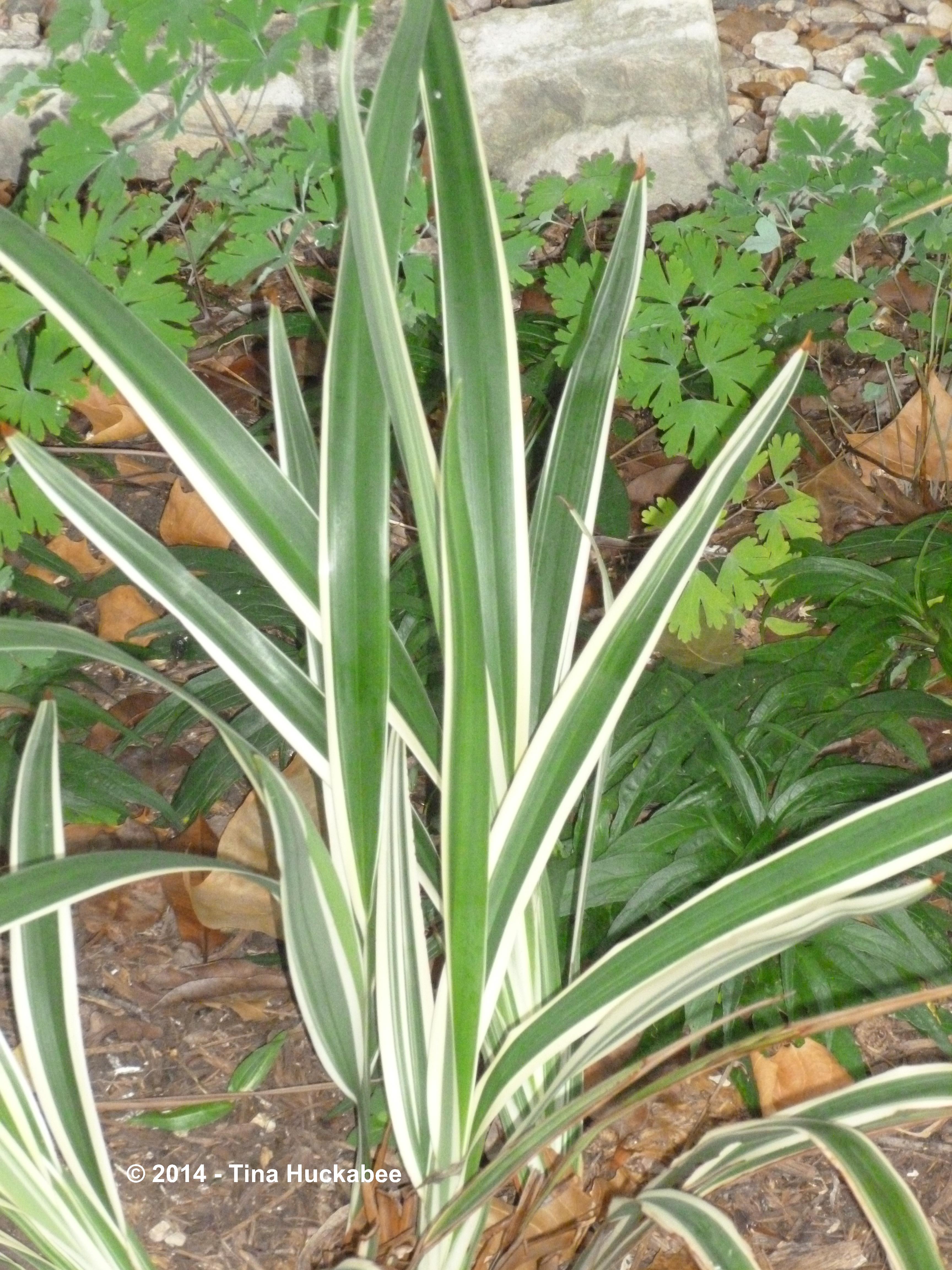
I’m enamored with strappy, striped foliage, like that of this Dianella or Variegated Flax Lily, Dianella tasmanica ‘Variegata’,
P1060248.new

…and this Color Guard YuccaYucca filamentosa, ‘Color Guard’.

P1060249.new

Those banded beauties work nicely in concert with each other and with another pairing I like, the native ColumbineAquilegia chrysantha var. hinckleyana, mixed with the cultivar  Katie’s Dwarf RuelliaRuellia brittoniana, ‘Katie’s Dwarf’.

P1060251.new

The evergreen Columbine, with its soft form and graceful foliage, blooms yellow in spring. Conversely, the deciduous Katie’s Dwarf Ruellia has dark, lance-like leaves and sports sprays of deep purple from July through October.  Opposites attract and work well together–at least that’s true of these two plants.

Head over to Digging to check out other accolades to the leafy among us.


Wildflower Wednesday, July 2014

Given the seemingly intractable problems our world faces, sometimes it’s hard for me to take garden blogging seriously.  But encouraging beauty and sustainability through practical gardening choices is one ingredient toward healing a troubled world–even if it’s only on the trifling scale of our own back yards.  Celebrating native plants and wildflowers, I’m joining with Gail at clay and limestone for July’s Wildflower Wednesday.  Native plants and wildflowers provide year-round pleasure and sustenance–for gardeners and wildlife.  There are so many reasons to use wildflowers in the home garden: they are beautiful, they require little irrigation and no chemicals and wildflowers evoke a sense of regional location.  Using wildflowers in the home garden is one way to honor the natural, local beauty inherent in all places and to affirm a positive future, wherever one lives and grows.

In my gardens, FrostweedVerbesina virginica, is just beginning its bloom period.  I captured the very first tiny florets recently.

P1050747.new

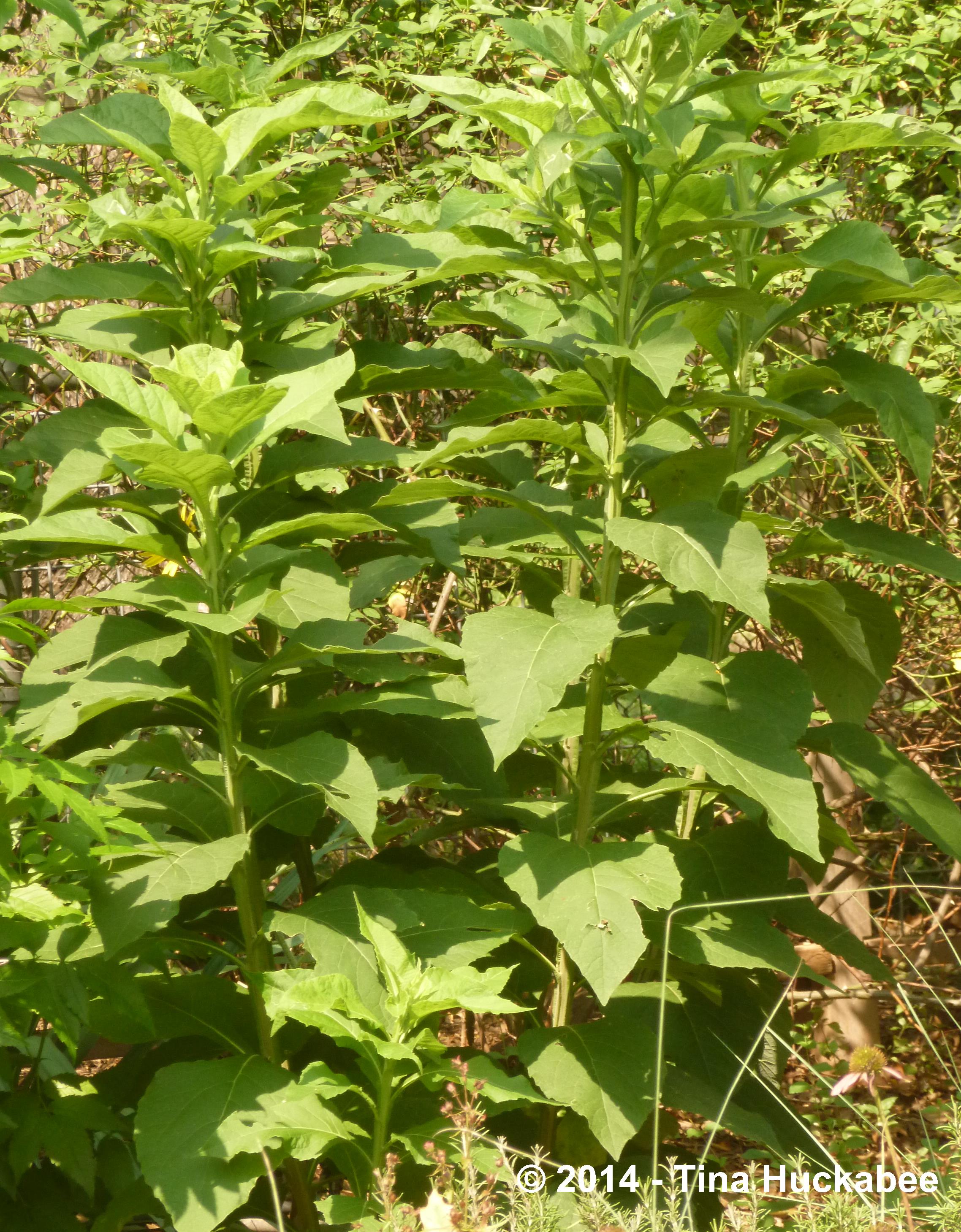
The flowers will expand in summer and early fall, then form into attractive seed heads. A mature Frostweed is multi-trunked,

P1050984_cropped_2276x2919..new

and tall. This deciduous plant fits nicely into a shade or part shade garden.

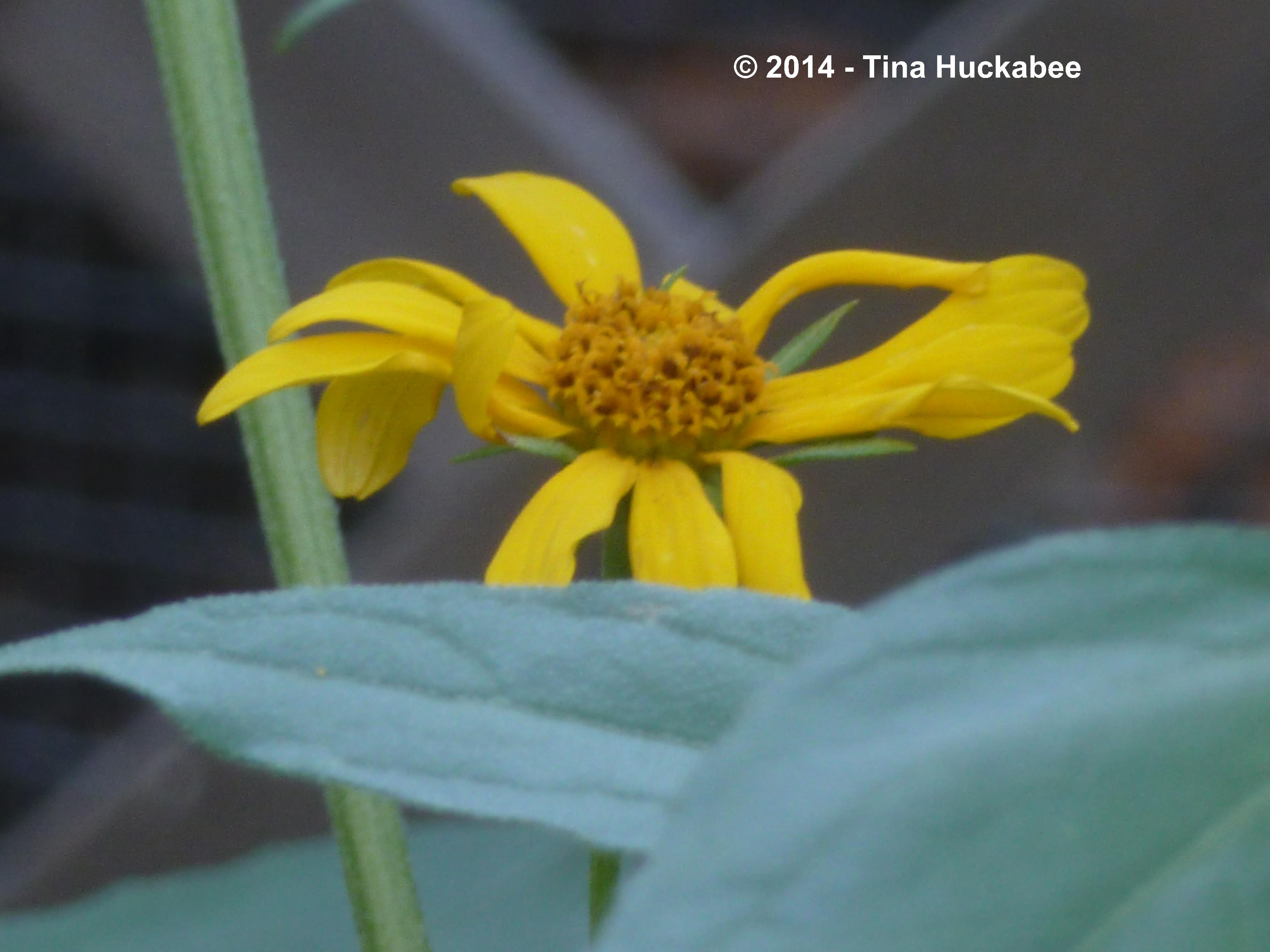
One of this year’s first GoldeneyeViguiera dentata, flowers was hiding behind some large leaves.

P1050785.new

Another primarily fall bloomer, this happy native will burst forth with masses of blooms in October, so Texas-bright that you’ll almost need sunglasses to look at them!    For now, the perennial sunflower is growing and producing a smattering of blooms.

The Red Yucca, Hesperaloe parviflora, is common in Central Texas. The clusters of pink-to-coral blooms,

P1050800.new

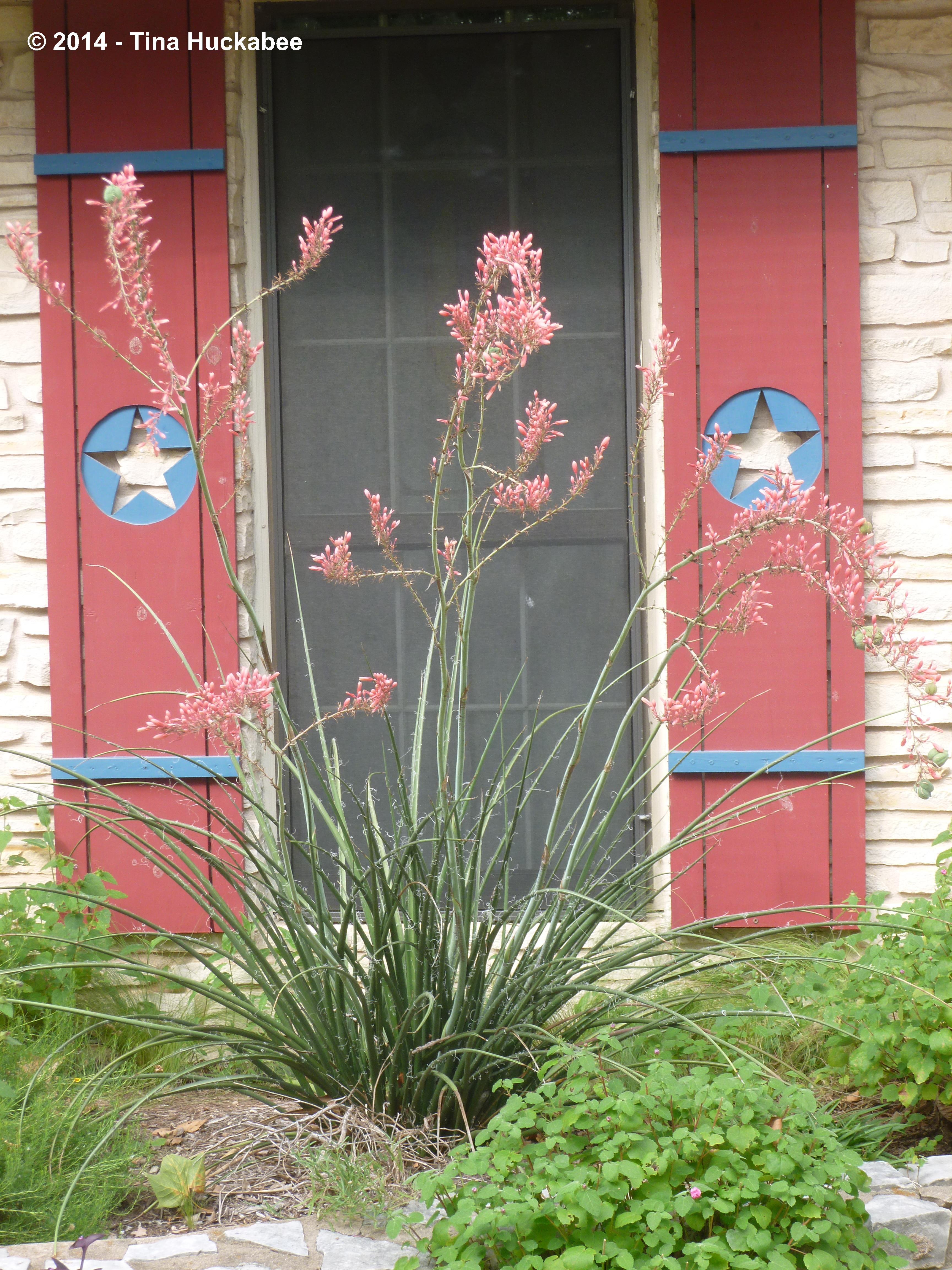
are favored by hummingbirds, bees and people.   Red Yucca is quite dramatic when viewed in its full form.

P1050994.new

The tall, arching branches hold aloft those bloom clusters high above other perennials.

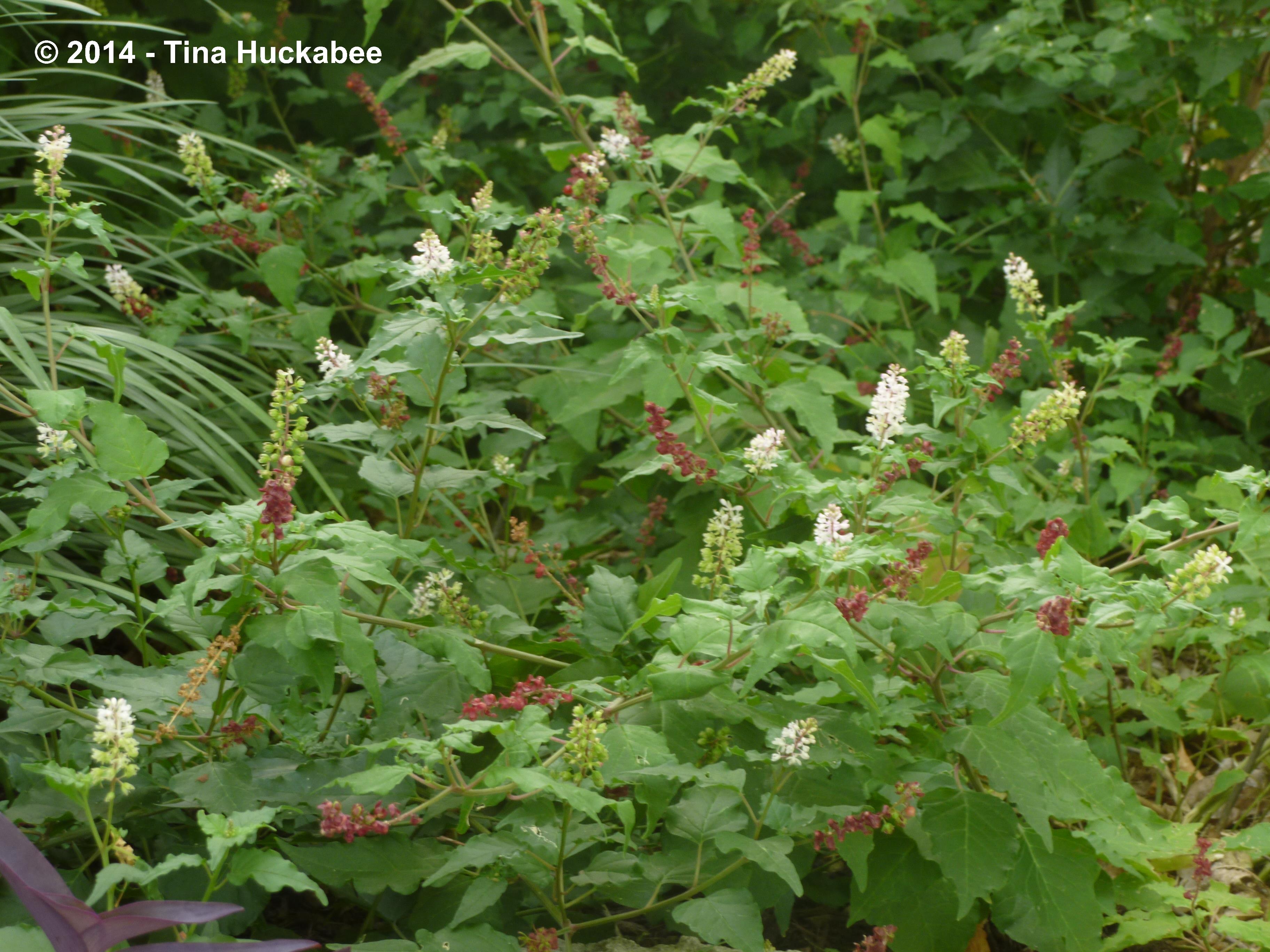
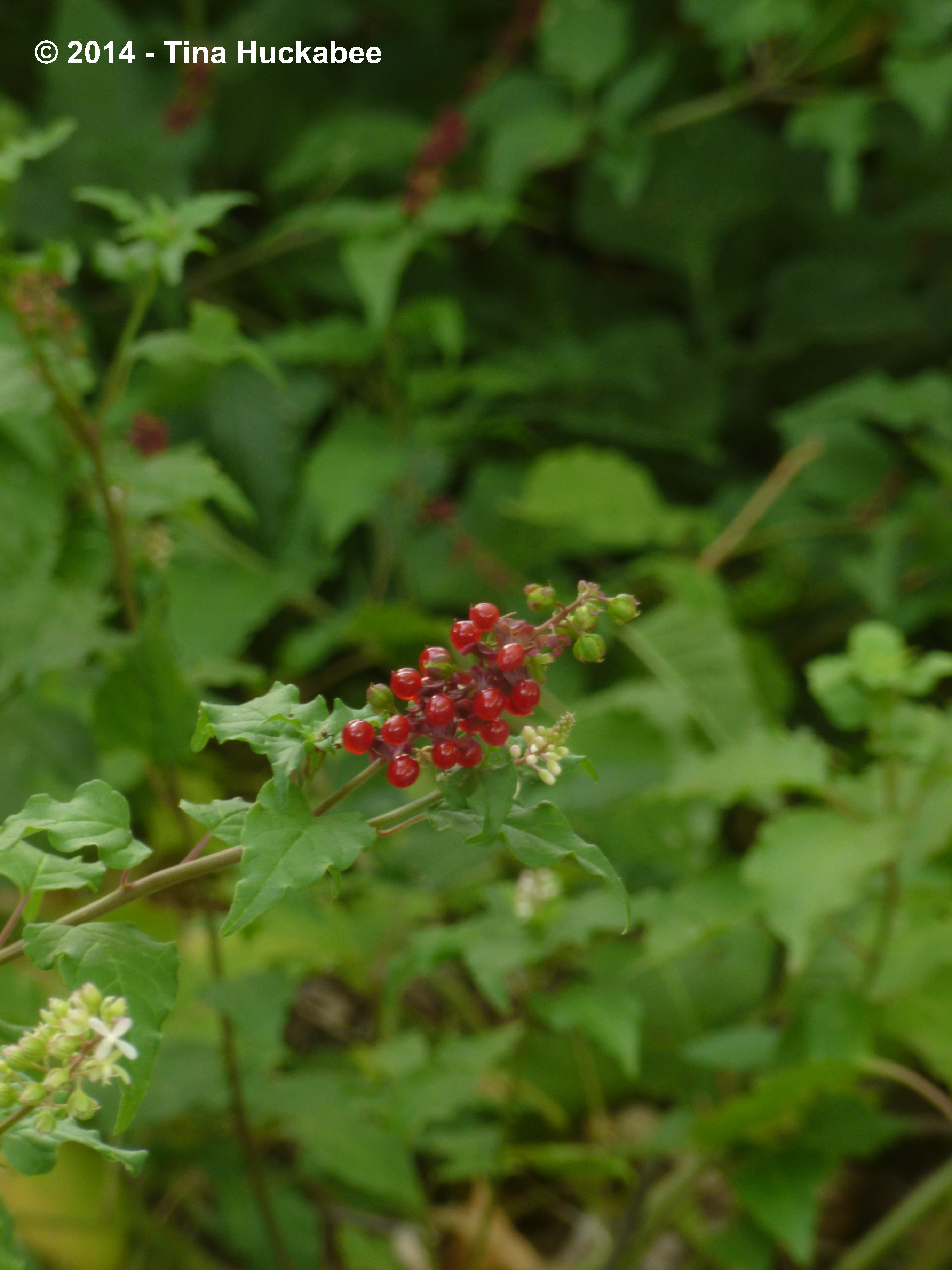
Closer to the ground, Pigeonberry, Rivina humilis,  is a low-growing ground-cover that is beautiful and cooling in shade.

P1050818.new

P1050823.new

It produces many small, pink flower spikes which form luscious red berries which grateful birds enjoy.

P1050829.new

In my gardens, a variety of doves snack on these berries.

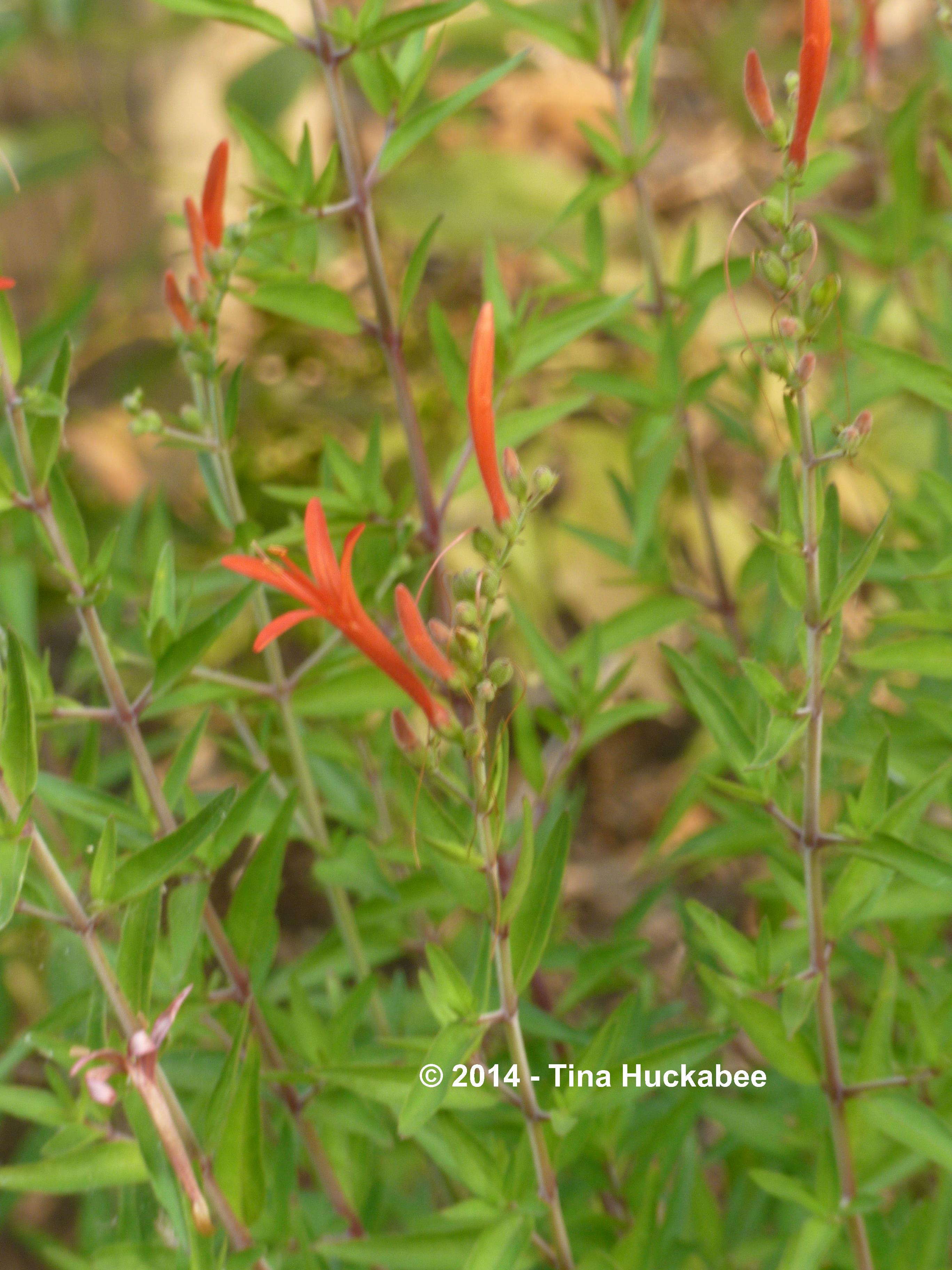
Another strong hummingbird attractor is the Flame Acanthus, Anisacanthus quadrifidus var. wrightii.  A deciduous shrub, the Fame Acanthus grows red-to-orange tubular flowers.

P1050837.new

These striking blossoms bloom profusely during the summer and fall months and without efforts from this gardener.

P1050852.new.new

That’s my kind of wildflower plant!

Here it is in full shrub mode, photo-bombed by a hardy Turk’s Cap!P1050985.new

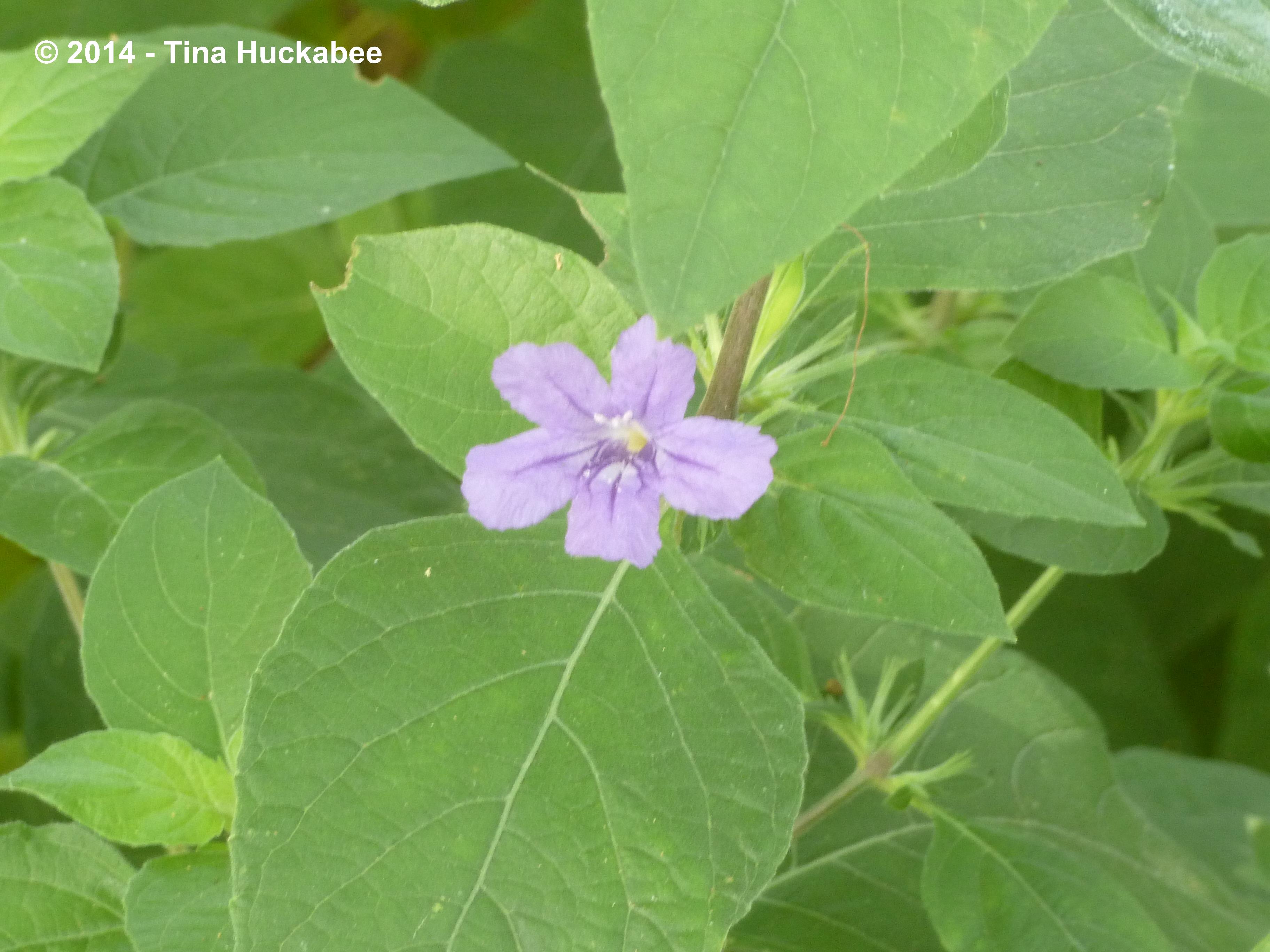
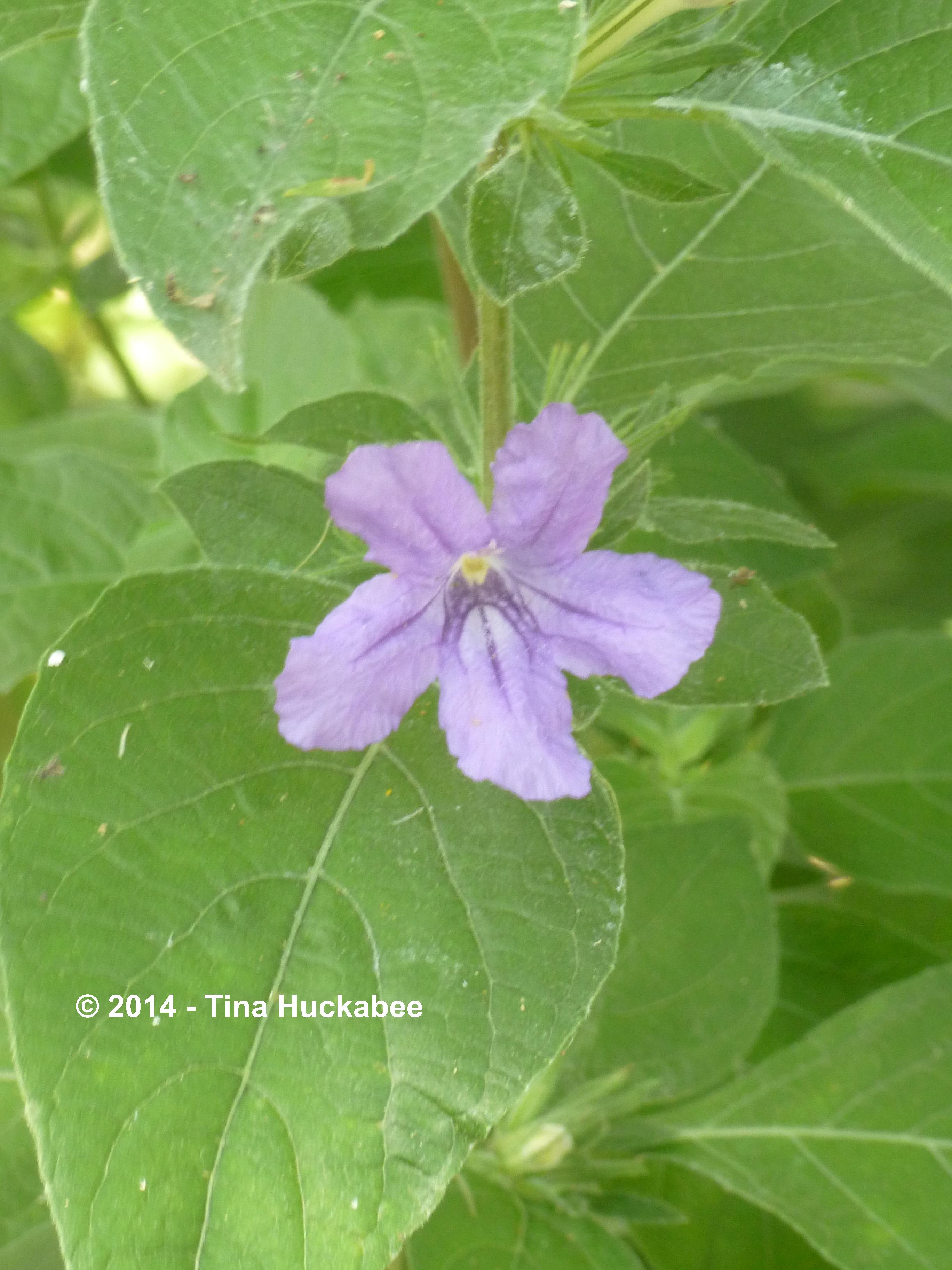
There are many native Ruellia Texas.  The one I grow is called Drummond’s Wild Petunia or Ruellia drummondiana and is another wildflower at the start of its summer/fall bloom cycle.  A very tough plant which doesn’t require work from me, it displays small, purple blooms. Fresh blooms open each morning, then drop at the end of the day.

P1050875.new

P1050883.new

A versatile perennial, it performs well in either shade or sun and isn’t large.  Ruellia dies to the ground in the winter, so  I like to plant it between evergreens, like this group which is sandwiched between native Columbine on its left and native Yarrow to its right.

P1050855.new

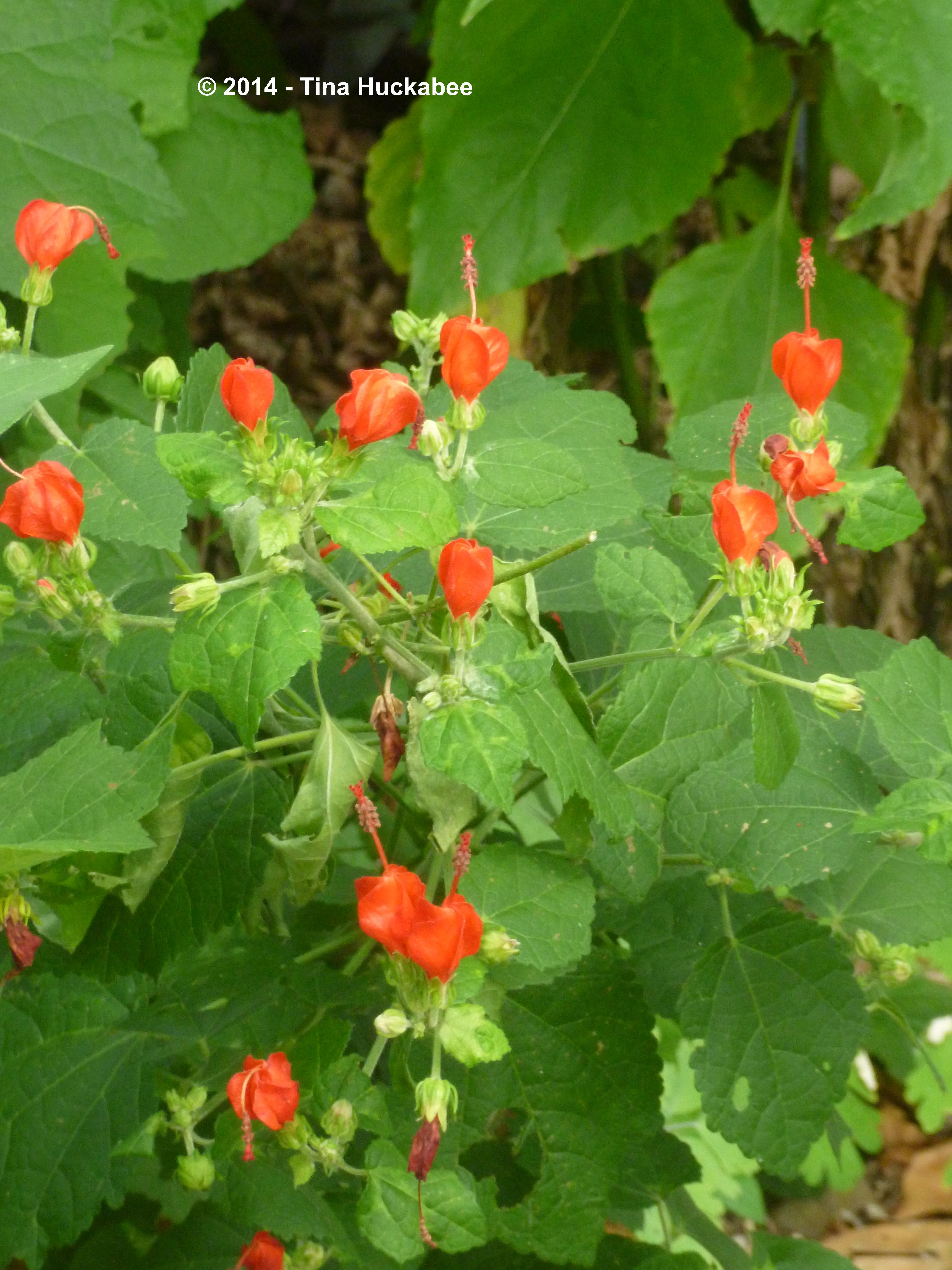
To me,  Turk’s CapMalvaviscus arboreus,  is the quintessential Texas wildflower.  Thriving in the hottest and toughest conditions, it blooms, blooms, blooms.

P1050992.new

P1050991.new

It provides all sorts of good things for wildlife: cover, nectar, pollen and fruit.  What’s not to love about that plant for Texas birds, bees and butterflies?  And for two-legged Texans, Turk’s Cap form lovely perennial shrubs for their gardens that are easily maintained and make the statement: I’m from here!

P1050988.new

Beauty matters.

Wildflowers matter.

Grow what belongs where you are: for ease, for wildlife, and because wildflowers work in the garden–in all sorts of ways.

Grow wildflowers because they give joy.  And joy matters.


Foliage Follow-up, June 2014

As The Warm settles in for the duration here in Austin, Texas, interesting and lush foliage positions well alongside flowers in our early summer gardens.

Yes, summer in Texas is hot.  But here in Texas reside tough, tough plants that shrug off the heat and the dry and are magnificent to behold.  One such is the Retama, Parkinsonia aculeata.  Retama is a small, airy tree which grows along highways receiving no care and yet is stunning: in form, bloom and  foliage.

P1040311.new

The leaves are tiny, delicate and bright green. They form on a long leaf stalk and are paired opposite one another.

P1040994.new

P1040995.new

The Retama is a Texas beauty.  I’m glad it graces my garden.

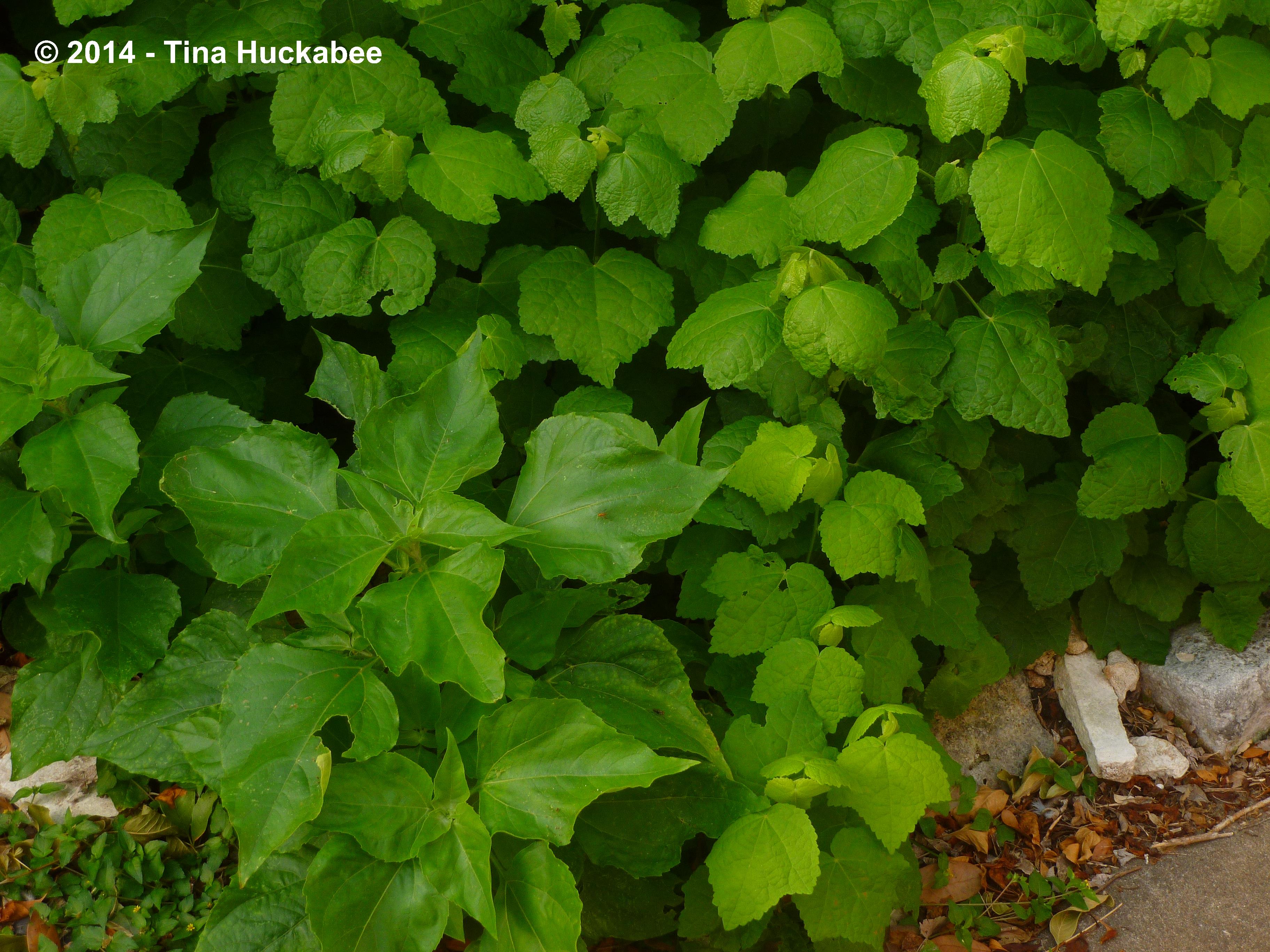
The pairing of a not-in-bloom Goldeneye, Viguiera dentata and Turk’s Cap, Malvaviscus arboreus, provides lots of lushness.

P1040482.new

The Mexican Orchid TreeBauhinia mexicana, returned after our cold winter.  It hasn’t bloomed yet, but the leaves on this little tree have always reminded me of ungulate hooves.

P1040314.new

Really, how often does one have an excuse to use that word??  Ungulate

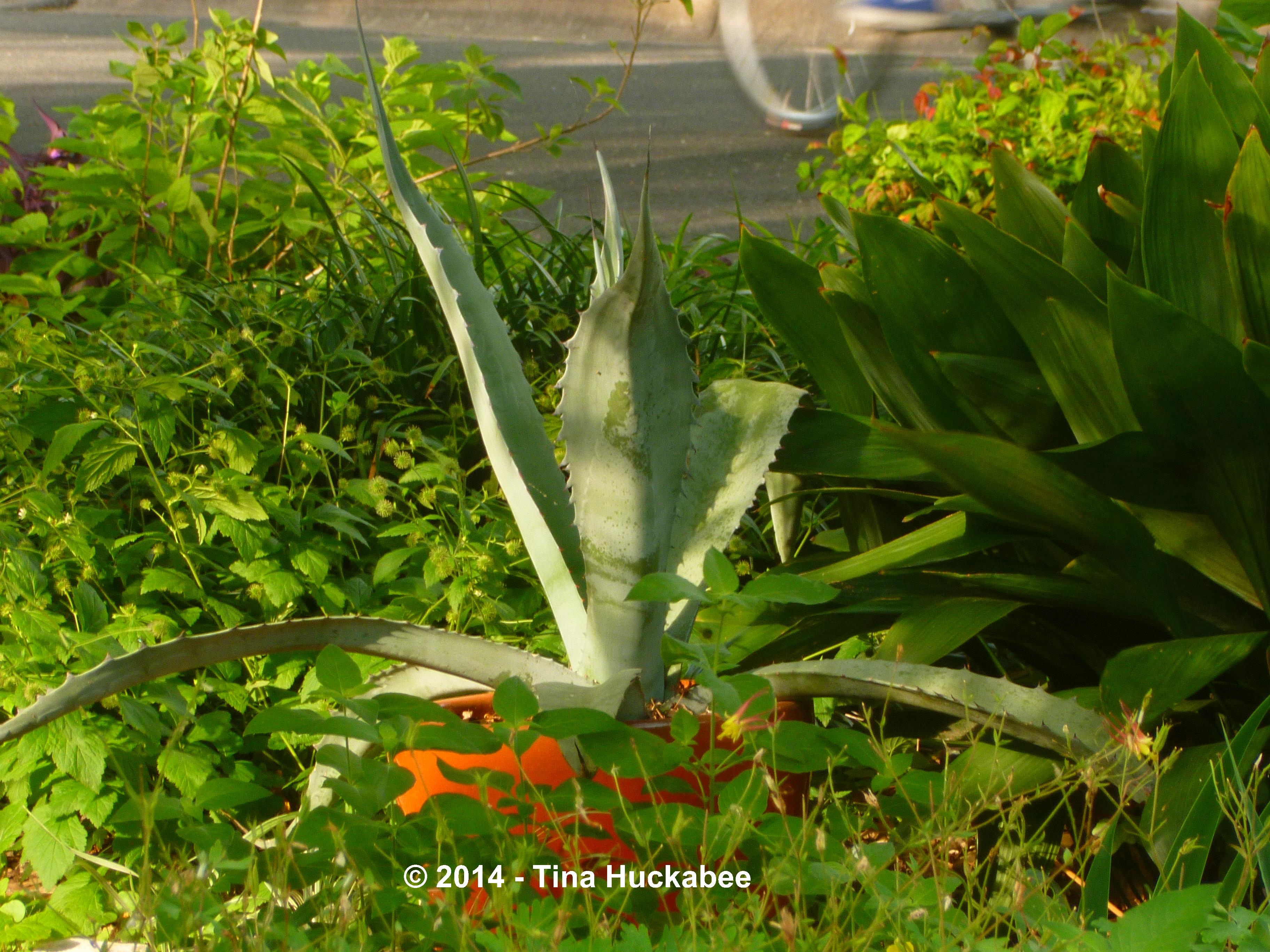
The American Agave, Agave americana, in the container  provides a striking contrast with the Cast Iron Plant, Aspidistra elatior.

P1040484.new

If you look closely at the photo, top right, you can see The Husband’s bicycle, wheel a whirl, as he pedals to work. That’s a brave man in Austin’s traffic.

The unfurling of new Agave growth.

P1040786_cropped_1766x3176..new

Beautiful.

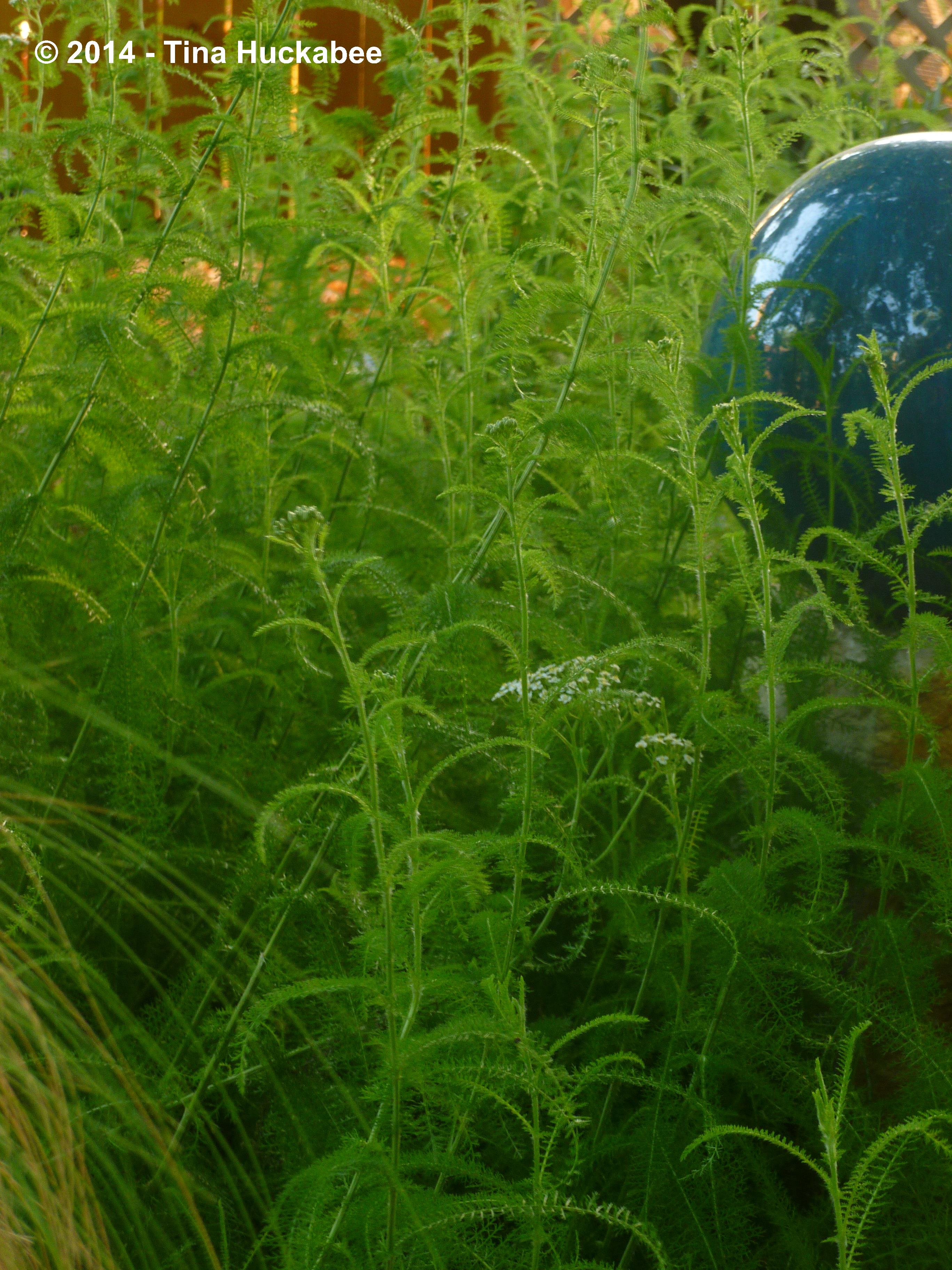
The Mexican Feathergrass, Nassella tenuissima, is lovely with the YarrowAchillea millefolium, in the background.

P1040565.new

Both plants have delicate-looking foliage, but are hardy choices for our challenging soil and climate.

Another look at the Yarrow,  a summertime favorite of mine.

P1040566.new

I love this shot of the Sparkler SedgeCarex phyllocephala ‘Sparkler’, behind (and above!) the Uruguayan Firecracker Plant, Dicliptera suberecta.

P1040573.new

The spiky, variegated ‘Sparkler’ looms over the soft, gray-green Firecracker Plant–they are opposite in  the foliage spectrum, but a nice combination.  The Firecracker doesn’t  bloom often, though it’s pretty when it happens.  I chose this plant primarily for its lovely foliage.  The ‘Sparkler’ is relatively new for me and so far, I love it.  It was evergreen during the winter and seems like a winner for summer as well.

Thanks to Pam at Digging for hosting this festival of June foliage!