Tree Following in February: Bare-n-Naked

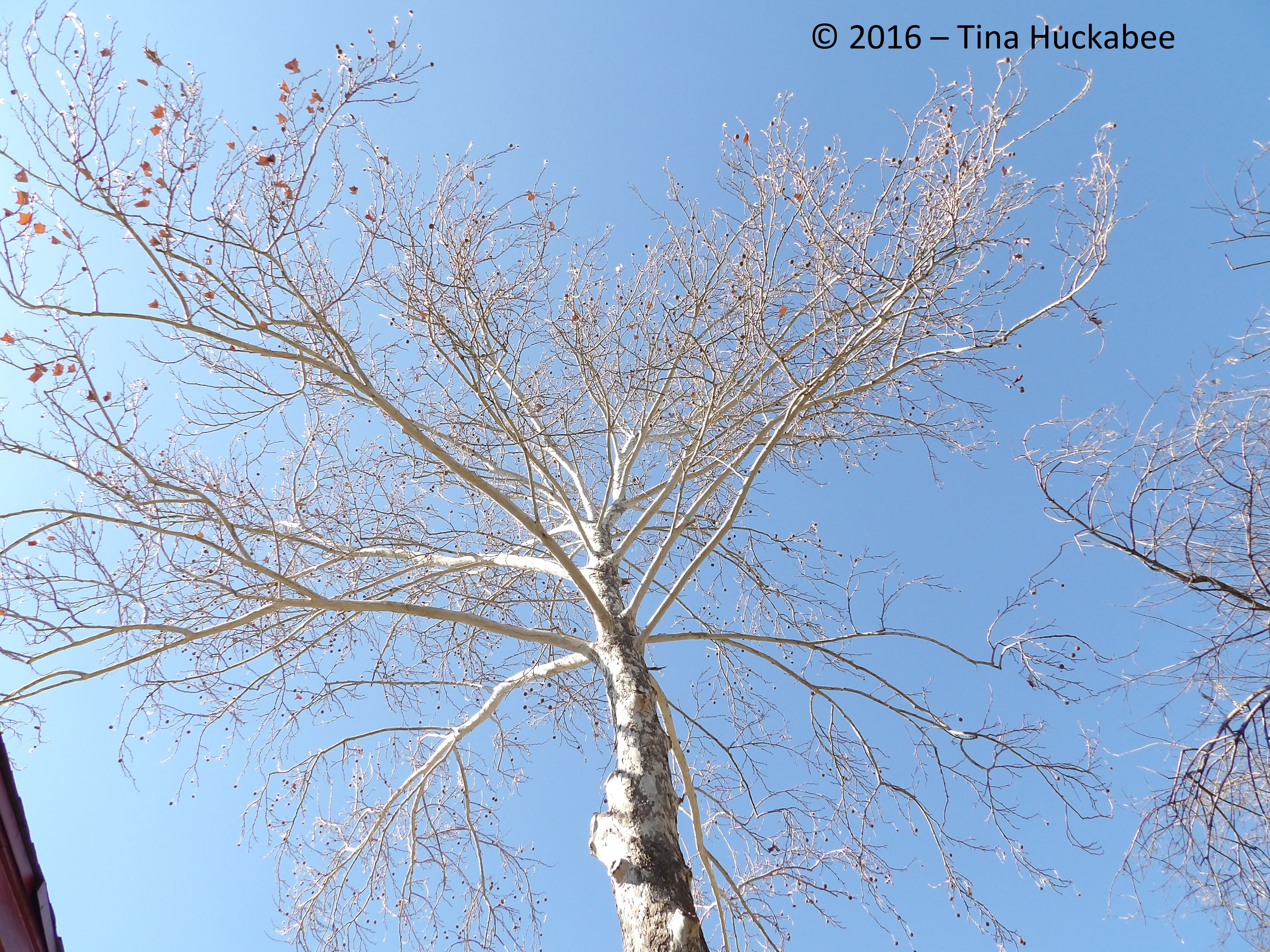
As I  join with tree followers everywhere in admiring trees, not much has changed with my American Sycamore, Platanus occidentalis, since January’s reportI suppose that bare-n-naked (or nekkid, as we’re wont to say here in Texas) is expected during dormant winter months.

Stunning against the pure Texas sky,

imgp4043-new.jpg

…the elegant, winter-white bark is especially gorgeous.

According to the Lady Bird Johnson Wildflower Center, the American Sycamore has the largest trunk diameter of any Eastern North American native hardwood tree.  I suspect that the West Coast trees in the Sequoioideae family out-girth the Sycamore by a smidge. Or maybe more than  a smidge.

Sycamore wood is used commercially for butcher blocks, boxes and crates, as well as some furniture, but reportedly course and hard to work with.

The outer-bark is rough along the bottom of the trunk, with revealed patches of pale/grey/beige bark underneath,

imgp4174-newjpg.jpg

imgp4175-newjpg.jpg

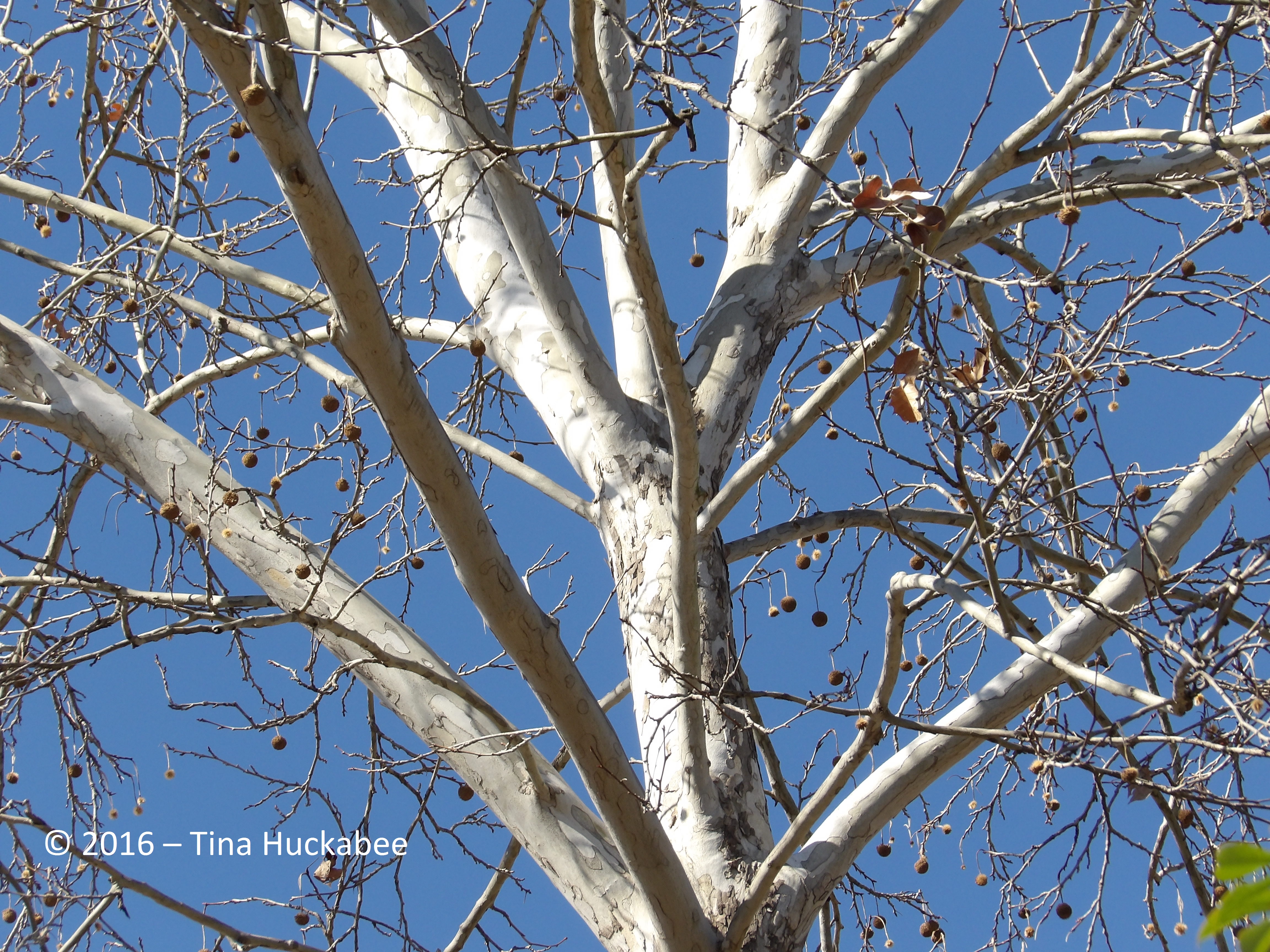
The pallid bark becomes smoother and more prominent toward the canopy.

Peeling bark showcasing subtle colors is a signature visual quality of Sycamore trees, but I’ve read that it’s not entirely clear why the bark peels.
imgp4052-newjpg.jpg

Some sources suggest that because Sycamores grow quickly and the epidermis of the tree is rigid, that it sloughs the bark to accommodate rapid growth. Also, Sycamores are happiest when they grow in wet bottom-lands, so it might be that the tree employs more transpiration throughout and therefore, the bark sheds more than many trees.   Another theory is that there are more issues with fungi and other wet-feet problems precisely because Sycamores grow naturally in wet and heavy soil types and the bark exfoliates as a protective measure against disease problems. A last explanation of Sycamores’ penchant for peeling is that because Sycamores photosynthesize through their limbs, the shedding bark allows for a longer season of photosynthesis and therefore,there is rapid and continual growth.

My Sycamore isn’t planted in a floodplain, nor does it grow in particularly soggy soil.  And yet,

imgp4051-newjpg.jpg

imgp4050-newjpg.jpg

…peeling is a thing Shed does.  I guess adaptation and genetics win again.

Seed balls dangle in the winter chill, decorating the foliage-empty tree.

imgp4049-newjpg.jpg

imgp4047-newjpg.jpg

I’m a little surprised that more of them haven’t drifted or dropped to the ground yet, in preparation of spreading Shed’s genetic material, but I’ve seen a couple of  mushed balls on the ground and in the compost bin.

imgp4046-newjpg.jpg

By next month, there should be many exploding seed balls (as a neighbor once described them), raining down on the Earth in and around my gardens, preparing to create new trees.

Perhaps there will be seedlings to show you.
imgp4044-newjpg.jpg

Thanking Pat of The Squirrelbasket for graciously hosting this fun meme about trees. Check out her blog for interesting information about trees from all over the world.
 

Tree Following, July 2015: Lush and Leafy

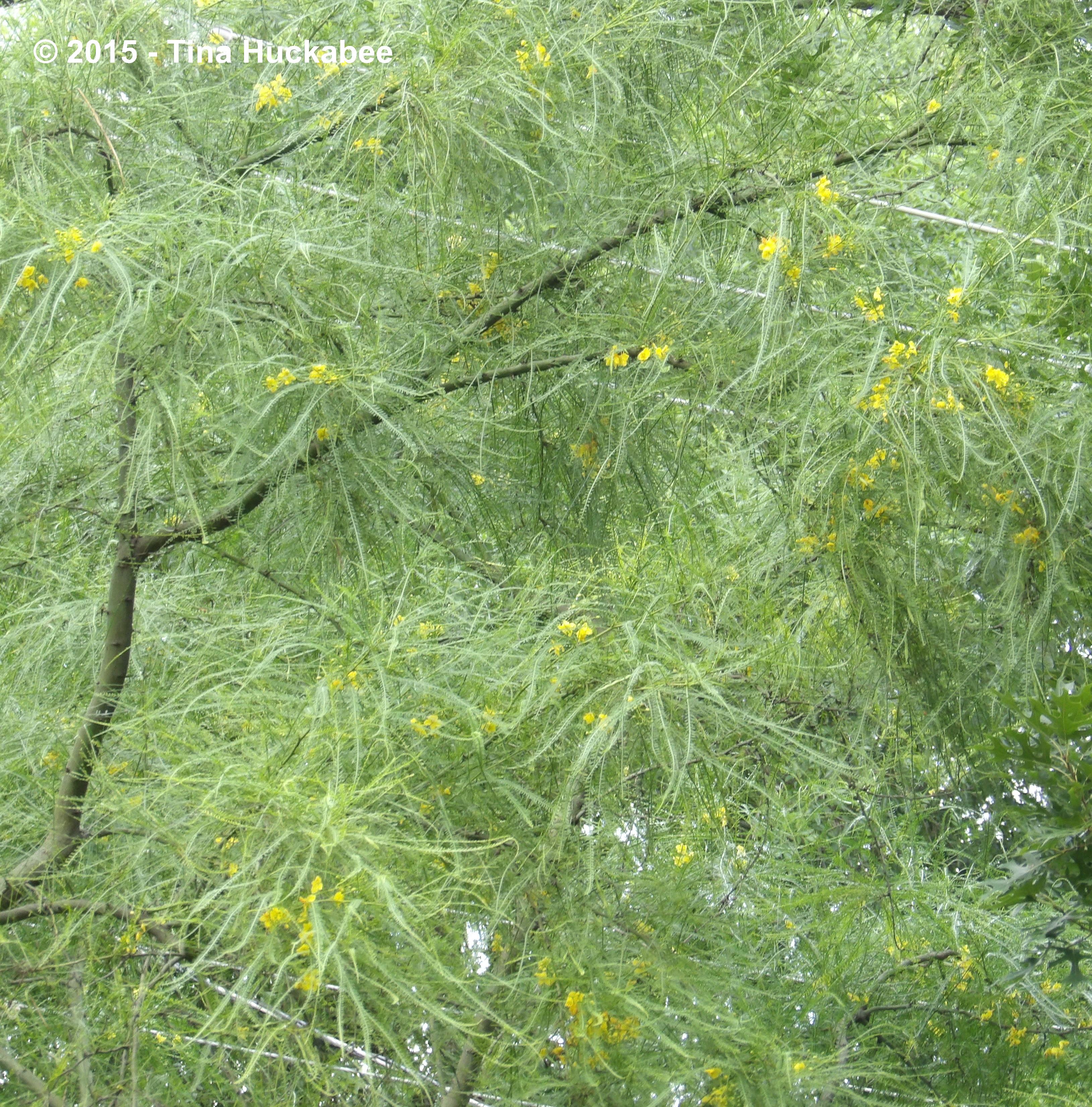
Here I am, once more checking up on the Retama, Parkinsonia aculeata, for Tree Following, hosted by Lucy at Loose and Leafy.  Truthfully, there’s not much change from last month.  I took these photos a few days after June’s Tree Following virtual  convocation.

IMGP9034_cropped_3258x3304..new

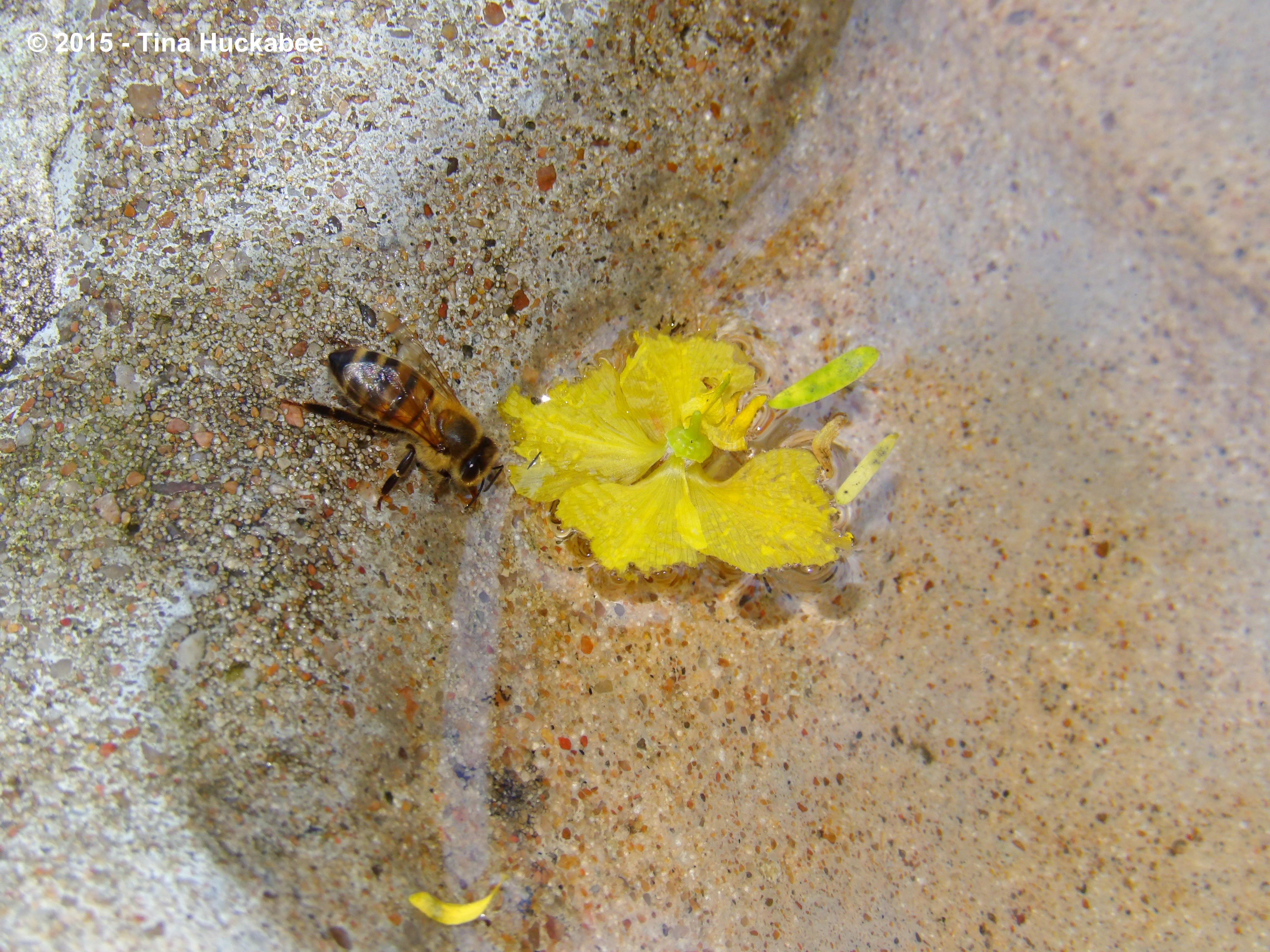
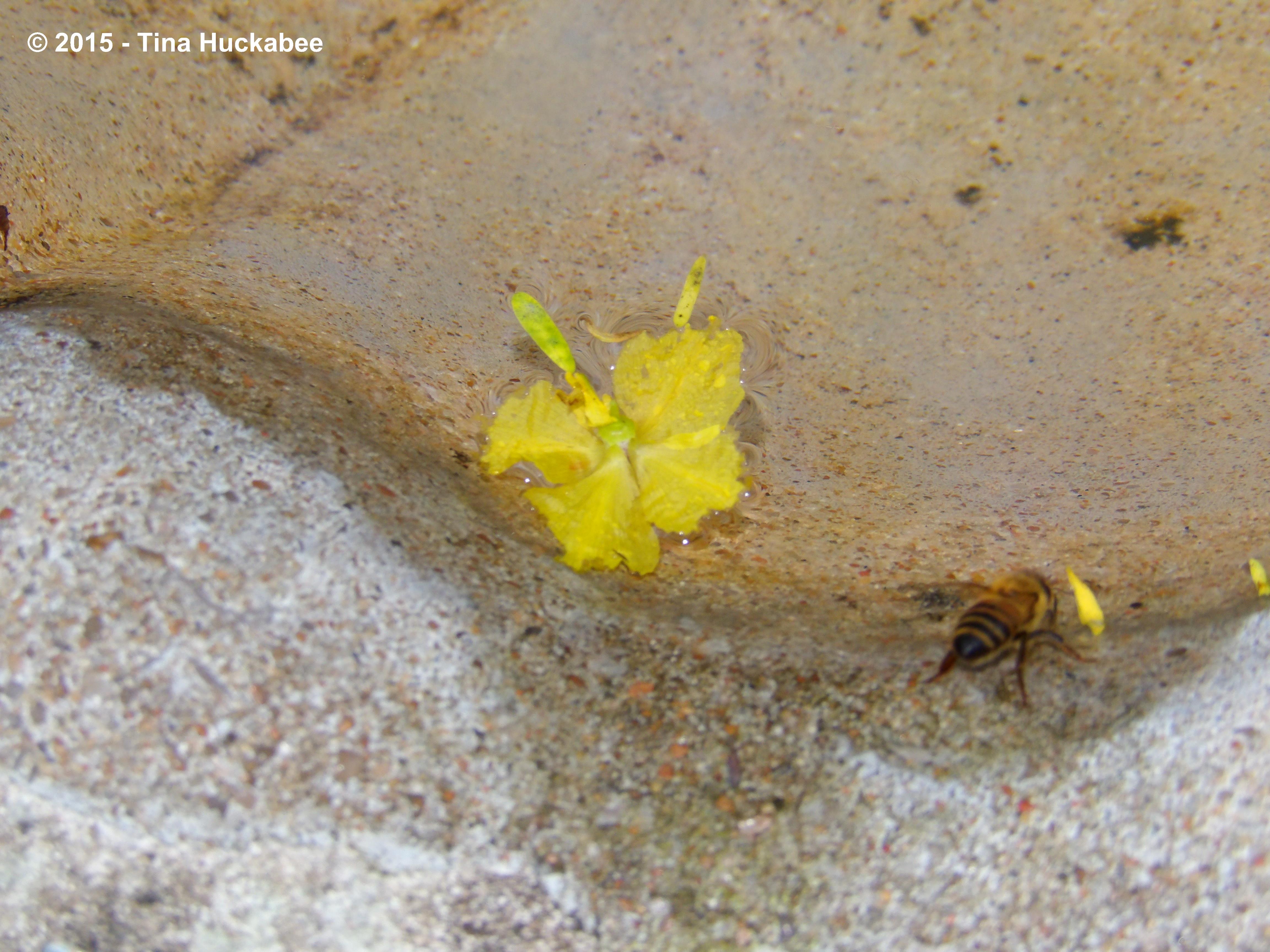
There are sparkles of blooms, but most of the flowers that were on the tree, dropped.  With heavy rains in May and early June, the tree flowered.  But the flowers had quite enough at that rainfall party, thank you very much, and exited the tree like floral confetti.  Most rain-battered blooms ended on the ground.  Some,

IMGP8628.new

IMGP8629.new

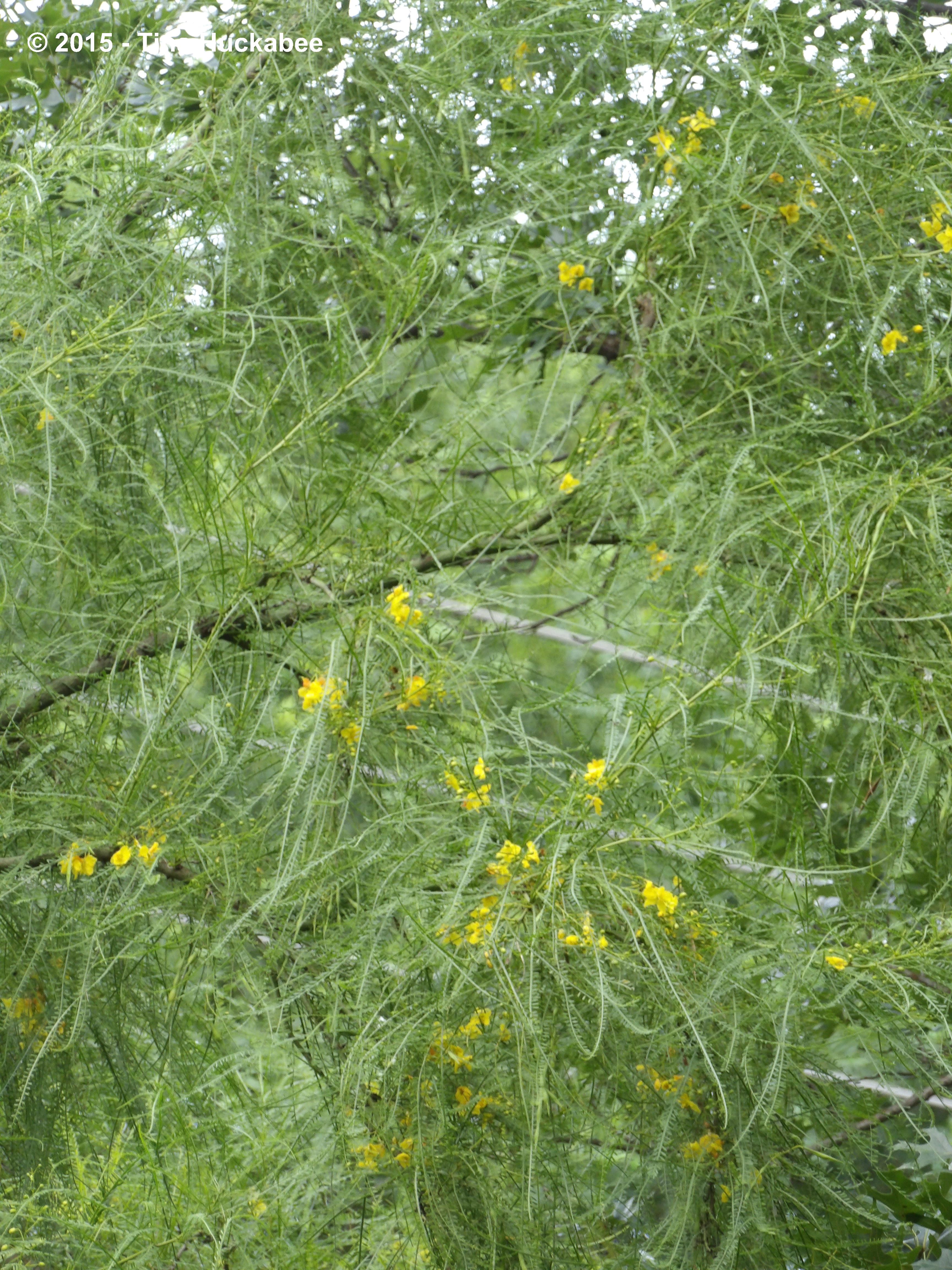
…decorated the honeybees’ watering hole. Now in July, there are blooms on the tree, but fewer and toward the top.   These hard-to-photograph, waving-in-the-breeze flowers are visited by a variety of bees, hummingbirds, and butterflies.

IMGP9031.new

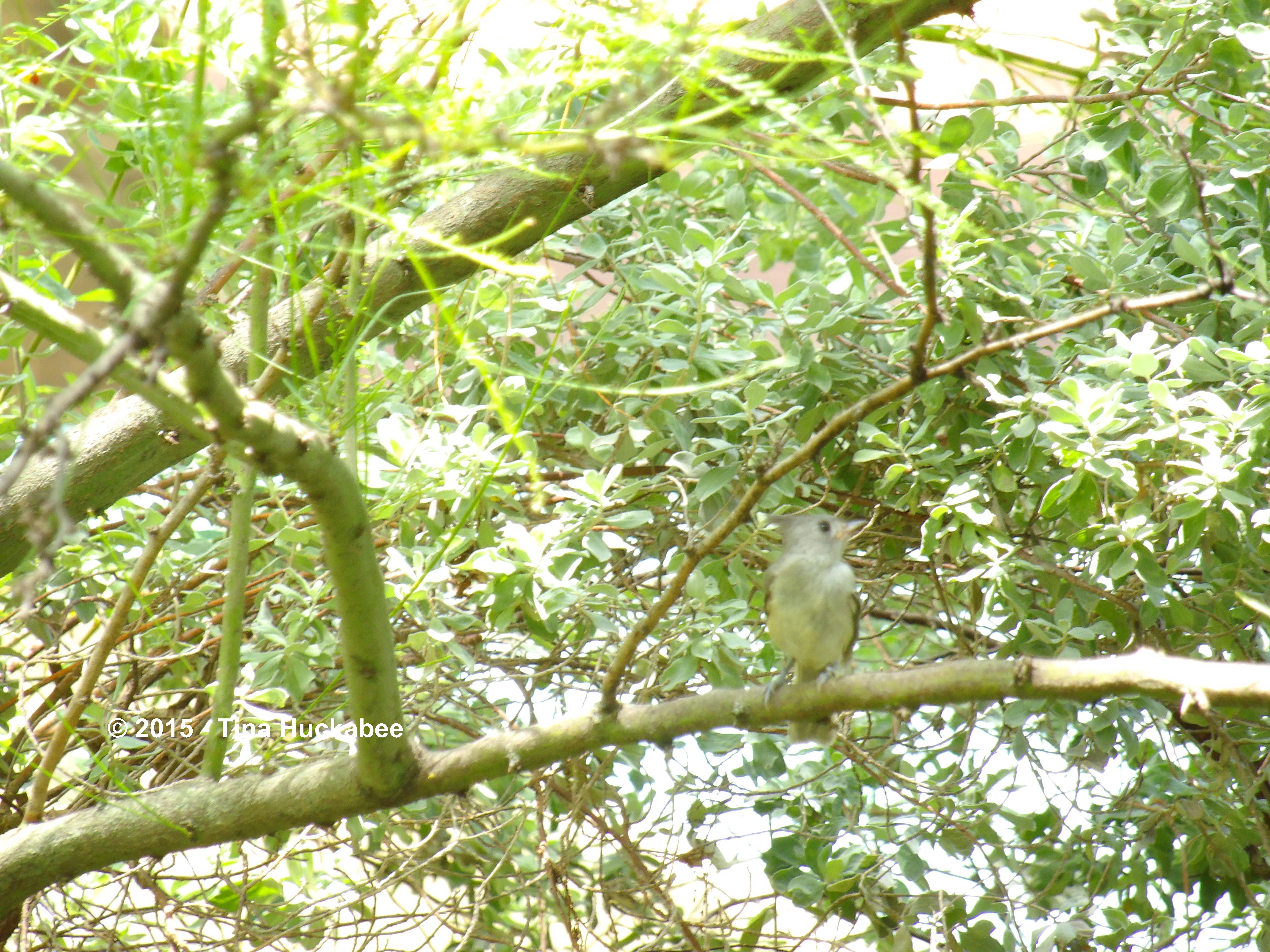
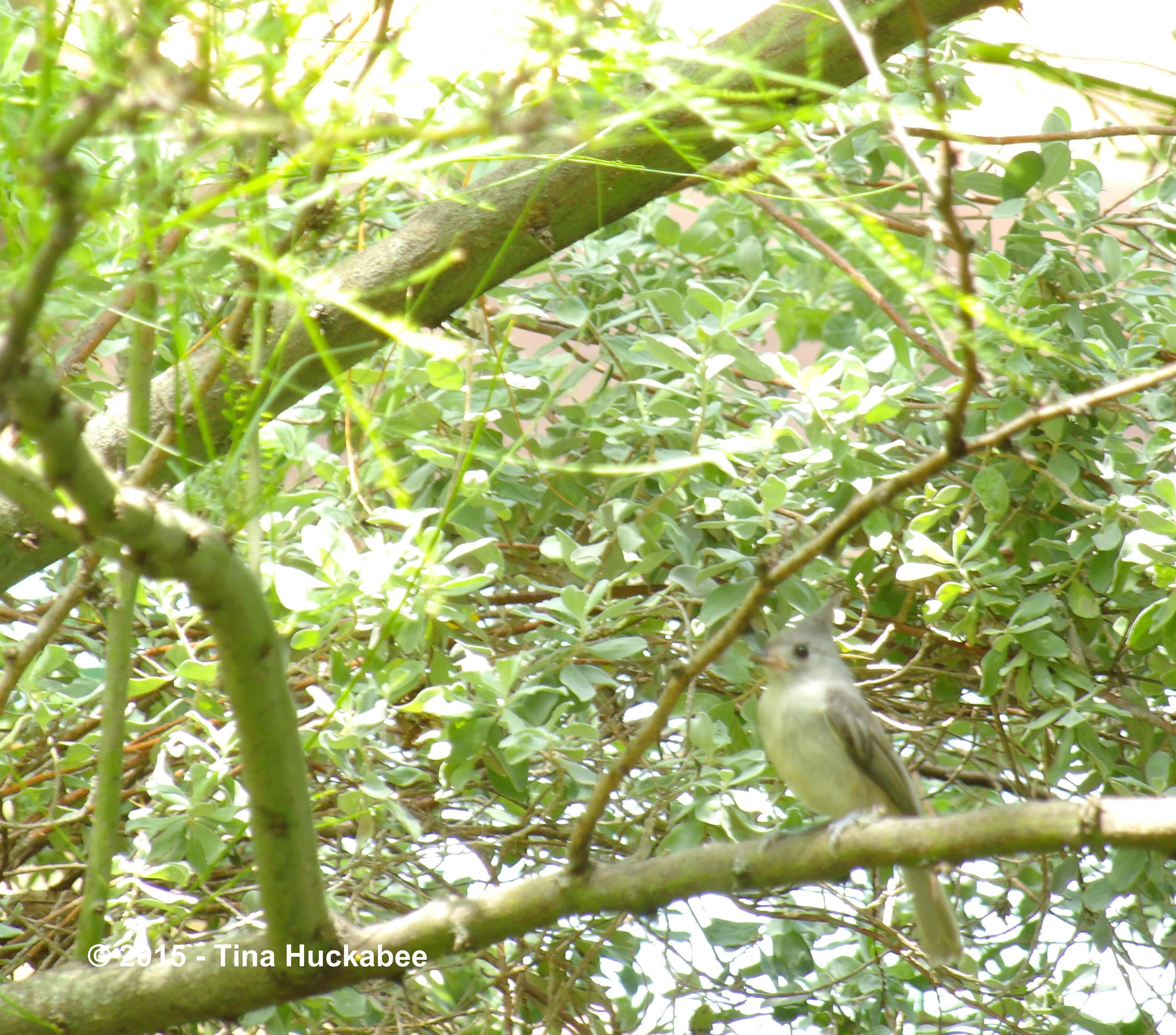
The tree remains a resting spot for birds eyeballing the sunflower seed feeder in the adjacent Shumard Oak, or chastising the cats and the gardener who stroll along the pathway. Sometimes, the birds are just hanging out,

IMGP9261.new

IMGP9258_cropped_3442x3028..new

…like this Black-crested Titmouse, a juvenile I think.

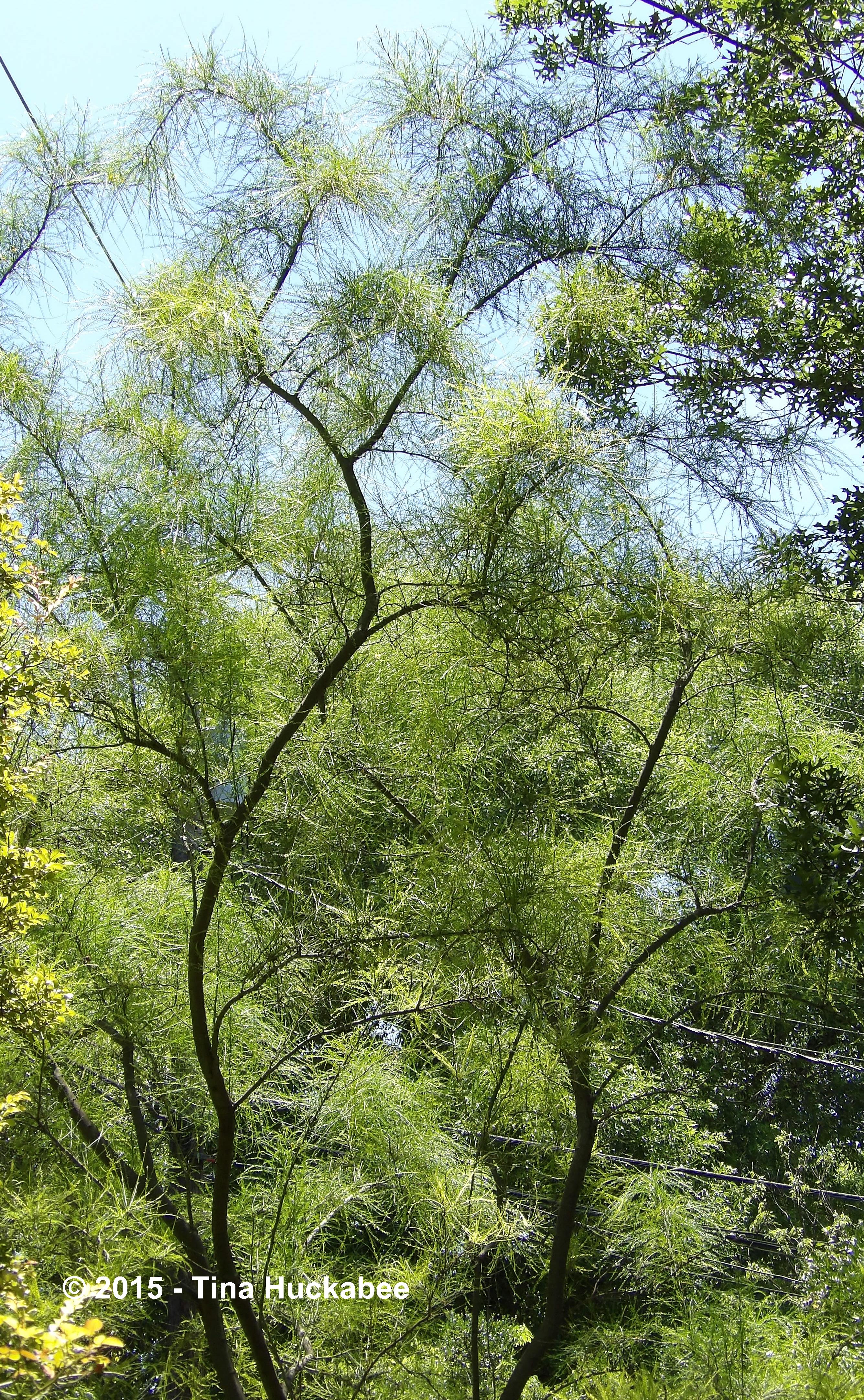
Not as many blooms, but the foliage remains lush and leafy for mid-summer.

IMGP9275.new

IMGP8604_cropped_2672x4329..new

Thanks to Lucy at  Loose and Leafy for hosting Tree Following.  Pop over to her site to learn about trees from many places and situations.

Tree Following: Retama in January

Celebrating a new year and the third month profiling my tree,  Retama, Parkinsonia aculeata, I thank Lucy at Loose and Leafy for hosting Tree Following. I’m a day late because I host my own little meme, Wildlife Wednesday on the first Wednesday of each month, but I certainly don’t want to miss reporting about my tree or viewing what others have written about theirs.

There are no major changes with the Retama since December.

IMGP3031.new

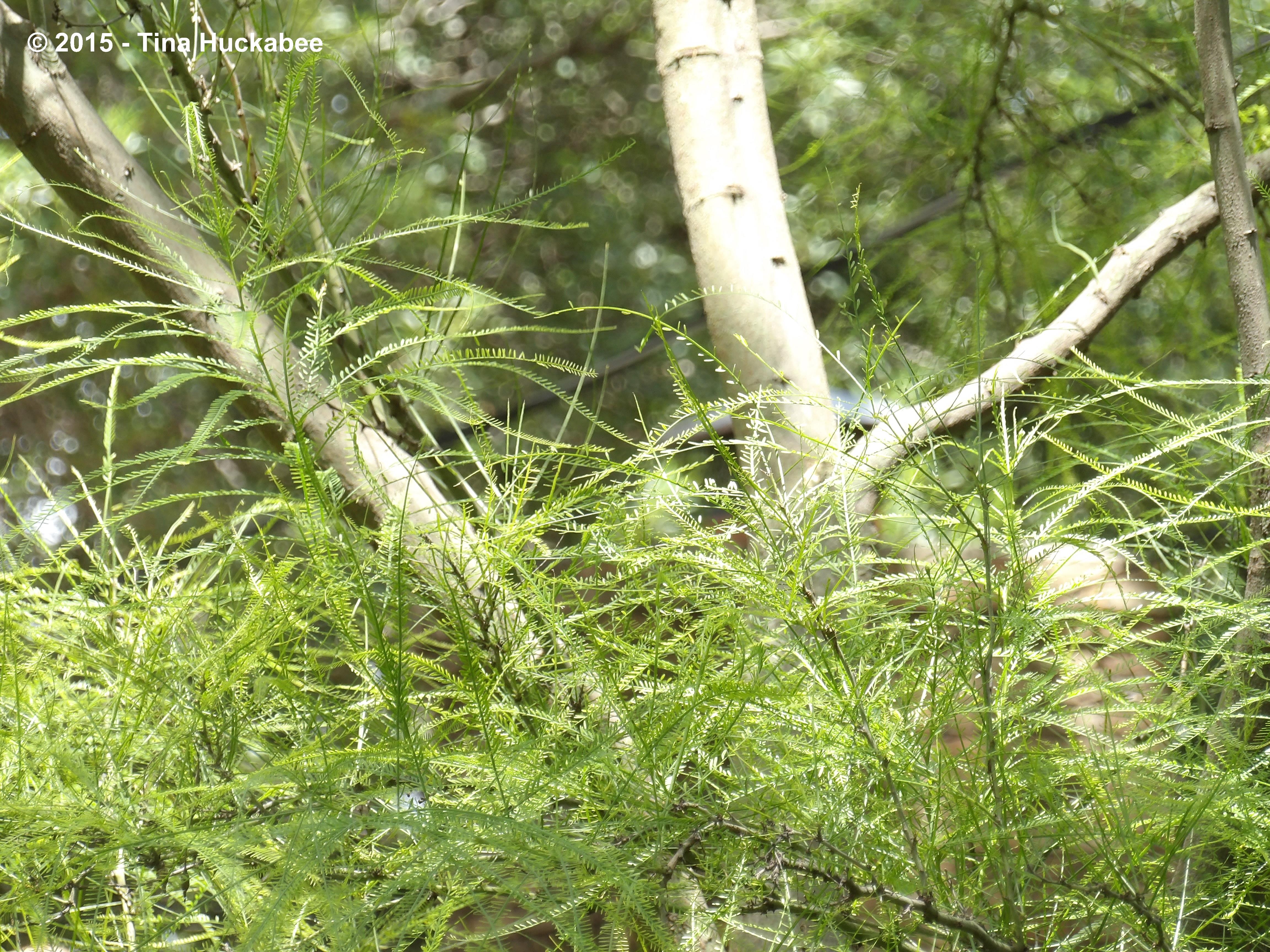
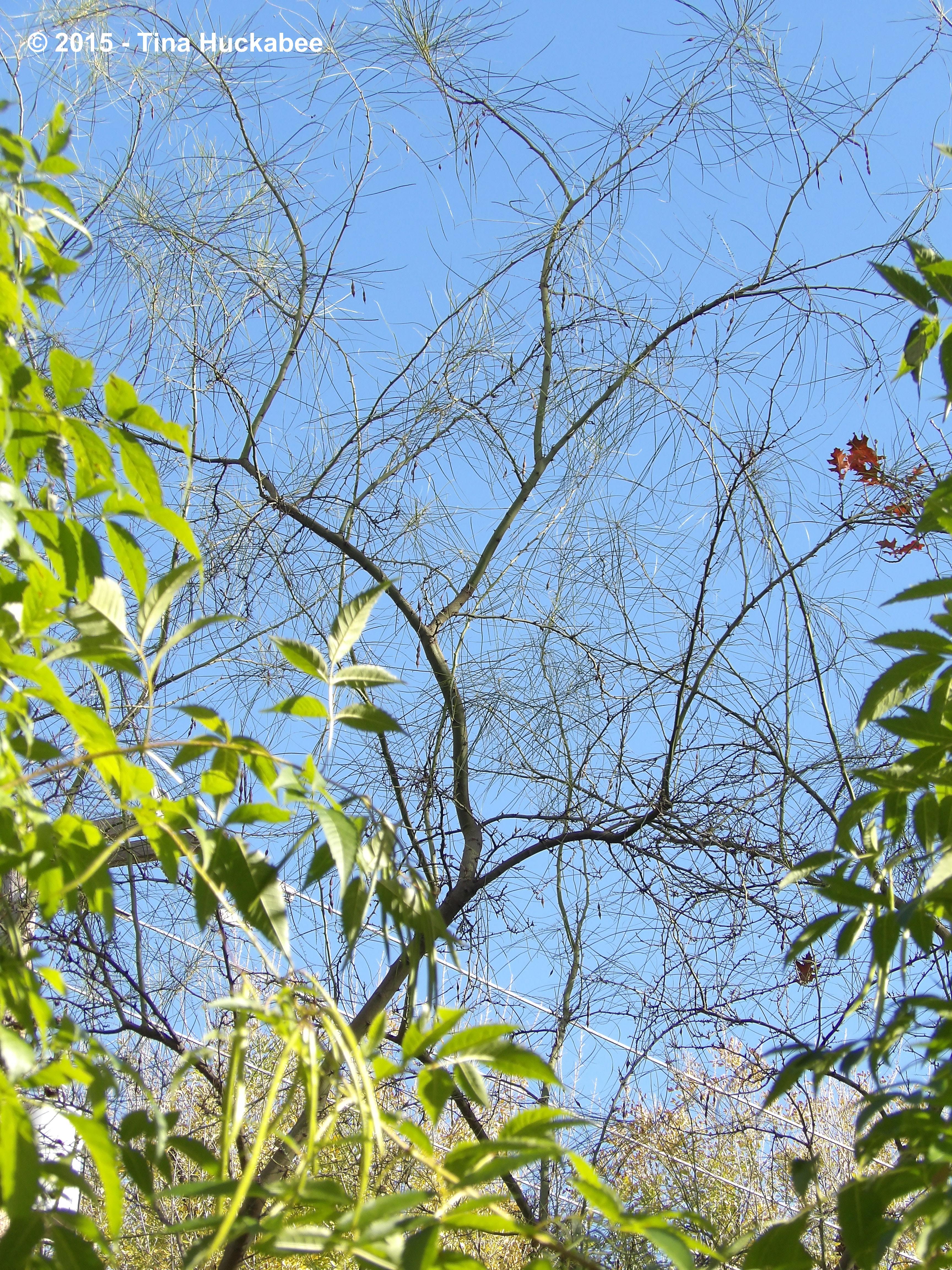
The Retama has fewer leaf stalks and virtually none of the tiny opposite leaflets remain, so it’s mostly about the green stems and bark.

IMGP3032.new

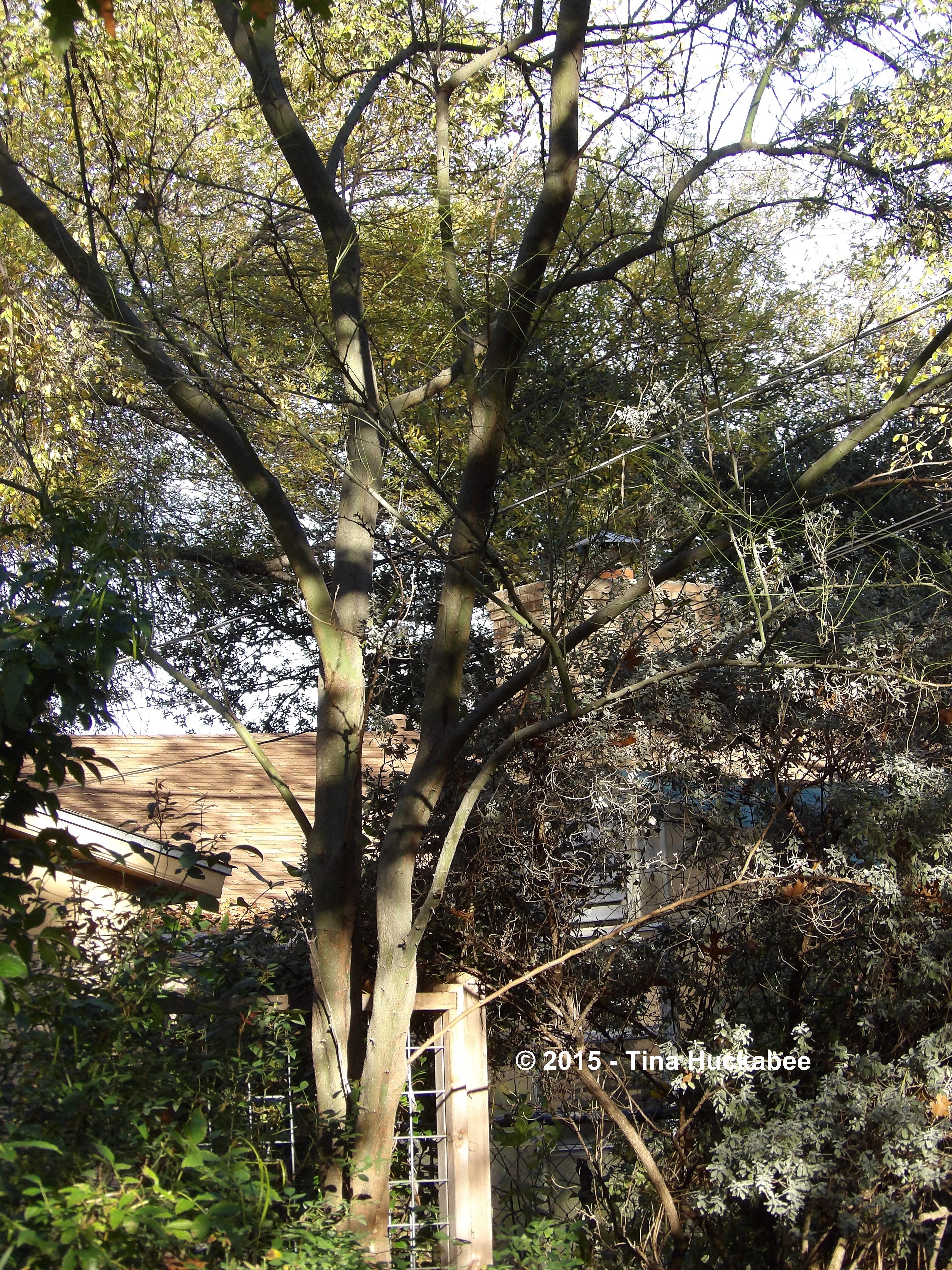
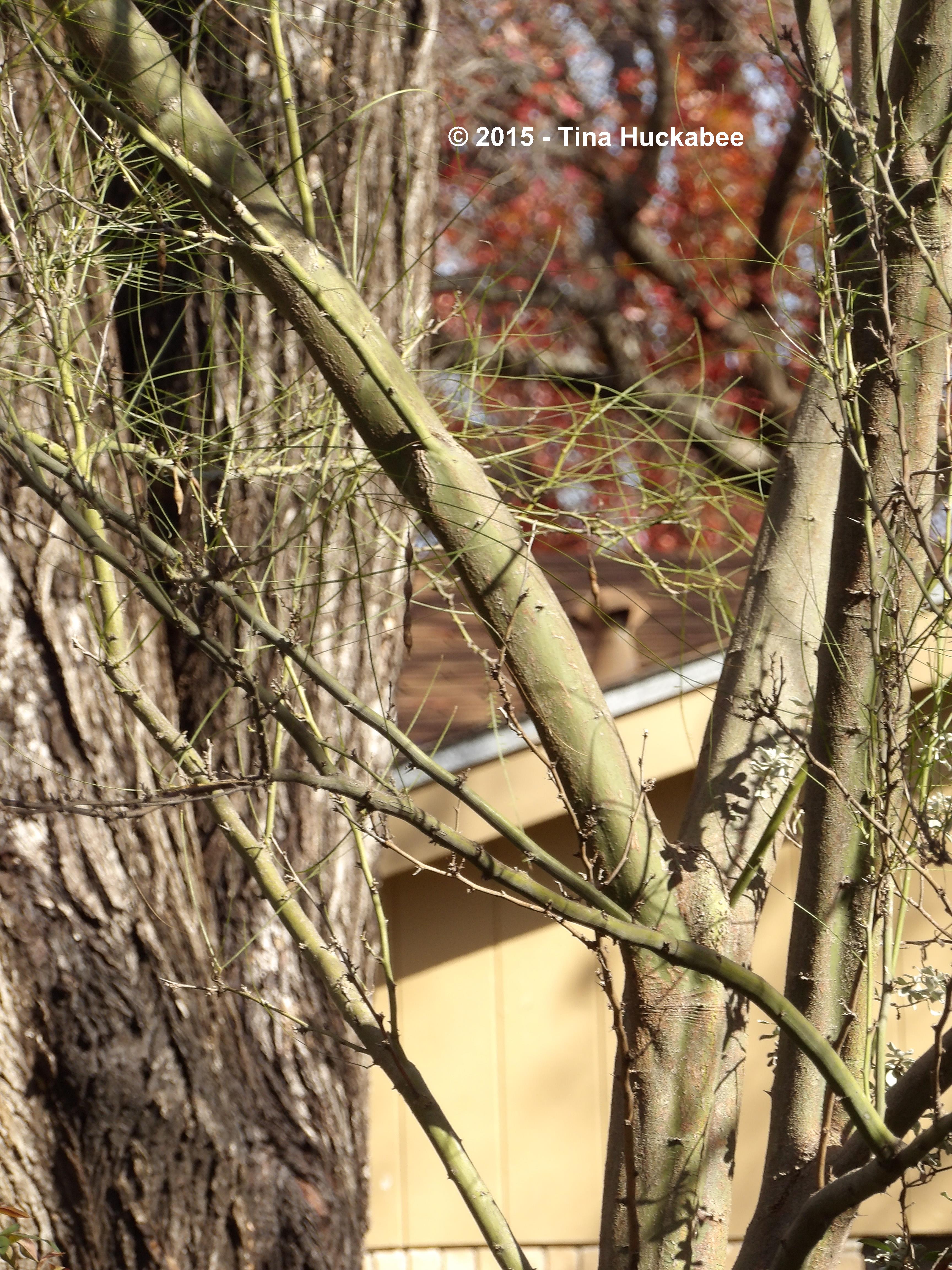
Stems and bark remain green, year round, so the tree is especially nice in winter as it always has cheery, fresh color.

IMGP4308.new

The one exception is this branch, IMGP4239.new

…which has died.  I was going to prune it off, but I noticed that birds often perch on it.  The branch is not in my way and is not bothersome in any other fashion, so I’ll leave it.  Who am I to remove a perfectly good bird sitting area?

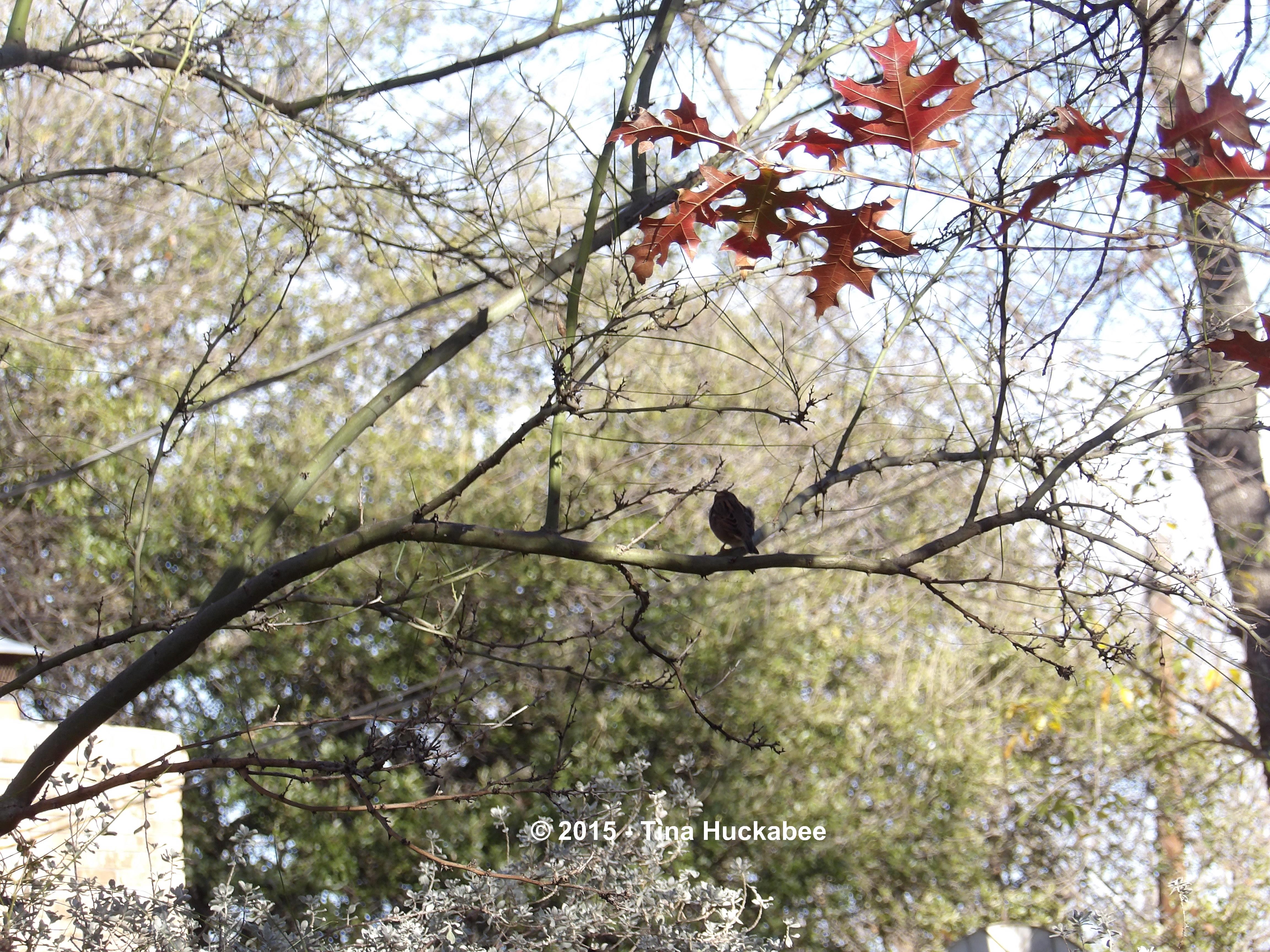
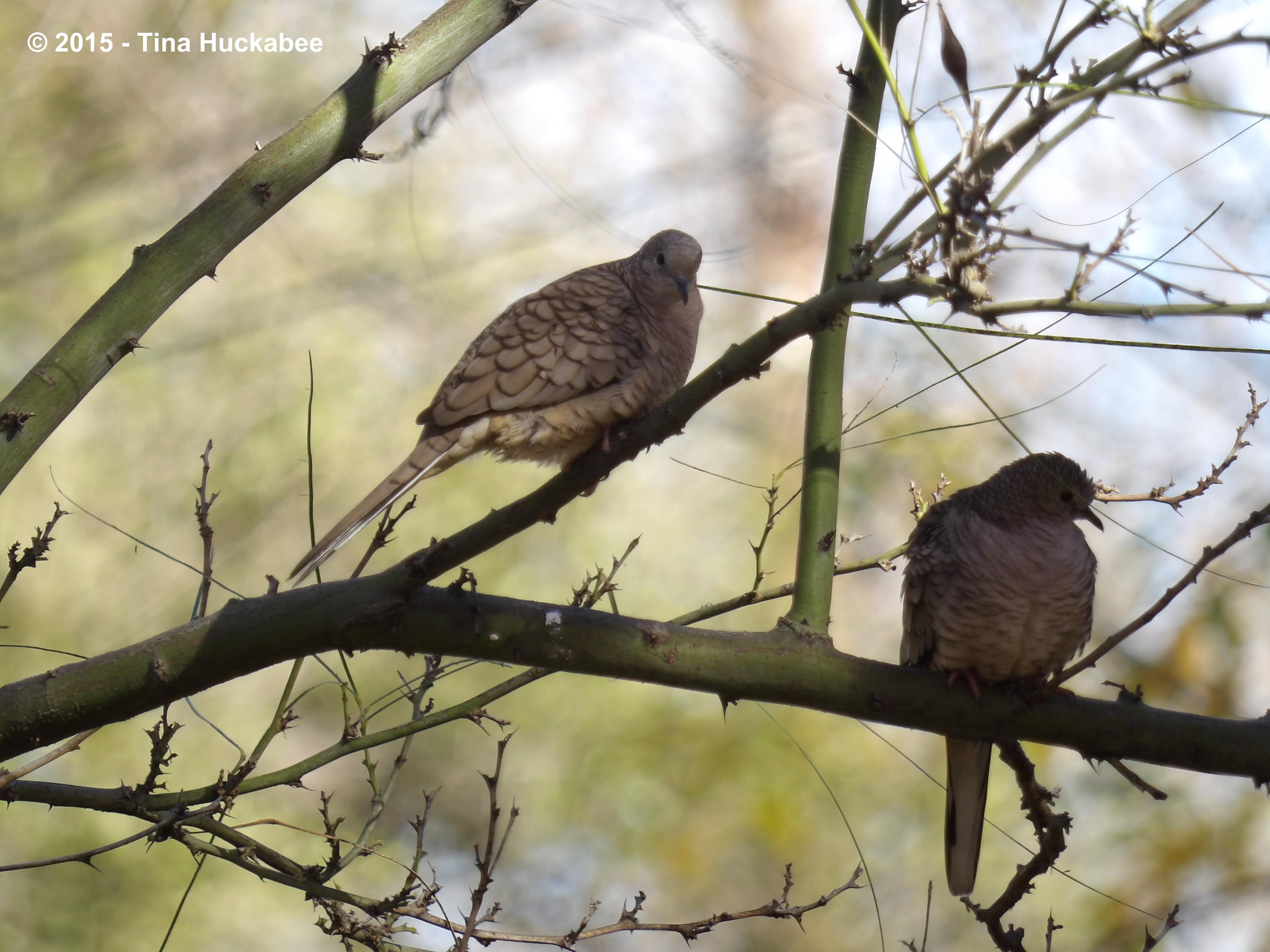
Birds like this tree.  A lot.

IMGP4456.new

It’s rare that I look at the Retama and isn’t some bird, somewhere, in the tree.

House Sparrows,

IMGP4302.new …love it.

Inca Doves,

IMGP4156.new

…love it too.

And though it’s not an avian sort,

IMGP4465.new

…this squirrel hugged the Retama early yesterday morning as a cold front dropped temperatures to the coldest of the season so far.

The remaining leaf stalks are green and continue to give the tree a feathery look against the various winter skies.

IMGP4235.new IMGP4315.new

IMGP4333.new

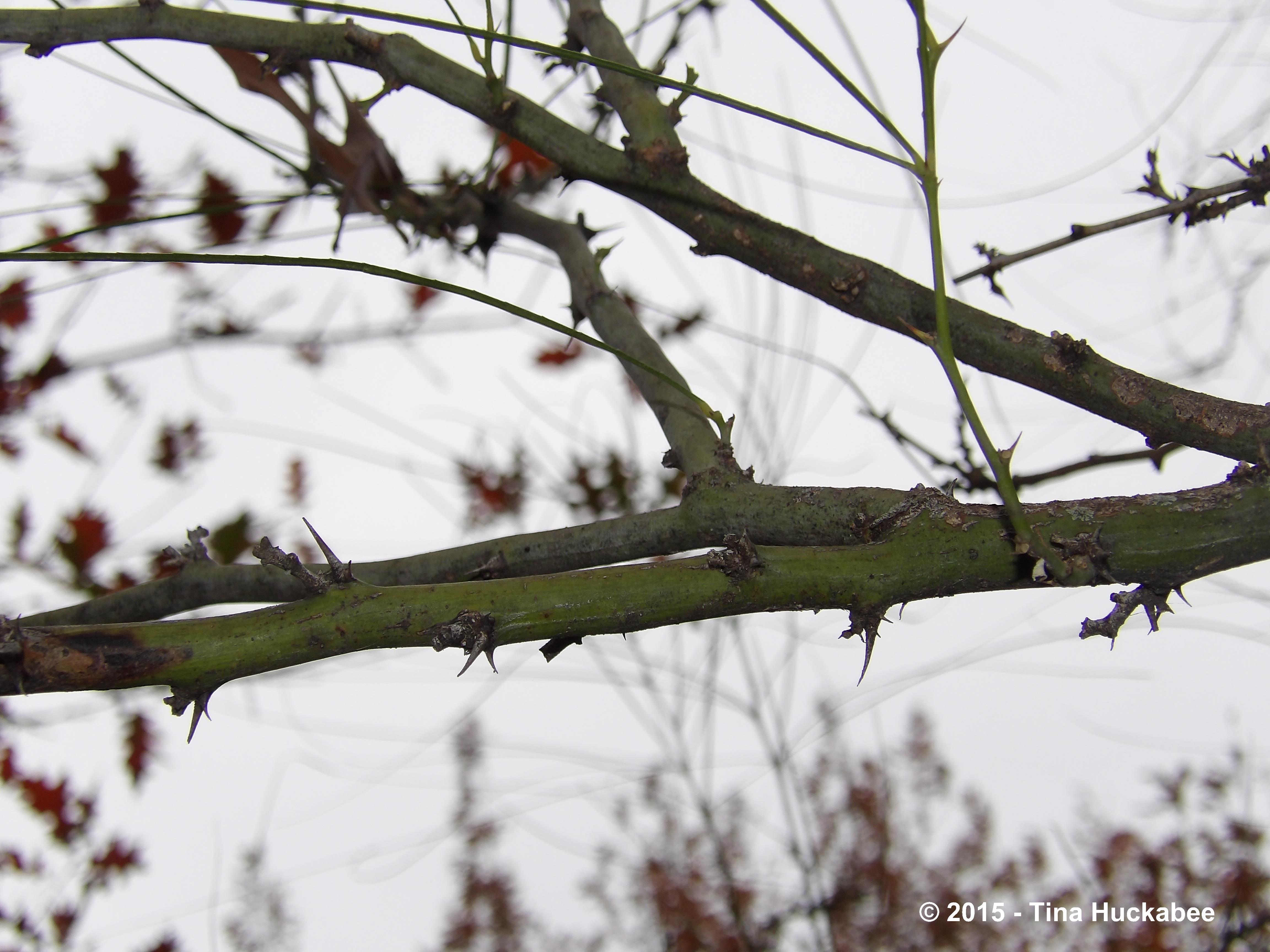
I notice the thorns along the branches more this time of year–better to avoid them as I dump mulched leaves around the base of the tree and in the garden in which it resides.

IMGP4238.new

It’s consistently chilly now, downright cold at times, so I imagine the low temperatures will take care of relieving the Retama of its remaining foliage.  The green branches and trunk will endure though, preparing the tree for its long growing season ahead.

Please enjoy other trees from all over as they’re followed this January by visiting Loose and Leafy and its celebration of all things trees.