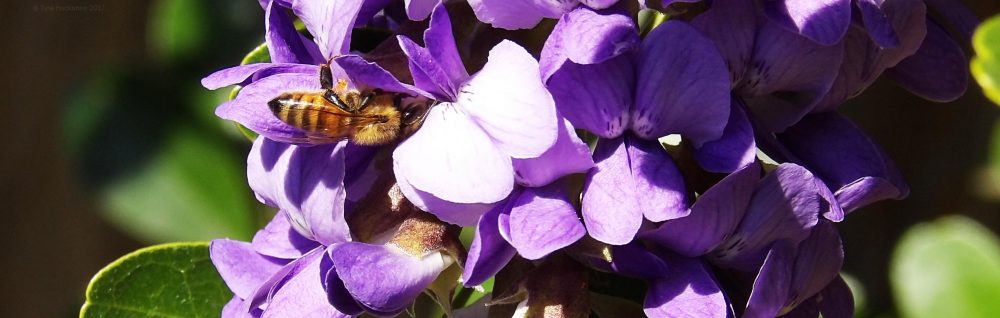
It’s good to be home. More so, 24 hours after my return to Austin last week, the sky opened and delivered a welcomed dunk of rain followed by the coolest temperatures since last April. These lovely events kicked to the curb the second hottest and driest October on record. How nice is that?! I’m glad I missed the heat; where I traveled, the weather was perfect.
The Monarchs are coming through, too.
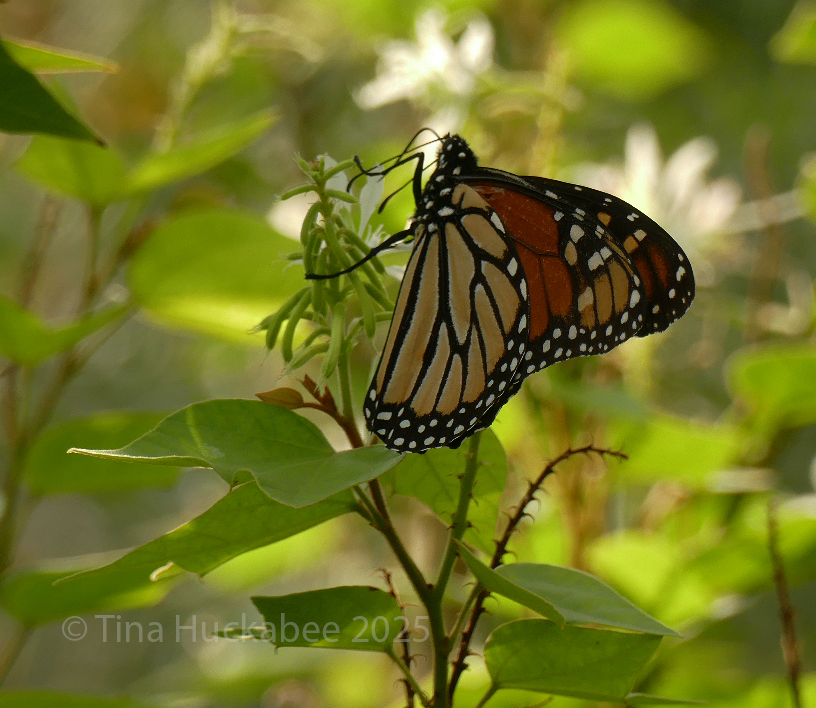
They’re late this year, owing to the drought, I suspect. Amber-winged beauties waft through my garden, movements highlighted by autumn sunshine, wings opening and closing as they perch. Proboscises unfurl at floral fonts in search of the next sweet meal.
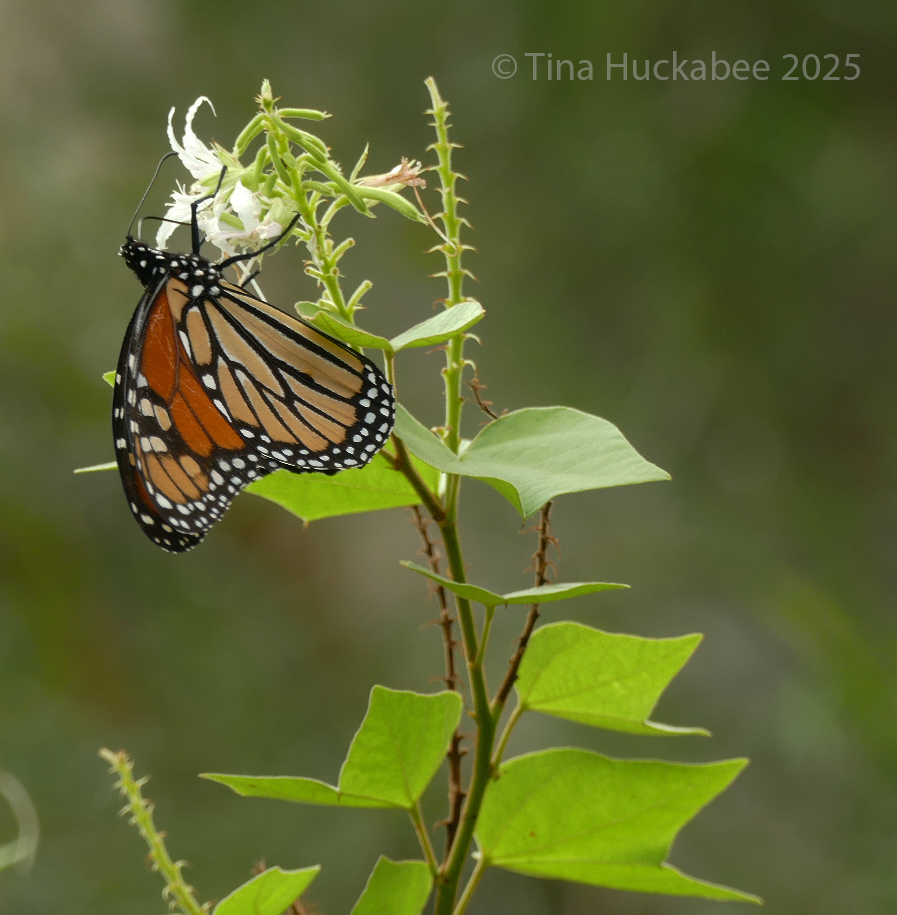
The garden is in its second spring, blooming madly, providing for all who partake.
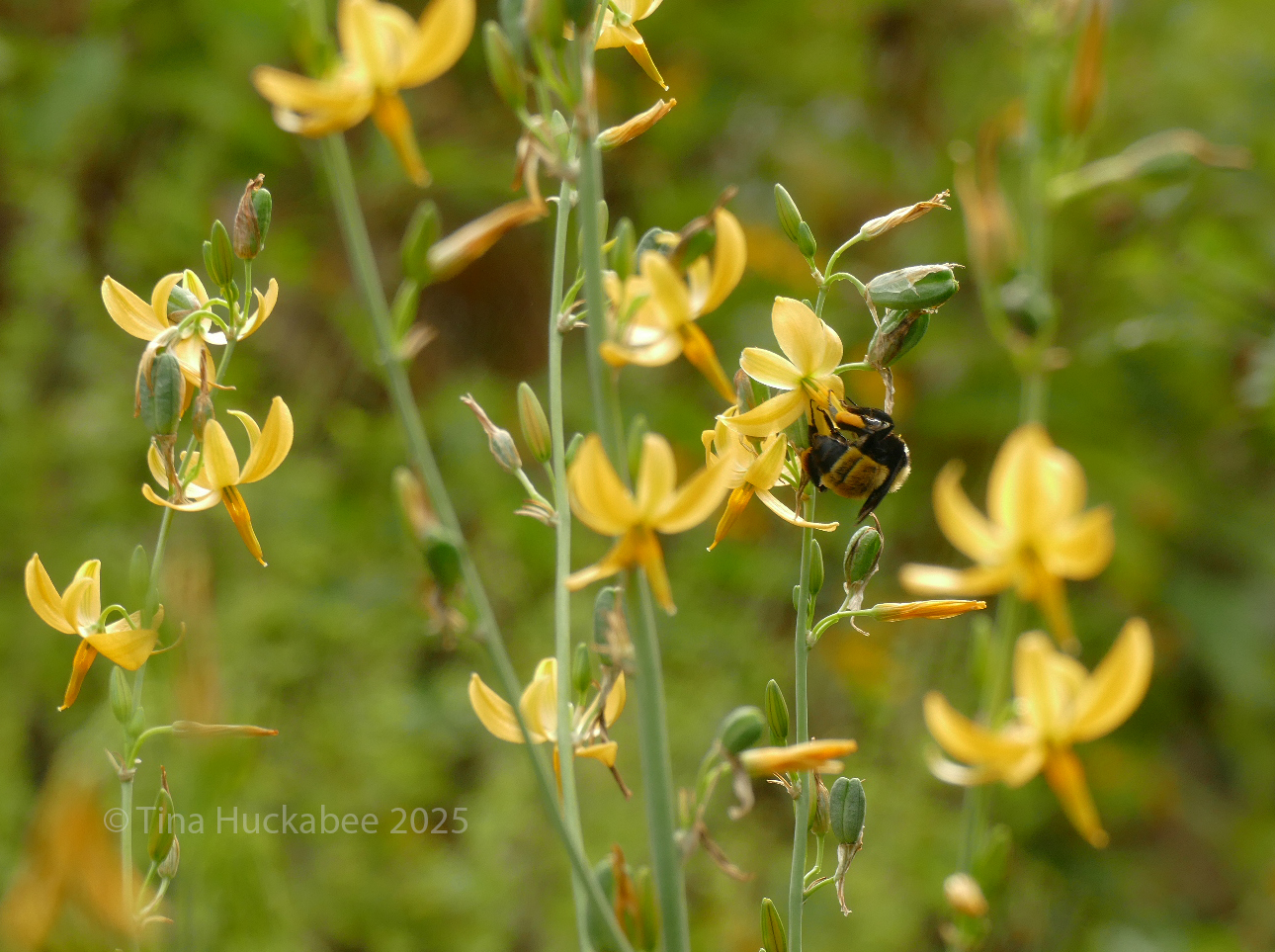
Bees are busy at this bloom-up time, as are birds nibbling seeds from the same spent blooms.
I spent a good deal of October in Europe with Amsterdam as a base, Belgium as a new-to-me place to explore, and Georgia to celebrate these two Sweet Things as they married in Georgia’s capital city, Tblisi.
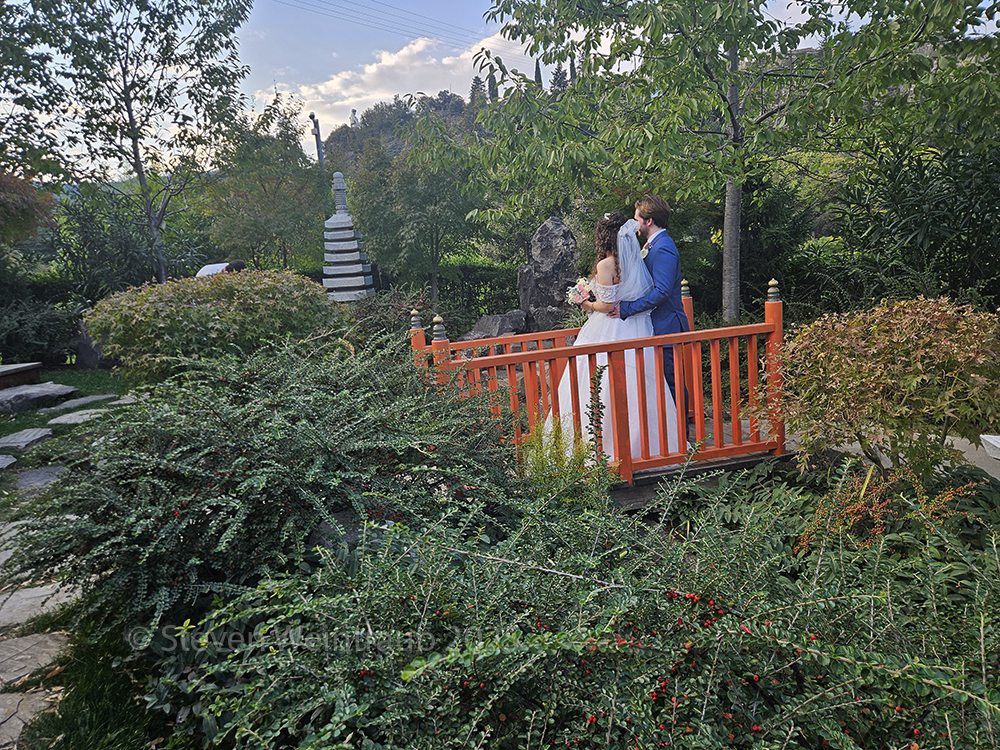
Why Tblisi? Son-the-Groom is American, Beloved-the-Bride is Iranian. Georgia offers easy legal requirements for foreigners to marry and every country in the world has signed on to the legality of civil marriages performed in Georgia. As they currently live in Erbil, Iraq (Kurdistan Autonomous Region) and are planning to move to an EU country in the not-too-distant future, marrying in Georgia was a romantic and practical slam-dunk for these two crazy kids!
The photo of the newlyweds was taken in the Japanese garden section of the National Botanical Garden of Georgia, a glorious green space in a busy, congested city. The botanical garden is located in the heart of the Old Town, with the highest point, guarded by Mother Georgia, overlooking the sprawling, dynamic city.
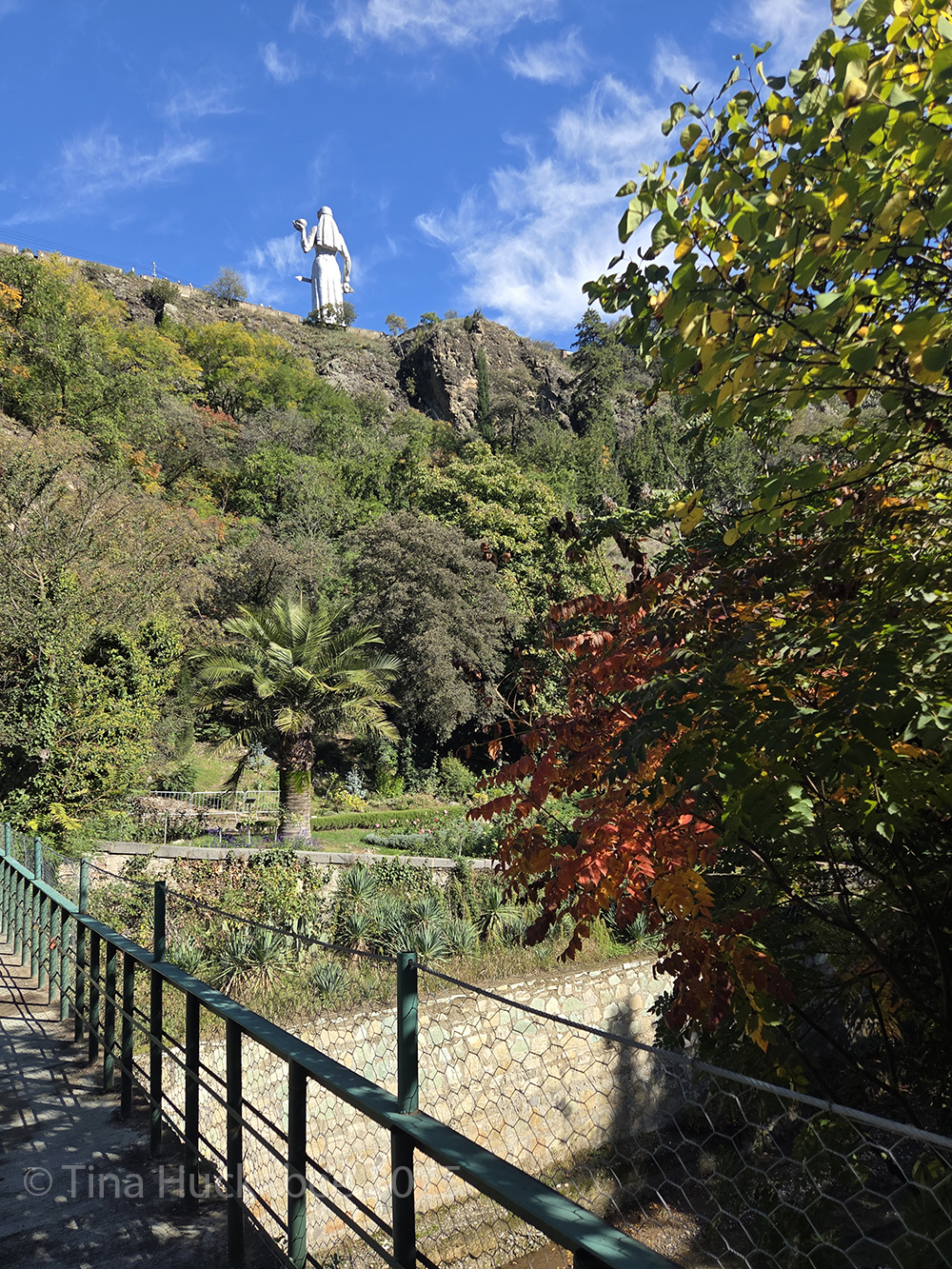
Winding up and down pathways along the Tsavkisis-Tskali River, the garden is located within the river gorge, waterfalls and hills define the landscape. The garden boasts well over 4000 plant families, with pockets of formal gardens surrounded by forested areas and the soothing sound of water.
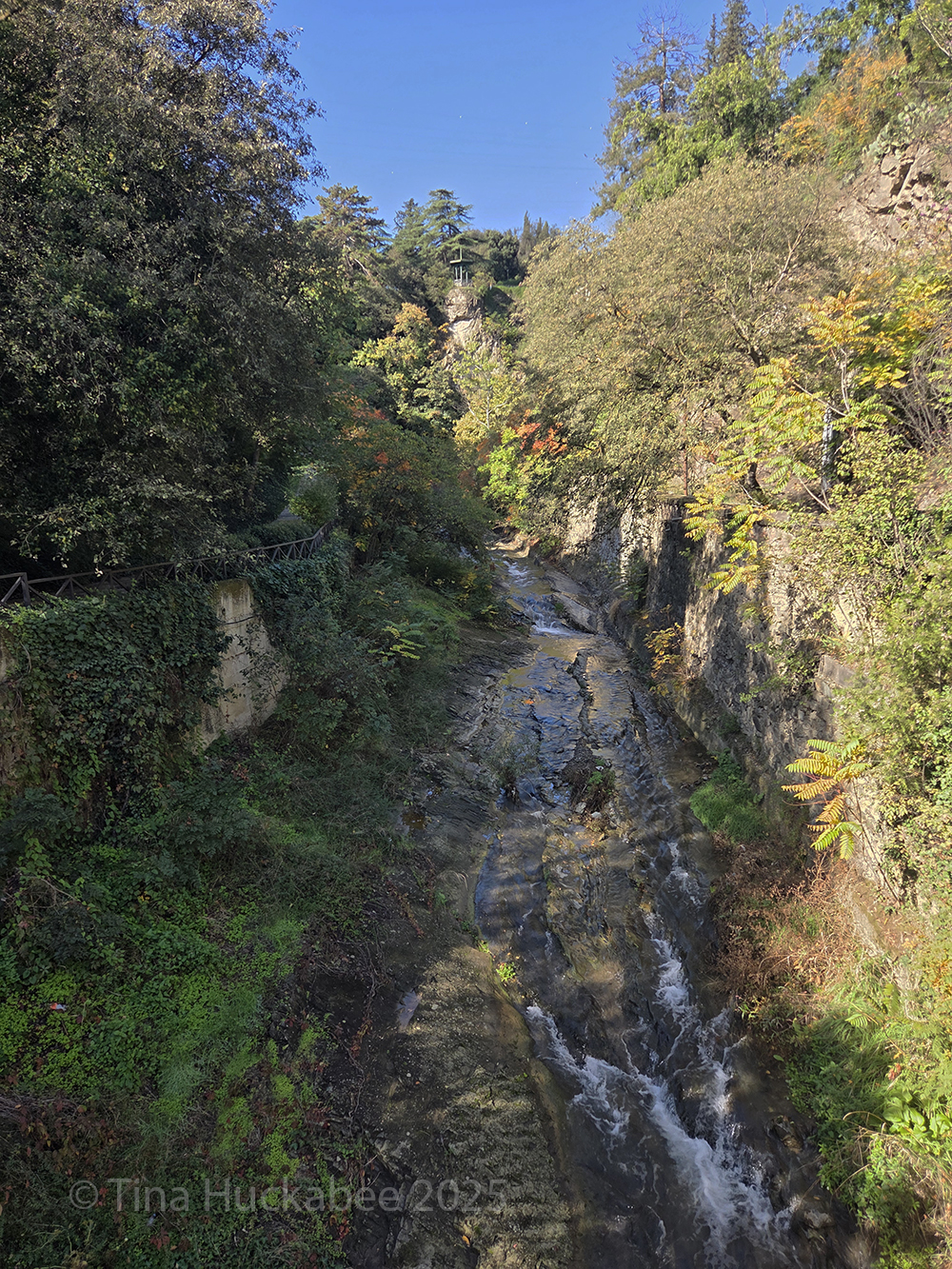
It’s an old garden, established in the 1600s and expanded over the centuries. In our few days in Tblisi, we spent a good deal of time there, also exploring parts of the Old Town area.
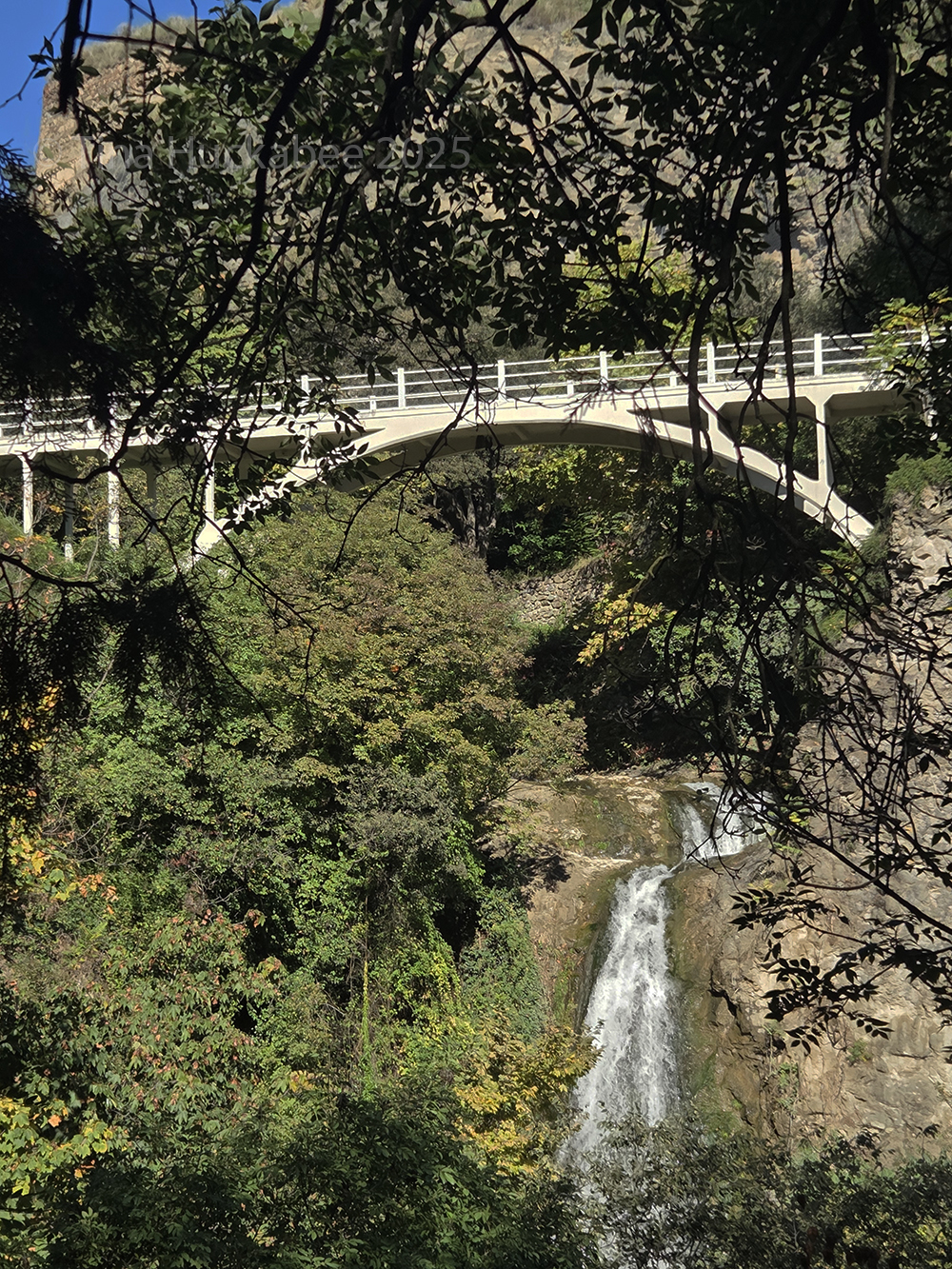
Post wedding, an afternoon train to the Black Sea port and resort city of Batumi, in the Georgian Republic of Adjara, deposited us in a place with a very different vibe. However, we found ourselves once again charmed by gardens. The Batumi Botanical Garden is a huge garden, covering 270 acres, with thousands of profiled plants, particularly focused on subtropical flora. The pathways are steep, the focused garden exhibitions lush and available for exploration.
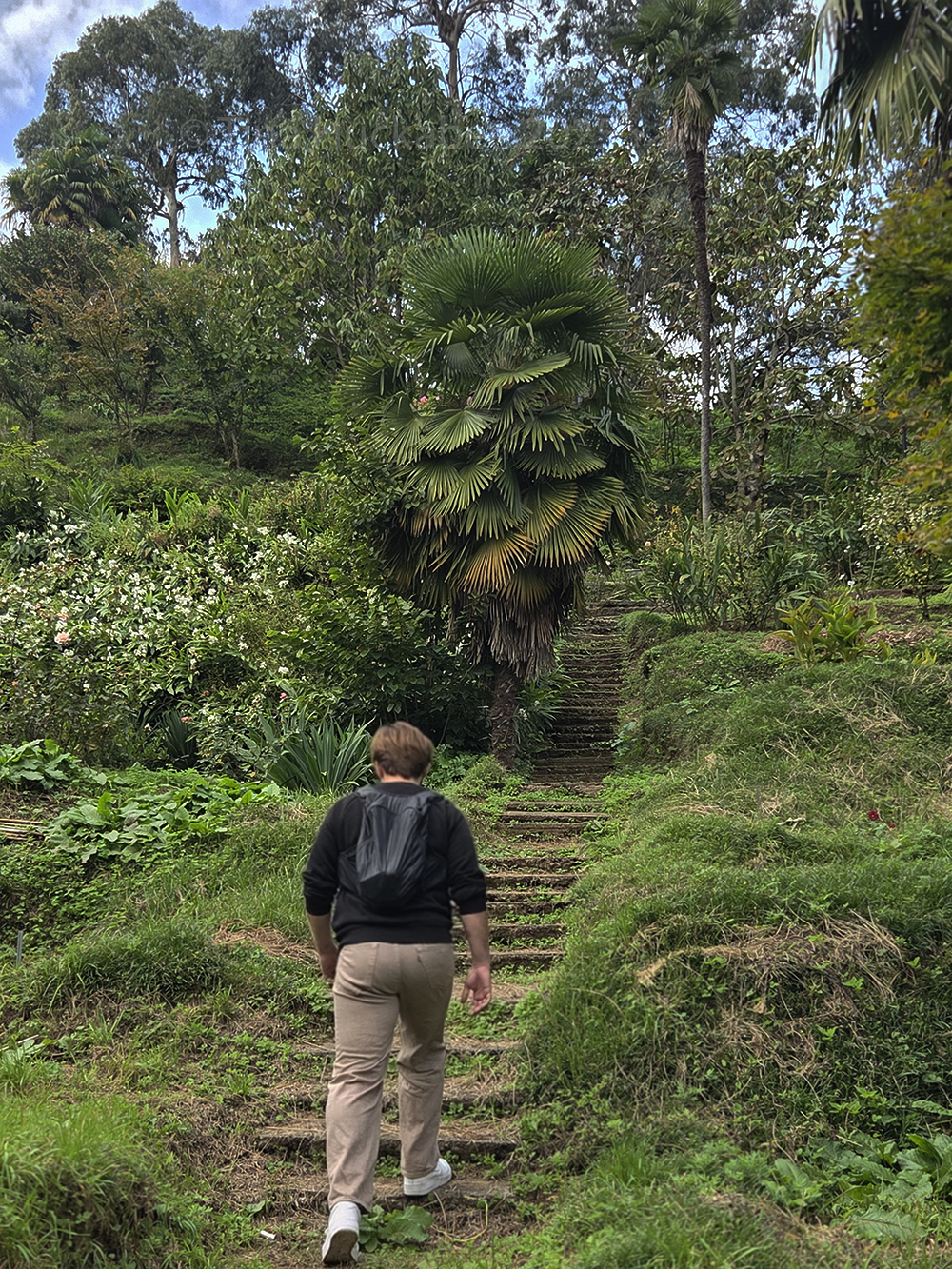
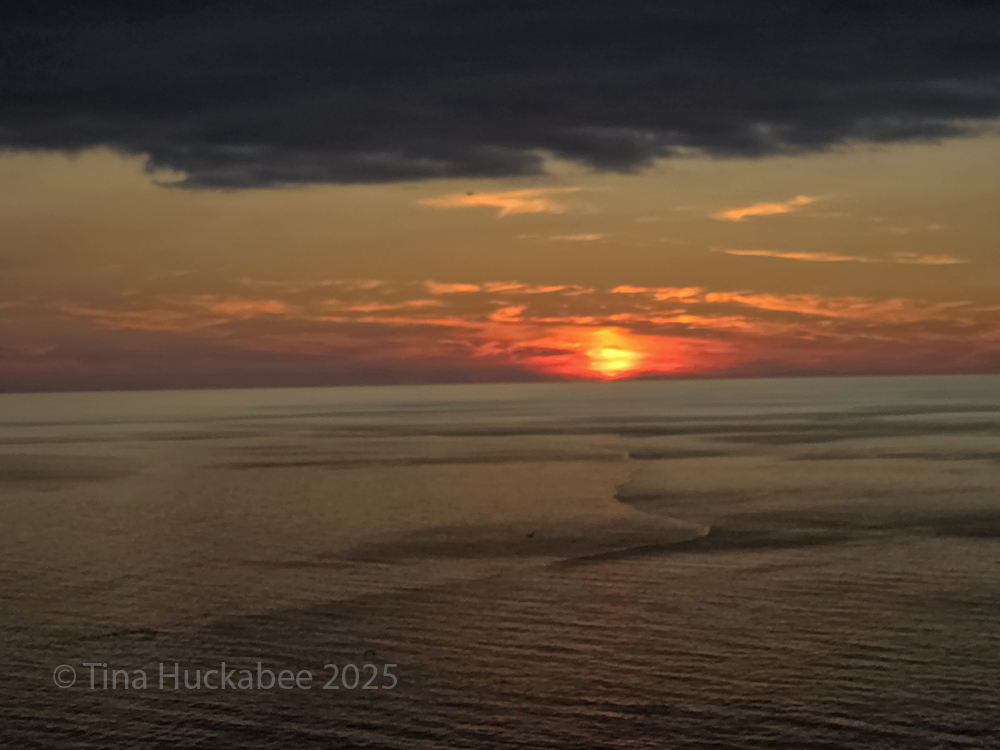
Stunning views of the Black Sea present themselves through groups of large trees.
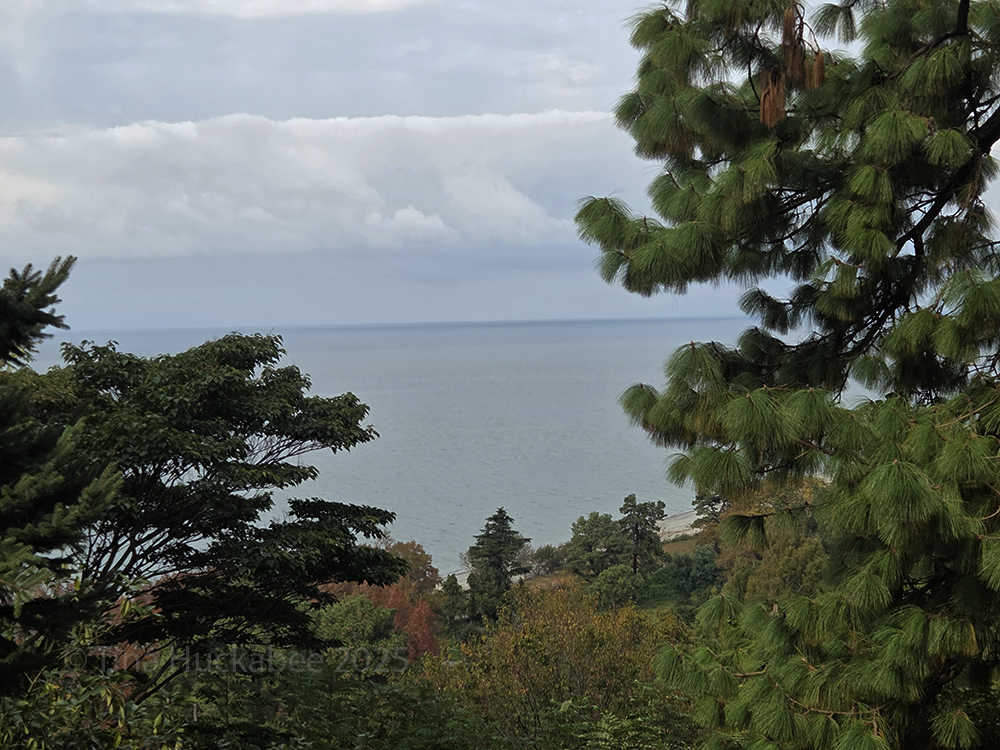
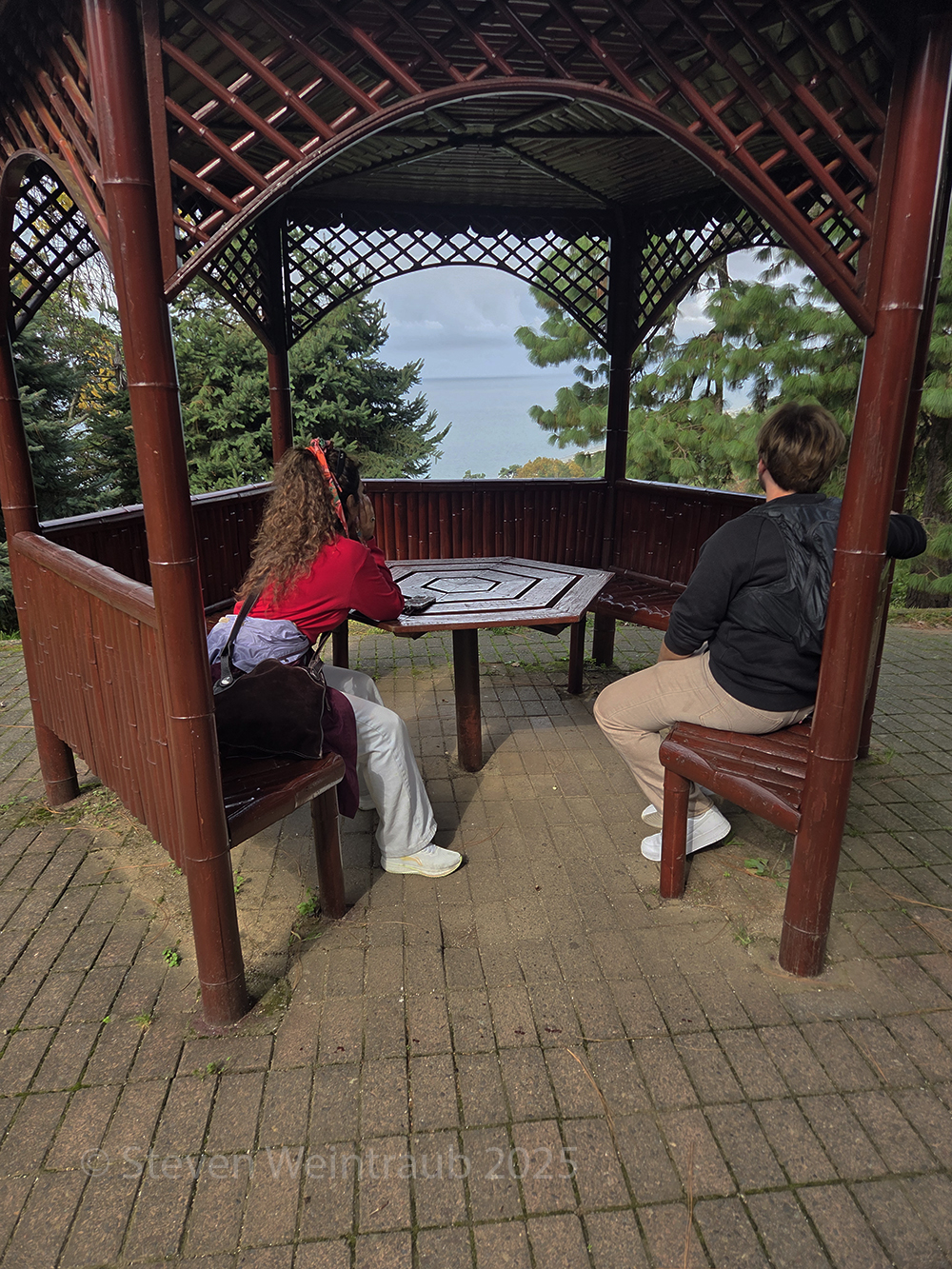
Interestingly, both botanical gardens focused on trees of the world, while the formal gardens were placed like surprise gifts along the pathways. There were quite a few trails and we spent most of a day in Batumi Botanical garden, grateful for places to rest and enjoy the beautiful and peaceful space, appreciative of those whose wisdom and foresight created such a place.
I was tickled to find a small section dedicated to native plants. One plant was in showy bloom, a Prenanthes petiolata.
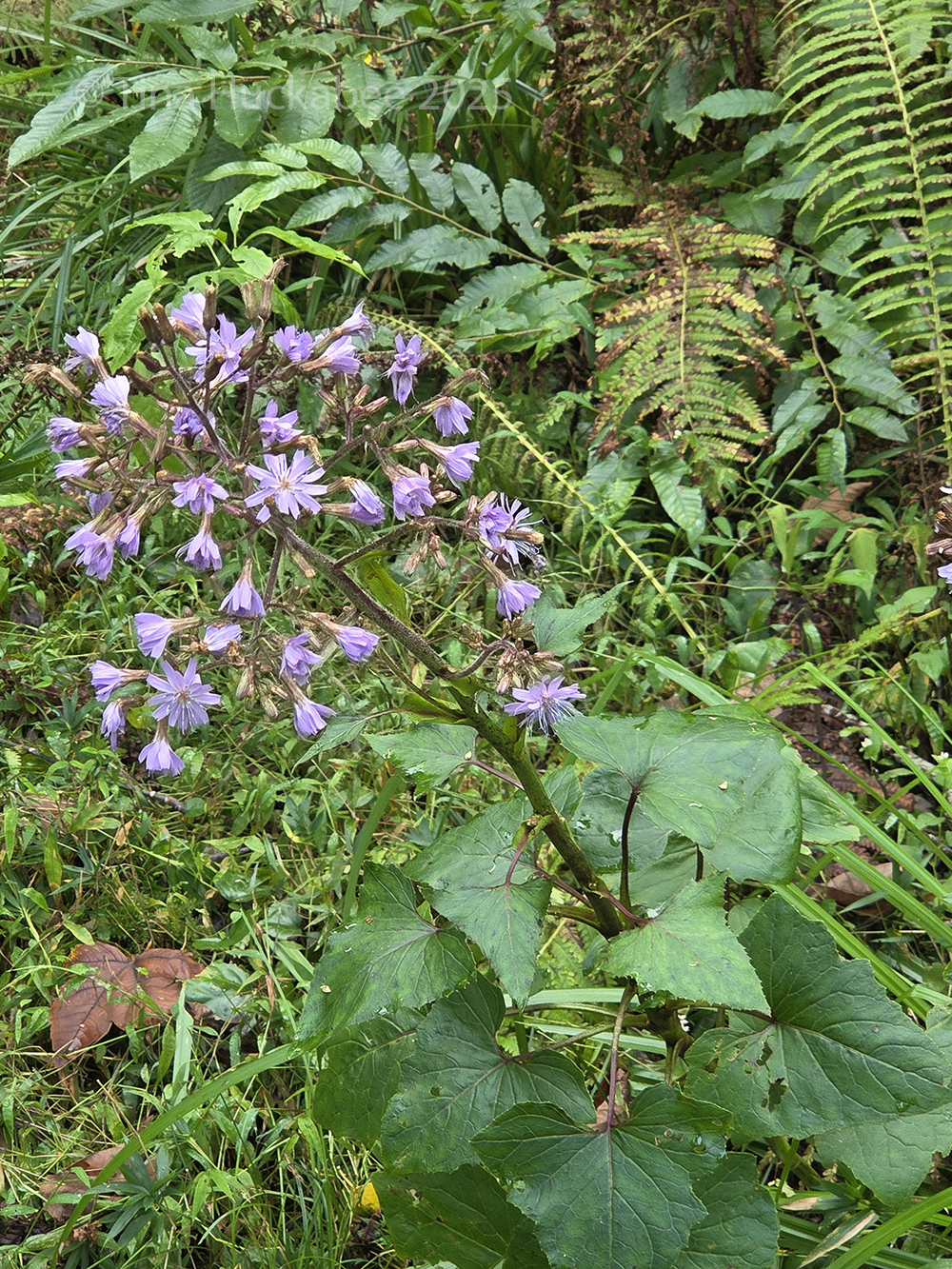
I used my iNaturalist app to identify it as ‘a member of Lettuce Subtribe (Subtribe Lactucinae)’, native to the Caucasus and Western Asia. It’s always nice to meet a new plant.
Funnily enough, in Belgium and then again in Georgia at the botanical gardens and other places in Tblisi and Batumi, I came across this plant: a cultivar of the native Texas Salvia greggi, Salvia greggi, ‘Hot Lips’.
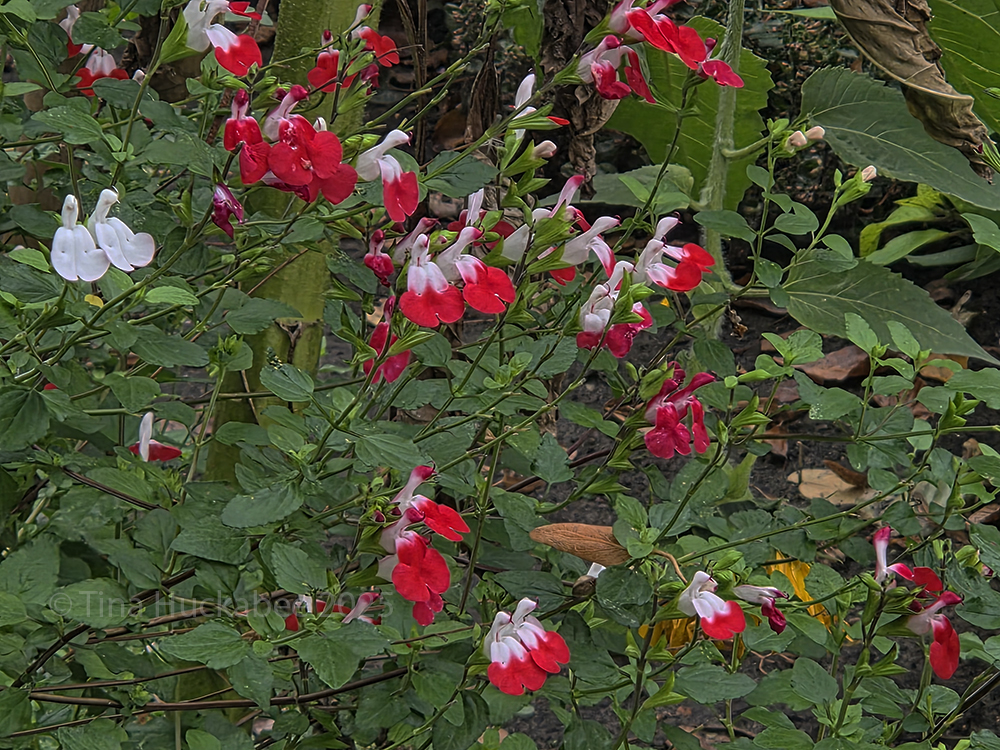
I’ve seen ‘Hot Lips’ for sale at nurseries here in Austin, but I’ve never grown this cultivar. The Europeans sure like it and it certainly grows happily where I visited.
I was impressed with the cleanliness of both botanical gardens. As well, while Batumi is focused on tourism, especially with the many casinos, the public parks were many, varied, and well used by the population. My sense is that folks in Tblisi and Batumi appreciate the special qualities of each garden, are respectful of natural habitats, taking care to keep the trails and gardens free of litter. I haven’t necessarily seen that in other European (or American, for that matter) gardens.
It’s good to be home, but it was a great trip with sweet memories that I’ll cherish.
 My Gardener Says...