Tree Following: Texas Retama in November 2014

I’m happy to participate for the first time with Lucy and her Tree Following meme which is celebrated on the 7th of every month on Loose and Leafy blog.    I discovered this charming gardening meme while researching garden blogging memes and it appeals to me.  I relish the idea of a month-to-month, year-long study of a particular garden subject through its seasonal and gardening changes.

So, my tree for the coming year will be–drumroll please–the Retama, Parkinsonia aculeata, which is living happily in my garden in Austin, Texas, USA.

IMGP2315.new

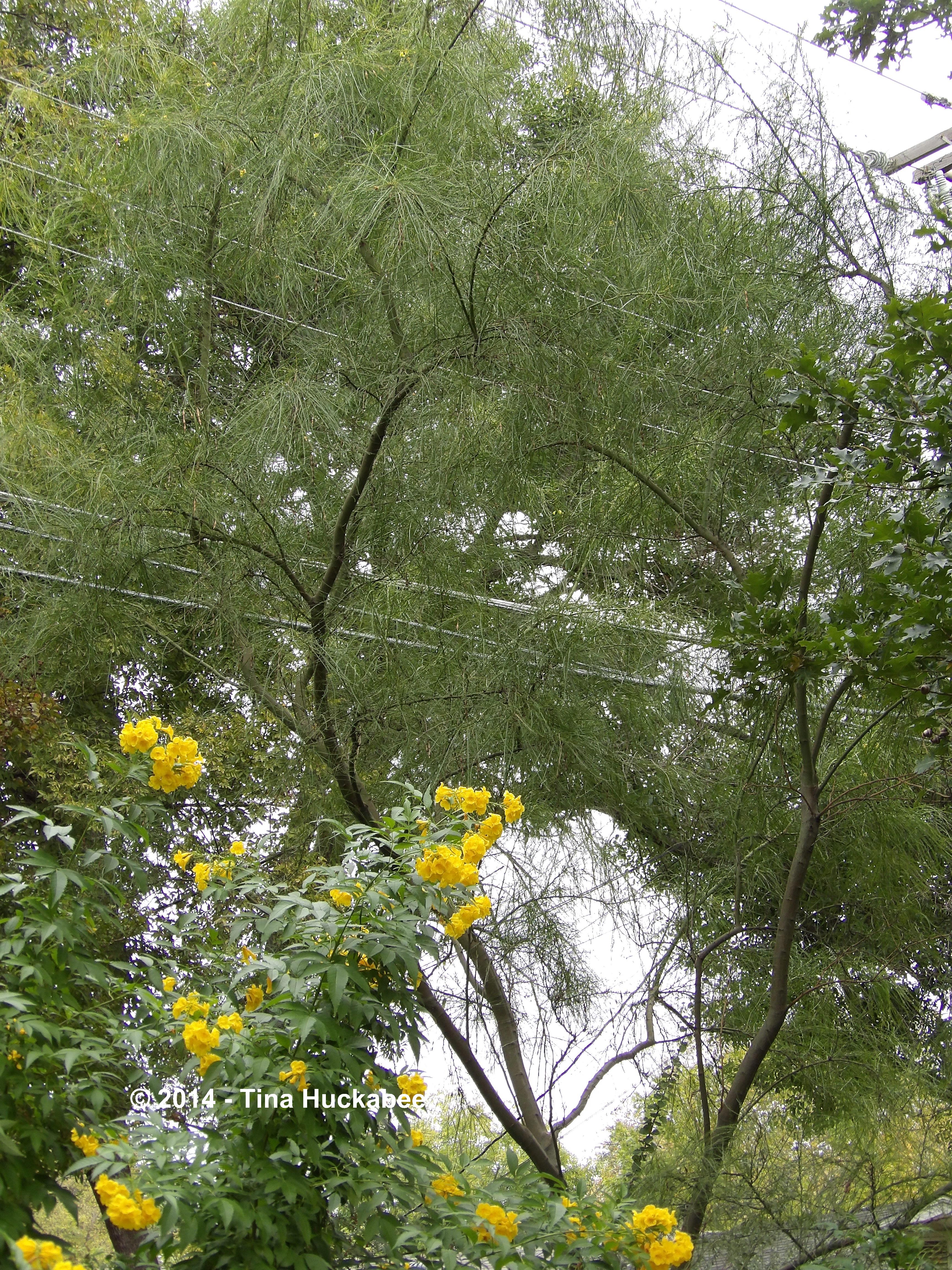
My Retama is situated in a moderate-sized urban garden, flanked on its right by a large, native Red Oak tree and a smaller native Mountain Laurel tree and on its left by a non-native Crepe Myrtle (which belongs to the back neighbor).   Also and unfortunately, during the coming year of Retama-watching, we’ll have to tolerate the unattractive electric lines which span unceremoniously across the back of my property and will  appear in many of the Retama photos.

IMGP2297.new

Yuck.  I don’t see those lines when I stroll my garden, gazing admiringly at the Retama or other garden pretties,  but I certainly notice them in photographs.

I just want you to know that I know the lines are there.
IMGP2314.new

We’ll cover the basics today, accompanied by some November Retama photos. The Retama,  Paloverde,  Mexican Palo Verde, Jerusalem thorn, and  Lluvia de Oro is a native-to-Texas tree with many names, it seems.  Its native range is Central Texas, west to Arizona and southward to South America.  It’s a small tree, usually 15-20 feet tall, with airy foliage and yellow bloom clusters in the summer months.

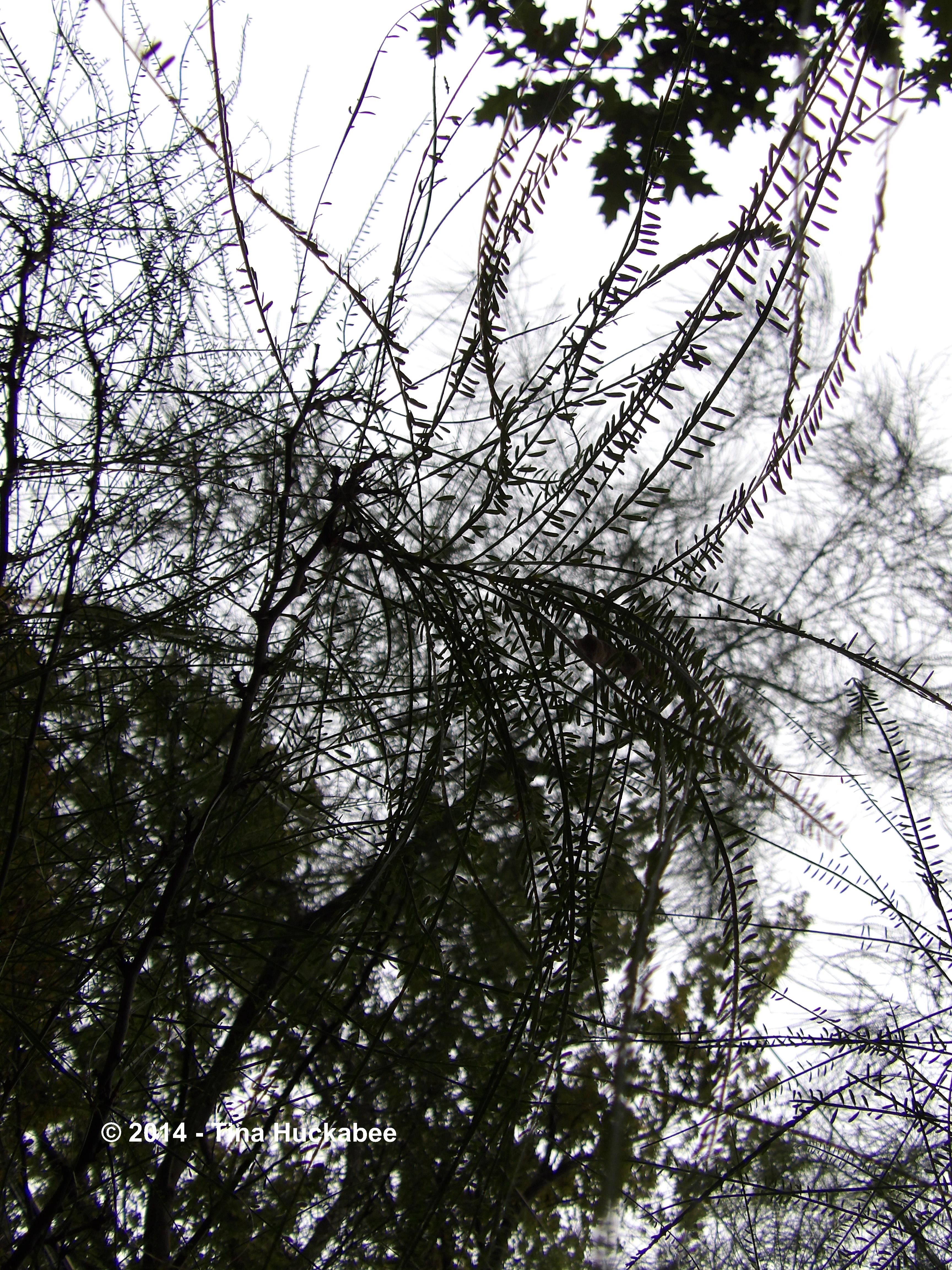
Silhouetted against a gray sky, its foliage and branch forms are graceful and elegant.

IMGP2318.new

IMGP2298.new

The bright green, tiny leaves are borne along a pair of stalks, opposite one-another.

IMGP2302.new

IMGP2307.new

The fine foliage gives a feathery, soft appearance to the tree.  The Retama is deciduous, but the bark remains green, even during winter.

IMGP2305.new

The bark is completely green when the tree is young, developing a layering of textured orangy-brown bark as the tree ages, though the green bark remains a characteristic feature.  The bark reminds me of the outer layer of cantaloupe.

IMGP2306.new

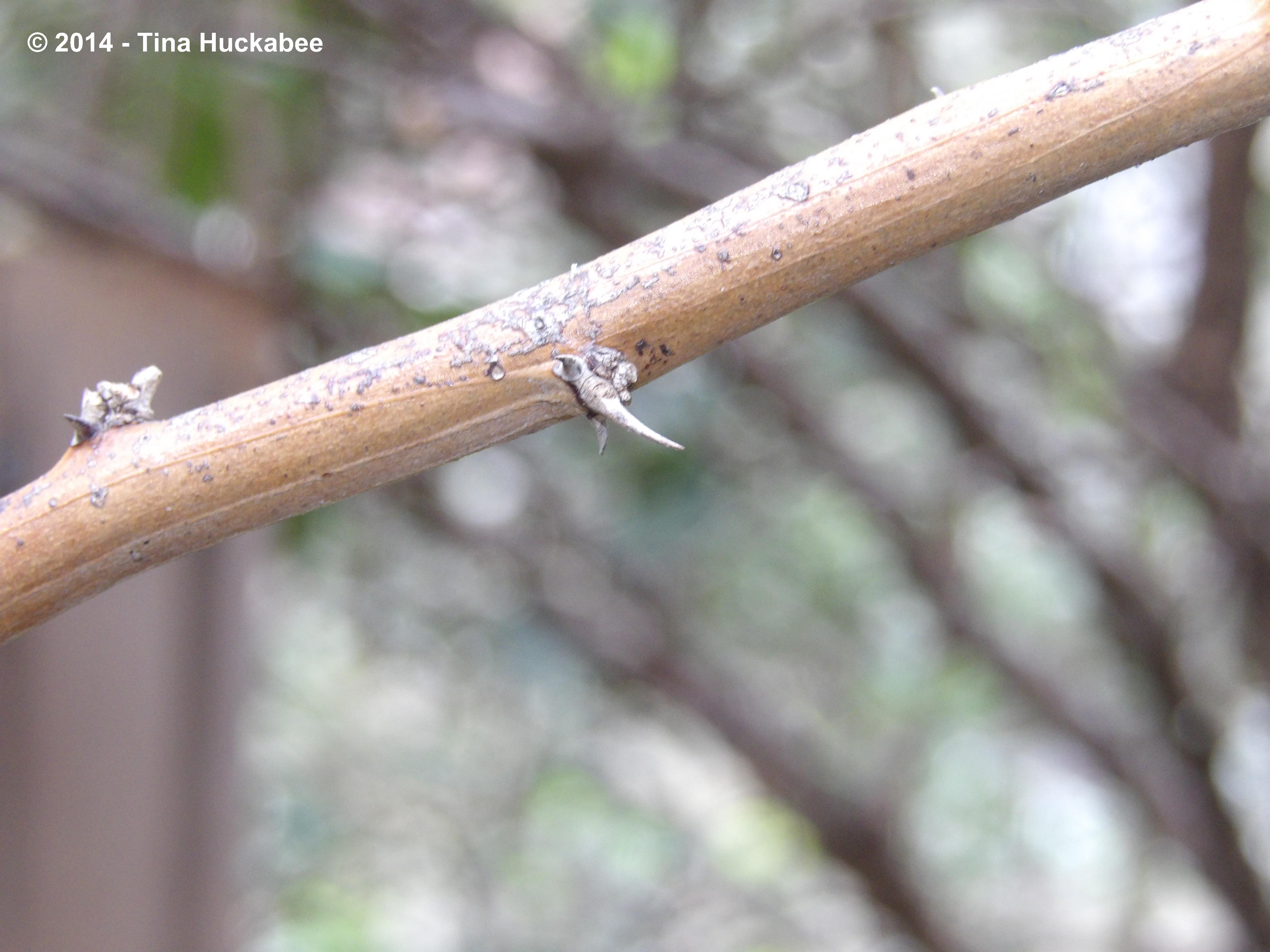
Thorns grow along the branches,

IMGP2310.new

…and yes, those thorns hurt when the gardener bumps against them while working around the tree.  Which I’ve done.  Numerous times.
IMGP2311.new

Ouch!

The seed pods are typical legumes, which makes some sense as this tree is in the Pea (Fabaceae) family.

IMGP2309_cropped_3147x3304..new

The blooms are gone on my Retama as it is well into autumn, with shorter days and cooler temperatures.   But the tree remains attractive and useful for the birds, like this migrating Blue-gray Gnatcatcher.

IMGP1603_cropped_3037x2903..new

The tree is a favorite of many birds.

Retama.

When I was growing up, my mother called it Palo Verde.  I’m not quite sure why I don’t use that moniker for this beautiful tree, but by whatever name it’s called, Retama is lovely and unusual and I look forward to studying it more closely this next year.

Thanks to Lucy for hosting Tree Following–please pop over to Loose and Leafy and check out trees being followed from all over the world.

Foliage Follow-up, August 2014

Thanks to Pam at Digging for hosting Foliage Follow-up, the monthly fanfare of foliage in the garden. As much as I love flowers, a plant’s foliage is often a deal-breaker when choosing for my gardens.  Especially in August when Austin blooms are a little scarce, the plant parts that are not flowers can lend beauty and definition to a garden space.

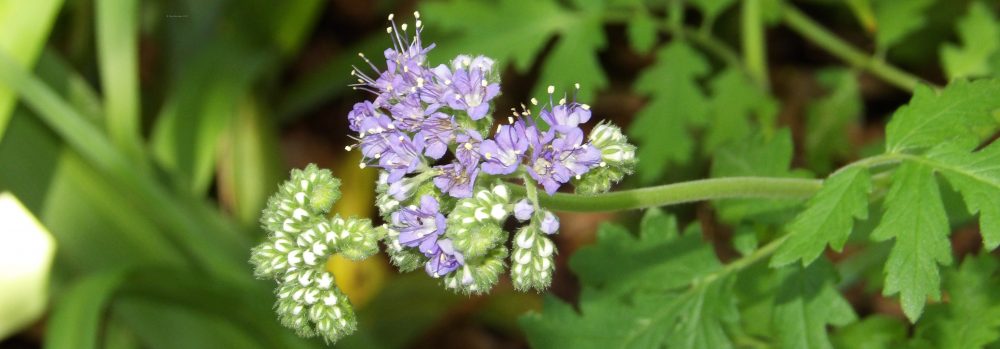
While not exactly foliage, seed heads certainly aren’t  blooms either.  Ex-flowers, I guess, but I’m including them because in mid-to-late summer, seed pods produced by former blooms impart interest to perennial gardens.  This group of seed heads of the Gulf Penstemon, Penstemon tenuis, are just about to POP open and spread their glory!

P1060158.new

The Gulf Penstemon is a lovely lavender spring-blooming perennial.   I keep the seed heads as long as possible to give the seeds time to develop for propagation of new specimens for this short-lived perennial and also because I find them attractive.

P1060156.new

Little, tawny turban-hats, the hard shell will burst open, spreading the seeds to nearby areas.  Or, the gardener (that’s me, folks) can prune the stems, crack open those turbans, shake out the seeds and in doing so, appear to evoke some pagan ritual while waving the stalks over the gardens.  I wonder what the neighbors think?

The Hill Country Penstemon, Penstemon triflorus, sports a larger, darker turban-capped seed head.

P1060256.new

This year marks the latest I’ve ever left these seed pods on their bloom spikes. Usually, this plant topples over by early summer, I lose patience with the mess and cut it to the ground.

This seed pod of the RetamaParkinsonia aculeata, hangs from the tree’s slender branch like a pea ready for pickin’.

P1060173.new

Retama is a member of the pea family (Fabaceae), so the pea analogy works.

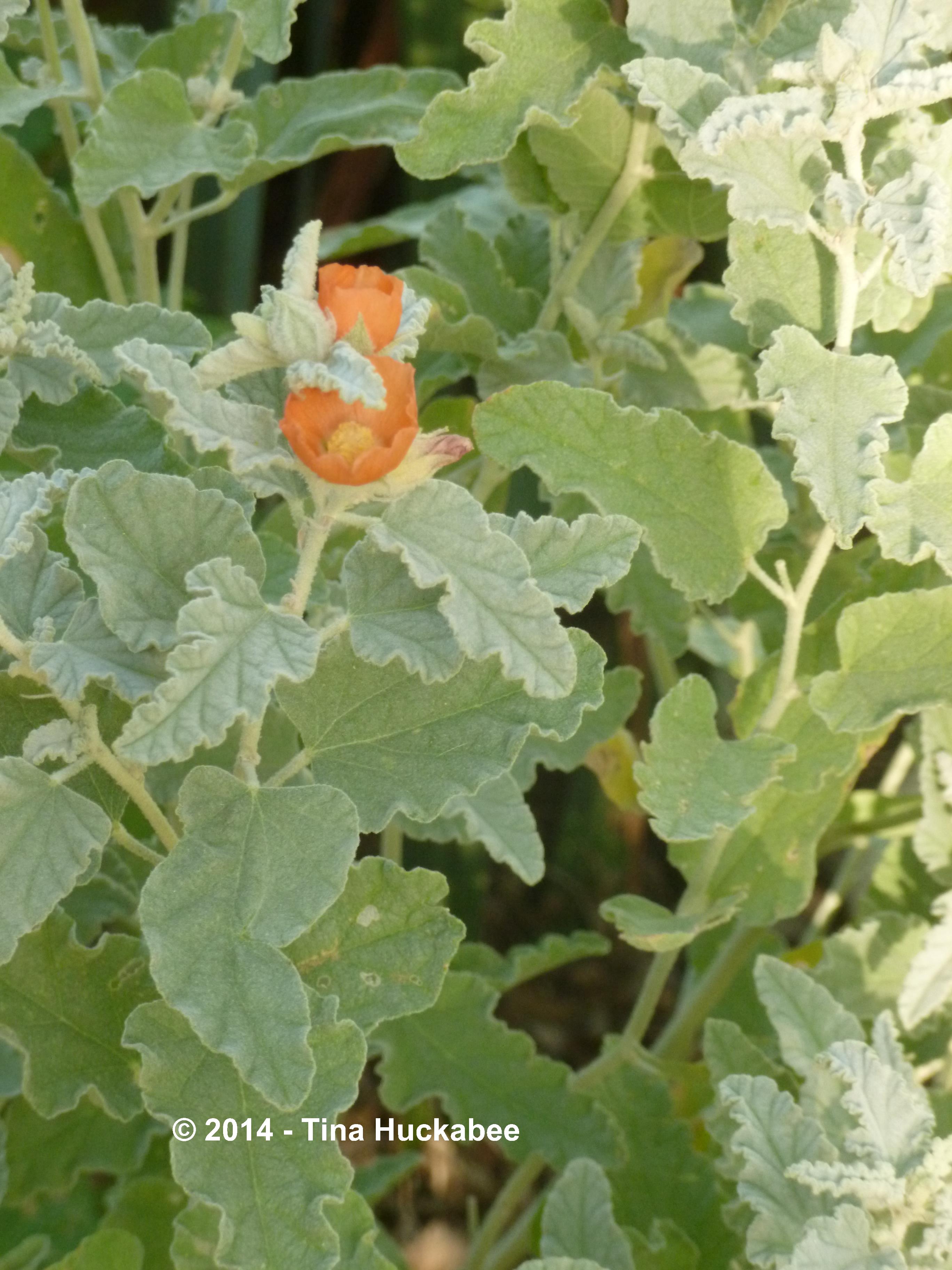
This combination of varying foliage pleases me:  Mexican Feathergrass, Nassella tenuissima, Globe MallowSphaeralcea ambigua, and GoldeneyeViguiera dentata.  

P1060236.new

This trio includes some of the premier hardy perennials easily available for the Austin gardener.

If you have, have had or have ever seen a teenage boy of that certain age when the hair is long and a bit shaggy, close your eyes and visualize that in this DamianitaChrysactinia mexicana.

P1060239.new

I love the swoosh of the “bangs” framed over the decorative stone.  Just imagine the teenage boy-head, constantly swooping his hair back to keep those bangs out of the eyes, in that annoyingly cute, but insolent way.

The wide, heart-shaped and deeply veined foliage of Coral VineAntigonon leptopus,

P1060244.new

suggests a tropical lushness that is welcome this time of year.

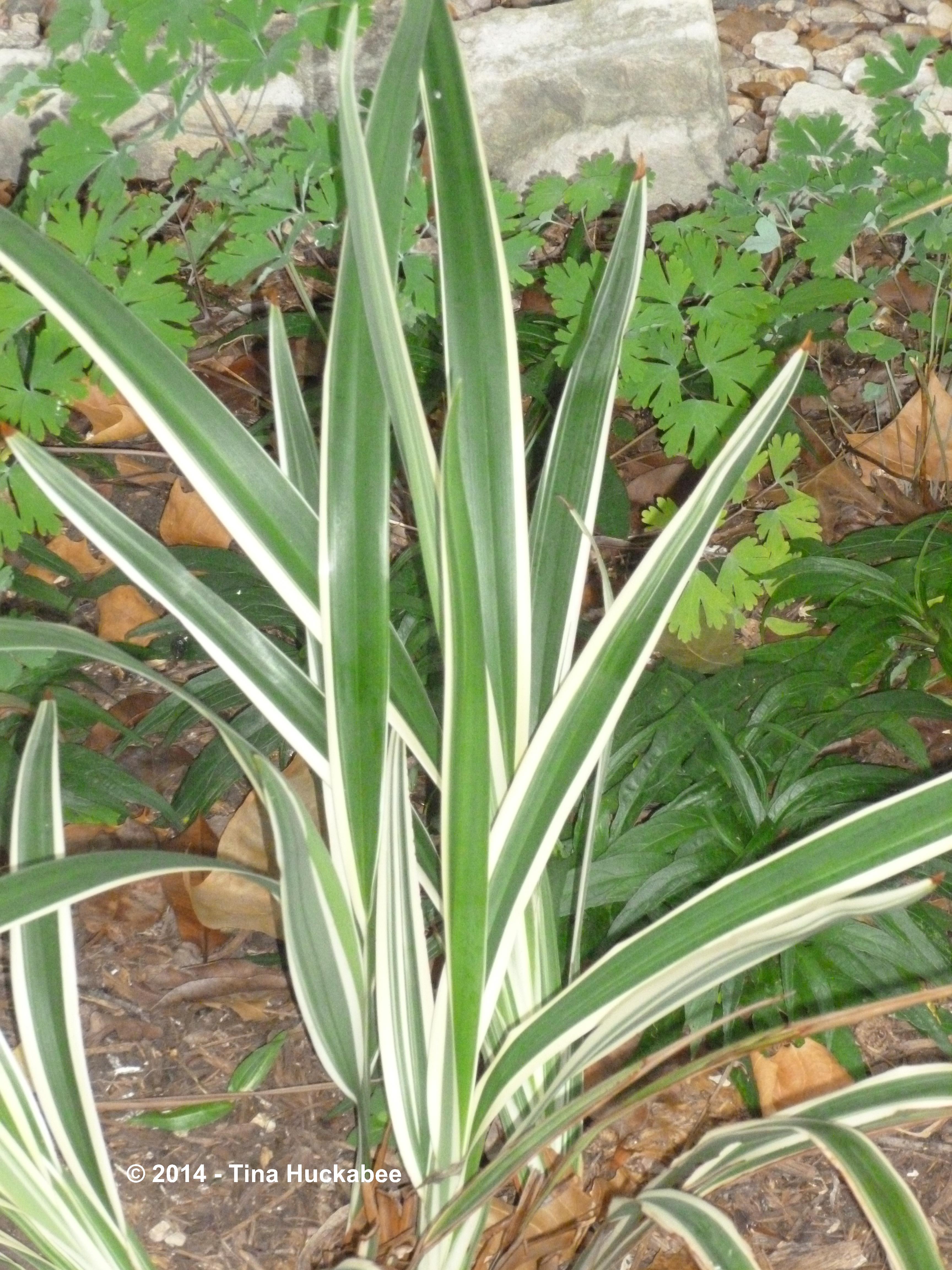
I’m enamored with strappy, striped foliage, like that of this Dianella or Variegated Flax Lily, Dianella tasmanica ‘Variegata’,

P1060248.new

…and this Color Guard YuccaYucca filamentosa, ‘Color Guard’.

P1060249.new

Those banded beauties work nicely in concert with each other and with another pairing I like, the native ColumbineAquilegia chrysantha var. hinckleyana, mixed with the cultivar  Katie’s Dwarf RuelliaRuellia brittoniana, ‘Katie’s Dwarf’.

P1060251.new

The evergreen Columbine, with its soft form and graceful foliage, blooms yellow in spring. Conversely, the deciduous Katie’s Dwarf Ruellia has dark, lance-like leaves and sports sprays of deep purple from July through October.  Opposites attract and work well together–at least that’s true of these two plants.

Head over to Digging to check out other accolades to the leafy among us.


Bloom Day, July 2014

The sun is blazing, everyday, all day.  It’s hot and it’ll be that way for a while. This gardener may be wilting, but her blooms are fresh and lovely.  Here is a quick view of a few heat-lovers in my garden this mid-summer in Austin, Texas.  Thanks to Carol at May Dreams Gardens for promoting this monthly bloom-palooza.

These daylilies that were  pass-alongs to me many years ago are reliable June-July bloomers.

P1050337.new

Double-blooms with a shorter scape than some other daylilies, I like them because they flower well in part shade.

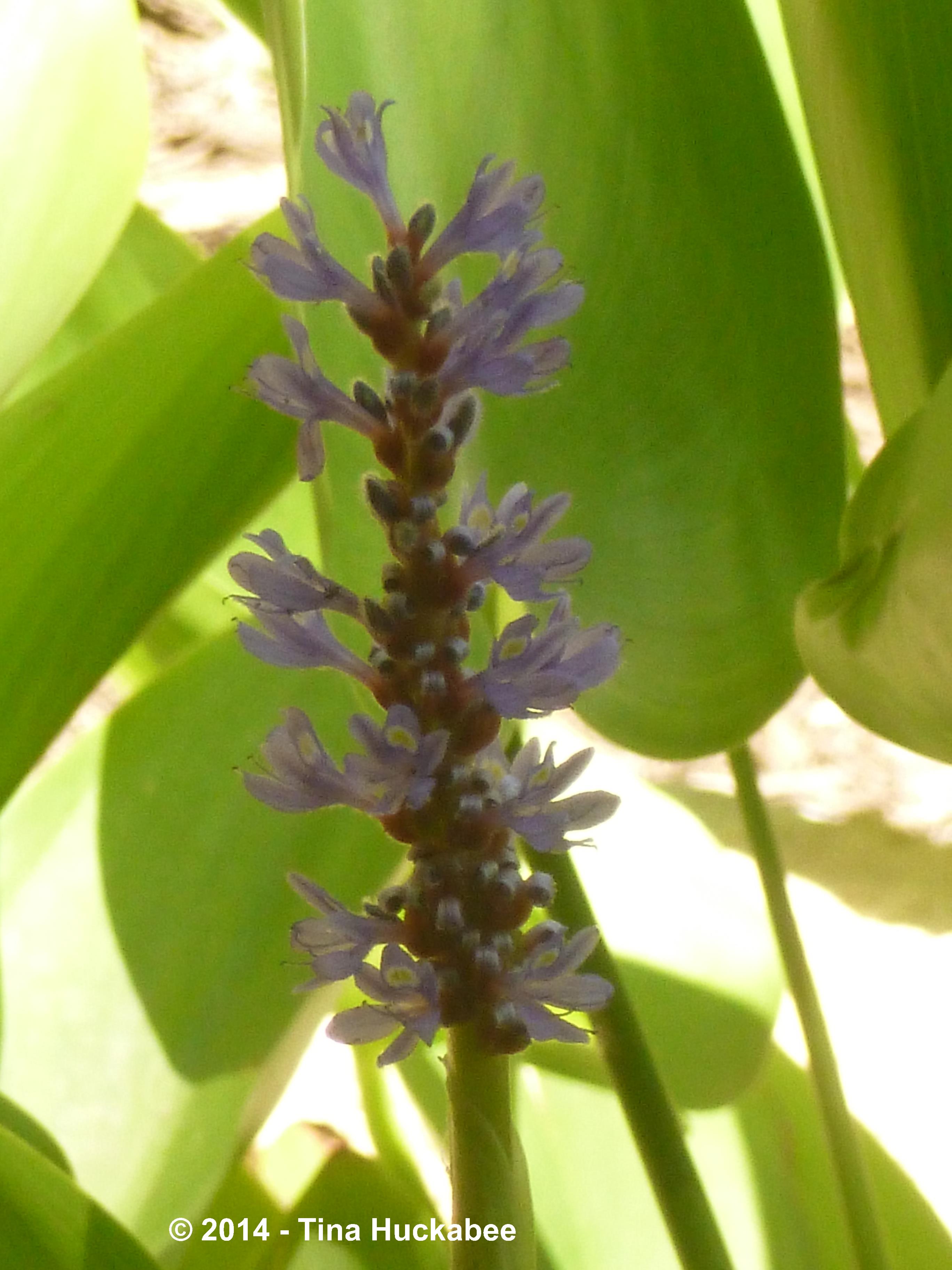
My pond plants flower well year-round, but are in full bloom-mode during the hot months of summer.  The native Pickerel Rush, Pontederia cordata, grows quickly  and produces lovely spikes of blue.

P1050534.new

P1050924.new

It’s a flower that dragonflies, butterflies and bees regularly visit.

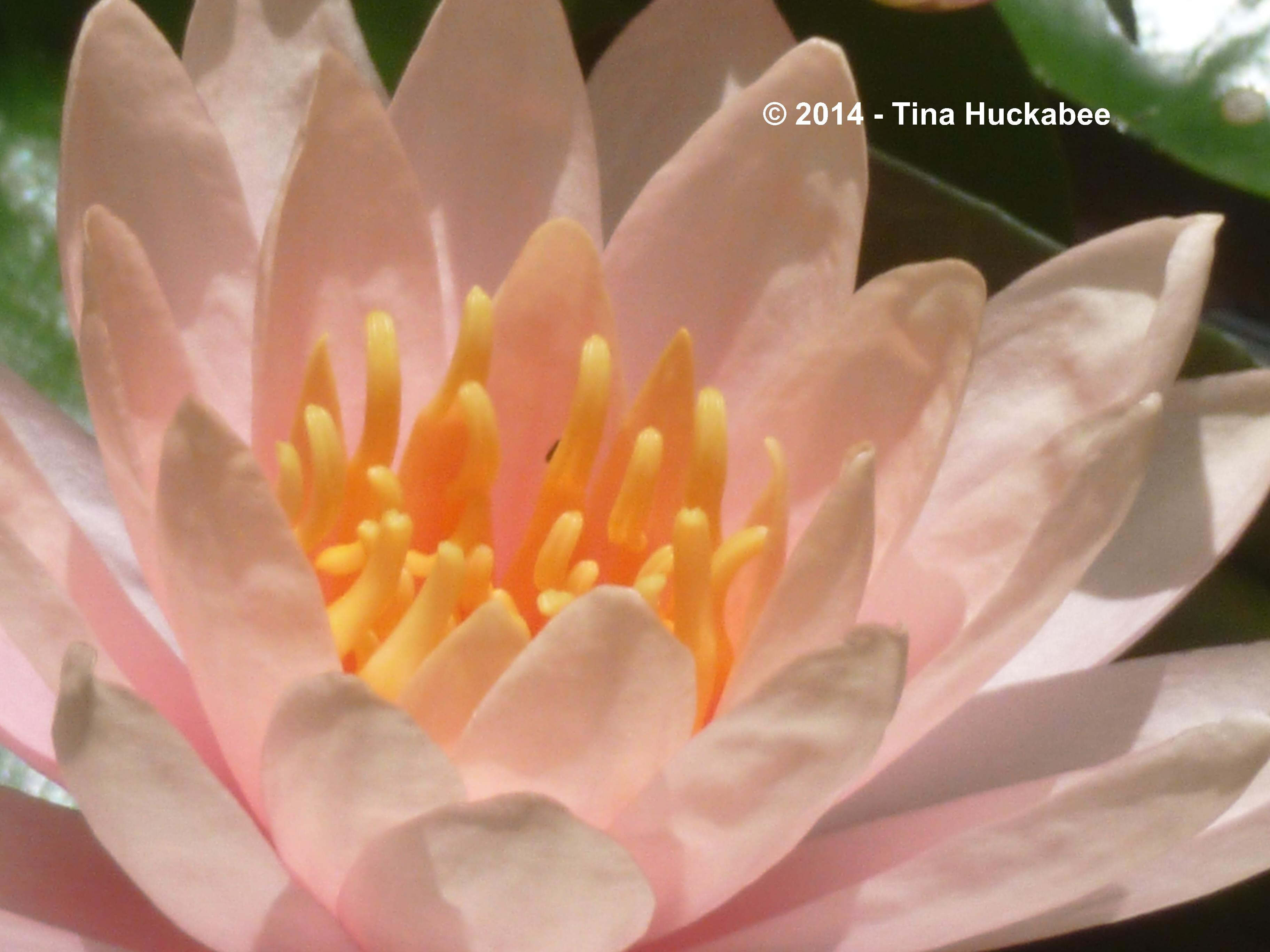
The Colorado pond lily, Waterlily Nymphaea ‘Colorado’ is a gorgeous lily for the pond garden.

P1050536.new

P1050538.new

As is another pond lily, the ‘Claude Ikins’ lily.  It blooms in tandem with the ‘Colorado’ during the long growing season.

P1050922.new

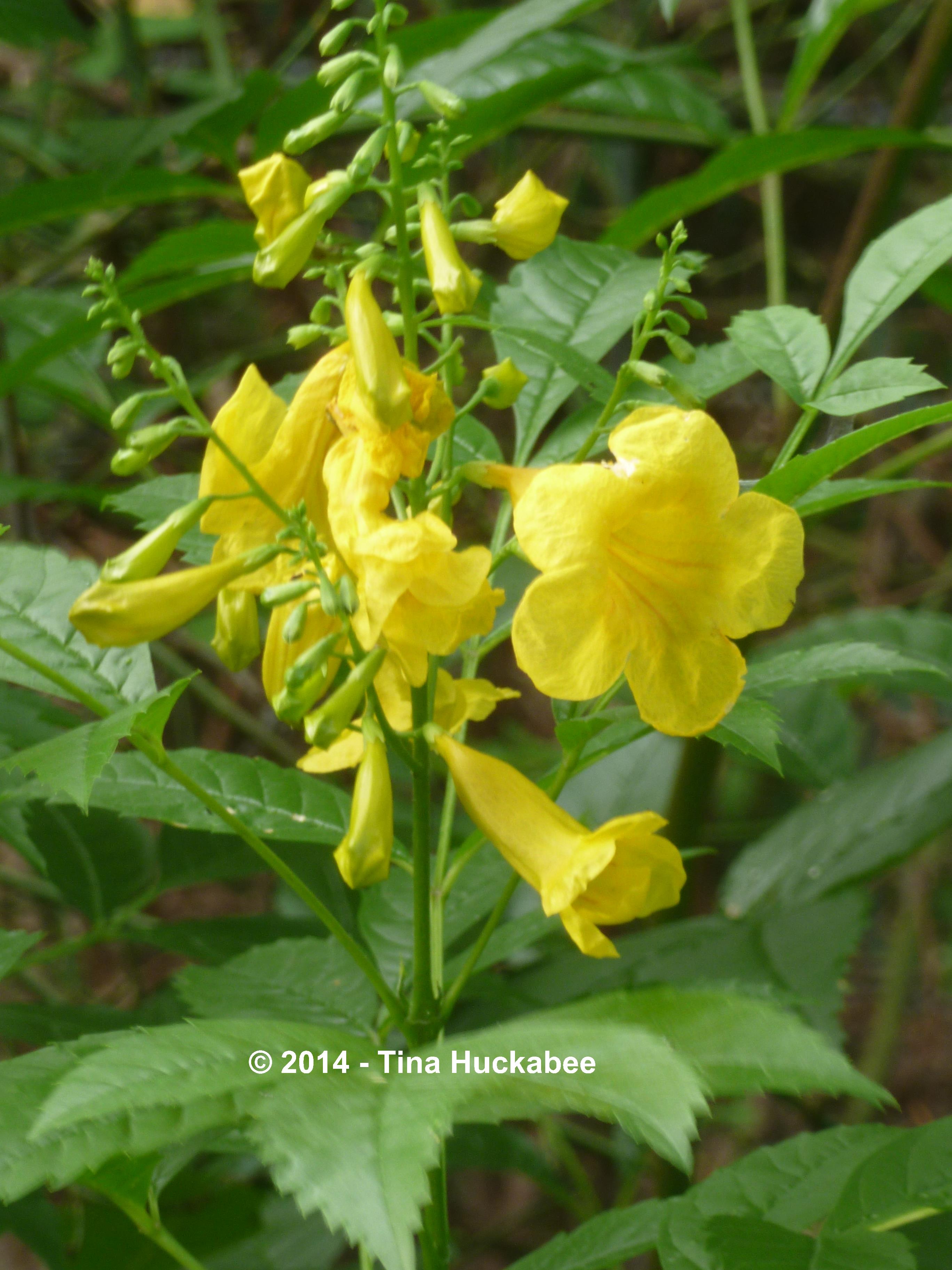
This particular specimen of Yellow Bells, Tecoma stans,  blossoms earlier in the growing season than any other of this species in my gardens.

P1050580.new

All of the Yellow Bells froze this past winter, so blossoms started a bit late this year.

A beautiful native tree, Retama, Parkinsonia aculeata, flowers throughout summer.

P1050586.new

Each bloom has four yellow petals, with one orange/red petal.  This is a very drought-tolerant small tree with few requirements from the gardener–except to enjoy.

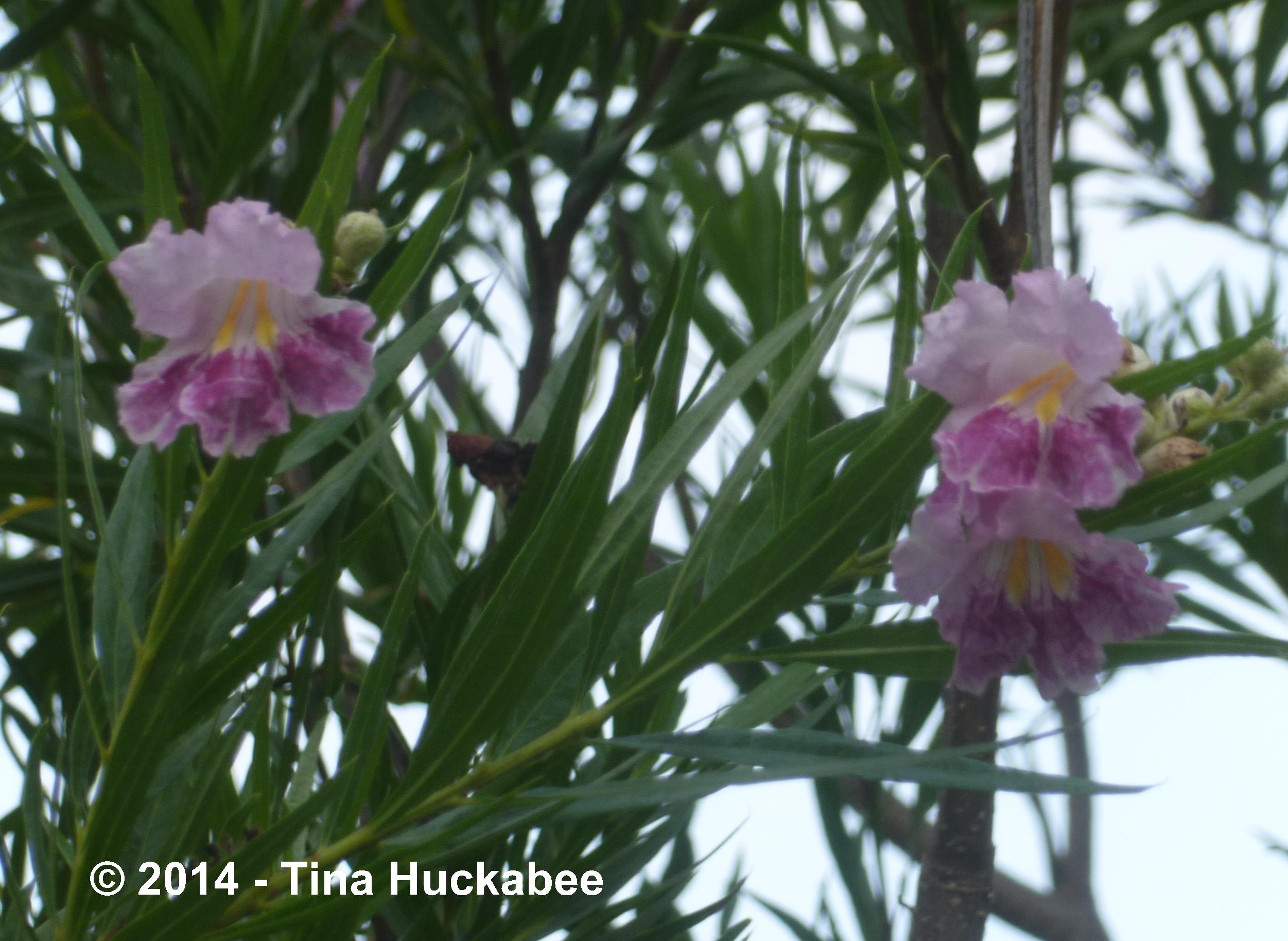
Another great small native tree is the Desert Willow, Chilopsis linearis.  Related to the Retama, it has an open, airy form with lush, trumpet-shaped flowers.

P1050606_cropped_2502x1827..new

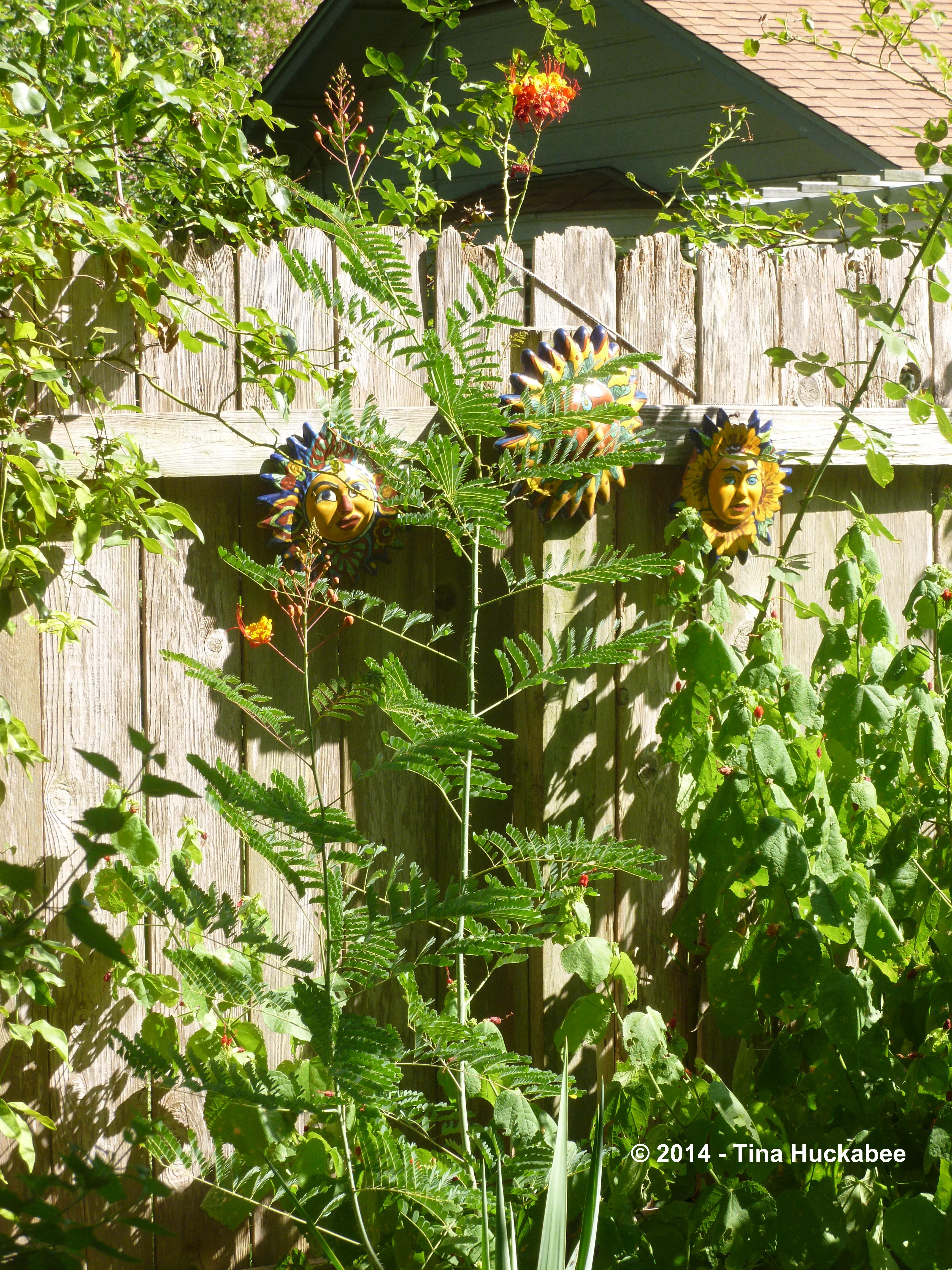
The Pride of Barbados or Dwarf Poinciana (which is what I grew up calling it), Caesalpinia pulcherrima, blooms magnificently in the hottest spots of any garden.

P1050793.new

I have two of these beauties, neither of which grows in full sun. Each one produces 2 or 3 stalks with attendant flower clusters,

P1050968.new

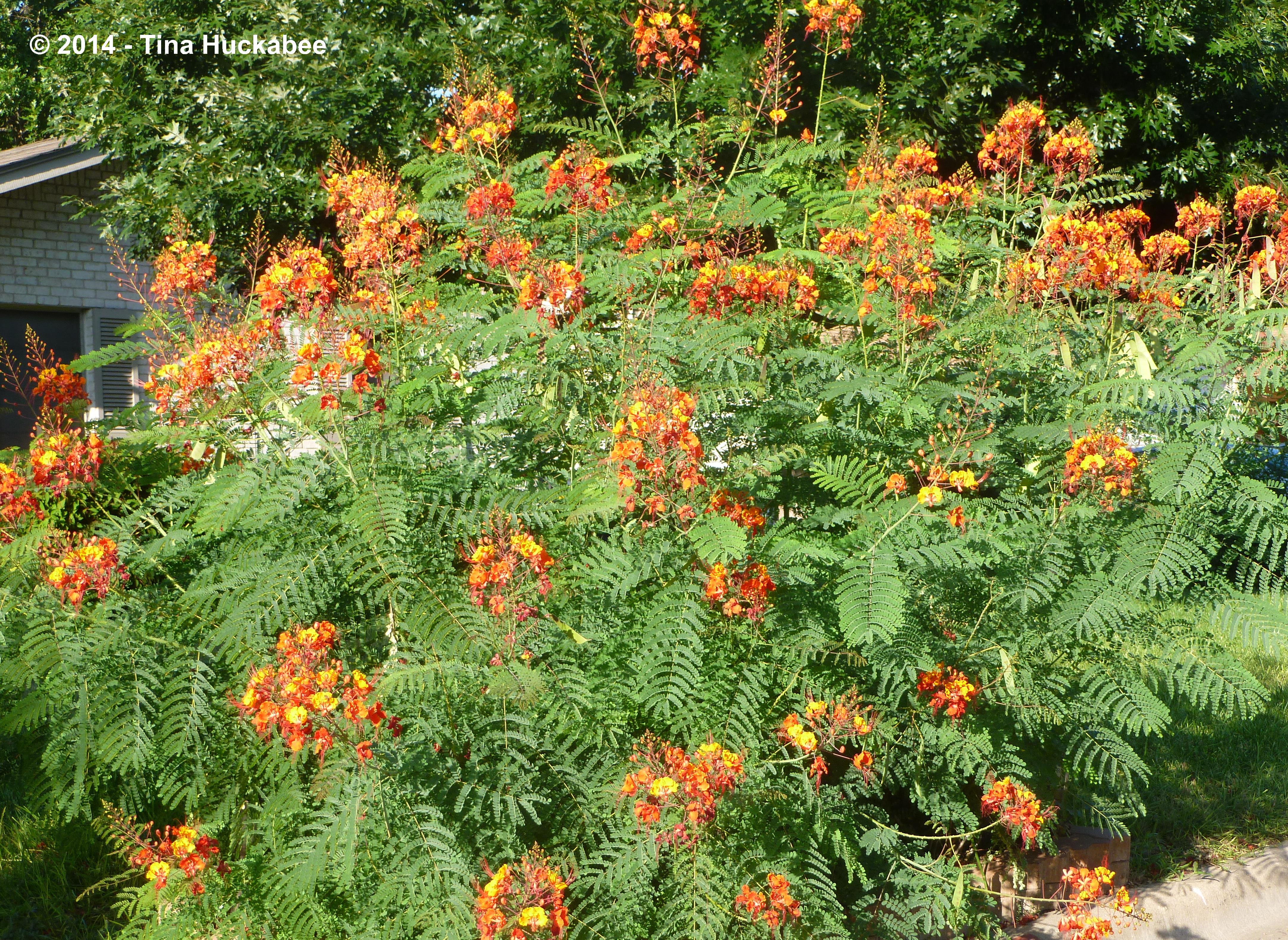
but the show is muted in comparison to Poinciana which grow in blasting sun.  Those Poinciana develop multiple branches with masses of blossoms–like this one.

P1050970_cropped_4332x3161..new

Wow!! That is an absolute showstopper!  My bit-part Poinciana are nothing compared to this diva. This one (and a partner Poinciana) star in the full-sun garden of some lovely neighbors who live down the street.

Sniff.

I have Poinciana envy.

P1050796.new

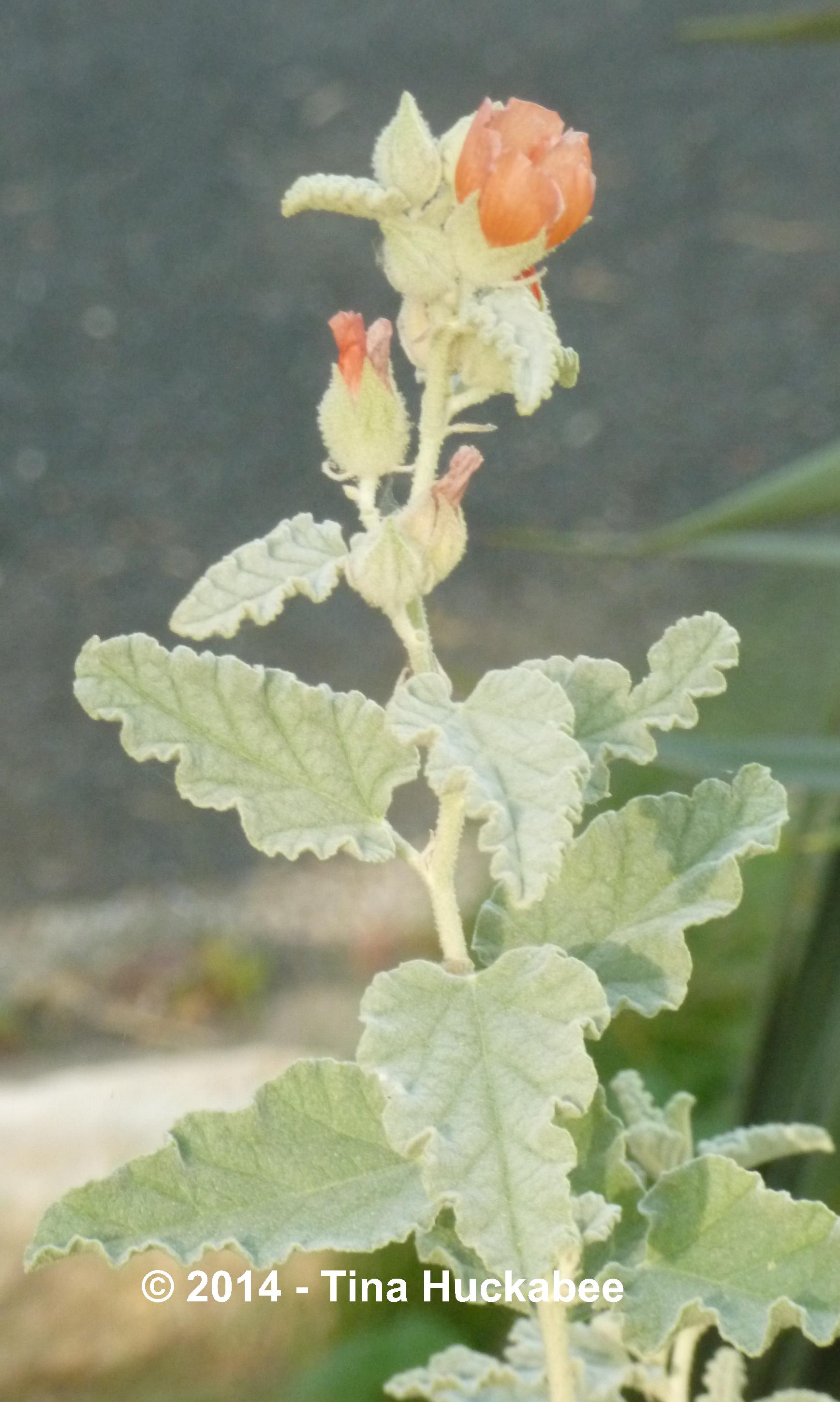
My Globe Mallow, Spaeralcea ambigua, sports blossoms this summer, which is unusual, but what a treat!

P1050870.new

Typically, this woody shrub blooms in spring and fall, taking a rest during the heat of the summer  months.  Flowers this July are likely due to our earlier summer rains.

P1050872_cropped_1737x2899..new

What’s blooming in your July garden? Share your bloom-palooza by visiting May Dreams Gardens for Bloggers’ Bloom Day!