Since the beginning of its existence as a honeybee hive, Scar has had, well, a scar across its front.
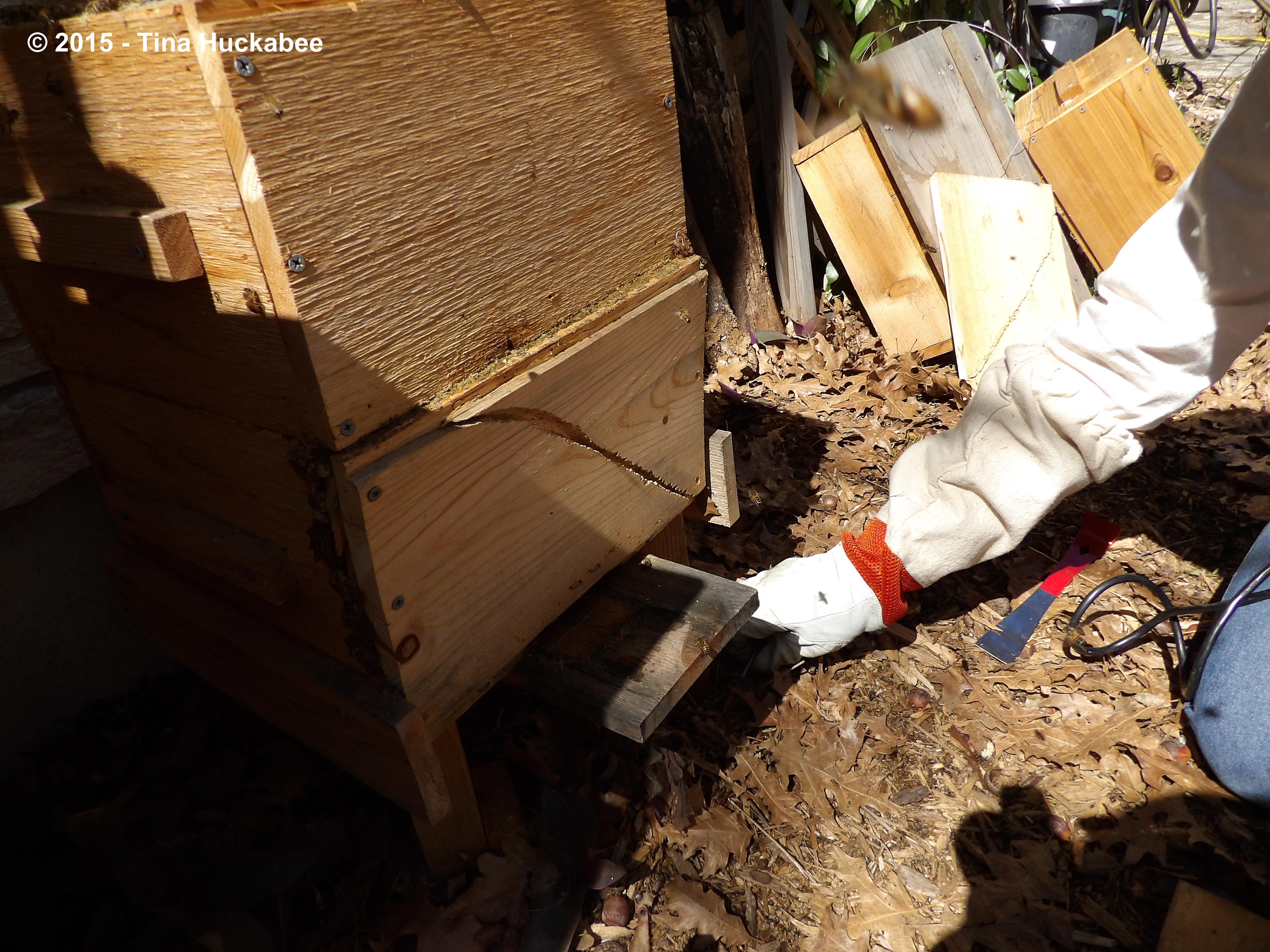
The notable gash is a result of a table saw accident during construction. The table saw operator was none other than Bee Daddy and he suffered injuries and a resulting scar, as well as some nerve damage on another finger. Because Bee Daddy enjoys, um, let’s just say a quirky sense of humor, after he healed and we finally completed the hive construction, he opted to use the damaged piece in the final product. The hive’s name, Scar, hails from that ignominious beginning.
As the hive was two years old before we hived our honeybees a year ago, the wood is now three years old and has been out in the elements for a bit of that time; it’s showing some wear. The hive is made of cedar, which weathers beautifully, but the wood piece in question, a practice piece of sorts, is pine and damage and warped. It began to pull away from the box above it, potentially exposing the inside of Scar’s hive. If not for the dutiful and exact work of the bees to seal any openings with propolis and my stuffing the on again/off again emerging crack with comb that we’ve harvested, our little Scar bees wouldn’t have been as cozy and safe in their hive during the last part of winter.
The time came that the comb-patch just wasn’t working anymore–Bee Daddy really needed to construct another piece to replace the disfigured and deformed front with a new, fresh piece of cedar–a honeybee hive facelift, if you will. About two weeks ago, as part of our monthly hive check, we operated on Scar to replace the contorted front panel.
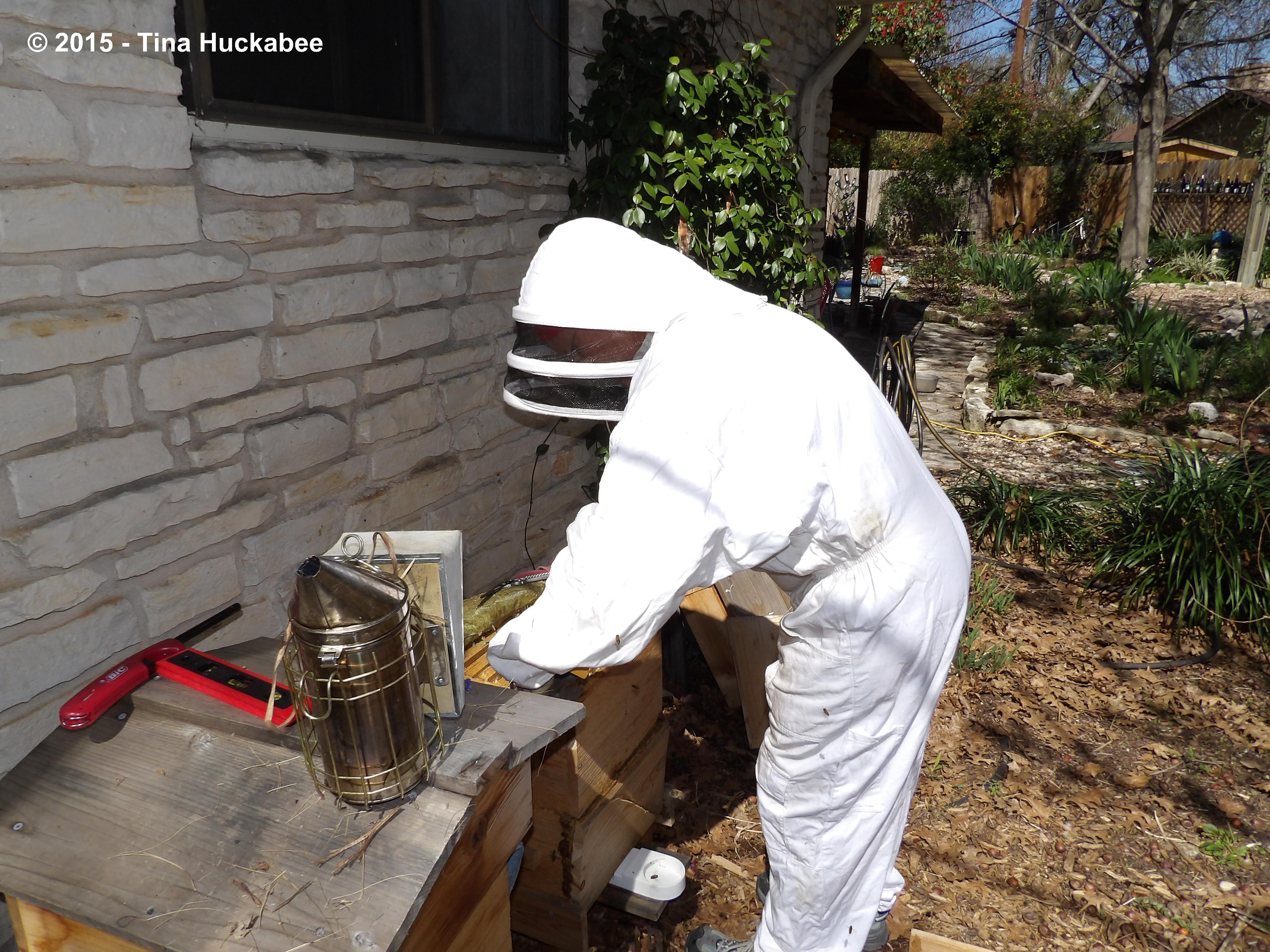
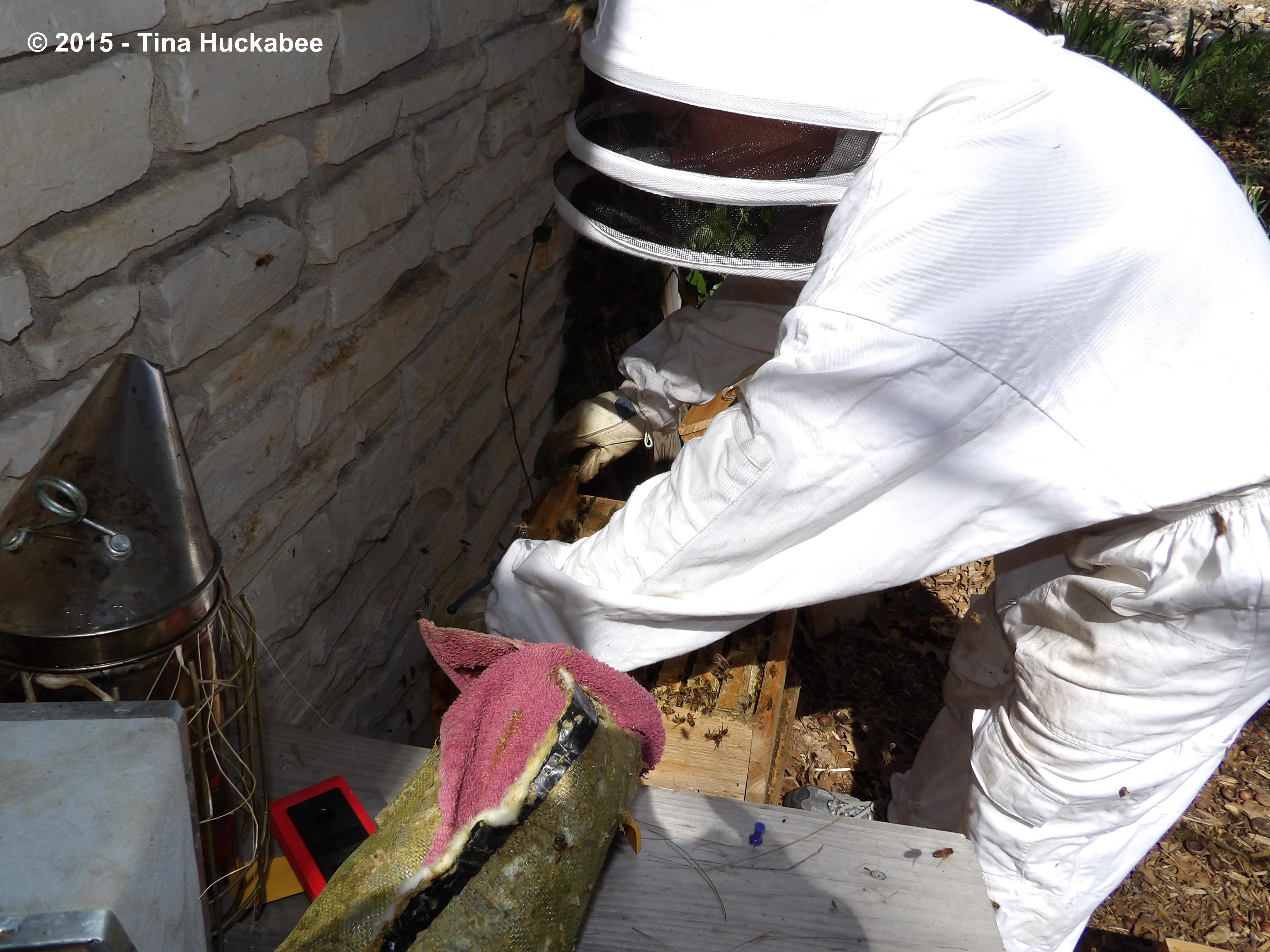
Suited up, smoker fired, bee surgical equipment at hand, we’re ready to go!
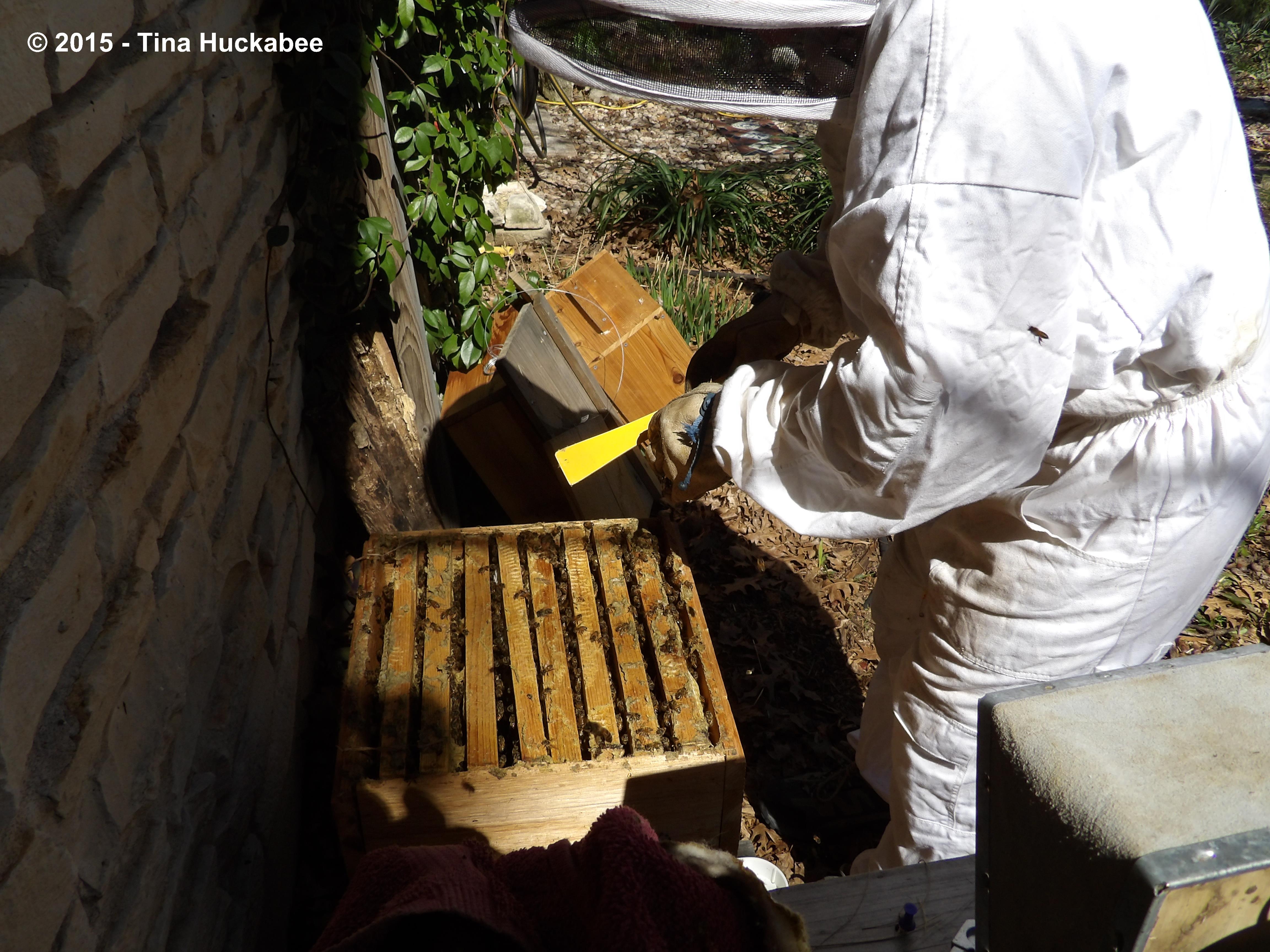
Look at those bees and their early spring work.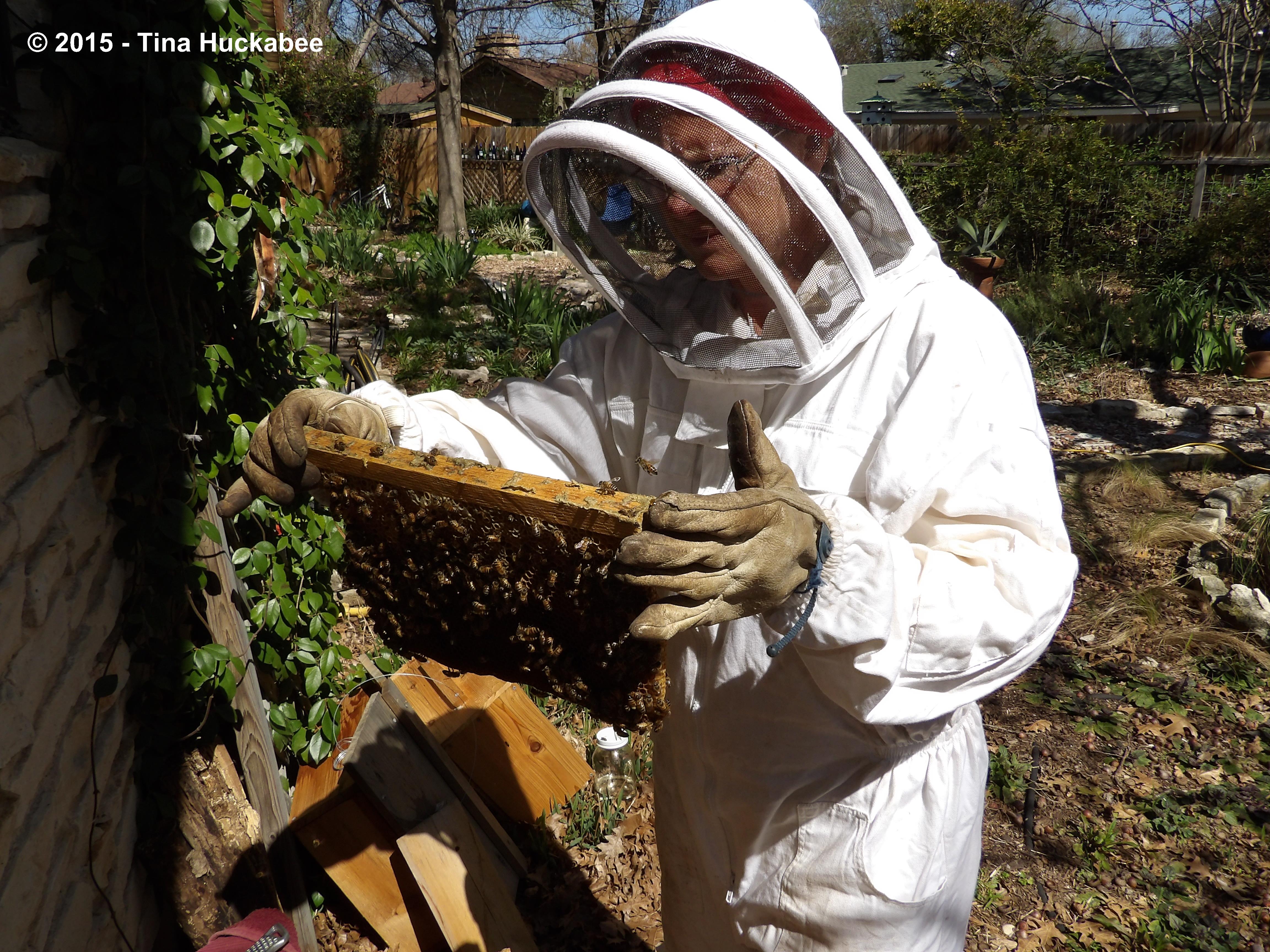

Pollen stores, capped honey,
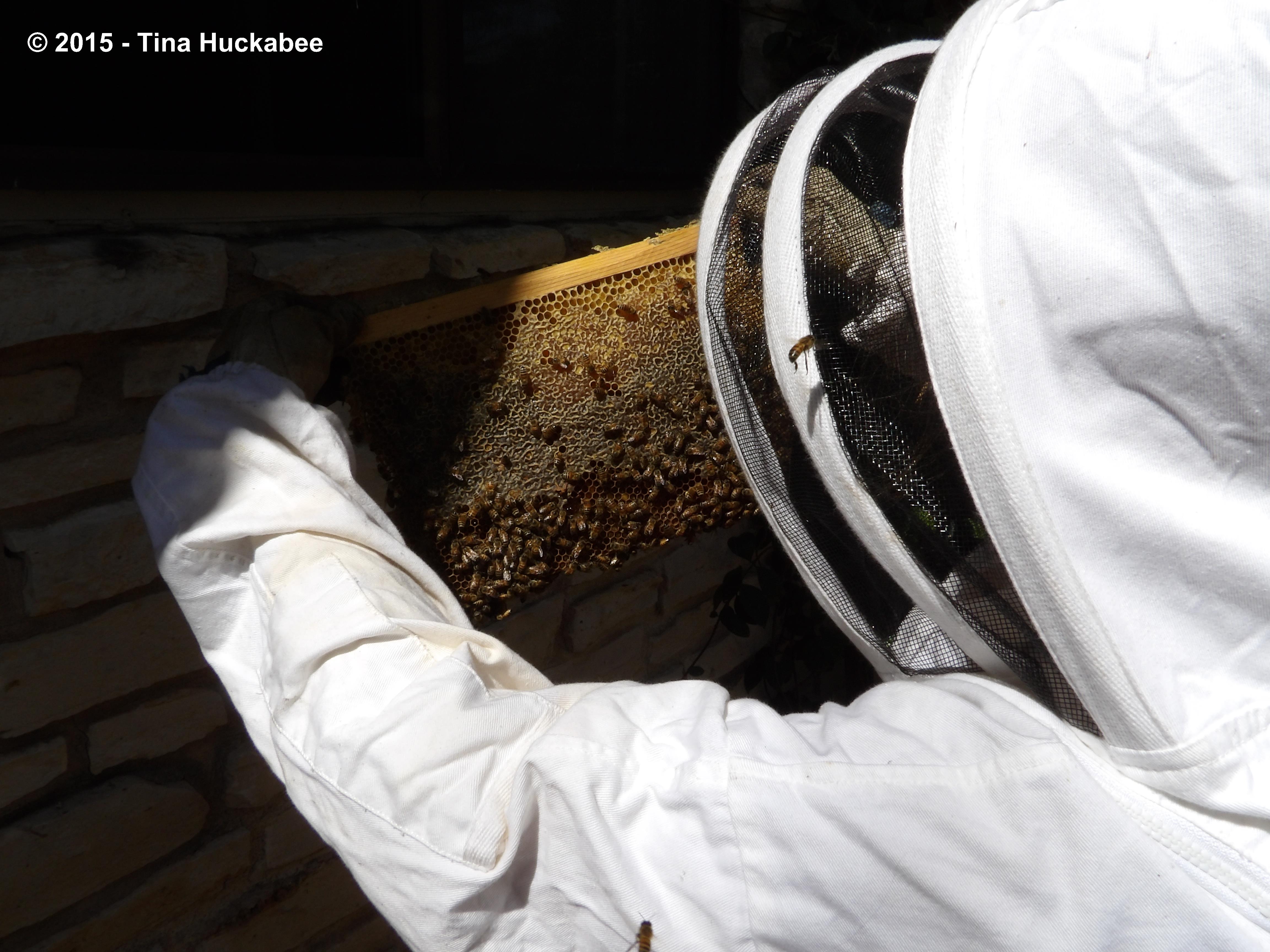
…and lots of brood.

A closer look.
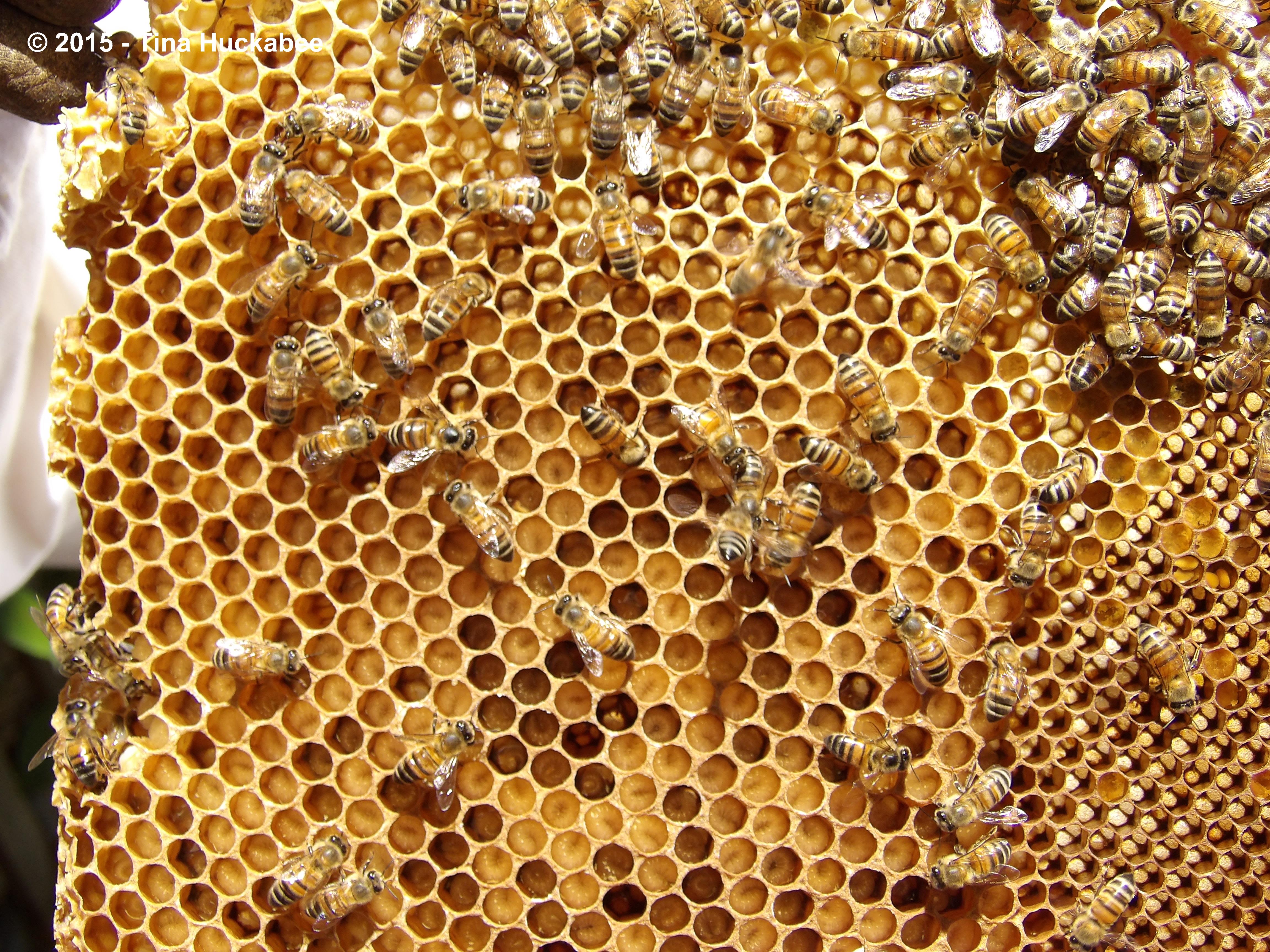
Go Queen Scar!!
Unfortunately, sometimes as I pull the top-bars up and out for inspection, the comb breaks. Here you can see some newly exposed larvae (little white blobs) within a broken comb.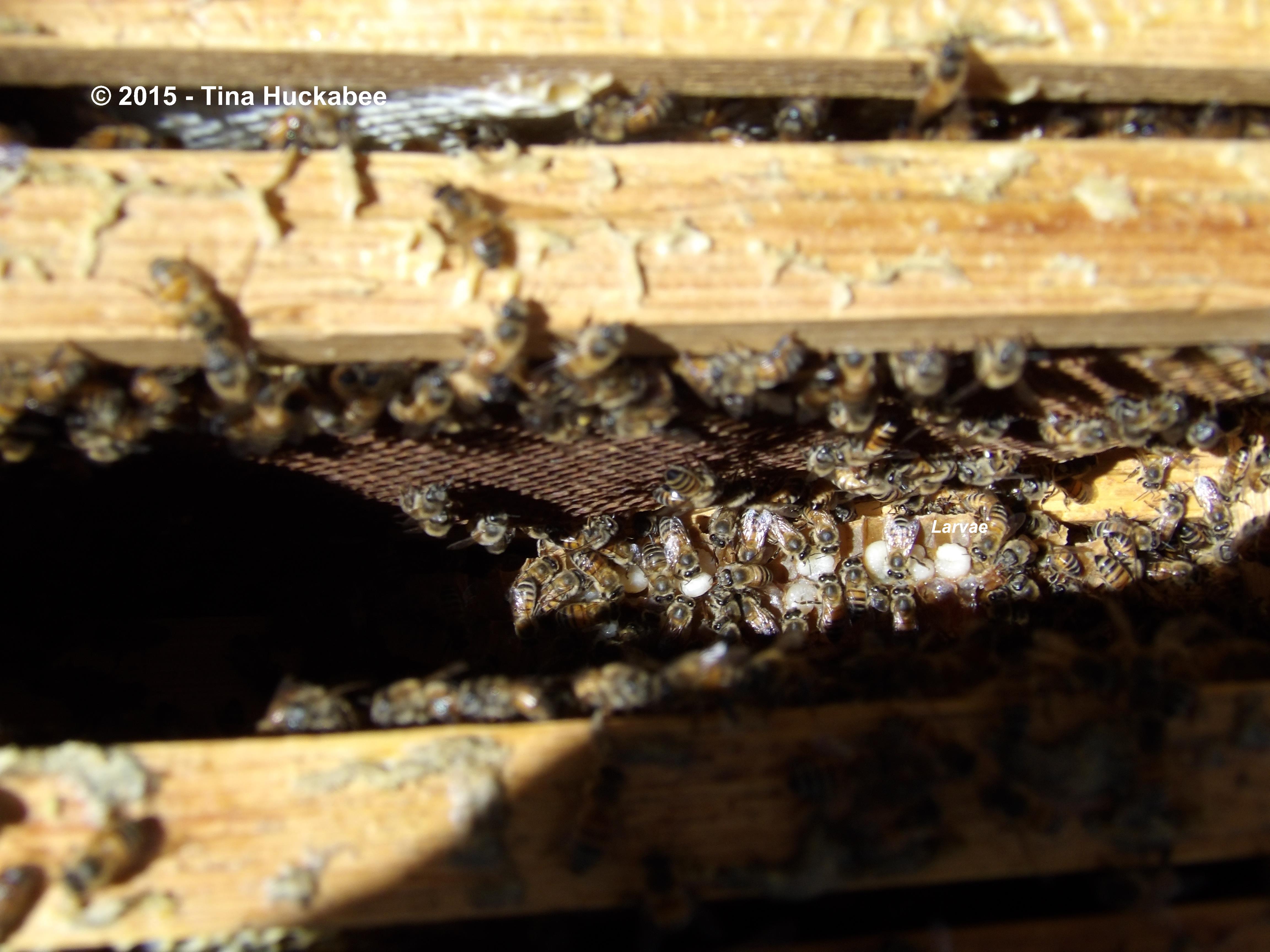
These larvae were large and probably capped, which is the last stage of development. I don’t know if the nurse bees saved those particular larvae. I always feel badly when I set the bees’ work back, but the Warre hives and top bars make the human part of the beekeeping equation tricky at times. If the bees can’t re-cap the larvae, the hive consumes the protein and re-uses that material. It sounds gross to us, but really it’s a remarkable use of their resources–they waste nothing and it’s all for the good of the hive.
As Spock would say: The needs of the many outweigh the needs of the few.
Apologies for the geek-out.
Bee Daddy readied the drill and the deconstruction began. I thought the noise of the drill would annoy the girls, but they were well smoked and laid back. The front came off with no problems.

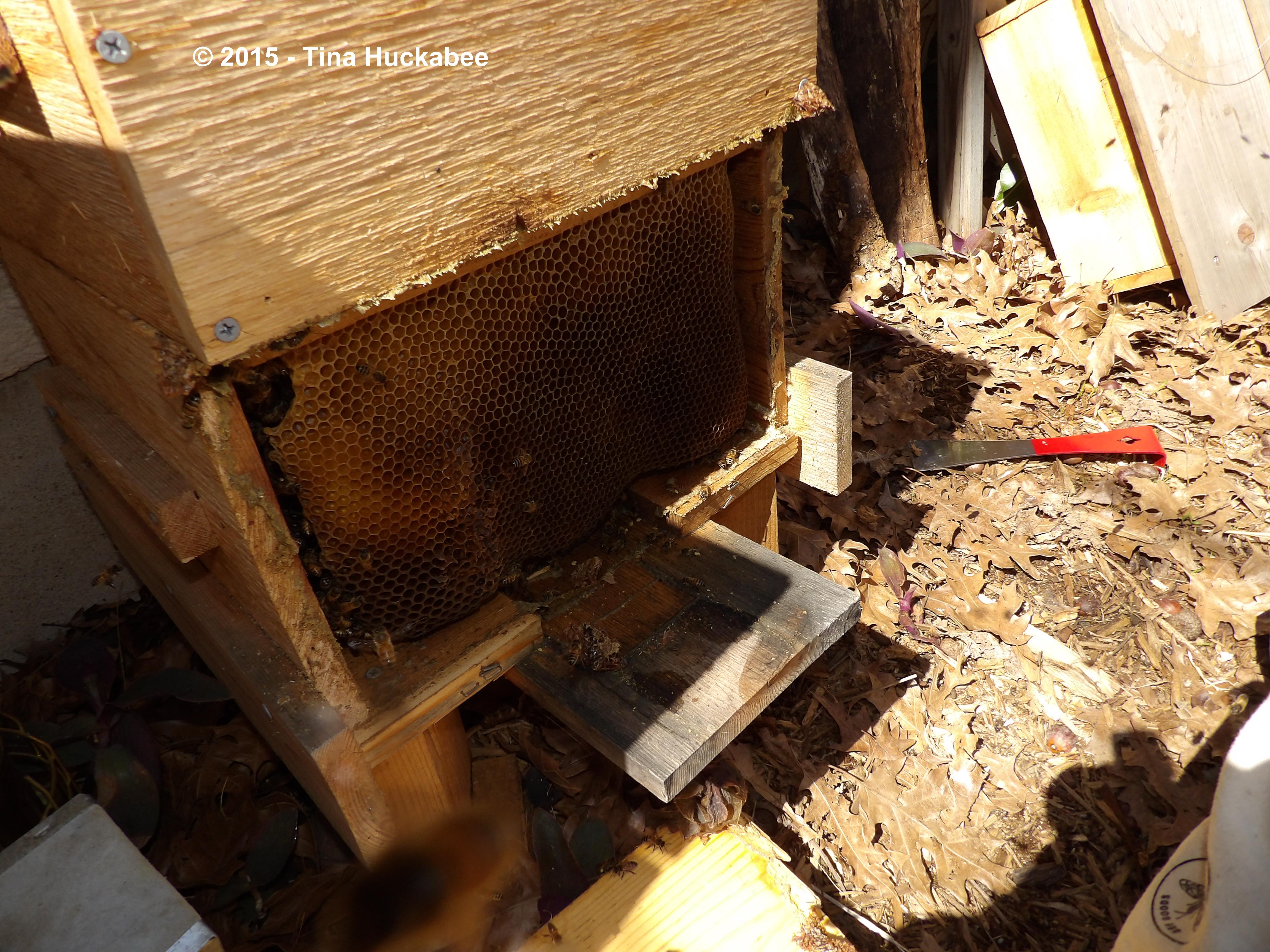
As I imagined this project and the steps required to quickly and efficiently remove one wall and replace with another, somehow in my head, I thought comb would be attached to the front wall.
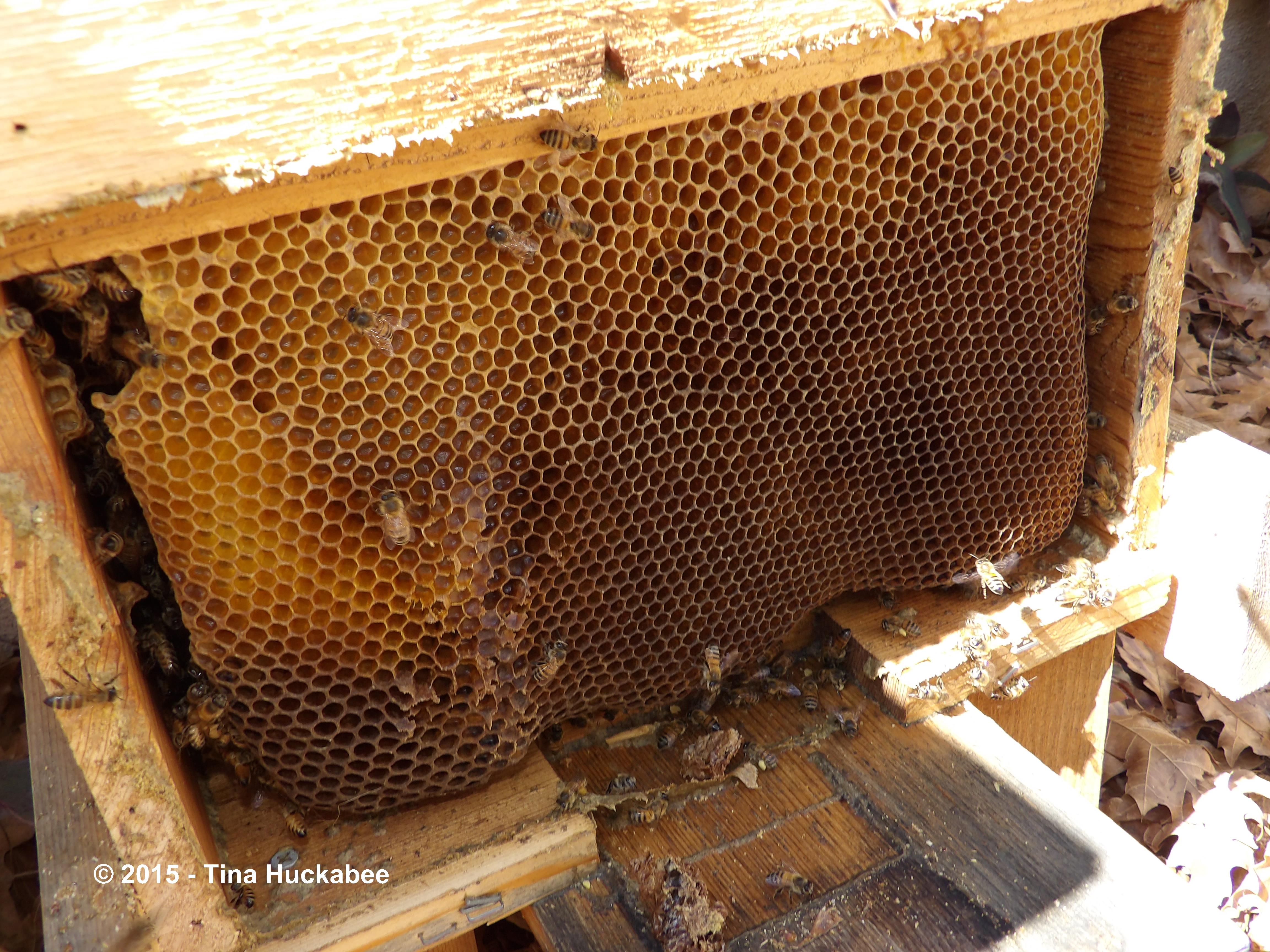
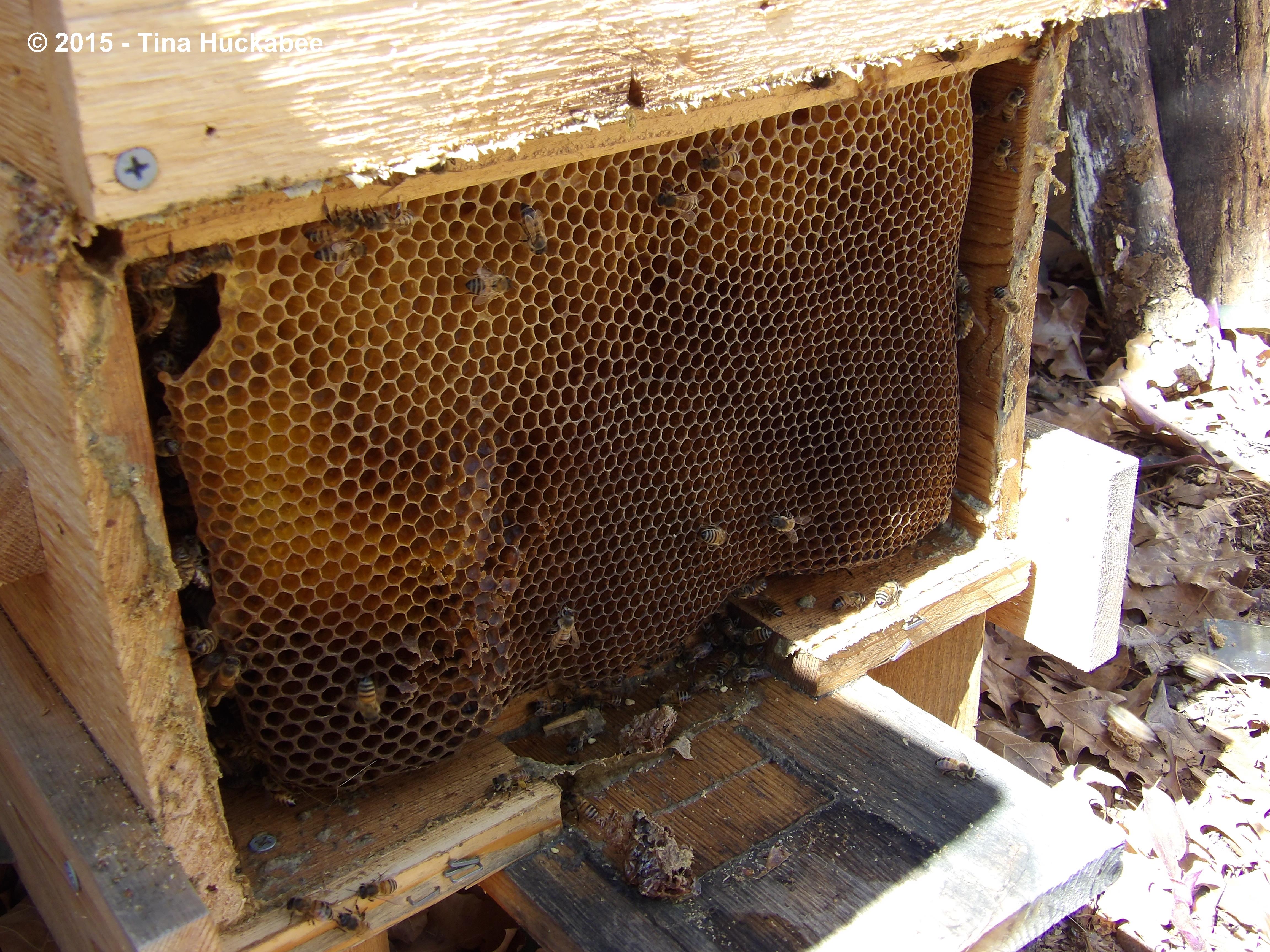
Of course it wasn’t.
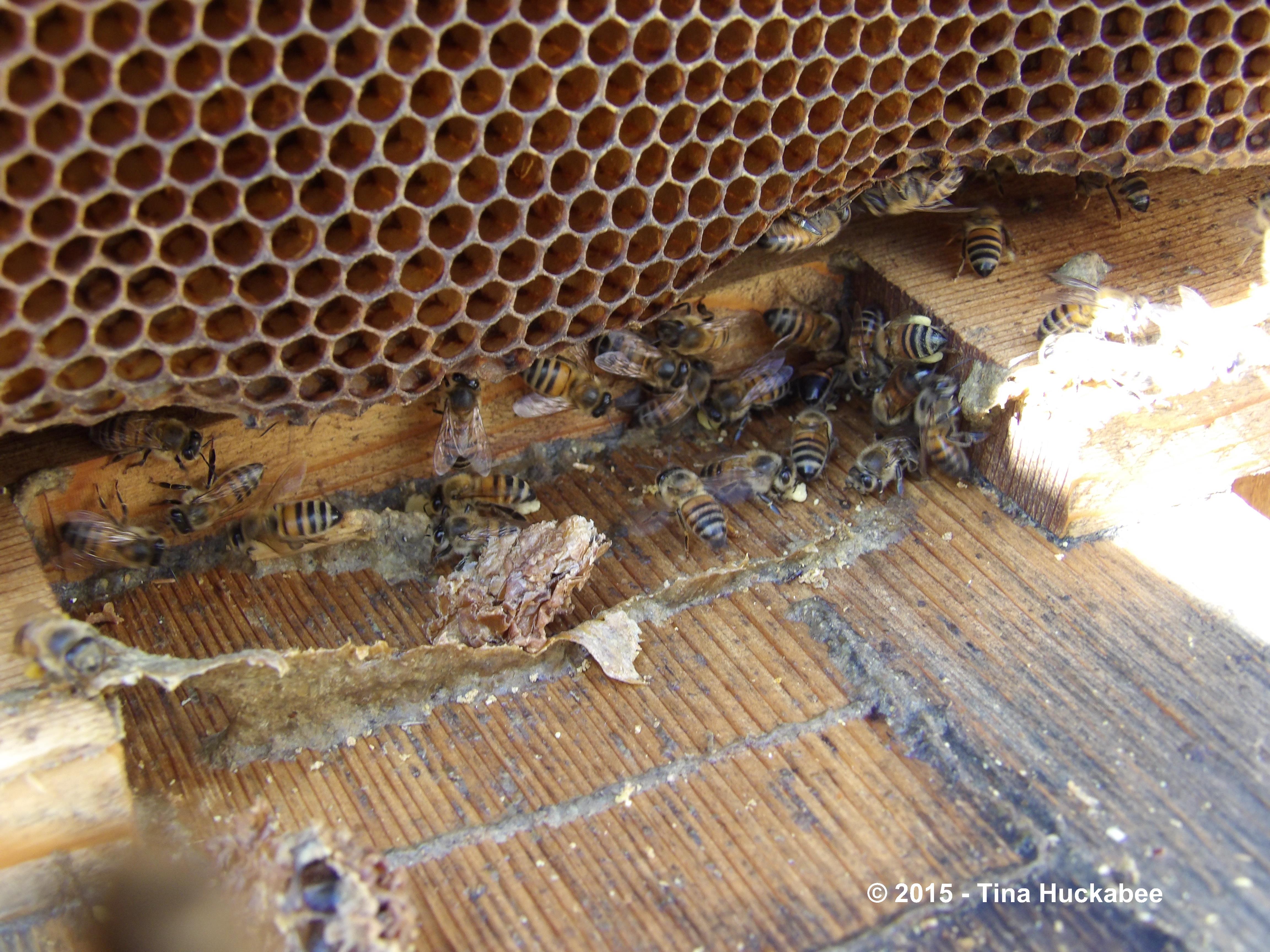
The bees build comb and attach to the top bar, occasionally to the right and left sides of the hive, and sometimes, to other comb. But there was plenty of space between the first honeycomb and the front piece. The new piece was placed, screws drilled in,

…viola!
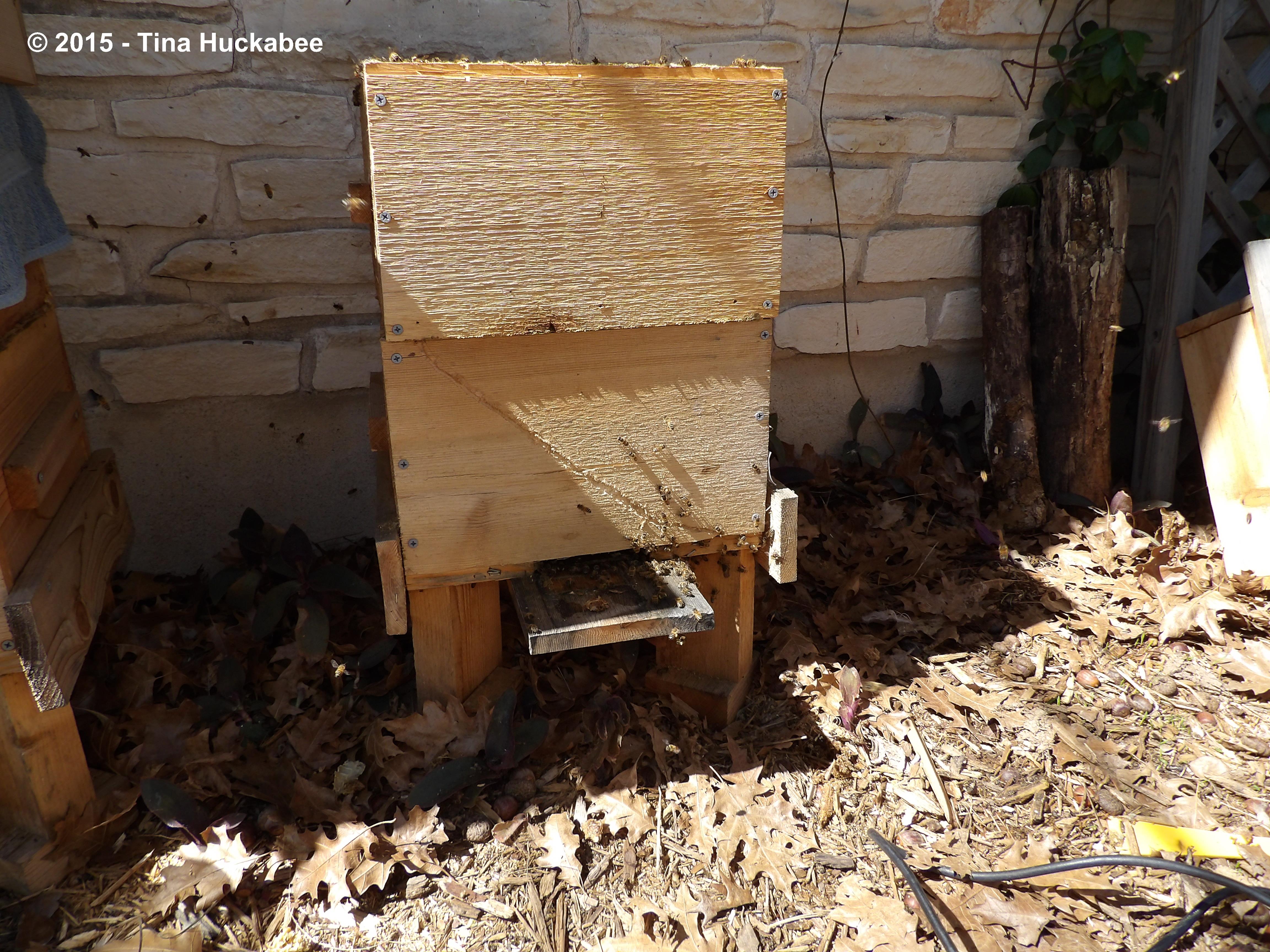
Scar’s facelift is a success! The operation only took a couple of minutes and we popped the top box and roof on and left Scar to calm itself and get back to the business of being honeybees.
I believe I mentioned the odd sense of humor my beekeeping partner has? He decided that before attaching the new piece of wood to the hive, to recreate a scar in the wood.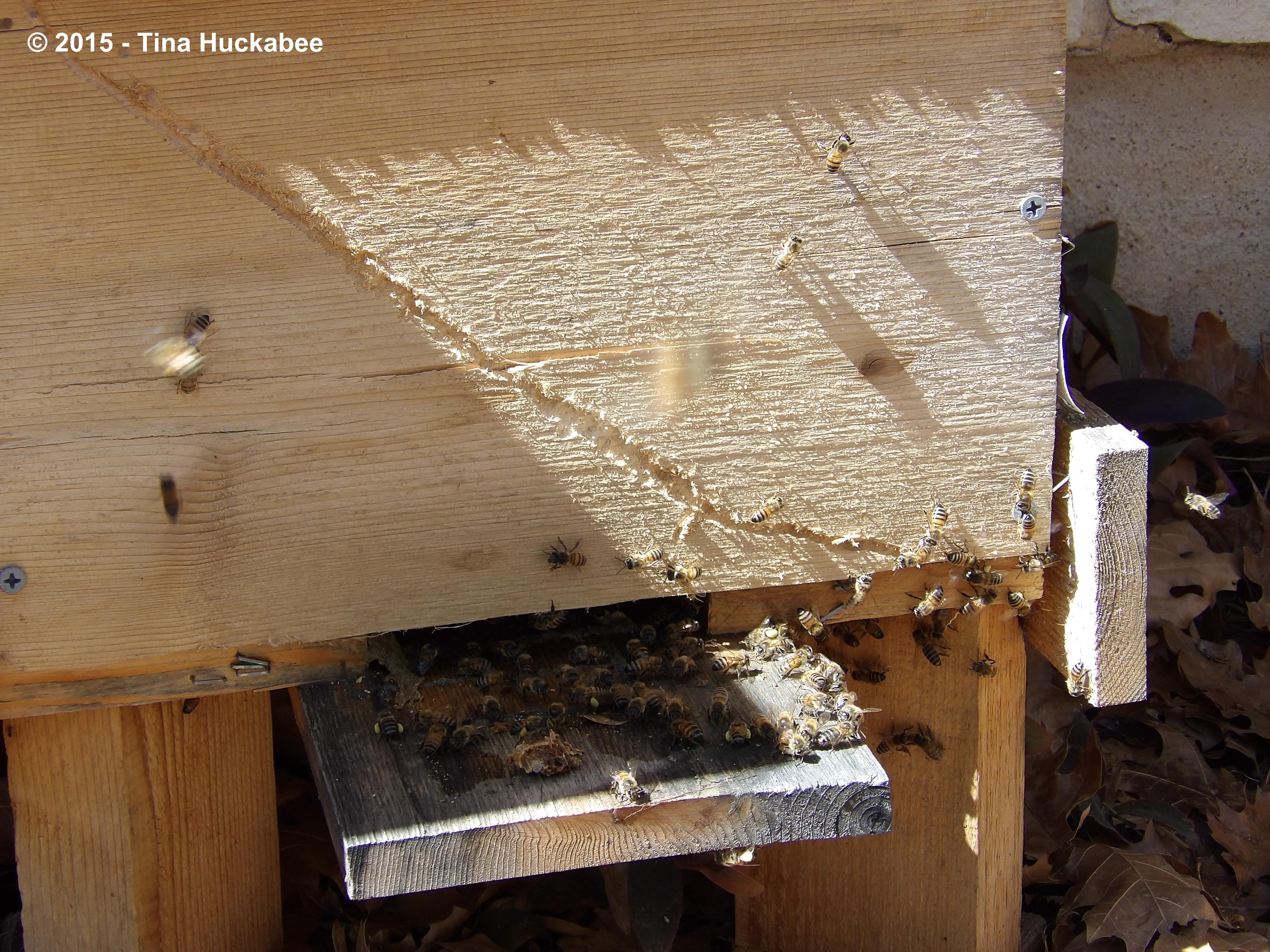
After all, we don’t want to change the name, do we?
After that drama, we checked Mufasa too,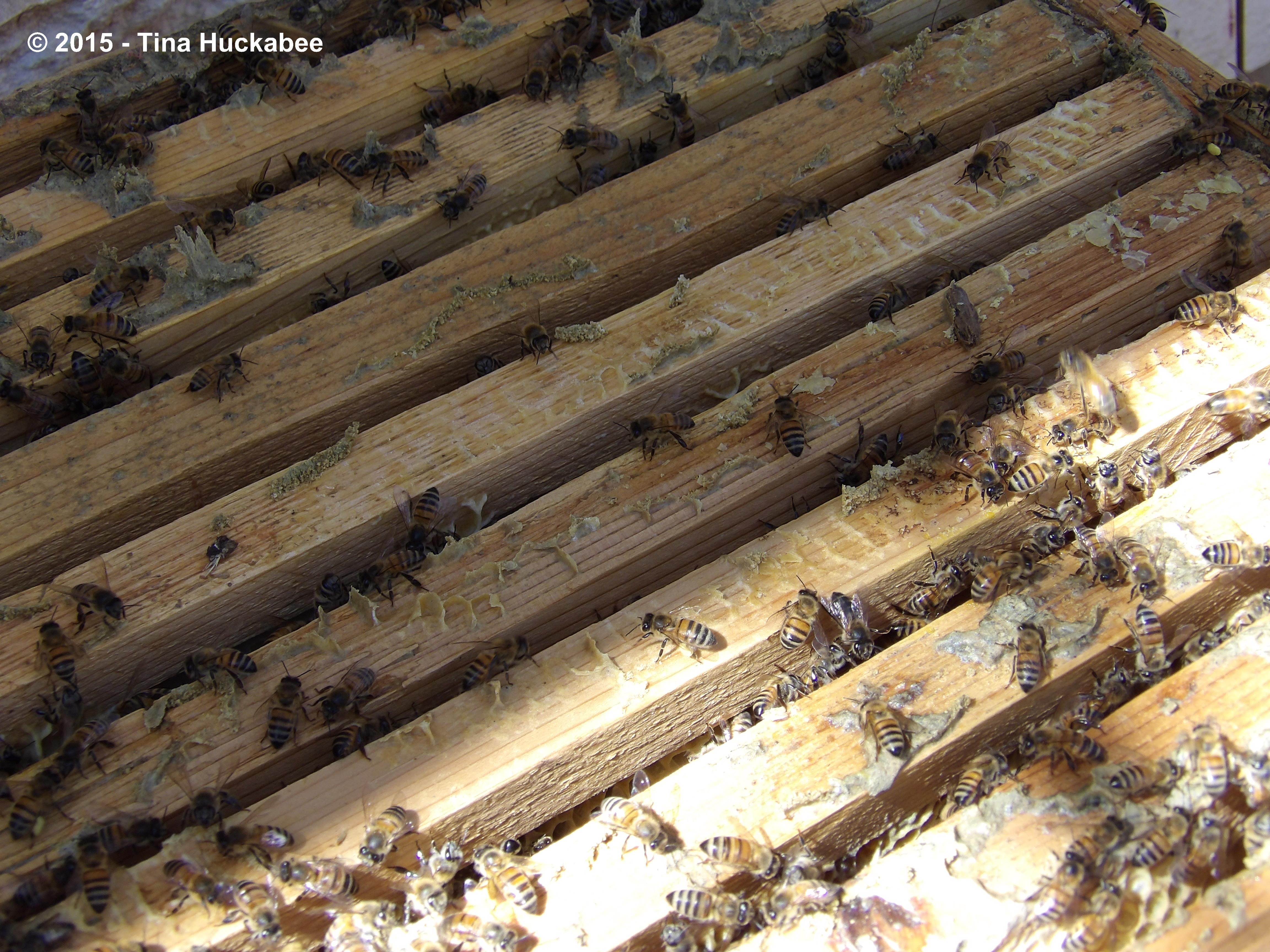
…and all looked good there as well. Capped honey, capped and uncapped brood– spring is buzzing right along for both hives. I feel a great sense of relief when we check our bees and all is as it should be. Mufasa’s bees clustered along the back and sides of the hive for a while, but within an hour or so, all returned to the hive, except for the foragers and the guard bees placed in front of the hive.
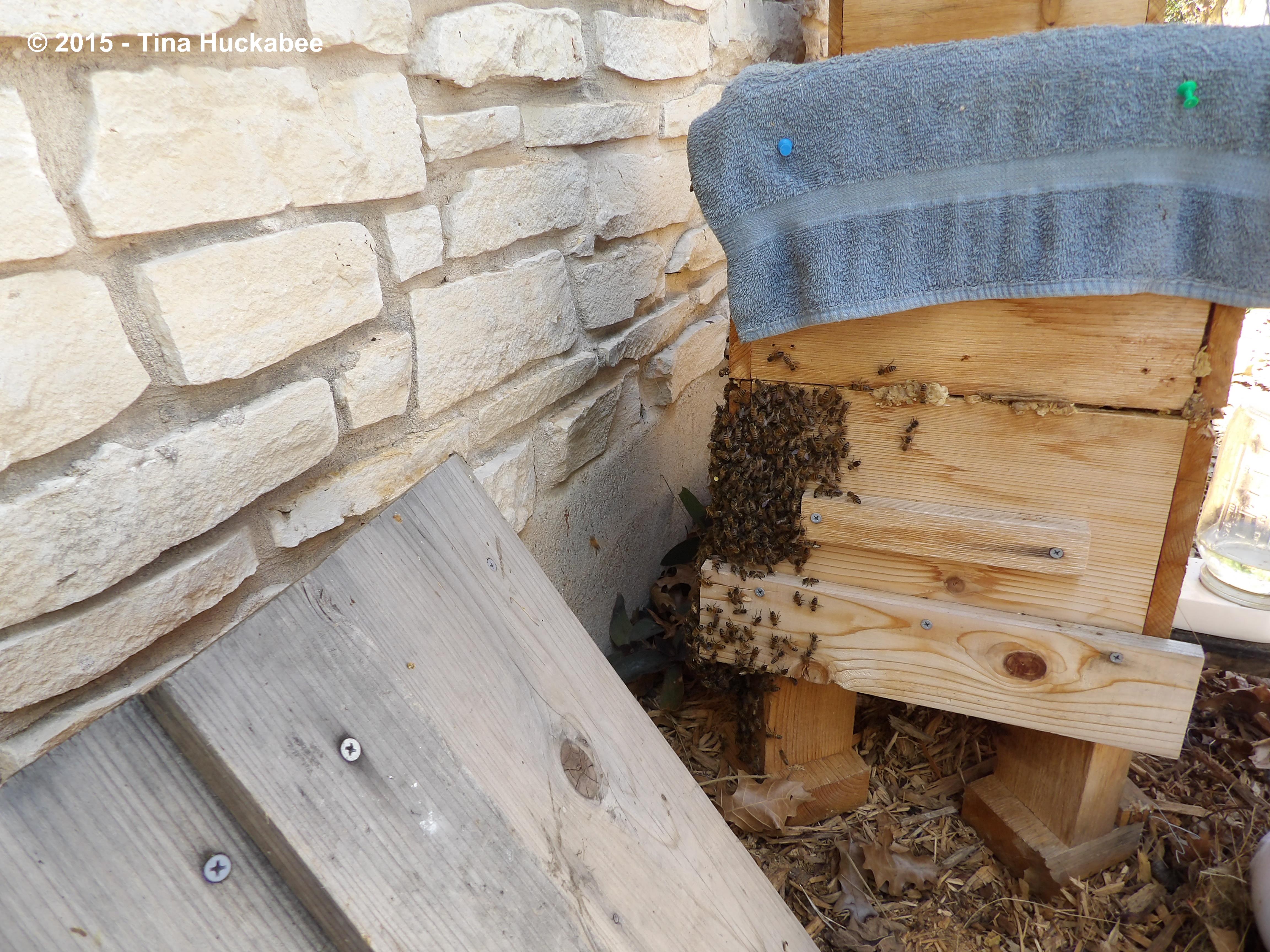
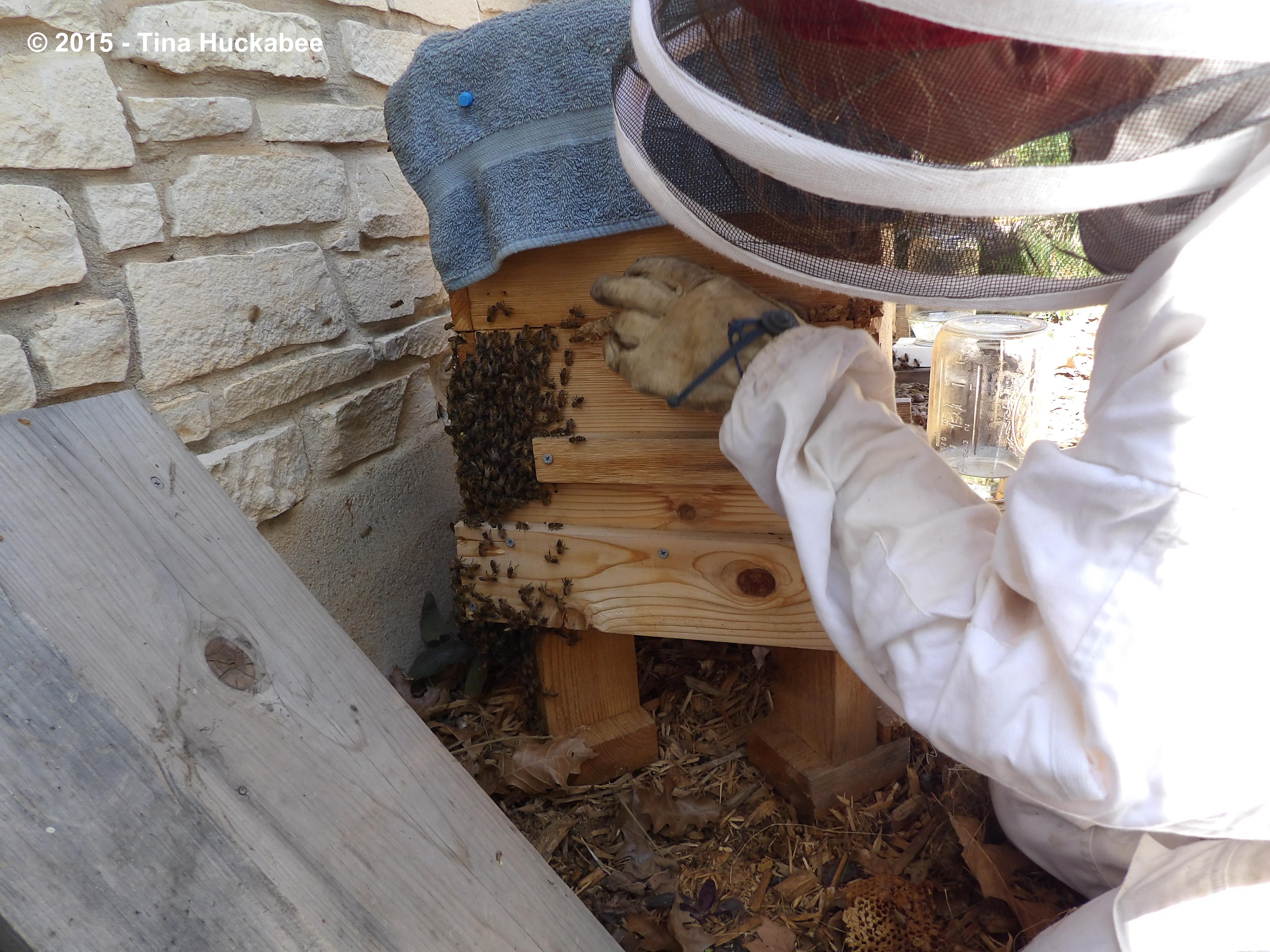
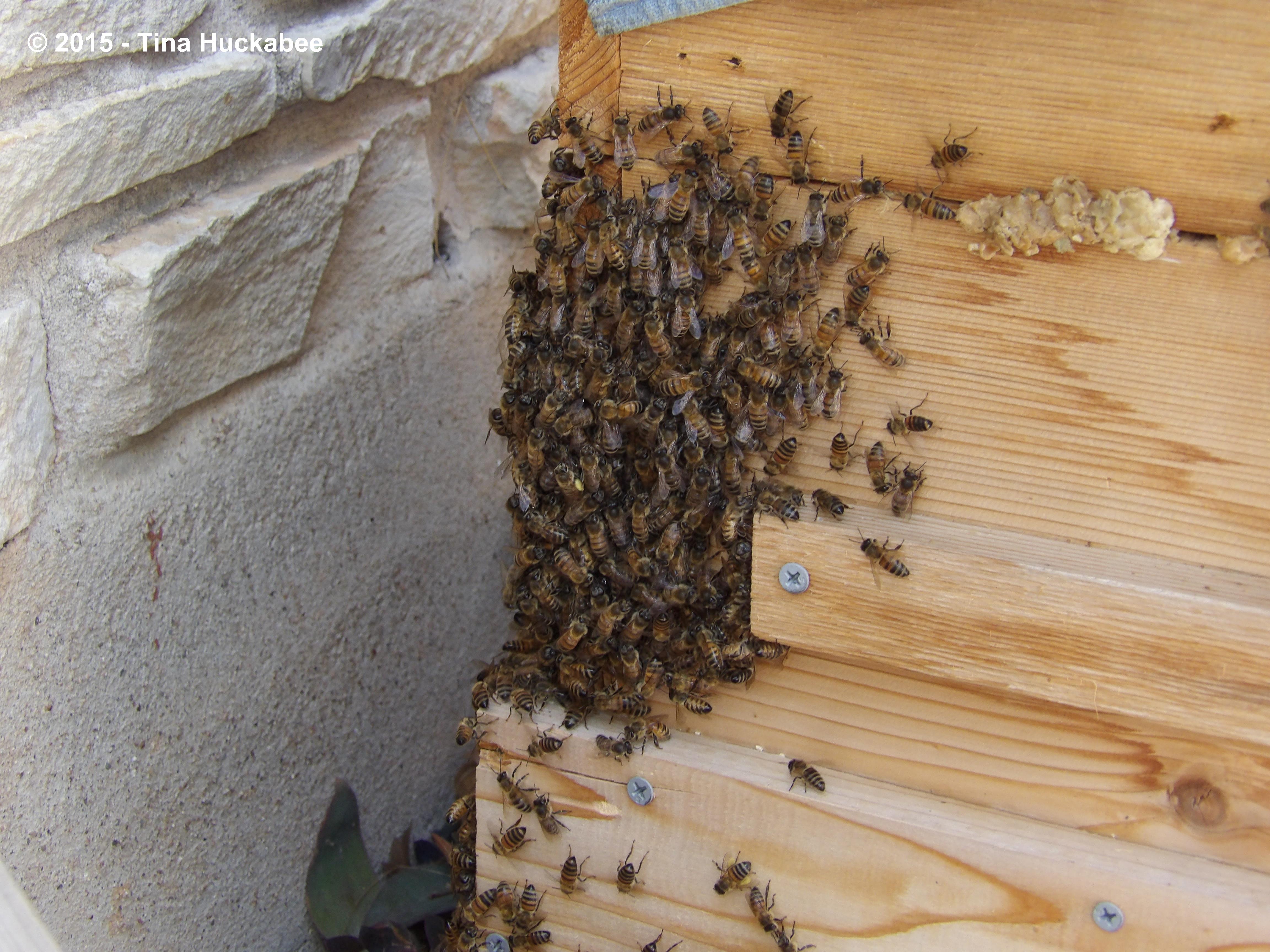
The honeybees are off to a good start for their second spring. I suspect that the next time we check Scar, we’ll add another box, as there was so much full comb in the first. And while Mufasa remains the smaller hive, the bees are producing brood, comb and honey.
As more plants enter their blooming time,

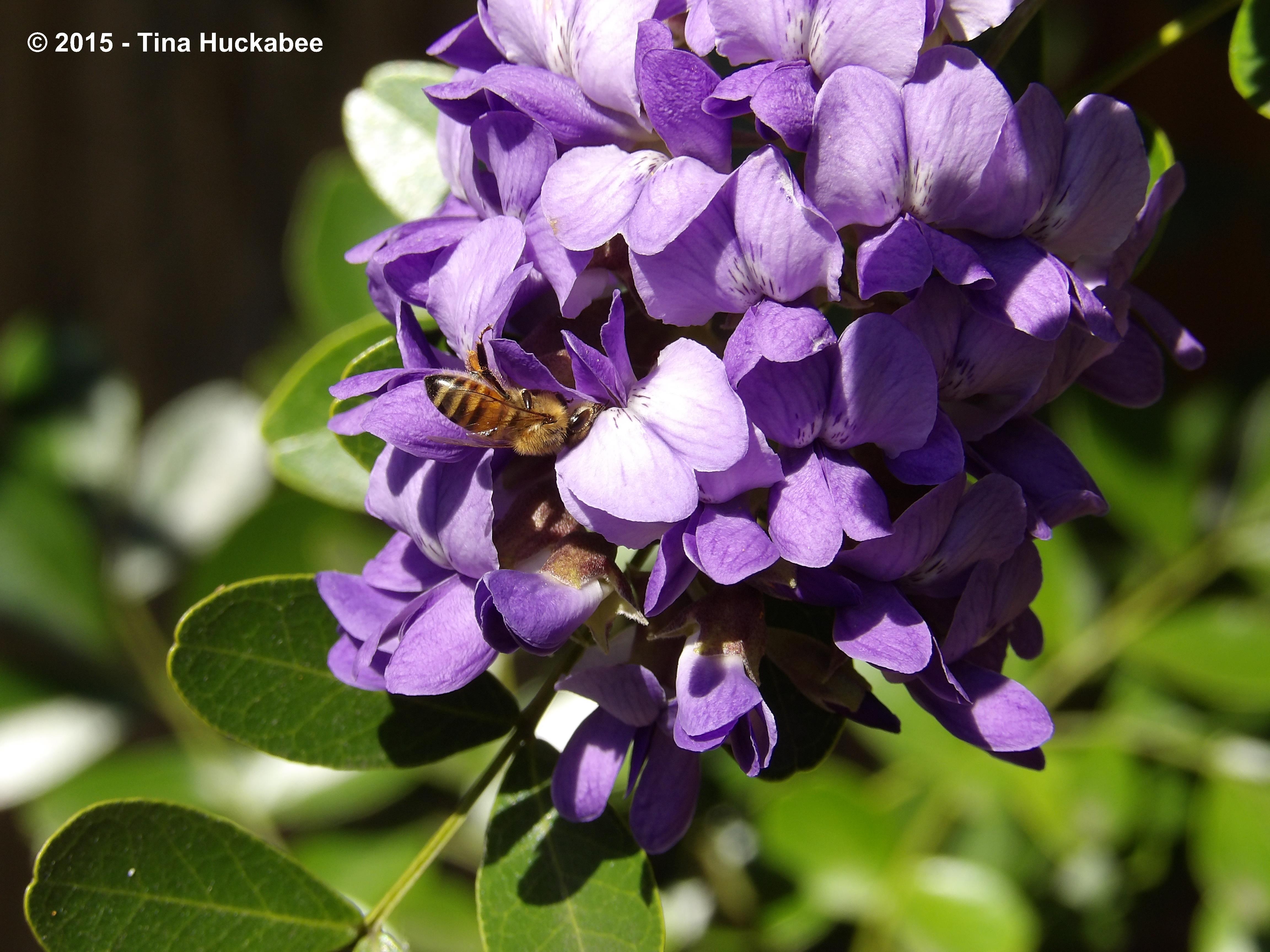
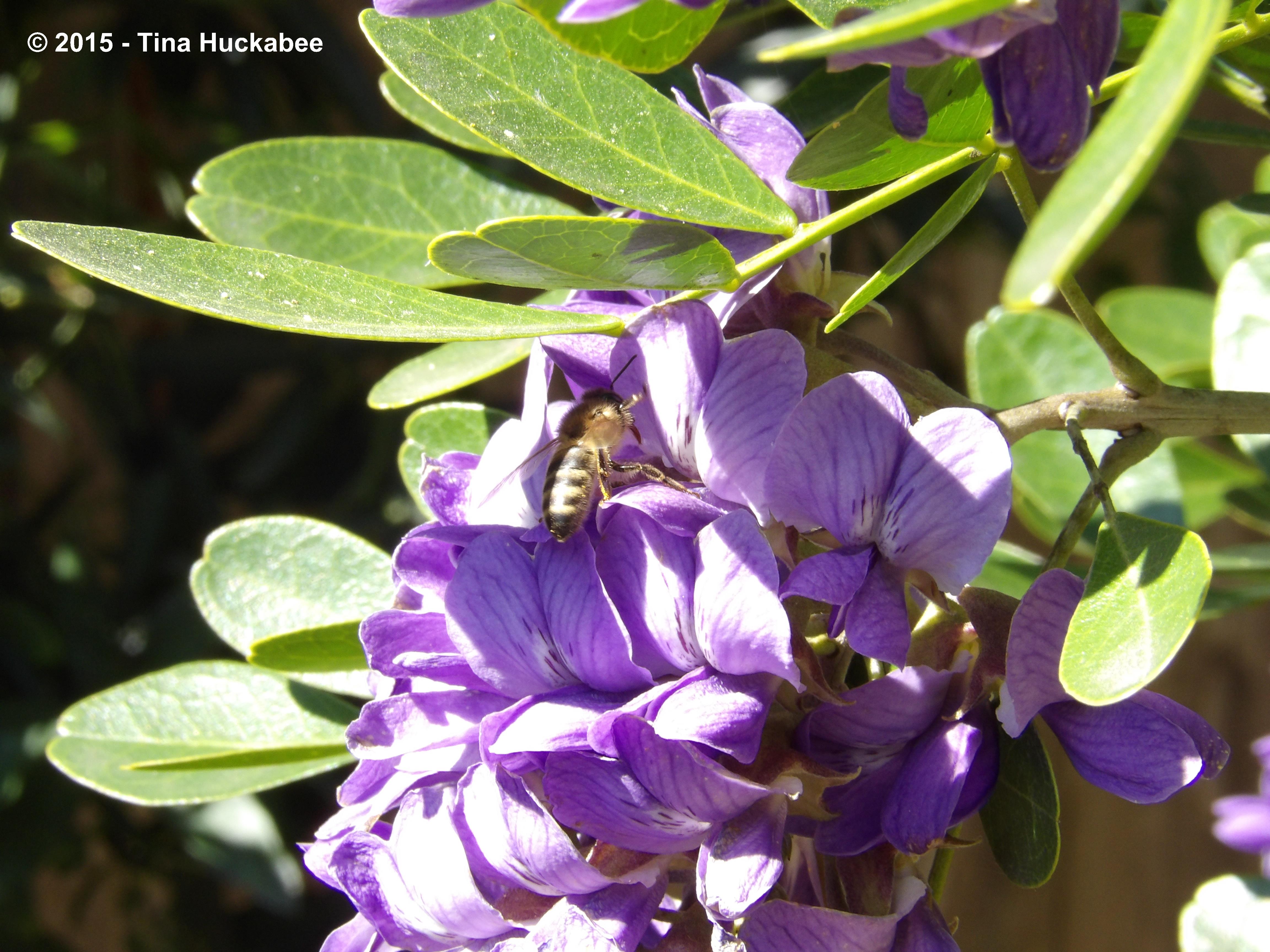
…the bounty should continue for our honeybees. Last night, I could smell honey in the air.
 My Gardener Says...