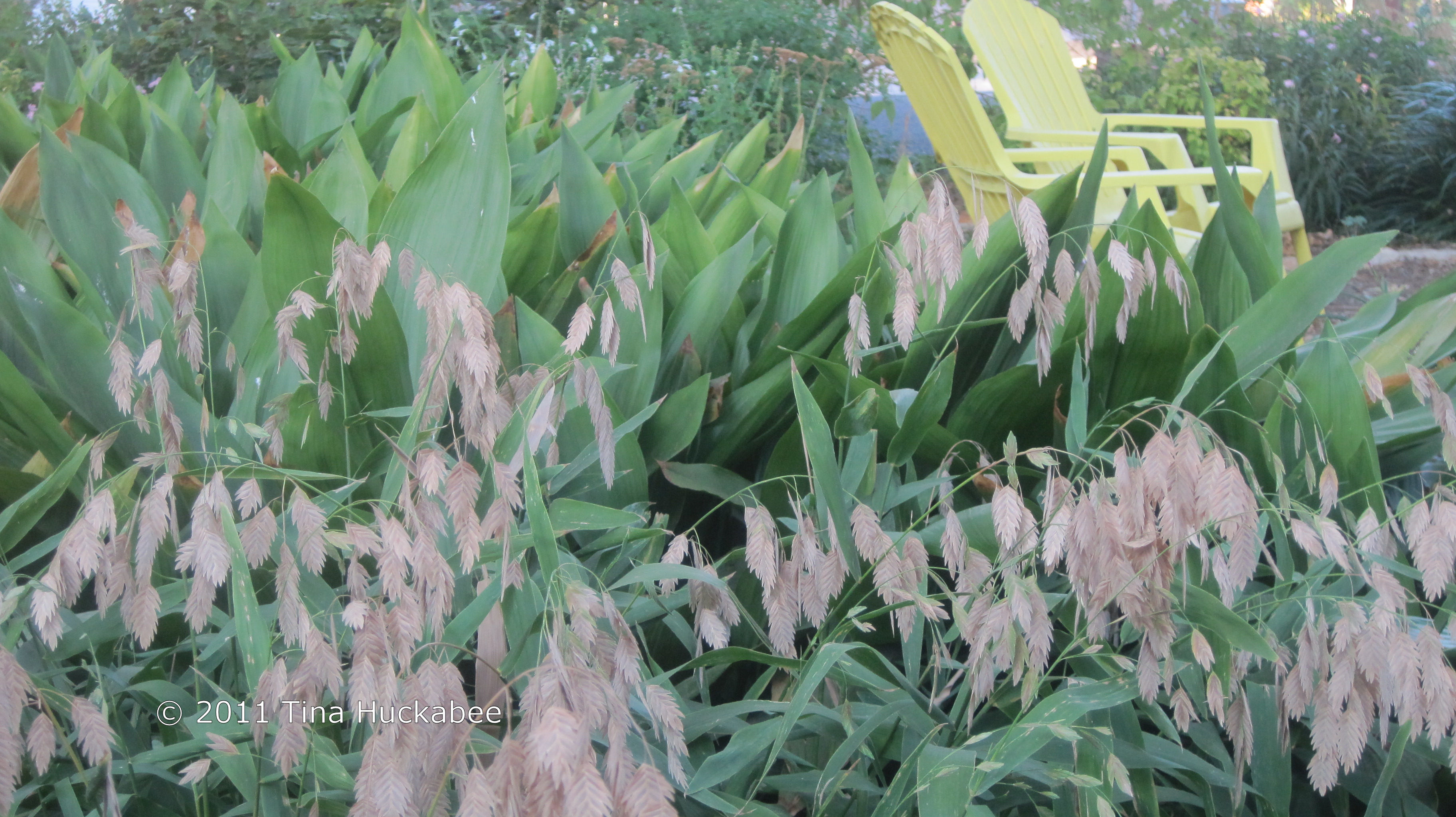
Cast Iron Plant, (Aspidistra elatior), is an old fashioned plant, probably over-used in places, but for a dry shade garden, it’s excellent. Cast Iron Plant is native to China, so I have to deviate a bit from my cheer leading about using native plants in the garden while I extoll the virtues of this plant. It has smooth, wide, evergreen leaves and lends itself to a lush, tropical look, especially in dark areas of the garden. (In the photo below, the Aspidistra is fronted by Inland Sea Oats (Chasmanthium latifolium).
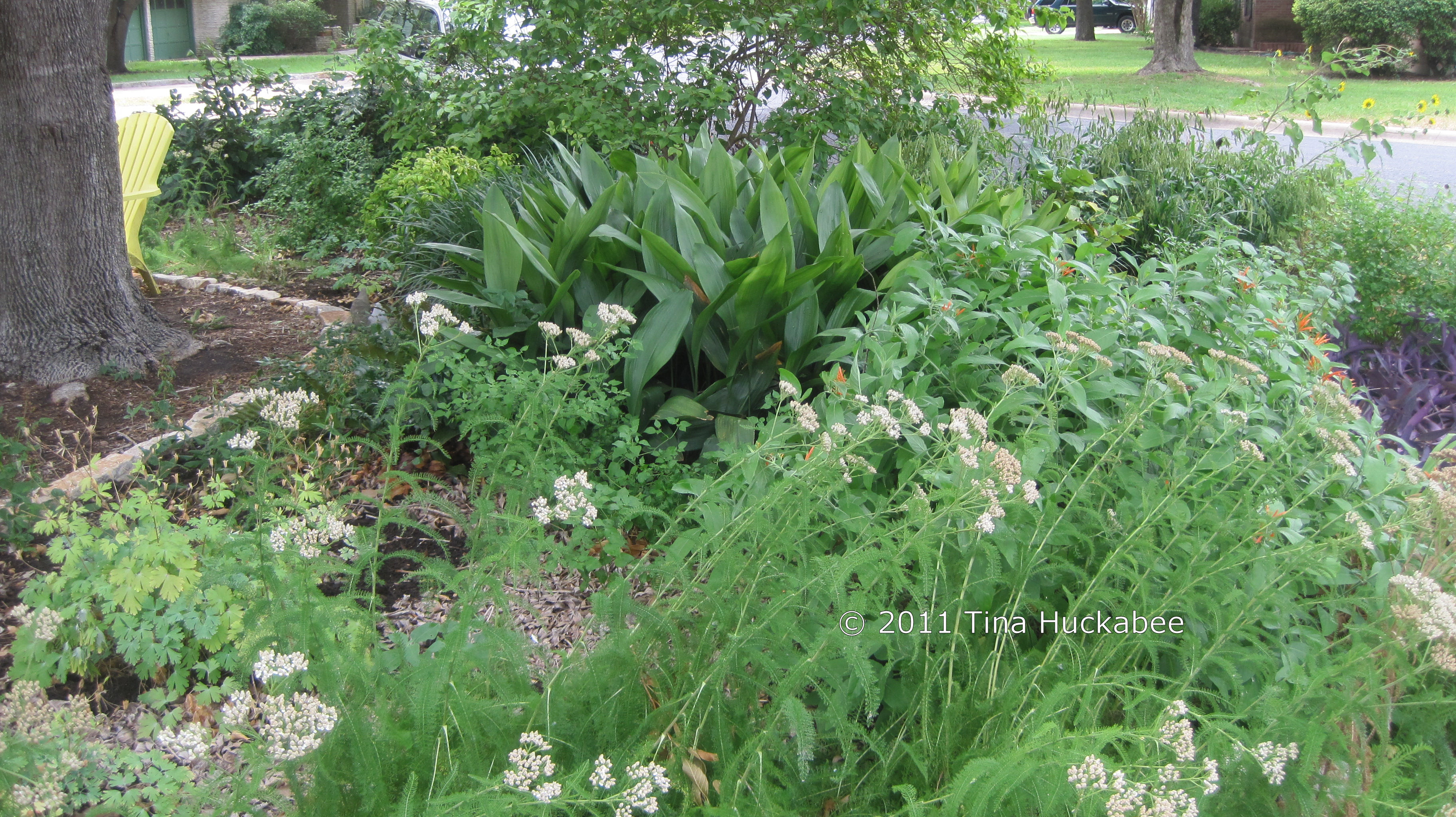
It grows from rhizome roots and is a xeric addition to any shade garden. The rhizomes can be separated from time-to-time (best in February/March), but it takes years for it to become over-crowded. It’s a great pass-along plant! Cast Iron Plant does benefit from pruning every two-four years. To do this, prune near the base of the plant (2-3 inches above the soil)–again this is best done in late winter/early spring. Soon, the new leaves will unfurl themselves, verdant and lush, fresh from the soil. Most years, I prune only the leaves that are are brown and ragged looking, so I don’t have a barren area for any length of time and it keeps the clump of Cast Iron looking its best. Plus, it doesn’t take much time to prune only what really looks tired and cranky.
I see many gardens with Cast Iron Plant that are brown, ragged and torn–in short, a horror. I think there are two reasons for this. 1) The poor babies haven’t been pruned. Ever. And, 2) the plants are in full or nearly full sun. Aspidistra shouldn’t ever be in full sun and with a variety of more appropriate plants for full sun and with the limitations for shade, Cast Iron/Aspidistra is a must for the shady garden.
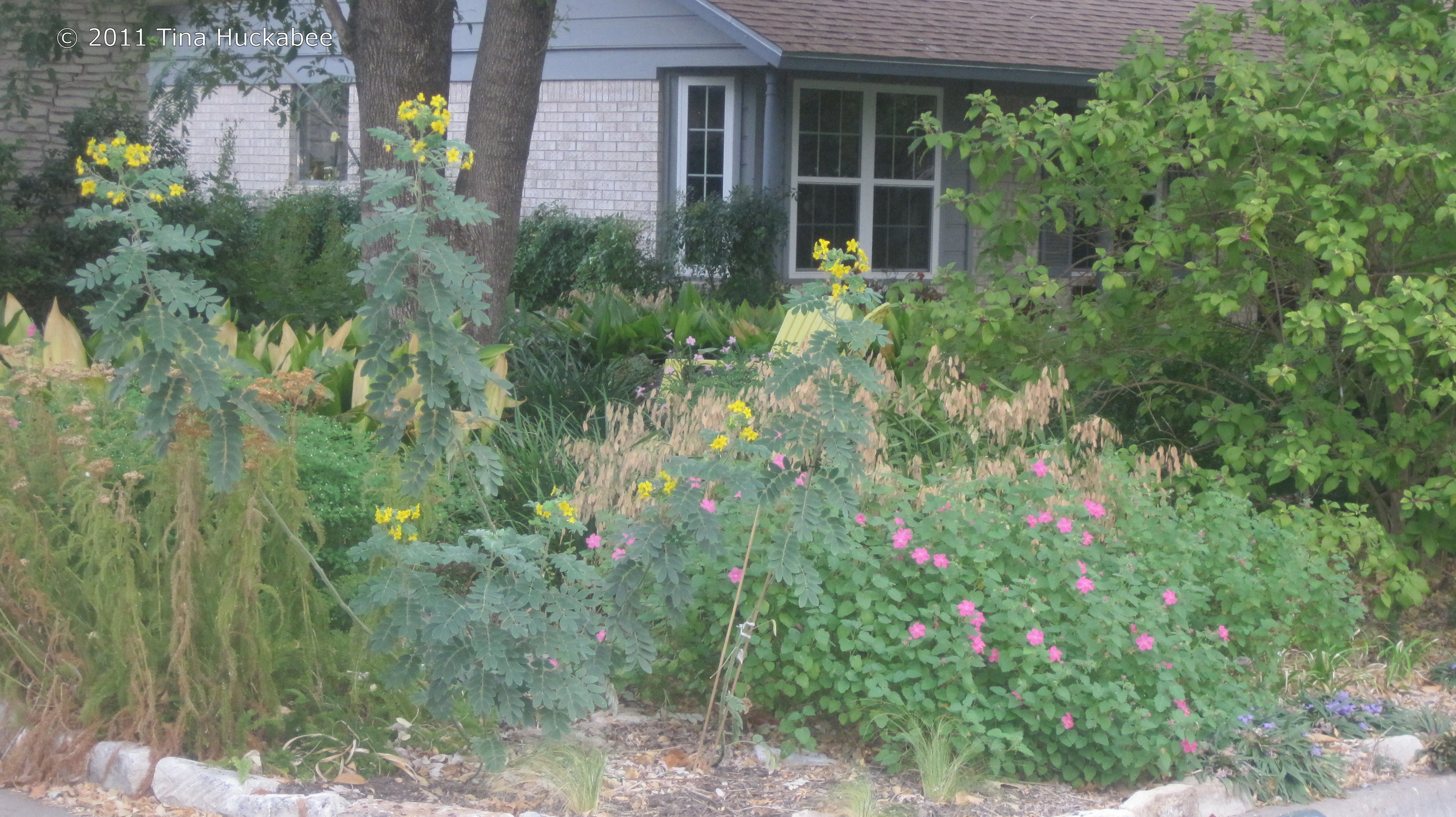
With the exceptional drought and record heat that Austin has experienced this summer of 2011, I have noticed something about one clump of Cast Iron in my garden. This clump is in the center of a garden which is in dappled shade for most of the day, but receives the hot, blast of west sun after 3PM. In June, the Aspidistra was normal looking for summer–nice ‘n green and generally attractive.
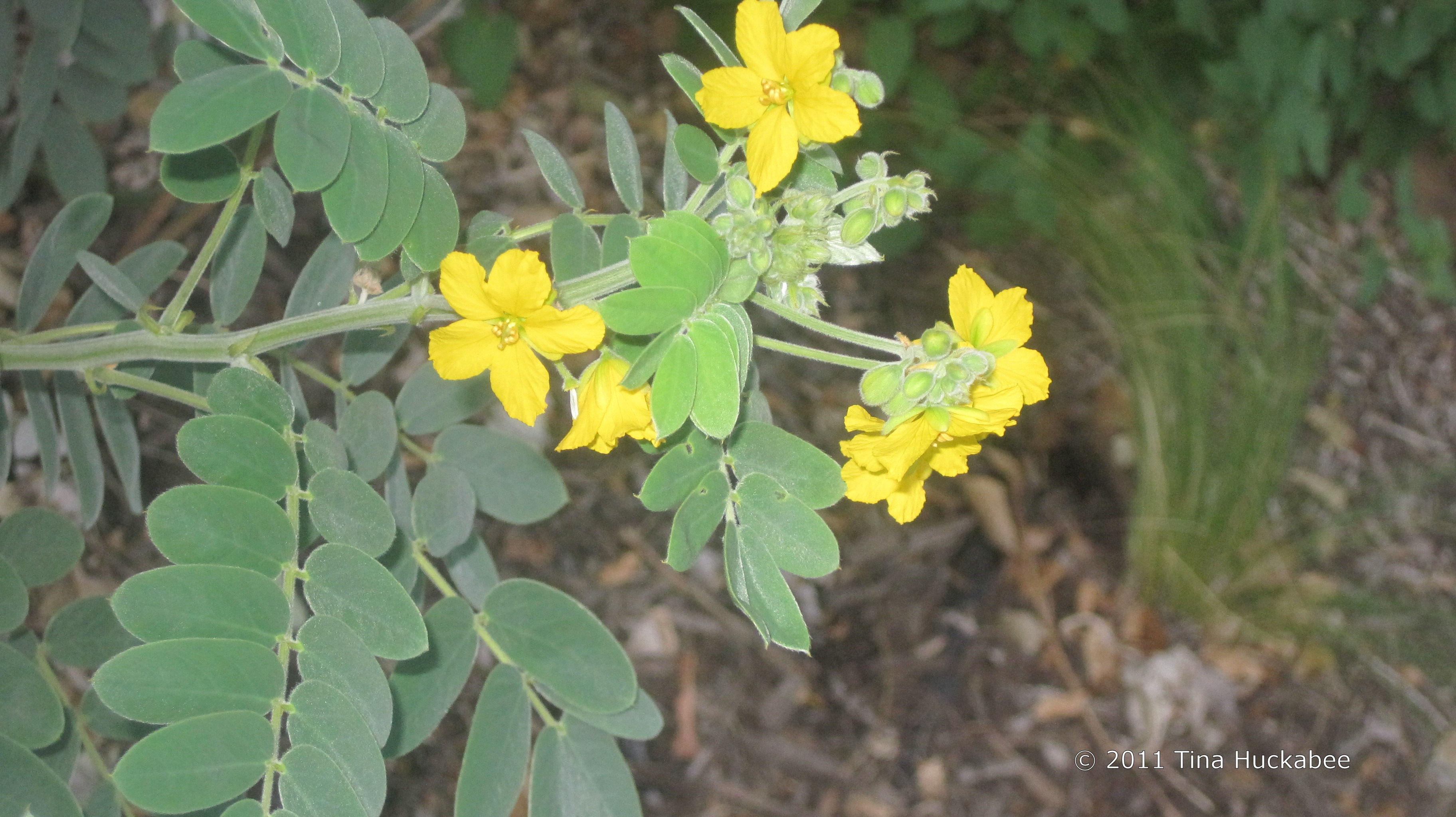
By August, the searing temperatures had done a number on the “nice ‘n green.” The leaves are yellow and in some places, brown.


(Gee, maybe I can pass this new look off by claiming that these are the variegated types. Then again…maybe not.)
The other clumps of Cast Iron in my garden are looking good (all in shady spots), so I think that the culprit for the nasty discoloration is most likely the high temperatures and exposure to the deadly rays of the sun. This particular clump of Cast Iron has been in that garden for almost 13 years and I’ve never seen this happen before. I plan to prune the entire clump in February and see what happens next summer. If the temperatures of Summer 2011 are an aberration, then I think the Aspidistra will be fine in the future. If the trend of exceptionally hot (not just normal Texas hot) summers is the new normal, then I’ll remove this clump of Cast Iron and replace it with something else. Probably a native plant like Turk’s Cap (Malvaviscus arboreus) or American Beautyberry (Callicarpa americana).
 My Gardener Says...