Native Texas Plant Week and Garden Bloggers’ Bloom Day–October 2012

For Garden Bloggers’ Bloom Day and in celebration of Texas Native Plants week, I’m posting some pics of a few currently flowering beautiful native plants in my garden.  Thanks to Carol at May Dreams Gardens for hosting–check out her site to enjoy photos of blooms from many places.
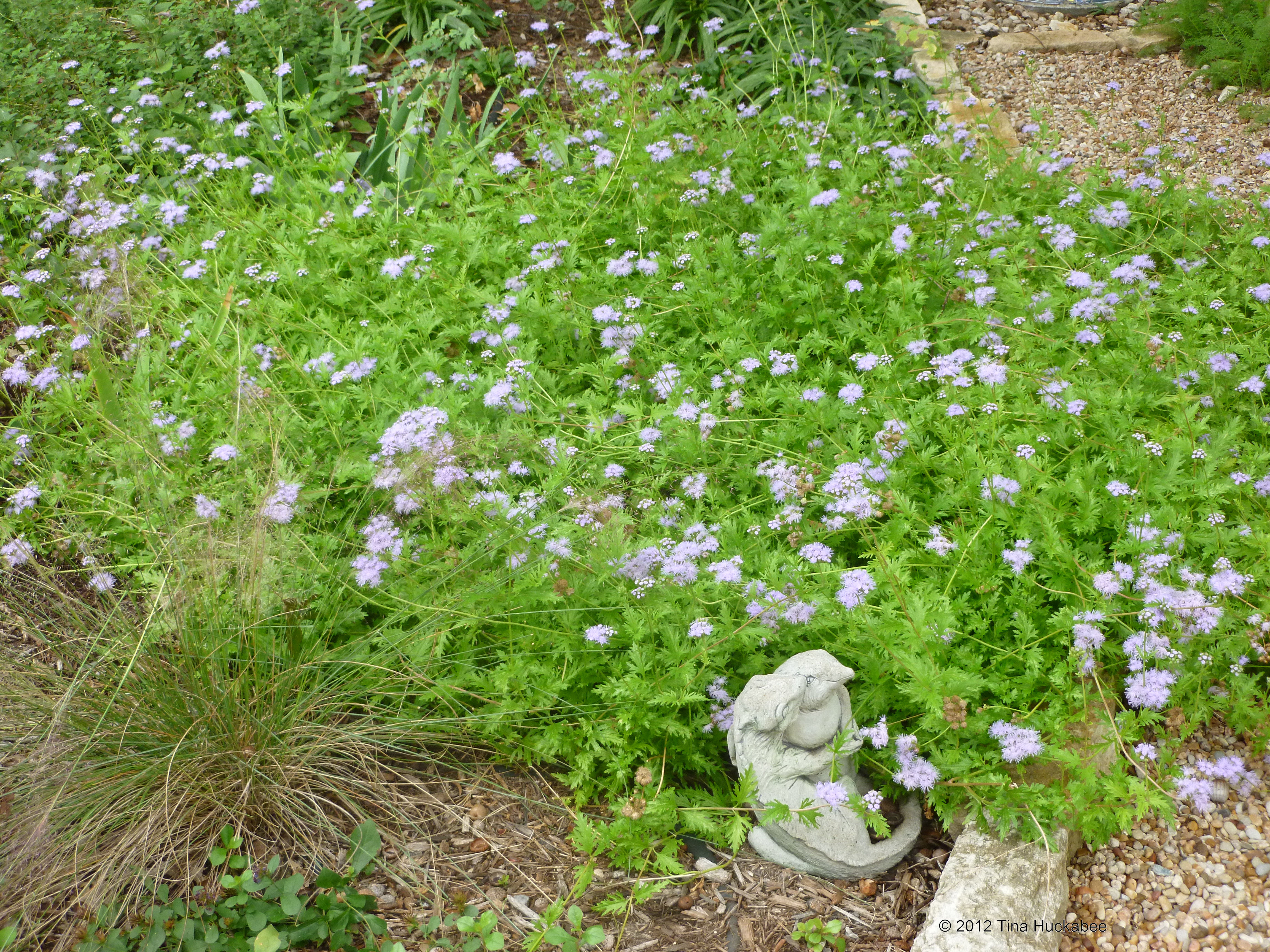
One overview look at a group of Gregg’s Mistflower (Conoclinium greggii),

and a close up of this great native perennial ground cover.  The Gregg’s Mistflower is native to Texas, New Mexico and Arizona.

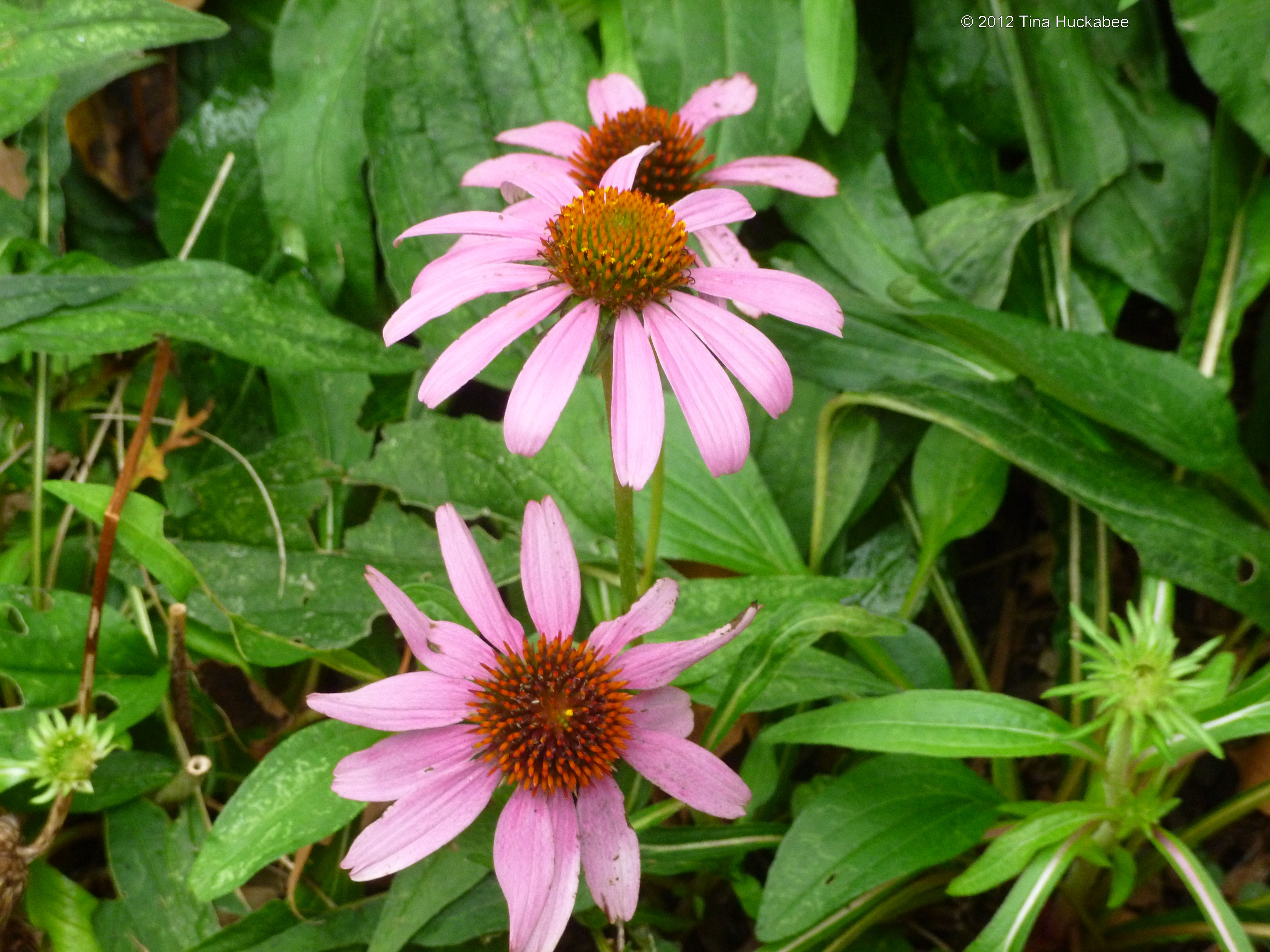
The Purple Coneflower (Echinacea purpurea), is always a winner in my gardens.  Its main bloom period is spring through mid-summer, but I always have some blooms in the fall until a hard freeze ends the glory.
A larger view of another perennial, Blue Mistflower (Conoclinium coelestinum),

and its closeup.

The two mistflower species are related, but they are a little different. It’s difficult to tell from my limited photographic abilities, but the Gregg’s Mistflower is a lighter blue, while the Blue Mistflower is much darker.  Also, the leaf characteristics are different in the two plants.  Both are perennial ground covers with the main blooming period occurring from September through November.  Both are also favorites of the butterflies and bees.

The Goldeneye (Viguiera dentata) brightens the roadsides and my gardens in October.
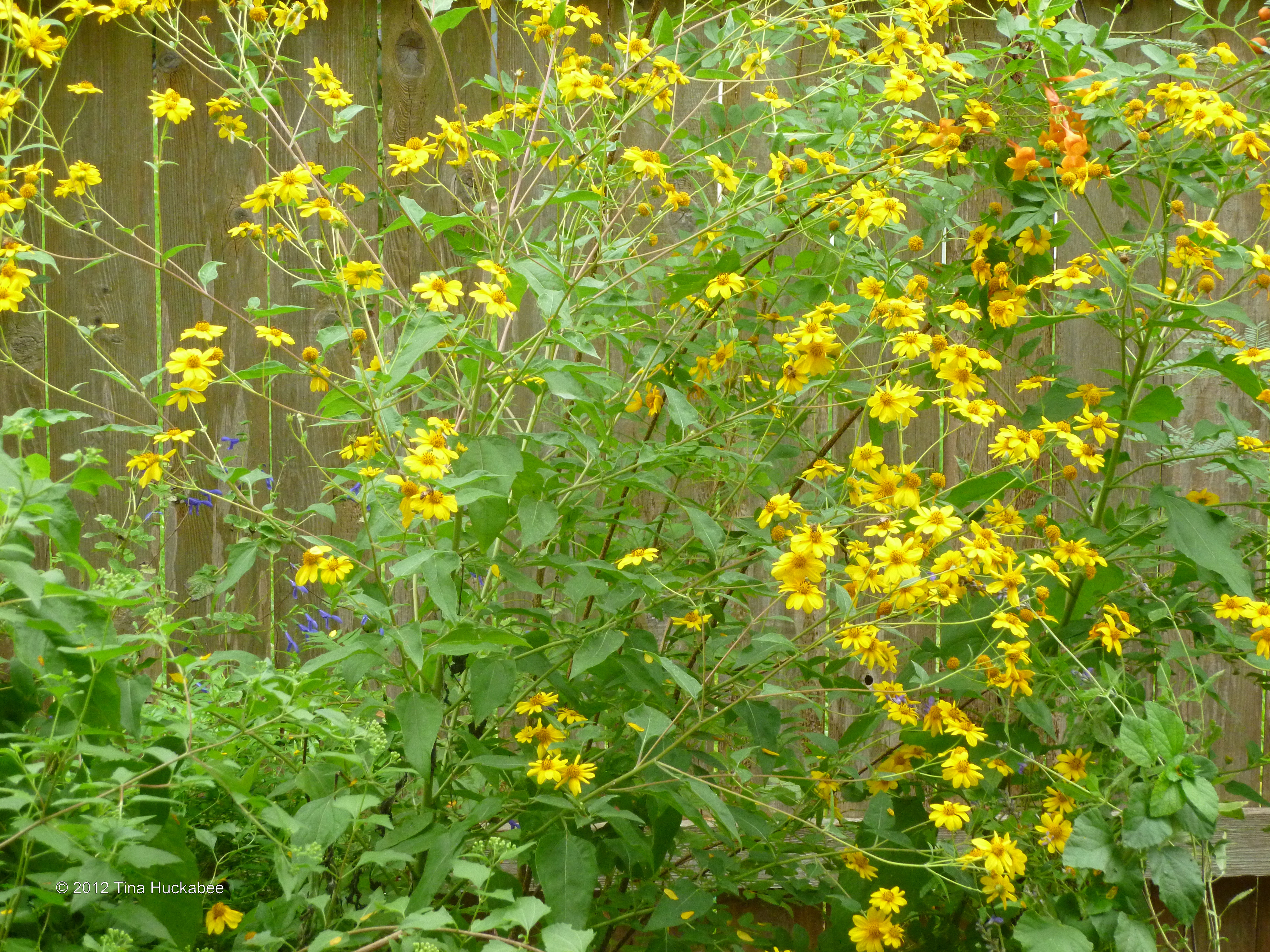
At its peak of beauty now, Goldeneye blooms in the spring and sporadically in the summer months and is an excellent wildlife plant.  It provides for pollinators and birds, alike and it’s pretty for people to enjoy too!

Fall Aster (Symphyotrichum oblongifolium) is a relatively new addition for me.

I’m glad I have a place for this hardy and sweet little aster.

A nice combination of plants:

From left to right in the photo above are Mealy Blue Sage (Salvia farinacea), some overhanging blooms from a Red Yucca (Herperaloe parviflora), at the back, some Turk’s Cap (Malvaviscus arboreus var. drummondii), a Pale Leaf Yucca (Yucca pallida), the yellow daisy, Zexmenia (Wedelia texana) and Red Autumn Sage (Salvia greggii).

Another nice mingling of native perennials:

more Coneflower, more Turk’s Cap, more Goldeneye.

The Damianita (Chrysactinia mexicana) is a plant with shocking yellow flowers paired with striking dark, green foliage.
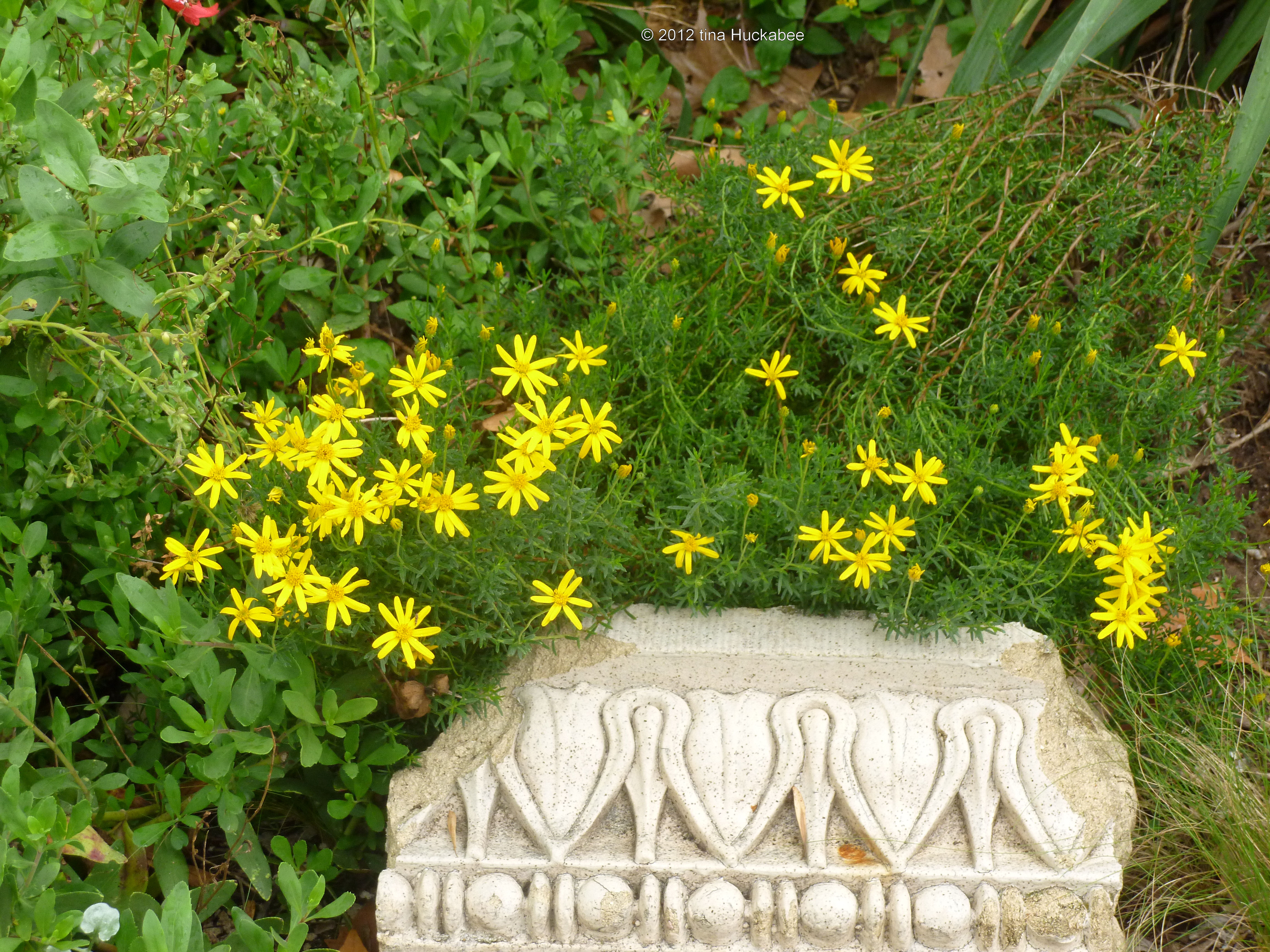
Damianita blooms on and off for the growing season and is native to Central/West Texas and New Mexico.

Texas native plants fit well within the palette of a large mixed perennial garden.

Natives that are blooming are White Autumn Sage (Salvia greggii), Henry Duelberg Sage (Salvia farinacea, ‘Henry Duelberg’), Yellow Bells (Tacoma stans), Big Muhly (Muhlenbergia lindheimeri).

Wherever you live, plant natives in your gardens.  They’re easy, hardy and reliable and attract wildlife to your gardens.

For more information about native plants of North America, check out the Lady Bird Johnson Wildflower Center site.

Go natives!  Go garden bloggers!

Mexican Orchid Tree Blooms–Finally!

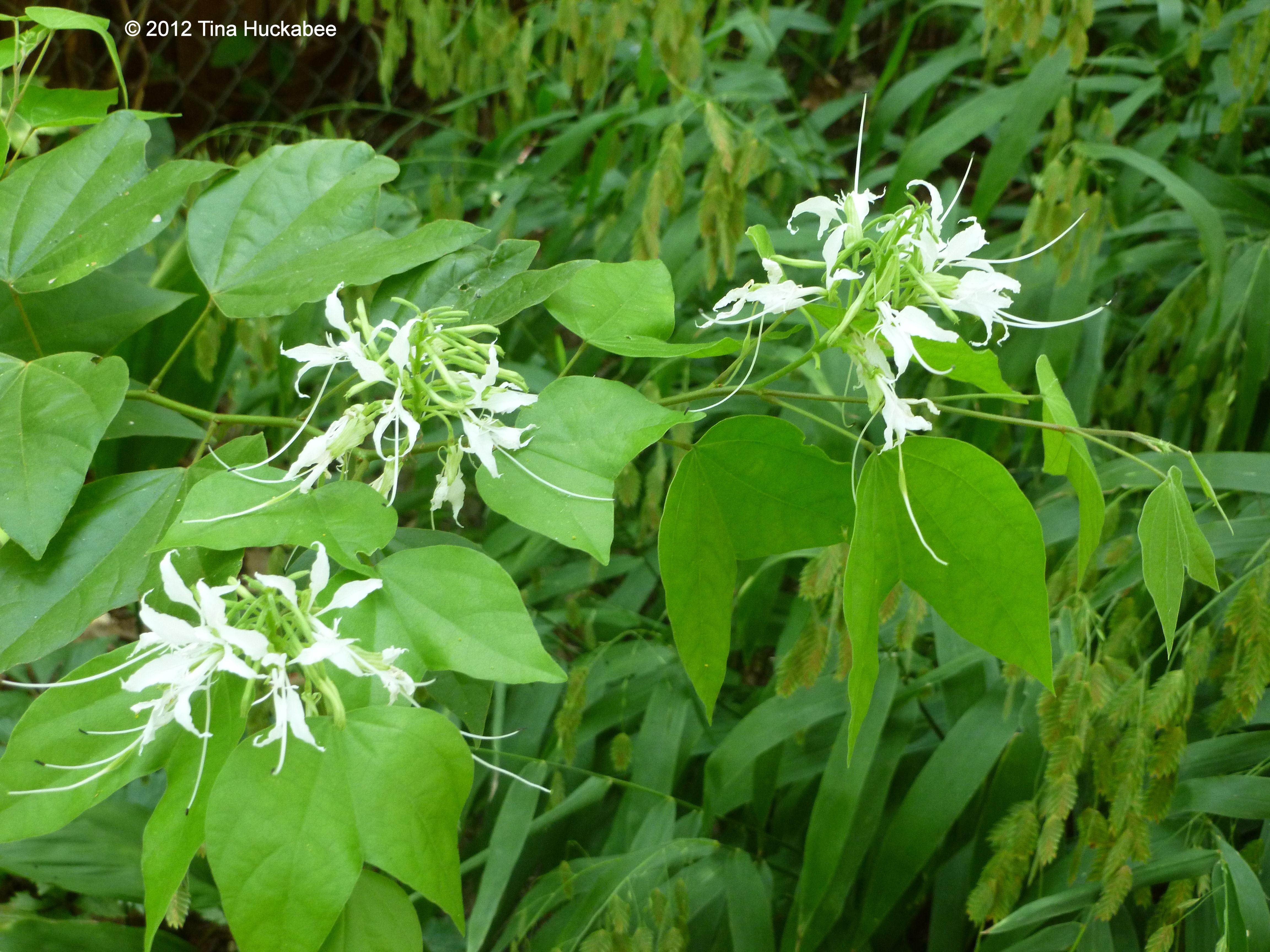
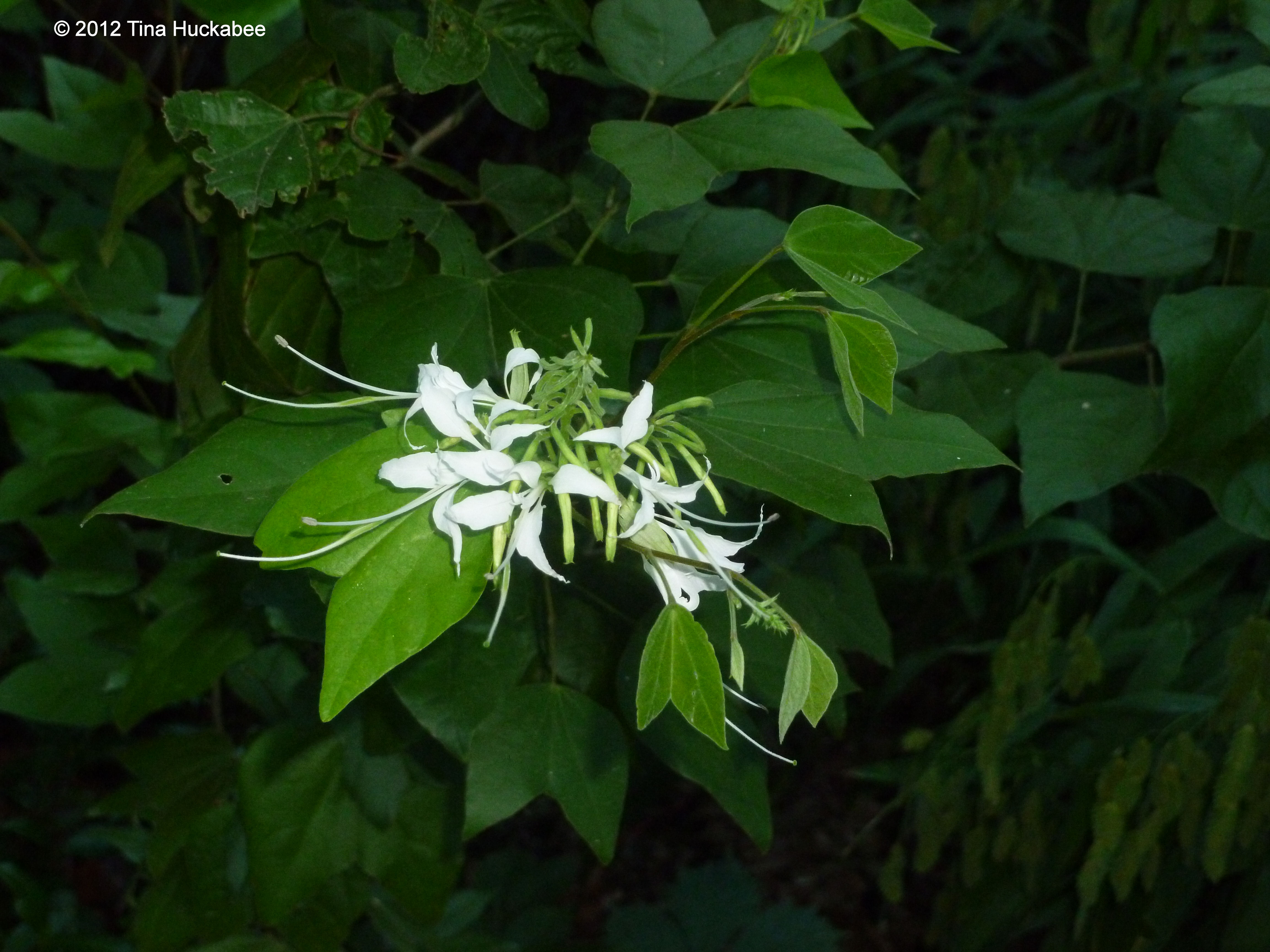
The Mexican Orchid Tree (Bauhinia mexicana),  I planted as a tiny seedling in October 2010  bloomed recently.

Yeah, I think it was worth the wait.

A friend  gave me a 4 inch seedling while I was helping with her garden.  I knew a little about the plant and that the Mexican Orchid Tree grows well in shade, though it doesn’t get as  large, nor blooms as prolifically as in full sun.  I dutifully planted the seedling in a dappled shade spot and waited.

The seedling died back during winter.  I didn’t expect it to survive because of two very hard freezes and the seedling, while well-mulched, hadn’t much time to establish.  The Mexican Orchid Tree reemerged in late spring of 2011.  It survived the Summer from Hell (2011) and grew throughout last year, only to die to the ground again during  winter, 2012.

Planted in a shady spot, my Mexican Orchid Tree will never become a “tree” for me.  It’s  an open and airy shrub, with (for now) two main branches.  Planted  in a garden with Turk’s Cap (Malvaviscus arboreus), Cast Iron Plant (Aspidistra elatior), Inland Sea Oats (Chasmanthium latifolium) and assorted shade-tolerant plants,

it adds interesting foliage,

and lovely white blooms which brighten the shady area.

If planted in full sun, the Mexican Orchid Tree grows to 8-12 feet in height with a 6-8 foot spread. Reportedly deer resistant, it’s known as a great butterfly attracting plant, although.  I haven’t observed any butterflies on my blooms. I would consider it a xeric plant.  I haven’t  given any extra water other than the two times/month that is my norm and it’s grown well.

The flowers are beautiful,

and fragrant, too.

Here in Austin, the only two nurseries which regularly carry the Mexican Orchid Tree in stock are Barton Springs Nursery and The Natural Gardener.

Patience is a virtue (so I’m told) and I’m glad that I waited for this lovely addition to my garden.

Rocky Mountain ‘Hi’

Breaking a promise  to never write about vacations (or outdoor furniture arrangements), I’m posing some pics of a few  wildflowers I observed  when I visited Rocky Mountain National Park  in late June/early July.

According to most sources, there are about 1000 species of wildflowers in Rocky Mountain National Park.  Unseasonably hot in the Rockies when I visited, the wildflowers were at their peak, even  in the alpine area.    The Rockies  experienced drought conditions for the past year or so with little snow during winter and limited spring/early summer rain.  That said, there were so many beautiful wildflowers in all elevations. This Texas girl is impressed.

The park’s elevations are categorized as montane, subalpine and alpine.  The montane ecosystem, located between about  5,600 and 9,500 feet in elevation hosts a large variety of the larger pines and meadow shrubs and flowers.  Depending upon whether the slope faces north or south, the soil is moist or dry.    The subalpine ecosystem, located between about 9,000 and 11,000 feet has large trees, fewer small shrubs, but many annual and perennial wildflowers.   Above 11,000 feet is  the alpine ecosystem.  This  area is above the tree line and experiences harsh and rapidly changing weather conditions for much of the year.  There are no tall trees, only low growing plants and the area is tundra.   In this area, about 350 species of wildflowers exist and thrive.


One of the first flowers I noticed was the Alpine Bistort (Polygonum viviparum) because it was everywhere along the slopes in the alpine region.  I  realized that this flower commonly grew at the lower elevations, as well.  The lower elevation species of Bistort is the American or Western Bistort (Polygonum bistortoides).  Alpine plants tend to be smaller in height and cling closer to the ground to withstand the harsh winds and cold temperatures.  The Bistort are a good example of this adaptation:  Alpine Bistort are about 4-6 inches tall, while American Bistort sport flower spikes to about 12 inches or more.  I love the white inflorescence on the single stem of Bistort.  This flower brightens  meadows and  forests alike.

According the knowledgeable and enthusiastic park rangers, the Alpine Bistort is typically pollinated by flies because it’s  too cold for bees and the American Bistort is pollinated by bees and butterflies.  Interestingly, the Alpine Bistort is less sweet-smelling (stinky, in fact), which  attracts  flies, while the American Bistort has a sweeter fragrance, which makes the bees happy.

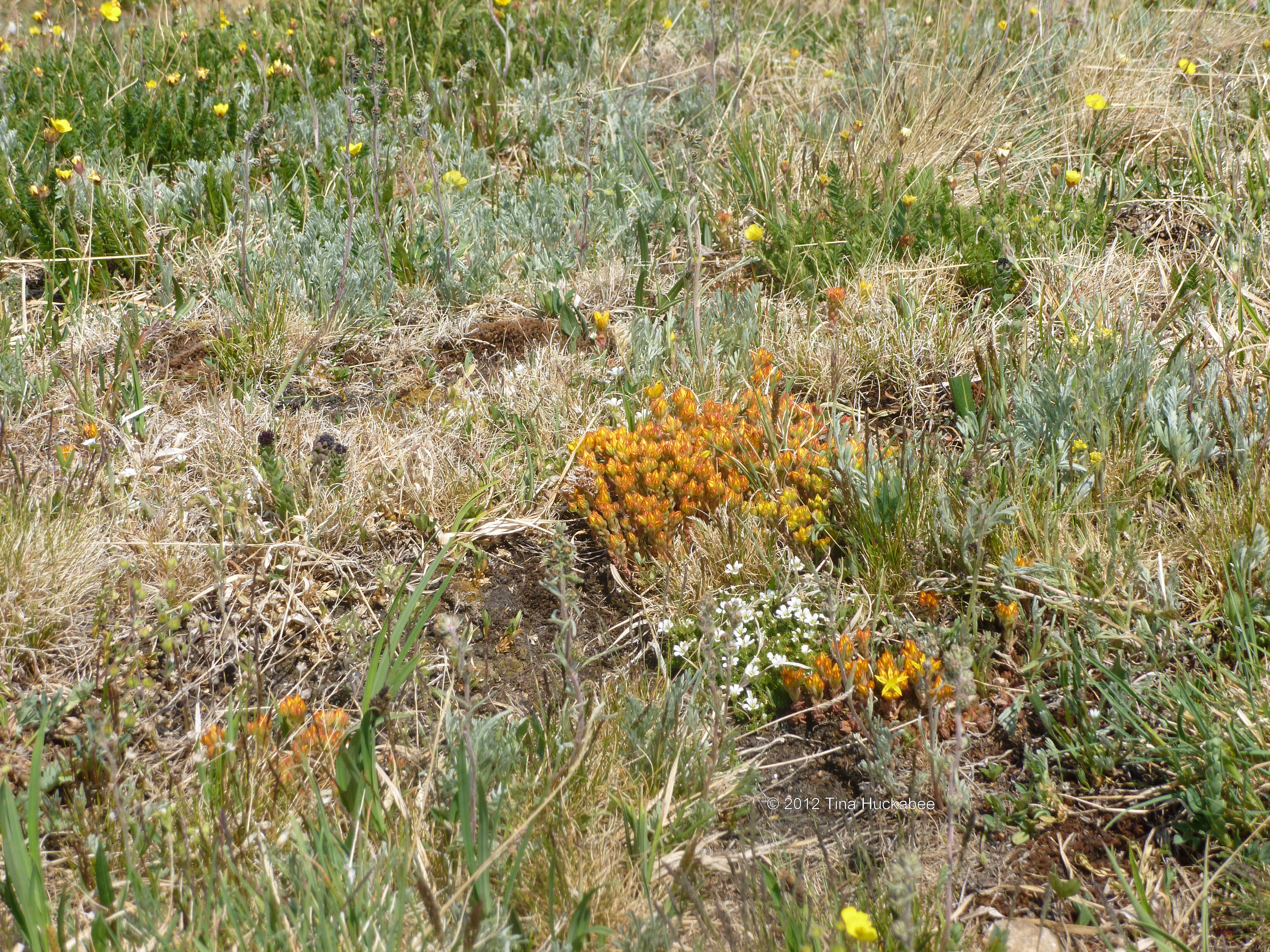
Another common  plant   found at all elevations is the Yellow Stonecrop (Amerosedum lanceolatum). I noticed that the Stonecrop plants in the tundra had orange in the stem and flower parts of the plants and I was informed by a park ranger that those plants have more “anti-freeze” to withstand the normally deep snow and sub-zero temperatures of the long winter months.  The Stonecrop plants in lower elevations tended toward a pure yellow.

One more commonly growing plant at all elevations is the Shrubby Cinquefoil (Dasiphora fructicosa ssp. floribunda)

  
In both photos, the pretty, bright yellow flower grows alongside Pearly Everlasting (Anaphalis triplinervis).
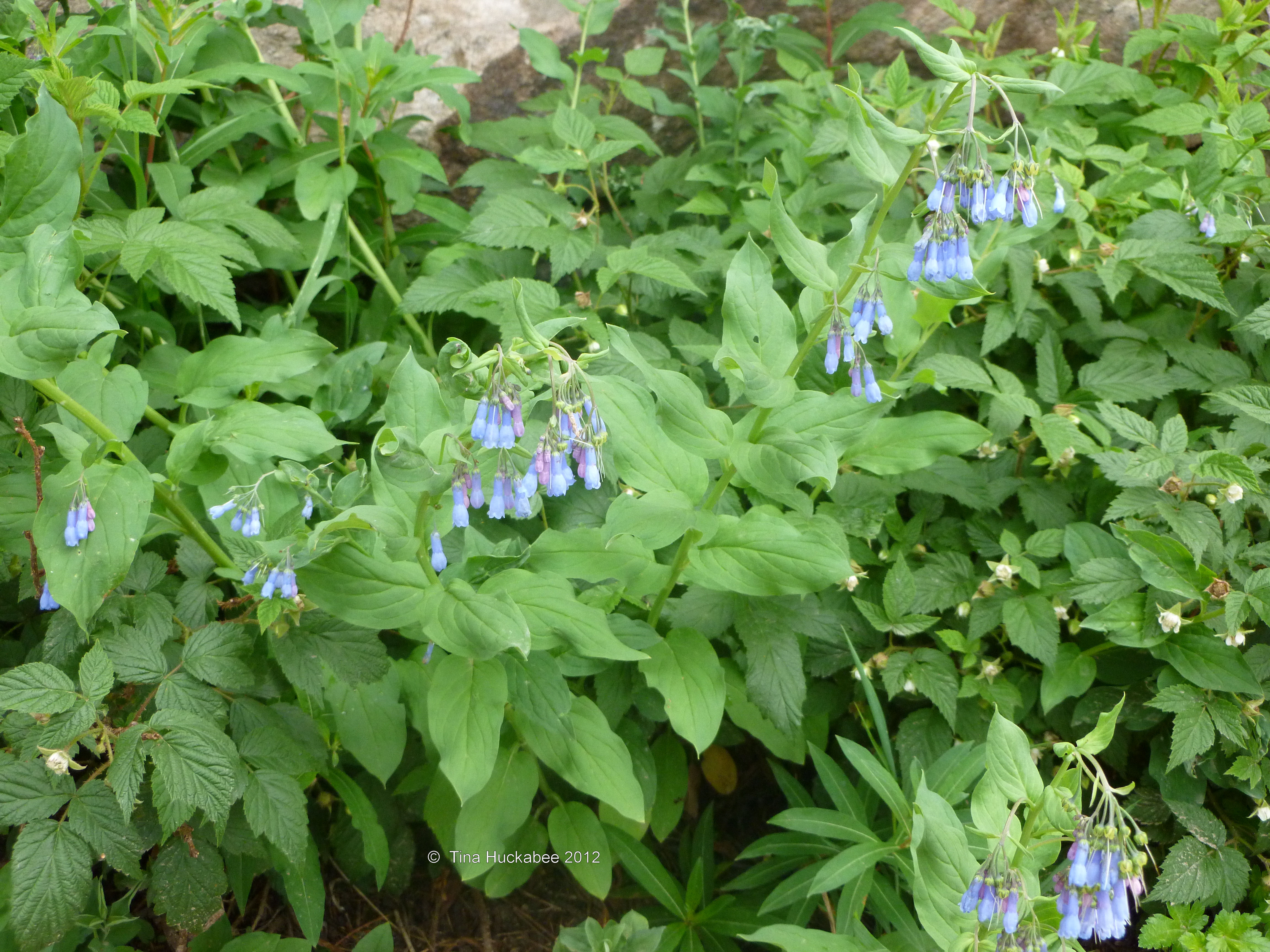
 I think Chiming Bells are my favorite flowers in the Rockies.
The opened, drooping flowers are blue, but those that haven’t yet opened are lavender–such a lovely combination.
There are two varieties of Chiming Bells in the park: the Tall Chiming Bells (Mertensia ciliata) and Lanceleaf Chiming Bells (Mertesia lanceolata).
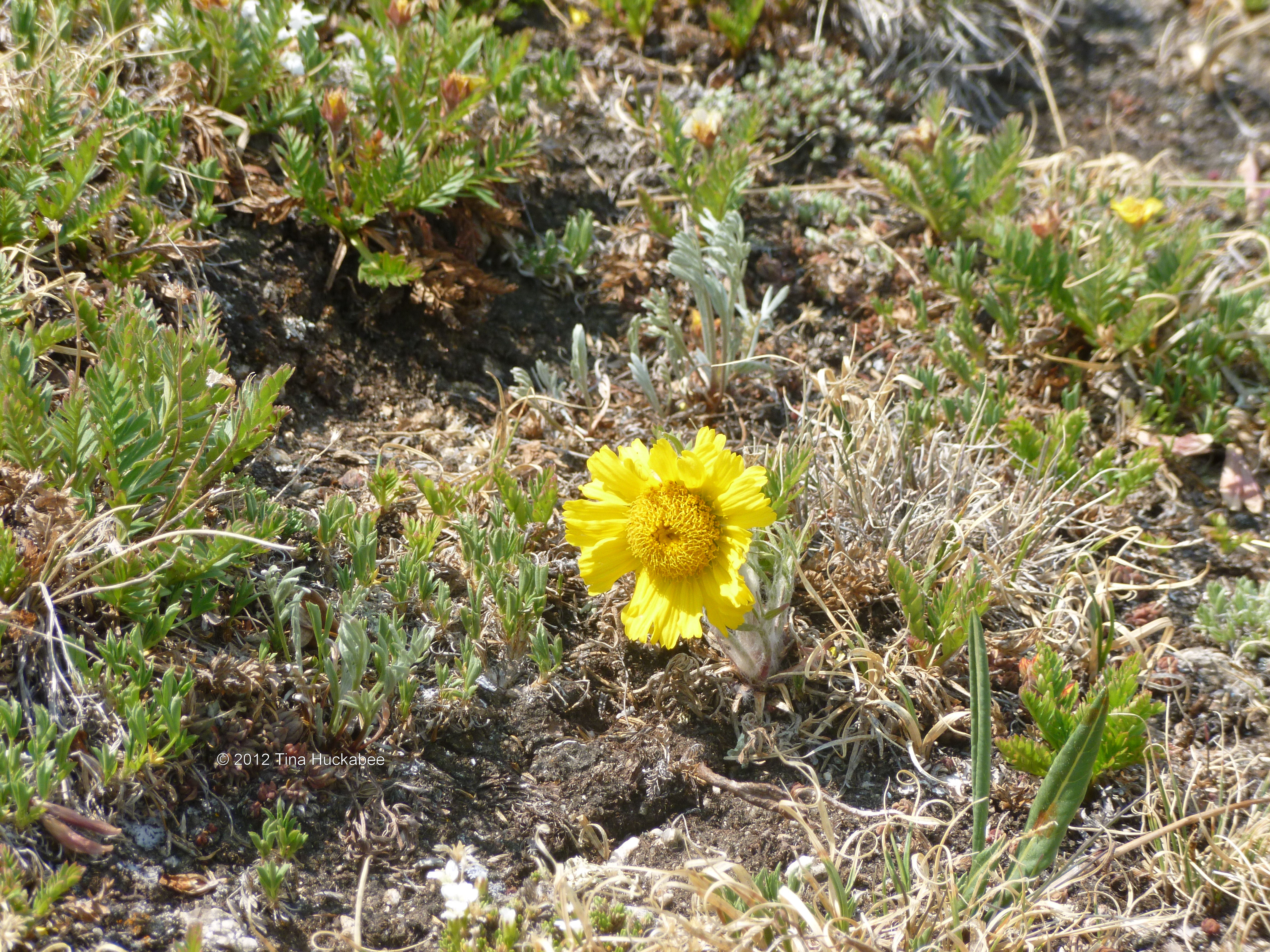
 The Old-Man-of-the-Mountain  (Rydbergia grandiflora),
is a tundra sunflower which blooms only after a couple of decades of growth.  It sets its seeds, then dies.  One  reason that park officials discourage hikers from walking in certain areas of the tundra is that tundra plants are vulnerable to damage from hikers. Walk lightly, y’all.
Cow Parsnip (Heracleum maximum) was everywhere.  (It’s the white flower below.)  
Seen here, it’s consorting with Dusky Beardtongue or Whipple’s Penstemon (Penstemon whippleanus).  Isn’t that an AWESOME name? Whippleanus. (Yes, I do live with an adolescent male.)
Wild Rose (Rosa woodsii)  grows in most areas of the park,
but I didn’t see any  in the tundra.
My second favorite hike is a trail which leads to a series of three lakes.  The second of the three, Nymph Lake, has water lilies atop throughout the summer months. 
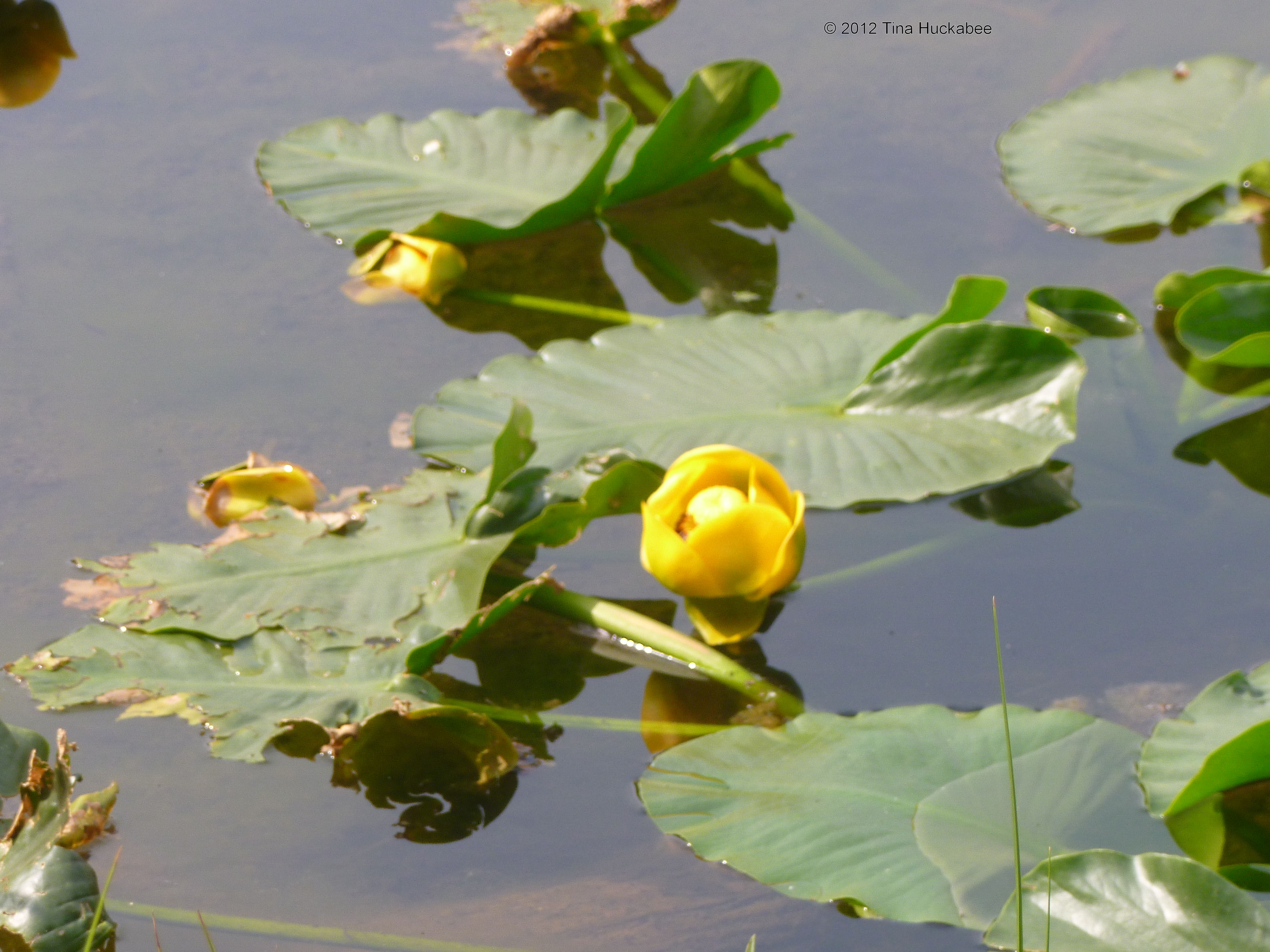
This water-lily (Nuphar lutea ssp. polysepula), is a common lake lily in the western part of  the United States.
I don’t have the time or knowledge to post about all of the flowers I was fortunate to see.  Suffice to say that there are lots of wildflowers in Rocky Mountain National Park and I’m grateful for the foresight and wisdom of those who set aside this magnificent area for all to enjoy.   I appreciate the many employees and volunteers  in  the Rocky Mountain–National Park Service  whose knowledge, enthusiasm and love maintains the integrity and beauty of this special place.
I’ll definitely make another trip,
I’ll just have to remember to pack the llamas.