Everyone Eats Here!

This plant,

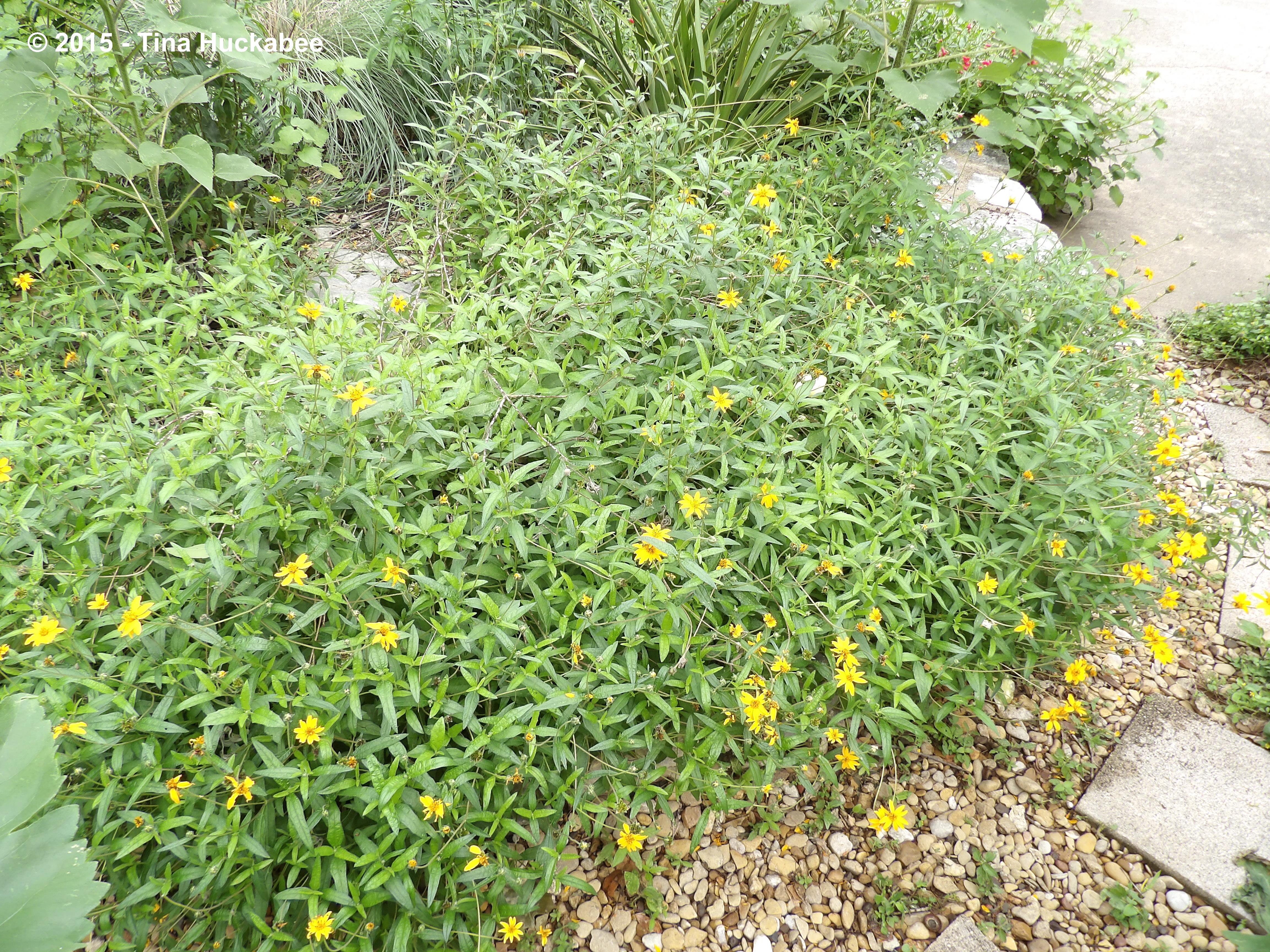
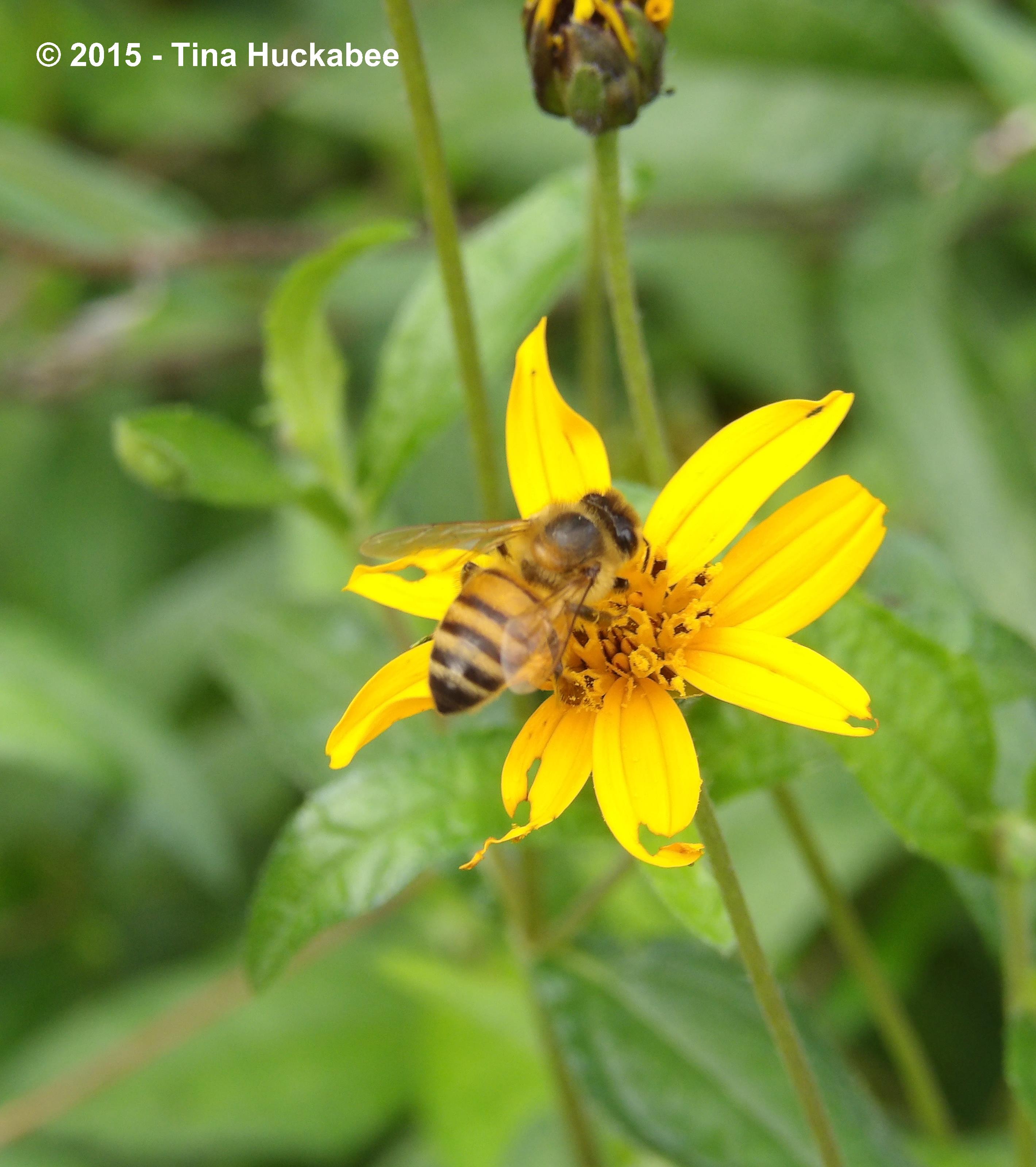
IMGP8094.new Zexmenia or WedeliaWedelia acapulcensis var. hispida, is the restaurant of choice for wildlife in my gardens.  Trendsetter insects like Ms. Honeybee,
IMGP8086_cropped_2839x3198..new

…and Ms. Texas Mason Bee, Osmia subfasciata (?),  experiment with Zexmenia’s specialty menu, the well-known nectar de jour.IMGP8064_cropped_3180x3087..new

IMGP8065_cropped_3460x2848..new

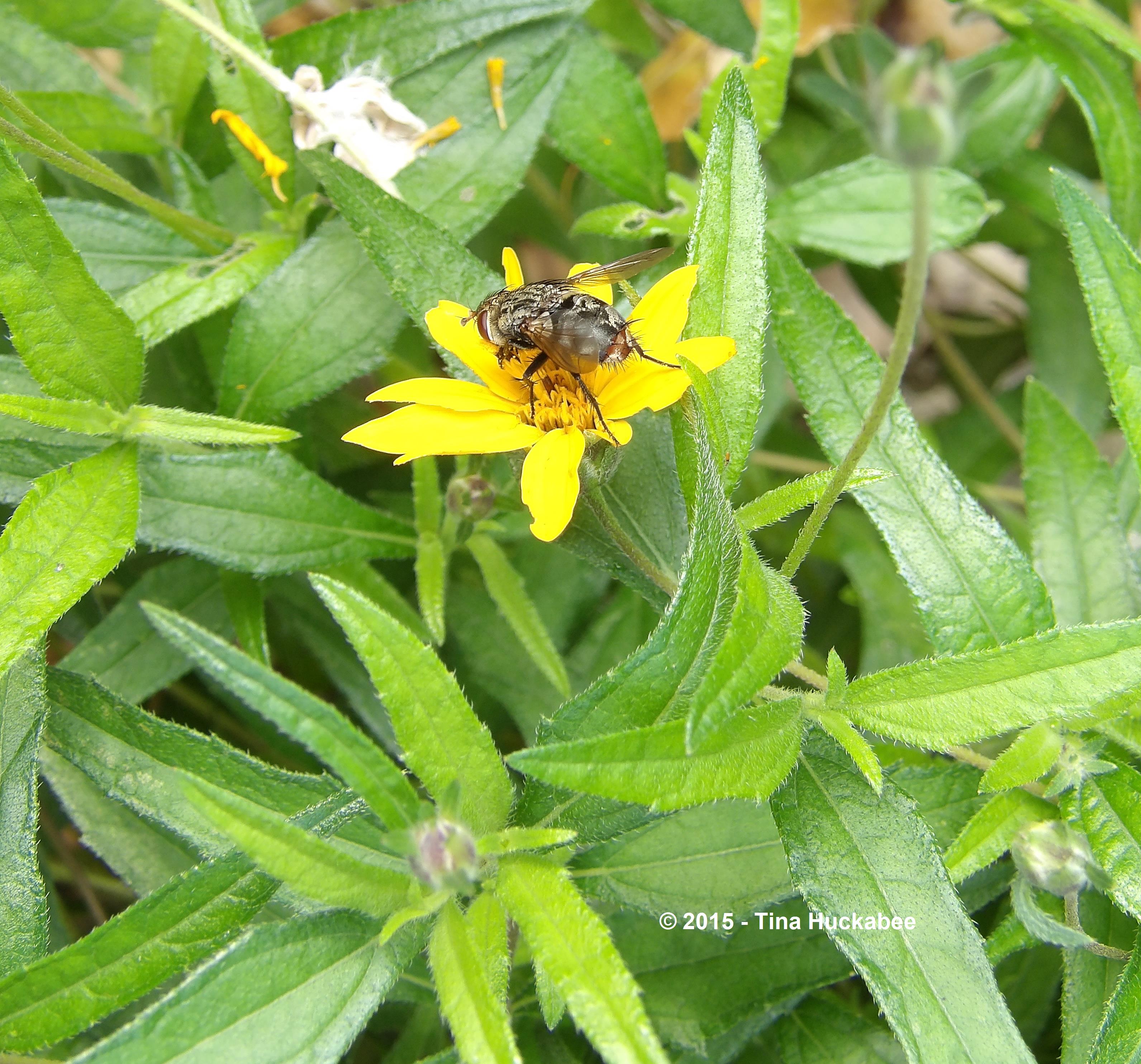
Out for the evening, a member of the Muscidae clan partakes in the melt-in-the-proboscis Asteraceae ambrosia.
IMGP8069_cropped_3183x2967..new

All three of those Zexmenia aficionados slurped delicious and nutritious nectar  from this native Texas insect cuisine.  Ms. Honeybee also took home a corbicula doggy bag full of pollen.

IMGP8085.new

Butterflies also visit this popular spot for a quick nosh. The trendy Dun Skipper, Euphyes vestris, IMGP8265_cropped_3134x3226..new

…and the Matthew McConaughey handsome Texas CrescentAnthanassa texana,  just rave about Zexmenia’s menu.   Alright, alright, alright.IMGP8258.new

But the  Spotted Cucumber BeetleDiabrotica undecimpunctata, isn’t a welcomed patron of most vegetarian restaurants.

IMGP8084_cropped_3590x2737..new

Maybe he just popped on for a sip?  As well, another rude patron is this caterpillar, IMGP8070_cropped_3035x3827..new
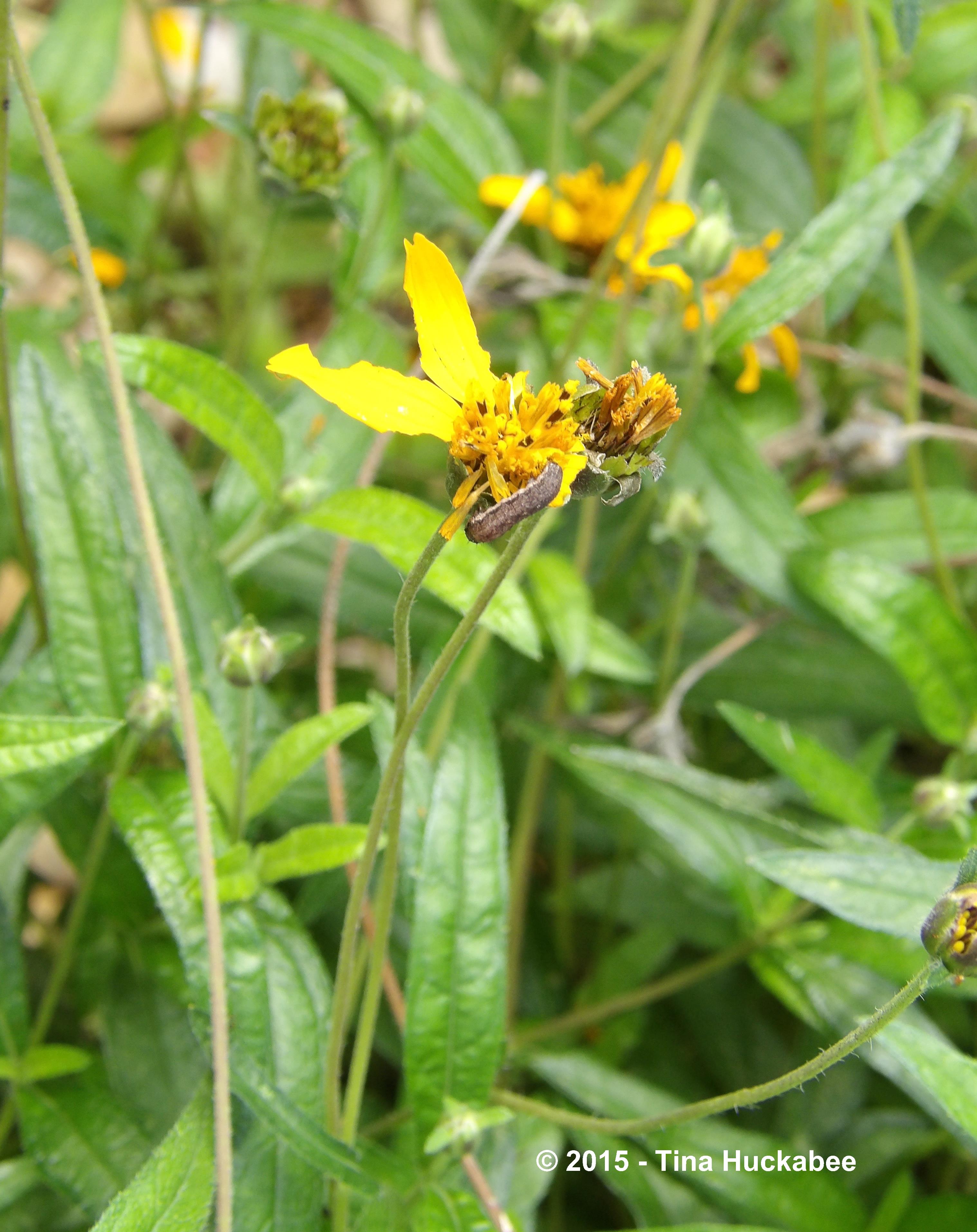
…which, instead of drinking or gathering pollen, is a destructive consumer of the flowers. Zexmenia is the host plant to three different butterfly species, so it would be natural to find some caterpillars on the leaves, but this fella is munching on the bloom, which shows poor manners.  He’s so immature.  I imagine once the caterpillar grows up, she/he will be a better mannered butterfly or moth guest and only nip daintily and spread pollen productively.

Zexmenia is a plant that all the groovy insects hang out on.  This female Plateau SpreadwingLestes alacer, is definitely part of the cool crowd.

IMGP8311_cropped_2756x2921..new

And some, like the Green AnoleAnolis carolinensis,  come to Zexmenia to see other patrons.
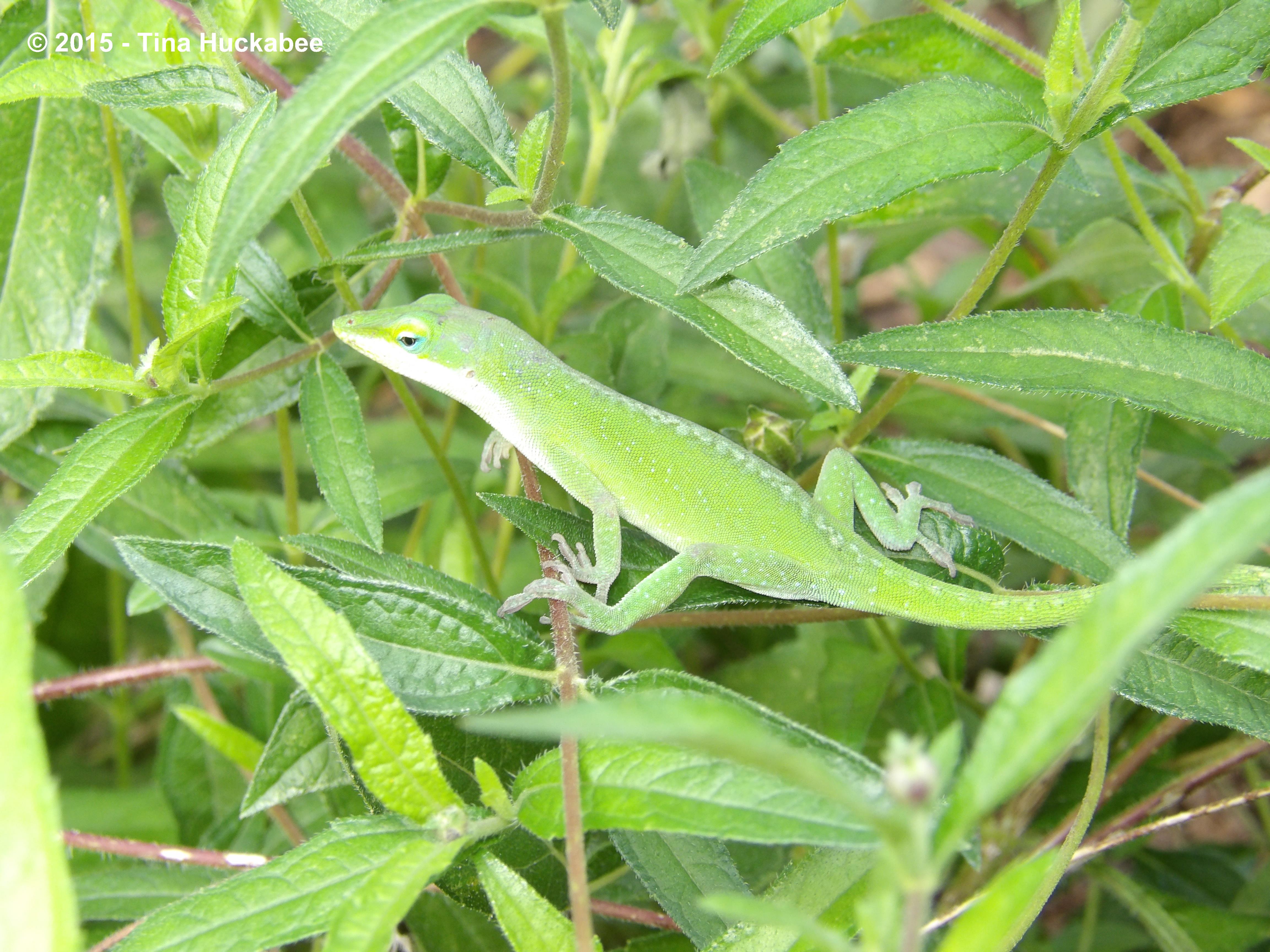
IMGP8074.new And, maybe eat them.

This is a great place to wildlife watch–a place to see and be seen.  Zexmenia provides a satisfying and elegant dining experience for many tastes and palates.   Make your reservations and try it this weekend!
Central Texas Floods

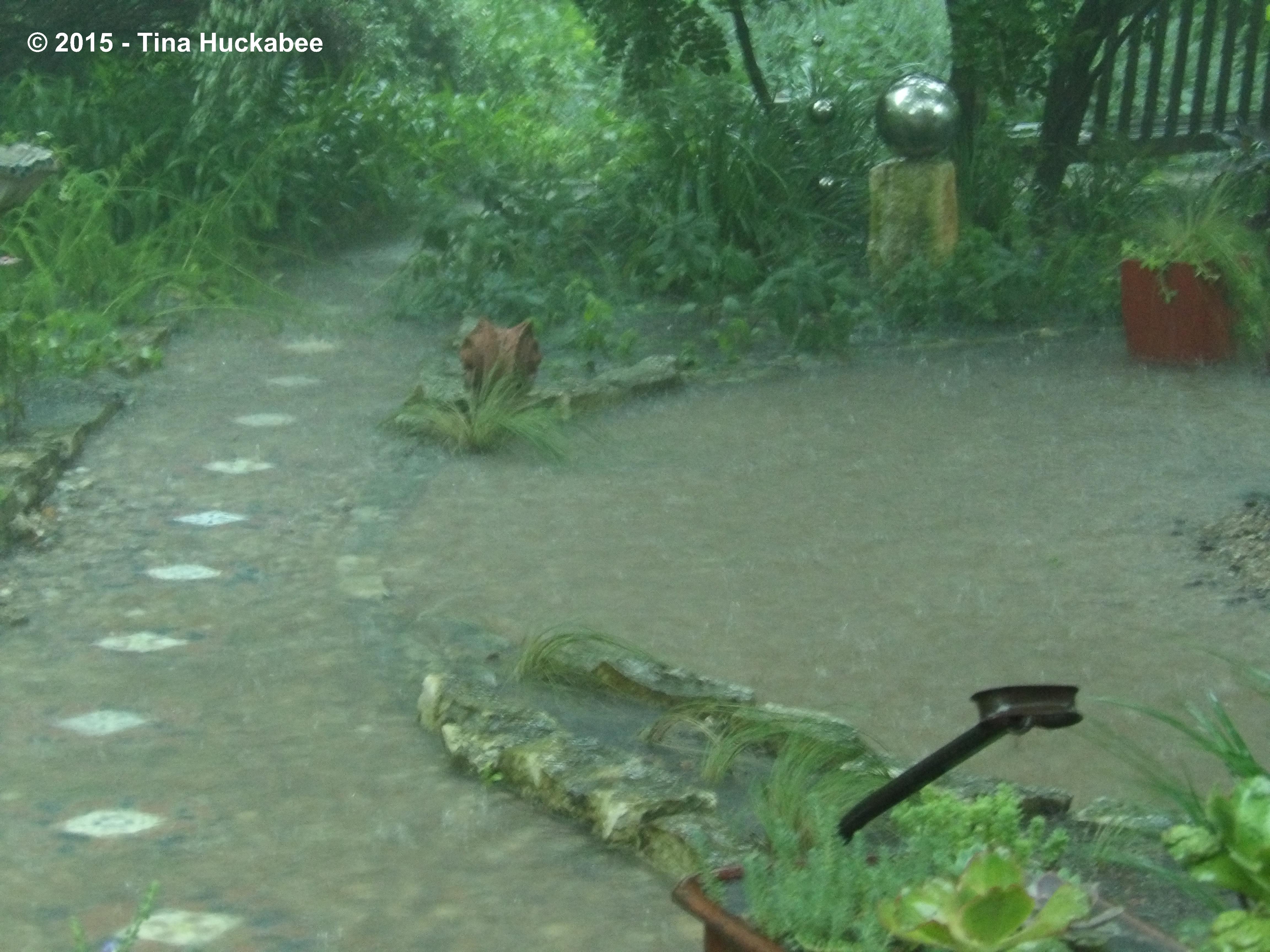
There is a reason that the  Austin area is considered “one of the most flash-flood prone regions in North America”.  According to the Lower Colorado River Authority, Austin has received between 8 and nearly 16 inches of rain in the last two weeks and the ground was saturated before that.  Today, 3-4 more inches dumped on Austin and its surrounding area from a round of severe thunderstorms. Rivers and streams throughout Central Texas are spilling over, flooding, causing damage, and endangering lives.  Additionally there have been tornado warnings throughout the day and continue for some.  Once again, Central Texas has proved that it’s subject to flooding and with disastrous results.

IMGP8426.new

On Saturday, the beautiful little Blanco River overflowed its banks, inundating the nearby towns of San Marcos and Wimberley, as well as other smaller communities.  As of now, there is at least one dead and a number, not yet determined, missing. Homes washed away, businesses flooded, stately Bald Cypress Trees, alive when Texas was part of Mexico, were uprooted and tossed aside like skinny twigs; the damage is hard to look at and comprehend.  Throughout Texas and Oklahoma, severe storms and heavy rain has been the norm over the past few weeks.  Late spring weather patterns can produce severe weather events in Central Texas.  Having suffered an 8 year drought and with the unfamiliarity of Central Texas’ mercurial weather patterns, many who’ve moved here in the last couple of decades don’t realize  how catastrophic heavy rainfall is.

IMGP8424.new

IMGP8420.new

IMGP8419.new

IMGP8418.new

I’ve lived in Austin since moving here in 1978 to attend The University of Texas.  I  was a student during  the historic 1981 Memorial Day flood; thirteen people died that day.  You can read about that devastating event here and here and here.  The flooding of these past few days will probably not be the history maker that the 1981 flood was, but it’s bad enough.

IMGP8416.new

IMGP8413.new

This rain “bomb” may be what breaks our 8 year drought–time will tell.  The local lakes, which supply water to this increasingly populated region of the U.S.  are rising and quickly, though none are at full capacity yet.  The higher levels of Lake Travis and the other dammed reservoirs in Central Texas is the positive result of the heavy rainfall and  resulting flooding.  In Texas, it is often a spring flooding event or a late summer/fall tropical storm or hurricane that breaks the hold of a drought.

IMGP8449.new

IMGP8443.new

The water flows away from my house because I built rock walkways to divert heavy rainfall.  This afternoon, the walkways looked and acted like flowing rivers.IMGP8442.new

IMGP8441.new

Here in Texas, you learn to take the good with the bad.

IMGP8402.new

IMGP8400.new

IMGP8395.new

My own home is fine.  My family and neighbors are all safe. Water-logged soil with droopy plants, my gardens will recover.  As I write this, the rain has stopped and almost all of the water has drained from my gardens and pathways.   I am very grateful.

We are appreciative and full of admiration for the first responders–police, firefighters, EMS workers who risk their lives to rescue citizens from floating cars and flooded homes.

They are heroes.

The world is full of tragic stories.  It requires only few minutes of listening to or watching news to feel despondent and helpless about disasters, prevalent and ongoing, made by humans or gifted by nature.  If you feel compelled to help flood victims who have lost their homes in Central Texas, see the American Red Cross  website.  Please remember and give what you can to others who are in need–wherever they may be.

Garden Bloggers’ Foliage Day, May 2015

Joining with Christina and  Creating my own garden of the Hesperides, I’m pleased  to showcase fab foliage for May from my garden today.  We’re water-logged here in Central Texas and while I’m appreciative of the rain, I wish it would stop.  Or at the very least, slow down a bit.  My soil is heavy and wet, but my plants are happy.  What I grow in my garden  can take the extremes of Texas weather: from scorching hot, bone-dry summers to frog-drowning floods.  Texas gardeners live with anything and everything.

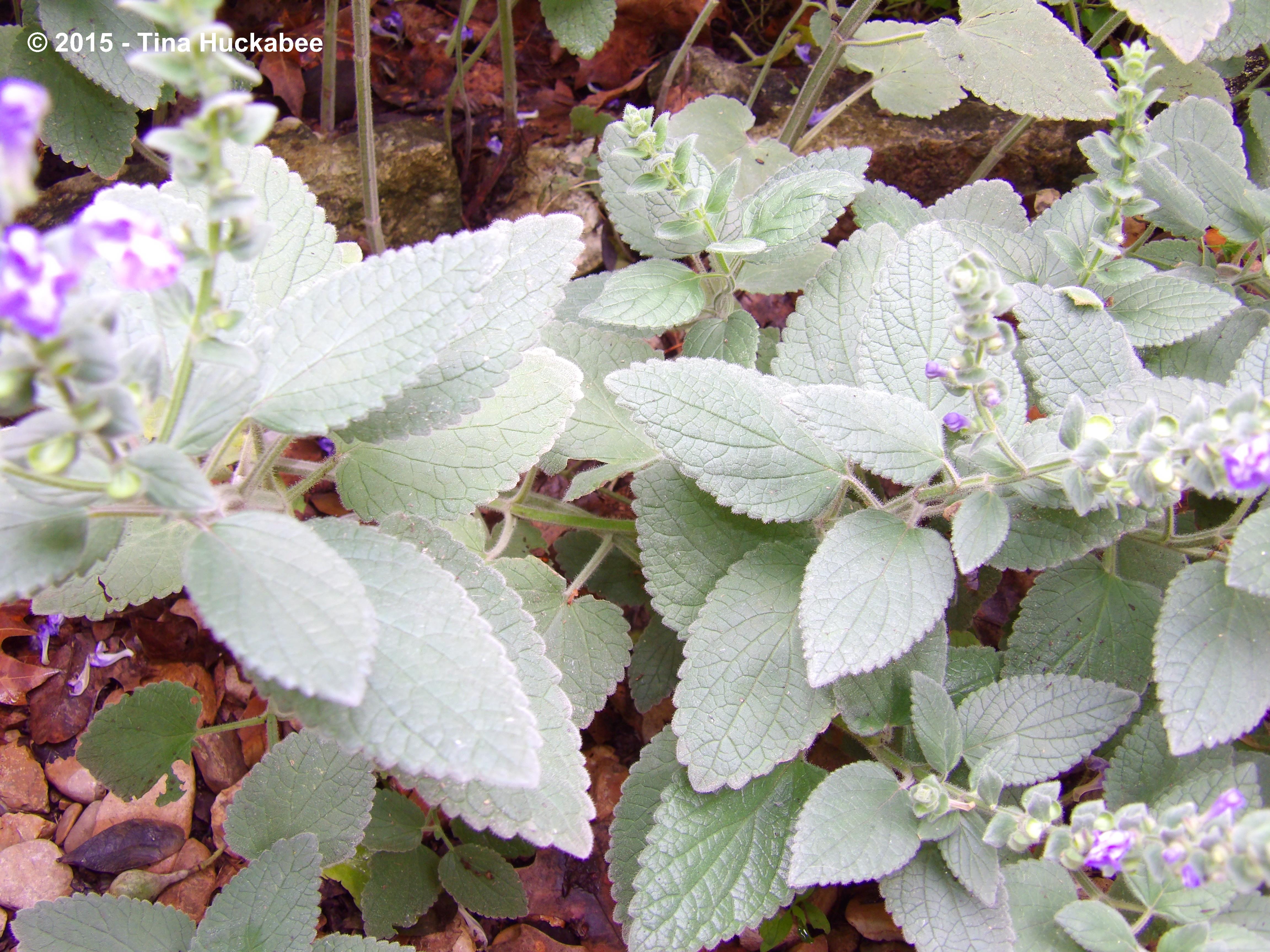
The late May star of my back garden is the Heartleaf Skullcap, Scutellaria  ovata ssp. bracteata,  a cool season perennial which does spread.IMGP7787_cropped_3259x3268..new

A lot.  But I love this groundcover.  The flowers are a stunning violet-blue, appreciated by pollinators, especially bees. Its foliage is soft and beautiful–to view and to feel.  An attractive gray-green, the leaves are thick, soft, and scalloped, while set opposite one another along a hairy stem.

IMGP8198.new

Heartleaf Skullcap foliage is nice to touch, but imparts a slightly sticky residue and this trait is (supposedly) what makes it unappealing to deer. The bit of icky-sticky left on my skin when I pull up the plants at the end of Skullcap’s growing season is its most objectionable quality to me.

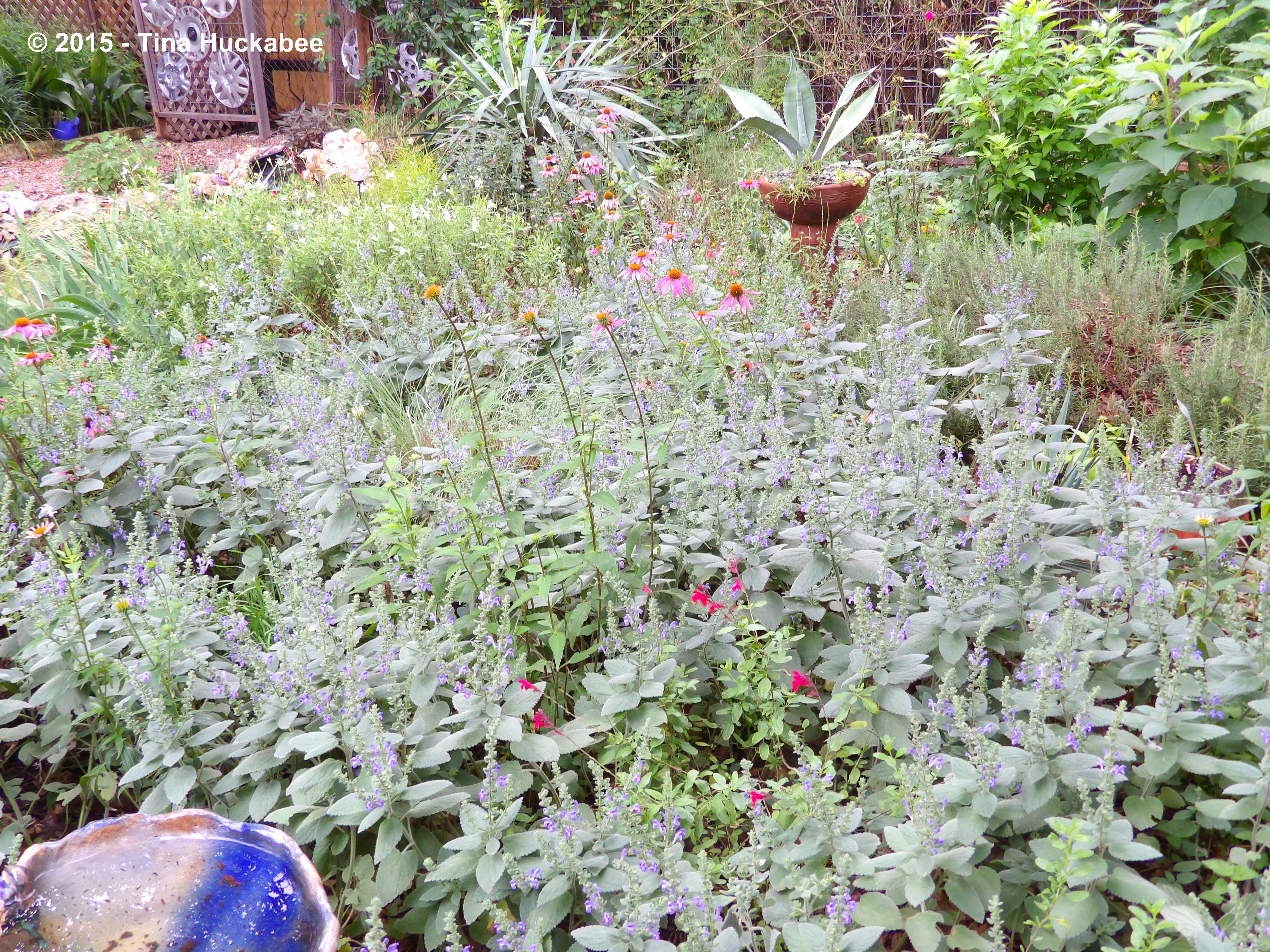
Skullcap is a favorite of mine: it waves a fetching blue/gray throughout spring and early summer and combines beautifully with many other perennials, each with their own interesting foliage.

IMGP8195.new

Below, it contrasts with  Purple Coneflower, Echinacea purpurea, and its bright green foliage,

IMGP8204.new

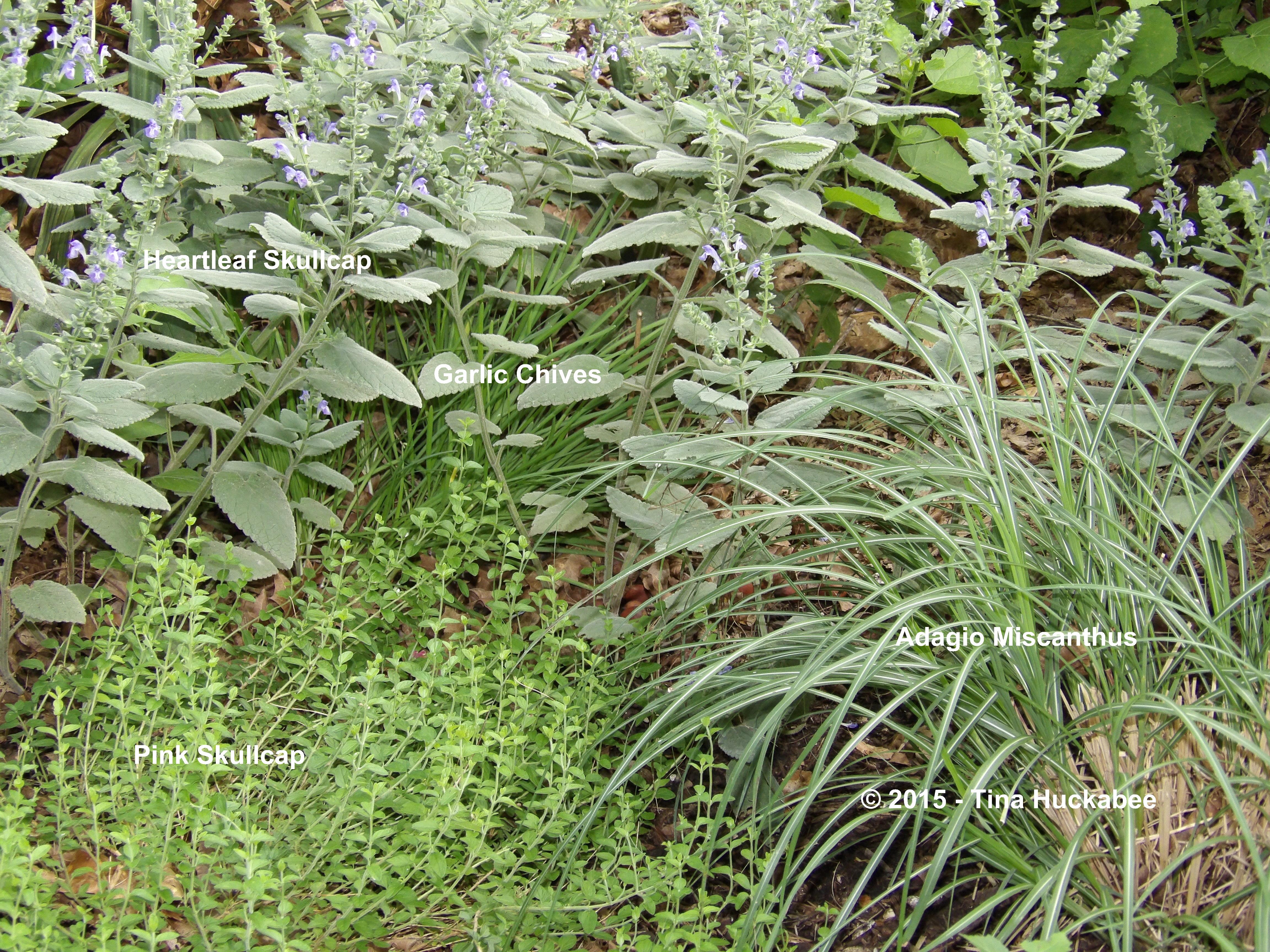
…and here, it’s planted with tiny-leafed Pink Texas Skullcap, Scutellaria suffrutescens,IMGP8228.new

…and the maidengrassy Miscanthus sinensis ‘Adagio’. Hiding underneath the Skullcap is a clump of Kelly green, aromatic, and fleshy Garlic ChivesAllium tuberosum.

A brighter, lacy green is found with Common YarrowAchillea millefolium.   IMGP8165.new

This stand provides a nice backdrop for the Protector-In-Chief.  Doesn’t he look happy and content?

IMGP8205.new

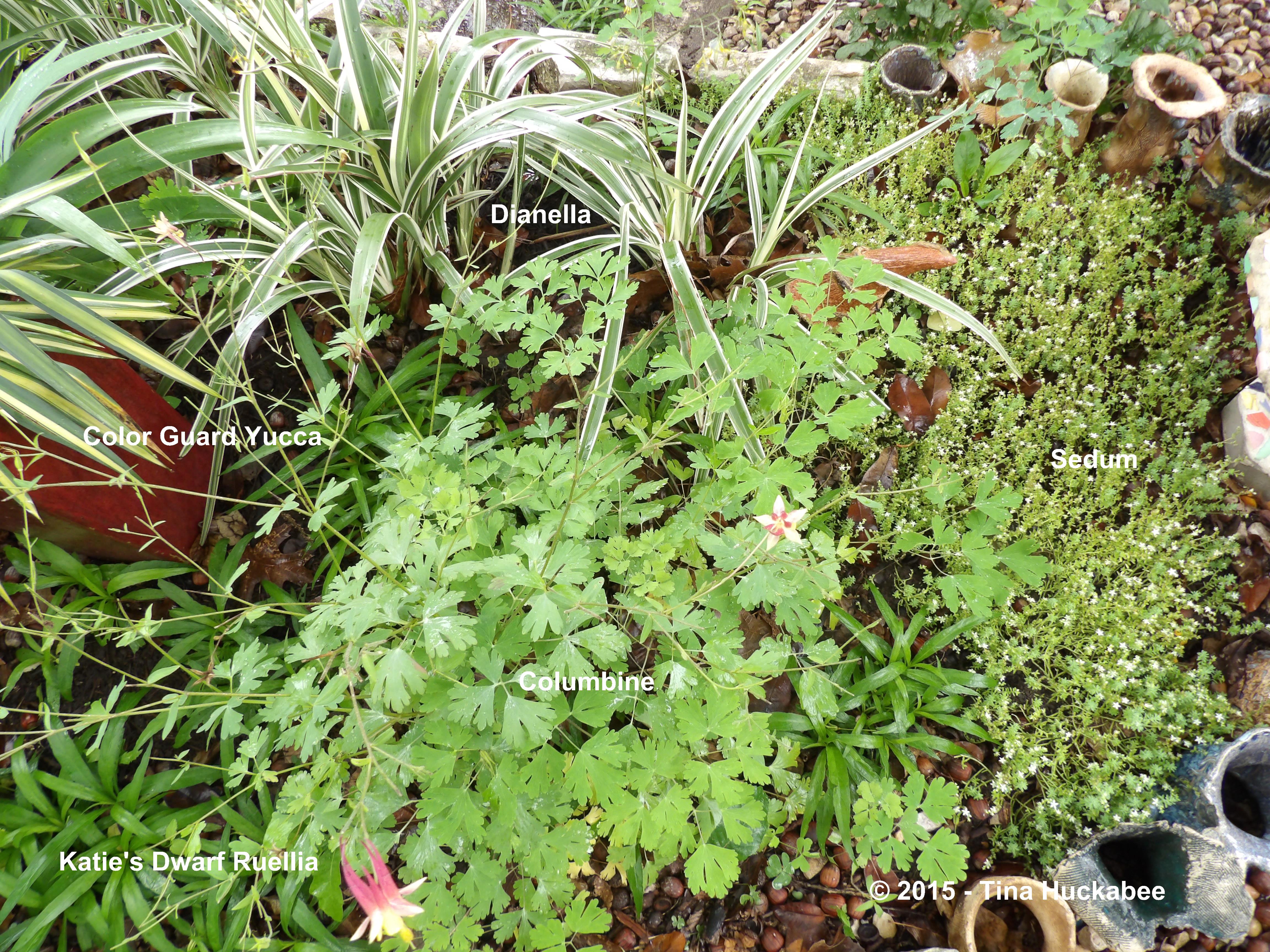
This fun grouping fills in the northern, shady border of a little back garden bed.IMGP8167.new

It’s a  mixed-bag of foliage characters, including white-stripey Dianella/Variegated Flax LilyDianella tasmanica ‘Variegata’, Katie’s Dwarf RuelliaRuellia ‘Katie’, and ColumbineAquilegia. This particular Columbine is one of the natural hybrids of my A. canadensis and A. chrysantha.  Photobombing on the far left is a containerized Yucca filamentosa, ‘Color Guard’ and some Iris straps, and spreading its succulence in the remainder of the bed is a creeping Sedum, probably Sedum diffusum ‘Potosinum’, though it’s a passalong to me from a friend, so I’m not positive of its identification.

And a bird’s-eye view….

IMGP8175.new


Isn’t Columbine foliage  pretty?  Especially so, when adorned with raindrops.

IMGP8168.new

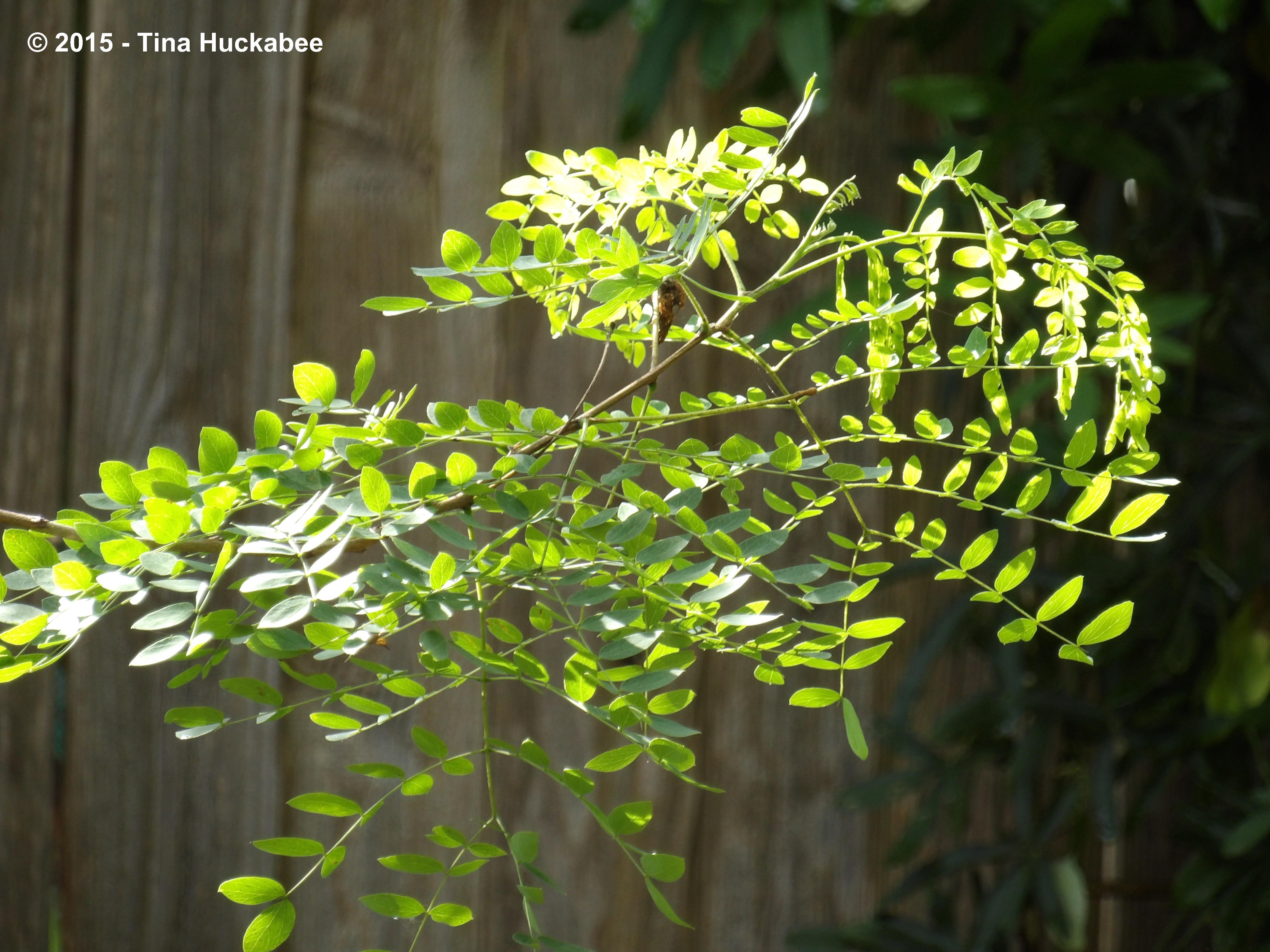
This young Goldenball LeadtreeLeucaena retusa, glows in the late afternoon west sun.

IMGP8180.new IMGP8181.new

Its fragrant, powder-puff flowers are done for the year, but the foliage will flutter in the breeze until the first hard freeze.

IMGP8182.new

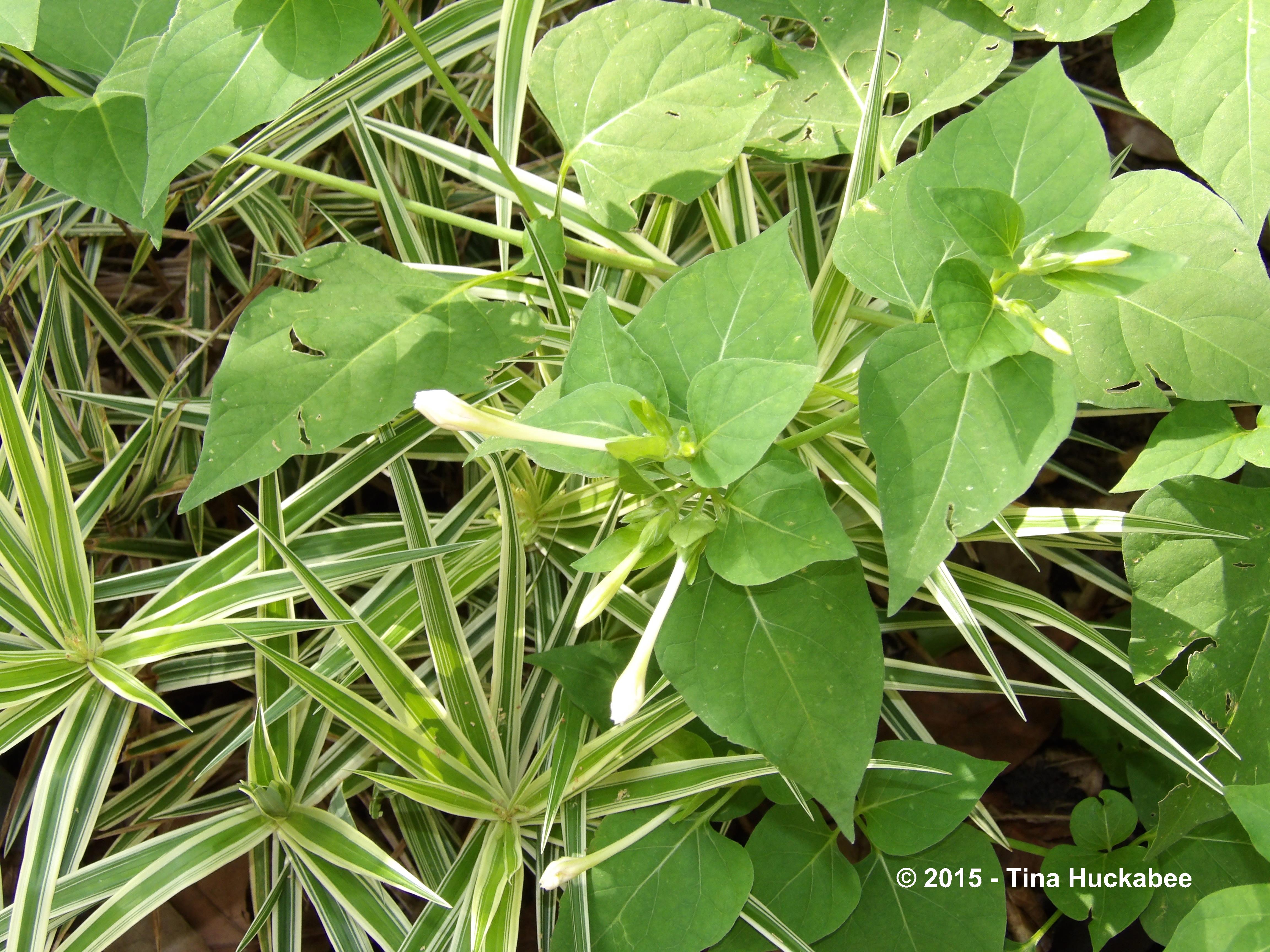
The happy pairing of the structural and evergreen Sparkler SedgeCarex phyllocephala ‘Sparkler’ and white-blooming, herbaceous Four O’Clock, Mirabilis jalapa, is garden serendipity. IMGP8226.new

The ‘Sparkler’ sports jazzy stripes in the razor-thin leaves and paired with the Four O’Clock’s lush, smooth leaves–it’s a handsome combination.

IMGP8227.new

There are many shapes, sizes, and colors of gorgeous leaves in gardens–mine and others. Take a look at the lovely Creating my own garden of the Hesperides and see interesting foliage from all over the world–and Happy Garden Bloggers’ Foliage Day!

IMGP8193.new