Greeting the new year with my first 2017 post, I’m glad to kick 2016 to the curb–good riddance, what a difficult year–but I am glad that the birds in my garden are busy with their winter work of eating, singing, bathing, gearing up for spring flirting, defending territory and providing interest in the garden and entertainment for the gardener. It’s the first Wildlife Wednesday installment for 2017, where critters are wild, occasionally woolly, and always welcome.
Central Texas enjoyed a couple of nights of sub-freezing temperatures a few weeks ago, just enough to leave the garden crinkled and wrinkled, foliage-deprived and bloom-less. On the up-side though, it’s easier to see the birds as they forage in the undergrowth for winter sustenance and prepare their game-on for spring migration, spring wooing and summer chick-rearing.
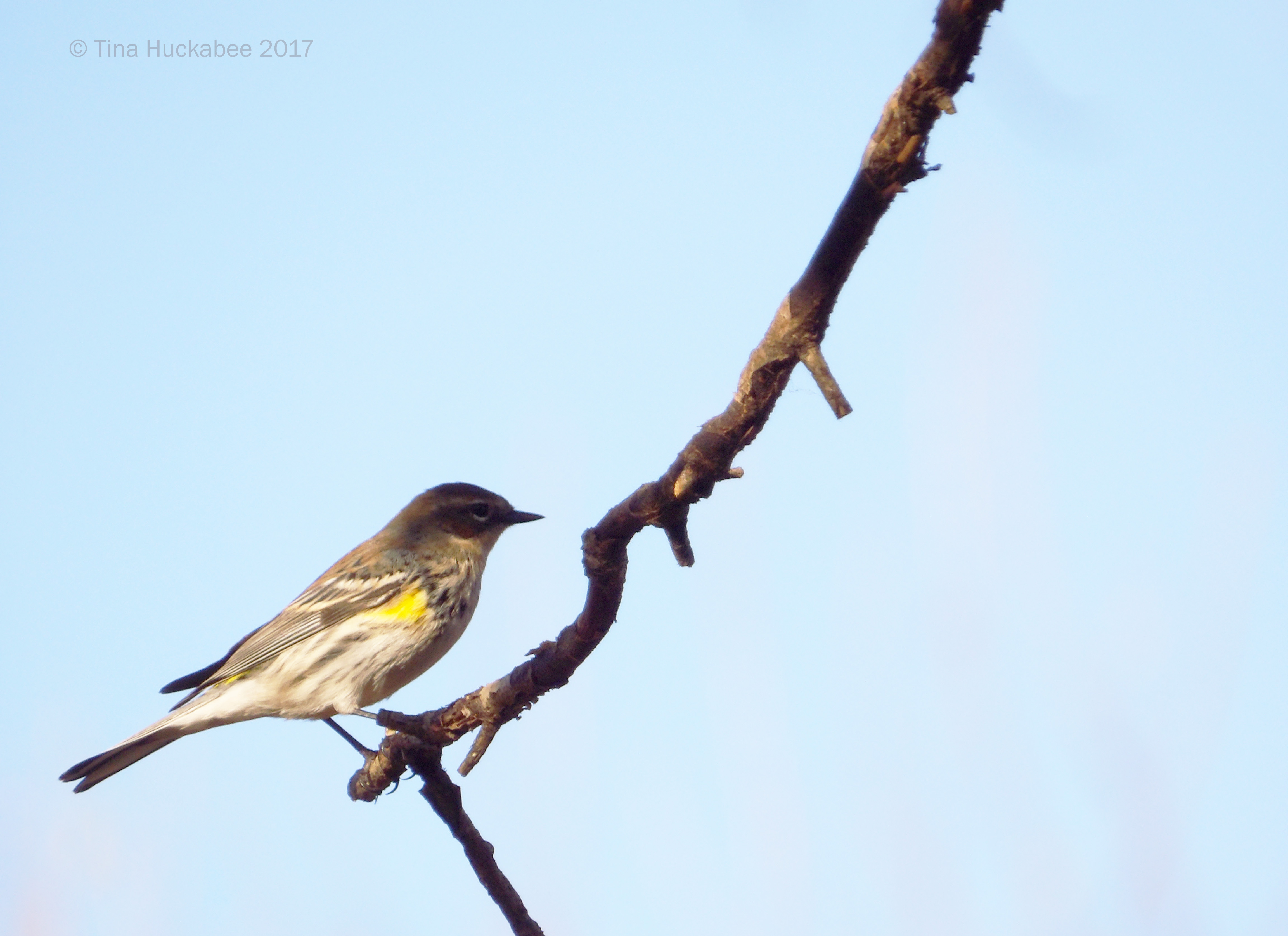
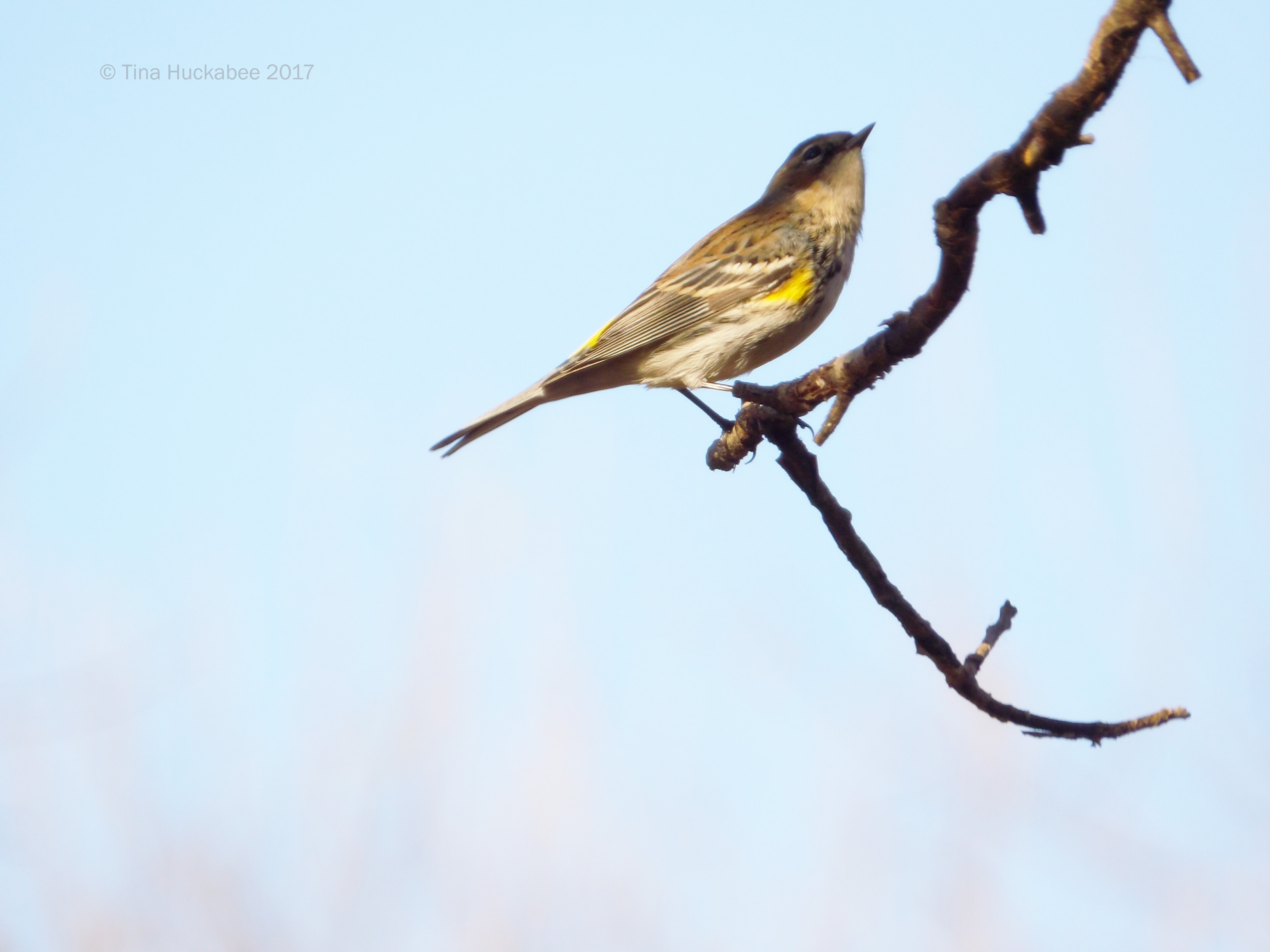
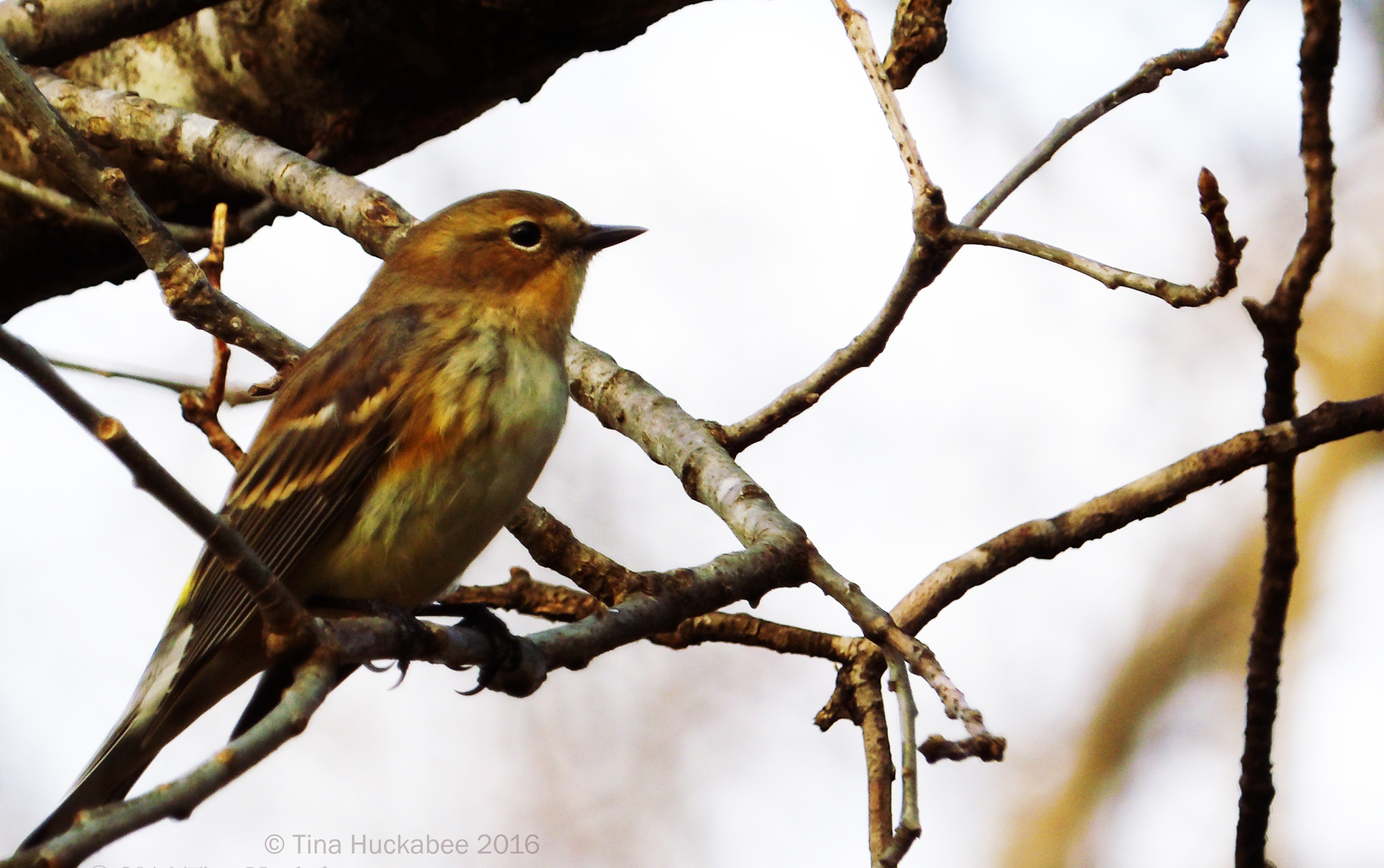
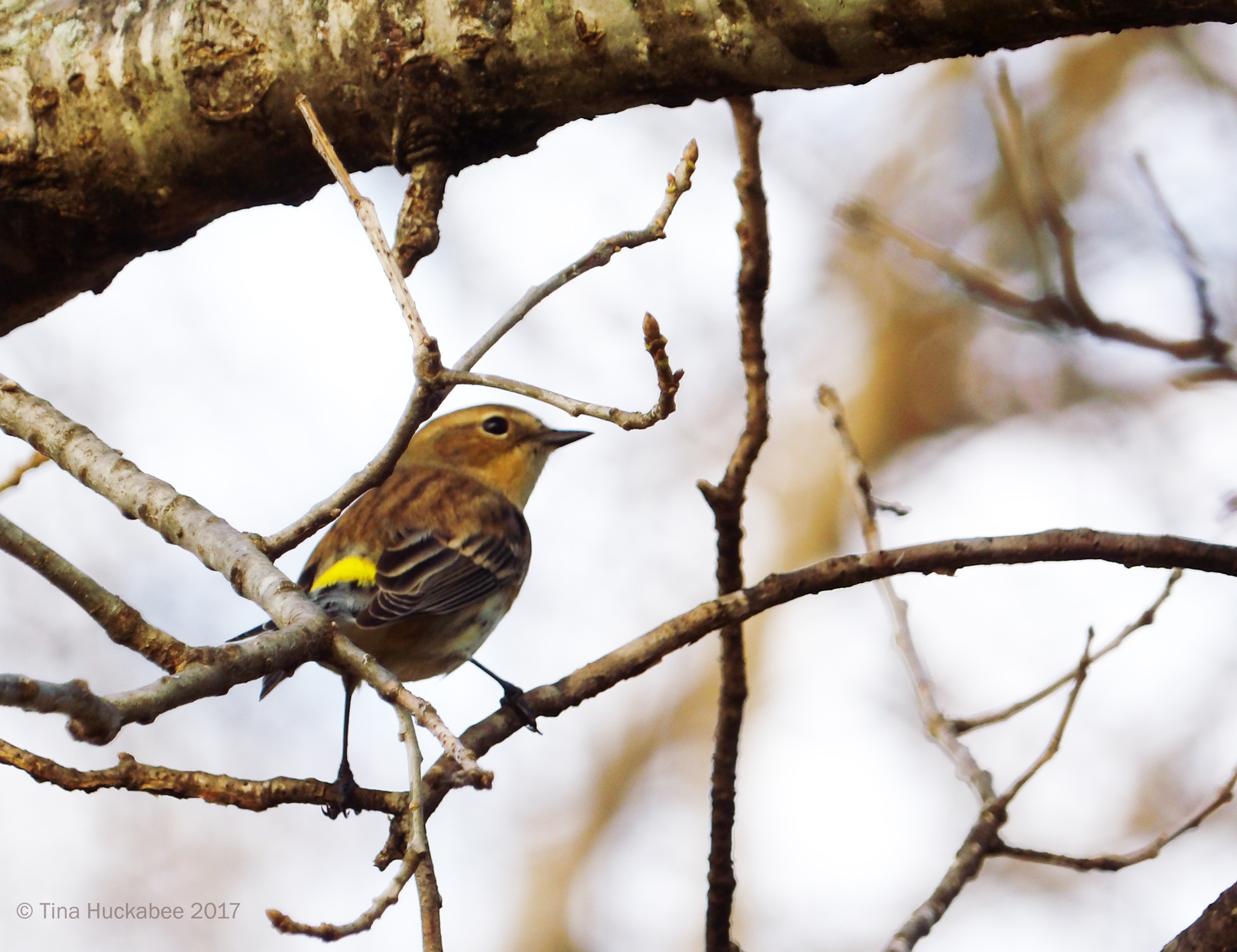
I’m observing and listening to winter Texan warblers again this winter–and pleased that I’ve learned a bit about their habits and vocalizations. This past month, my garden has hosted several of the Yellow-rumped Warblers, Setophaga coronata. So far, it’s mostly males in their winter plumage that I’m spying. Flashes of sunny yellow and soft cheeps in the trees are my clues in identifying these cuties as they fly between trees or perch on bare limbs.
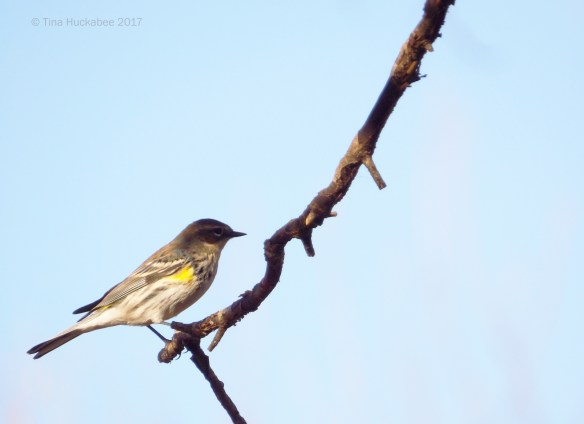
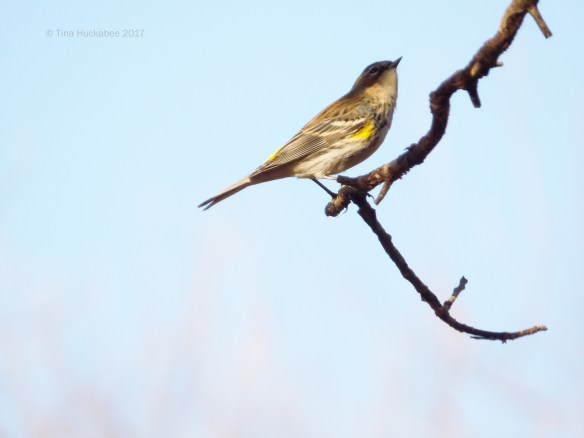
I’ve no idea if this is the same fella, but he rested in the glow of the late afternoon light, which rendered his colors a golden hue.
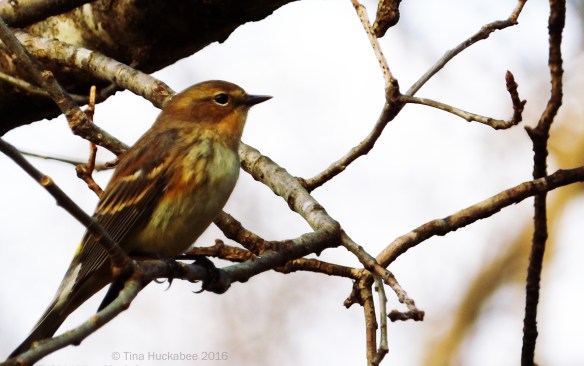
I especially like this shot, as he points his yellow rump at me. Avid birders call these North American songbirds Butter butts. A silly and apt name, I think.
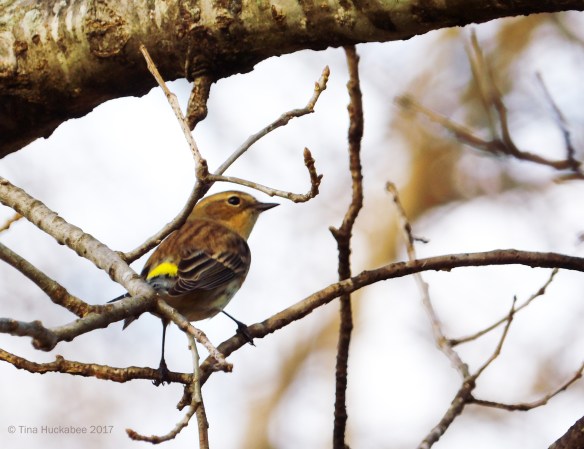
I believe that the Butter butts in my garden are the “Myrtle” subspecies common to the eastern part of the United States because my Butter butts have a white or cream-colored throat. The “Audubon” subspecies common further west sports a yellow throat.
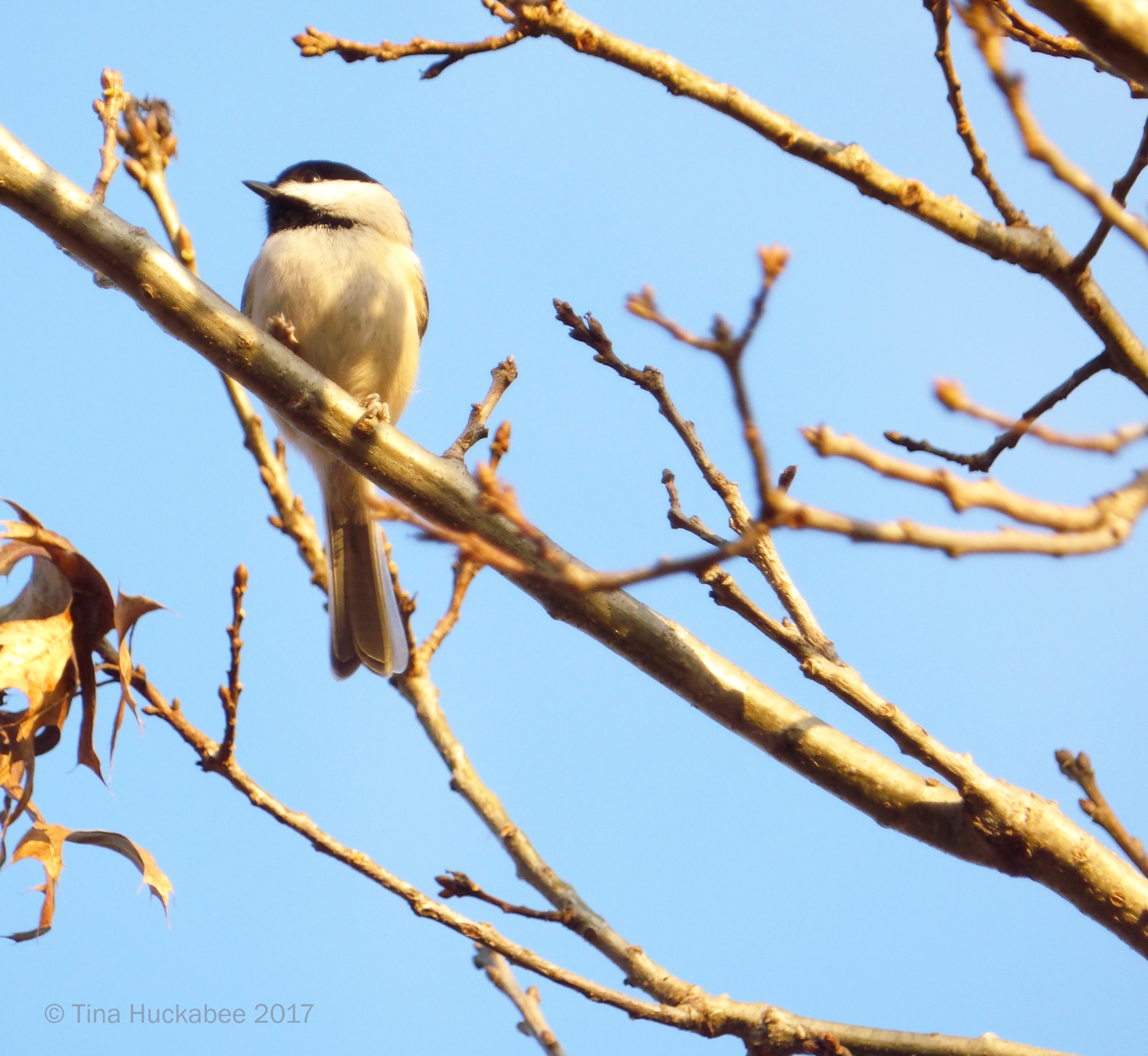
Many are my “favorite” birds, but the Carolina Chickadee, Poecile carolinensis, really holds a soft spot in my heart. From their pretty songs, to their decorative popping presence in trees, to their break-neck snatches of sunflower seeds from the feeder, these year-round residents are fun to watch because of their antics with one another and curiosity about their surroundings.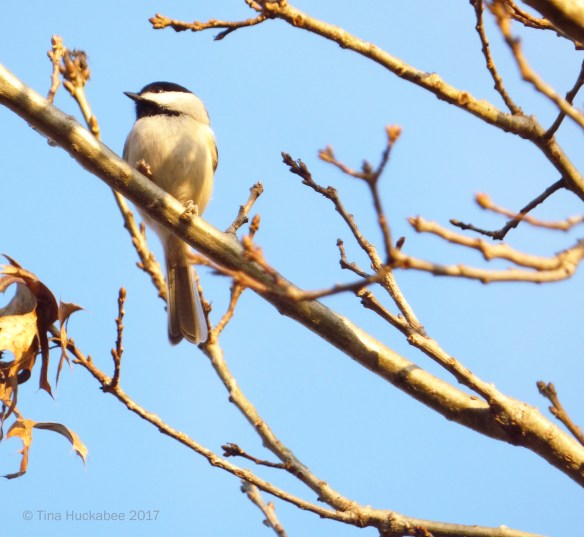
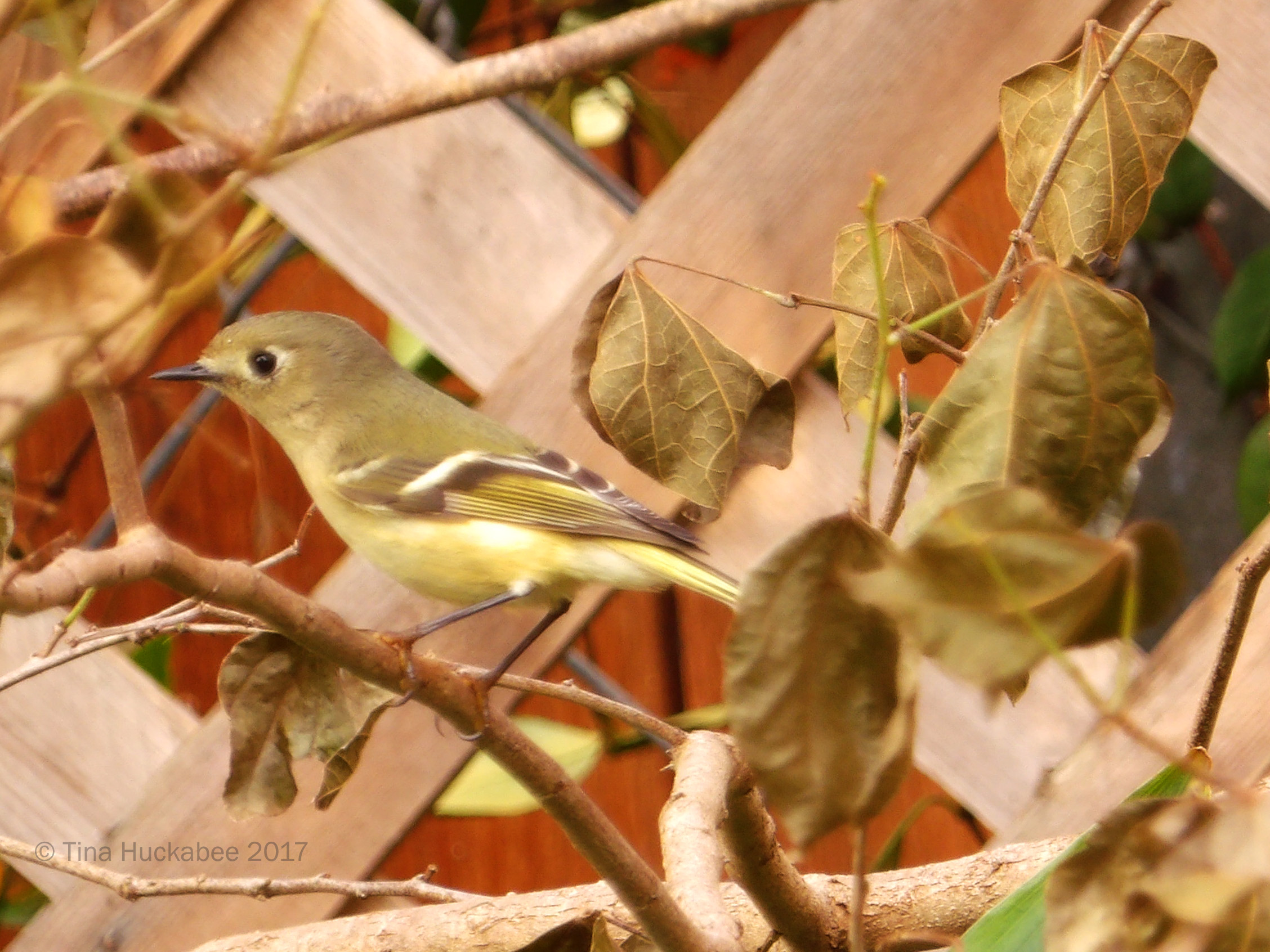
Thrilled this winter to have at least one Ruby-crowned Kinglet, Regulus calendula, in the garden, he’s challenging my photography skills because he’s super quick flitting in the brush and shy after any movement I make. He’s hard to shoot–that is if I’m aiming for a clear photo. If you click on the name link (which takes you to the Cornell Lab of Ornithology page on this bird), you can see the red “ruby” crown in a photo. For now, I can only dream of getting that splash of crown color which is this species’ namesake. However, I can gleefully report that I’ve seen the red stripe atop his darling head through my binoculars. My goal this winter is at least one shot of the ruby crown on the Ruby-crowned.
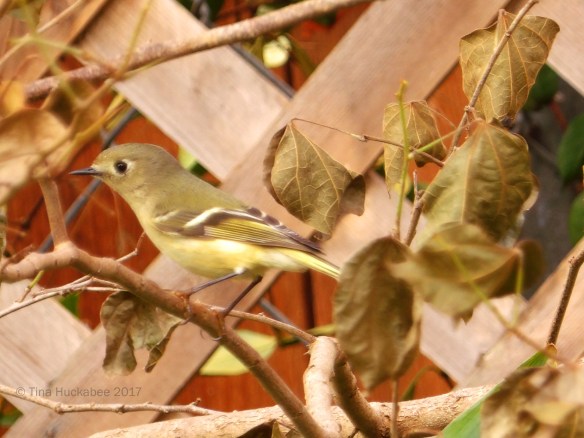
I think there might be a female coming in for visits too, but for now, it’s all about the guy and his red crown.
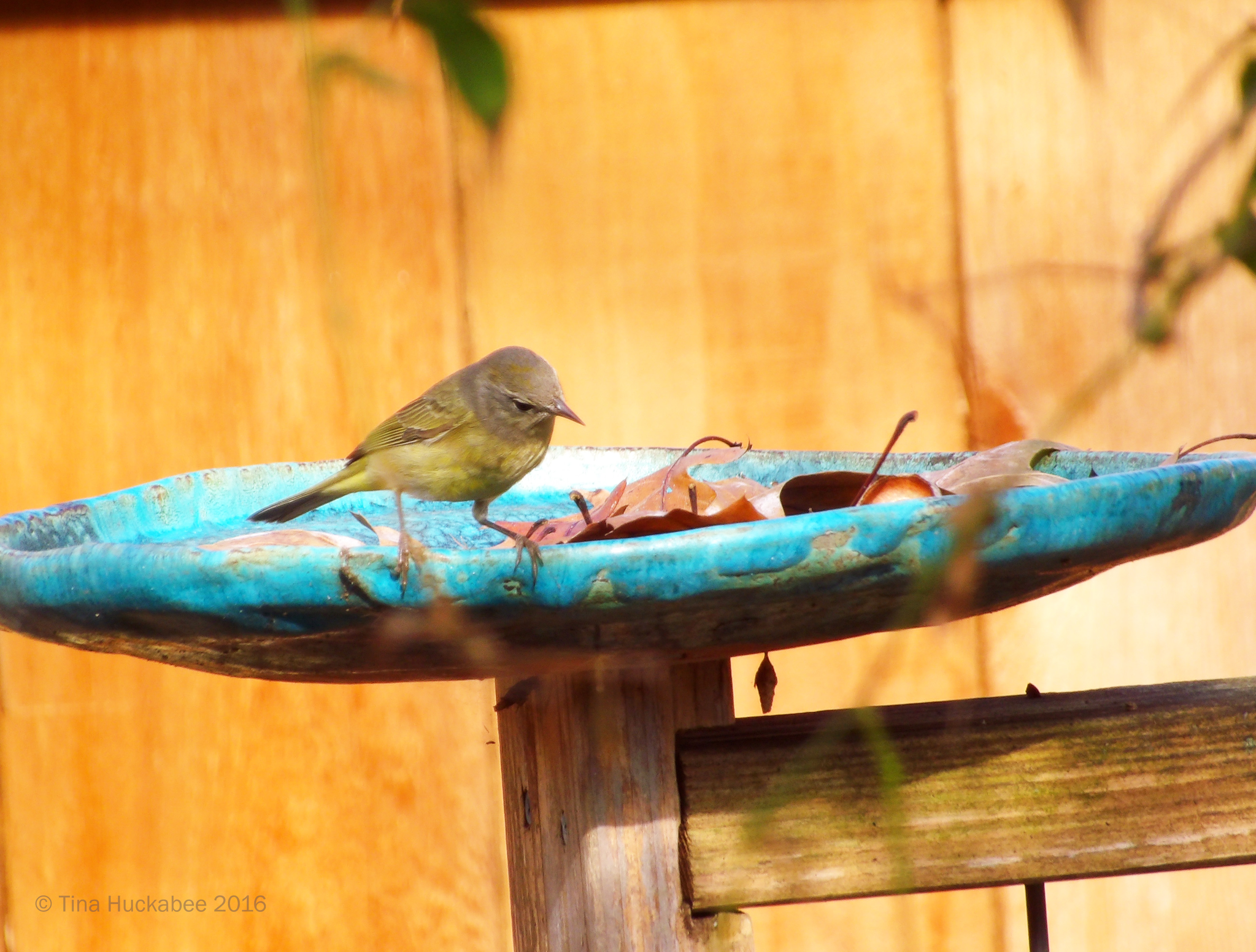
Several Orange-crowned Warblers, Oreothlypis celata, are currently hanging around, much as they did last winter. I’ve observed two males and a female. Like most other warblers, their movements are fast and their body language–all head tilts and swishy tail flicks–charming.

A butterfly chrysalis hangs below the blue bowl, just to the right of the vertical wood post. I didn’t see it until I downloaded the photos.
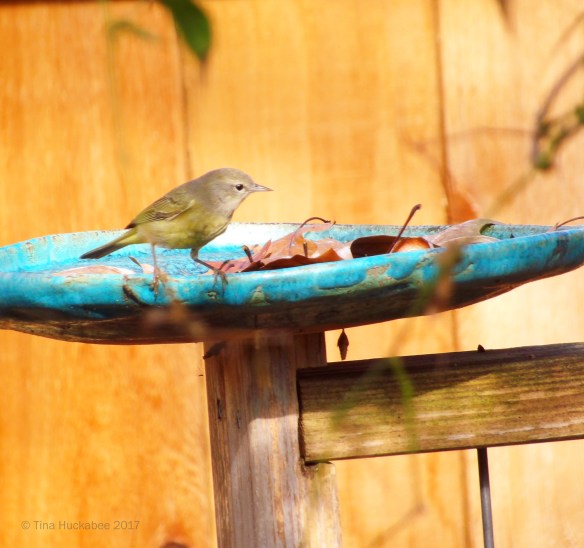

The Orange-crown males have an orange crown (similar to the red crown of the Ruby-crowned), which appears as a little bird mohawk when a girl bird, or rival guy bird, needs impressing. I haven’t seen the orange crown so far this winter, but did on a regular basis last year with those who visited.
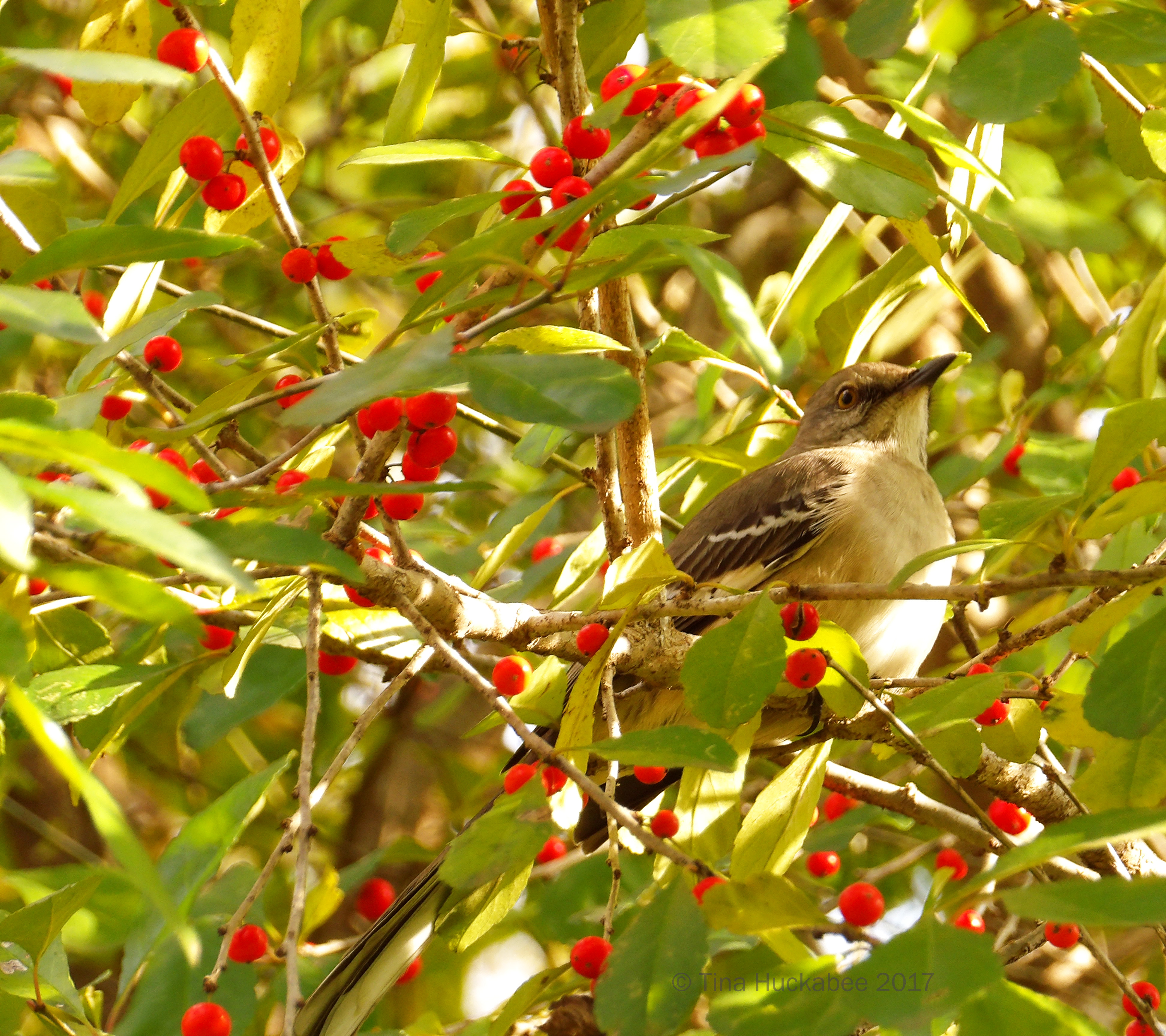
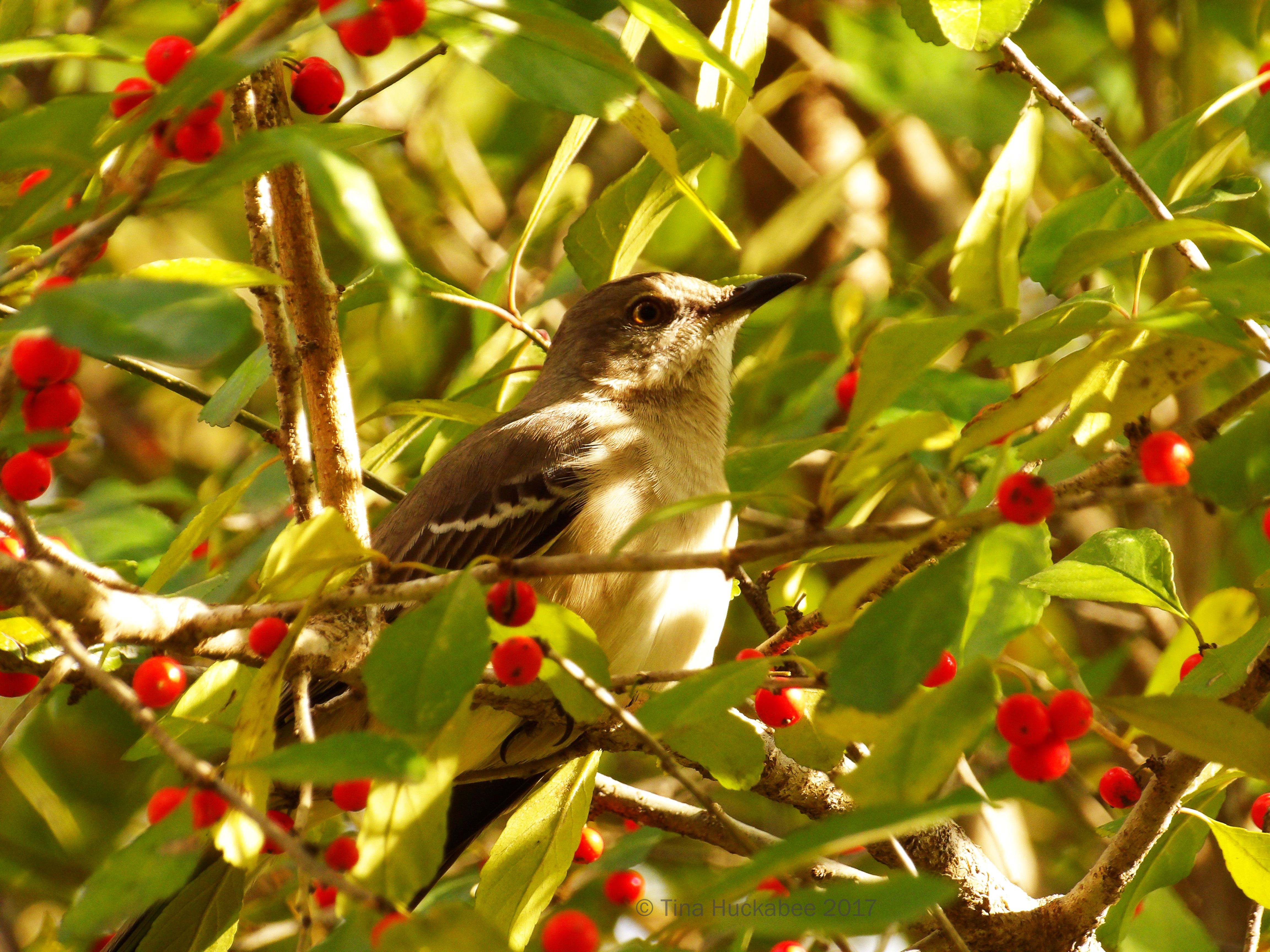
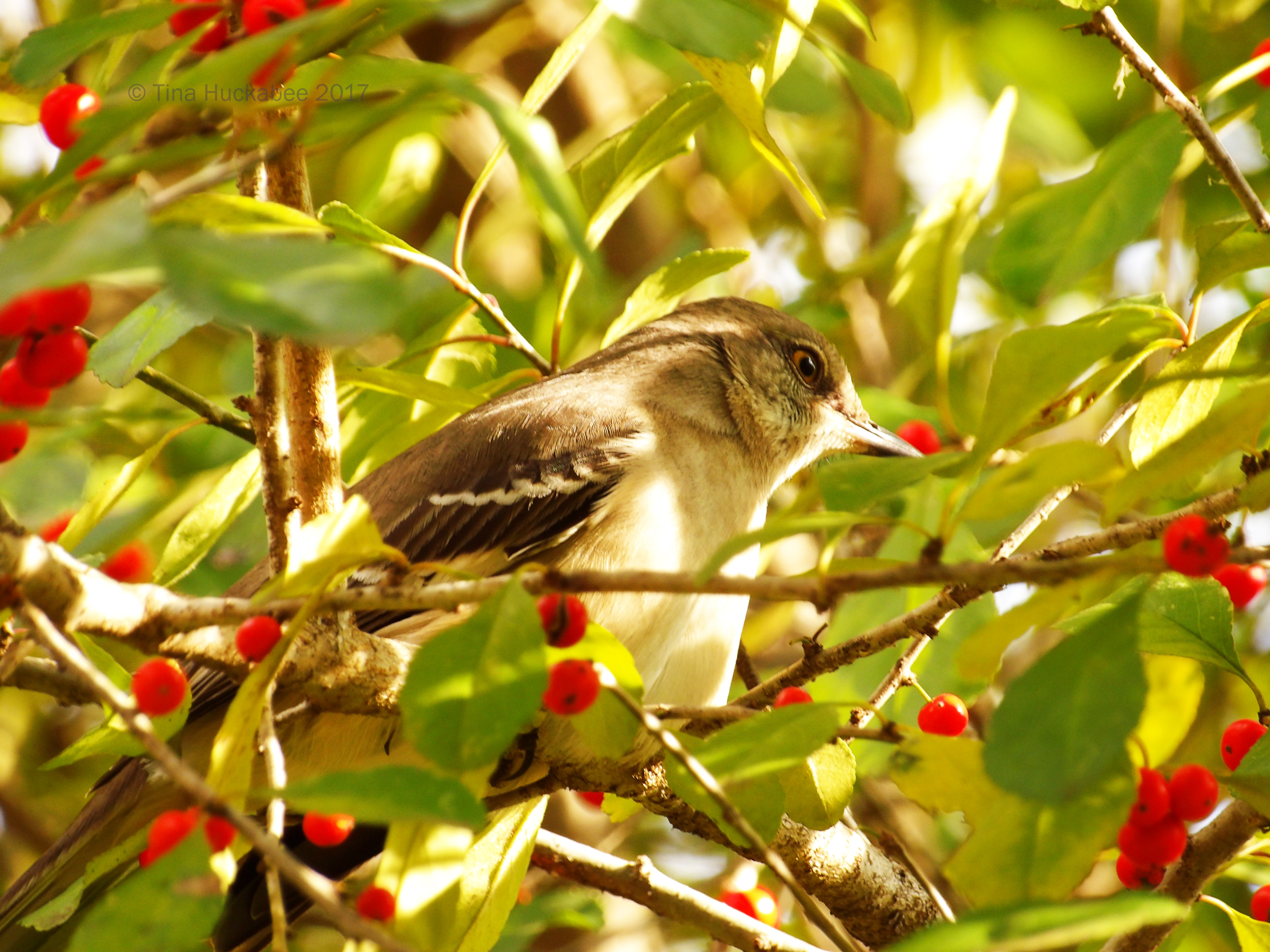
I was chasing the male Ruby-crowned Kinglet one afternoon for a photo, when a contentedly berry-munching Northern Mockingbird, Mimus polyglottos stopped me in my tracks. Nestled in the branches of a native Possumhaw tree, Ilex decidua, the Mock gobbled berries within easy reach. The Possumhaw is a small tree which produces beautiful (to gardeners) berries during winter and is a favorite of a variety of wildlife, including my friend, The Mock.
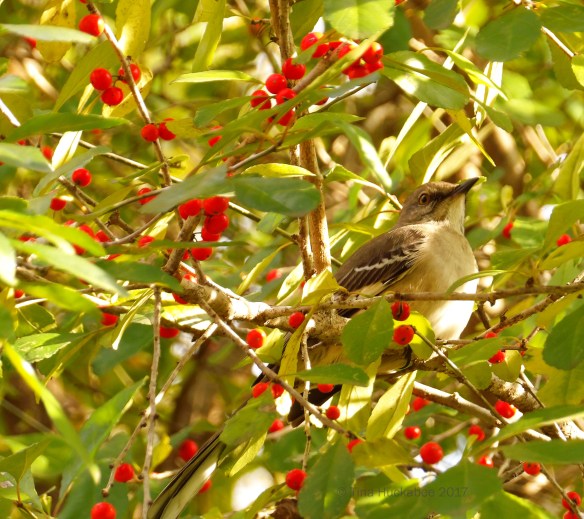
The Mockingbird is the state bird of Texas and known for its vocalization mimicry and beautiful songs.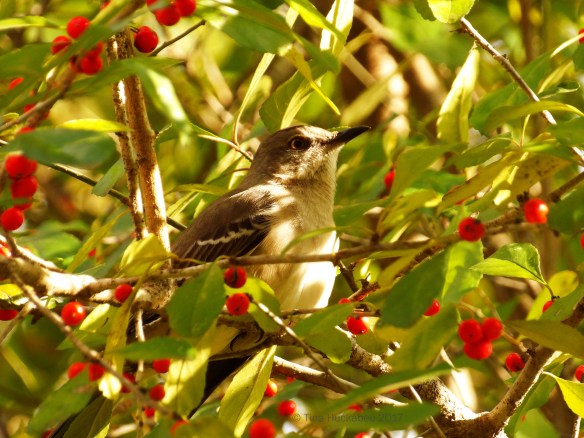
This Mock was comfortable as I stood close, probably because I told him how pretty he is.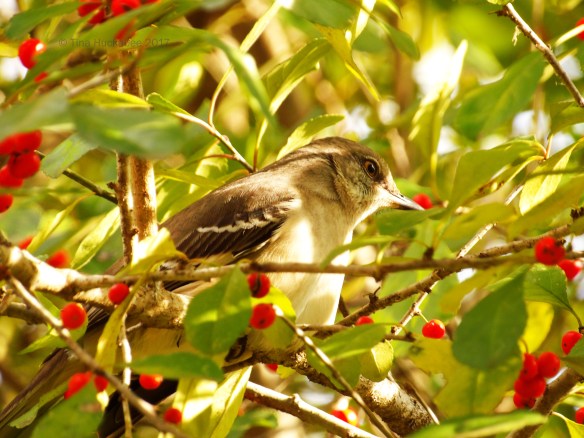
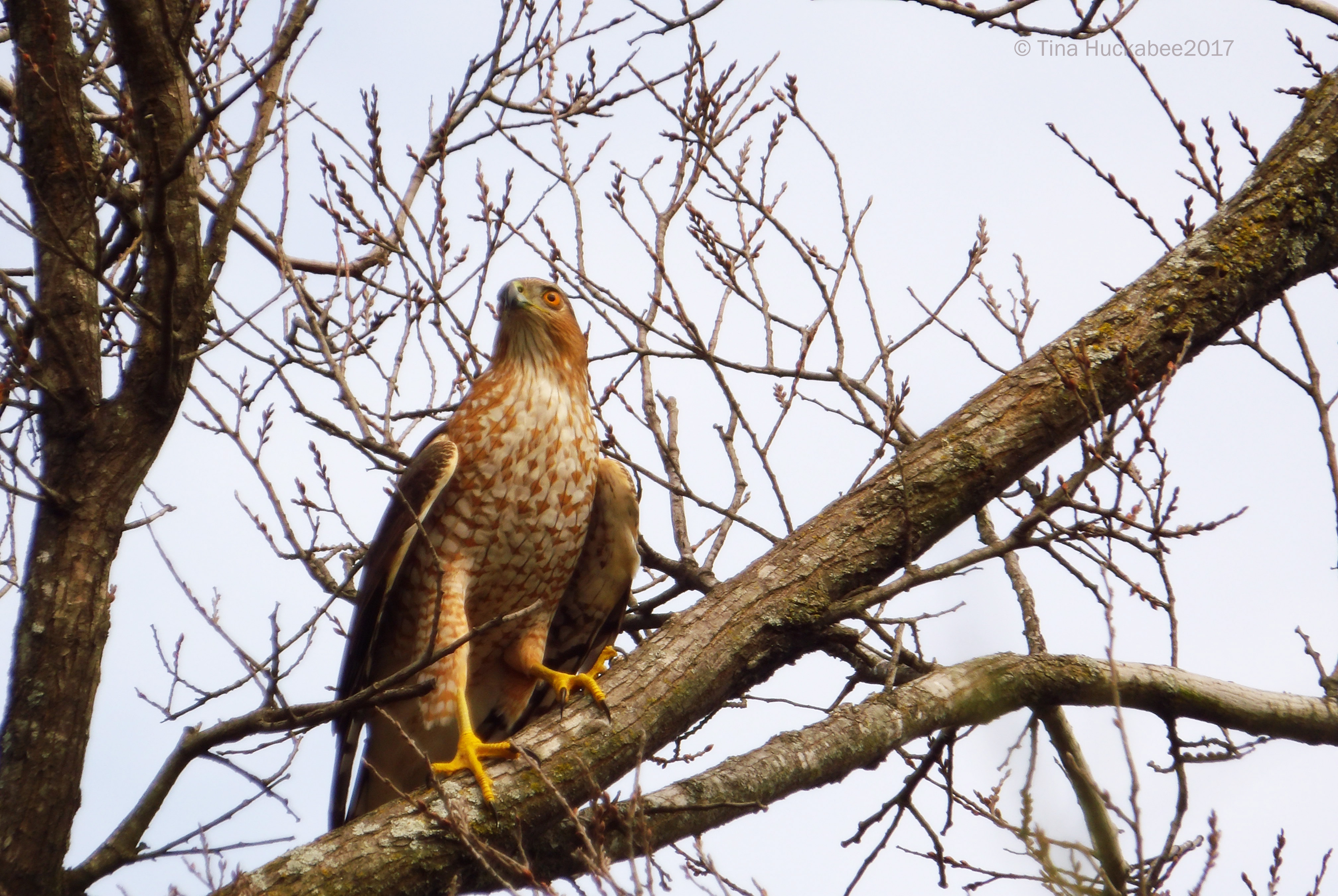
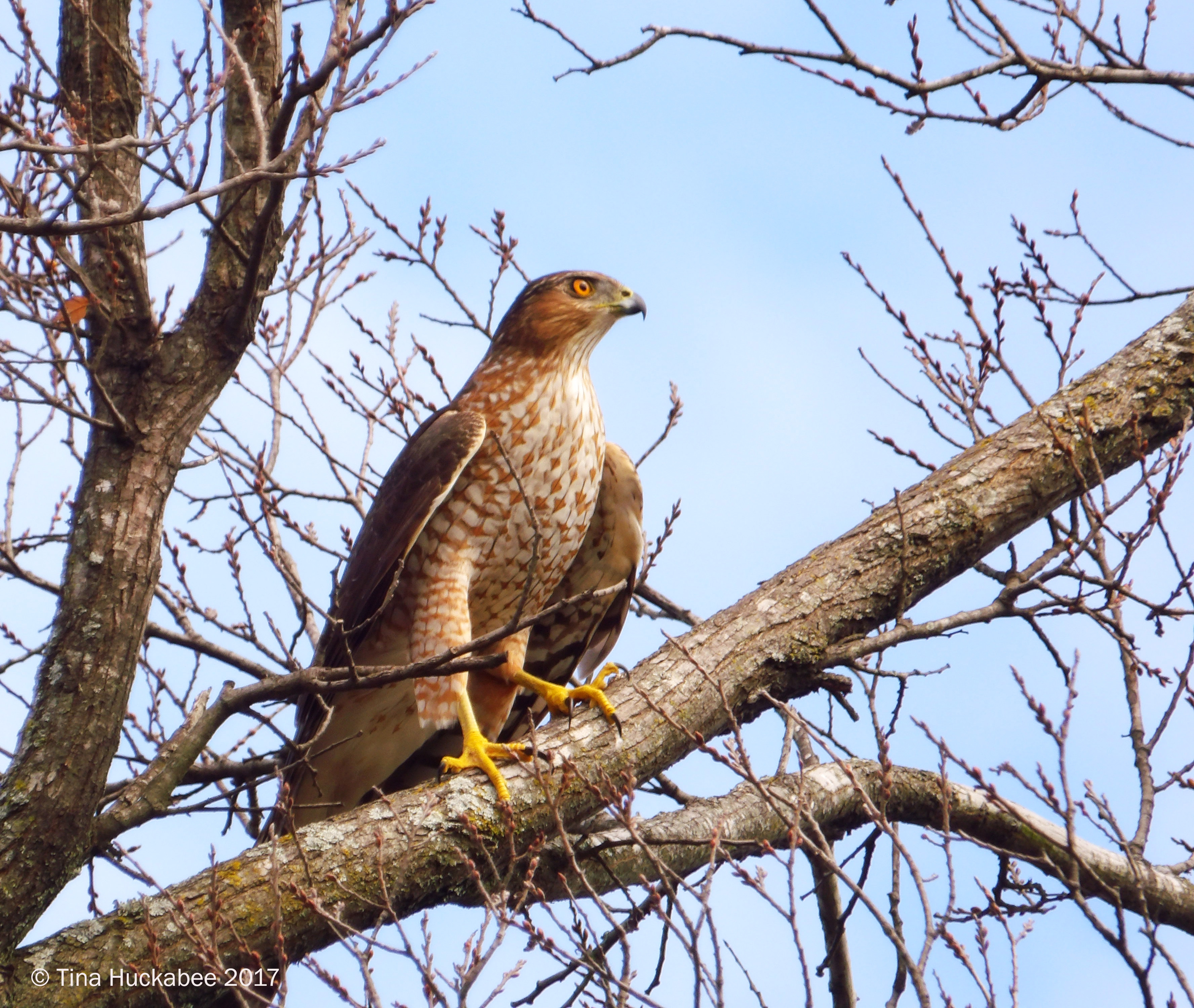
And hoping to catch and devour any, or all, of the above was this handsome Cooper’s Hawk, Accipiter cooperii.
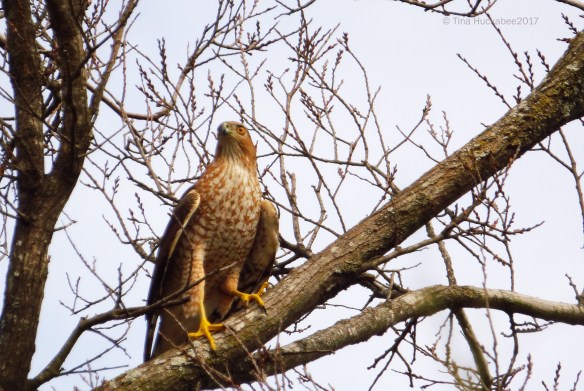
Another year-round resident in urban Austin, Texas, I see these and other raptors regularly in the neighborhood, flying from tree to tree, scaring the prey birds witless.
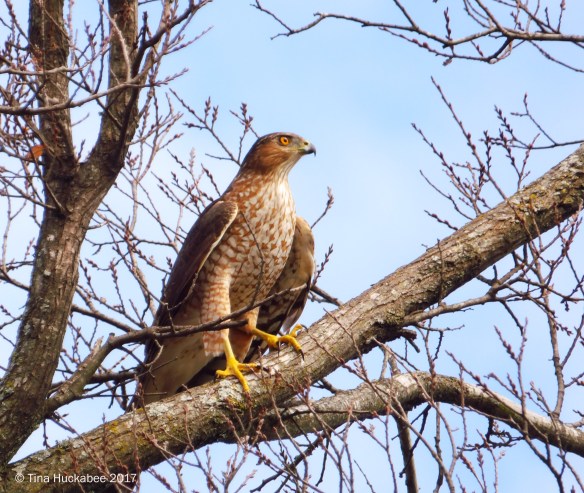
This gorgeous one perched in my back neighbor’s tall tree, remaining for several minutes, surveying its realm and allowing me to get some clear shots. The birds in my back garden remained very quiet for a time….
Wishing you a happy new year, full of wildlife in your gardens and peaceful interactions everywhere. Did wildlife visit your garden this past month? Please post for January Wildlife Wednesday. Share photos and stories of your garden wildlife to promote and appreciate your region’s natural habitat and diversity. When you comment on my post, please remember to leave a link to your Wildlife Wednesday post so readers can enjoy a variety of garden wildlife observations.
Happy wildlife gardening!








 My Gardener Says...