Worth the Wait

A recent stroll in the back garden revealed surprises and eagerly awaited gifts. My one and only WinecupCallirhoe involucrata, is blossoming, a bit later than usual.

The Winecup is accompanied by spring greens and a cheery Clasping coneflower in the background.

This single bloom was the first of what might be a limited Winecup flowering engagement this spring.  Shade, which is becoming the norm for my back garden, is probably the culprit responsible for this tardy fuchsia offering.

The pollinators and I will enjoy these flowers over the next month, but I’m considering a move for this perennial native in the fall.  I think I have just the right spot–one delivering of full sun–that will treat this plant right.


This pretty was a welcomed surprise.

The wide green straps belong to iris, the lily foliage is slender.

I can tell you that it’s a Zephyranthes, but I’m not sure which one; if I ever knew the name, it’s long forgotten. I purchased some bulbs a few years ago from one of the stellar, locally owned nurseries here in Austin and happily planted away.   Foliage, plus occasional snowy blooms, have made appearances after rains, but over time, the floral representatives of Zephyrus (Greek god of the western wind) disappeared from my gardens.  I attribute the decline to the ever-increasing shade (that again!) and also, to heavy, clayey soil.  Rain lilies thrive in sun and also in situations where the bulbs aren’t disturbed.
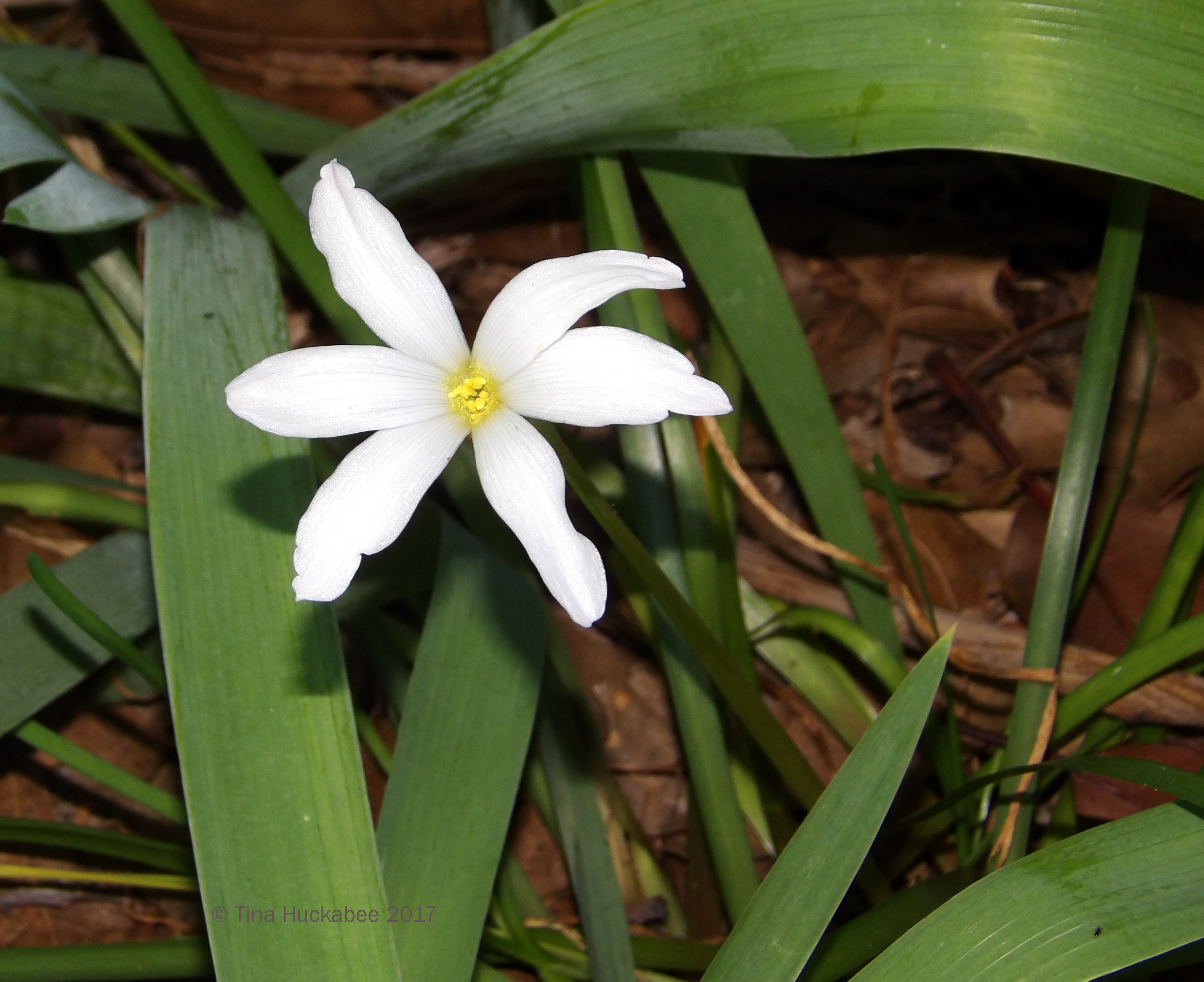
I planted the bulbs at the opposite end of my garden from where this bit of serendipity popped up, so I suppose that Zephyrus did his job and blew seeds (one, anyhow) to a different home.

I’m tickled at the one–and look forward to more!


My Claude Ikins pond lily didn’t return this year.

It’s odd that a pond lily would decline, but so it did, with rotted roots and no new foliage.  I needed another lily to cover the pond surface, the foliage acting to decrease water temperature and serve to protect fish from fish-hungry birds.  I’m sorry that the Claude didn’t return, as I loved the pure yellow blooms and more importantly, so did a variety of pollinators. Perhaps I should have replaced it with the same brand, but I allowed myself talked into this gorgeous critter:

Wanvisa waterlily has vibrant pinky/orange petals with cream-to-yellow streaks; it  is a dramatic and richly colored lily. Though it didn’t happen with this first bloom, apparently Wanvisa will sometimes open with a section of petals rocking a Bride-of-Frankenstein streak of cream or yellow with the rest of the flower as you see it here.

I guess the lily thought that might be too wild for this gardener to handle for the debut bloom, so it’s demonstrating its more subdued side.

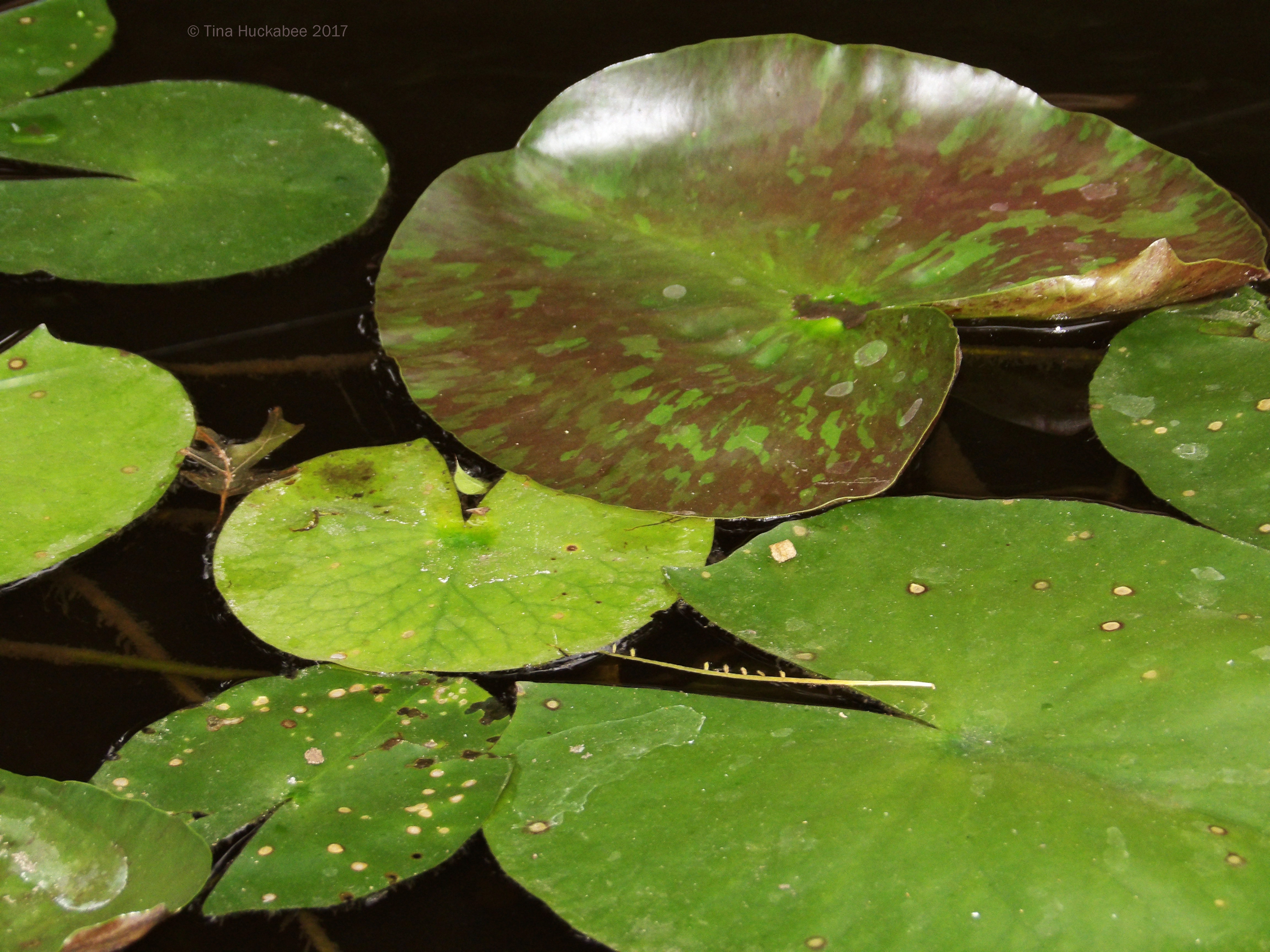
The lily pads are equally lovely, with deep burgundy mottling.  Individual pads are large and rapidly covering the pond surface. That Great blue heron who has visited will have to hunt his goldfish from some other pond.
 

The other water-lily in my pond is a Colorado, and pink, though of a tamer hue.
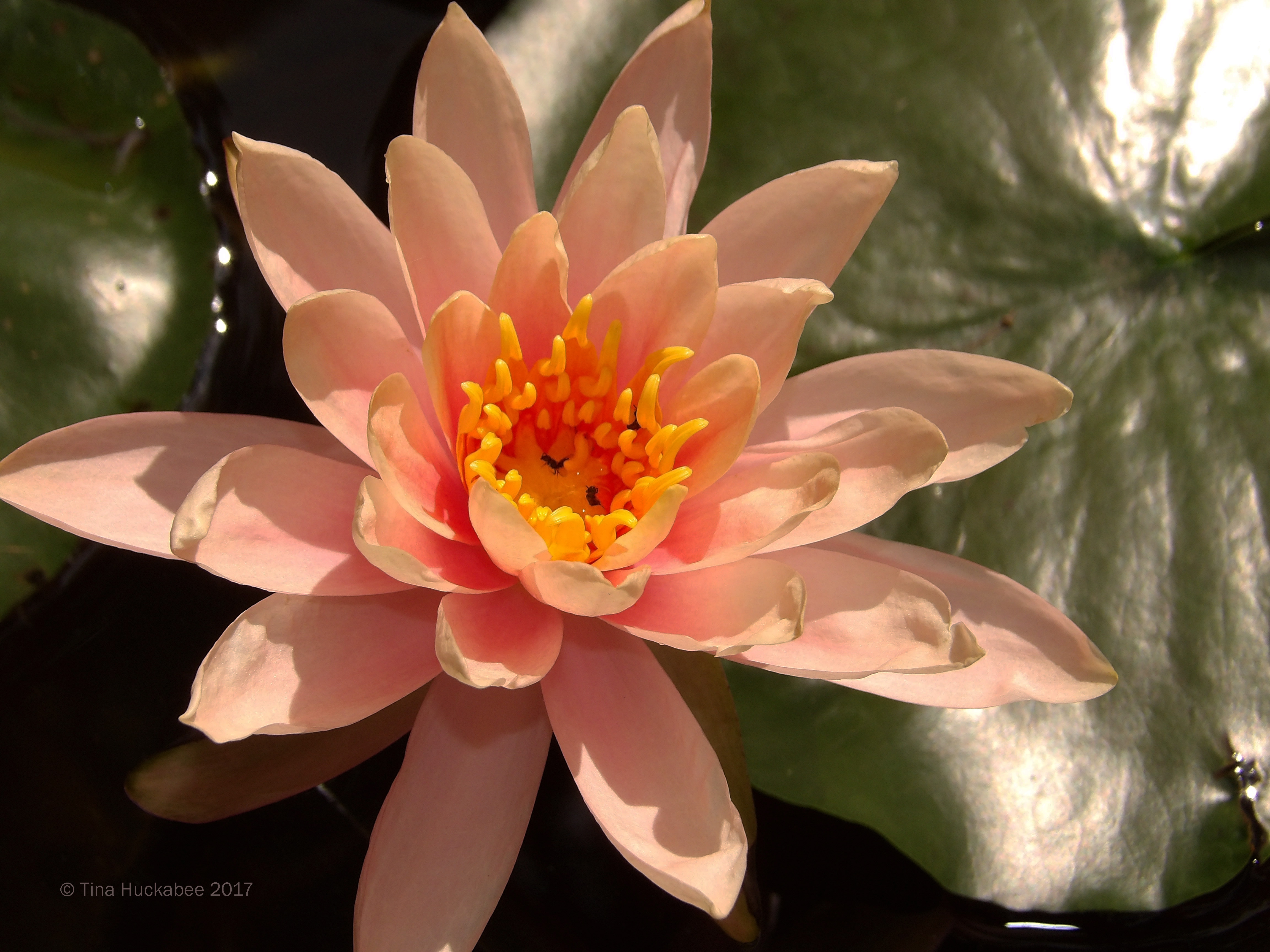
Tiny native bees working the lily.

It’s also a beautiful flower and the native bees are pleased with its donations of pollen and nectar.

These bees are most likely small Ceratina, sp., or Sweat, Lasioglossum, bees.


While the Colorado seemed the choice of the moment for the bees, don’t think that the Wanvisa is a slouch in the pollinator buffet department.
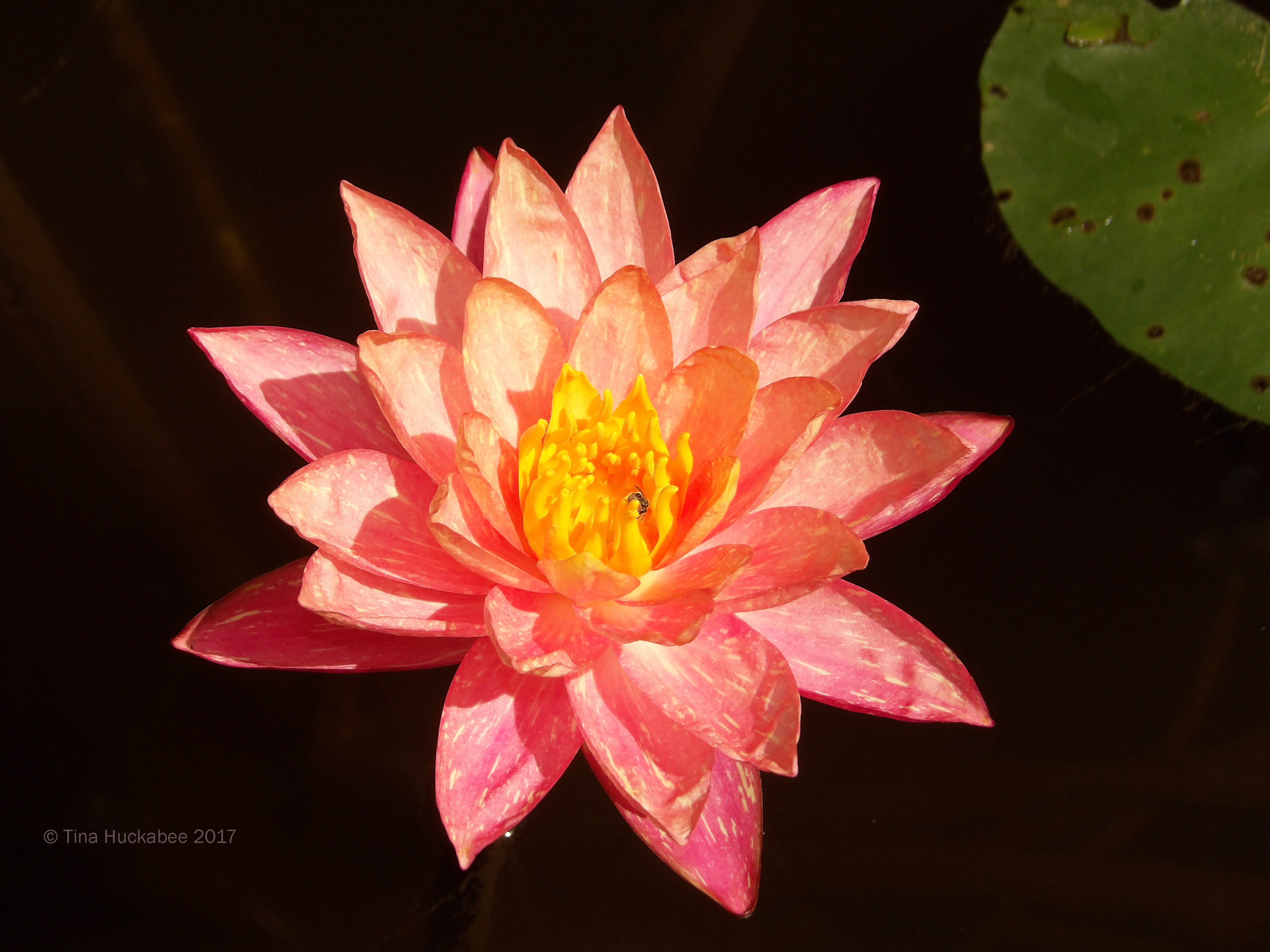
As if on cue, a small metallic bee flew in to the bloom, just as the camera clicked.


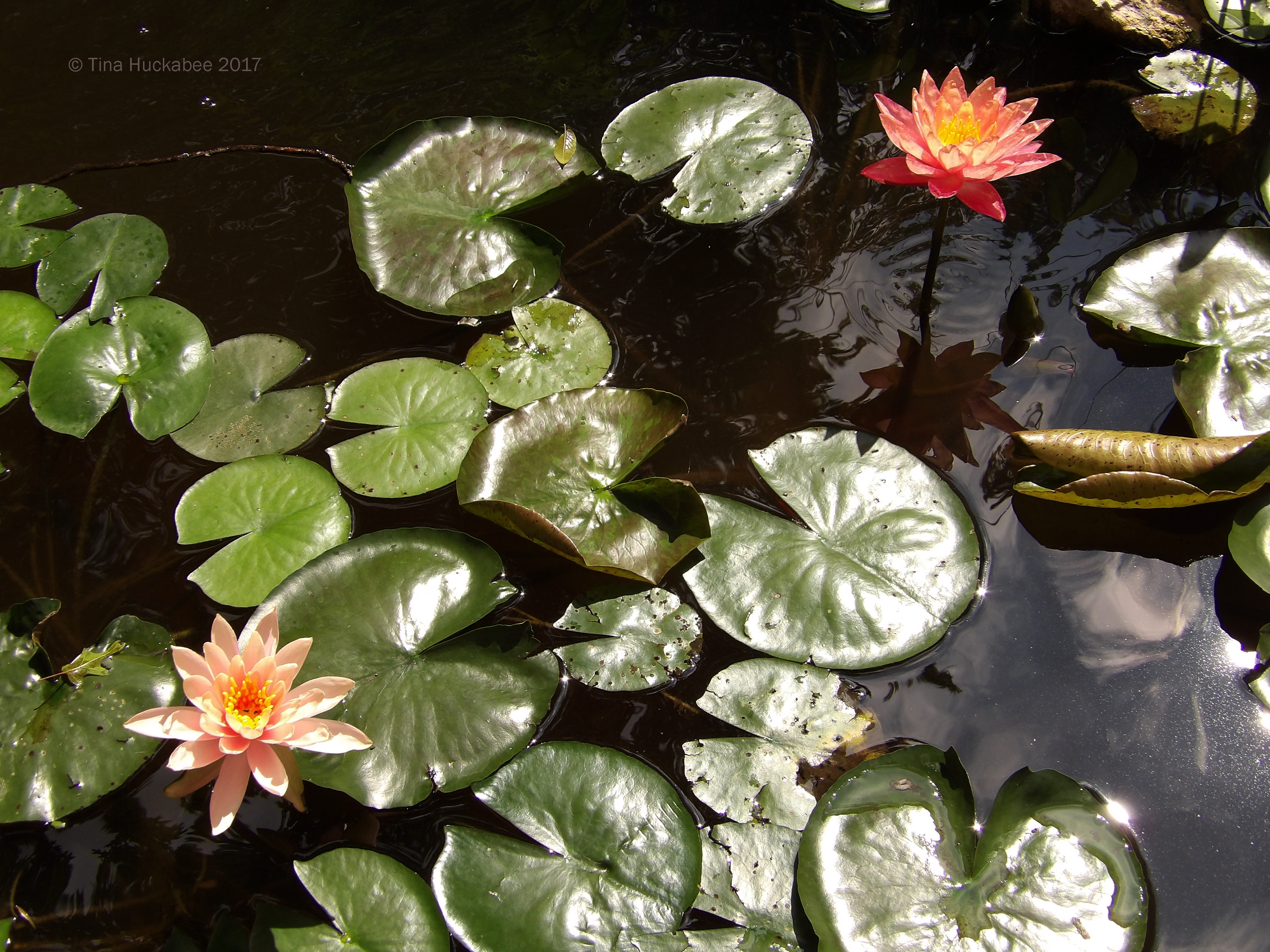
I think these two lilies will get along just fine and that the bees and the gardener will cheer their success.
Undercover

No Eastern Screech Owl, Megascops asio, pair took up residence in our owl house this spring, owing to the tardy eviction of a young Virginia opossum, Didelphis virginianus which you can read about here. We dissuaded her owl box residency, but likely too late for the courting owl couple who’d visited our garden during January evenings. Observing the lovers, I was hopeful for a ninth year of Screech owl doings, even witnessing the female checking out the box early one evening, but alas, I suspect that by then she was considering our box as her backup and not the main nursery. During these past few months, I’ve occasionally seen an adult owl swoop through the back garden just after sundown, which means that they were probably somewhere nearby. I’ve had to glean my owl fixation through other sources like the local folks who placed cameras in their owl boxes and generously shared antics of their owls on Facebook during the nesting and fledging, as well as responding to a frantic phone call from neighbors who were attempting to remove two fledgling owlets from the middle of a busy nearby residential street and who requested my help. The owlets were rescued, placed safely in shrubs while owl parents were present in the trees, supervising inept humans fumbling with cell phone lights and quibbles about where to place the little raptors.

Rest assured that it all ended well: no one (person or owlet) was squished by a car.

My Texas red oak tree, Quercus buckleyi, where the owl house is situated, is fully leafed out for the year.  Lovely and lush, the foliage provides energy for the tree, shade for the gardener, as well as sanctuary and sustenance for many critters.

Note the black line underneath the nest box, heading away from the tree trunk. That’s the cord to the owl cam, which sadly showed no activity in our box, except for industrious ants.


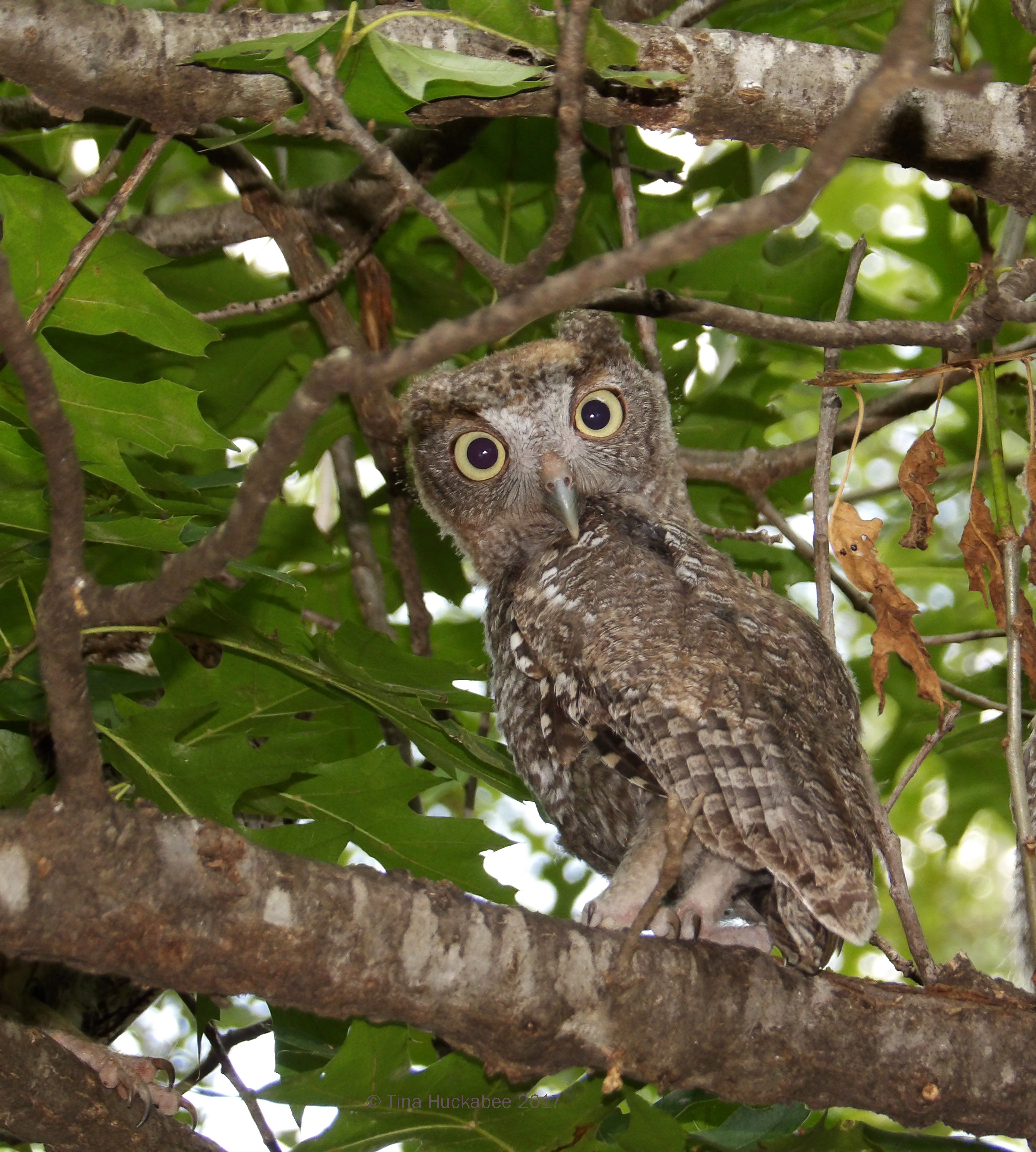
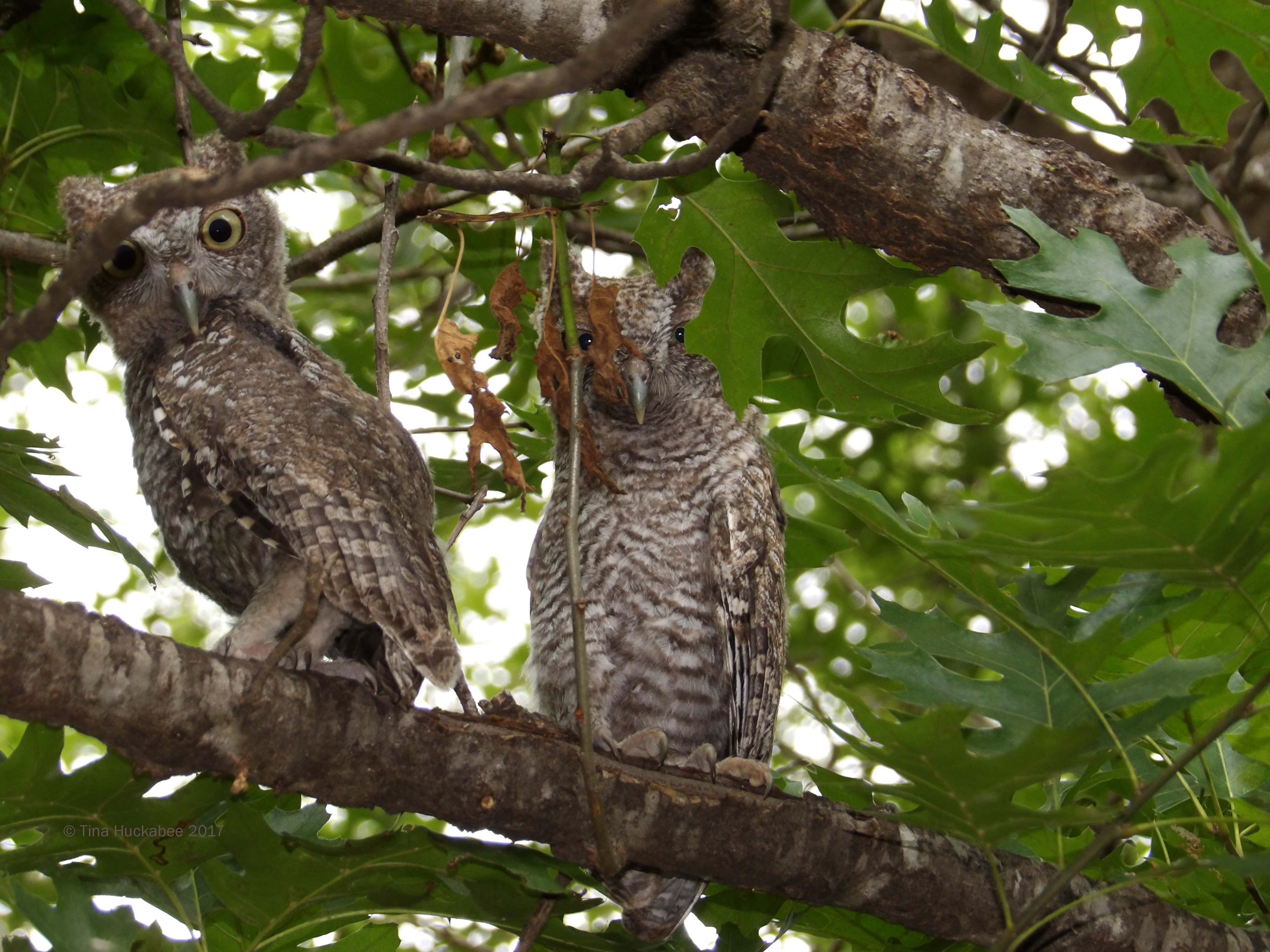
Recently, the foliage has stepped up, or rather, layered over, and is acting as cover for a mama Eastern screech owl and her two fledglings.

Pretty mama Eastern screech owl.

Helloo! Aren’t these owlets adorable?

I don’t know where she holed up and nested or where she and Dad nurtured their offspring prior to their debut in the big, wide world, but for one day, they decided that my tree was a good place to rest from the responsibilities of teaching their youngins’ how to fly and hunt during the nights.

I realized before I saw the owls that the male toads in my pond–which were loudly, insistently, and nightly crooning for mates–had been silenced, and I know from experience that neighborhood owls are usually why love-sick toads are muted. Screech owls find toads delicious and the toads choose noisy flirtation over quiet survival–every time. The evening before I spotted the owls in my tree, I heard the owlets’ chrrrrrrrr, which in owl-talk means feed me, and I spotted two adults and two owlets perched along my fence, flying to and from my tree and a neighbor’s tree. The family may have been in my tree prior to that evening, but apparently I wasn’t looking up.

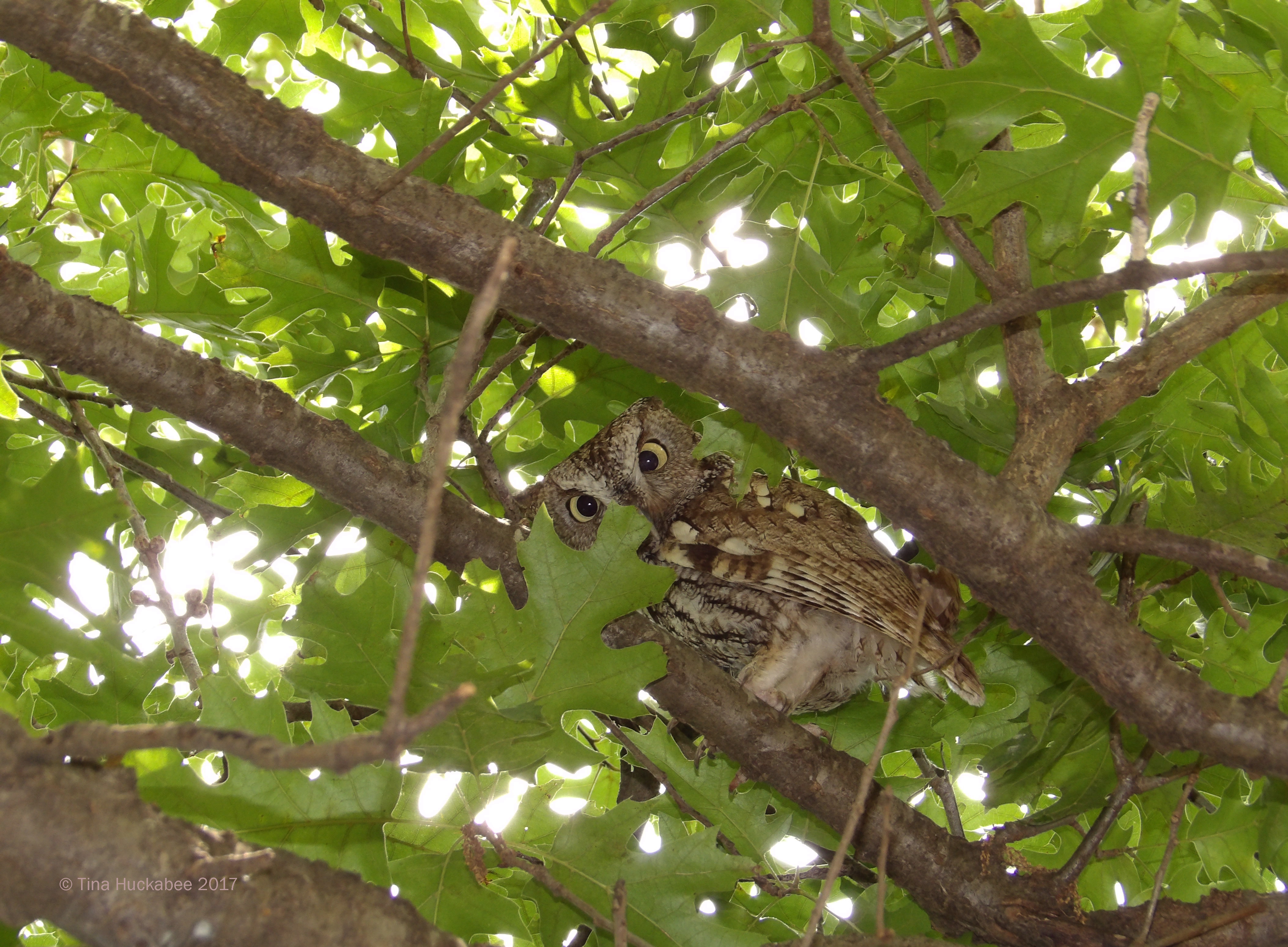
Even if I was looking up,  the canopy of leaves works successfully to keep owls hidden from prying eyes.

Foliage serves as good cover for wildlife. It was challenging to take photos, as the birds were hidden, at least partially, behind the leaves and owls certainly blend in to the trunk and limbs well.

Interestingly, while Screech owls have nested in the box on this tree for years, each May once they fledge, they never perch in the tree for more than a couple of days. Soon after exiting their nest box for good, the owlets’ wings strengthen and carry them to other trees in other gardens, and under the tutelage of their adept parents, they learn the skills needed to survive. During the summer months, I see them occasionally and sometimes they even perch in their home tree for brief periods. I like to think they’ve come by to say hi!, but I suppose that’s wishful anthropomorphizing.

Mama keeping a keen eye on the intrusive human.


I’m conflicted when the oaks leaf-out in spring as it makes warbler and owl watching significantly more challenging, but that’s one of the important roles of tree and shrub foliage–providing cover for wildlife, especially for the vulnerable young ones.

Foliage serves as a plant’s method of breathing, generates energy for plant health, provides oxygen for all of us, and food and sanctuary for wildlife.

And, foliage is beautiful.

The owls haven’t appeared since Friday, but I’m sure I’ll see them again at some sundown, swooping from tree to tree. If I’m fortunate, I’ll spot them resting during the day, camouflaged by limbs and hidden by luscious leaves, making good use of the protection and life-giving qualities that foliage provides.

Given the beauty and the importance of trees and shrubs for wildlife, why wouldn’t we appreciate foliage in our gardens?


May Flowers

I wish I could say that April showers brought my May flowers, but here in Austin, Texas (zone 8b), it was a dry April and so far, May is in fine copycat form as the dry late spring segues into summer. Nonetheless, there are plenty of blooms in the garden because I’m a lazy gardener and choose tough plants that withstand the tricky Texas conditions while delivering valuable and pretty blooms–a win for pollinators and a delight for the gardener.

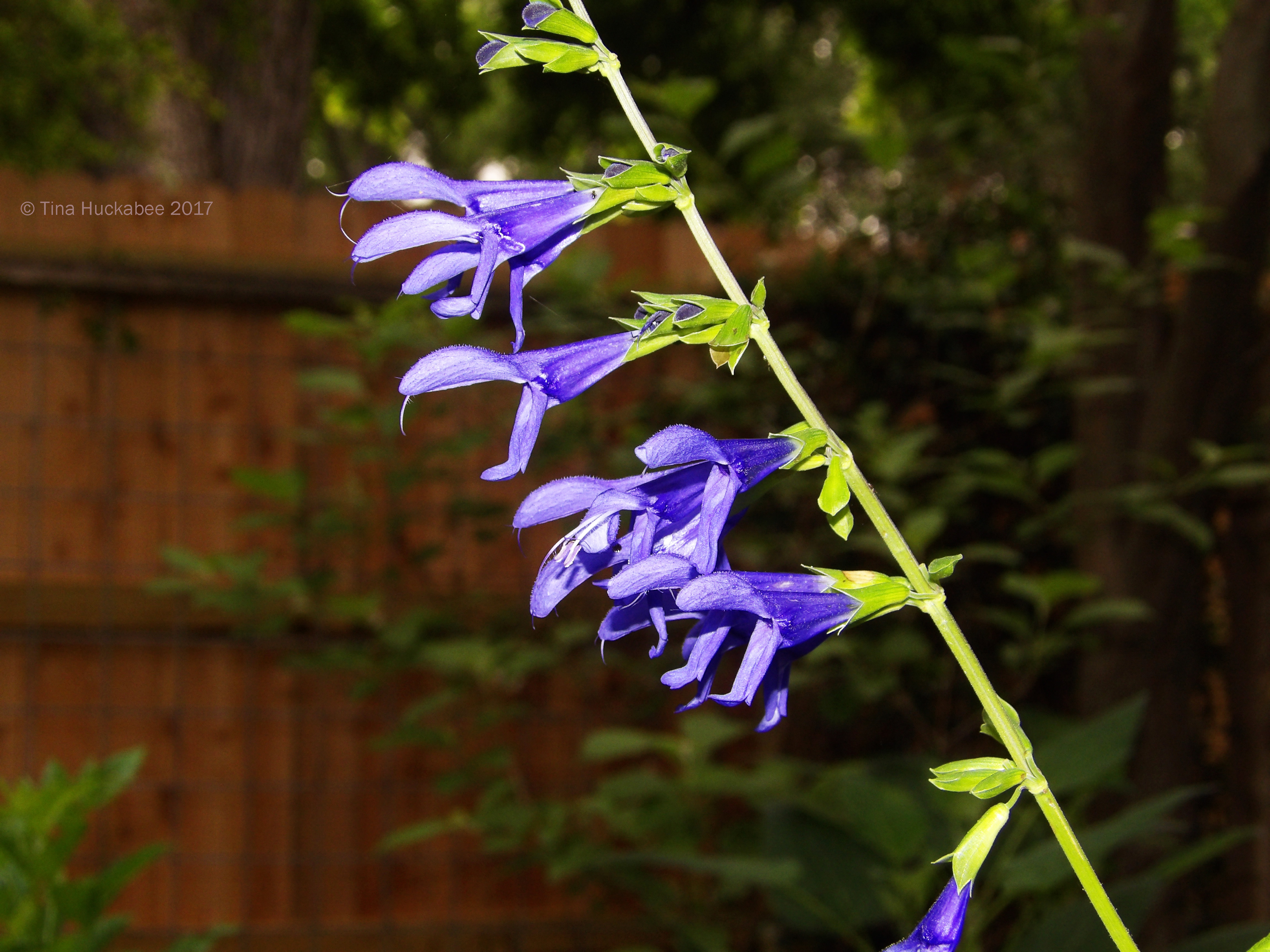
A stunning set of blooms, the always dramatic, royal-blue Majestic sageSalvia guaranitica,  currently reigns in certain spots of the garden.

I expect this crew to be the last of the Majestic blooms for a while, as this perennial’s blooms enjoy our gentler months of spring and autumn and then temporarily abdicates blooming during the toasty summer months.


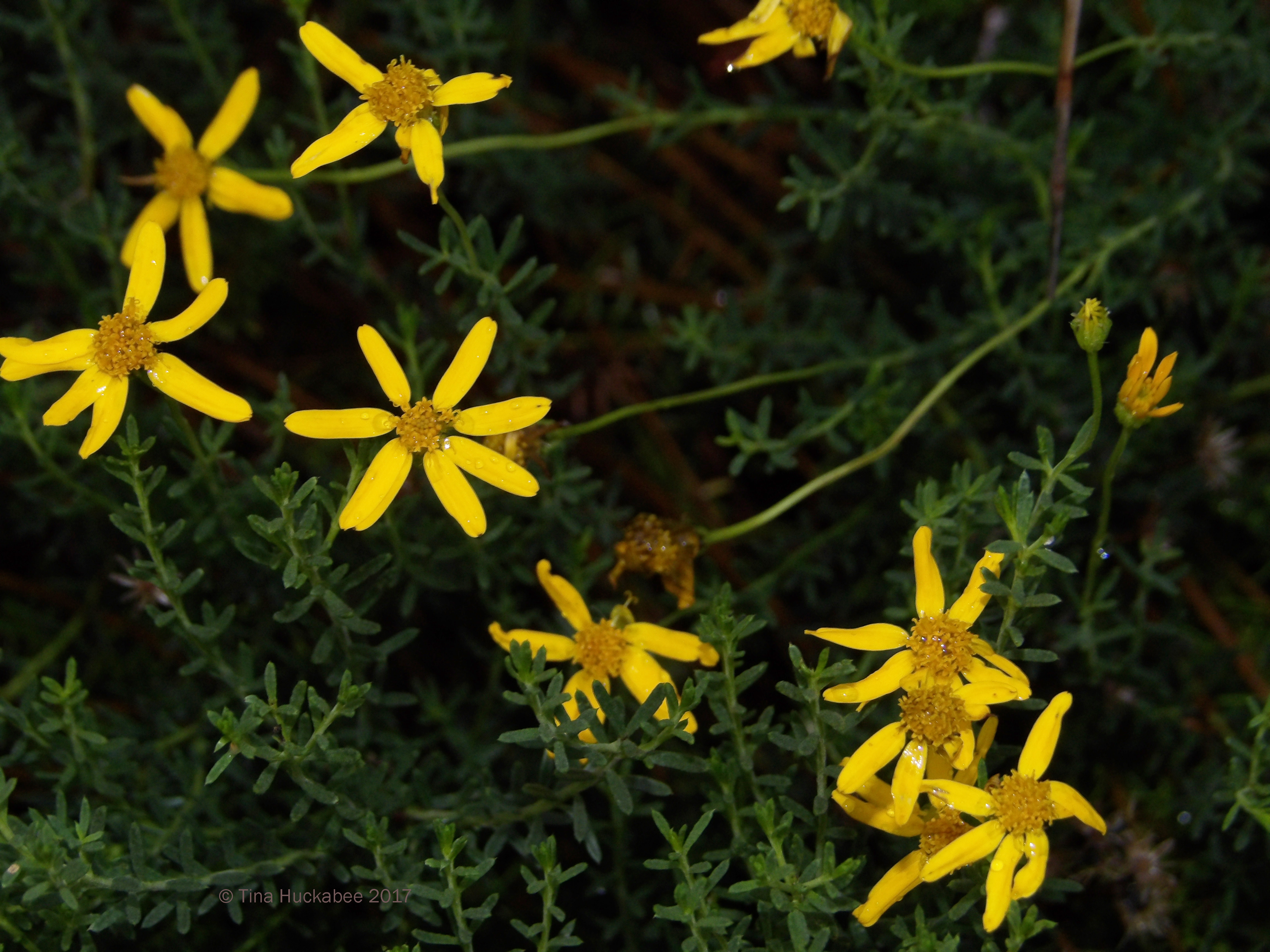
Brightening a front garden is a reliable spring and autumn bloomer, the low growing shrub, DamianitaChrysactinia mexicana.

Handsome evergreen and aromatic foliage, plus perky daisy flowers, equals floral sunshine.


This nice combo sits nearby and includes some of my favorite flowers: Purple coneflowersEchinacea purpurea and ZexmeniaWedelia acapulcensis var. hispida.

Both are superb pollinator plants and almost always have insect visitors in, around, or on the blooms.


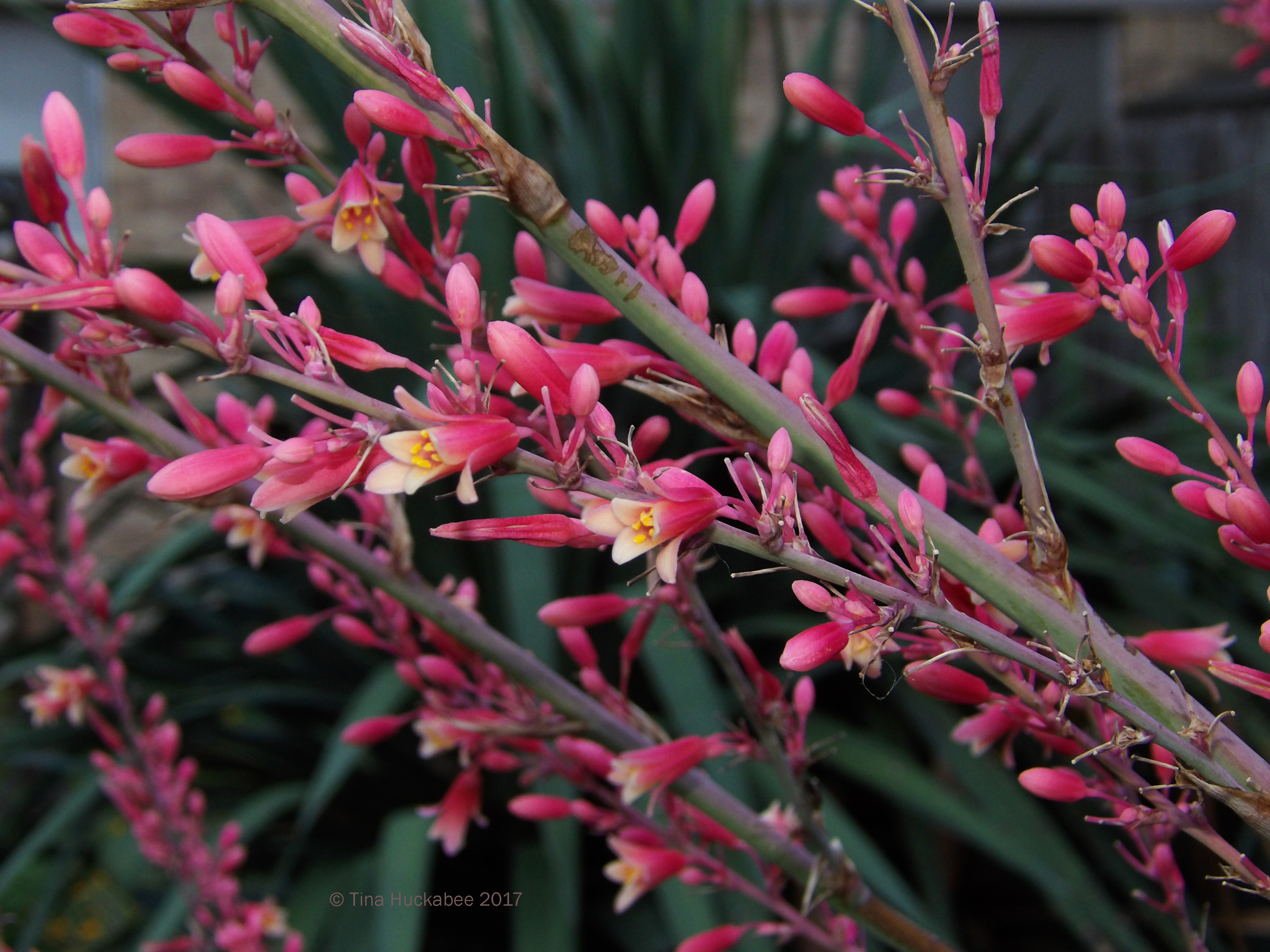
Red yuccaHesperaloe parviflora, are now in full, salmon-and-yellow glory.

The flower stalks are 4-5 feet in height and bear multitudes of belled blooms during spring, summer, and through fall, nourishing insect and avian pollinators alike.


A spray of Heartleaf skullcapScutellaria ovata, dances in front of surrounding shrubs and grasses, its violet blooms a floral contrast to the other foliage-prominent perennials.

A closer look…


Nothing shouts summer!  like sunny sunflowers and this threesome nod approval for a fast track to the summer blooming season.

Some of this season’s sunflowers are already in seed production and the finches and sparrows are taking notice.

To enjoy more May blooming beauties, please pop over to Carol’s May Dreams Gardens and enjoy bloom-filled-blog posts celebrating blooming in May.