Elements

The Hub and I cleaned the pond this past weekend.  While unnecessary for the health of an aquatic environment (pond scum smell isn’t the least bit off-putting for the fish, plants, or insects), we start anew each spring with a thorough cleaning.  Occasionally, we’ve skipped the chore in favor of other demands.

Fish were removed and stored in containers for the day; water was drained into the gardens, which love the rich liquid;  lilies and bog plants were separated, then re-potted; leaves and pond-bottom gunk was scooped out, bucketed, and dumped into the compost bin.  The aquatic environment is now refreshed and renewed for a year of lush growth.

After the work–it’s a long day–I photographed the less foliage-covered, fresh watered pond.  I’m struck by what this shot shows.

Aside from the beauty and diversity that a pond (clean or otherwise) brings to a garden, what caught my imagination was representations of the traditional, though unscientific, four elements of the Western world: Earth, Air, Fire, Water.

Water:  it ripples and supports pond life. To the left of the photo, unseen, is the waterfall.  The force of the waterfall, combined with whatever breeze exits, moves the water across the pond, in gentle, incessant movement. 

Air:  the rippled water reflects the blue sky and white clouds.   In Air, but part of Earth, the overhanging trees are mirrored in the Water, bookending the clouds and sky.

Earth: limestone rocks border the pond.  These rocks are from the cemetery where our lily/our daughter, Shoshana, rests, and are as solid and permanent as our love for her.  The three pond lilies also rest–under water–which breathes life in each; rocks hug that source of life.

Fire: of a sort, in the sparkling Texas sun as its rays reach, and touch, Water.

Joining in today with Anna’s Flutter and Hum and her wonderful Wednesday Vignette.  Please pop over for garden, nature, and other musings.
 

Berry Delicious

I continue enjoying visits from the wintering Cedar Waxwings, Bombycilla cedrorum.       An afternoon or two ago, I observed as they laid waste the berries on a neighbor’s Possumhaw holly, Ilex decidua, and wondered at that time why they hadn’t descended upon and devoured the berries on my Burford holly, Ilex cornuta, shrubs.

I wondered too soon.

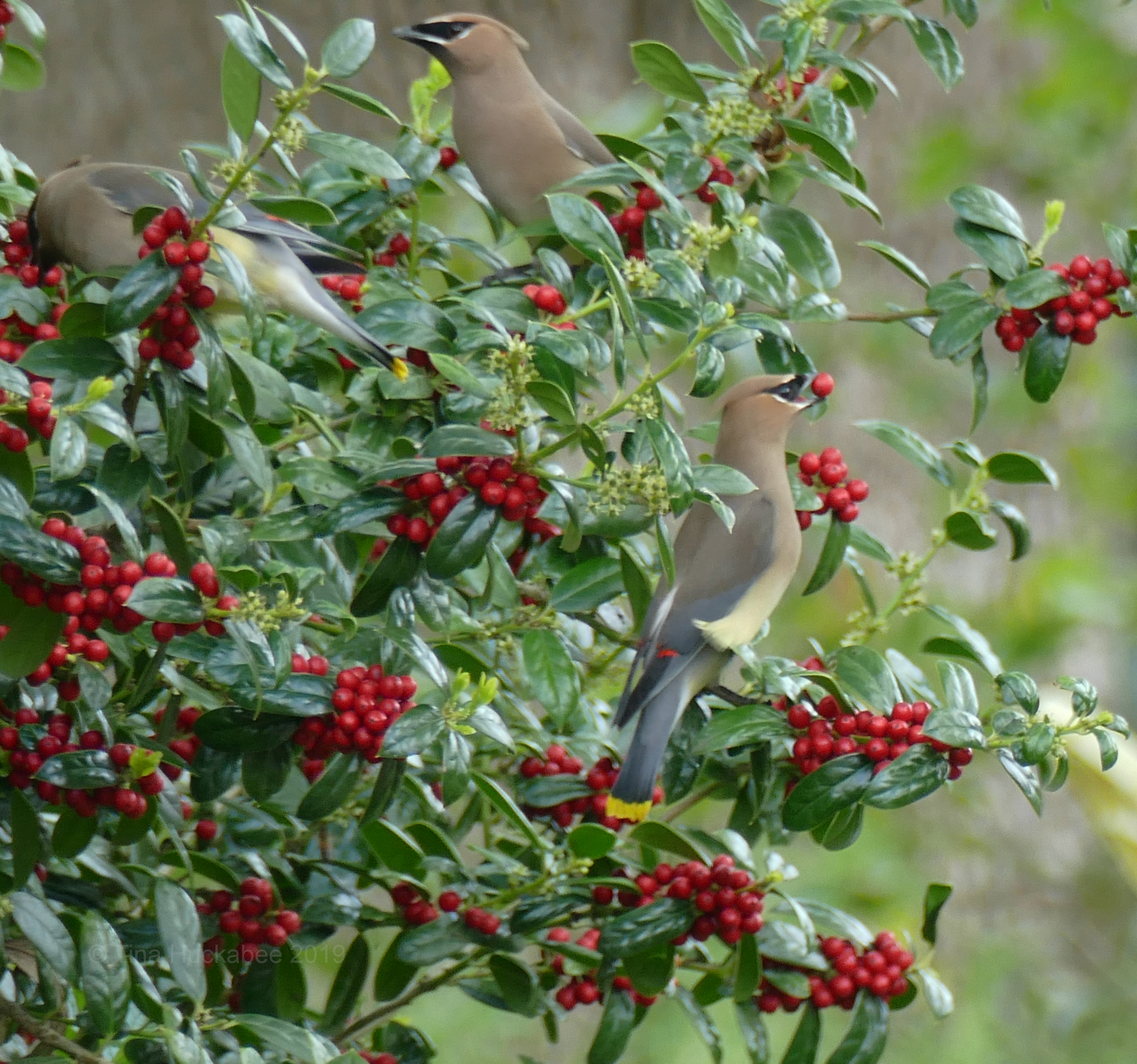
A gaggle of waxwings found the shrubs and went to work–flitting, flapping, berries in beaks.

I assume waxwings ate the few berries that were on my Possumhaw–someone did– though I never actually saw any in that tree.  The Burford holly shrubs are located in a more easily viewed spot.  It was quite a show.

This one looked straight at me as he gulped a fruit, though probably didn’t see me. I was well hidden in another corner of the garden.

There are plenty of berries remaining; I wonder if they’ll return before they make their way northward?

The shrubs are also now blooming their tiny white flowers and the honeybees and hoverflies are at their pollination work.

There’s never a dull moment in the garden.


All Hat, No Petal

All hat, no cattle  is a contemporary phrase describing someone who’s showy, but lacking in substance. The saying is used to describe a person who talks big about a subject, but when pressed, can’t convey solid information or skills.   There’s some dispute about the origins of the axiom, with some suggesting that it’s an old Texas adage, and others mistakenly linking it to the 1978-1991 television program, Dallas.  The earliest verified notation of All hat, no cattle is in the March 1944 issue of Agricultural Leaders’ Digest 25, No. 3, with possible earlier references.

My twist on the pithy proverb is this:  all hat (sepal), no petal.  

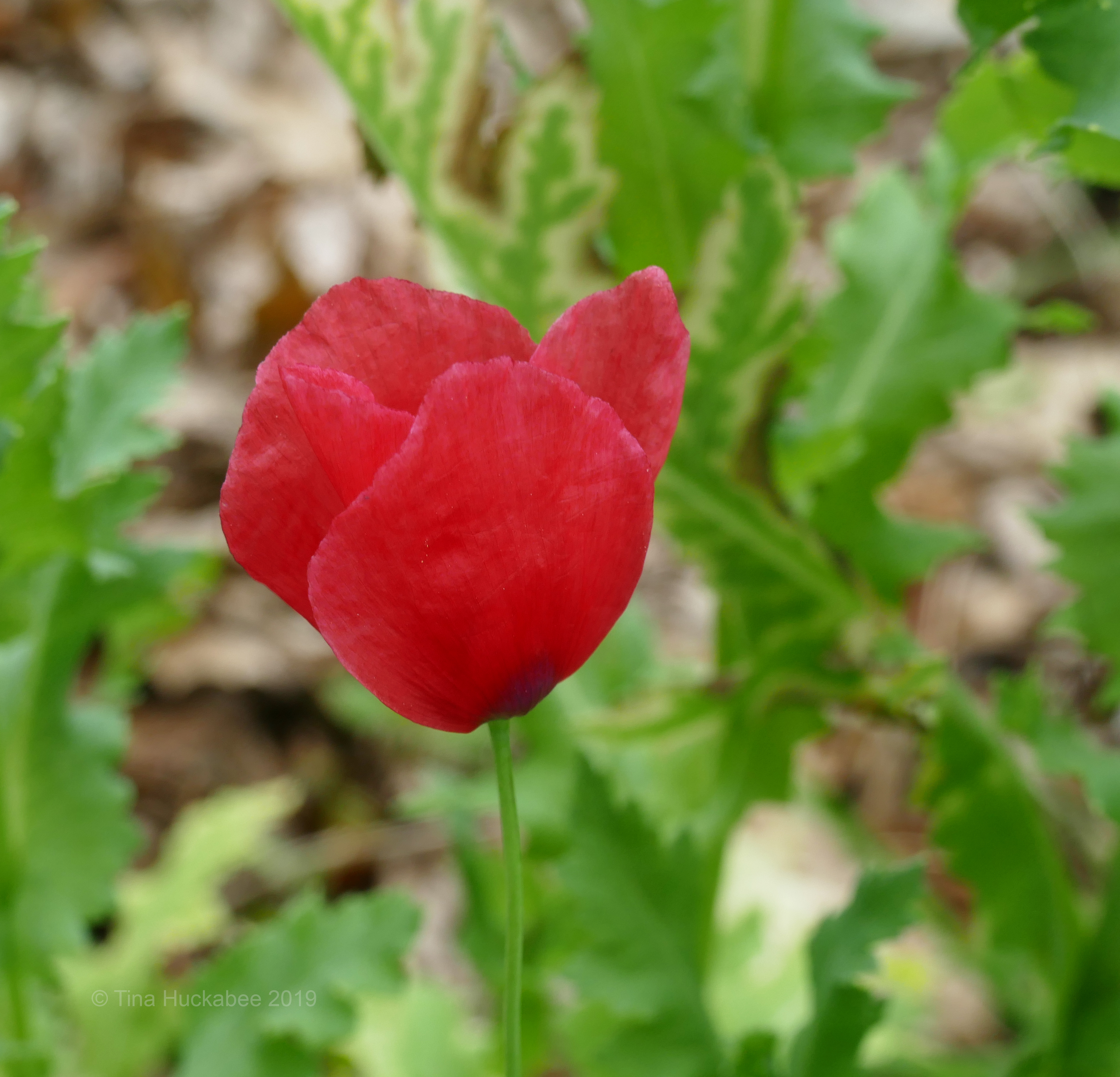
The hat, in the form of the poppy’s sepals, is not quite doffed for the as-yet-unfurled petals.  It’s a flower, but a flower currently unable to deliver its goods–it’s a flower wanna be, with promises of produce, but lacking in freight.


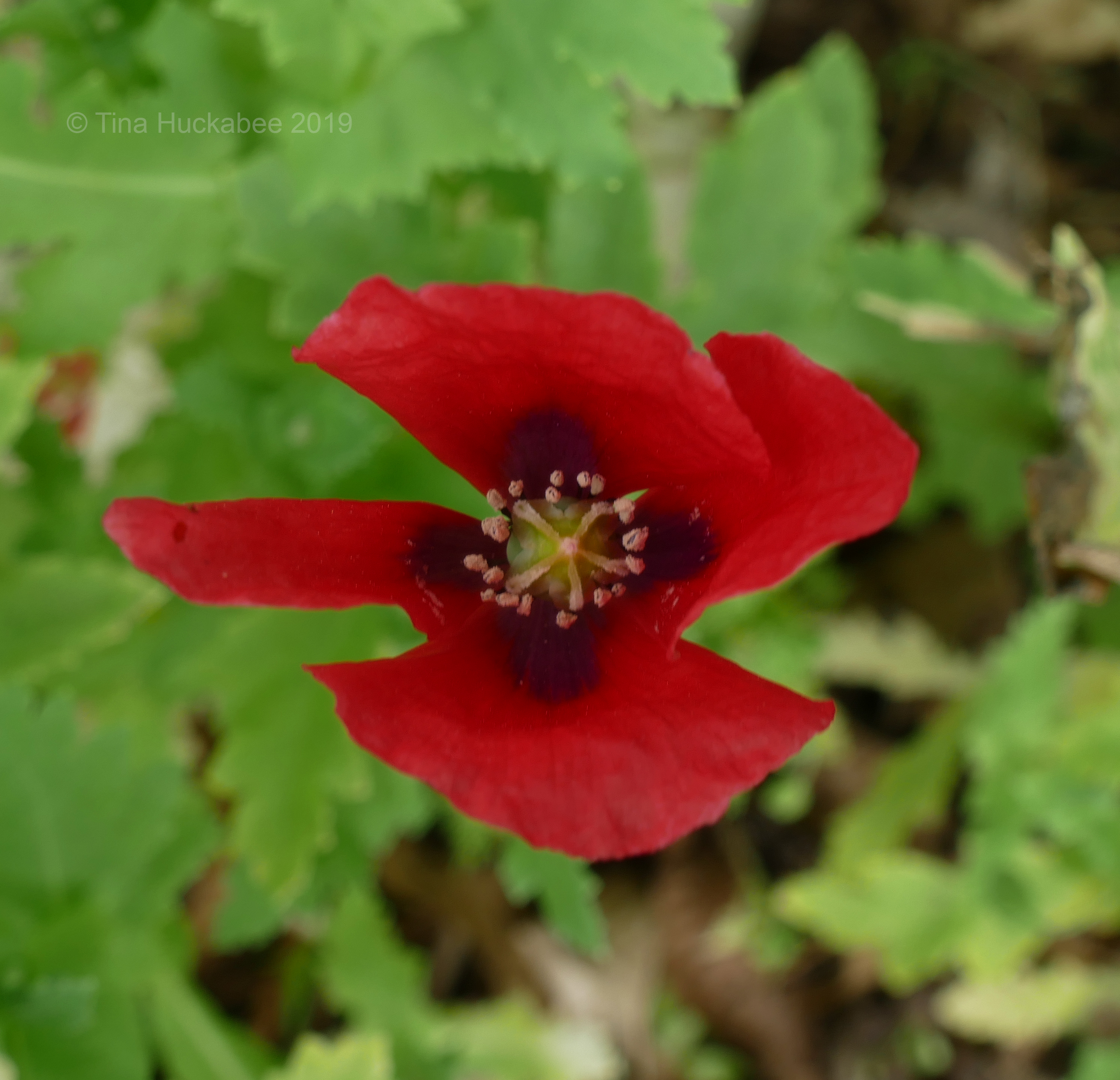
Here, the sepals are gone, having drifted away with a puff of breeze or the pull of gravity; no doubt they rest nearby.

The petals are opening for business, the flower awaiting its pollinators.


But peering into the heart of this poppy, there is no phony, fake entity; pollen and nectar are in place, ready for action.

The insect work of pollination and resulting future bloom procreation, will continue.

Check out Anna’s Flutter and Hum and her wonderful Wednesday Vignette for garden, nature, and other musings.