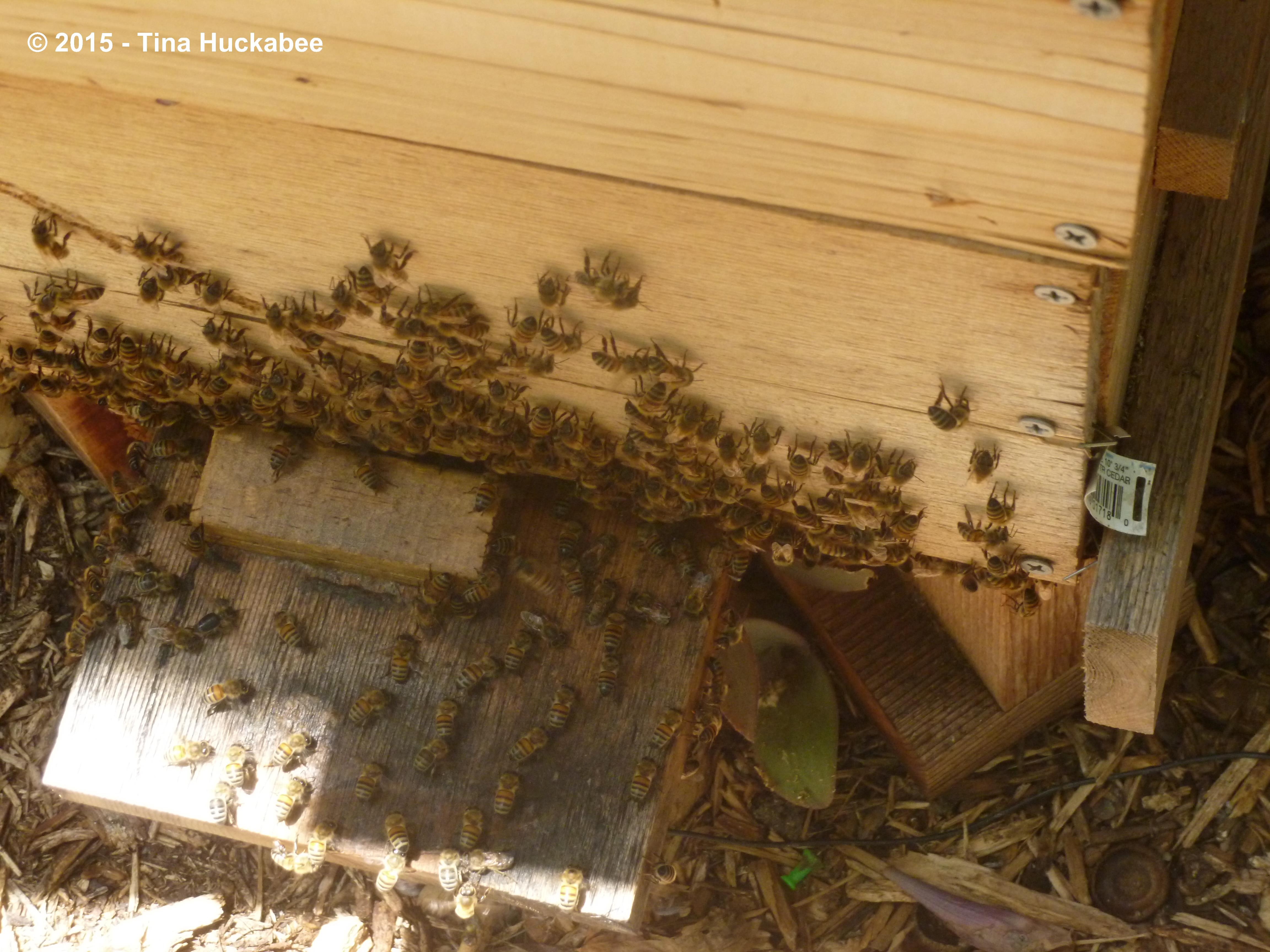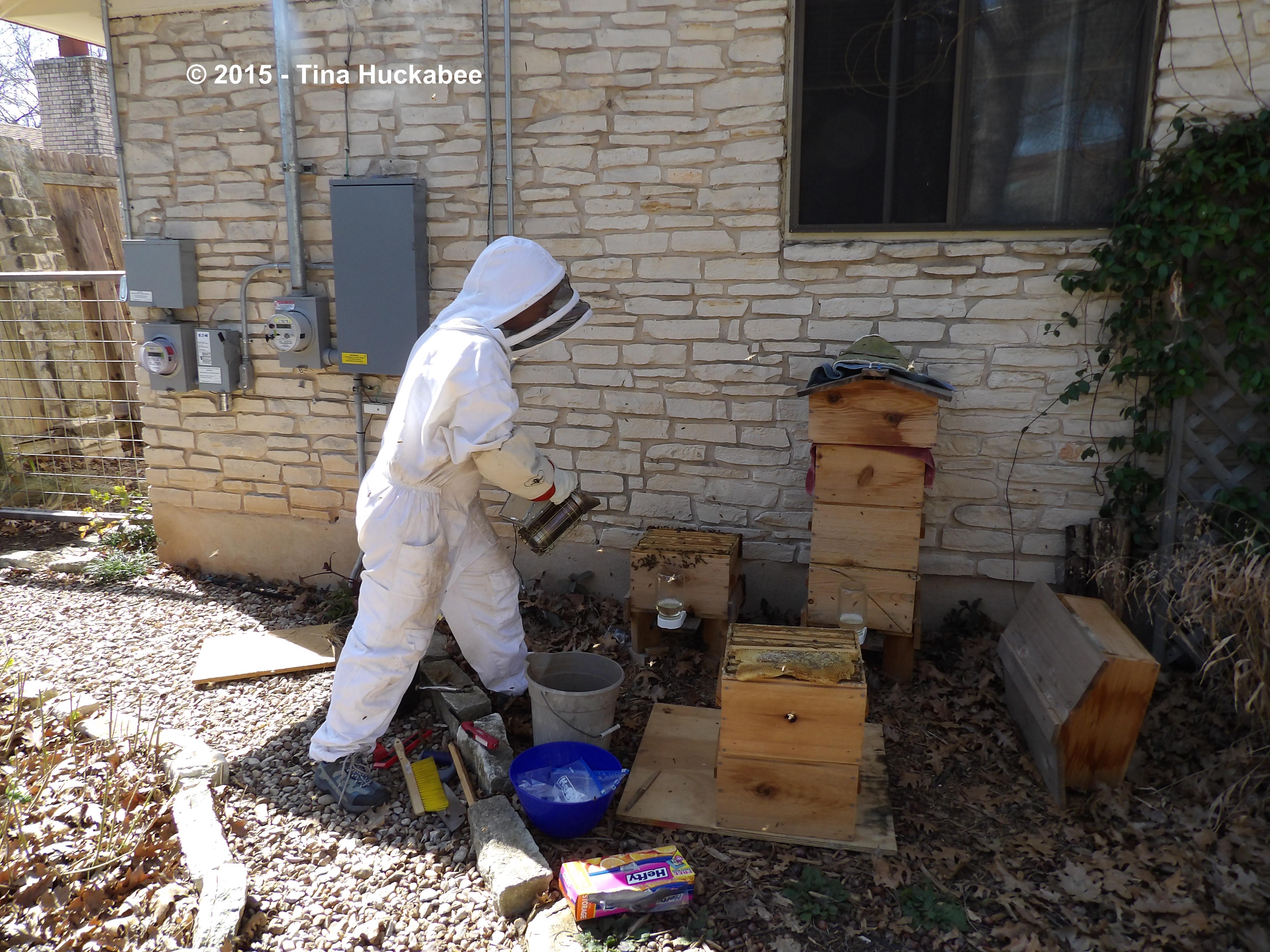
In my last Bee Mama Missive, I mentioned that my hives have been invaded by Small Hive Beetles, Aethina tumida.
 These invasive ickies hail from Africa, appearing in the United States first in 1996. Here in Texas, there’s nary a honeybee hive that doesn’t host these lovely creatures. Sarcasm here, folks. Our hives were invaded by them last year, too. If the hive is strong, the beetles don’t cause all that much damage–bees will remove some of the beetles and their larvae, thus keeping the invaders in check. But hive beetles are destructive; they can damage comb and the accompanying honey and pollen. If the hive is weak for whatever reason, the hive beetles can destroy the hive and/or the honeybees will abandon their hive.
This summer, many beekeepers in Austin have reported prolific infestations of small hive beetles, owing to the heavy rains and resulting higher humidity that occurred in late spring. My hives are no exception to the rampant hive beetle infiltrations. Last summer, I’d see a few beetles whenever we checked our hives, but only a few. In the last three hive checks, I’ve been appalled at how many of the nasty critters scurried away as we removed the tops of our hives for inspection.


One suggestion to limit hive beetle infestation is to place hives in full sun–apparently the beetles don’t particularly care for the blazing sun and resulting heat in the hives. In my garden, there aren’t many “full sun” spots on my property and none of those spots are particularly appropriate for hive placement, so that’s not a remedy I can employ. My hives face east and are under the shade of a large Shumard Oak. I don’t use chemicals in my gardens and with beekeeping (for obvious reasons), chemical fixes are generally discouraged. While Bee Daddy and I can squish the hive beetles when we open our hives, that’s not a particularly effective or practical way to limit their population, no matter how satisfying the squishing might be. What to do?
I noticed that Beeweaver Apiaries sells a product called Beetle Bee-Gone.

Basically, it’s a package of cotton cloth sheets that act to trap the beetles in the hives.

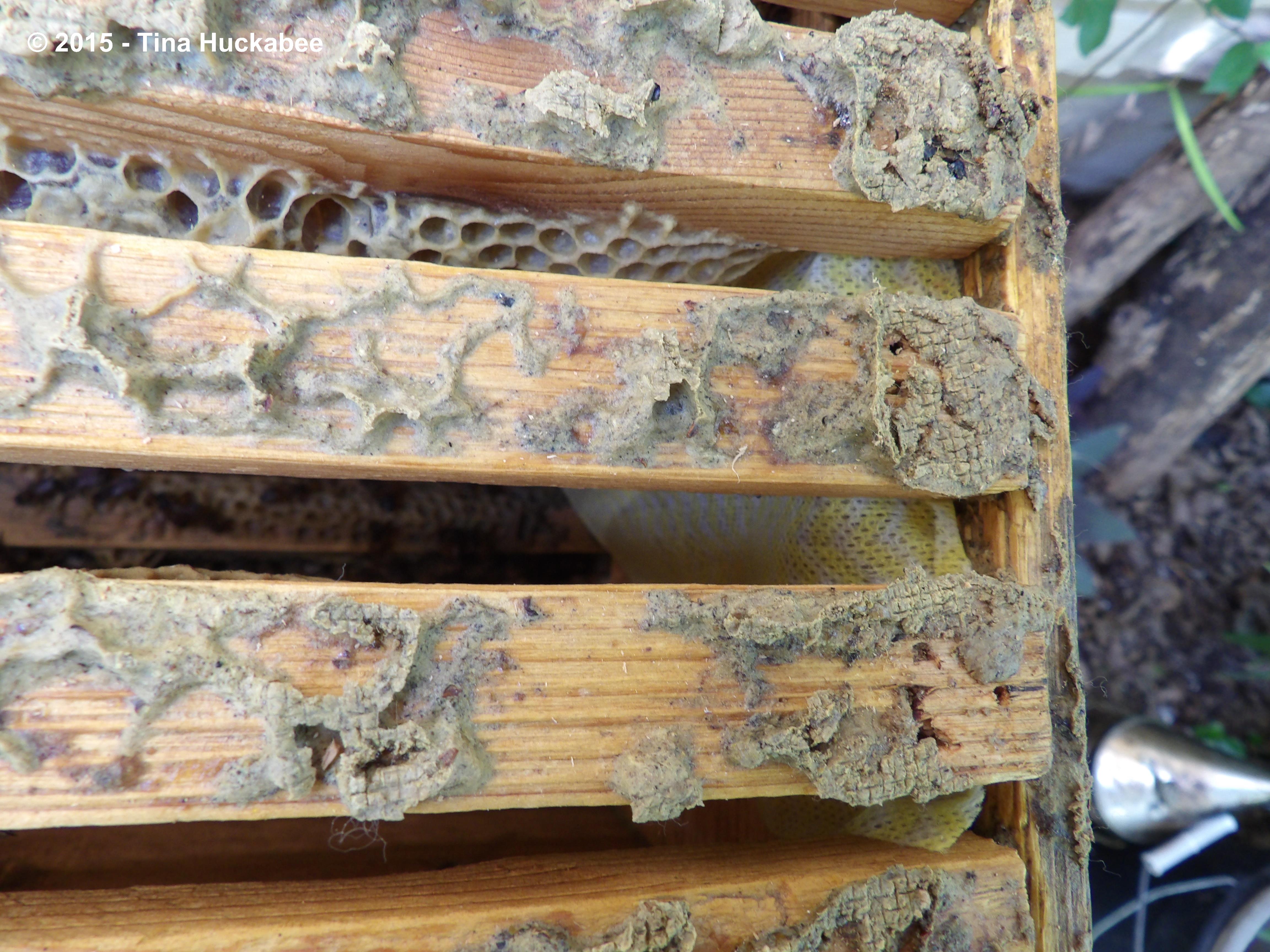
The sheets are affixed to the frames and the bees will chew up the cloths, rendering them “fuzzy”. The beetles in the hive are then trapped because they have hooks on their legs and become ensnared in the fuzz. Honeybees like tidy hives and they will remove the fuzz-n-beetles loose in the hive.
At $7.95 per 48 sheets, plus shipping and tax, I’m game to try just about anything against the helmeted menaces.
On July 22, just before I left on a trip, I placed two sheets in each of the top two boxes of both Scar and Mufasa.

It wasn’t quite as easy as I’d envisioned, placing the sheets under bars while wearing thick gloves and crooning to the annoyed bees. Yes, I do that. I removed a couple of the center bars in the top and middle boxes, then tacked down each sheet with a little bit of wax, placing the bars back on top of the sheets. I closed the hives, wished the bees well and left town with a good heart.
Sixteen days later and with some trepidation–Did the traps work? Will we see more beetles? Is there beetle damage to the comb?–we opened and checked both hives.


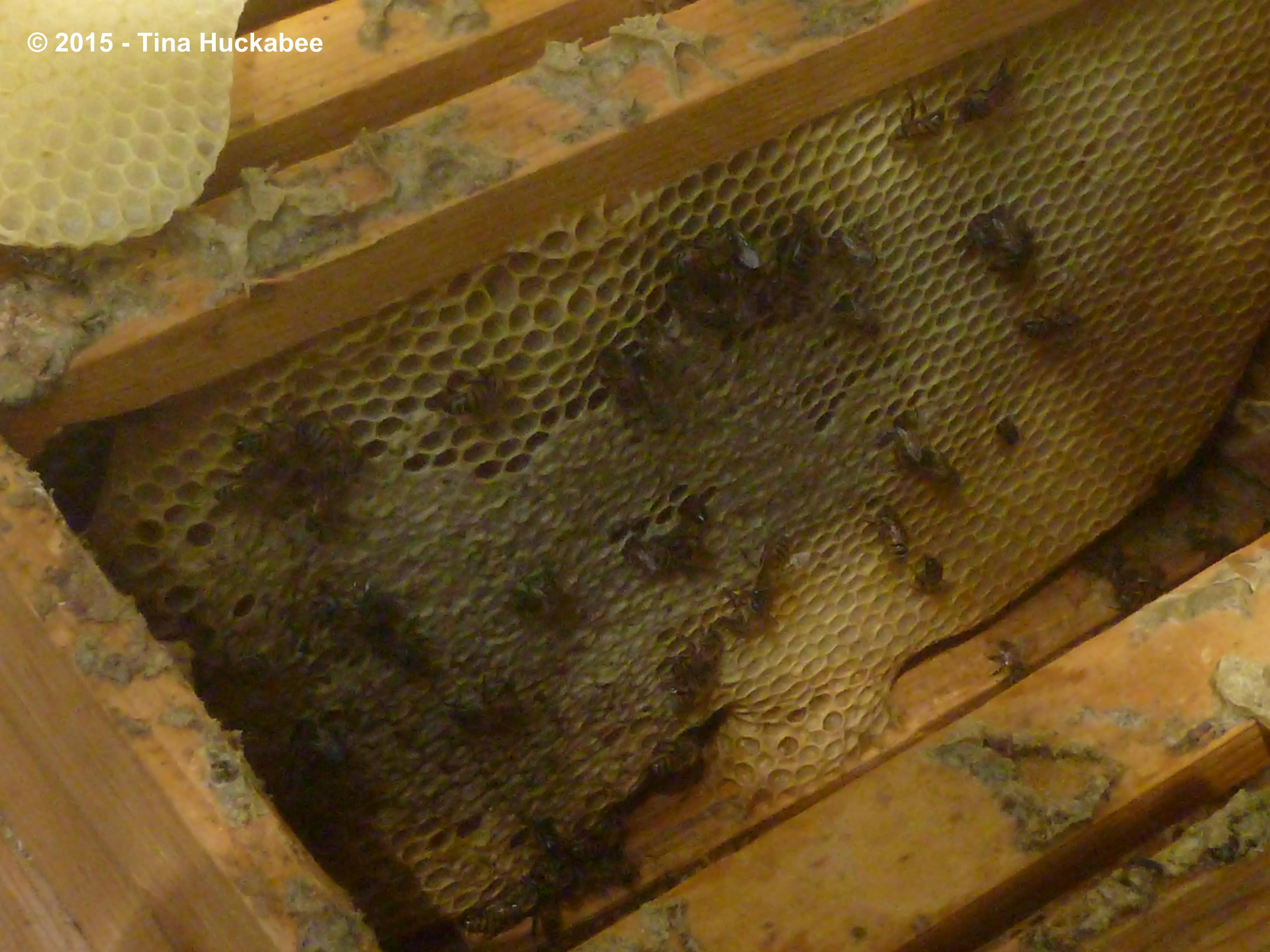
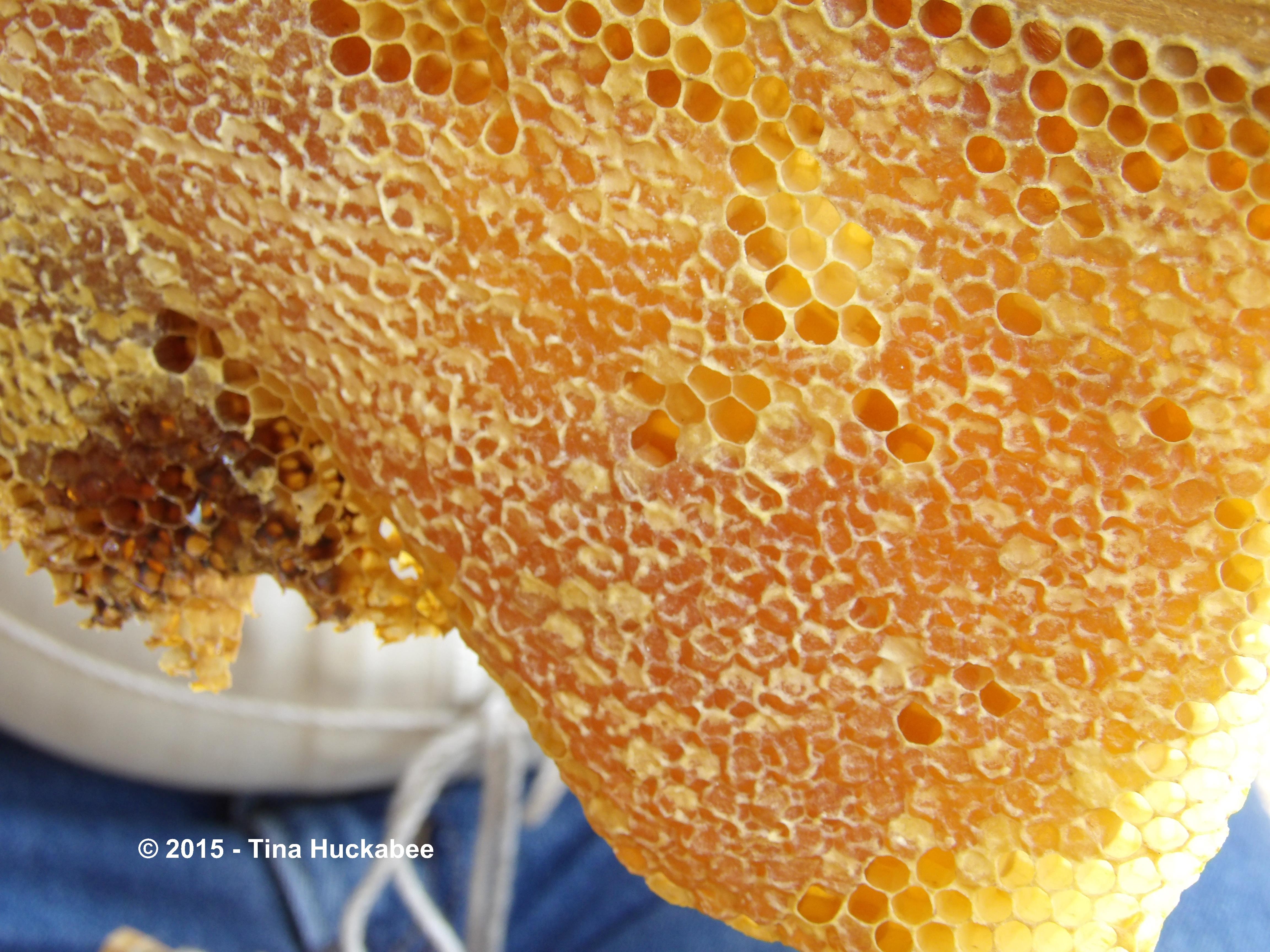
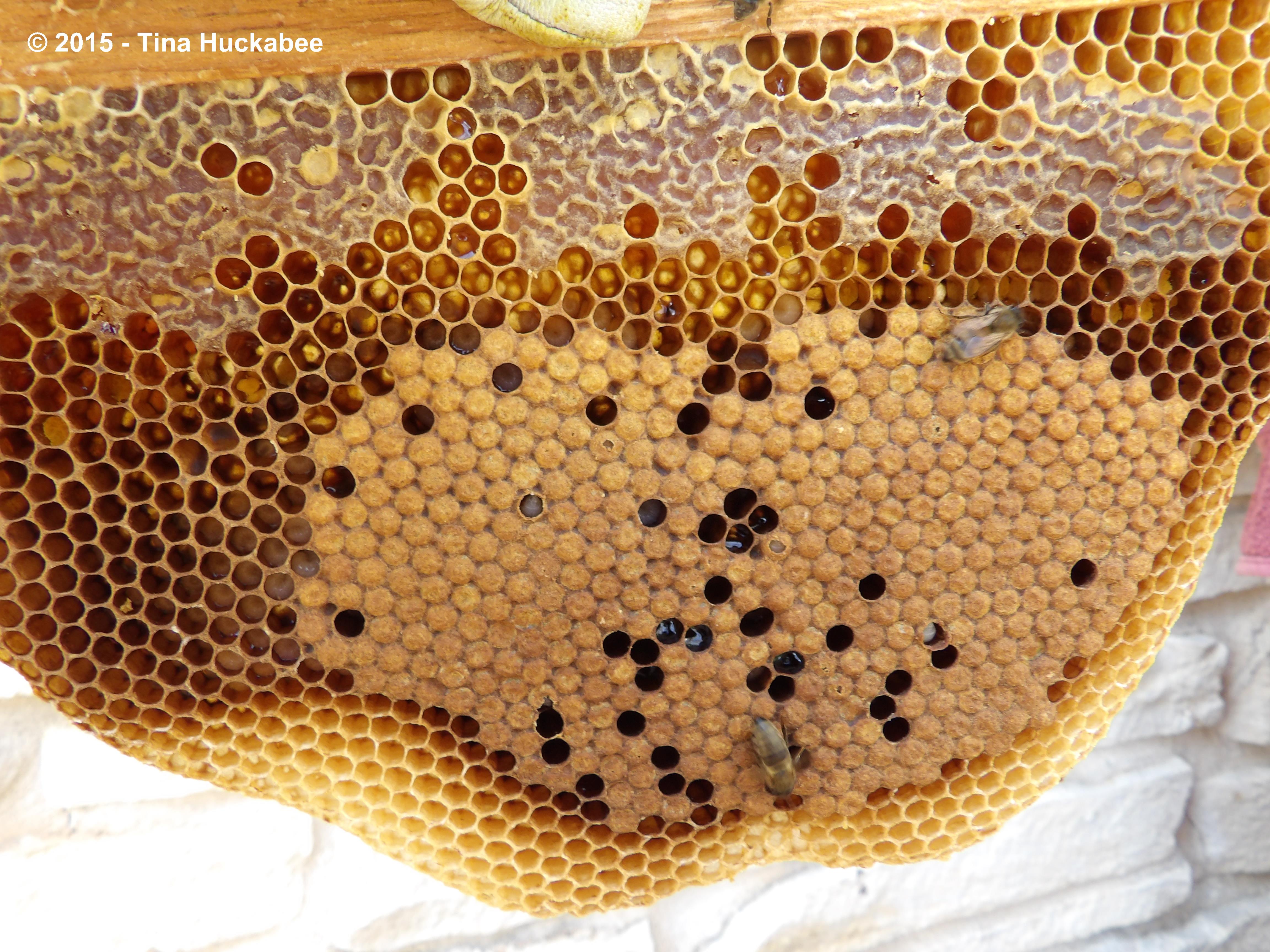
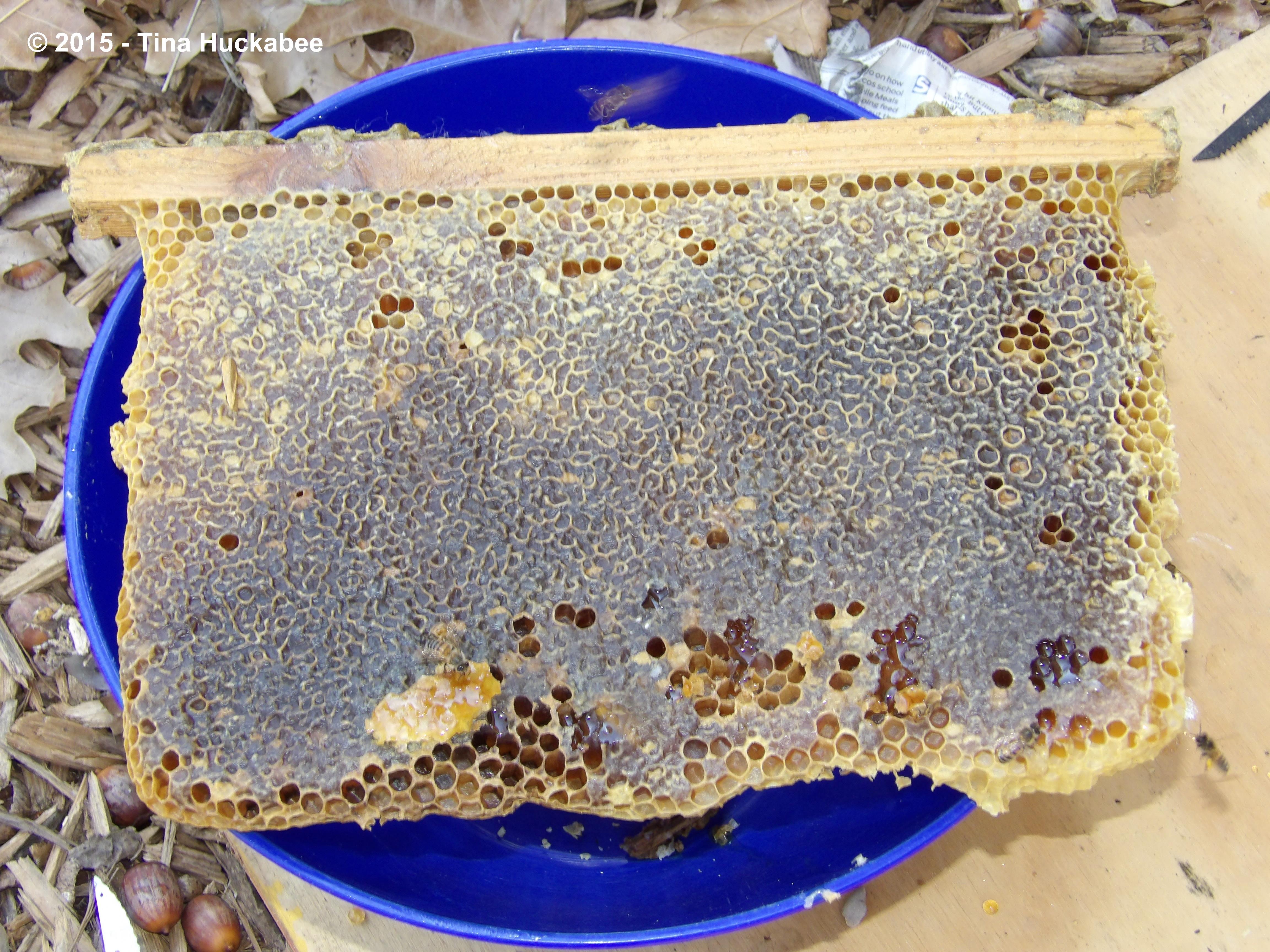
Mufasa is thriving! Mufasa has a strong queen and the hive is healthy, active, a bit cranky, and loaded with beautiful honeycomb.
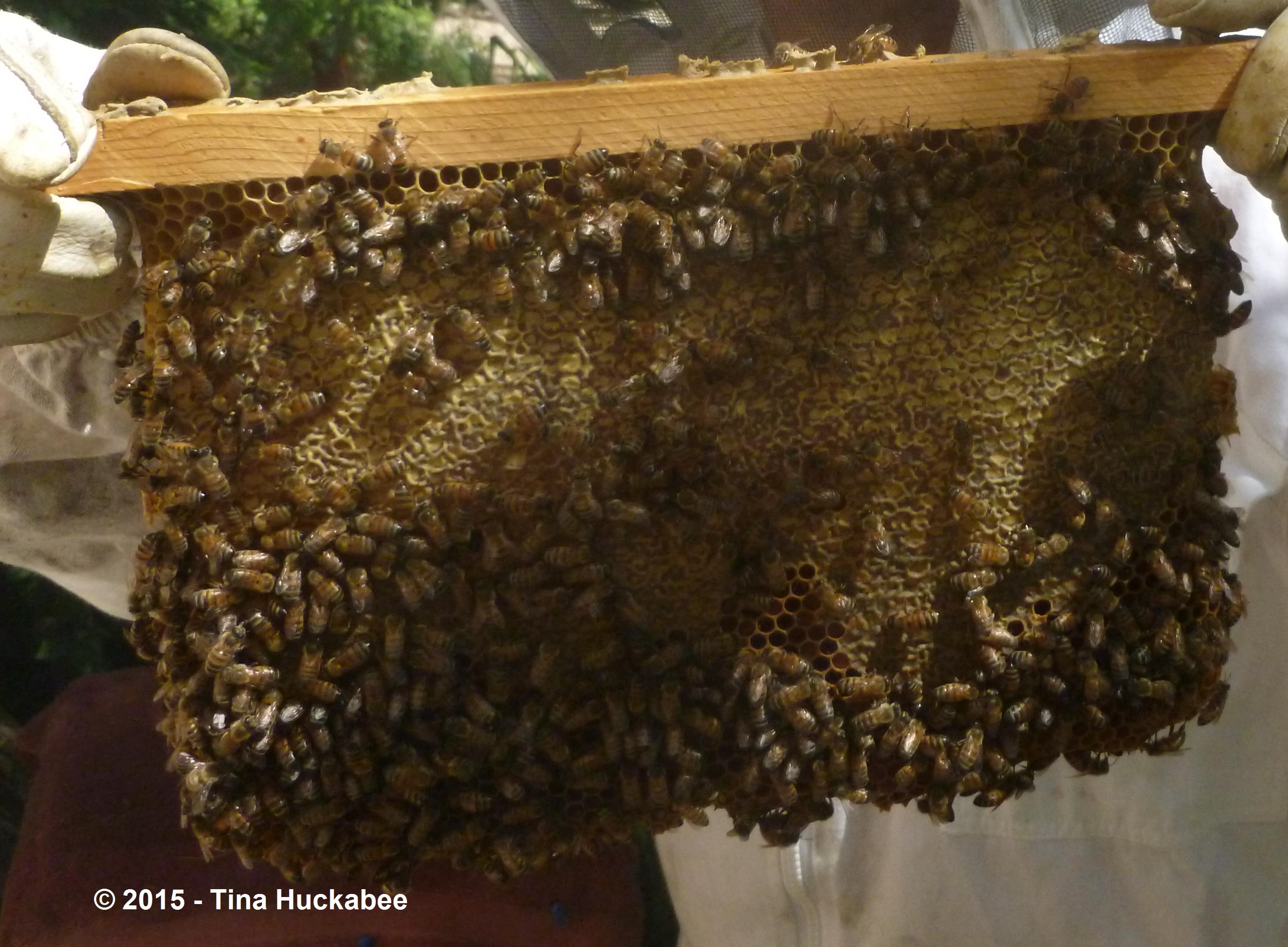
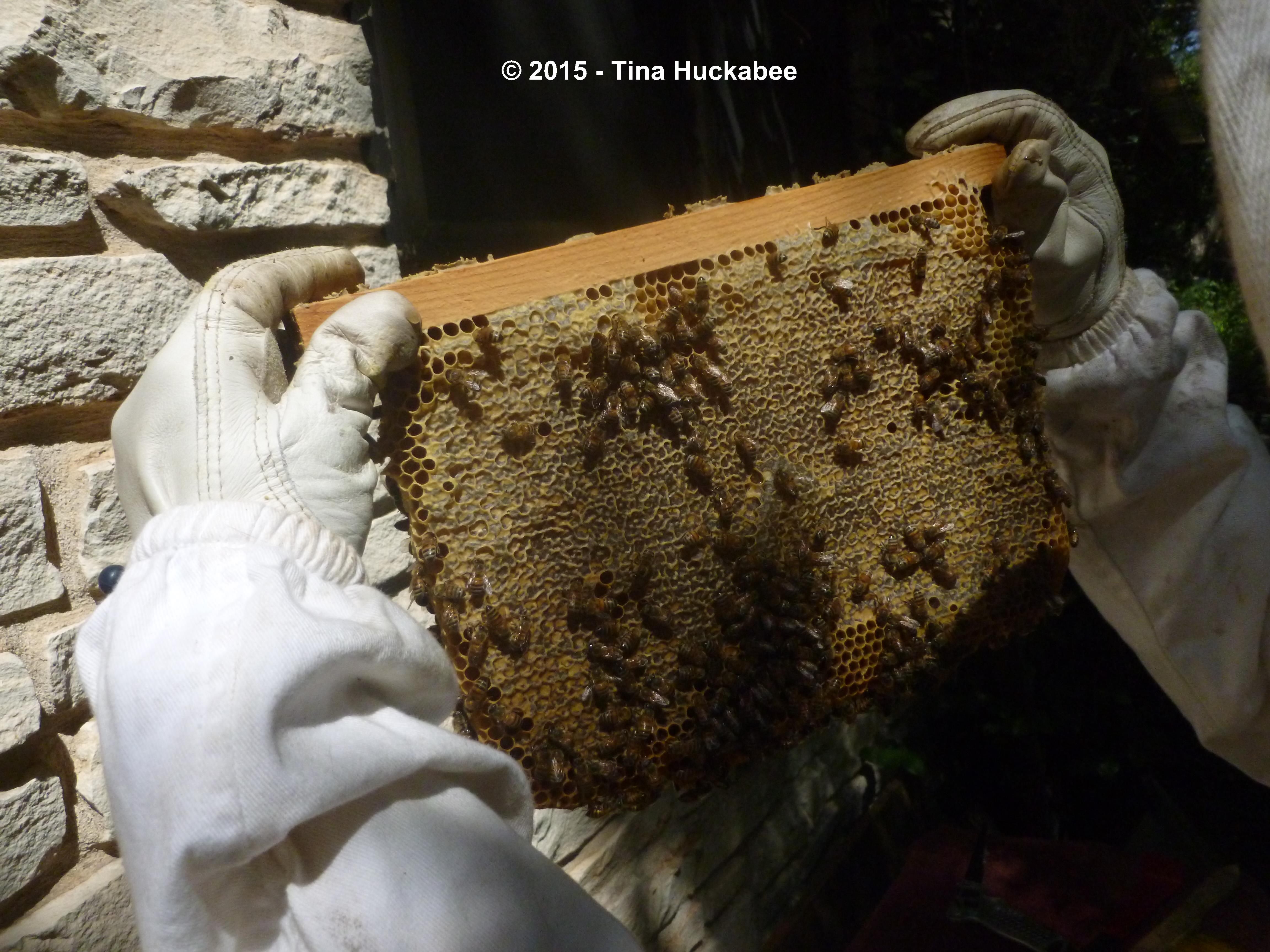

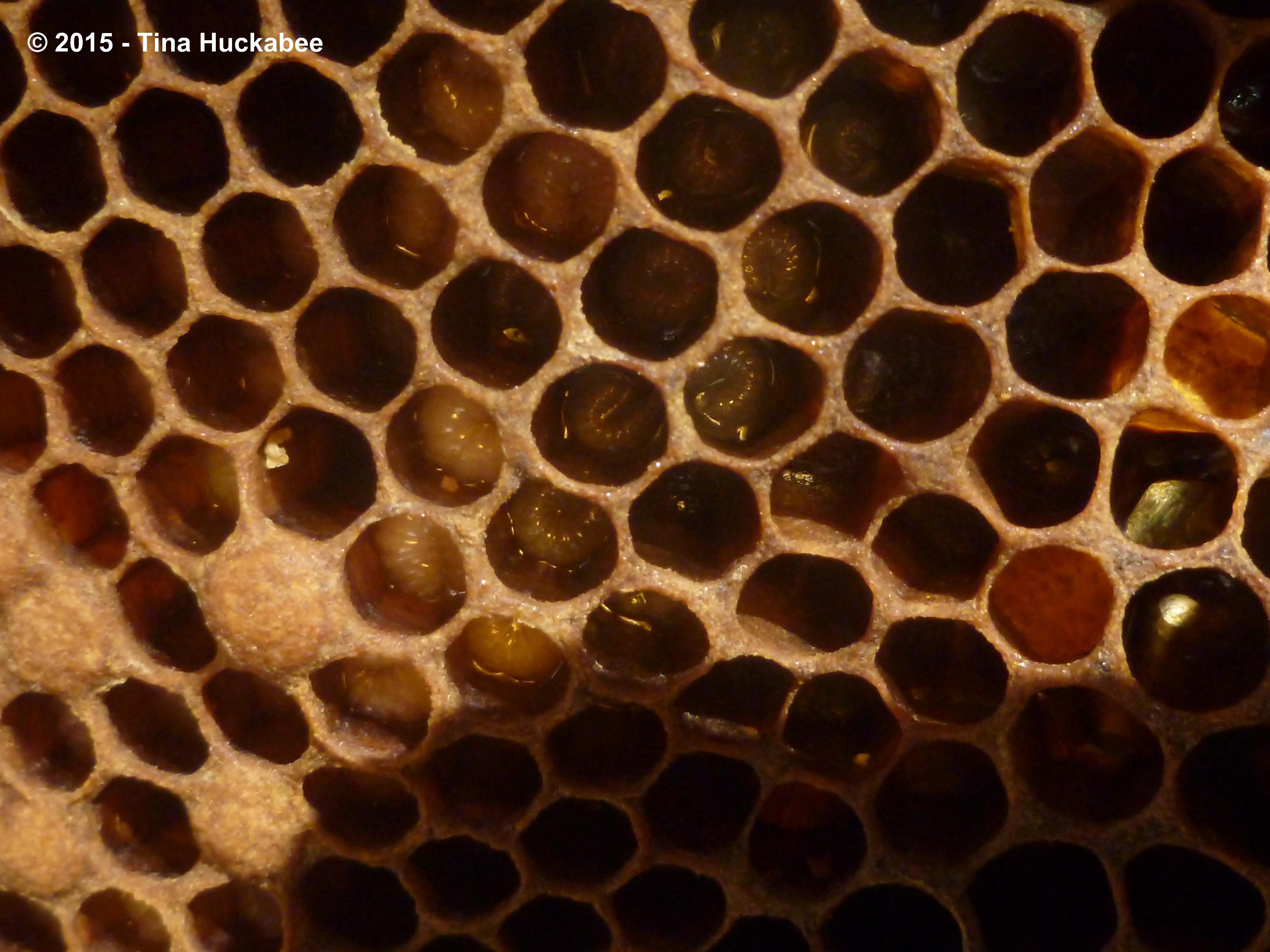
With plenty of capped and uncapped brood–a new generation is underway.

However, there was no sign of the sheets that I placed in Mufasa’s boxes. A day or two before, I’d seen bees removing fuzz from the hive entry board. Was it Beetle Bee-Gone fuzz? Maybe, but I’m not positive. There were still more beetles that scurried when we opened the hive than I would have liked, but significantly fewer than we’d seen in the last few hive checks. We squished plenty; I’ve discovered an additional use for the hive tool.
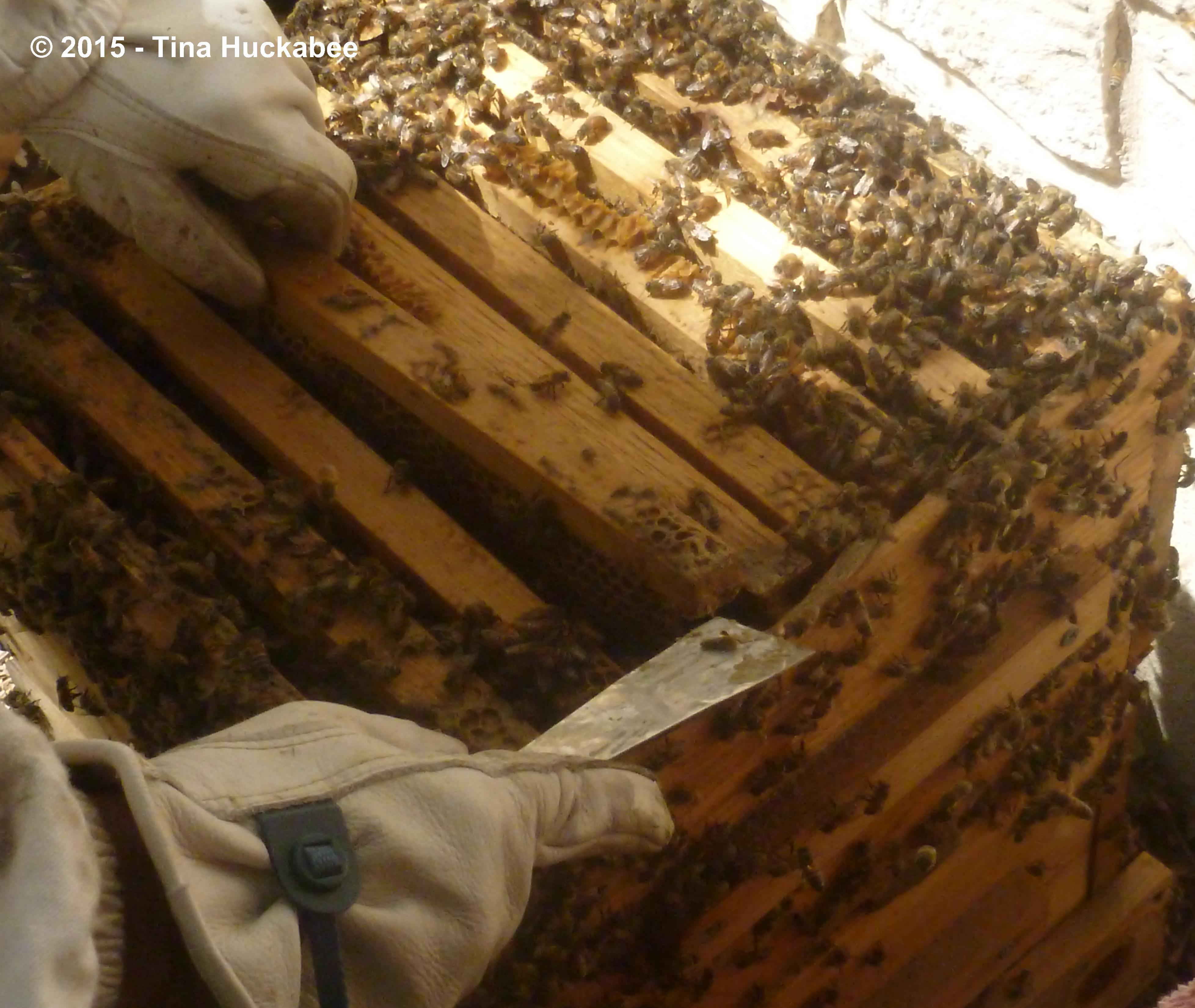
It’s an excellent beetle murder weapon when placed on top of a victim and pressed.
Generally pleased that the hive was healthy and that we saw fewer beetles, we closed Mufasa and moved on to Scar. Scar was quite the revelation!! Not as robust a hive as Mufasa, there were hardly any beetles–a few, but roughly in the manageable numbers that we saw last summer. And in Mufasa, we were able to see the Beetle Bee Gone sheets in action.
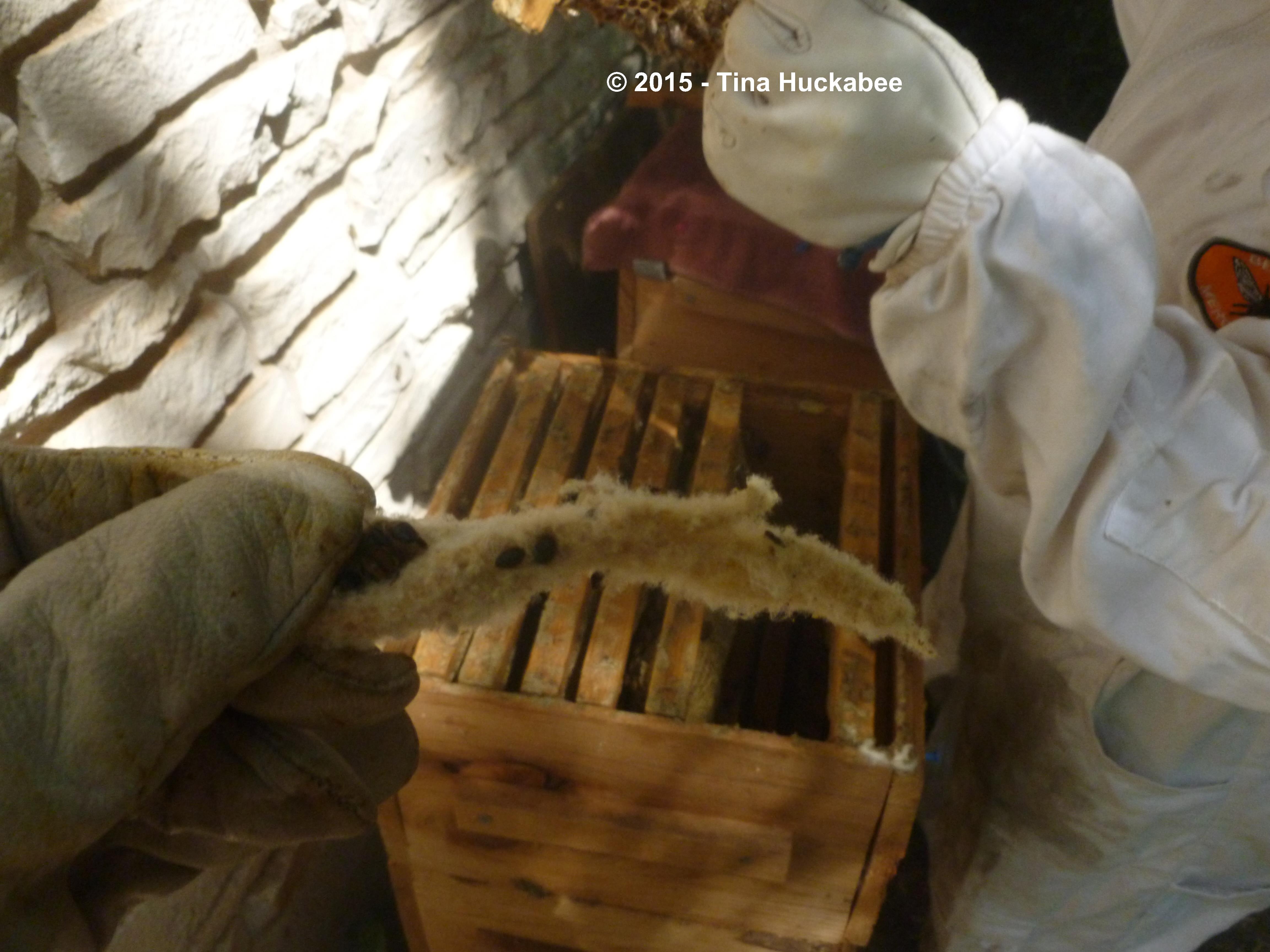


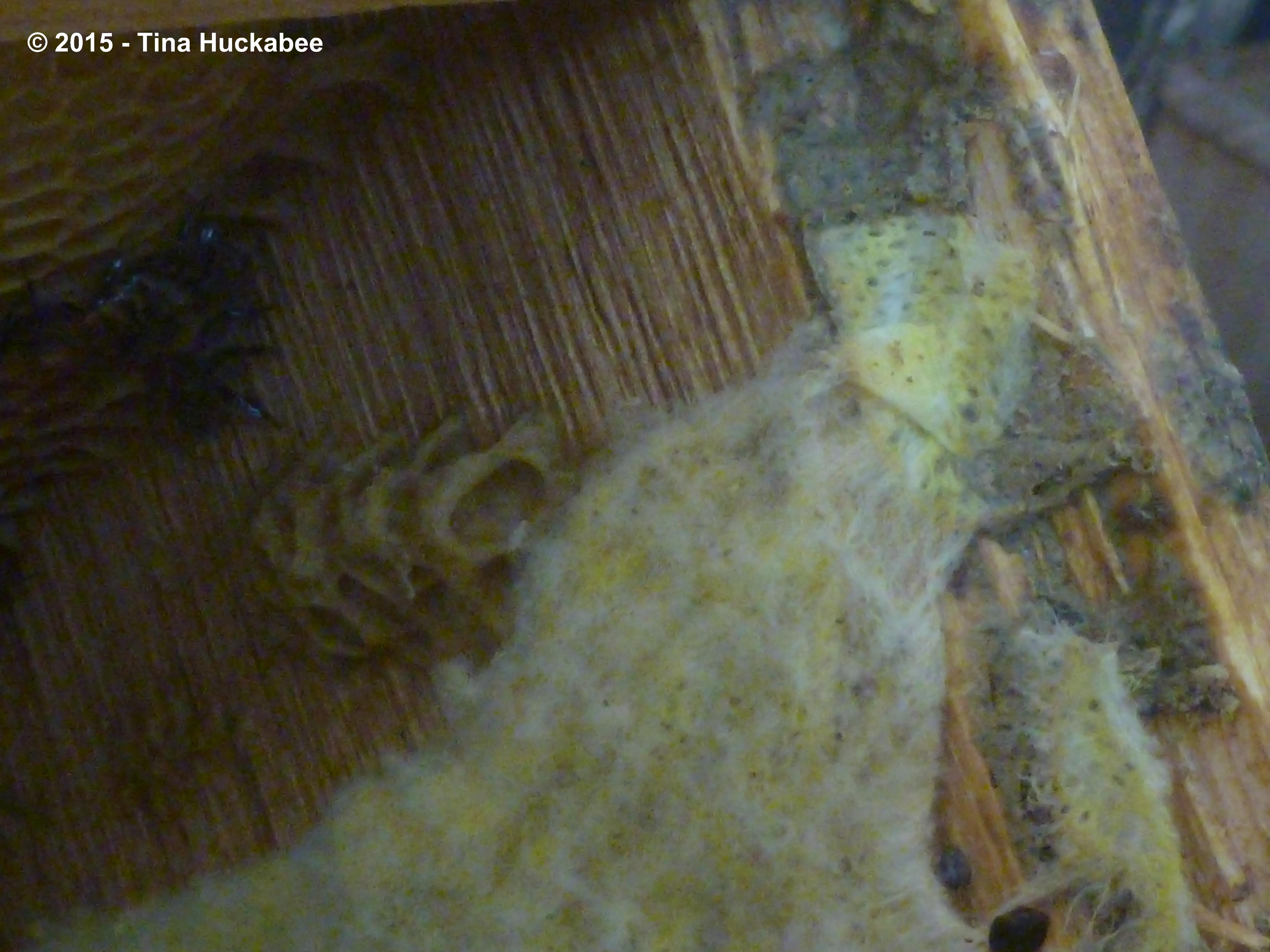
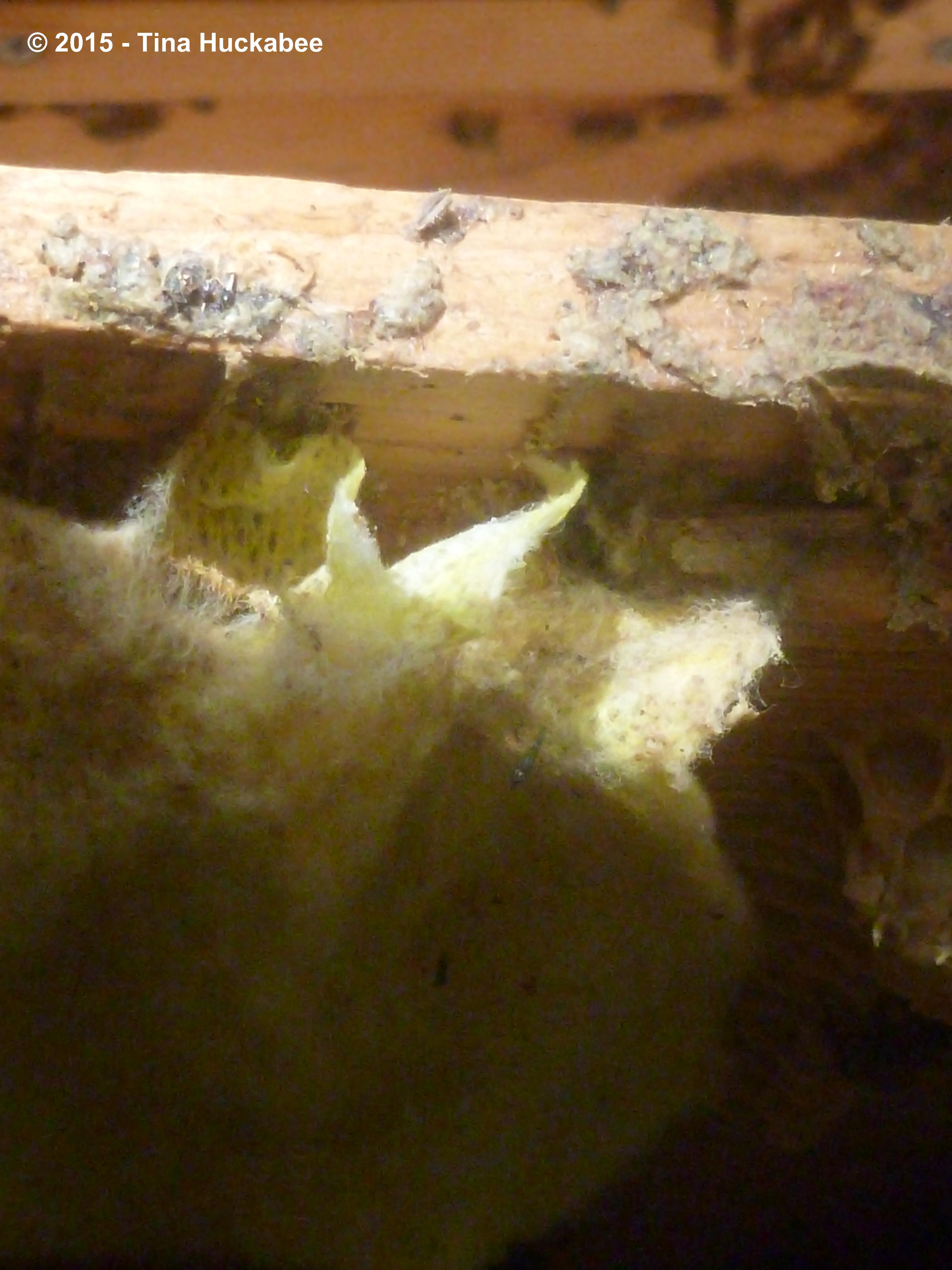

Or maybe post-action is a better description. The sheets were obviously bee-chewed and fuzzy and there were beetles, dead and alive, caught in the fuzzy sheets.

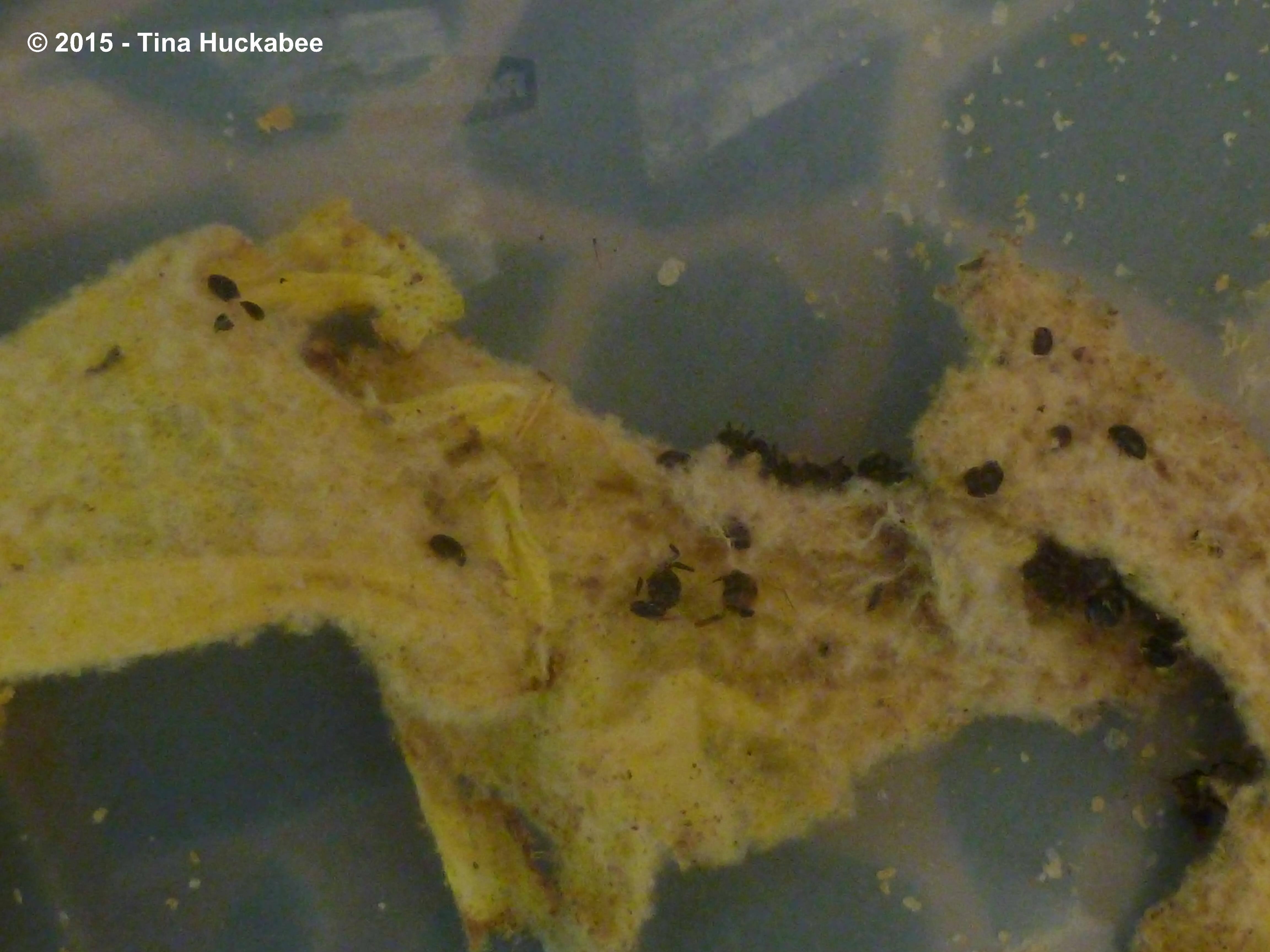

Victory!!
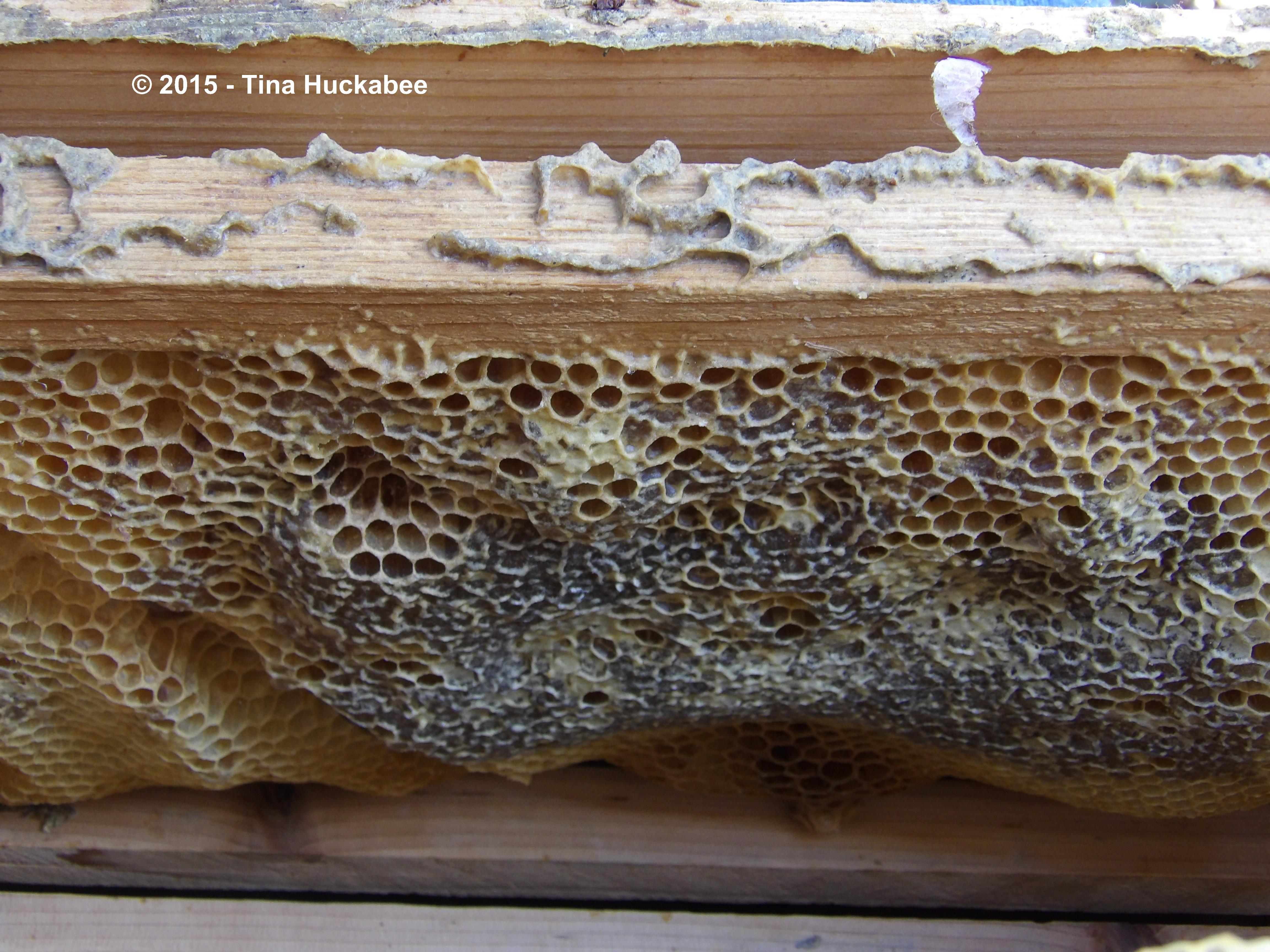
Scar doesn’t have the full comb in both top boxes like Mufasa has, nor the amount of honeycomb, but like Mufasa, Scar has lots of capped and uncapped brood.

I added more sheets to both hives and will check on the beetle-trapping progress in a couple of weeks. I gathered up the used sheets with beetle bodies,

…and tossed the whole mess where it will do some good–in my compost bin.
I feel good about the success of the Beetle Bee-Gone sheets and their trapping of some of the beetles. Did we get them all? No way and we also didn’t check the bottom, or main, brood box. There could be beetles there, causing havoc. But both Bee Daddy and I concur that we don’t want to go into the hive that deeply–the risk of rolling our queen is just too great. Been there, done that. We’ll continue to monitor the hives from the middle and top box.
That will have to suffice. Fingers crossed.
I think that giving the bees a hand in the maintenance of their hive may have allowed them to get ahead of their beetle infestation. I won’t know if that’s true until we check the hives again, but we noticed that during the last few hive checks and with full, gross beetle infestation, our bees were quite cantankerous. Really mean. Even with adequate smoke, they were much more aggressive than usual. This hive check? They were back to their (relatively) sweet selves. Yes, they get snippy when we invade their home, but they were tolerant of our intrusiveness this time, whereas in the last few checks–wowzers–they were tough customers!! Was their over-the-top defensiveness because the hive was under siege? I think that makes some sense, especially since they seem more normal now and the beetles seemingly have less of a presence.
For now, I have to give Beetle Bee Gone a thumbs up in our war against the invasive Small Hive Beetle.
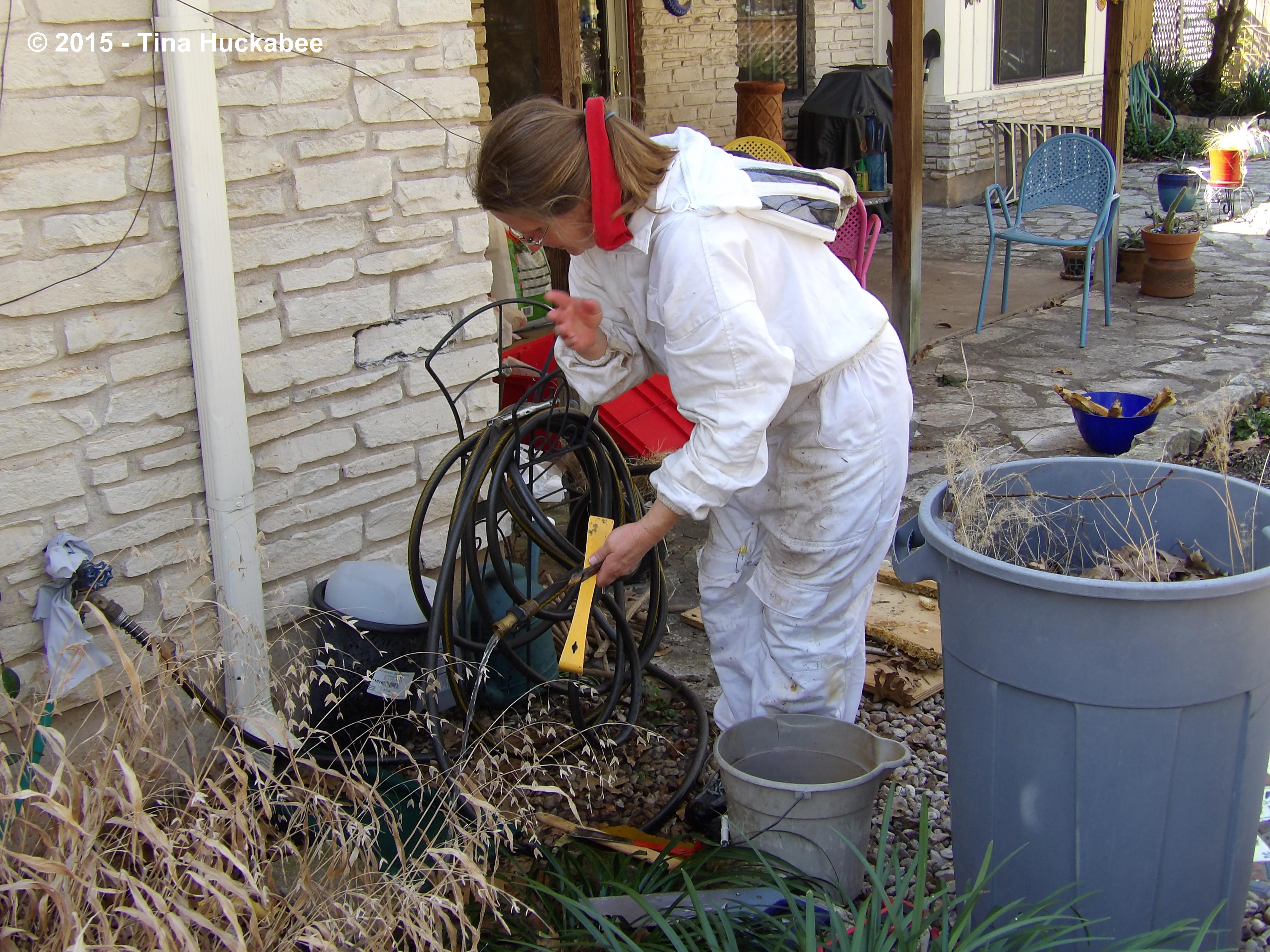
One of the best parts of checking the hives is that Bee Daddy always cleans our bee tools afterwards!

Isn’t that nice? Now for those dinner dishes….
Wishing the the girls a good August: success in foraging, in egg laying, and the raising of a new generation of bees and in the continued dissipation (dare I say eradication?) of the small hive beetle infestation.
If you live in or near Austin, The Tour de Hives will be held this coming Saturday, August 15. The tour of local bee yards is in celebration of National Honey Bee Day and is a fundraiser for the Travis County Beekeepers Association, a nonprofit organization committed to promotion of and education about honeybees. Check out the links for more information.