Not that I need an excuse to extol the virtues of utilizing Texas native plants in the home garden, but this week, October 16-22, is the official week to celebrate our beautiful native plants here in Texas. So, here goes!
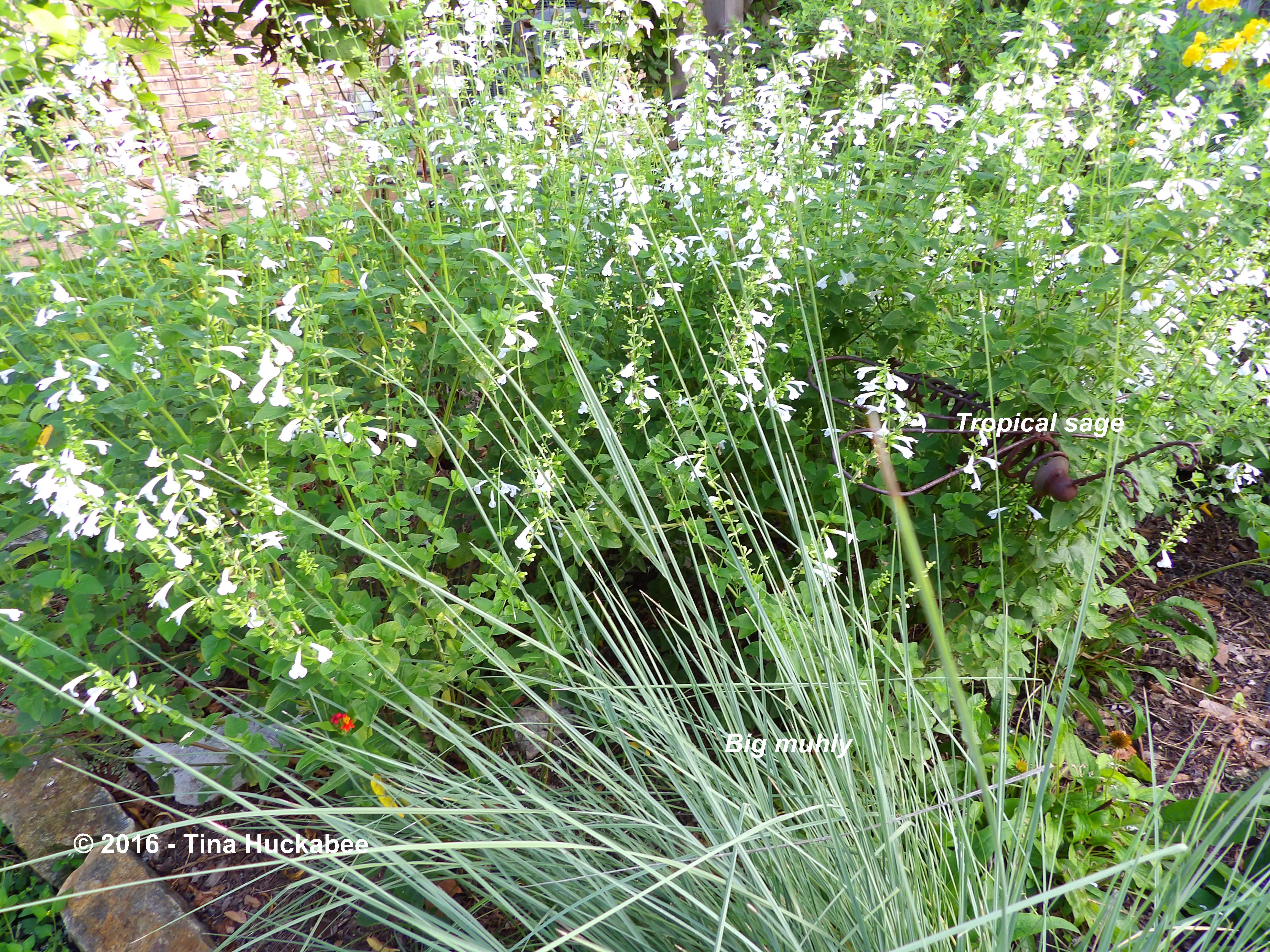
White tropical sage (Salvia coccinea) with Big muhly (Muhlenbergia lindheimeri)
I’ve gardened with native plants for more than 20 years.

Gregg’s mistflower (Conoclinium greggii)
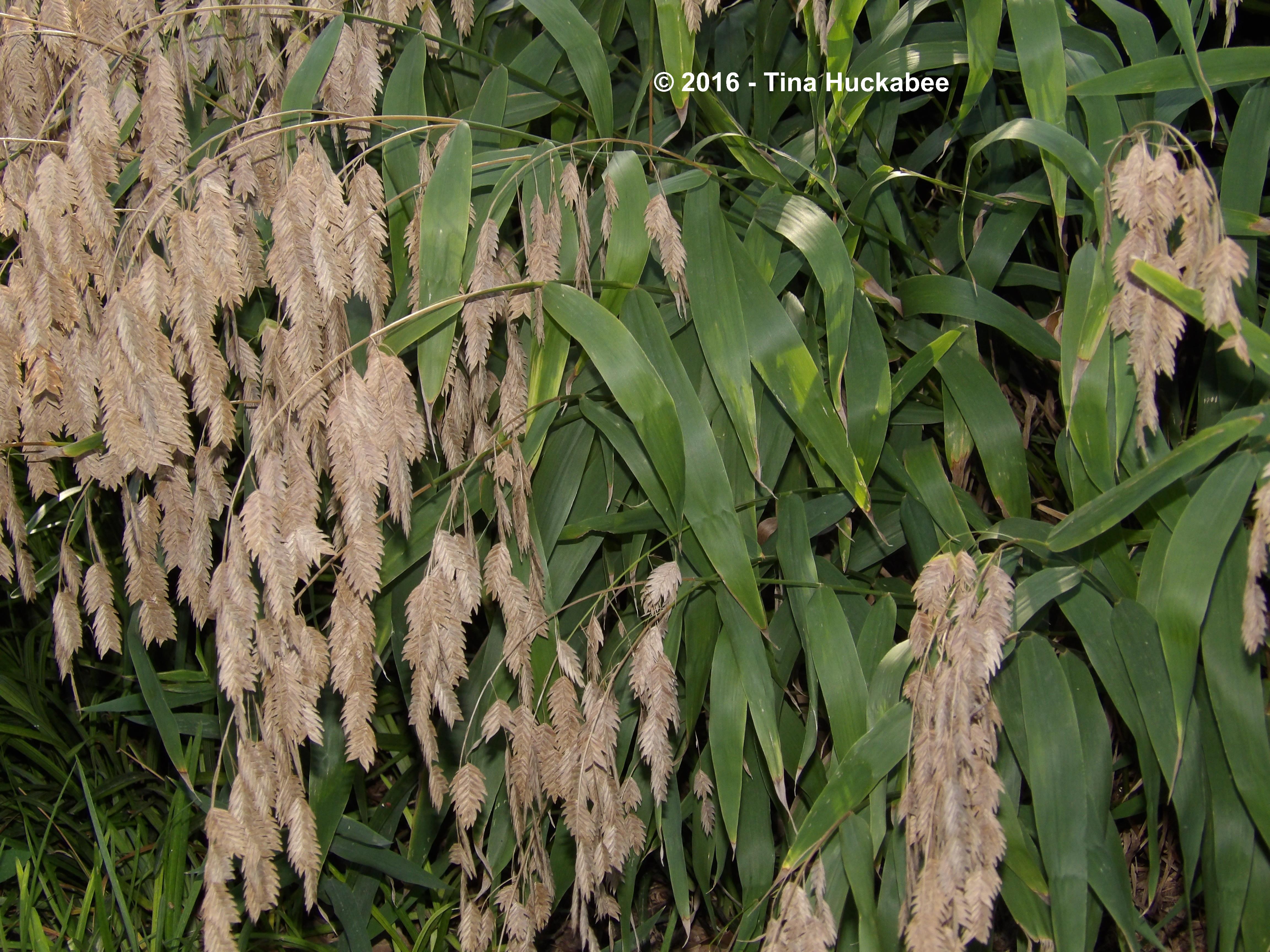
Inland sea oats (Chasmanthium latifolium), in autumn
And why not? They’re easy to grow, with minimal effort in maintenance and watering.
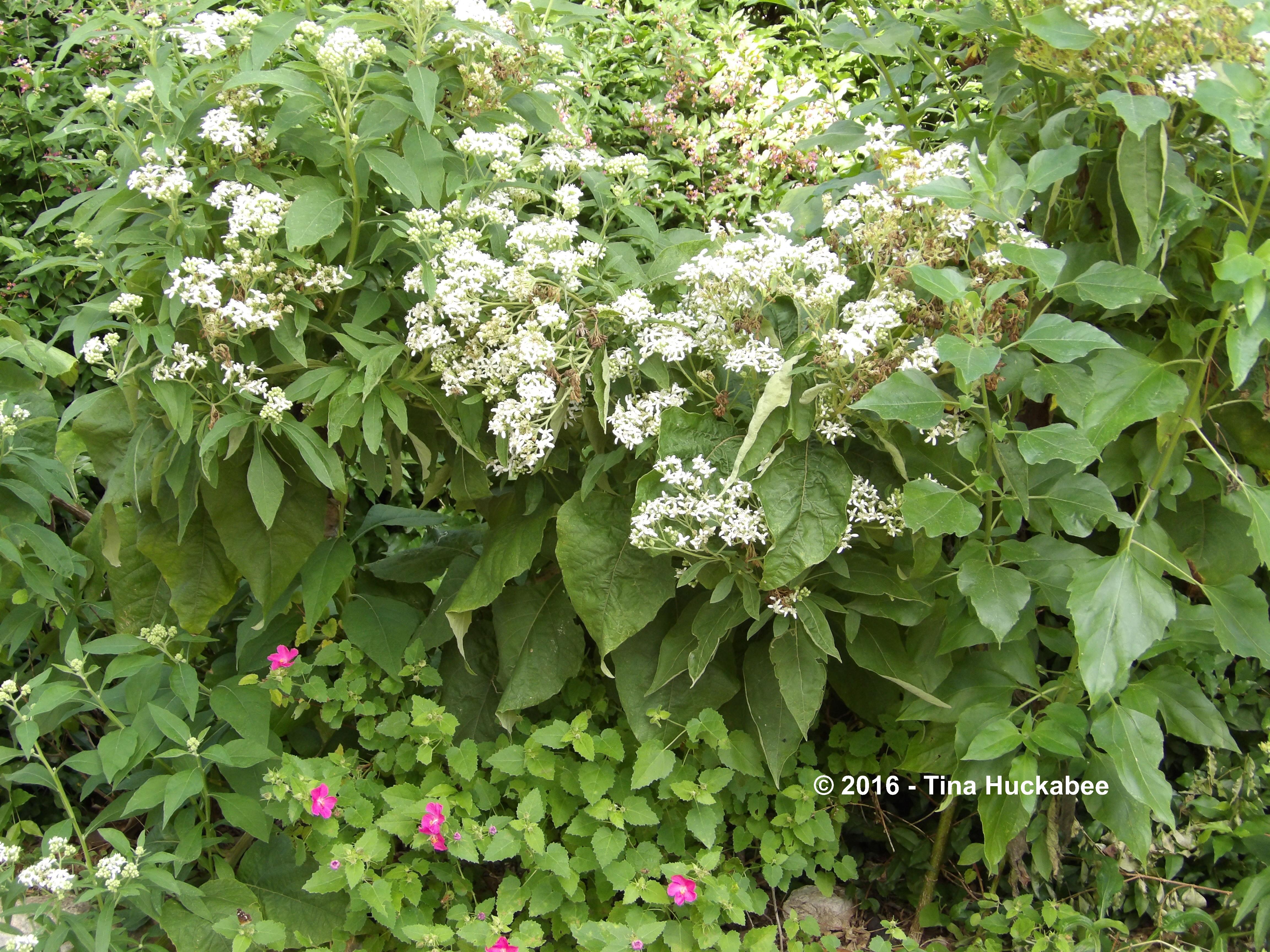
Frostweed (Verbesina virginica) and Rock rose (Pavonia lasiopetala)
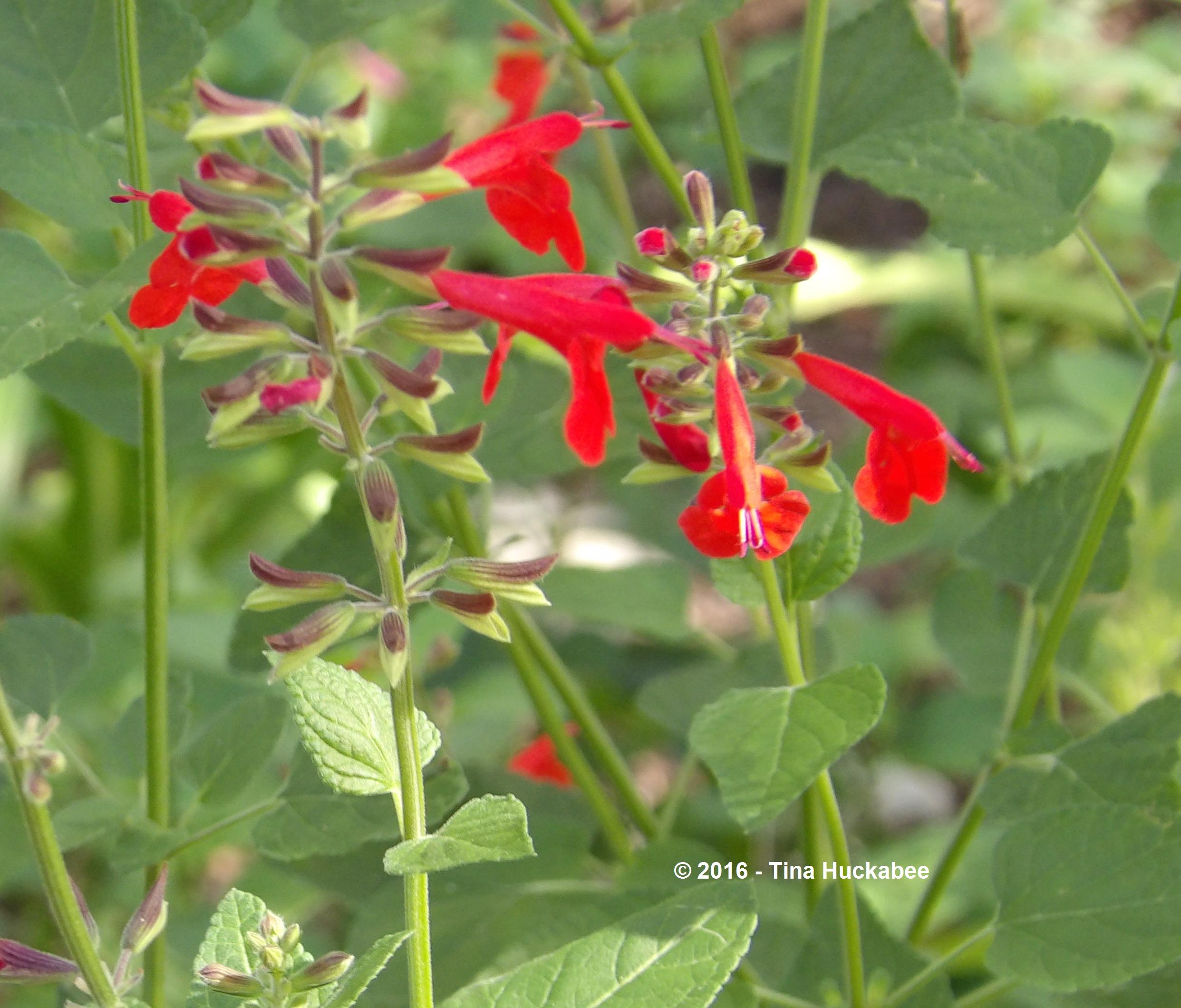
Red tropical sage (Salvia coccinea)
Plus, they’re lovely.
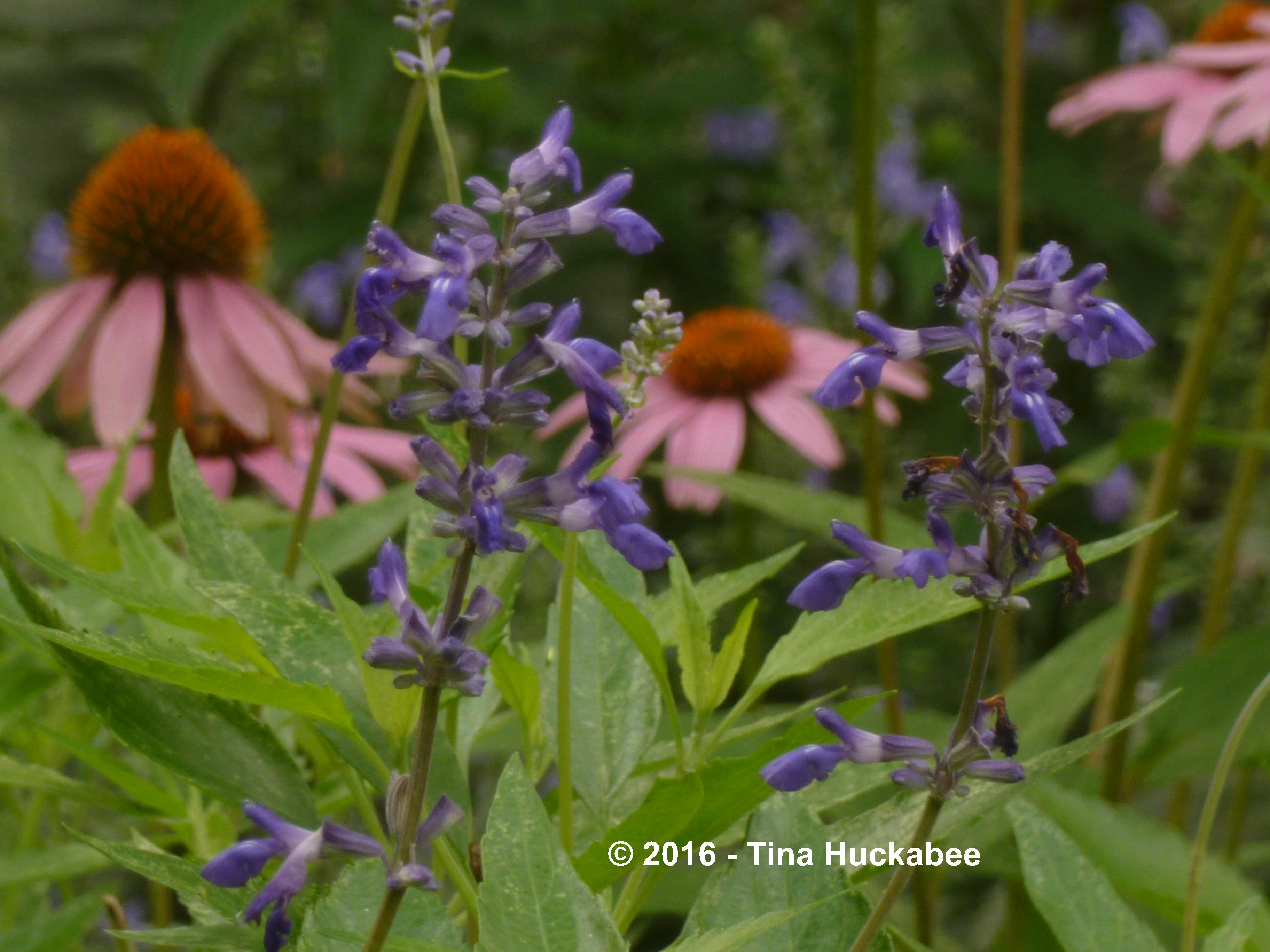
Henry Duelberg Sage (Salvia farinacea ‘Henry Duelberg’) with Purple coneflowers (Echinacea purpurea)

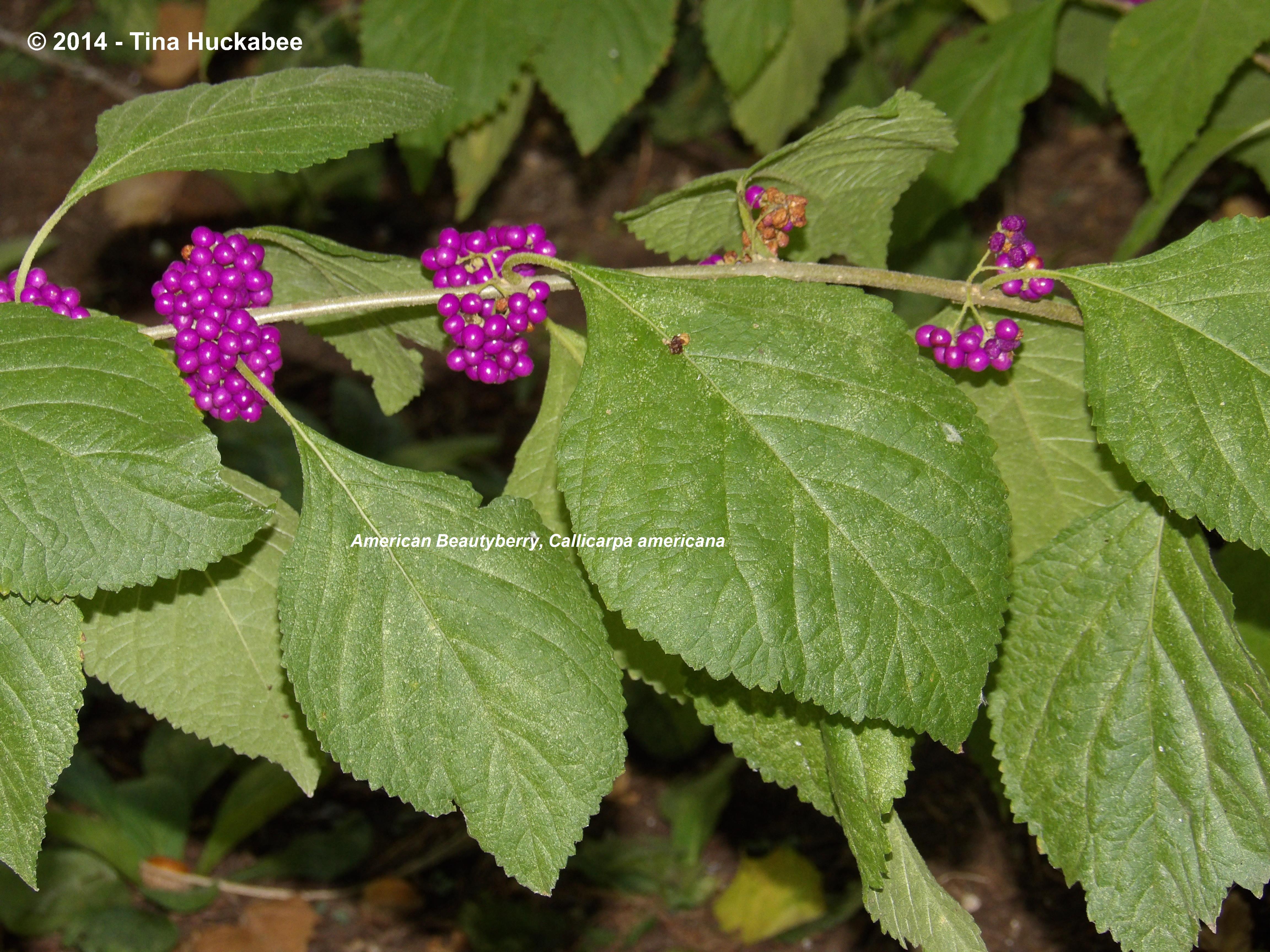
American beautyberry (Callicarpa americana)

Lindheimer’s senna (Senna lindheimeriana) and Frostweed
Throughout North America (and probably, most parts of the world) native plants and the wildlife relying on them, are declining due to habitat destruction, the proliferation of invasive plants, widespread use of chemicals in industrial agriculture and urban gardens, and the changing climate.
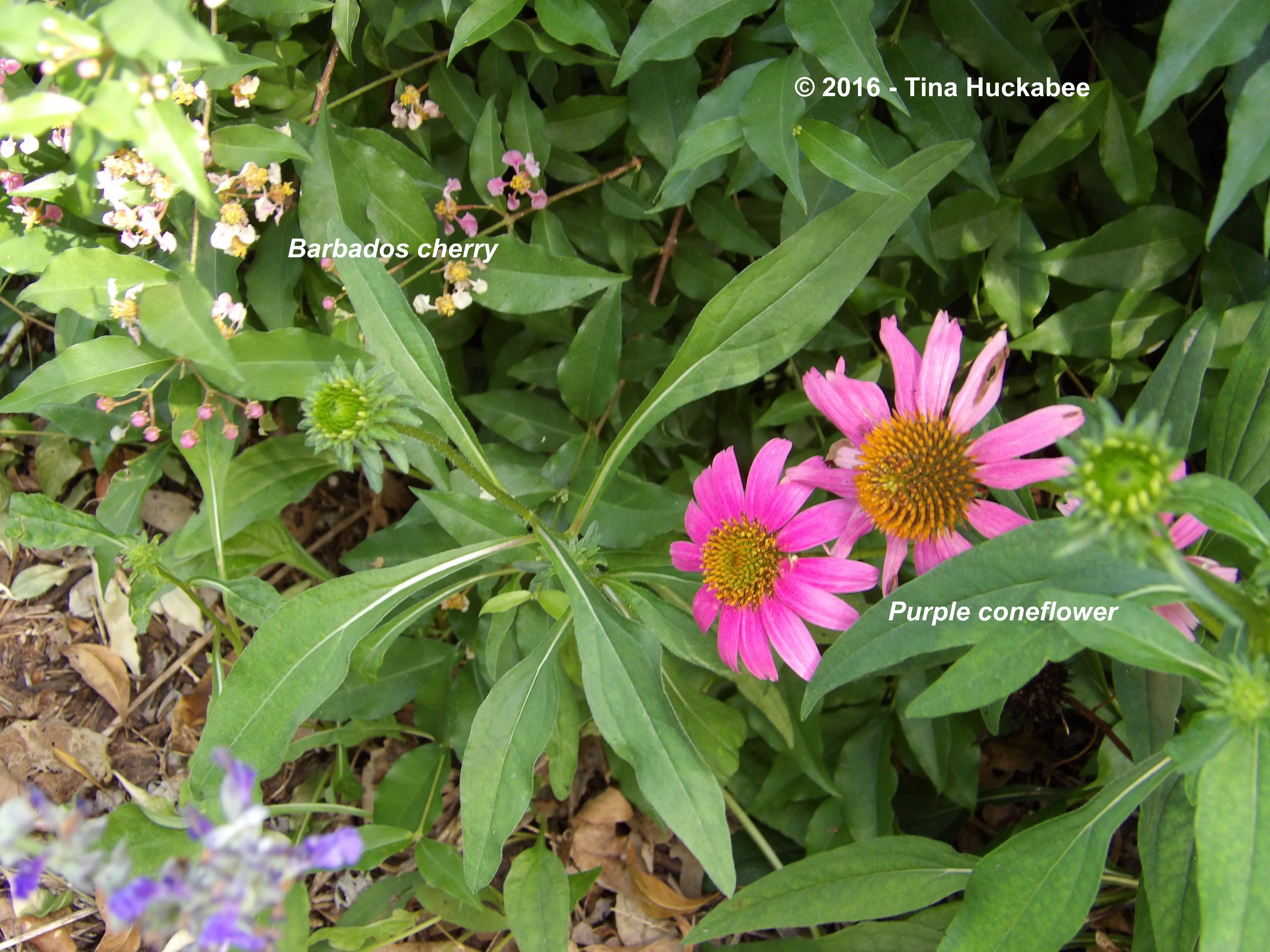
Barbados Cherry (Malpighia glabra) and Purple coneflower (Echinacea purpurea)

Pigeonberry (Rivina humilis)
The individual gardener can’t solve all of those issues, nor completely reverse the damage done by decades of inappropriate land management, but we can do our part to repair the world in our own outdoor spaces. One real way to heal the Earth and provide for its inhabitants is by growing native plants.

Frostweed with nectaring honeybees, Texan Crescent and Grey Hairstreak butterflies

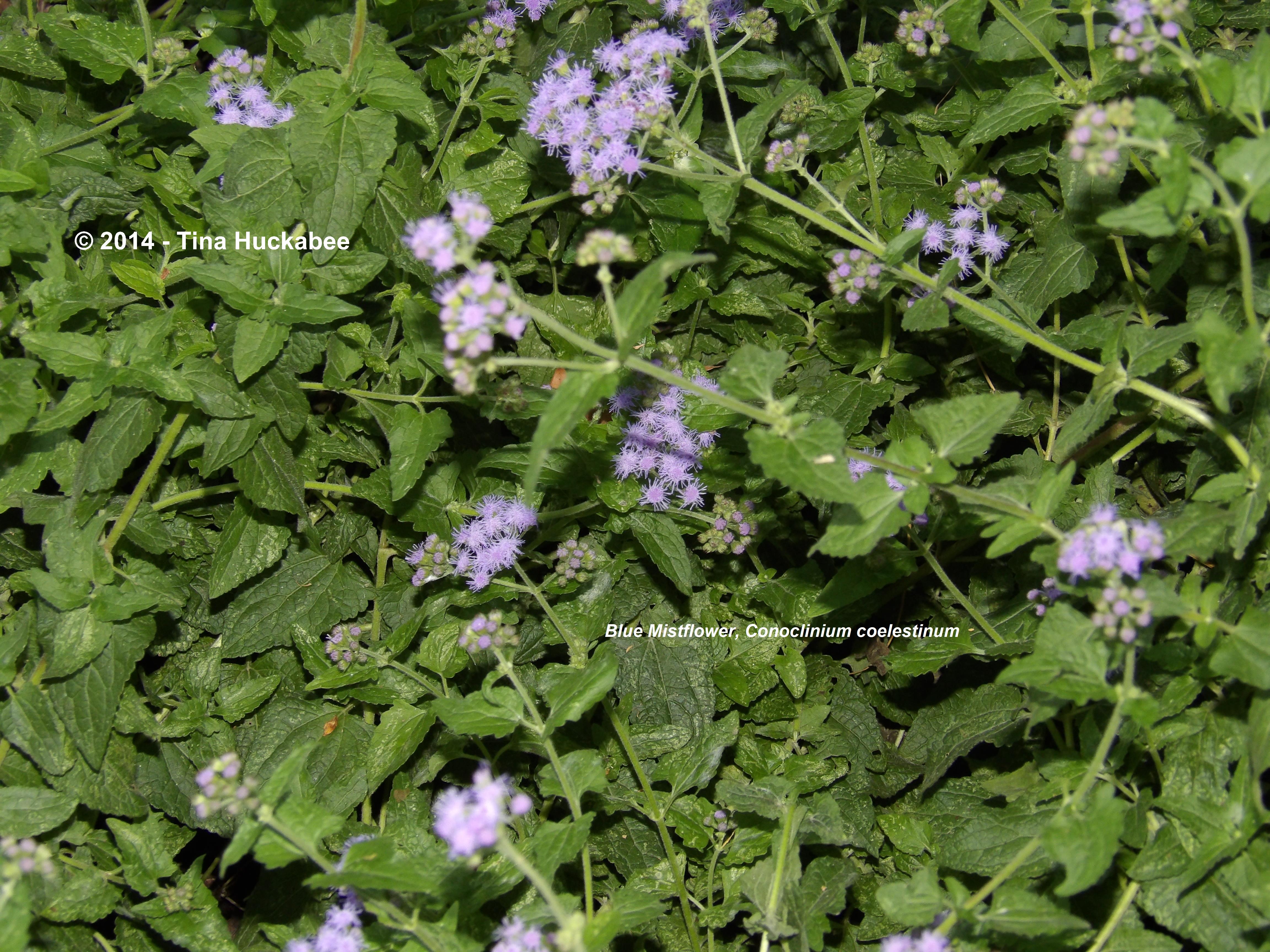
Texas Crescent butterflies on Blue mistflower (Conoclinium coelestinum)
Planting native trees, perennials, grasses, and annuals provides habitat required for wildlife to exist and beauty for the gardener to enjoy.

Honeybee on Rock rose (Pavonia lasiopetala)

Green anole lizard on foliage of Frostweed (Verbesina virginica)
Once native plants are in play, it’s remarkable how interesting the garden becomes.
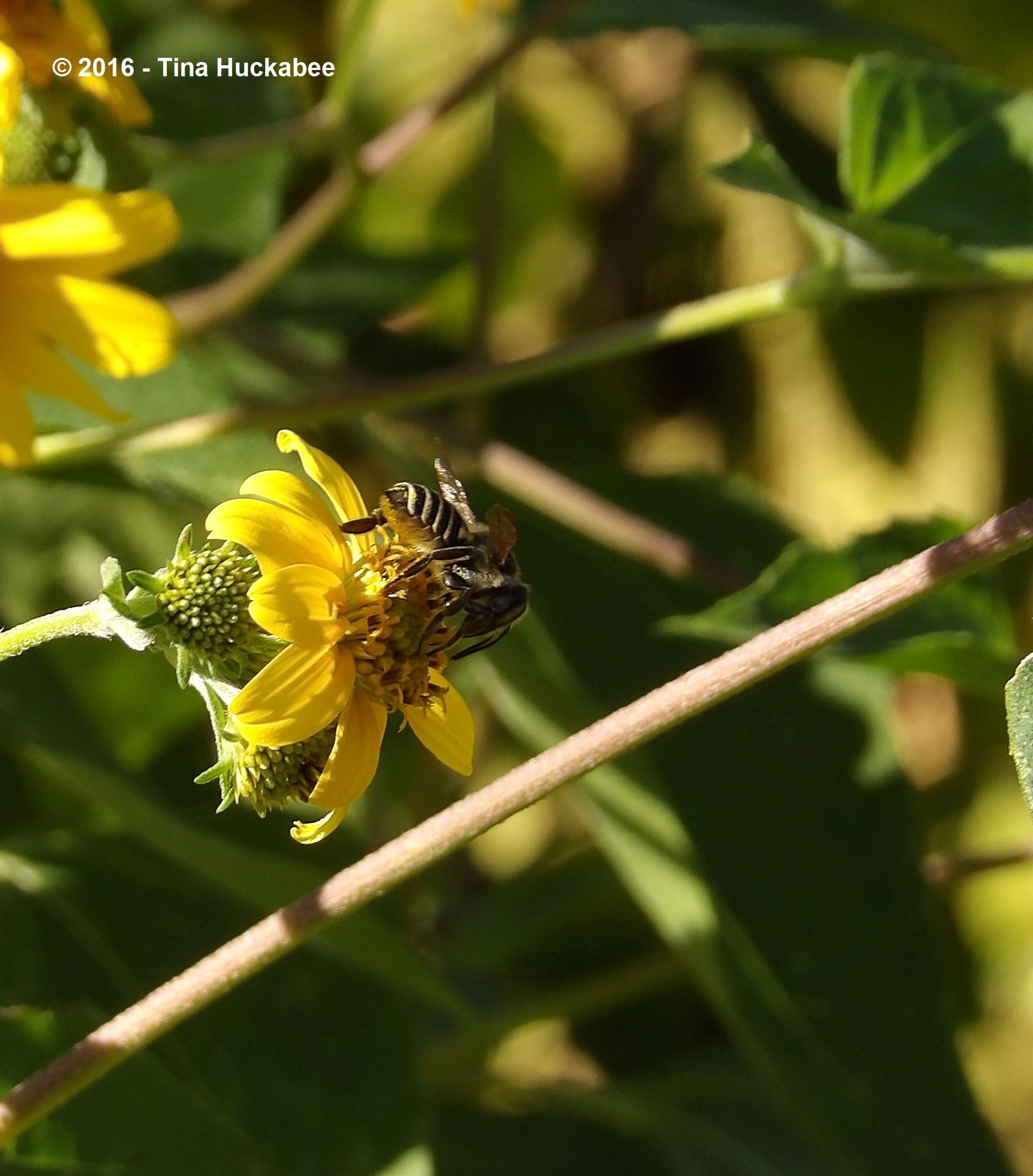
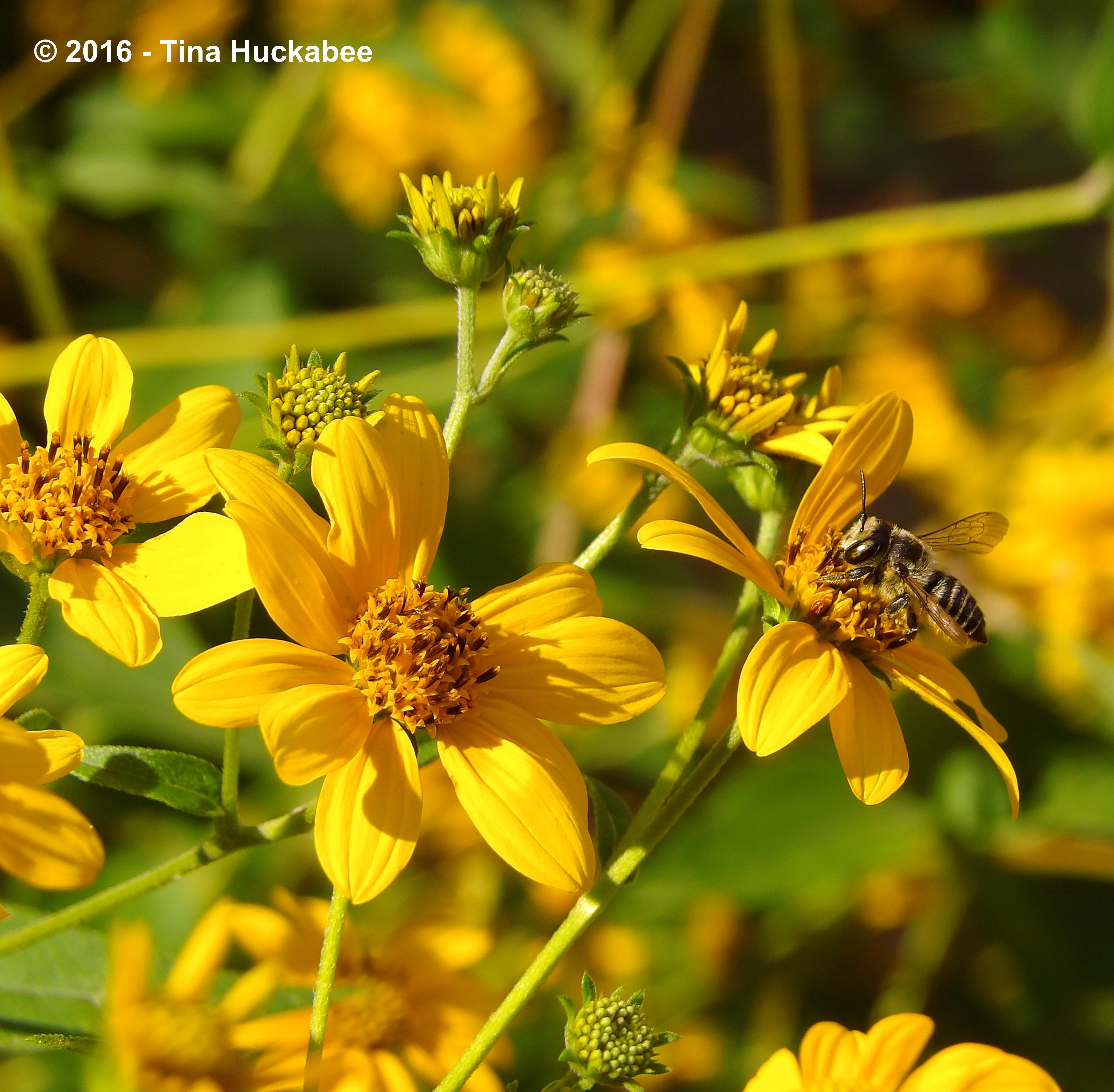
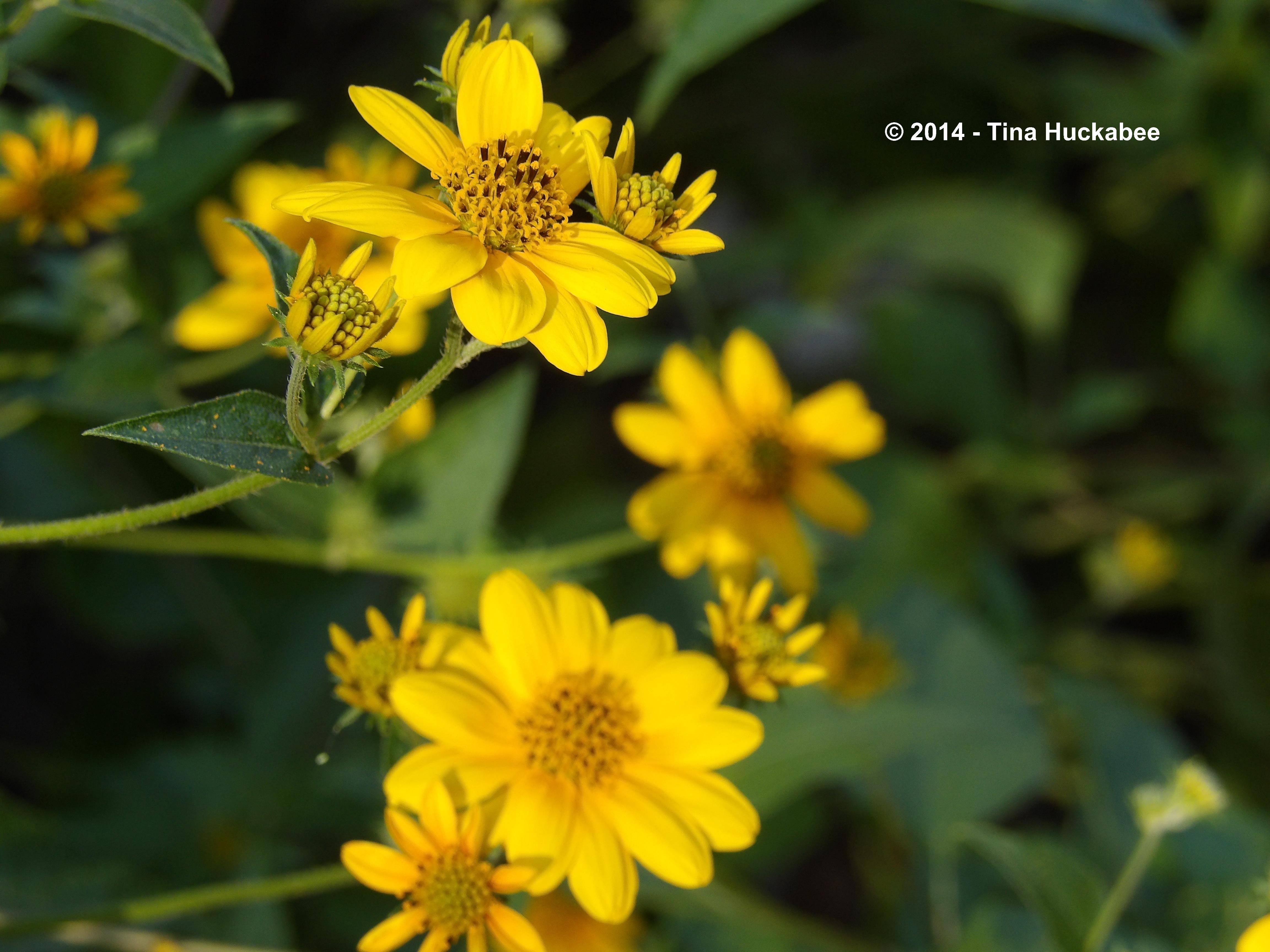
Native bee (Megachile, Leafcutter ssp?) on Plateau goldeneye (Viguiera dentata)
Endemic wildlife–pollinators, birds, reptiles, and other critters–can’t thrive in the typical American landscape of sterile, mono-culture turf–there’s nothing for them to eat, nor refuge for raising young. But when native plants are grown, a diversity of wildlife results because wildlife native to a specific region shares biological synchronicity with plants from that region. Plants are certainly pretty enough, but when clouds of butterflies are in the garden, or the sweet songs of birds are a constant, you know that you’ve hit the true native plants sweet spot: the garden is living and alive, which is what a garden should be.

Yellow bells (Tacoma stans)

Honeybee on Frostweed (Verbesina virginica)
Are native plants free of work? No, like any worthwhile effort, self-education is a must and there will be some maintenance in a native plants garden. But eschewing the sterile lawn and needy exotic annuals and perennials in favor of regionally appropriate native plants with their full palette of color and texture, inspires life and dynamism in the garden through seasonal change and accompanying wildlife.

Red yucca (Hesperaloe parviflora)

American beautyberry (Callicarpa americana)
In some communities, it’s challenging to find native plants for purchase, but more nurseries than ever are stocking natives because consumers are demanding them. Utilizing online nurseries for seed purchases, involvement in local native plant societies for information and plant/seed exchanges, and perusing gardening blogs and related websites, as well as studying books on plants and design basics, are good places to begin learning about the value, beauty, and how-tos of growing and gardening with native plants. Check out the Garden Resources section of this blog for a by-no-means comprehensive list of websites useful for learning about native plants, wildlife and water-wise gardening, and related subjects.

Big red sage (Salvia penstemonoides)

Inland sea oats (Chasmanthium latifolium) in early summer
Autumn in Texas, at least for the southern and eastern parts of the state, is a good time to plant native trees and perennials and to sow wildflower seeds. Winter is an excellent time to study garden design principles and plan for implementation for your new gardens, pathways, and sitting areas. Gardening is a process–a wandering path, if you will–and transformation from a turf-centered lawn to a living, blooming, berrying garden, takes time. You will make mistakes, but that’s how you learn. Take your time, connect with like-minded gardeners, and enjoy the native garden ride.

White tropical sage (Salvia coccinea)
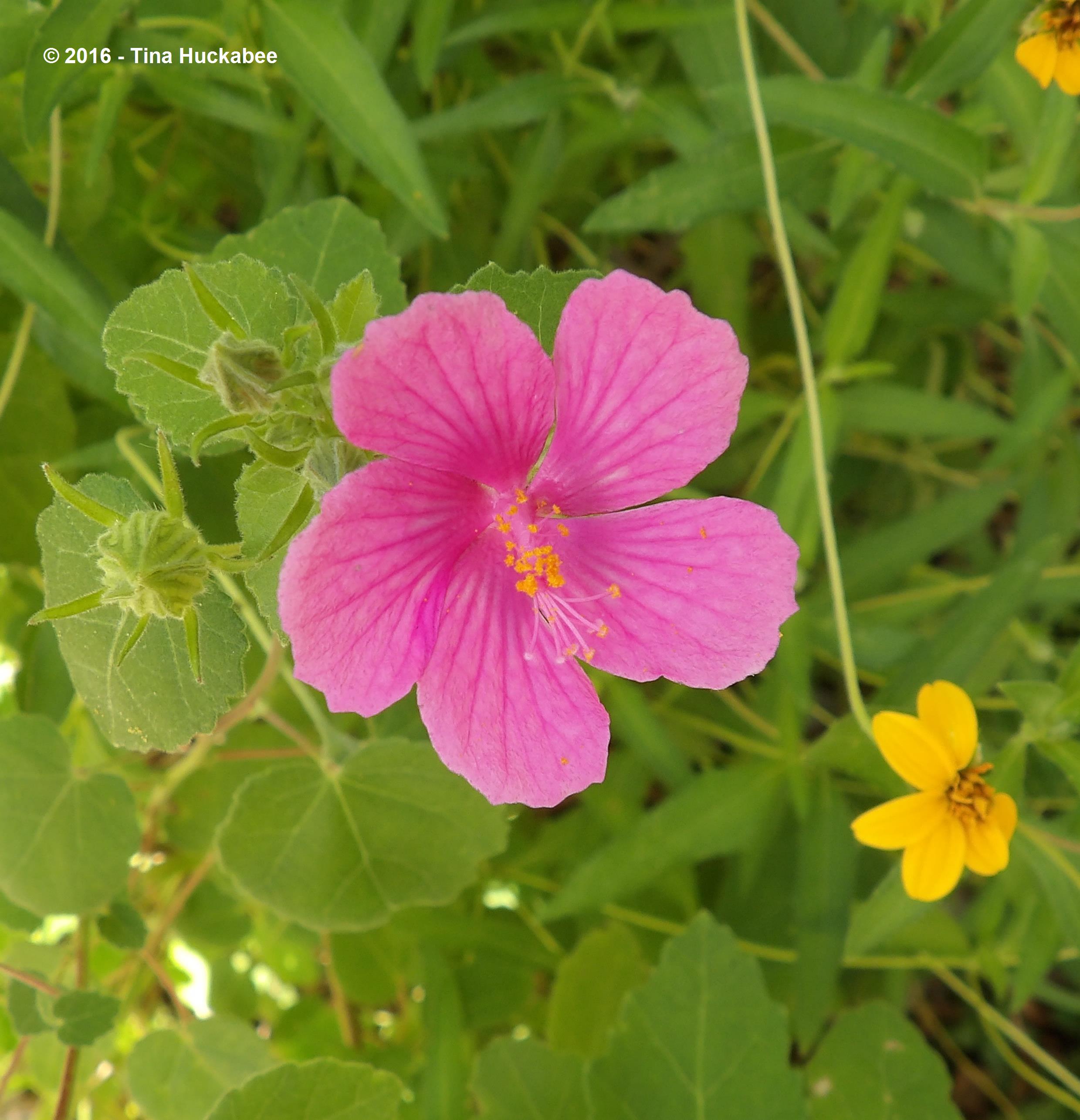
Rock rose with Zexmenia (Wedelia texana)
It can seem daunting to completely change the garden modus operandi by switching from a “traditional” high-maintenance, turf-loving landscape to one based on native plants. But even if you can’t convert your entire property to a native habitat, adding a pollinator garden or two, planting native shade trees, and/or native shrubs for birds, is a good start in moving toward a native landscape. You will see a difference almost immediately as you add native plants to your property: there will be color and life and it’s likely that you won’t spend as much time working in the garden as you do enjoying the garden. Isn’t that what a garden should be?

Texas Crescent butterfly on Blue mistflower
So, go native! Plant native! Celebrate Texas native plants–this week, and for months and years to come!

Big muhly (Muhlenbergia lindheimeri) with blooming Plateau goldeneye








 My Gardener Says...